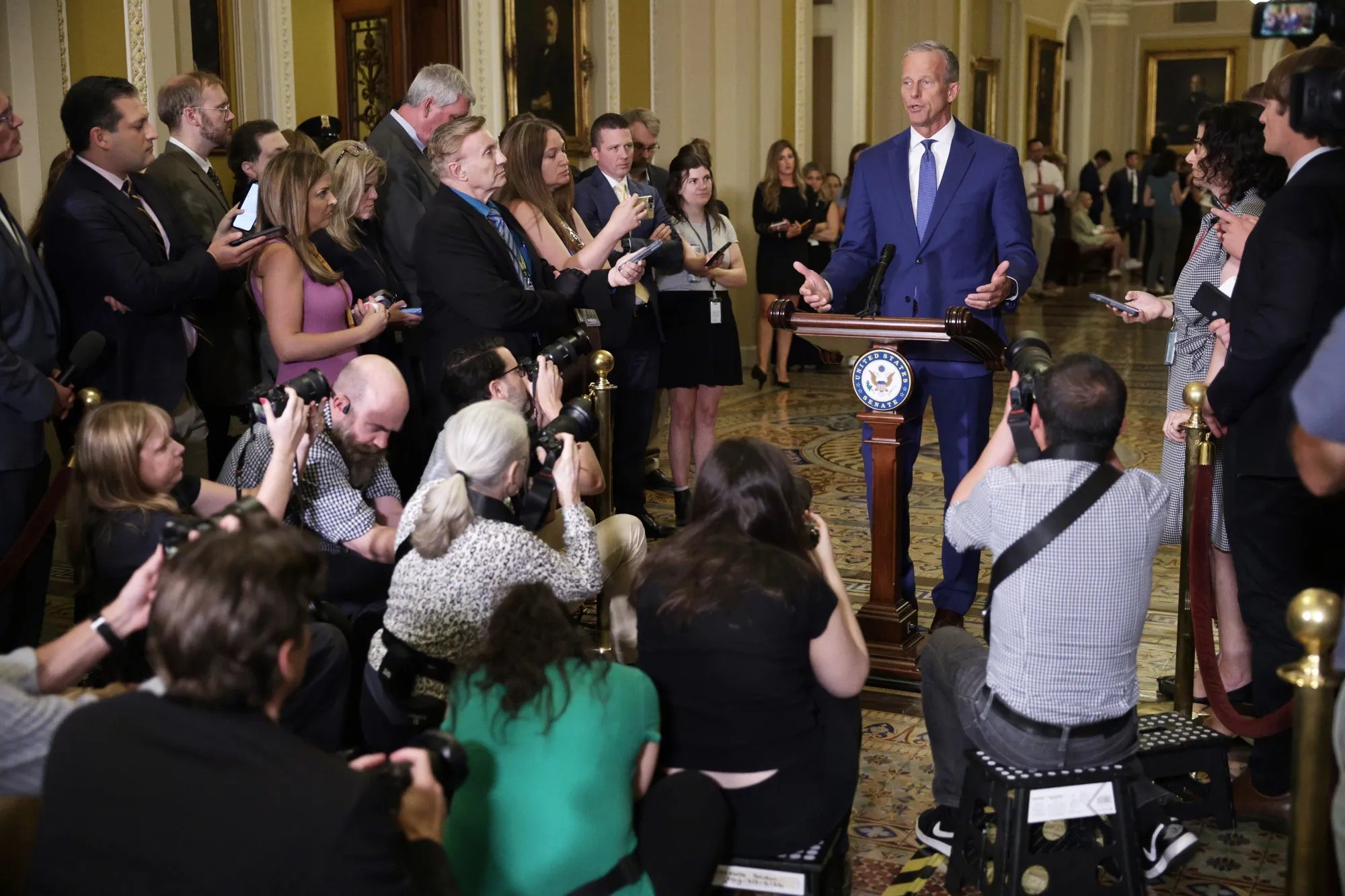
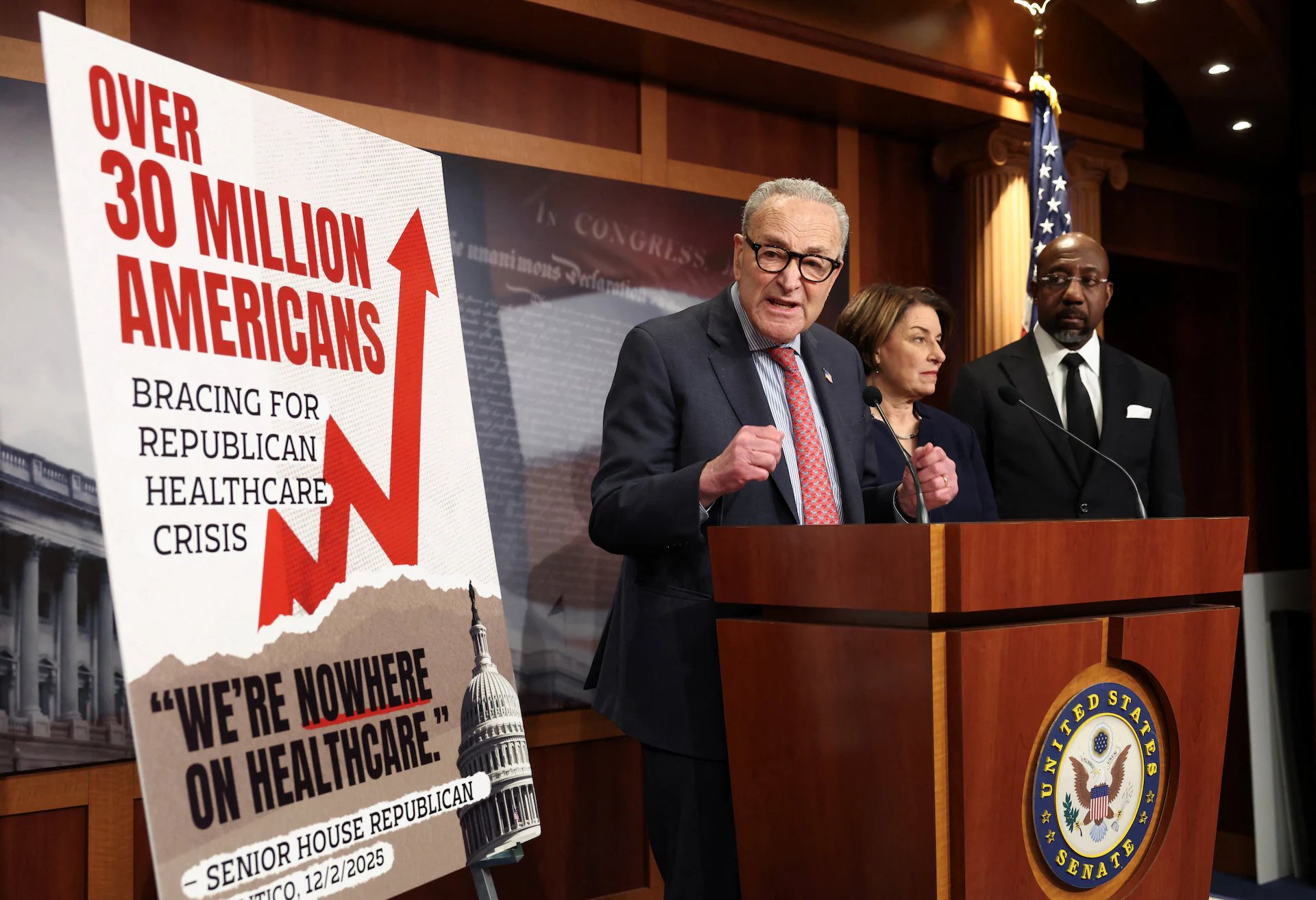
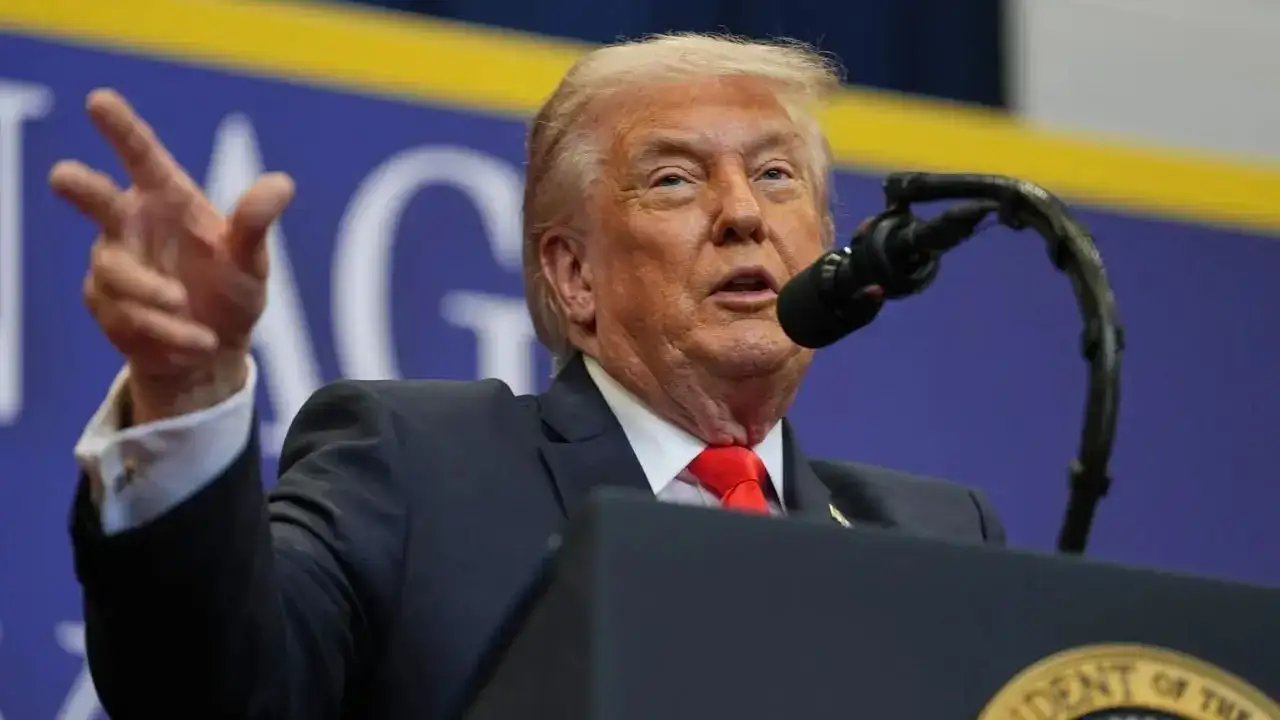
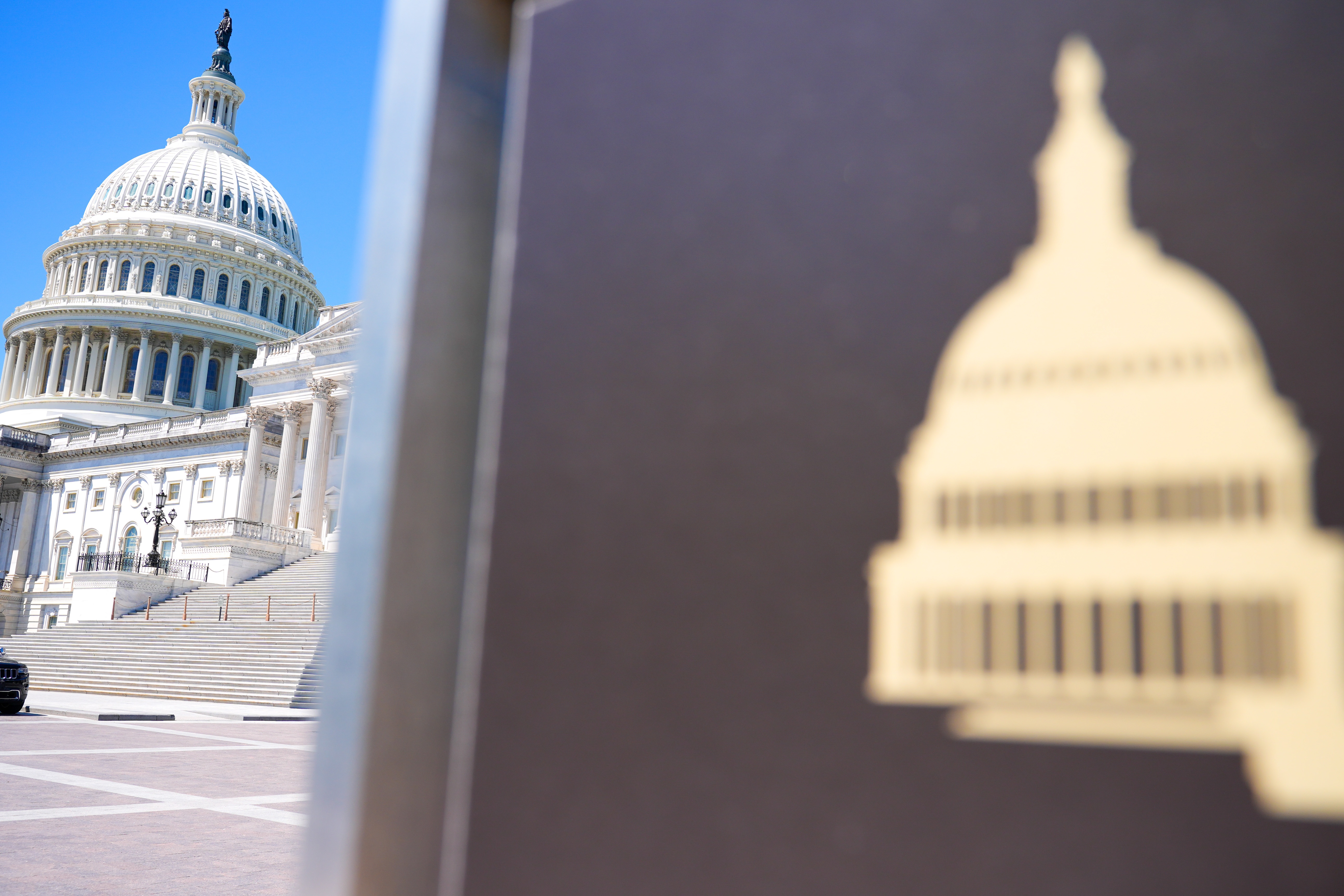
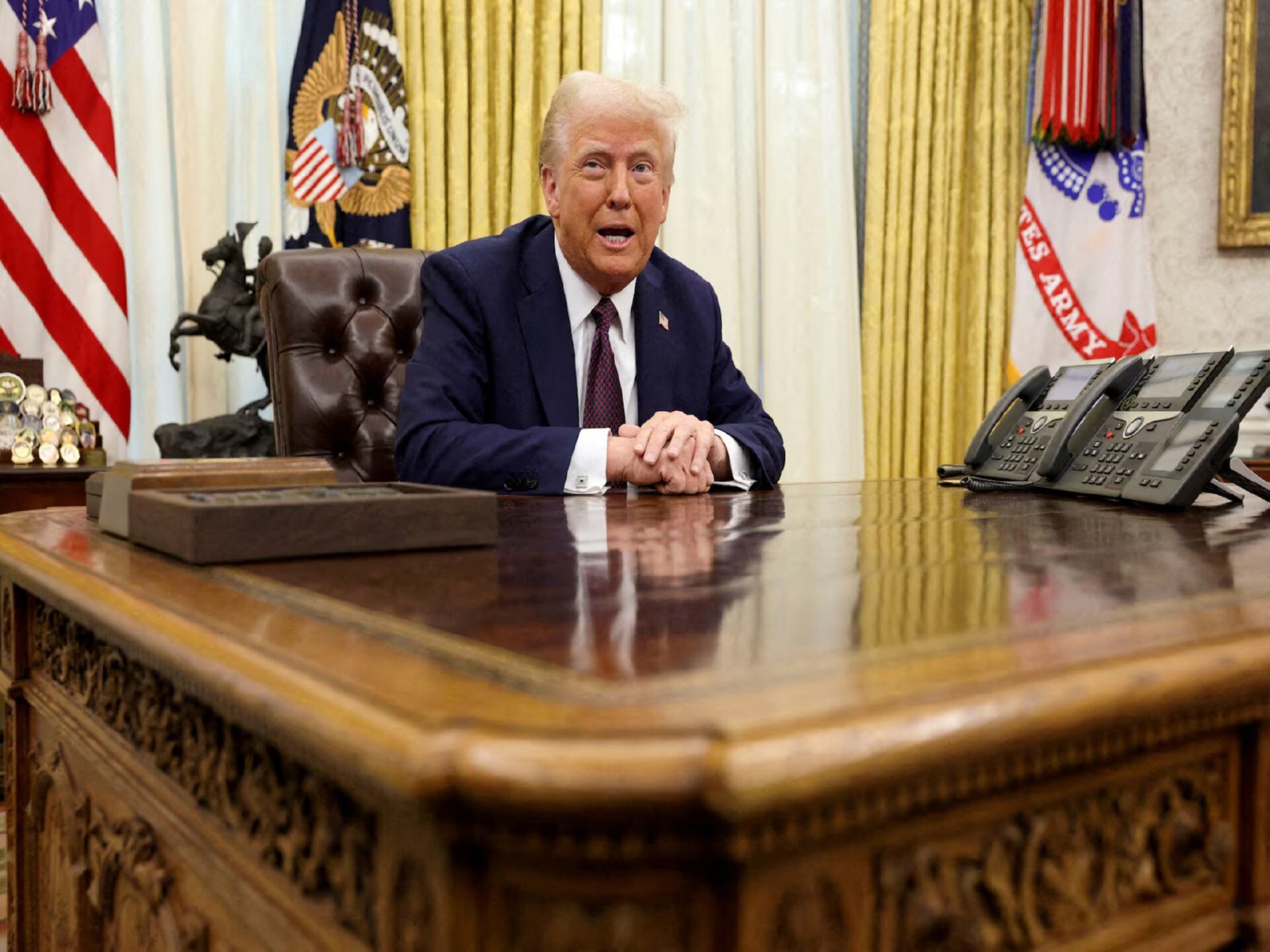
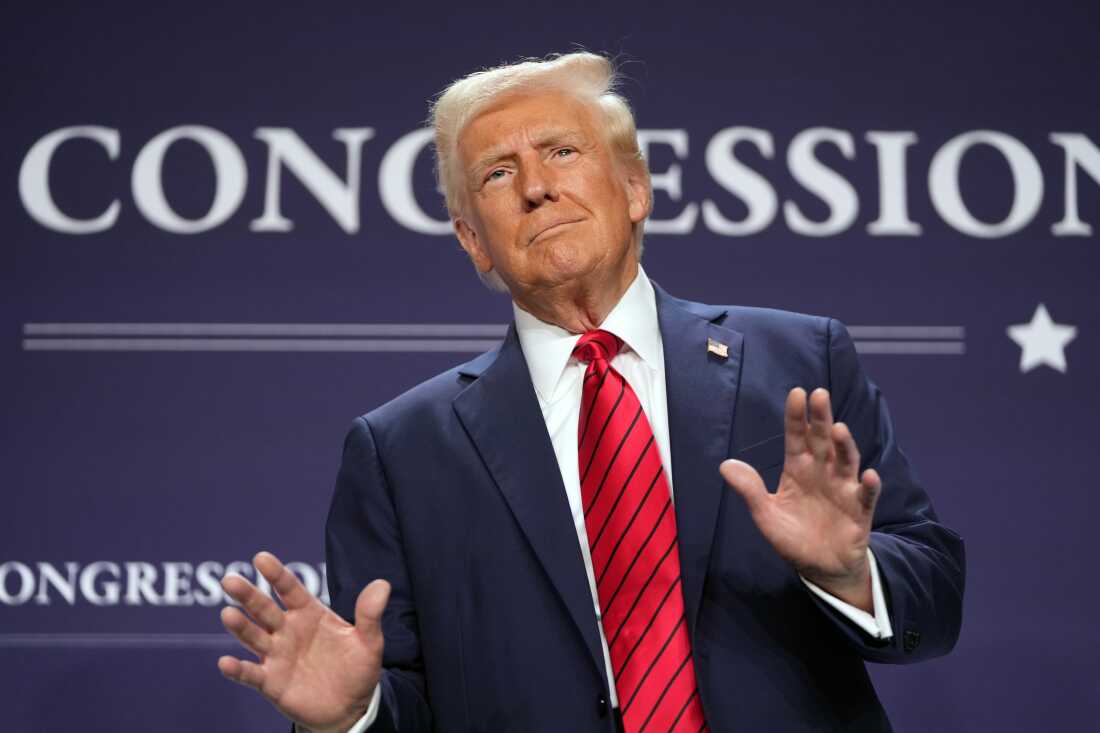
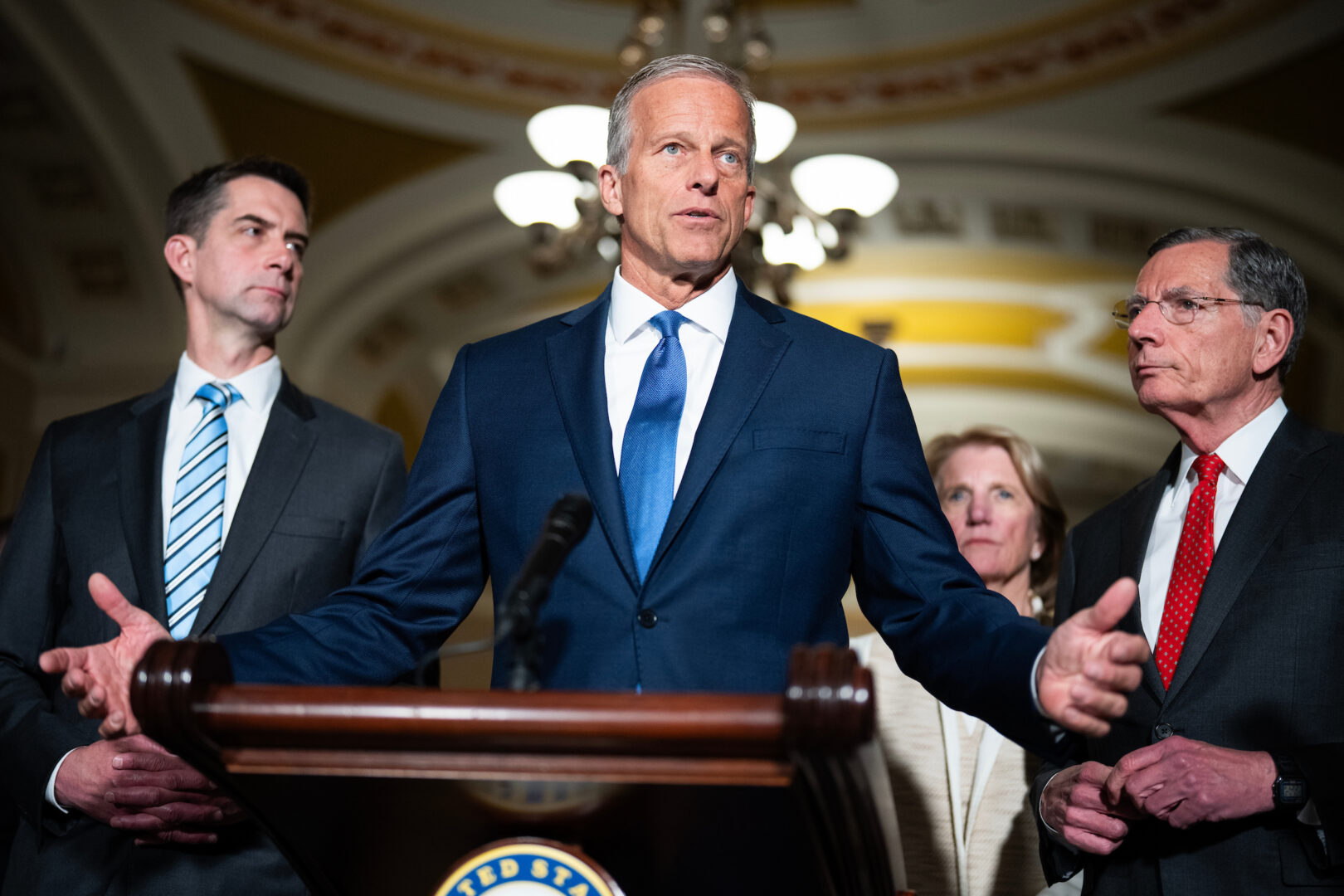
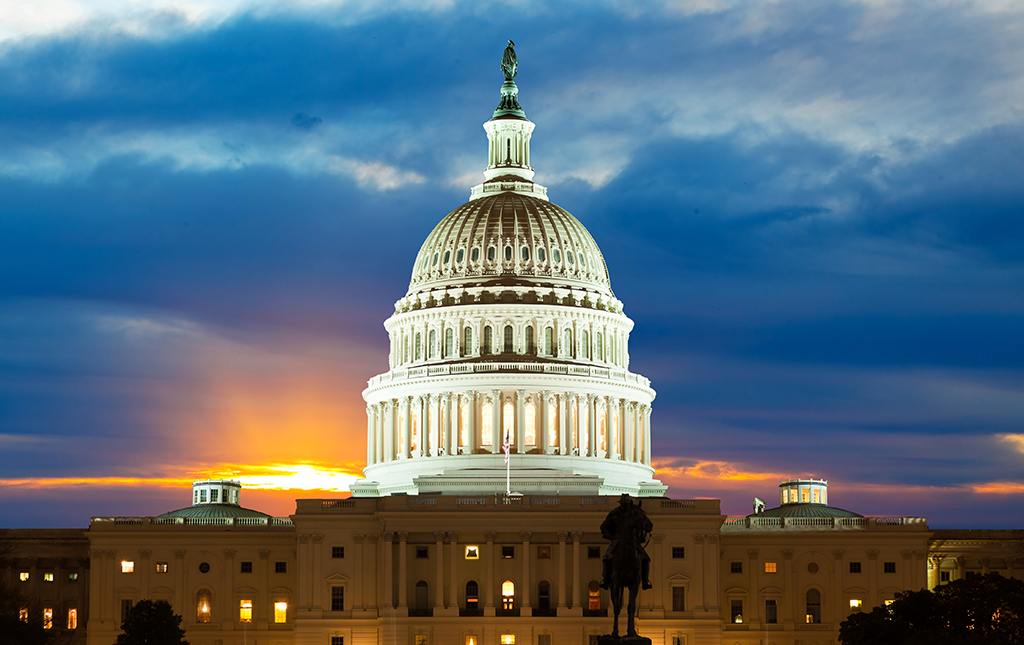
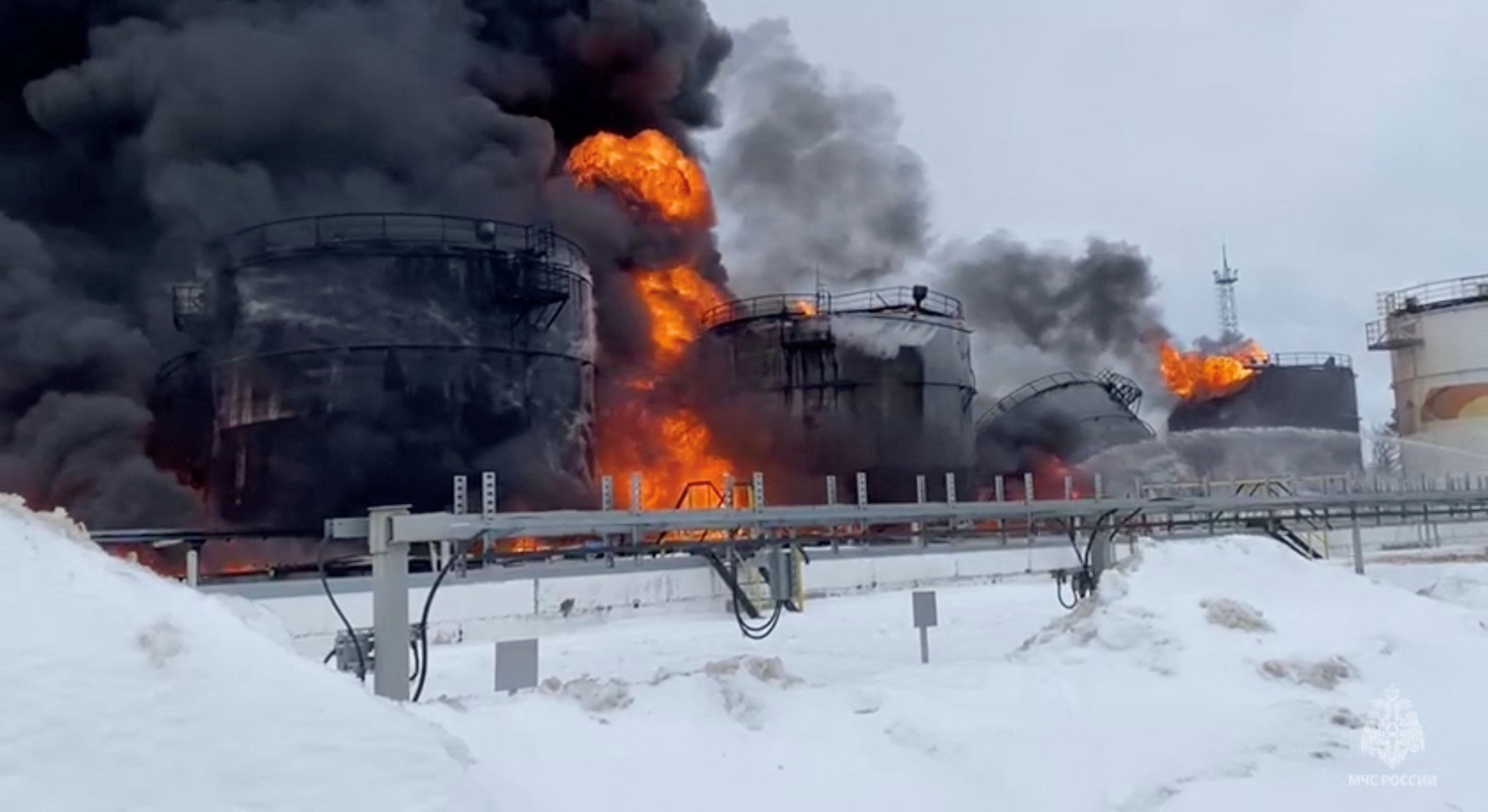
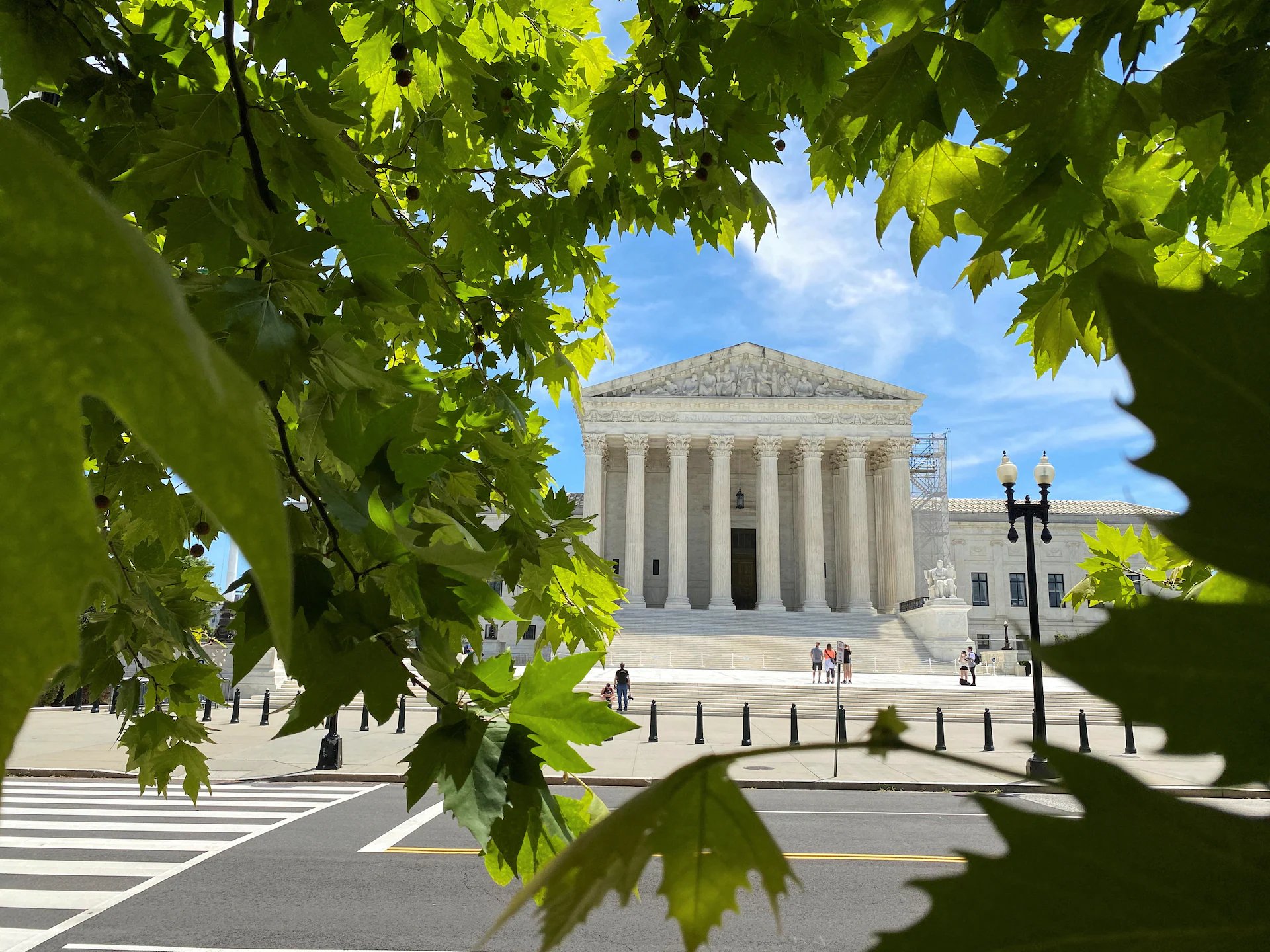
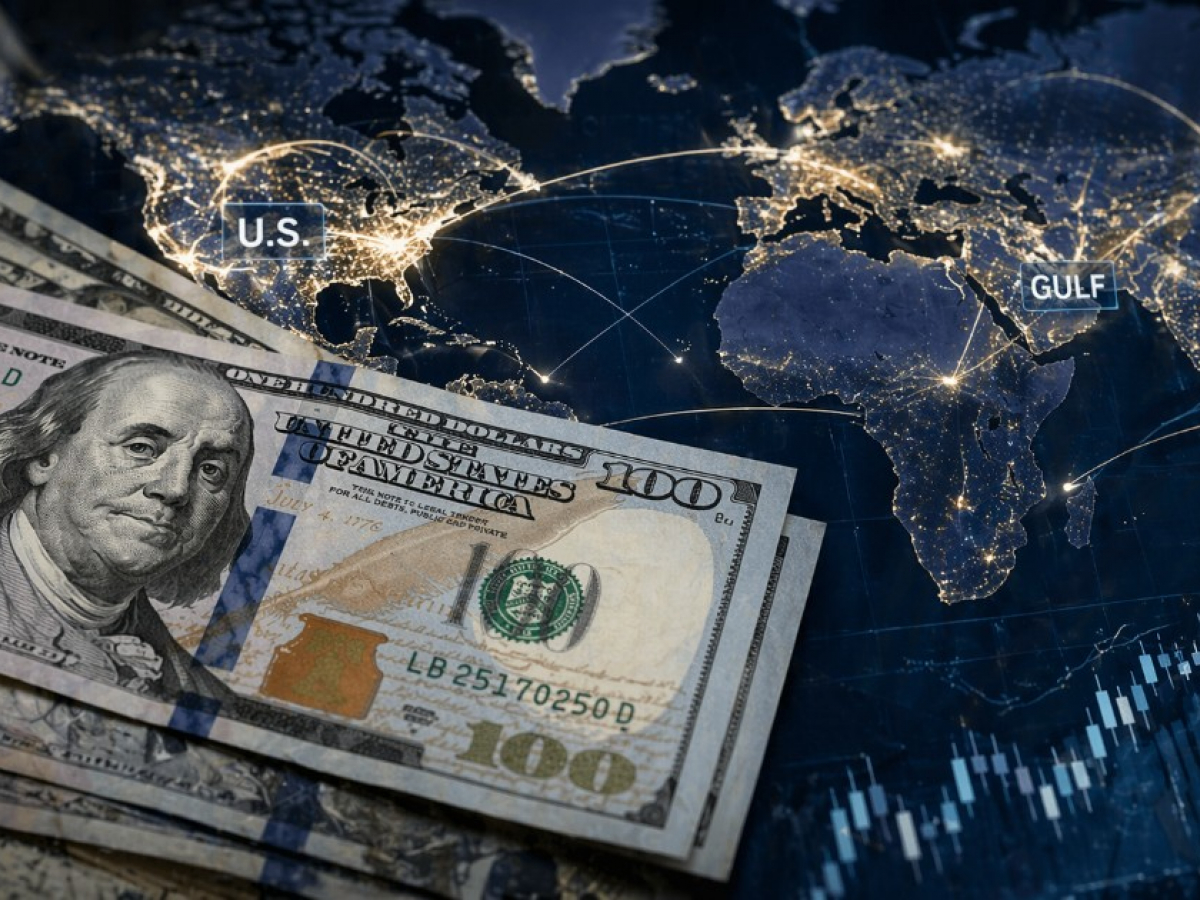
A group of senators including Ruben Gallego and Chuck Grassley introduced legislation to counter President Trump's move to ease sanctions on Russian oil. The bill, named No Oil Profits for Enemies, aims to restore congressional oversight of U.S. sanctions amid a global oil shortage.
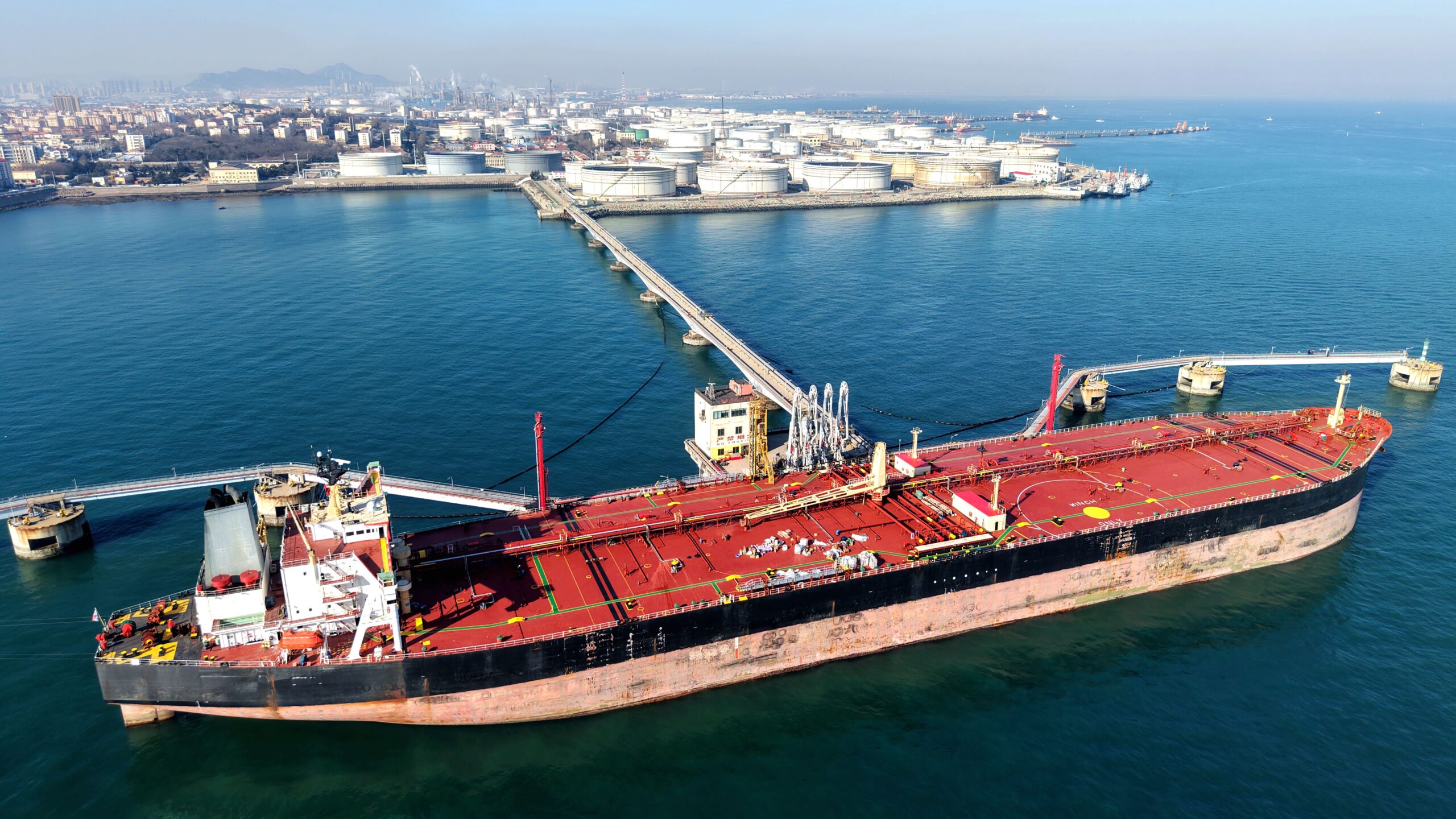
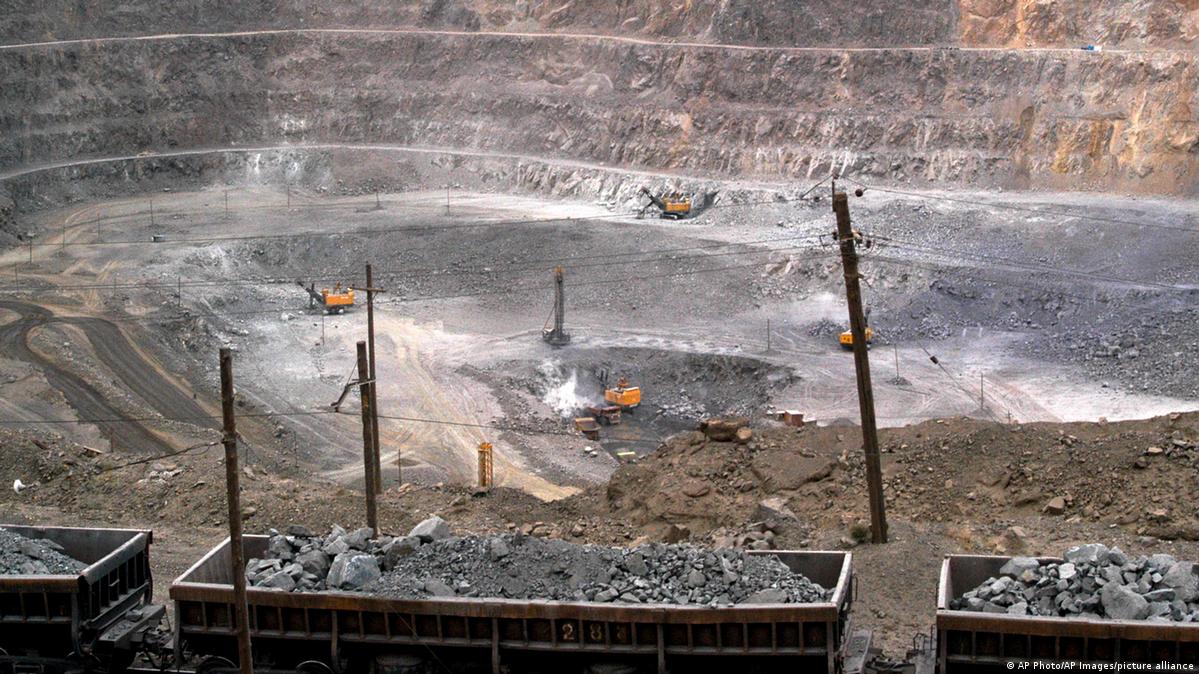
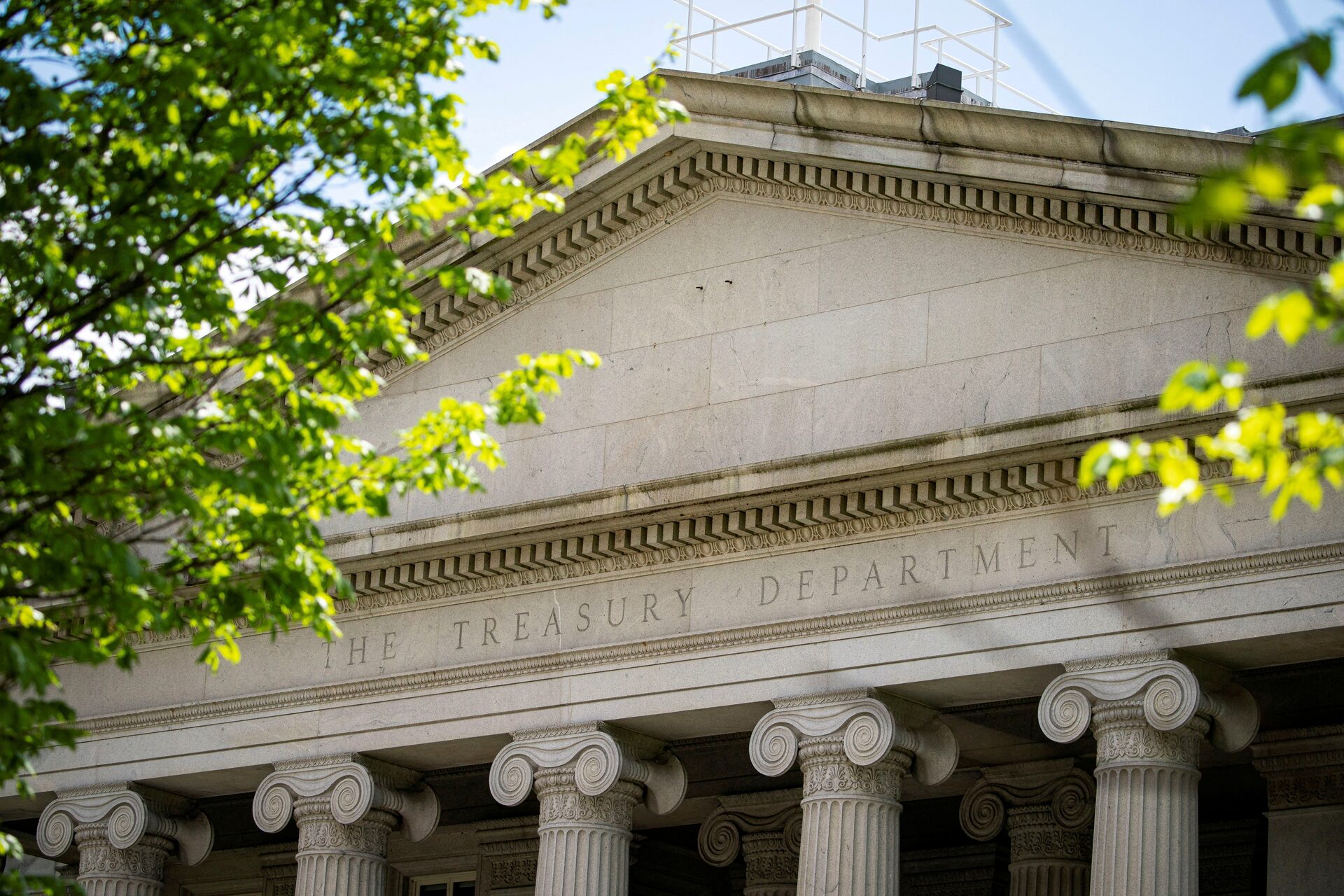
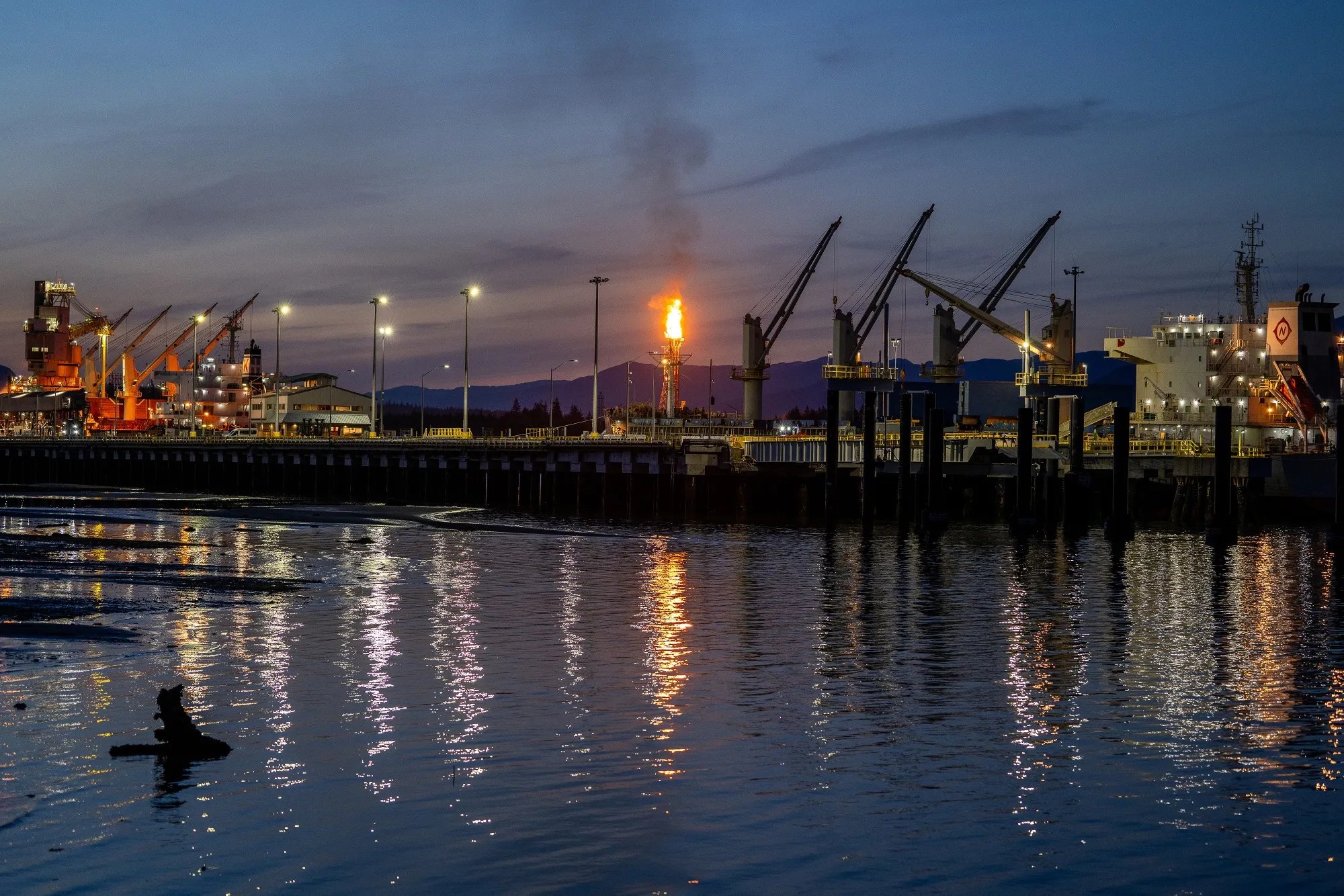
The U.S. Treasury recently sanctioned a Chinese refinery, Hengli Petrochemical, for purchasing Iranian oil and generating hundreds of millions of dollars for Iran's military. This step highlights broader U.S. efforts to enforce sanctions on oil from adversarial nations, similar to the push against Russia. European leaders, such as Dutch Prime Minister Rob Jetten, have defended allies like Spain amid U.S. tensions, showing how global alliances intersect with energy policies.
Trump's approach includes prioritizing domestic oil production and easing regulations, as seen in policies that leverage energy for global influence. Italian Prime Minister Giorgia Meloni called tensions between Washington and Madrid "not at all positive." She also denied the U.S. permission to use the Sigonella airbase in Sicily for military operations against Iran. Polish Prime Minister Donald Tusk questioned U.S. commitment to NATO allies, reflecting fears that such policies could expose nations to risks from expansionist powers.
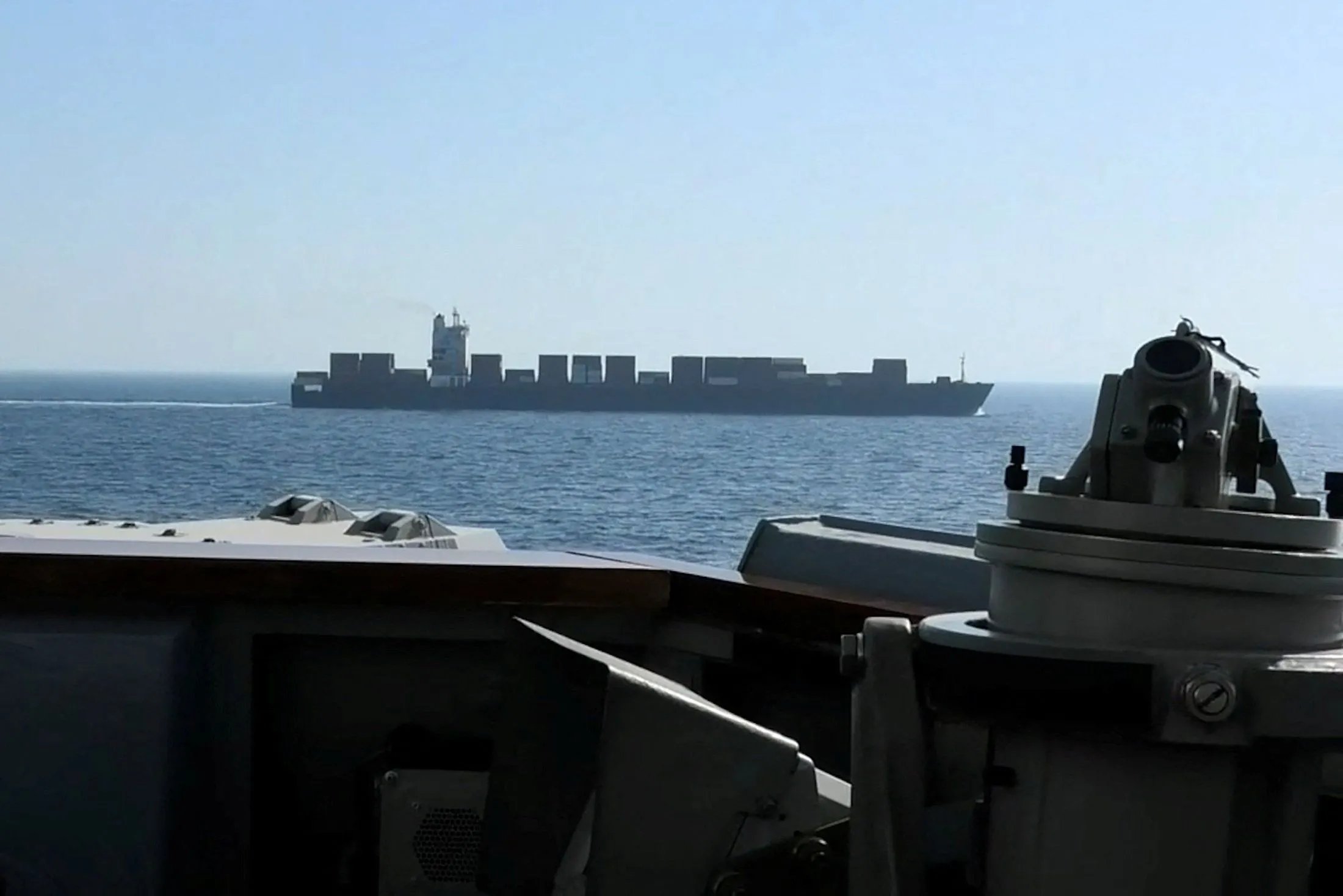
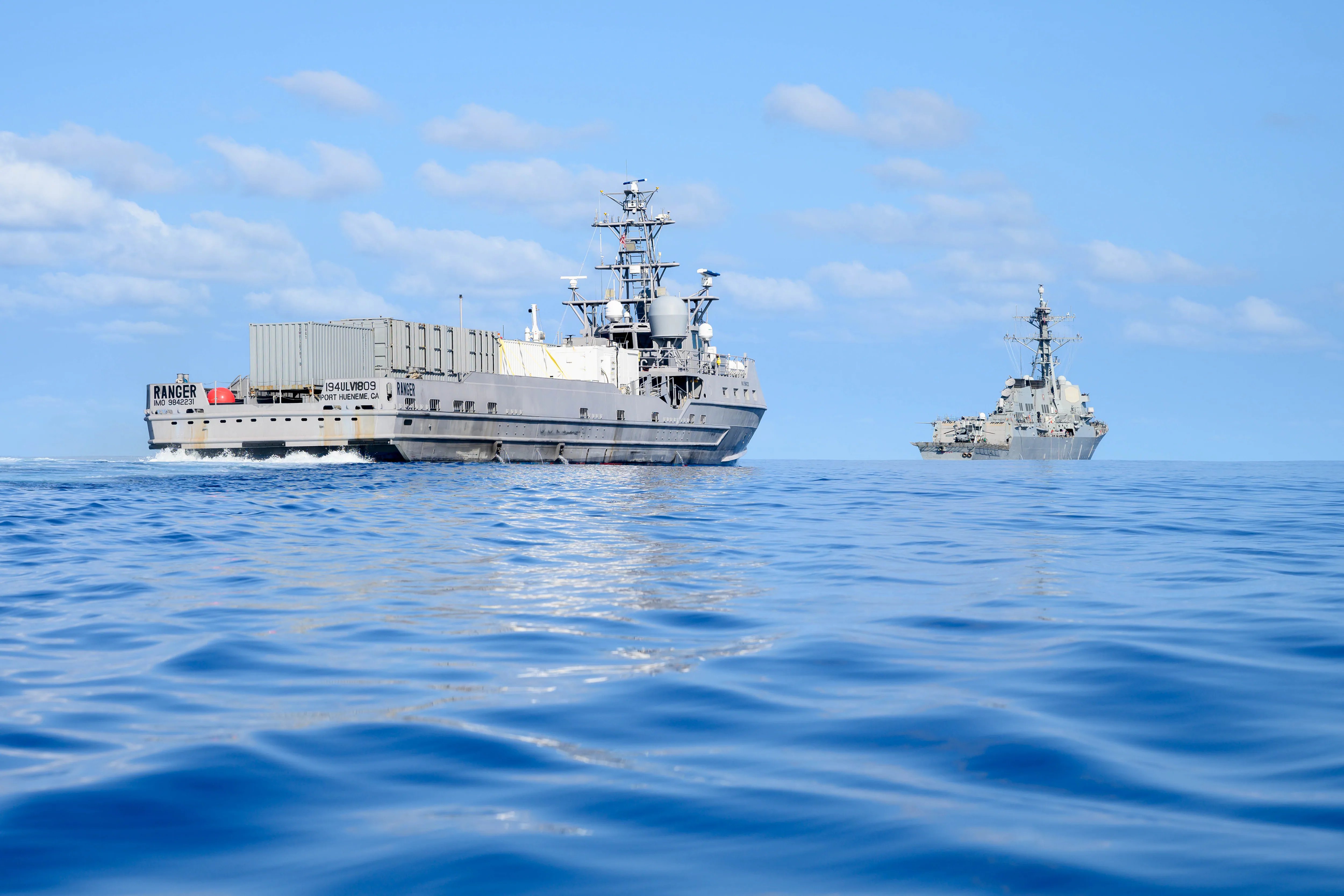
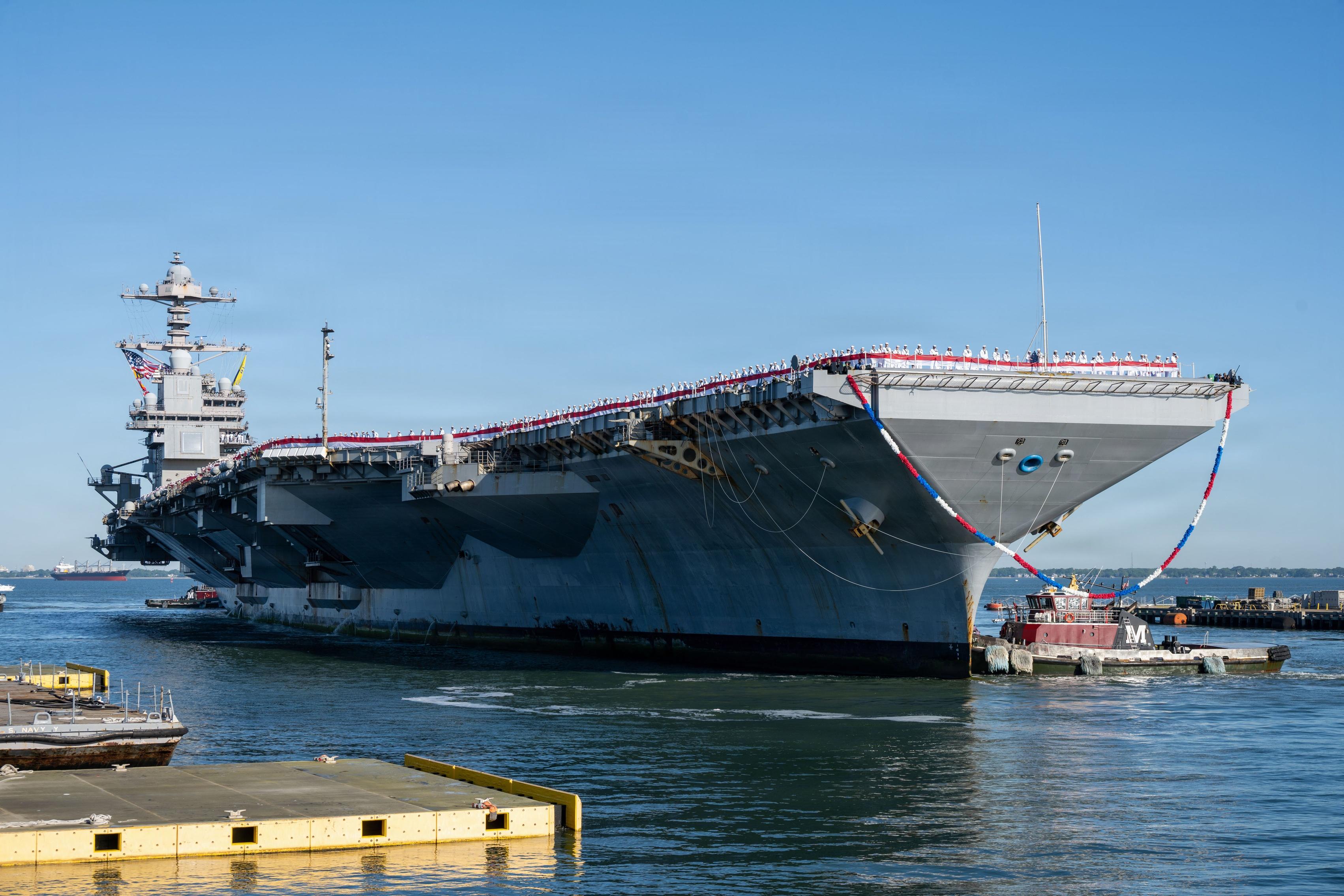
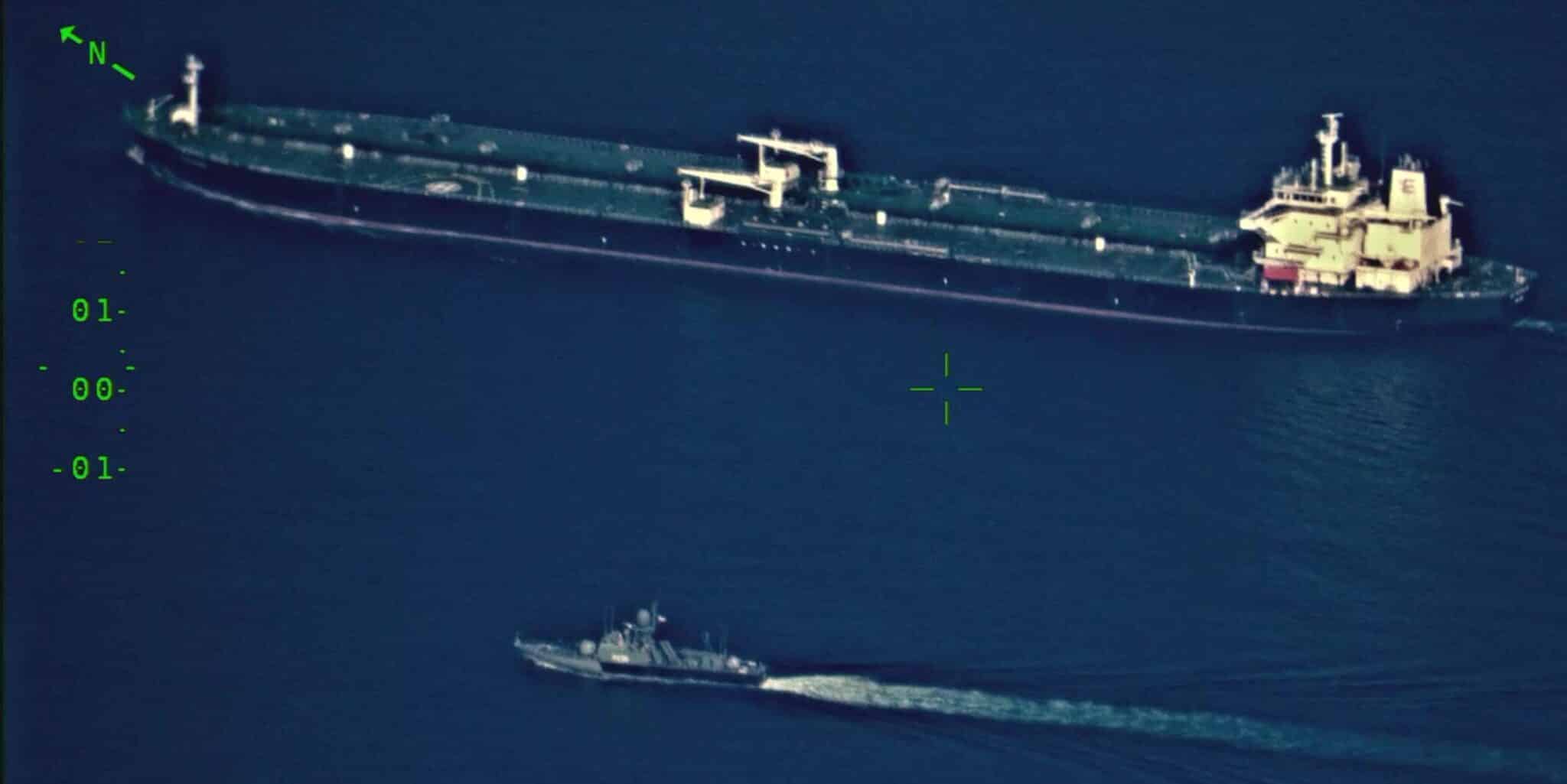
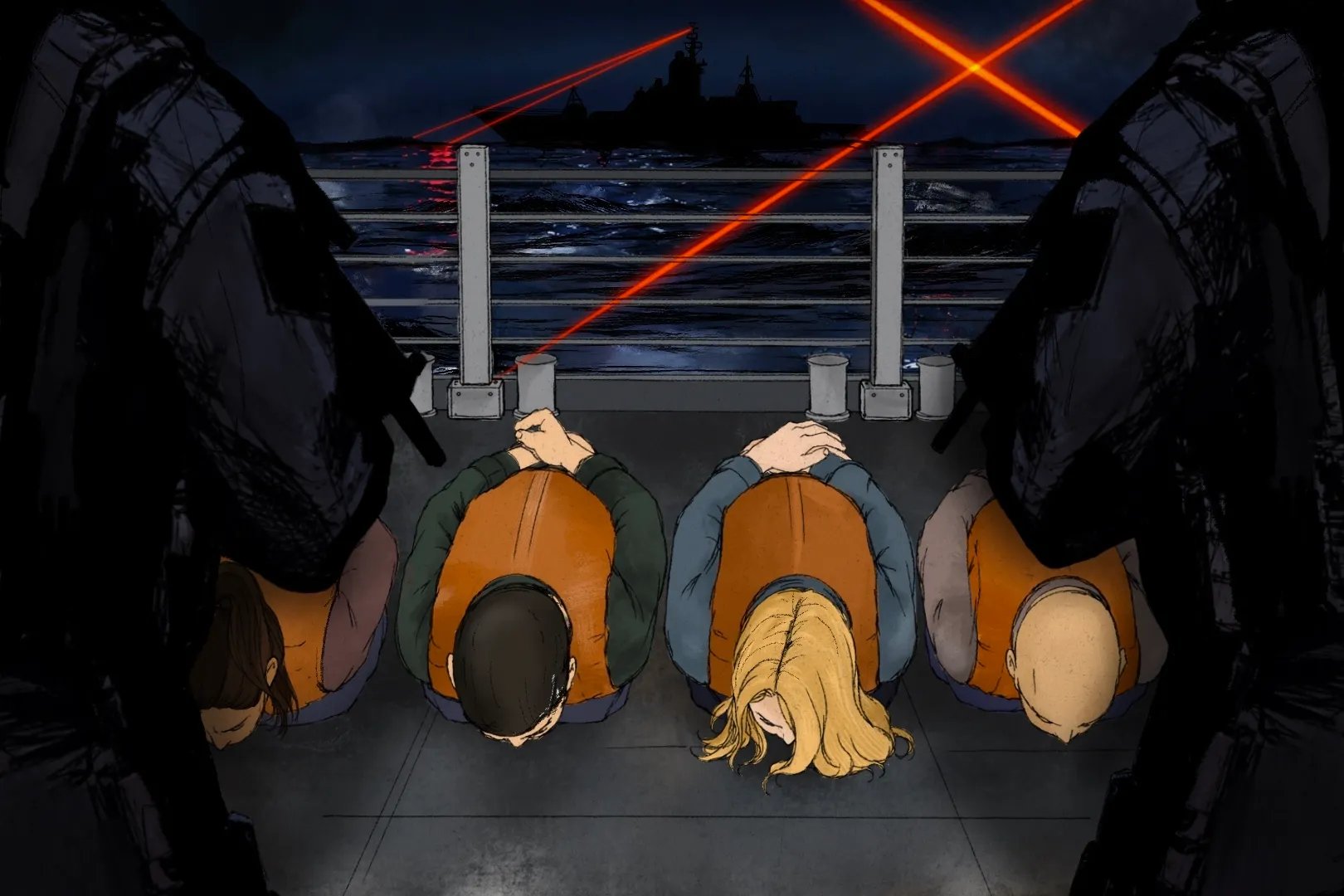
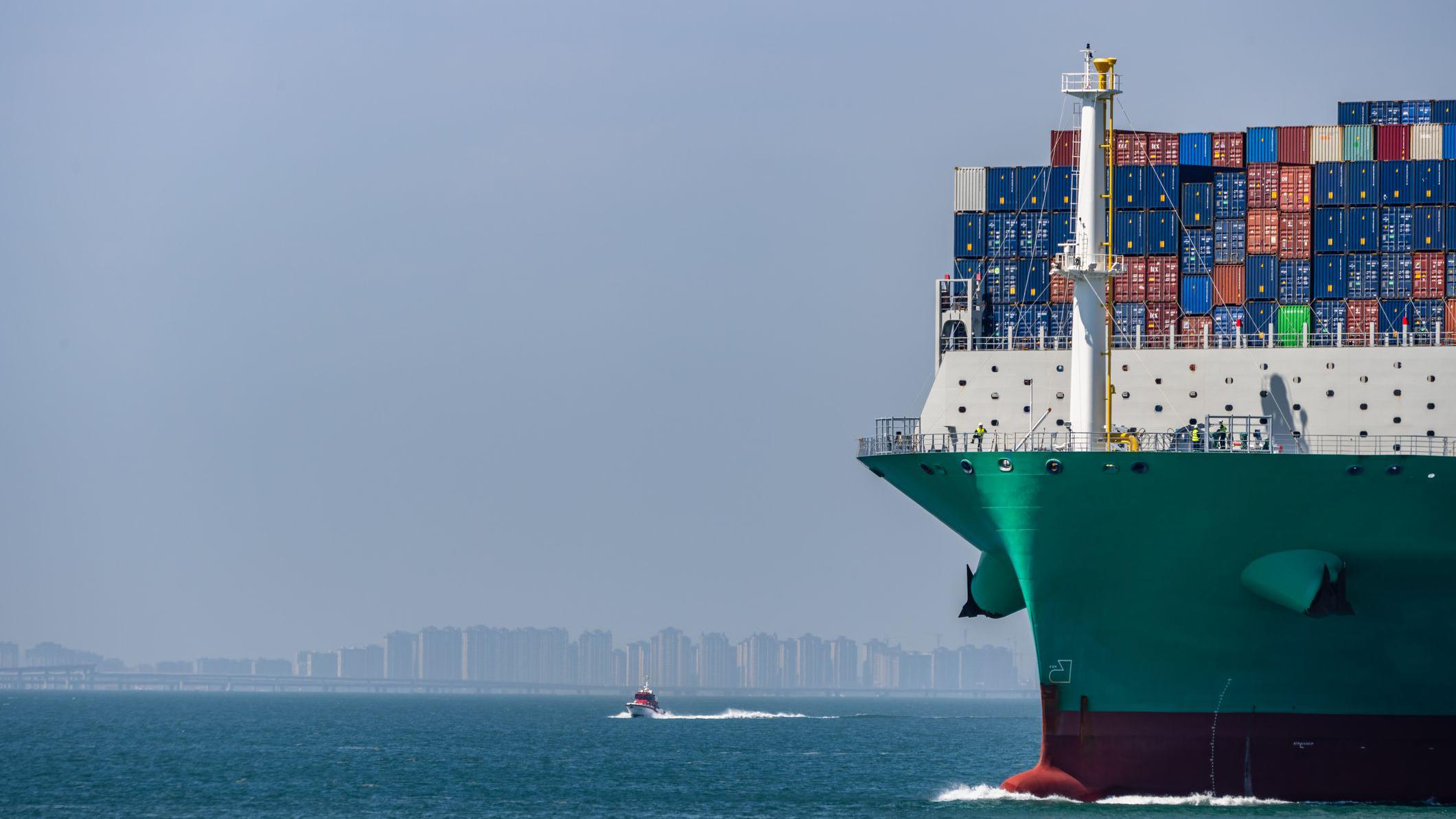
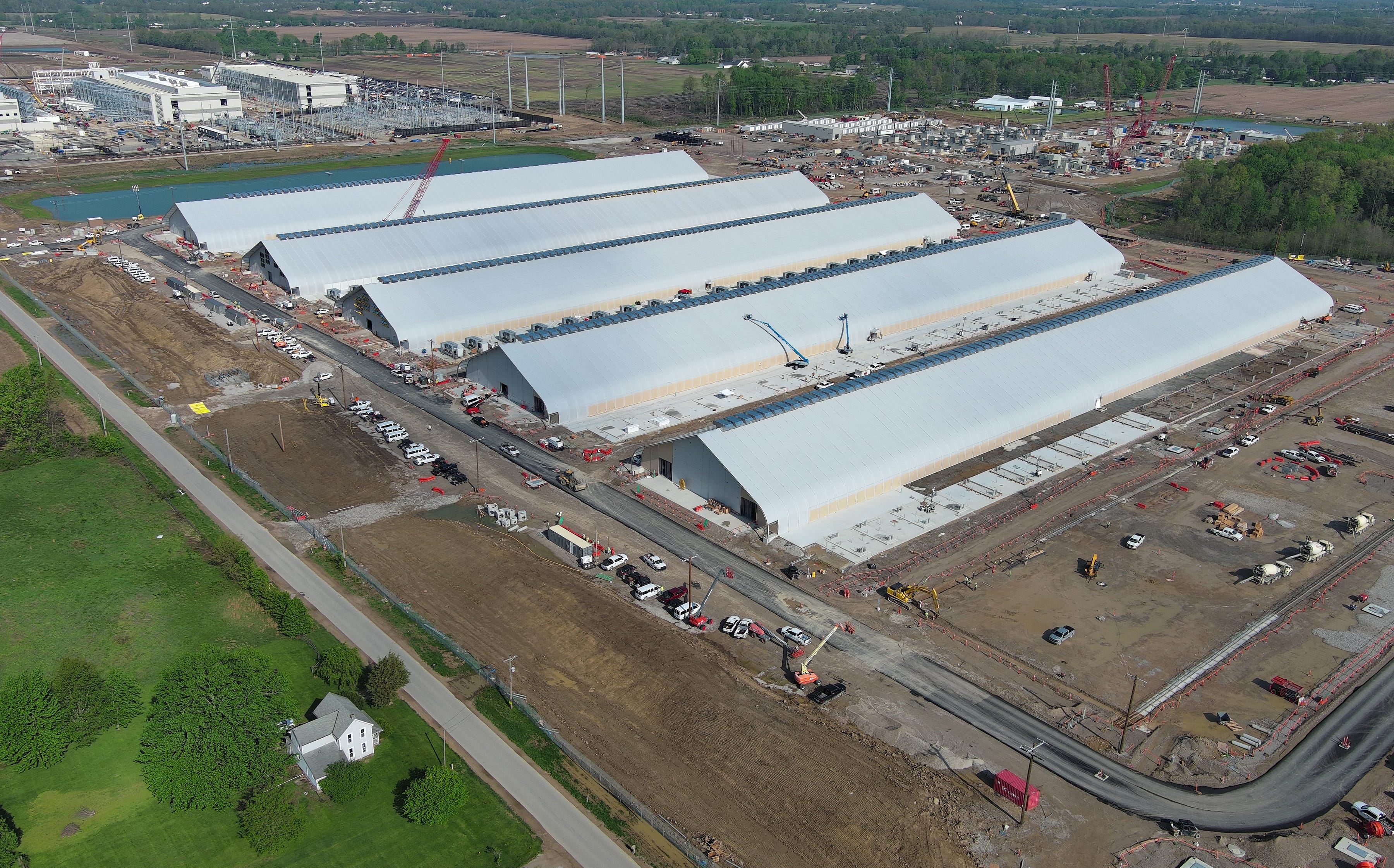
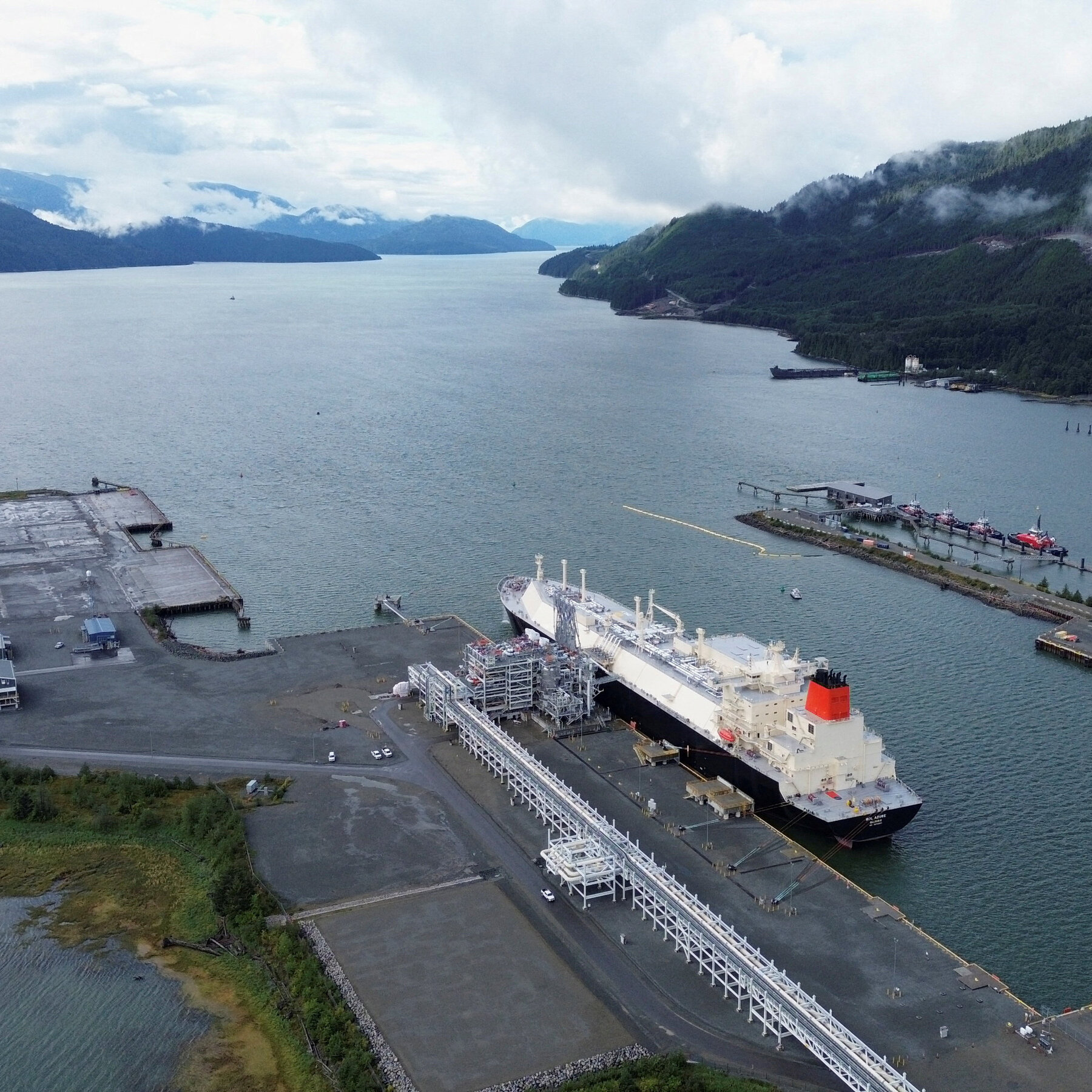
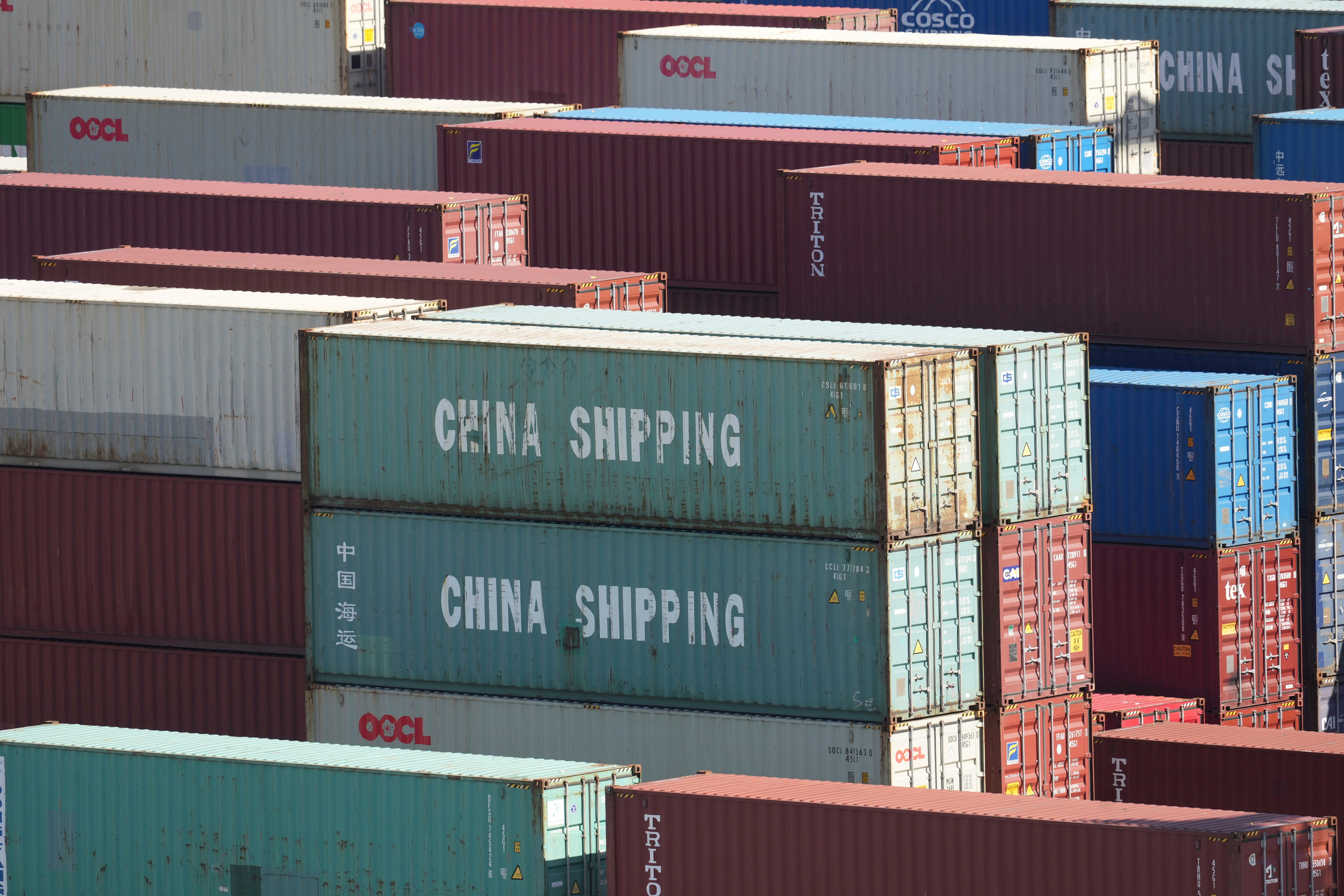
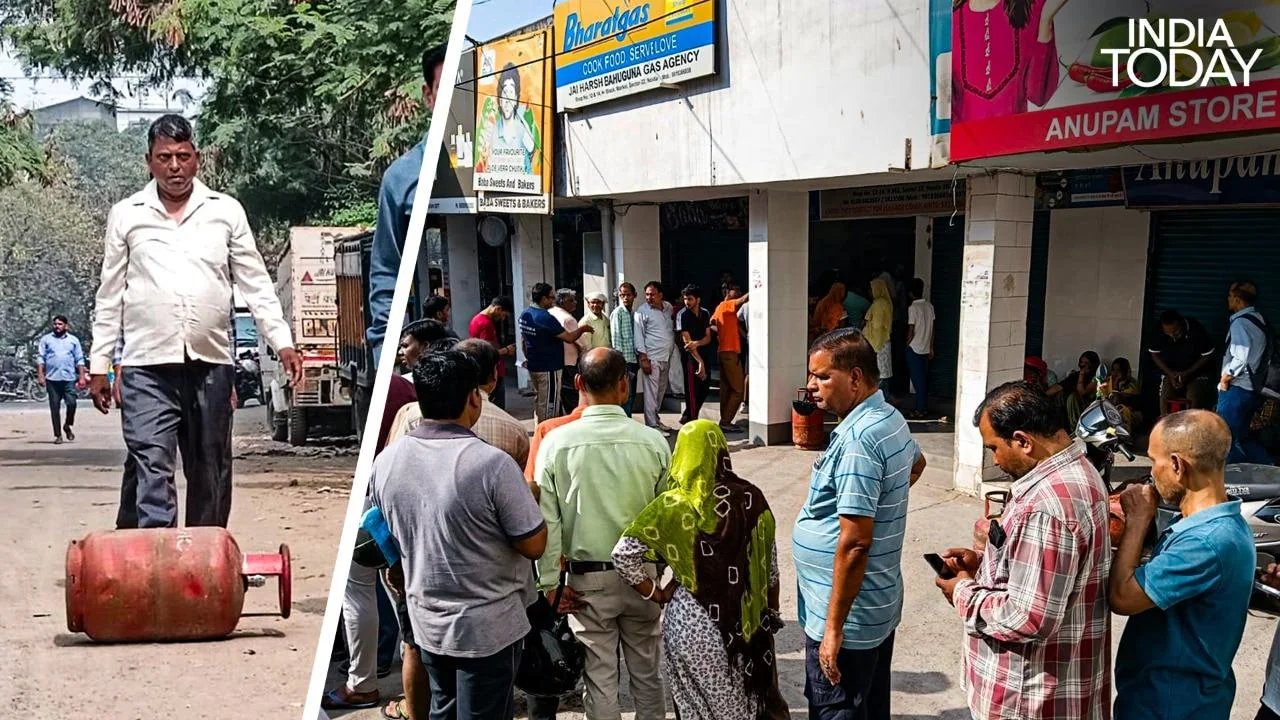
China's purchase of more than 80 percent of Iran's shipped oil last year underscores how sanctions enforcement might disrupt trade flows. The U.S. Navy's blockade of Iranian ports adds pressure on global markets, potentially raising costs for countries like India that rely on imported oil. Estonia faced delays in receiving a high-tech weapons system from the U.S., illustrating how these policies leave smaller nations vulnerable amid shifting alliances.
Chinese "teapot" refineries like Hengli play a key role in importing discounted oil, which might lead to higher prices if sanctions tighten.
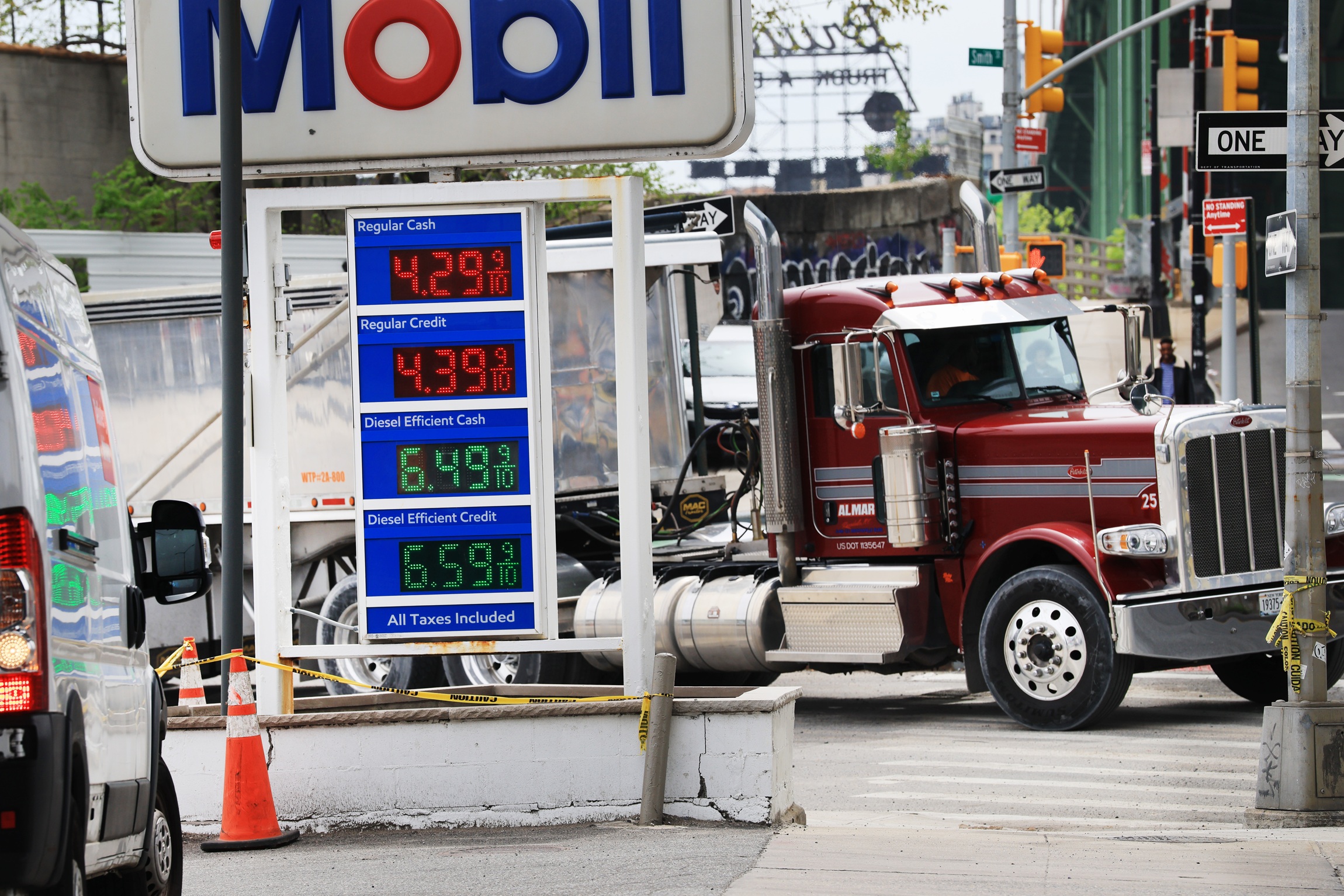
A group of senators including Ruben Gallego and Chuck Grassley introduced legislation to counter President Trump's move to ease sanctions on Russian oil. The bill, named No Oil Profits for Enemies, aims to restore congressional oversight of U.S. sanctions amid a global oil shortage. This action could affect everyday Americans by influencing oil prices and energy costs, as Russian exports contribute to worldwide supply dynamics.
The U.S. Treasury recently sanctioned a Chinese refinery, Hengli Petrochemical, for purchasing Iranian oil and generating hundreds of millions of dollars for Iran's military. This step highlights broader U.S. efforts to enforce sanctions on oil from adversarial nations, similar to the push against Russia. European leaders, such as Dutch Prime Minister Rob Jetten, have defended allies like Spain amid U.S. tensions, showing how global alliances intersect with energy policies.
Trump's approach includes prioritizing domestic oil production and easing regulations, as seen in policies that leverage energy for global influence. Italian Prime Minister Giorgia Meloni criticized U.S. actions, calling tensions with Madrid "not at all positive" and denying use of Italian bases for operations. Polish Prime Minister Donald Tusk questioned U.S. commitment to NATO allies, reflecting fears that such policies could expose nations to risks from expansionist powers.
China's purchase of more than 80 percent of Iran's shipped oil last year underscores how sanctions enforcement might disrupt trade flows. The U.S. Navy's blockade of Iranian ports adds pressure on global markets, potentially raising costs for countries like India that rely on imported oil. Estonia faced delays in receiving a high-tech weapons system from the U.S., illustrating how these policies leave smaller nations vulnerable amid shifting alliances.
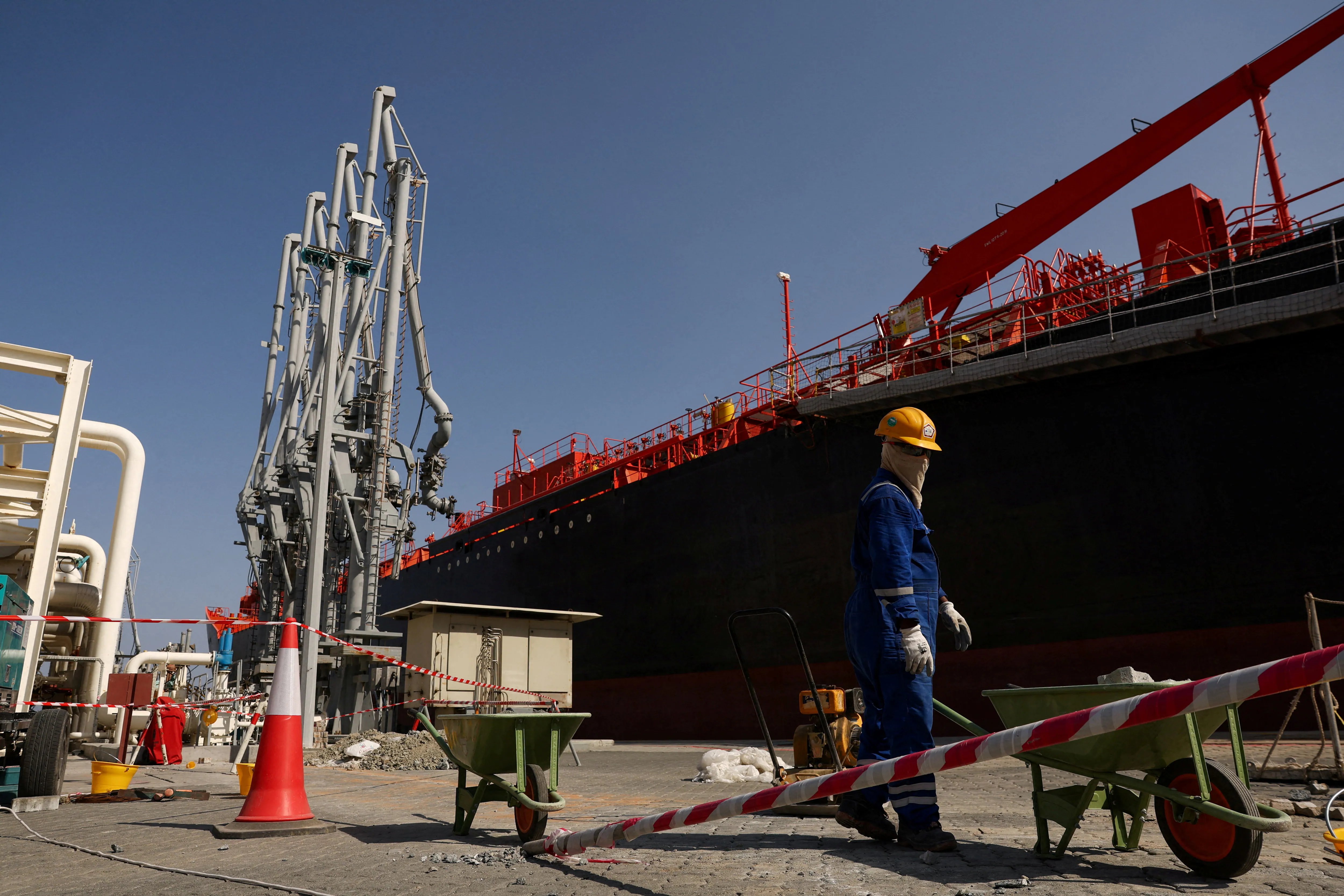
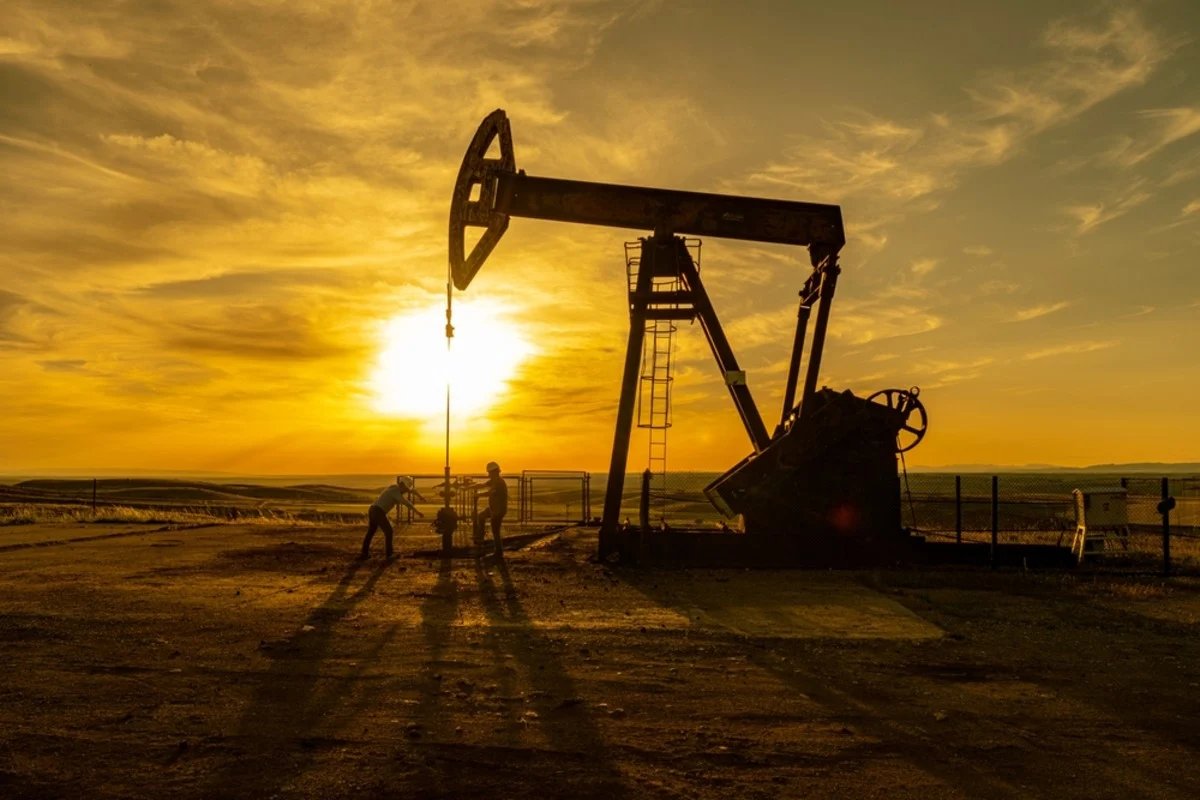
Workers in oil-dependent regions could see job changes as U.S. sanctions reshape global supply chains. For instance, Chinese "teapot" refineries like Hengli play a key role in importing discounted oil, which might lead to higher prices if sanctions tighten. The next congressional vote on the NOPE bill offers a direct opportunity for oversight, potentially stabilizing energy markets for consumers worldwide.
Highlighted text was flagged by the council. Tap to see feedback.






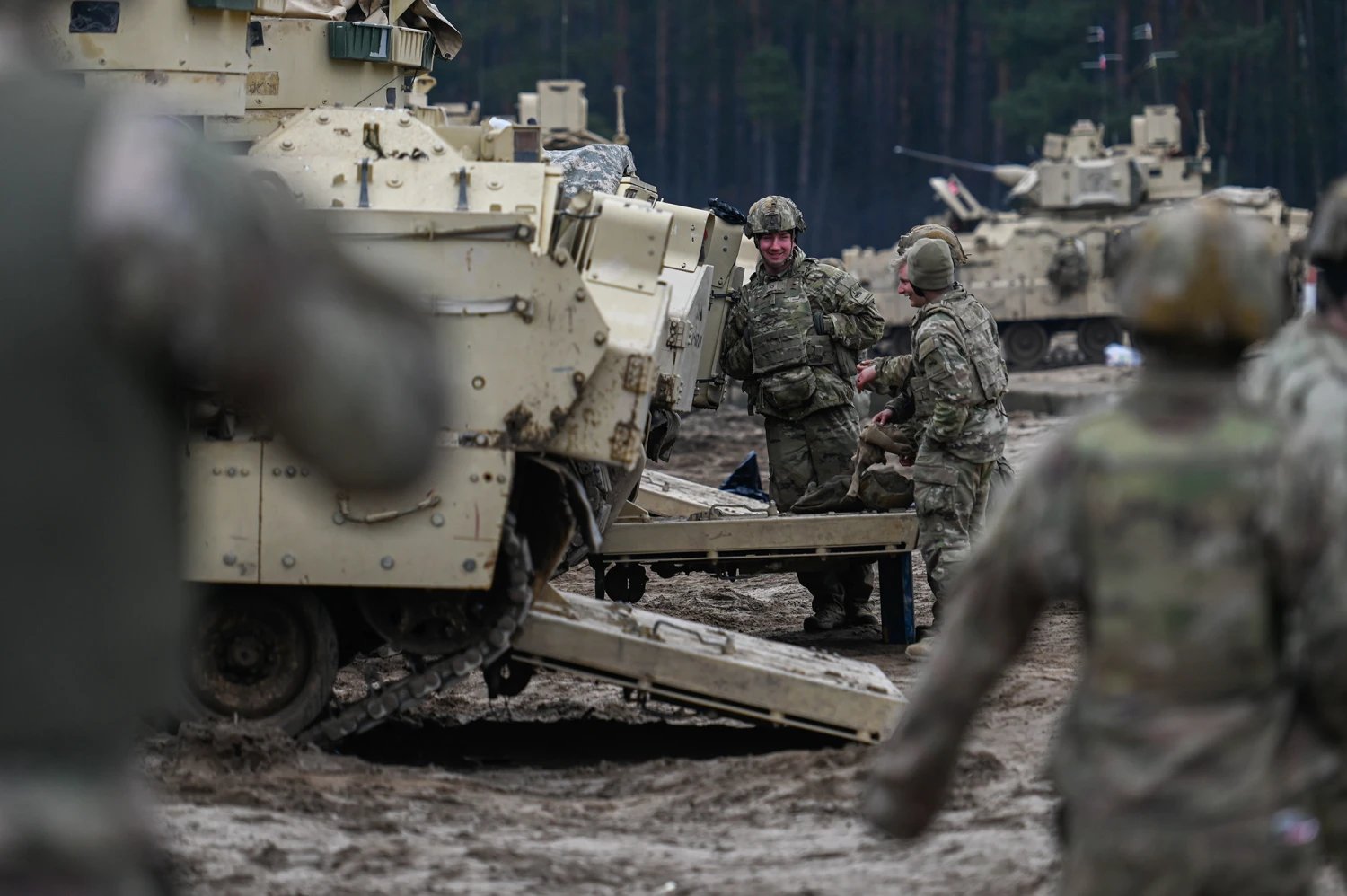
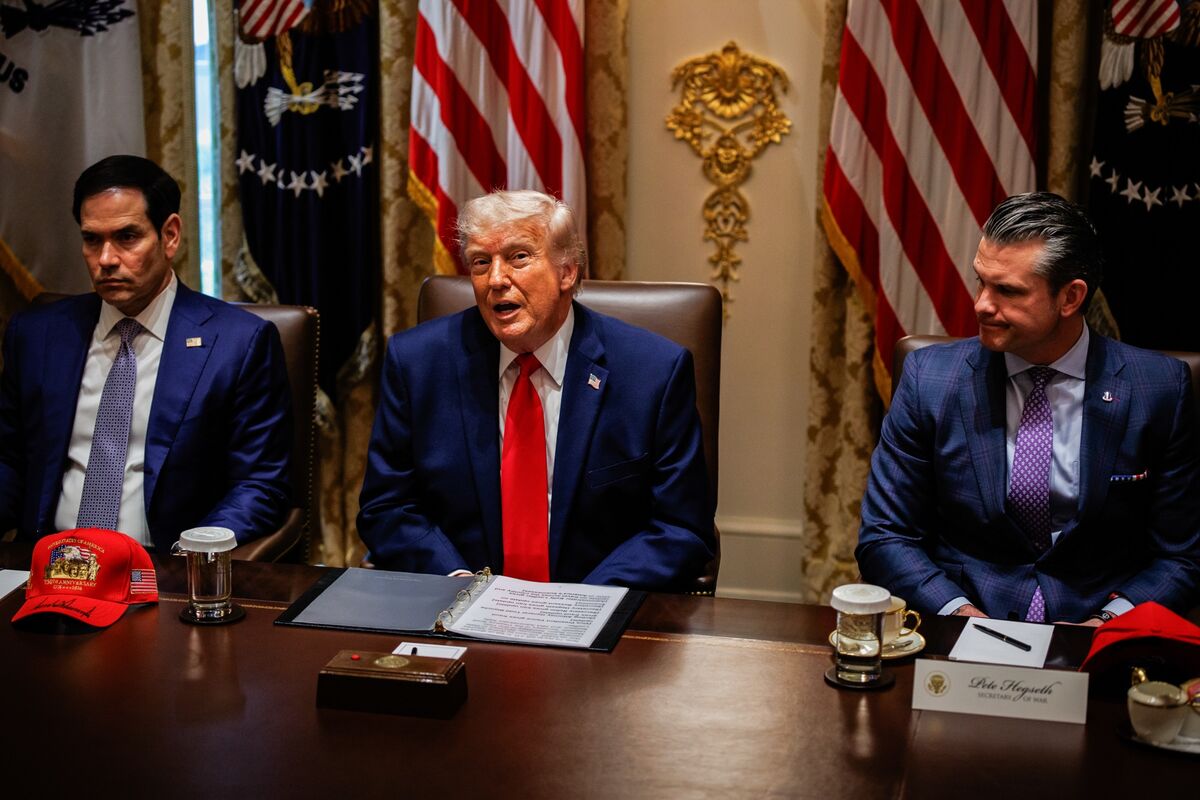






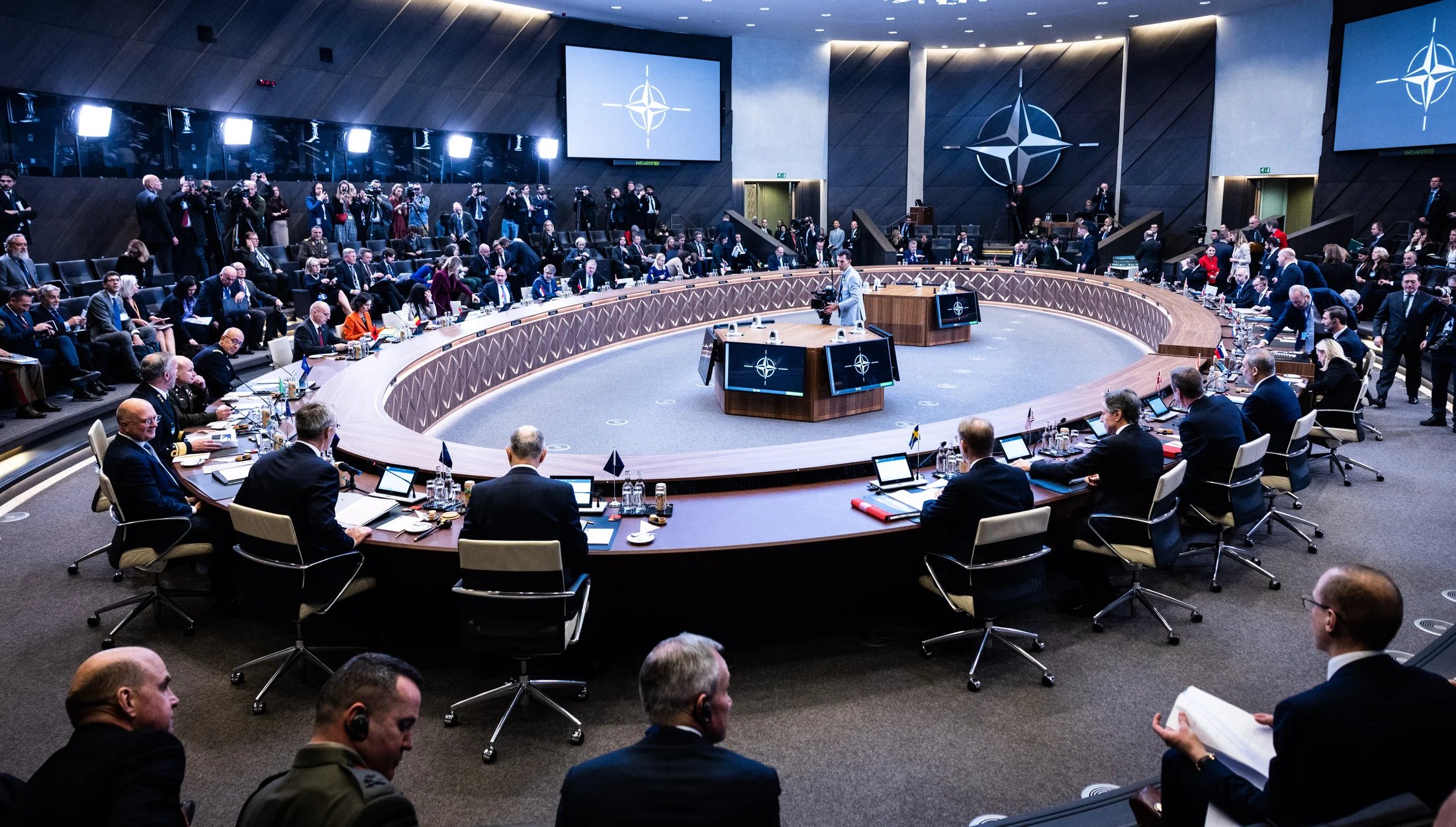






















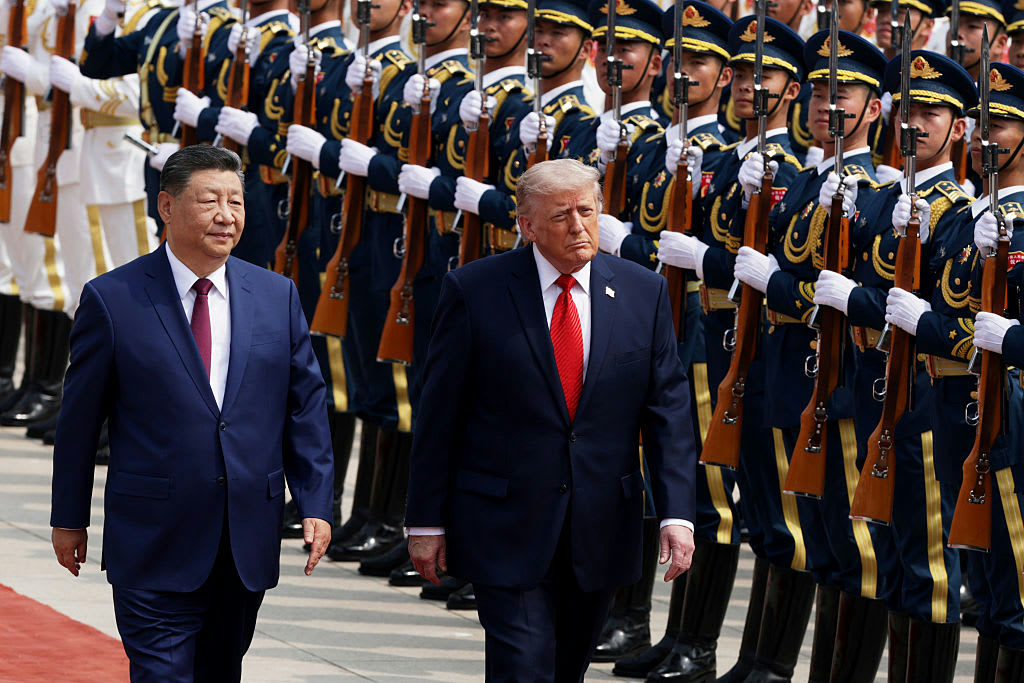




























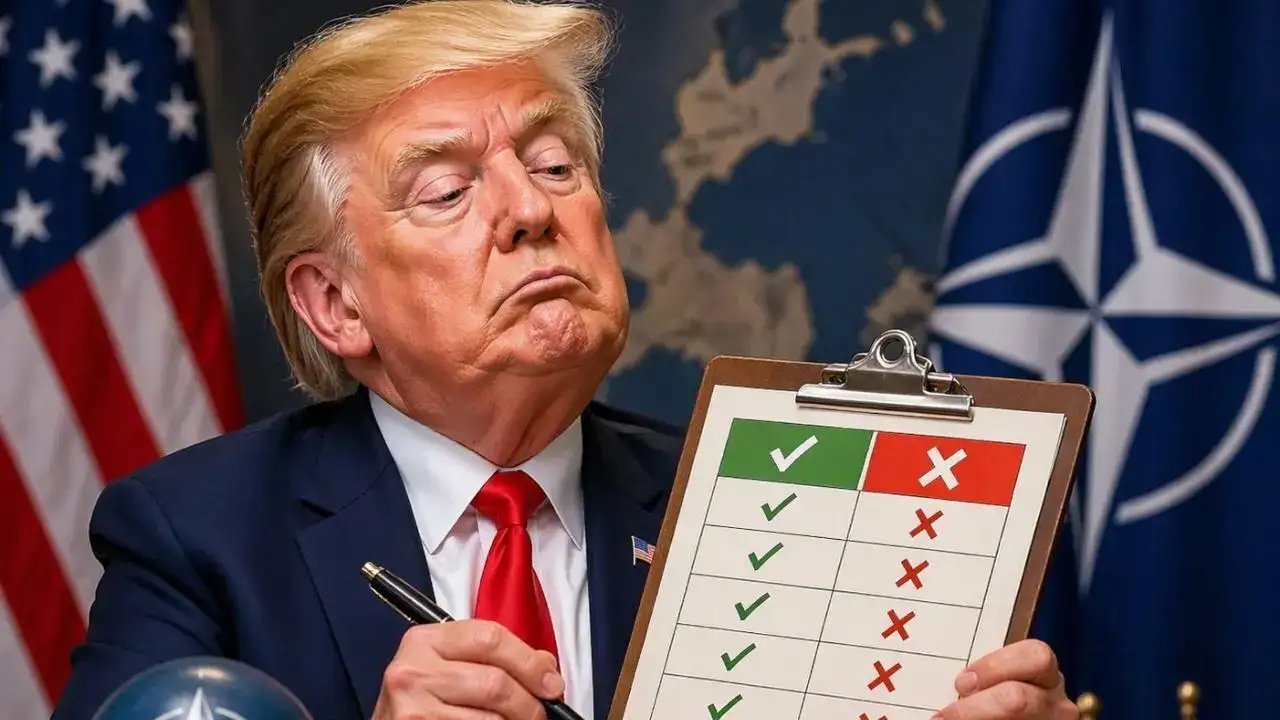




For example, French President Emmanuel Macron accused President Trump of hollowing out NATO by repeatedly undermining the alliance in public.