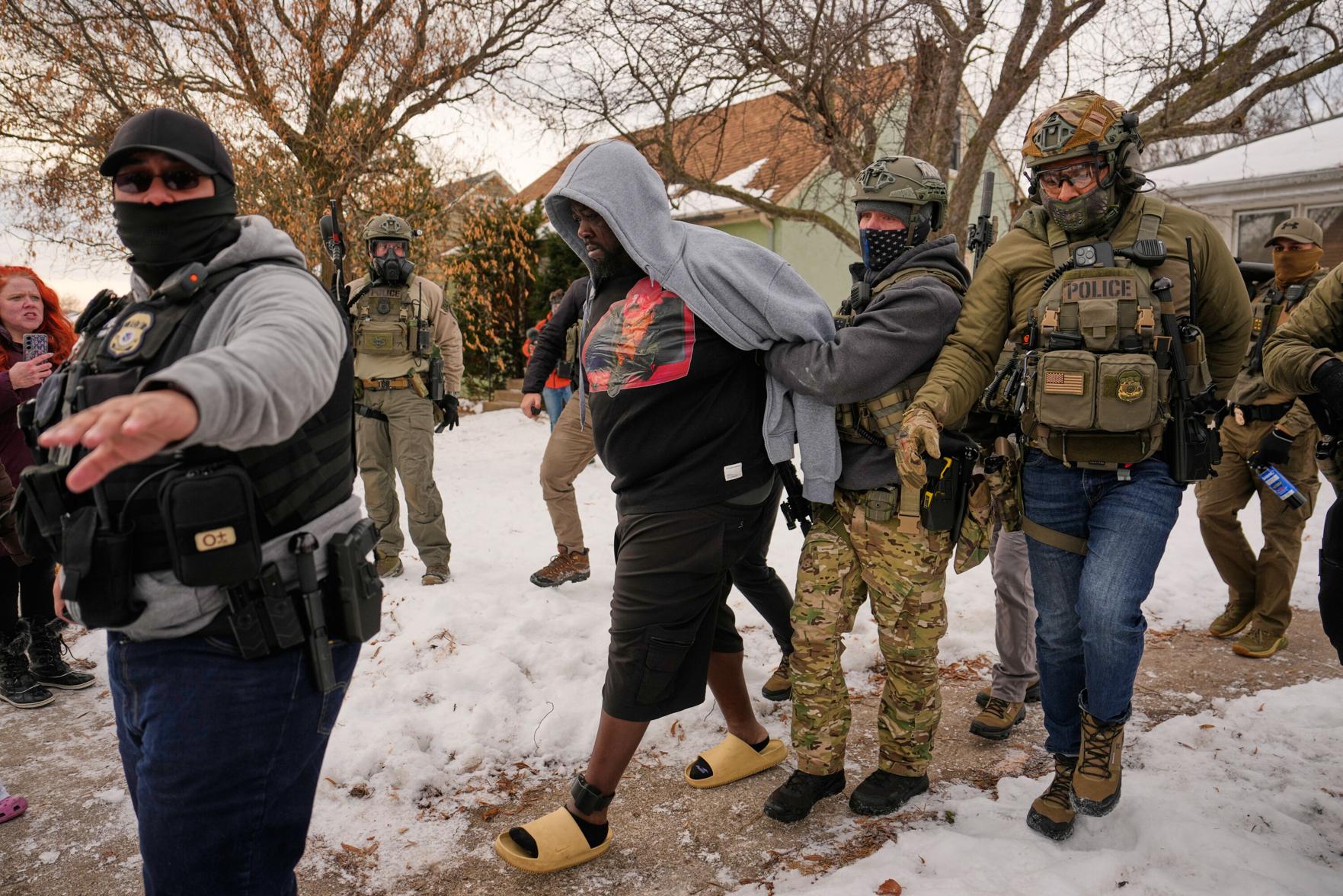
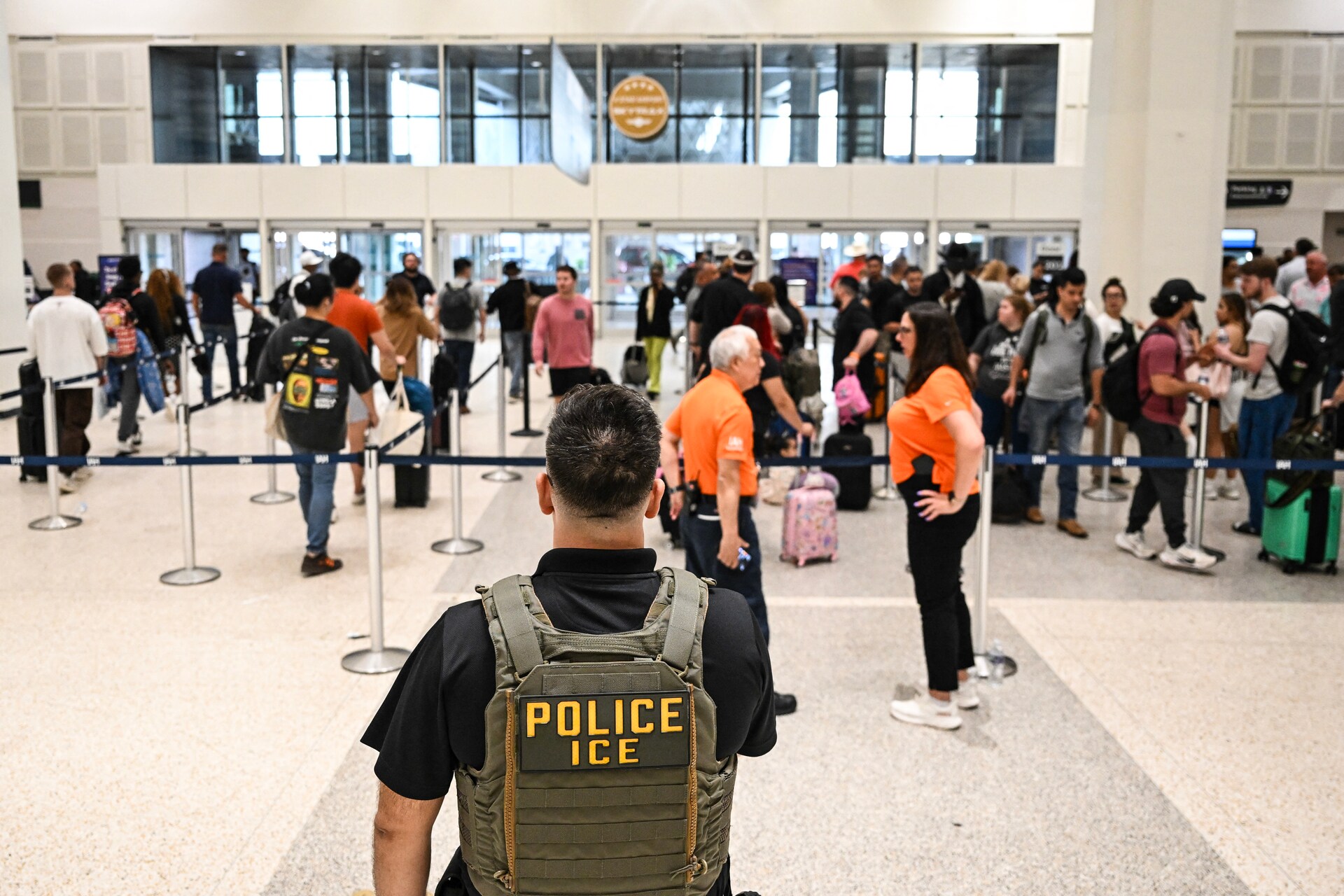
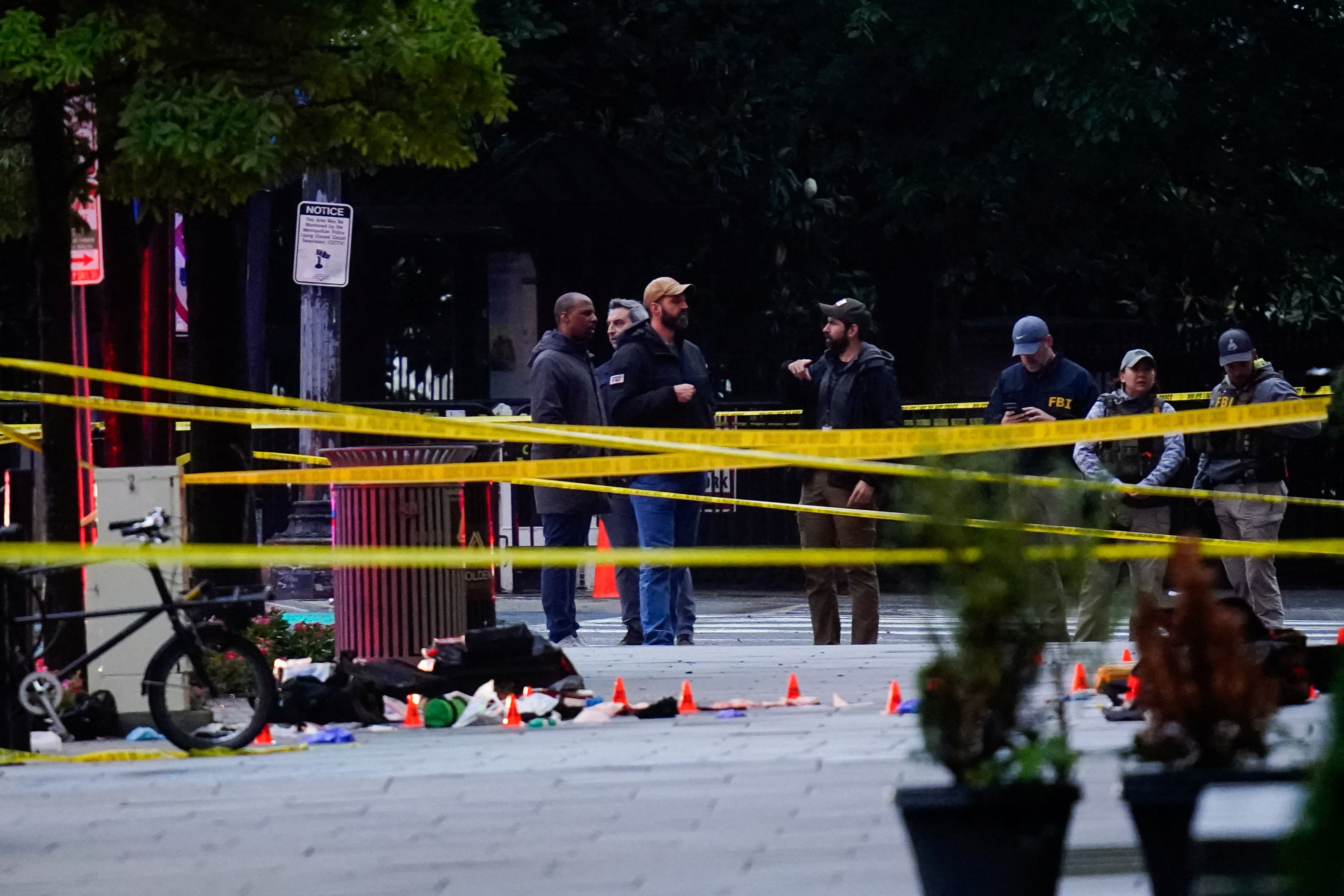
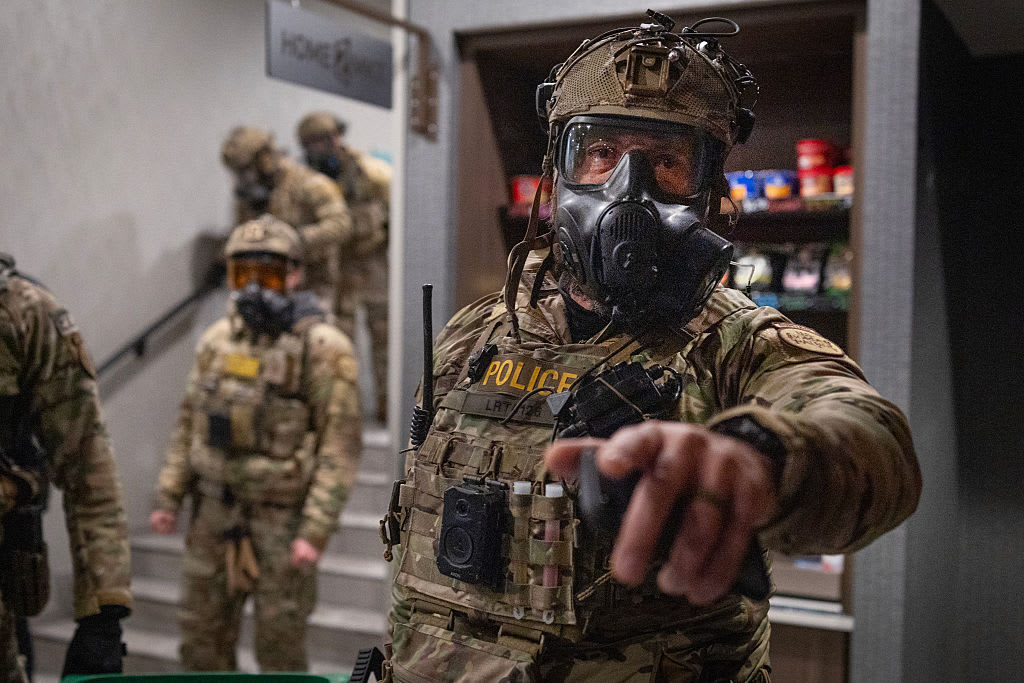
In the wake of the January killings of two American citizens by immigration officers in Minneapolis, arrests by Immigration and Customs Enforcement (ICE) agents across the United States dropped by nearly 12%. This decline follows a period of intense enforcement, where thousands were arrested weekly, particularly in states like Texas, Florida, and California. In December, ICE arrests peaked at nearly 40,000 nationwide, but in the five weeks after the incident, the average weekly arrests decreased from 8,347 to 7,369.
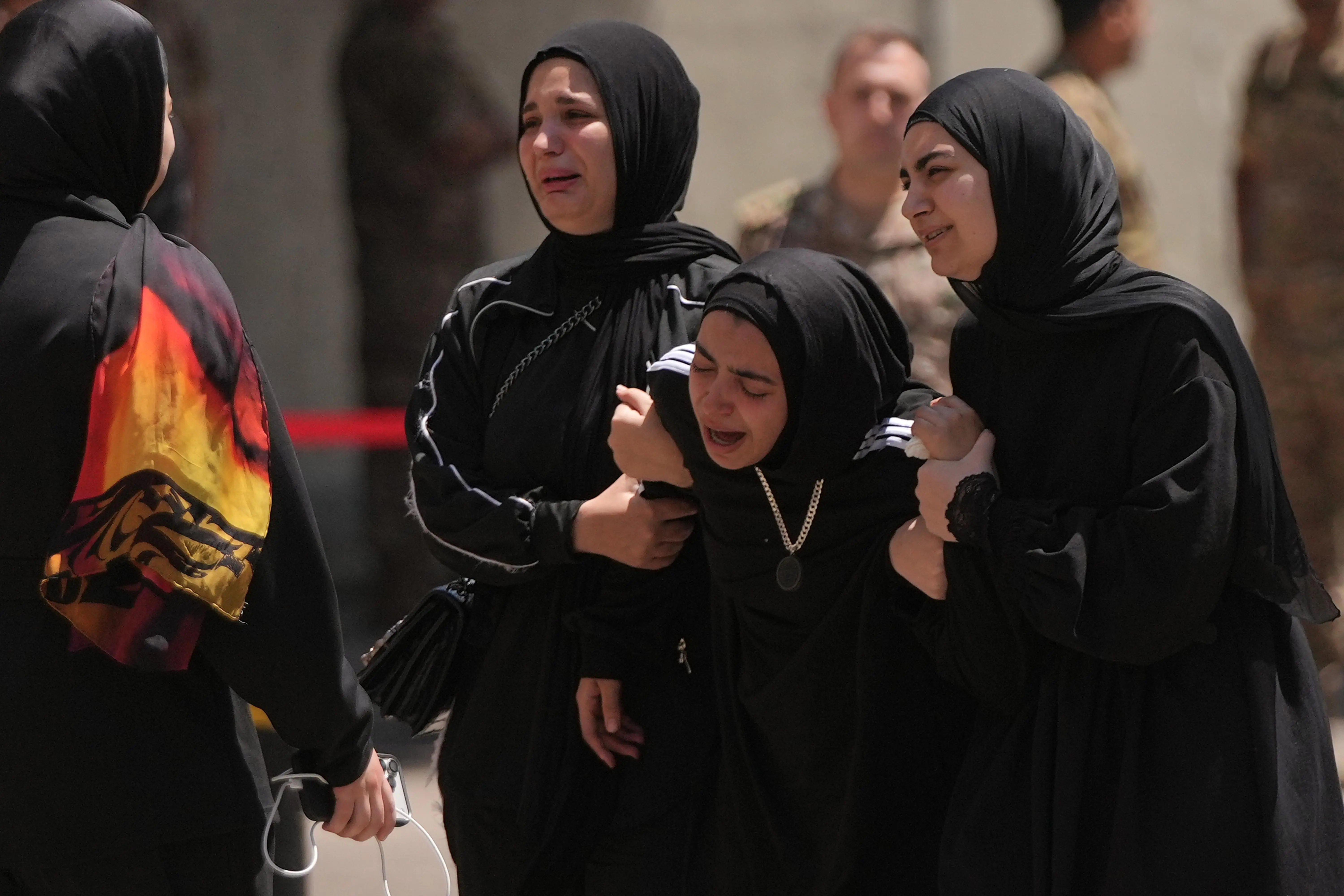
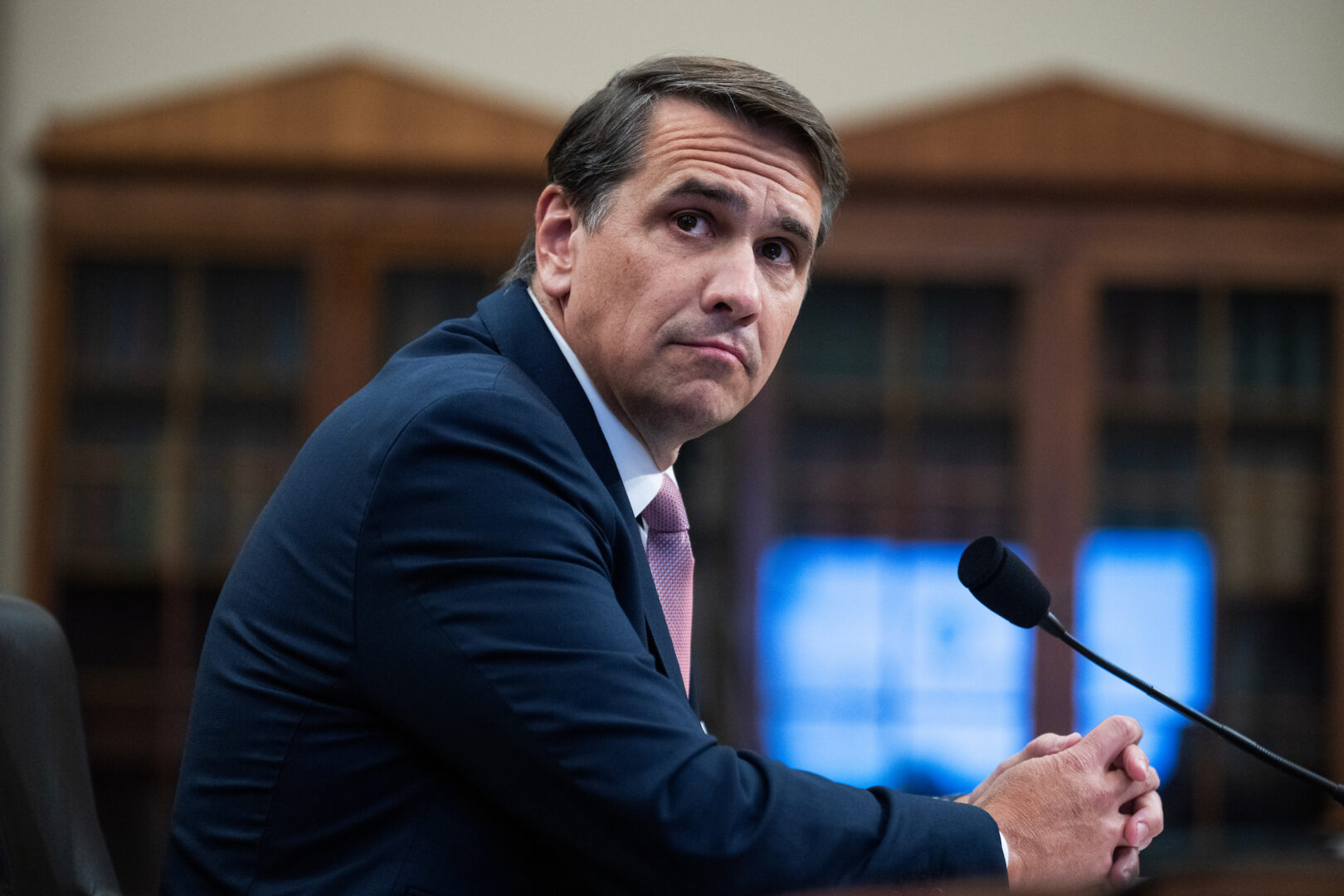
Polling found the general public felt the immigration enforcement operation in Minnesota went too far. The backlash contributed to the firing of Homeland Security Secretary Kristi Noem in early March, signaling a shift in the administration's approach. Following the Minneapolis killings, Border Patrol commander Gregory Bovino, known for his aggressive tactics, was also sidelined, paving the way for a new strategy under Border czar Tom Homan.
ICE arrests rose significantly in Kentucky, Indiana, North Carolina and Florida during those five weeks, while steep drops occurred in Minnesota and Texas. In Kentucky alone, weekly arrests more than doubled, reaching 86 by early March. Despite the overall decline, certain areas saw their highest weekly arrest counts since the start of President Donald Trump's second term.
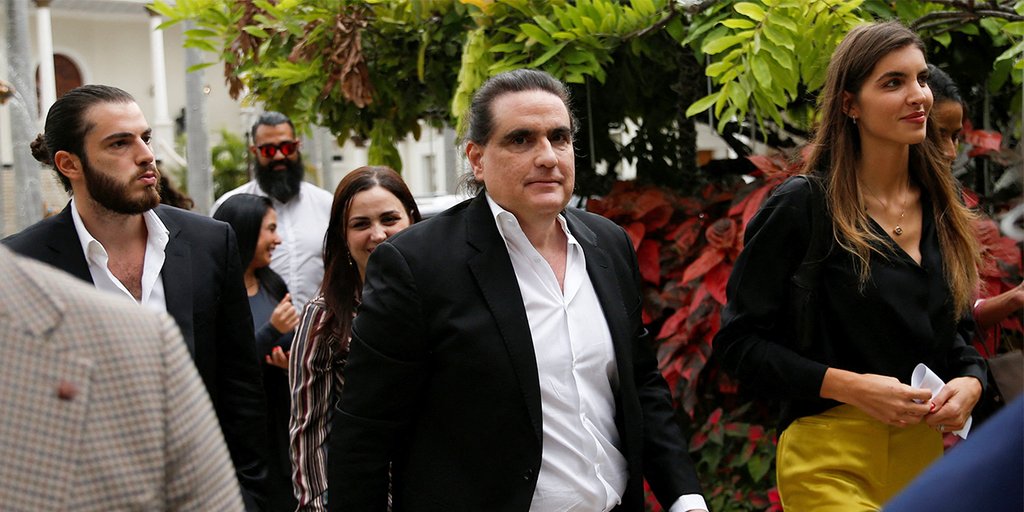
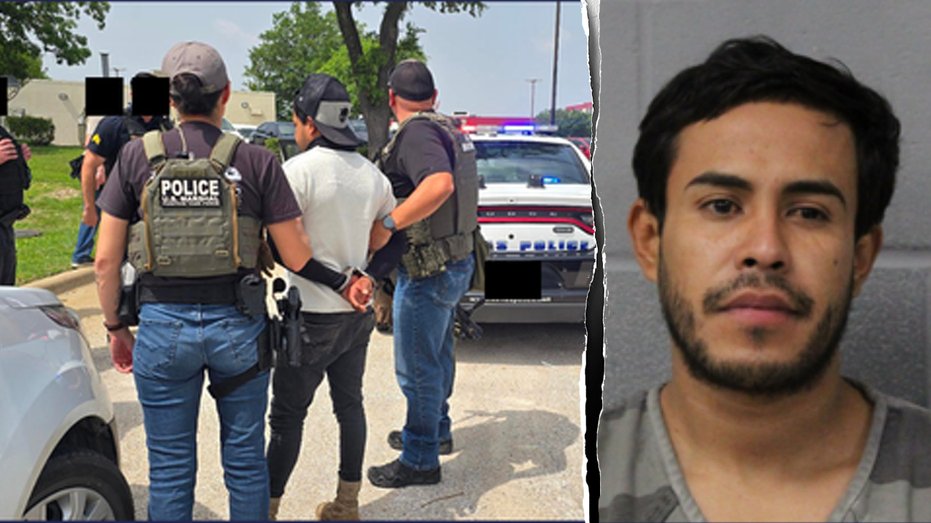
An AP analysis of ICE arrest data shows that while the Trump administration claims to target serious offenders, many individuals arrested have no criminal history. In the five weeks leading up to February 4, 46% of those arrested had no criminal charges or convictions, dropping to 41% in the following weeks but still exceeding the 35% average since Trump took office. Reports detail instances of individuals with no criminal histories being detained, including a 21-year-old Honduran man and a Venezuelan doctor arrested with her U.S. citizen daughter on her way to her husband's asylum hearing.
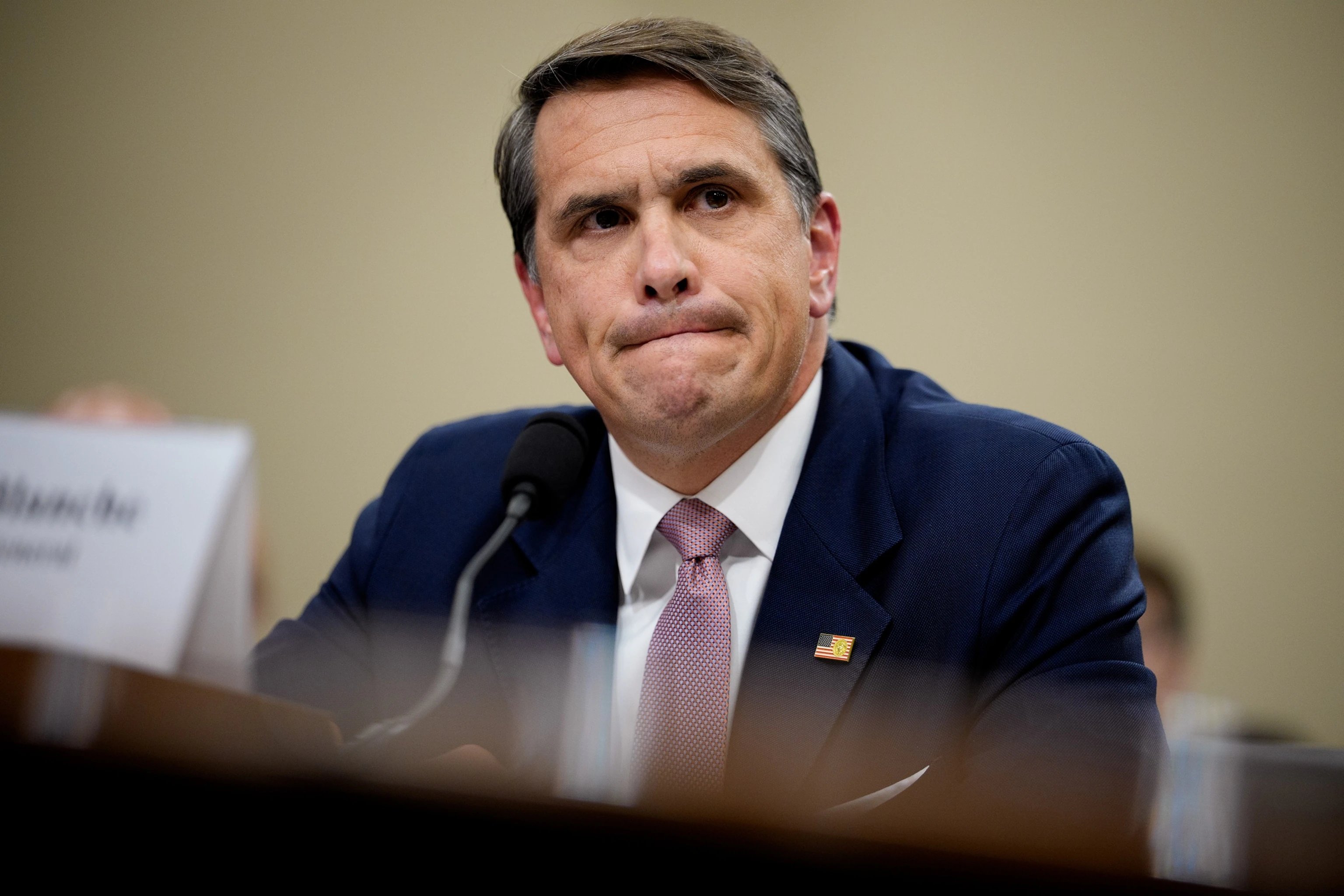
Aaron Reichlin-Melnick, a senior fellow at the American Immigration Council, highlights the potential for change in immigration enforcement but cautions that it is too early to determine if the reductions in arrests are permanent.
In the wake of the January killings of two American citizens by immigration officers in Minneapolis, arrests by Immigration and Customs Enforcement (ICE) agents across the United States dropped by nearly 12%. This decline follows a period of intense enforcement, where thousands were arrested weekly, particularly in states like Texas, Florida, and California. In December, ICE arrests peaked at nearly 40,000 nationwide, but in the five weeks after the incident, the average weekly arrests decreased from 8,347 to 7,369.
Polling indicates that nearly two-thirds of Americans believe ICE has gone too far in its immigration crackdown, reflecting growing public concern about the agency's tactics. The backlash contributed to the firing of Homeland Security Secretary Kristi Noem in early March, signaling a shift in the administration's approach. Following the Minneapolis killings, Border Patrol commander Gregory Bovino, known for his aggressive tactics, was also sidelined, paving the way for a new strategy under Border czar Tom Homan.
While ICE arrests fell significantly in states like Minnesota and Texas, some regions experienced increases. In Kentucky, for instance, weekly arrests more than doubled, reaching 86 by early March. This discrepancy underscores the uneven impact of federal immigration enforcement policies across different states. Despite the overall decline, certain areas saw their highest weekly arrest counts since the start of President Donald Trump's second term.
An analysis of ICE arrest data reveals that noncriminal arrests remain a significant concern. In the five weeks leading up to February 4, 46% of those arrested had no criminal charges or convictions. This percentage dropped to 41% in the following weeks but still exceeds the 35% average since Trump took office. Reports detail instances of individuals with no criminal histories being detained, including a 21-year-old Honduran man and a Venezuelan doctor arrested with her U.S. citizen daughter while attending an asylum hearing.
Aaron Reichlin-Melnick, a senior fellow at the American Immigration Council, highlights the potential for change in immigration enforcement but cautions that it is too early to determine if the reductions in arrests are permanent. He notes that while the administration claims to be targeting serious offenders, many individuals caught in ICE's net have no criminal records, complicating the narrative of targeting "the worst of the worst."
The significant drop in ICE arrests following the Minneapolis killings and subsequent policy changes reflects a potential shift in immigration enforcement tactics. As public sentiment continues to evolve, it remains to be seen how these changes will affect immigrant communities across the country. For many, the recent developments may bring a temporary sense of relief, but the long-term implications of immigration enforcement remain uncertain.
Highlighted text was flagged by the council. Tap to see feedback.


































































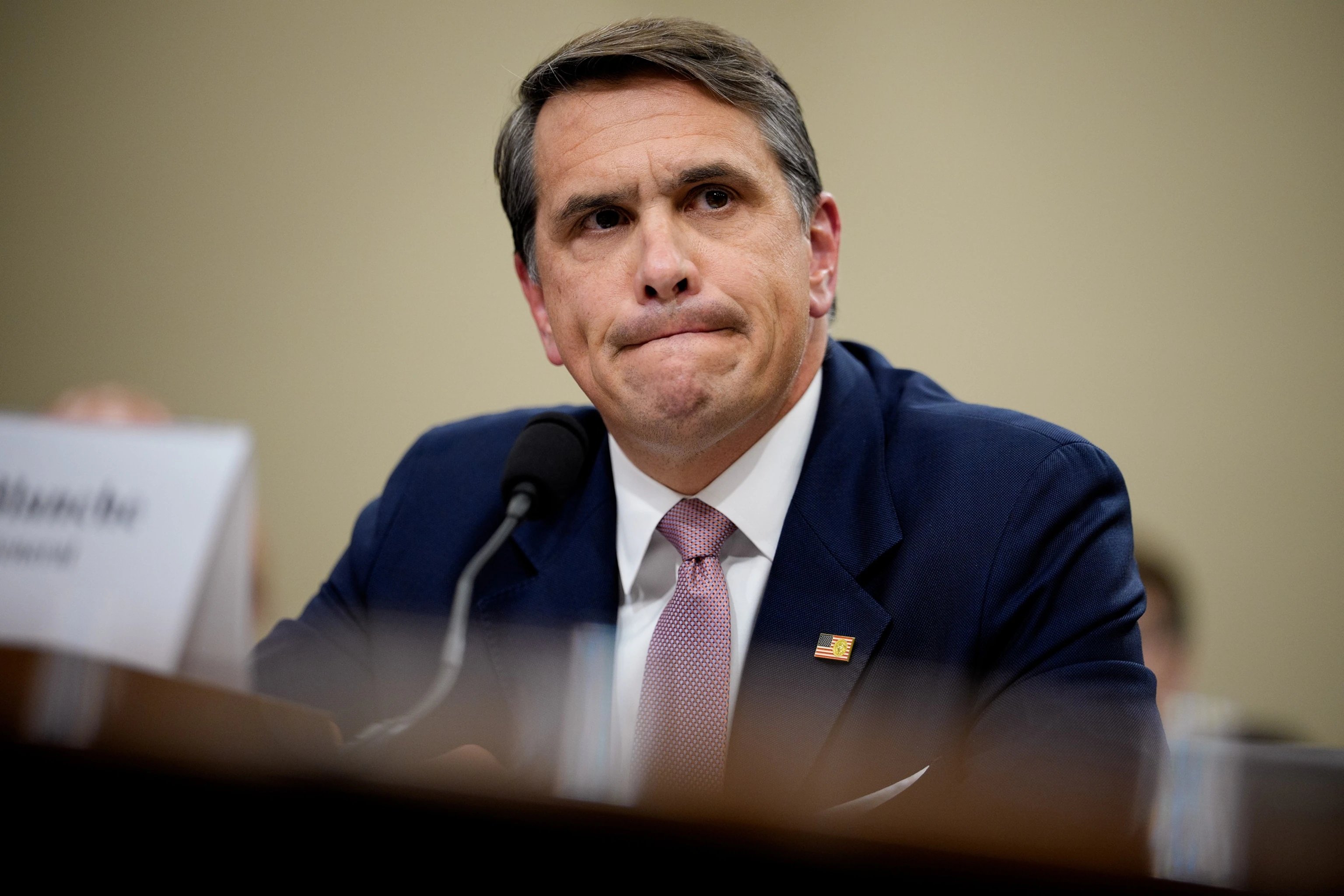



























































































































































































































The sources also report that Aaron Reichlin-Melnick, a senior fellow with the American Immigration Council, specifically mentioned the pullback from tactics of Operation Metro Surge.