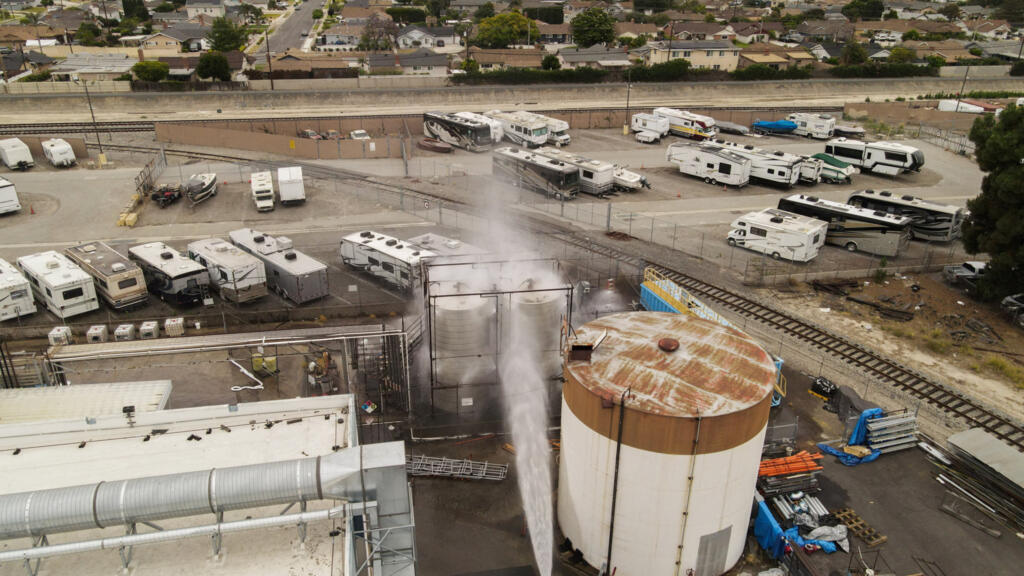
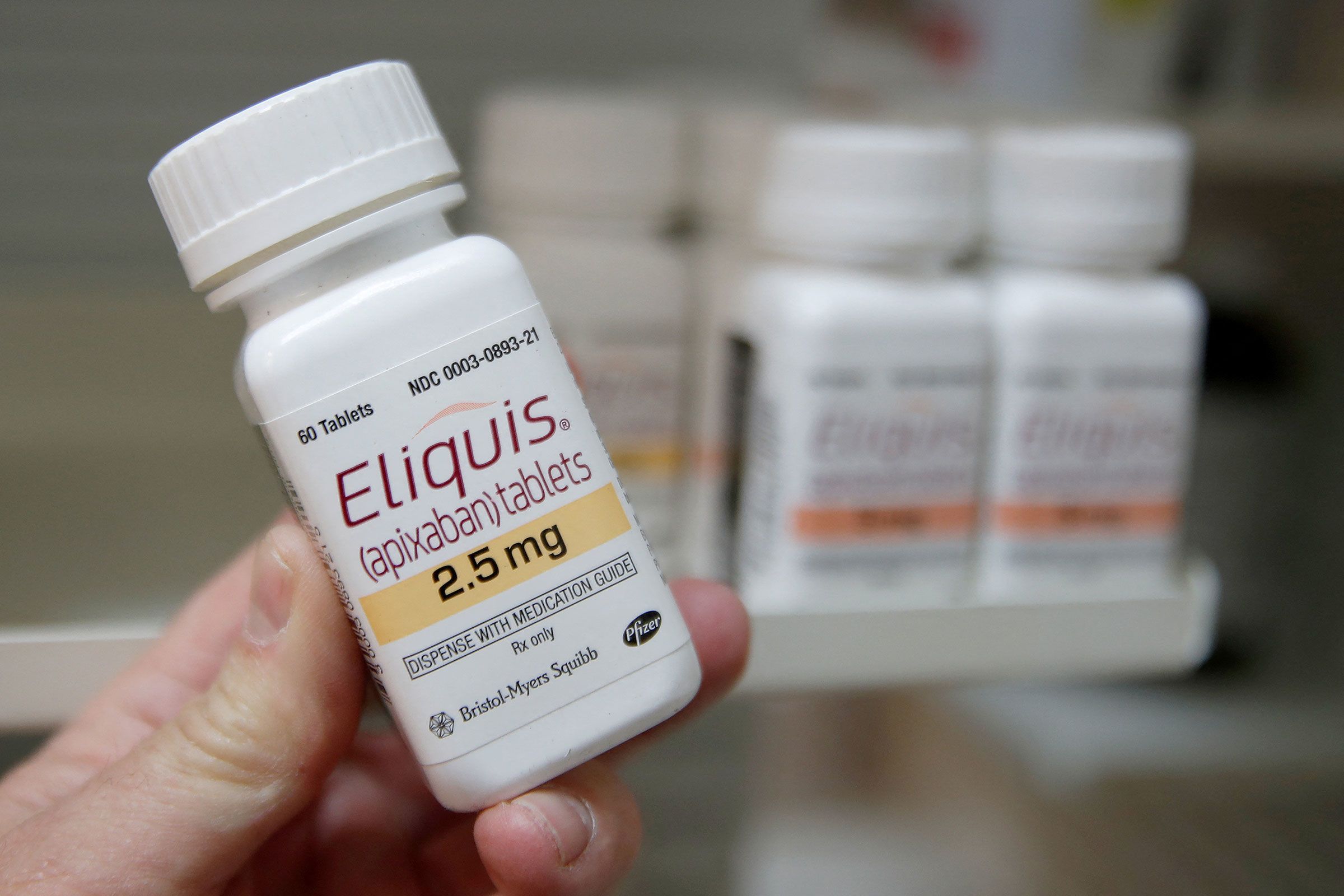
Two major water supply systems in Maryland announced this month they would be temporarily reducing fluoride use as the war in Iran places strain on global supply chains. The systems serve the Baltimore and suburban D.C. areas. Fluoride, widely used to prevent tooth decay, has become harder to source as the conflict disrupts international trade routes and production networks.
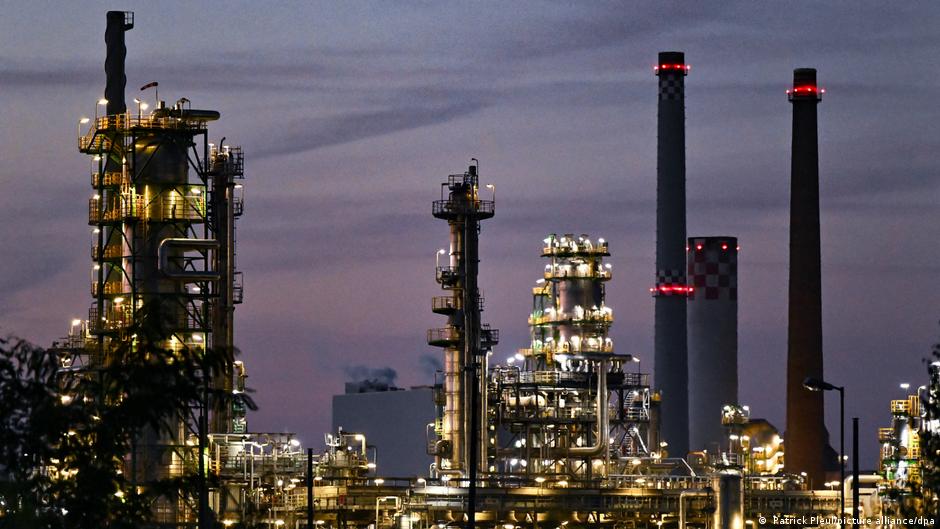
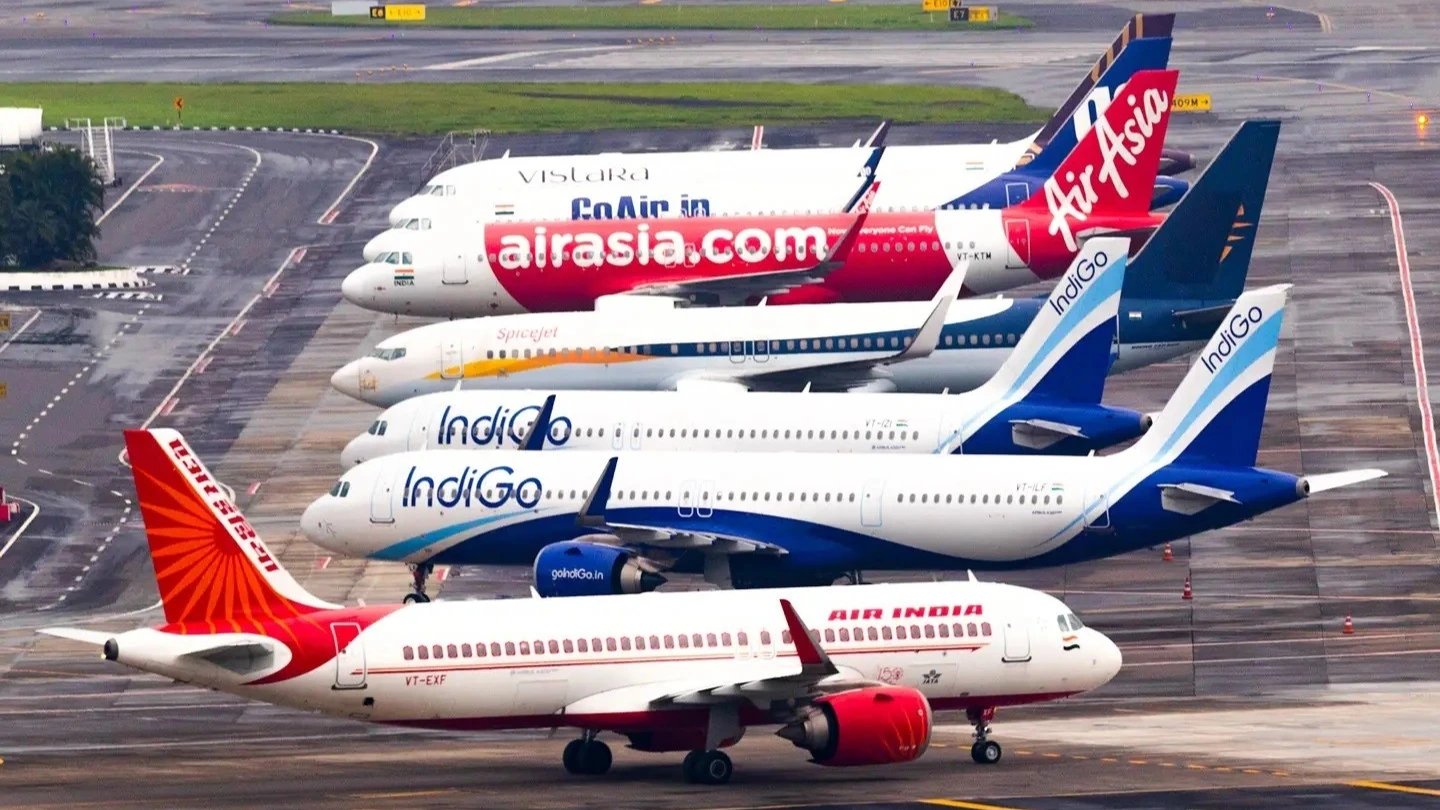
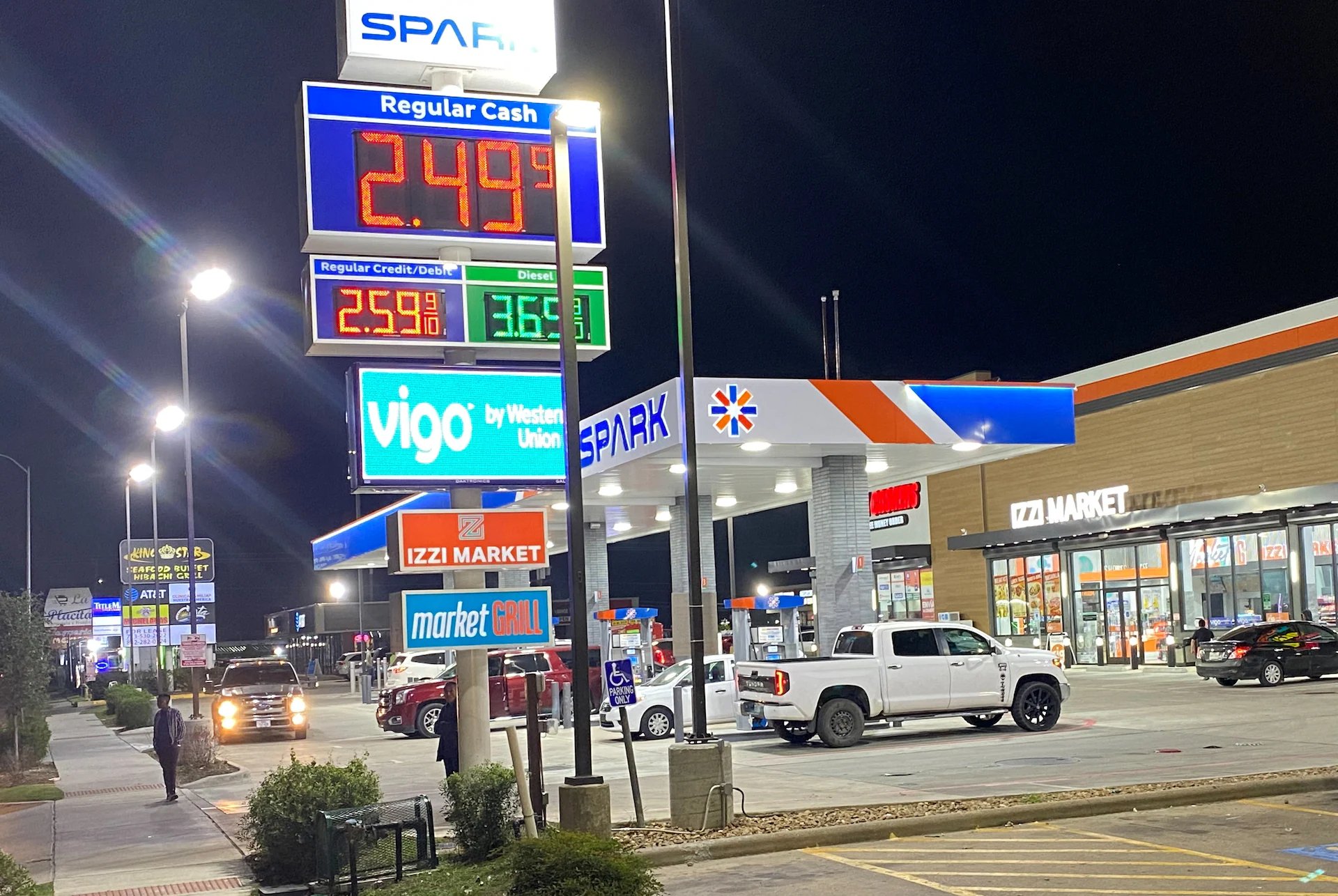
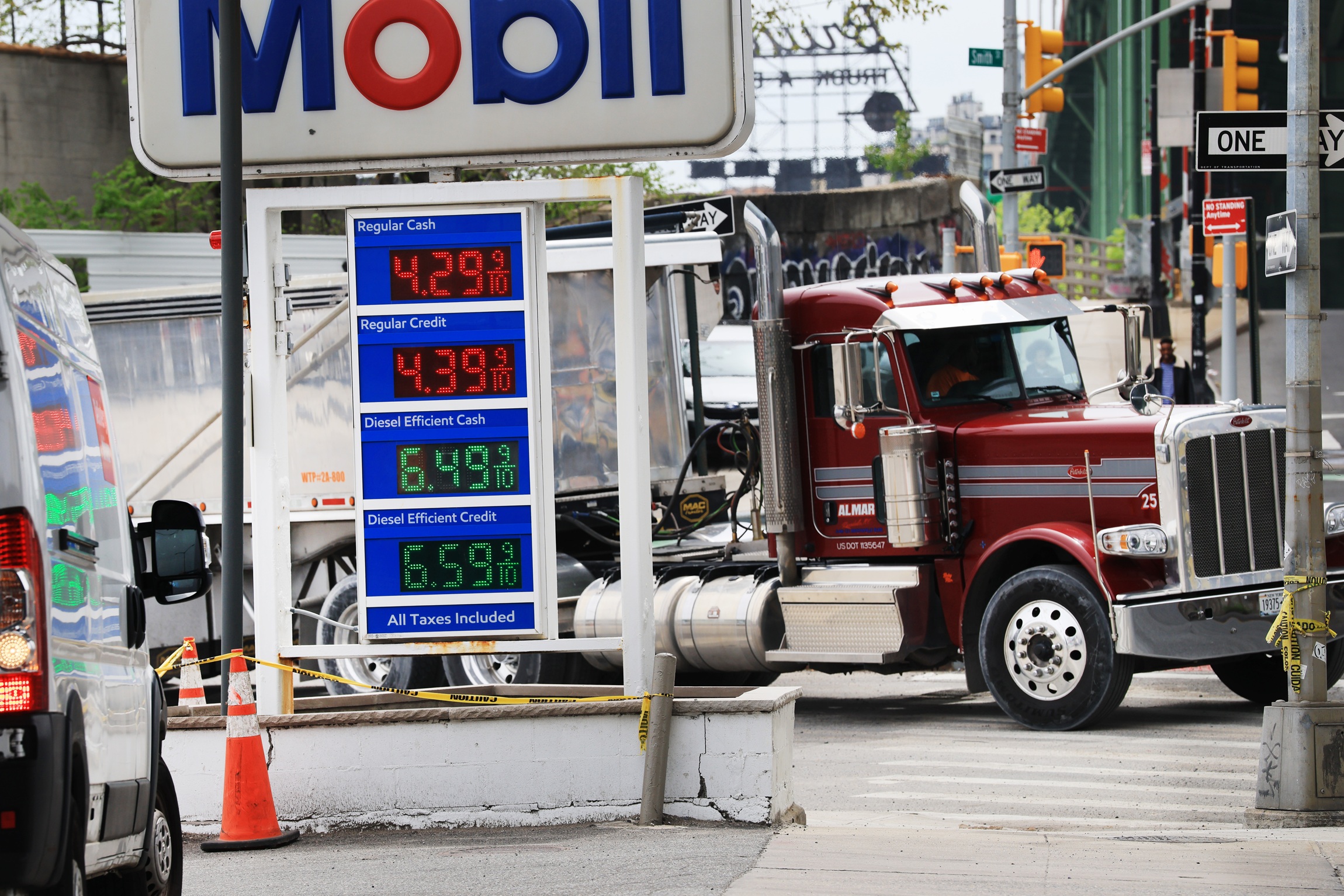
Jet fuel prices have climbed sharply since the war began. For the first two months of this year, prices hovered at about $2.30 per gallon in Chicago, Houston, Los Angeles and New York, according to Argus Media. As of April 24, jet fuel prices averaged $4.19 per gallon. According to the Los Angeles Times, jet fuel costs at Los Angeles International Airport recently reached close to $15 a gallon.
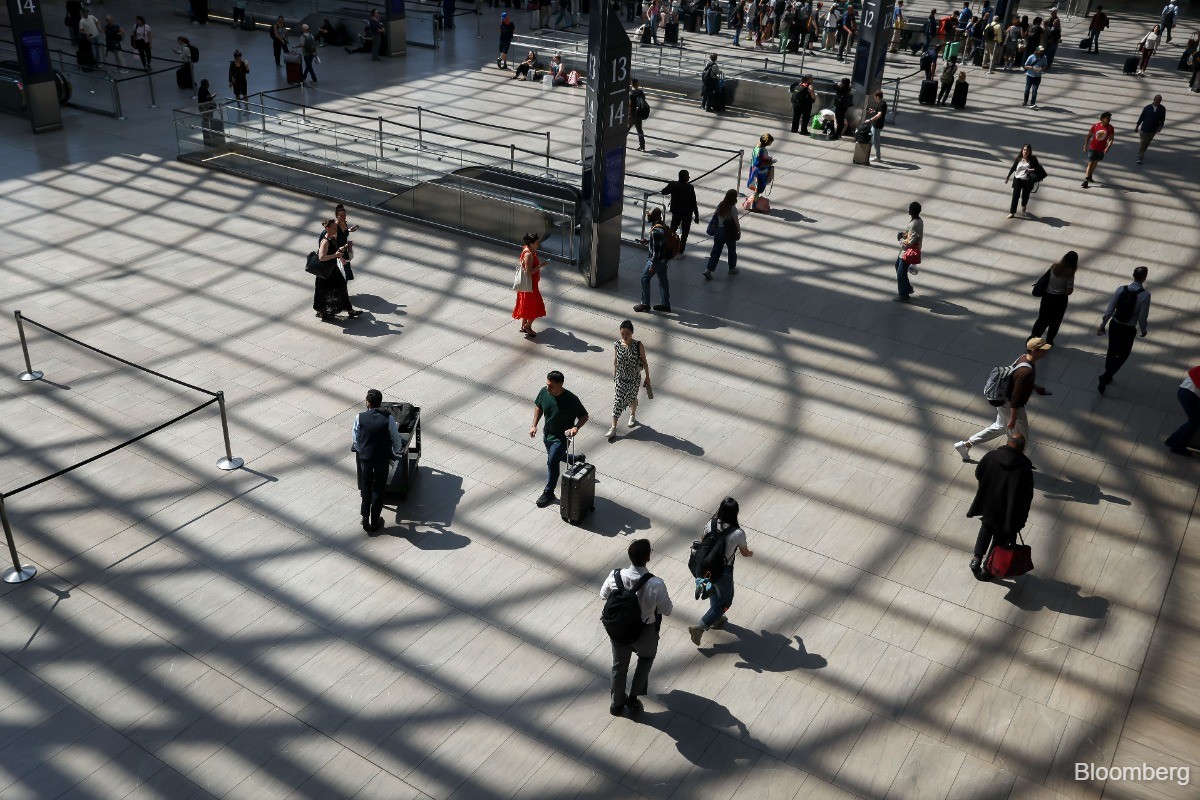
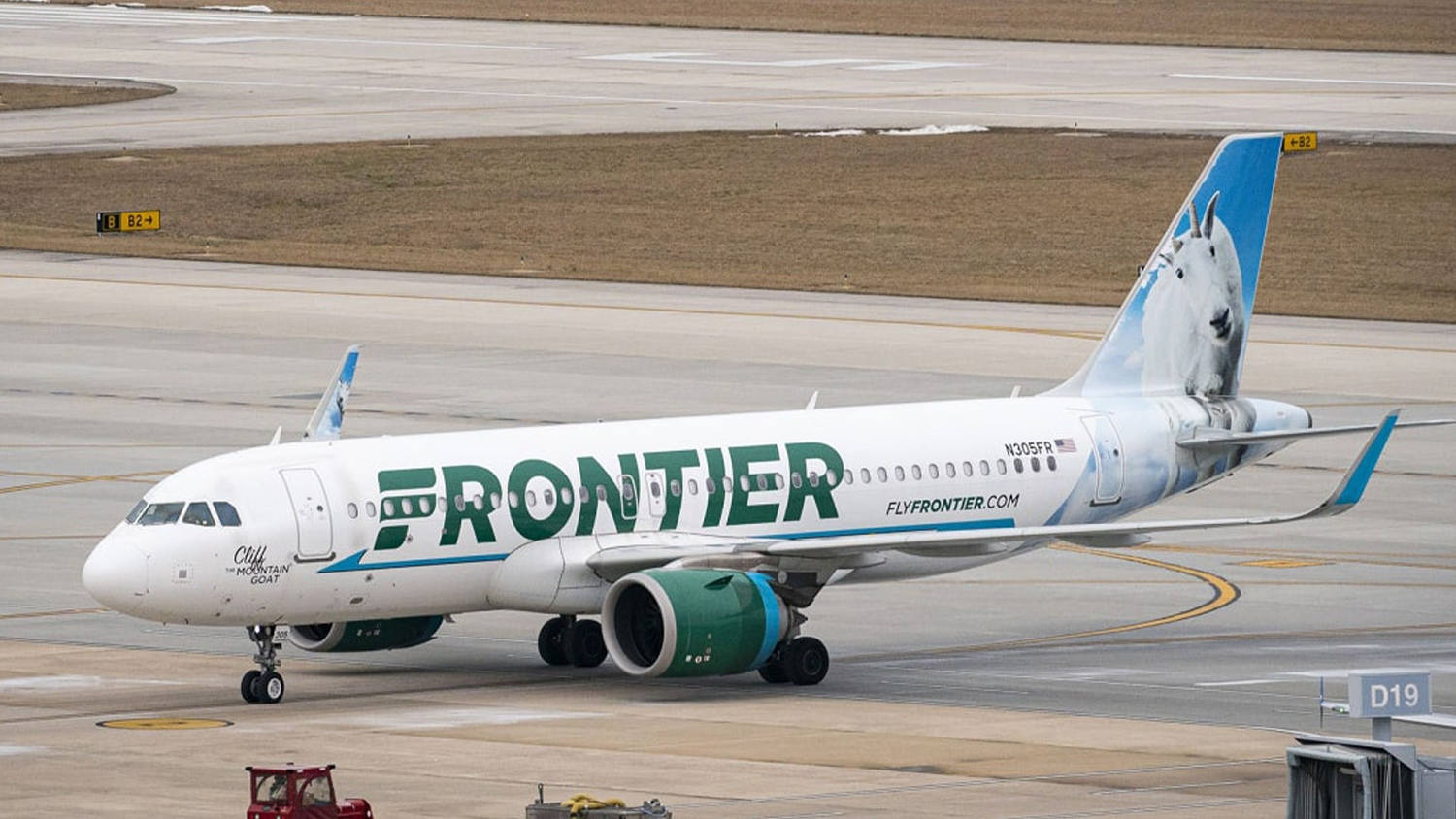
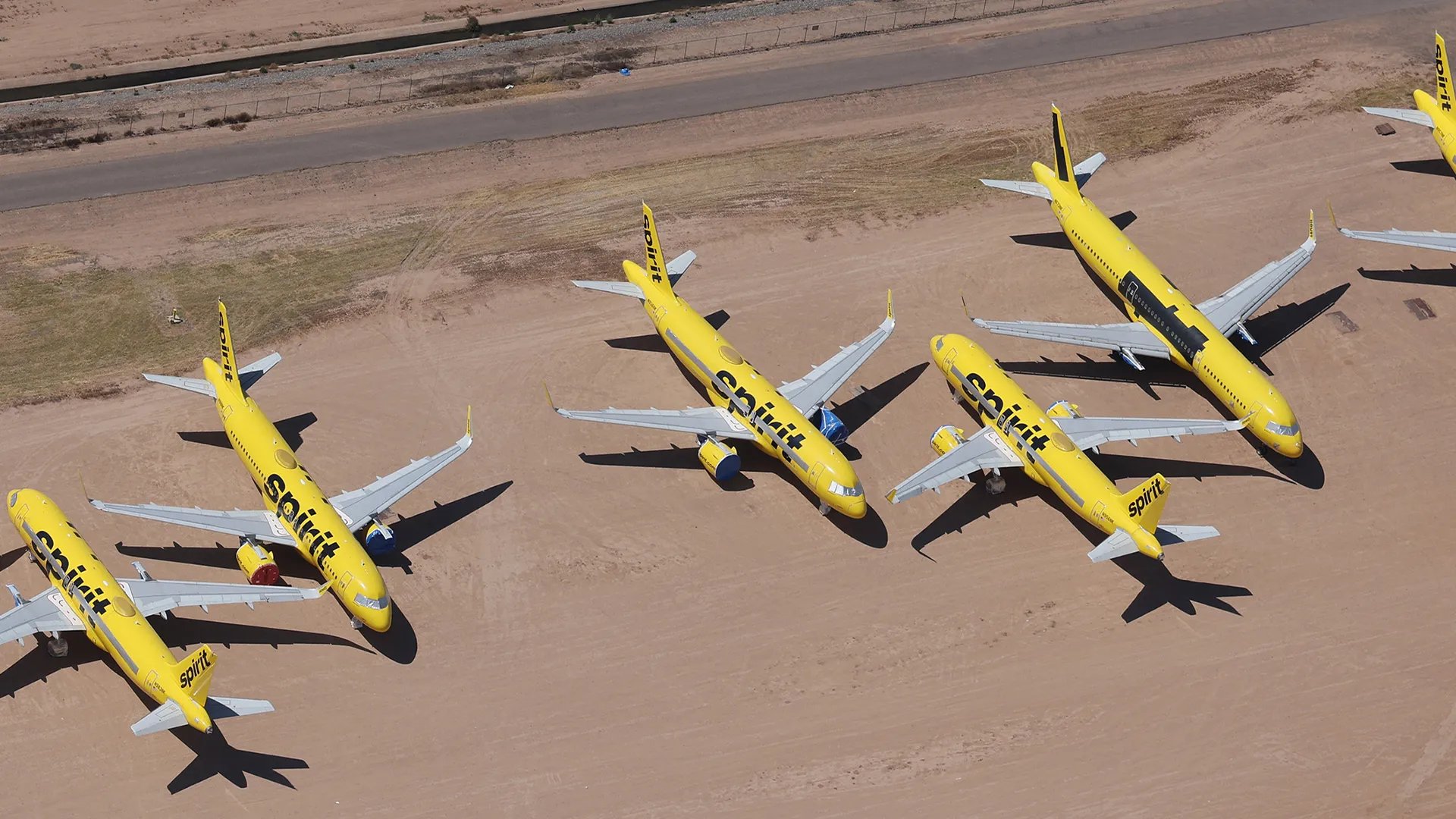
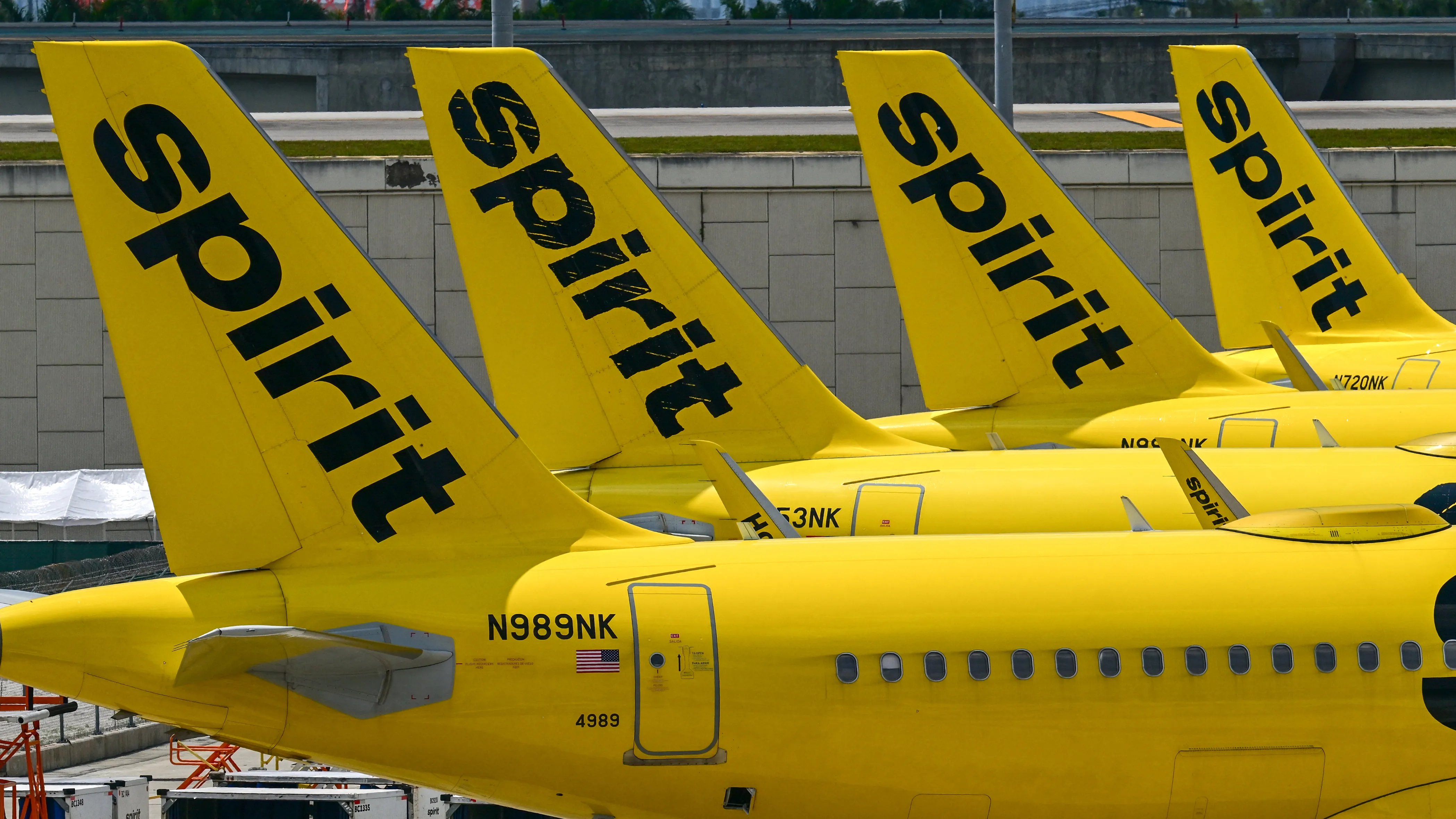
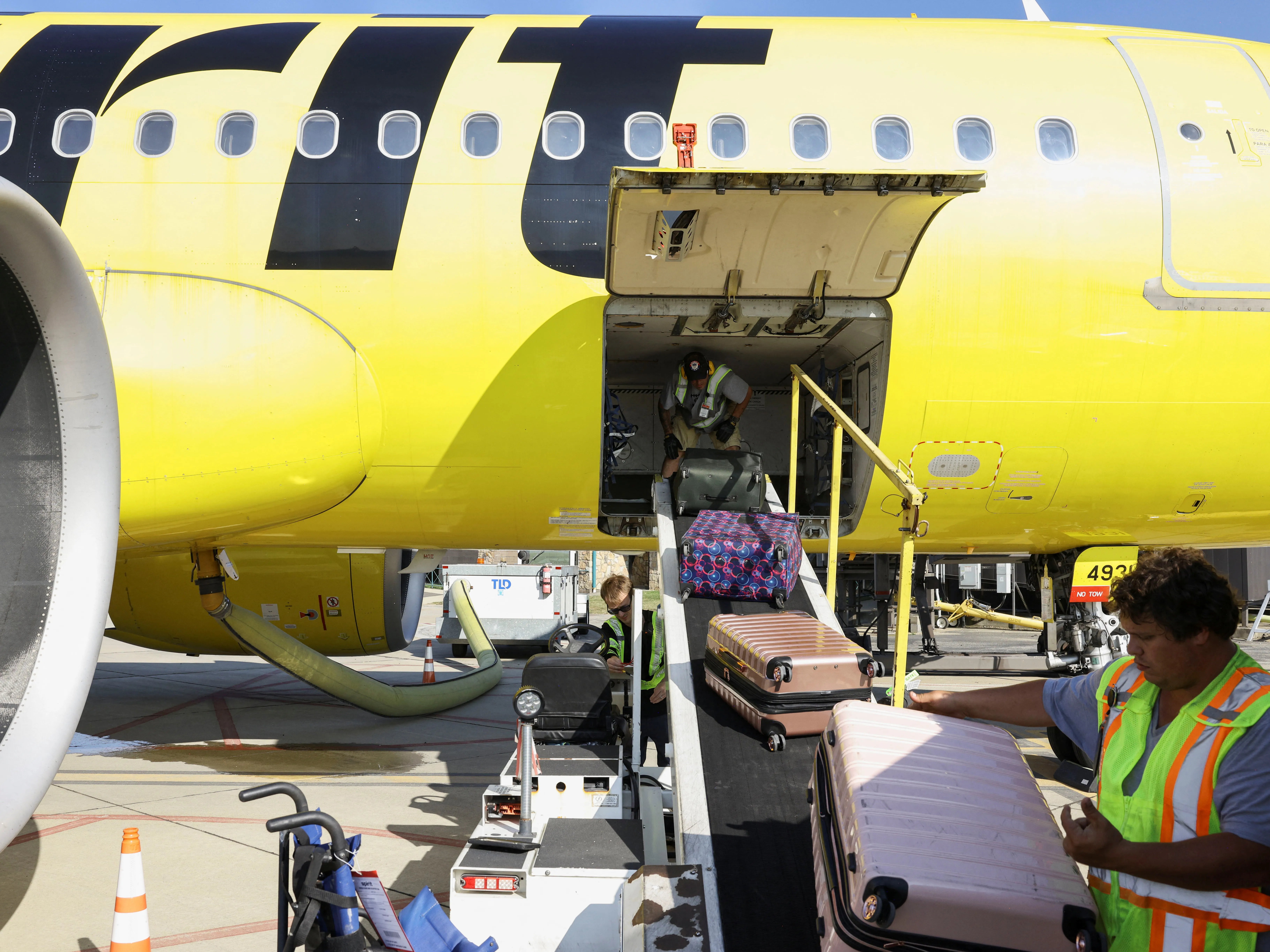
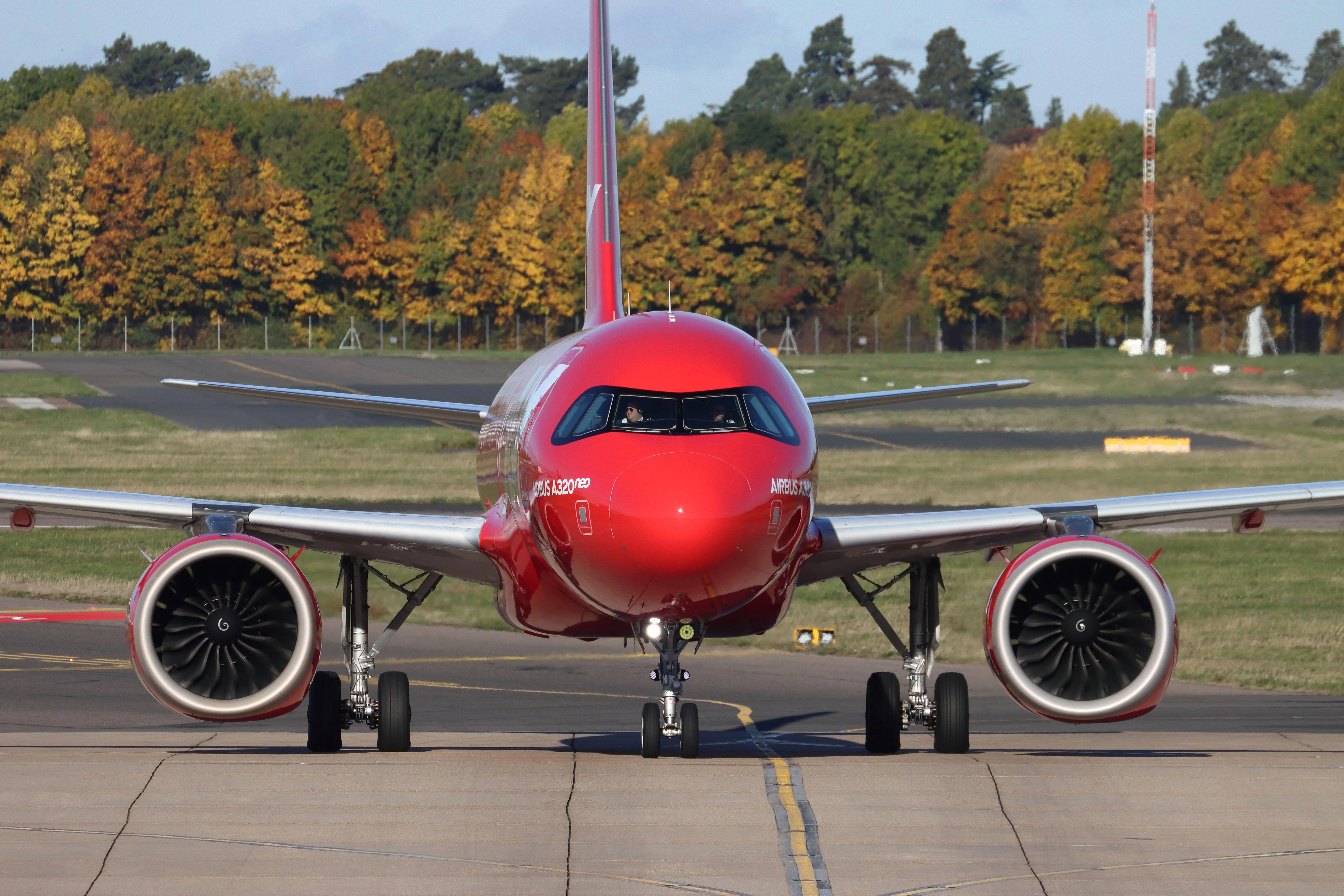
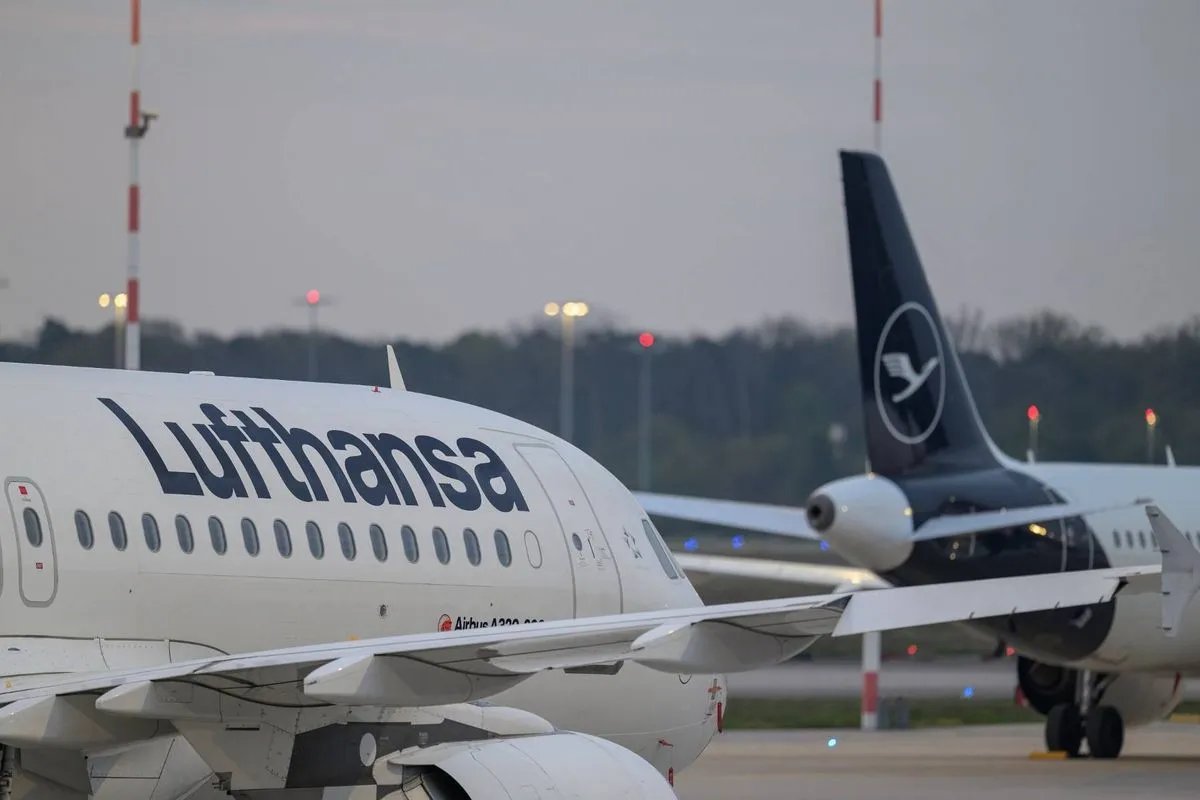
The price increases have forced airlines to adjust operations. Delta, Southwest and JetBlue have rolled out increased baggage fees, while other carriers introduced fuel surcharges. Clint Henderson, a travel expert with the Points Guy, said he expects an uptick in cancelled flight routes barring geopolitical changes. "Some of the shorter-haul flights that are not super profitable will likely be cut first," Henderson said. "We haven't seen any letup in demand from passengers. So you've got the same amount of people wanting to travel, but you've got fewer seats available."
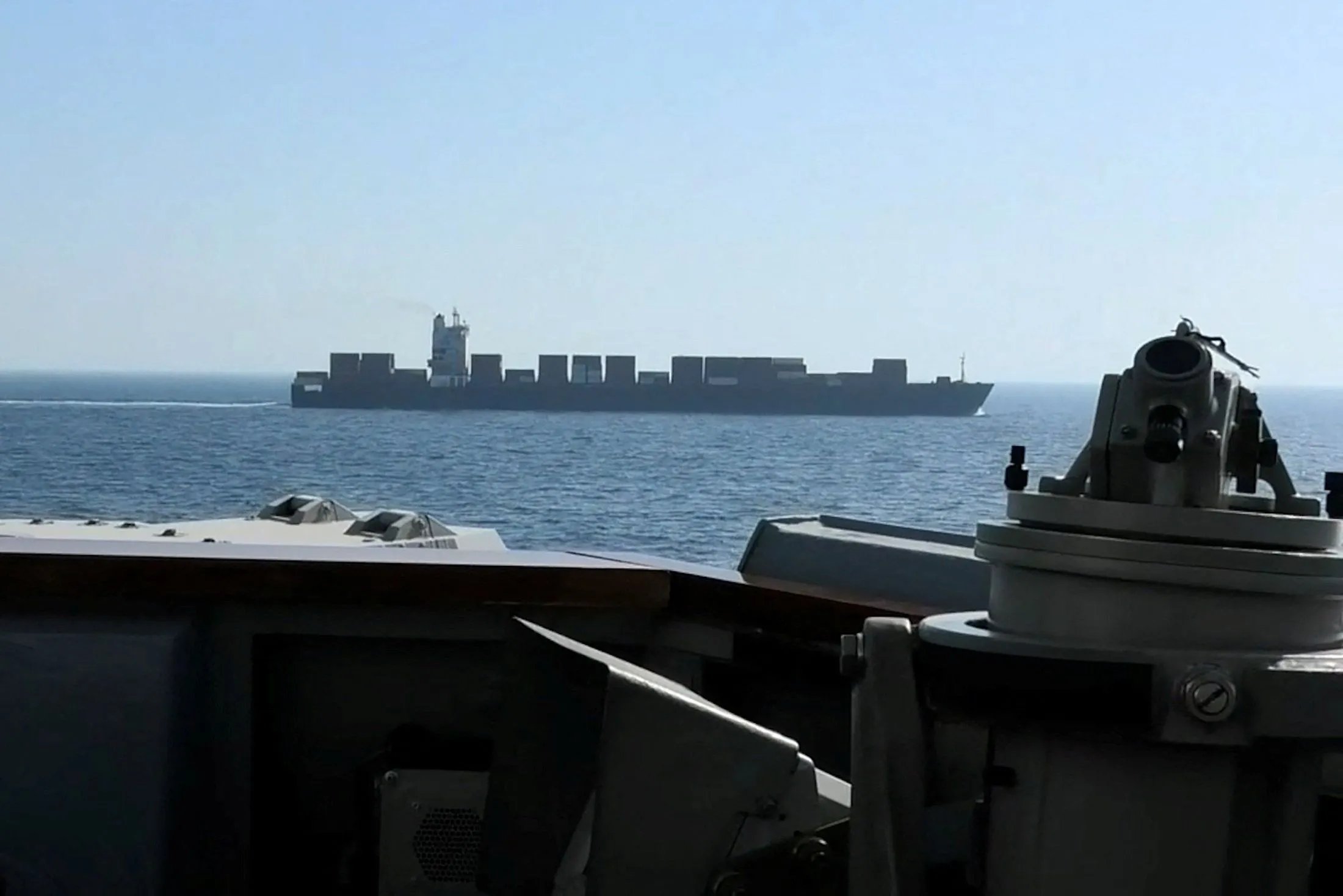
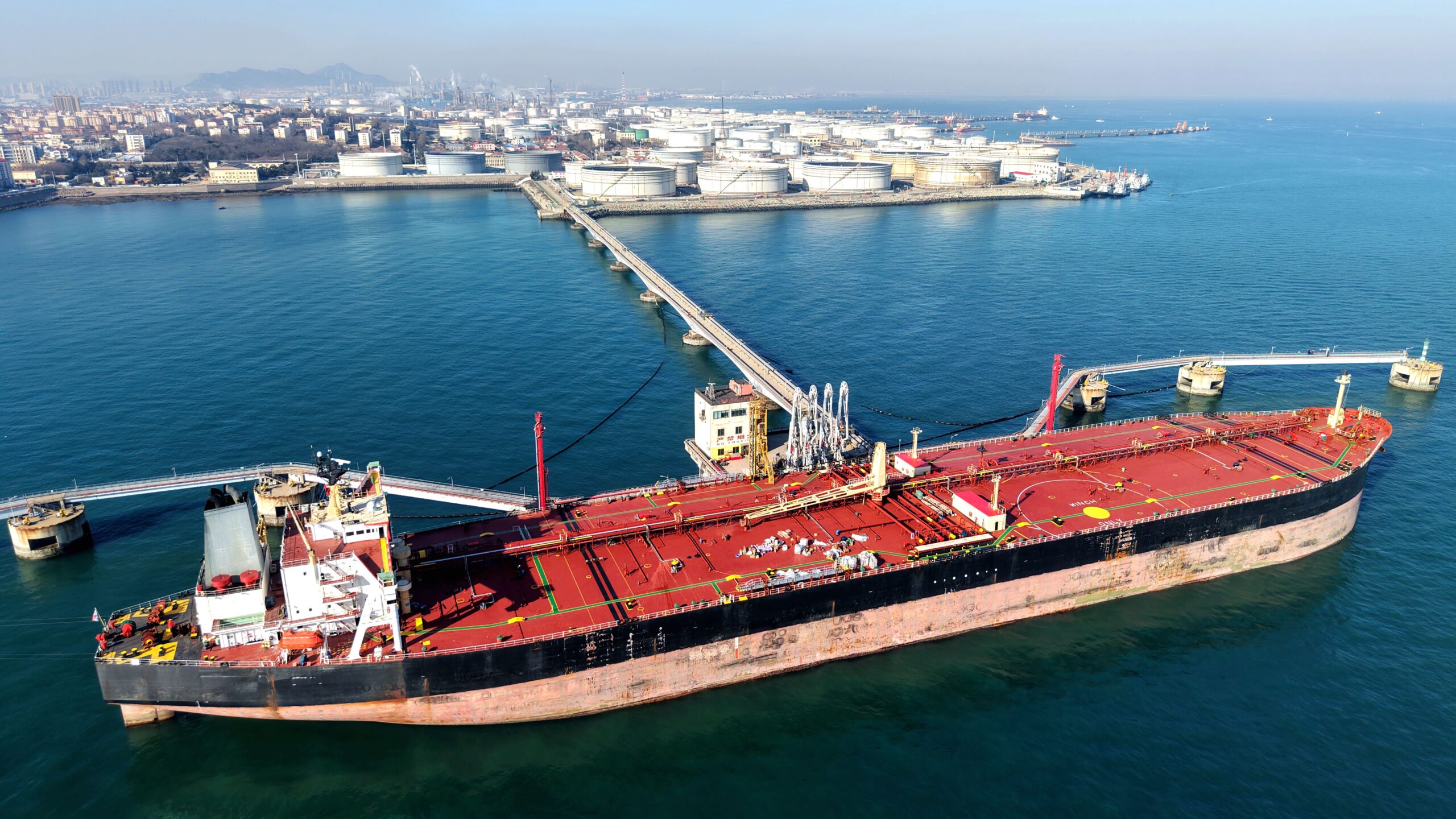
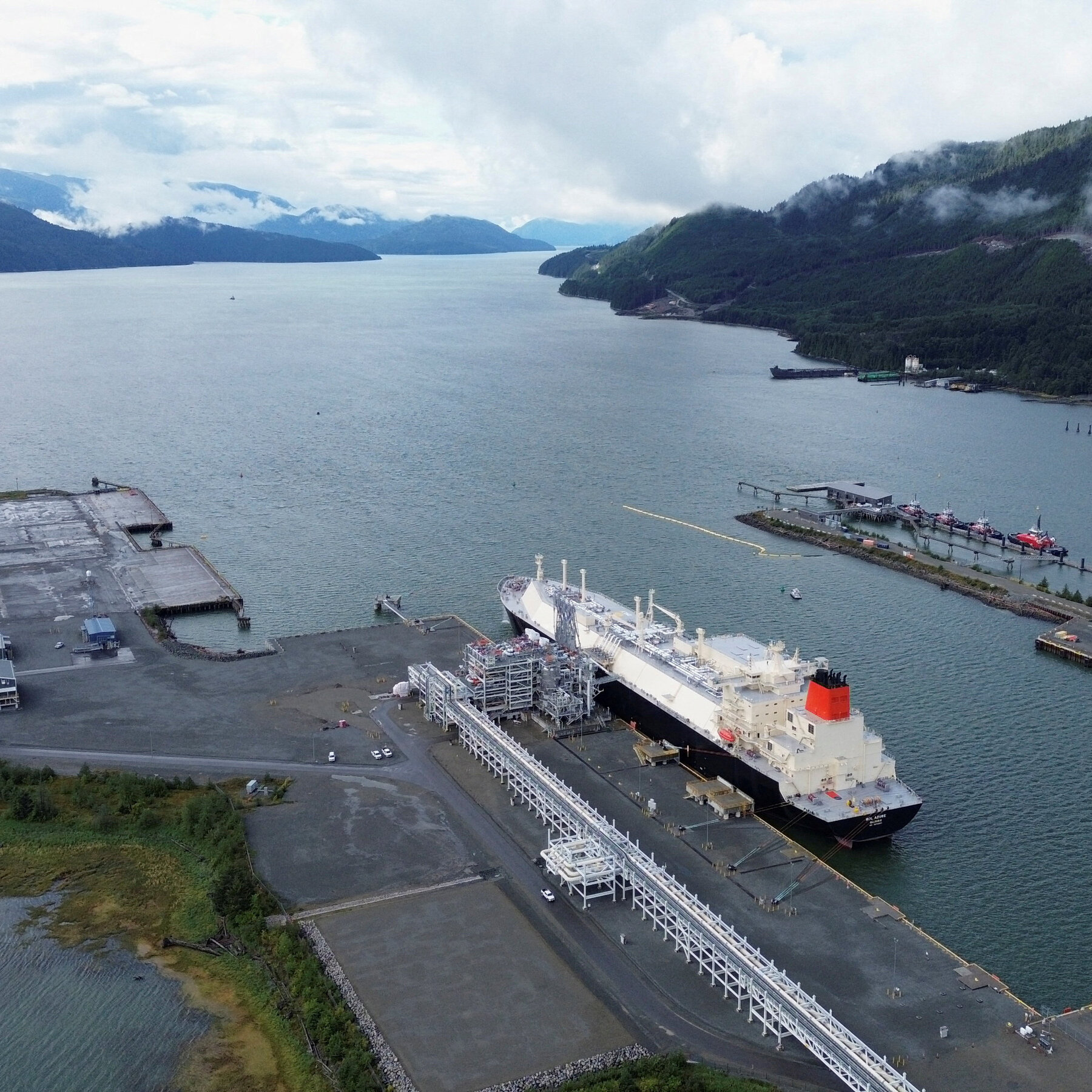
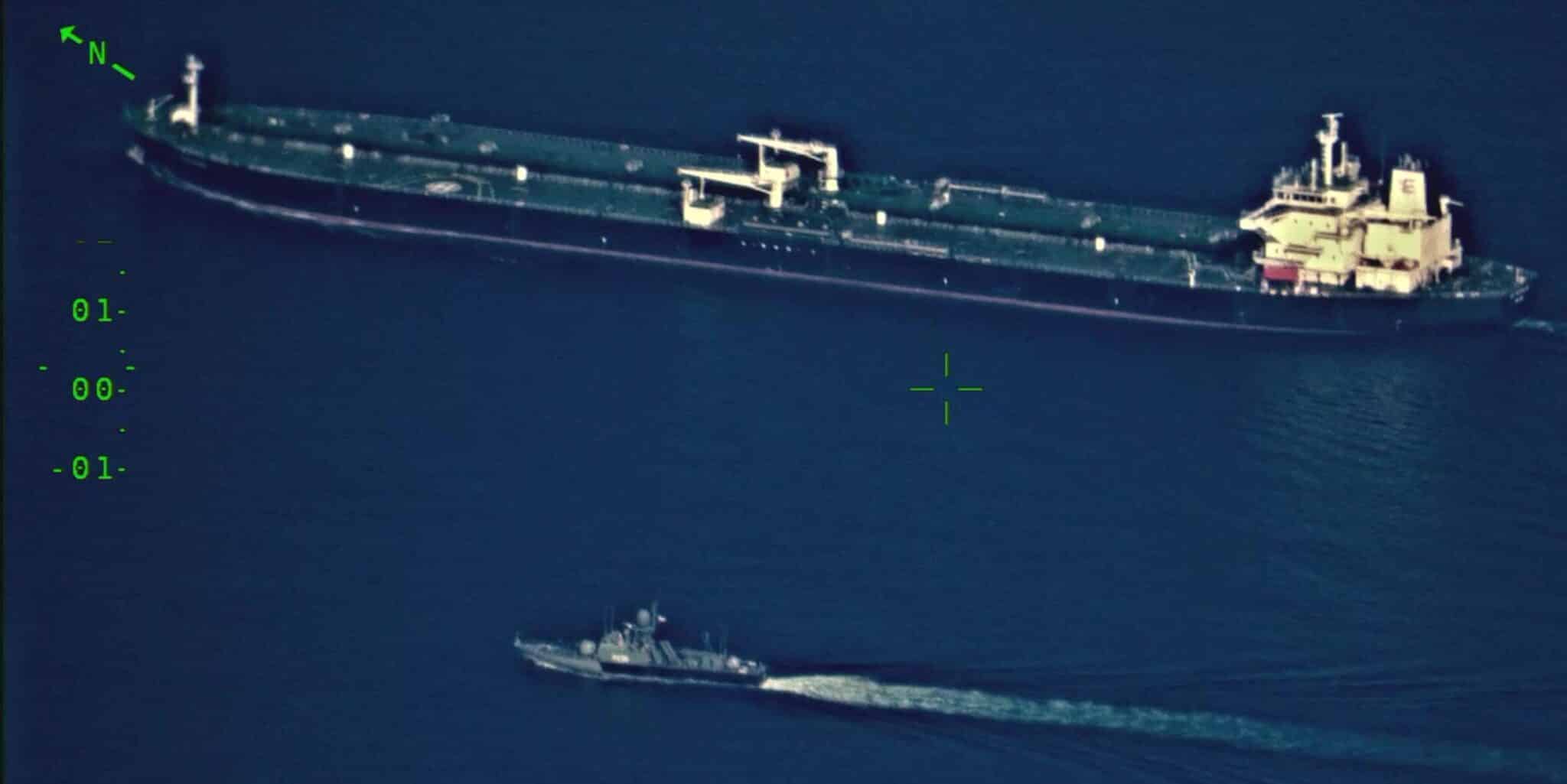
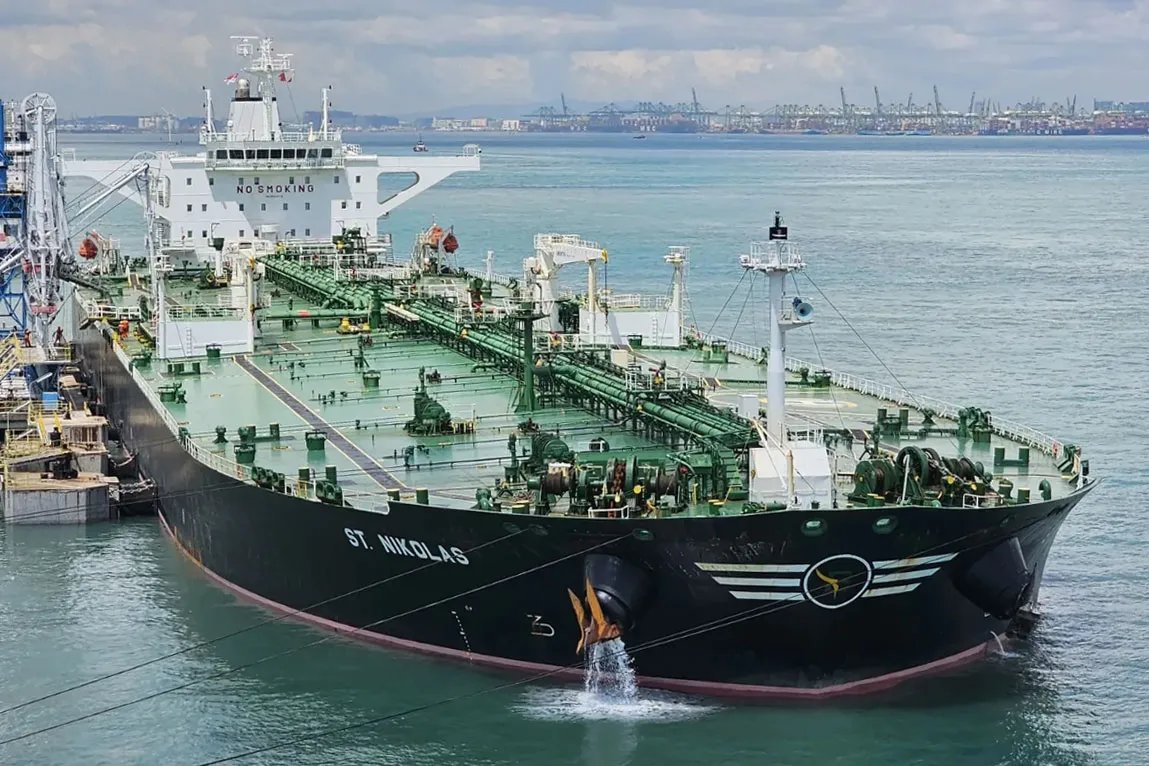
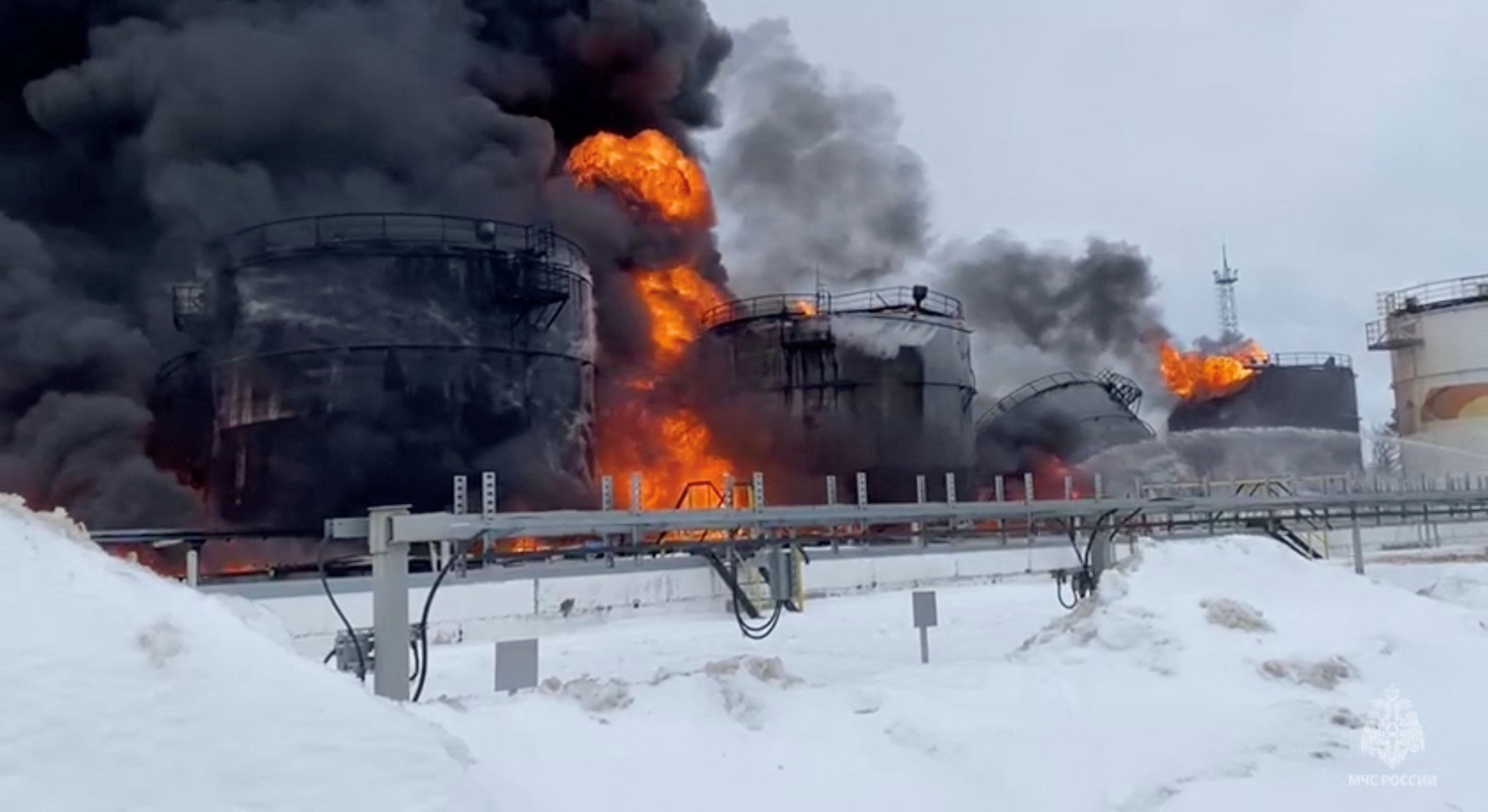
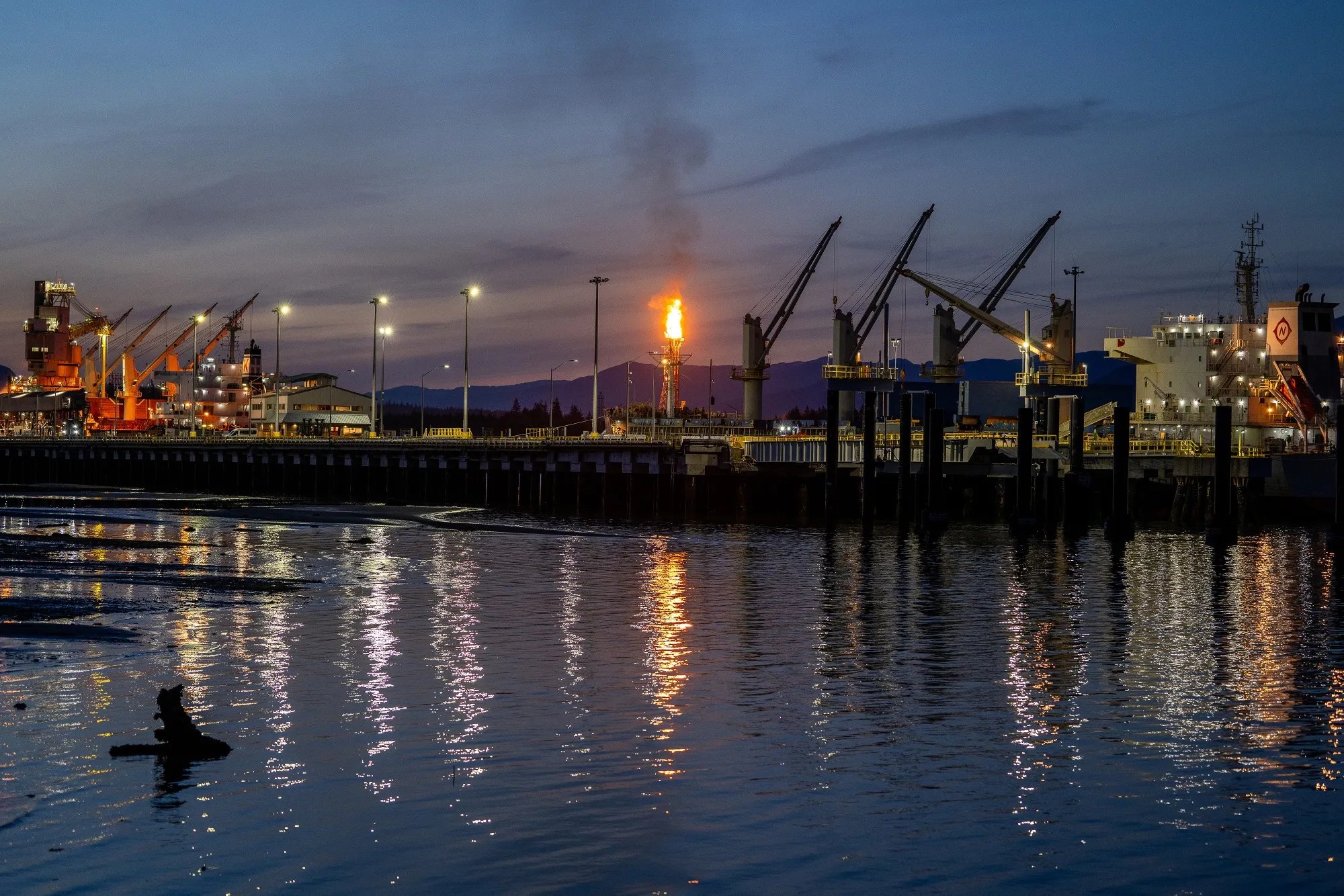
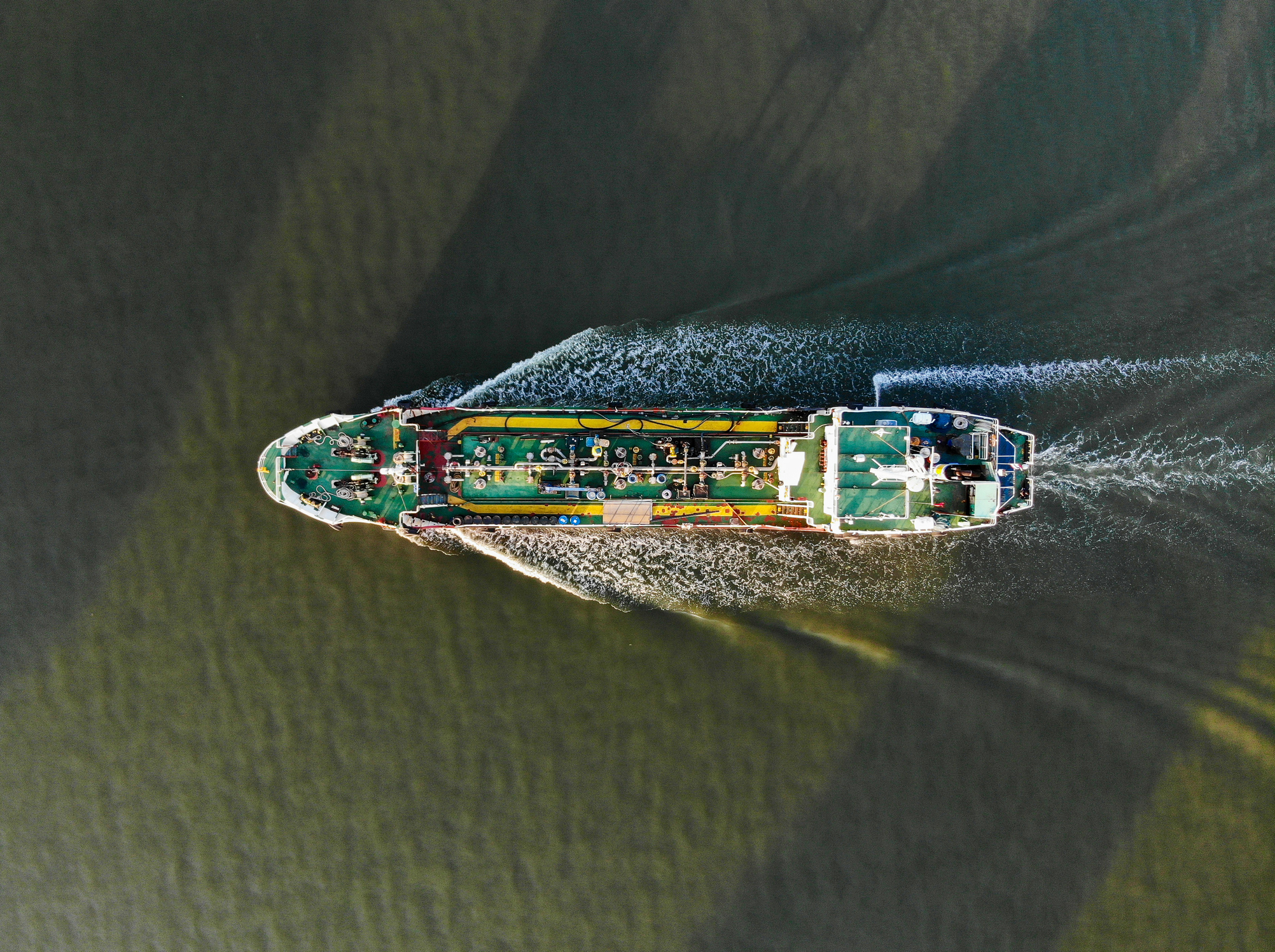
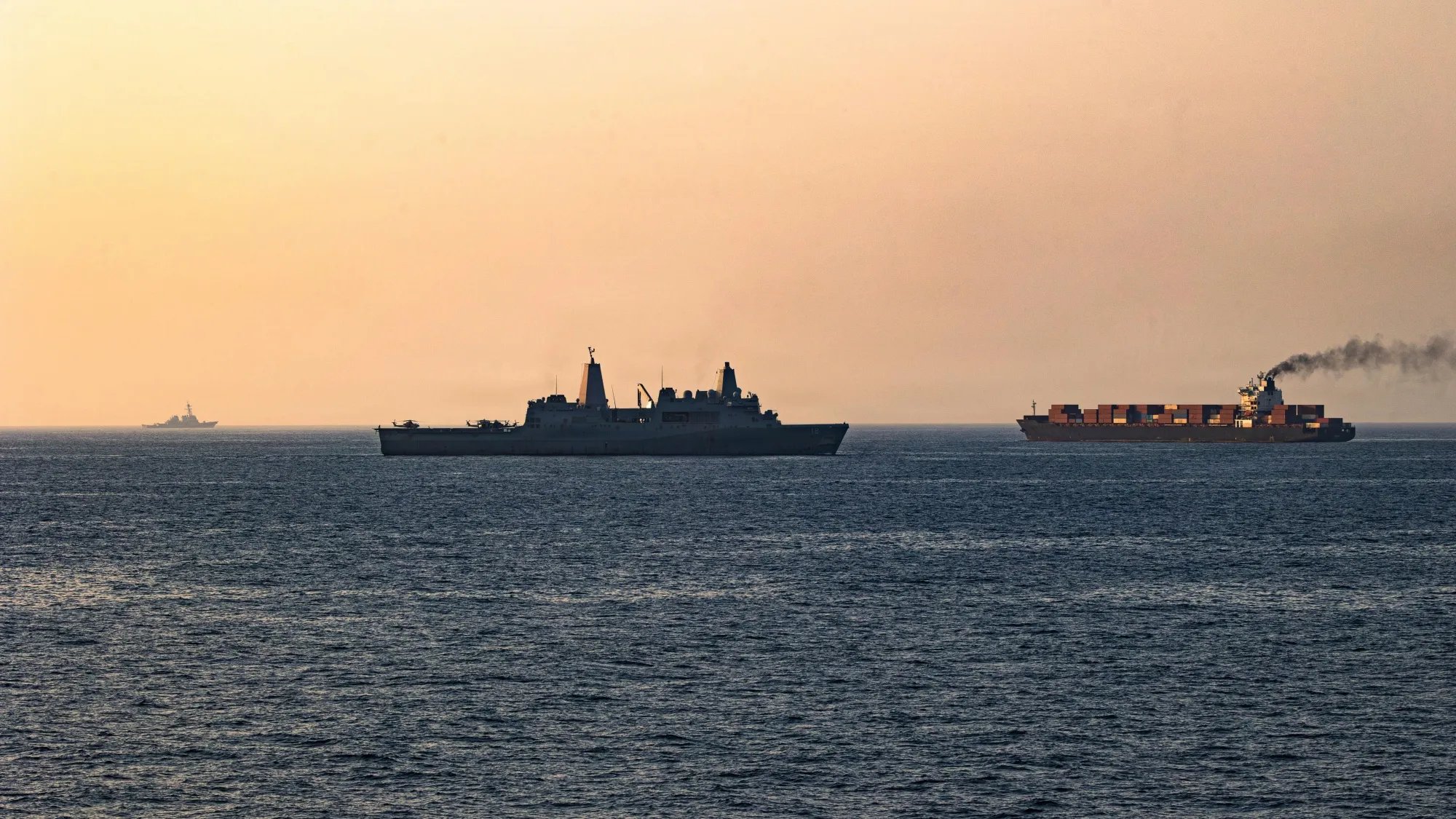
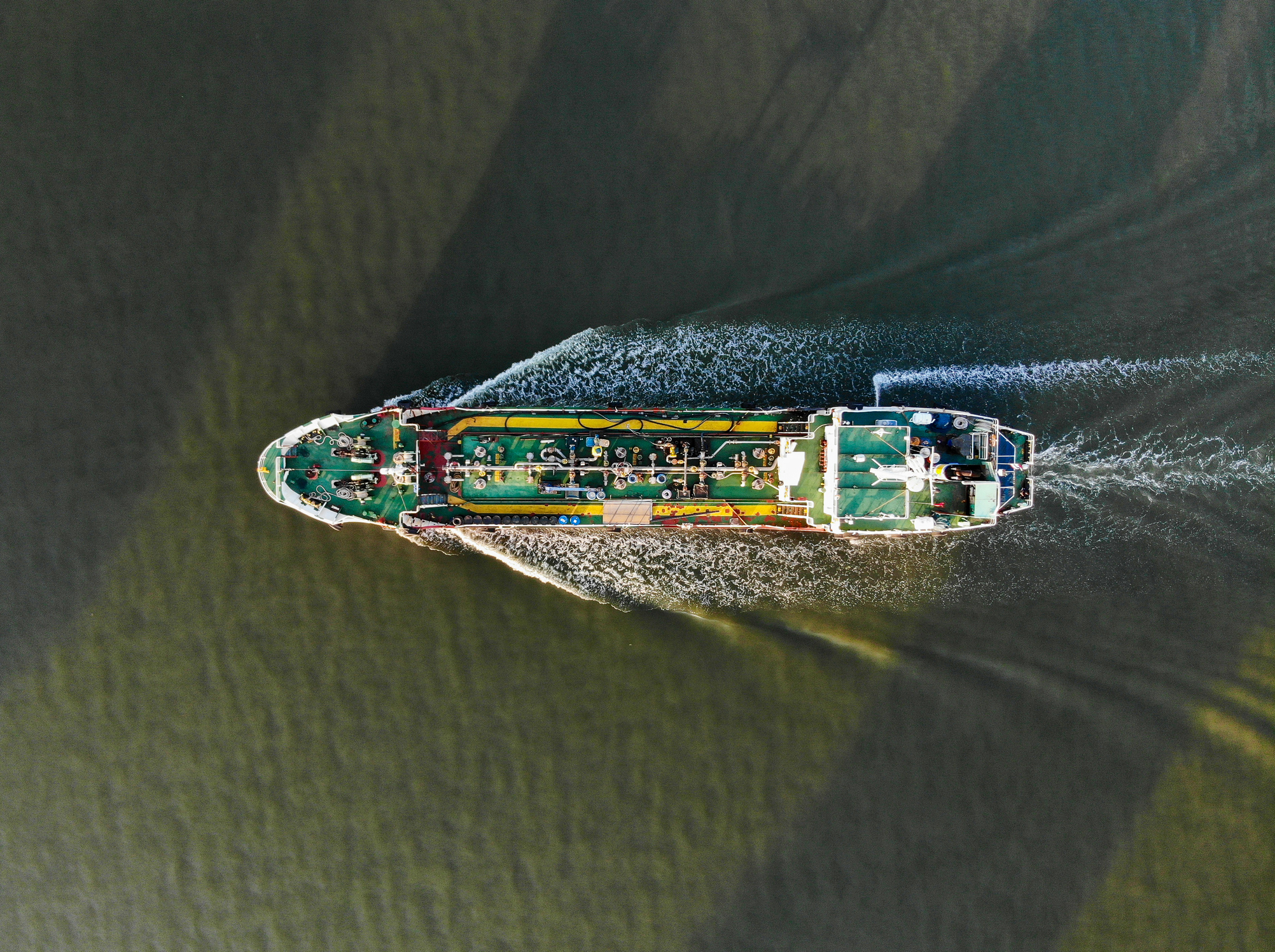
Asia imported more than 14 million barrels a day of crude Middle Eastern oil in 2025, but traffic through the Strait of Hormuz, a major waterway for oil vessels, has plunged.
Sandy Louey, a spokesperson for the California energy commission, said the state is closely monitoring fuel supply conditions. "Jet fuel supply is tight globally," Louey said. "California prices reflect that pressure, though the US is better positioned due to domestic refining infrastructure and crude supply that Europe lacks."
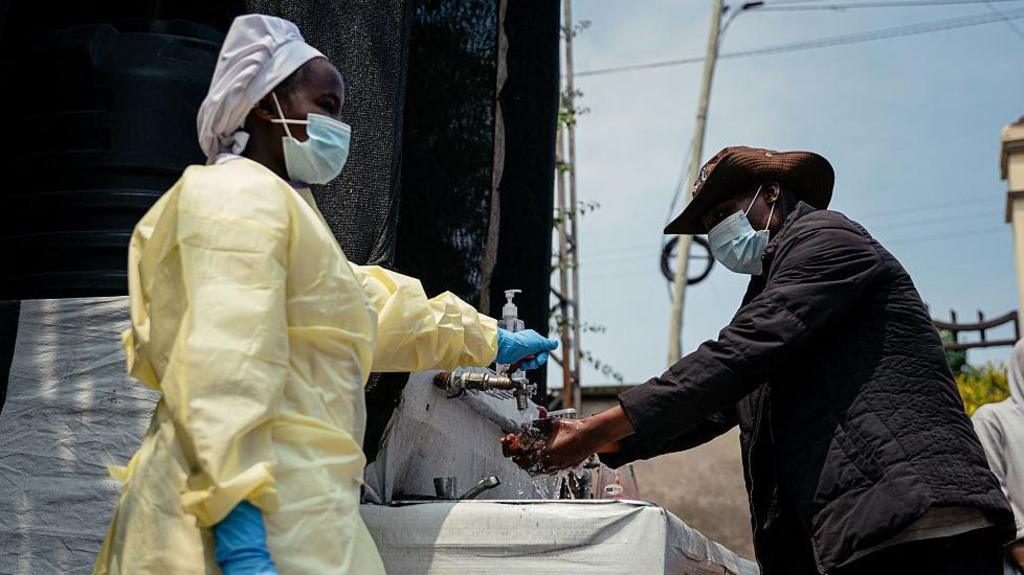
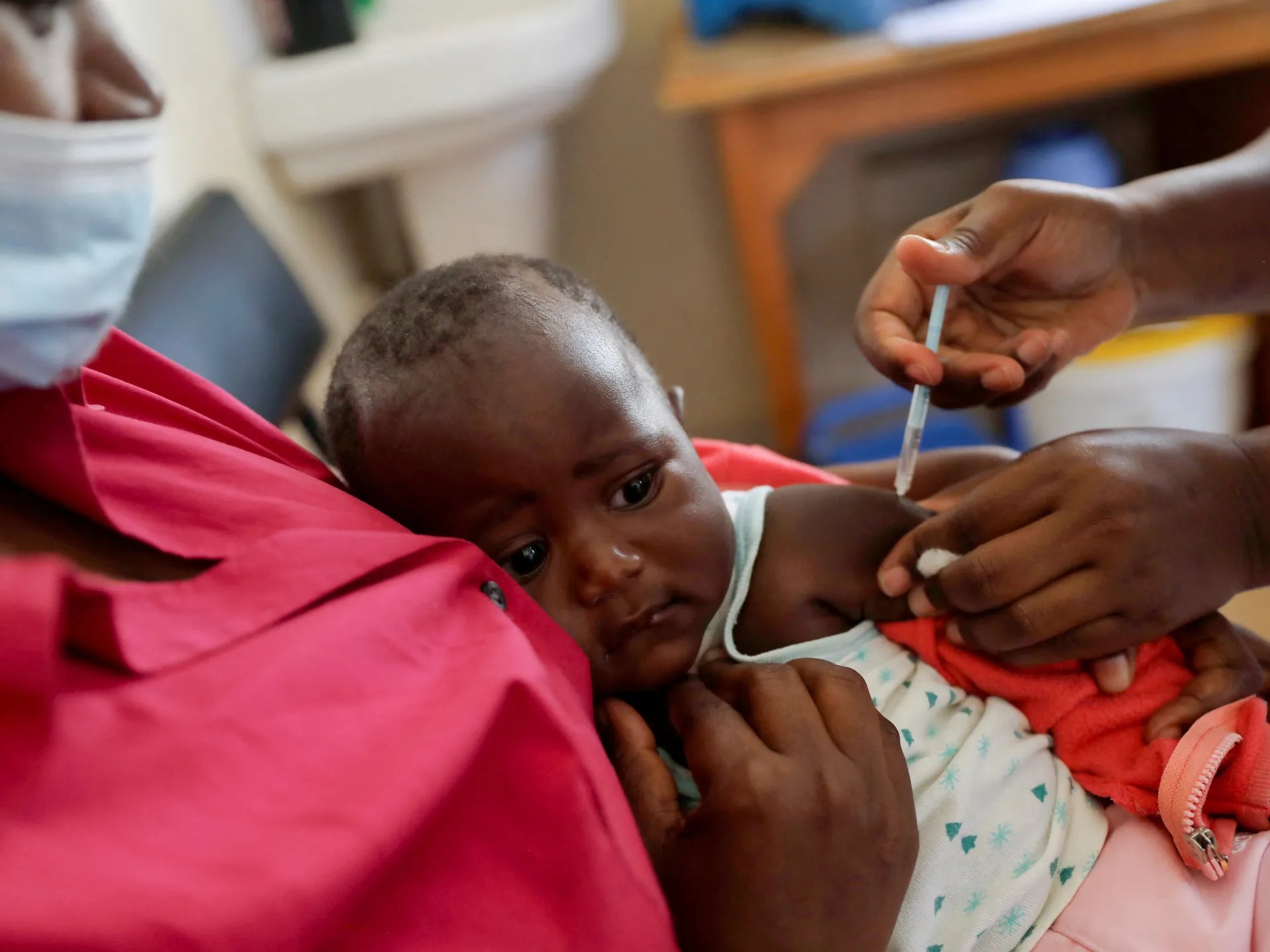
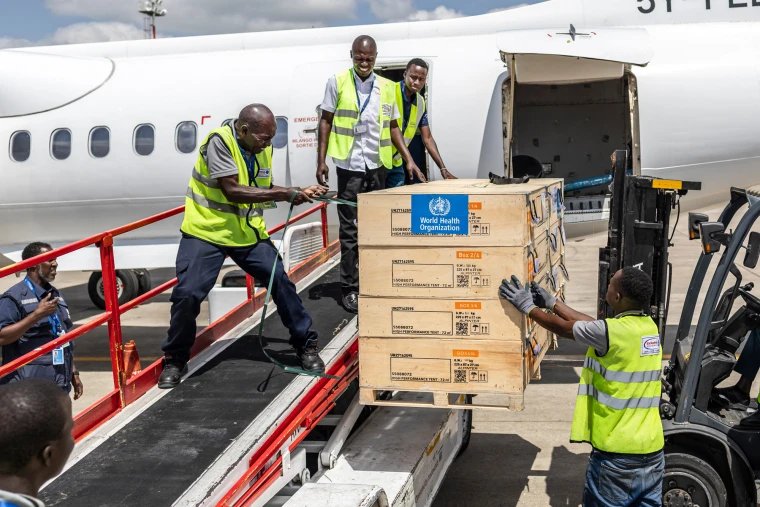
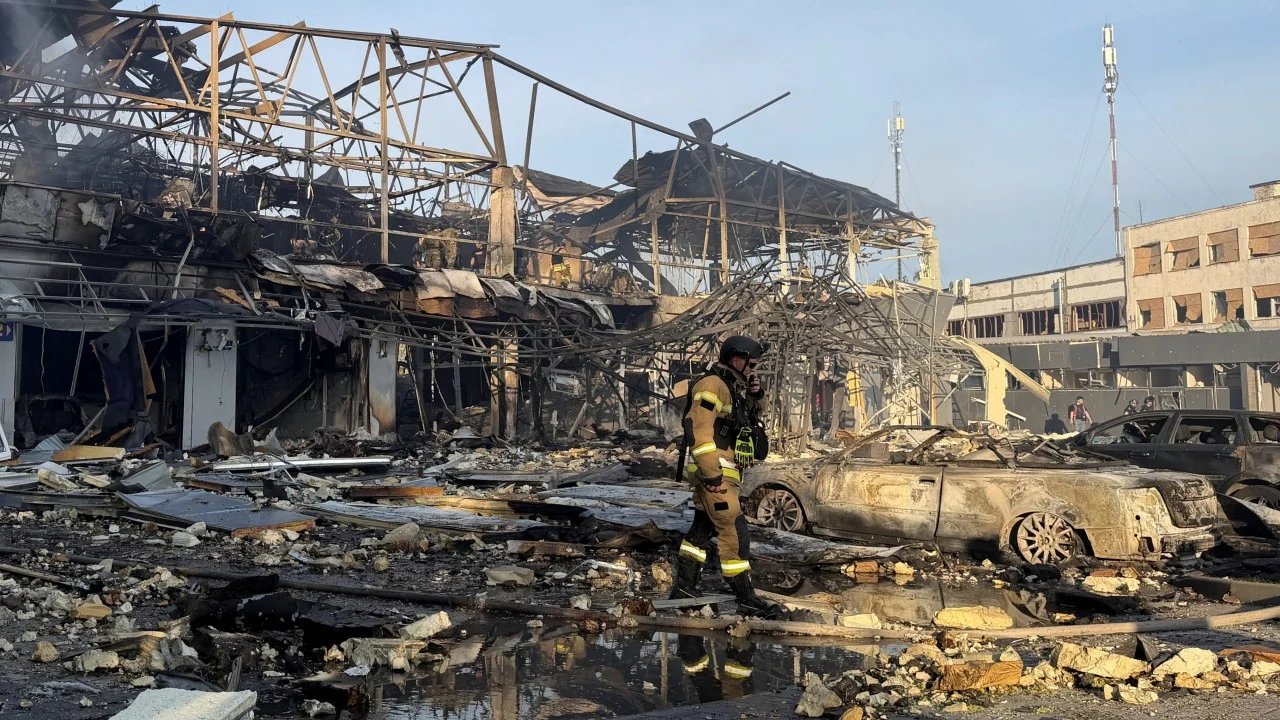
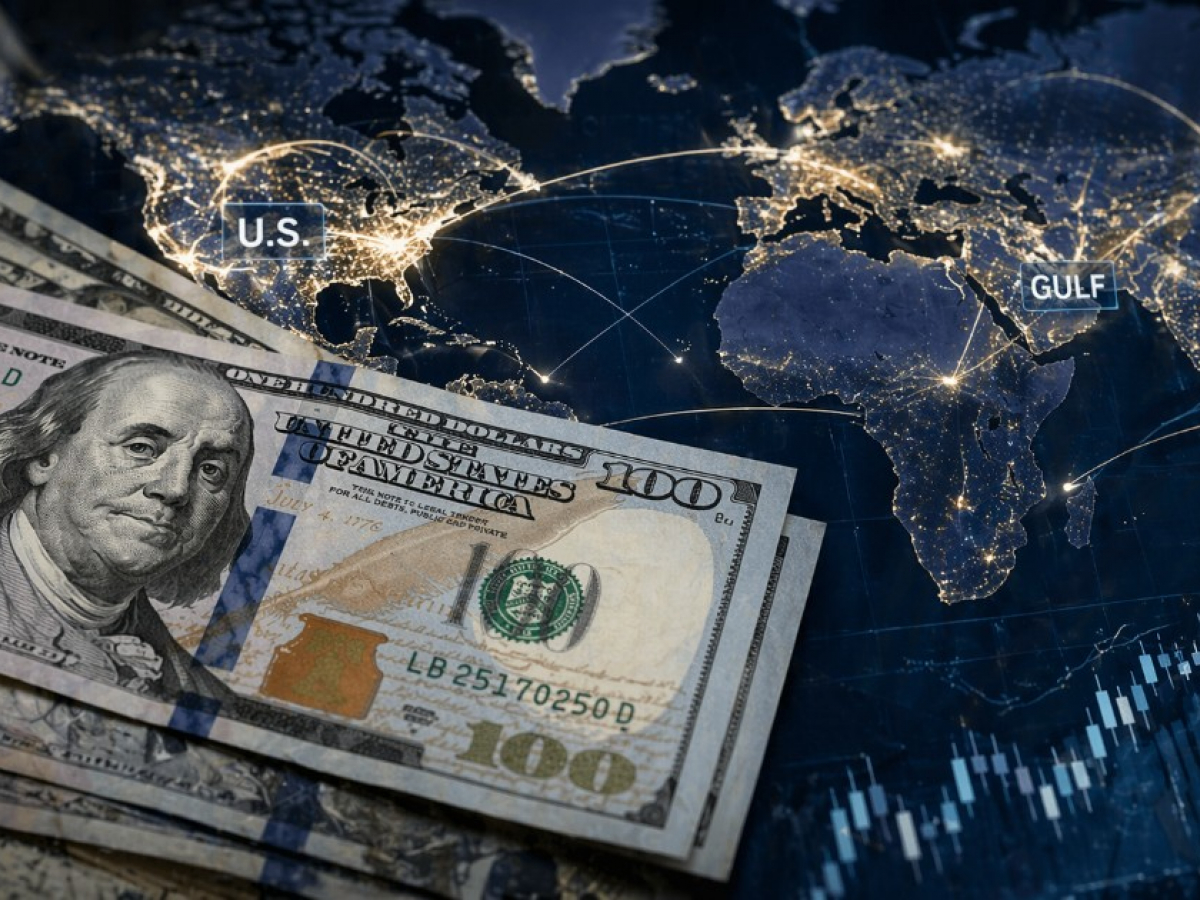
The disruption extends beyond fuel and water treatment chemicals. The war's fallout is rippling through global supply chains, pushing up costs and raising concerns over food prices across Africa and other regions. The disruption of oil production and trade translates into higher energy and fertilizer prices, which raise food costs and hit the world's poorest hardest.
Two major water supply systems in Maryland announced this month they would temporarily reduce fluoride use as the war in Iran places strain on global supply chains. The systems serve the Baltimore and suburban D.C. areas. Fluoride, widely used to prevent tooth decay, has become harder to source as the conflict disrupts international trade routes and production networks.
The shortage reflects a broader pattern of supply chain disruption cascading through American infrastructure. California's jet fuel inventory fell to just over 2.6 million barrels as of April 17, the lowest level since 2023, compared to 3.2 million barrels two years prior, according to the California energy commission.
Jet fuel prices have climbed sharply since the war began. For the first two months of this year, prices hovered at about $2.30 per gallon in Chicago, Houston, Los Angeles and New York, according to Argus Media. As of April 24, jet fuel prices averaged $4.19 per gallon. At Los Angeles International Airport, jet fuel costs recently reached close to $15 a gallon.
The price increases have forced airlines to adjust operations. Delta, Southwest and JetBlue have rolled out increased baggage fees, while other carriers introduced fuel surcharges. Clint Henderson, a travel expert with the Points Guy, said he expects an uptick in cancelled flight routes barring geopolitical changes. "Some of the shorter-haul flights that are not super profitable will likely be cut first," Henderson said. "We haven't seen any letup in demand from passengers. So you've got the same amount of people wanting to travel, but you've got fewer seats available."
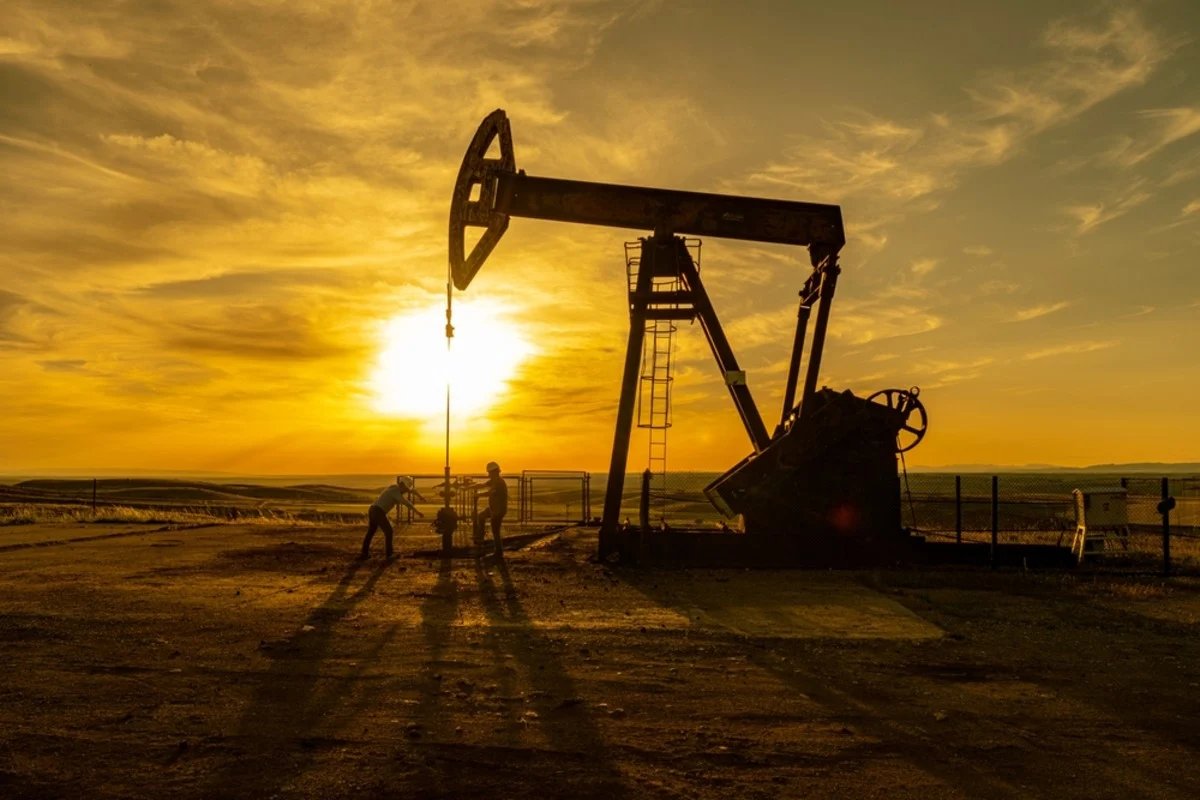
California received 61.1% of its oil supply from foreign sources in 2025, a shift from the early 1990s when nearly half came from state-owned refineries. Asia imported more than 14 million barrels a day of crude Middle Eastern oil in 2025, but traffic through the Strait of Hormuz, a major waterway for oil vessels, has plunged.
Sandy Louey, a spokesperson for the California energy commission, said the state is closely monitoring fuel supply conditions. "Jet fuel supply is tight globally," Louey said. "California prices reflect that pressure, though the US is better positioned due to domestic refining infrastructure and crude supply that Europe lacks."
The disruption extends beyond fuel and water treatment chemicals. The war's fallout is rippling through global supply chains, pushing up costs and raising concerns over food prices across Africa and other regions. The disruption of oil production and trade translates into higher energy and fertilizer prices, which raise food costs and hit the world's poorest hardest.
Highlighted text was flagged by the council. Tap to see feedback.