




Economic Impact of the Rupee's Decline
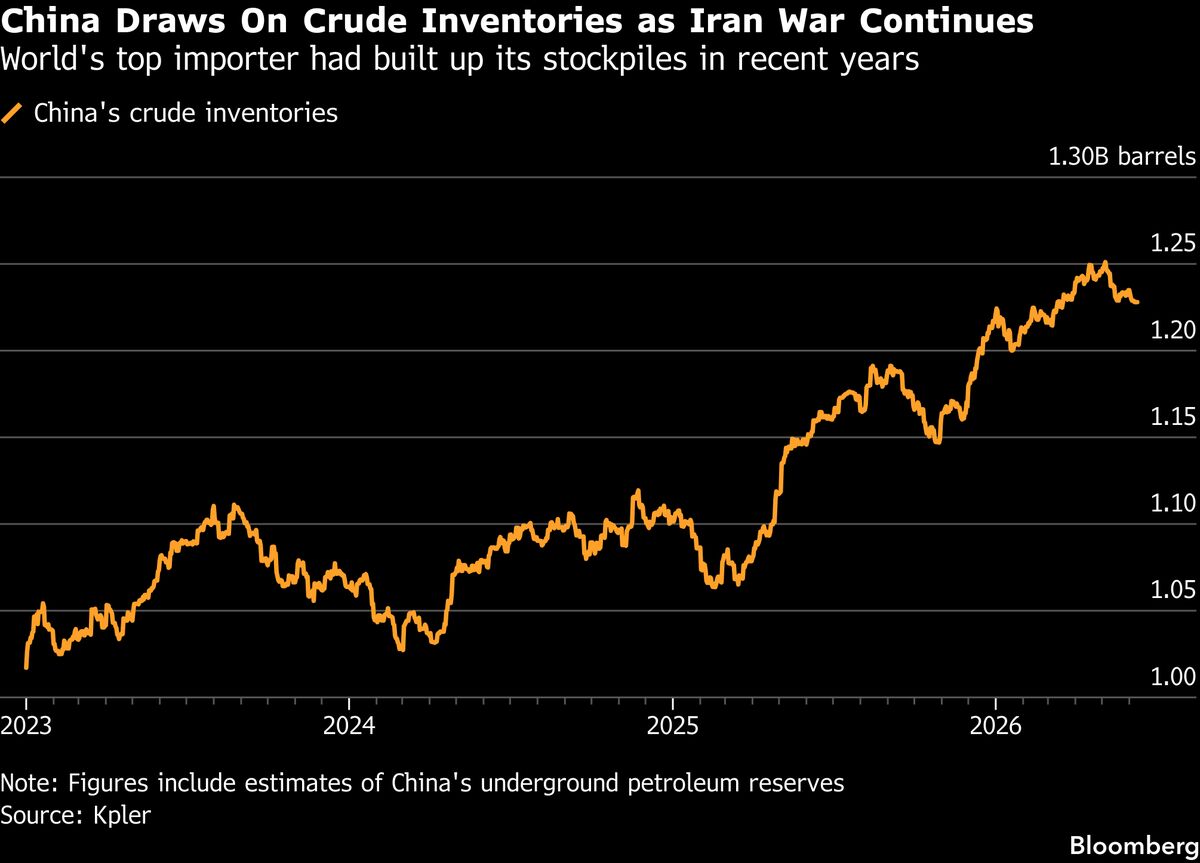
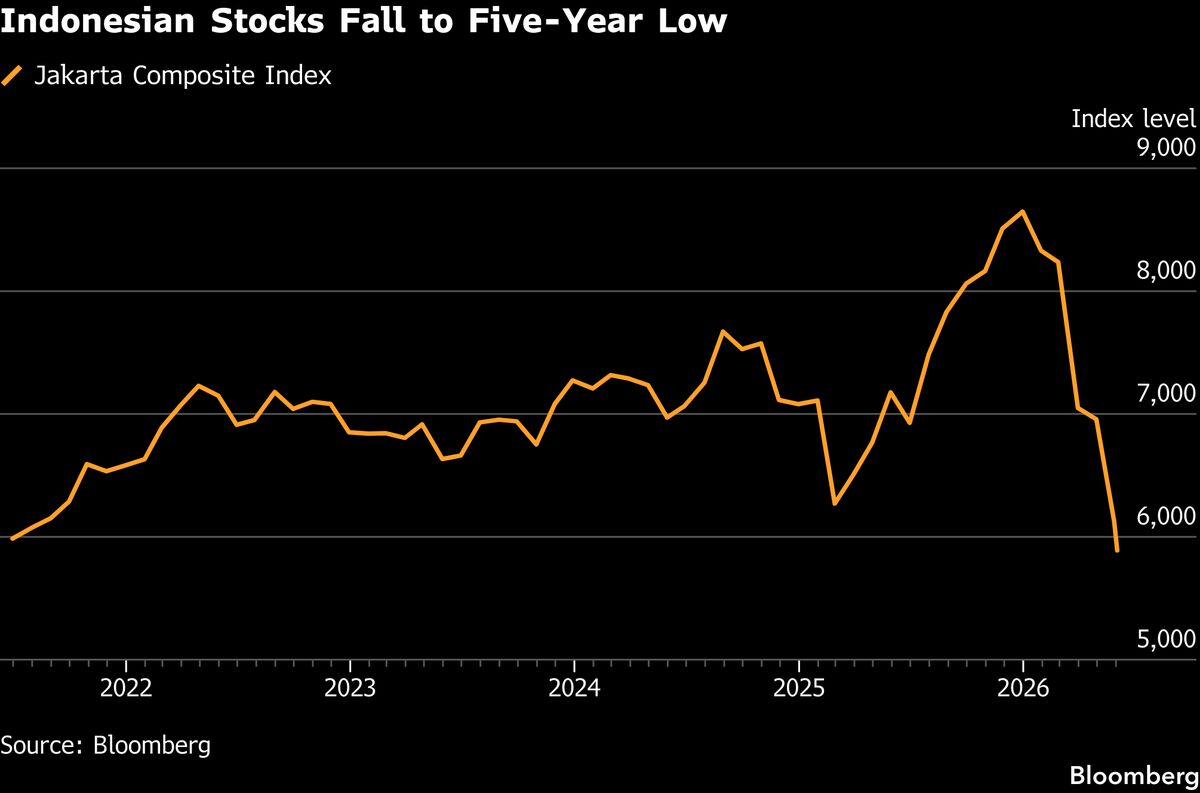
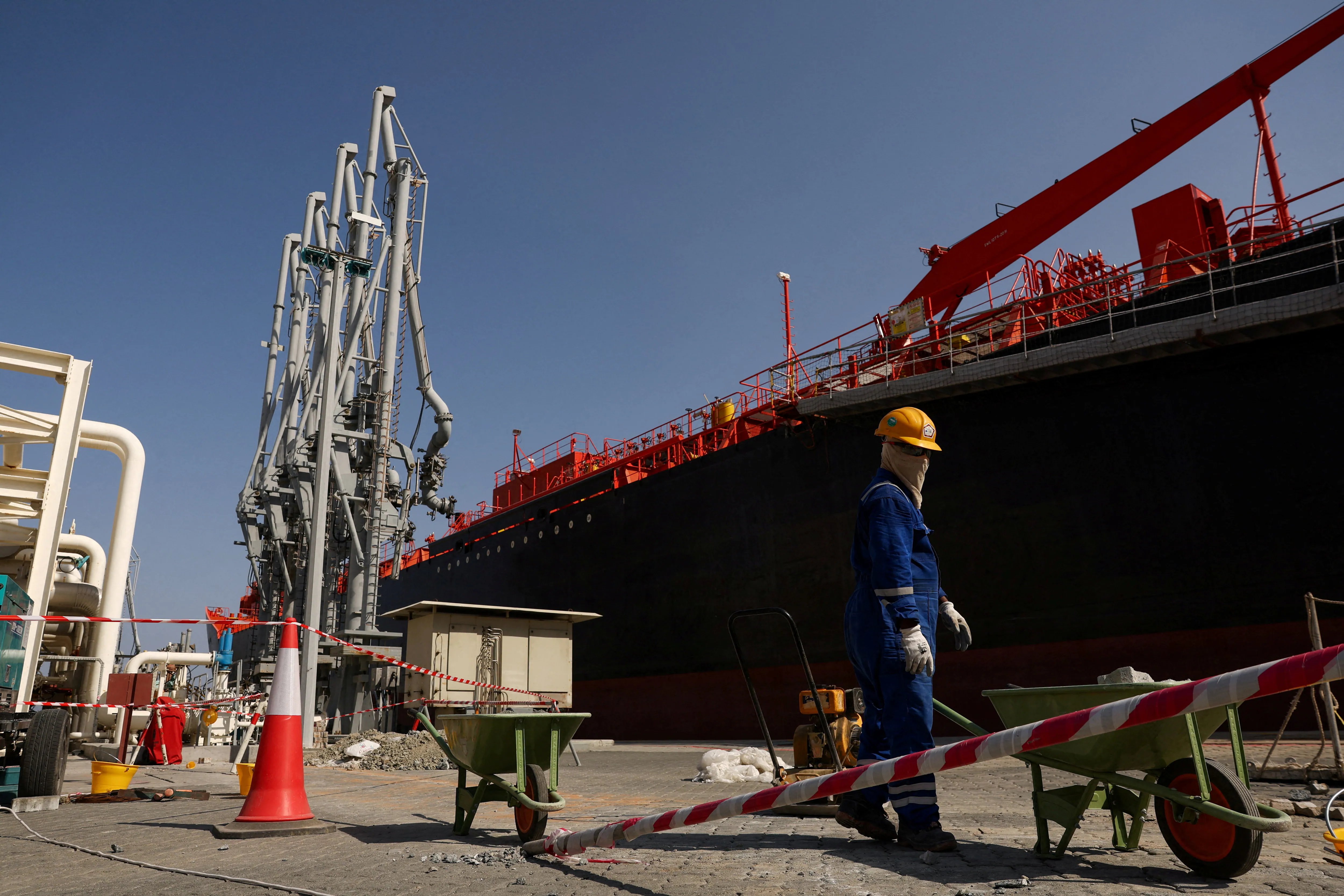
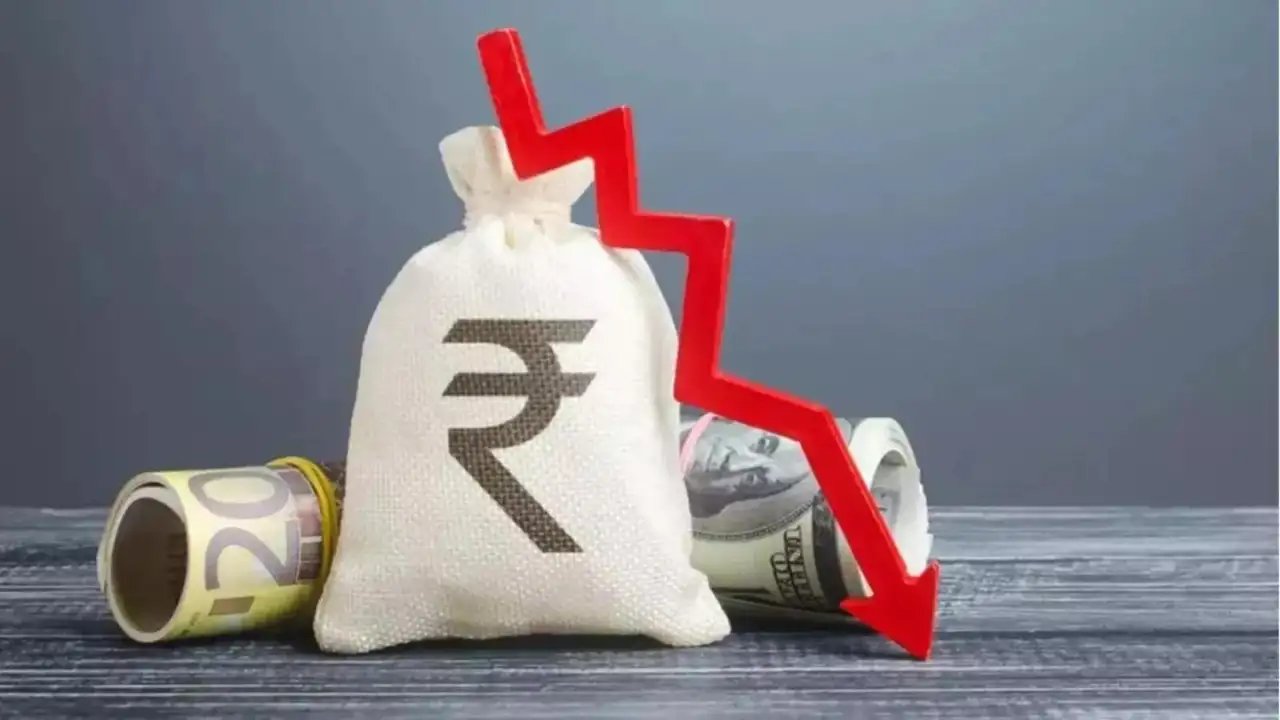
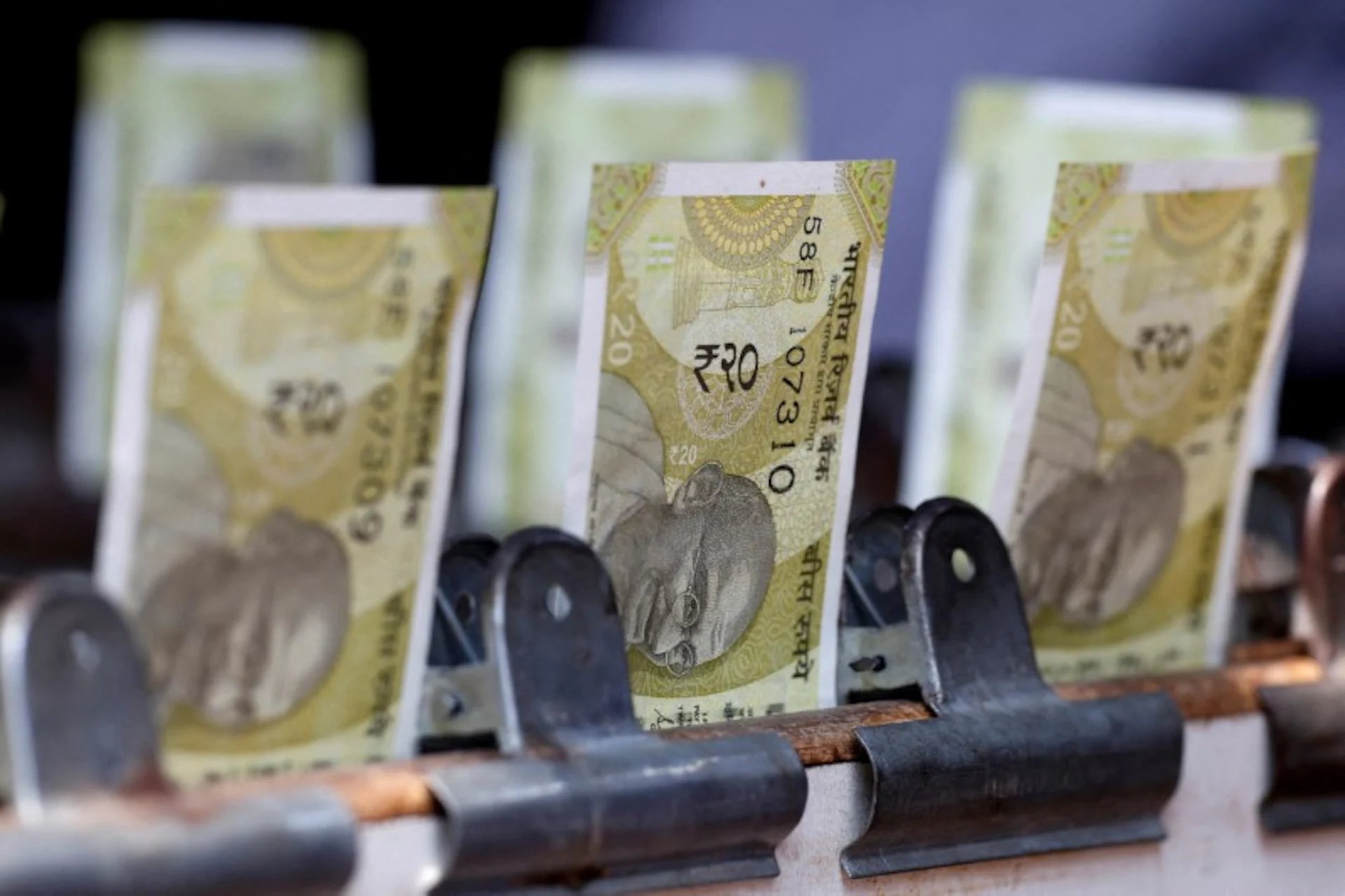
The Indian rupee has fallen to a record low of 95.40 against the US dollar, a significant drop that heightens concerns for consumers and businesses alike. This decline is largely attributed to escalating tensions in the Middle East and rising crude oil prices, which have led to increased demand for dollars. As a result, Indian benchmark indices are also experiencing a downturn, reflecting broader market anxieties.
Analysts Revisit Central Bank Strategies
In light of the rupee's plunge, analysts are revisiting strategies used by the Reserve Bank of India (RBI) during similar crises in the past. The central bank may consider interventions reminiscent of its 2013 playbook to stabilize the currency. This could include measures such as selling foreign reserves to support the rupee or adjusting interest rates to curb inflation and bolster confidence.
Foreign Fund Outflows and Market Reactions
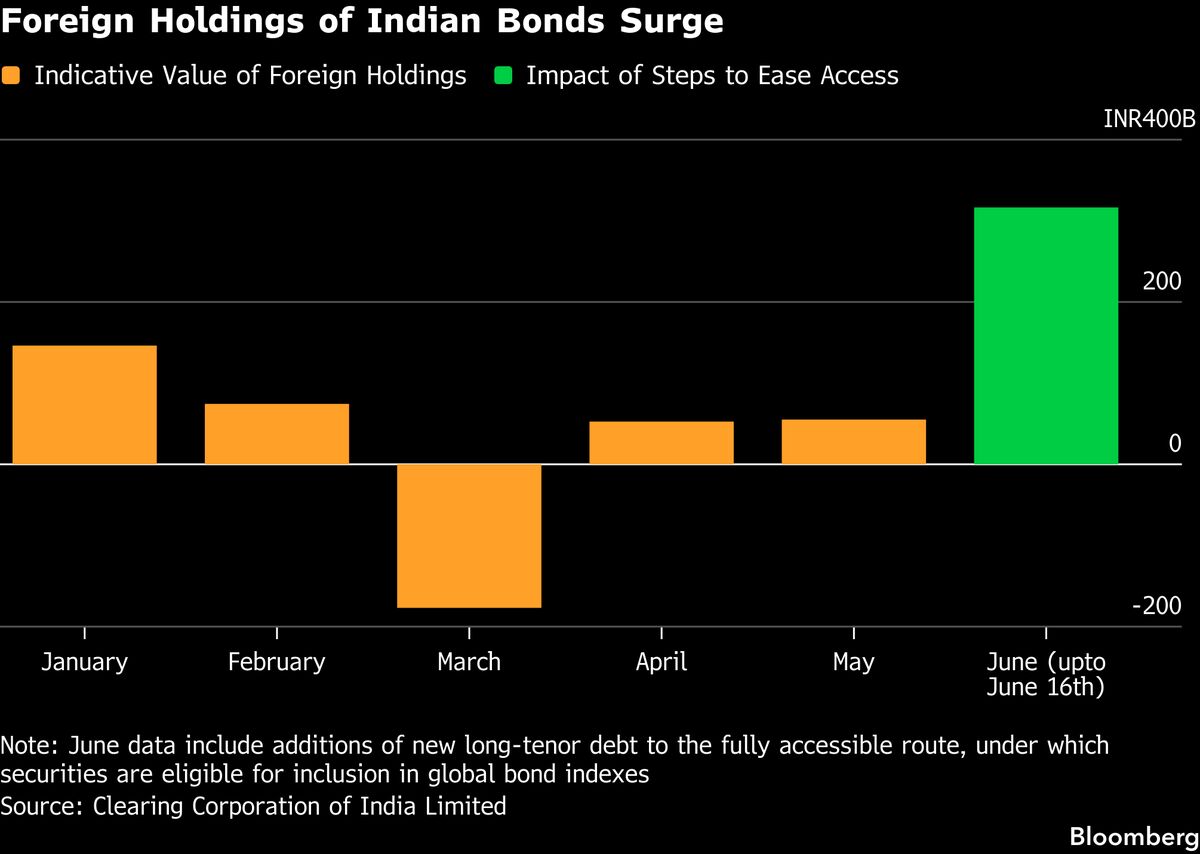
The decline in the rupee is compounded by persistent foreign fund outflows, which have put additional pressure on the currency. Investors are reacting to the global uncertainty, leading to a cautious approach in the Indian market. The current situation raises questions about the long-term implications for foreign investment in India, as a weaker rupee could deter potential investors.
Consumer Consequences
For everyday consumers, the depreciation of the rupee means higher import costs, particularly for goods like fuel and electronics that rely on foreign currency. As the price of crude oil rises, the financial burden on households is expected to increase, impacting everything from transportation costs to the price of everyday goods. This economic shift is likely to make budgeting more challenging for many Indian families.
Future Outlook
The outlook for the rupee remains uncertain as analysts predict continued volatility in the coming weeks. With ongoing geopolitical tensions and fluctuating oil prices, the RBI's response will be crucial in determining the currency's trajectory. Stakeholders are closely monitoring the situation, as any further decline could have widespread ramifications for the Indian economy.
The recent fall of the rupee is not just a financial statistic; it represents a tangible shift that affects the lives of millions of consumers. As the situation develops, individuals should stay informed about potential changes in the economy that could impact their financial well-being.