




Unexpected Price Spike Hits Consumers
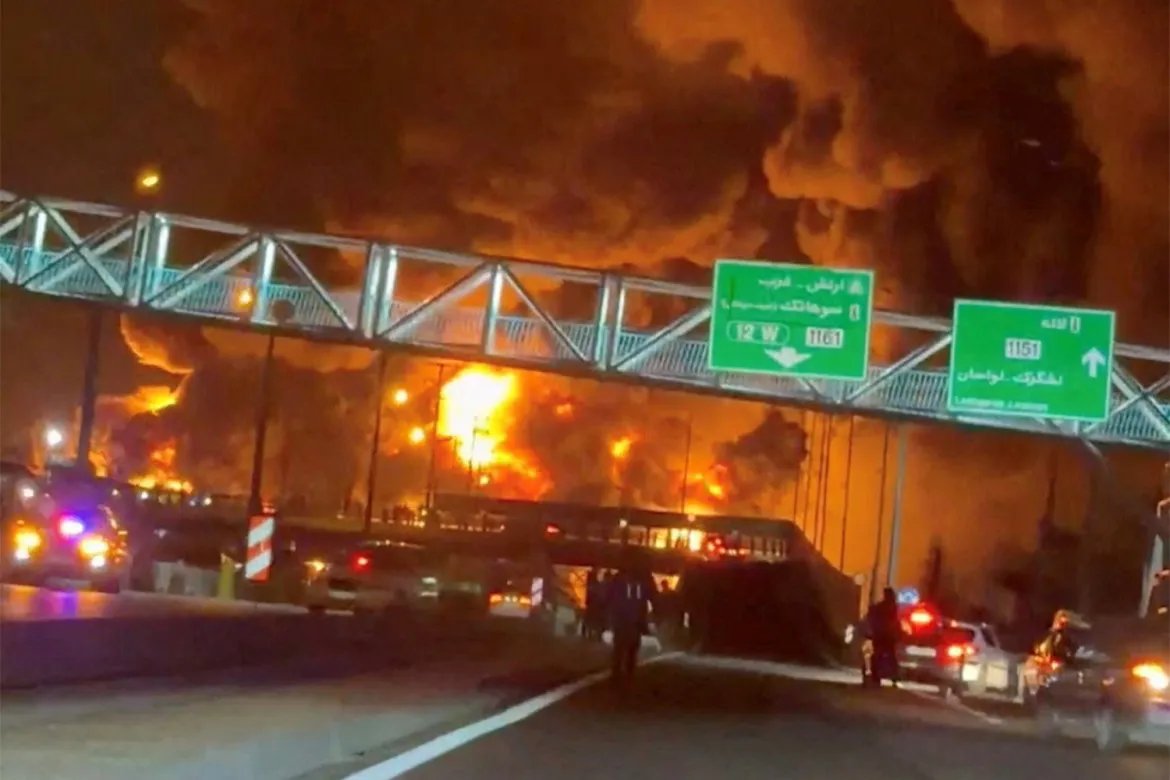
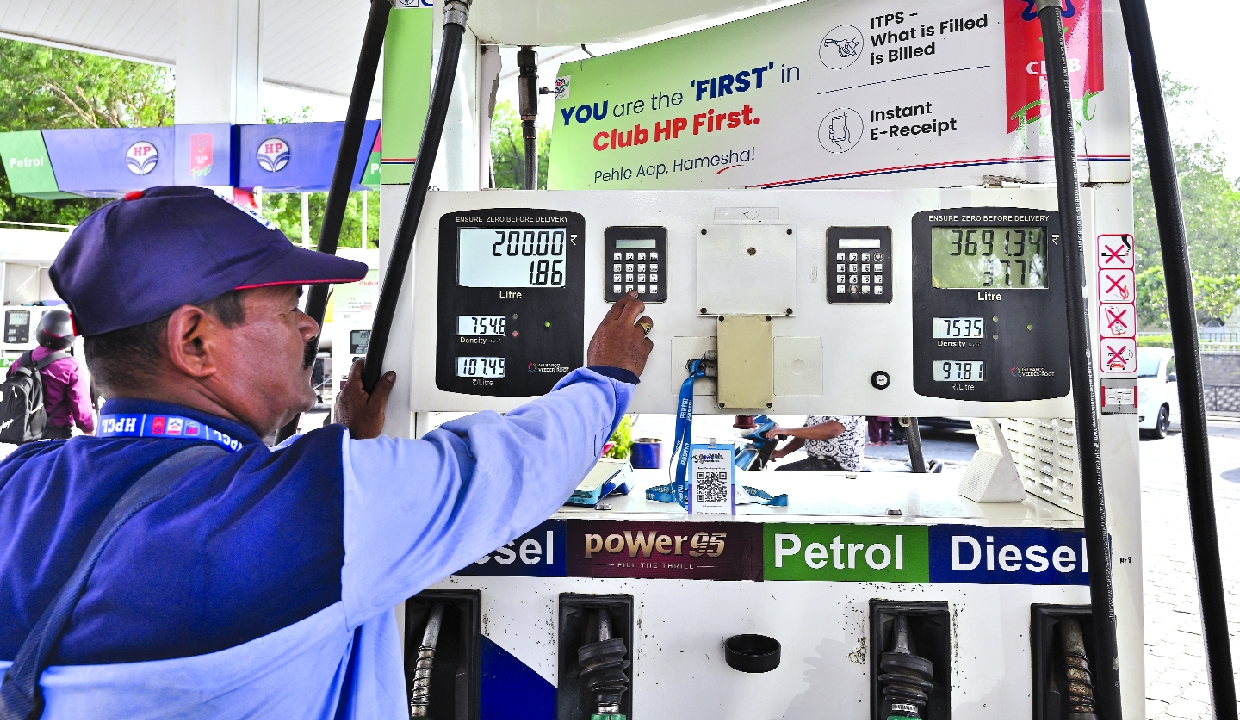
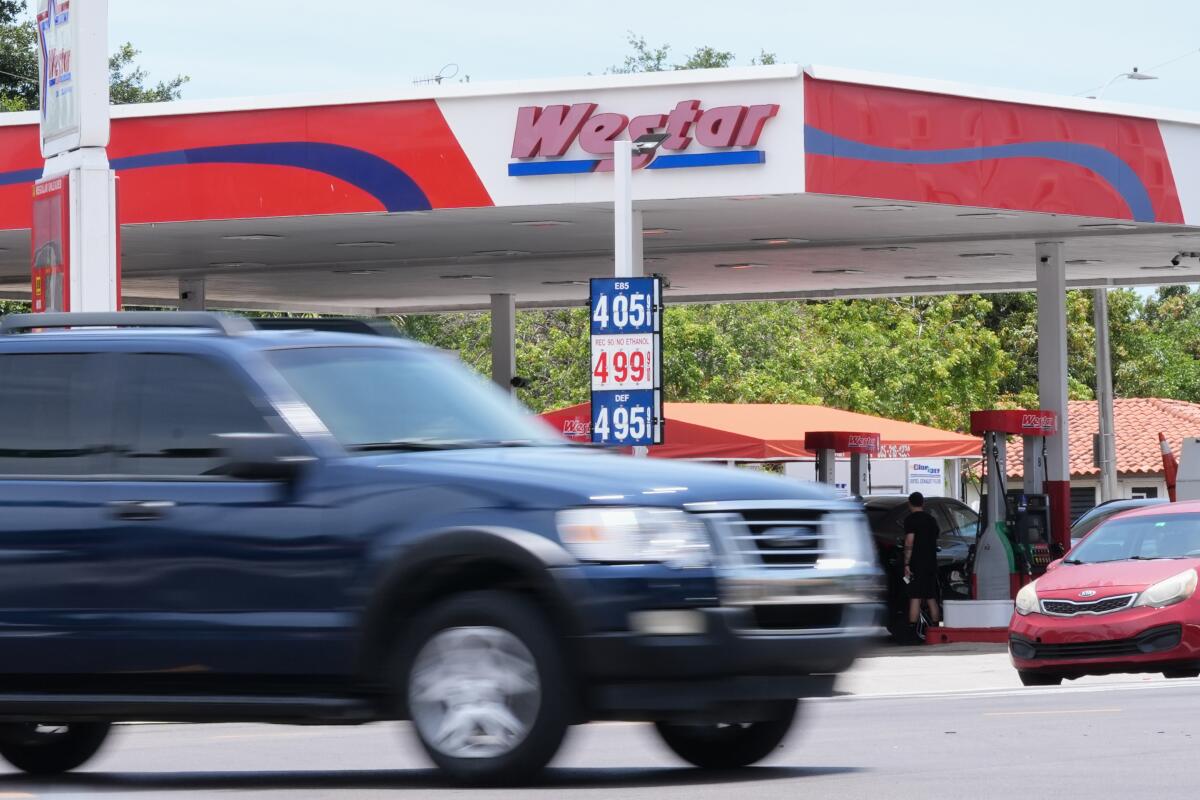
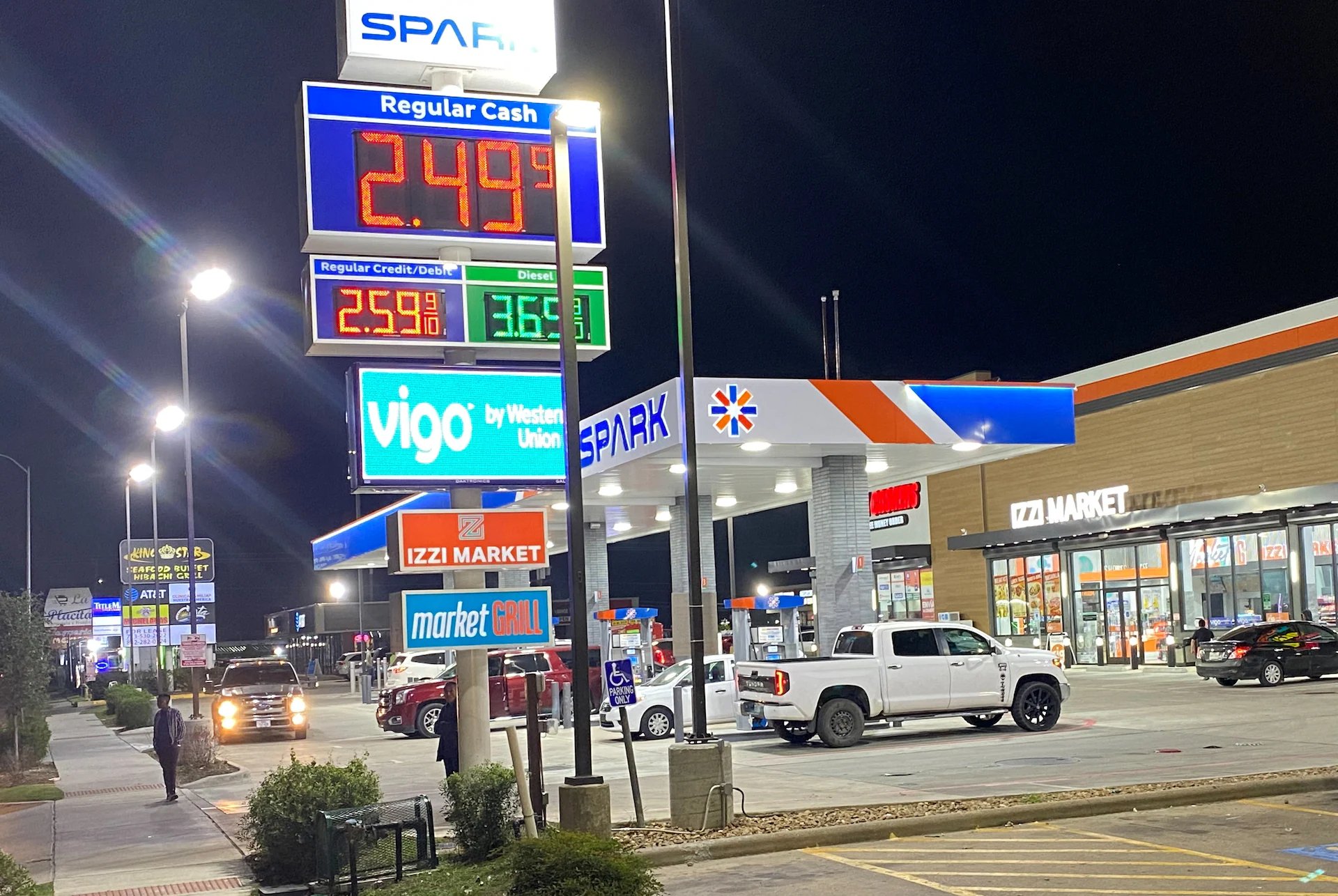
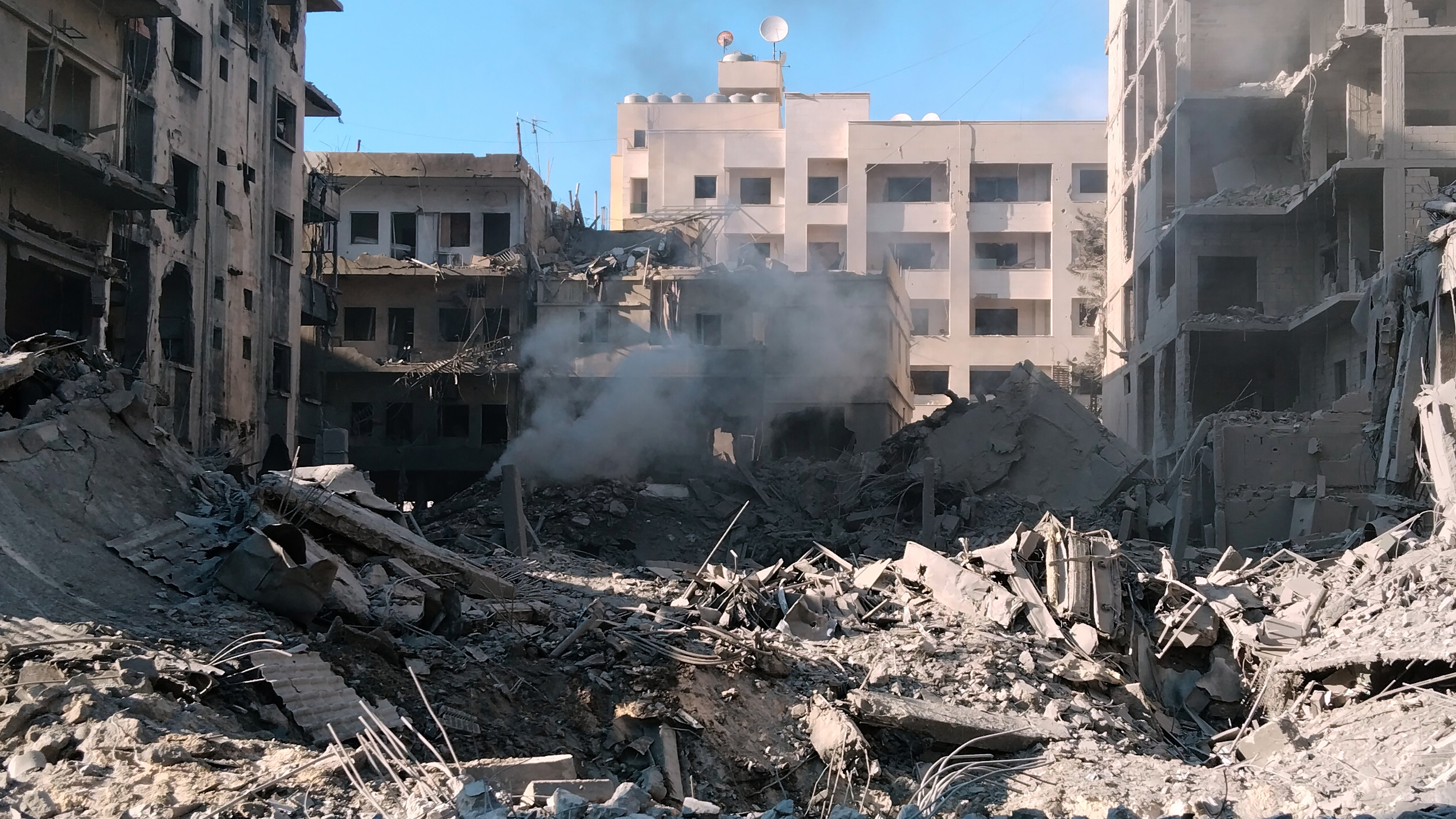
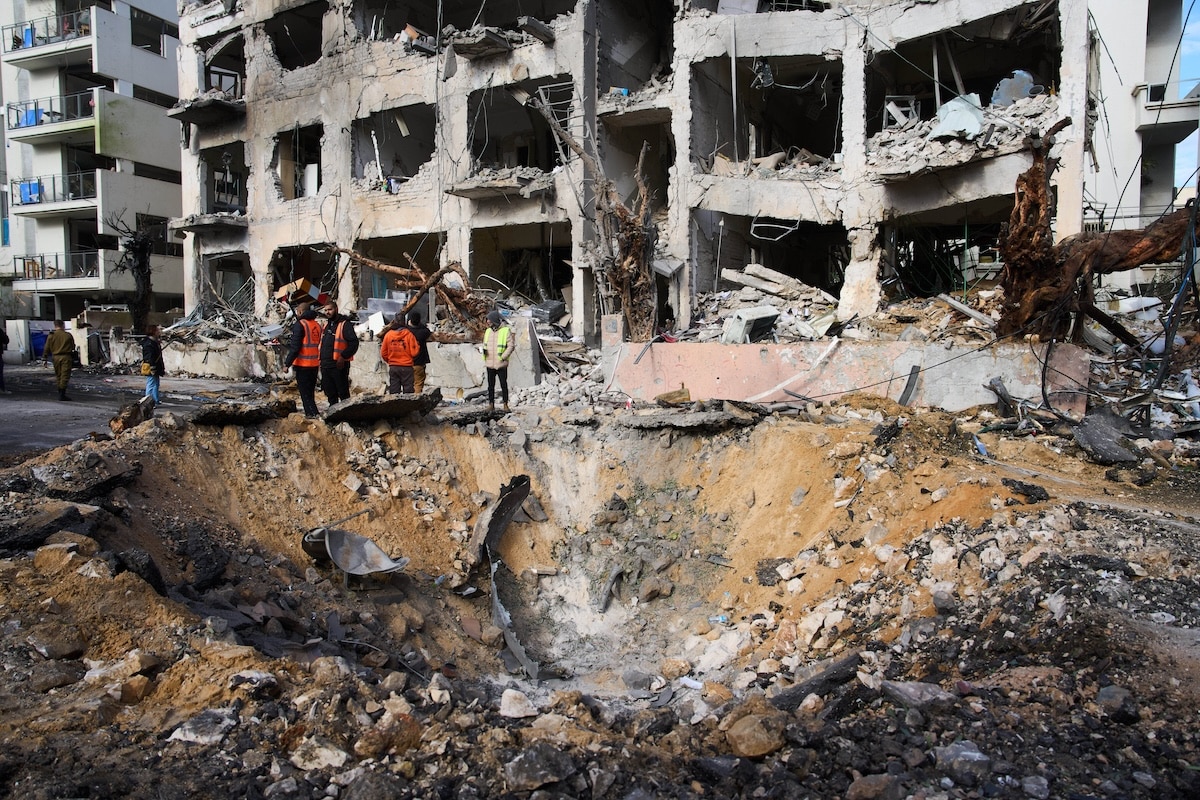
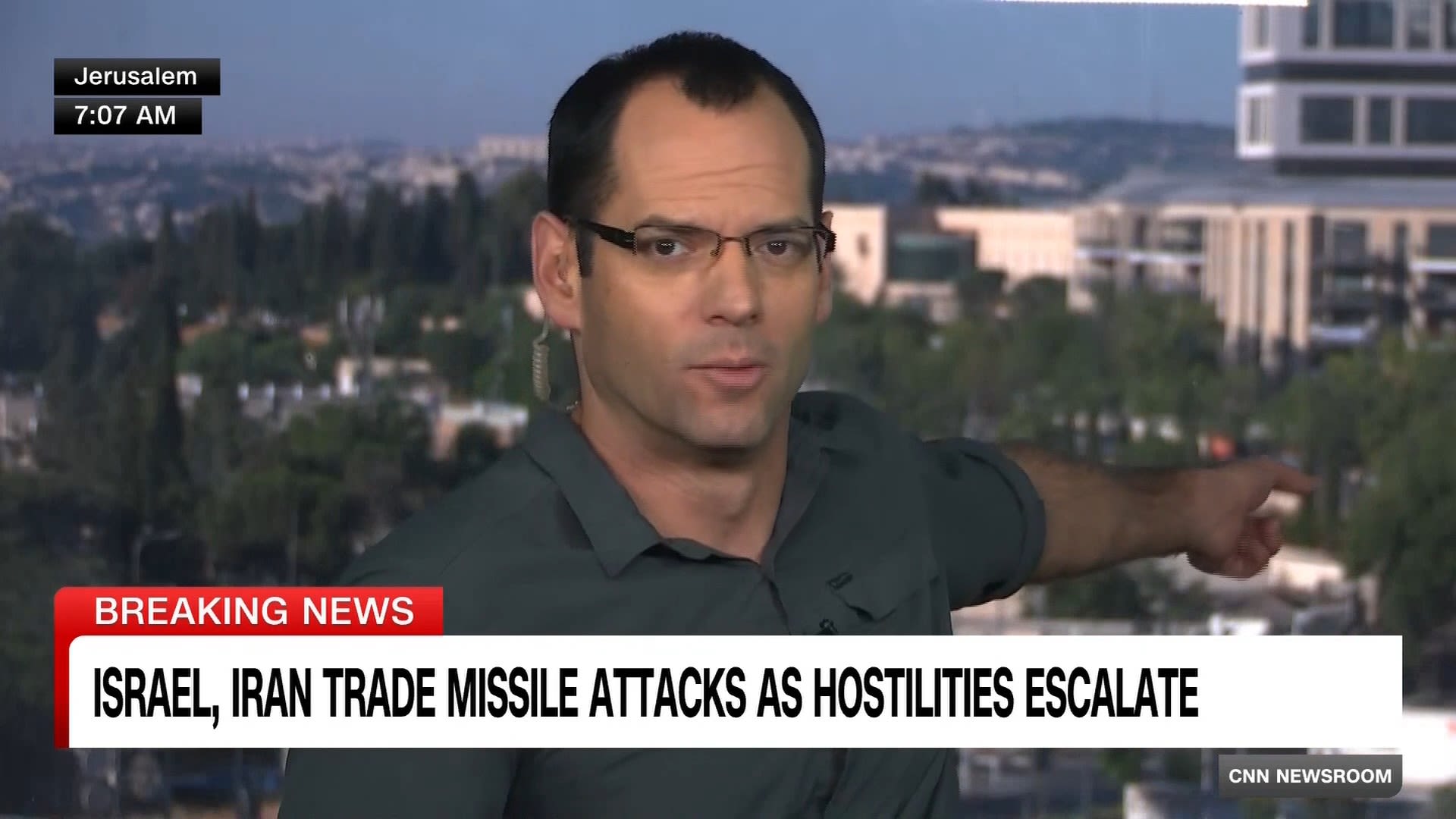
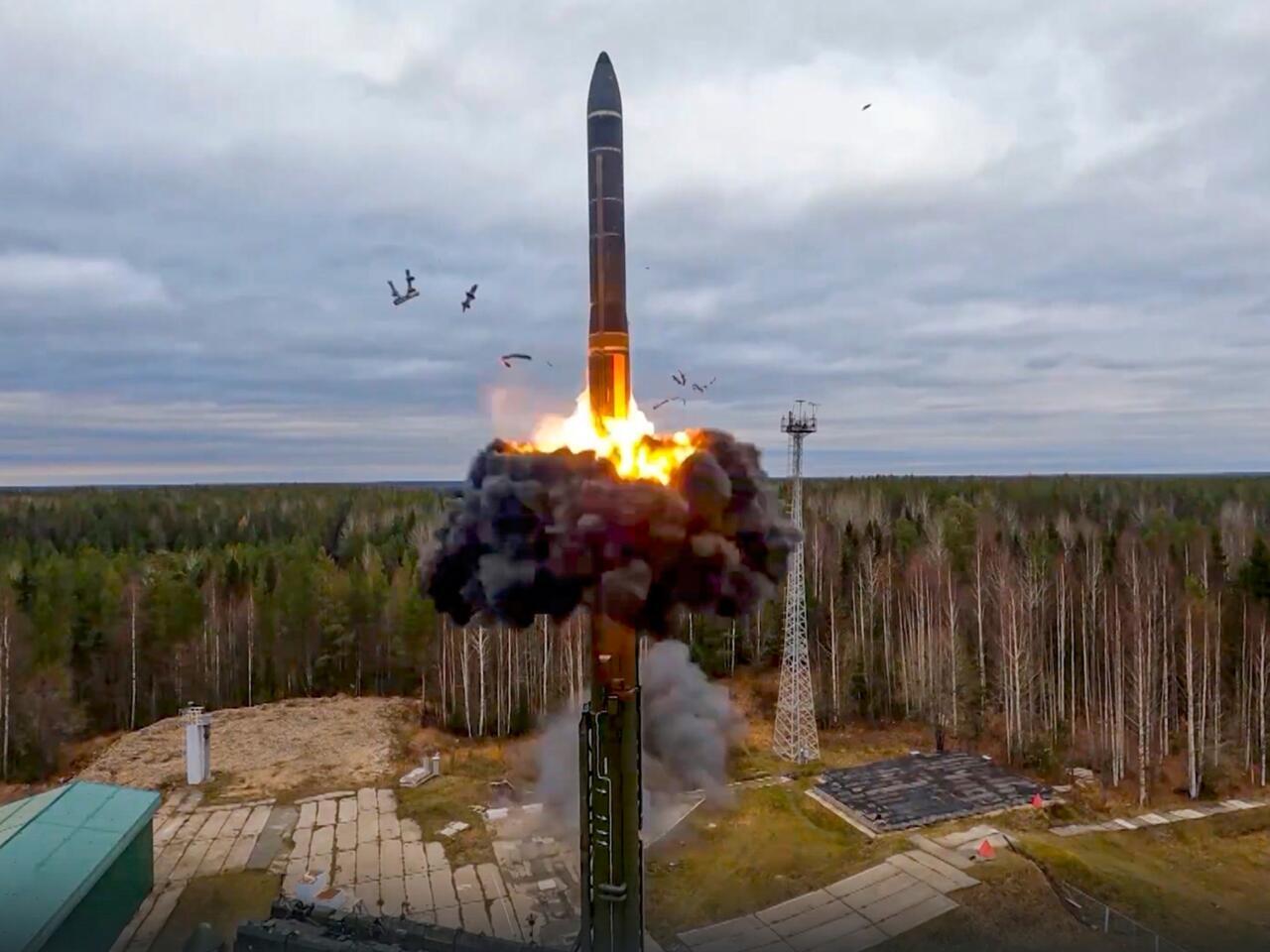
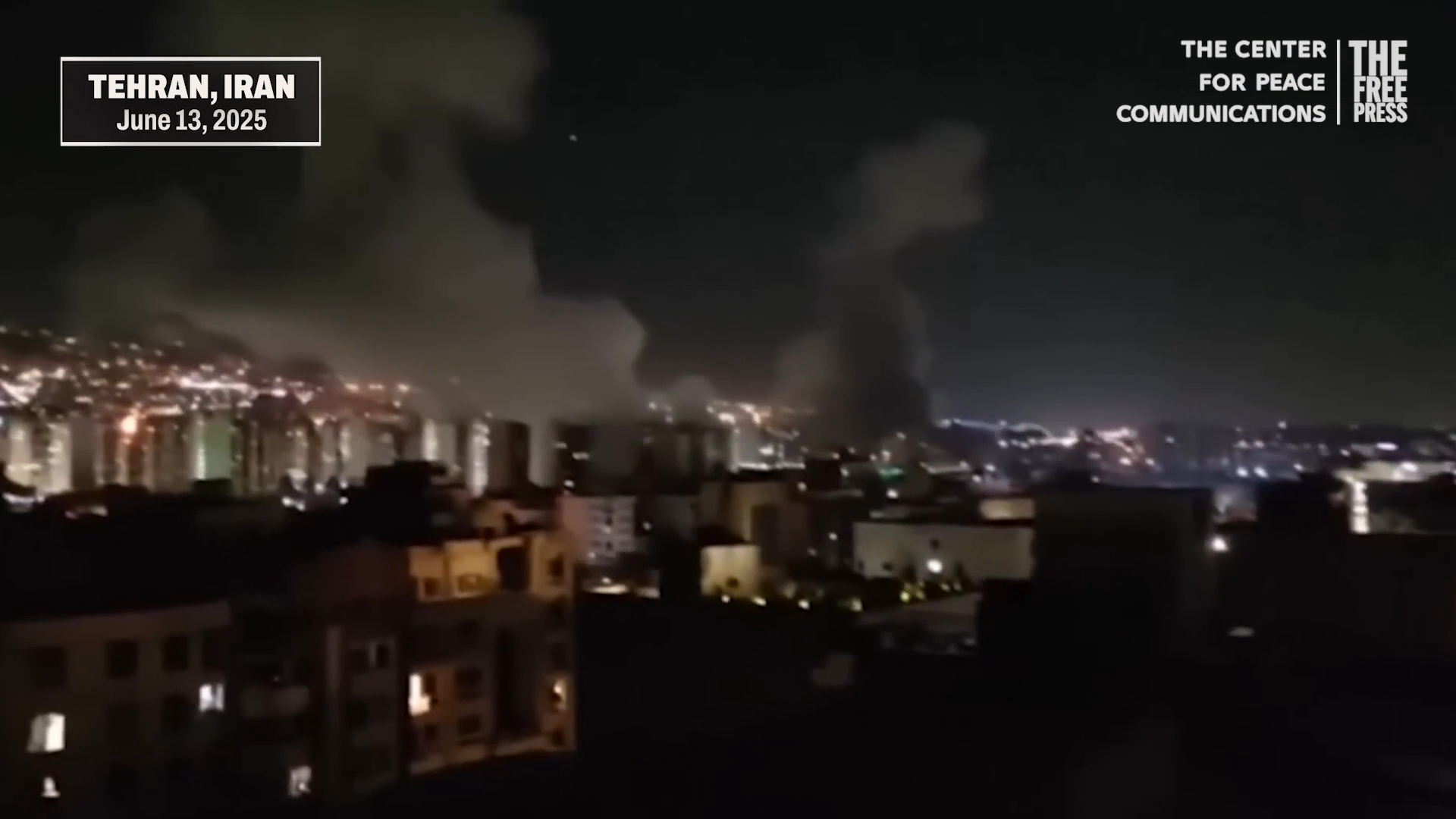
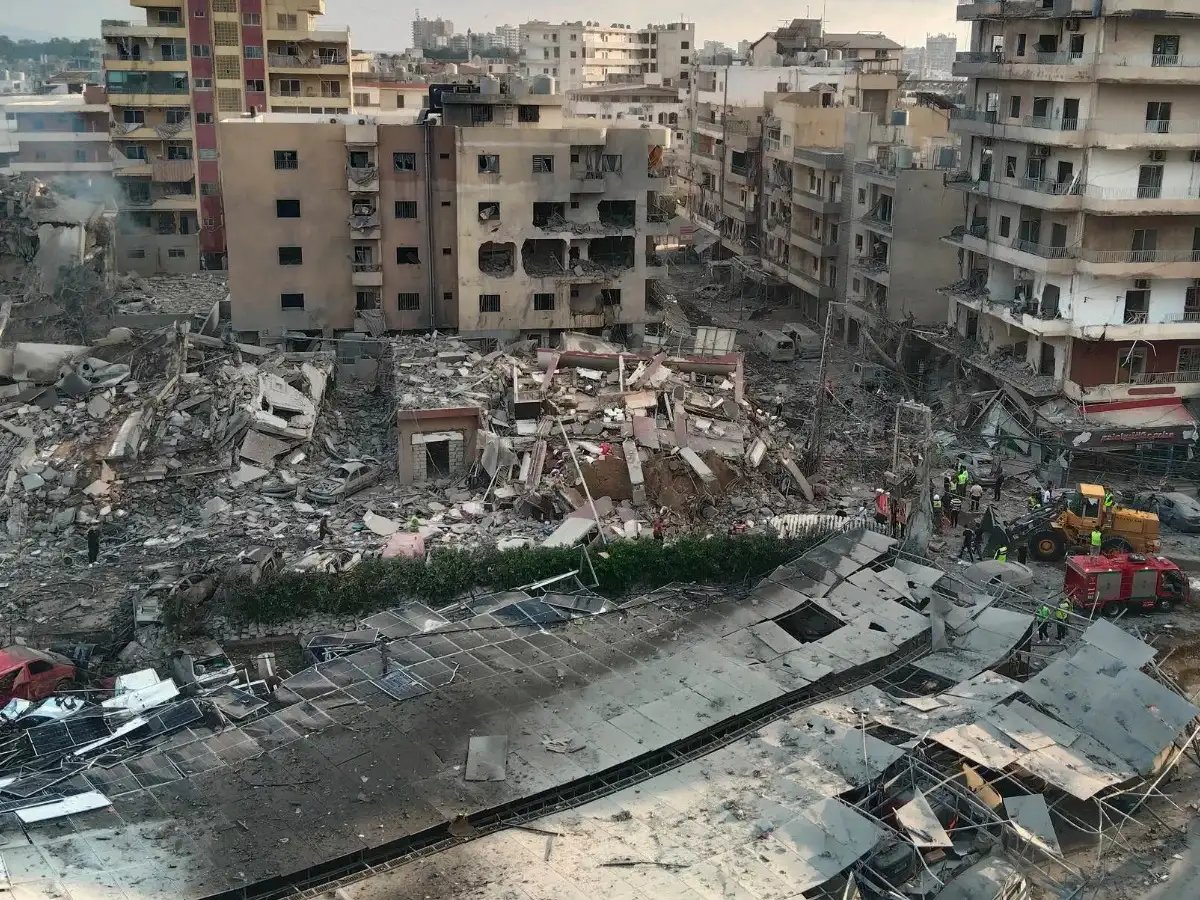
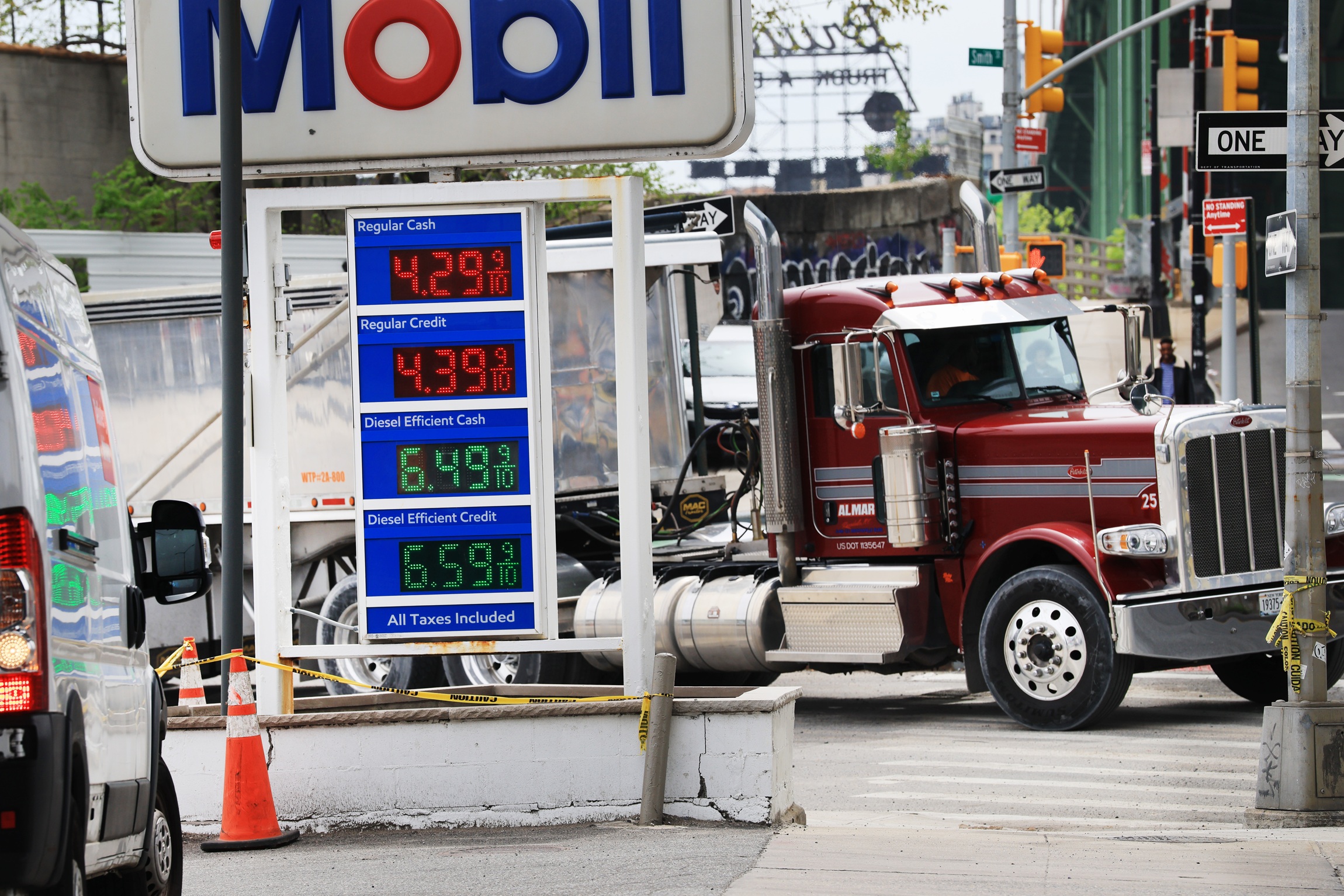
The national average gas price soared to $4.39 per gallon, marking a substantial nine-cent increase in just one day. This surge is the most significant since the announcement of a ceasefire with Iran on April 7. Since the onset of the conflict, gas prices have risen more than 47%, impacting budgets for millions of American families.
Crude Oil Prices Drive Increases
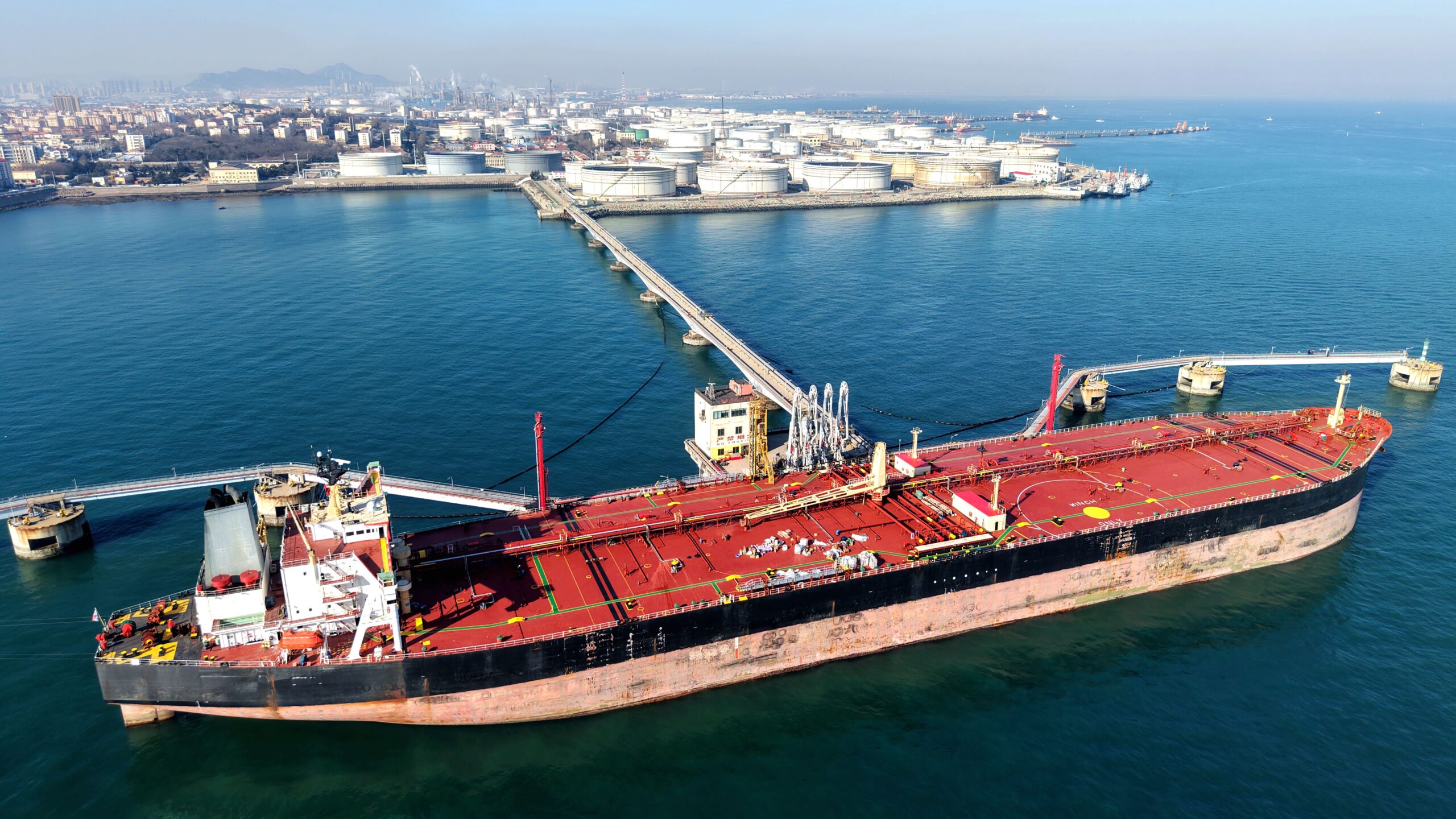
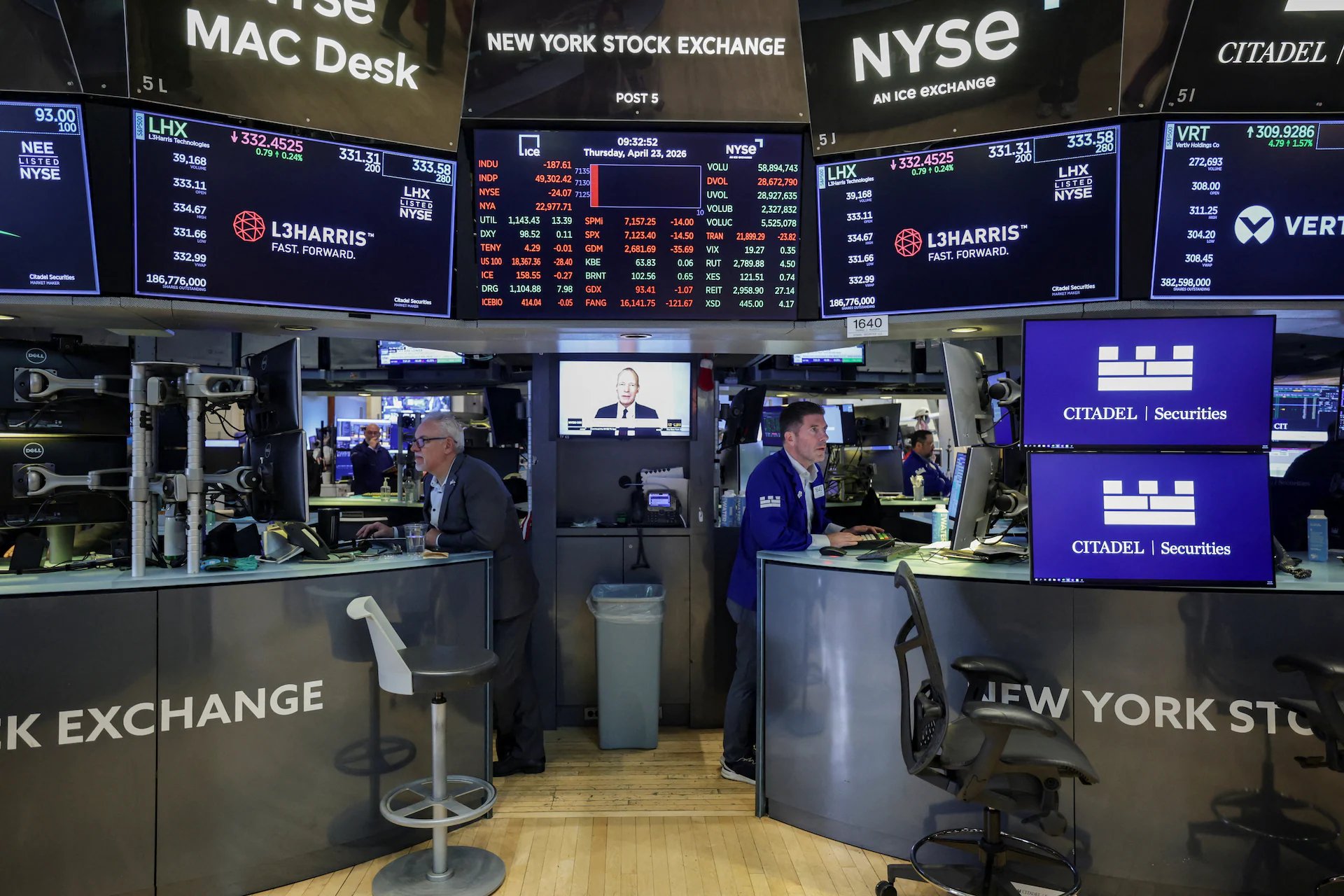
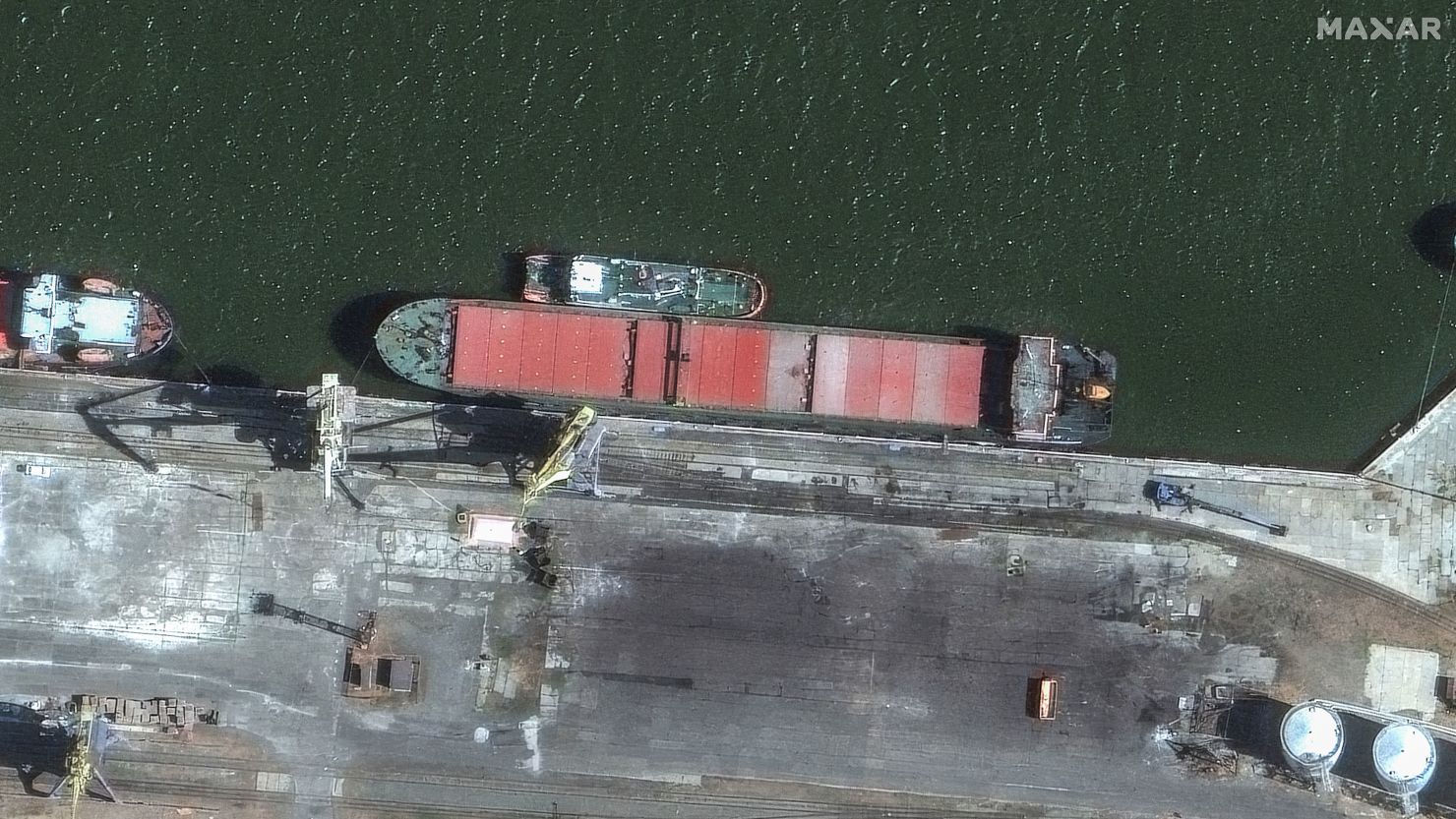
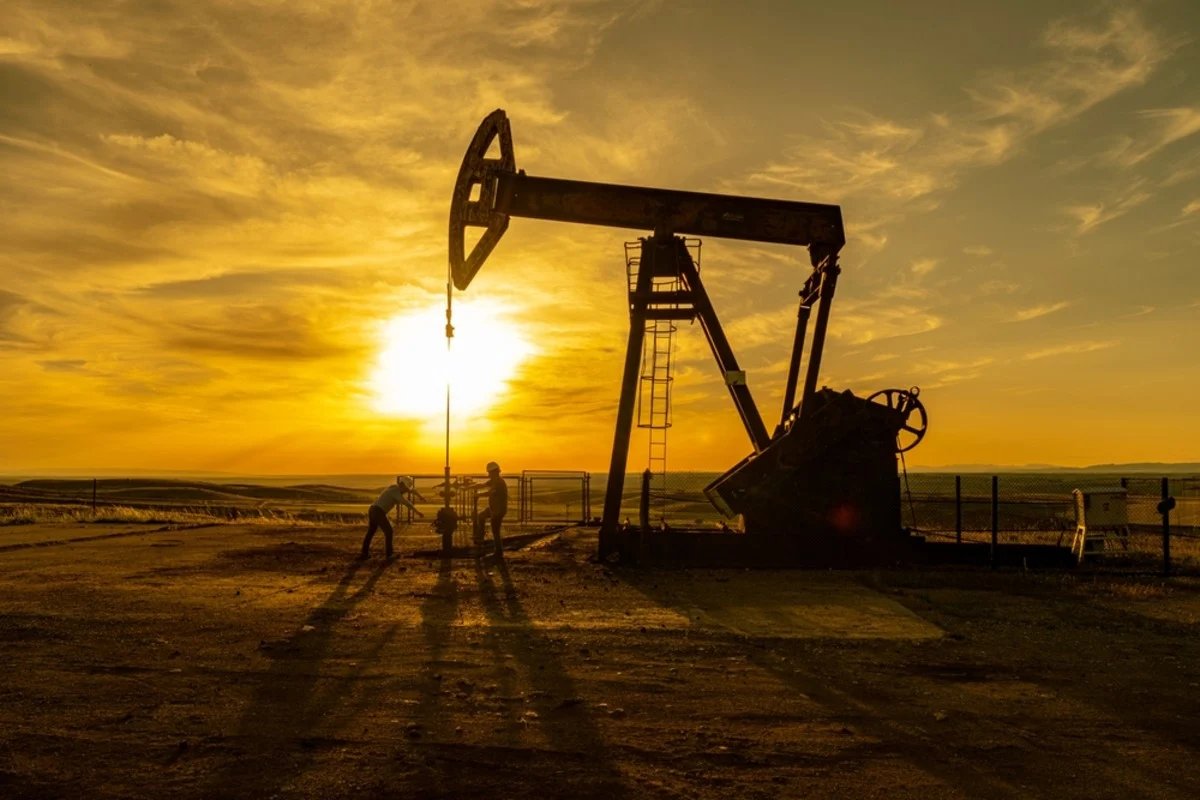
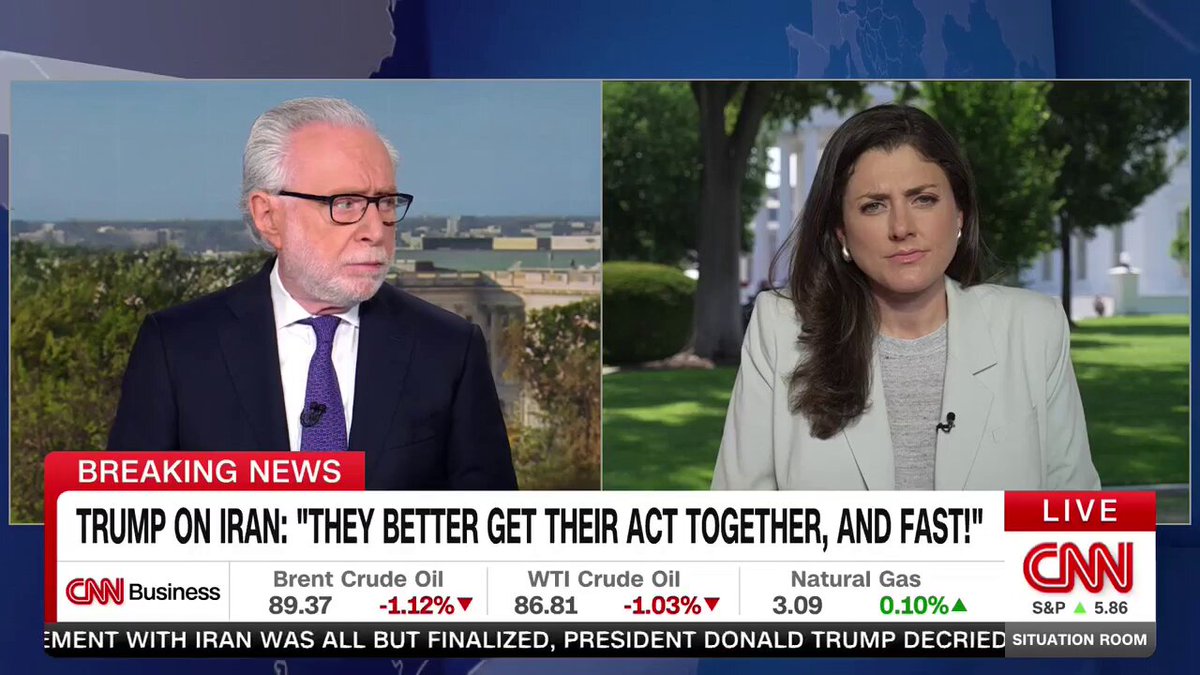
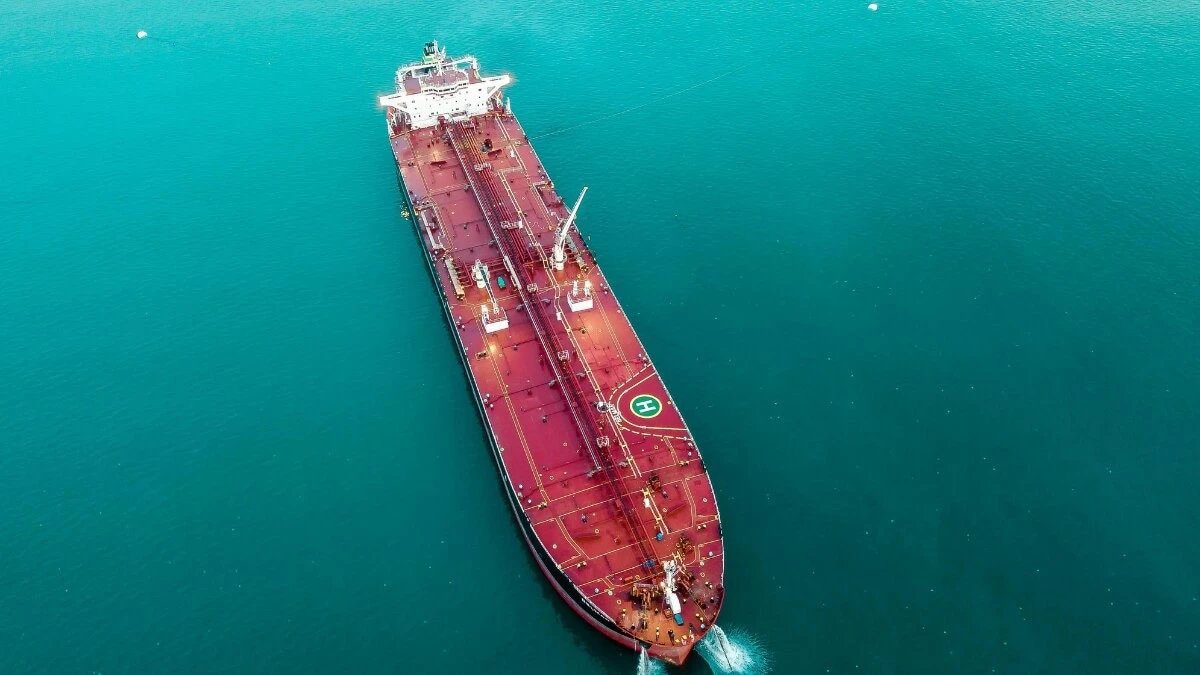
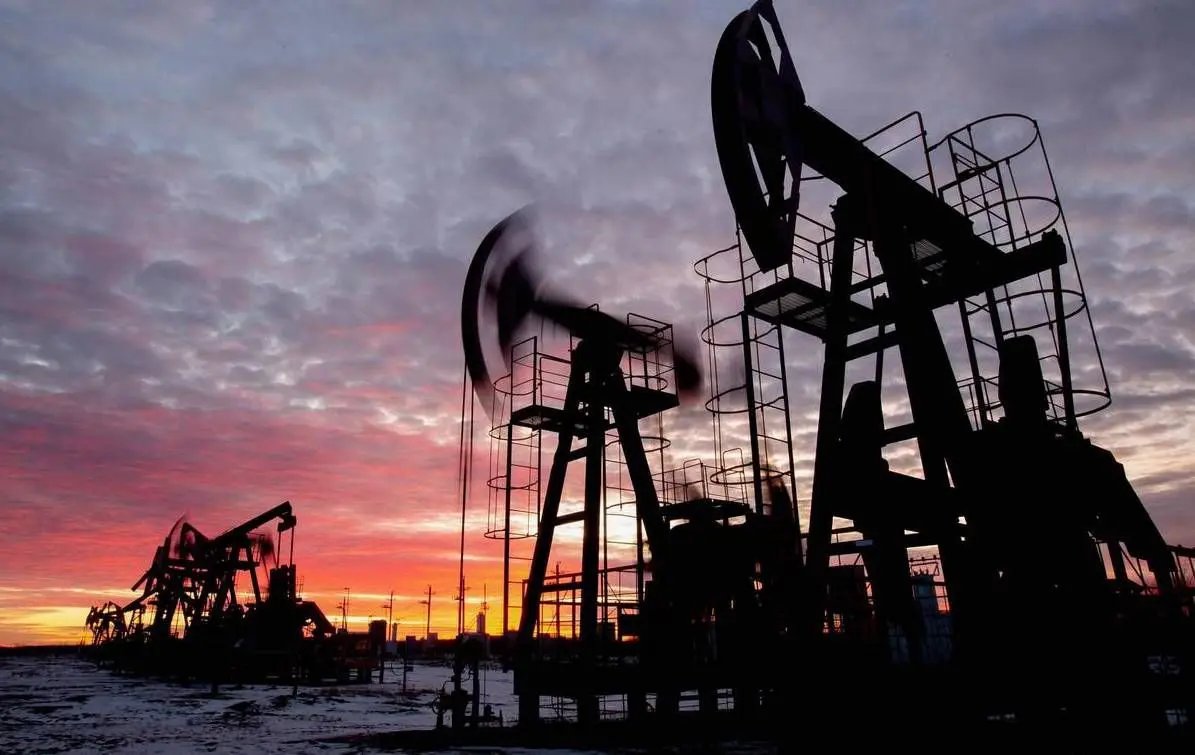
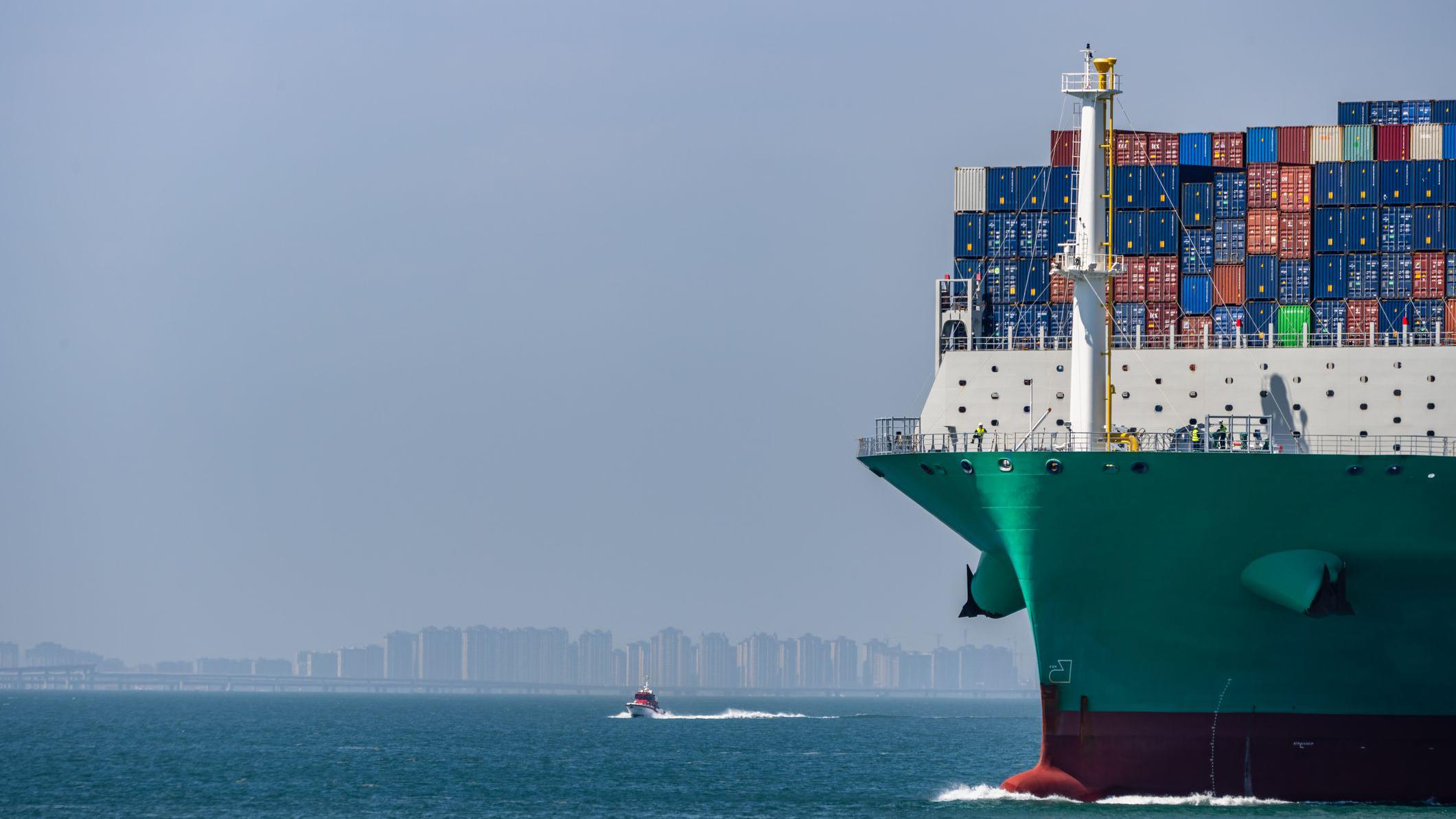
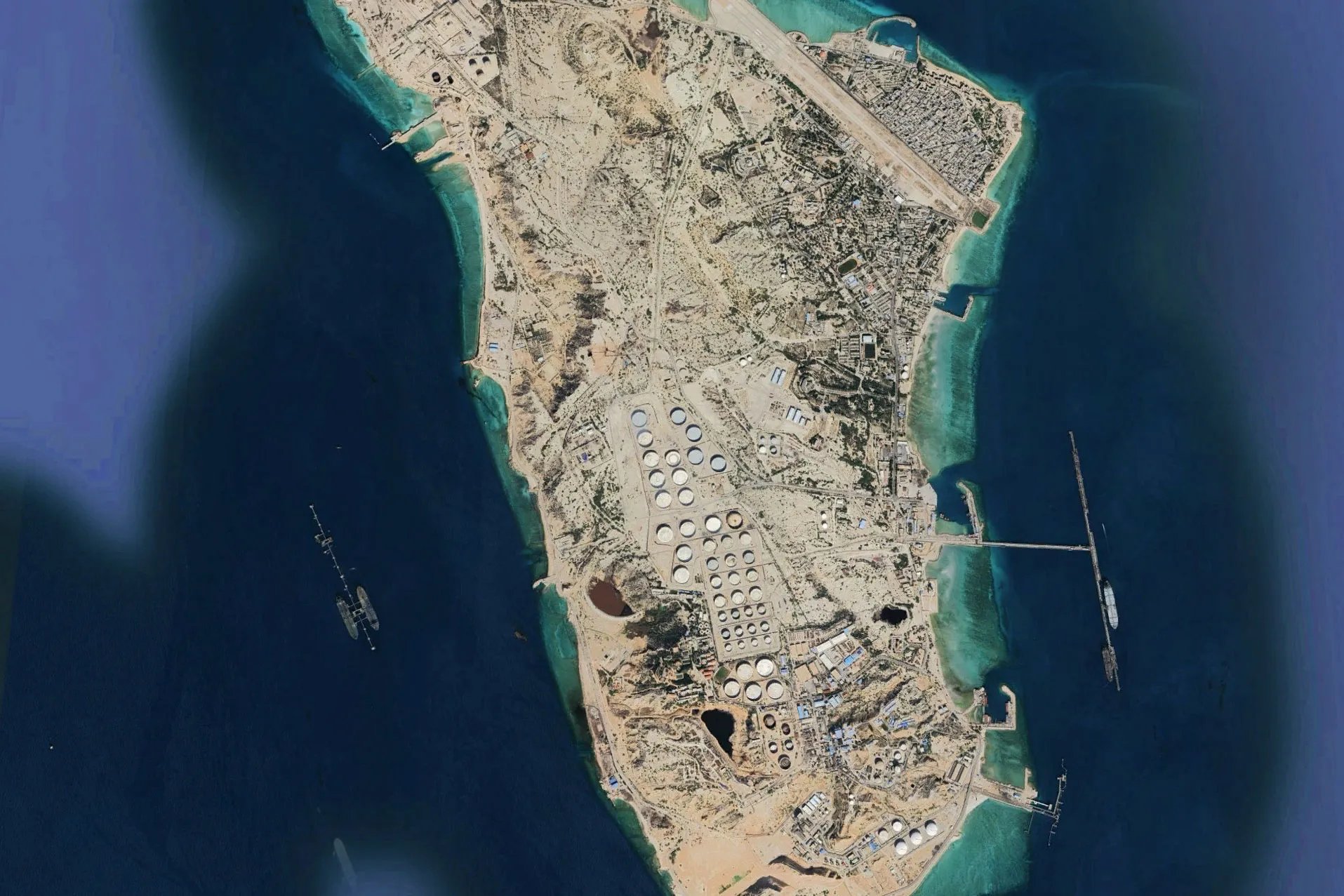
As gas prices rise, crude oil prices continue their upward trajectory. U.S. crude oil closed at approximately $102 per barrel, while the international benchmark Brent reached about $108 per barrel. The escalating crude prices have intensified market pressures, with analysts warning that international Brent could spike to $150 per barrel if the Strait of Hormuz remains closed through the end of June.
Political Statements Impacting Markets
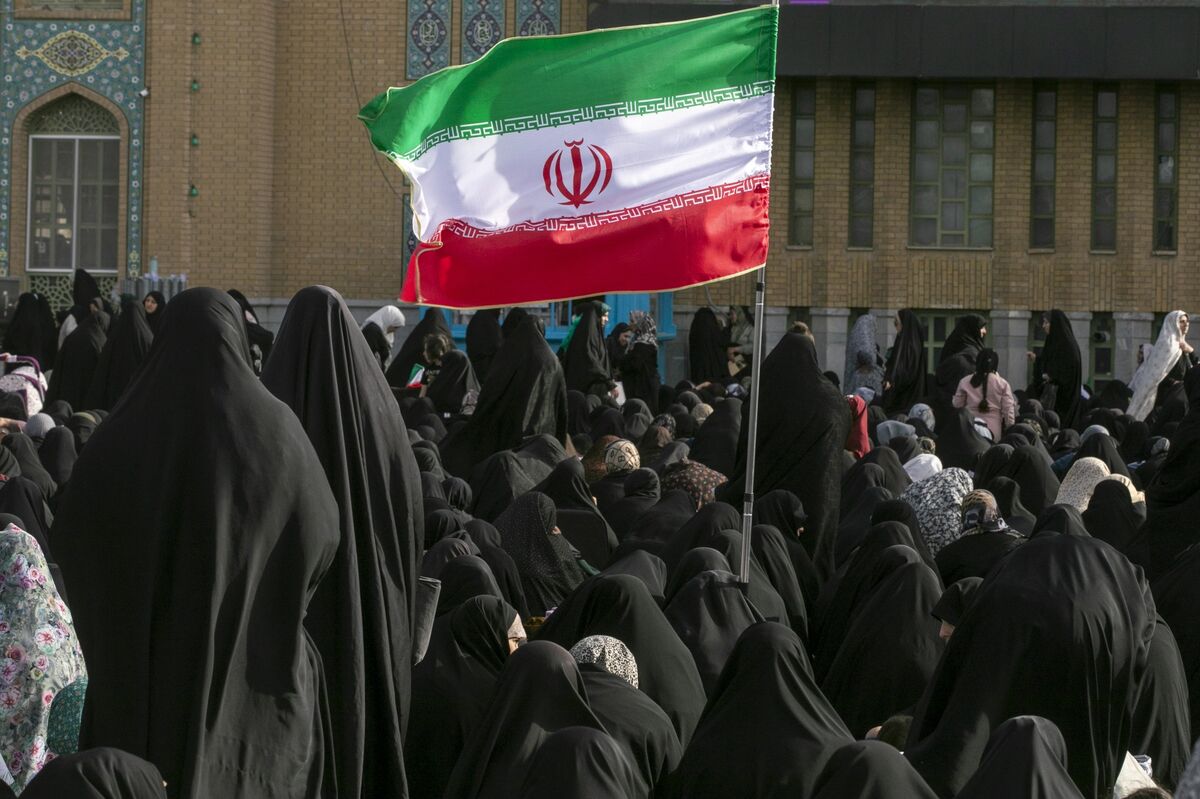
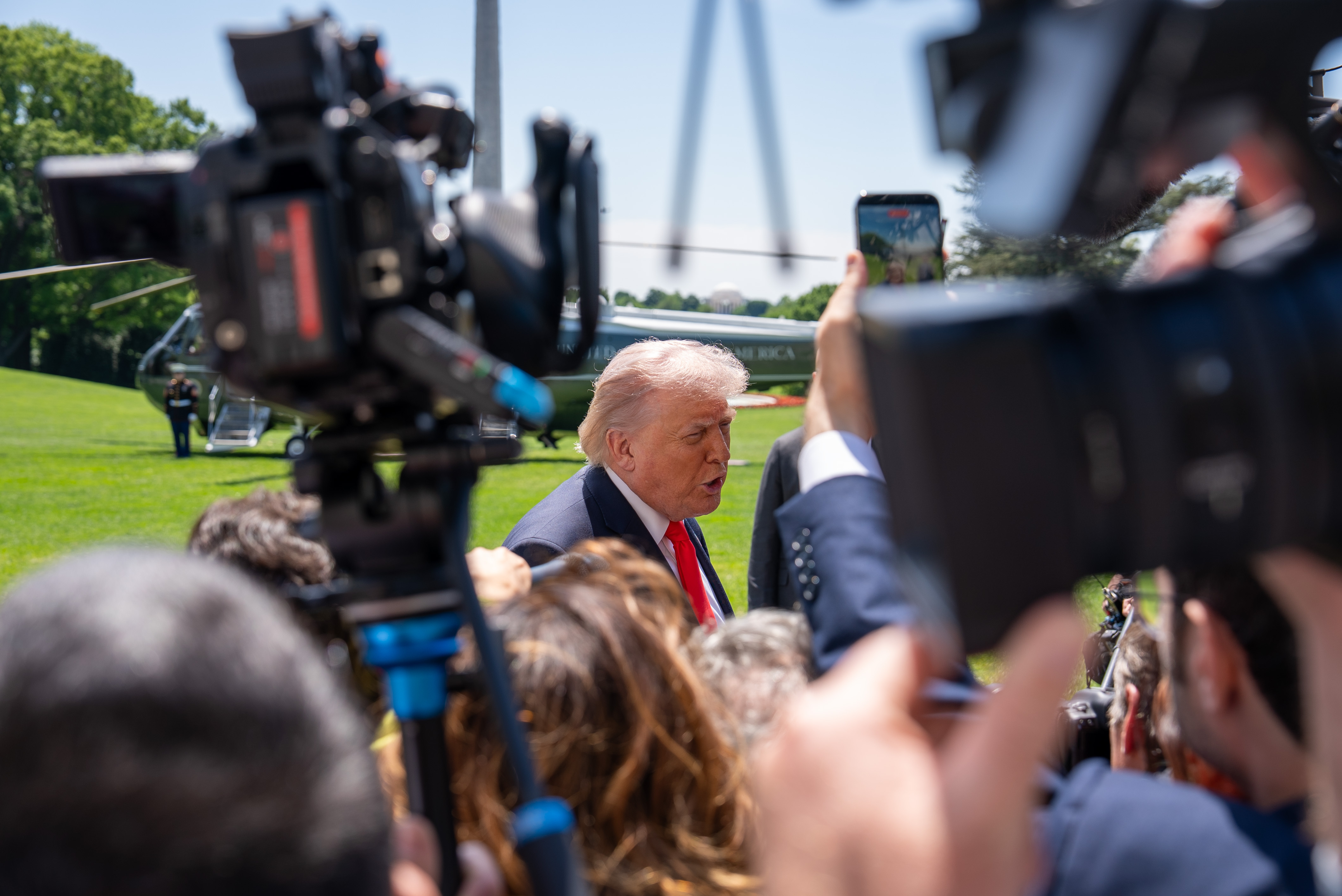
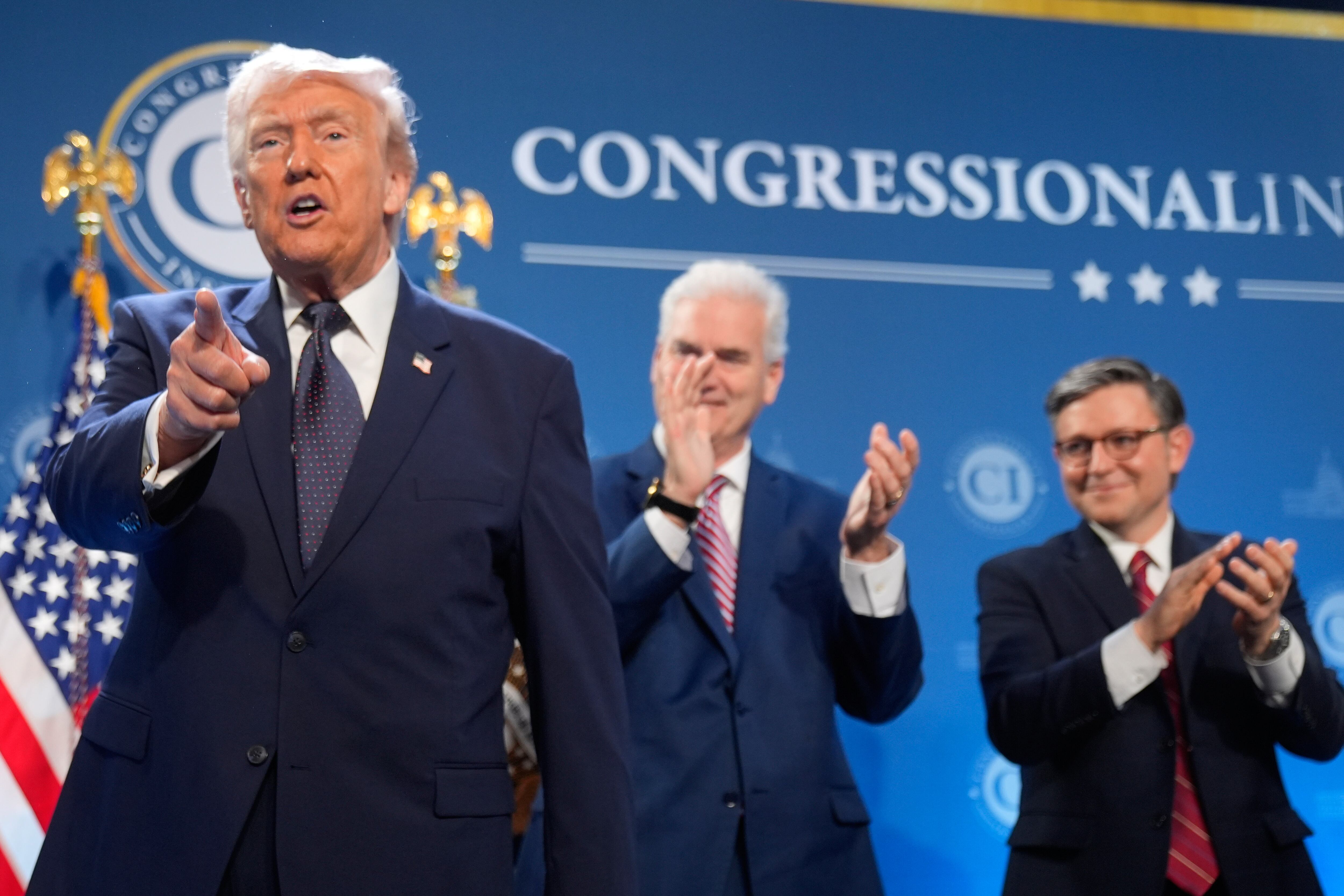
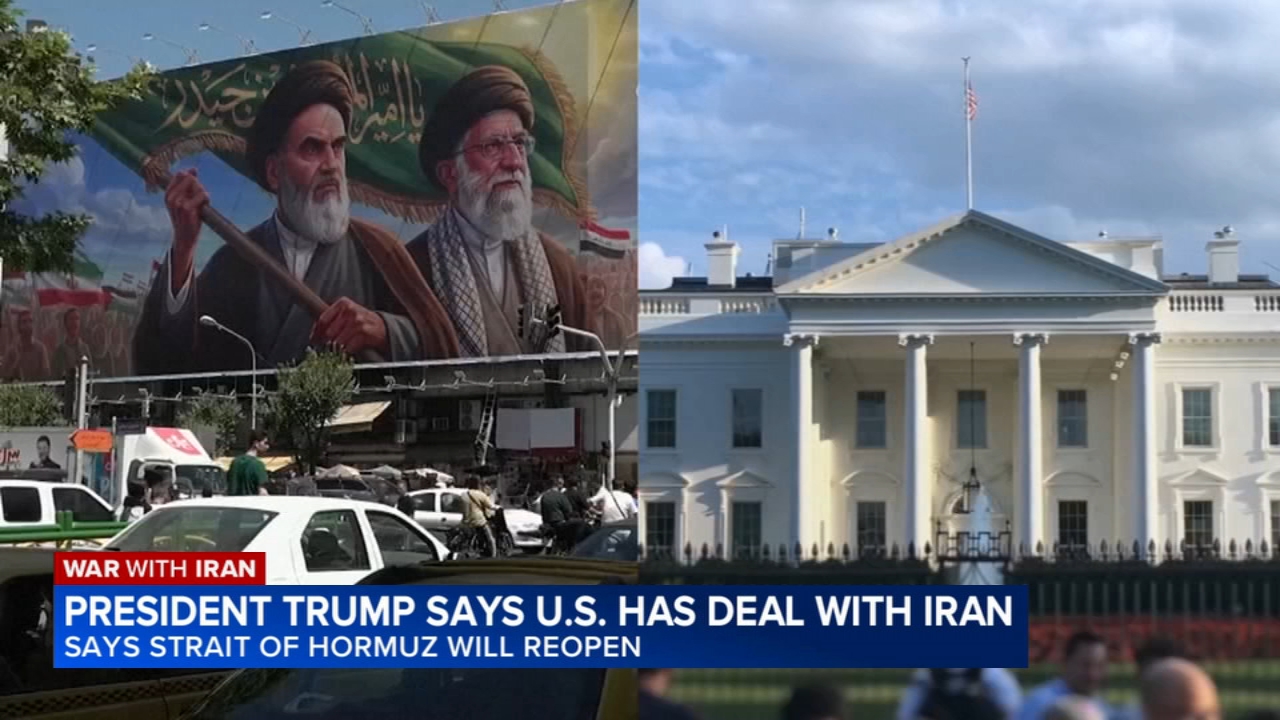
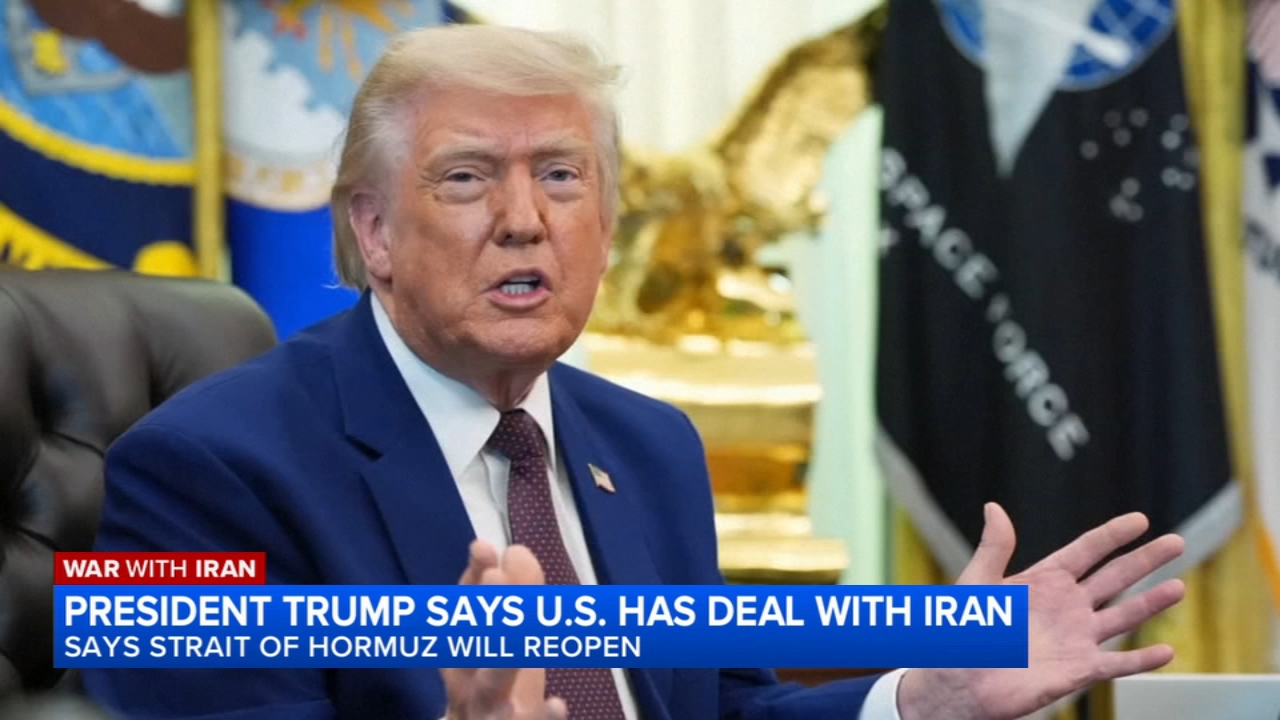
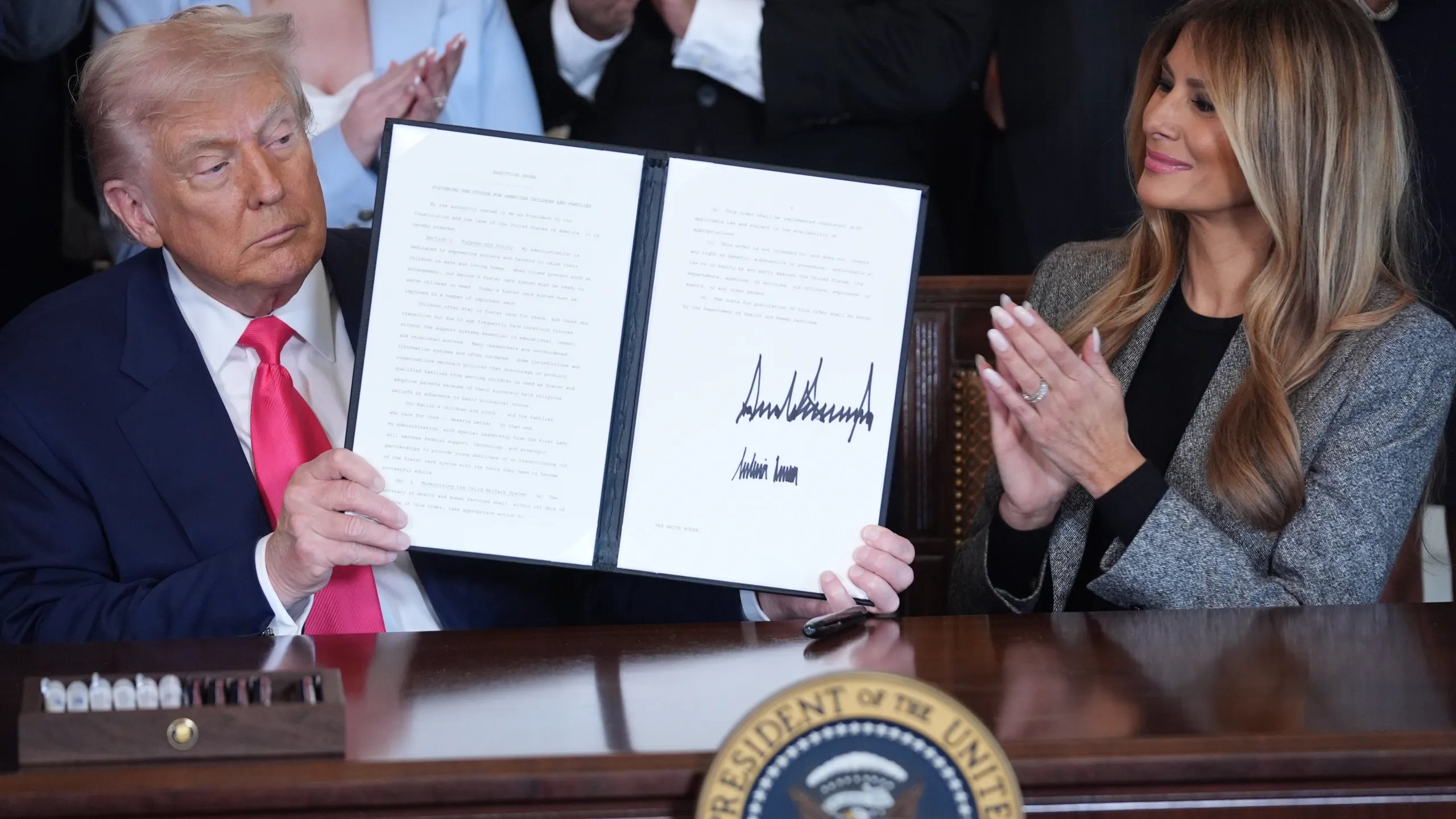
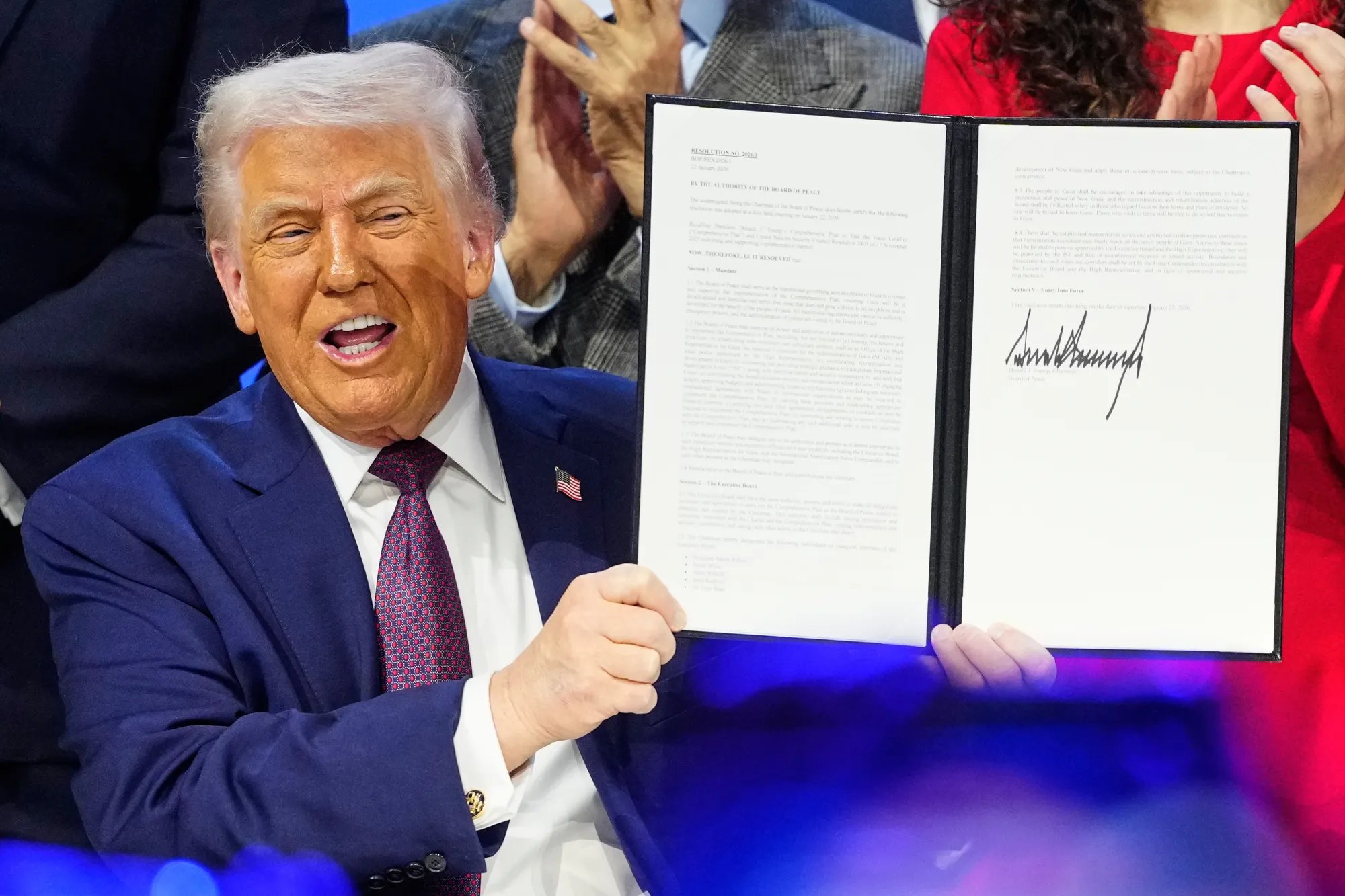
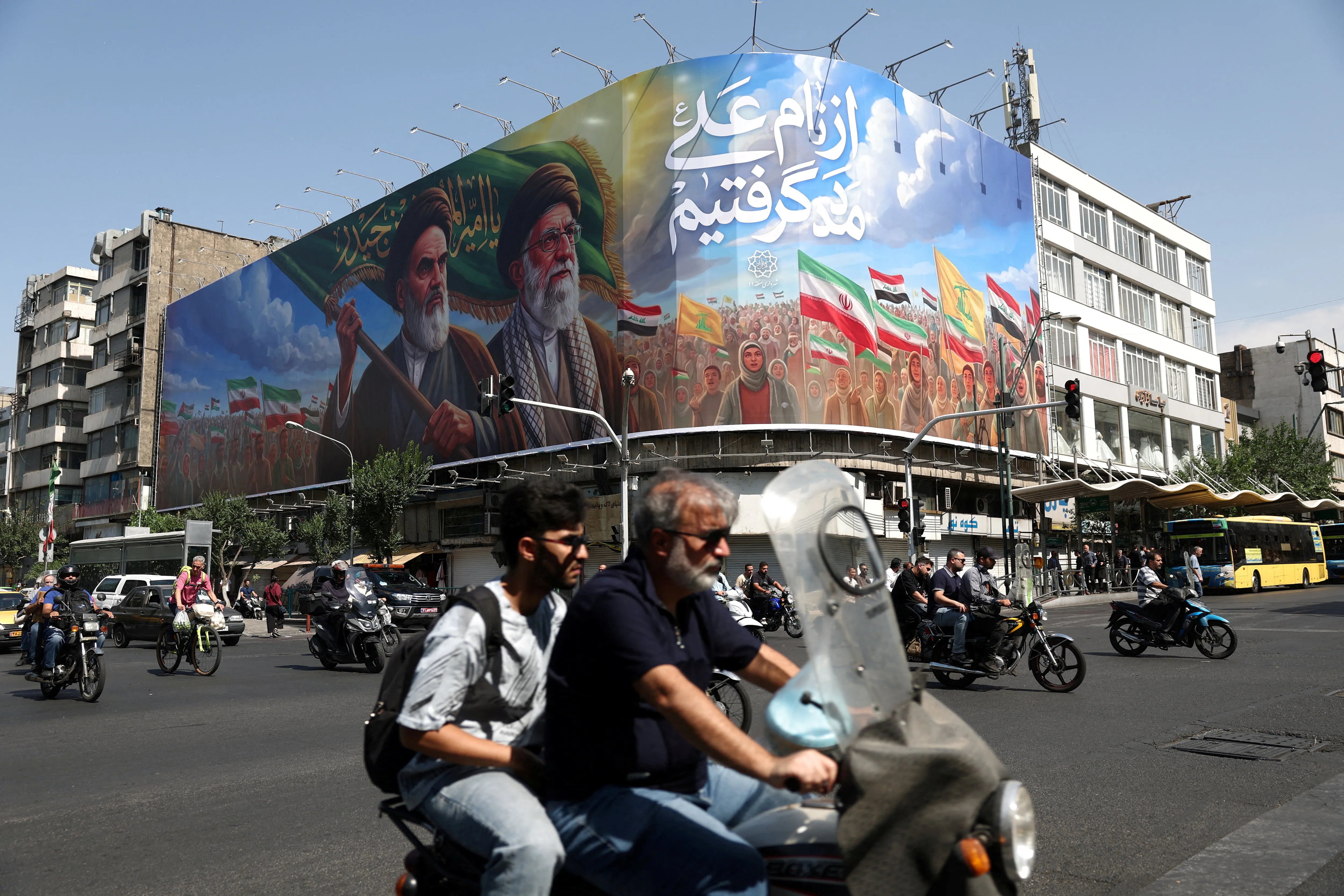
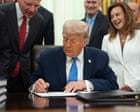
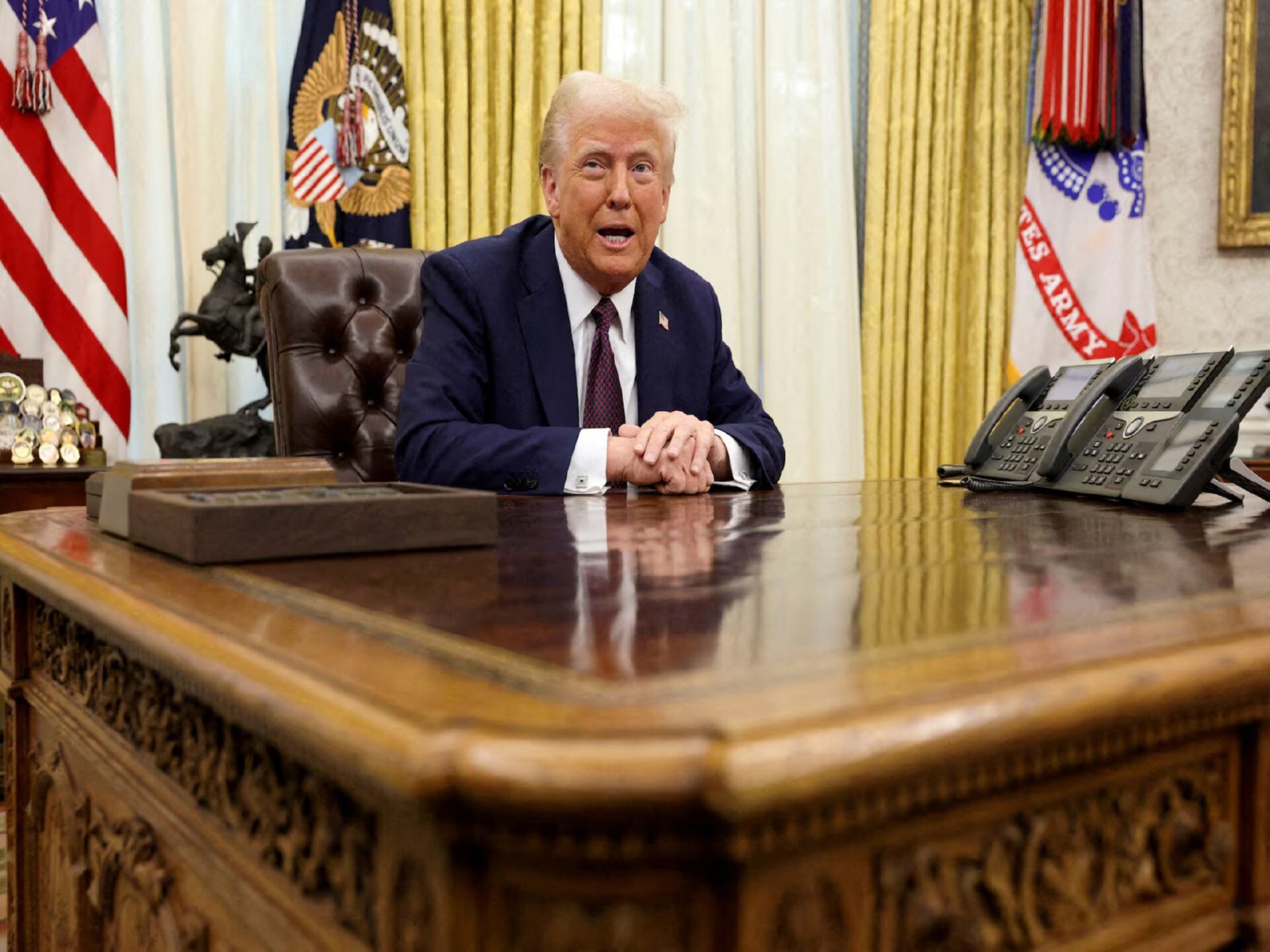
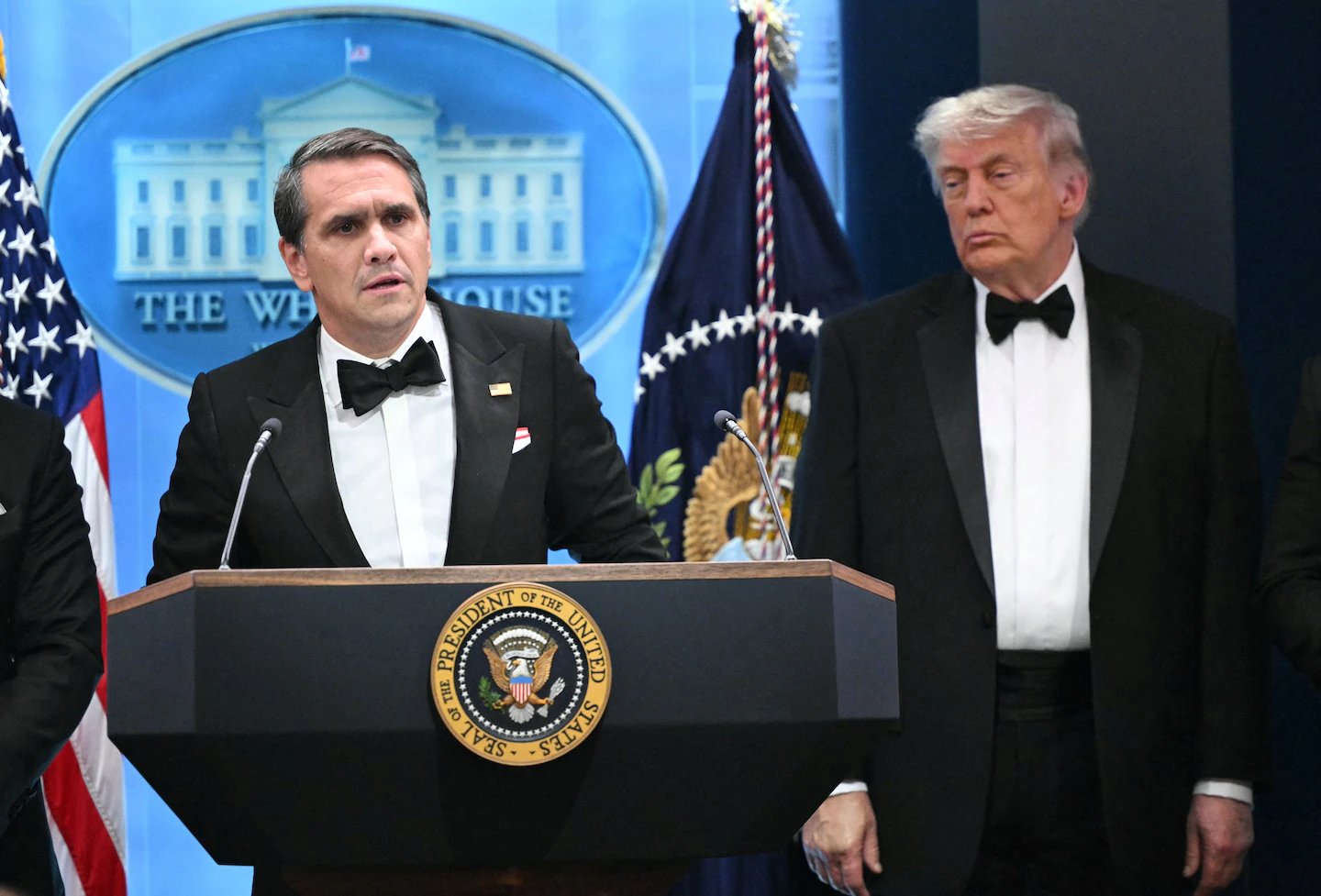
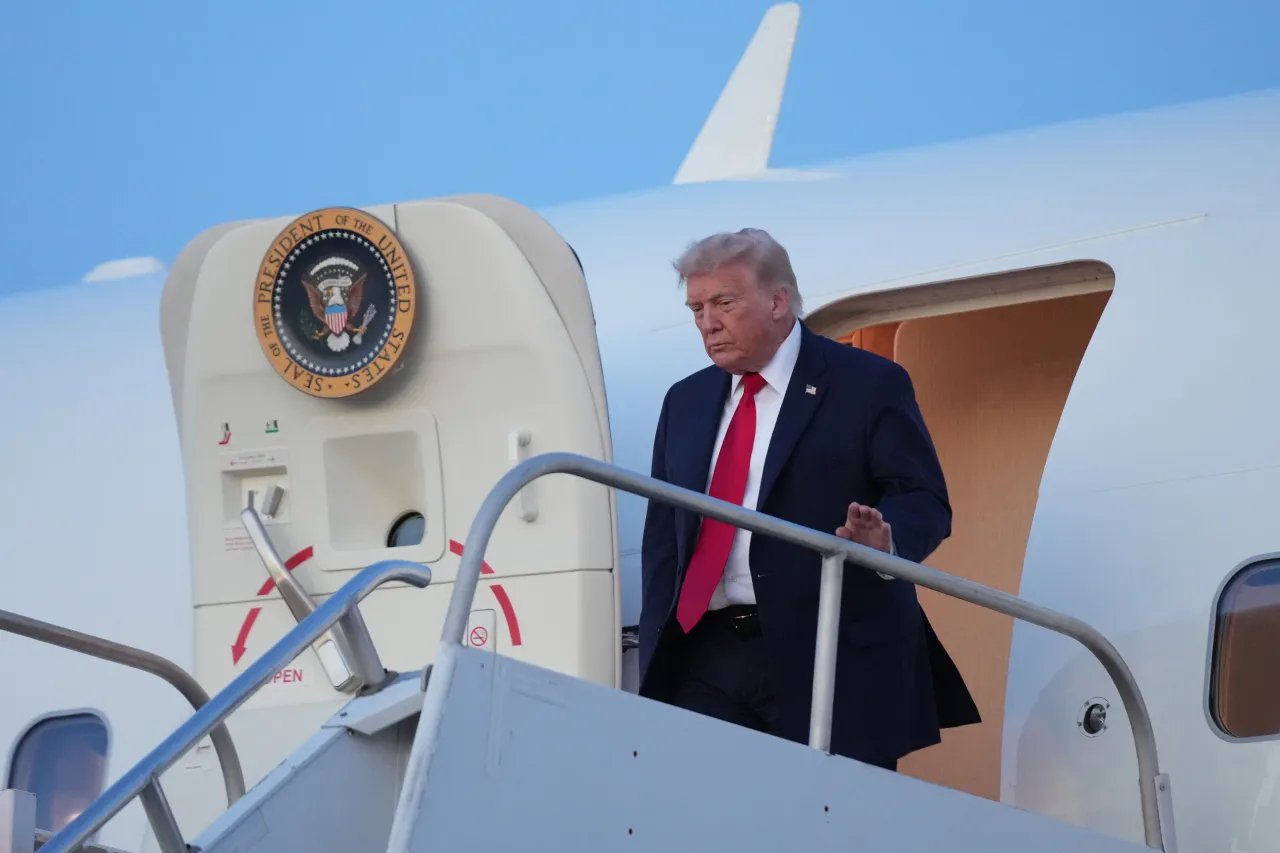
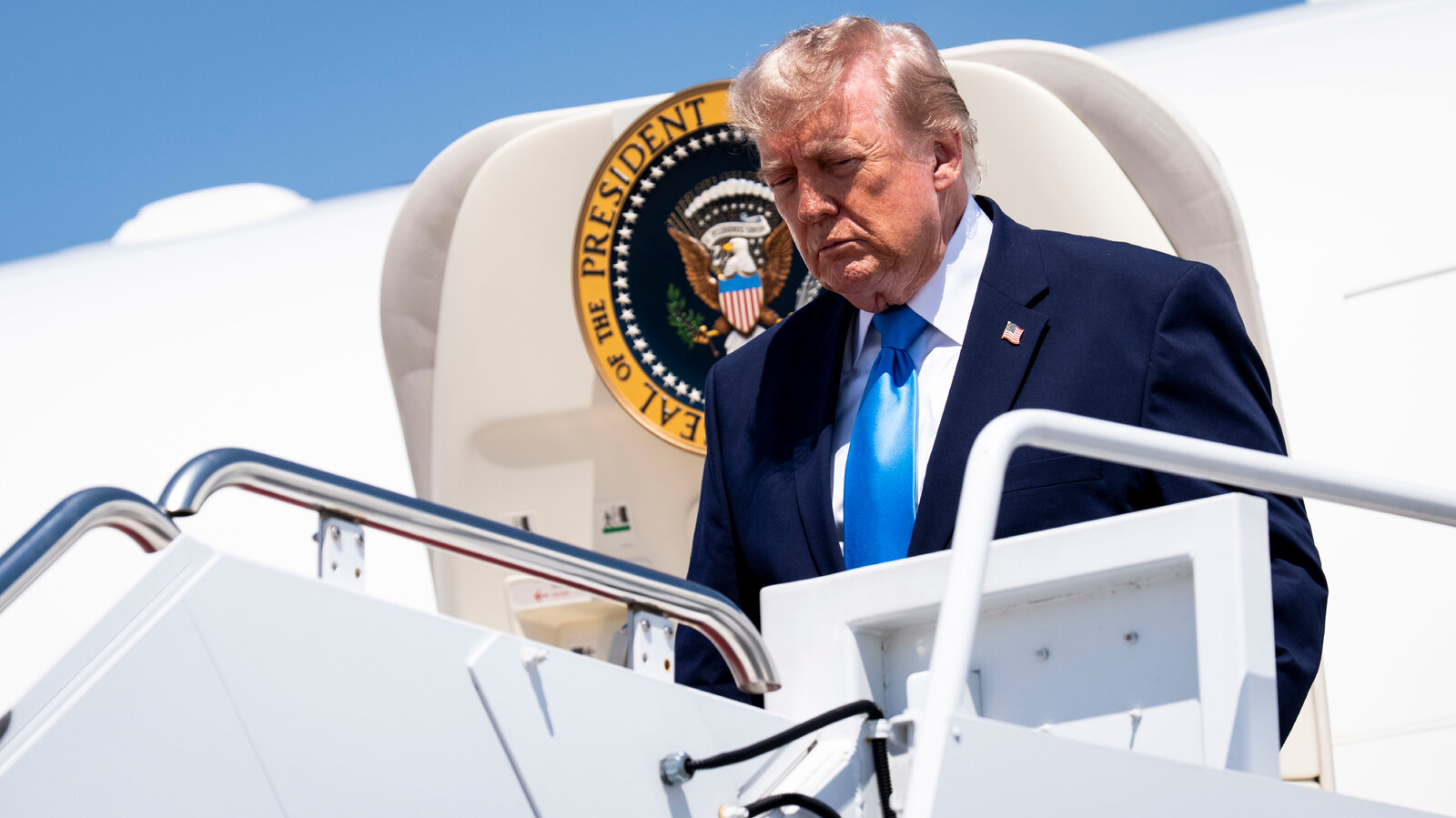
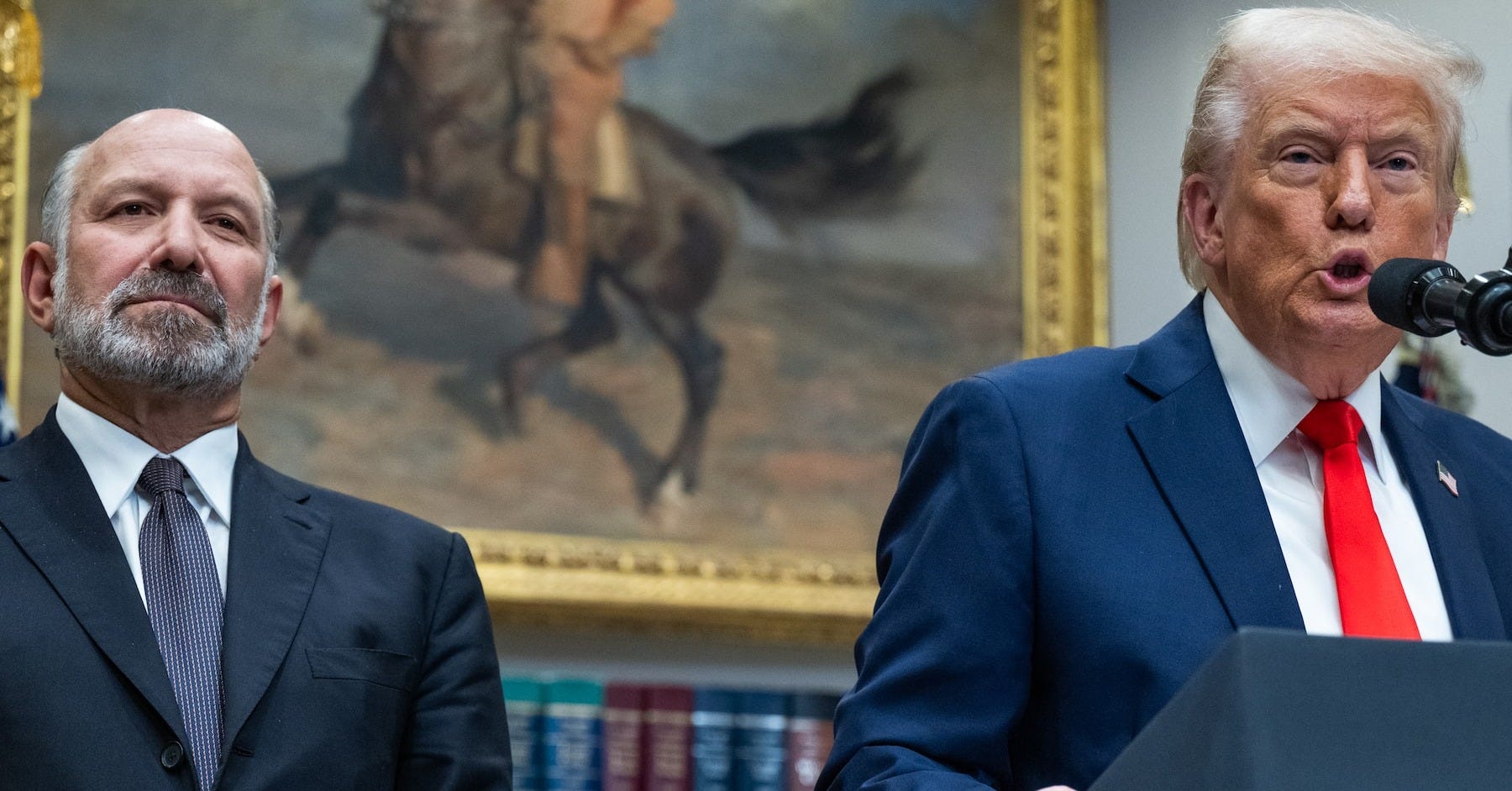
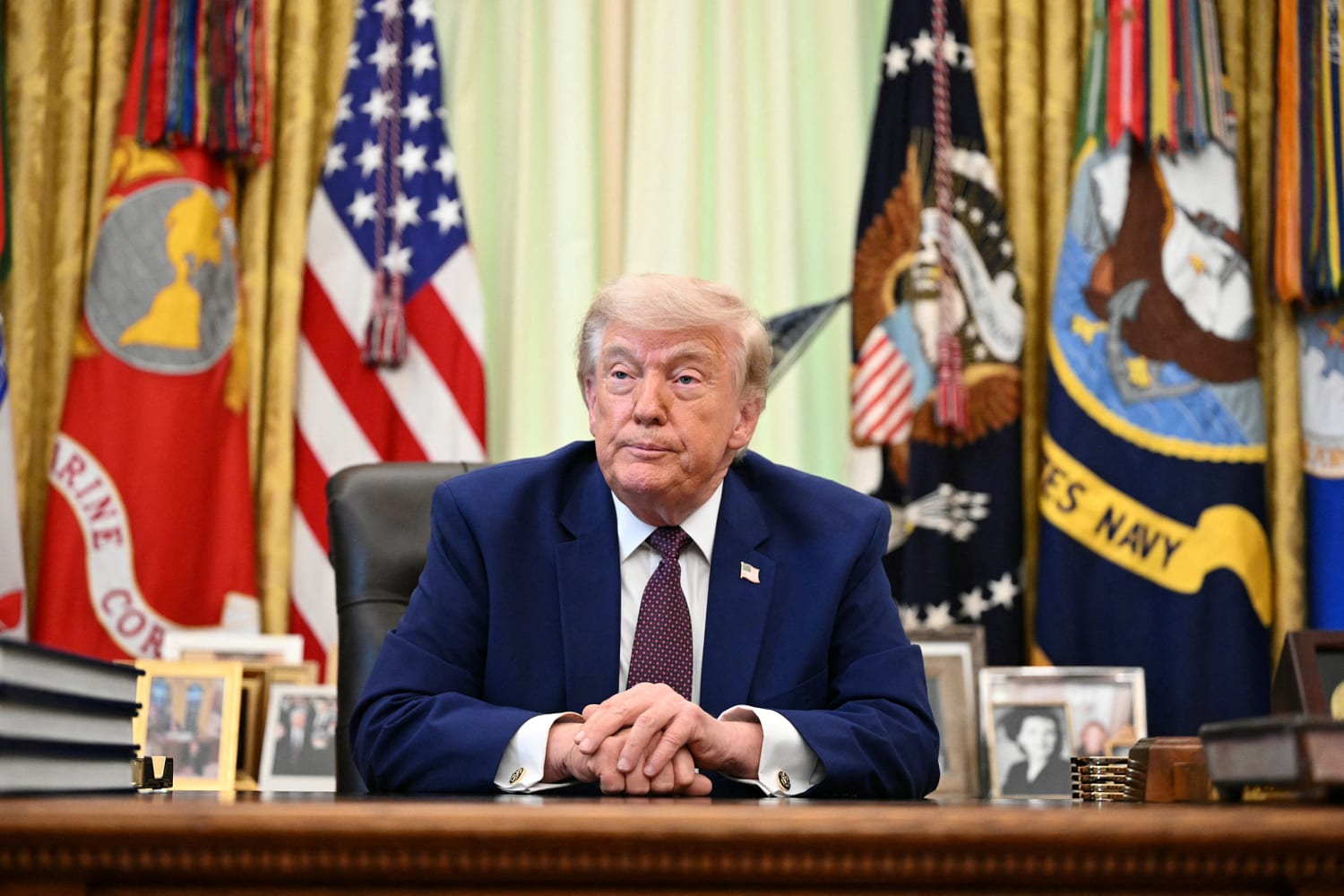
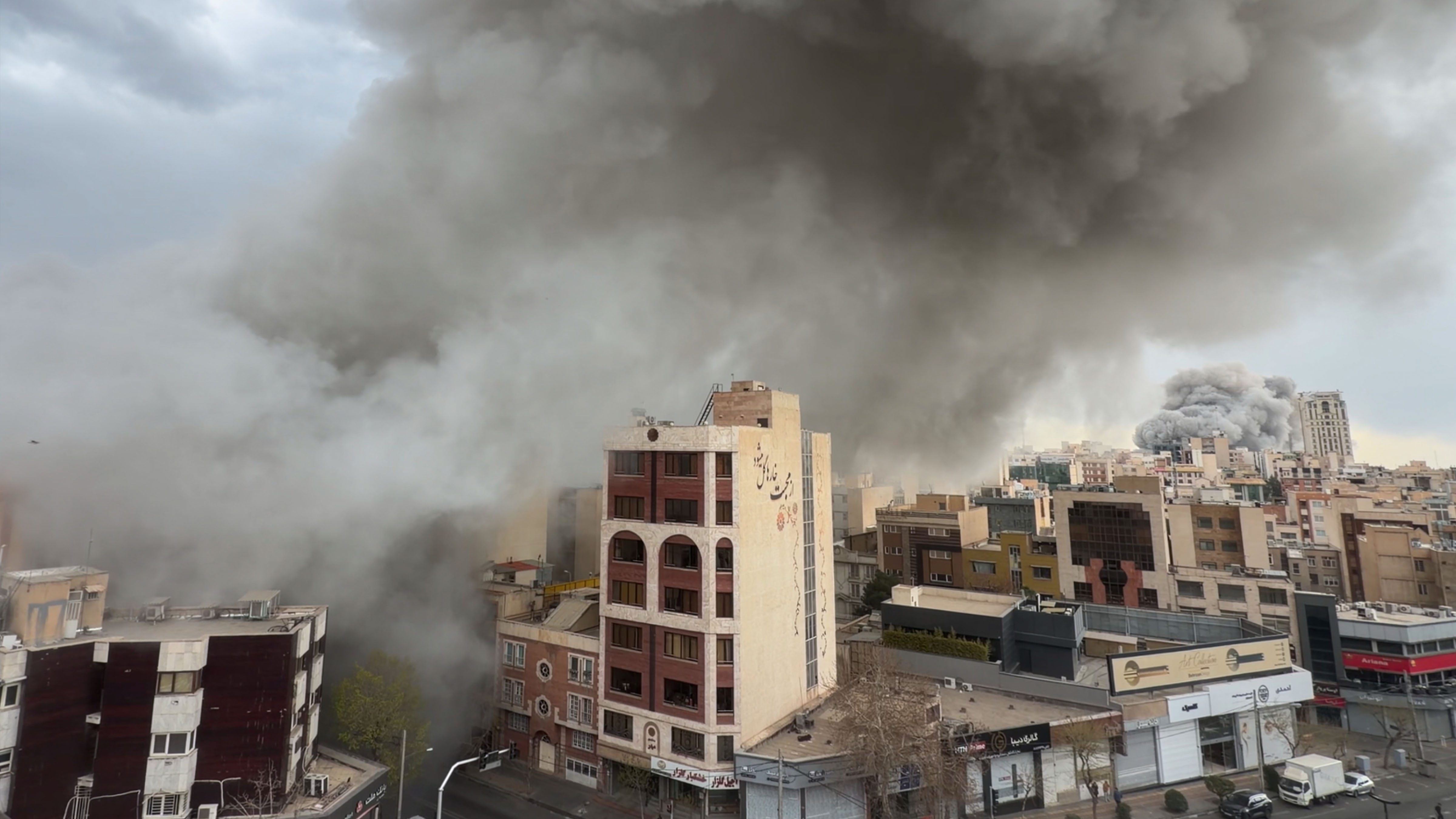
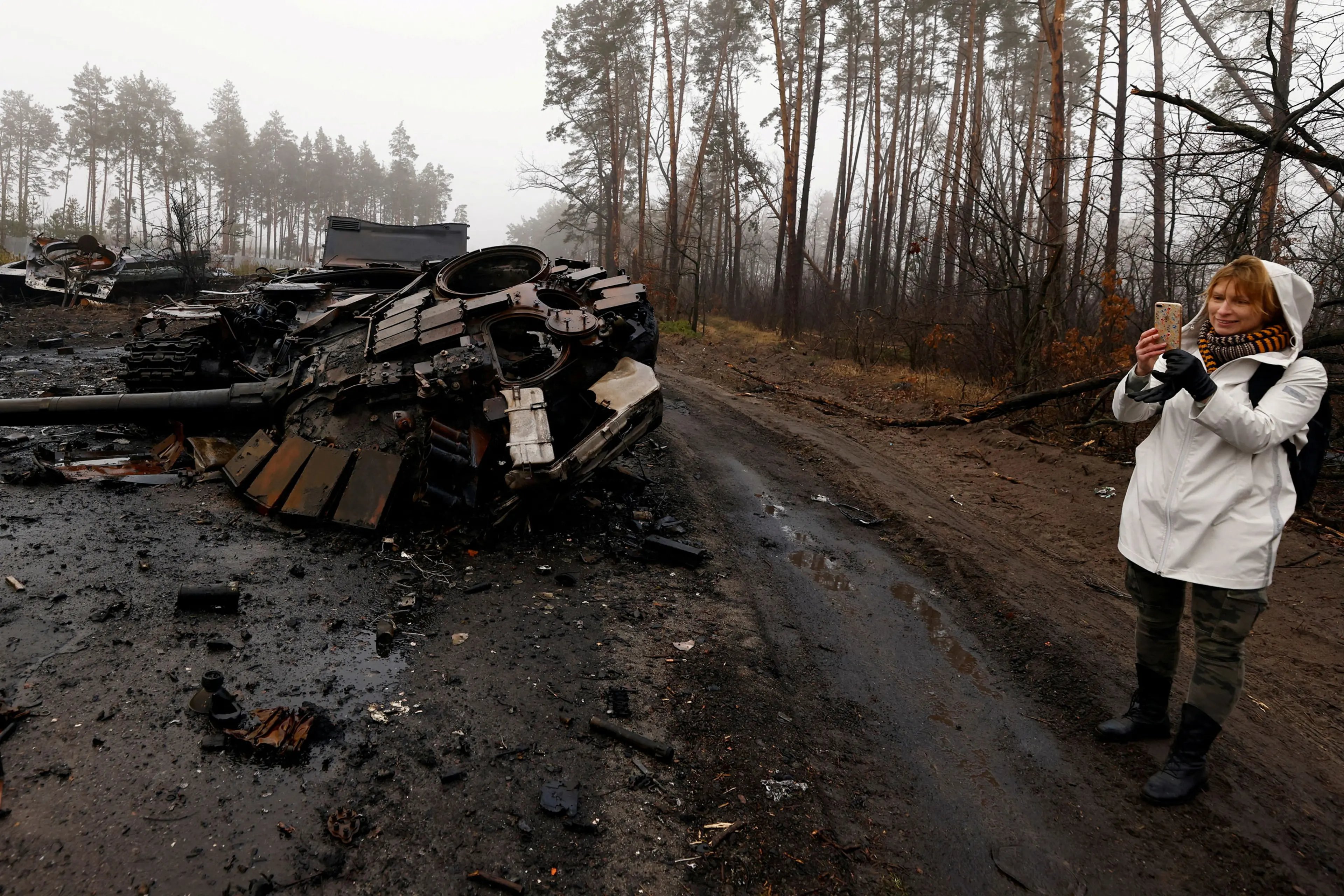
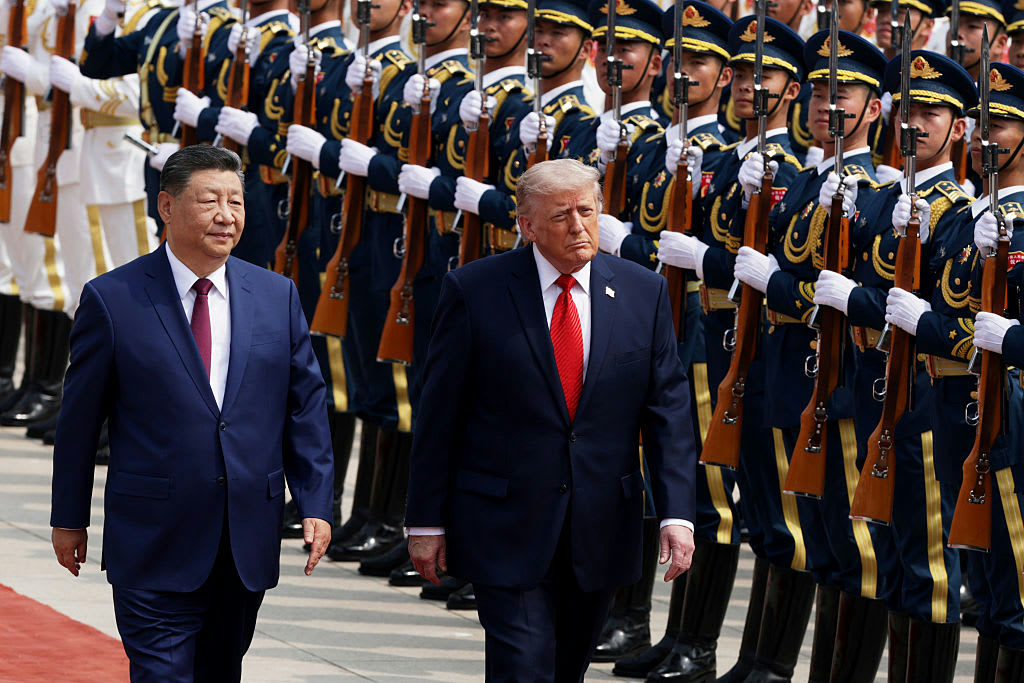
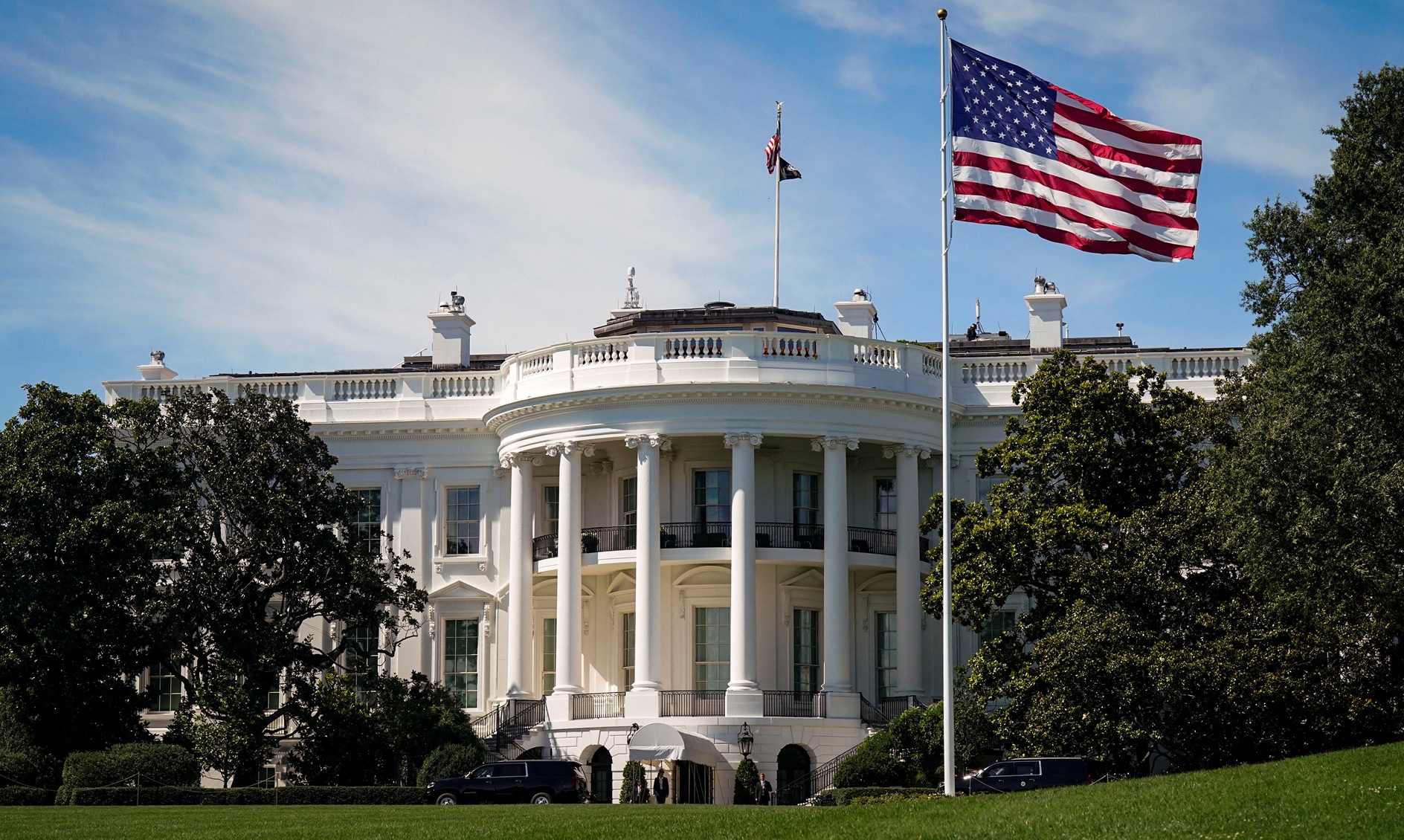
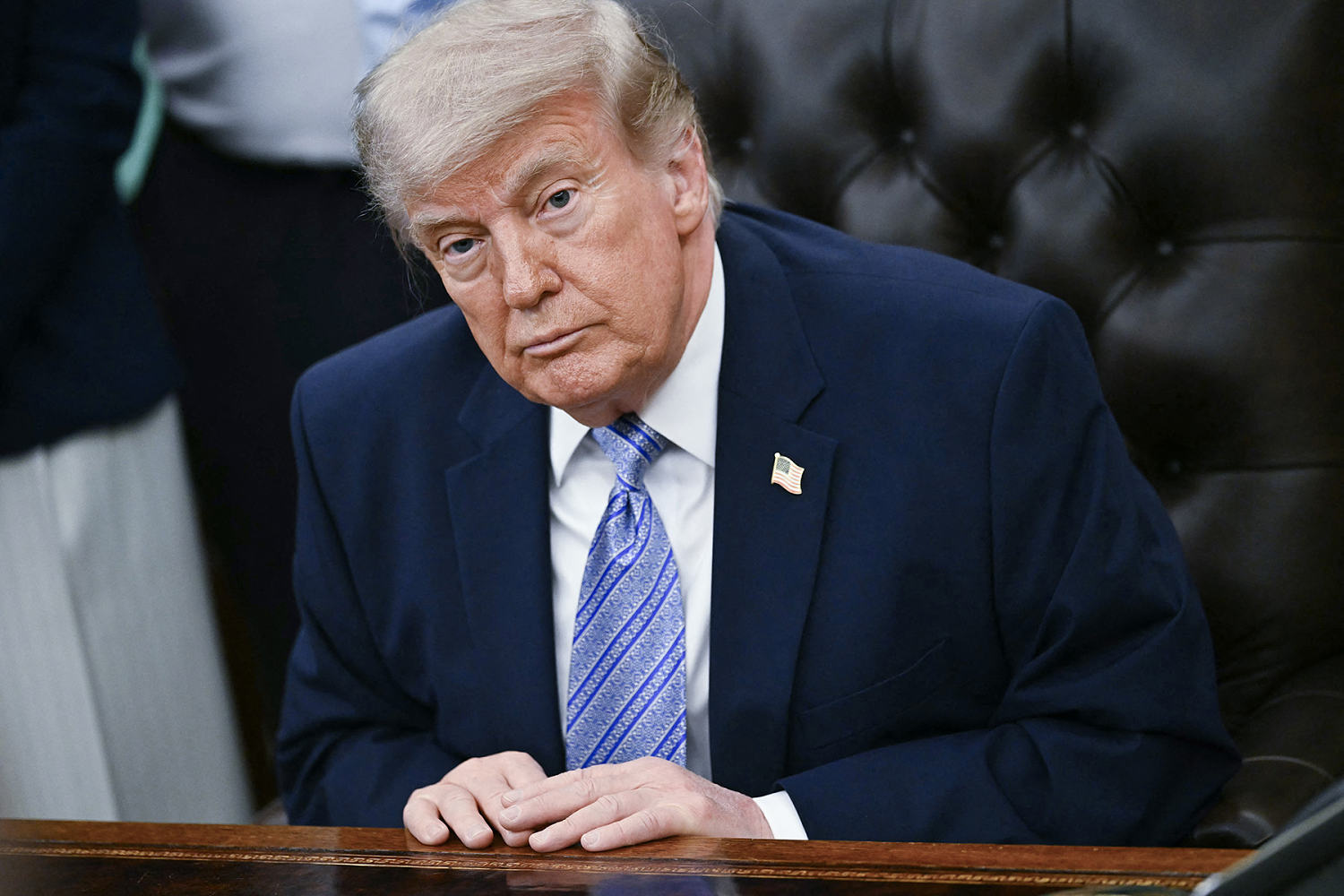
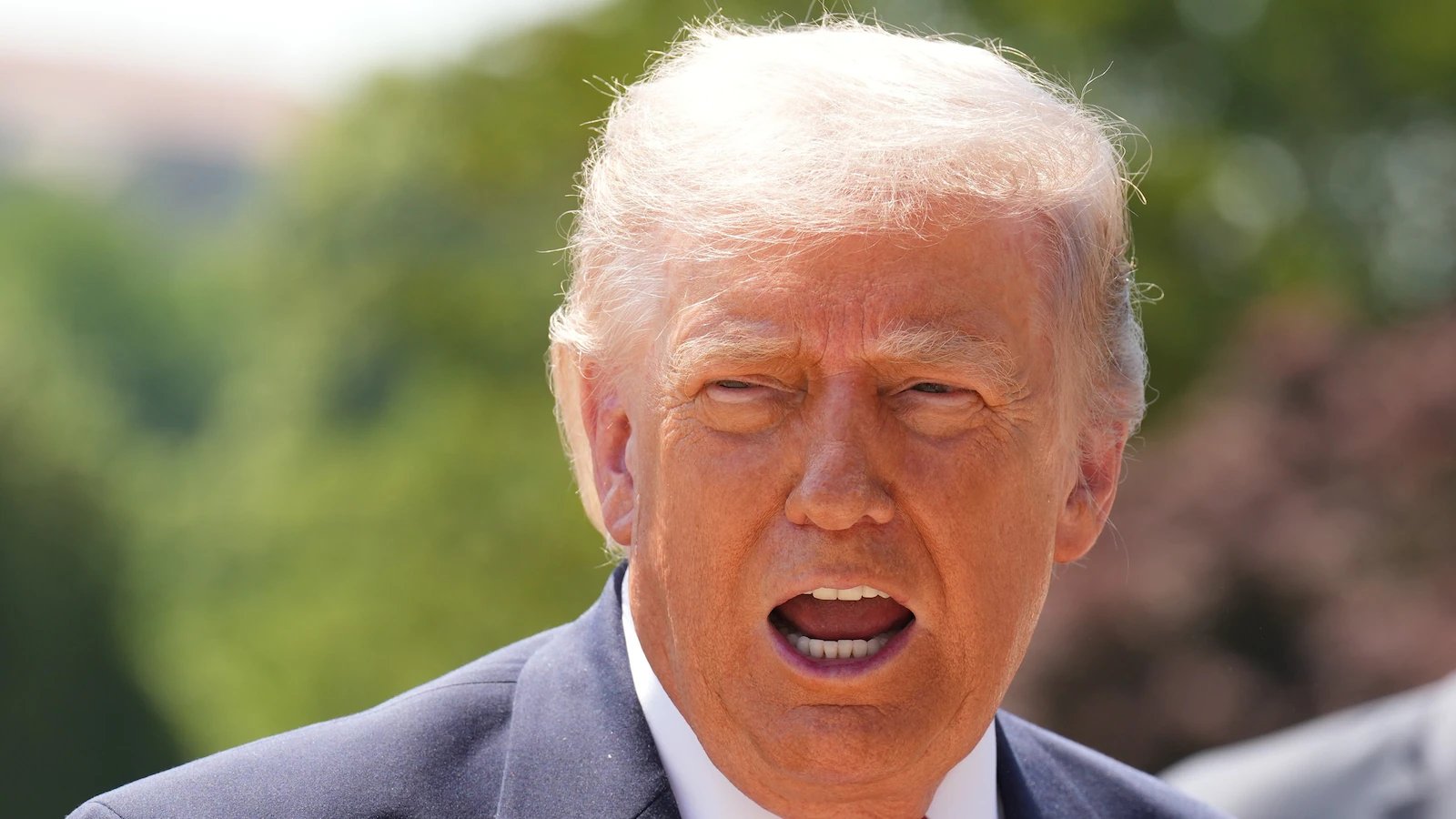
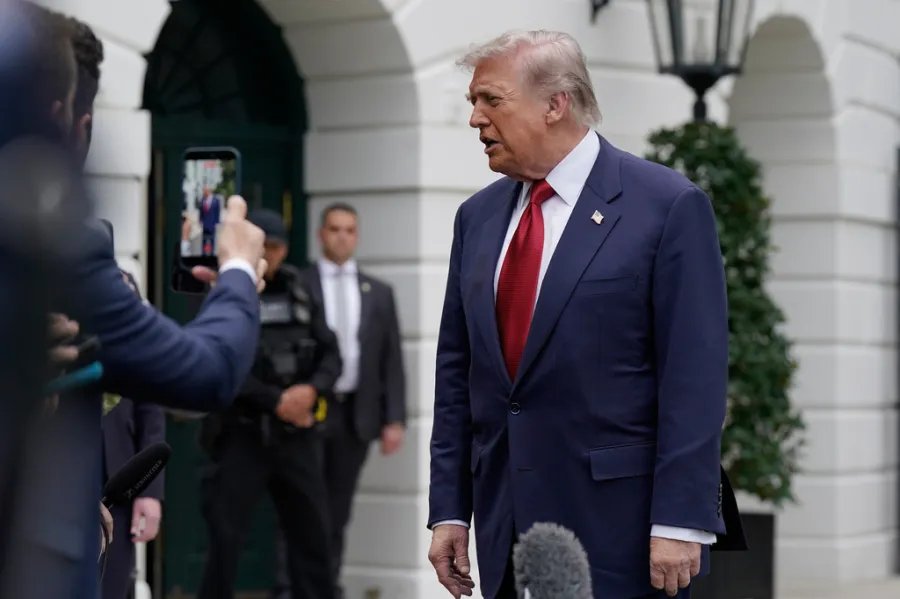
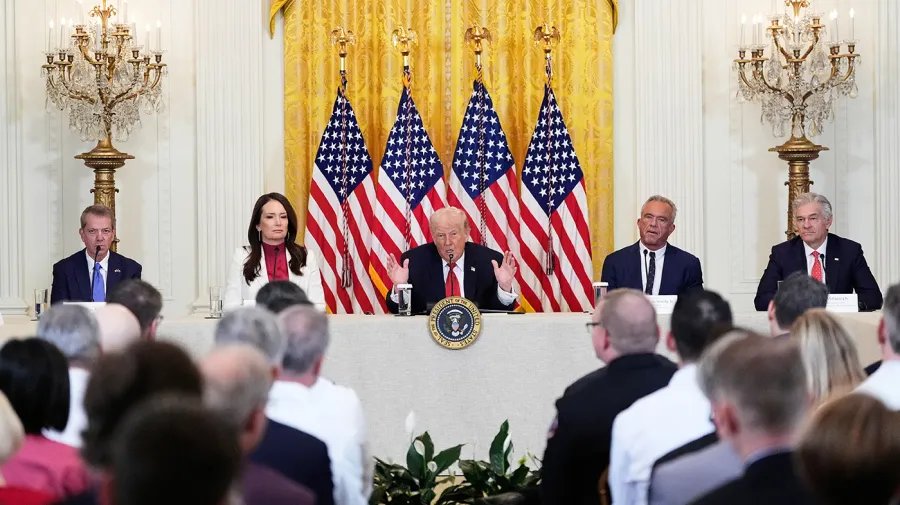
President Donald Trump has made statements regarding the blockade on Iranian ports, asserting that maintaining the blockade is crucial to prevent Iran from acquiring nuclear weapons. He remarked, "Iran can't let Iran have a nuclear weapon, and their economy is crashing," reinforcing the administration's stance on the ongoing conflict. However, experts caution that even if a resolution is reached, elevated oil prices may persist due to Iran’s ability to disrupt shipping routes.
Consumer Frustration Grows
Consumers are expressing rising frustration over the climbing gas prices, with online communities buzzing with discontent. In Indiana, for instance, residents reported nearly a $2 per gallon increase since the war began, prompting discussions on platforms like Reddit. Similar sentiments are echoed in Pennsylvania and Iowa, highlighting widespread dissatisfaction across the nation.
Industry Leaders Warn of Continued Strain
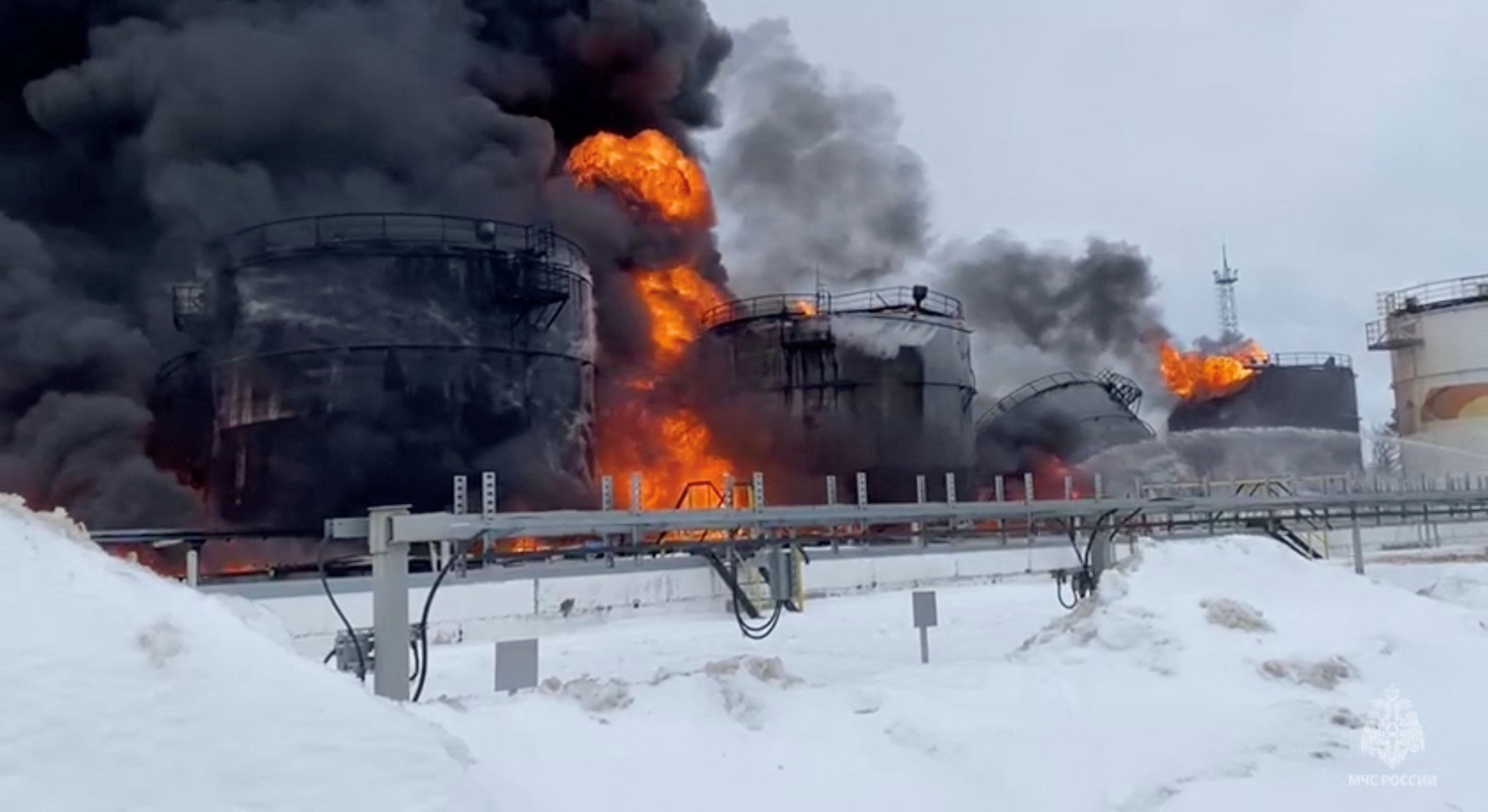
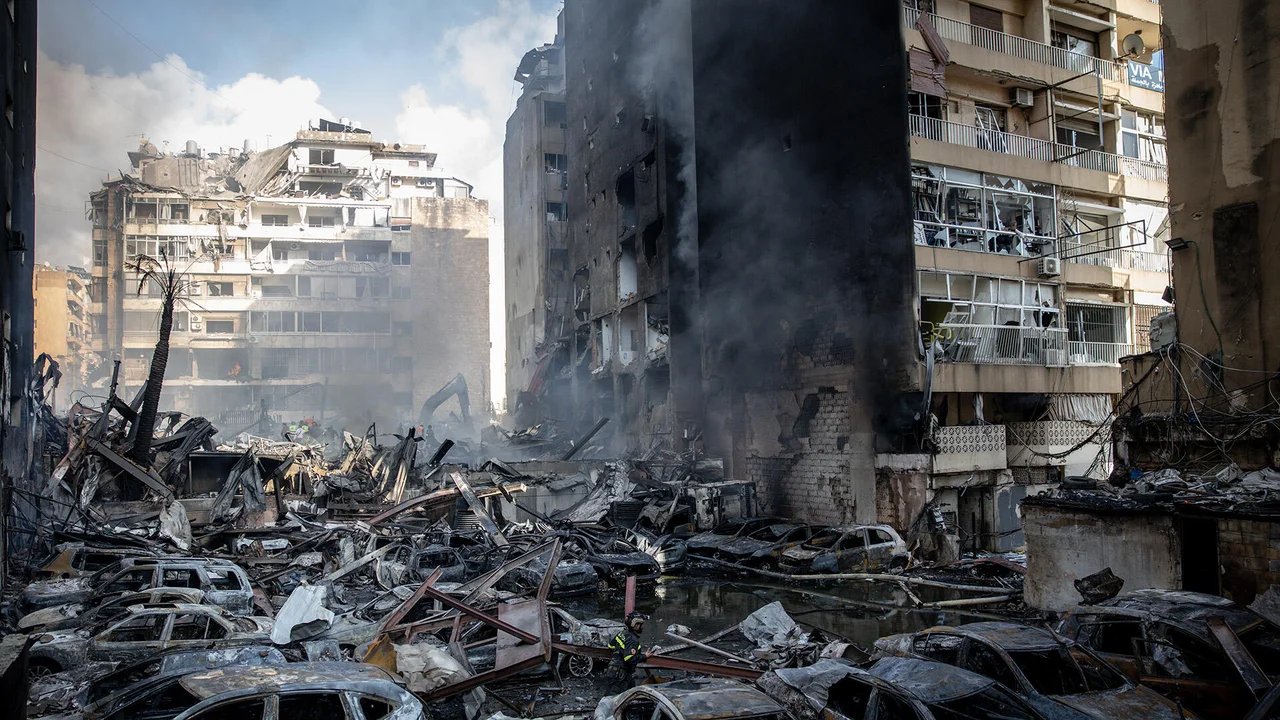
Energy industry leaders have sounded alarms over the stress on global energy supplies. Chevron CEO Mike Wirth stated, "If we don’t get supply reestablished, demand will have to come down across different sectors of the economy." Exxon Mobil CEO Darren Woods noted that about 15% of Exxon’s oil production is affected by the conflict, indicating widespread disruptions in the energy market.
Congressional Actions and War Powers
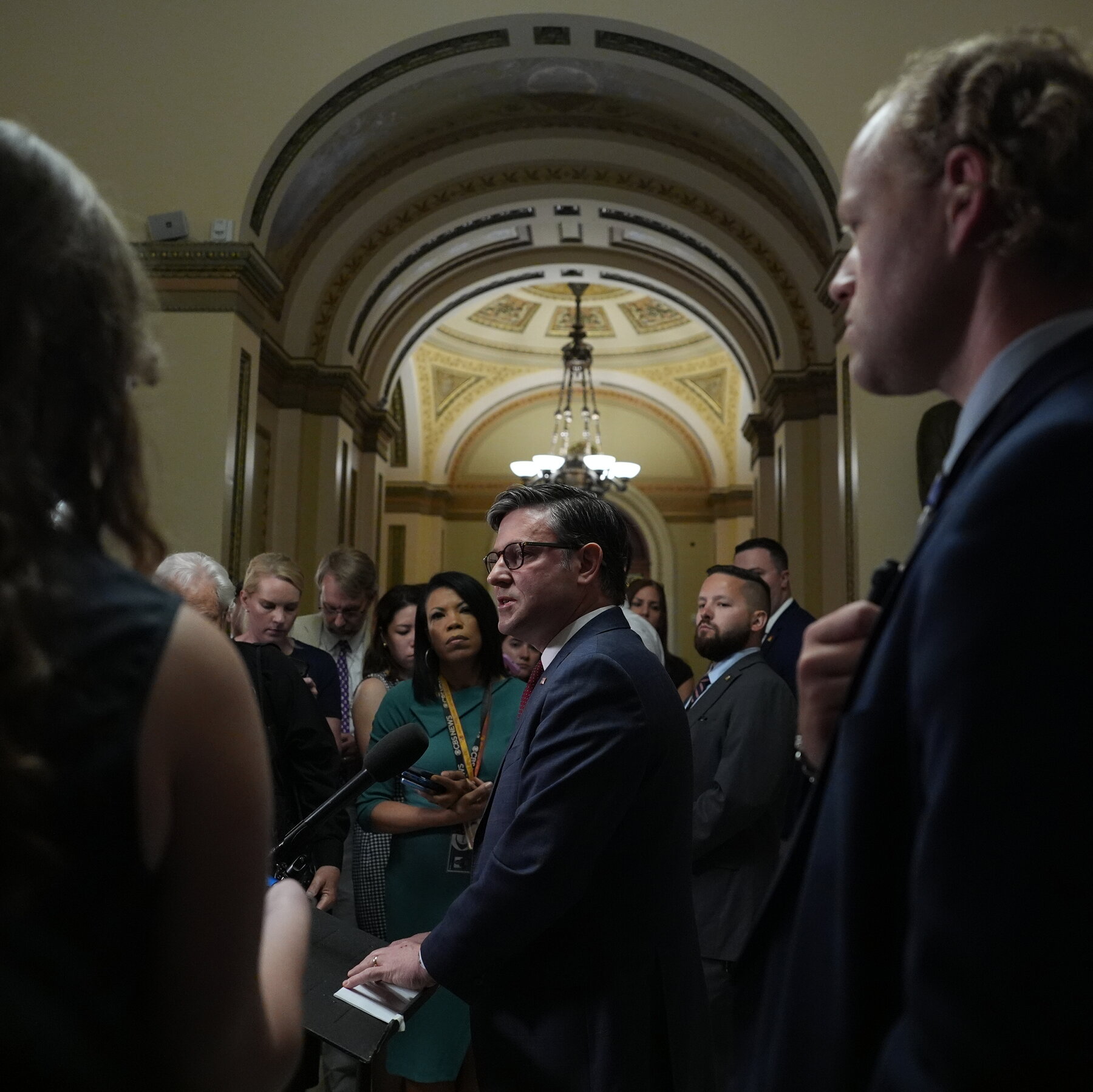
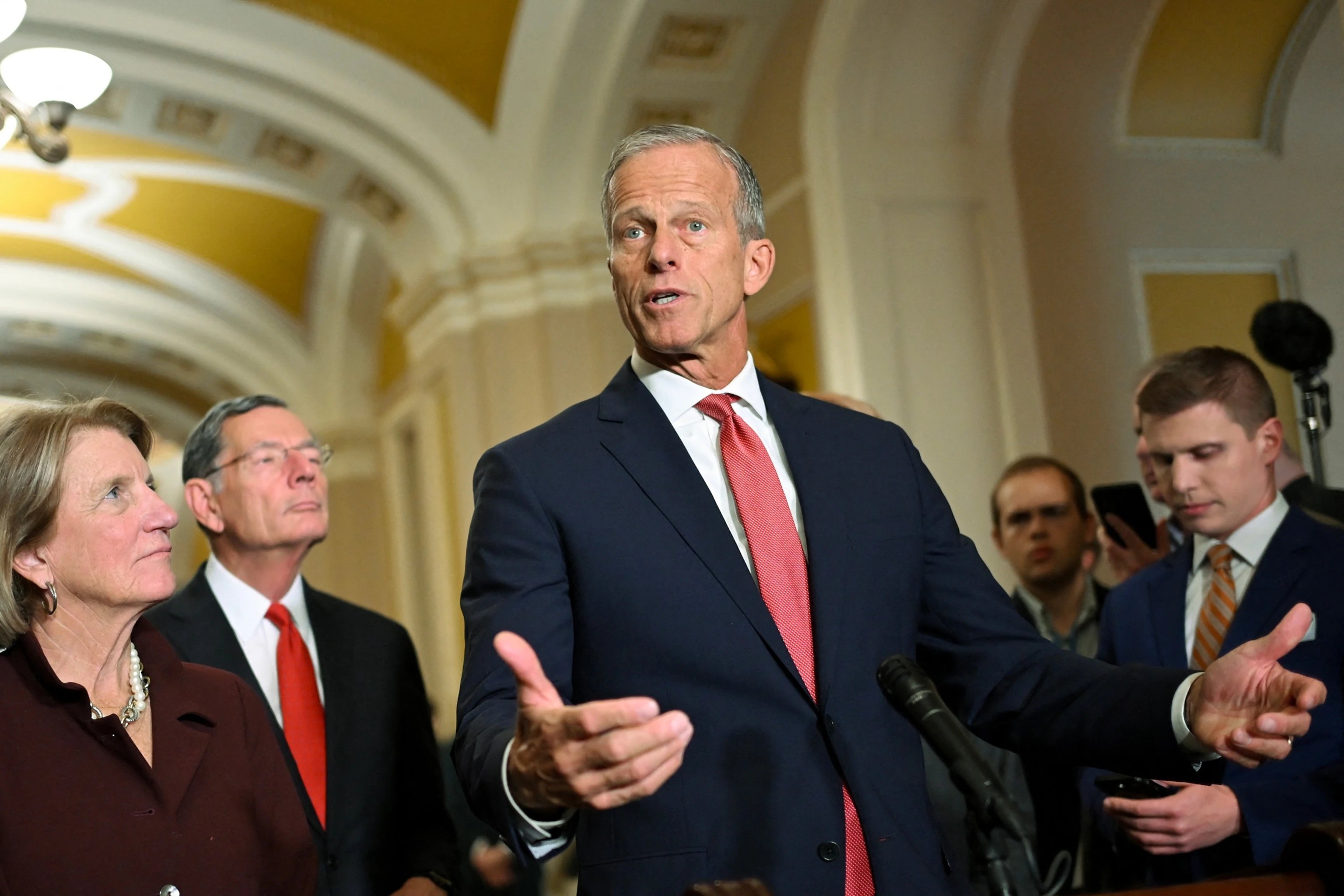
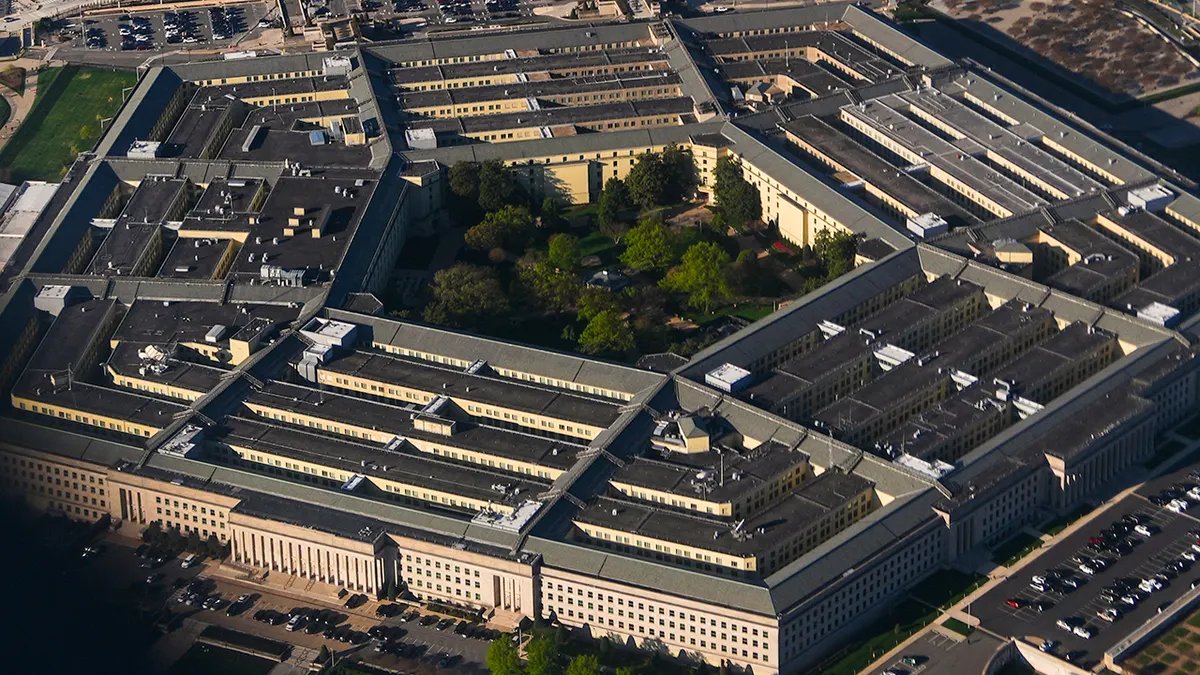
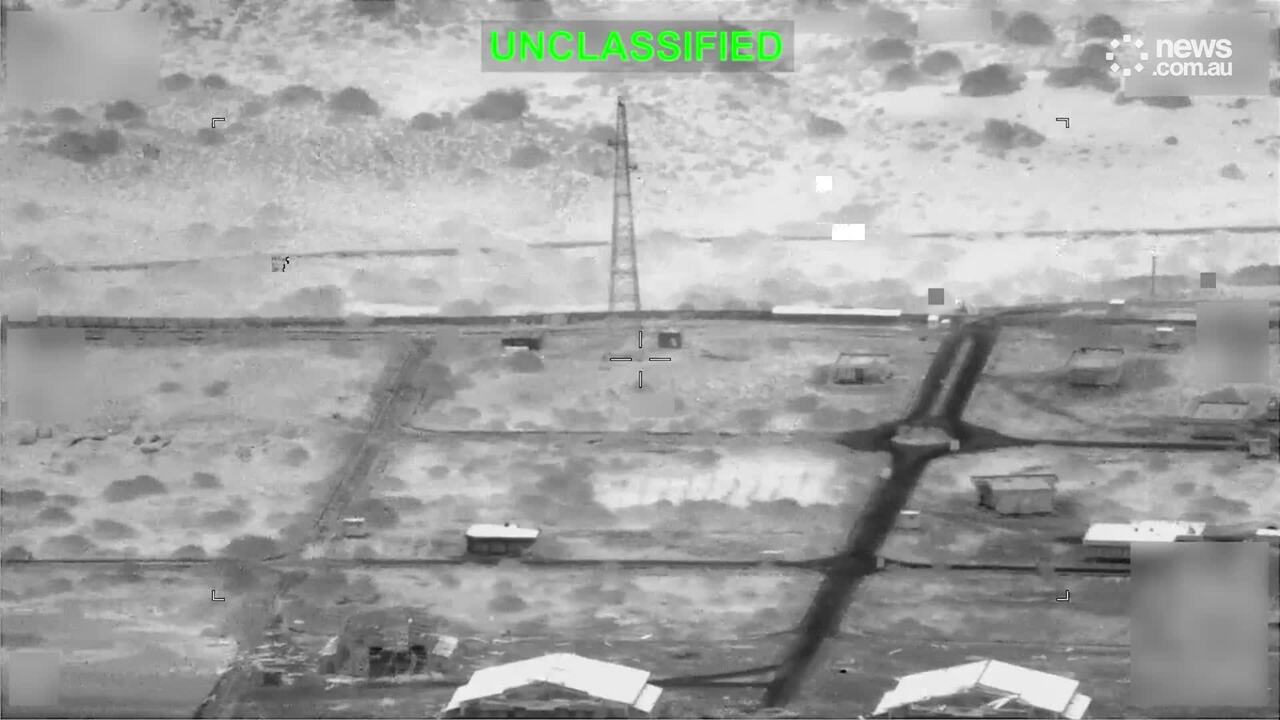
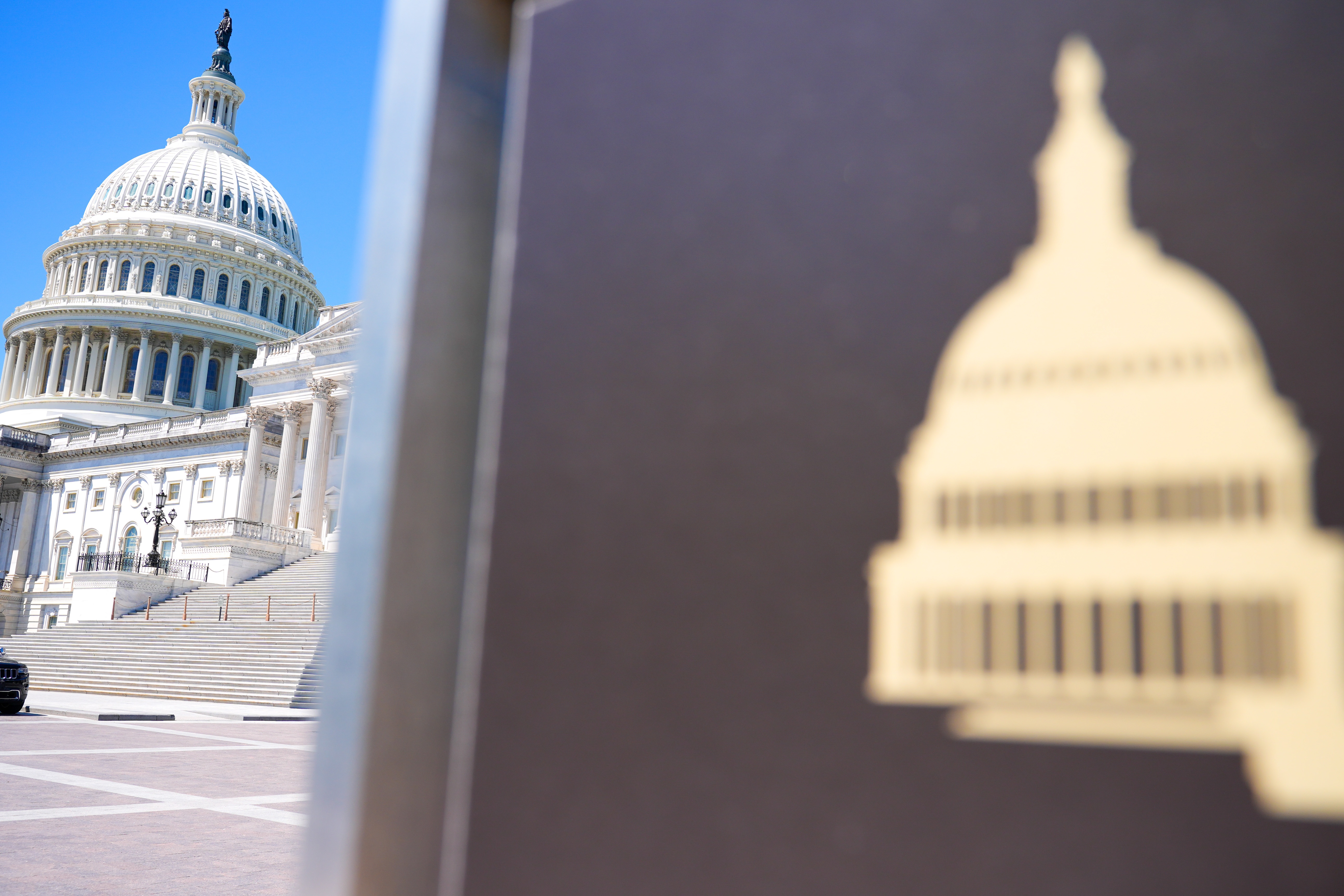
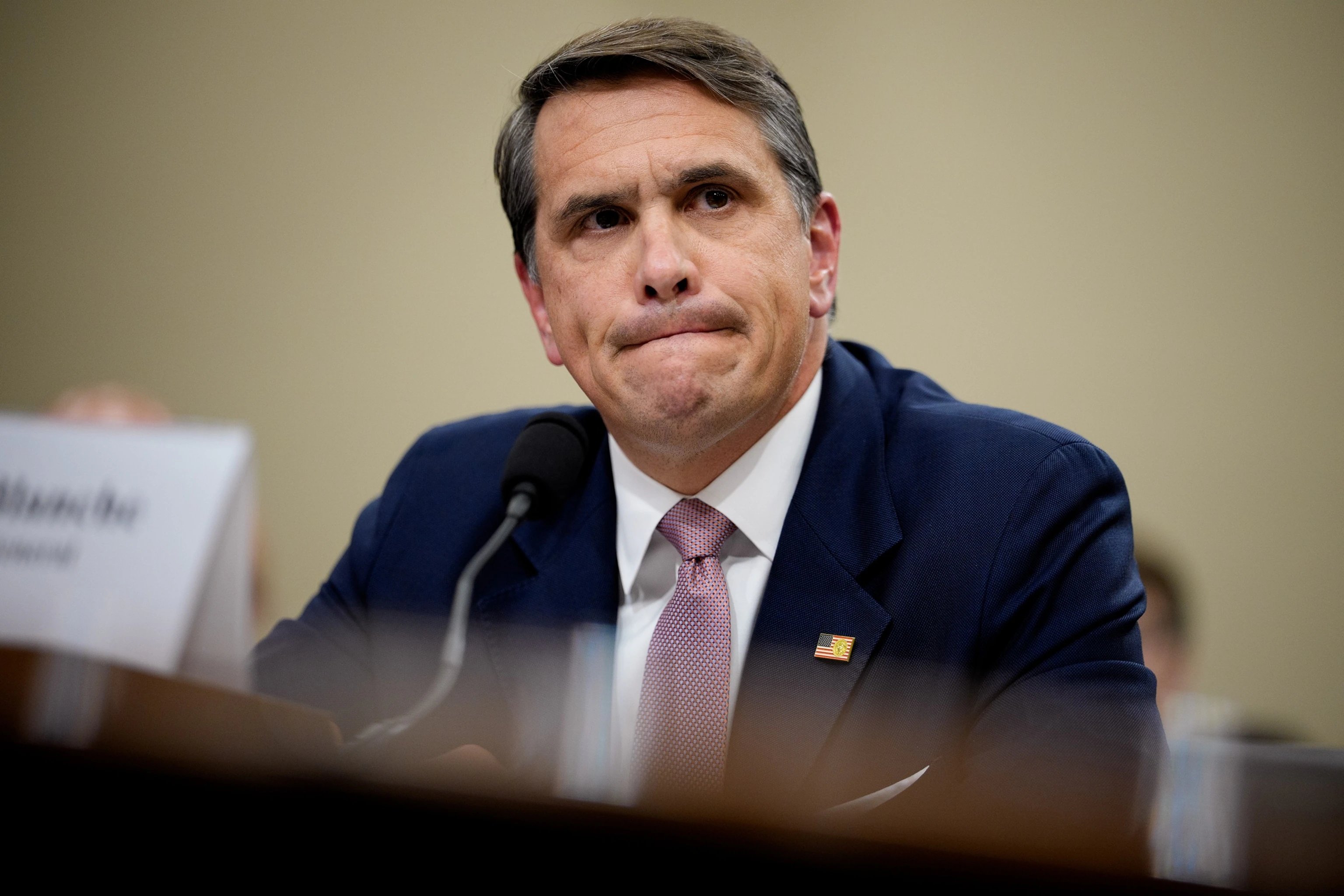
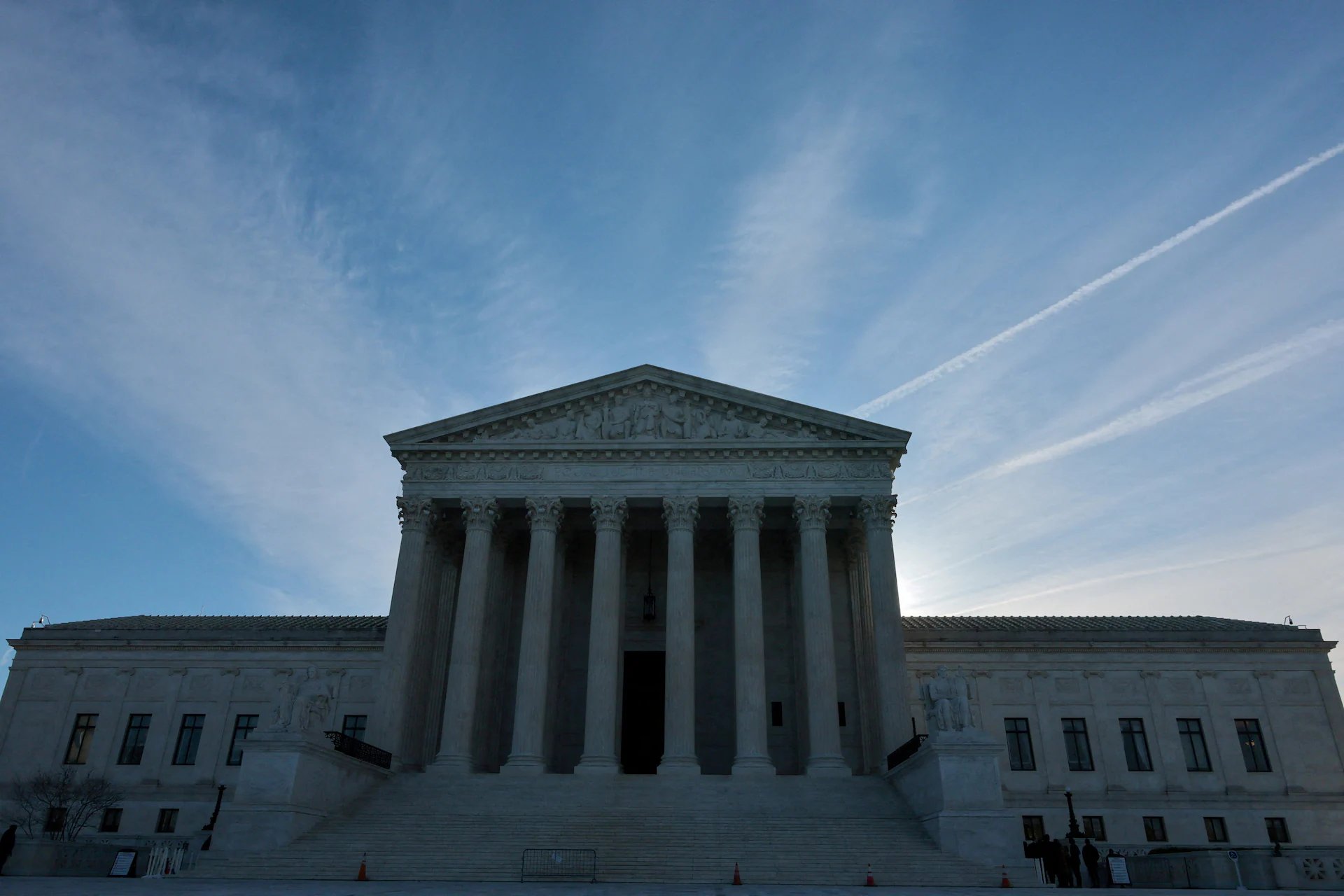
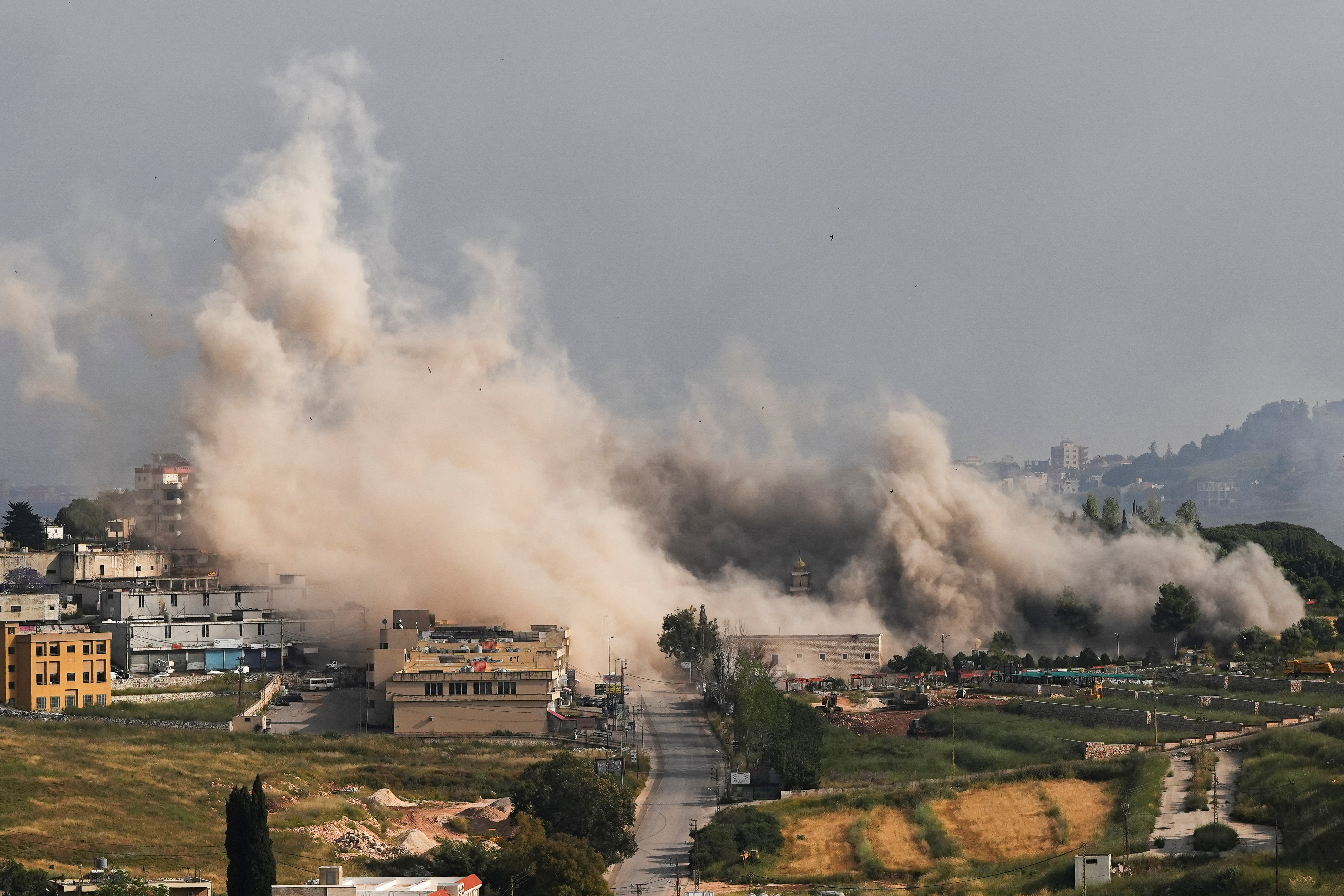
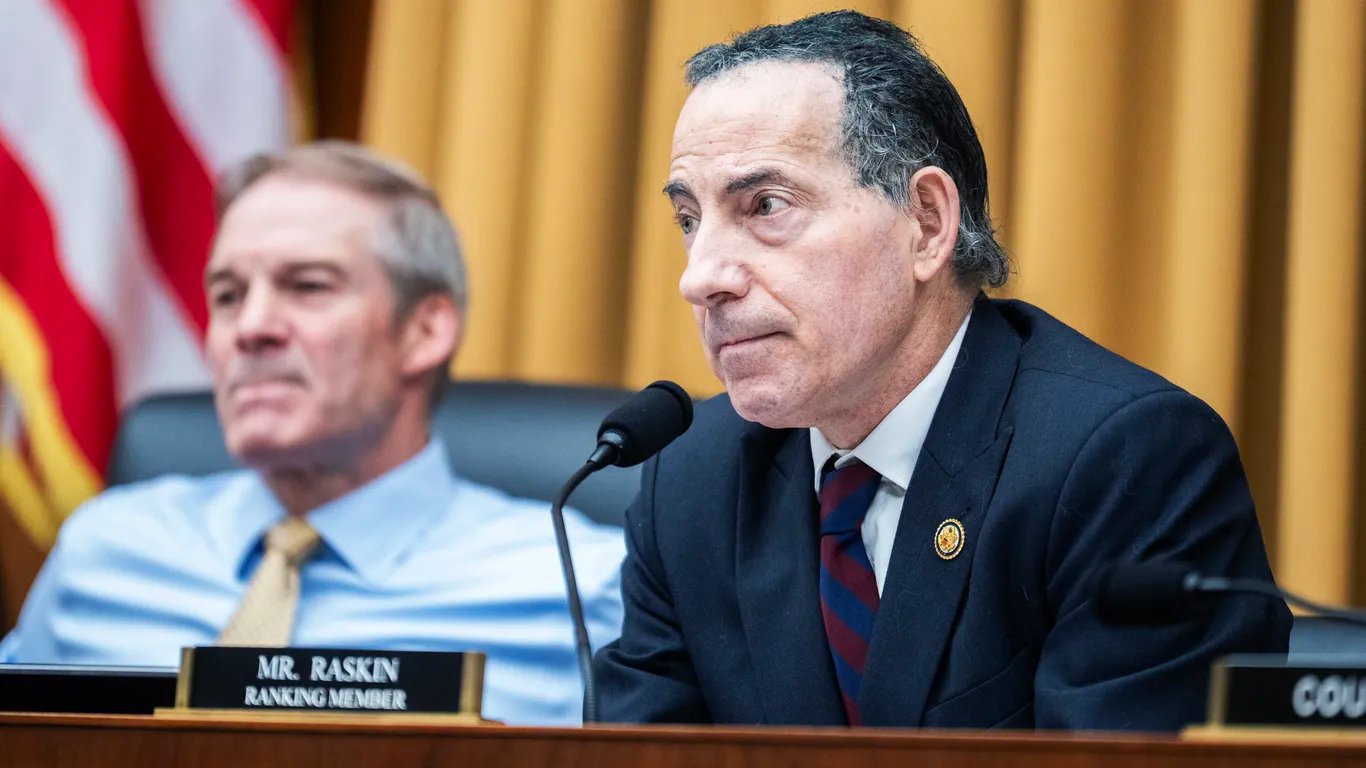
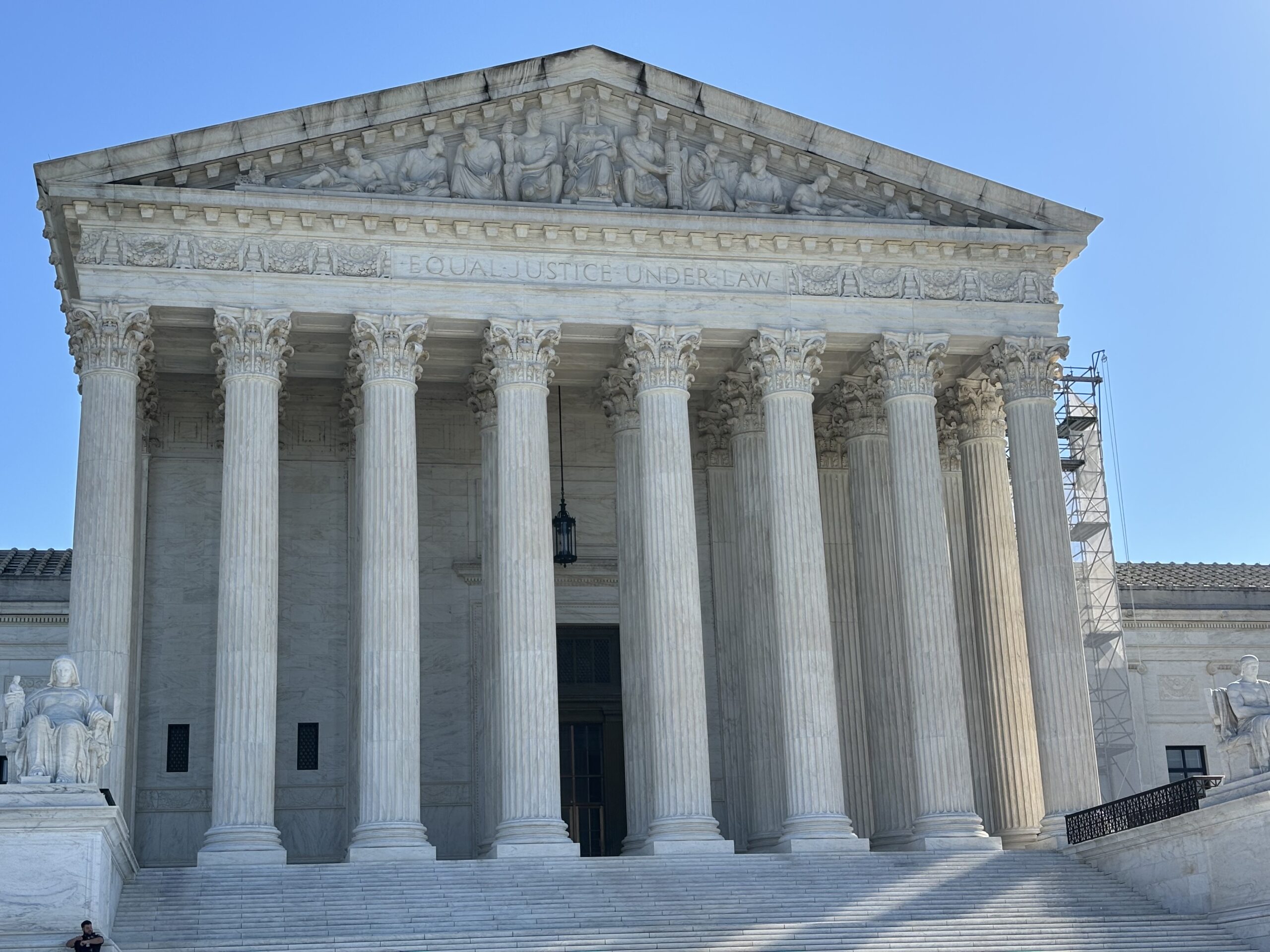
On Capitol Hill, discussions around a War Powers Resolution have intensified as the conflict exceeds 60 days. Although some lawmakers assert that the U.S. is not in a state of war, the legal framework requires presidential authorization for military engagement beyond this threshold. A senior administration official claimed that hostilities have effectively ended, further complicating the political landscape surrounding the ongoing military actions.
Market Outlook and Future Implications
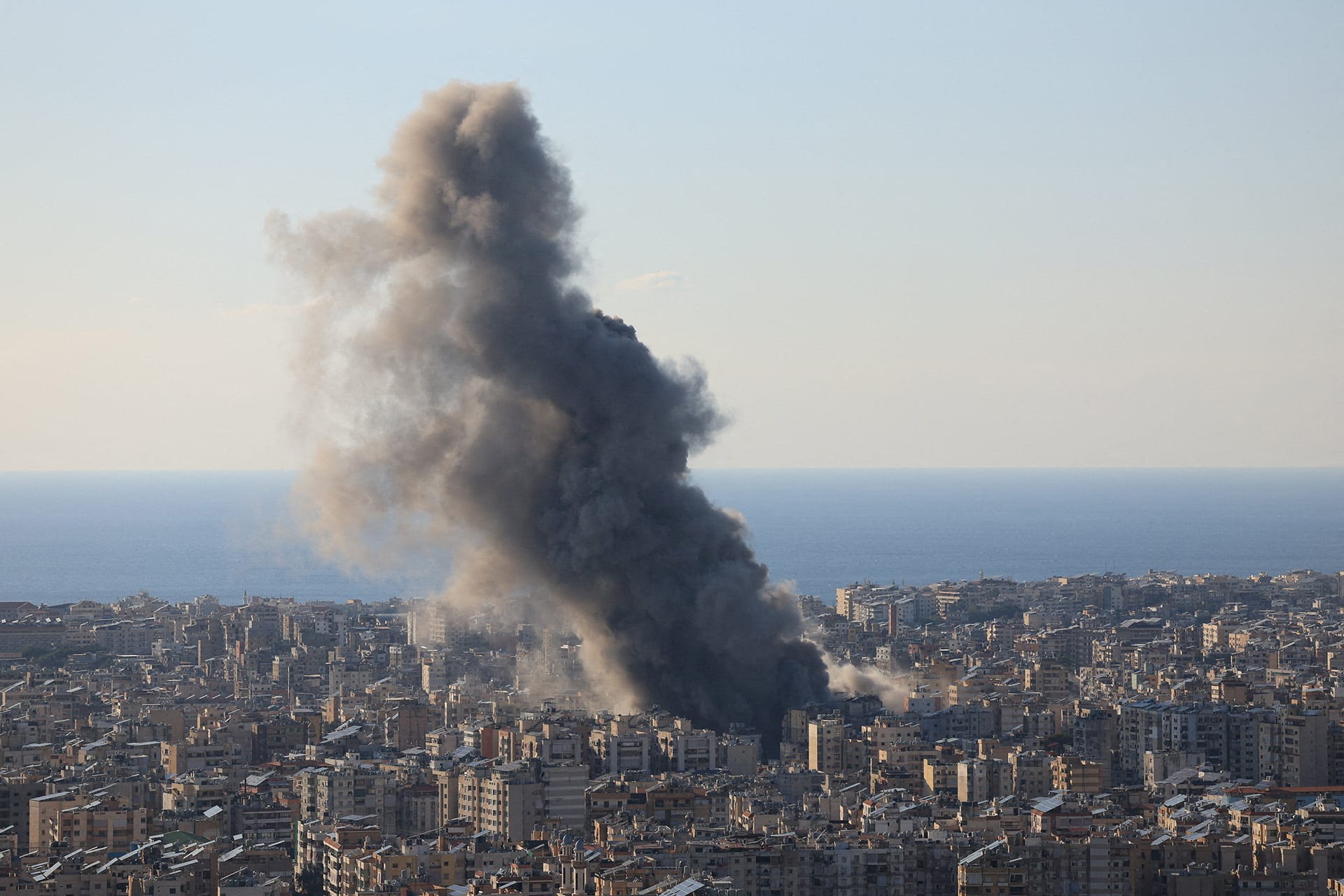
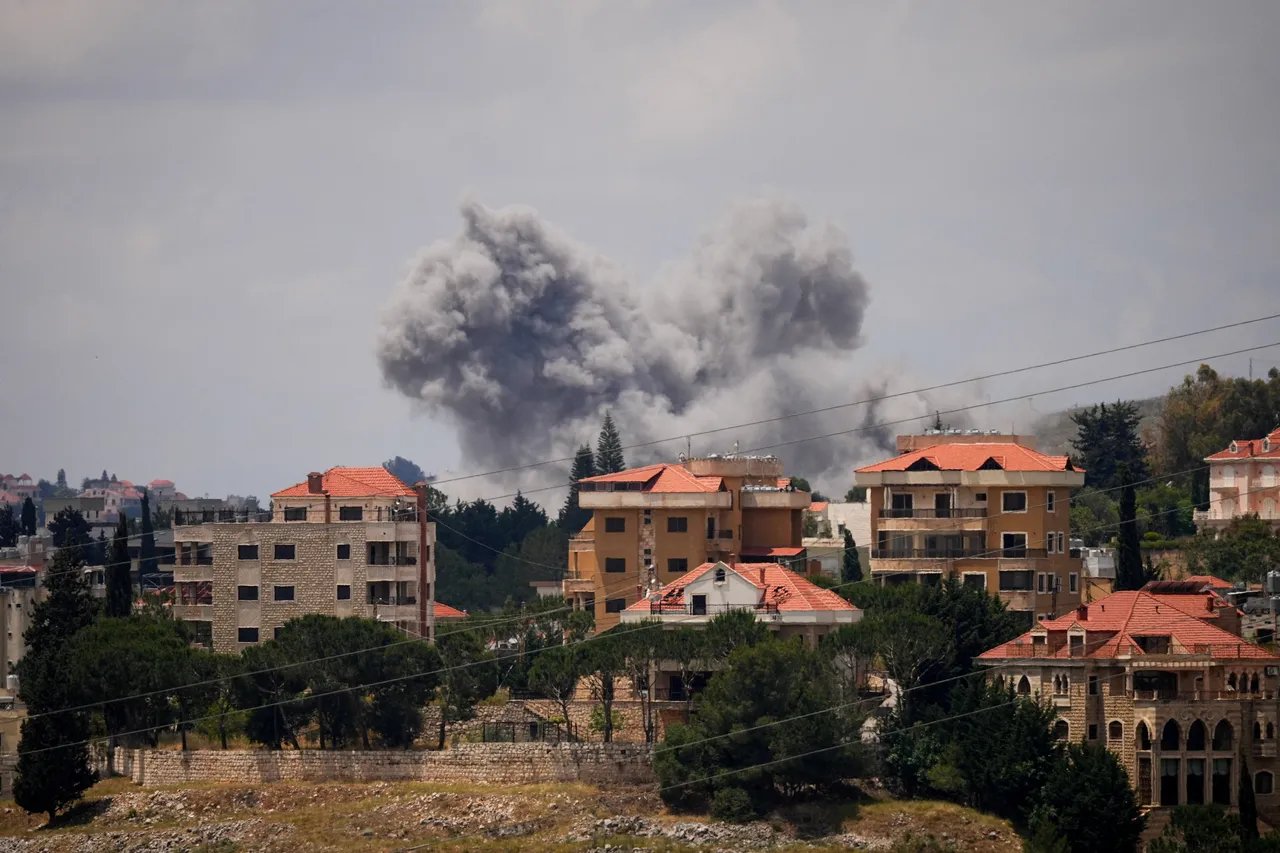
As the weekend approaches, analysts express uncertainty over the potential for renewed negotiations between the U.S. and Iran. The financial firm ING cautioned, "Hope is fading on this, which risks seeing the pendulum swinging back in the direction of resumed fighting." Such developments could adversely affect gas prices, keeping consumers on edge as they navigate the escalating costs.
The recent spike in gas prices reflects broader geopolitical tensions and economic dynamics that will continue to influence American households. With the situation in Iran evolving, consumers may need to brace for ongoing fluctuations at the pump.