




Price Hike Details
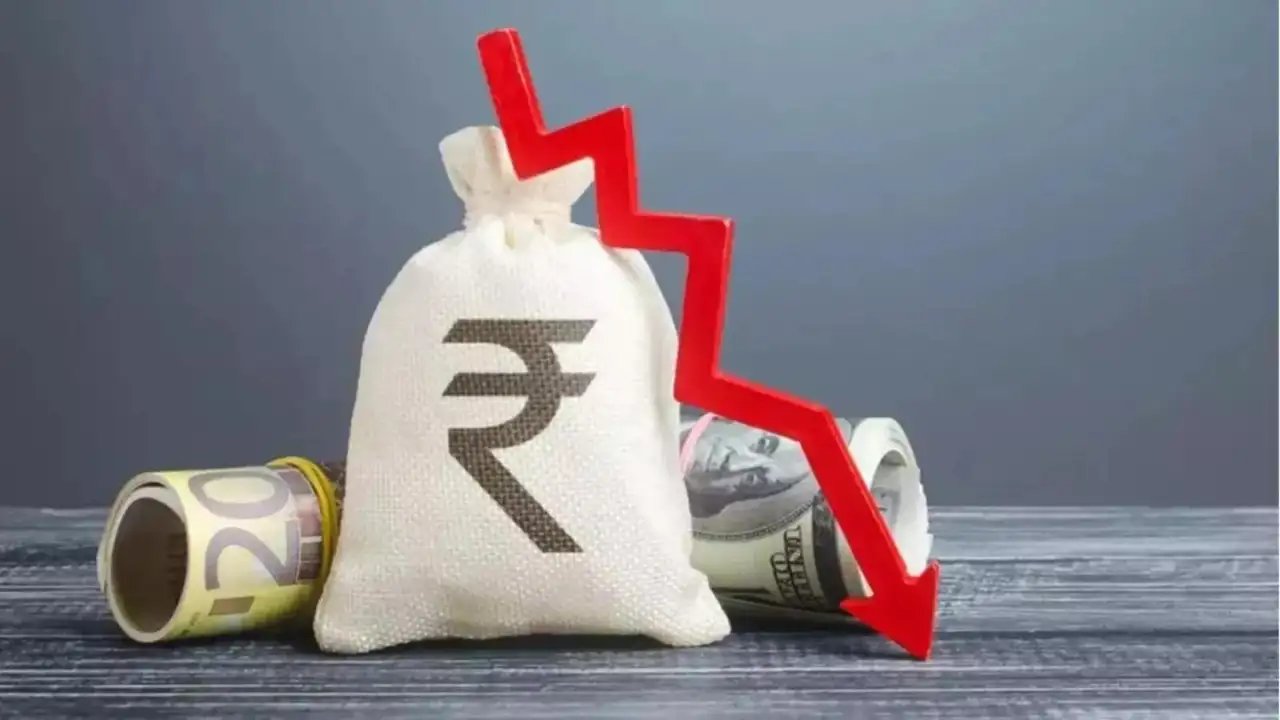
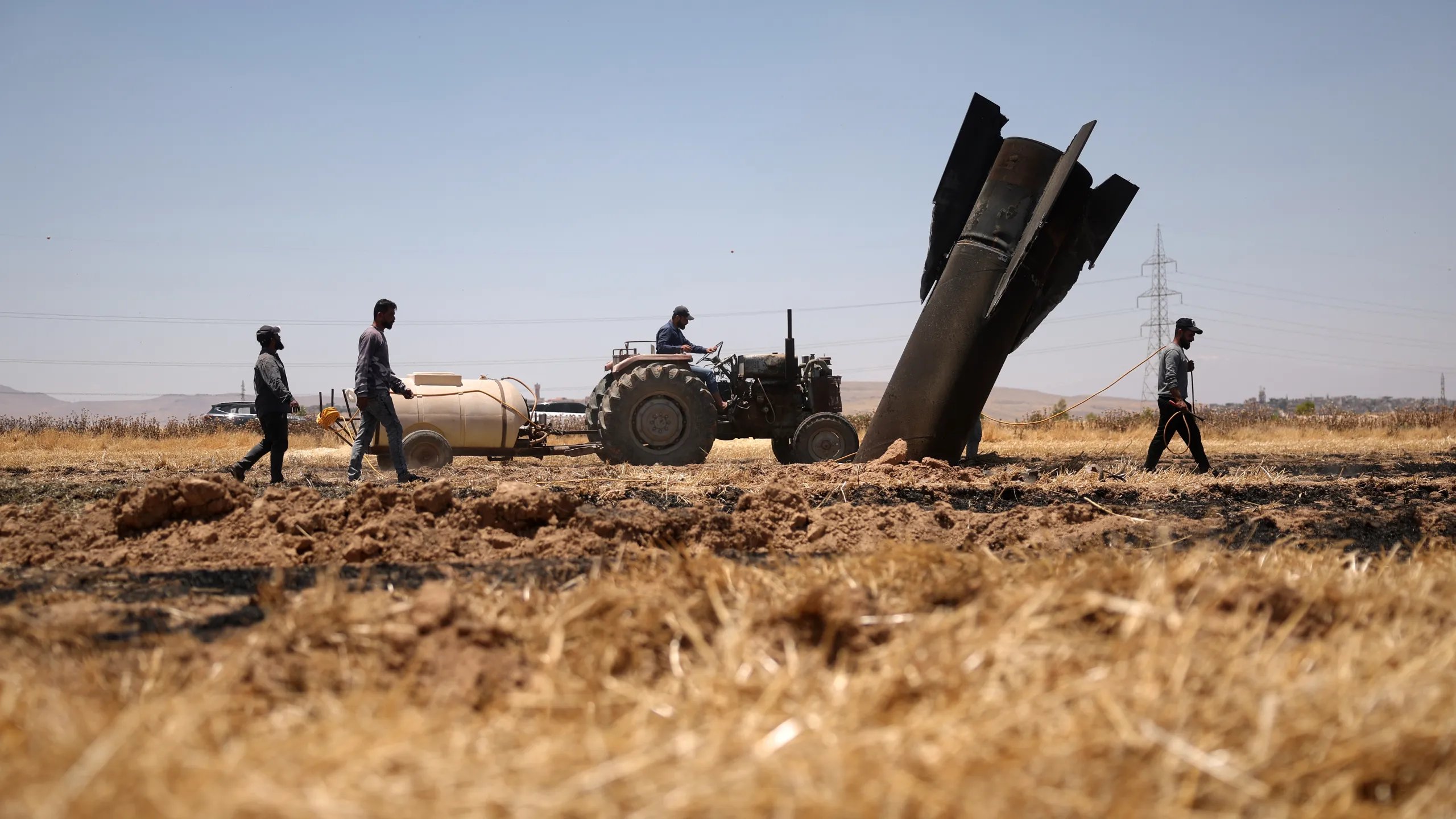
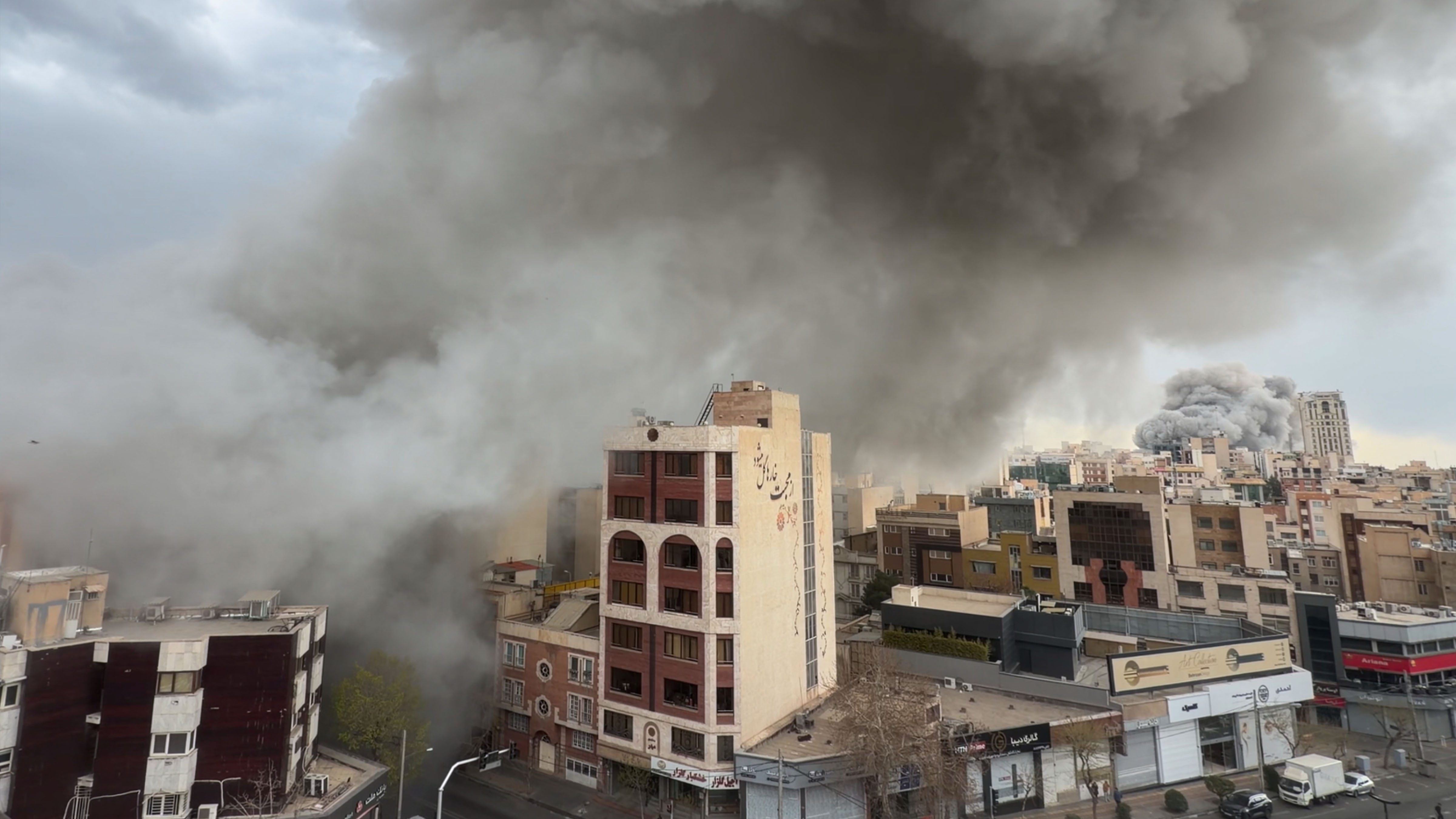
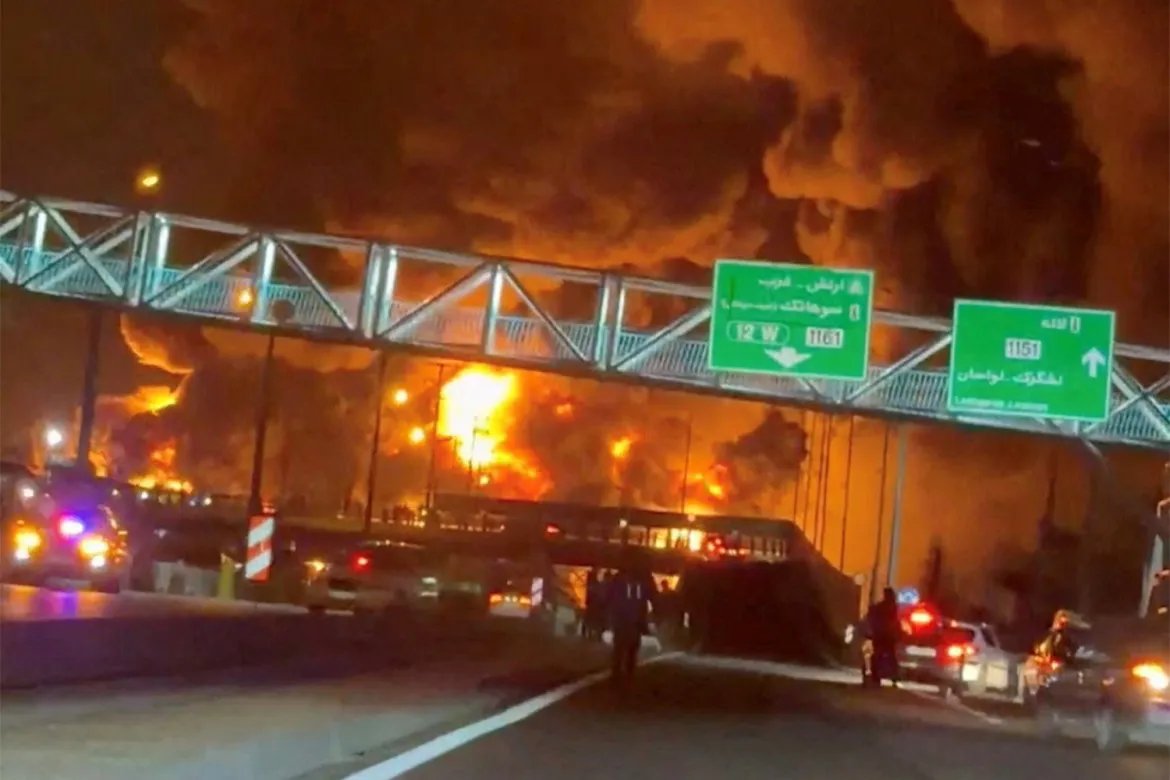
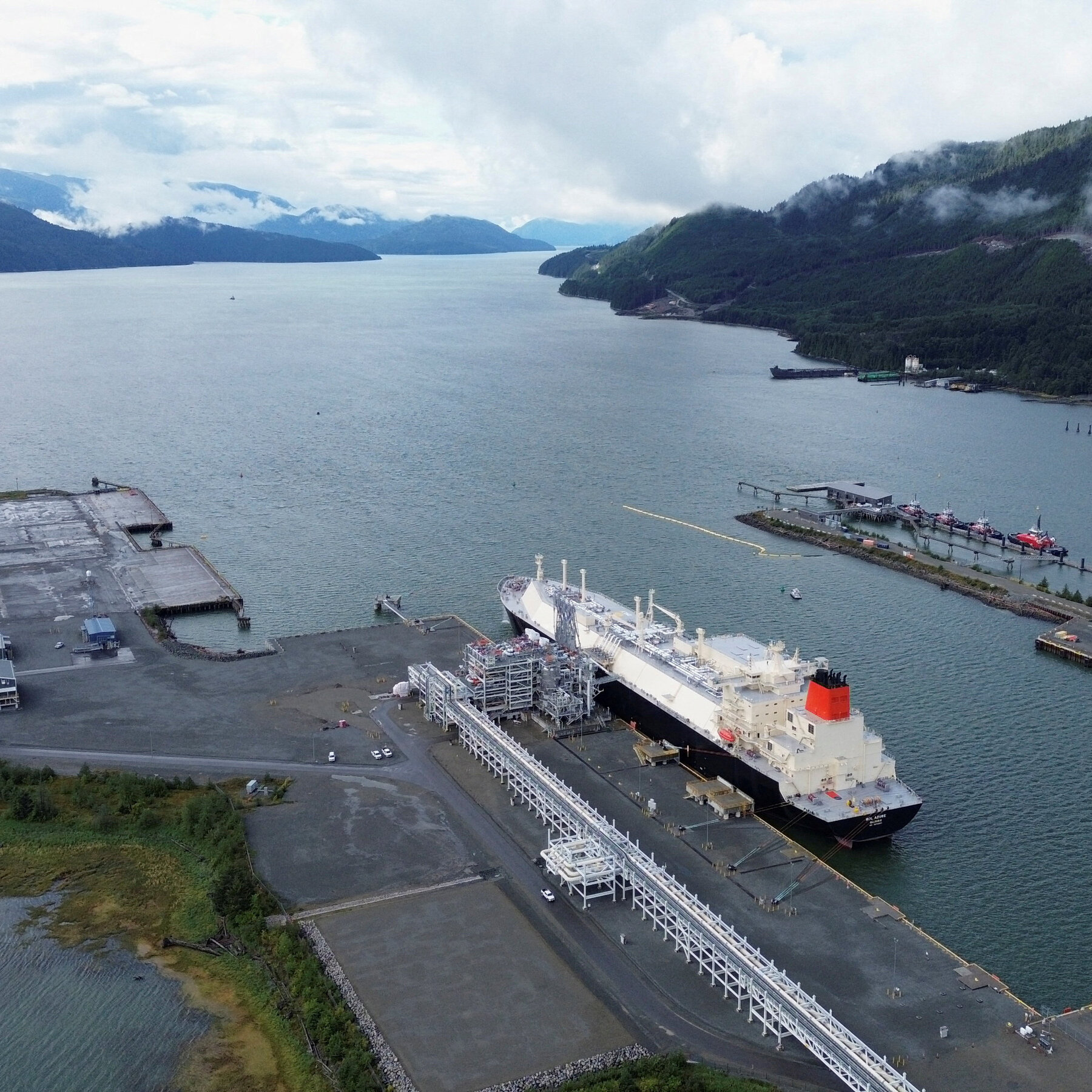
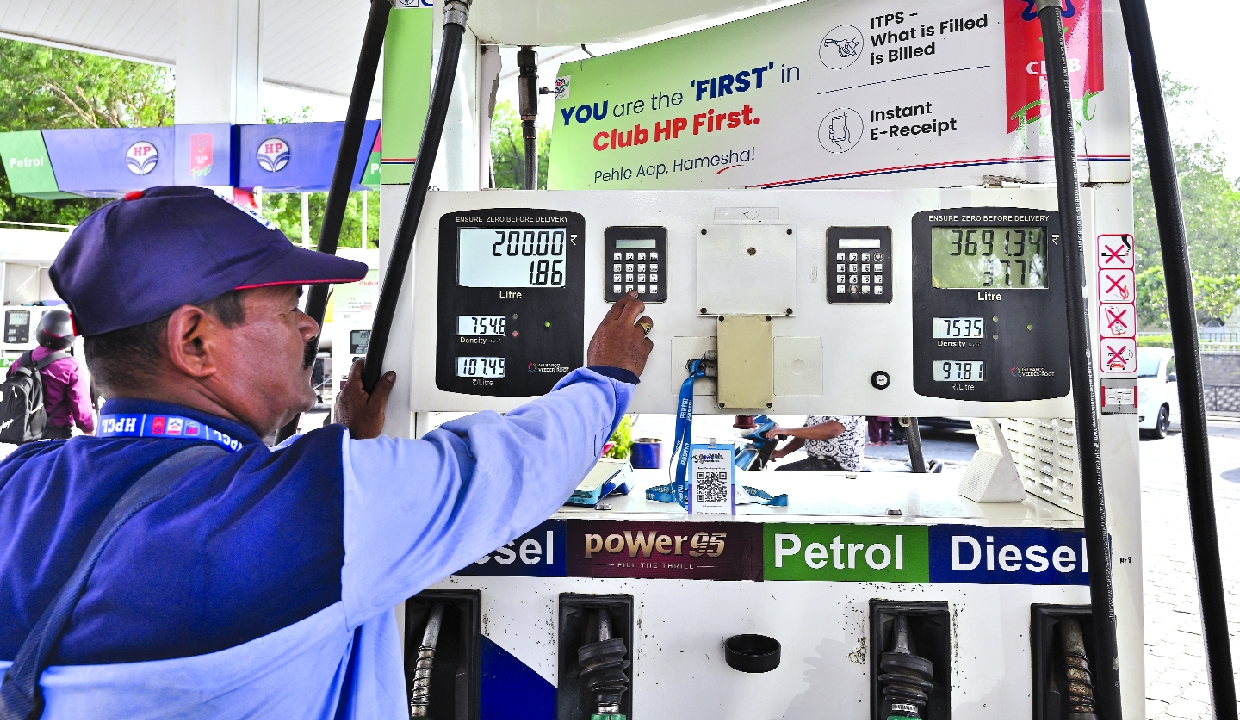
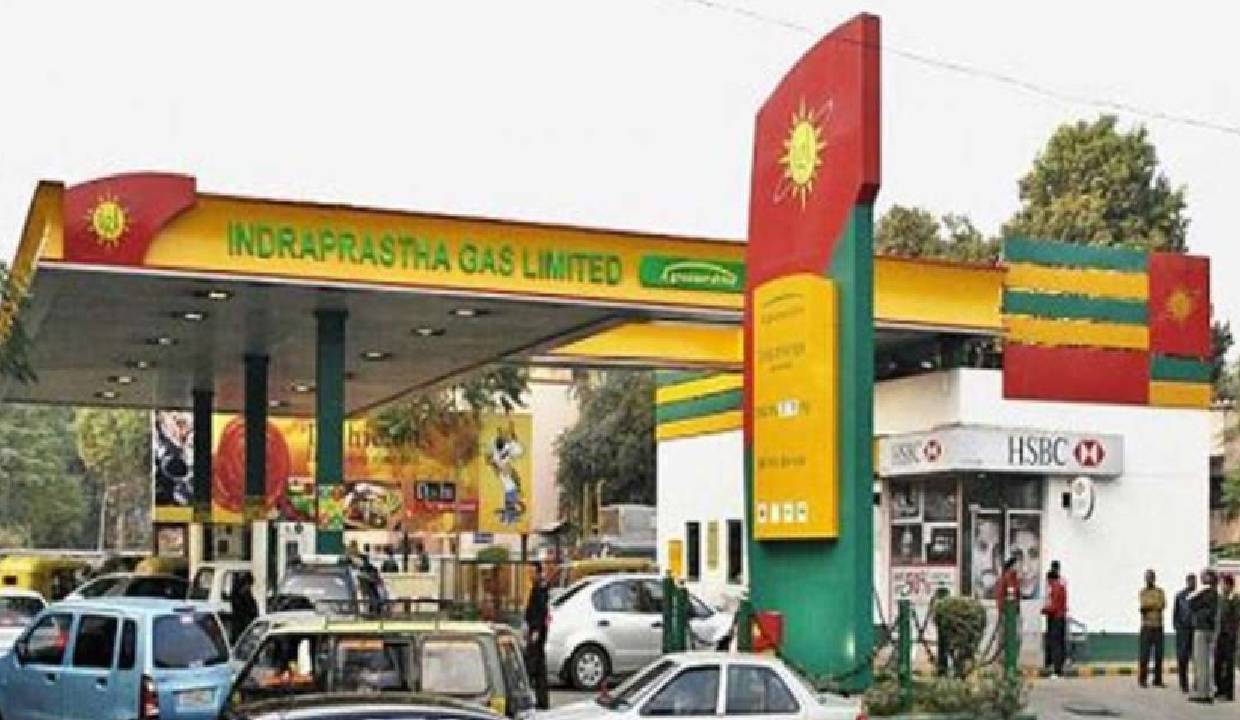
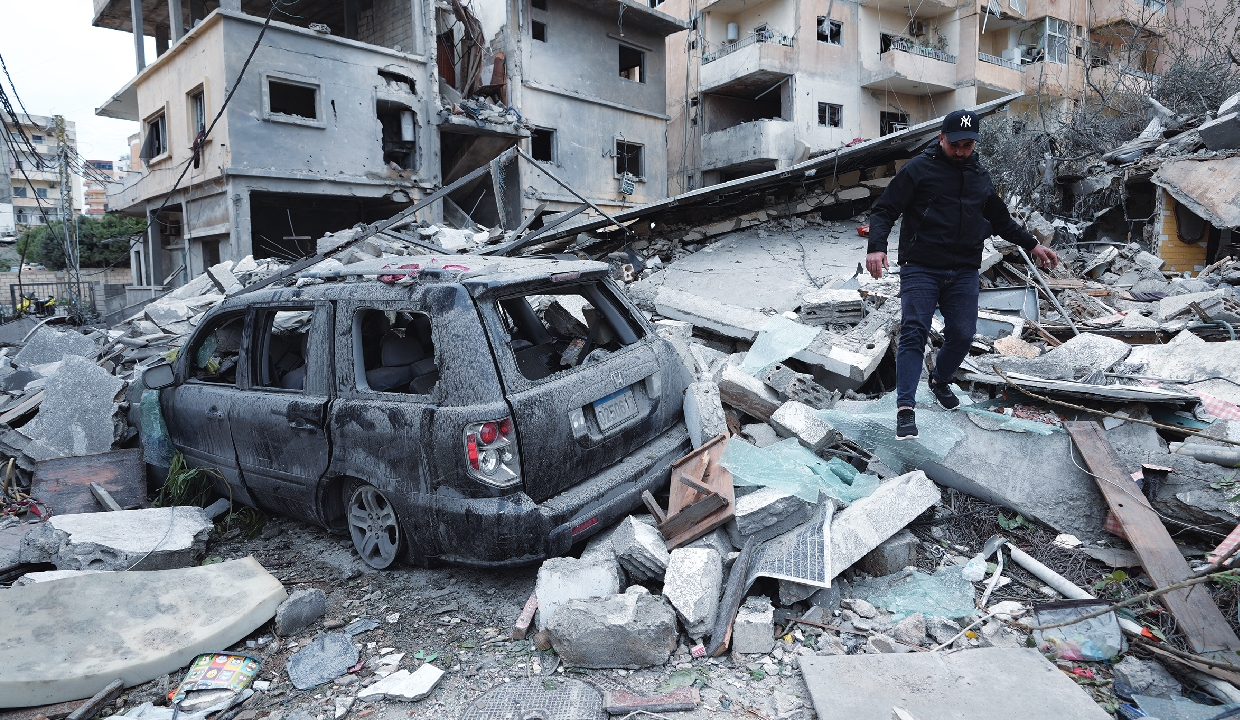
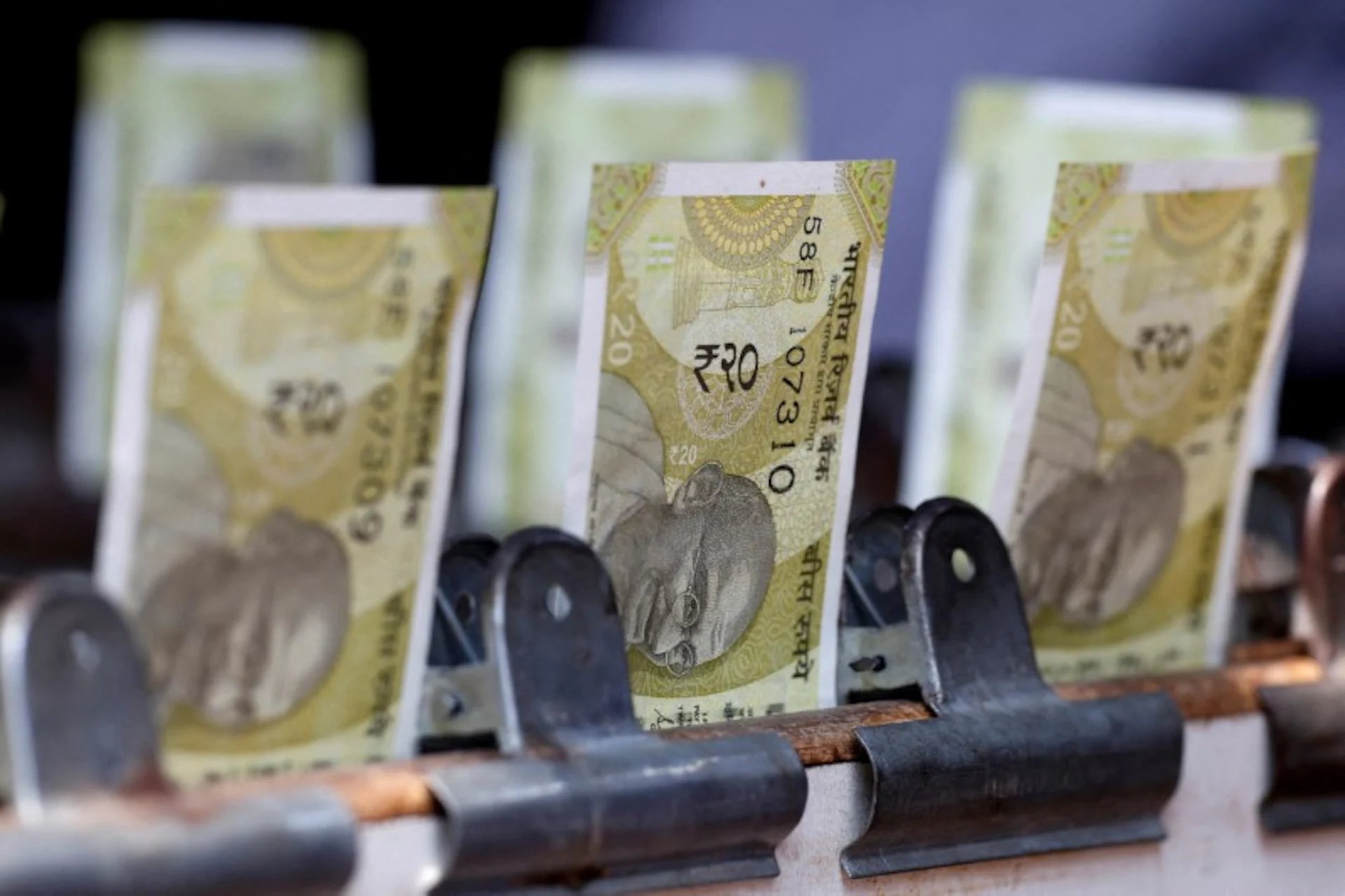
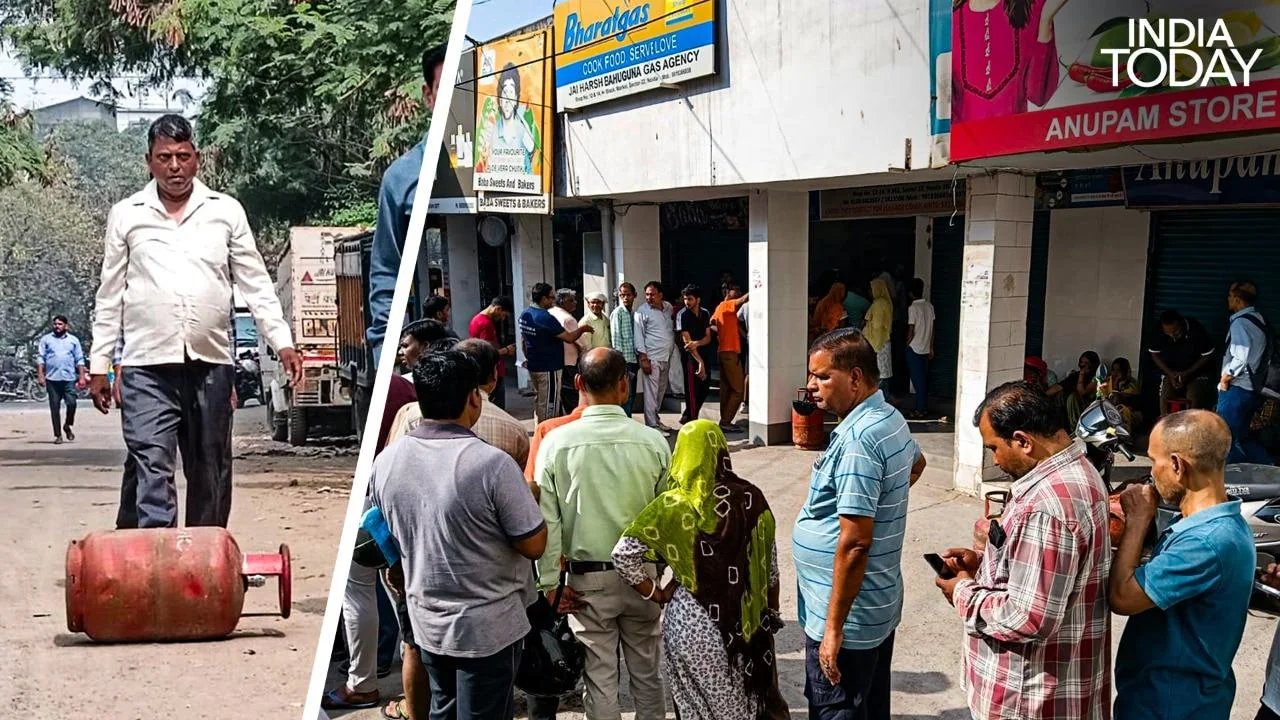
India has raised the price of commercial liquefied petroleum gas (LPG) by 993 Indian rupees (approximately $10.50), marking the third consecutive increase since February. The new cost for a 19-kg cylinder in New Delhi now stands at 3,071.50 Indian rupees. This surge is attributed to escalating global energy prices linked to the ongoing conflict in Iran, which has disrupted supply chains and contributed to inflationary pressures across various sectors.
Impact on Businesses
The price hike poses a significant challenge for restaurants, hotels, and food vendors, who rely heavily on commercial LPG for their operations. Industry leaders warn that this increase in costs will likely be passed on to consumers through higher menu prices. The rising expenses come at a time when many businesses are still recovering from the economic impacts of the pandemic, exacerbating financial pressures in the hospitality sector.
New Rules for Domestic LPG
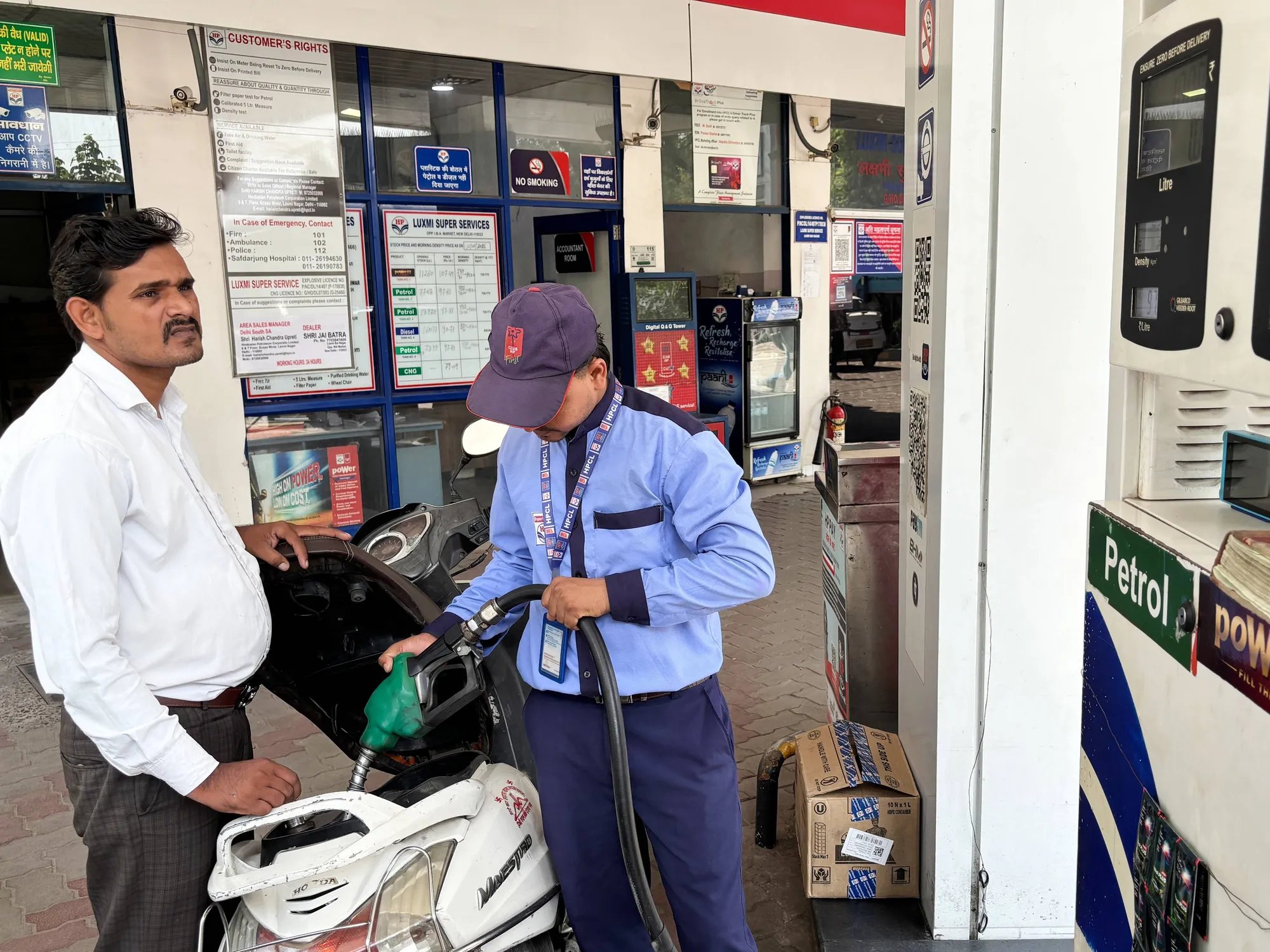
In addition to the price hike, new regulations governing the booking and distribution of domestic LPG cylinders have taken effect. These changes aim to combat issues such as hoarding and black marketing, which have plagued the subsidized gas system. The Indian Oil Corporation, Bharat Petroleum, and Hindustan Petroleum have worked together to implement these rules, which are expected to streamline the process for households while ensuring fair access to subsidized cylinders.
Political Reactions
Political reactions have been swift, with the Congress party criticizing Prime Minister Narendra Modi, labeling him as the "inflation man" over the recent price increases. Congress officials have voiced concerns that the government's handling of the economy is failing to protect ordinary citizens from rising costs, which further fuels public discontent. This political tension comes amid heightened scrutiny of the government's economic policies as the nation approaches significant regional elections.
Broader Economic Context
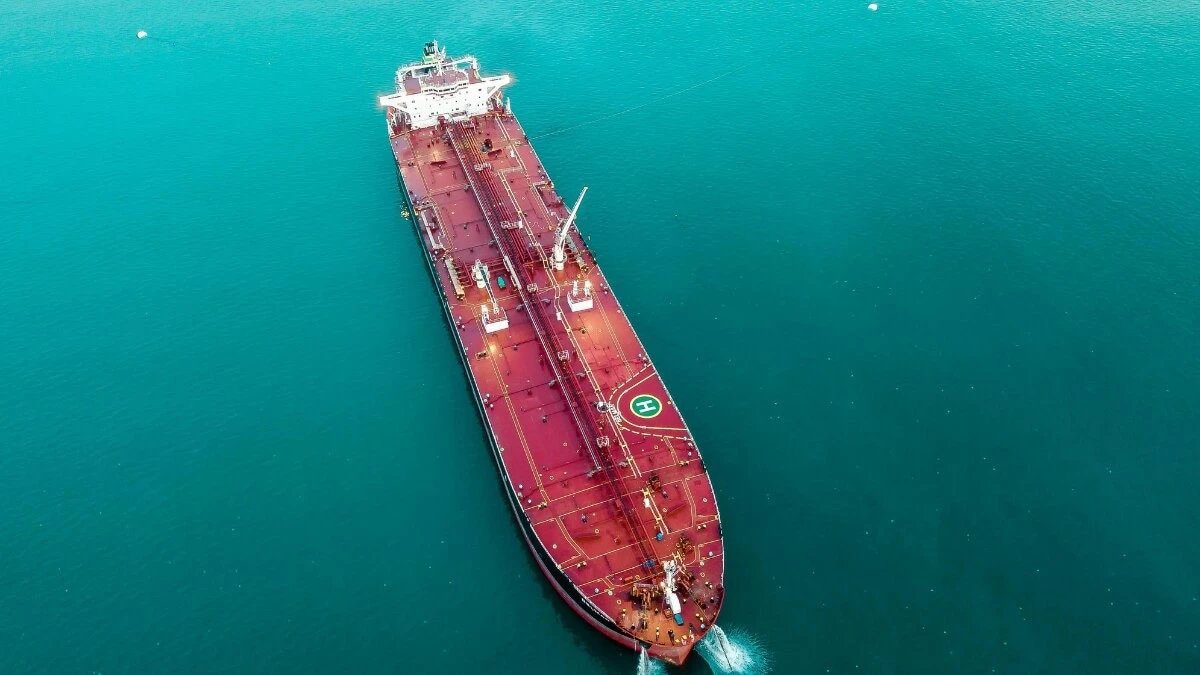
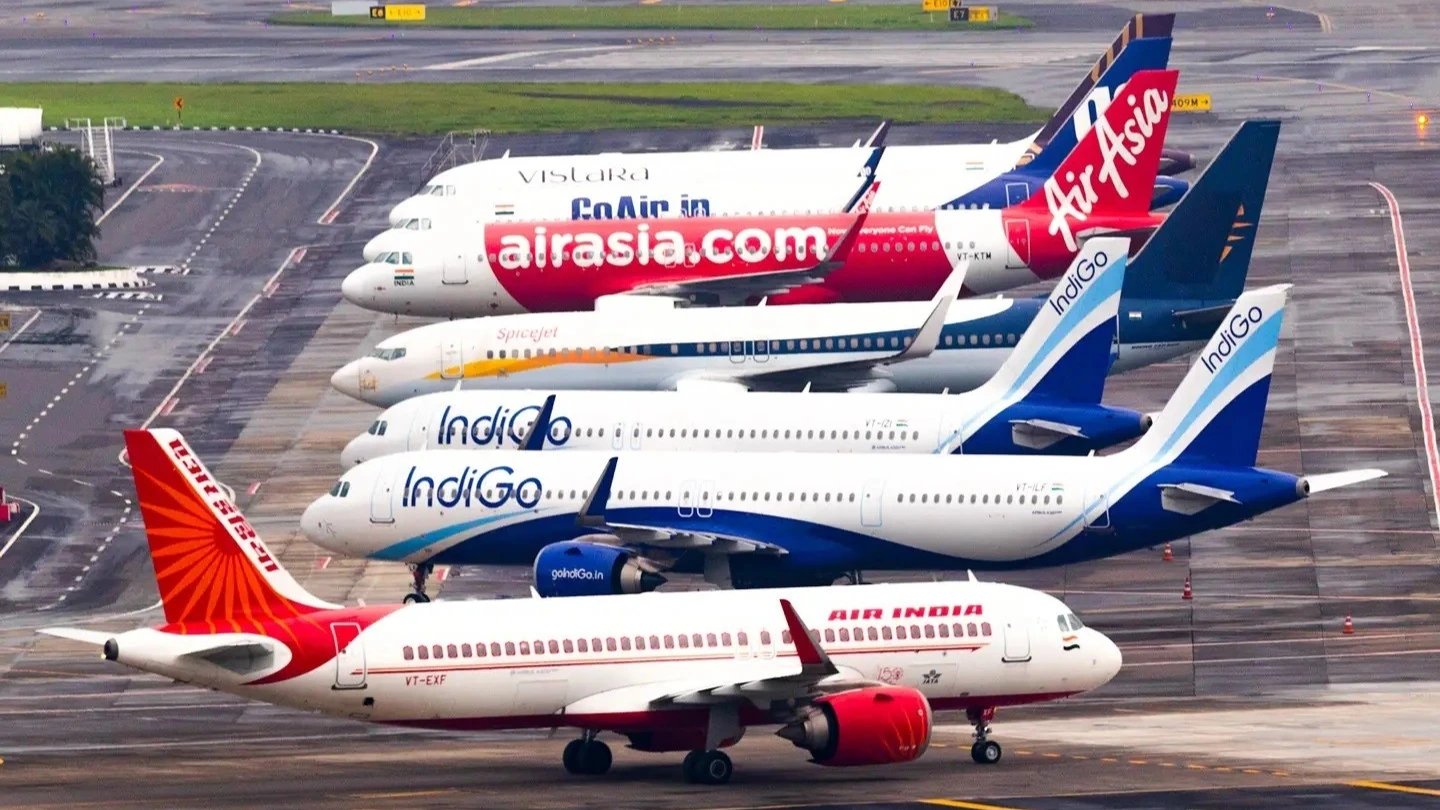
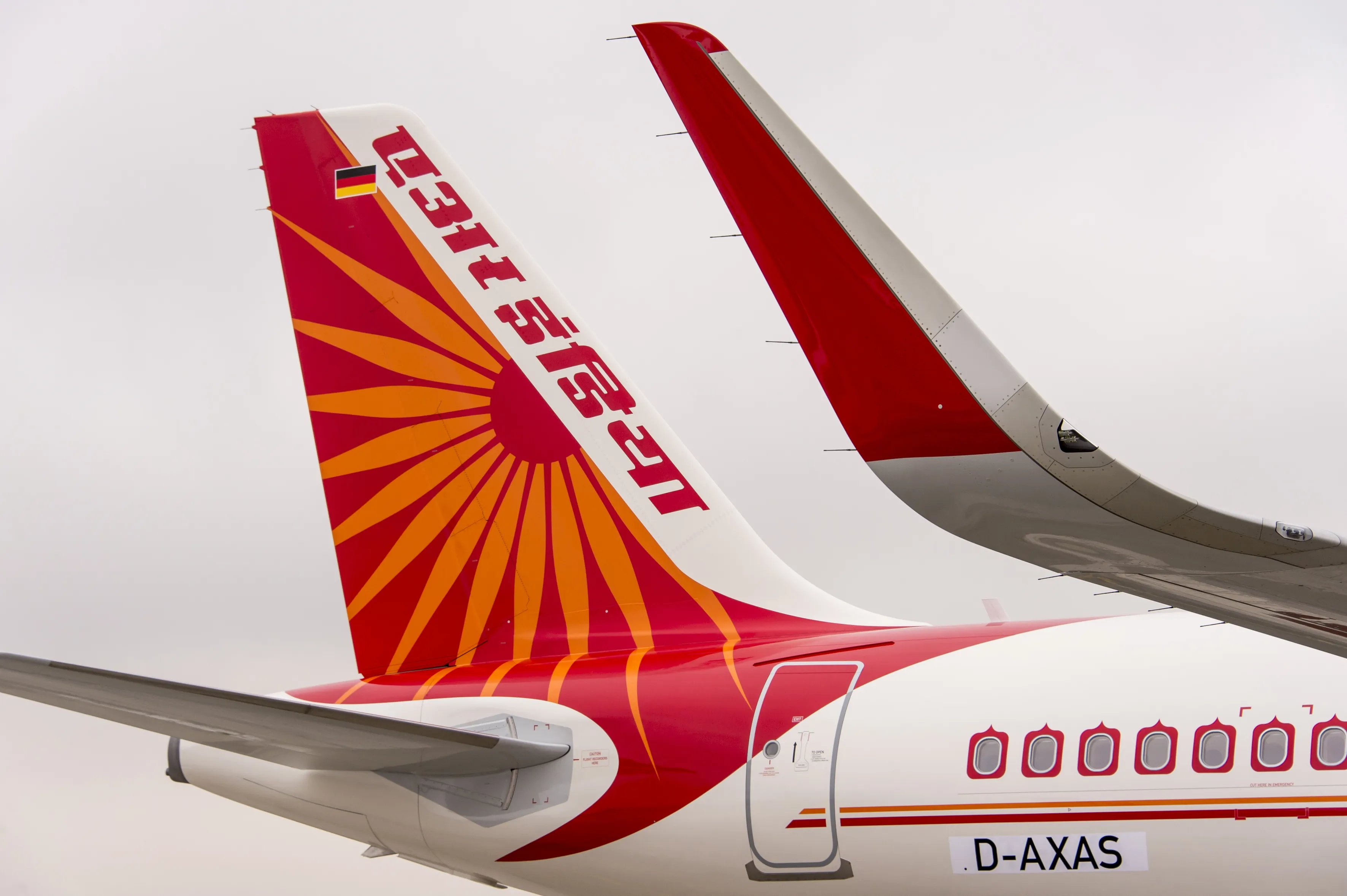
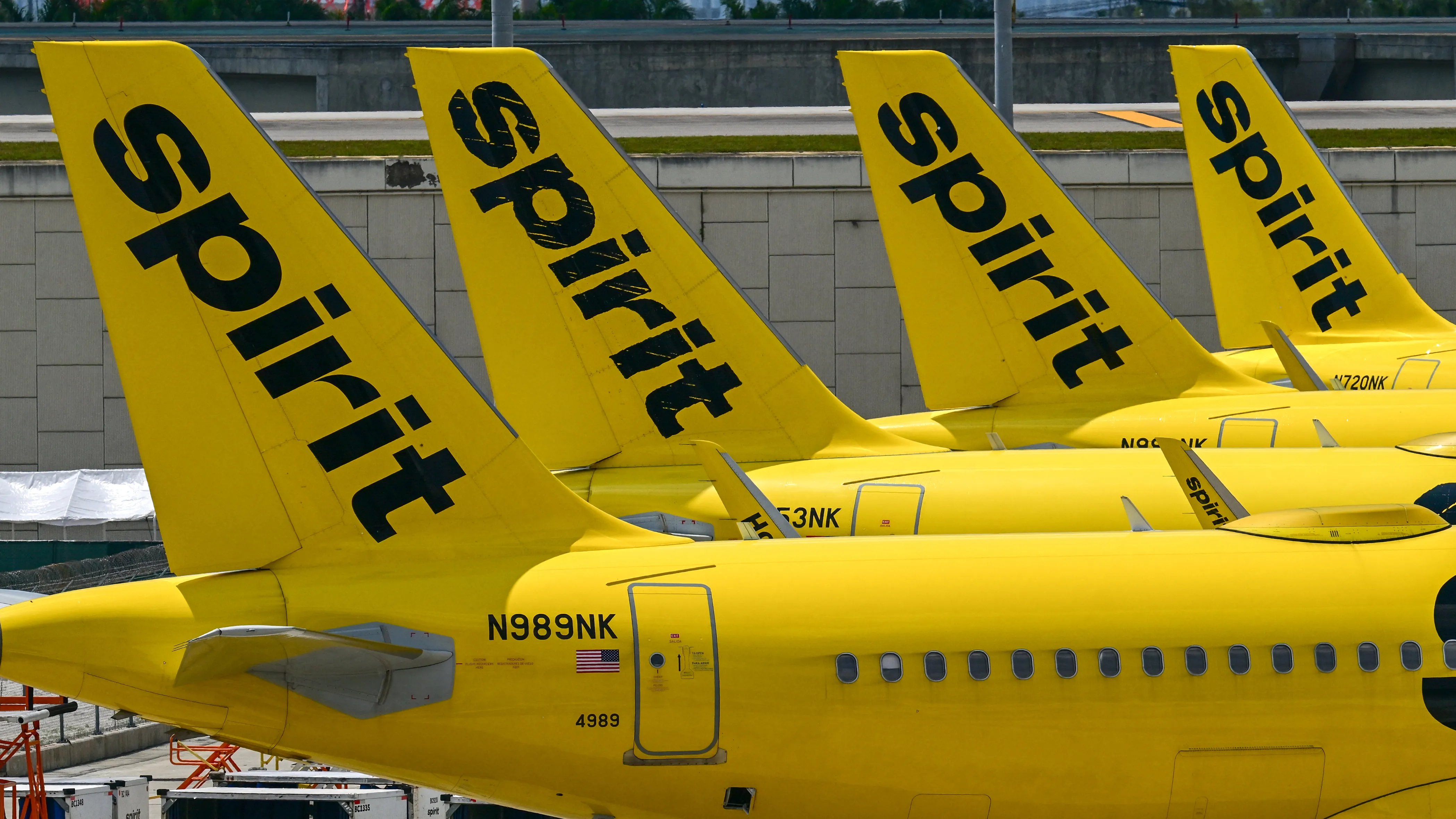
The commercial LPG price hike is part of a broader trend of rising costs in various sectors, including aviation. Jet fuel prices for international airlines have increased by 5.33%, following a pattern of consecutive monthly hikes due to elevated global oil prices. Fuel expenses typically account for 30-40% of an airline's operating costs, suggesting that travelers may soon face higher ticket prices as airlines adjust to these new financial realities.
Consumer Consequences
The cumulative effect of rising LPG and fuel prices could significantly impact household budgets. Families may find themselves paying more not only for dining out but also for basic goods as businesses adjust their pricing strategies in response to increased operational costs. As inflation continues to rise, consumers are advised to prepare for a tighter financial landscape in the coming months.
Looking Ahead
As the economic fallout from these price hikes unfolds, both businesses and consumers in India will need to navigate a challenging environment marked by rising costs and shifting regulations. The government's ability to manage these changes effectively will be crucial in mitigating further economic strain on households and businesses alike.