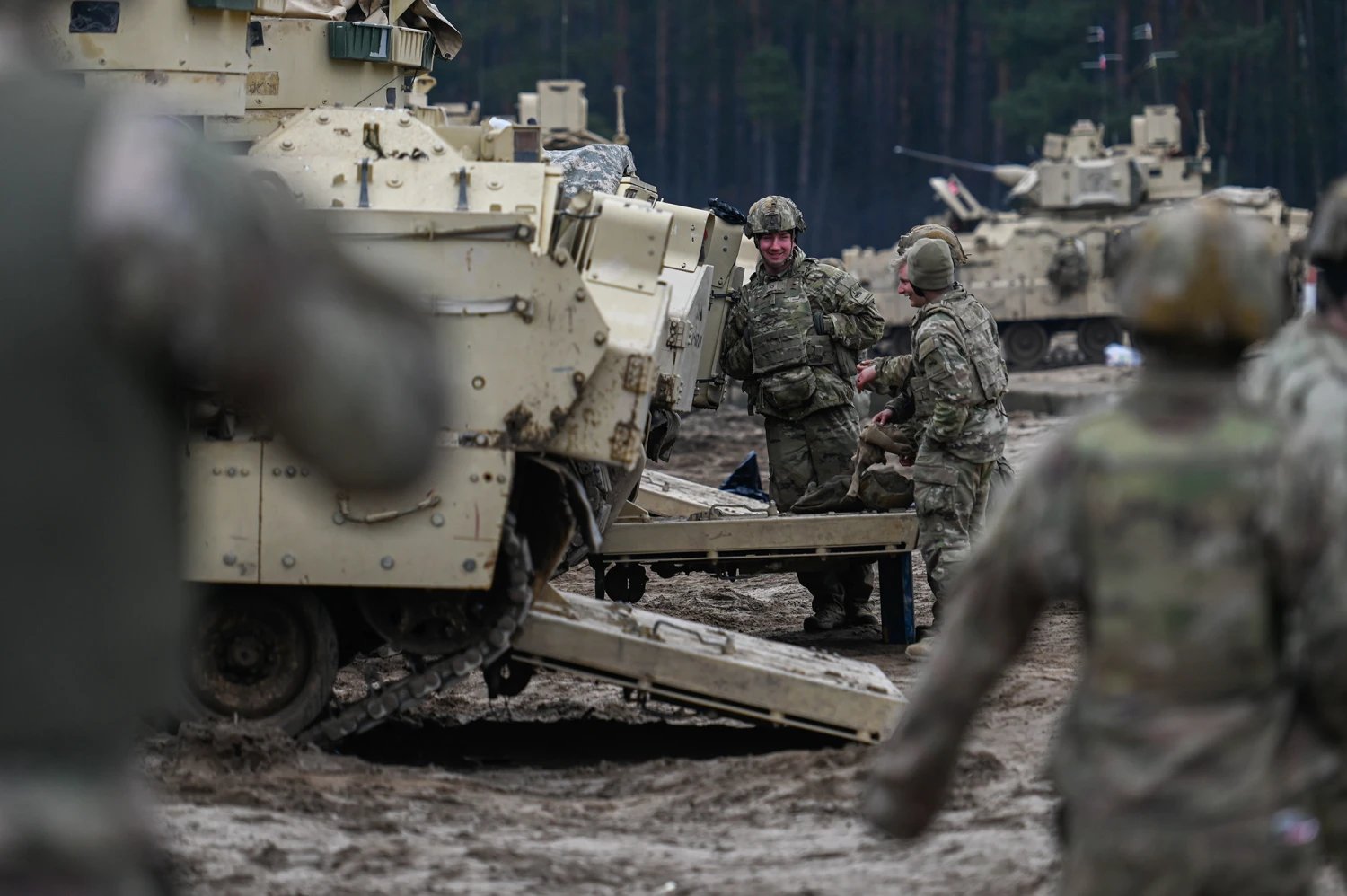
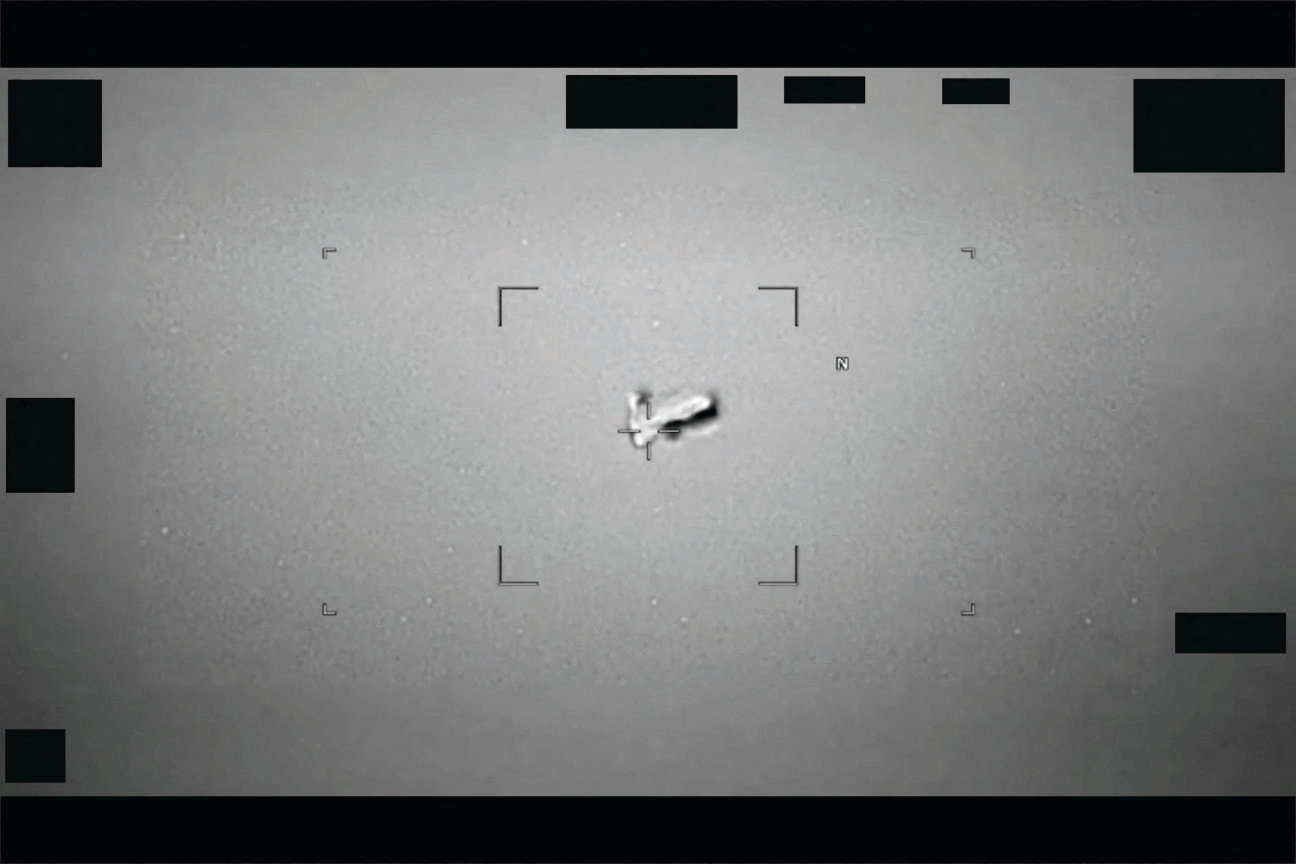
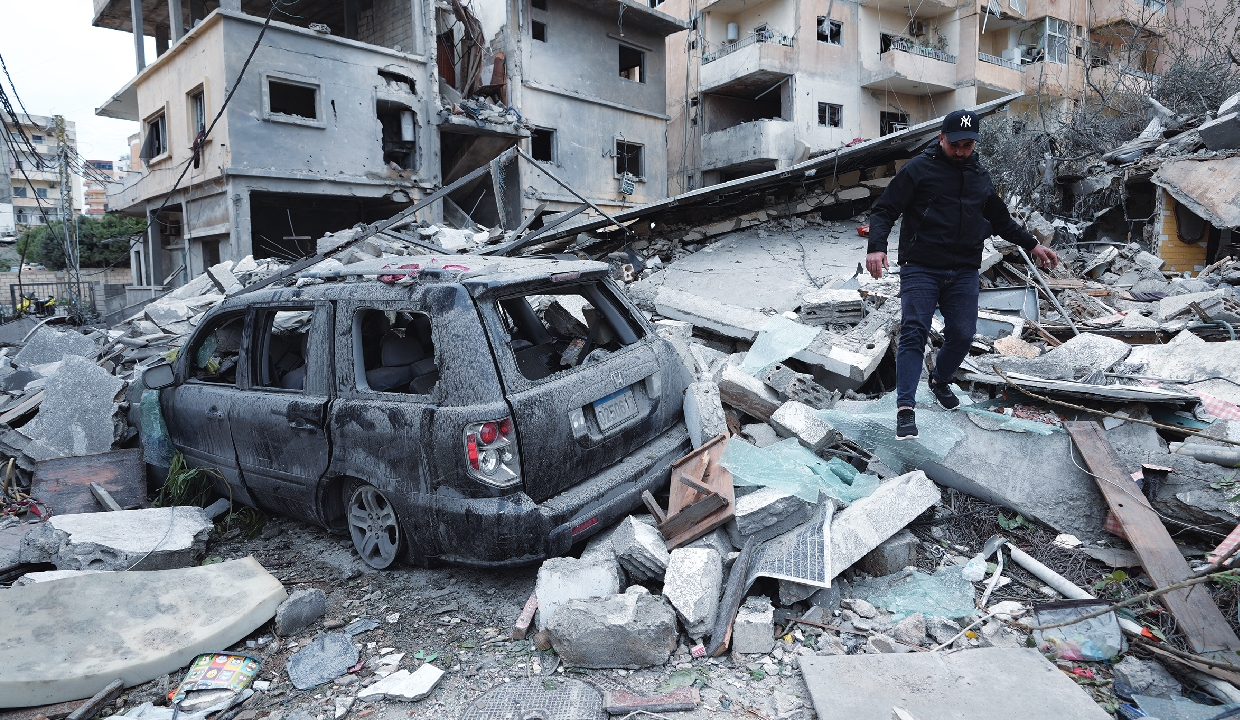
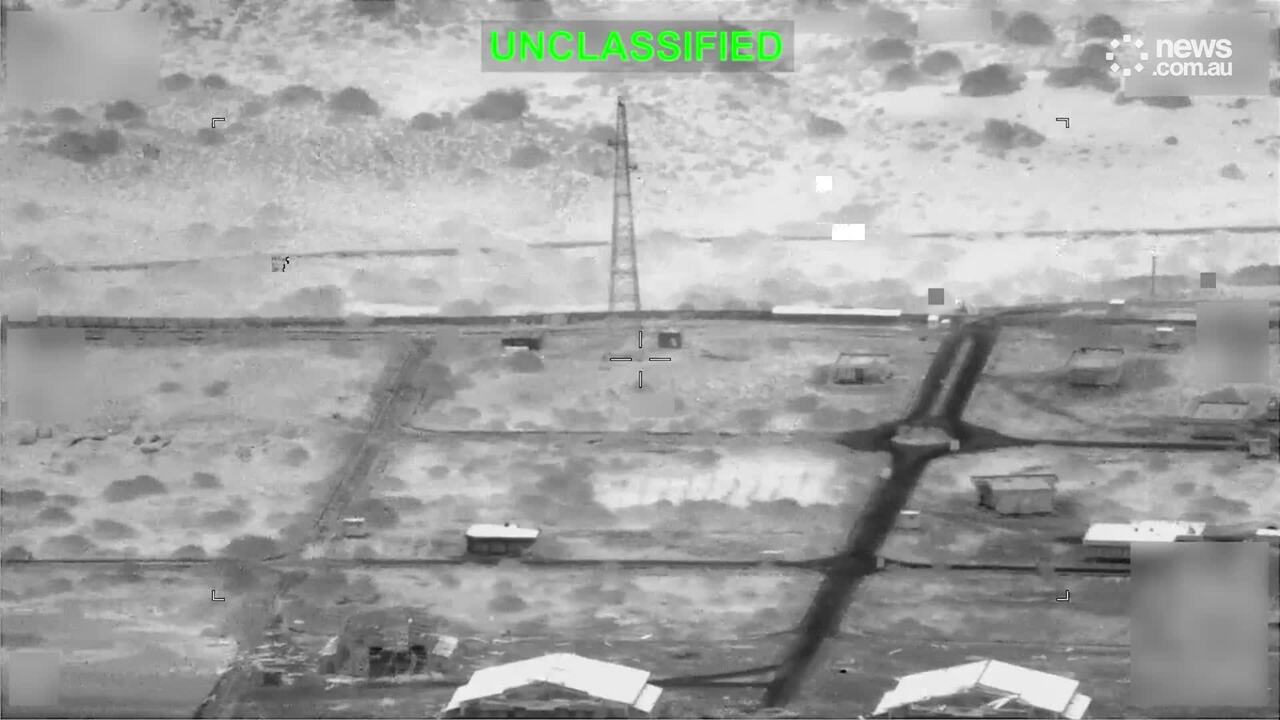
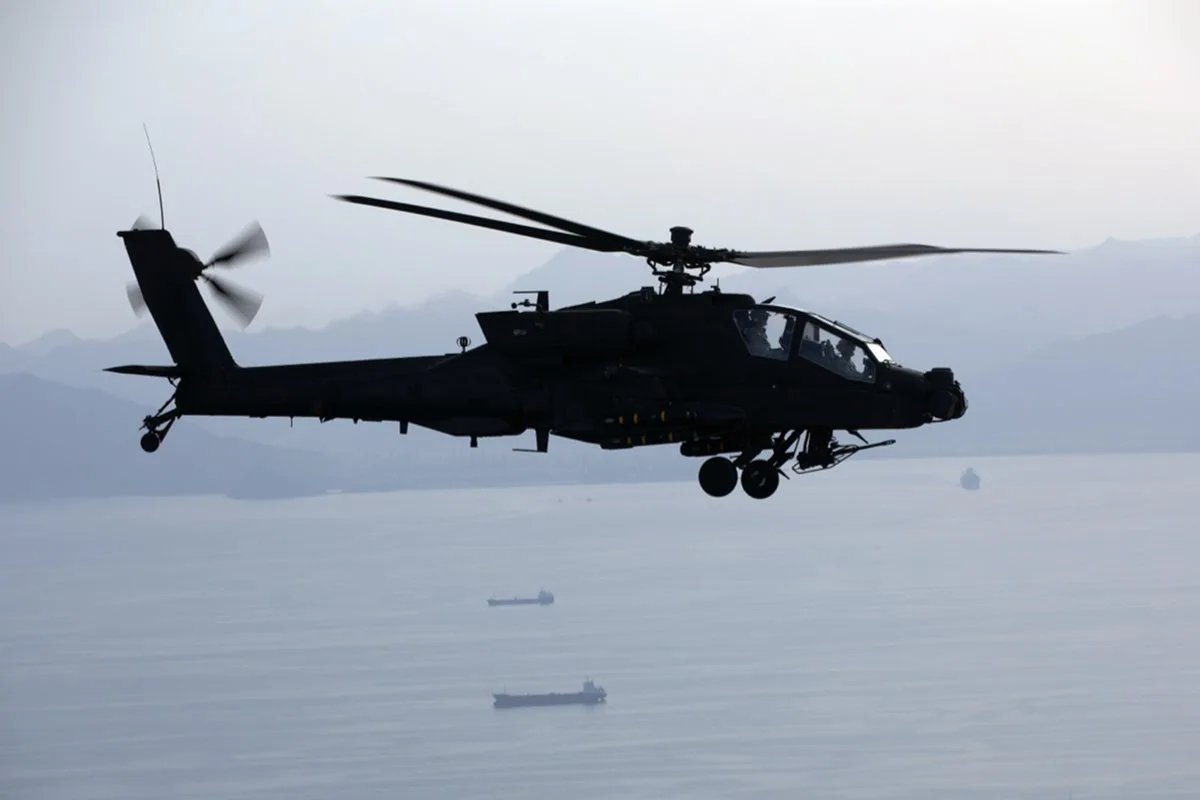
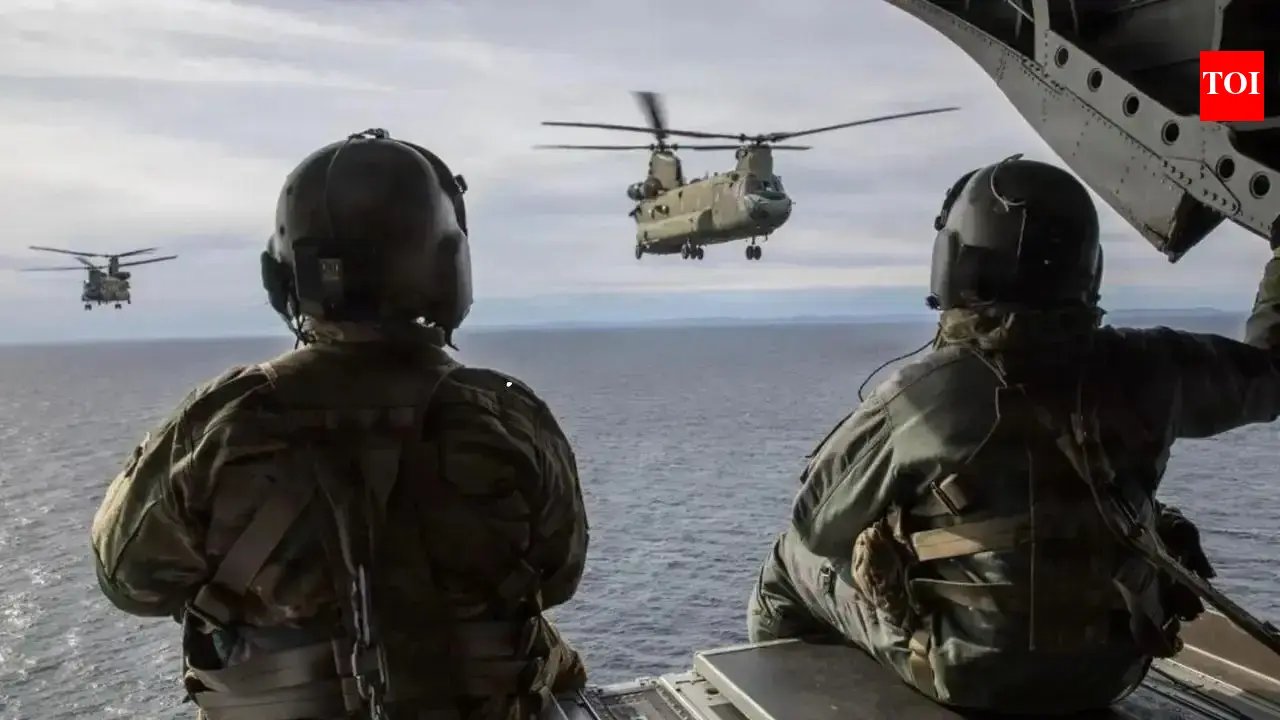
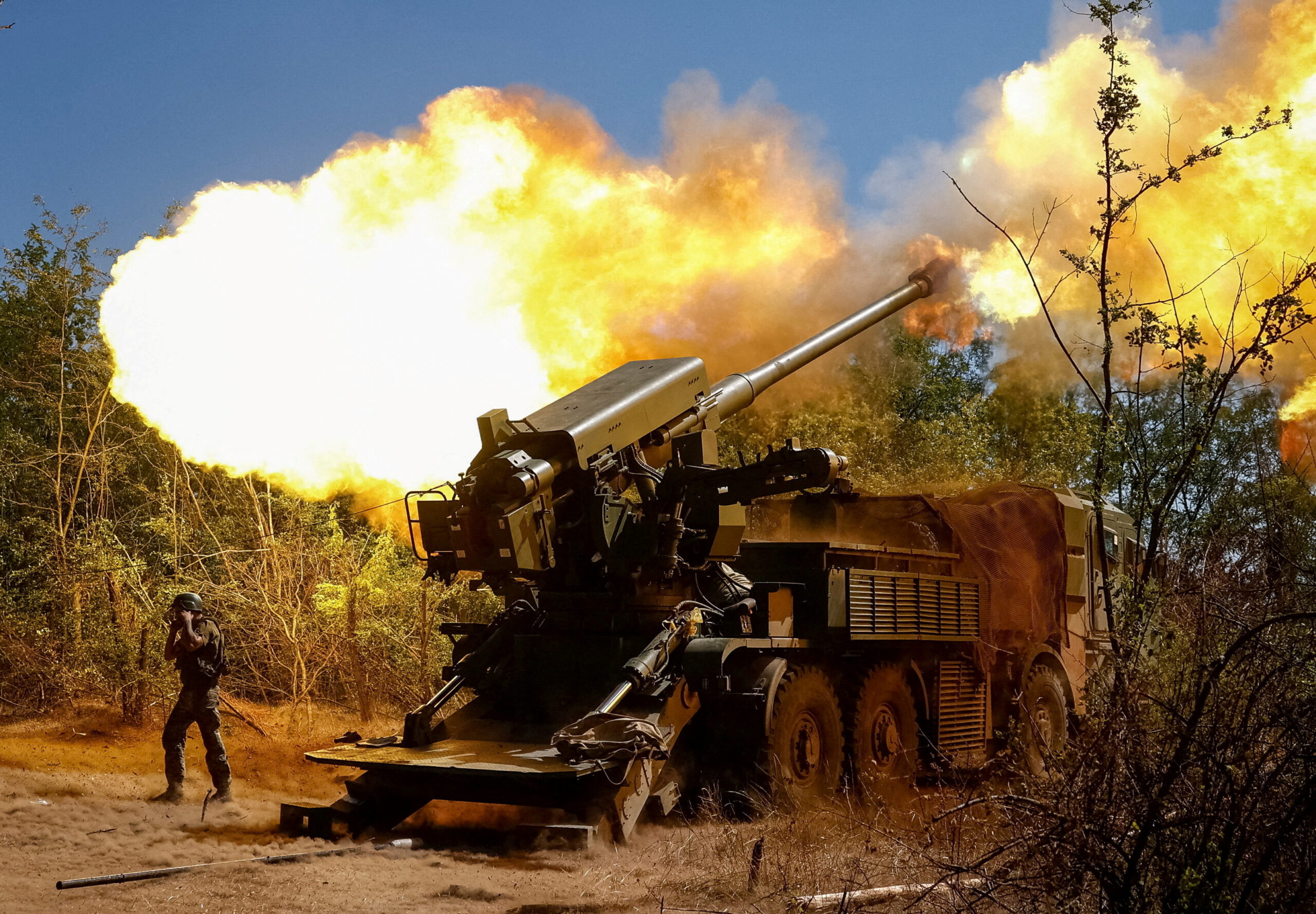
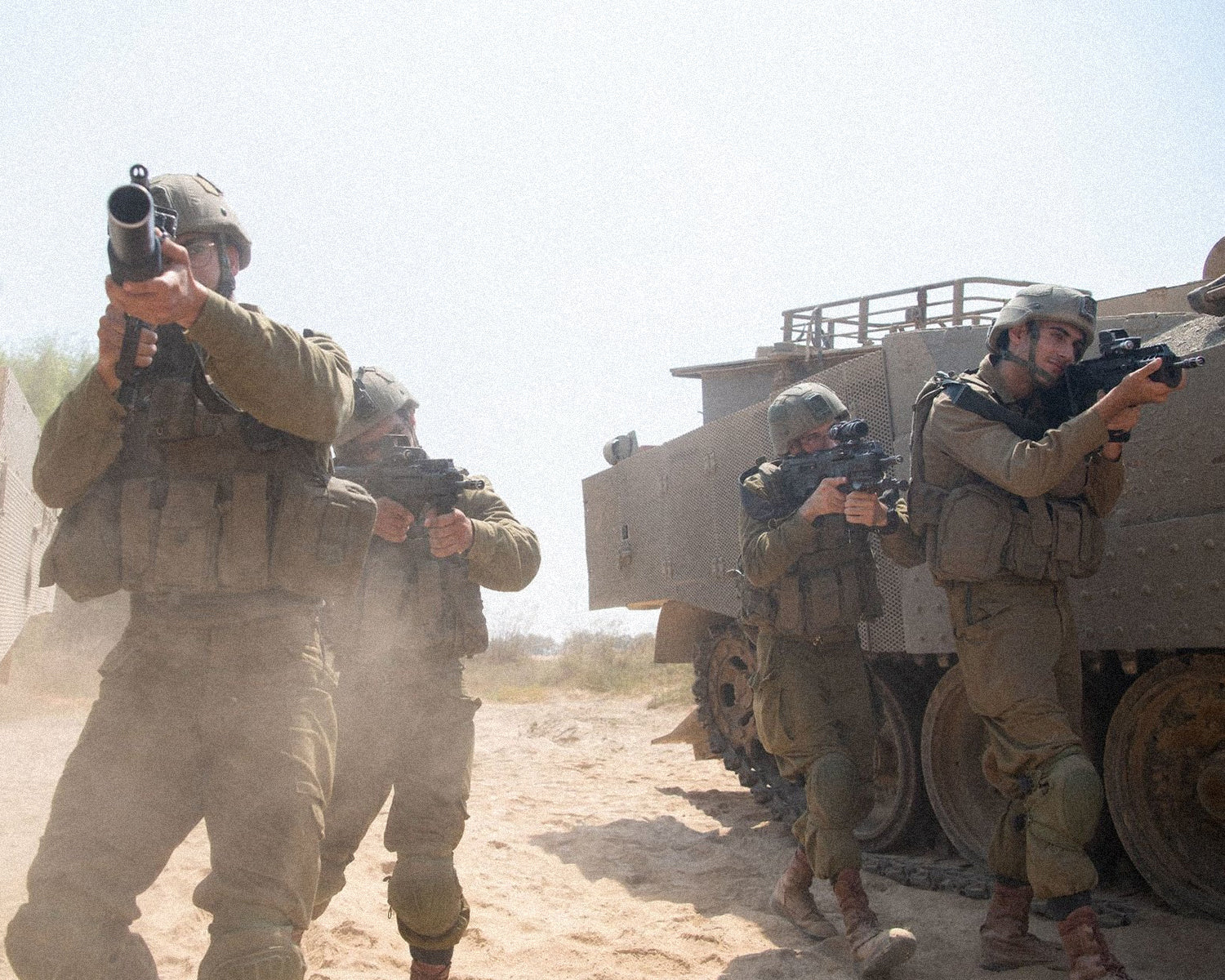
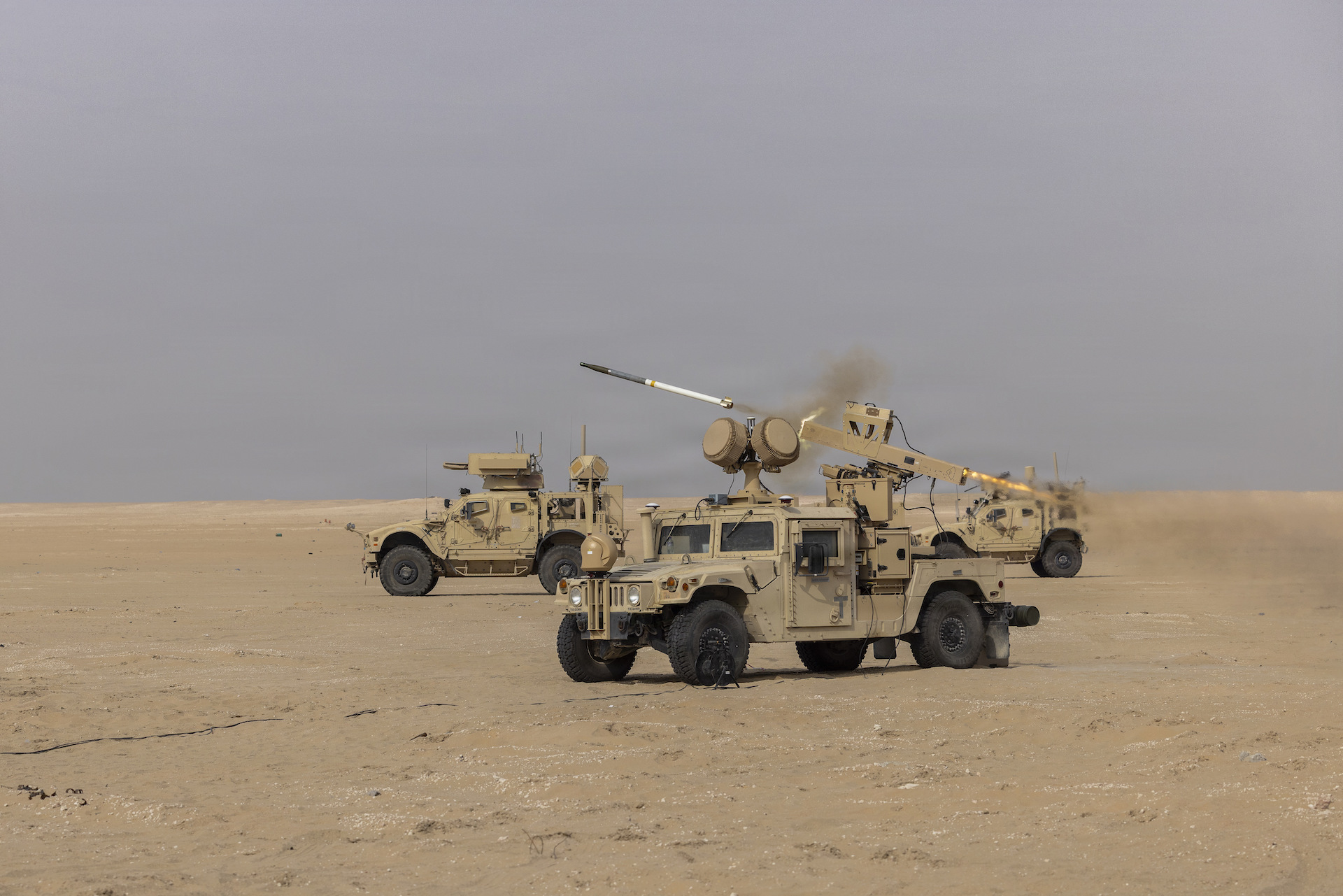
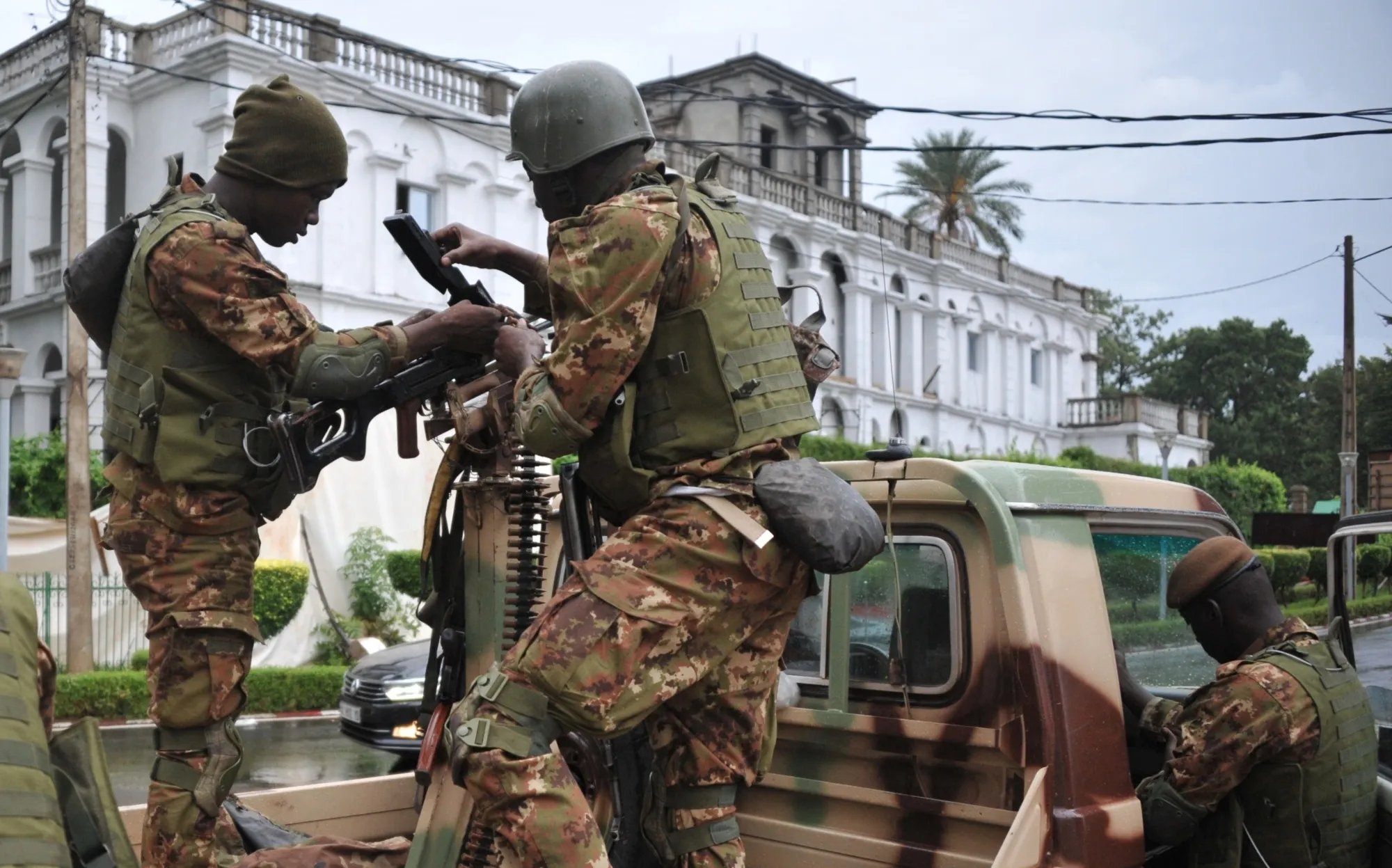
Israel sent an Iron Dome air defense system and troops to the United Arab Emirates during the early stages of the war with Iran, according to Israeli and U.S. officials. This deployment marks the first time Israel has sent an Iron Dome battery to another country, and the UAE was the first nation outside of the U.S. and Israel where the system was used operationally. The Iron Dome intercepted dozens of Iranian missiles, officials said.
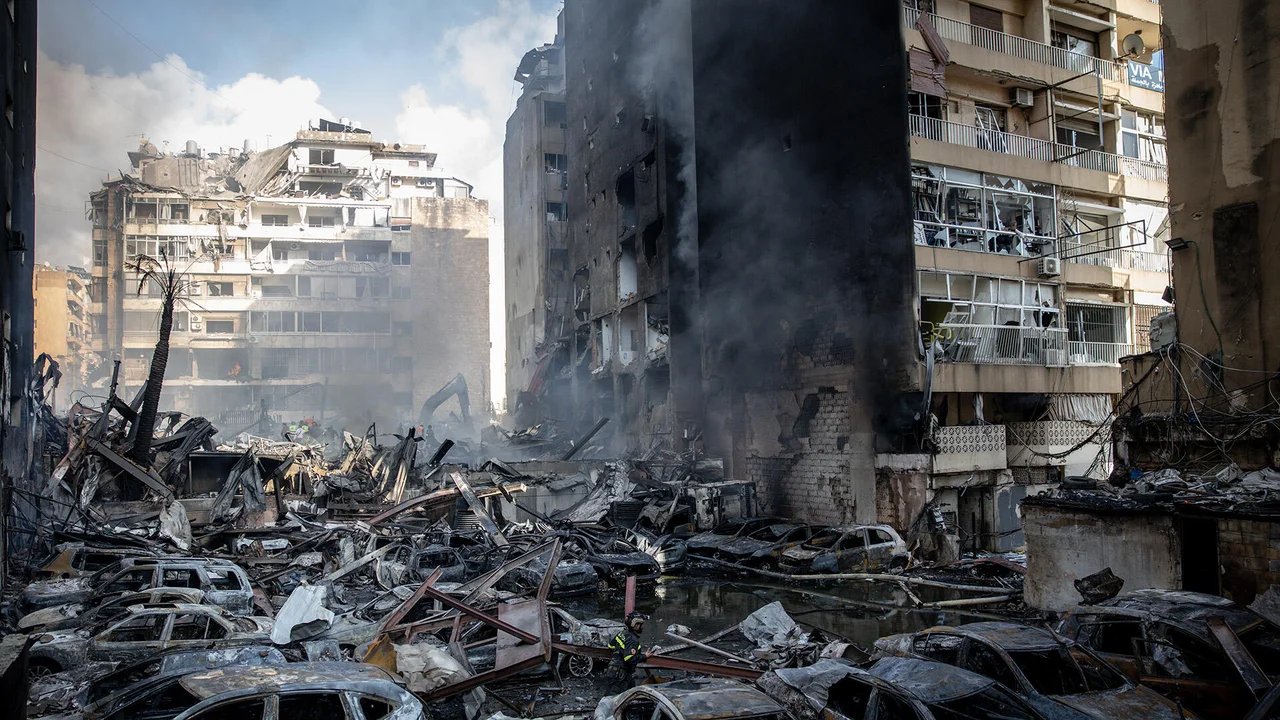
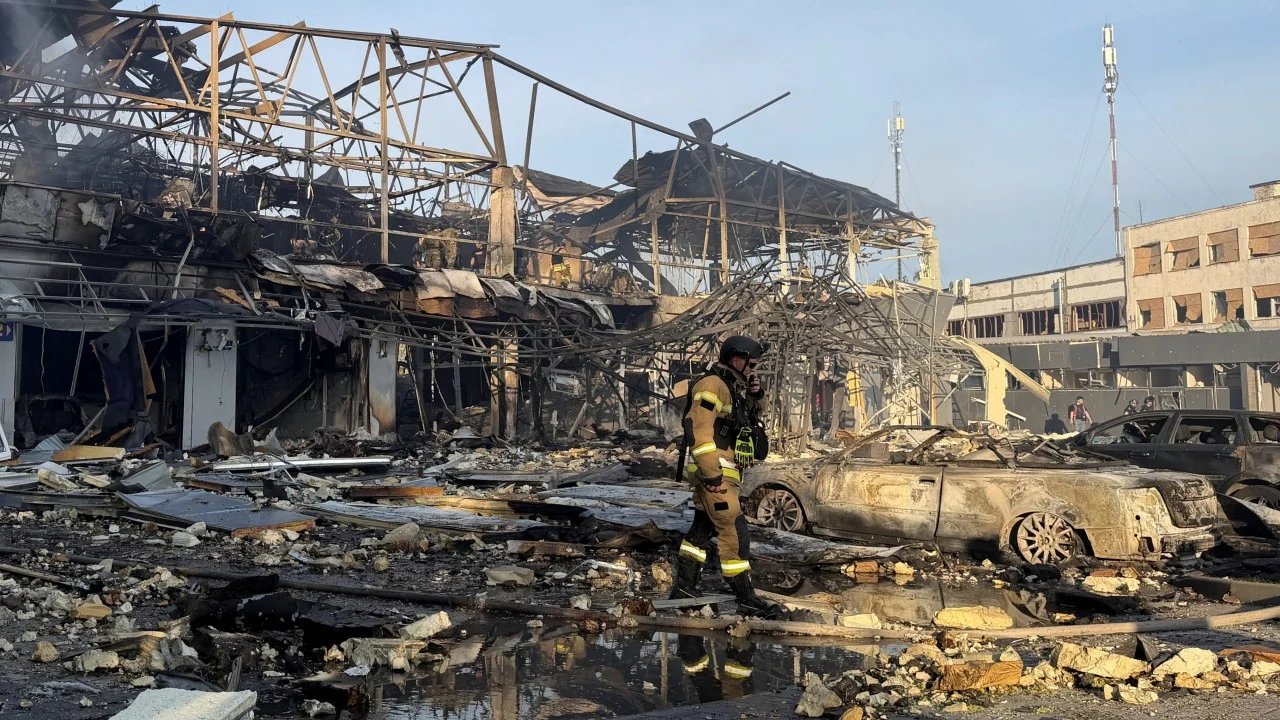
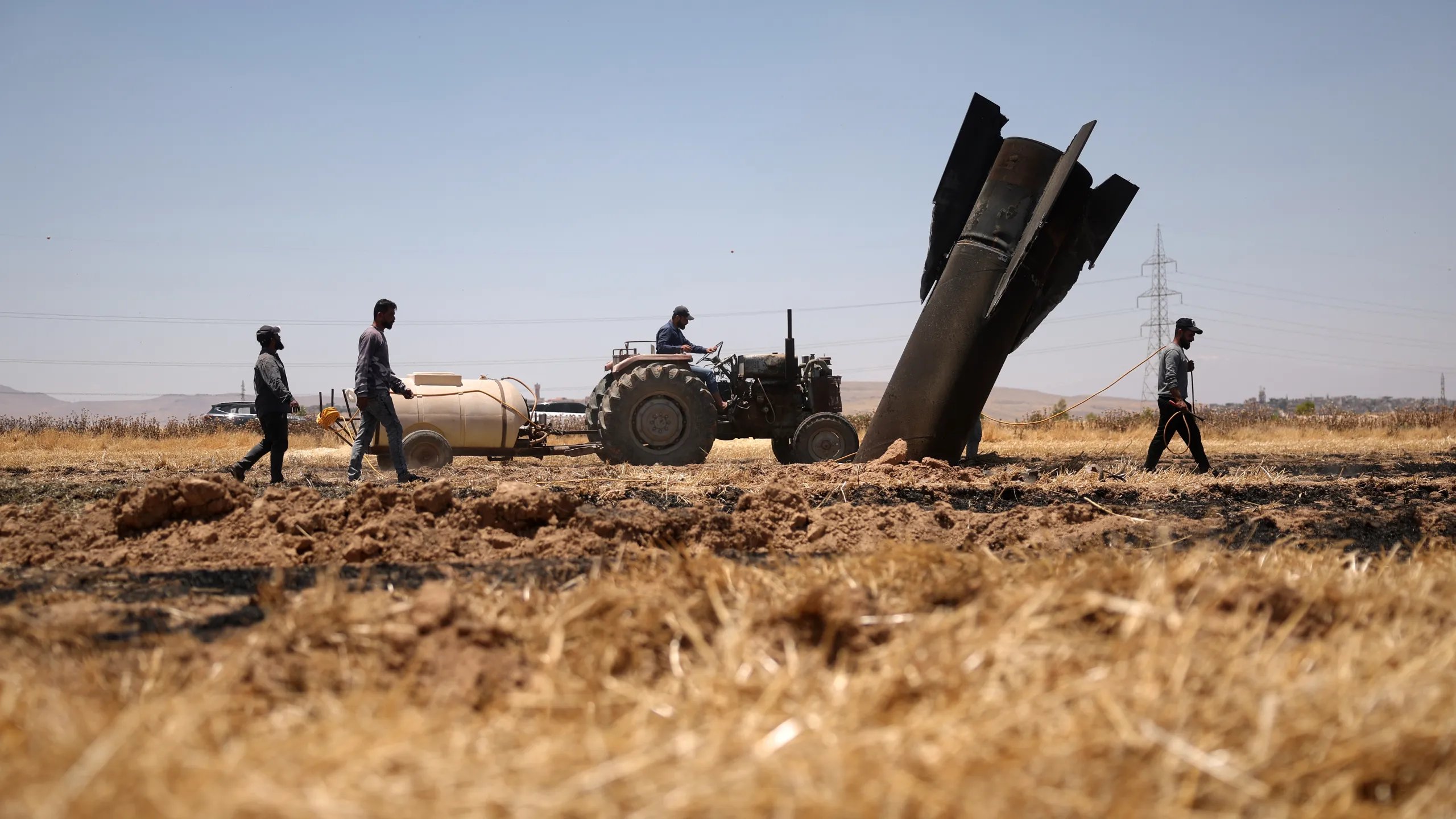
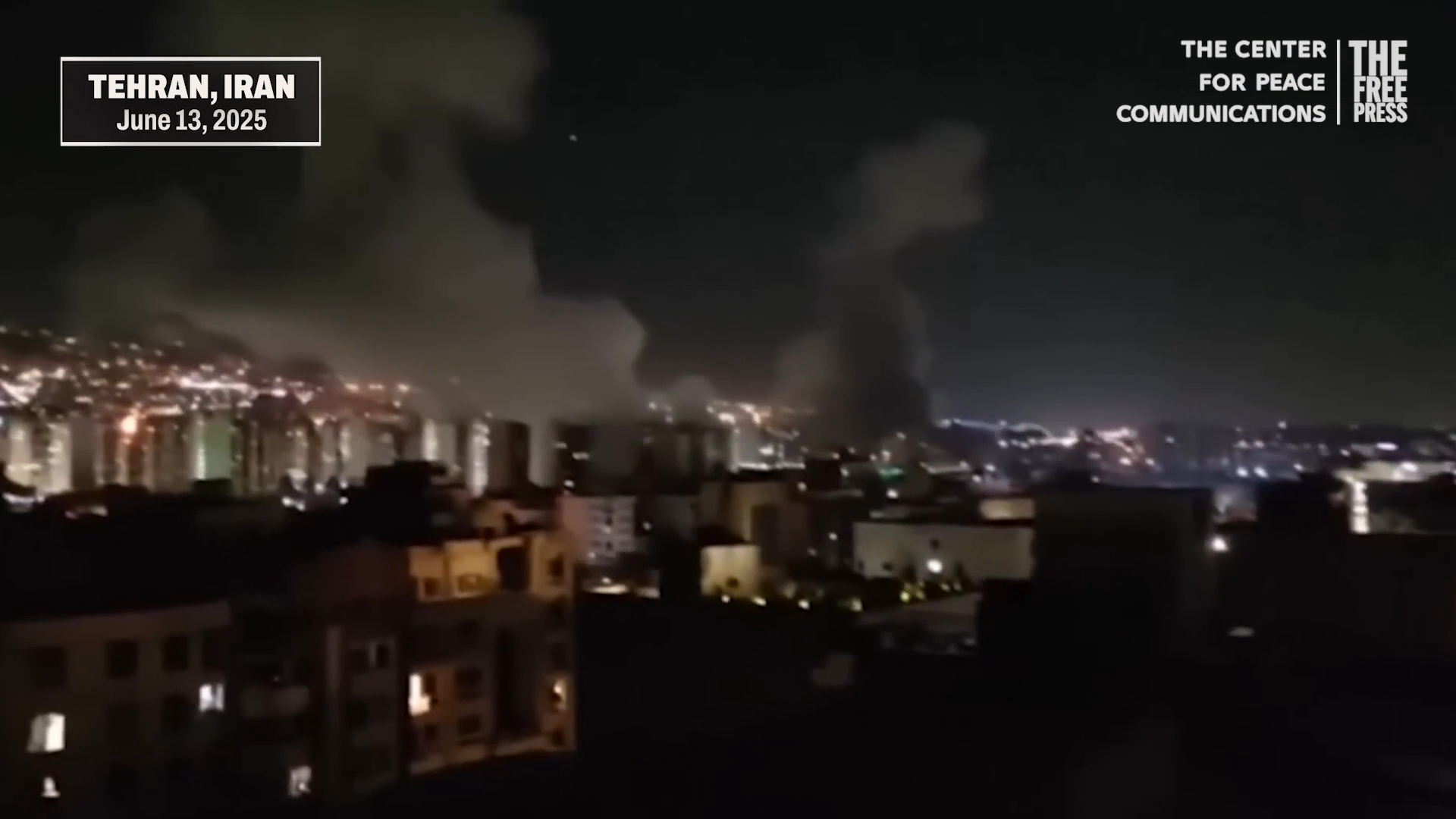
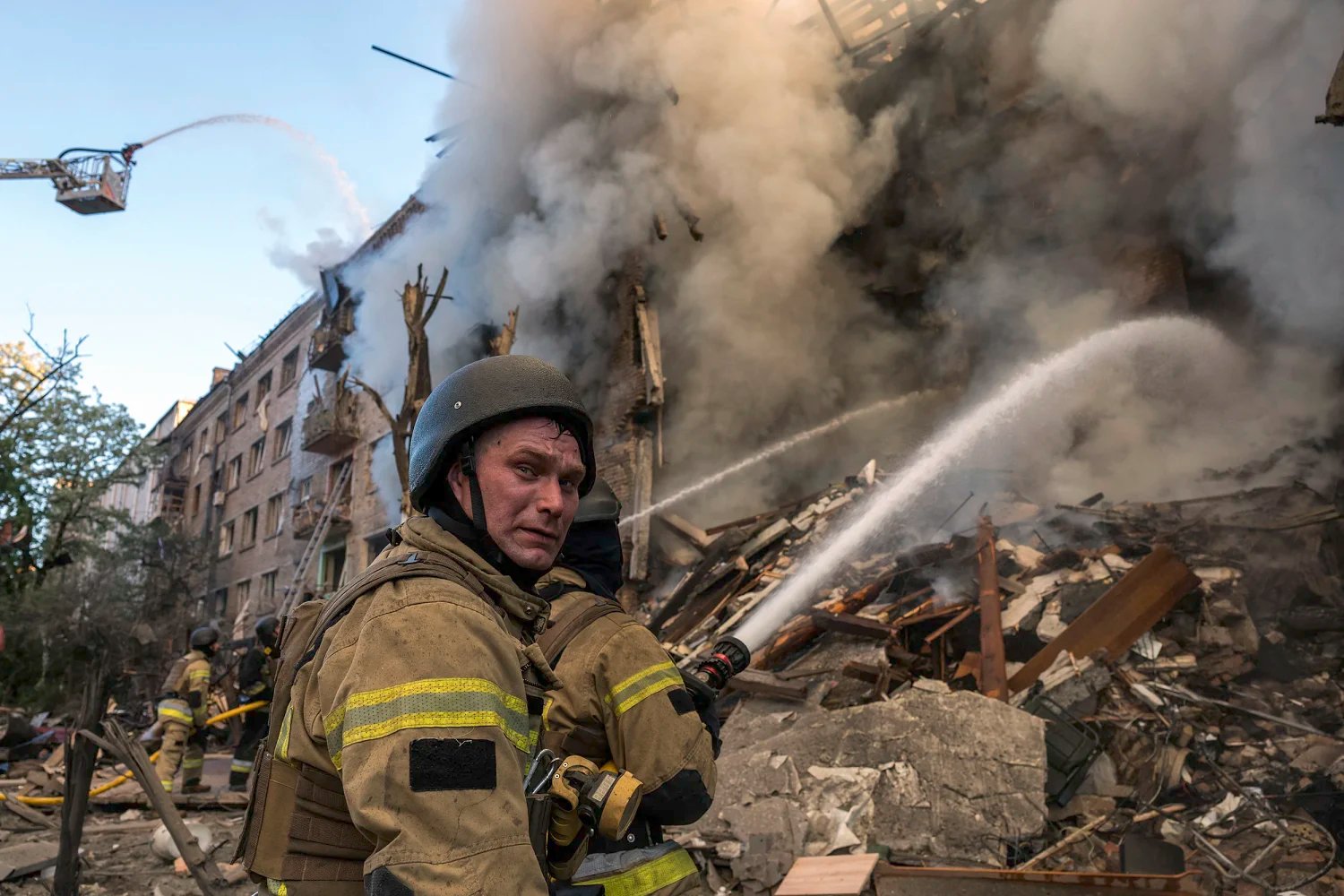
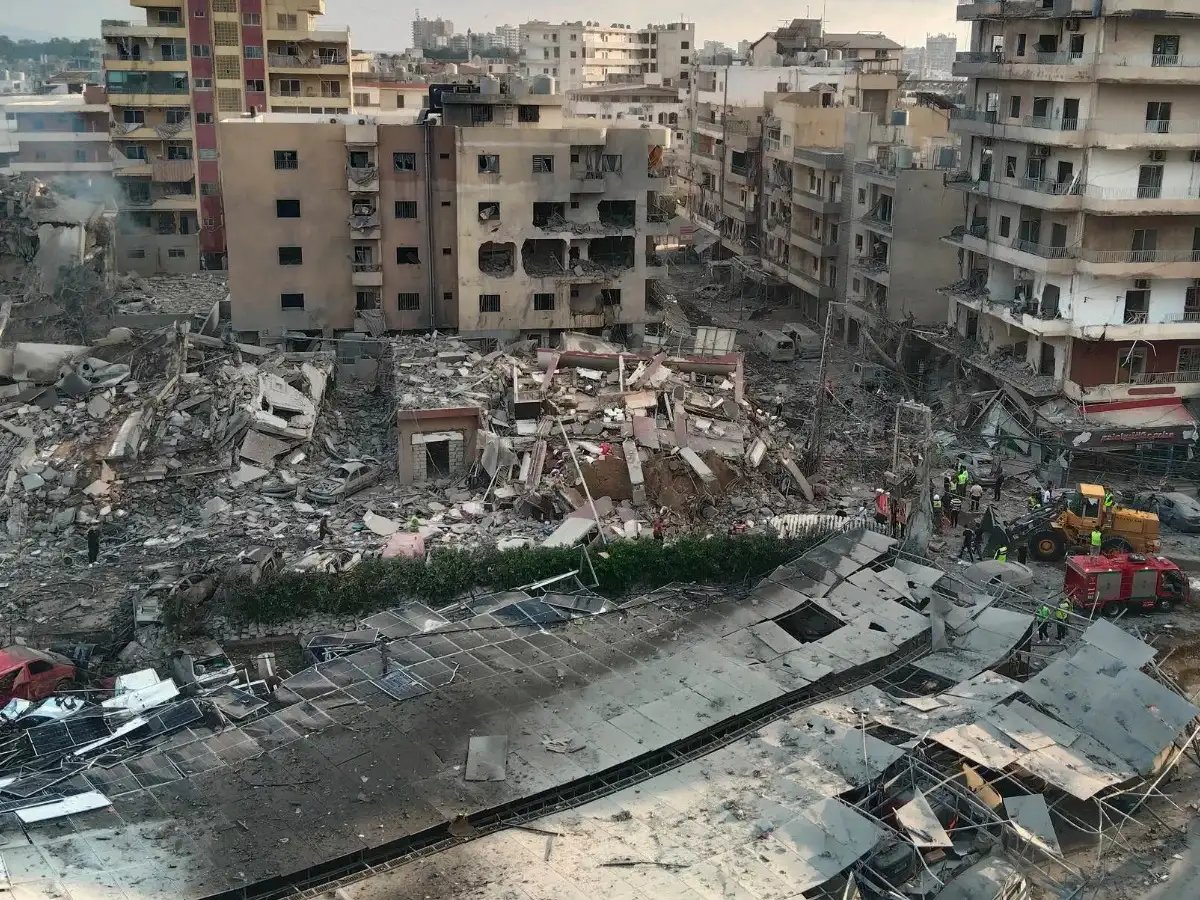
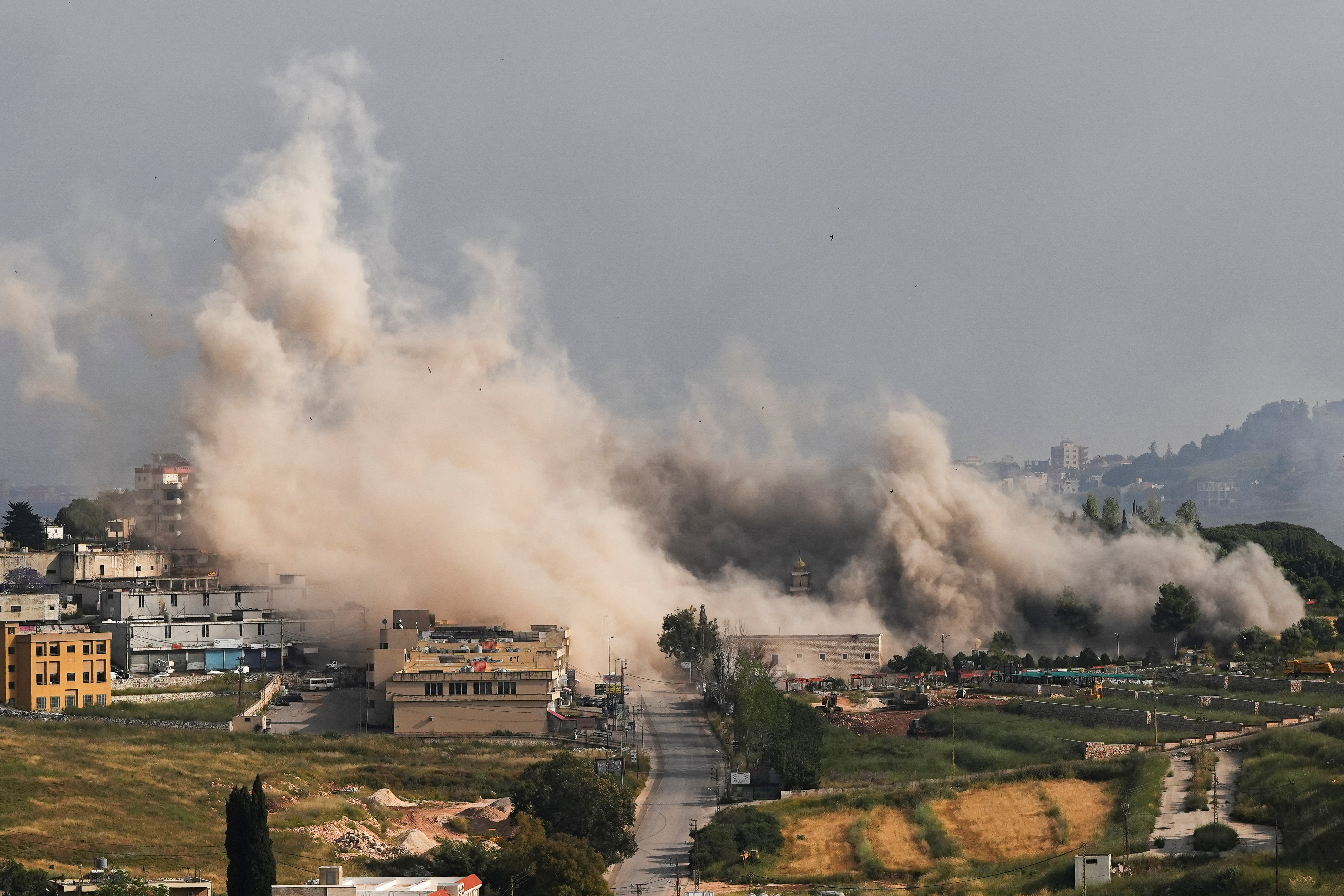
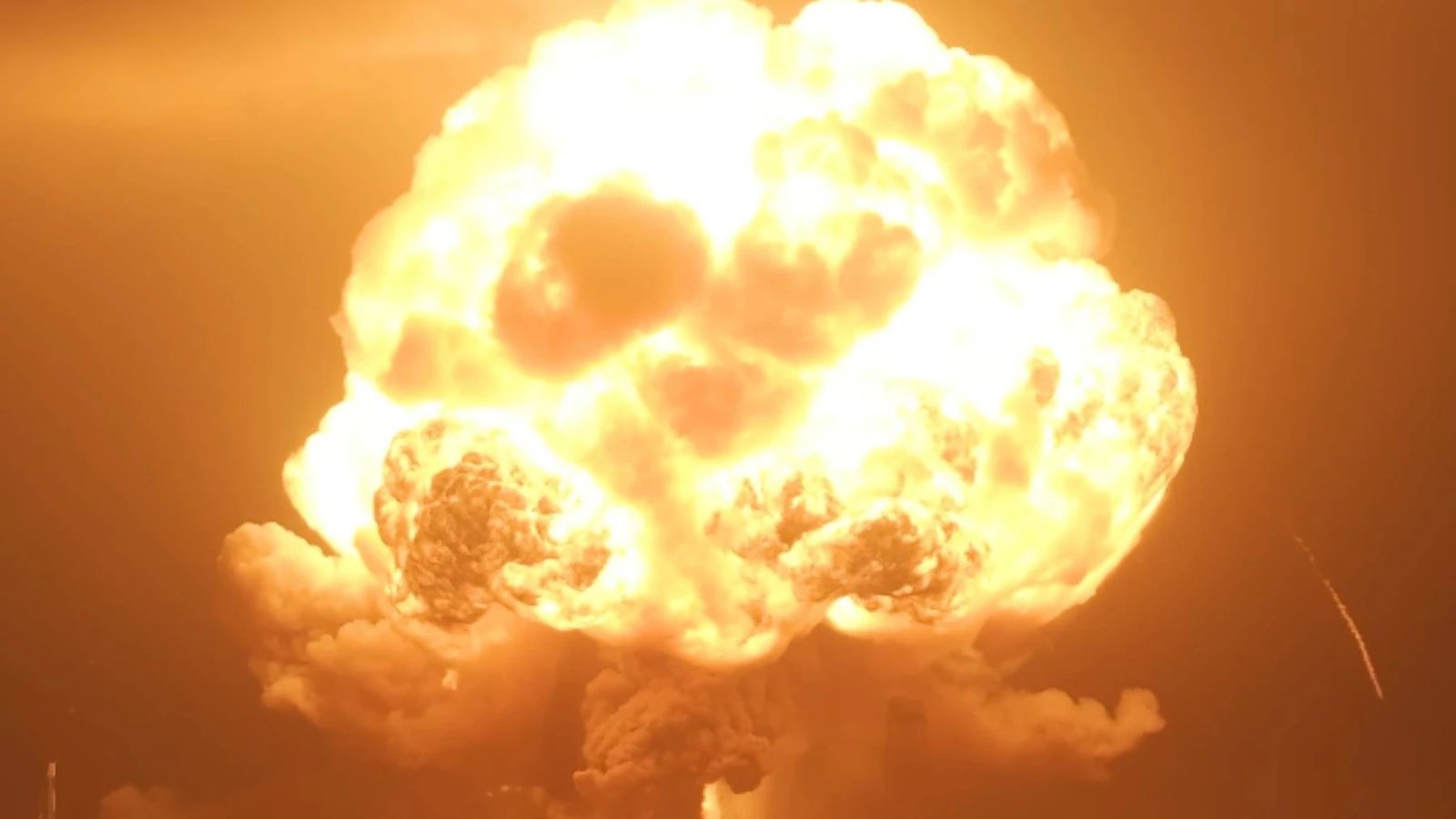
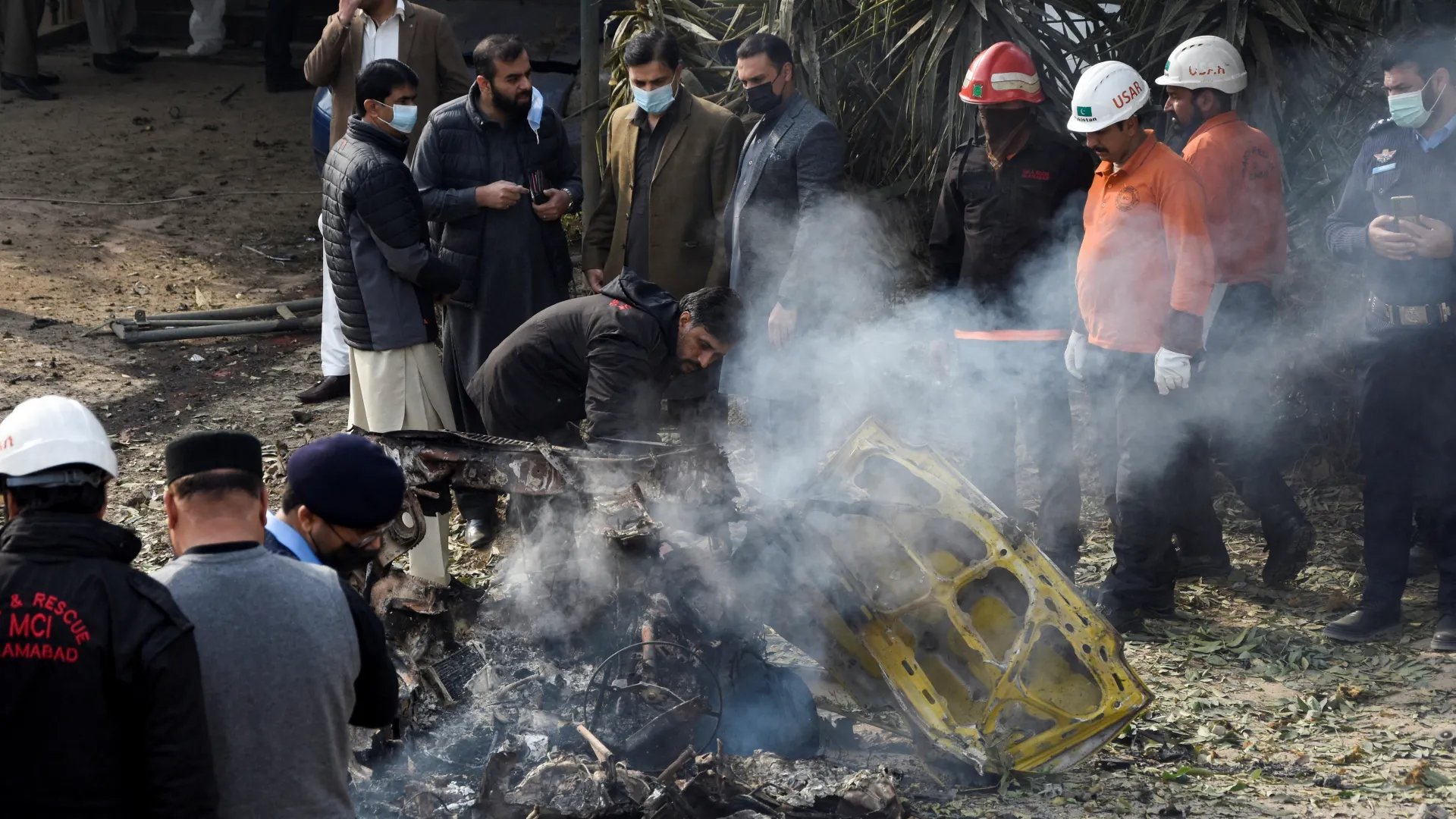
Since the beginning of the war, the UAE has been targeted by Iran more than any other country in the region. The Emirati ministry of defense reported that Iran fired around 550 ballistic and cruise missiles and more than 2,200 drones at the UAE. While most were intercepted, some hit military and civilian targets.
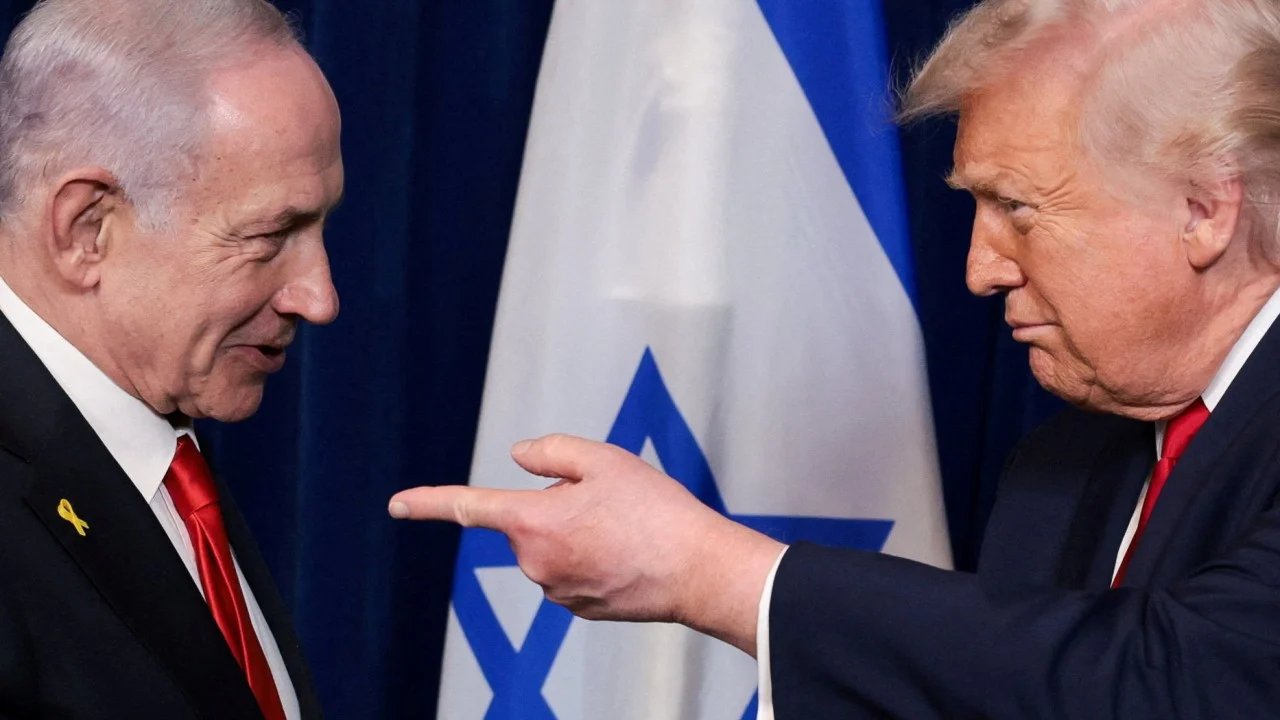
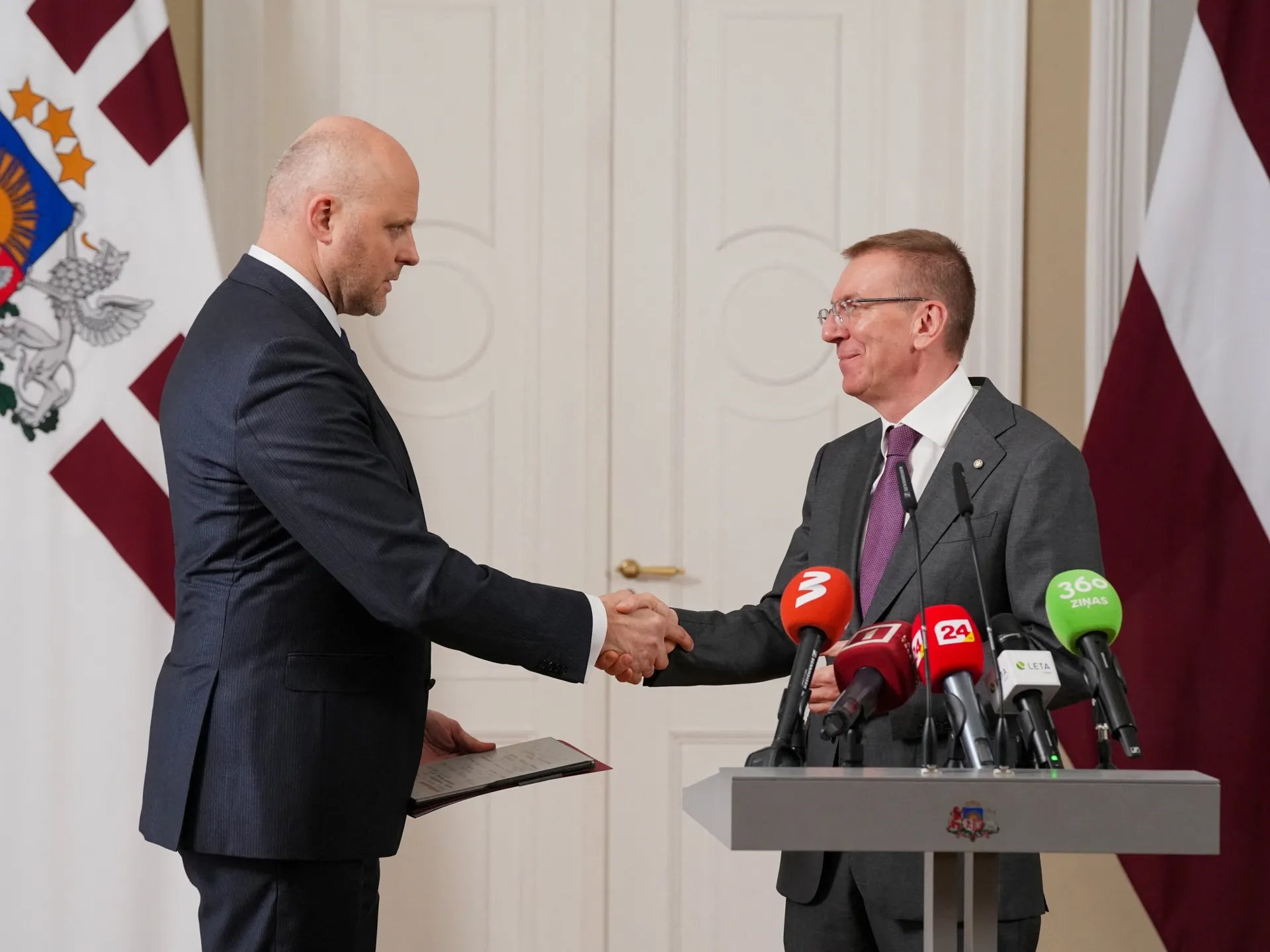
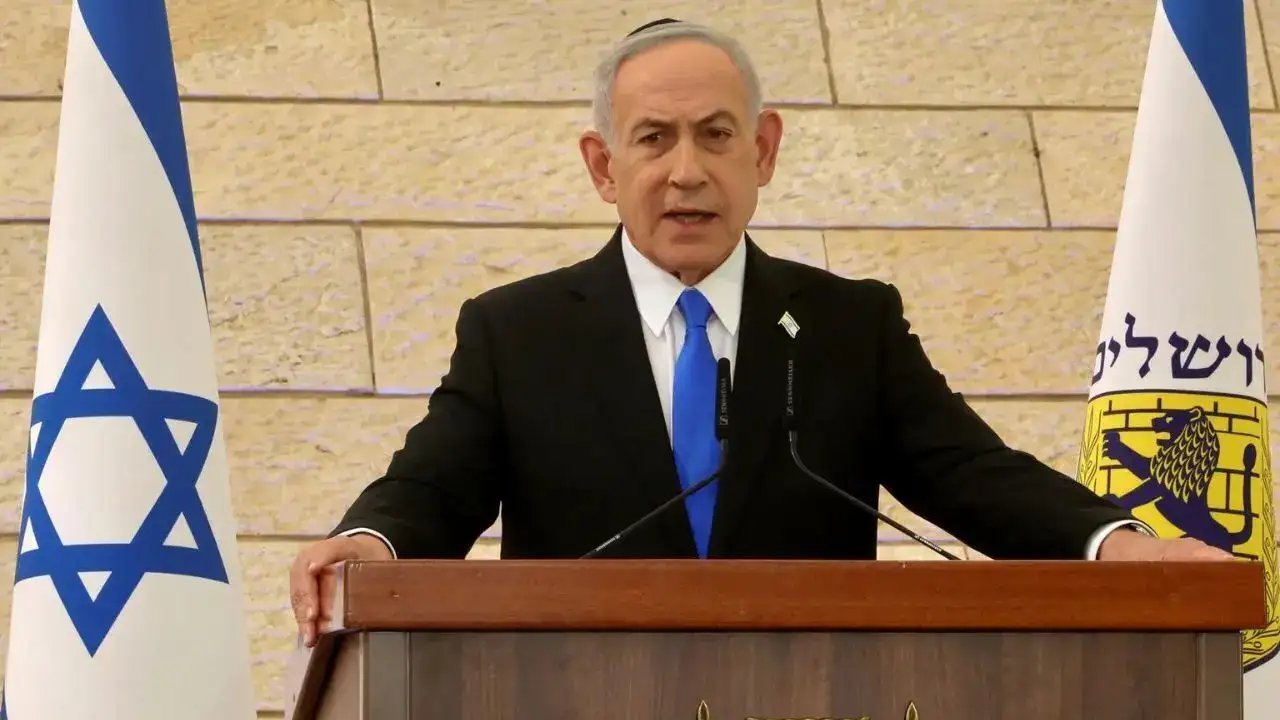
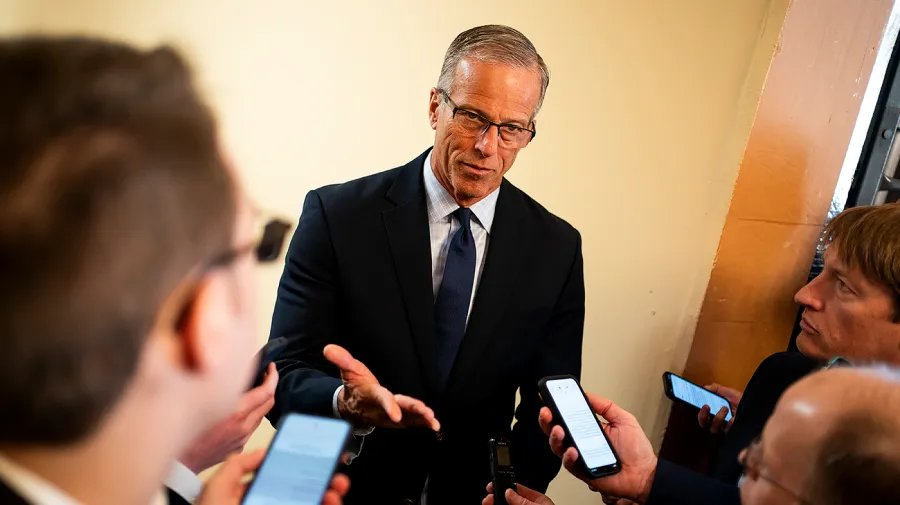
The intensity of the attacks prompted the UAE to seek assistance from its allies. Following a call with Emirati President Mohammed bin Zayed, Israeli Prime Minister Benjamin Netanyahu ordered the Israel Defense Forces to send an Iron Dome battery with interceptors and several dozen IDF operators, Israeli officials said. Tareq al-Otaiba, a former official at the UAE's national security council, noted that Israel was among the countries that "have stepped up to provide real assistance to the UAE."
The countries have been coordinating closely militarily and politically since the war began. The Israeli Air Force conducted strikes to eliminate short-range missiles positioned in southern Iran before they could strike the UAE and other Gulf countries. A senior Emirati official said, "We are not going to forget it," regarding the assistance from Israel and Netanyahu at a critical moment.
The deployment of Israeli troops to UAE soil could be politically sensitive in the Gulf. However, an Emirati official stated that the war with Iran has shifted public opinion, with anyone helping to protect the country against Iranian attacks viewed positively. Israel and the UAE signed a peace treaty in 2020, and officials from both countries say their partnership is currently the closest it's ever been.
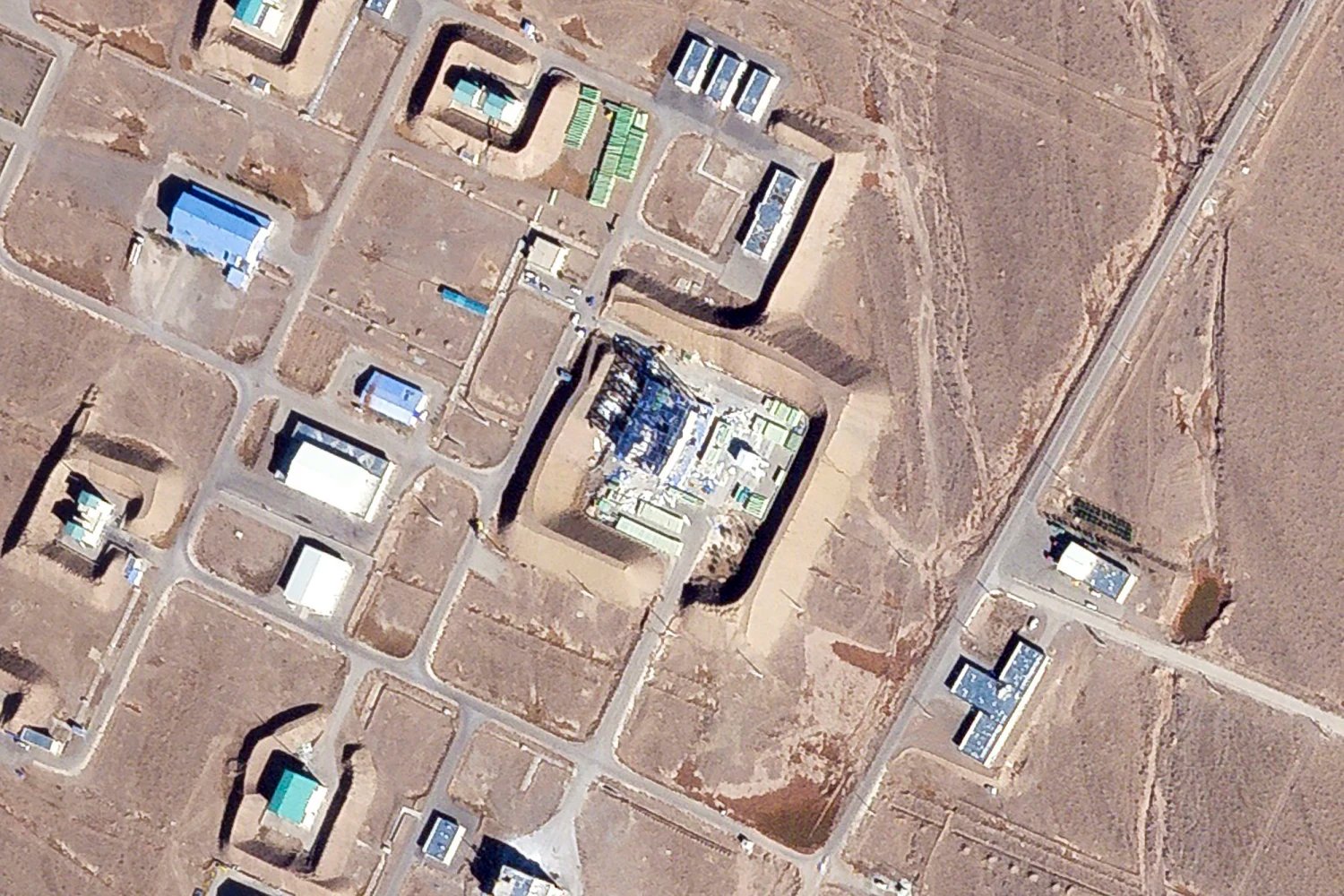
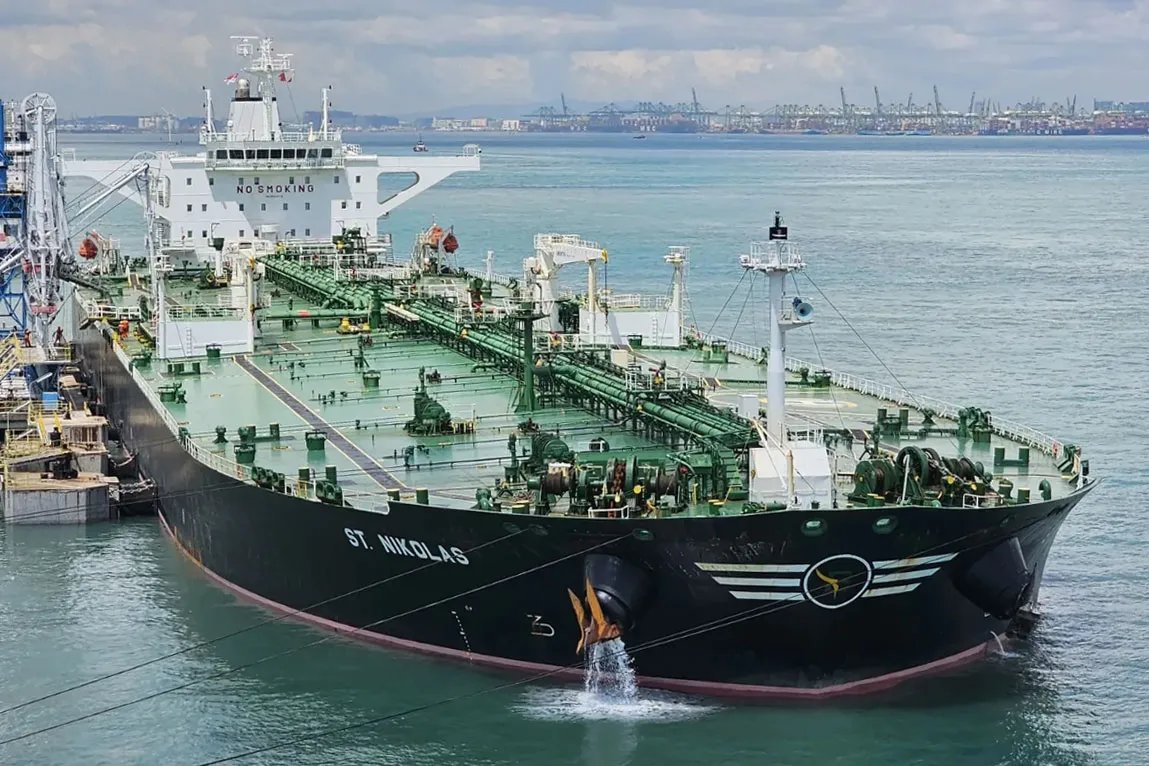
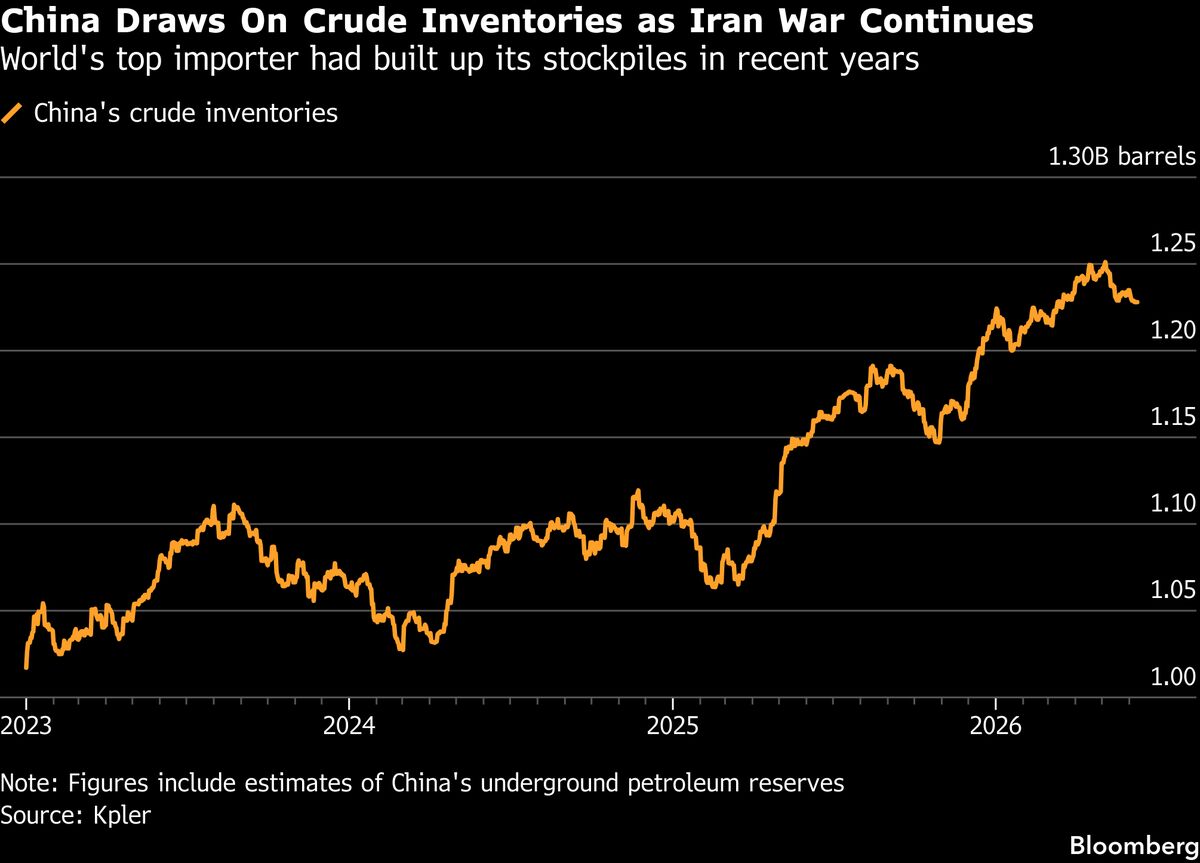
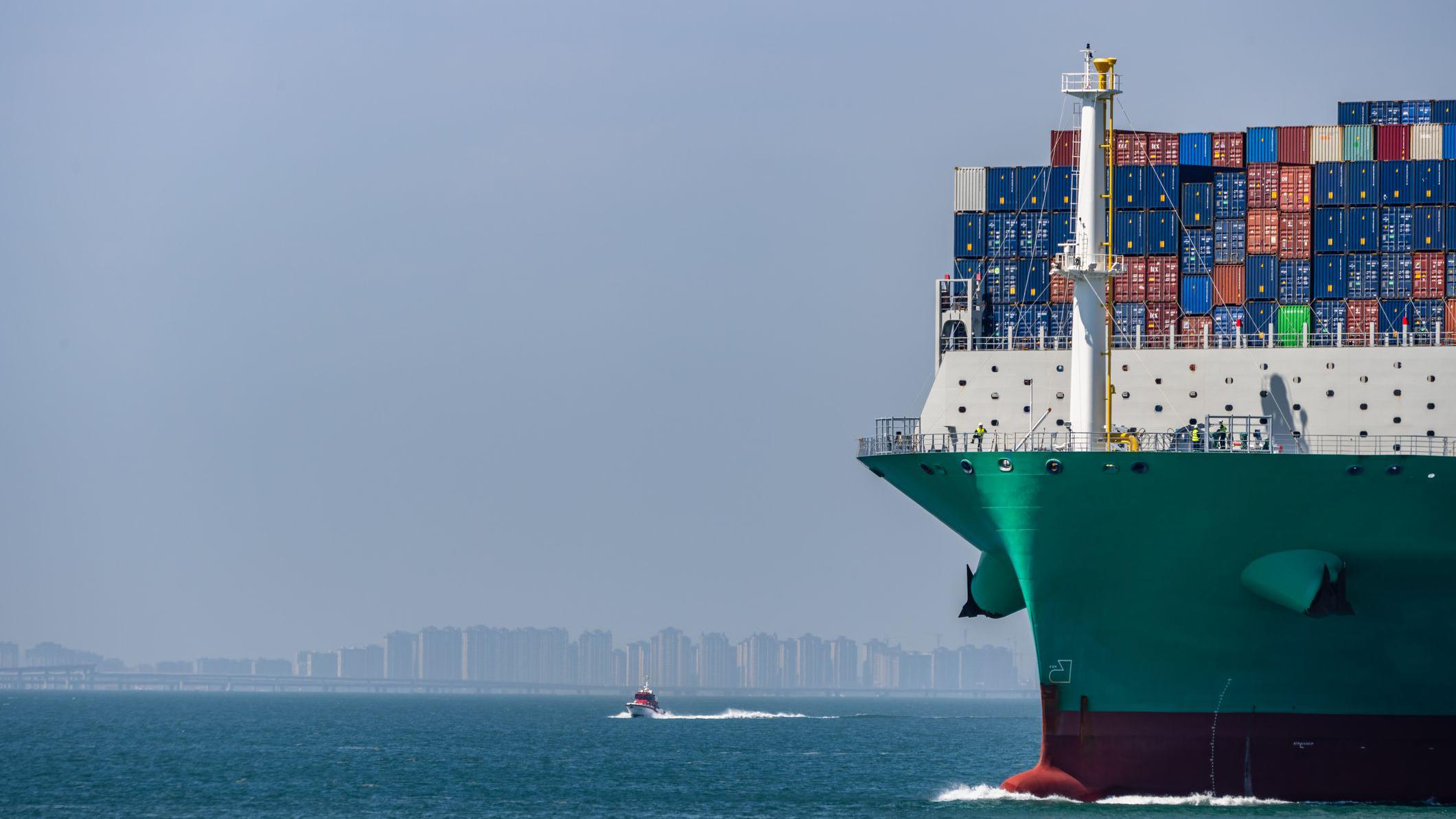
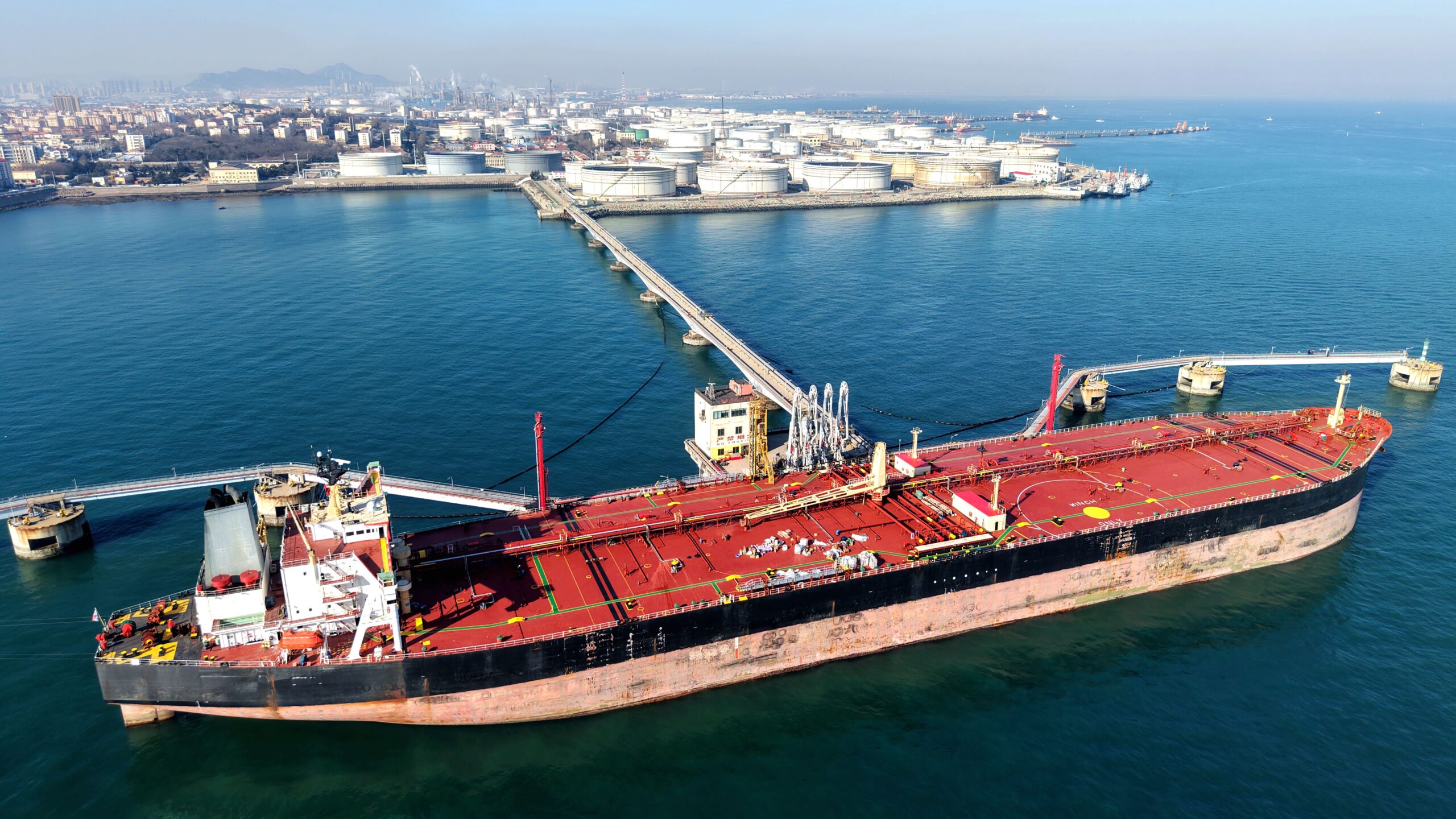
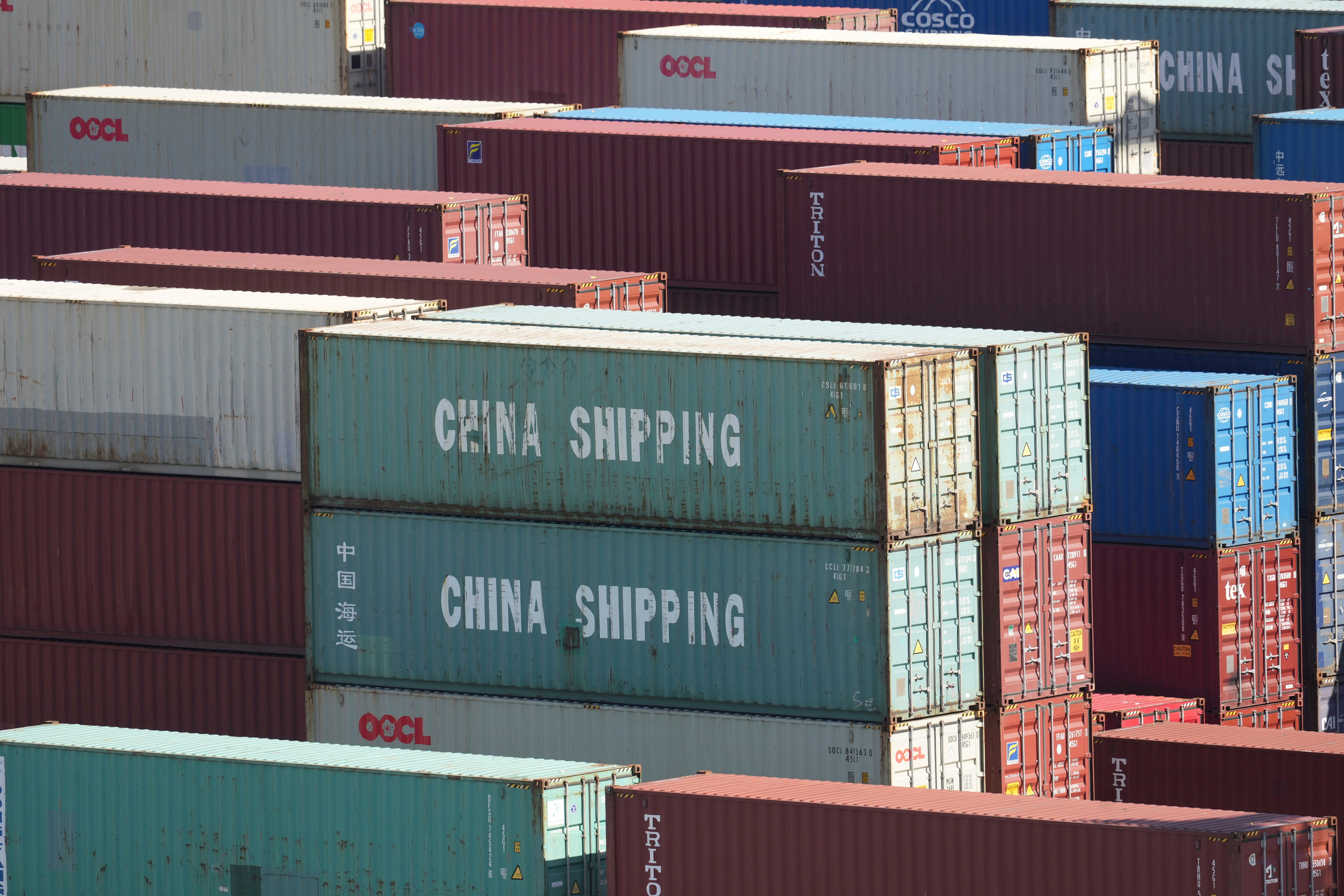
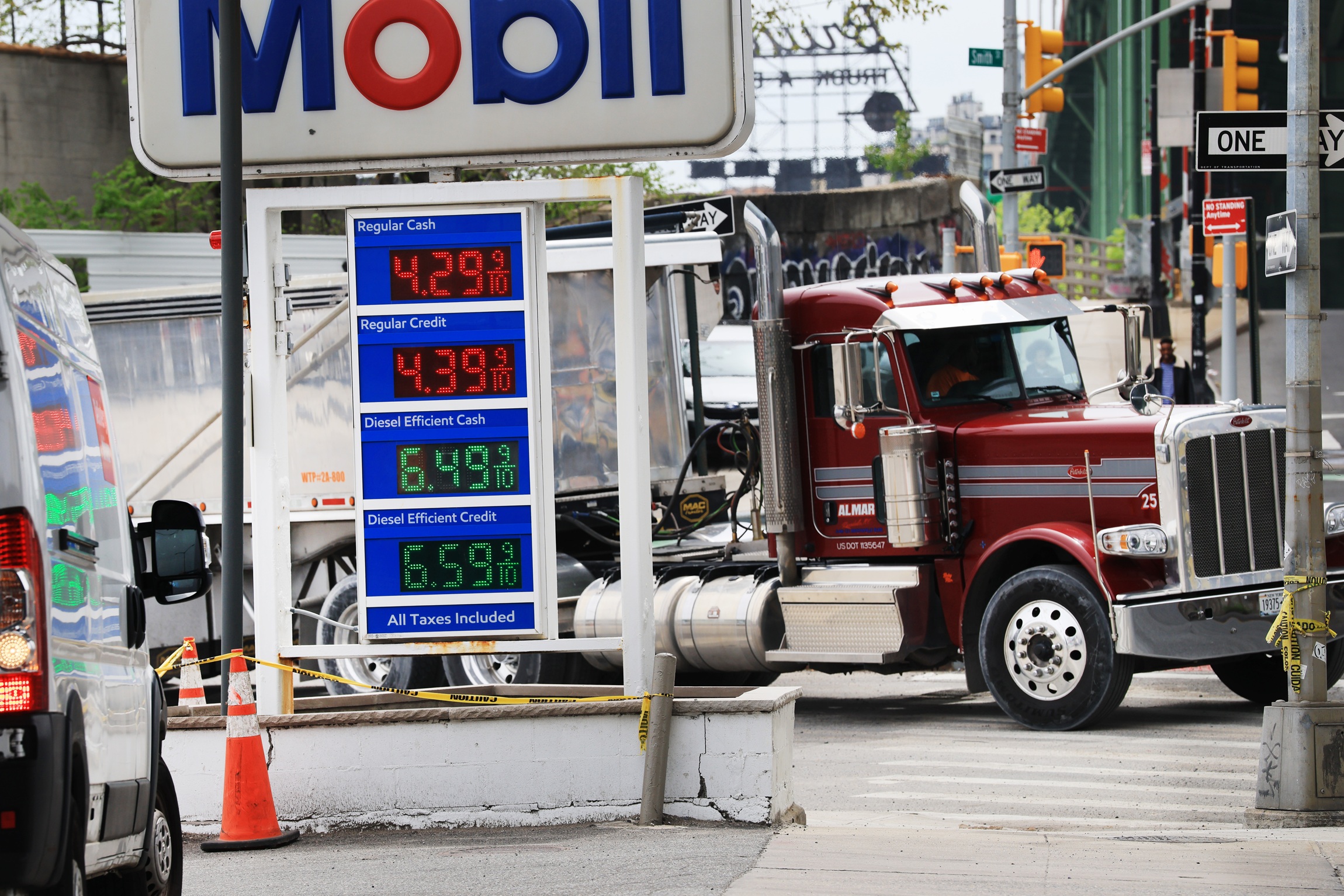
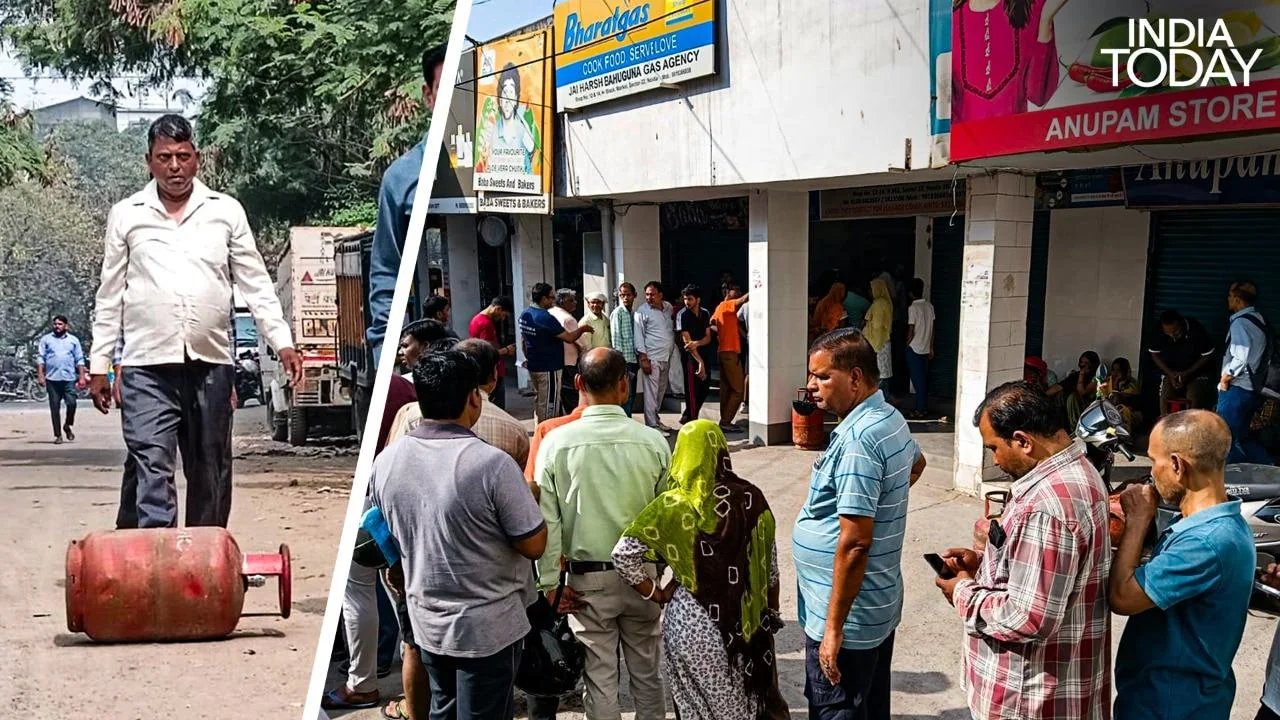
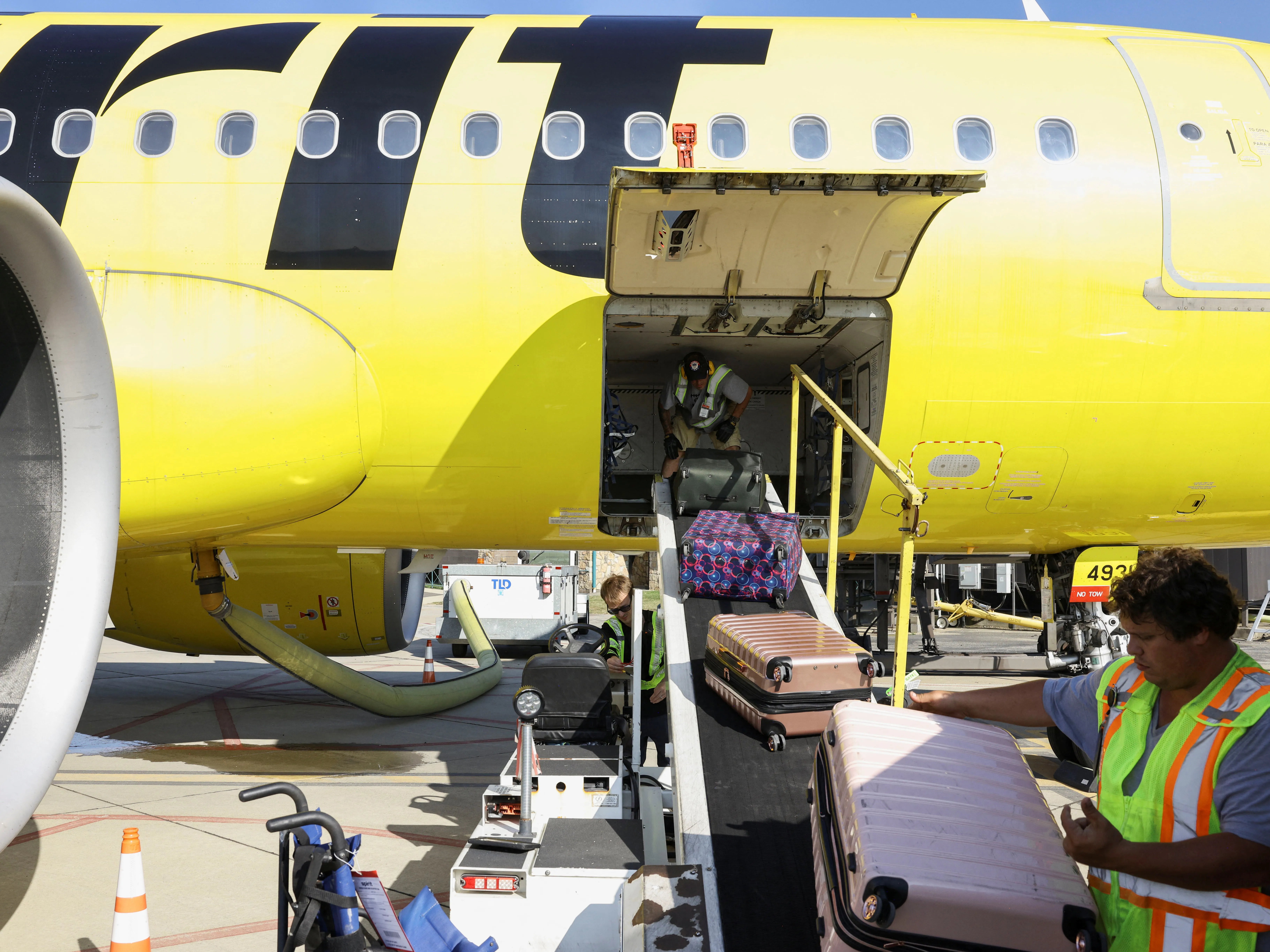
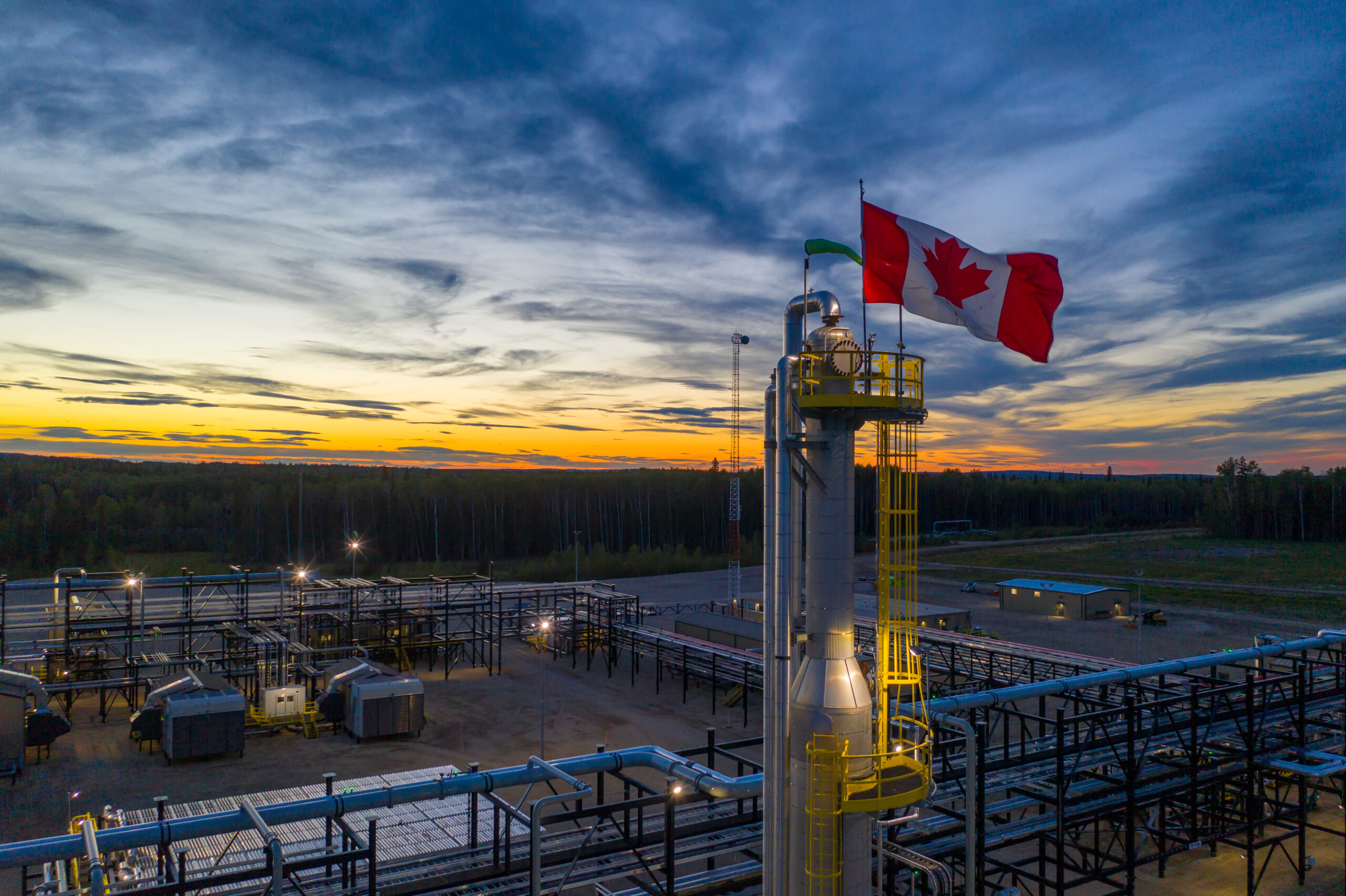
The war in Iran has led to a global energy crisis and shifts in economic policy.
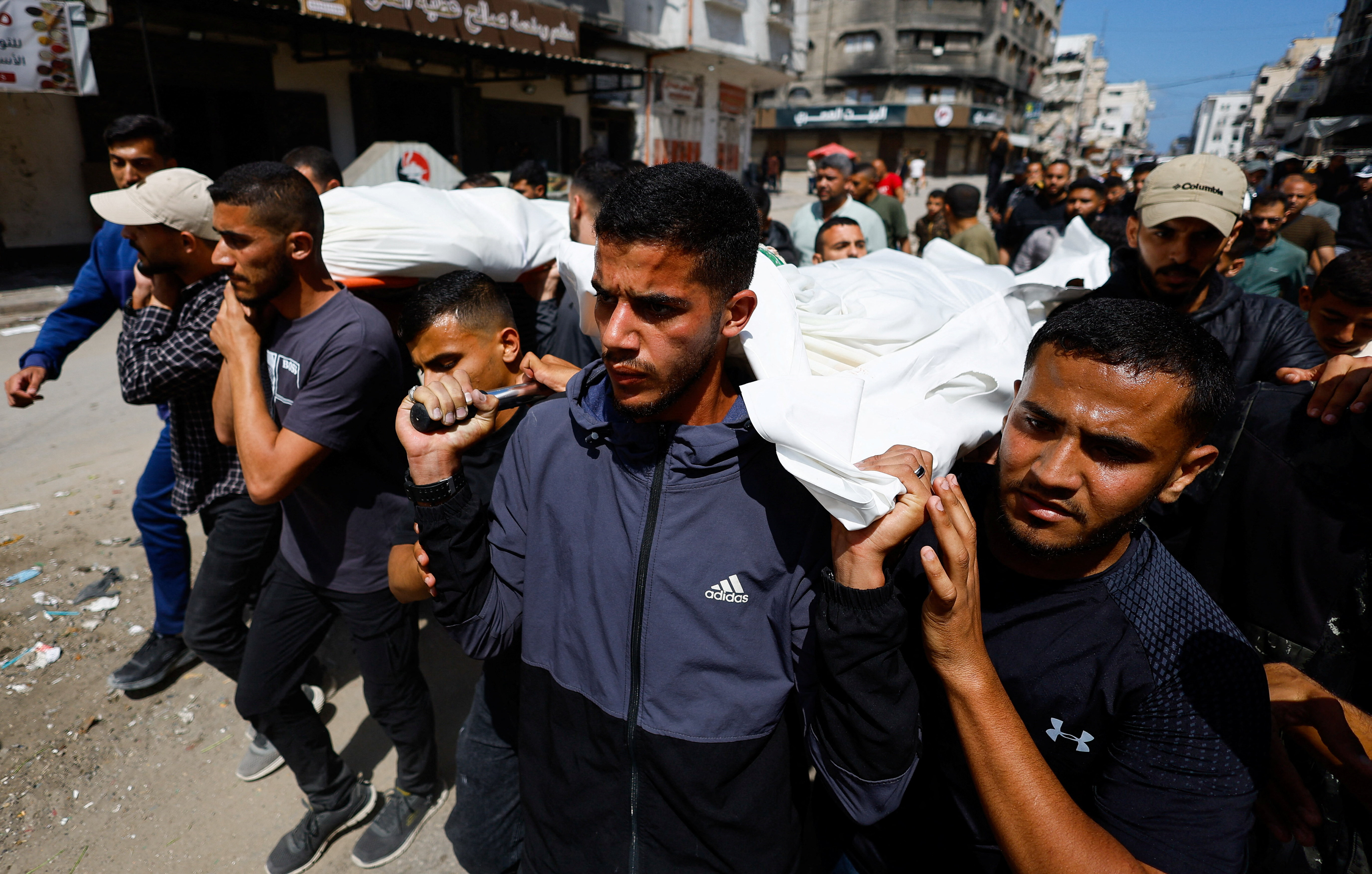
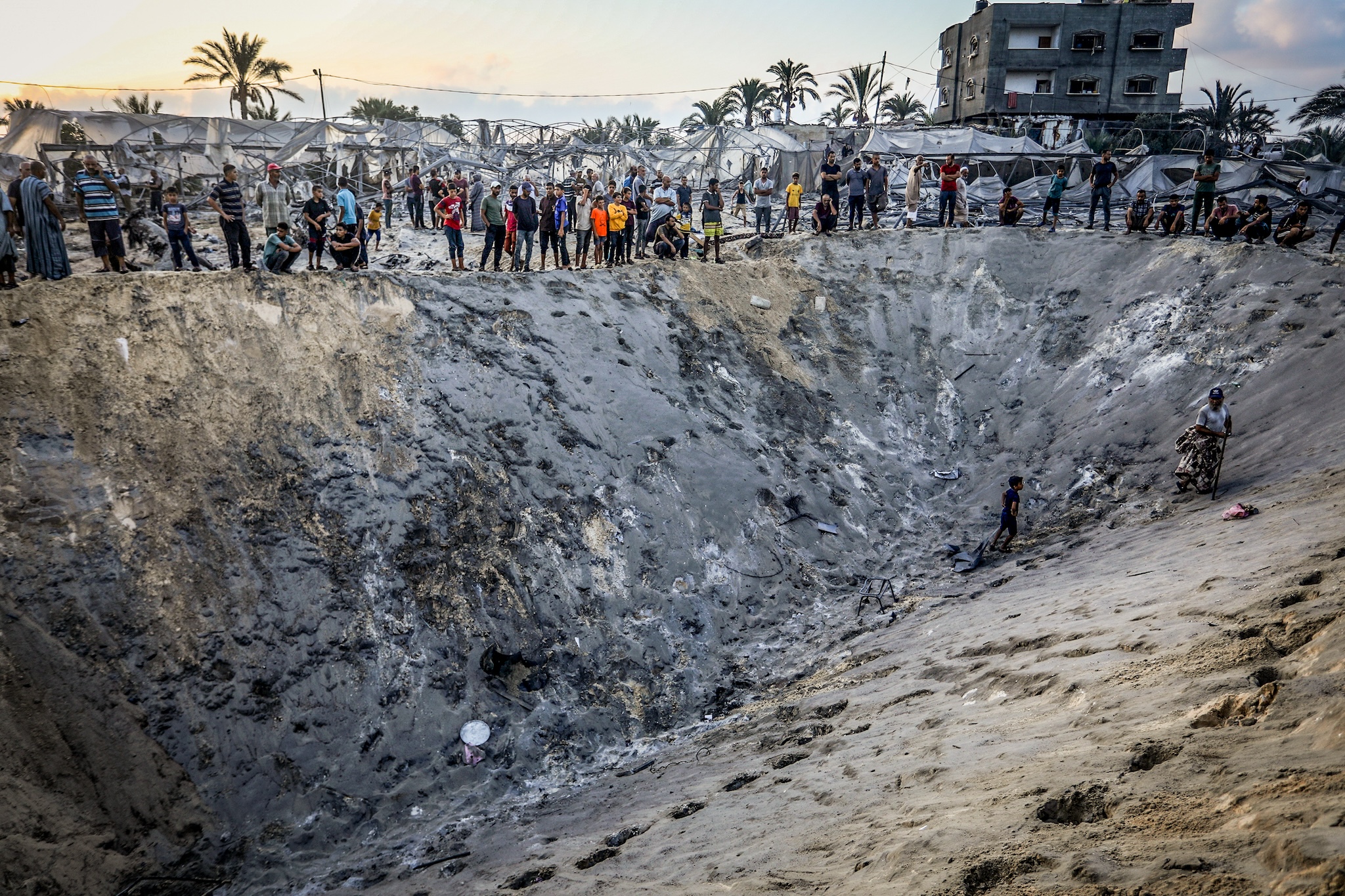
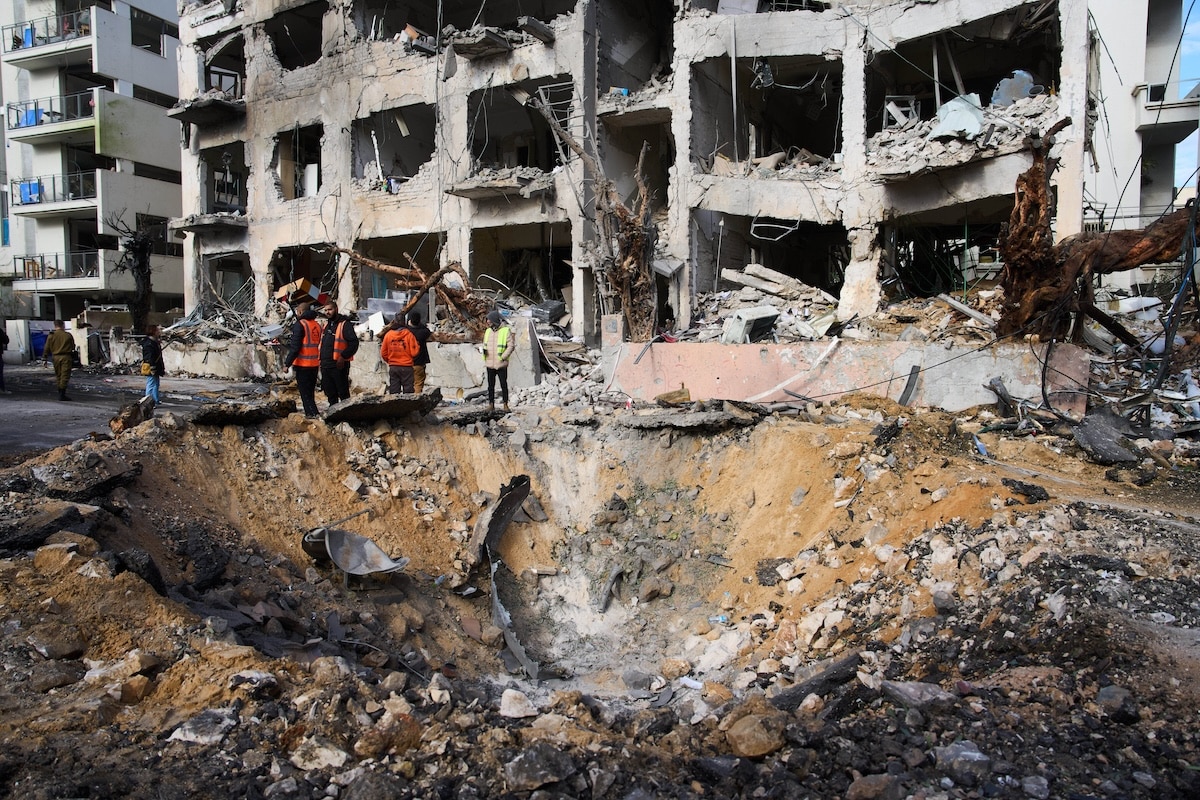
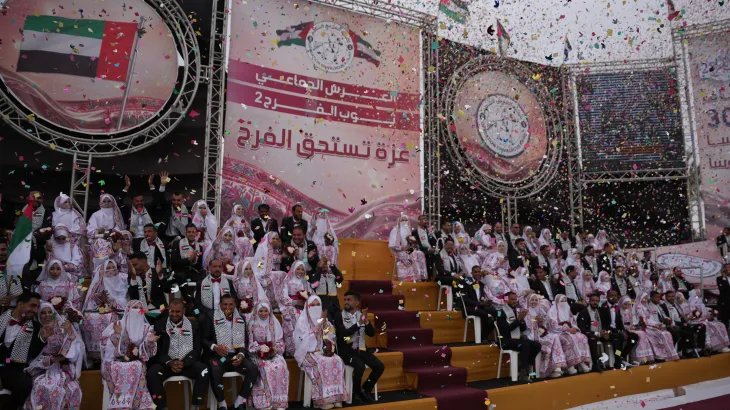
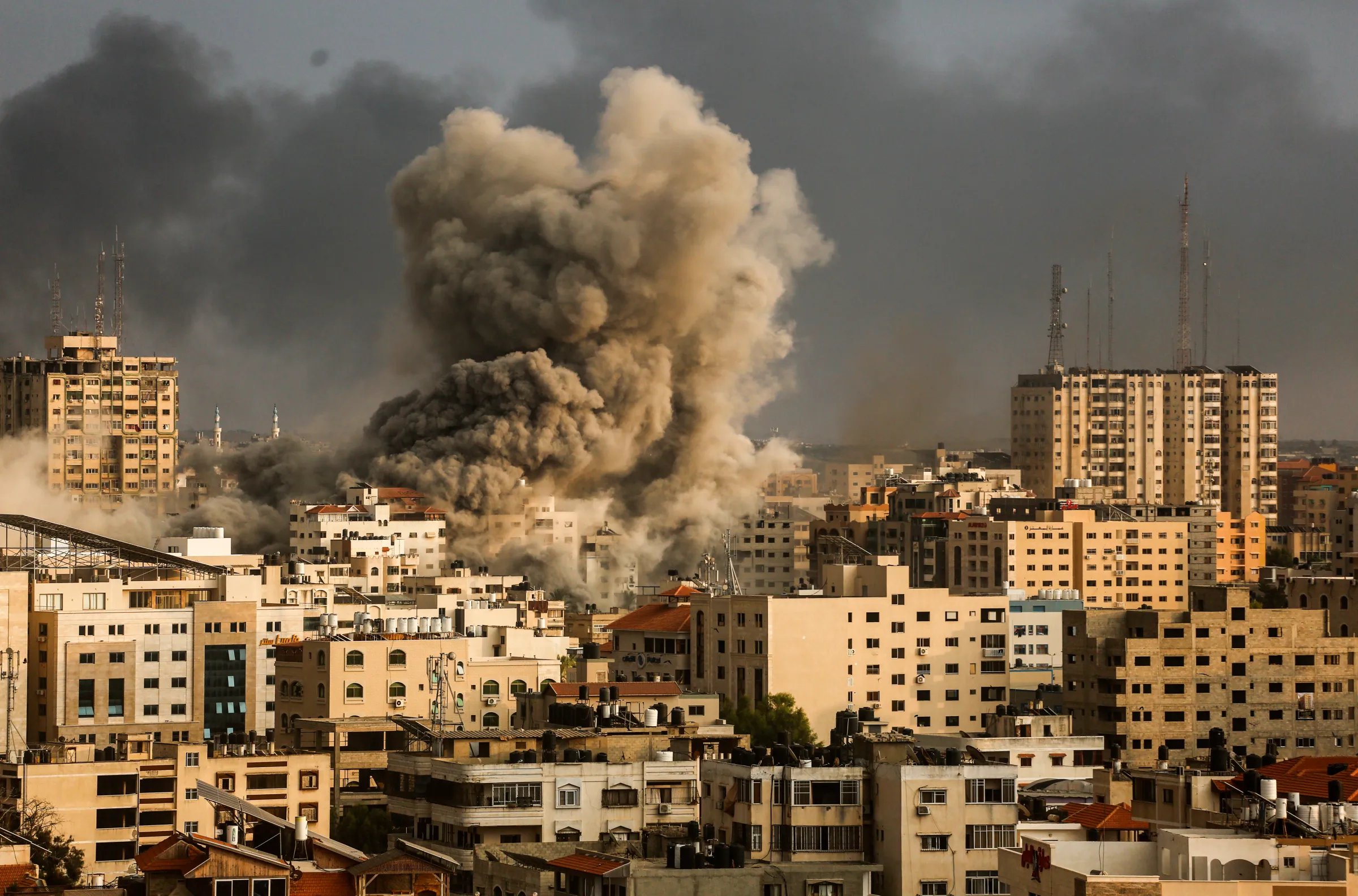
Amidst the Iran conflict, Israel has escalated attacks in the Gaza Strip, sidelining the new U.S.-backed technocratic administration. At least four Palestinians were killed in the past 24 hours, including a 40-year-old woman in Khan Younis. Medics and local health officials report more than 25 Palestinians have been killed in the past week alone, taking the number of people killed since the ceasefire to more than 800.
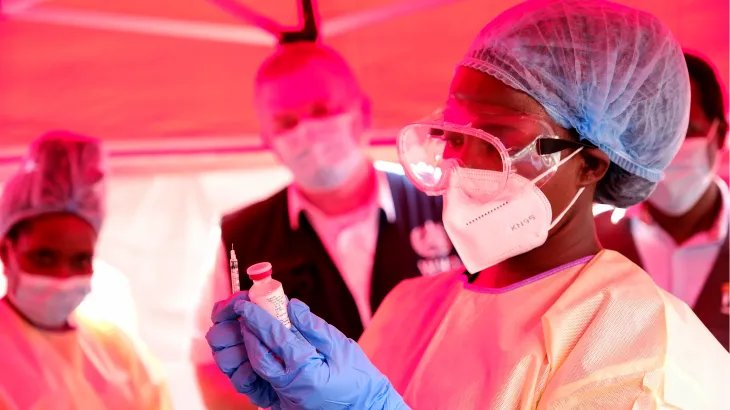
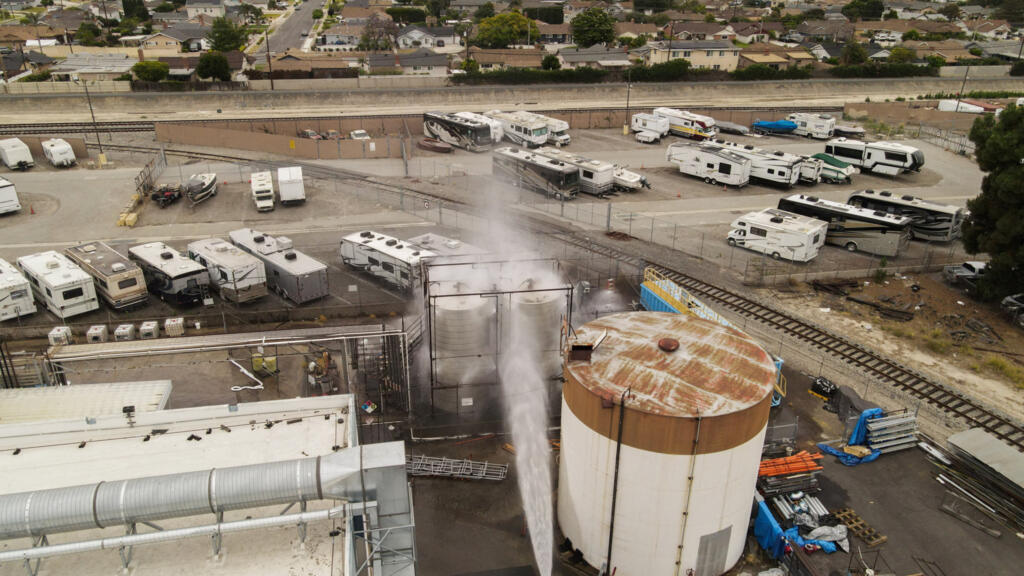
With global supply chains strained by the war, even resources like fluoride are becoming harder to source, leading some local governments to reduce their use of the cavity-fighting agent.
Israel sent an Iron Dome air defense system and troops to the United Arab Emirates during the early stages of the war with Iran, according to Israeli and U.S. officials. This deployment marks the first time Israel has sent an Iron Dome battery to another country, and the UAE was the first nation outside of the U.S. and Israel where the system was used operationally. The Iron Dome intercepted dozens of Iranian missiles, officials said.
Since the beginning of the war, the UAE has been targeted by Iran more than any other country in the region. The Emirati ministry of defense reported that Iran fired approximately 550 ballistic and cruise missiles and over 2,200 drones at the UAE. While most were intercepted, some hit military and civilian targets.
The intensity of the attacks prompted the UAE to seek assistance from its allies. Following a call with Emirati President Mohammed bin Zayed, Israeli Prime Minister Benjamin Netanyahu ordered the Israel Defense Forces to send an Iron Dome battery with interceptors and several dozen IDF operators. Tareq al-Otaiba, a former official at the UAE's national security council, noted that Israel was among the countries that "have stepped up to provide real assistance to the UAE."
The countries have been coordinating closely militarily and politically since the war began. The Israeli Air Force conducted strikes to eliminate short-range missiles positioned in southern Iran before they could strike the UAE and other Gulf countries. A senior Emirati official said they are not going to forget the assistance from Israel and Netanyahu at a critical moment.
The deployment of Israeli troops to UAE soil could be politically sensitive in the Gulf. However, an Emirati official stated that the war with Iran has shifted public opinion, with anyone helping to protect the country against Iranian attacks viewed positively. Israel and the UAE signed a peace treaty in 2020, and officials from both countries say their partnership is currently the closest it's ever been.
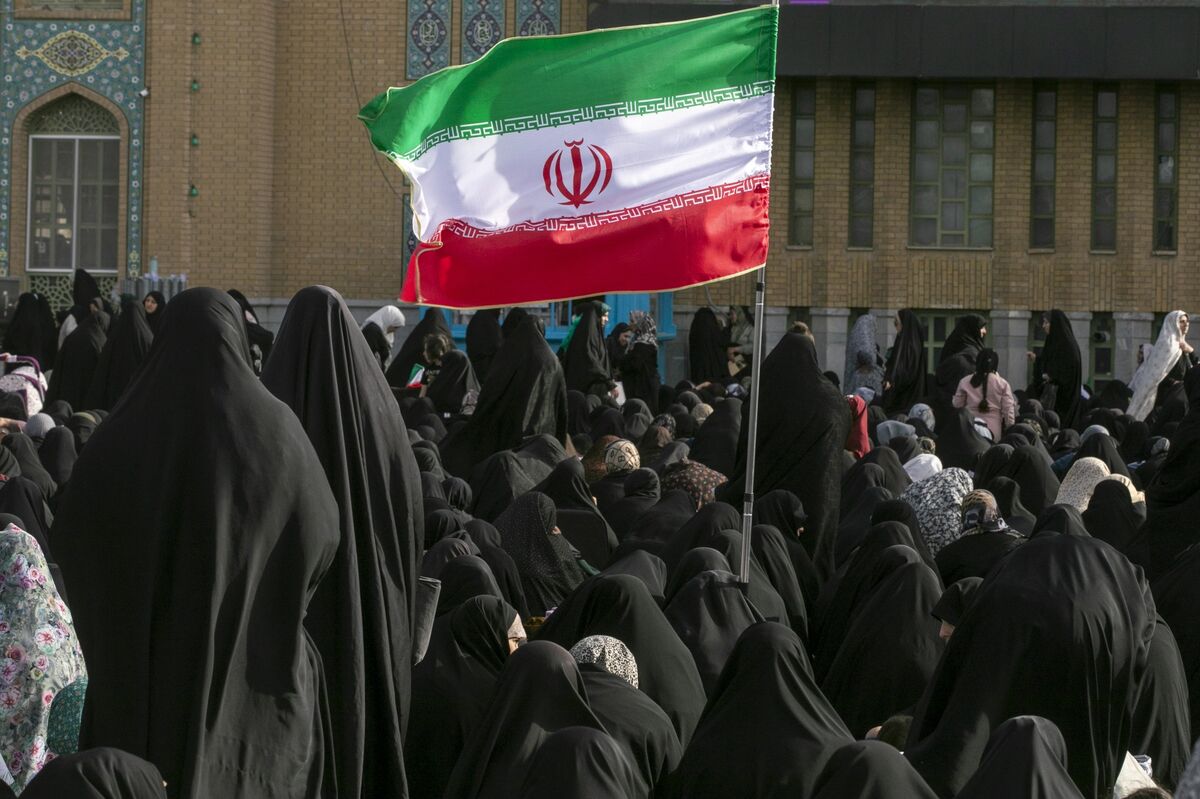
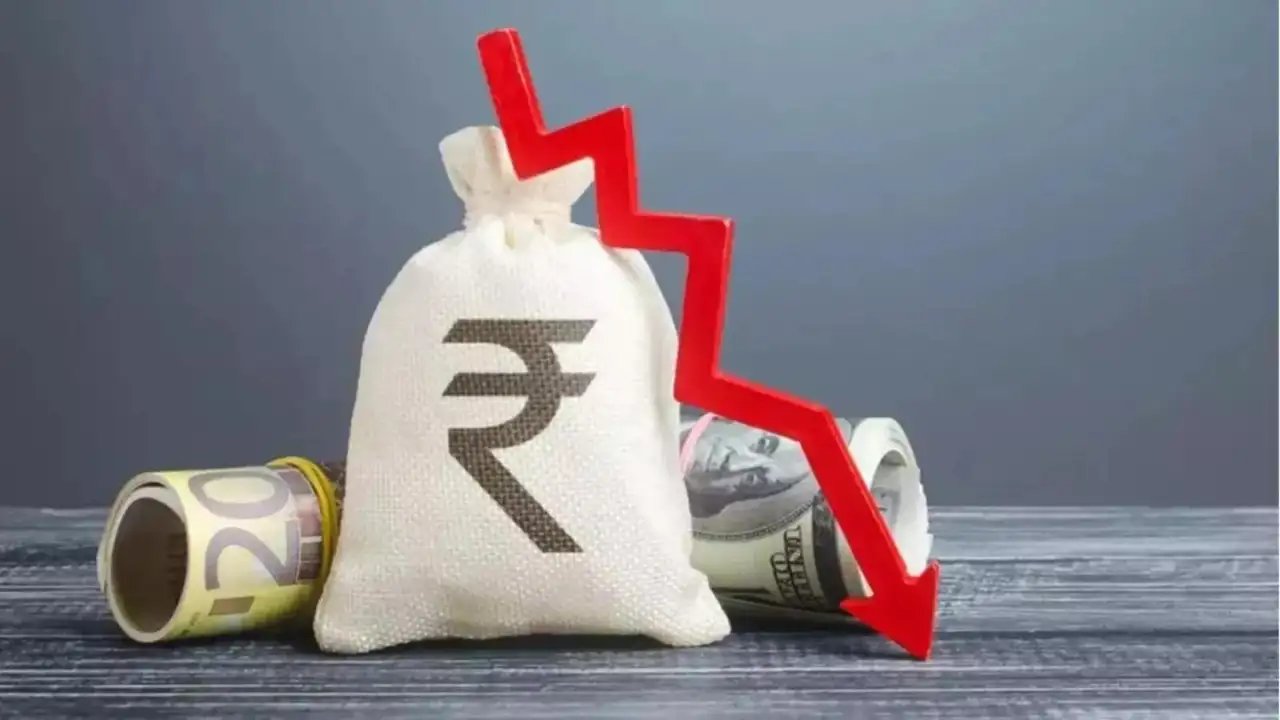
The war in Iran has led to a global energy crisis and shifts in economic policy. The Iranian government is partly reversing a currency decision for basic items and tapping into the country's sovereign fund. The cabinet added a clause to implementation guidelines for the annual budget to restart a preferential exchange rate for imports of essentials like wheat, medicines, medical equipment and baby formula.
Amidst the Iran conflict, Israel has escalated attacks in the Gaza Strip, sidelining the new U.S.-backed technocratic administration. At least four Palestinians were killed in the past 24 hours, including a 40-year-old woman in Khan Younis. Medics and local health officials report more than 25 Palestinians have been killed in the past week alone, taking the number of people killed since the ceasefire to more than 800.
With global supply chains strained by the war, even resources like fluoride are becoming harder to source, leading some local governments to reduce their use of the cavity-fighting agent.
Highlighted text was flagged by the council. Tap to see feedback.