




Strike Details and Impact
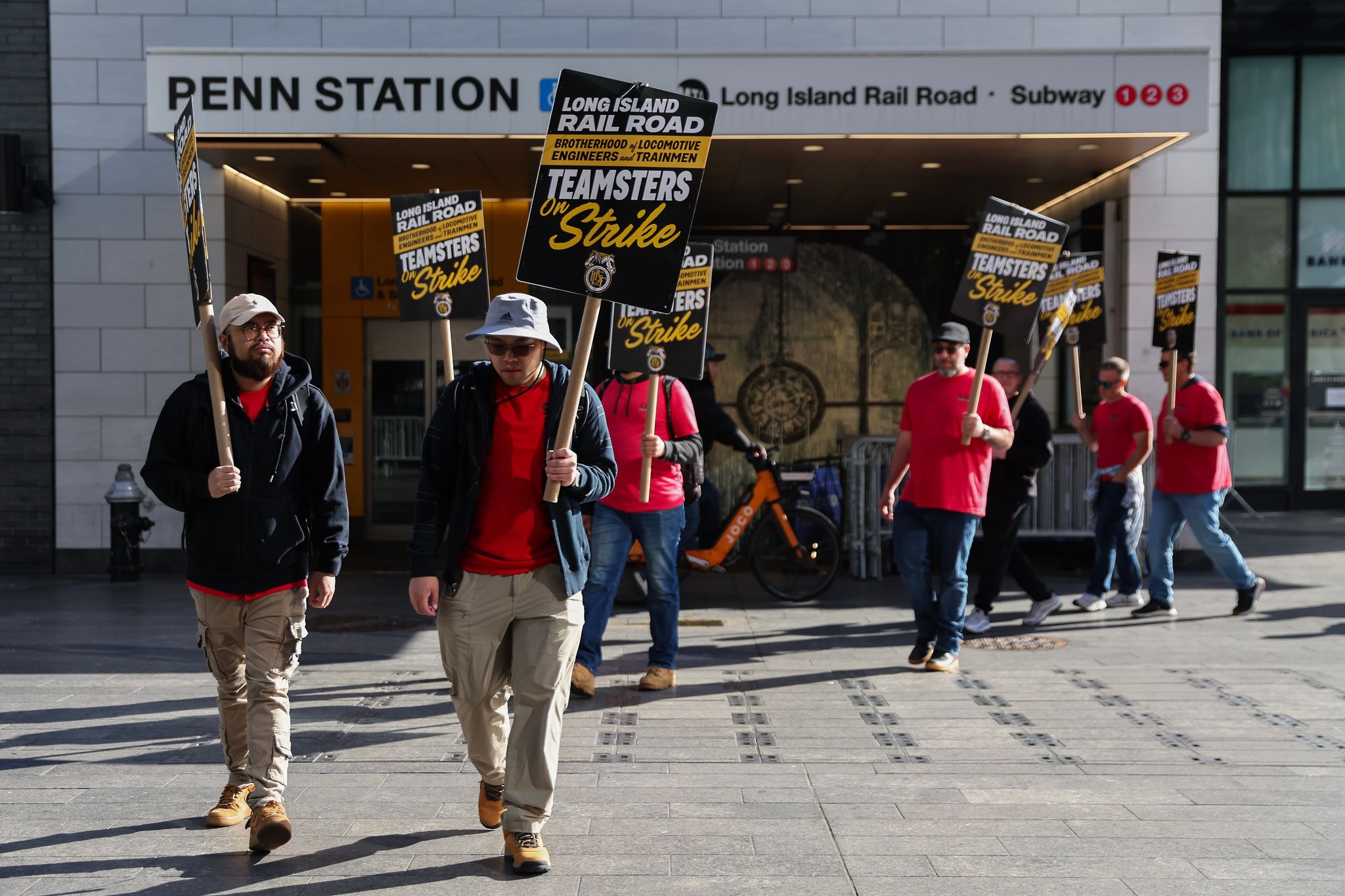
Long Island Rail Road workers officially went on strike just after midnight on Saturday, marking the first work stoppage since 1994. The strike affects nearly 300,000 daily riders, disrupting travel between New York City and its suburbs. The Metropolitan Transportation Authority (MTA) and five unions representing 3,500 workers failed to reach a new four-year contract after three years of negotiations, two federal interventions, and last-minute bargaining.
Disputed Wage Increases
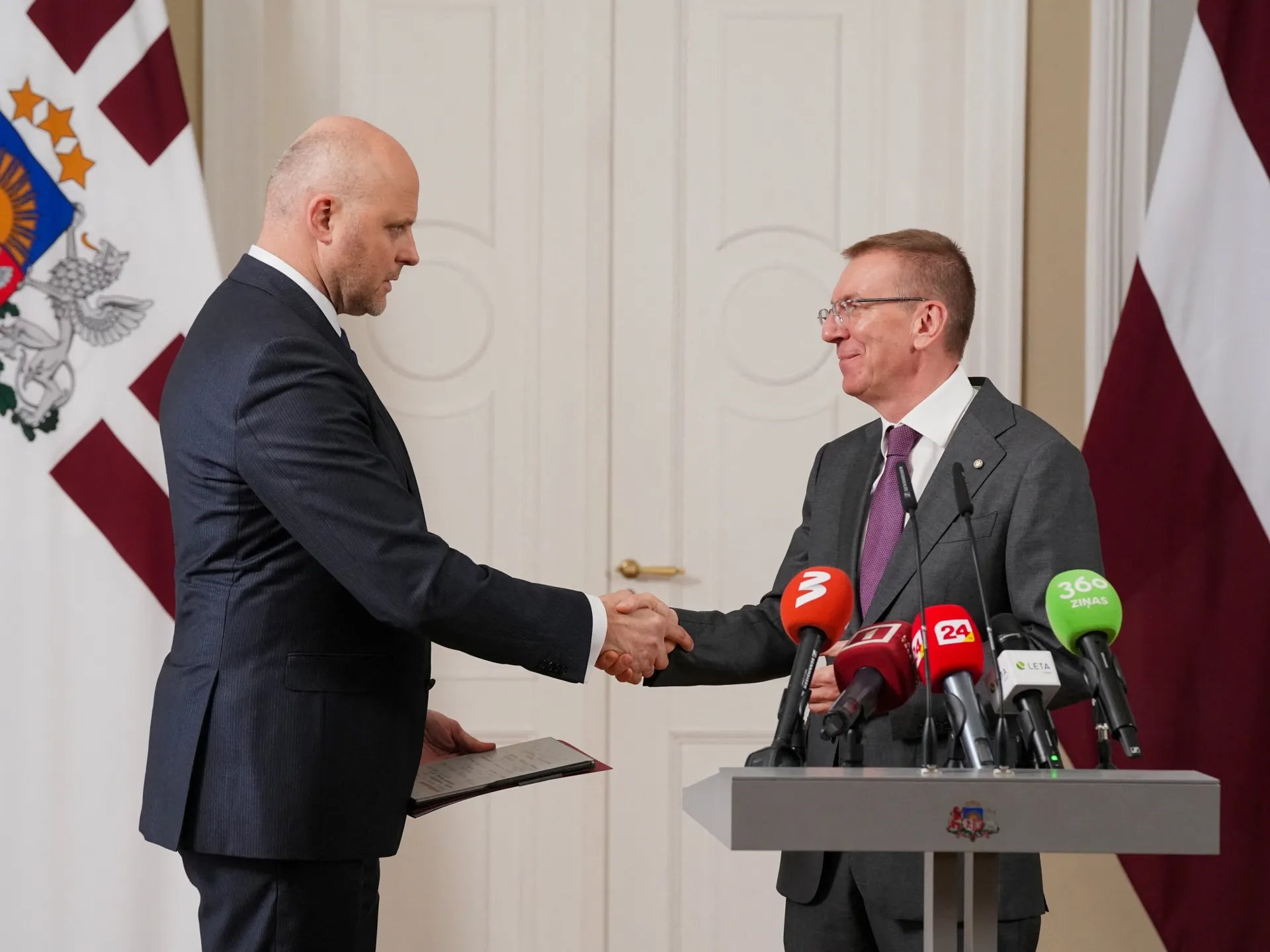
The unions are demanding a 5% wage increase, while the MTA has proposed a 3% raise with potential increases up to 4.5% contingent on work rule concessions. MTA Chairman Janno Lieber stated that the unions' demands could lead to fare increases, which he said are unacceptable. He emphasized that the MTA has already offered everything the unions requested regarding pay. Conversely, Kevin Sexton, national vice president of the Brotherhood of Locomotive Engineers and Trainmen, criticized the MTA for introducing healthcare contributions that were not previously discussed.
Government Responses
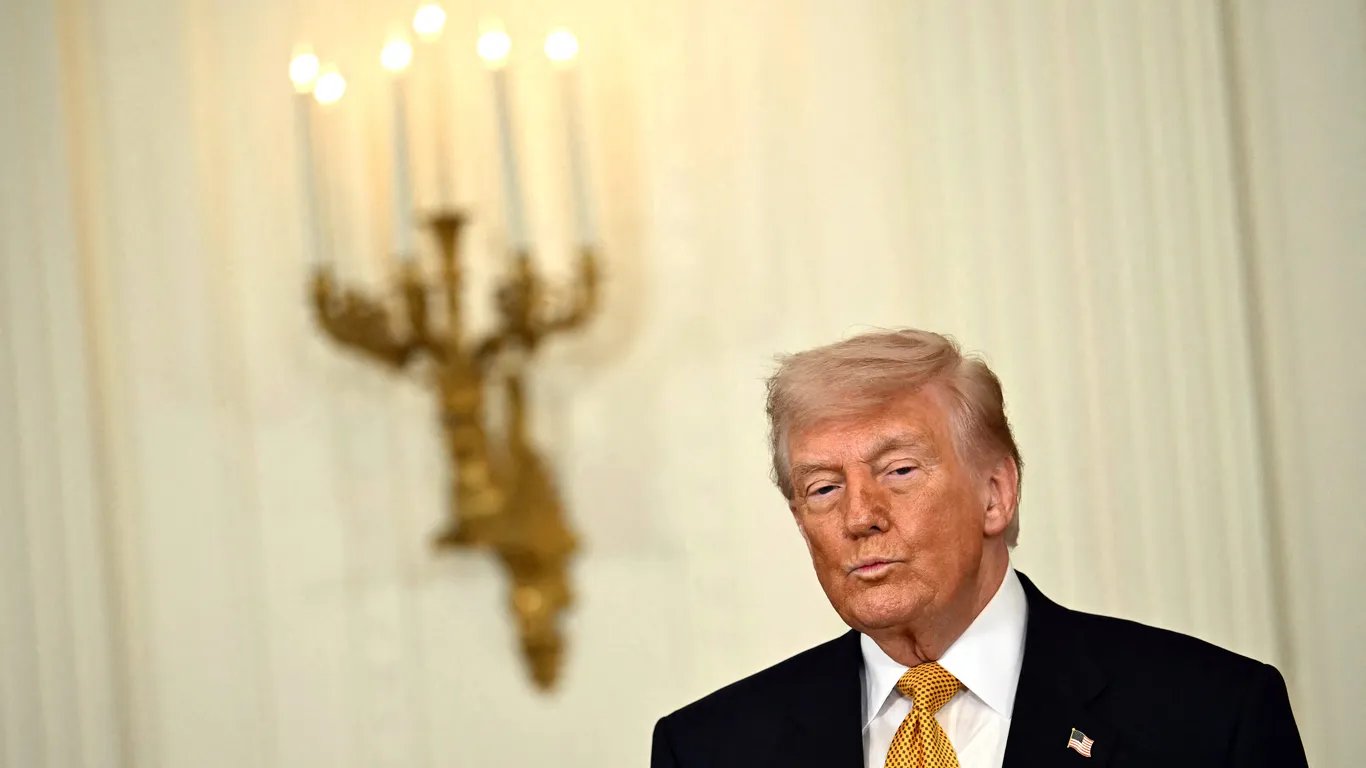
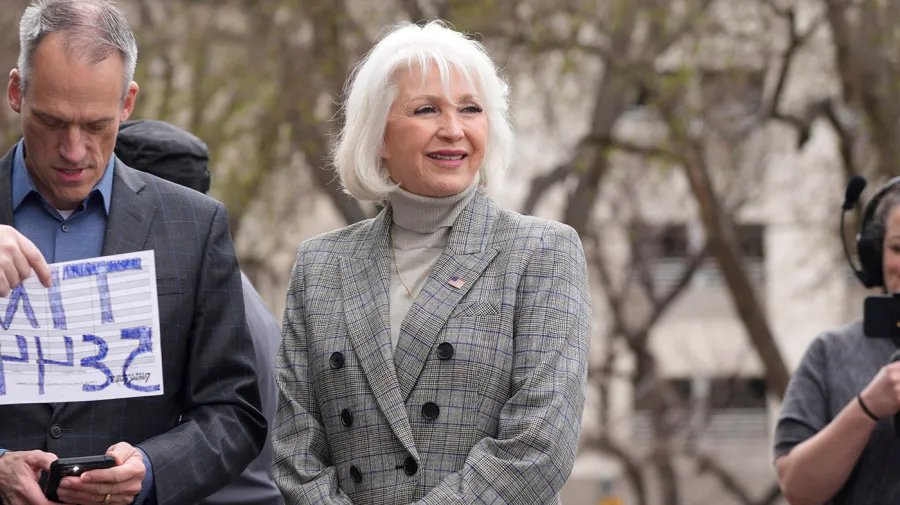
Governor Kathy Hochul expressed frustration over the strike, blaming both the Trump administration for cutting mediation short and the union leadership for the work stoppage. She stated, "Commuters are dealing with unnecessary dysfunction," and urged both sides to return to the negotiating table. Nassau County Executive Bruce Blakeman criticized Hochul, claiming she failed to act on the impending deadline and allowed the situation to escalate into a strike.
Commuter Alternatives and Challenges
The LIRR plans to provide prorated refunds to monthly ticket holders affected by the strike and has announced limited shuttle bus services to help commuters reach subway stations. However, experts warn that many commuters may face confusion and increased traffic as they seek alternative transportation. Jason Russell, a professor at SUNY Empire, noted that while some may work from home, only about 40% of workers have that option.
Broader Implications
This strike comes at a critical time as Major League Baseball's Subway Series between the Yankees and Mets is set to take place, along with the New York Knicks’ playoff games. The disruption could exacerbate congestion on already overloaded highways, compounding the challenges for both commuters and sports fans.
Future Negotiations Uncertain
As of now, no new negotiations have been scheduled between the MTA and the unions. Sexton remarked, "We’re far apart at this point," indicating that the path to resolution remains unclear. The strike not only affects workers who are now without pay but also the commuters who rely on the LIRR for their daily travel.
The situation underscores the ongoing tensions within the labor sector, particularly in transportation, and raises questions about the future of negotiations and potential resolutions. As the strike continues, both the MTA and union leaders face mounting pressure to find common ground and restore service to one of the busiest commuter rail systems in the United States.