




Project Details and Goals
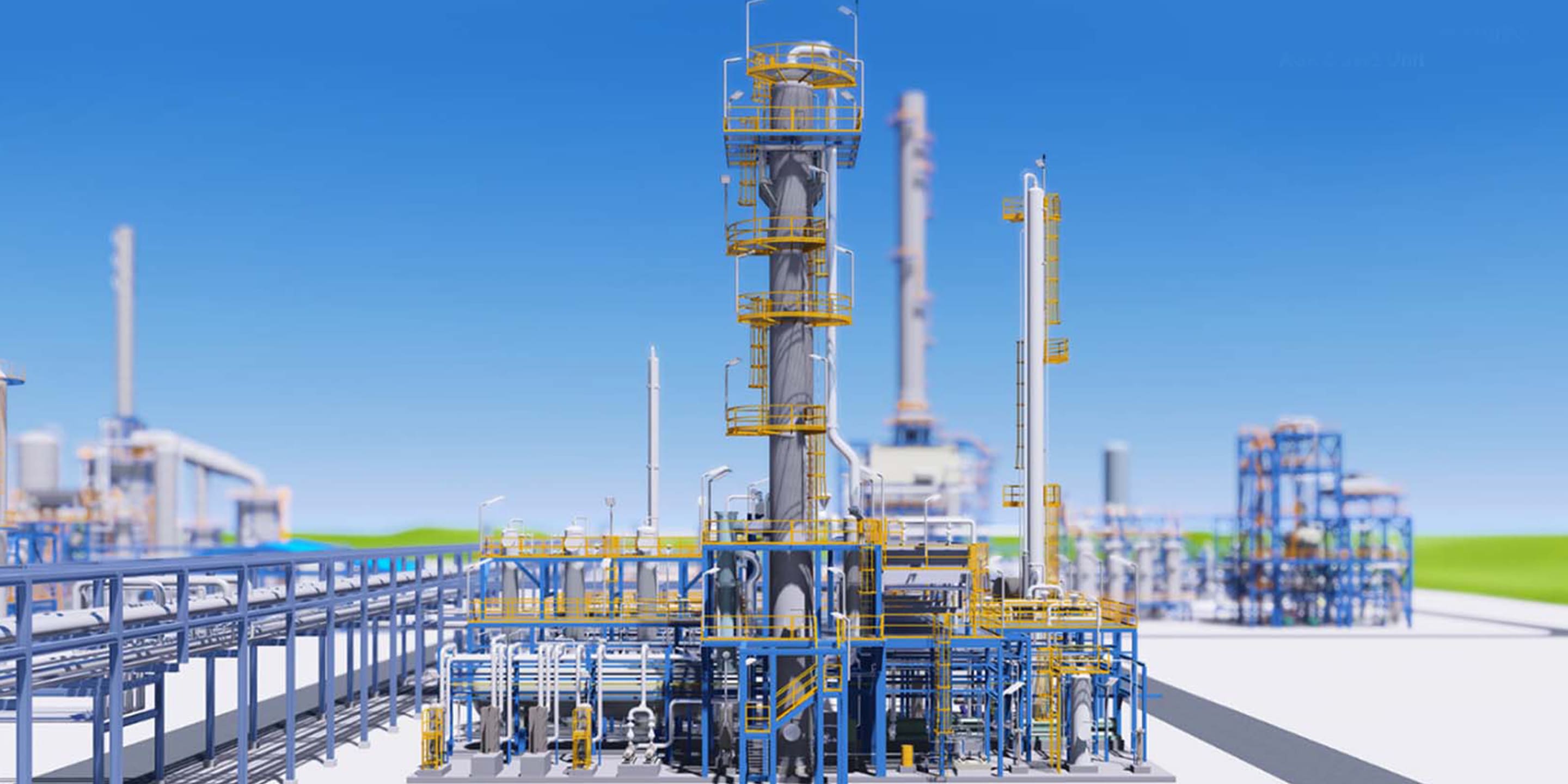
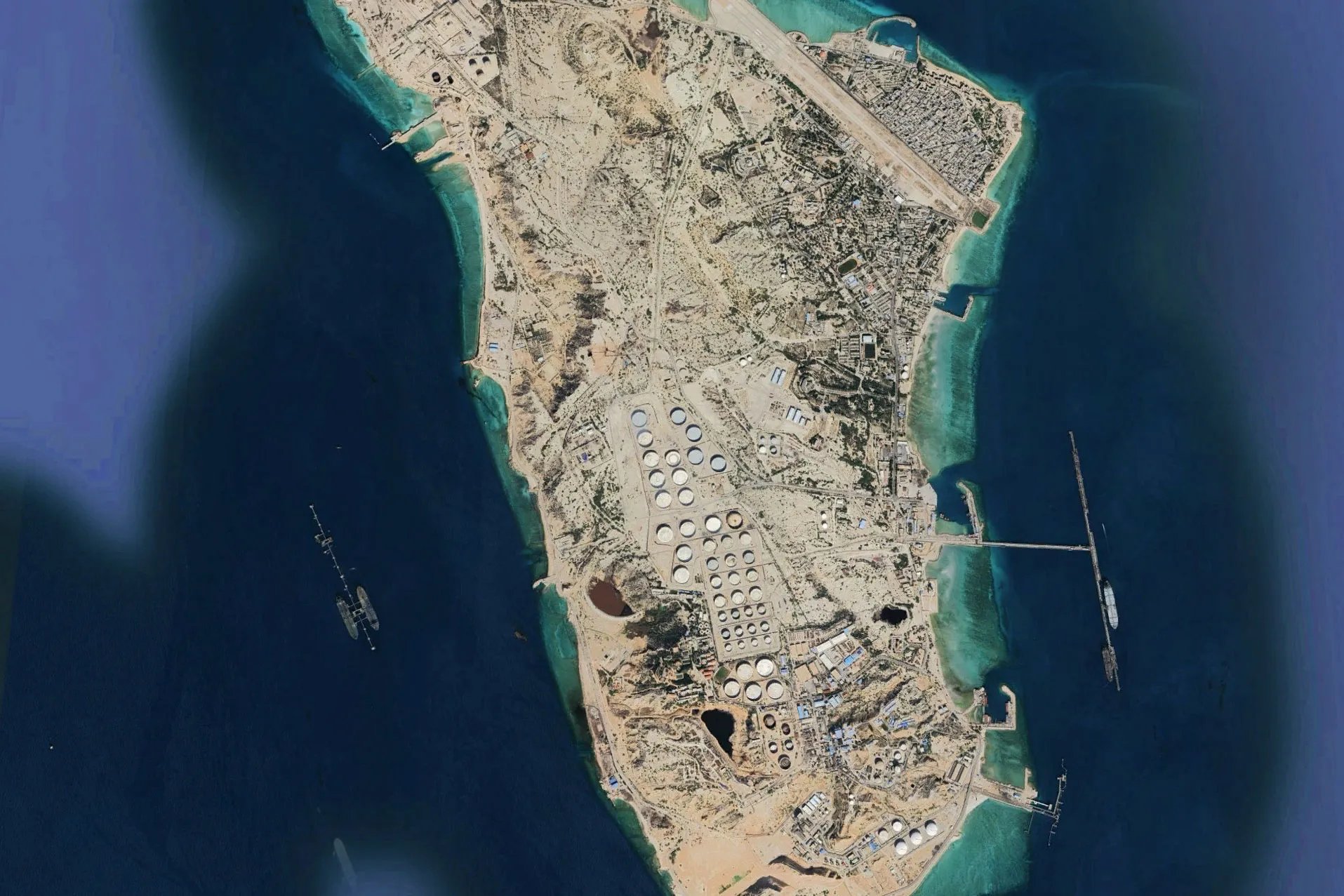
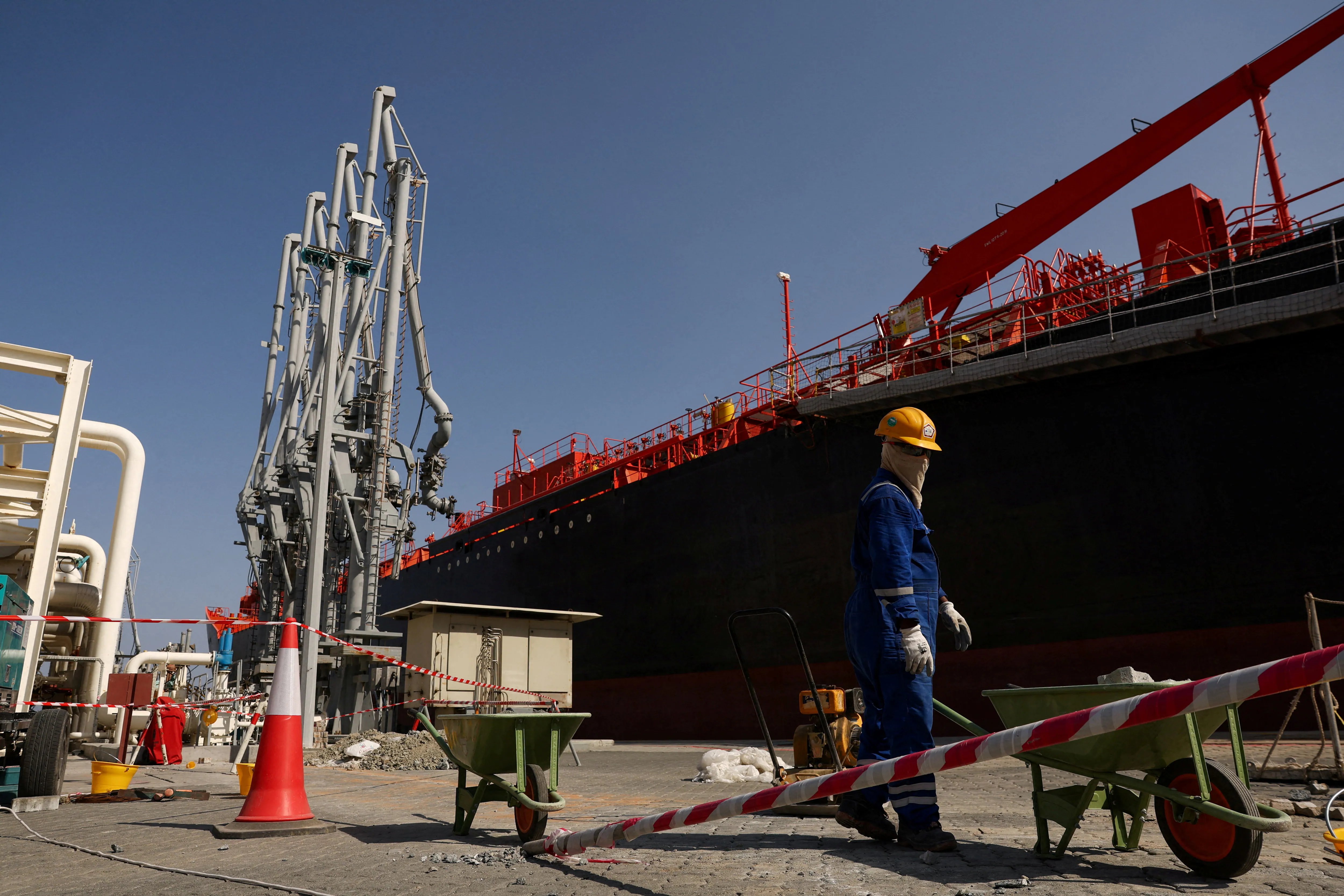
The United Arab Emirates is accelerating the construction of a new oil pipeline aimed at doubling its export capacity through Fujairah, a strategic port city on the eastern coast. Crown Prince Sheikh Khaled bin Mohamed bin Zayed announced the expedited timeline for the West-East Pipeline project during an executive meeting on May 15, stating it is essential to "meet global demands." The pipeline is expected to be operational by 2027, according to the Abu Dhabi Media Office.
Importance of the Pipeline
The initiative comes at a time of heightened tensions in the region, particularly concerning the Strait of Hormuz, through which roughly 20% of the world's oil previously flowed. Iranian claims of control over this vital waterway and recent incidents involving the seizure and sinking of vessels have raised alarms about the security of oil transport. The UAE’s decision to enhance its pipeline infrastructure reflects a strategic pivot towards safeguarding its energy exports amid an unstable geopolitical climate.
Existing Infrastructure
Currently, the UAE operates the Abu Dhabi Crude Oil Pipeline (ADCOP), a 380-kilometer pipeline that connects oil fields in the southwestern region of Abu Dhabi to Fujairah, boasting a capacity of approximately 1.5 million barrels per day. This pipeline, operational since 2012, has become increasingly critical as Gulf nations seek to reduce their reliance on routes that pass through the Strait of Hormuz.
Regional Context
Saudi Arabia and other Gulf states are also exploring alternative transport routes. Saudi Arabia's East-West pipeline, which stretches 1,200 kilometers, has been highlighted as a "critical lifeline" for its oil exports. This regional shift underscores a collective effort to mitigate risks associated with Iranian military actions and maritime protocols that threaten the free flow of oil.
Recent Maritime Tensions
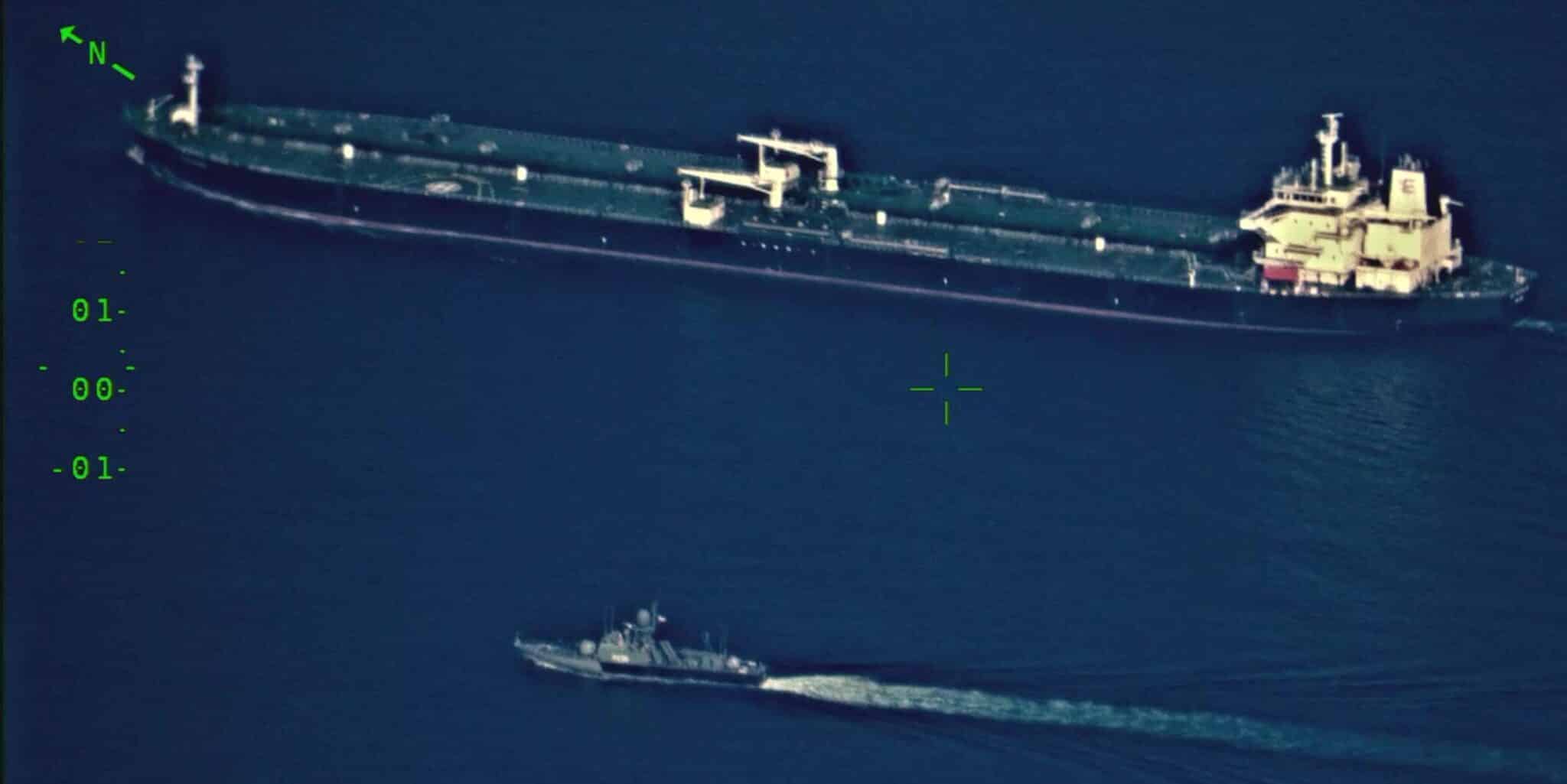
Heightened tensions near the Strait of Hormuz were evident this week as a ship was seized off the UAE coast and another sank near Oman. These incidents coincide with Iran's assertion of rights over the waterway, further complicating international shipping routes. The ongoing conflict has led to increased scrutiny and fear among shipping companies, with many concerned about fuel shortages due to the instability in the region.
Implications for Global Energy Markets
The UAE's move to fast-track the pipeline project may significantly alter the dynamics of global energy markets. By increasing its export capacity, the UAE aims to position itself as a reliable supplier amidst fluctuating supply chains affected by geopolitical strife. As nations grapple with energy security, the successful implementation of this pipeline could provide a more stable alternative to the traditional routes that are currently under threat.
Conclusion: A Strategic Shift
The UAE's decision to enhance its oil pipeline infrastructure represents a significant strategic shift in response to regional instability. As the project progresses, it not only aims to bolster the UAE's economic interests but also seeks to ensure a reliable energy supply for global markets. This development underscores the importance of diversifying energy transport routes in an increasingly volatile geopolitical landscape.