




New Legal Precedents on Redistricting
The Supreme Court has ruled that under the Voting Rights Act, congressional districts cannot be drawn based on racial lines, but rather can be shaped by partisan objectives. This landmark 6-3 decision, delivered last month, significantly alters the political landscape, allowing states to redraw voting districts with the intent to favor particular political parties. Congressman Cleo Fields of Louisiana expressed grave concerns, stating, "Once the Supreme Court rules, it's the final judgment of the highest court of the land," highlighting the potential impact on representation.
Implications for Southern States
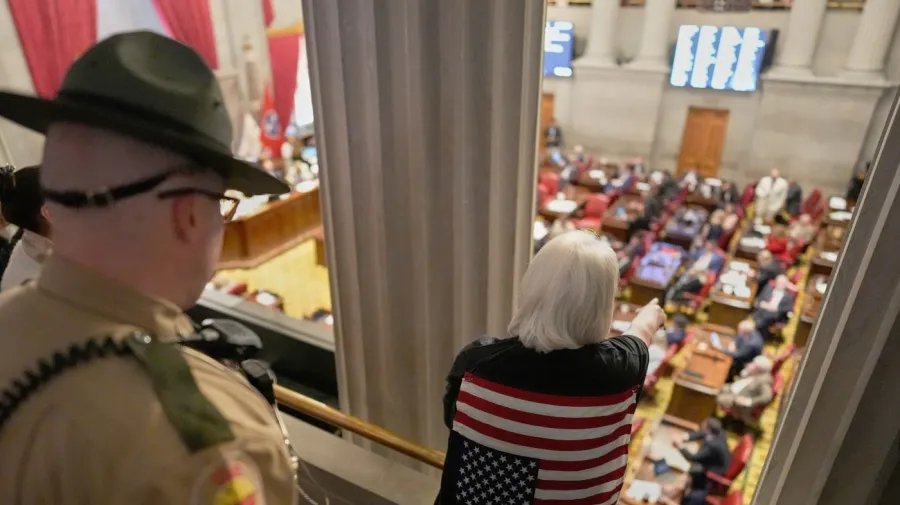
In the wake of the ruling, several Southern states are moving quickly to redraw their congressional maps. Tennessee's Republican governor signed a new map into law that critics argue will dilute the voting power of Black citizens, immediately raising alarms among Democratic leaders. The decision comes as these states aim to solidify Republican control ahead of the upcoming elections, which could significantly affect the balance of power in Congress.
Democratic Response and Concerns
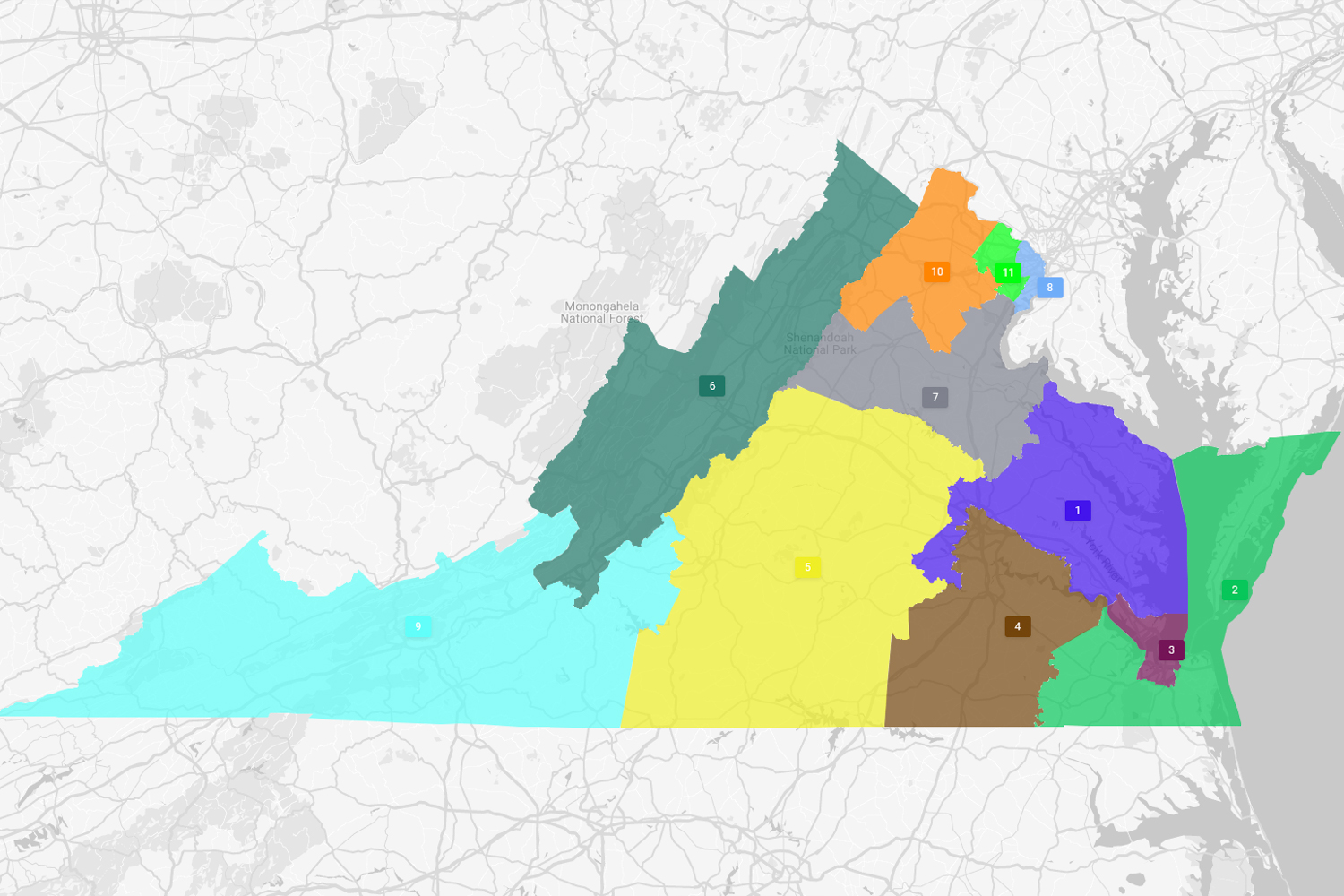
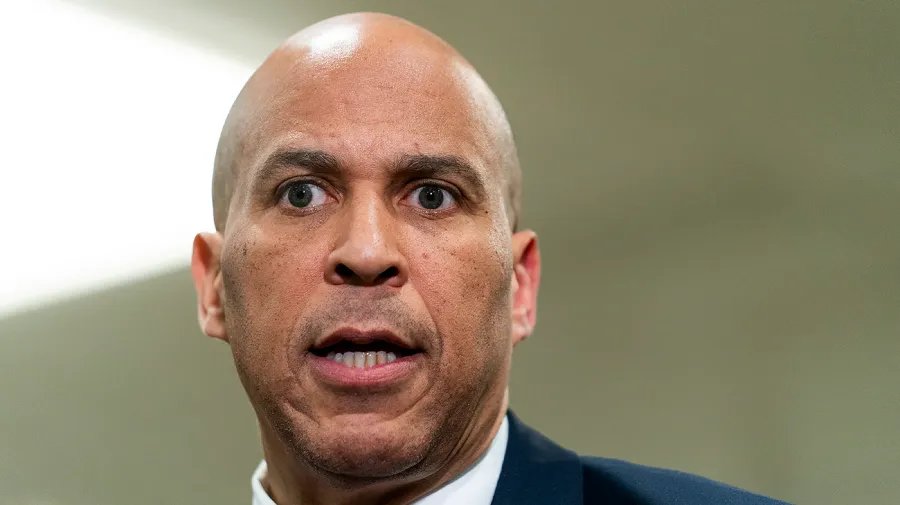
Democratic lawmakers are voicing strong opposition to the ruling. Senator Cory Booker of New Jersey stated that the decision sends the country “backwards in time,” particularly pointing to the ruling's implications for the creation of majority-Black districts. Virginia Representative Jennifer McClellan emphasized that “all options are on the table” as Democrats consider their next steps following a state Supreme Court ruling that has already eliminated four potential House seats for the party.
Perspectives on Racial Representation
The ruling has sparked a heated debate over racial representation in Congress. Hans von Spakovsky, a conservative lawyer, argued that the decision reflects a necessary correction against racial discrimination in districting. He stated, “Using race to draw election maps is unnecessary, and unconstitutional,” suggesting that partisan redistricting is justifiable. This perspective contrasts sharply with the views of critics who argue that the ruling undermines the gains made under the Voting Rights Act, which was designed to protect minority representation.
Historical Context and Future Outlook
Martha Jones, a history professor at Johns Hopkins University, commented on the ruling’s historical significance, noting that “the story continues” regarding the ongoing struggle for racial equity in voting. The implications of this decision will unfold as states rush to implement new maps, with many observers concerned about the long-term effects on Black representation and American democracy. Congressman Jamie Raskin of Maryland warned that the ruling represents a “collapse of the Roberts Court into partisan political activity,” suggesting that its intent may be to bolster Republican prospects in future elections.
The Road Ahead
As states begin to redraw their electoral maps, the Supreme Court's ruling is set to reshape the political landscape in significant ways. The rush to change district lines reflects a broader strategy to maintain political power amid changing demographics. The upcoming elections will serve as a litmus test for the effects of these changes, with many voters watching closely to see how their representation may be impacted.