




The Impact of Operation Metro Surge
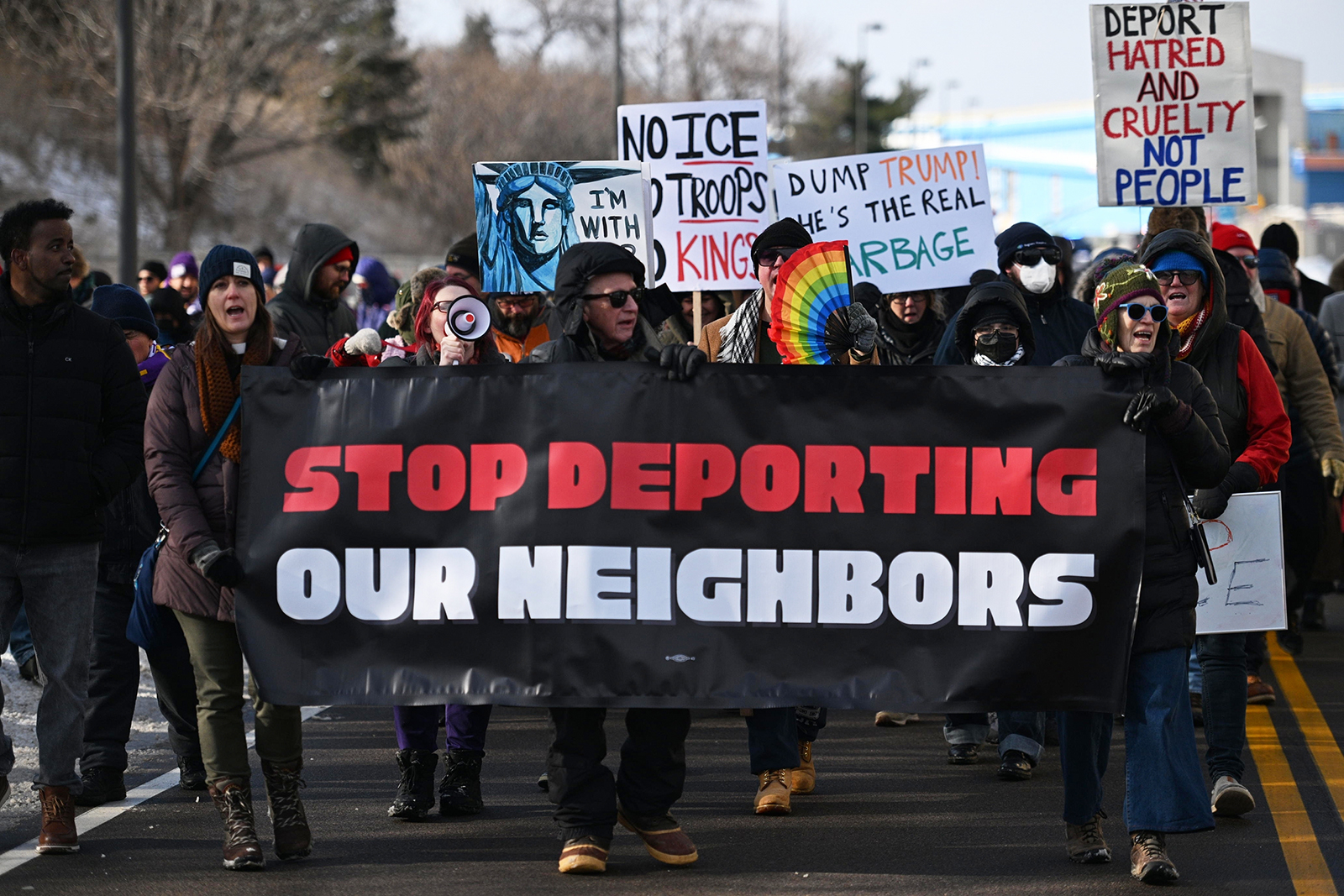
Three months after the conclusion of Operation Metro Surge, Minneapolis witnesses the deep scars left by the Trump administration's extensive immigration enforcement. The operation resulted in the arrest of thousands of undocumented immigrants, significantly disrupting local businesses and community dynamics. The Border Patrol commander at the time, Gregory Bovino, described the operation as a "turn and burn" strategy, emphasizing its aggressive nature. The aftermath has left many immigrants grappling with financial instability and mental health challenges as they try to rebuild their lives.
Business Closures and Financial Strain
Local businesses, particularly those owned by immigrants, have borne the brunt of the crackdown. Miguel Hernandez and Rosa Zambrano, owners of El Tejaban Mexican Grill in Richfield, report a staggering 60% drop in sales during the operation. "We won't recover because those sales are not going to come back," Zambrano stated, adding that rising food costs further complicate their financial situation. The couple fears they will have to close their restaurant when their lease ends in two years, a reality that weighs heavily on their future and retirement savings.
Community Resilience Amidst Fear
In the wake of the operation, community members rallied to support one another. Neighborhood watch groups emerged, alerting residents to the presence of ICE agents and providing transportation to work and medical appointments. However, as ICE's presence has diminished, the psychological impact remains profound. Y, an Ecuadorian seamstress who was detained despite holding a work permit, described her experience as traumatic. After a month in detention, she returned to a life of mounting debt, now owing over $13,000 due to legal fees and lost income.
Mental Health and Emotional Toll
The emotional toll of Operation Metro Surge is evident among those affected. Y's daughter had to borrow $7,500 to post bond for her mother, highlighting the financial strain families have endured. Many immigrants report feelings of anxiety and depression, exacerbated by the fear of deportation and the loss of their livelihoods. Myrka Zambrano from the Minnesota Immigrant Rights Action Committee emphasized that the "economic, emotional, traumatic impact" will resonate for years, calling for more substantial support for affected individuals.
Struggles for Day Laborers
Day laborers face a challenging road to recovery. V, an undocumented worker, noted that after the operation, he struggled to find work and fell behind on rent. R, another day laborer, shared that her pay has dropped from $20 to $25 per hour to $15 to $17, illustrating the reduced opportunities and financial insecurity many face. "ICE destroyed our lives psychologically and physically," R stated, reflecting the pervasive fear and instability in their community.
Legislative Efforts and Community Needs
The Minnesota Legislature is considering a bill to create a $100 million relief program for small businesses impacted by the crackdown. However, advocates argue this amount is insufficient given the broader needs of the immigrant community, which also struggles with food security and housing. Pablo Alcaraz and María Peñalosa, who had to close their restaurant, Garibaldi Mexican Restaurant, due to revenue losses, feel abandoned by the government. Alcaraz expressed despair, stating, "They ended our dreams," as they navigate life after losing their only source of income.
A Community in Crisis
As Minneapolis grapples with the consequences of Operation Metro Surge, the stories of individuals and families reflect a broader crisis. Many have relied on community support, but the path to recovery remains fraught with challenges. The lingering impacts of the crackdown, both emotional and economic, underscore the urgent need for comprehensive support systems to aid those affected. As the city seeks to heal, the resilience of its immigrant community stands as a testament to their strength in the face of adversity.