




Expedited Ruling in Louisiana
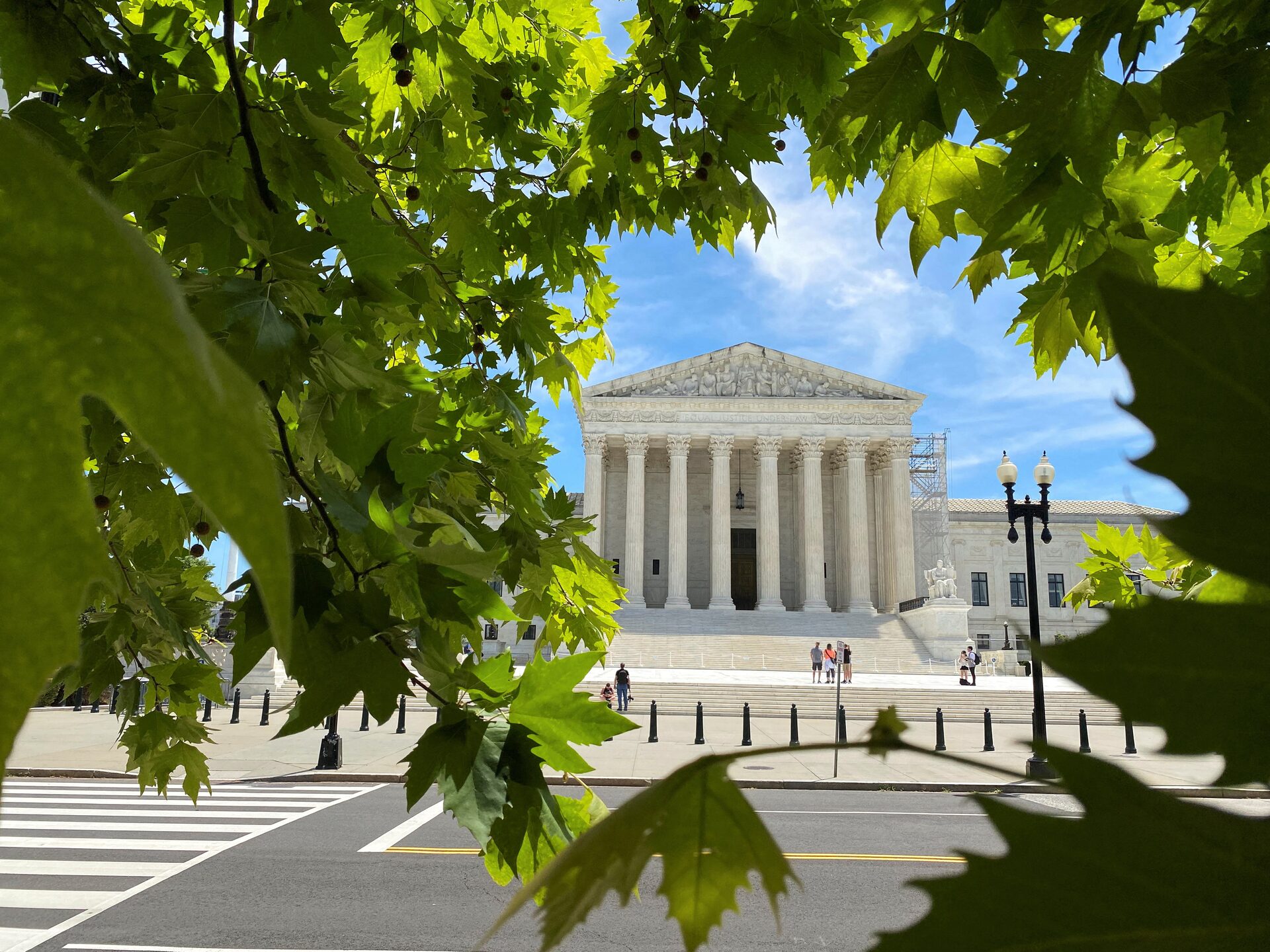
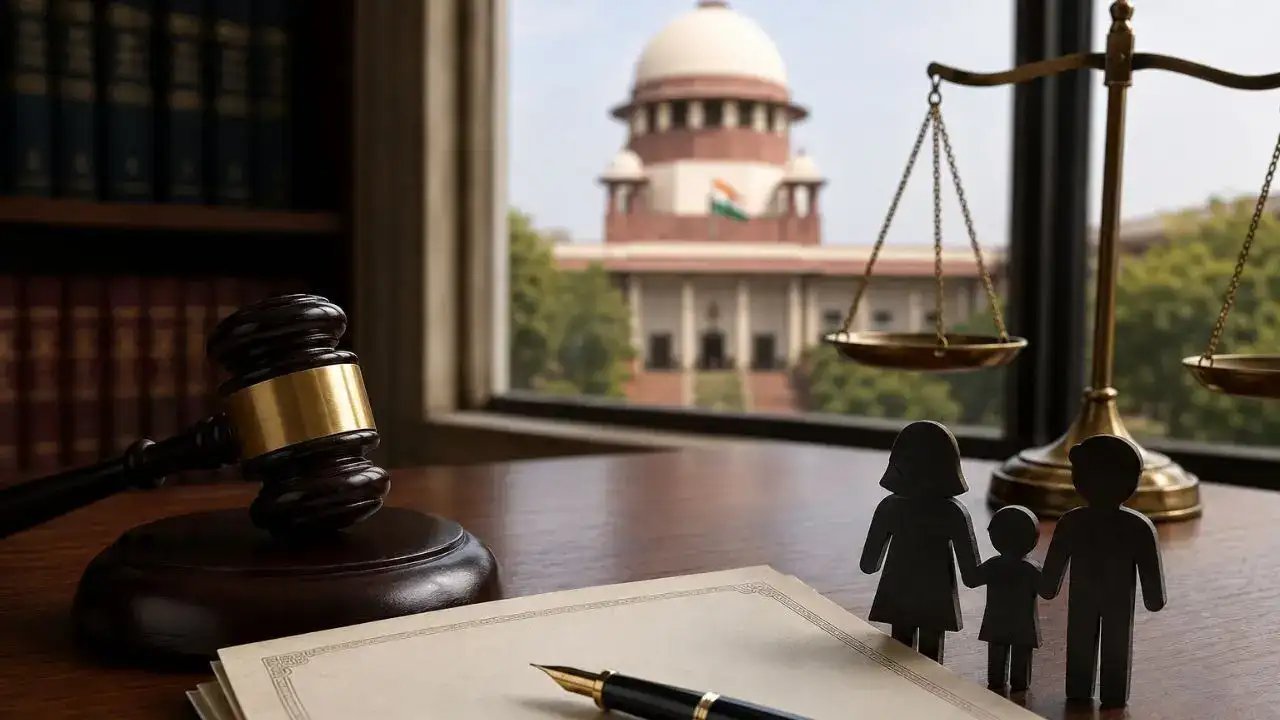
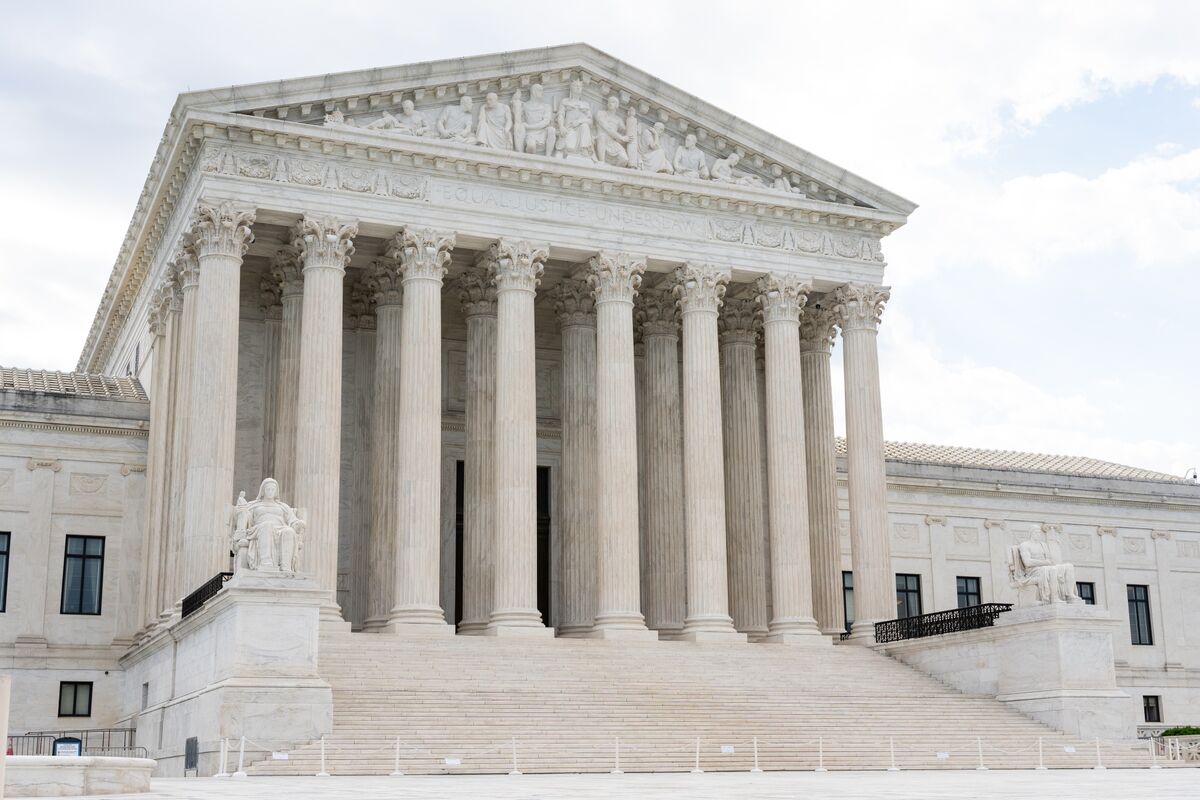
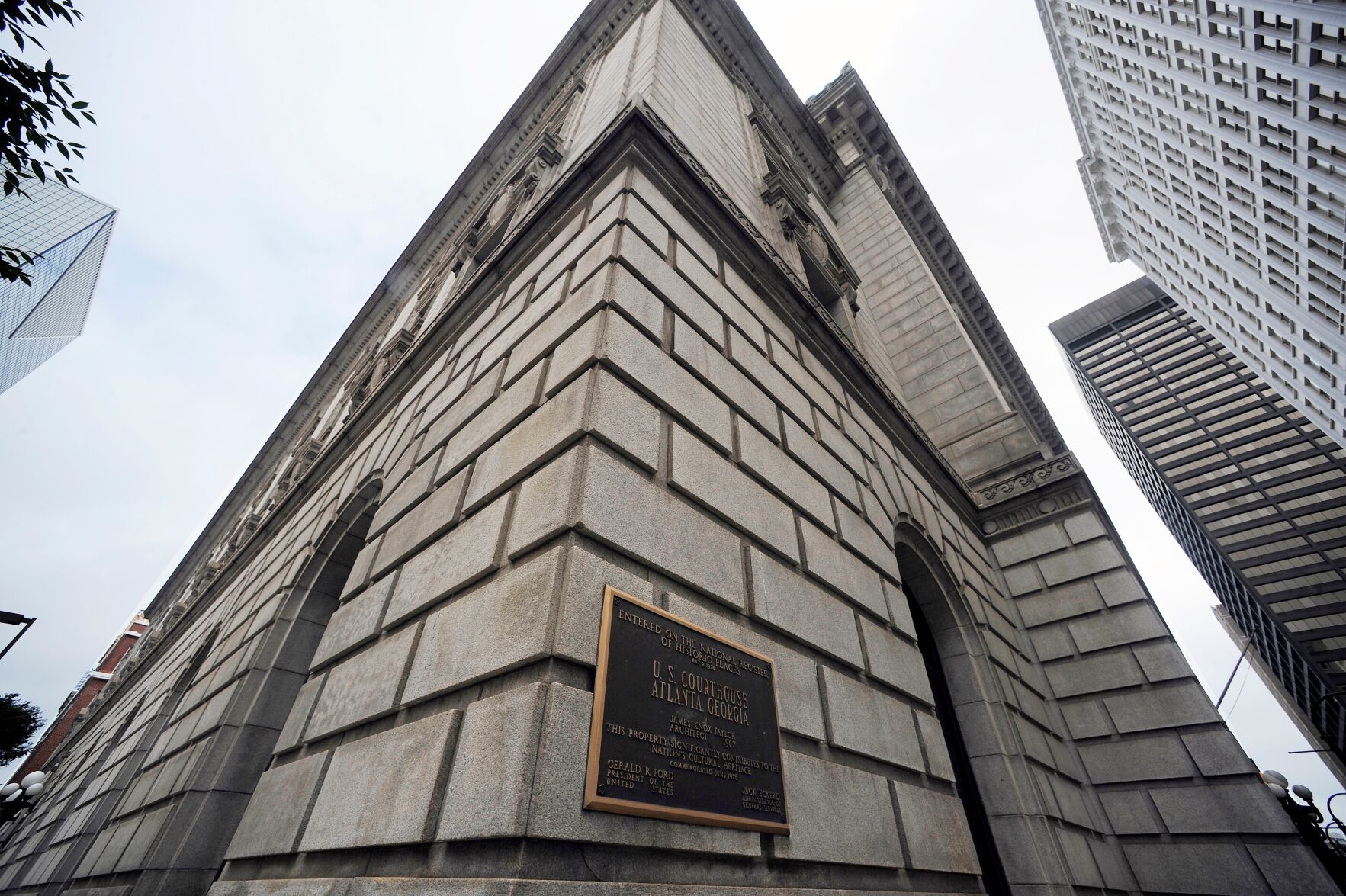
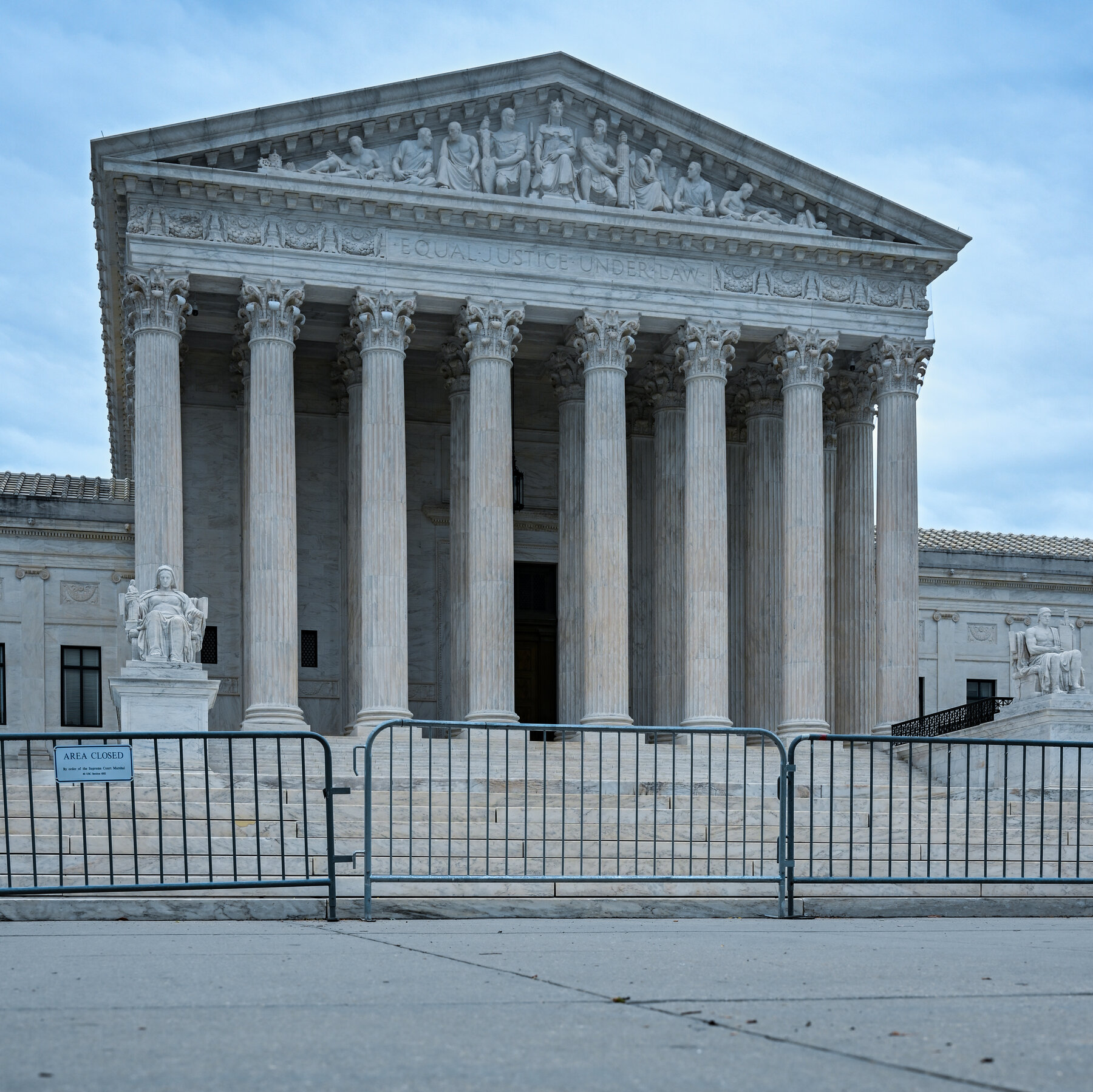
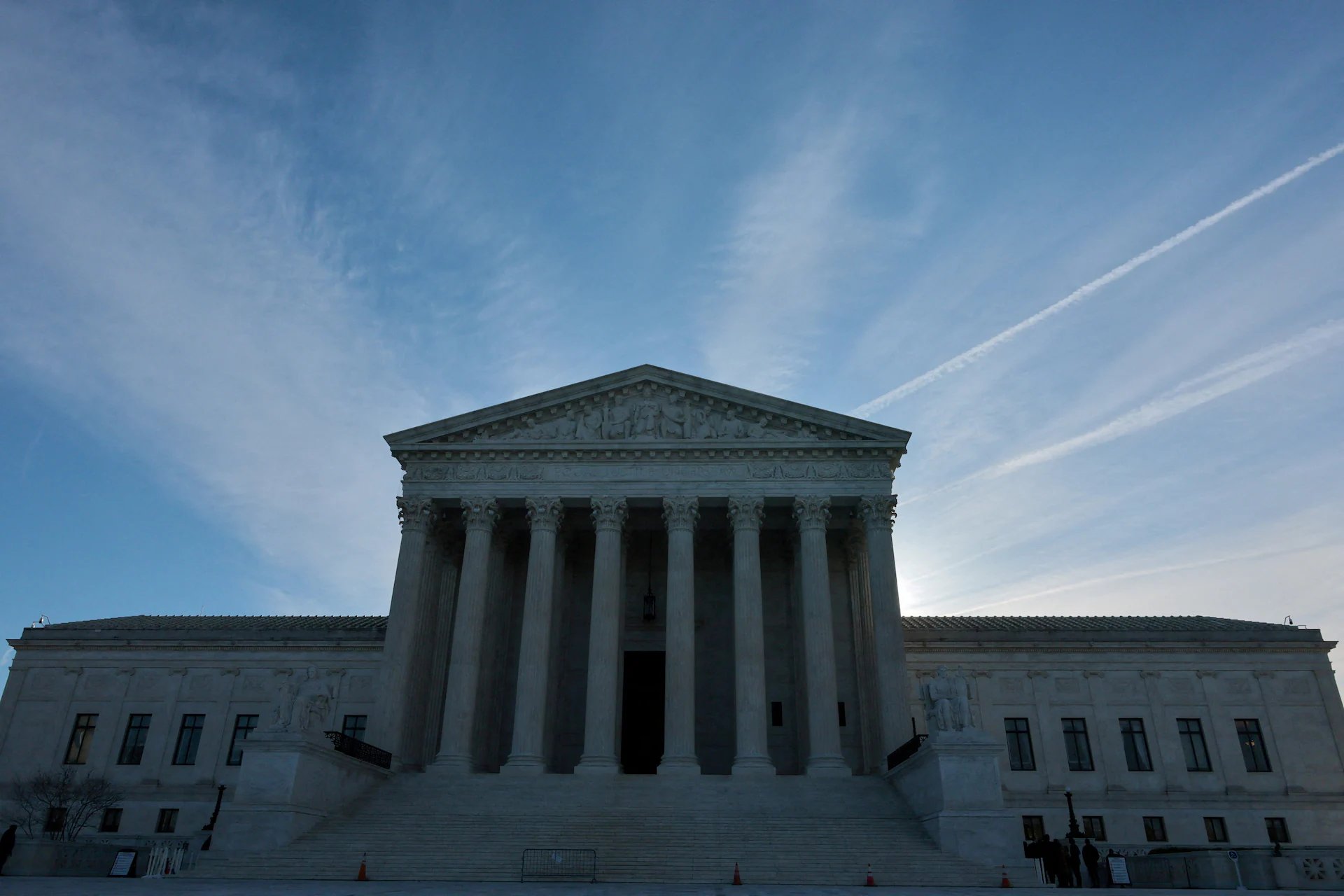
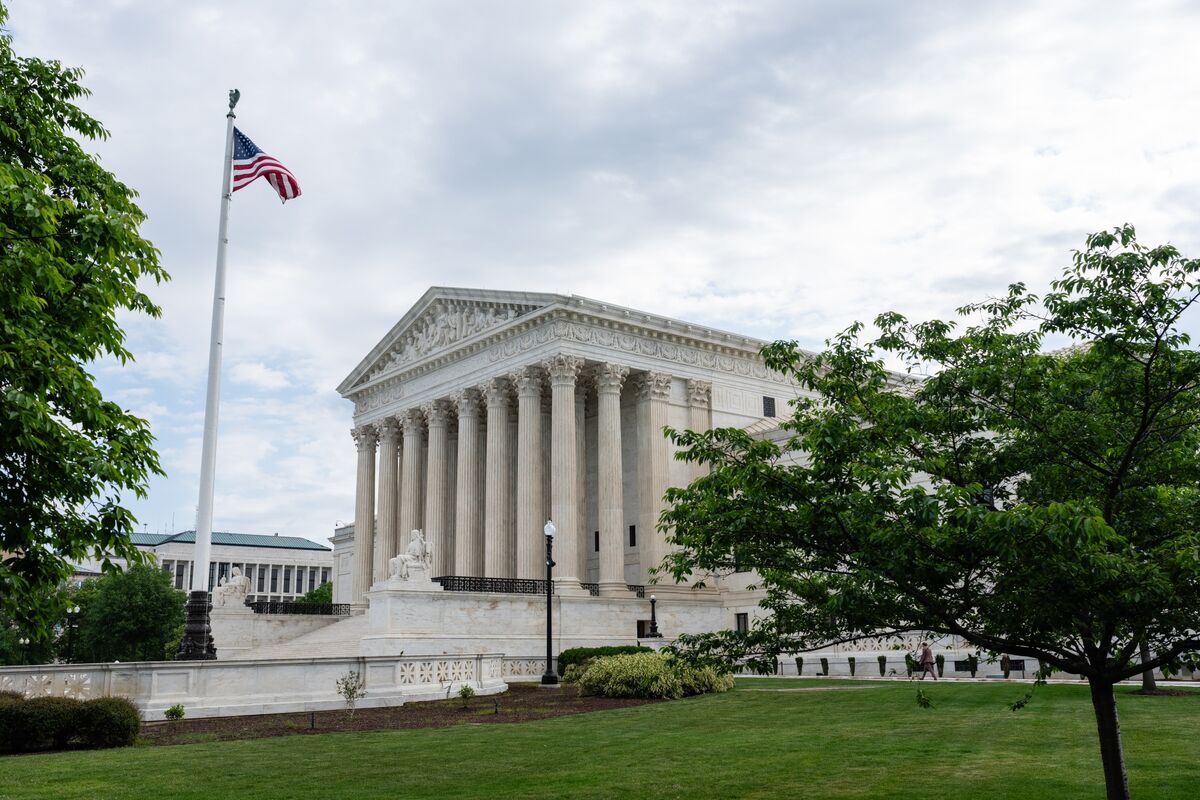
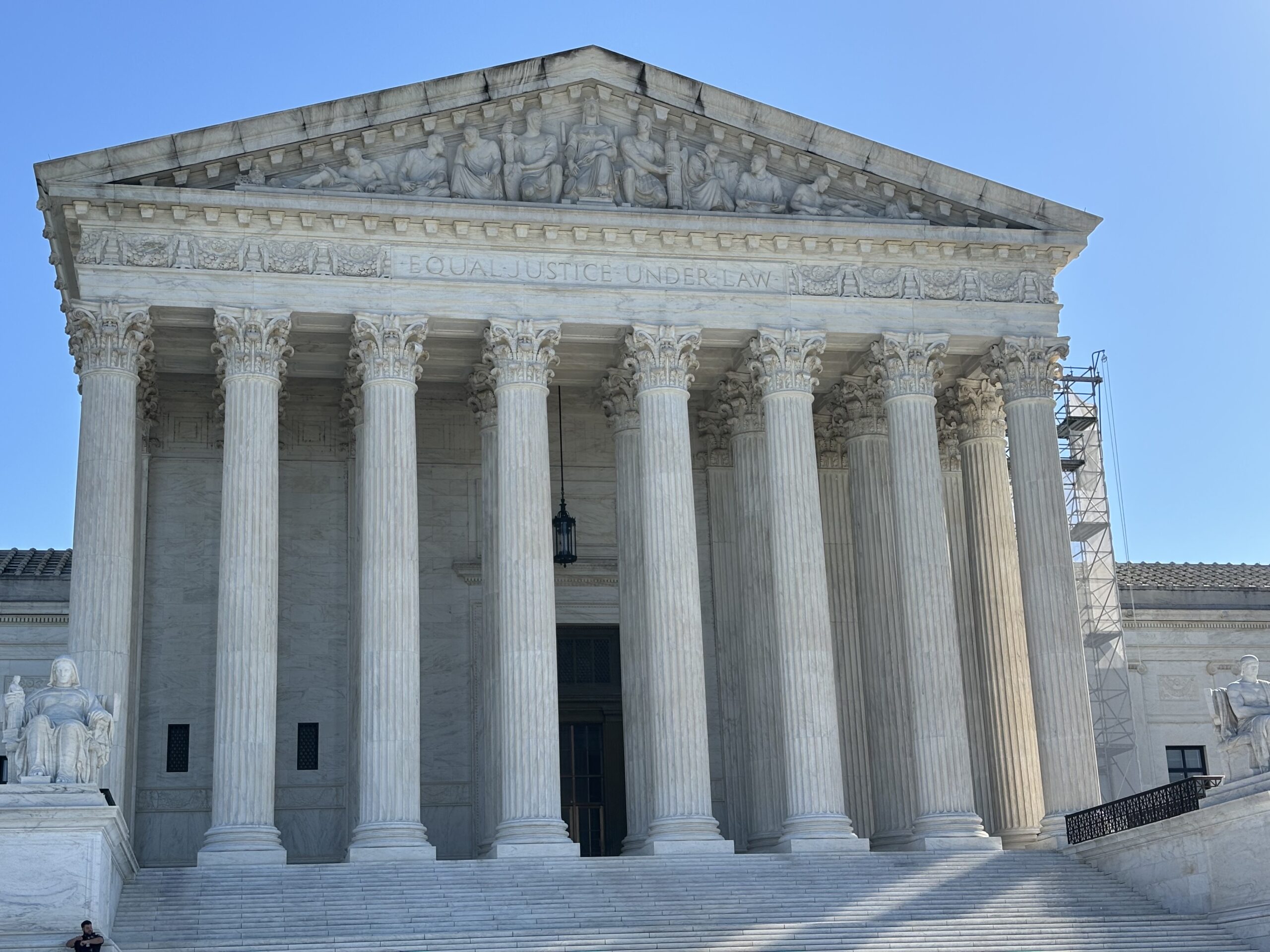
The Supreme Court on Monday sped up the implementation of its recent decision that struck down Louisiana's congressional map, prompting a sharp exchange between Justices Samuel Alito and Ketanji Brown Jackson. The court's action allows Louisiana Republicans to redraw their congressional maps sooner than expected, before this year's midterm elections. The voters who initially challenged Louisiana's map had requested the justices expedite the usual 32-day period before the decision is formally passed down to a lower court, emphasizing that "time is... of the essence" with elections approaching.
Dissenting Opinions
Justice Ketanji Brown Jackson criticized the decision as "unwarranted and unwise," suggesting the court was enabling Louisiana's attempts to call off its primaries and push through a new map. She argued the court should "stay on the sidelines" to "avoid the appearance of partiality," citing the court's traditional reluctance to make changes right before an election. Justice Samuel Alito responded, calling Jackson's concerns "baseless and insulting" and arguing that delaying the process could create an appearance of partiality by allowing Louisiana's old maps to remain in place. Alito asked, "What principle has the Court violated?"
Voting Rights Act Implications
The Supreme Court's initial 6-3 ruling in *Louisiana v. Callais* found the state's U.S. House map unconstitutional. The map included two majority-Black districts held by Democrats. Justice Elena Kagan wrote that the *Callais* ruling "eviscerates" Section 2 of the Voting Rights Act, arguing that proving intentional racial discrimination in a state's map-drawing process is "well-nigh impossible." The decision narrowed Section 2 of the Voting Rights Act of 1965, which has been used to challenge congressional maps as racially discriminatory.
Broader Impact on Redistricting
The anger between the two justices highlights the high stakes of the *Callais* decision, which could have impacts beyond Louisiana. Two other states, Tennessee and Alabama, have launched redistricting efforts that could result in fewer Democratic seats. Louisiana officials reacted by quickly suspending this month's House primaries and moving to draw a new map. The court's majority opinion, written by Alito, stated that maps only violate the Voting Rights Act when there is a "strong inference that the State intentionally drew its districts to afford minority voters less opportunity because of their race."
With the Supreme Court expediting the redistricting process in Louisiana, state officials will now move forward with redrawing congressional maps, potentially reshaping the political landscape ahead of the upcoming midterm elections.