




End of the Line
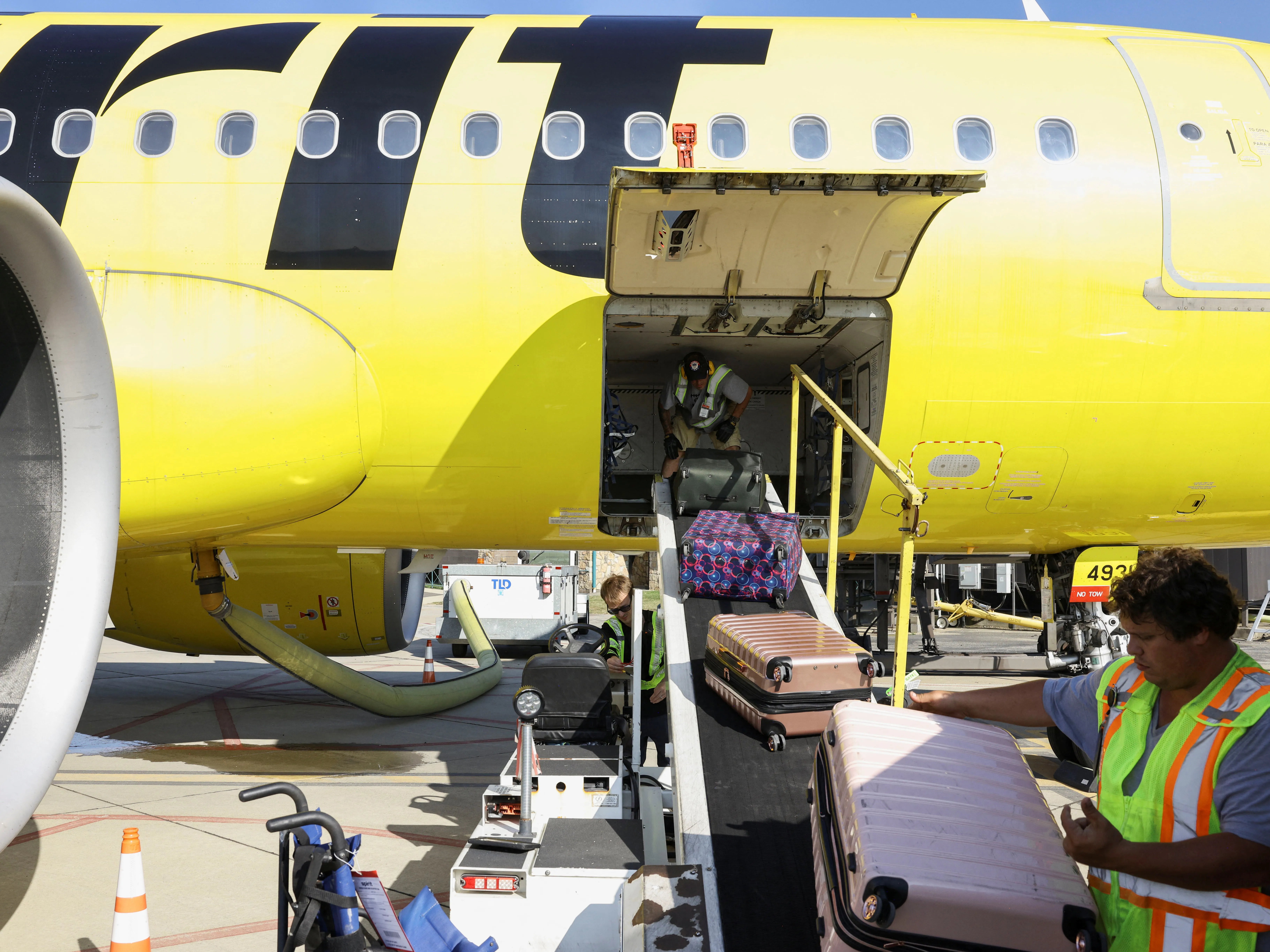
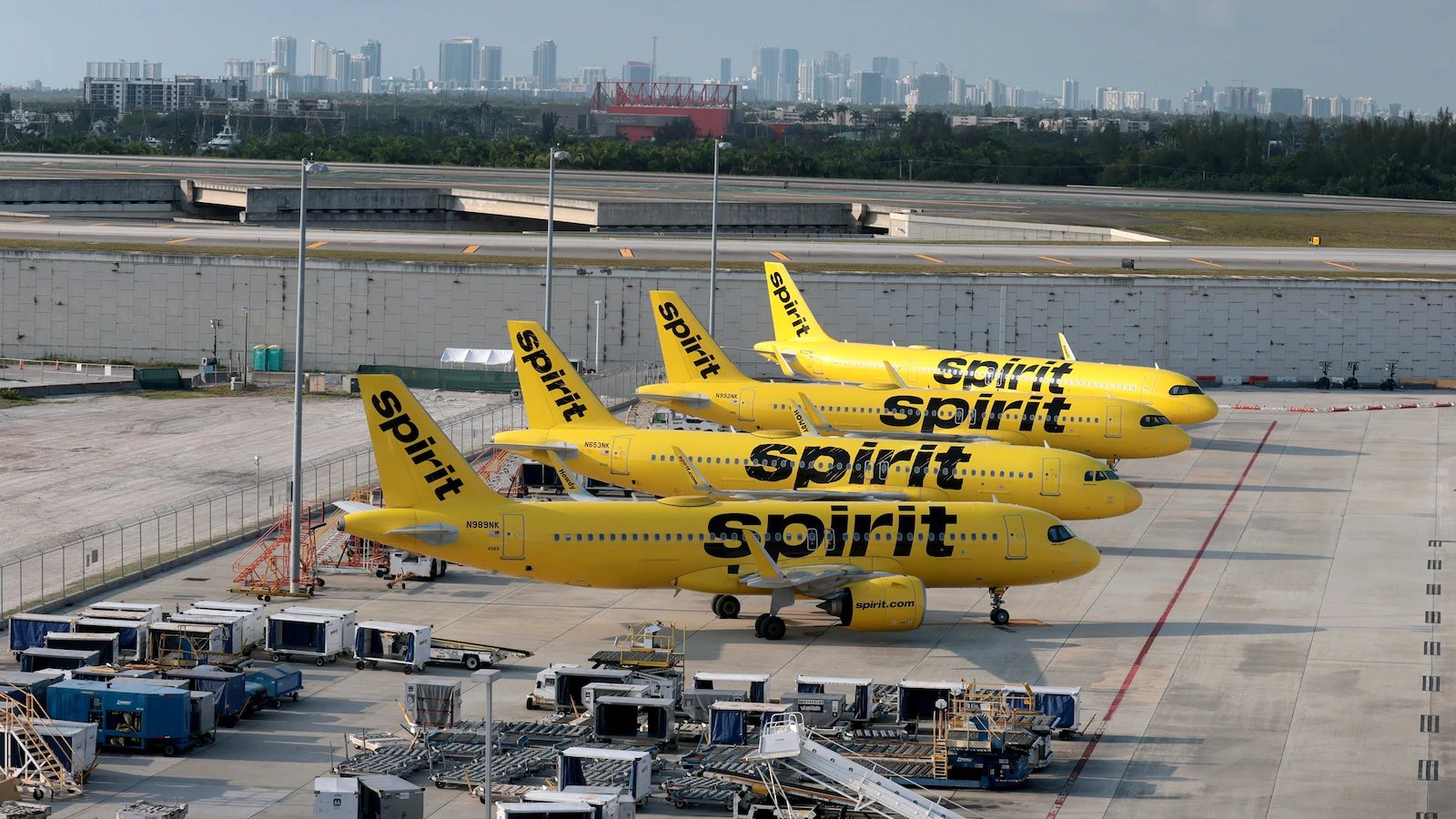
Spirit Airlines ceased operations early Saturday, leaving travelers scrambling and thousands of employees facing job losses. The shutdown follows failed attempts to secure a $500 million bailout from the Trump administration, coupled with rising jet fuel costs due to the Iran war. Spirit Aviation Holdings has begun "an orderly wind-down of operations, effective immediately," impacting roughly 17,000 employees and contractors.
Refund Confusion
Passengers who booked flights directly through Spirit with credit or debit cards will receive automatic refunds. Those who booked through travel agents should contact the agent directly for refunds. Compensation for those who used vouchers, credits, or Free Spirit points will be determined later through the bankruptcy process. Spirit has created SpiritRestructuring.com to address questions.
Competitors Offer Assistance
Several major airlines, including United, American, Frontier, Delta, JetBlue, and Southwest, have announced measures to assist stranded Spirit customers. United is capping one-way fares for Spirit customers at $199 for most cities where Spirit operated, with some longer flights capped at $299 for travel through May 16. Southwest is offering special fares at its ticket counters, ranging from $200 to $400 based on distance, through May 6. American Airlines has launched a webpage displaying rescue fares and is reviewing opportunities to add capacity on former Spirit routes.
Fuel Costs and Bankruptcy
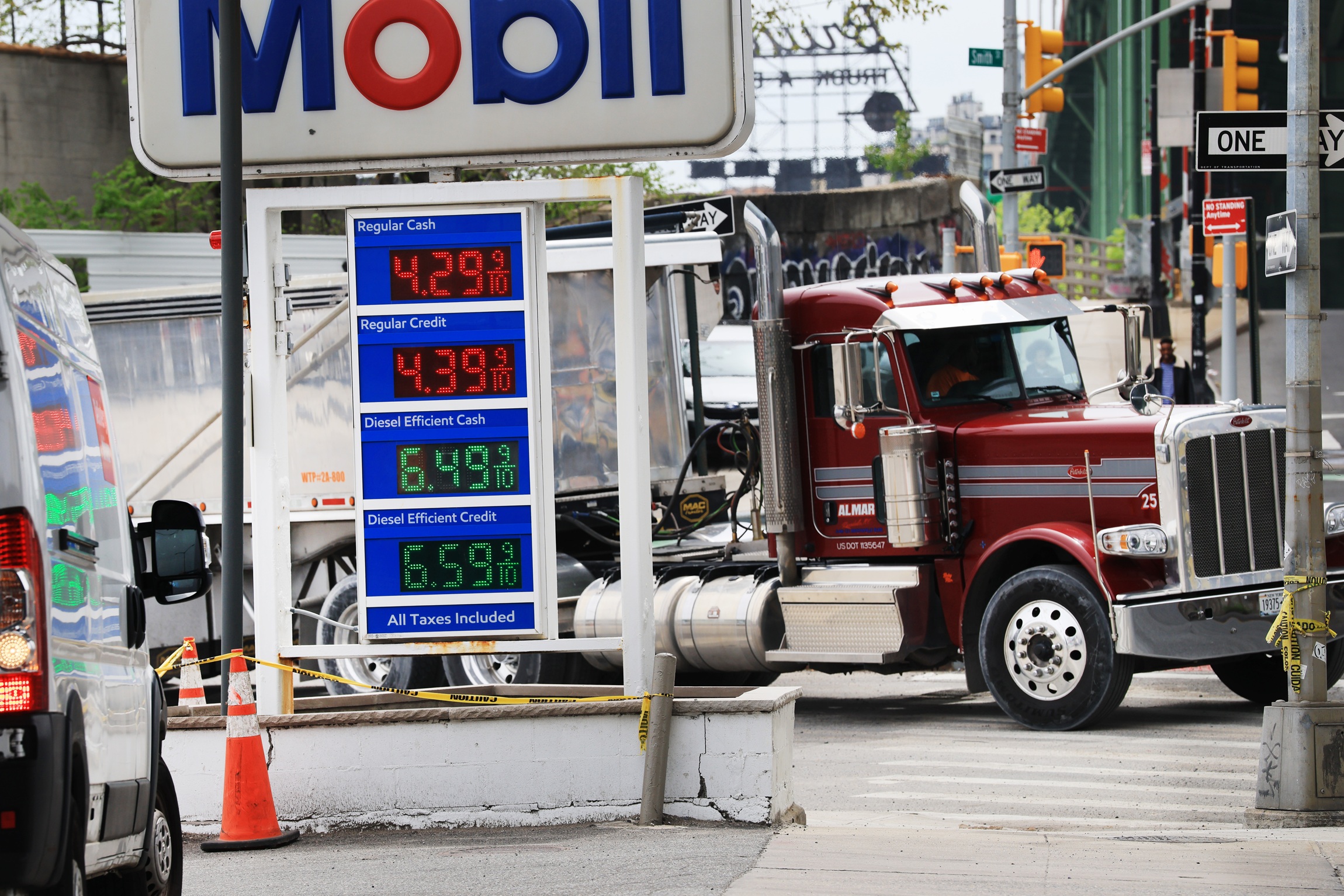
Spirit cited the "sudden and sustained rise in fuel prices" as a primary reason for its collapse. However, Transportation Secretary Sean Duffy disputed this, pointing to Spirit's two bankruptcy filings since 2024 and stating that its low-cost model "wasn't working." The airline lost nearly $5.9 billion from 2020 through 2025.
Industry Impact
The Air Line Pilots Association called Spirit's closure "a devastating blow to more than 2,000 ALPA pilots and thousands of other hardworking employees." The Department of Transportation stated that most major U.S. carriers are offering travel pass benefits and preferential interviews to displaced Spirit employees. Georgetown University business professor Shye Gilad said Spirit's demise signals that the ultra-low-cost model is under pressure due to rising costs.
Air Traffic Control Farewell
Air traffic control audio captured exchanges between controllers and Spirit pilots during the airline's final flights. At Dallas Fort Worth International Airport, an American Airlines employee offered well wishes to Spirit employees. A Spirit pilot at Chicago O'Hare International Airport remarked, "It's hard to believe this is it," to which tower staff replied, "It's been a pleasure to talk with you guys on the radios. Hope you guys can make it out OK."
Debate Over Failed Merger
Spirit's shutdown has reignited debate over the Trump administration's decision to block its merger with JetBlue, a deal valued at $3.8 billion. Critics argue that blocking the merger contributed to Spirit's financial instability.
Potential Fare Increases
Industry experts predict that Spirit's exit will likely lead to higher fares. A CBS News analysis of Cirium data found that average fares jumped 23% when Spirit exited a route. With Spirit's absence, consumers can expect to pay an average of $60 more for a round-trip ticket, even as other airlines attempt to fill the void.