




Financial Stakes Unveiled in Courtroom Testimony
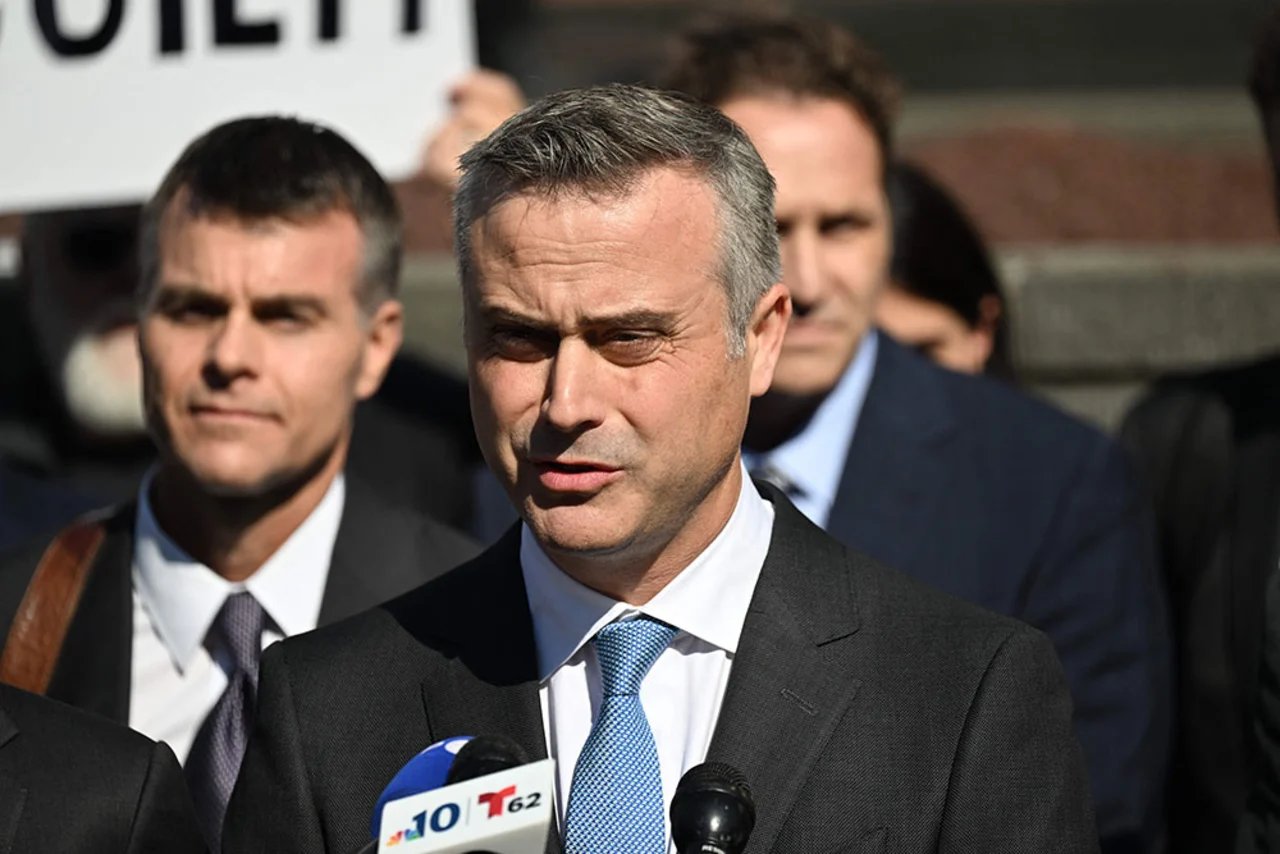
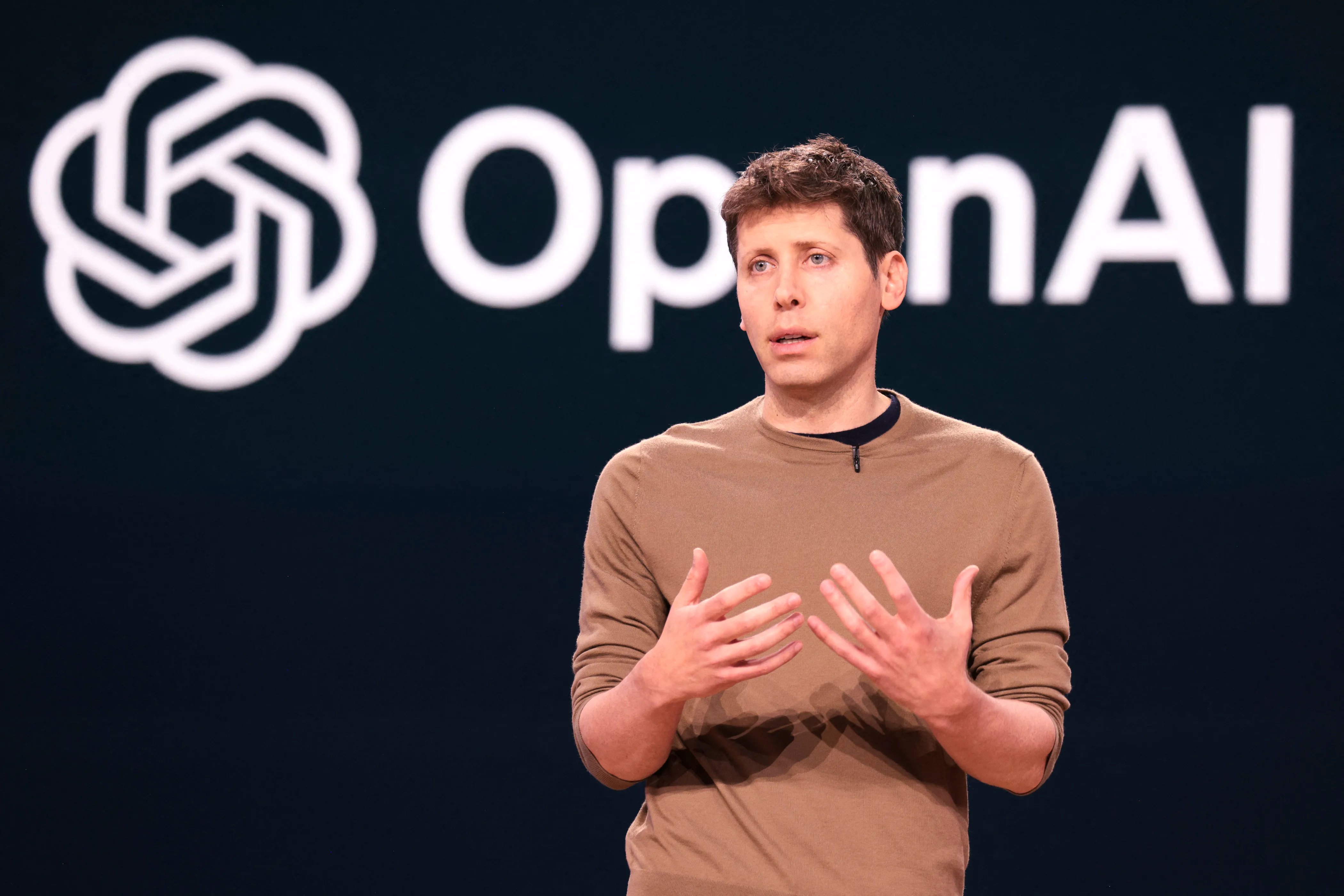
During a trial related to OpenAI, co-founder and President Greg Brockman disclosed that his stake in the company is valued at nearly $30 billion. This revelation came as Brockman faced questioning about the financial implications of his investments in the rapidly evolving artificial intelligence sector. The courtroom proceedings underscored the intersection of wealth and influence in the governance of AI technologies.
Implications for AI Governance
Brockman's substantial financial interest raises questions about potential conflicts of interest in the governance of AI. With the AI industry under increasing scrutiny from regulators and the public, the disclosure of such a vast stake complicates discussions about transparency and accountability. Legal experts argue that having leaders with significant financial ties may influence corporate decisions and regulatory approaches.
Stakeholder Reactions
The disclosure has drawn mixed reactions from stakeholders in the tech industry. Some argue that Brockman’s wealth could lead to a concentration of power that may stifle competition and innovation. Others believe that experienced leaders with financial backing are essential to navigating the complexities of AI development. "The potential for conflicts is real, but so is the need for strong leadership in this space," said one industry analyst.
Legal Context and Future Implications
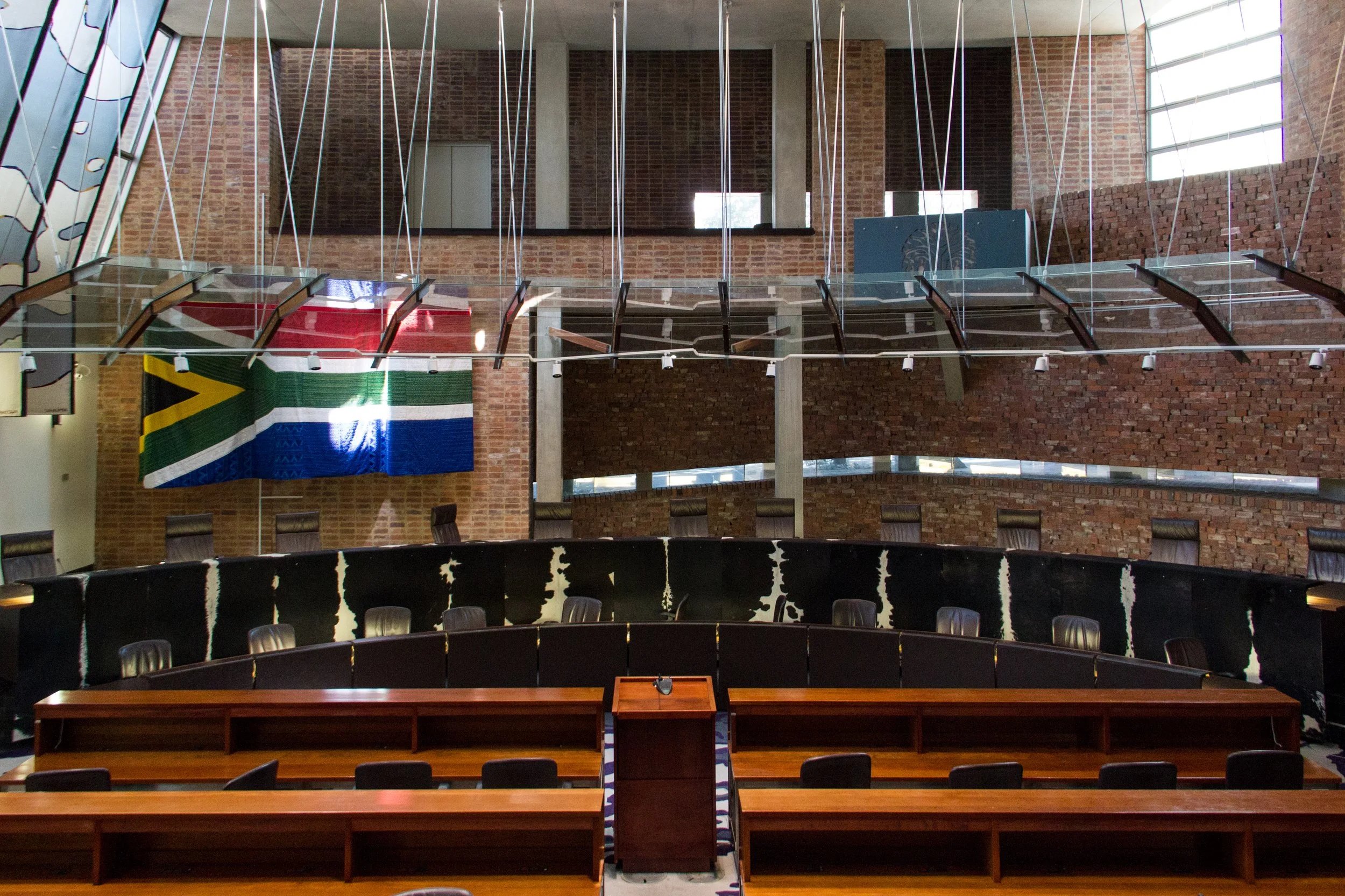
The trial itself revolves around broader legal questions regarding intellectual property and corporate governance in tech. As Brockman’s testimony continues, it is expected to shape future regulations concerning financial disclosures among tech executives. Legal analysts emphasize the importance of this case as a potential precedent for how other tech leaders disclose their financial interests.
Broader Industry Impact
The AI industry is experiencing rapid growth, with companies like OpenAI at the forefront. As of now, the global market for AI technologies is projected to reach trillions of dollars in the coming years. Brockman's financial disclosure not only highlights individual wealth but also reflects the broader economic stakes involved in the development and deployment of AI technologies.
Next Steps for Stakeholders
As the trial progresses, stakeholders—including investors, tech leaders, and policymakers—will be closely monitoring the outcomes. The implications of Brockman’s financial ties extend beyond the courtroom and could influence future investment strategies and regulatory frameworks. Investors may seek greater transparency from tech leaders regarding their financial interests to ensure ethical practices in the industry.
In an era where technology shapes every aspect of life, the financial interests of those at the helm of AI companies will likely remain a focal point of discussion. The outcome of this trial may set important precedents that could affect how AI is governed and developed in the future.