




Iran's Proposal Details
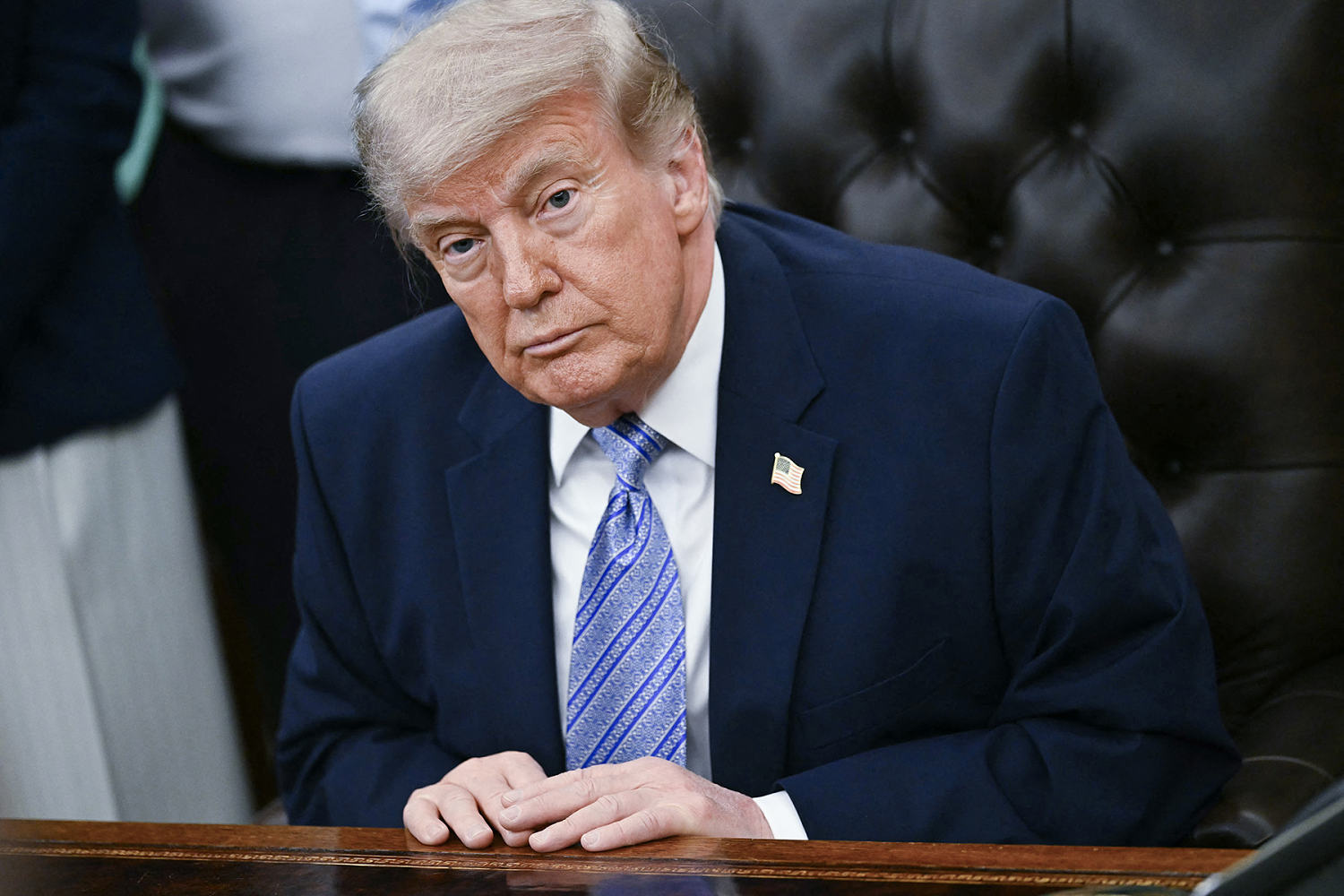
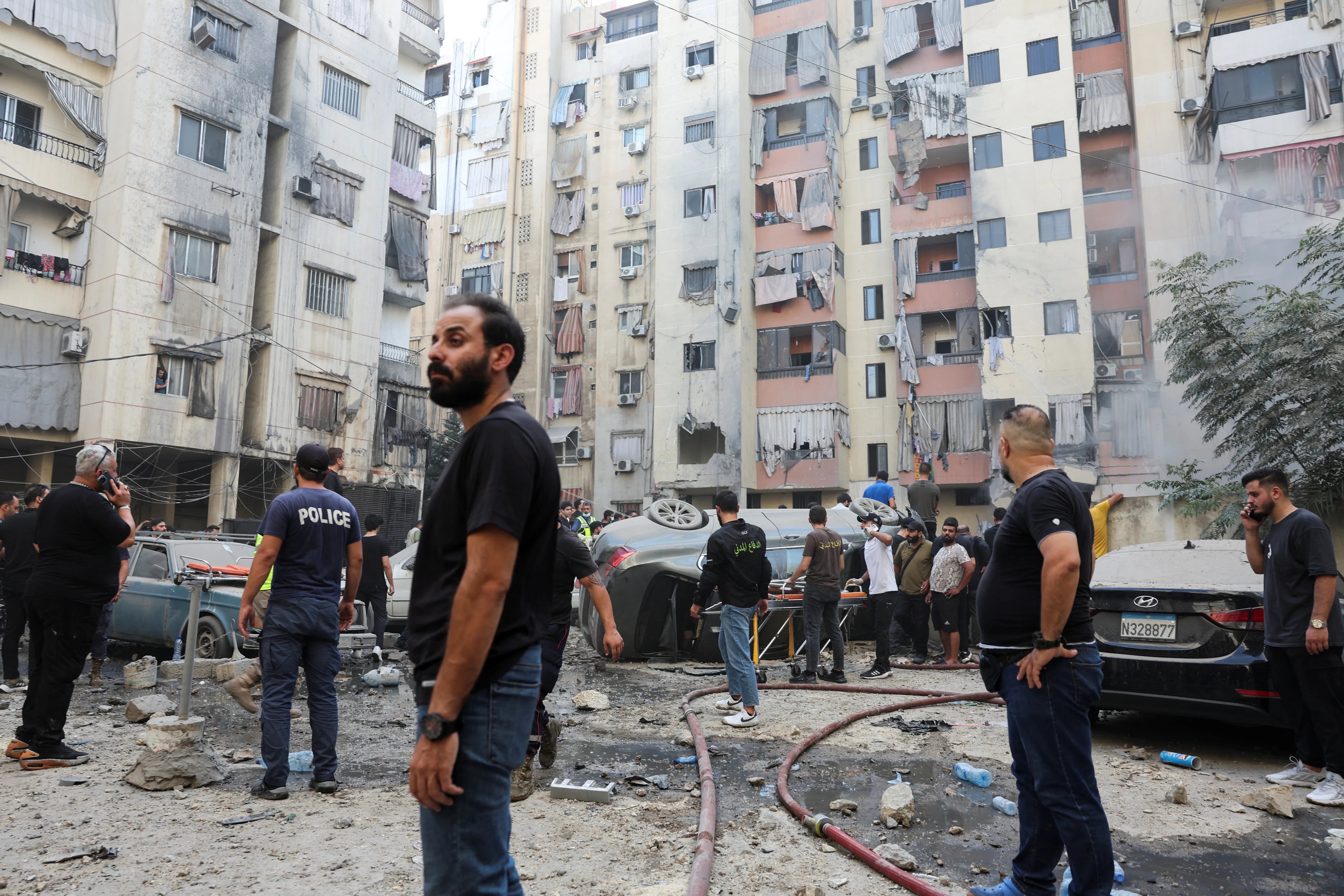
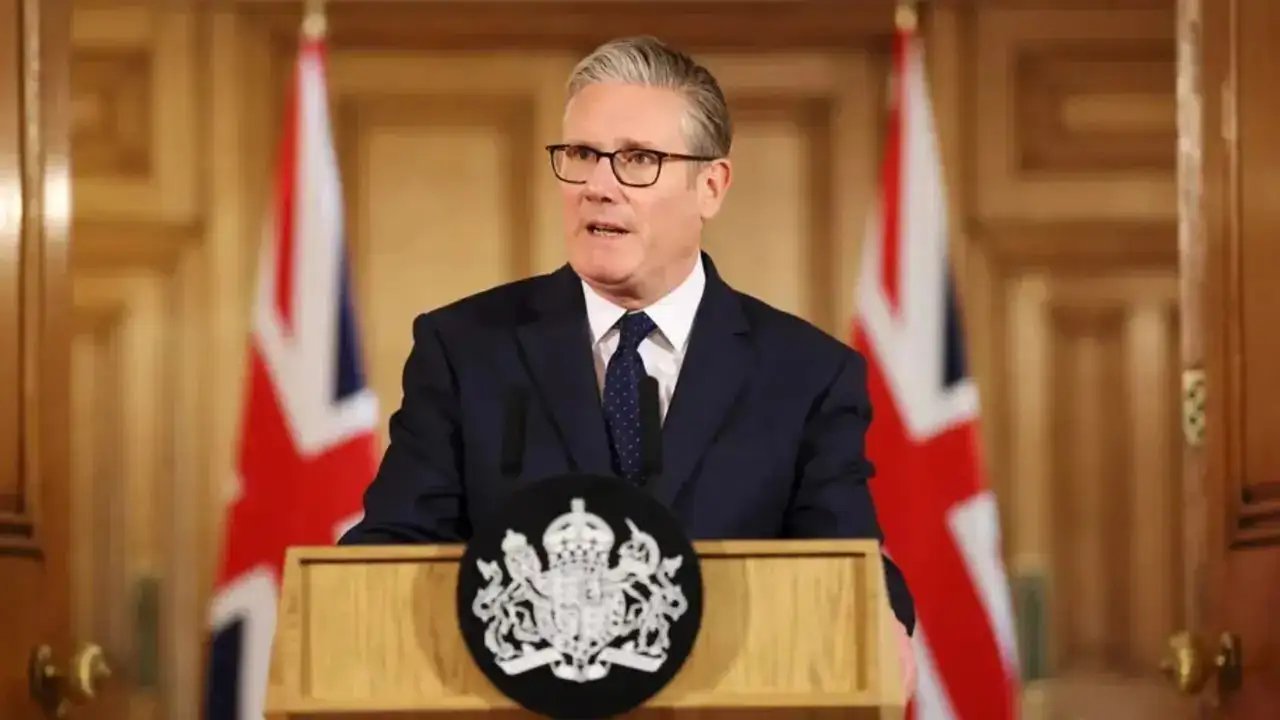
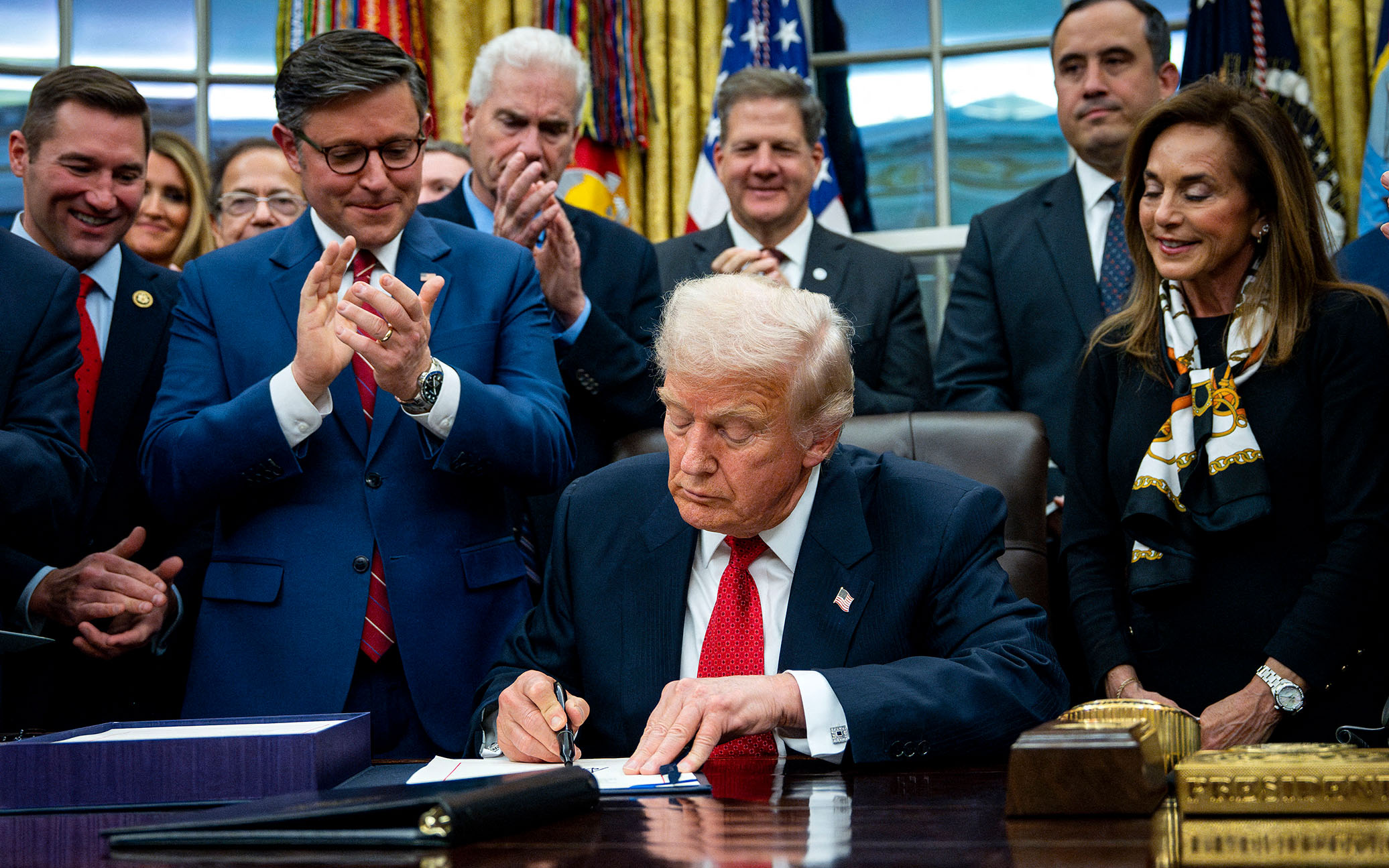
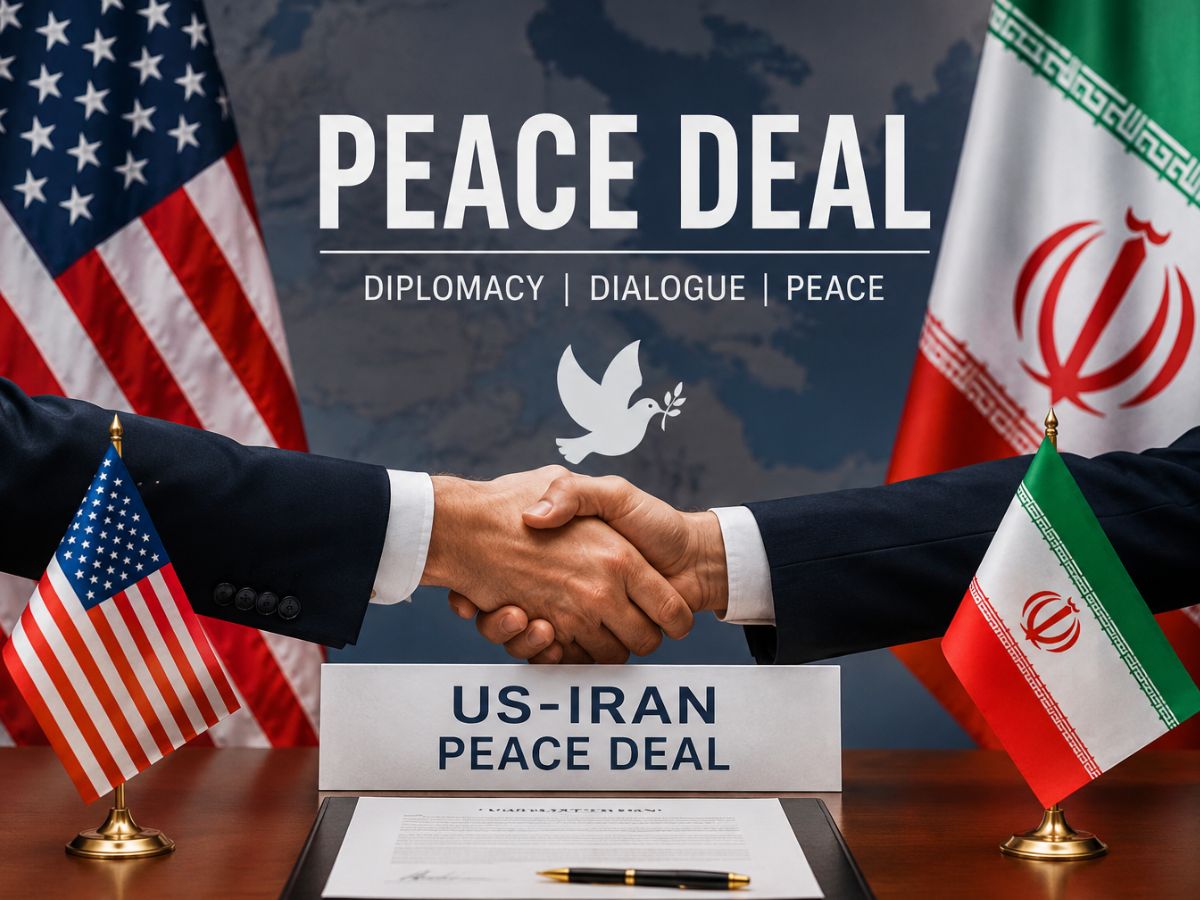
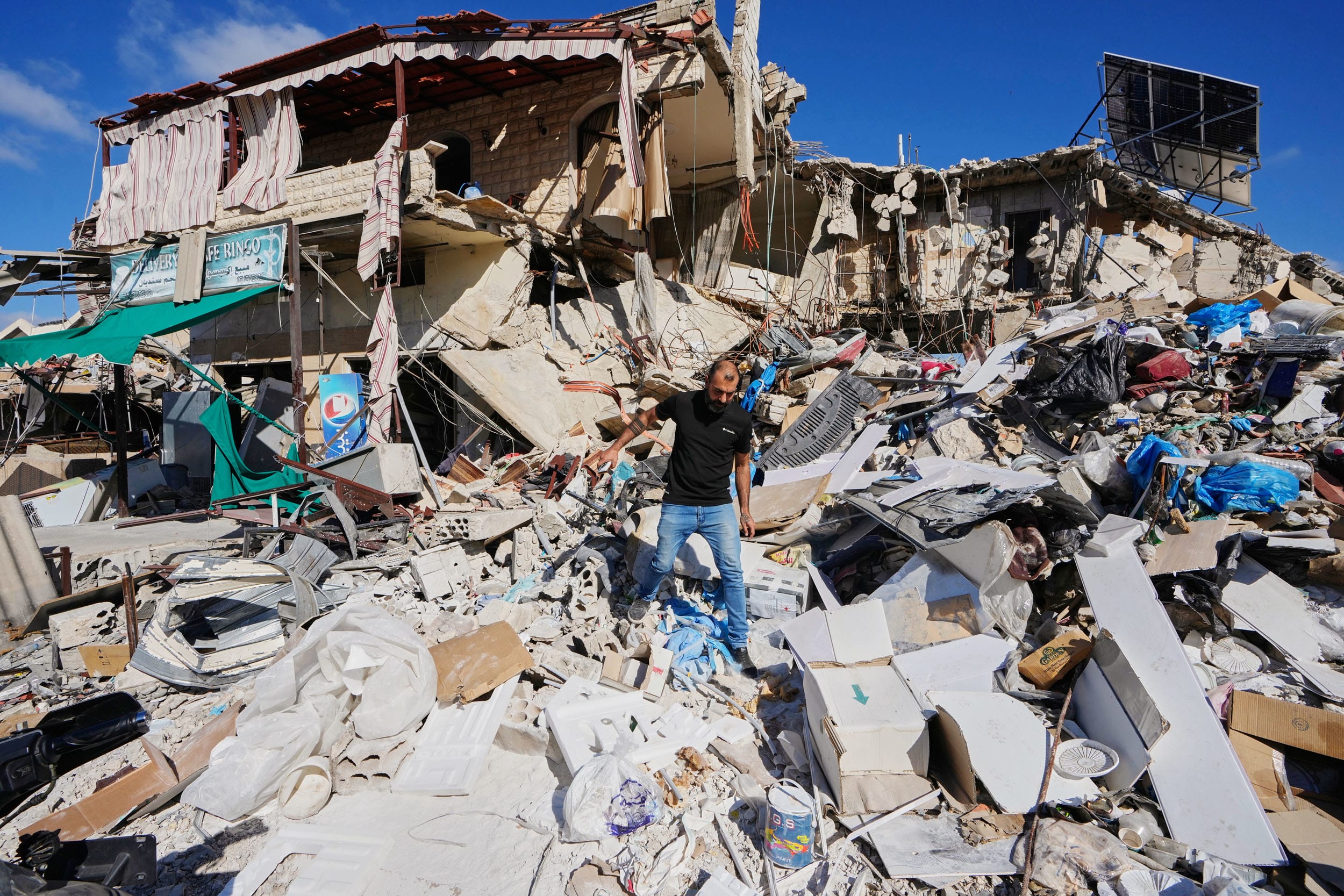
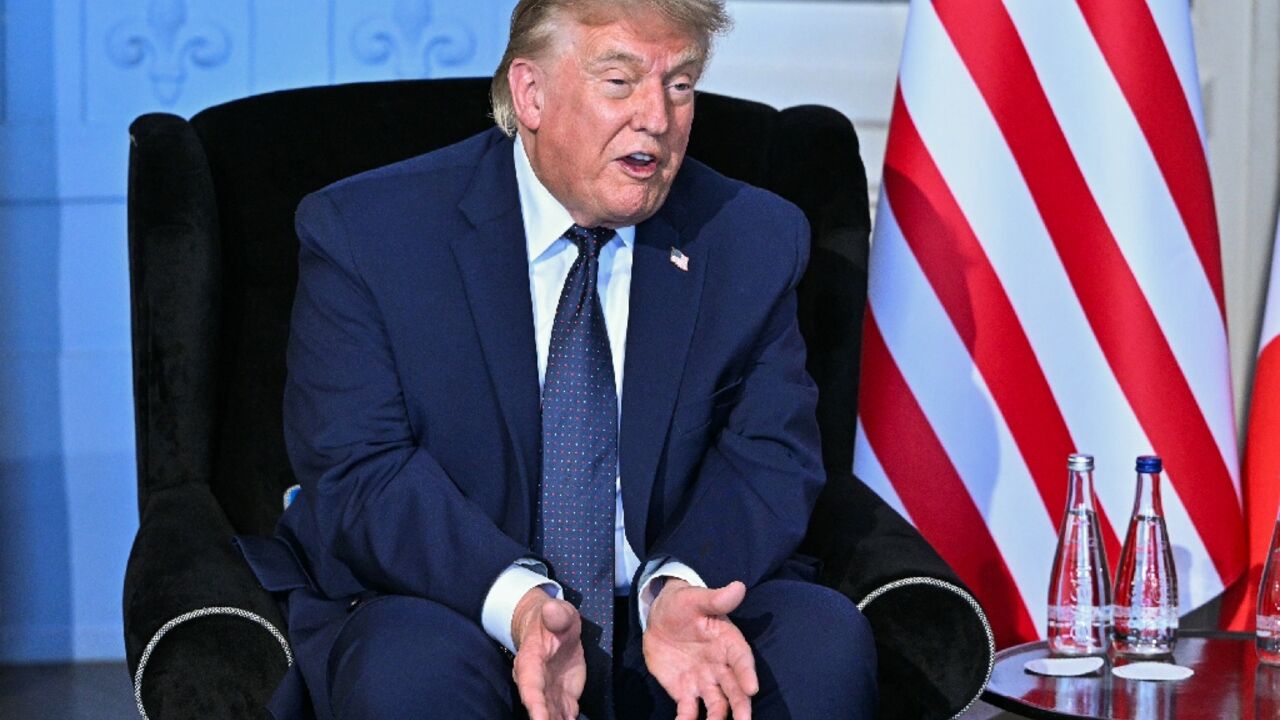
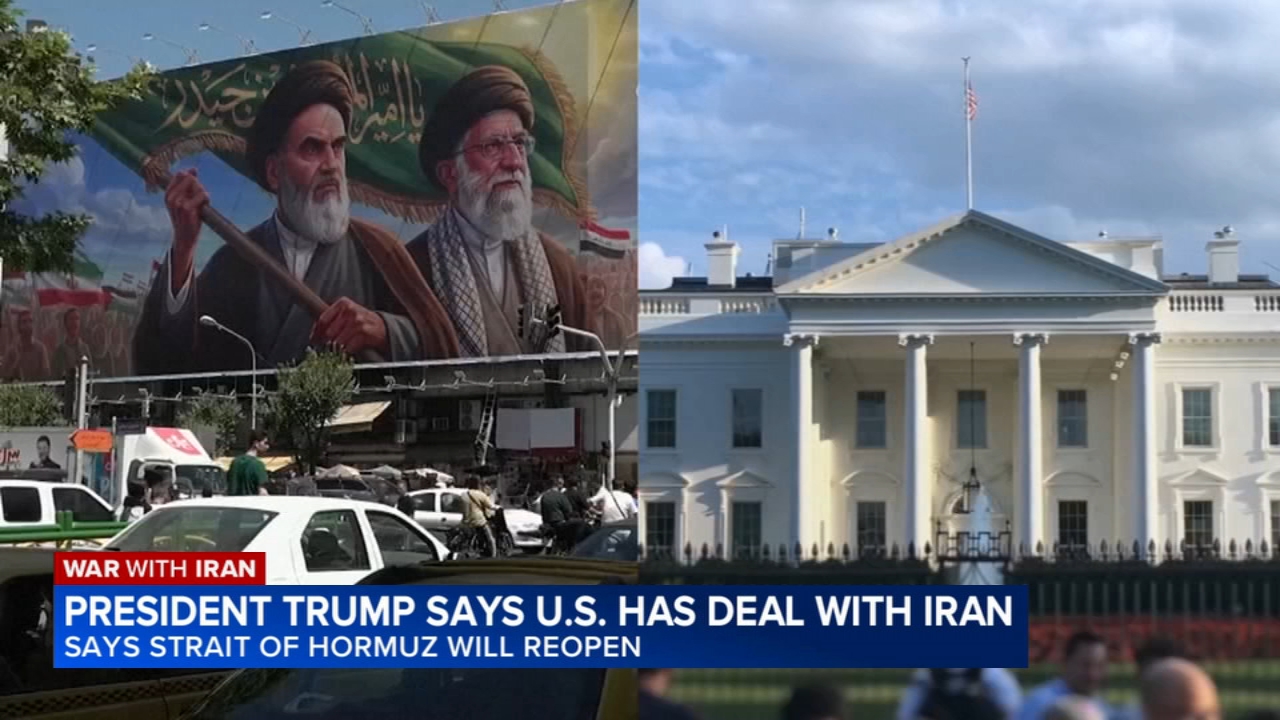
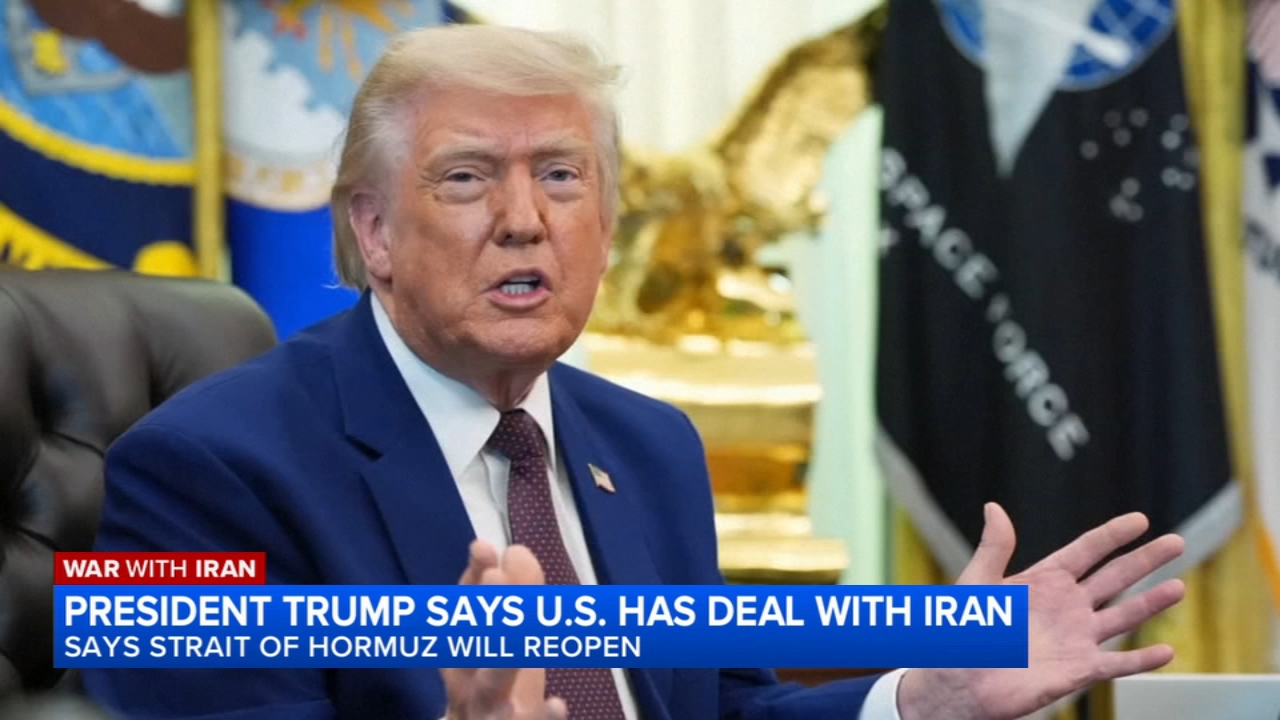
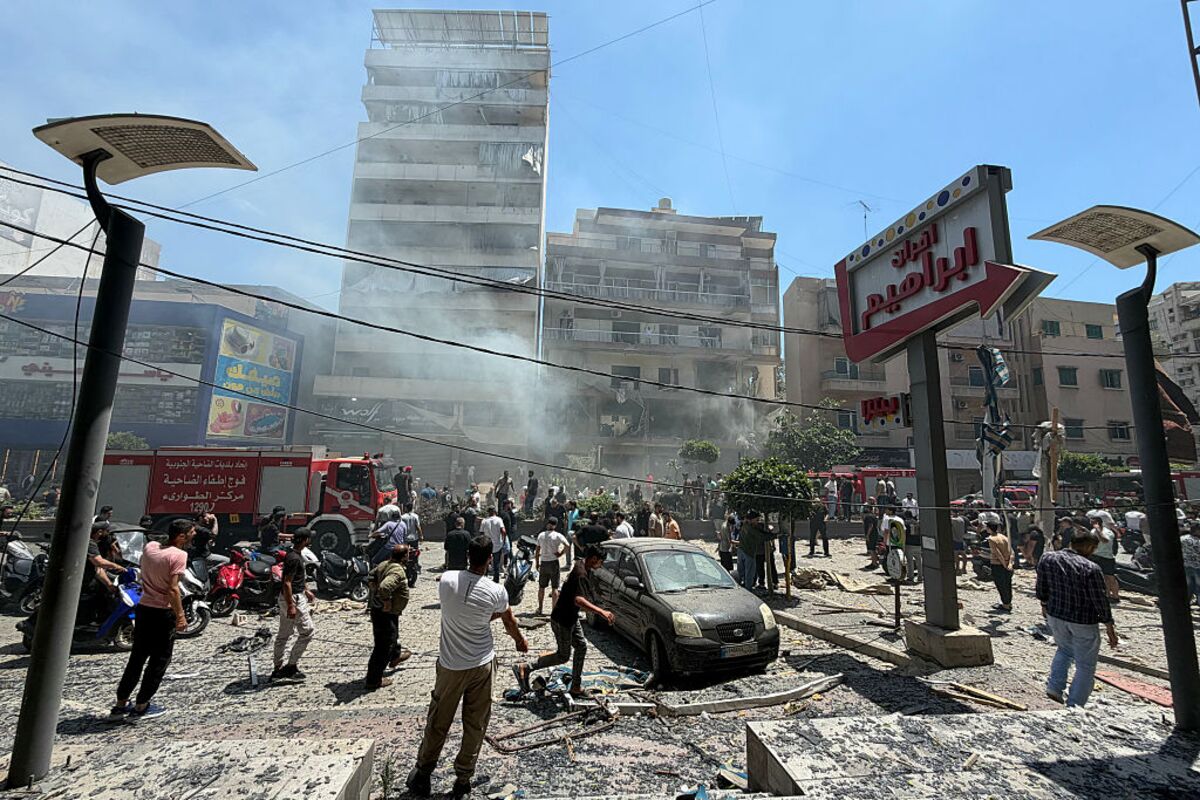
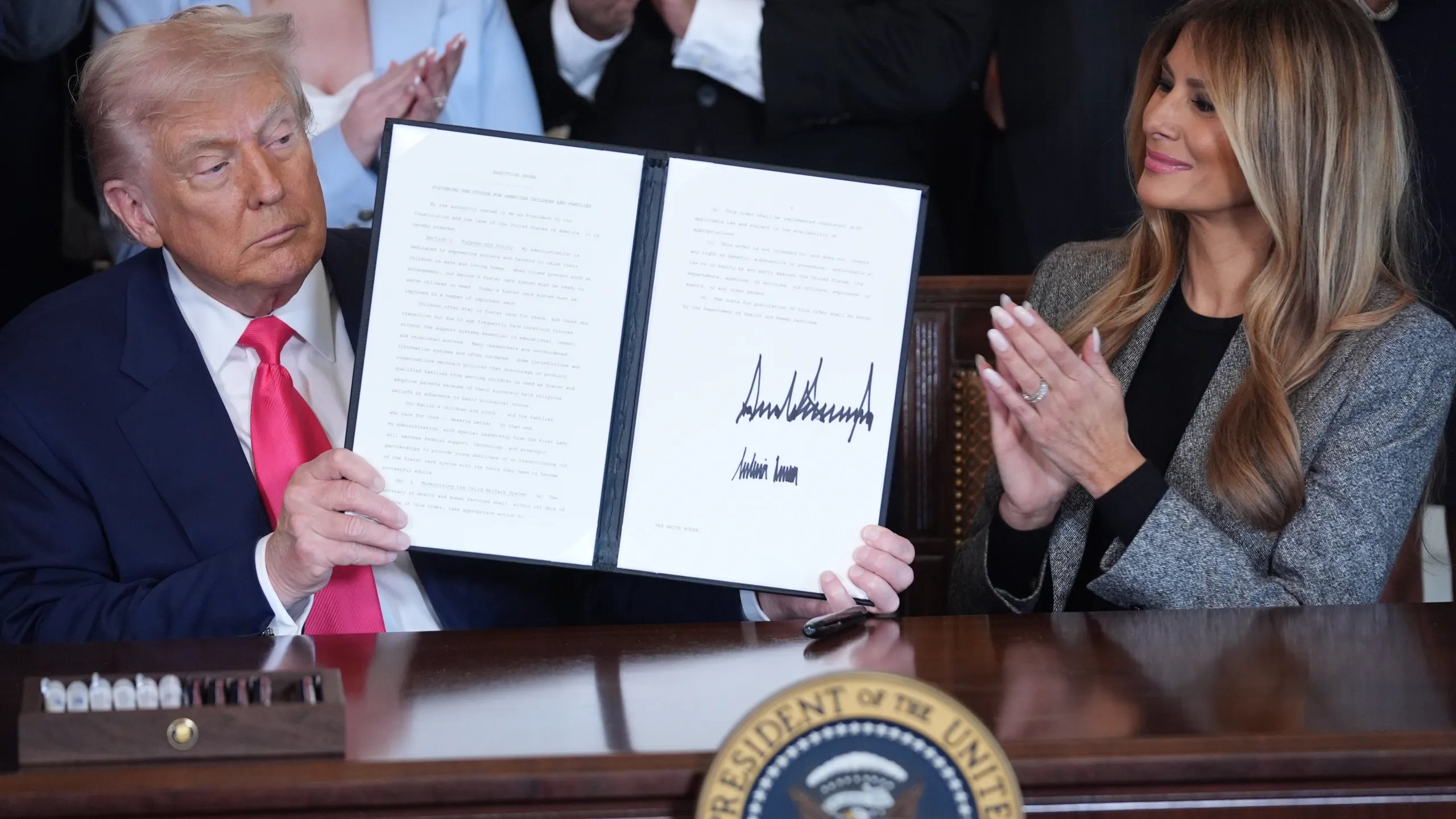
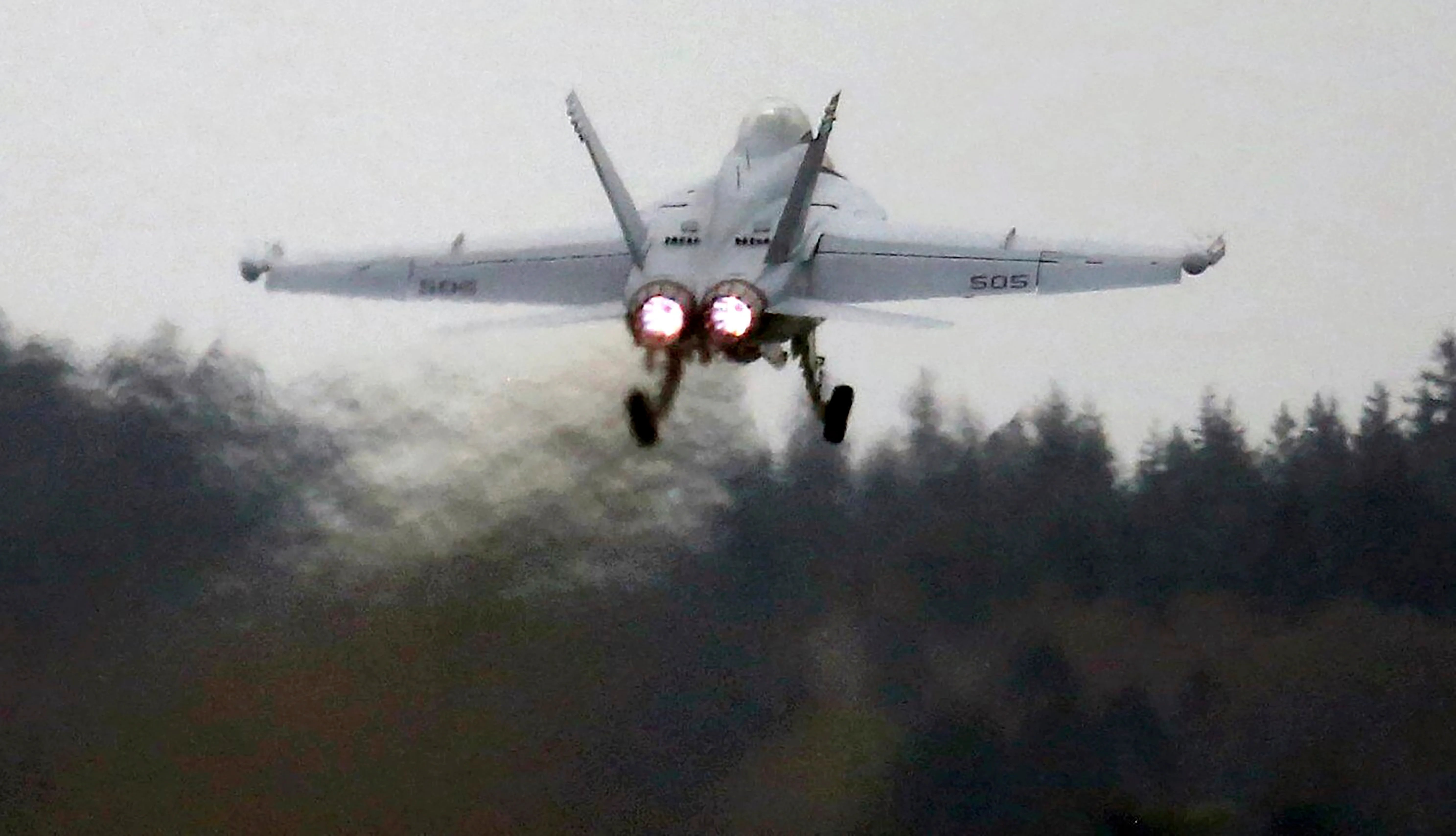
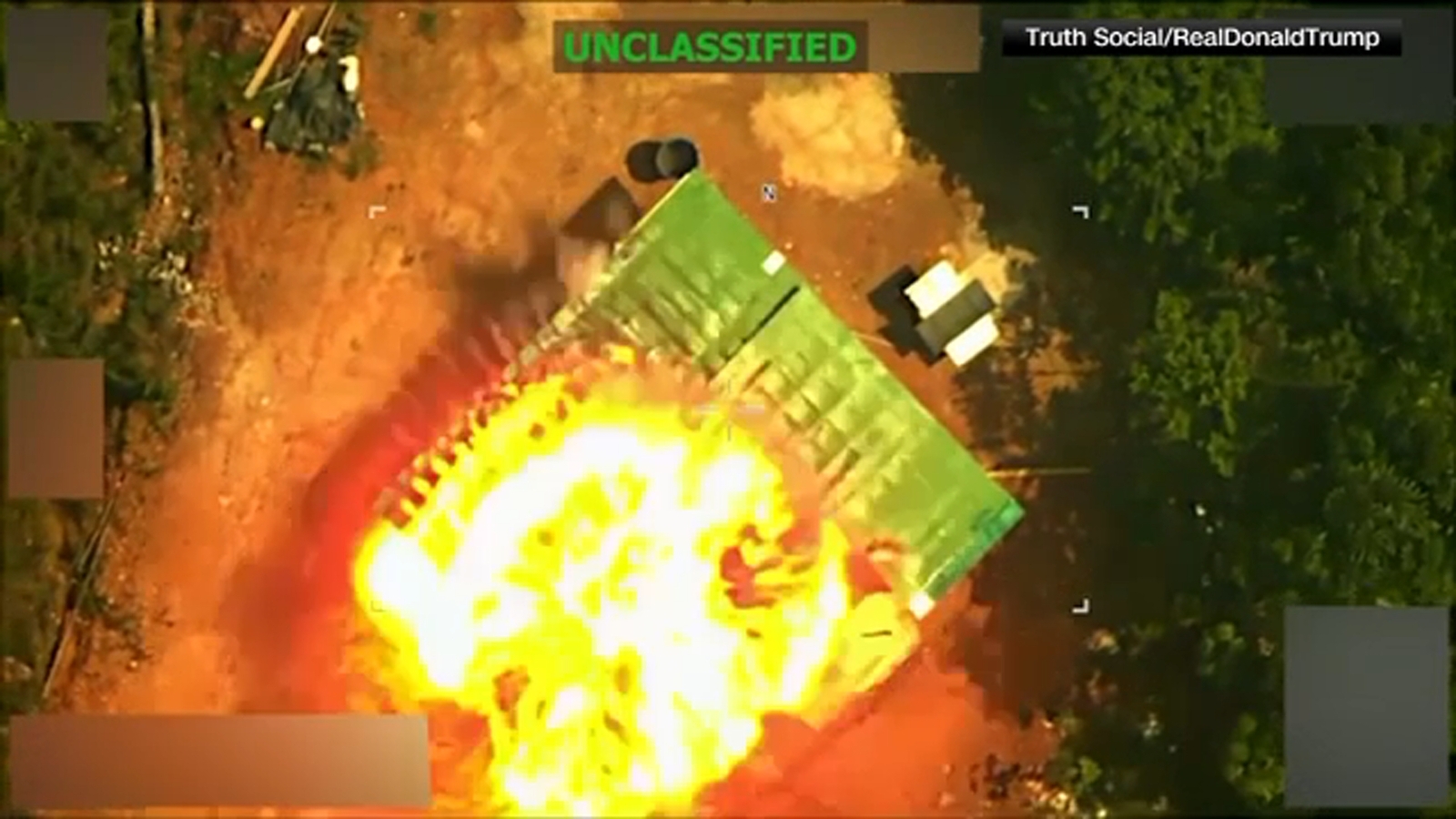
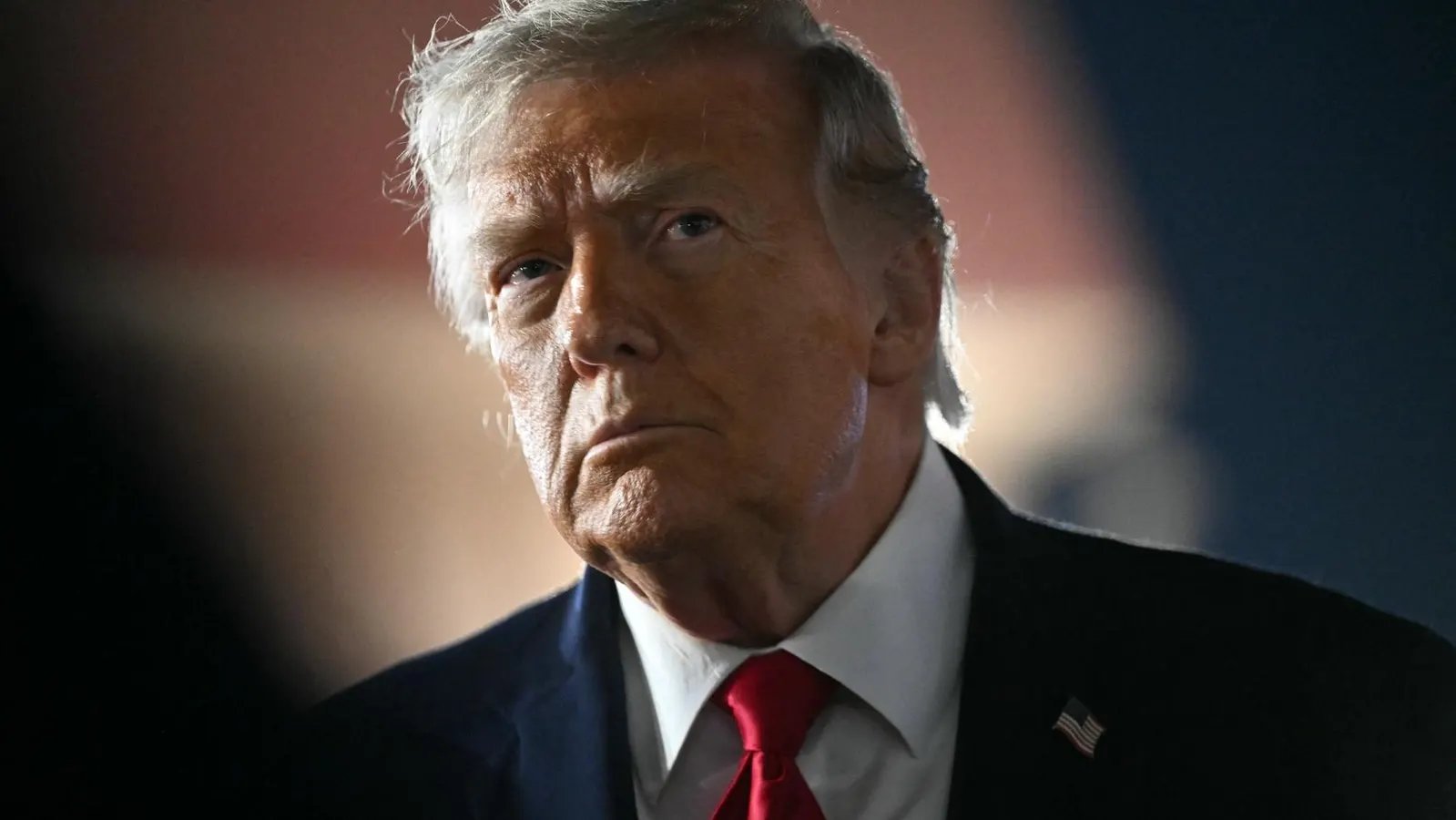
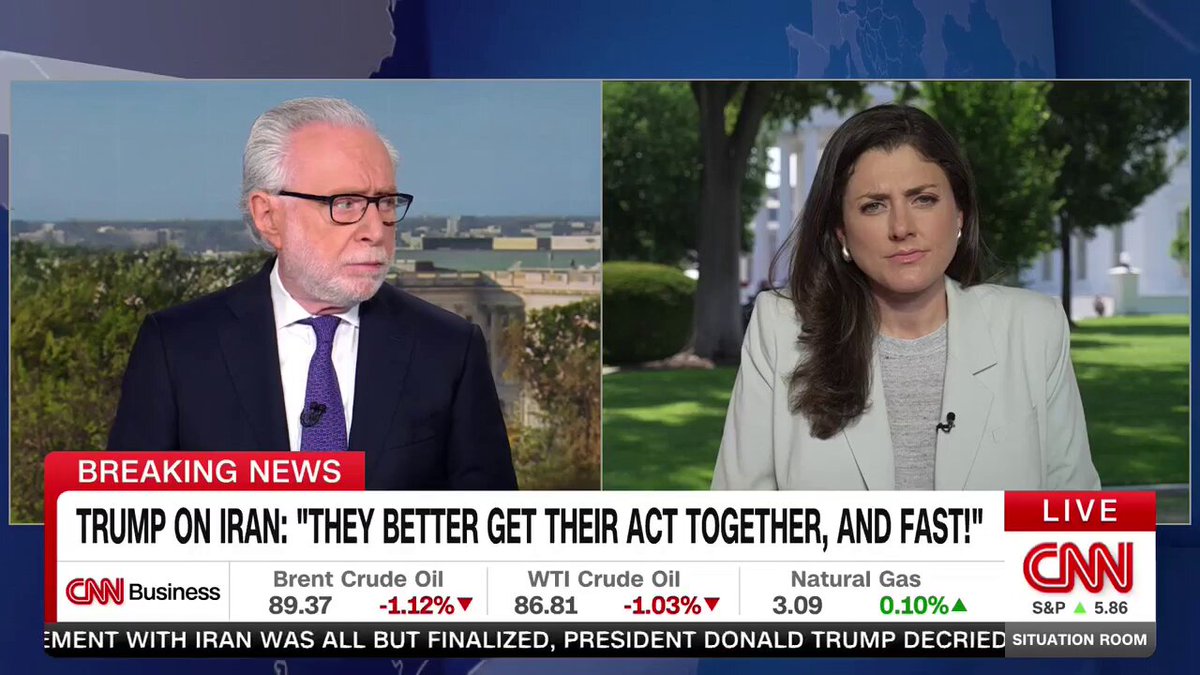
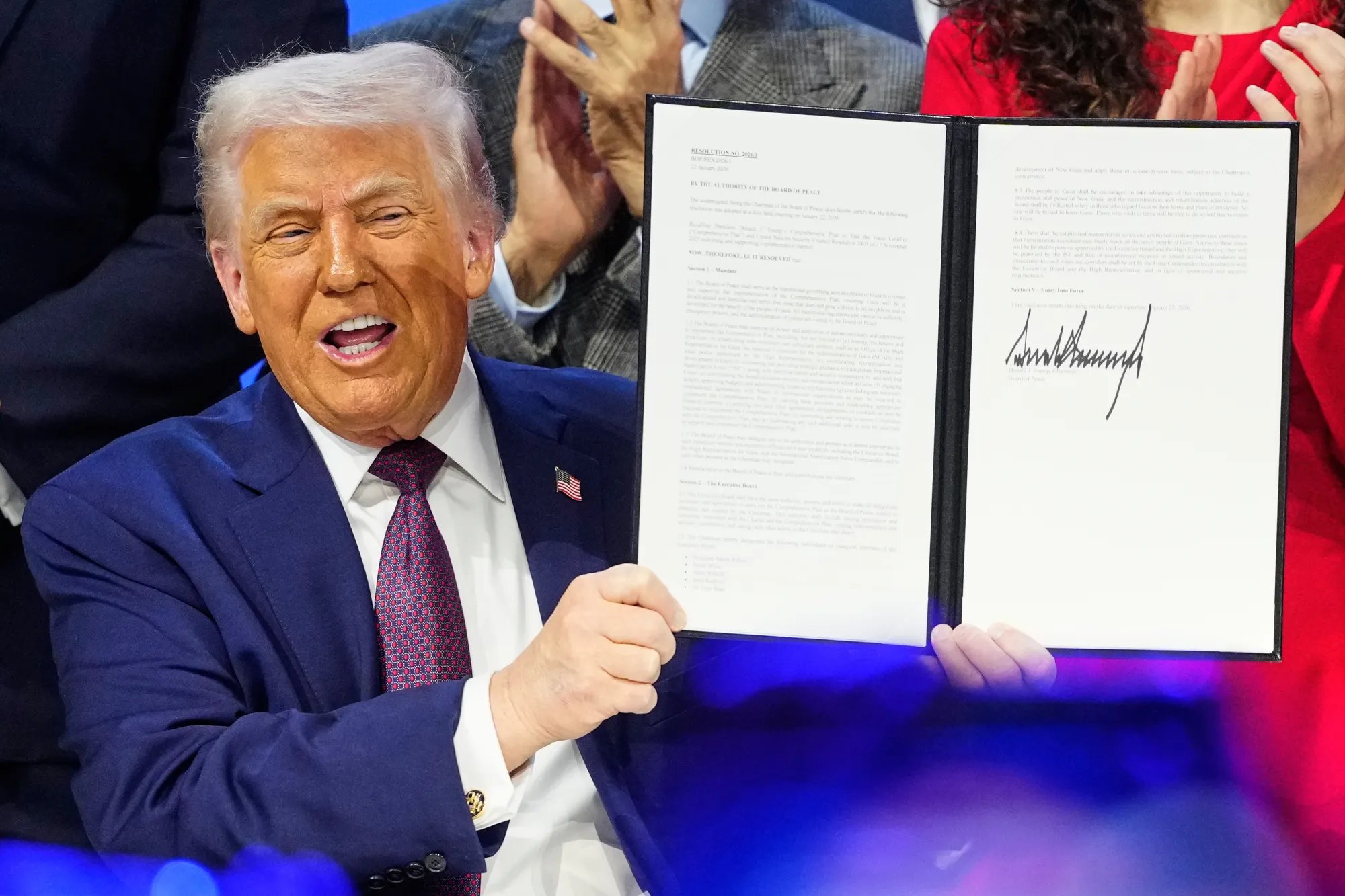
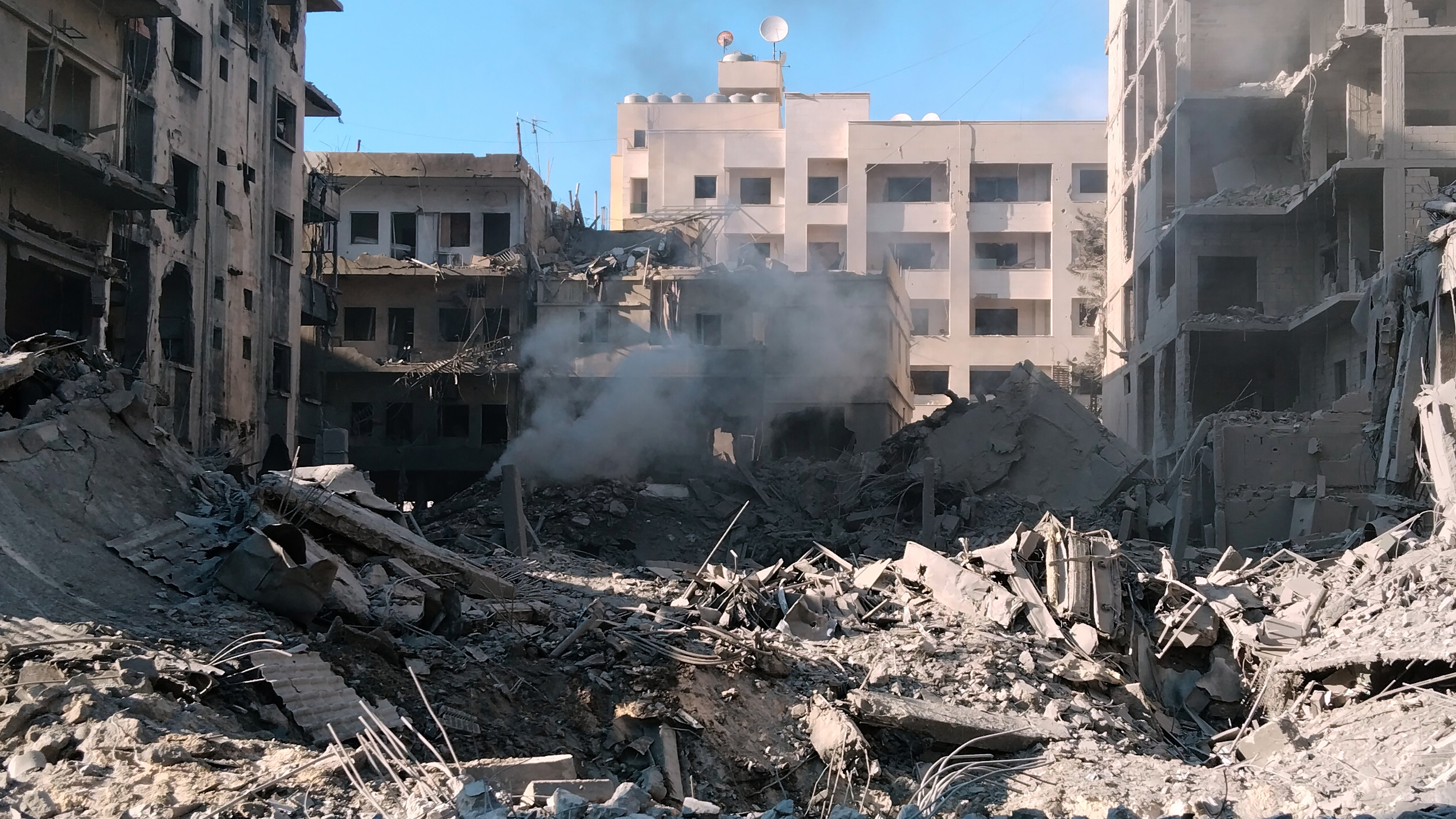
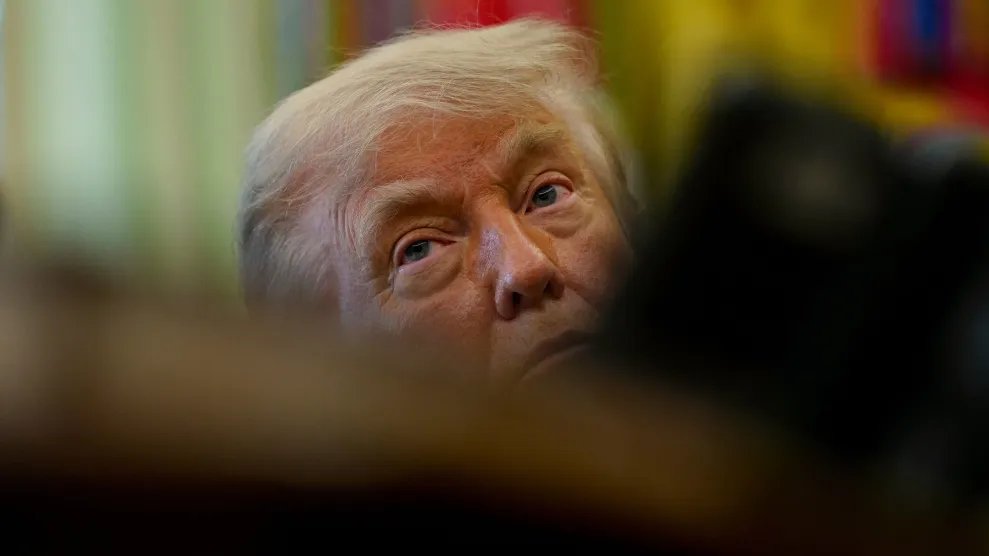
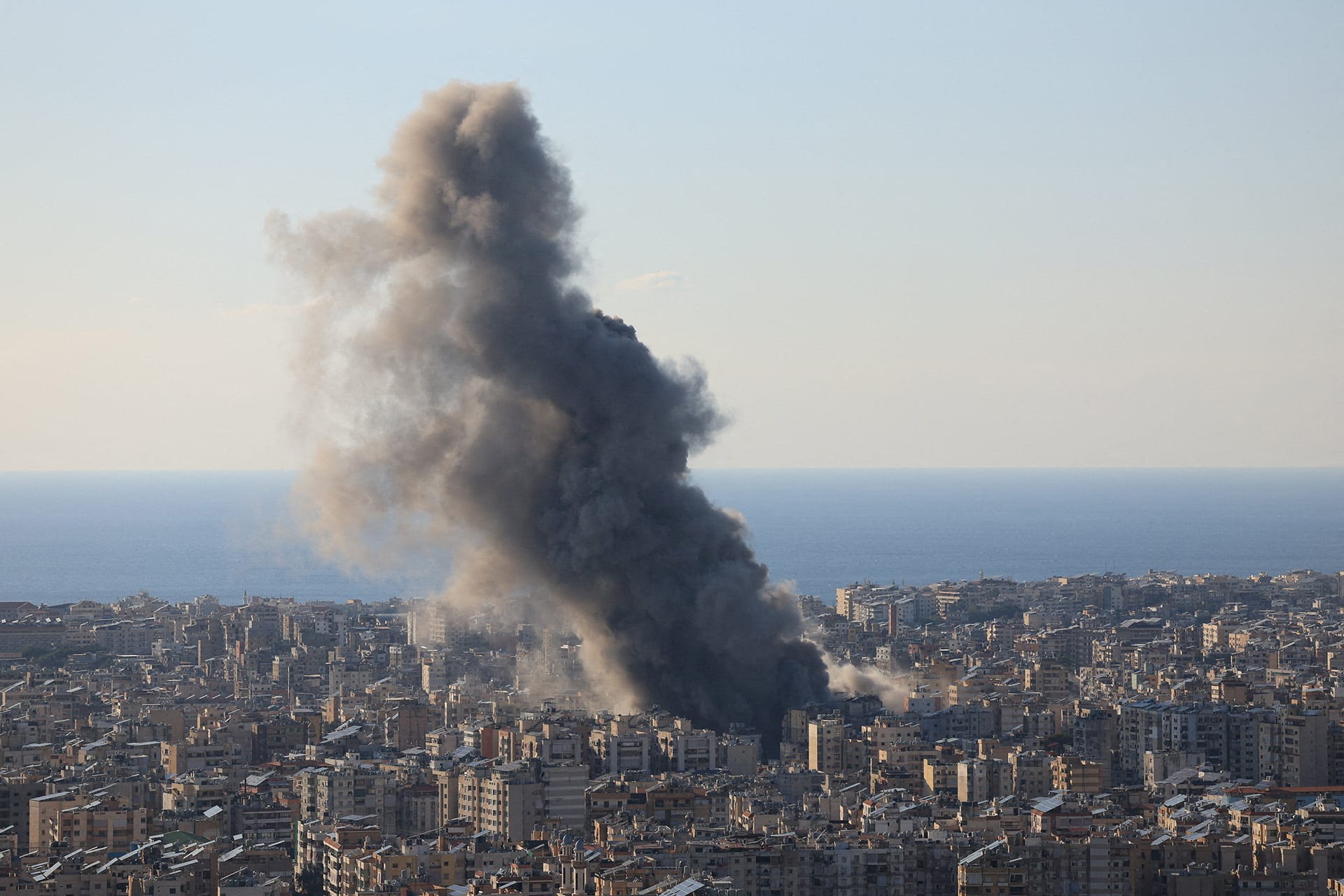
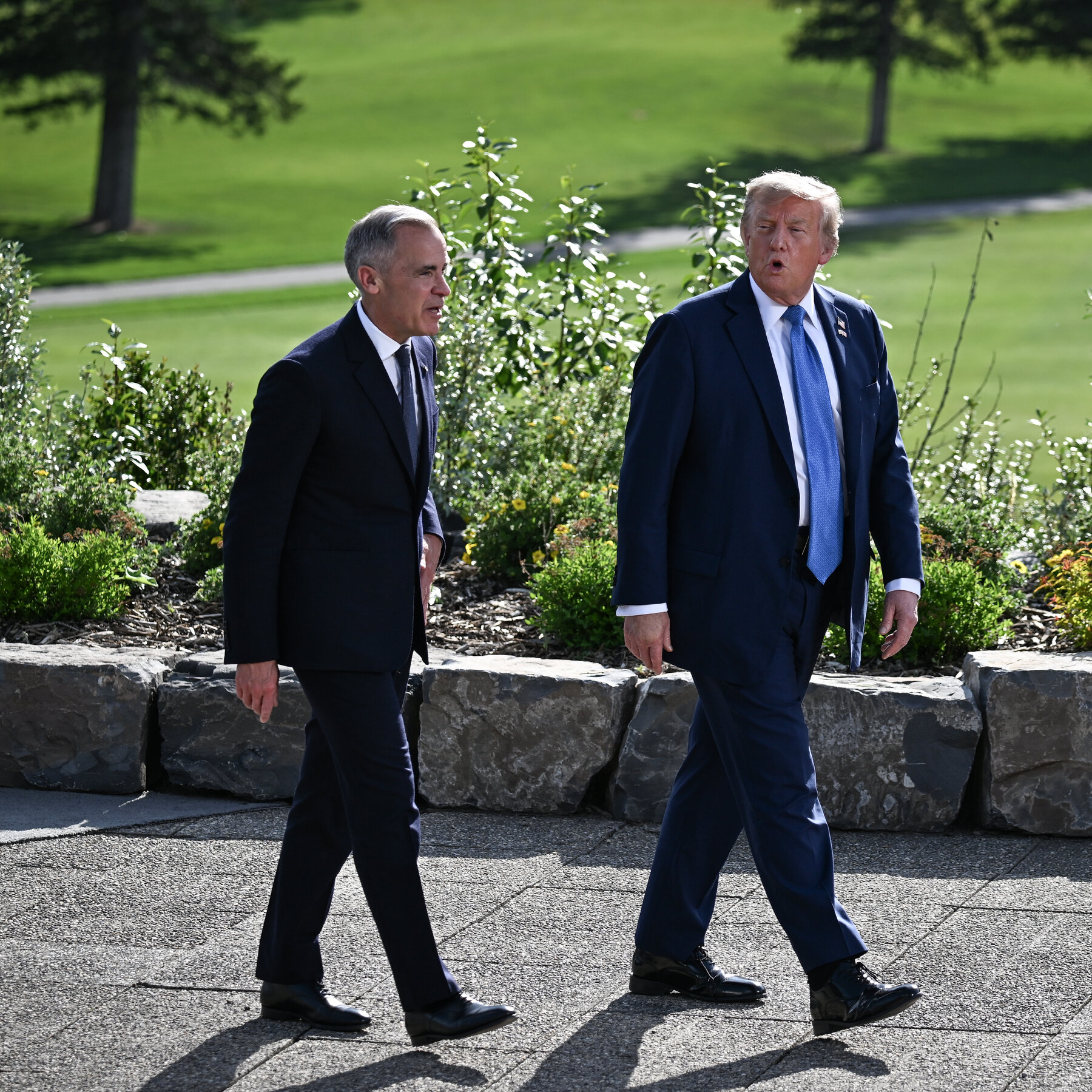
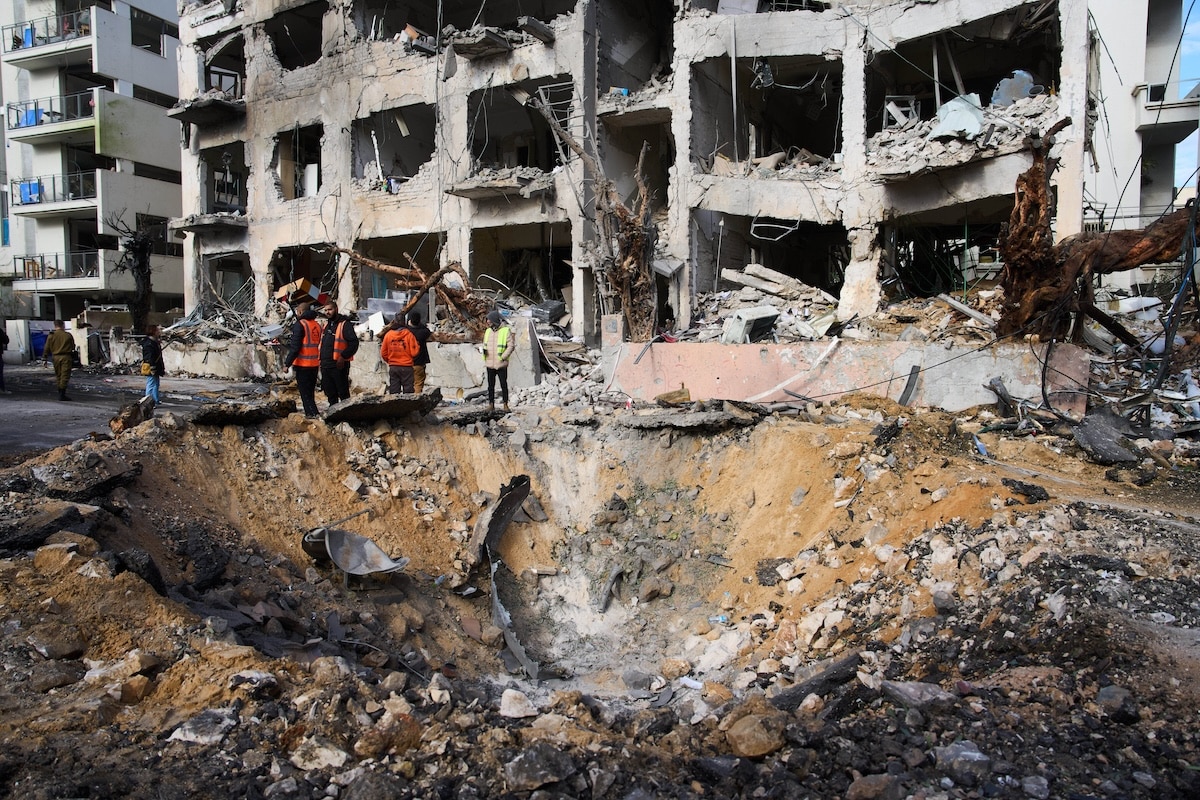
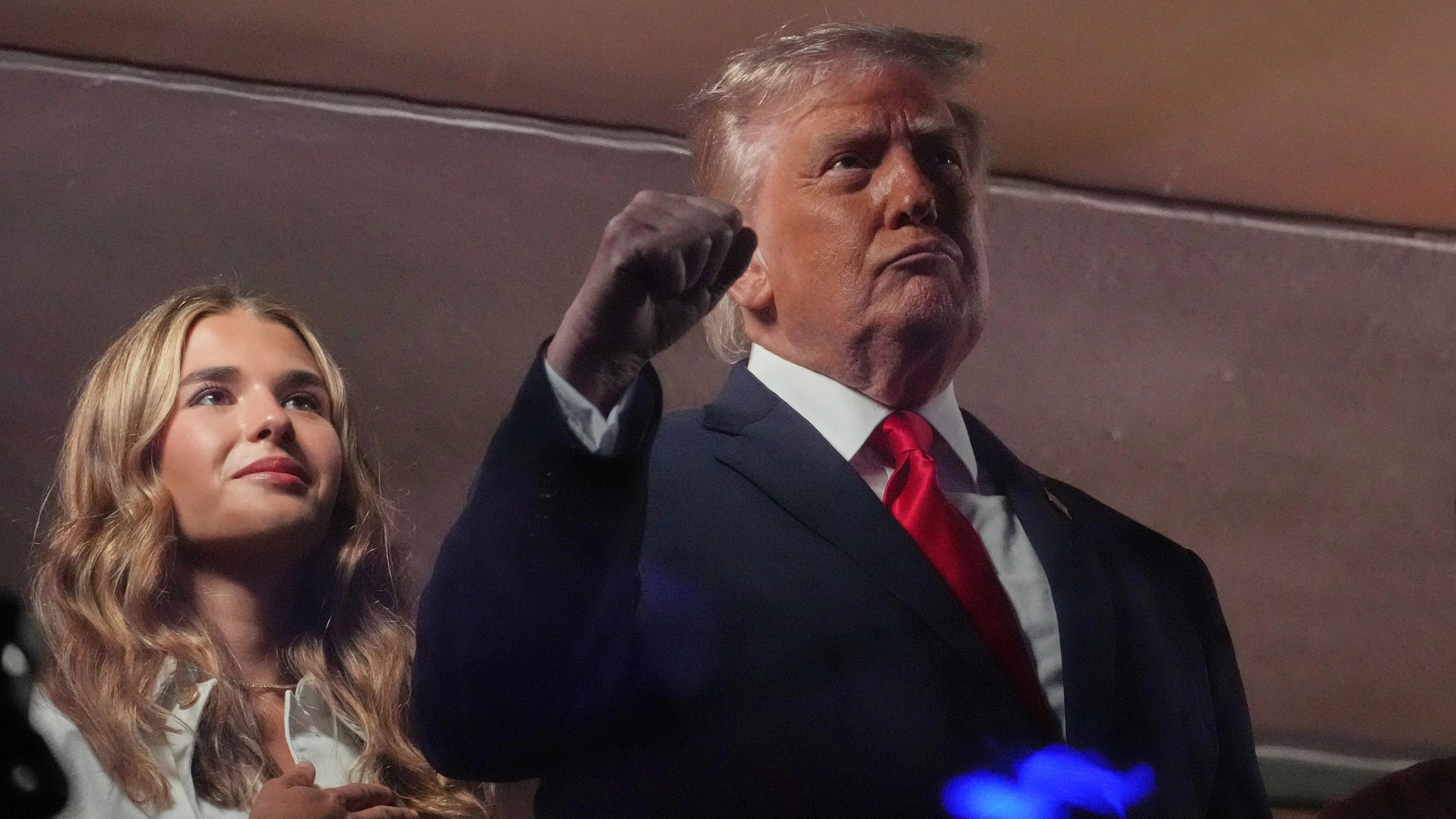
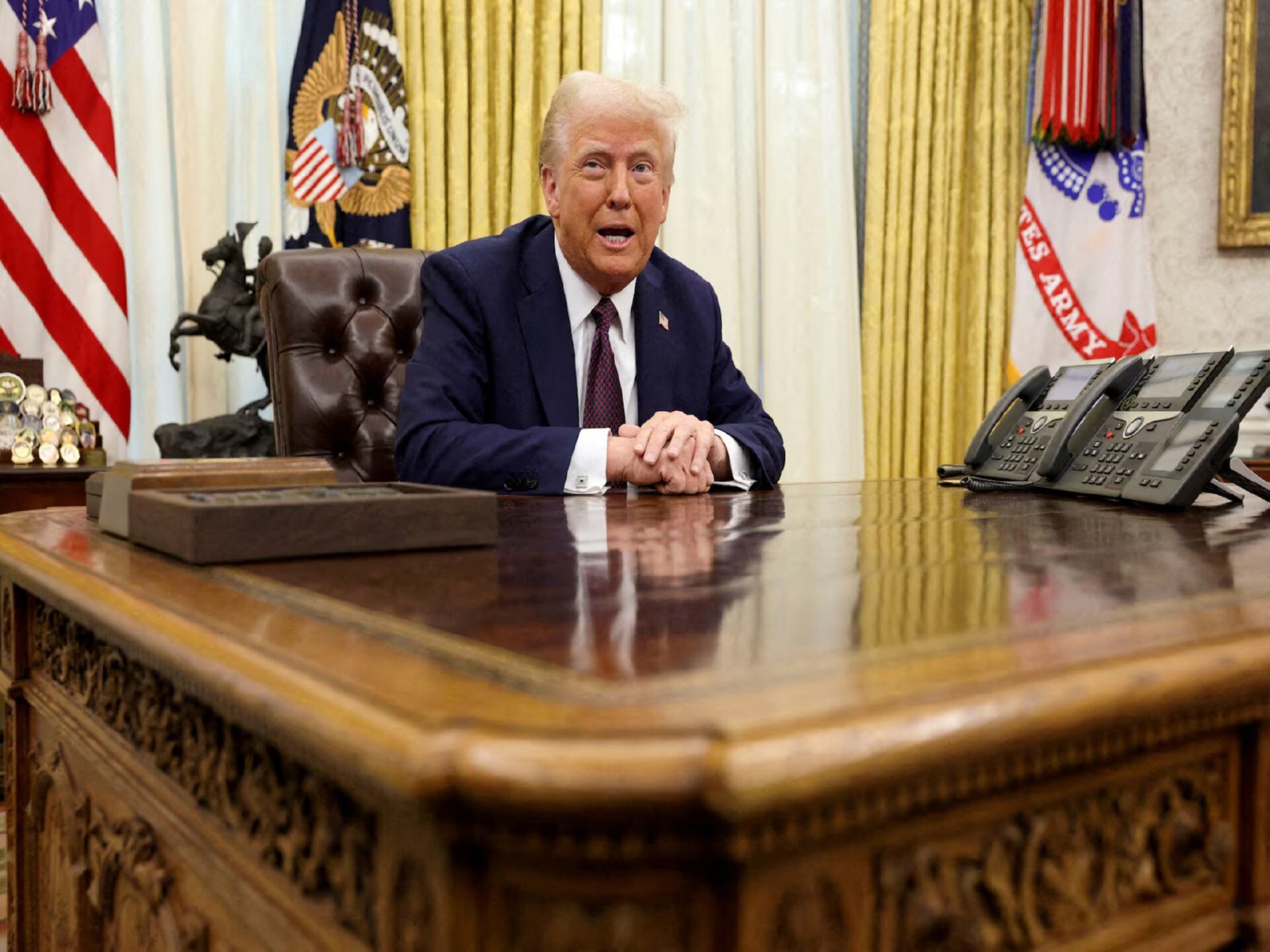
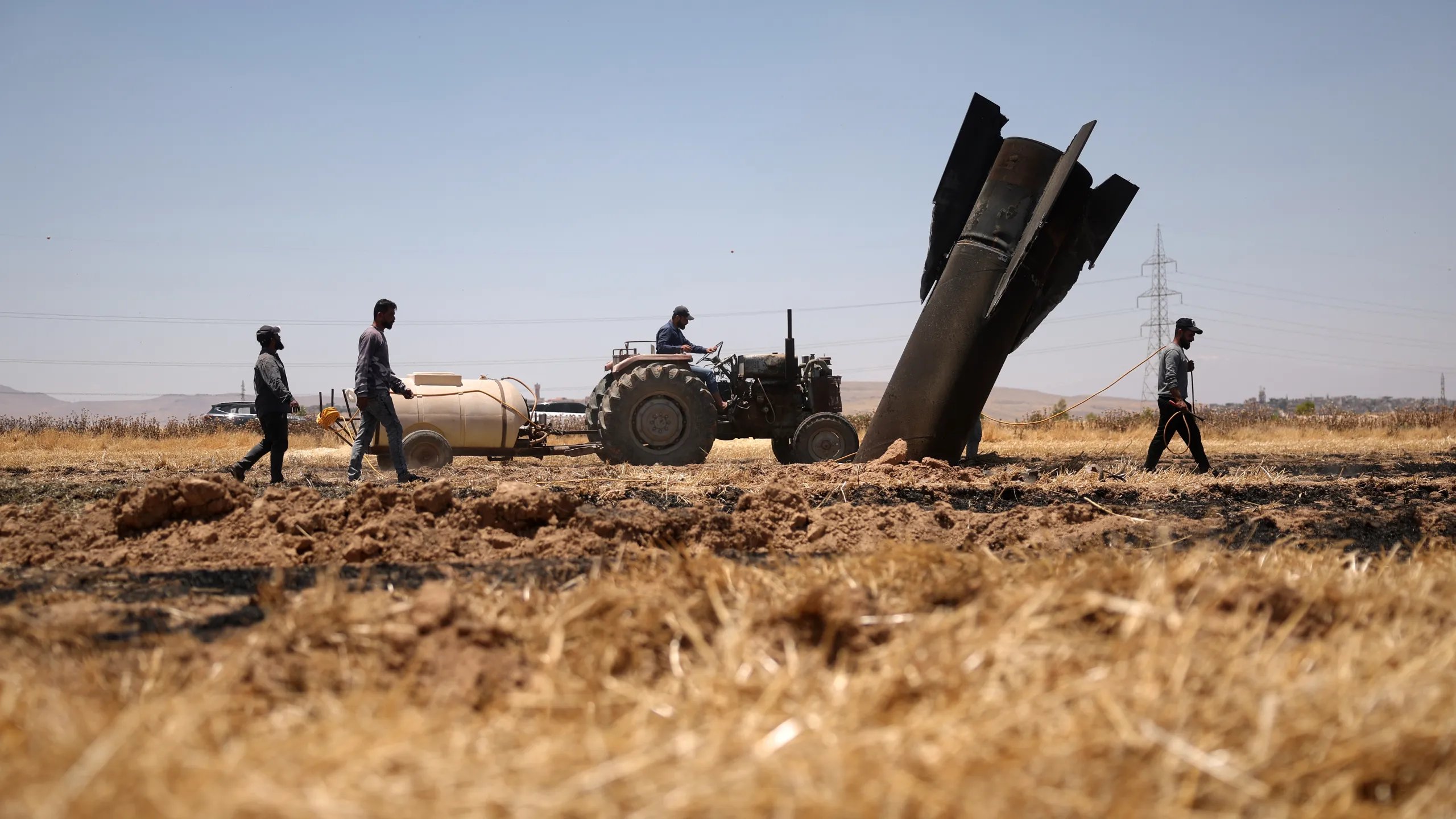
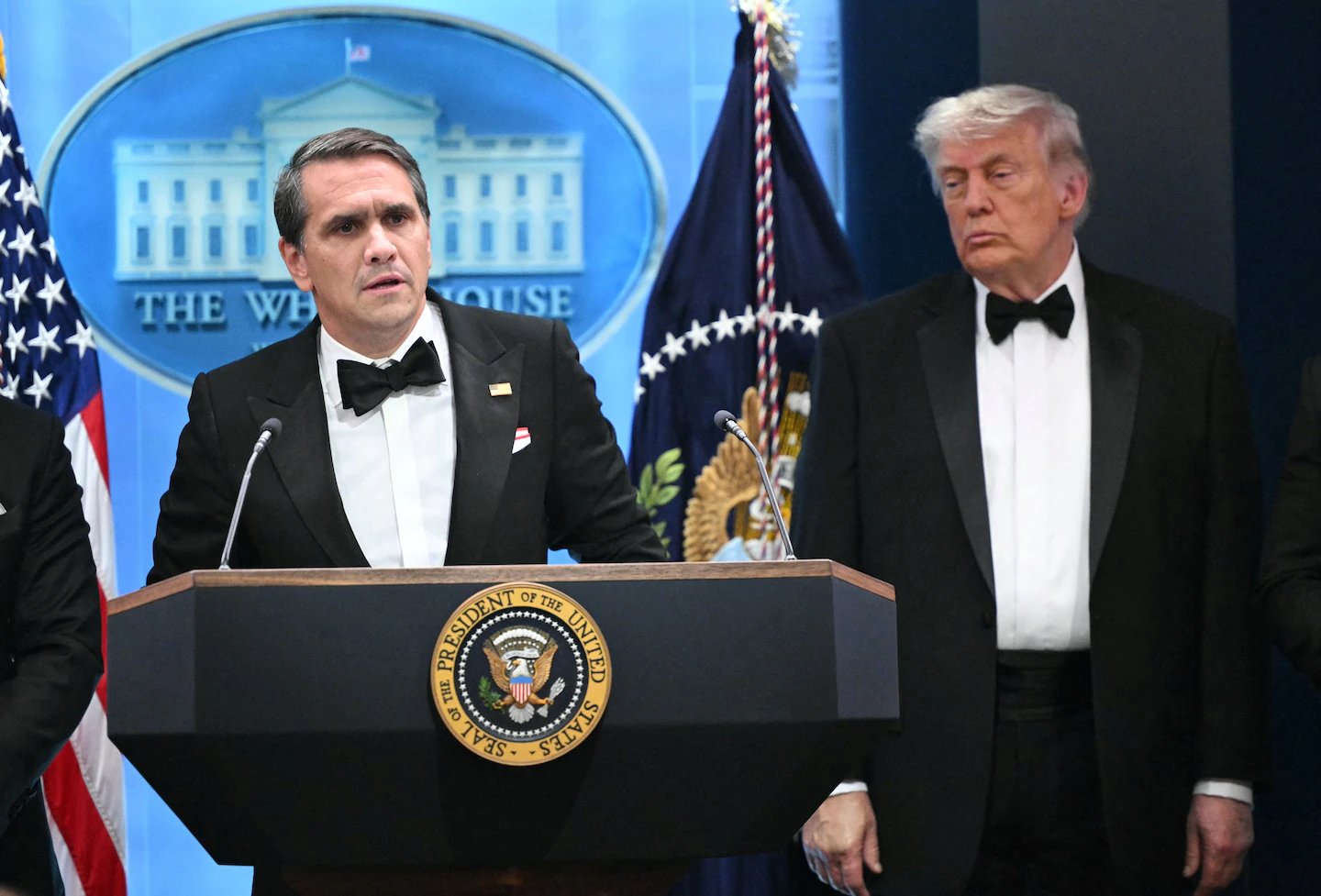
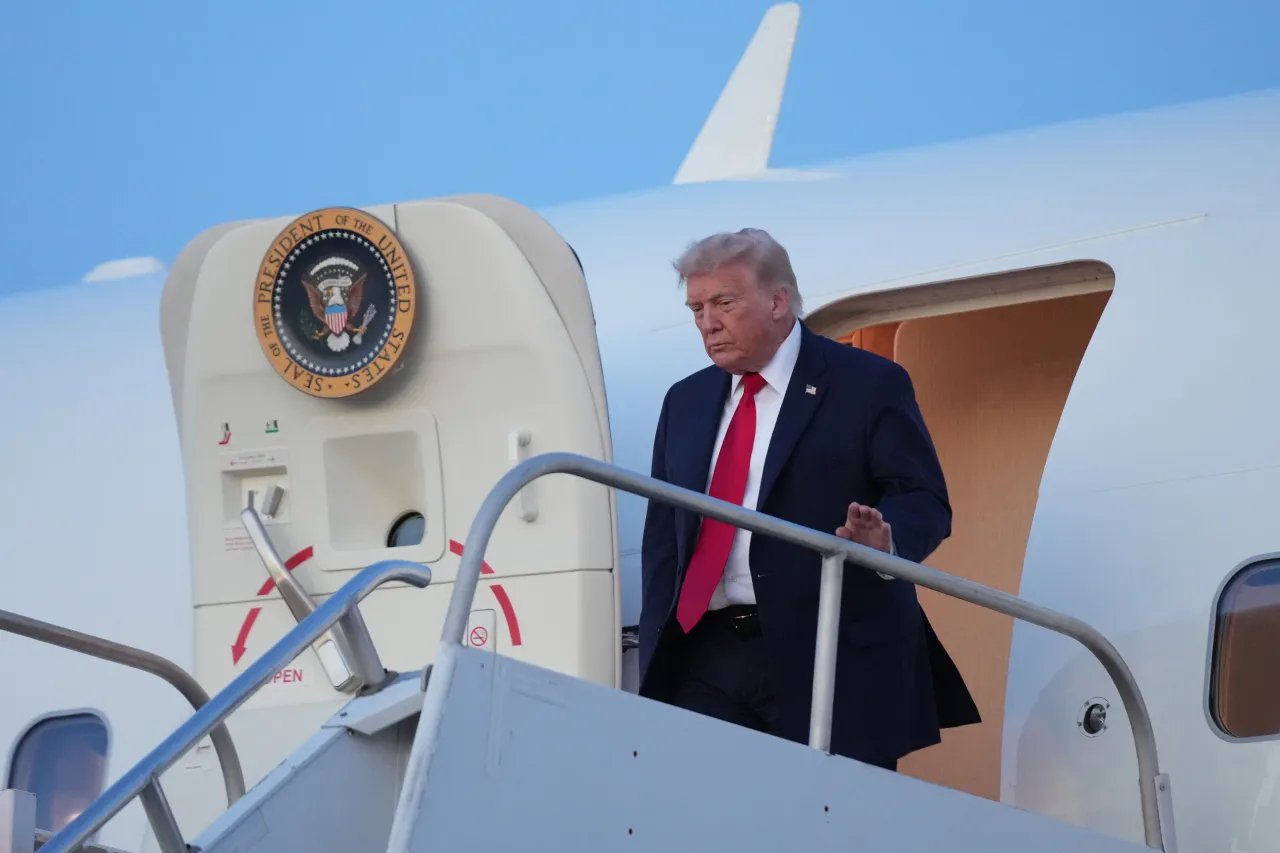
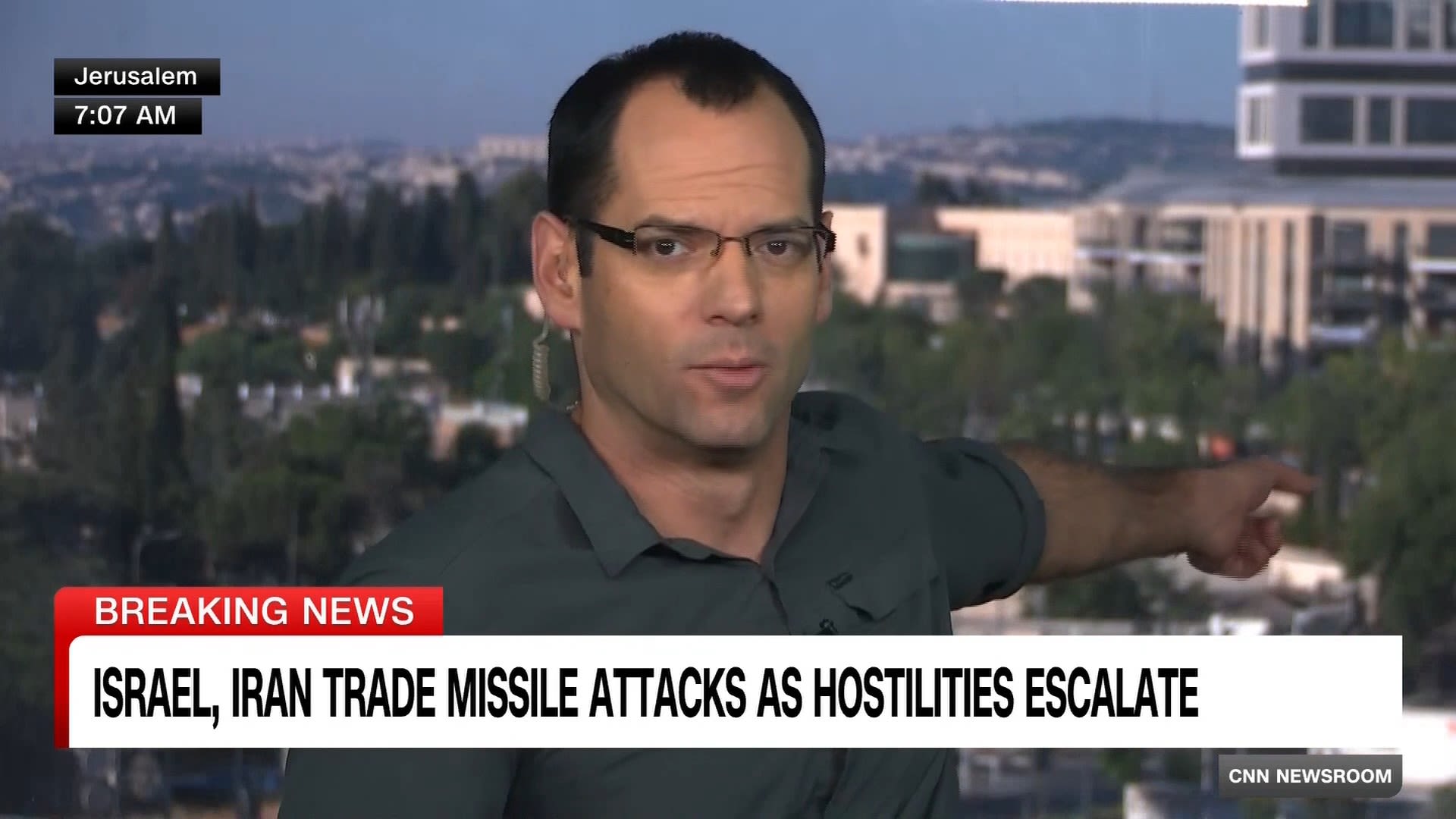
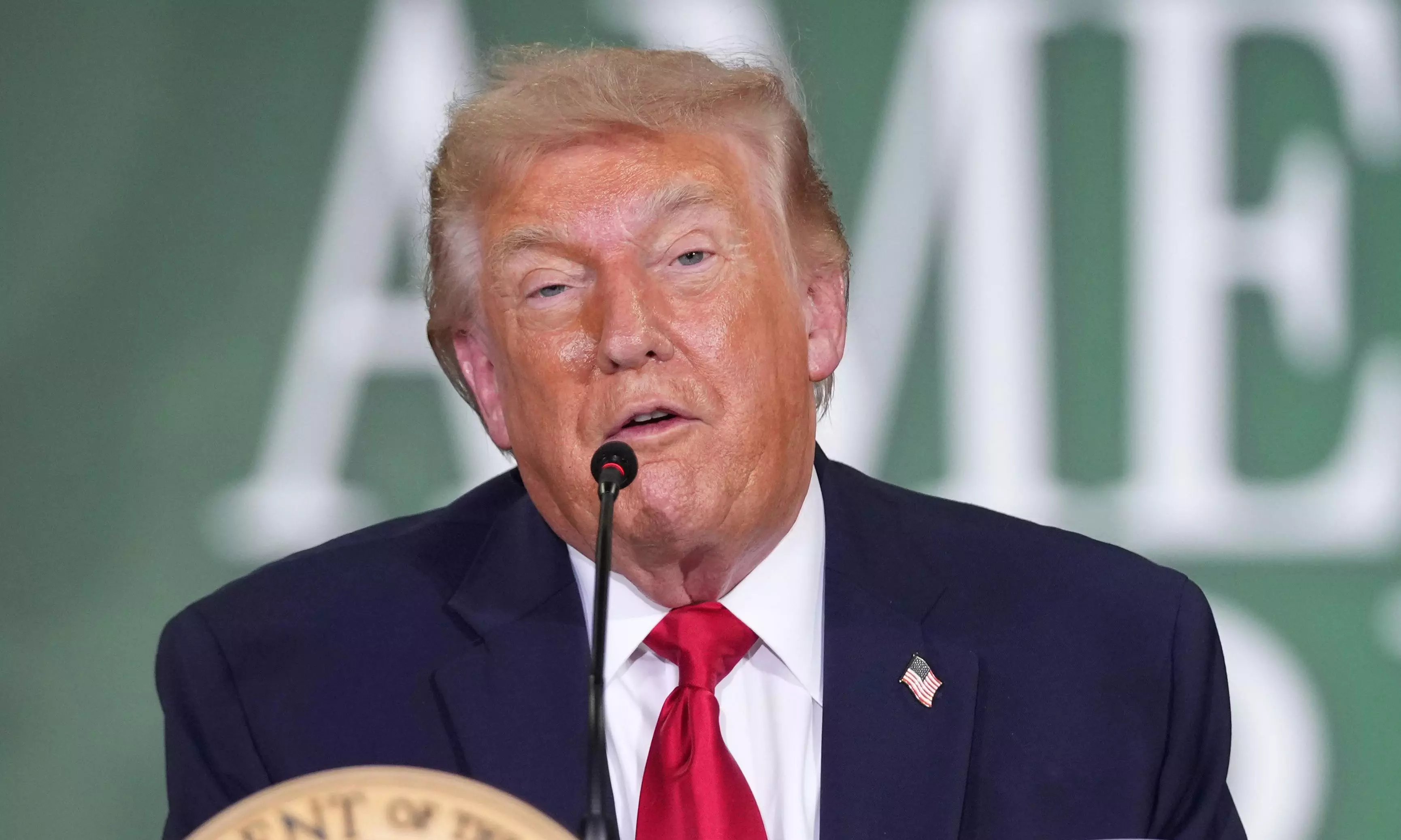
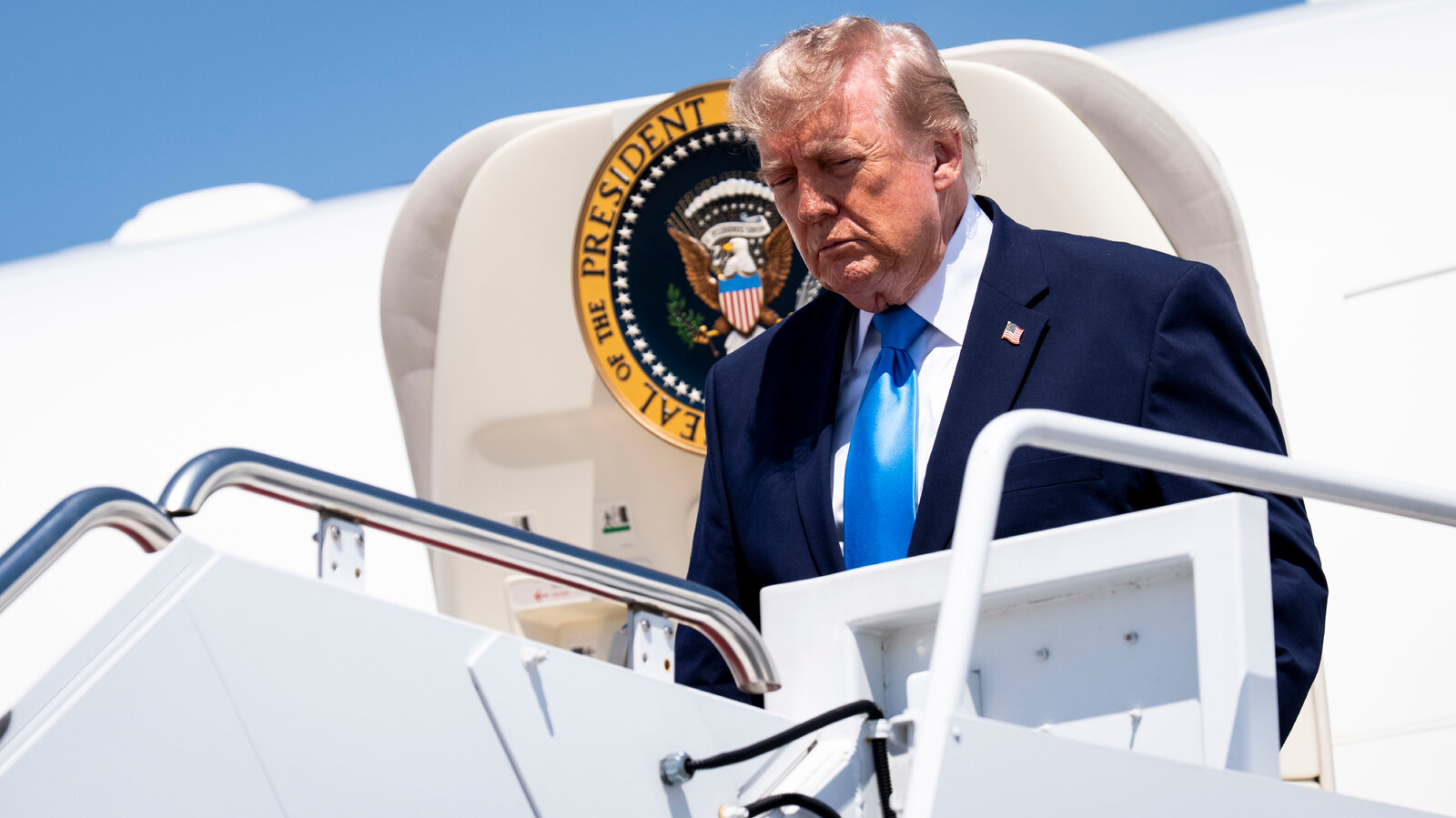
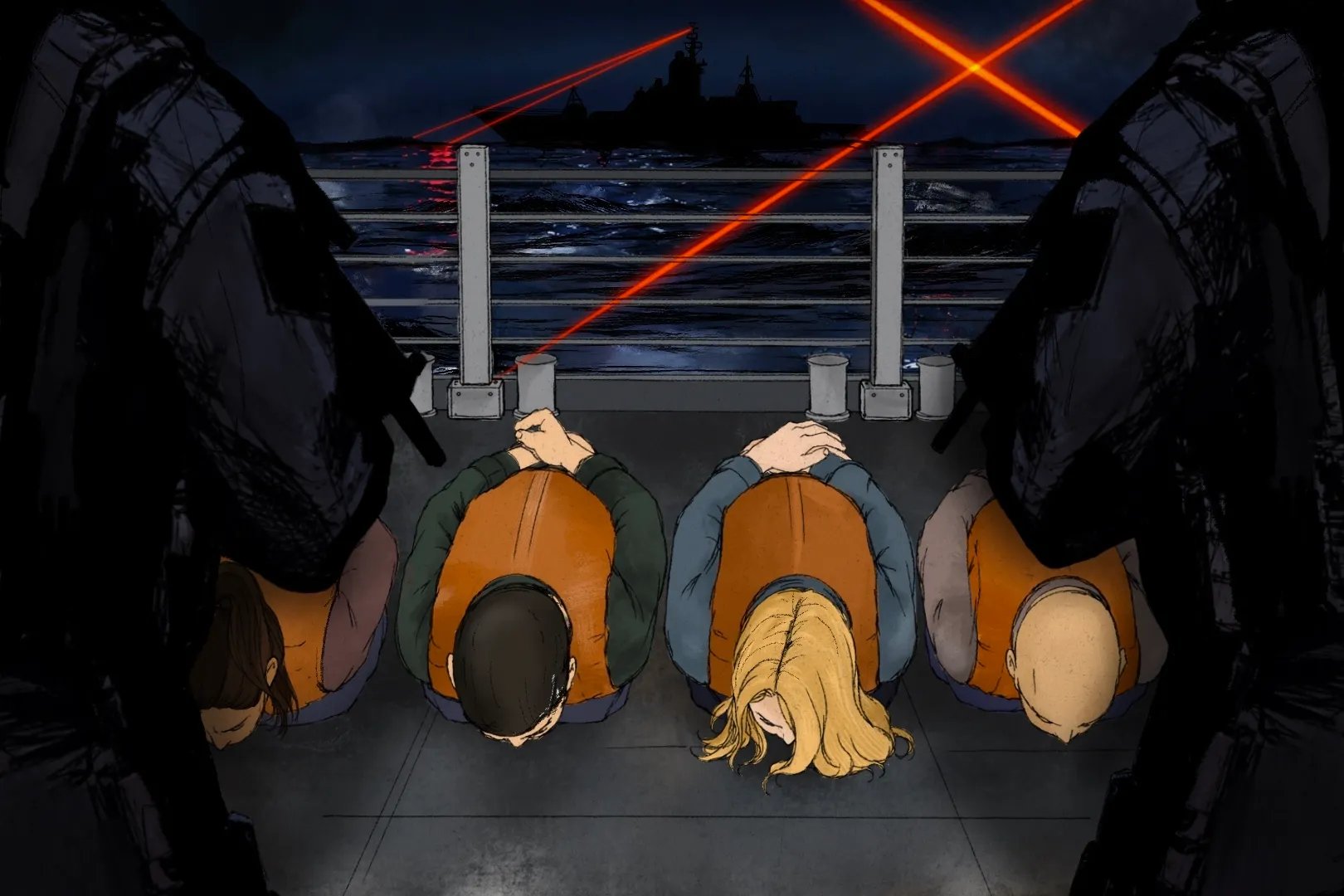
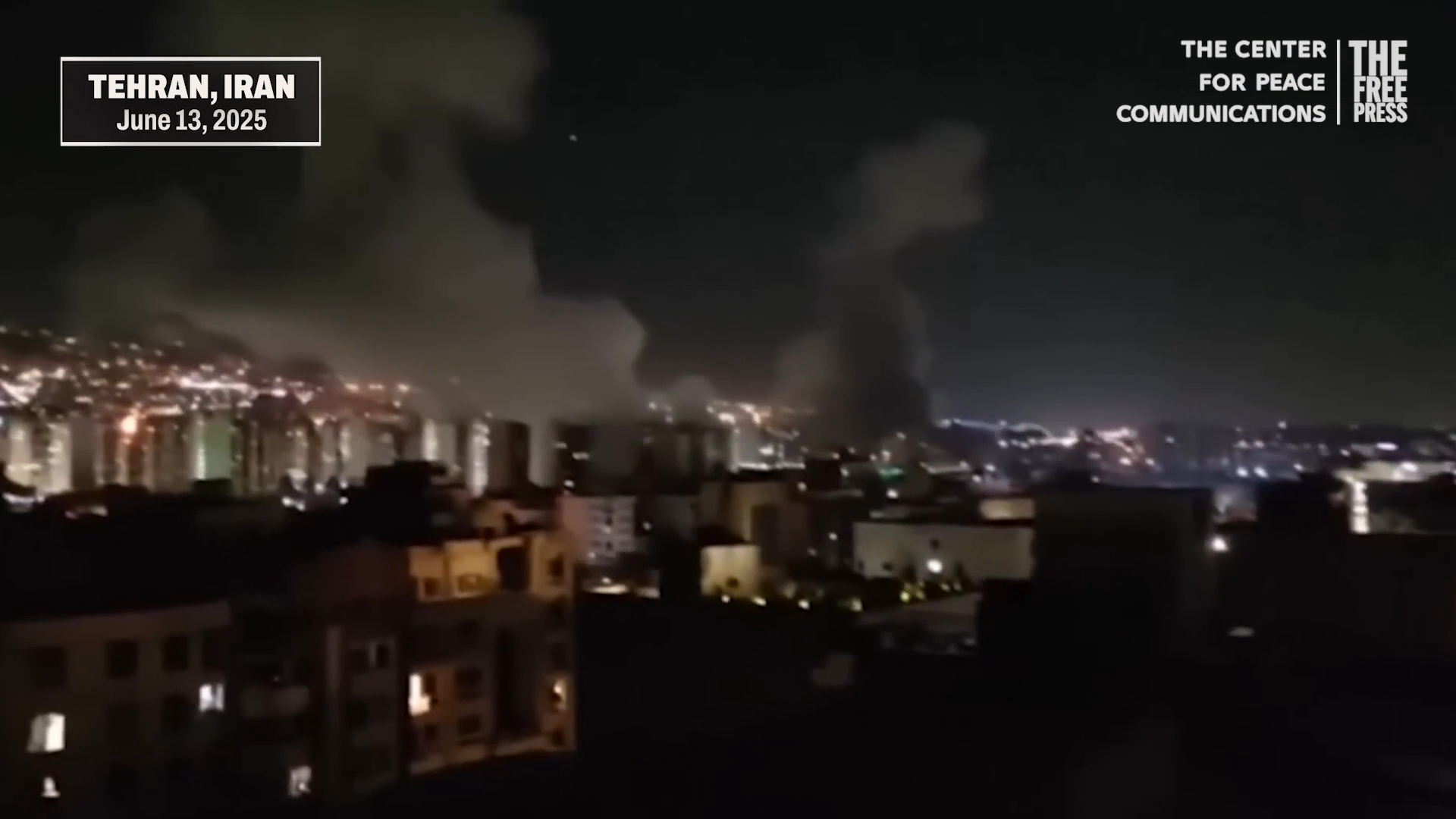
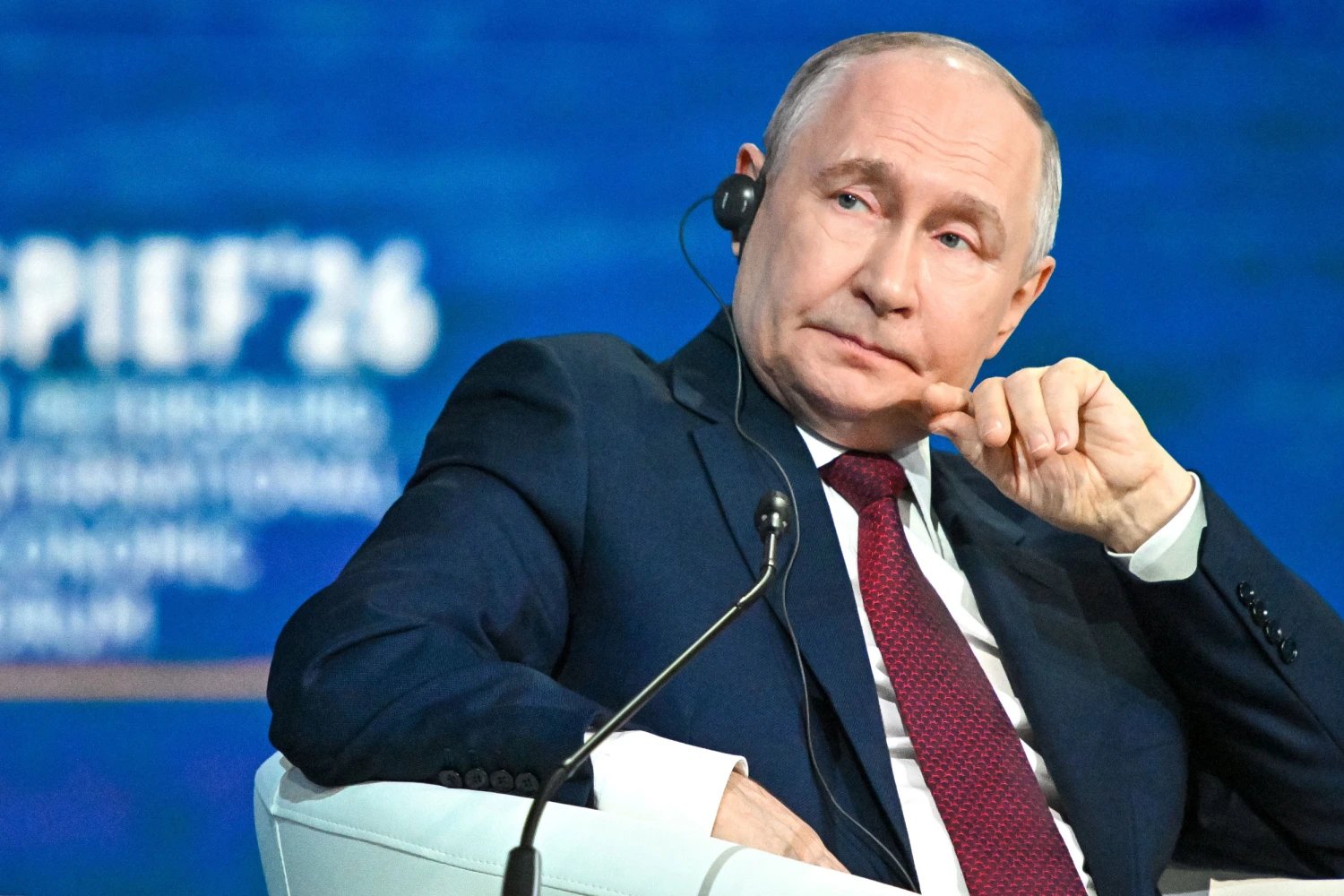
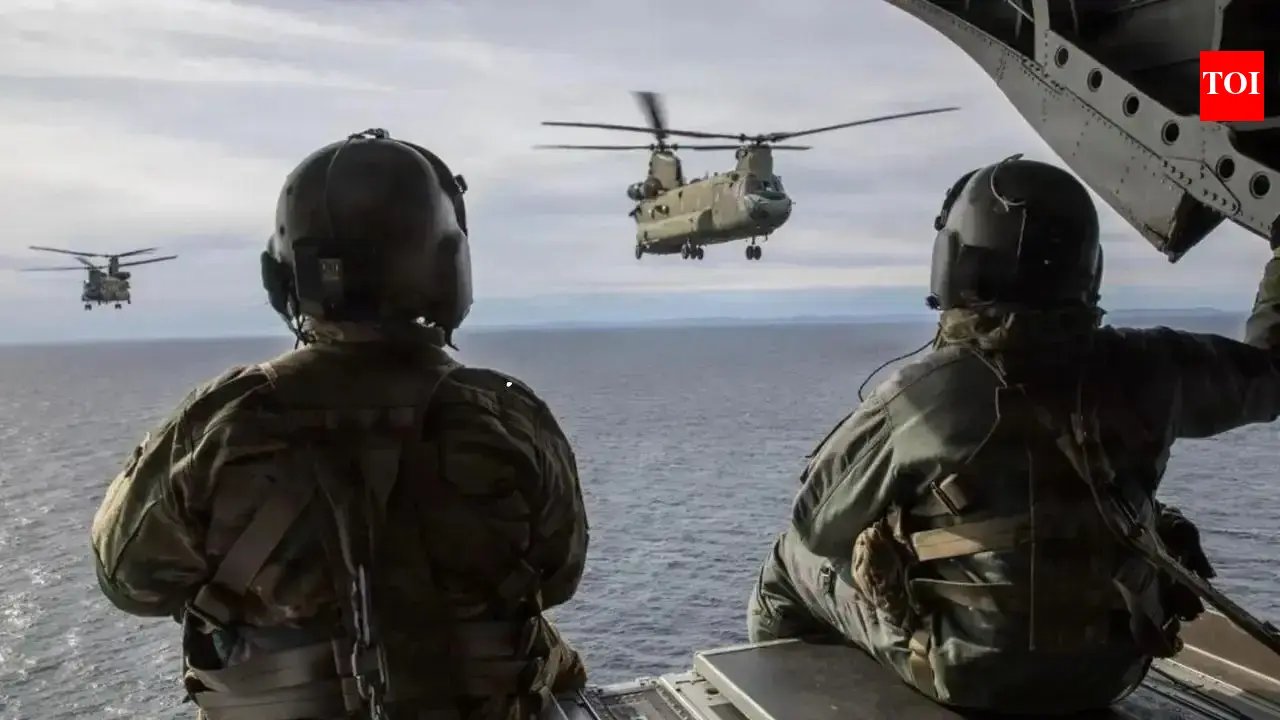
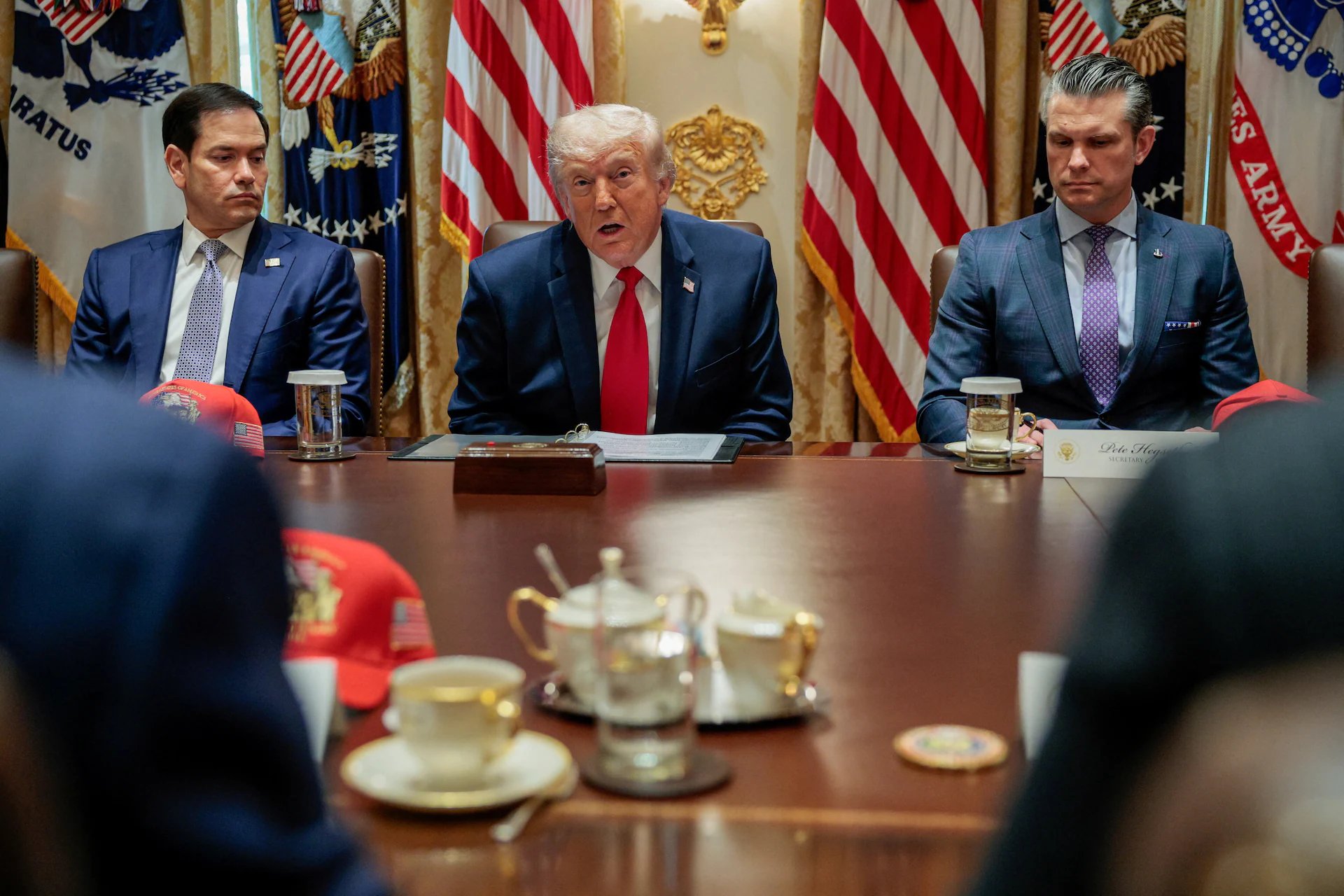
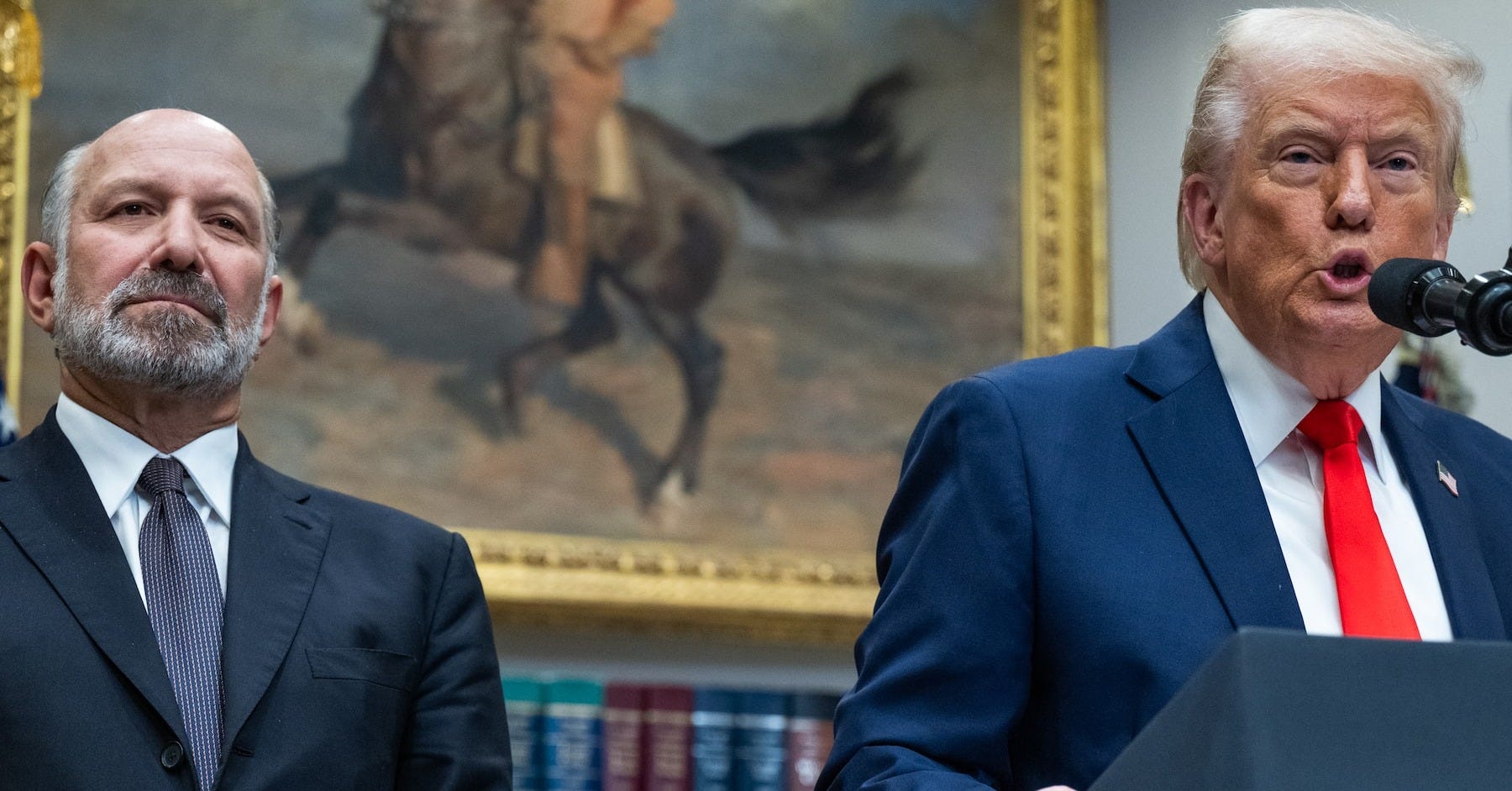
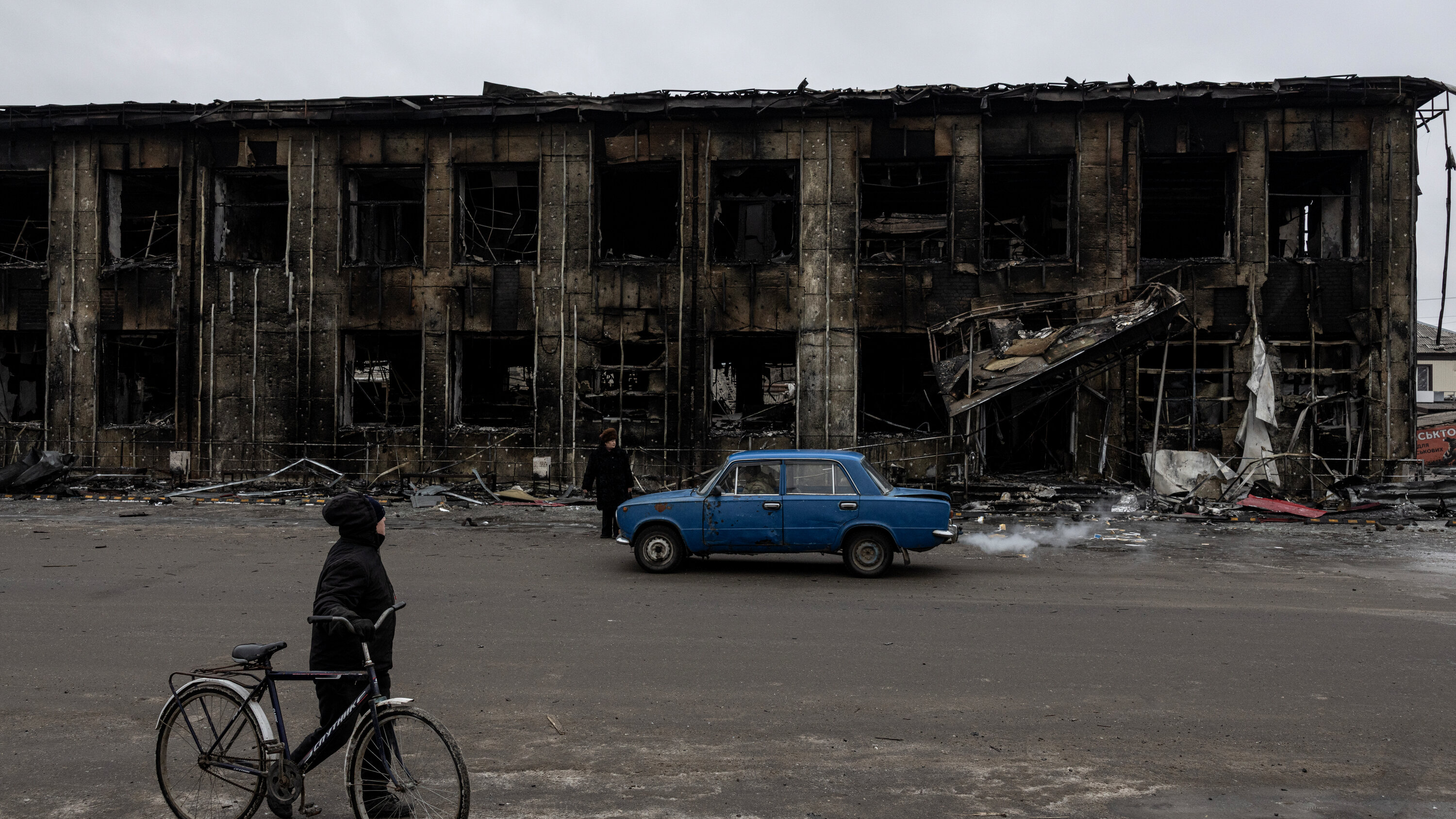
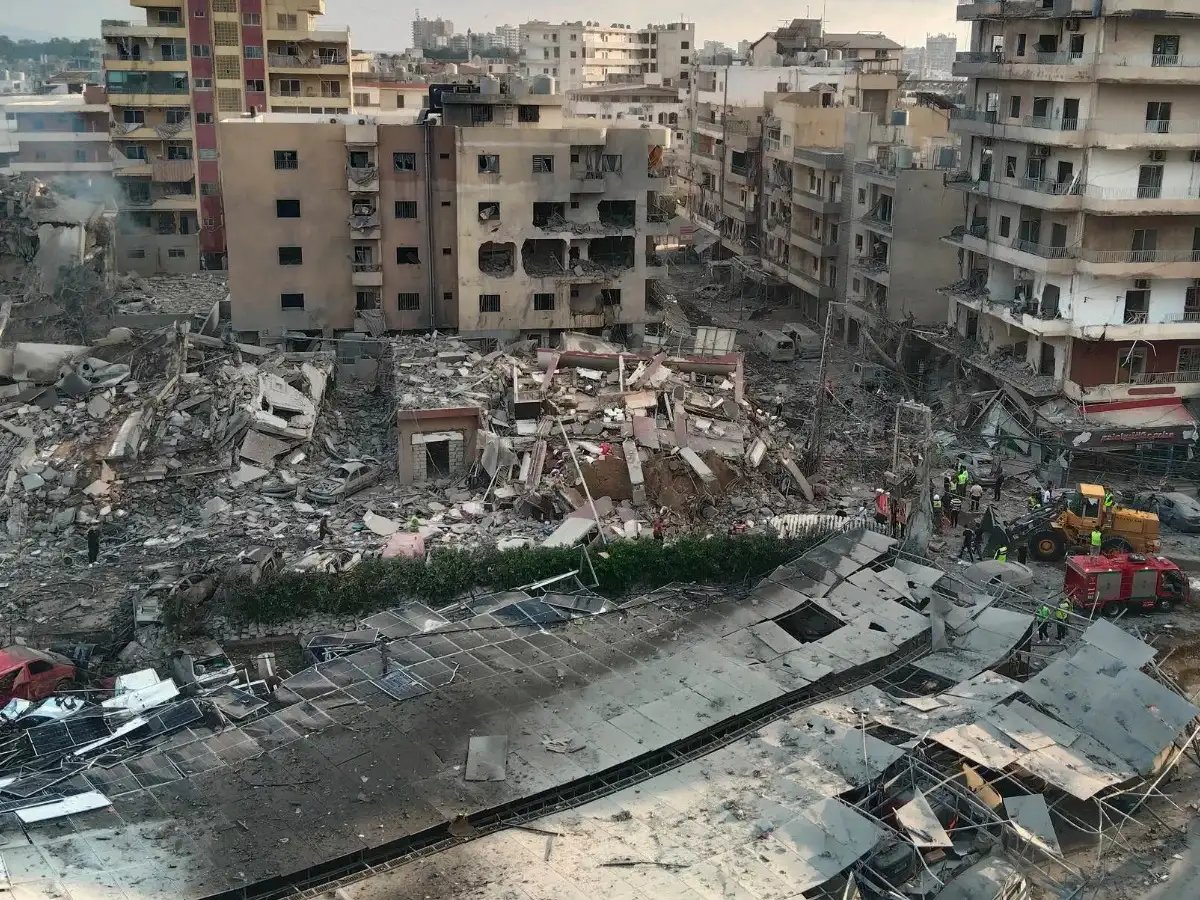
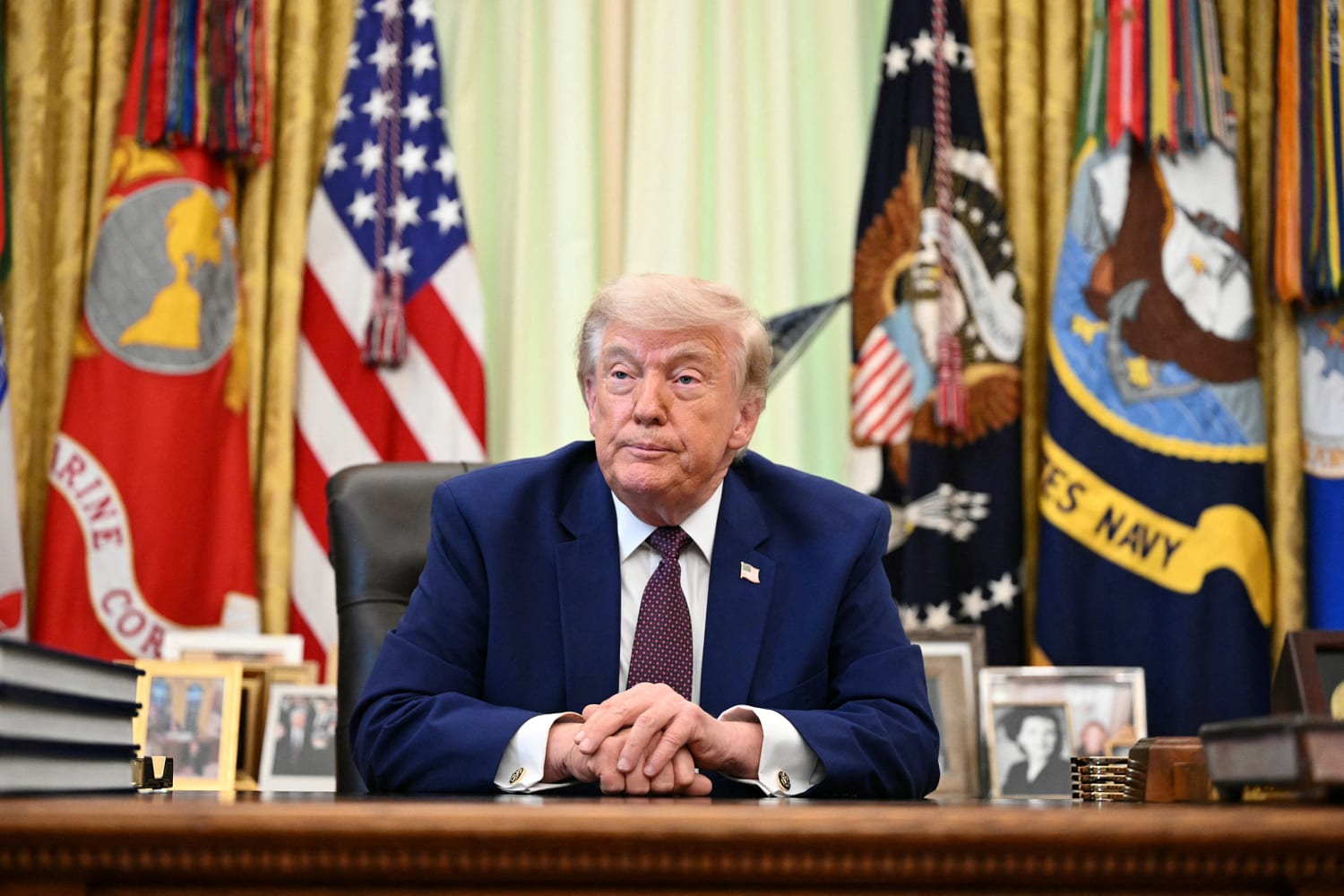
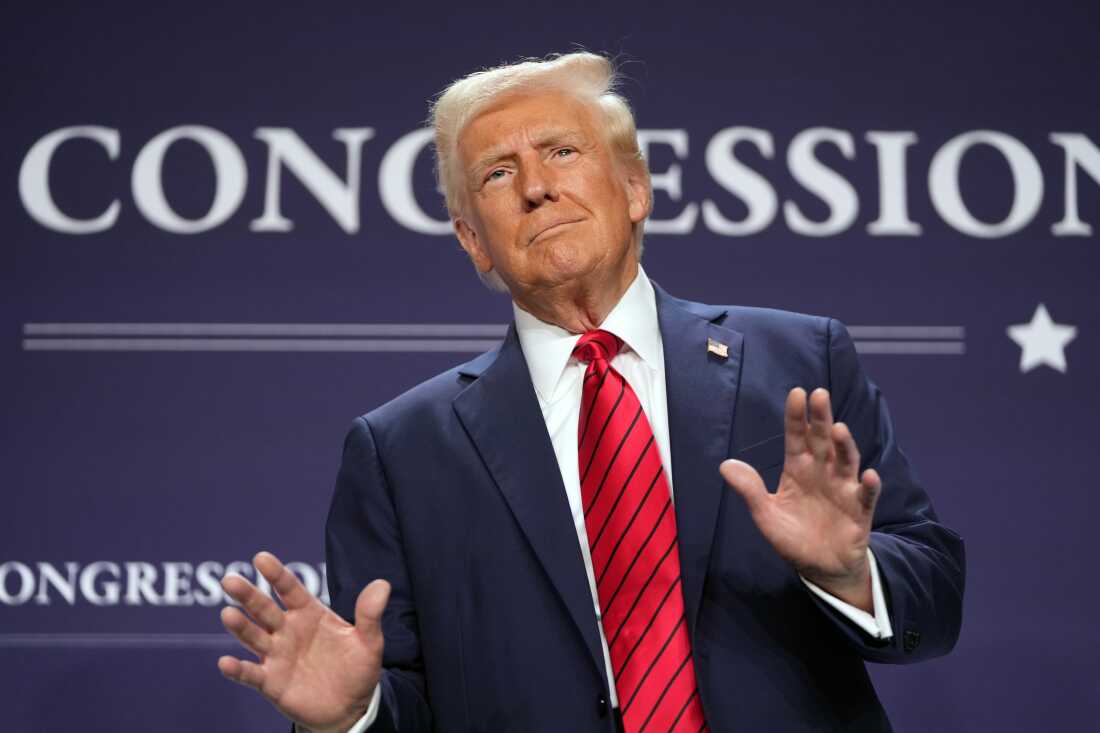
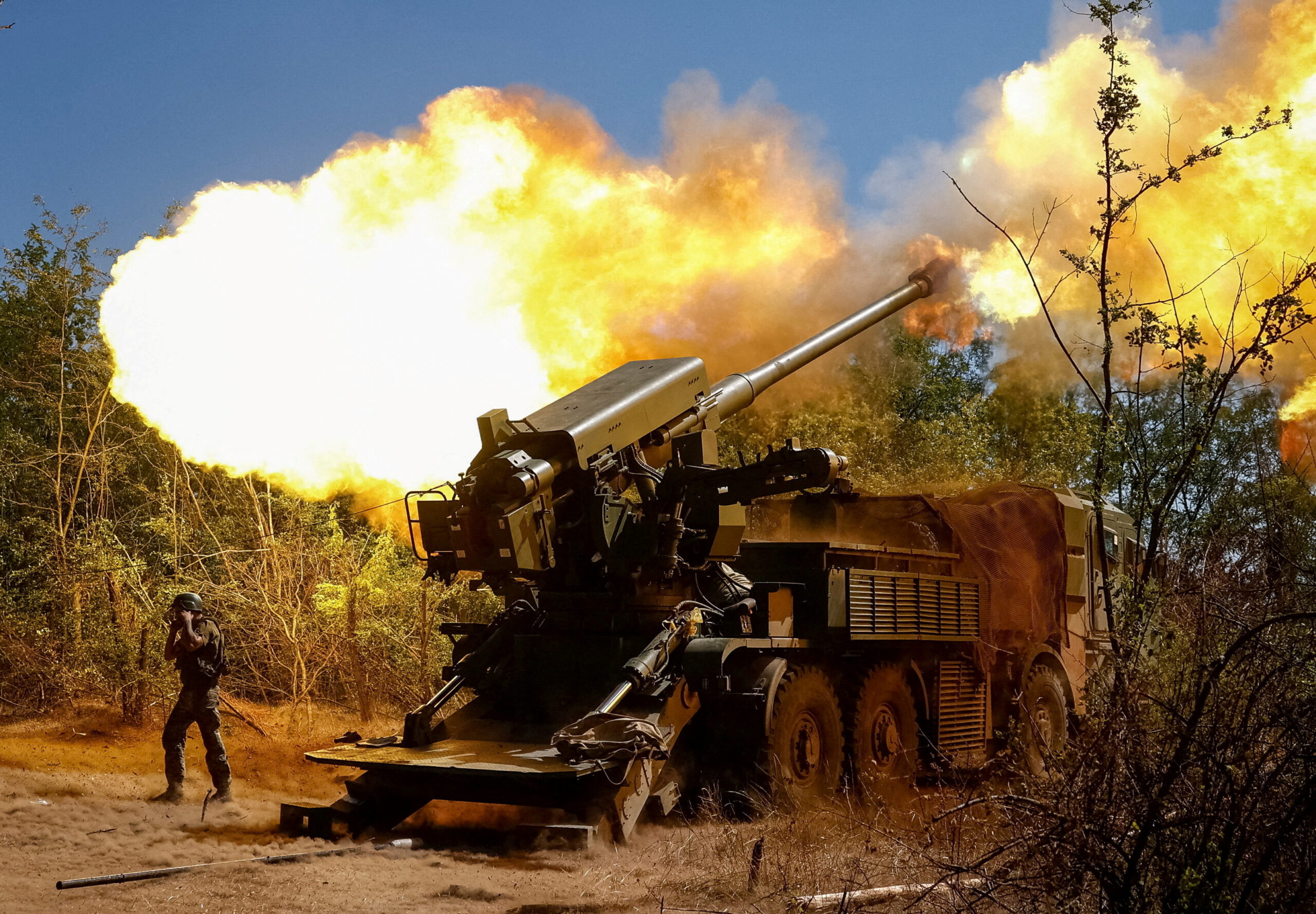
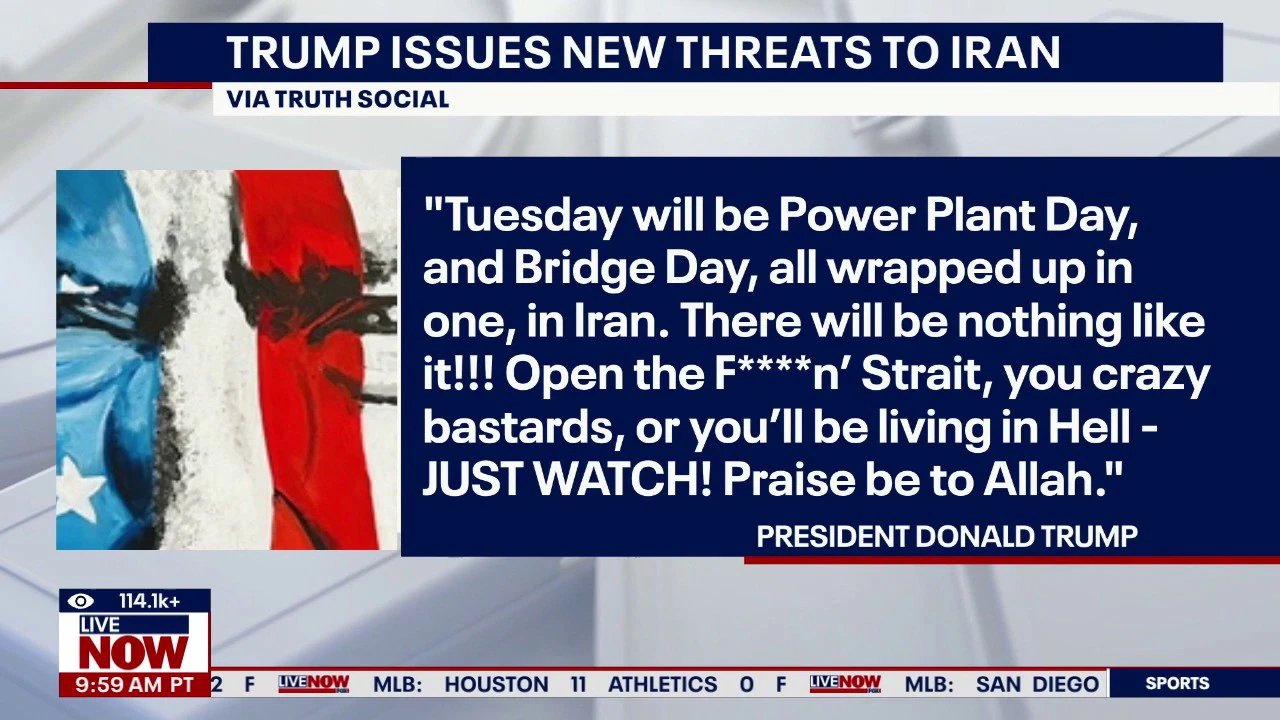
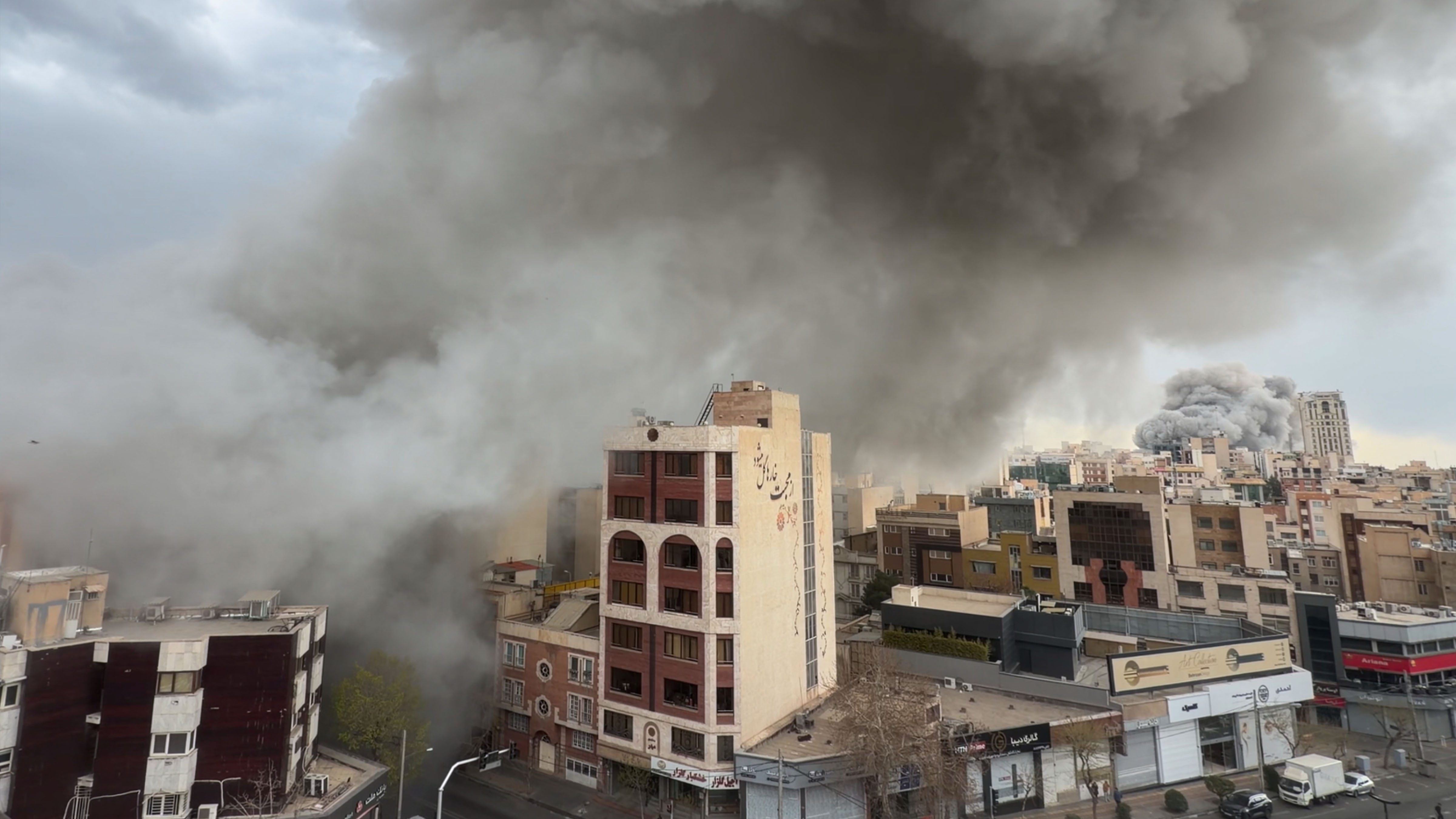
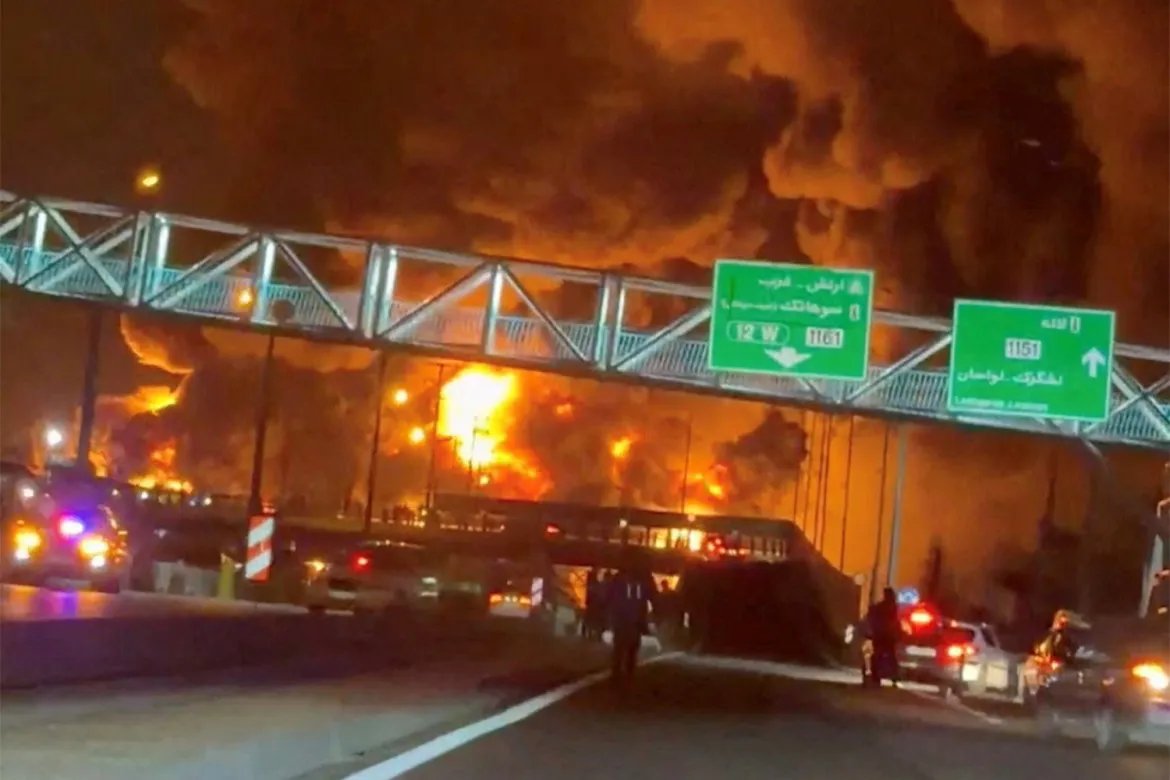
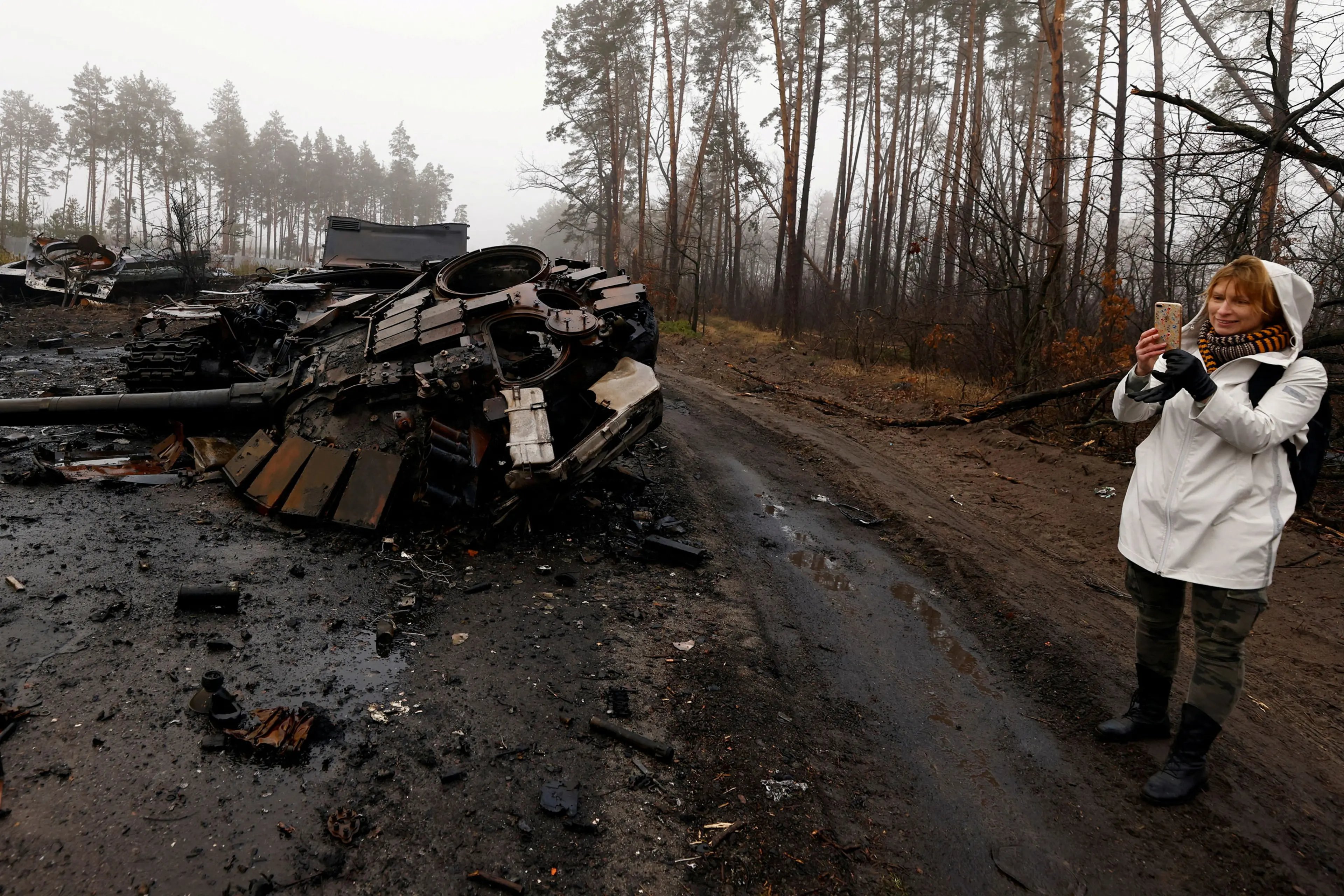
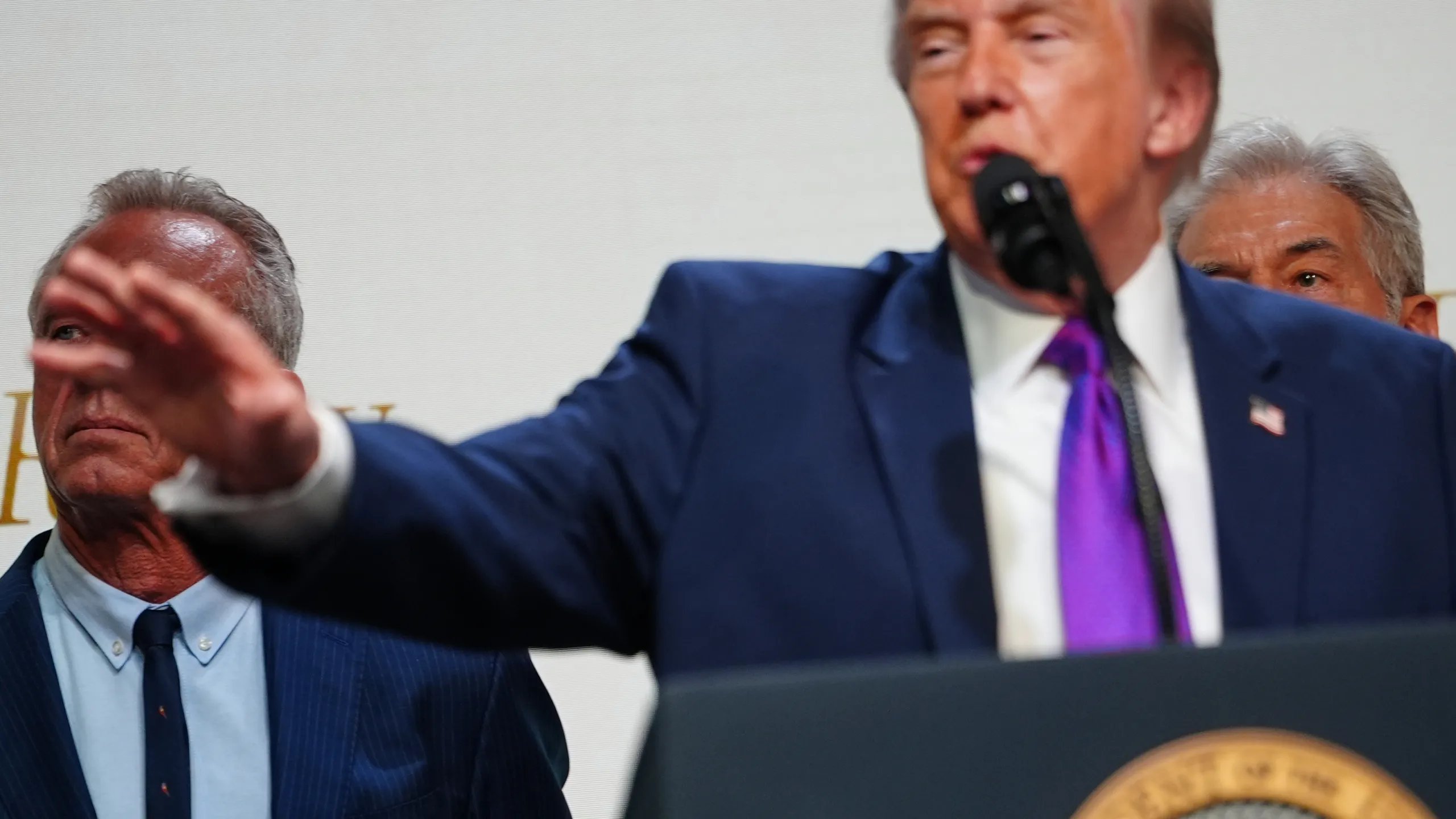
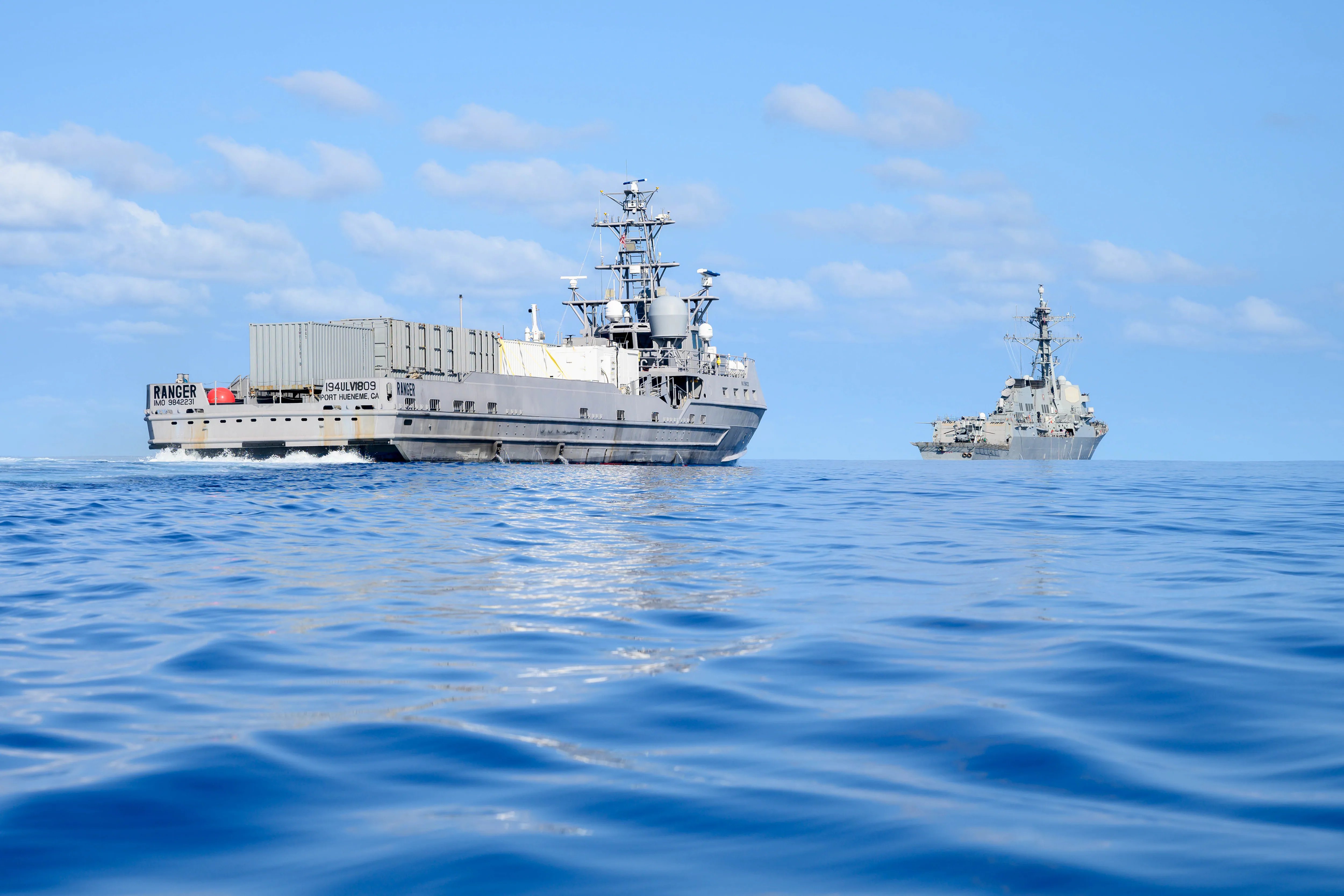
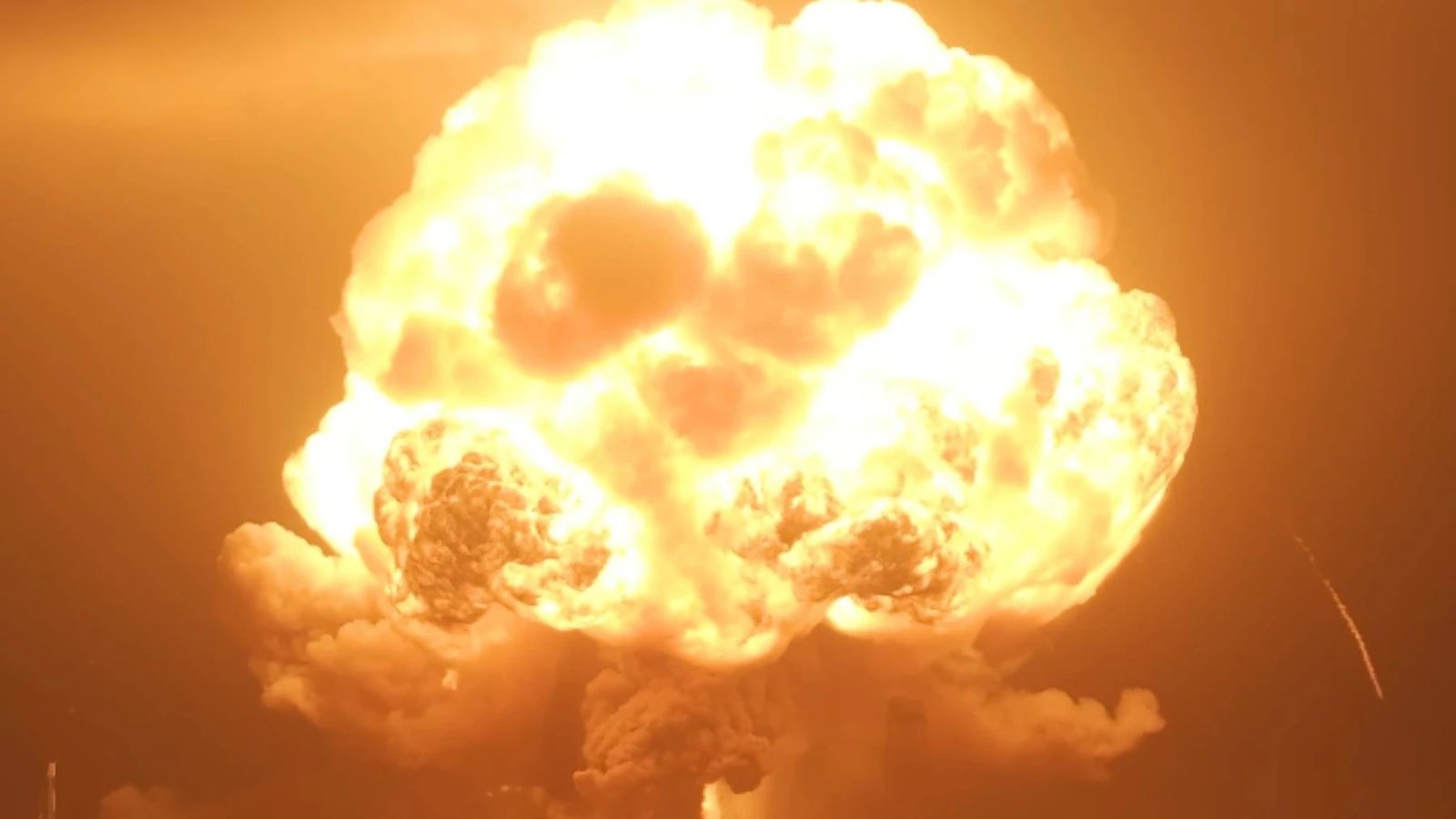
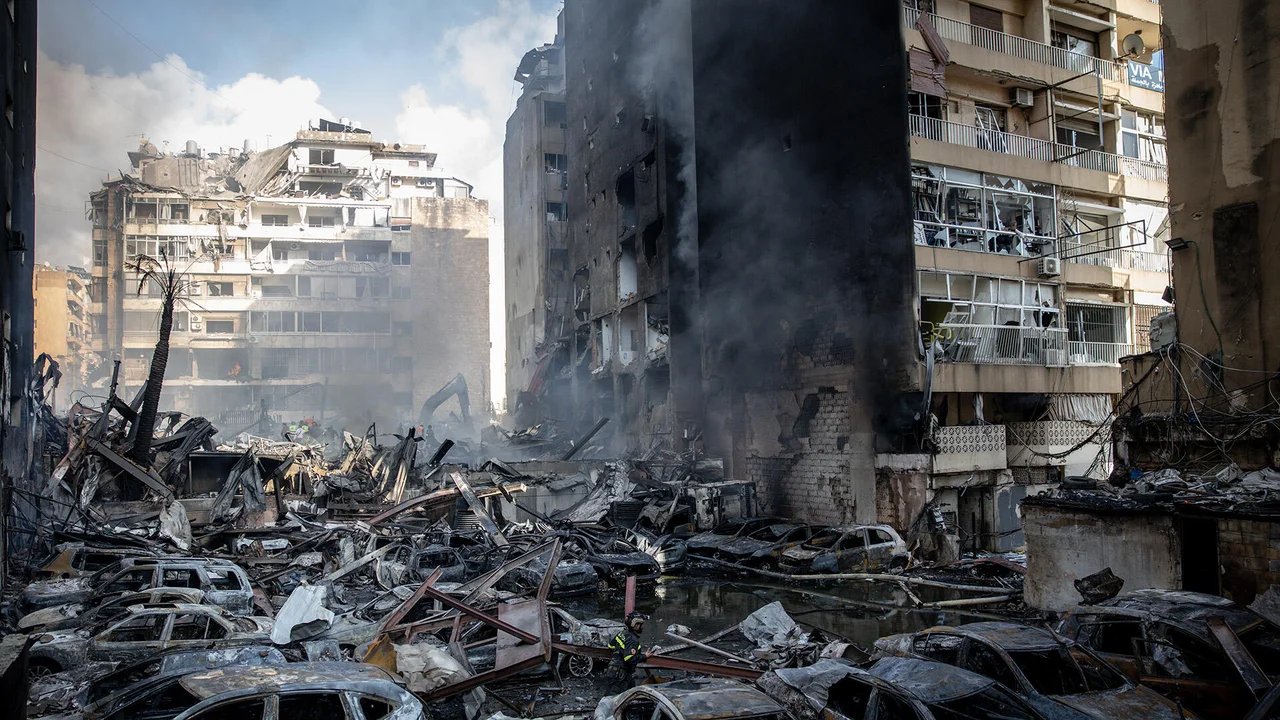
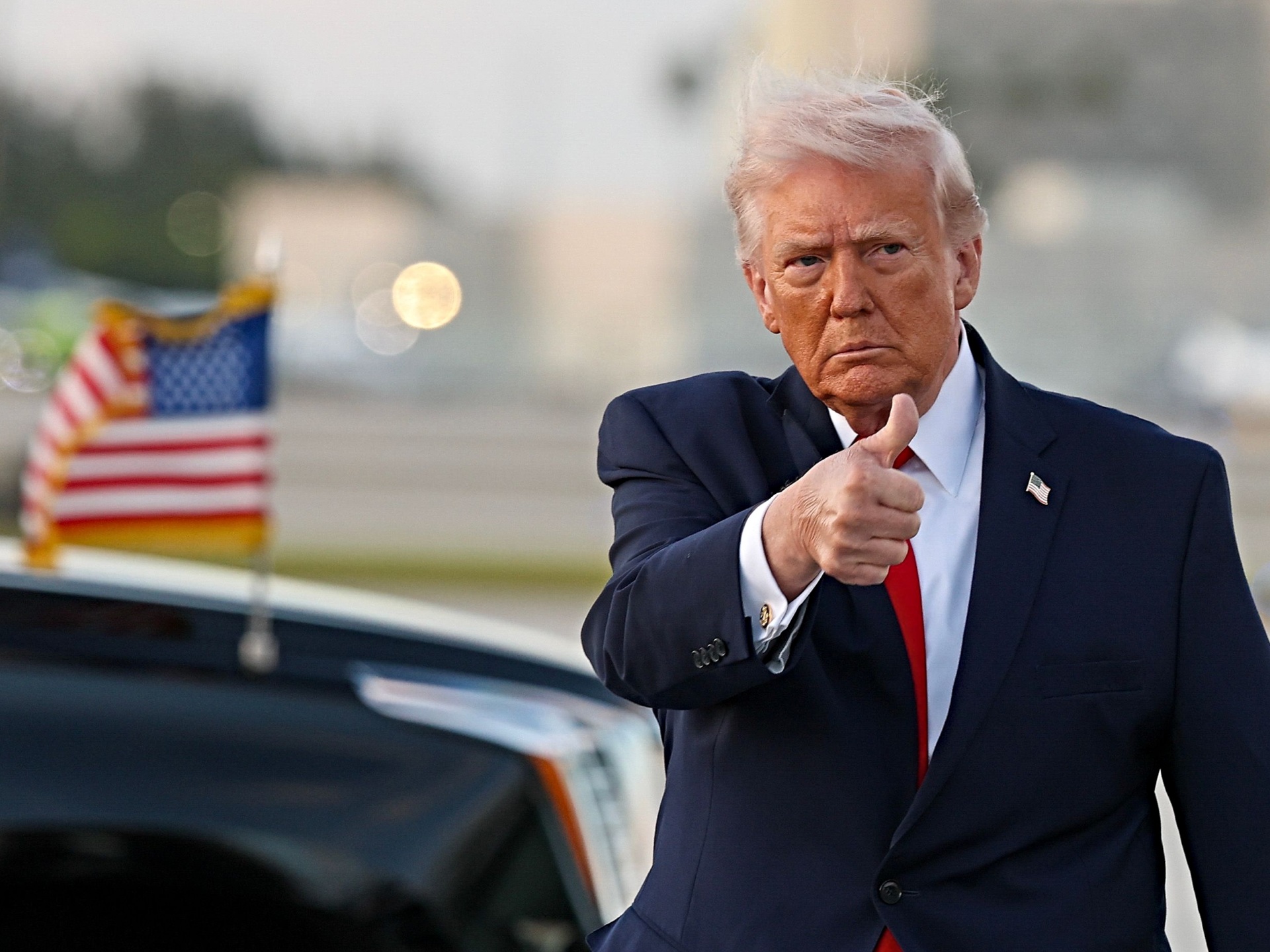
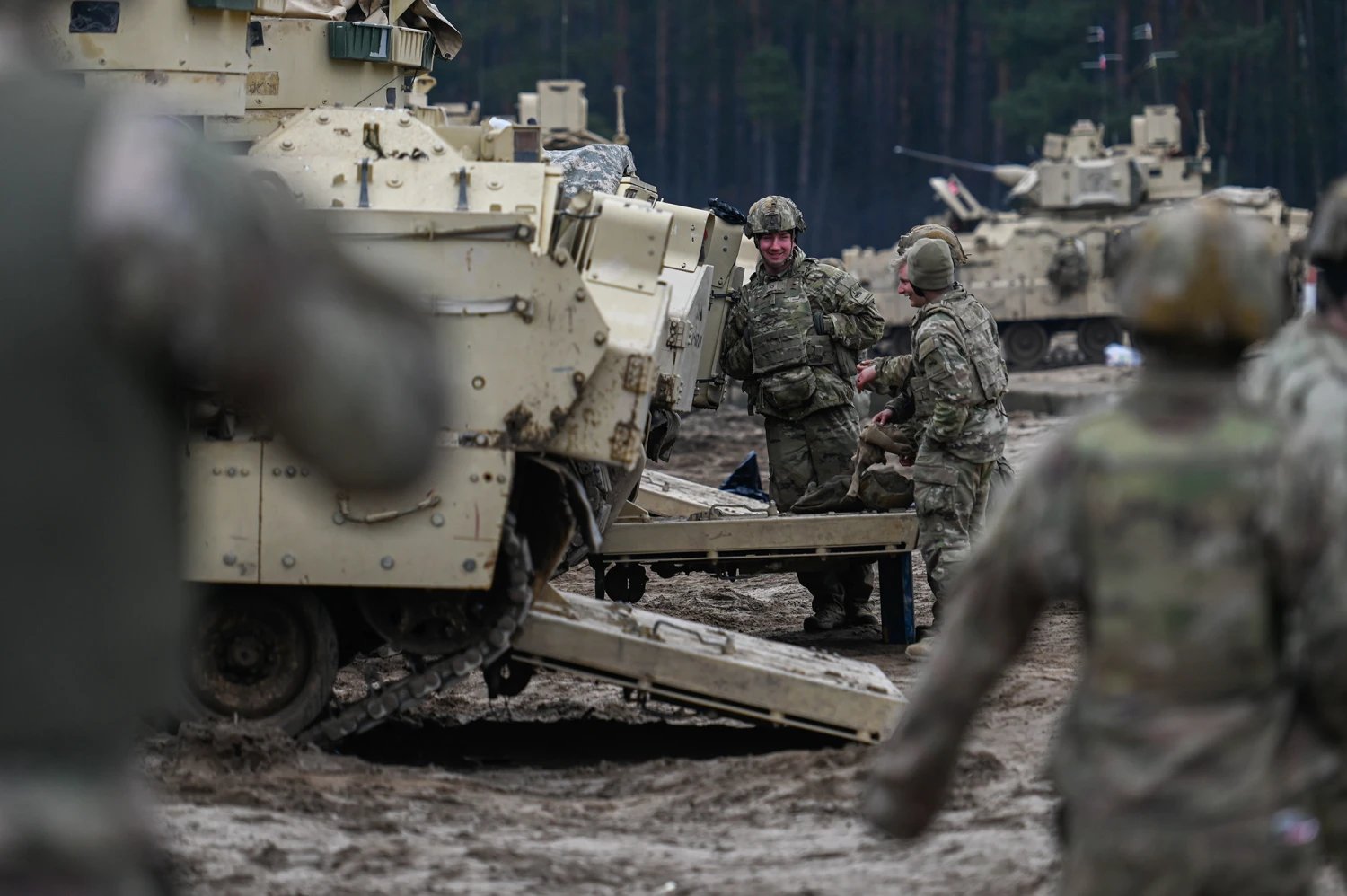
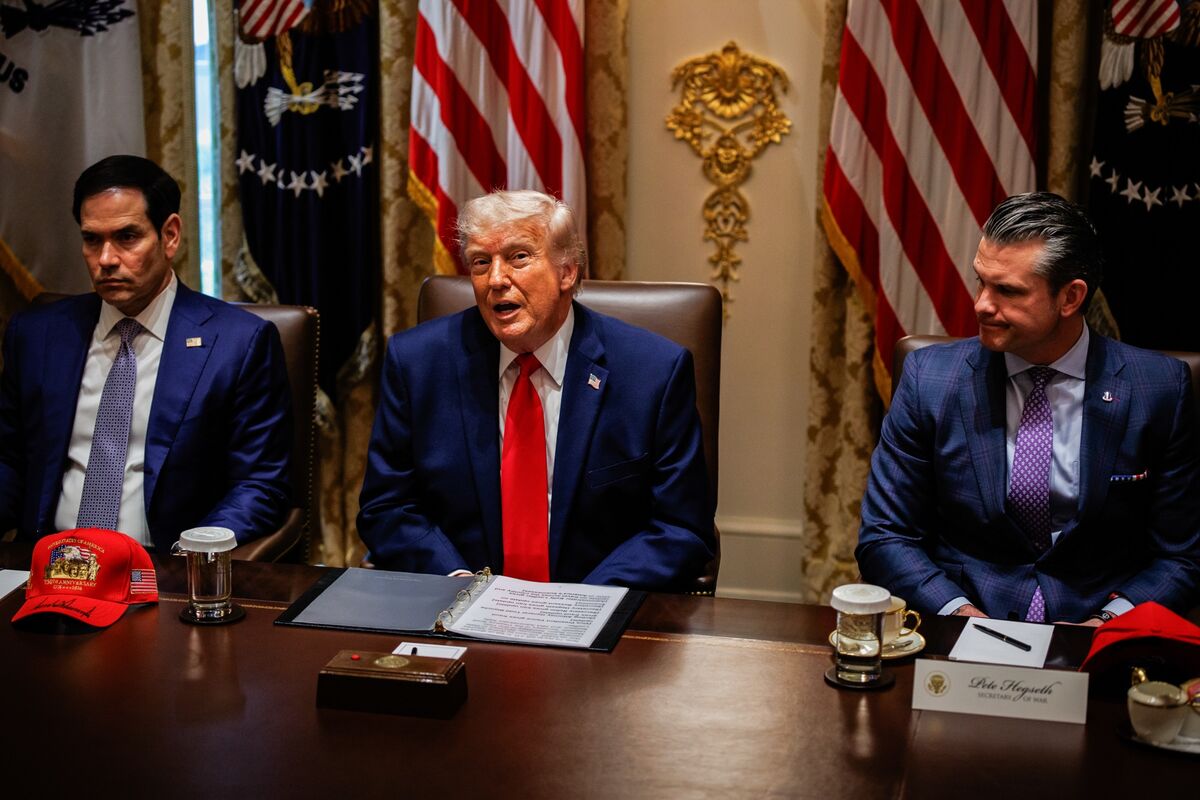
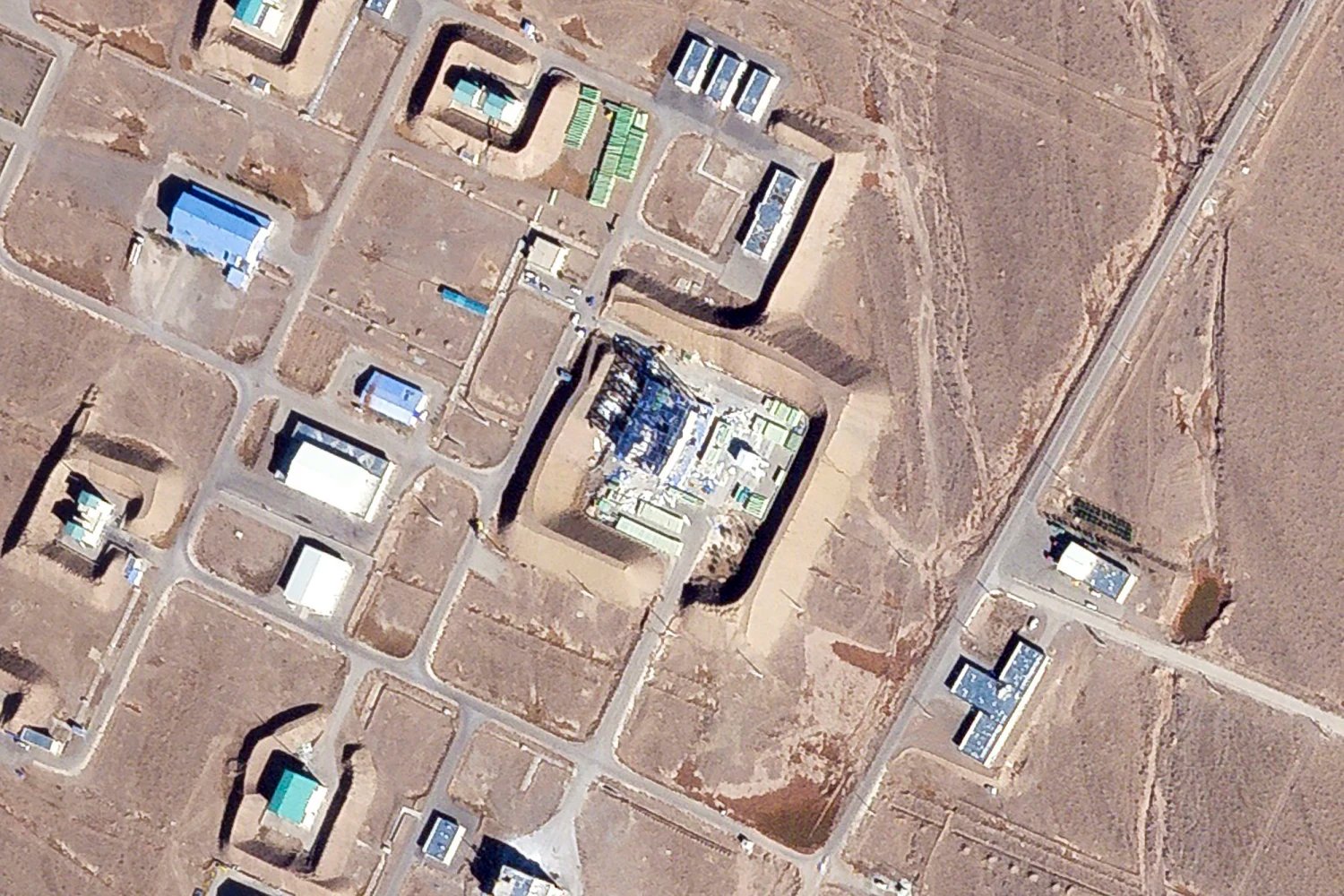
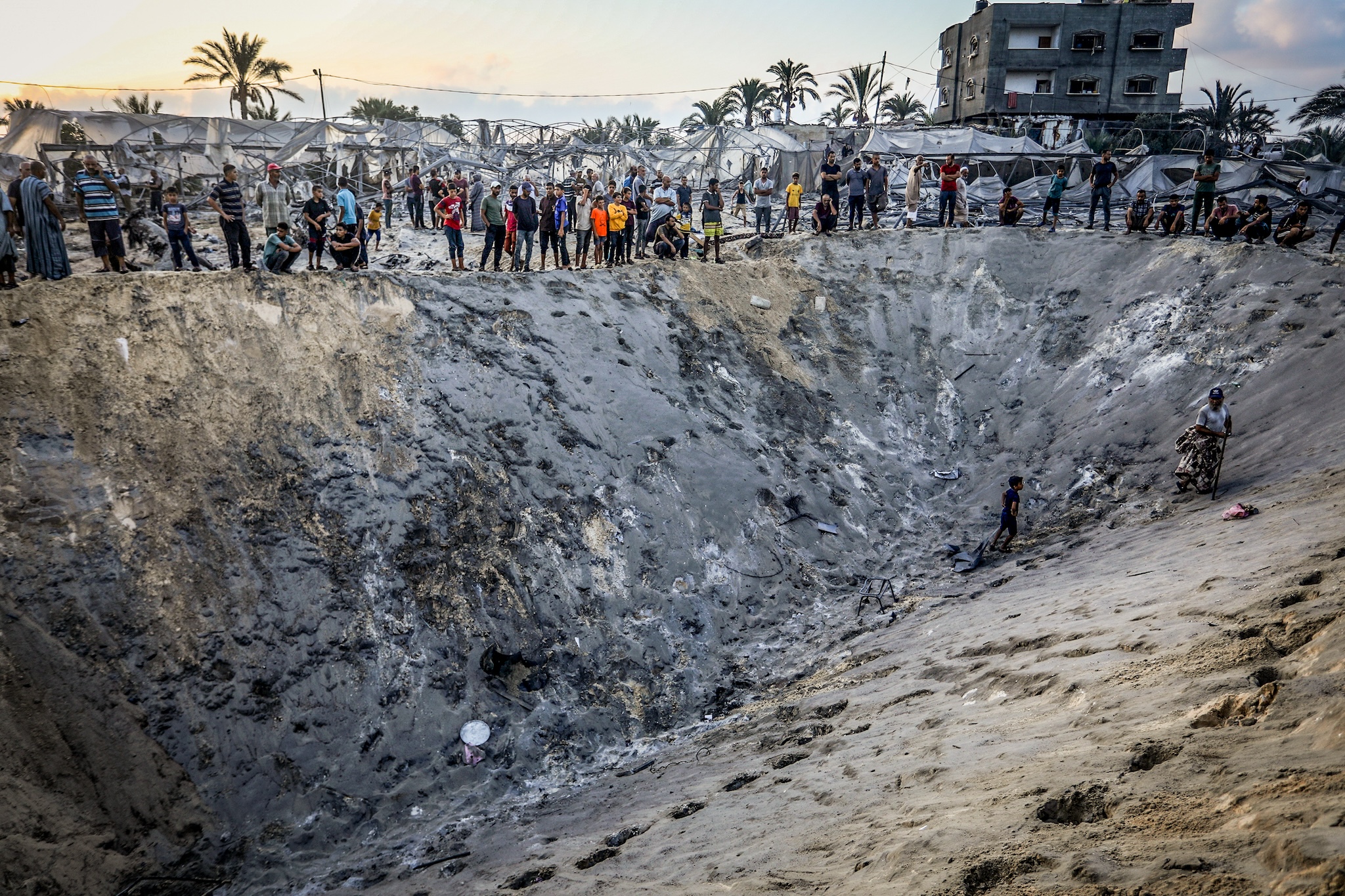
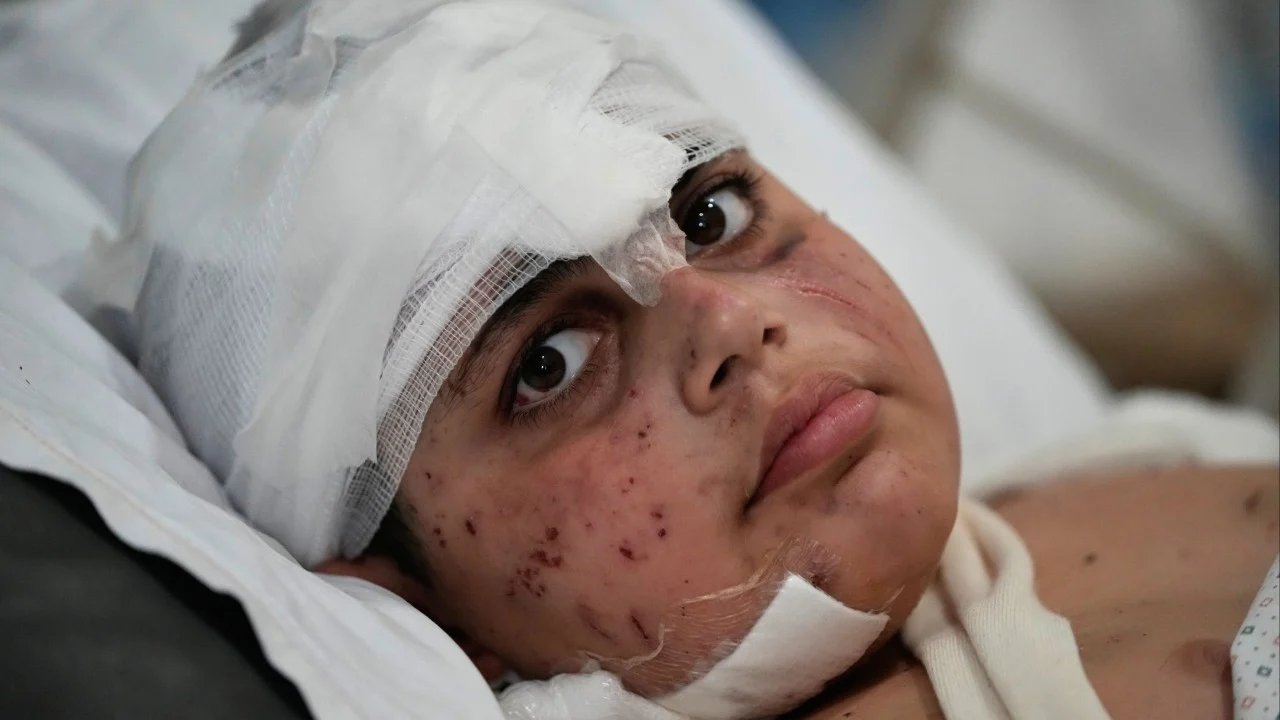
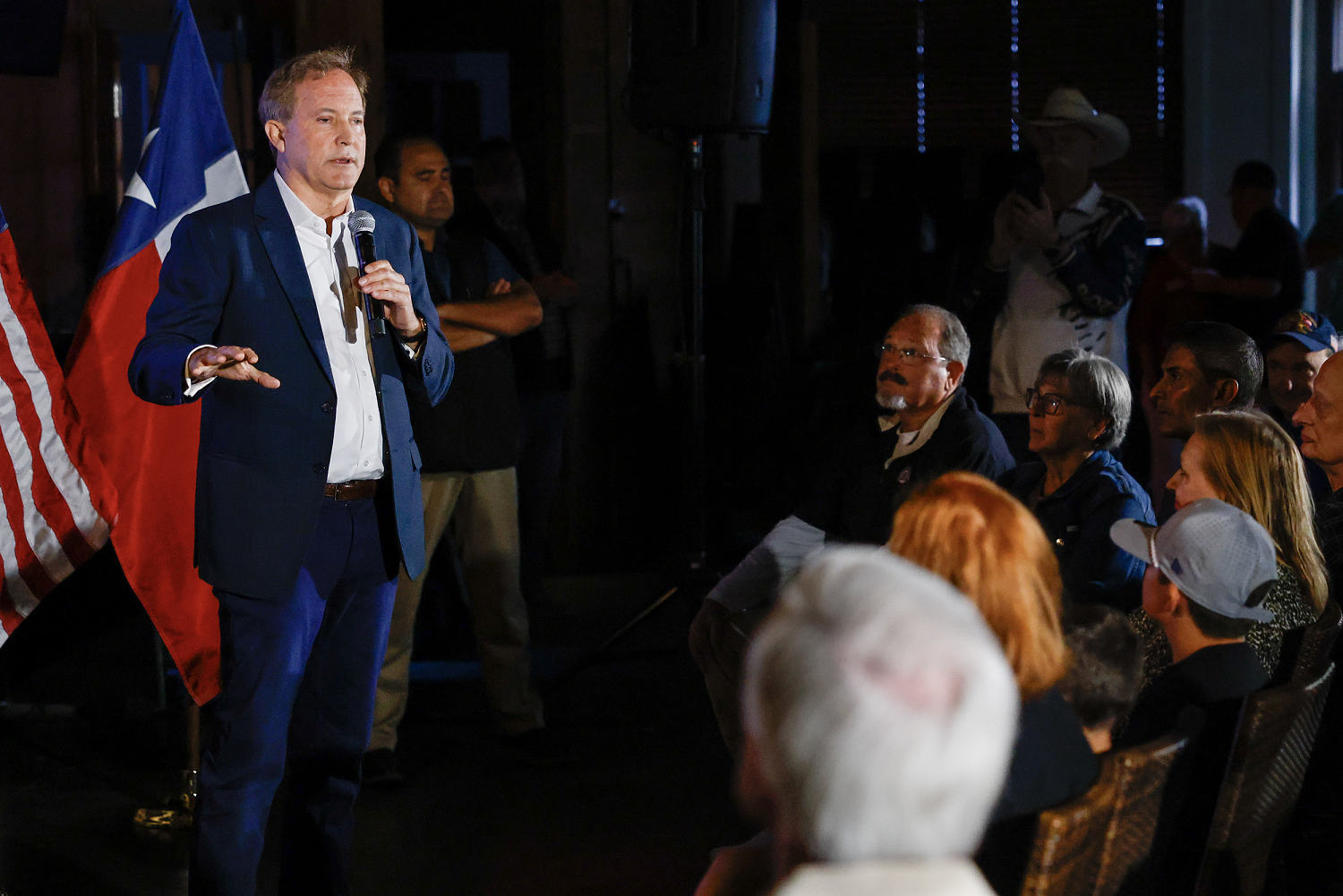
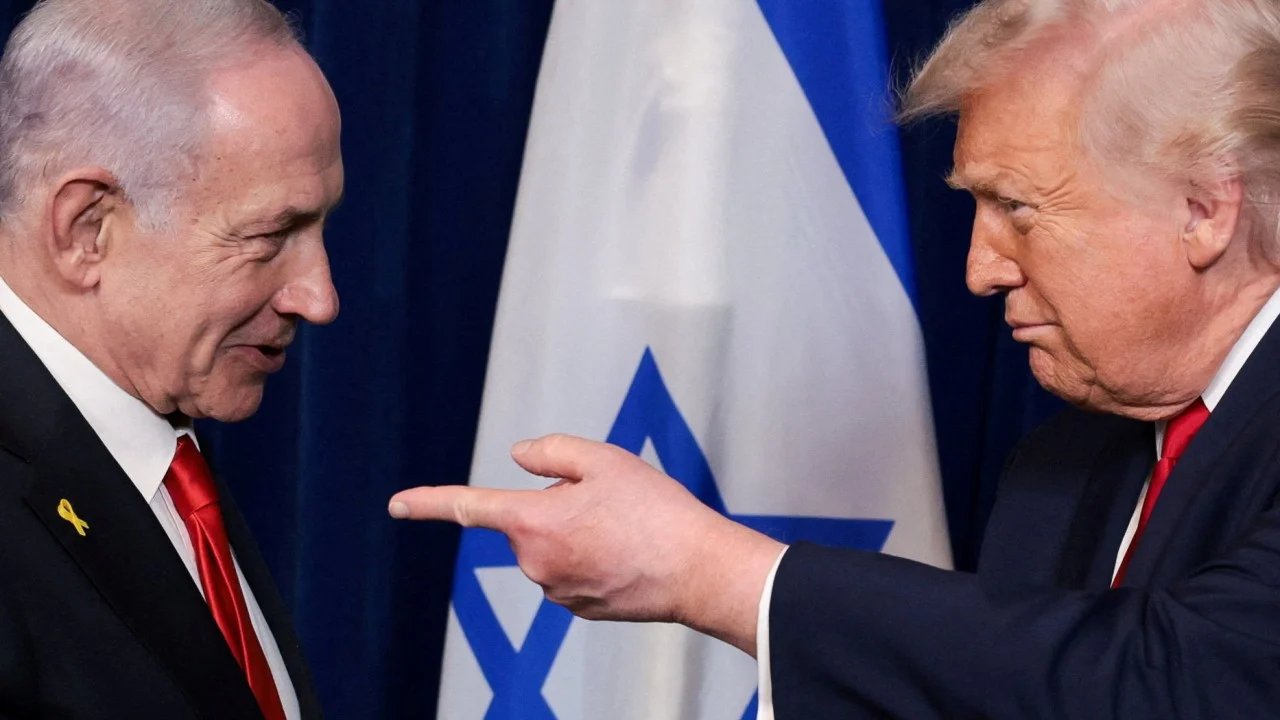
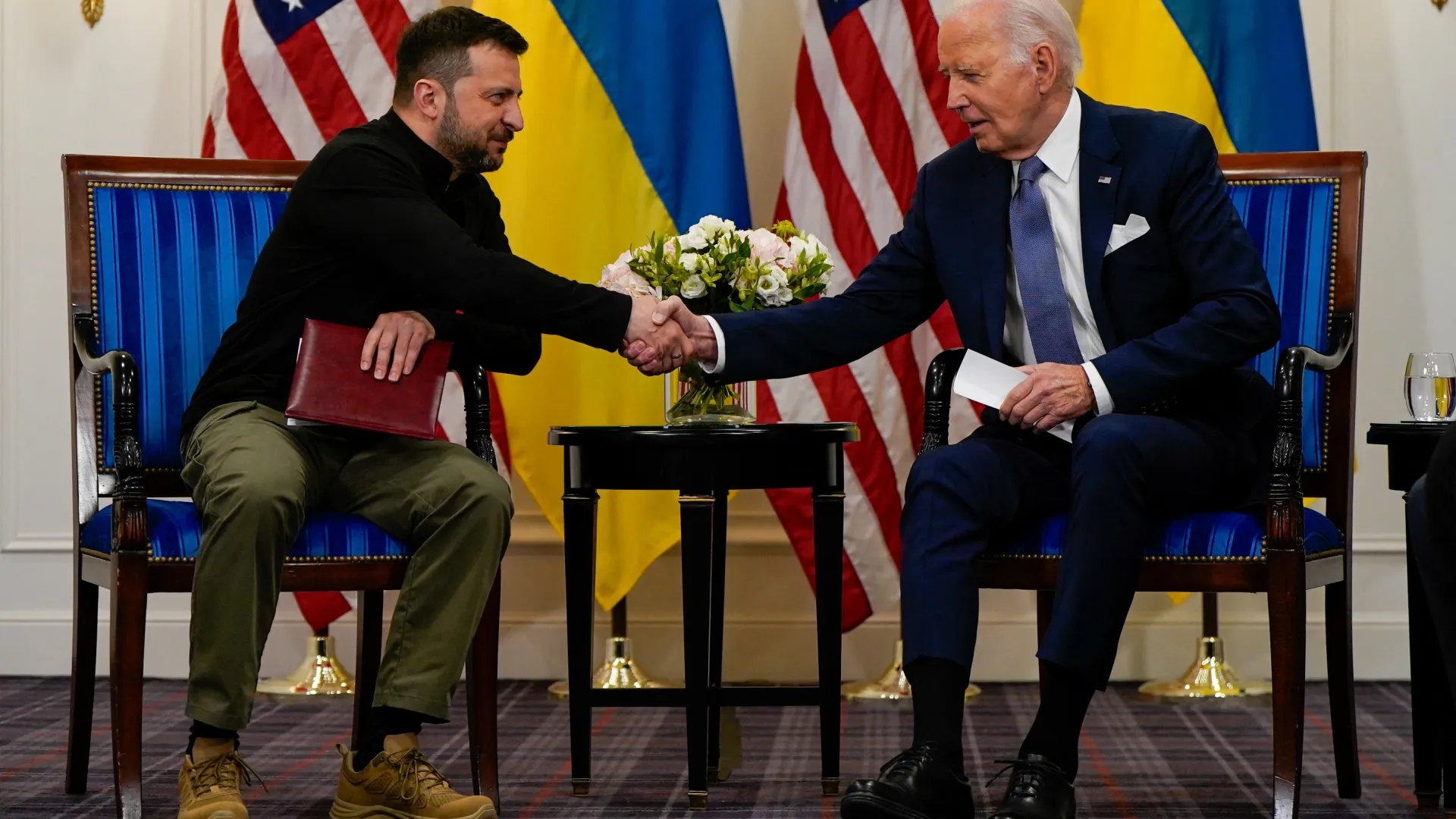
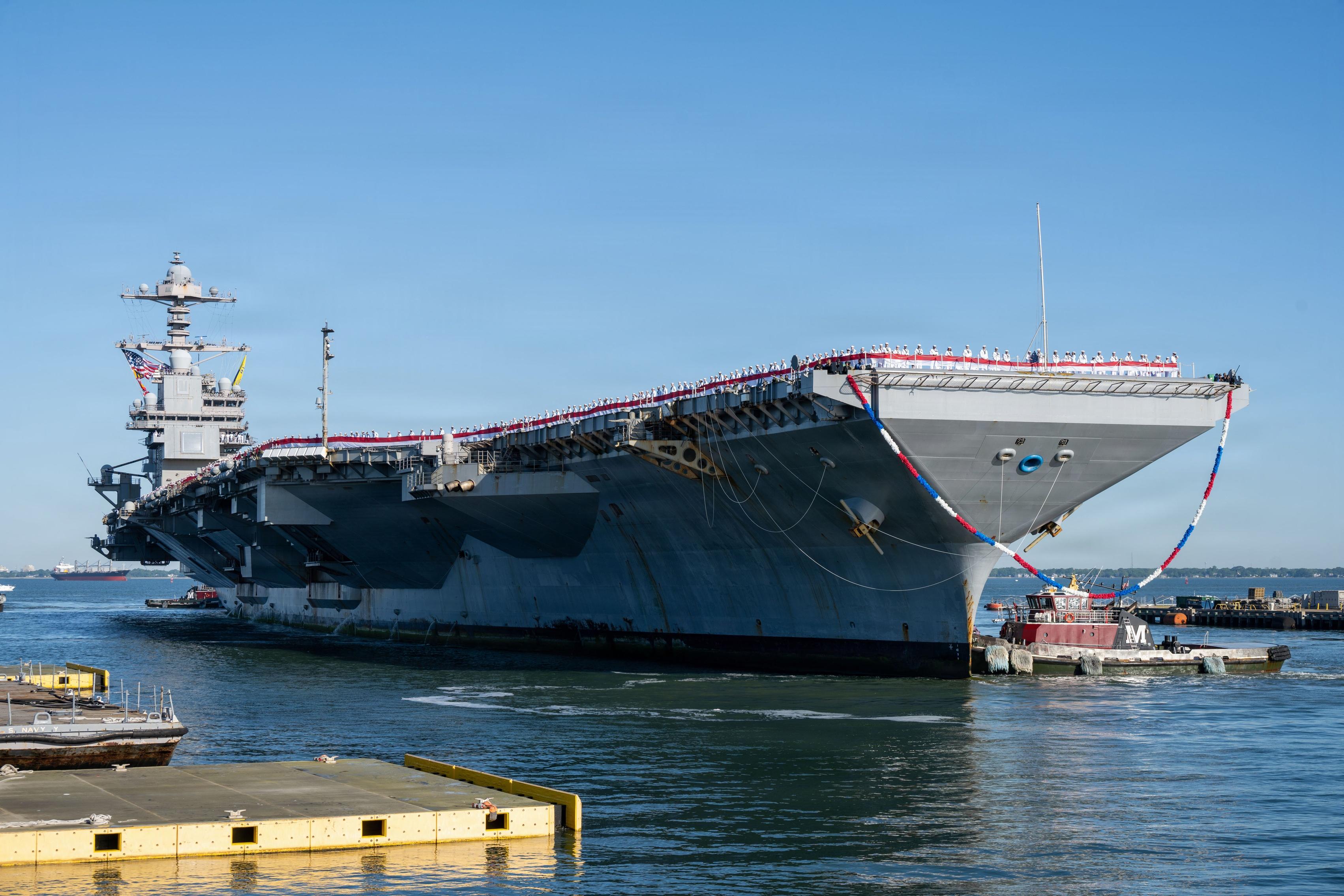
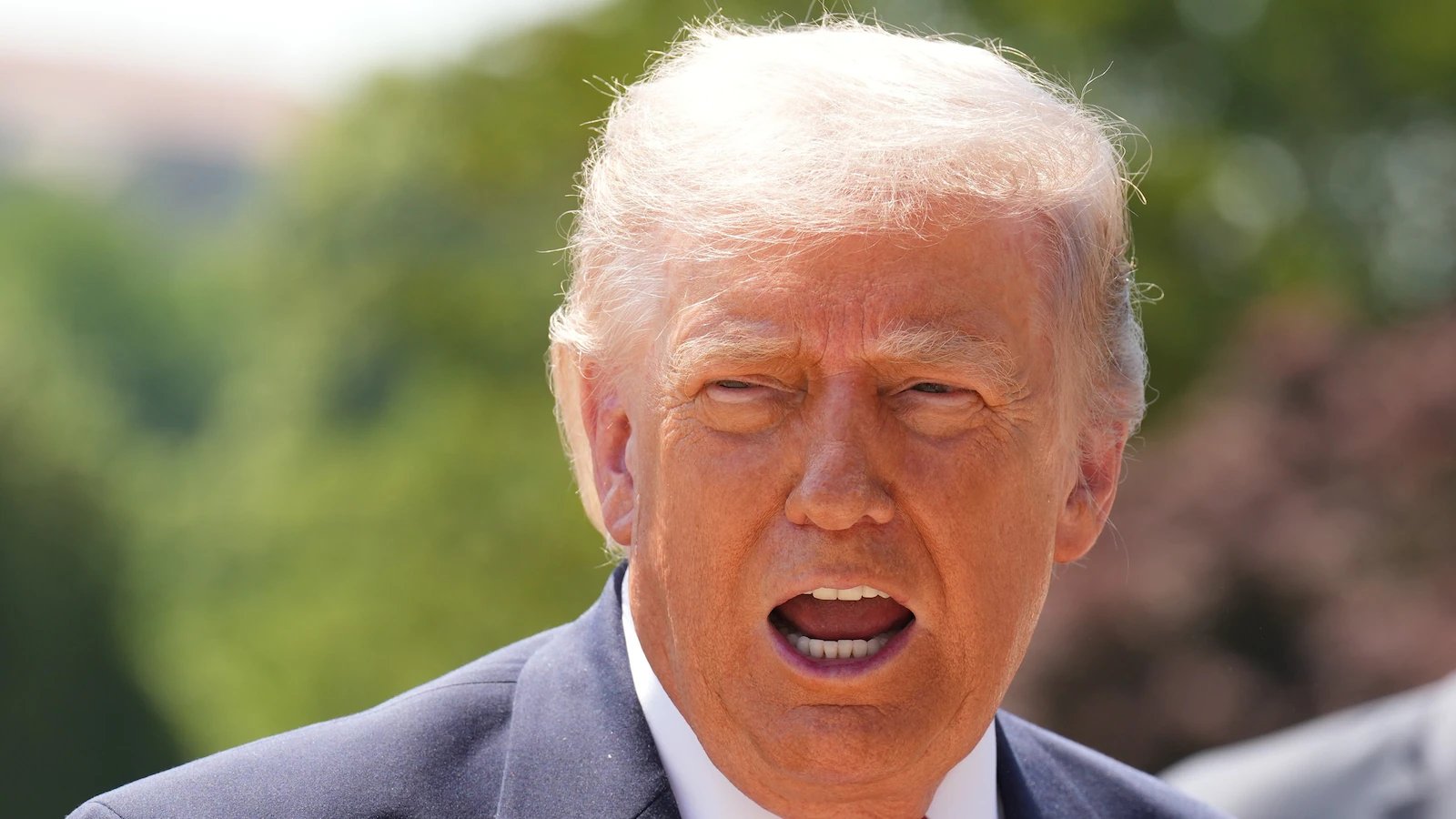
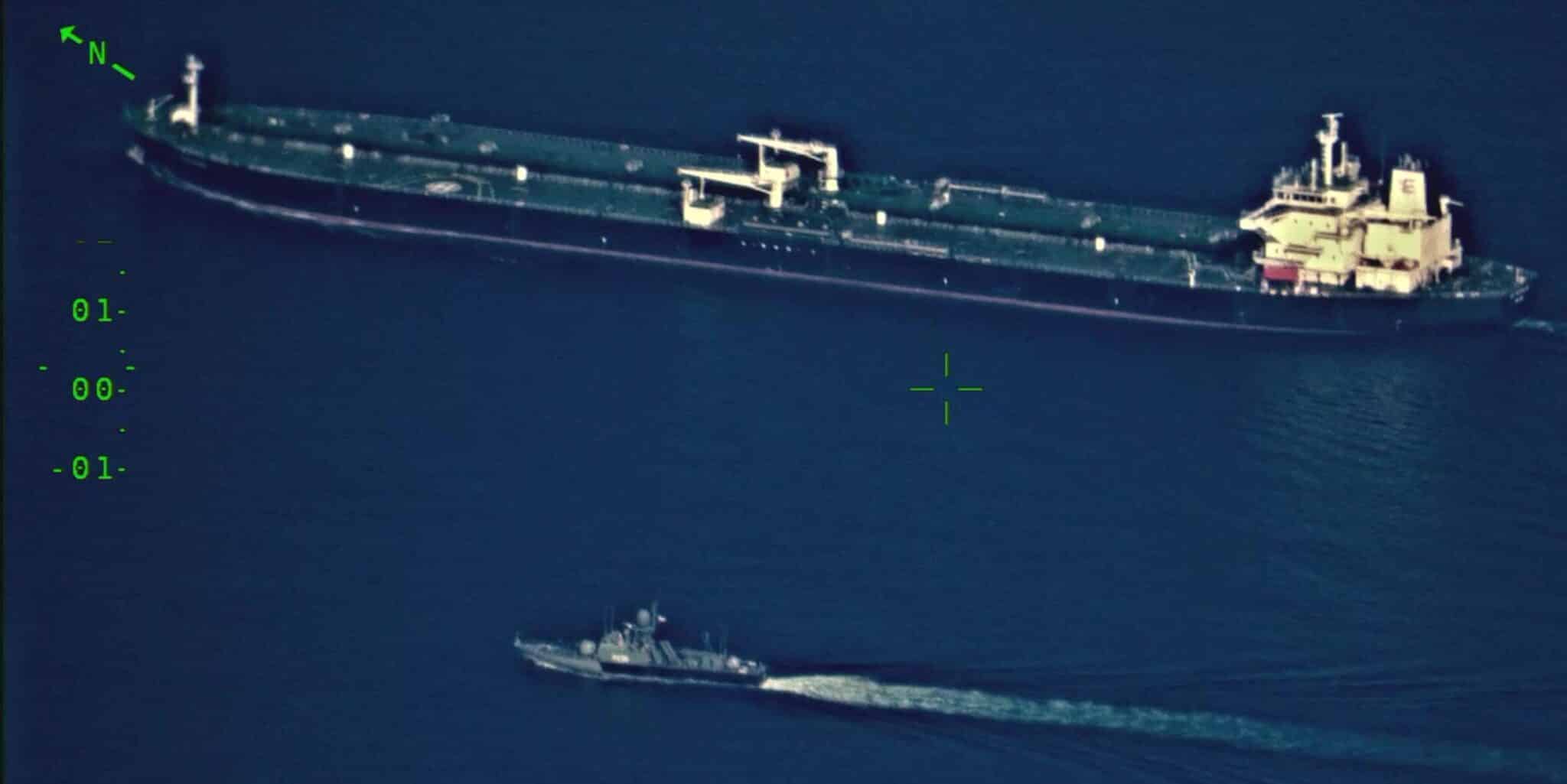
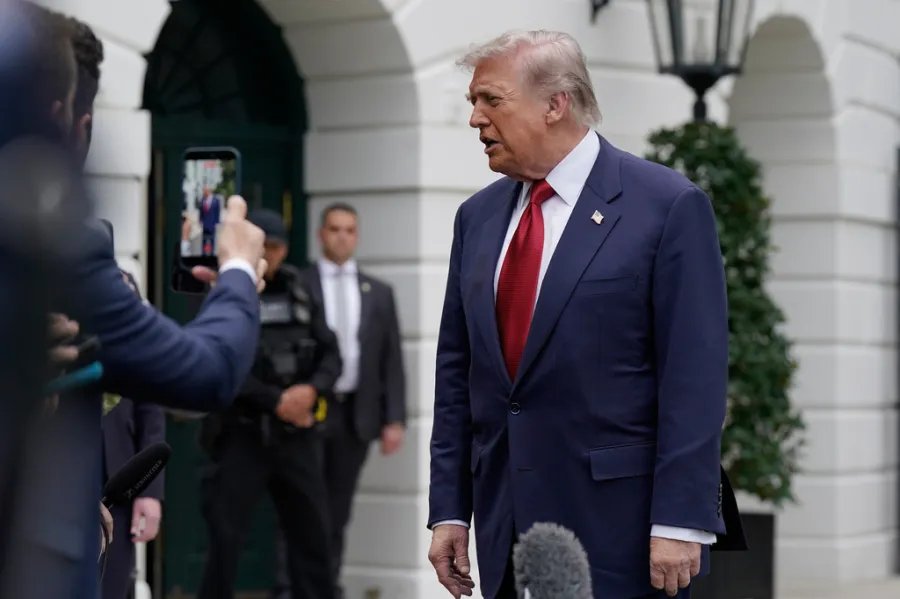
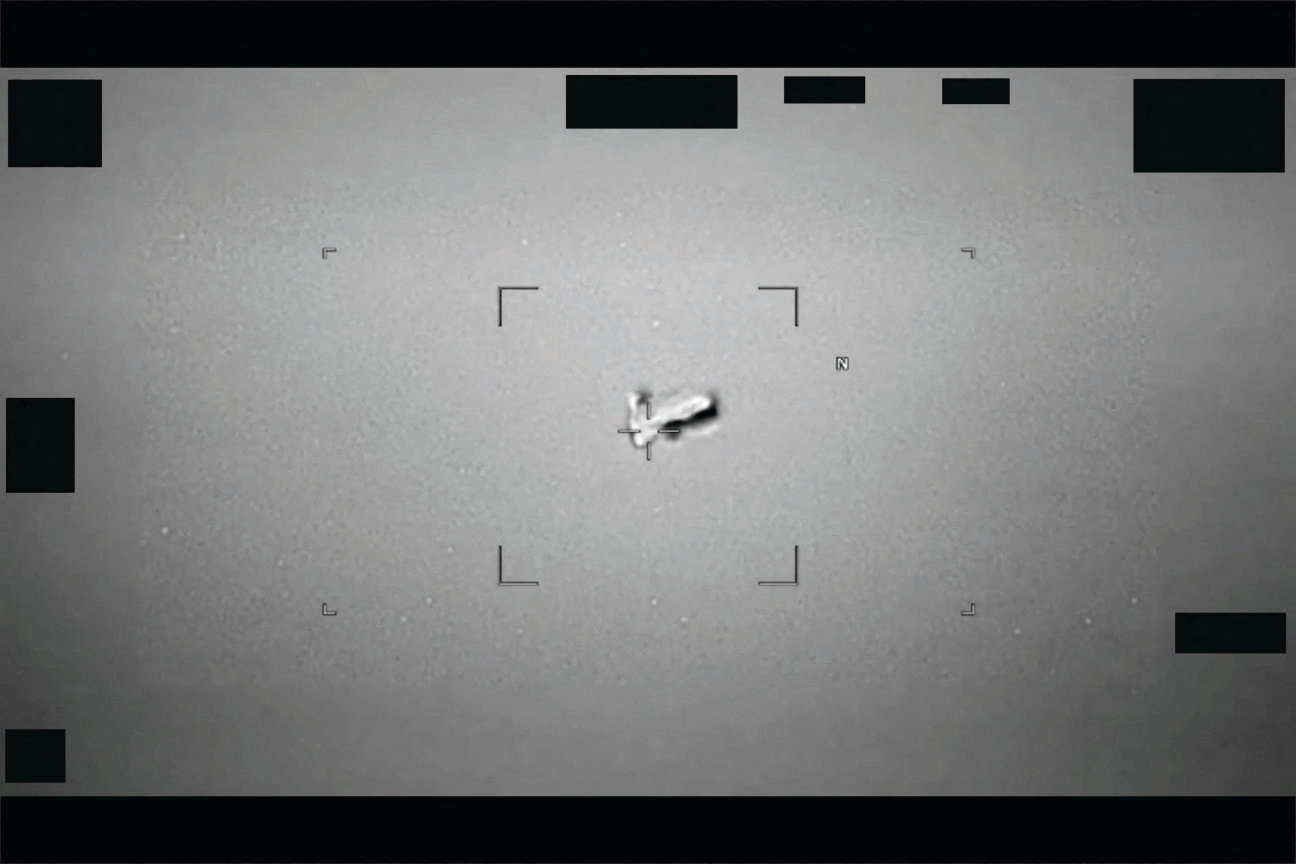
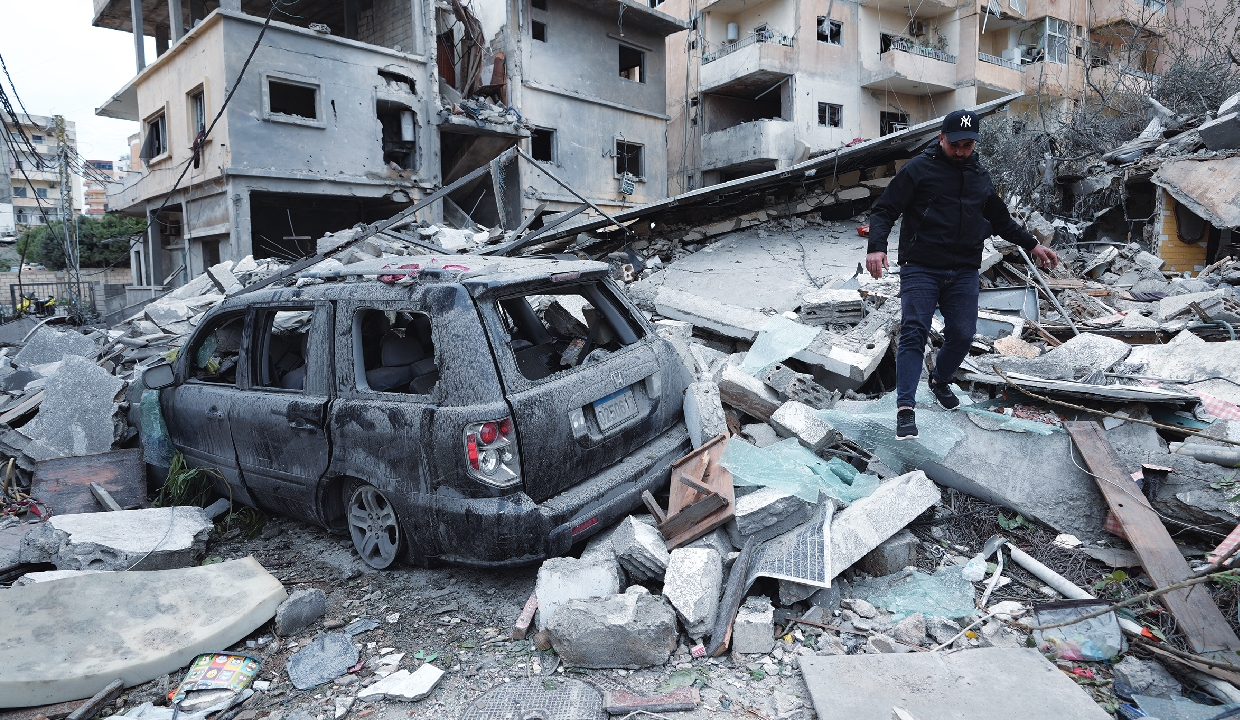
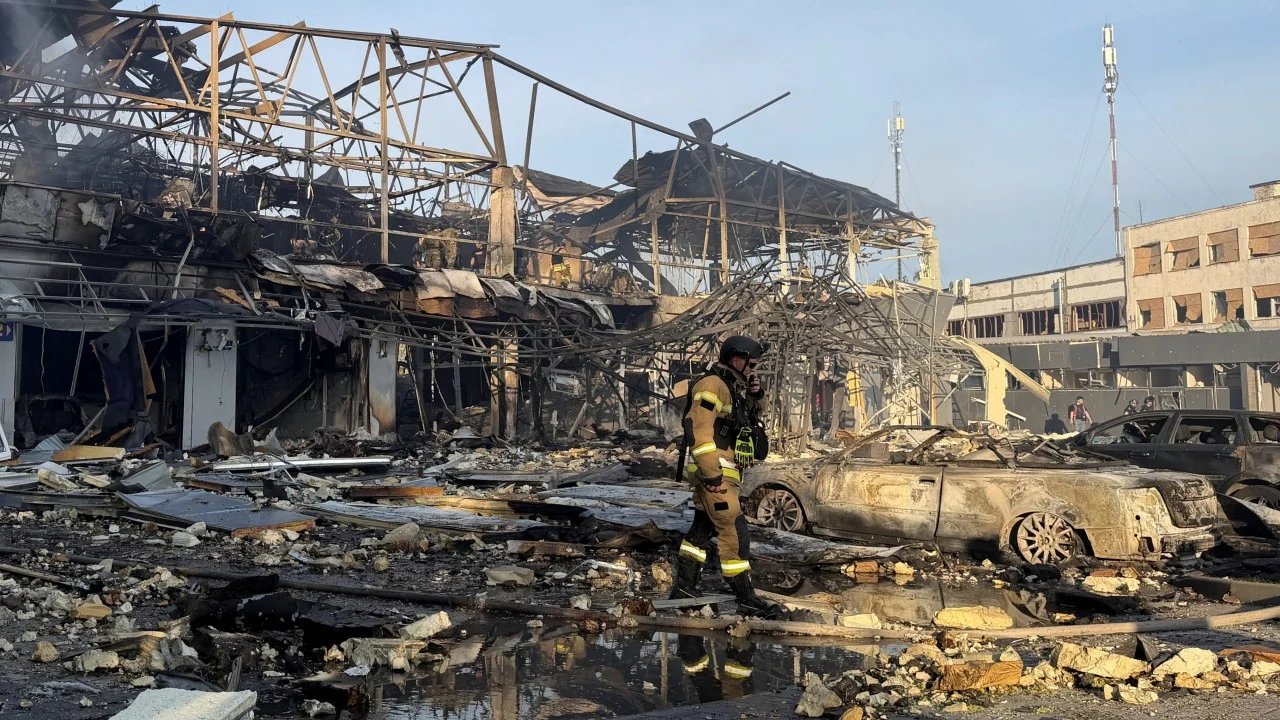
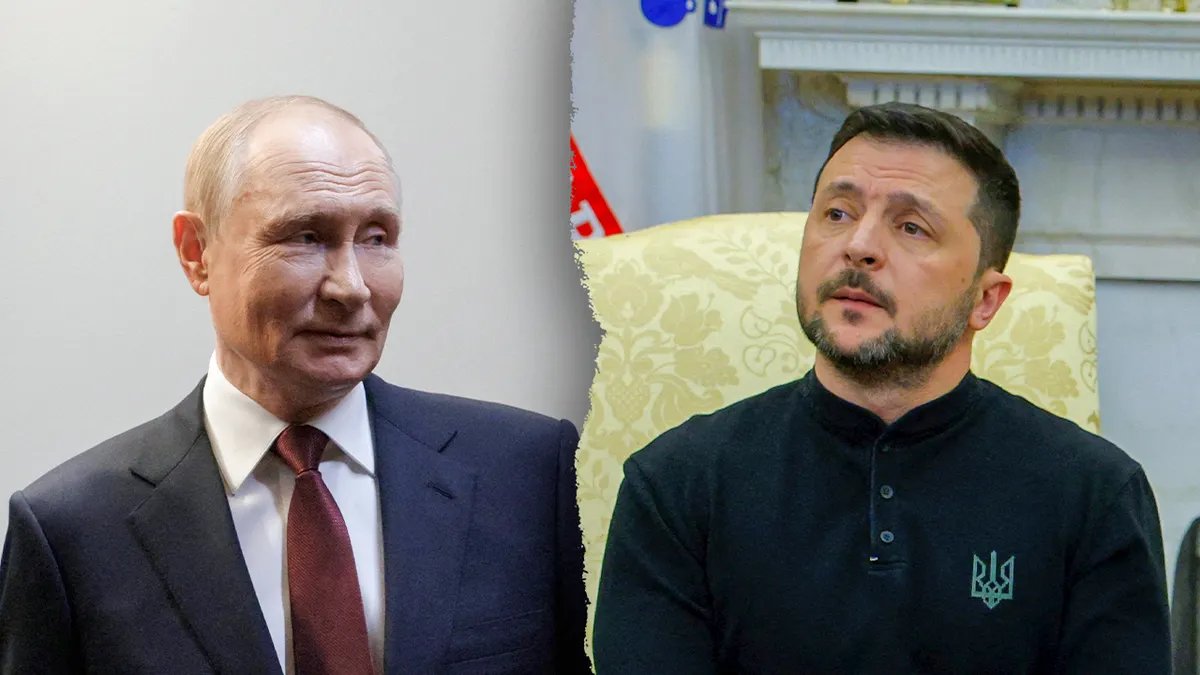
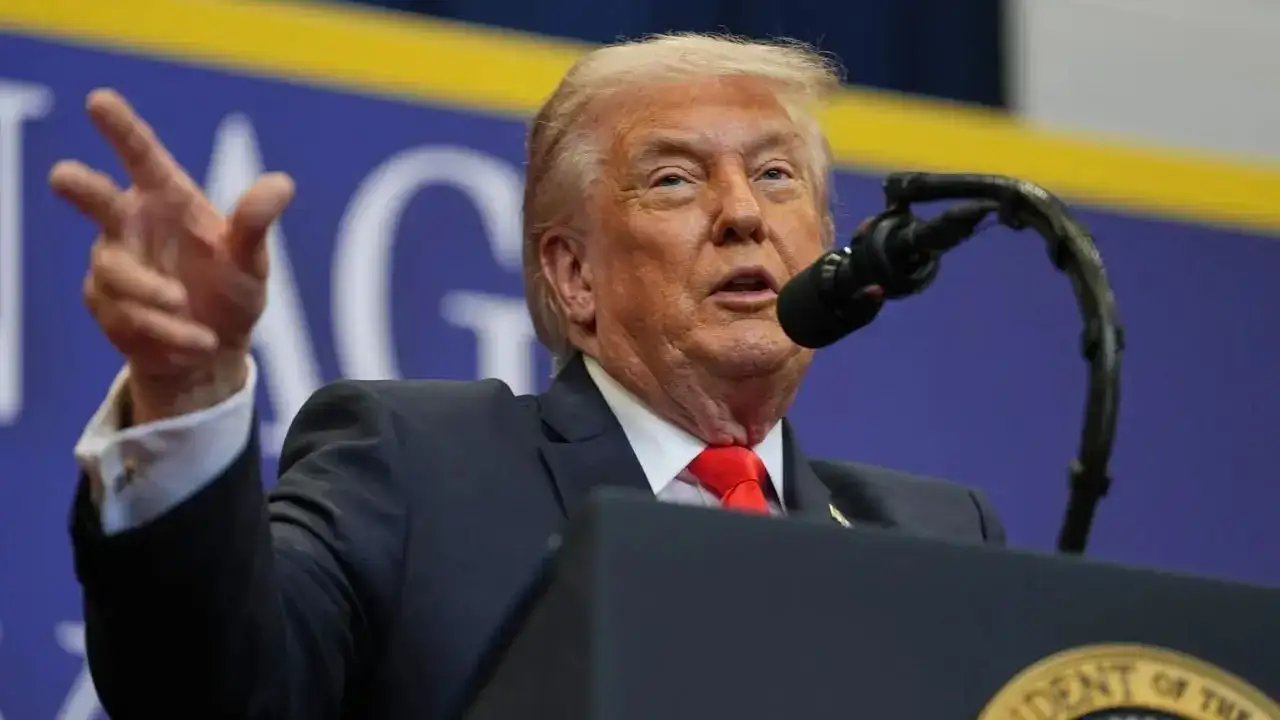
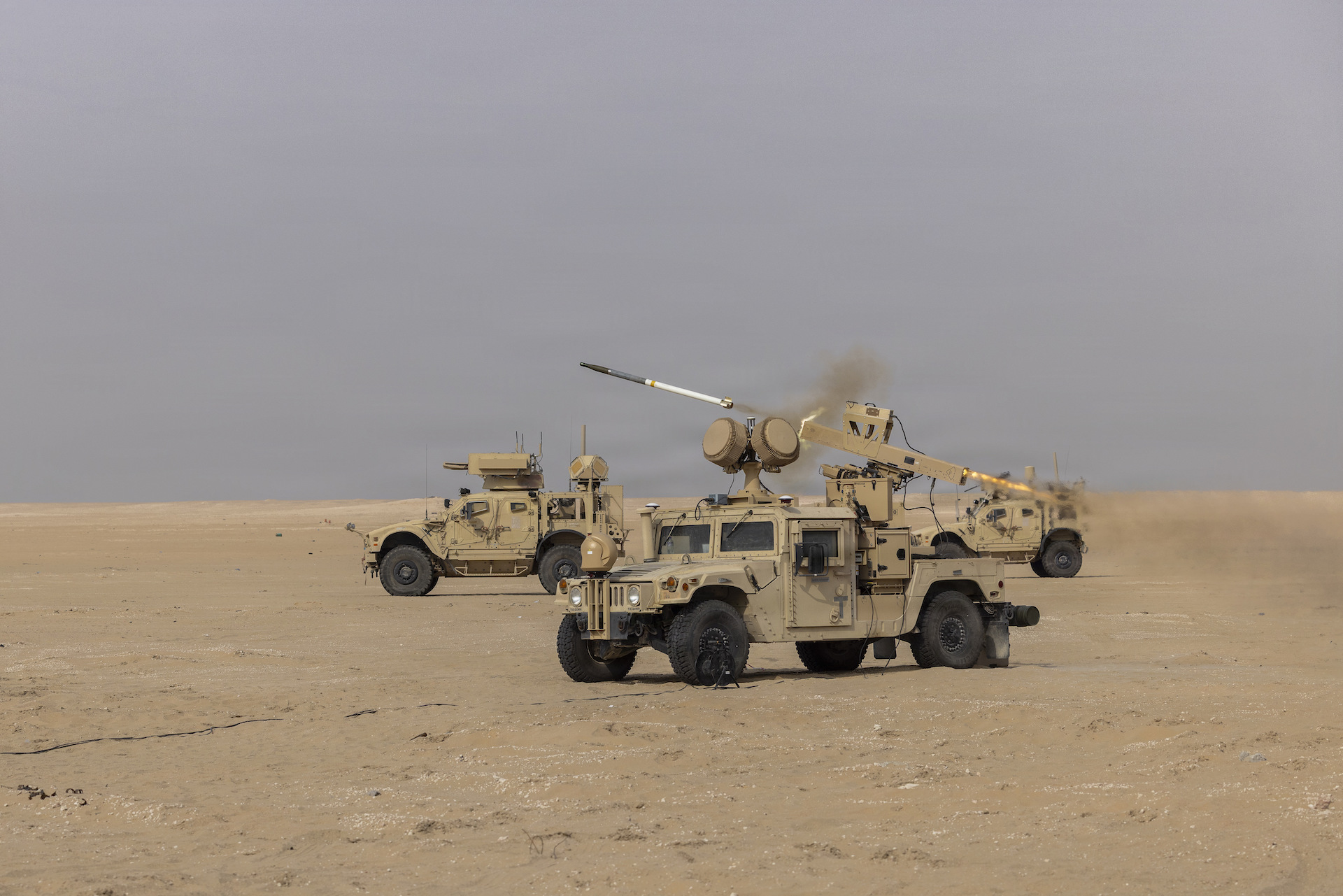
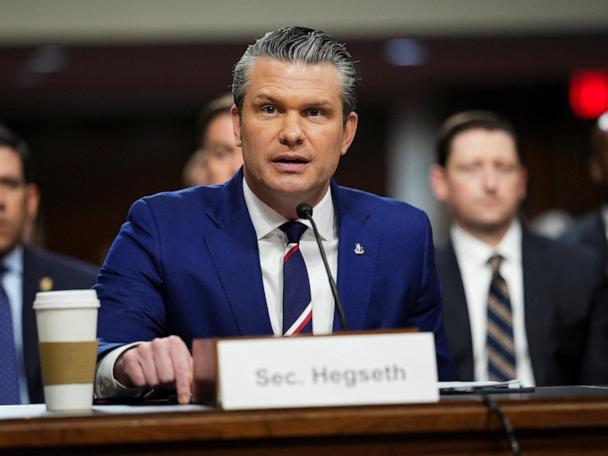
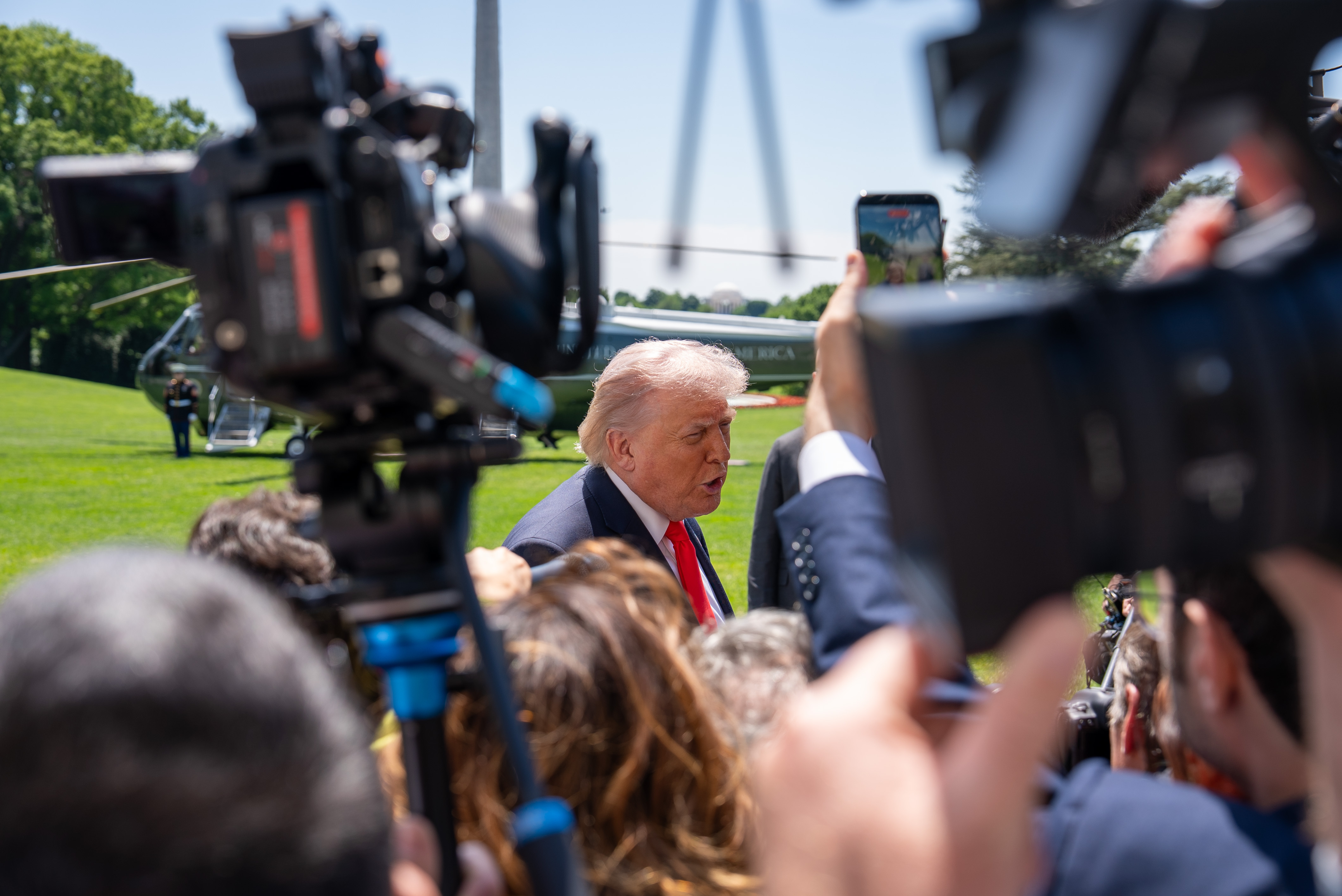
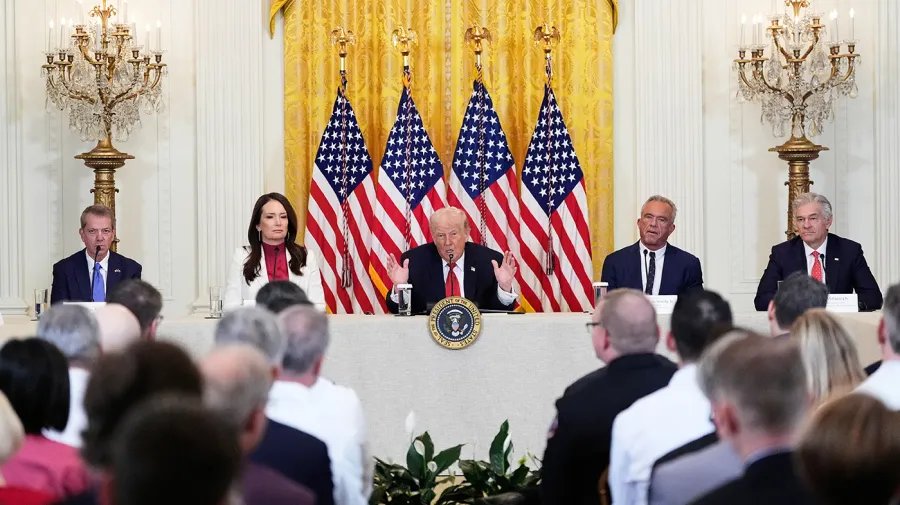
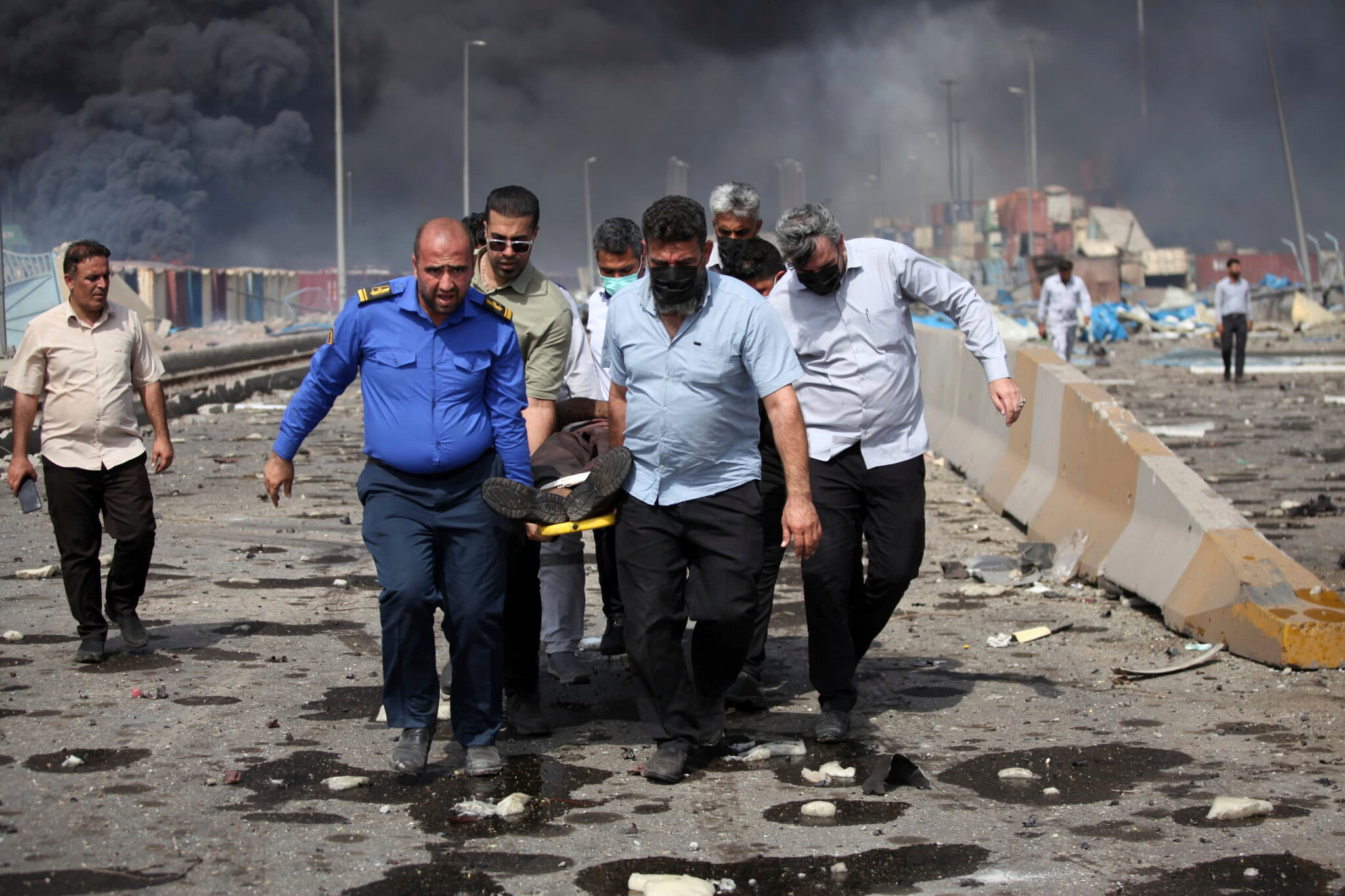
Iran has submitted a 14-point response to a U.S. proposal aimed at ending the ongoing conflict that erupted following U.S. and Israeli attacks on February 28. The Iranian state media reported that key elements of this response include a demand to conclude all issues and end the war within 30 days, rather than the two-month ceasefire proposed by the U.S. Additional demands involve guarantees against future military aggression, the withdrawal of U.S. forces from Iran's borders, an end to the naval blockade, the release of frozen Iranian assets, and the lifting of sanctions. President Donald Trump has stated he is reviewing the proposal but expressed dissatisfaction, indicating, "They want to make a deal, I'm not satisfied with it."
Impact on Global Travel
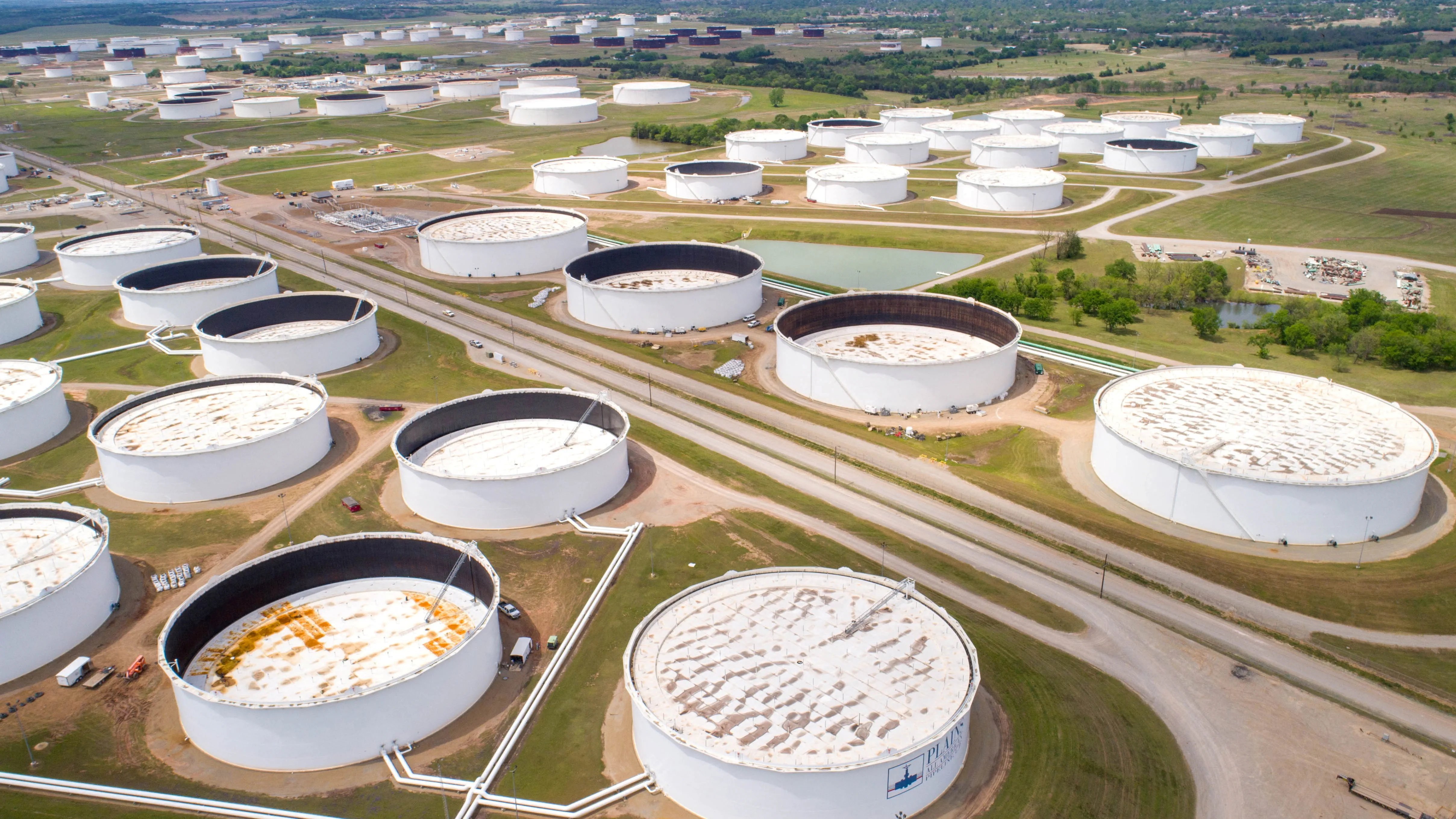
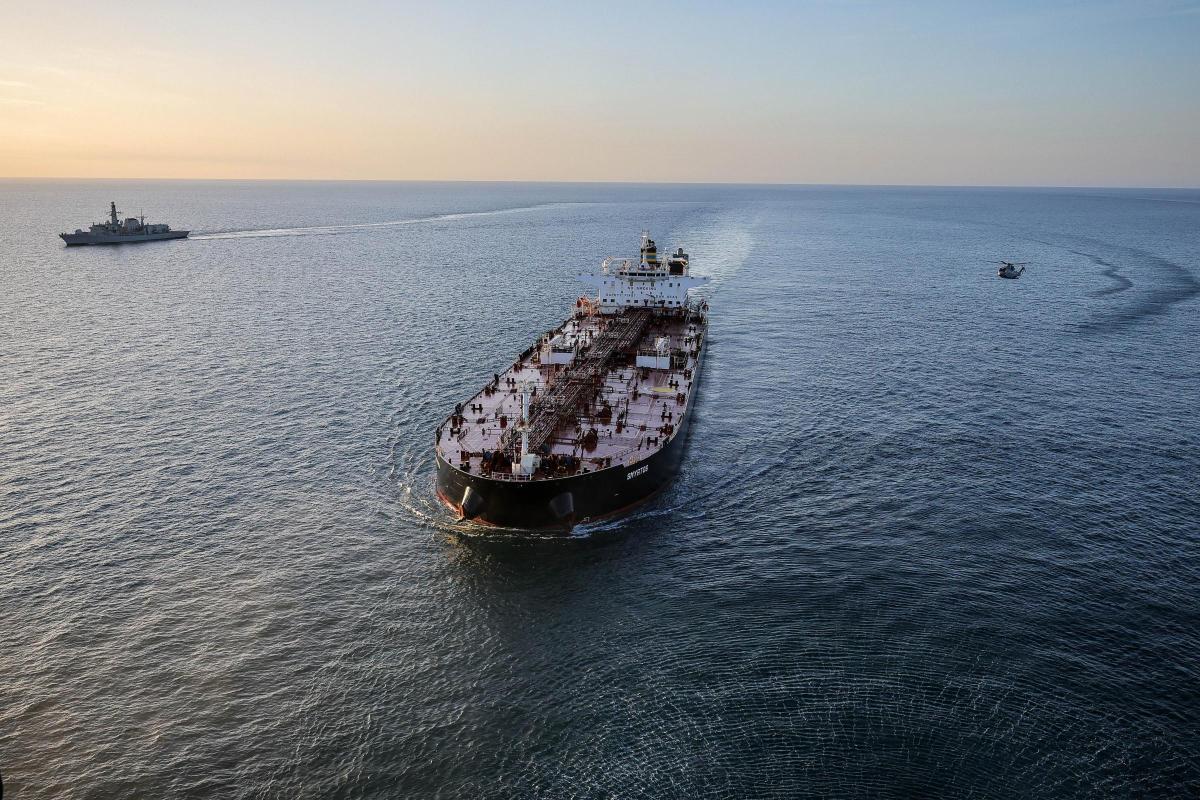
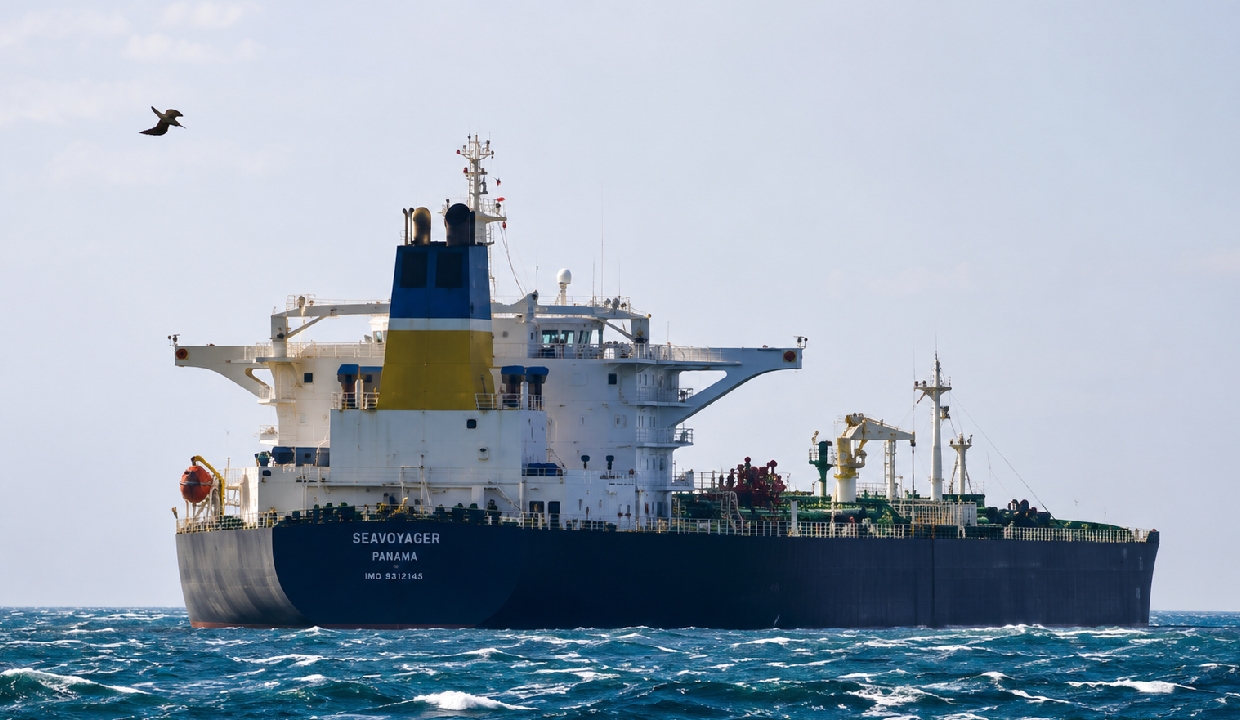
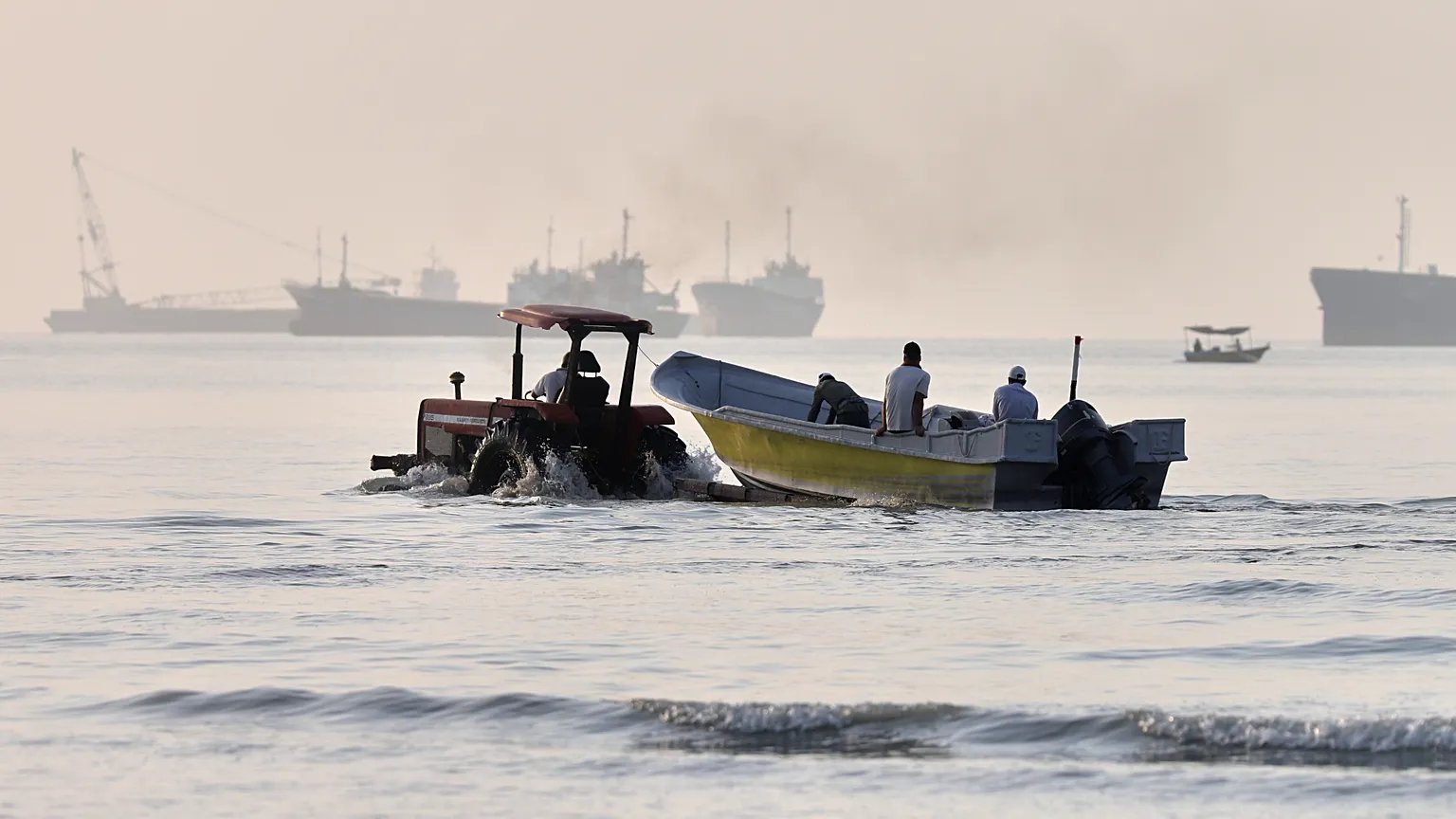
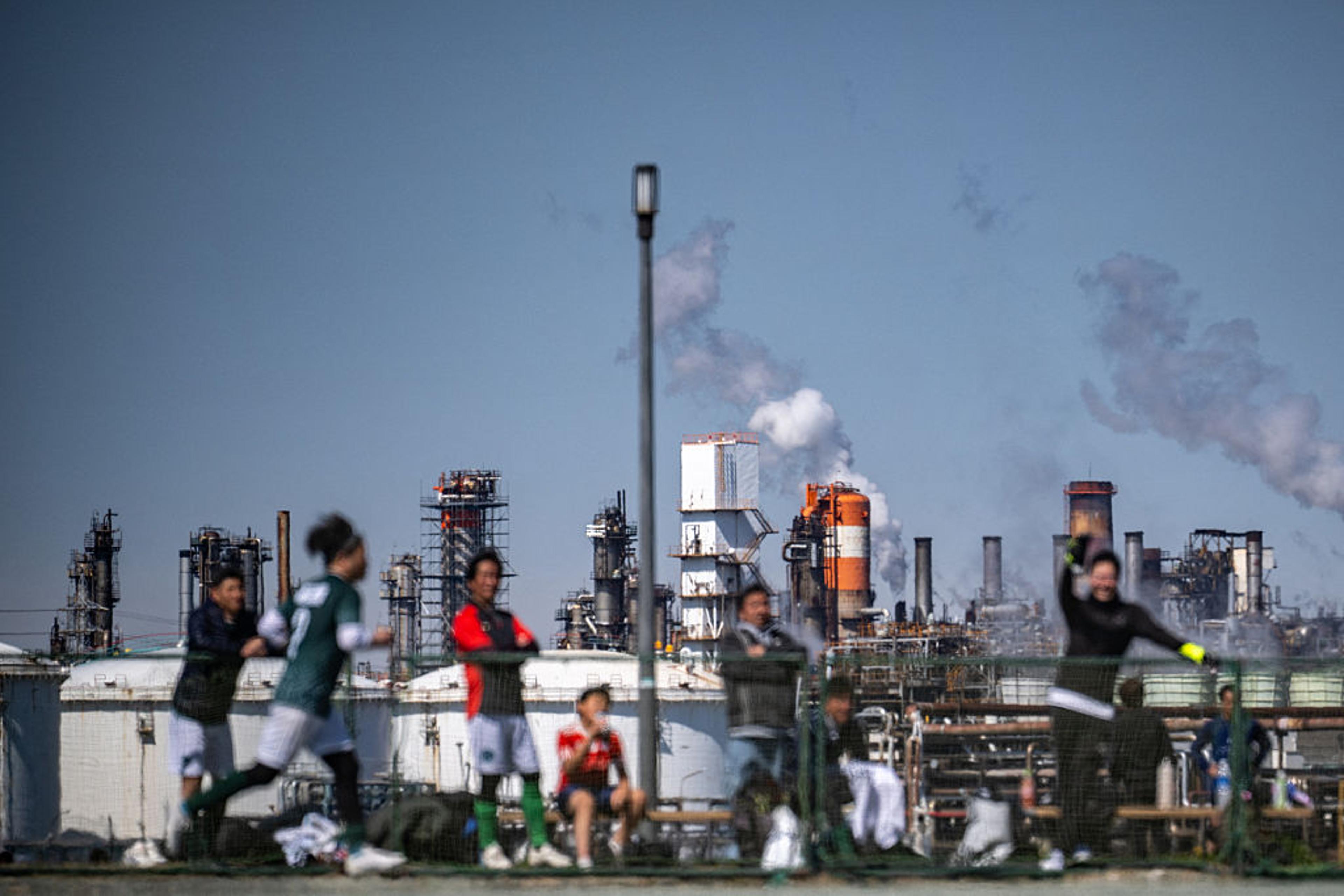
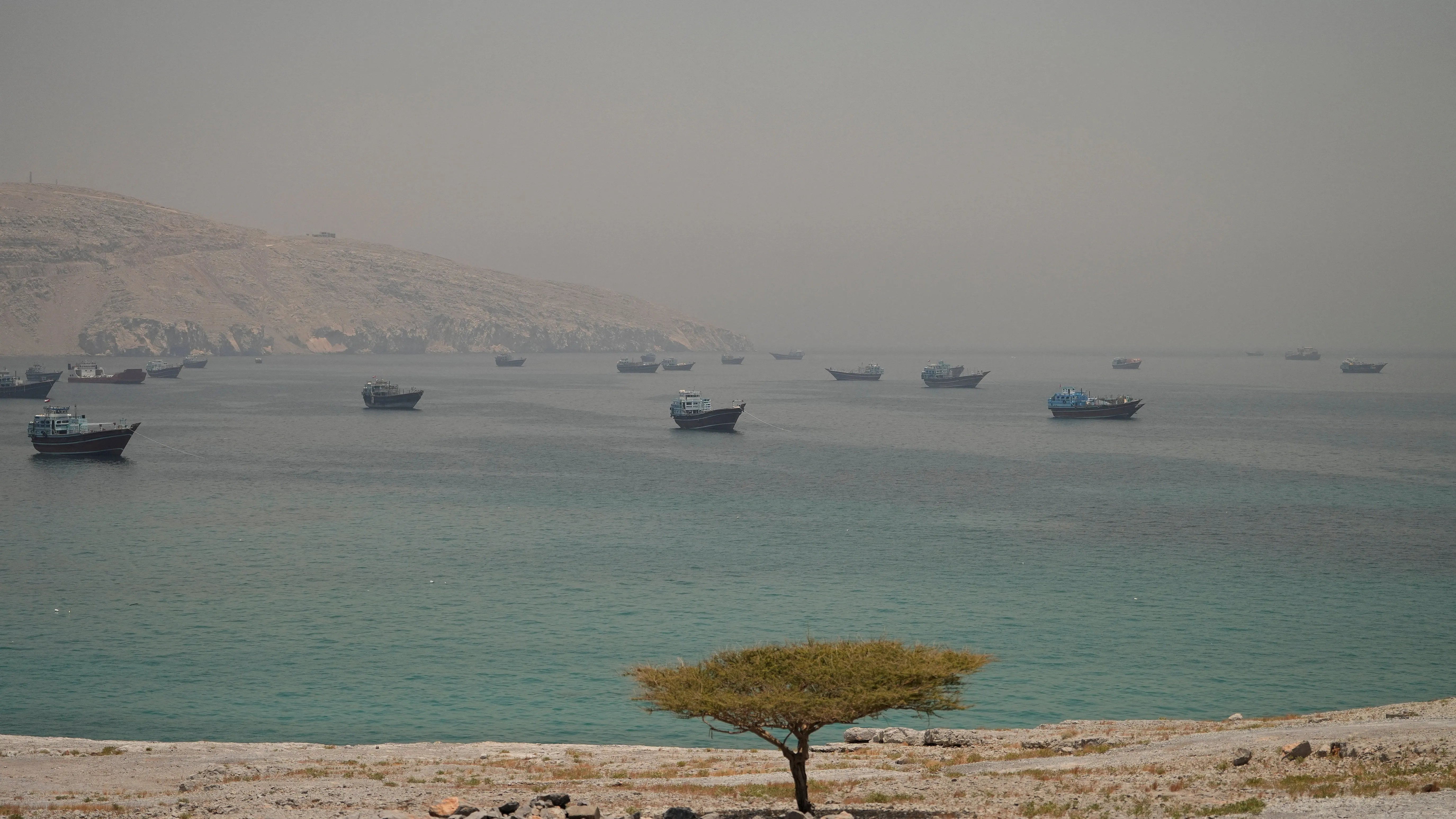
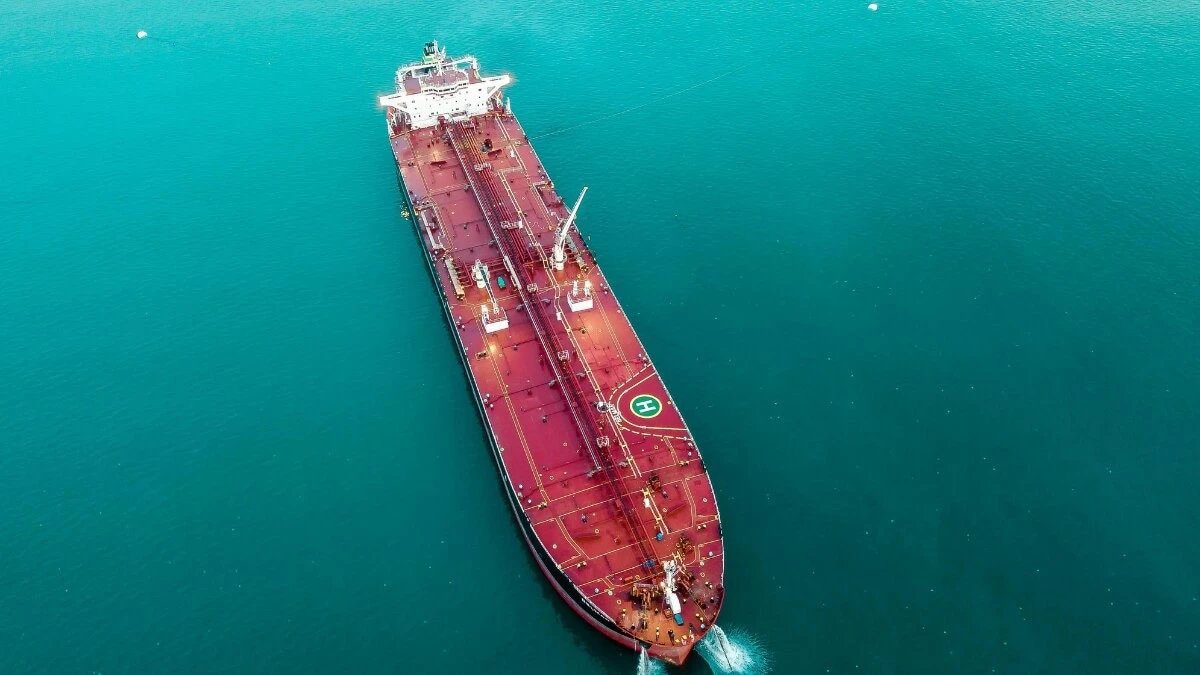
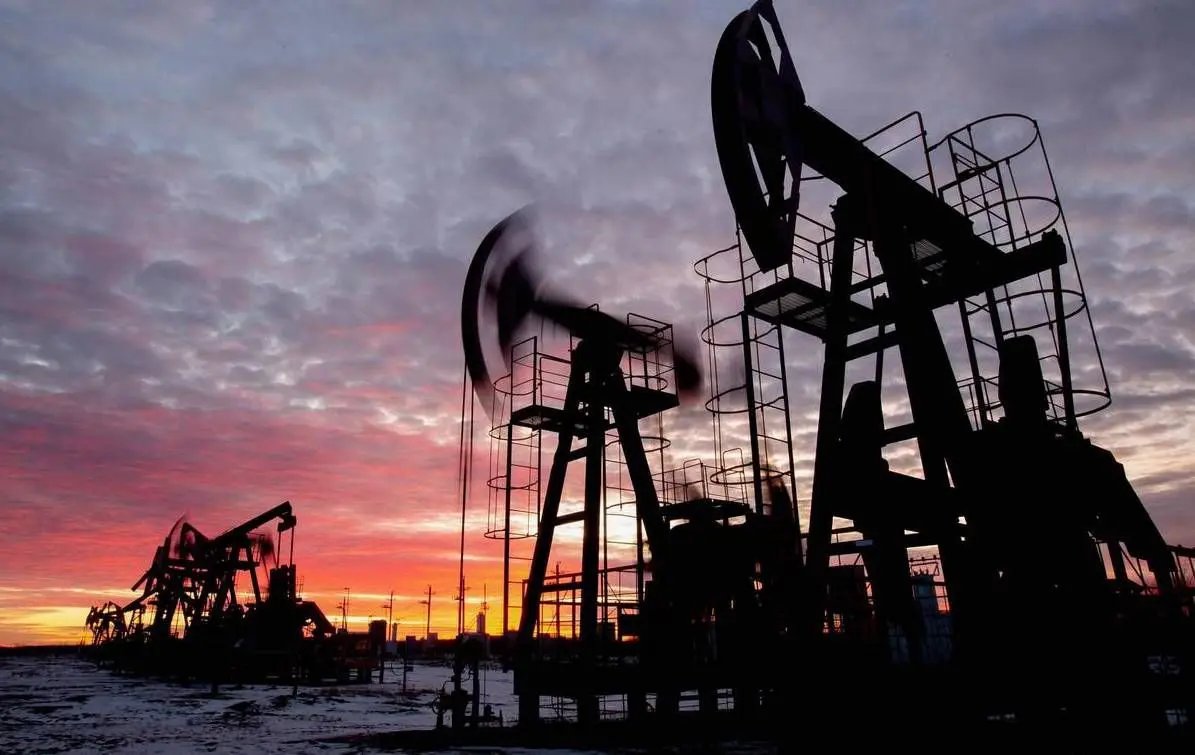
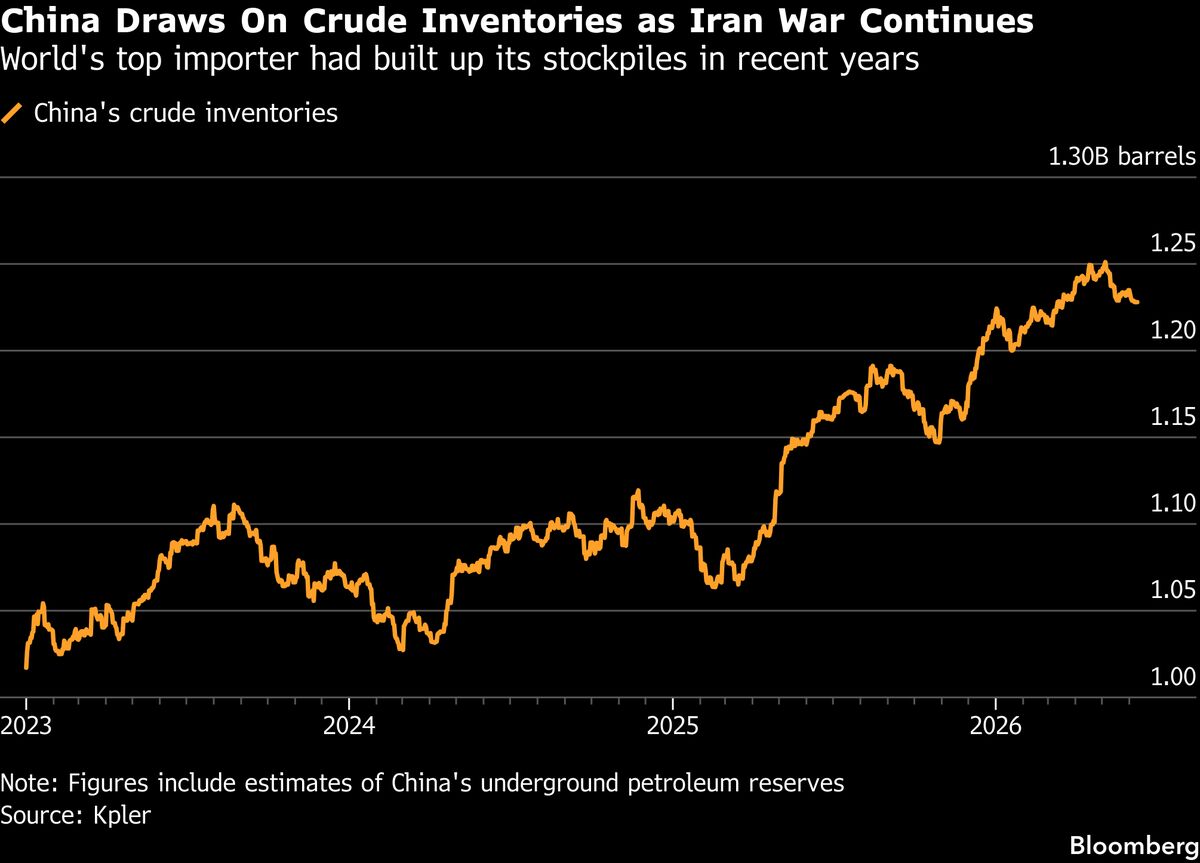
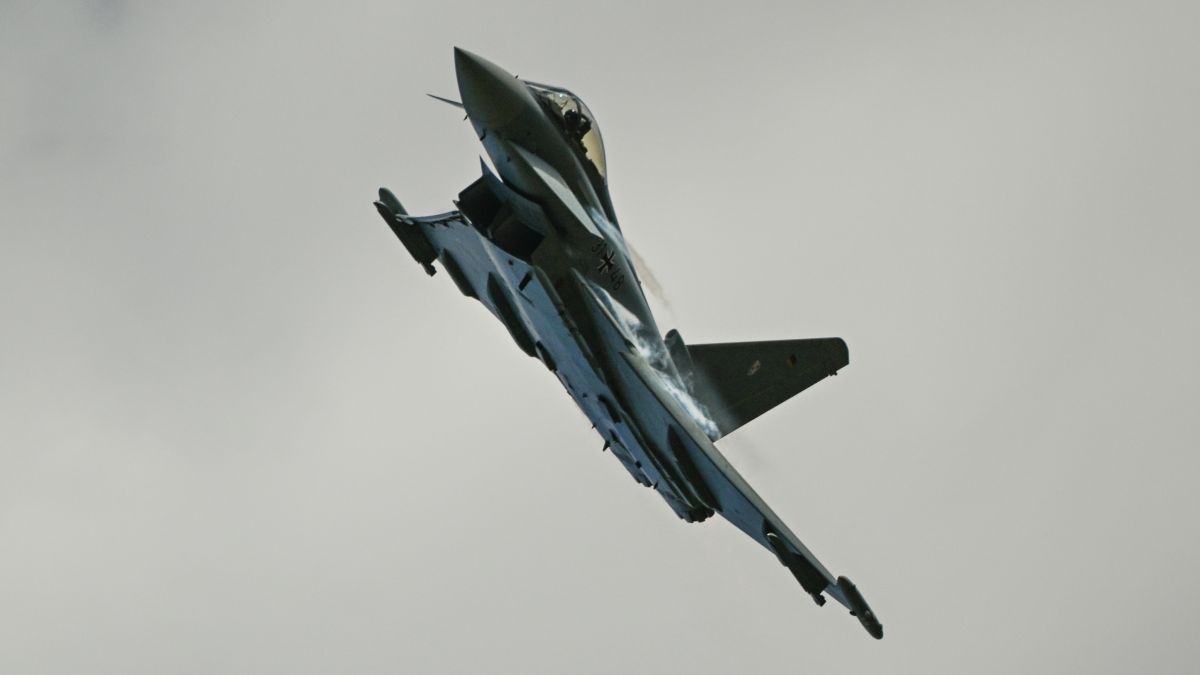
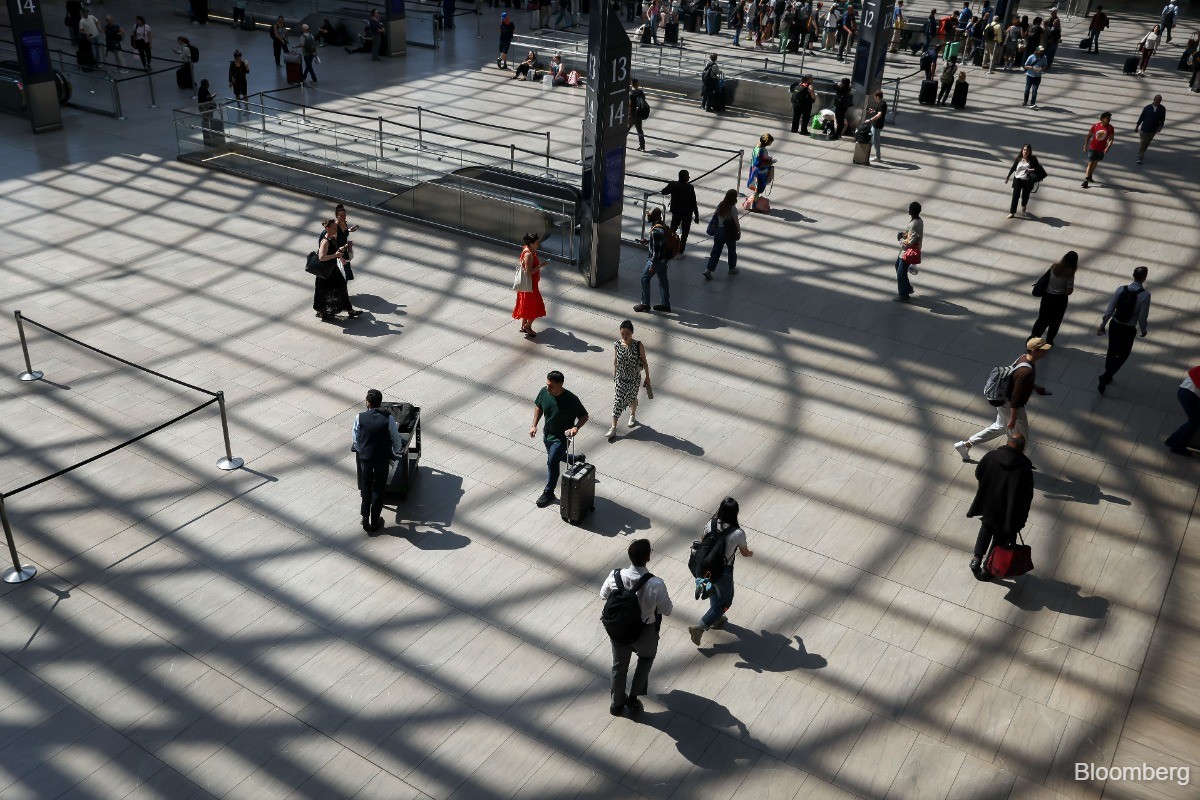
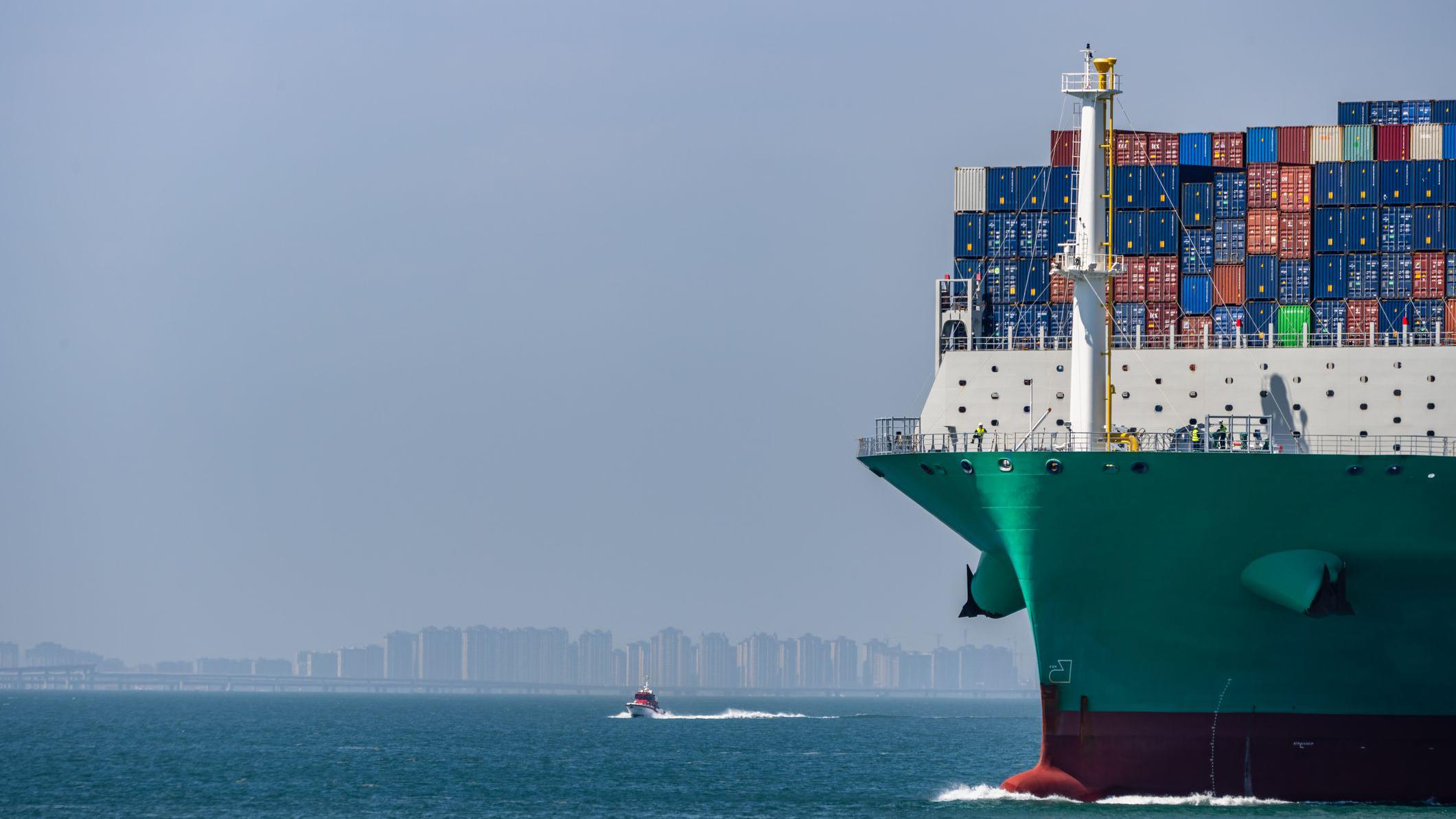
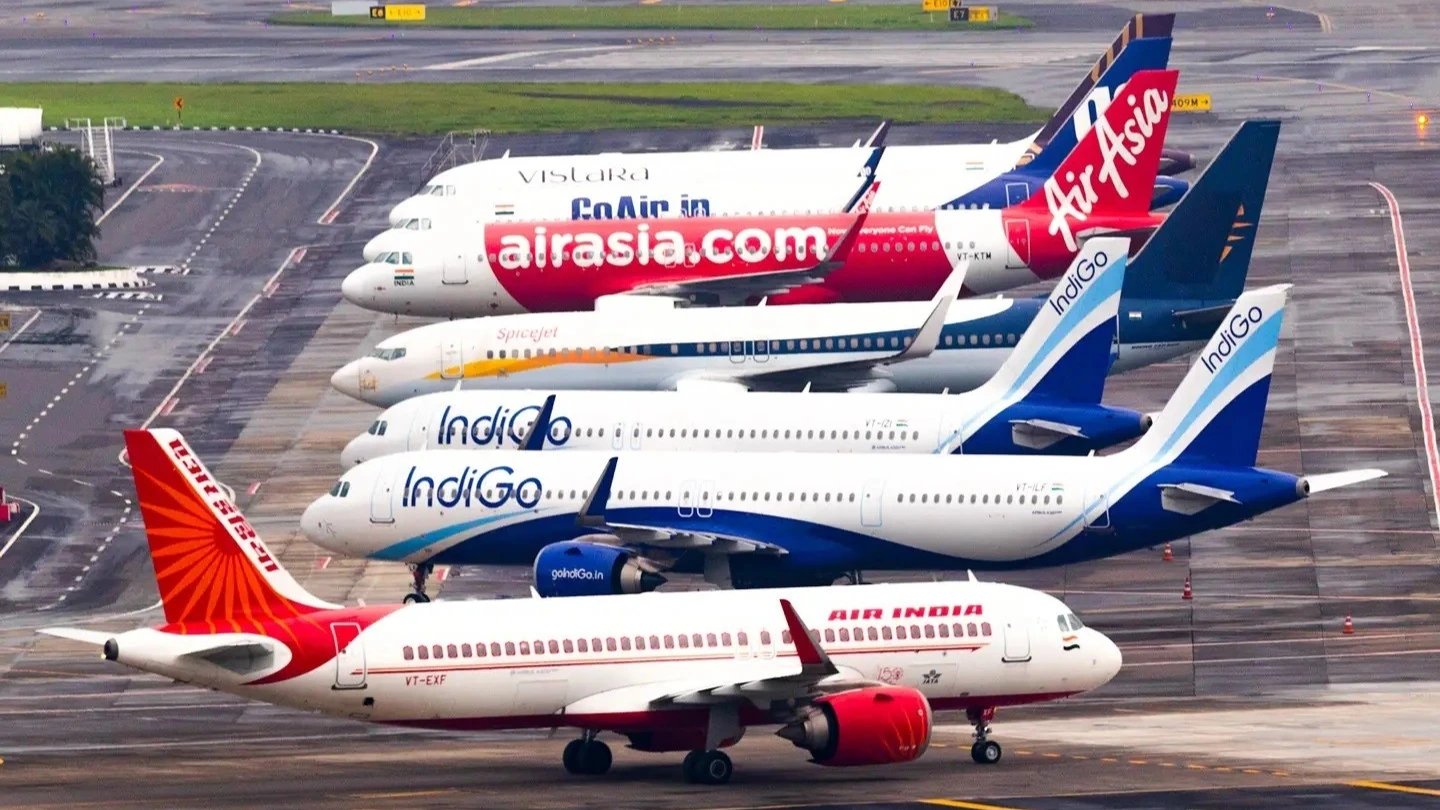
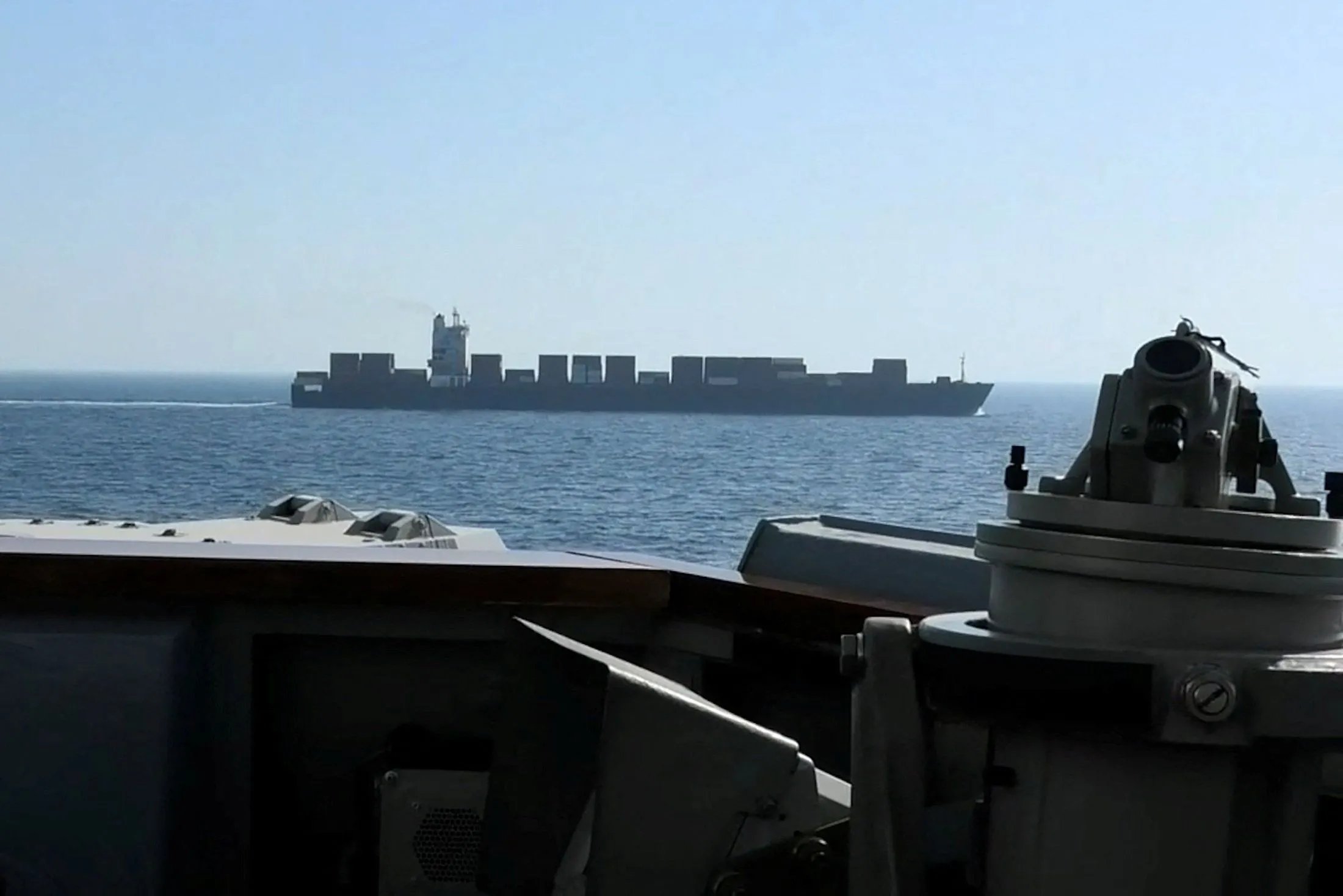
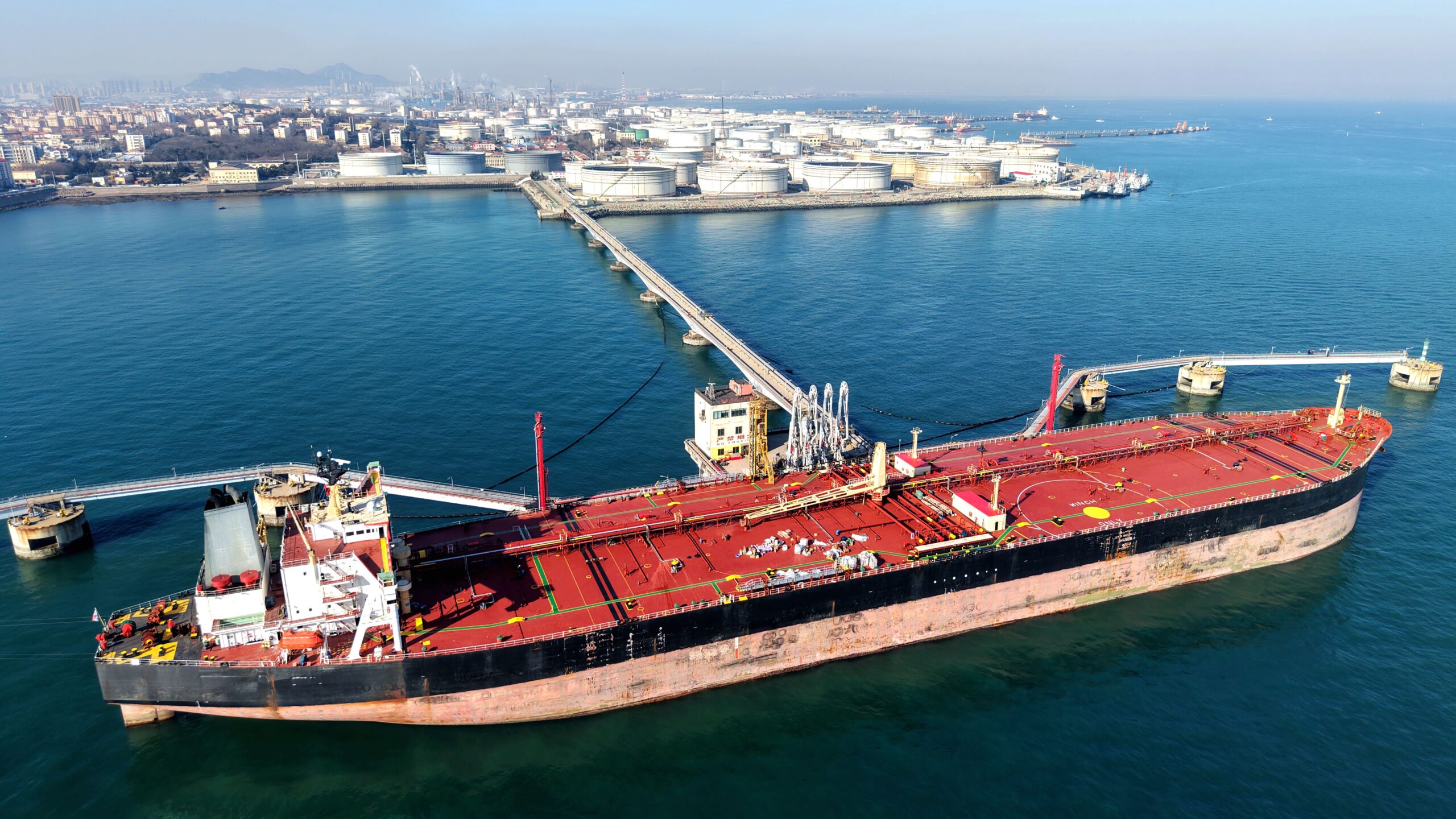
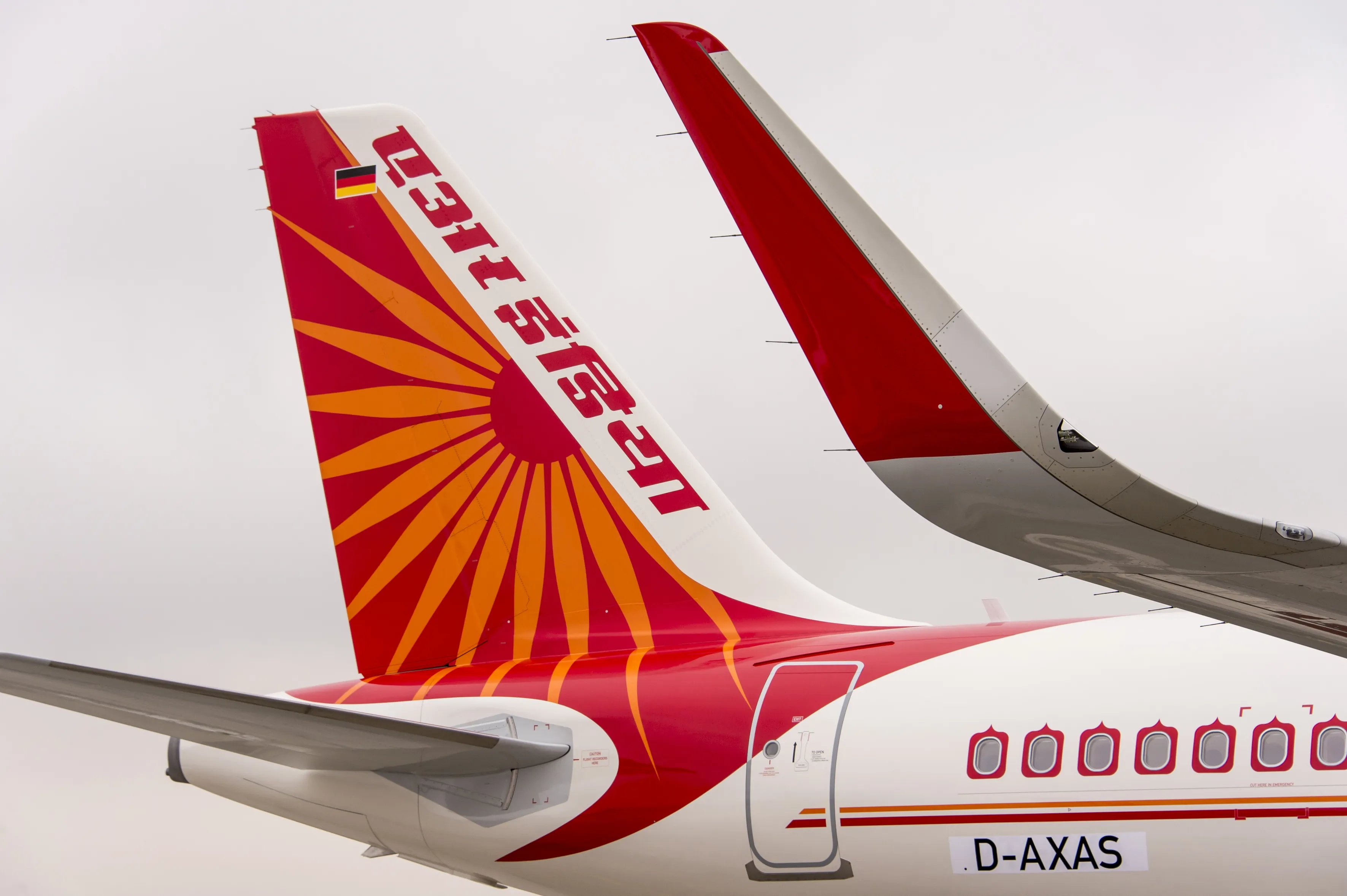
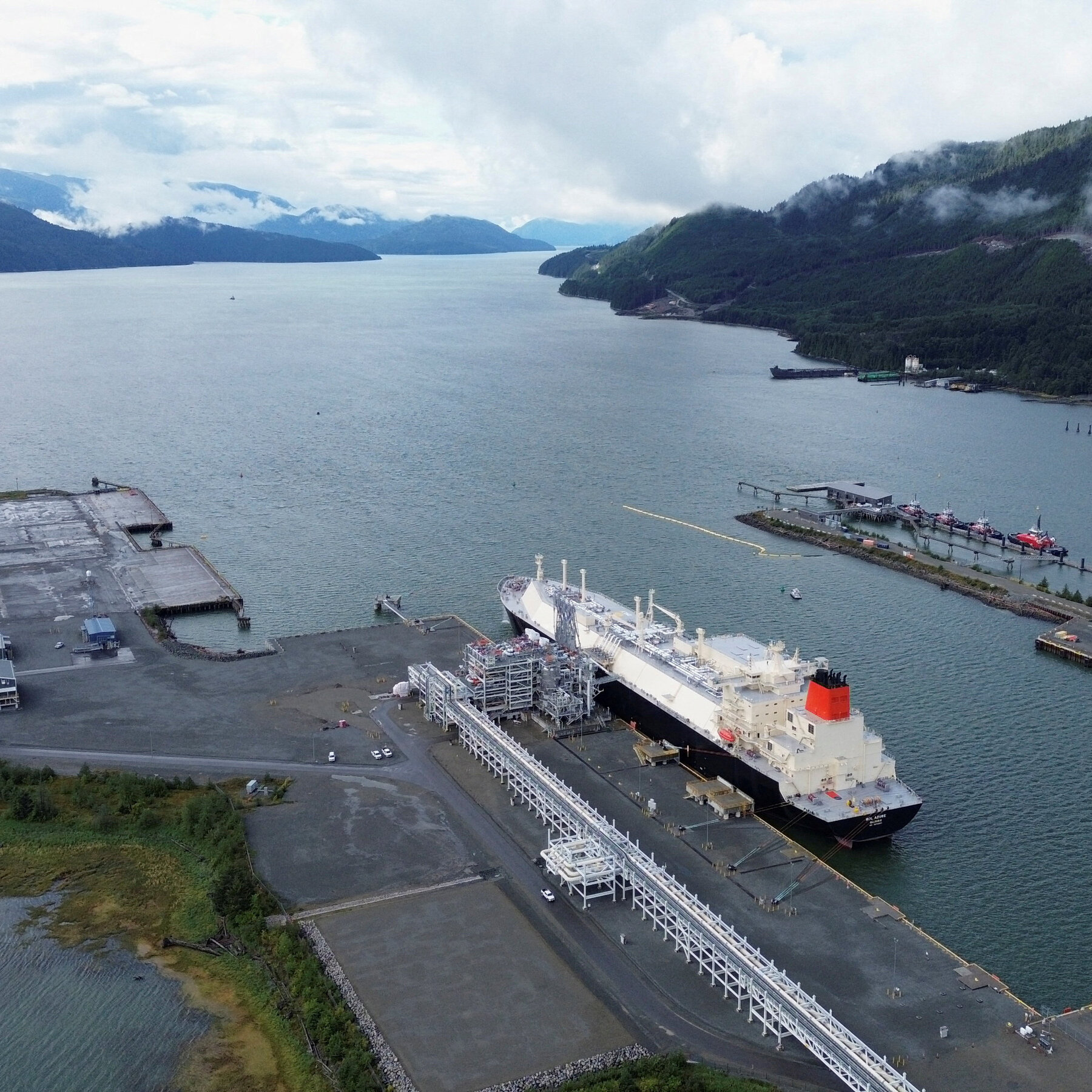
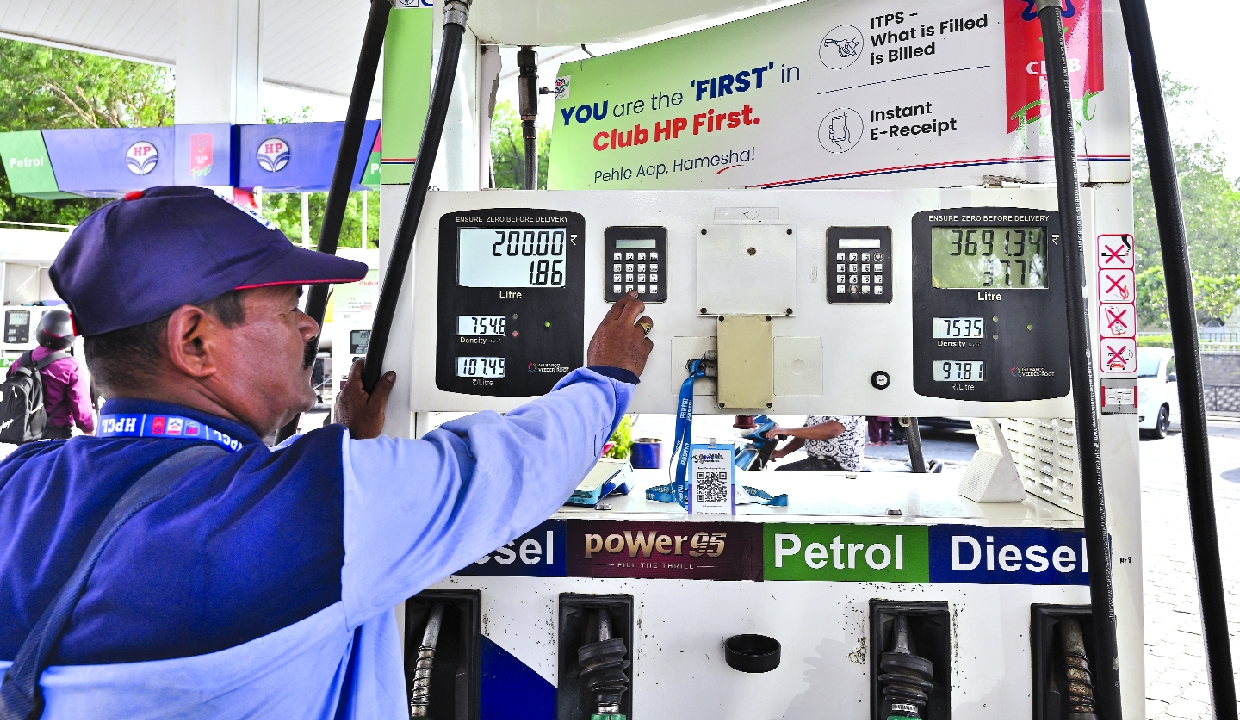
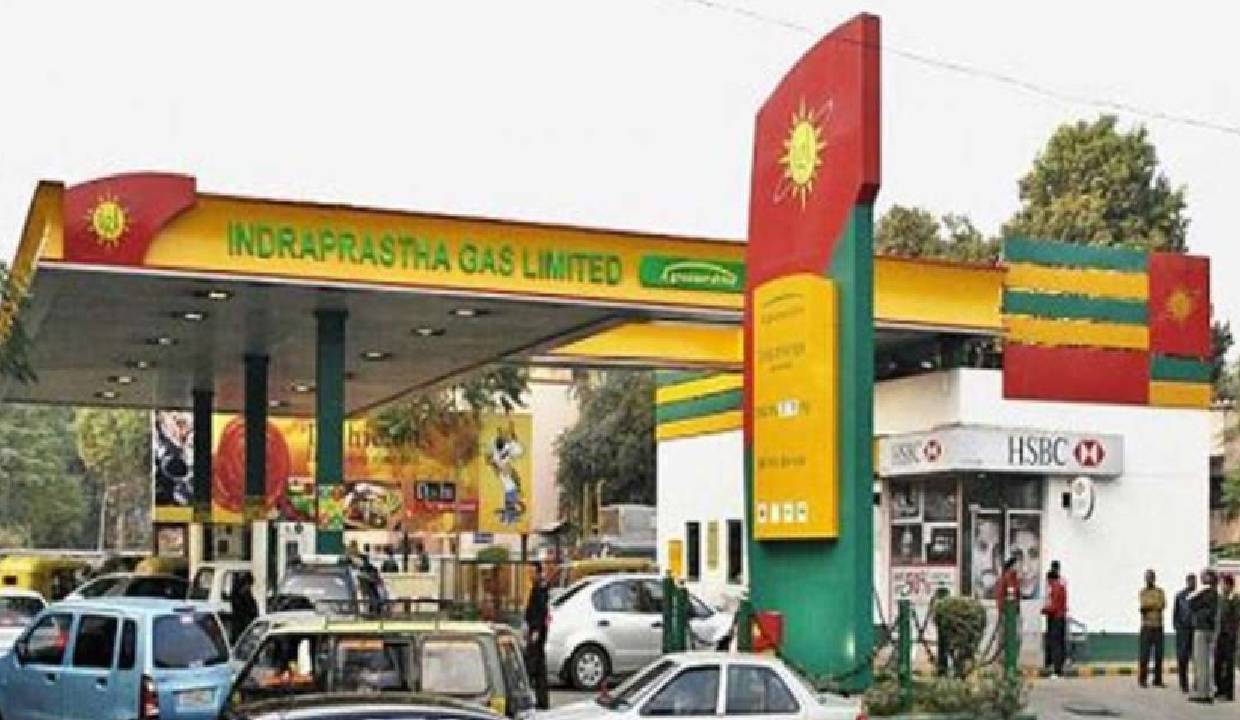
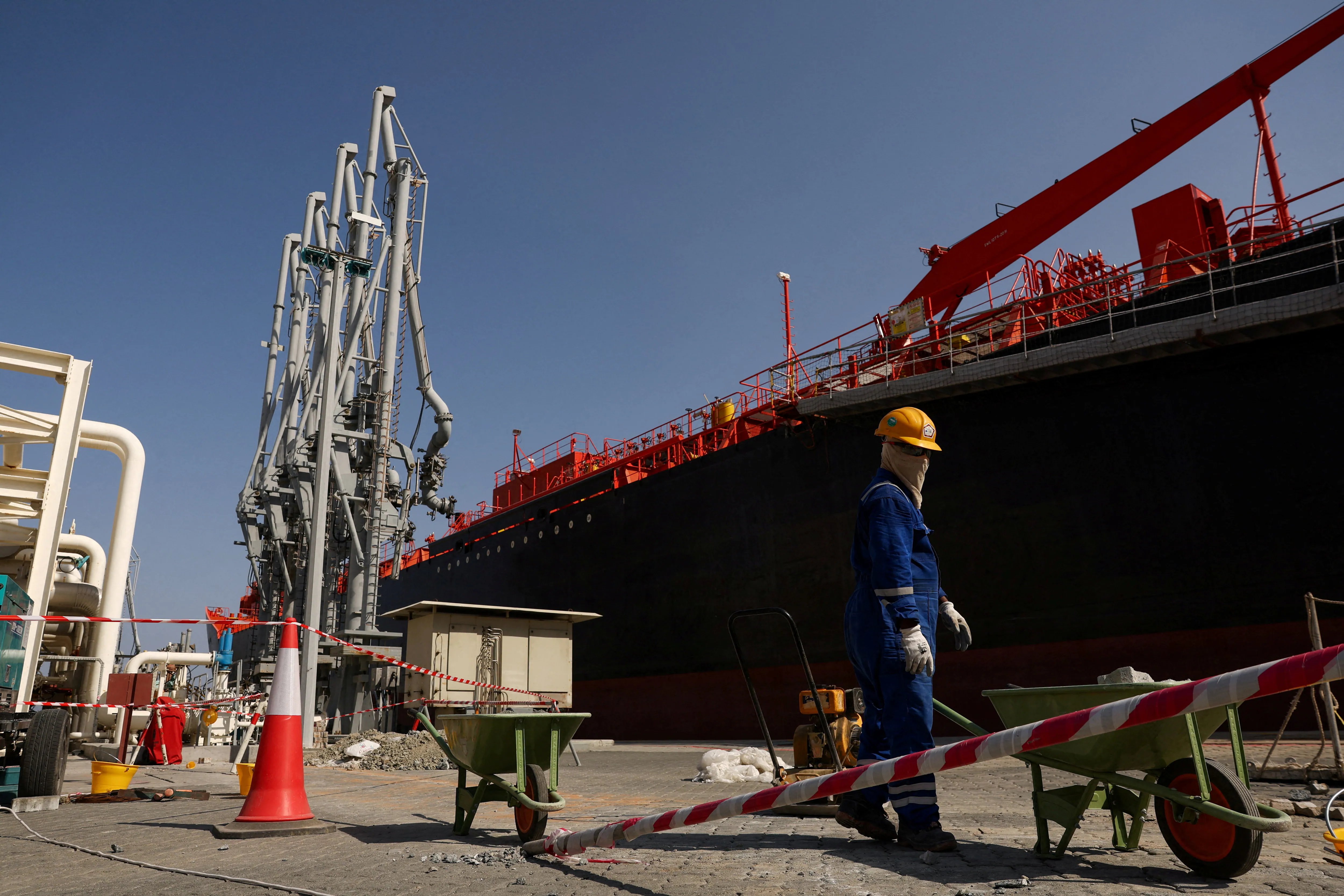
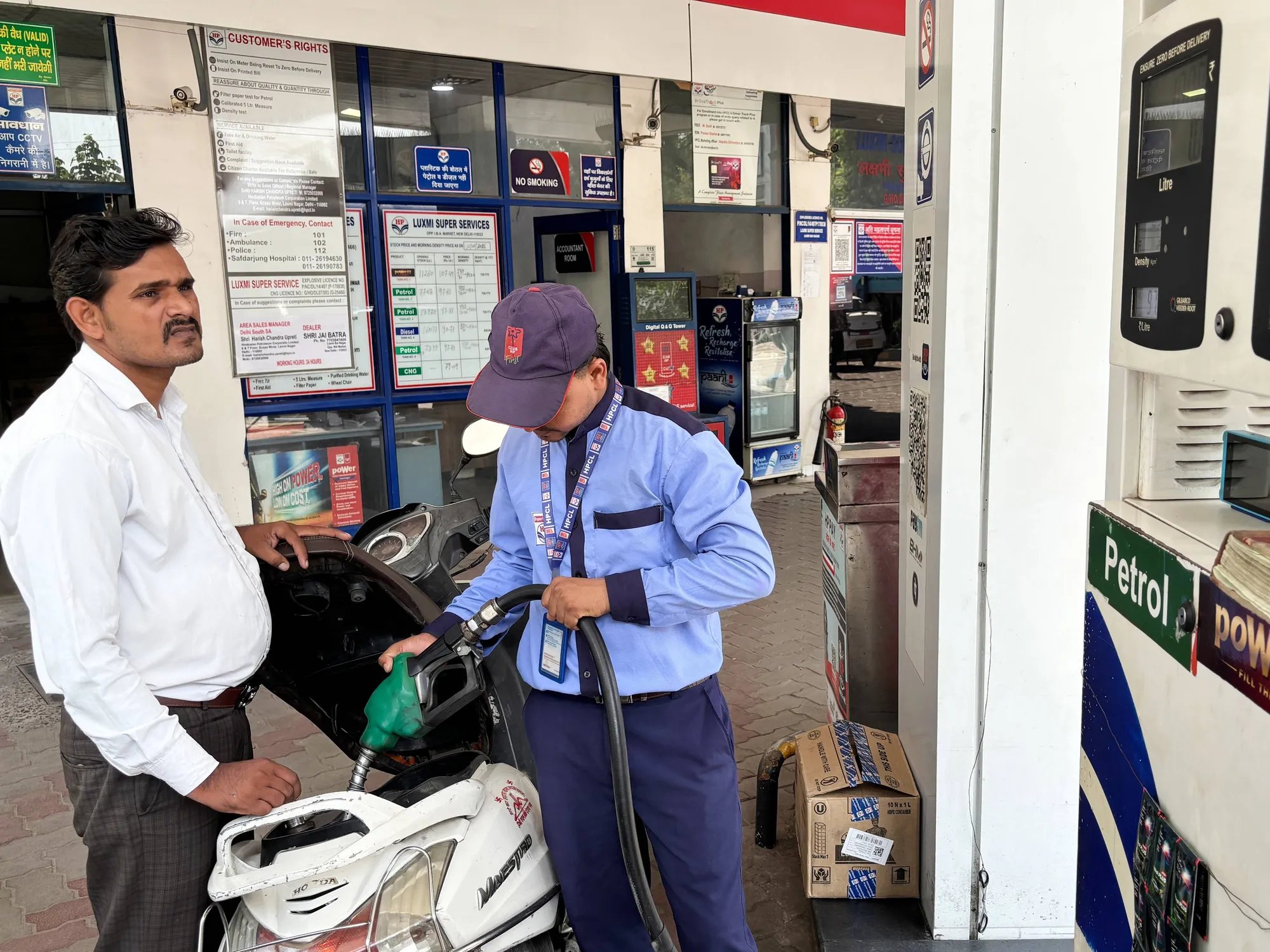
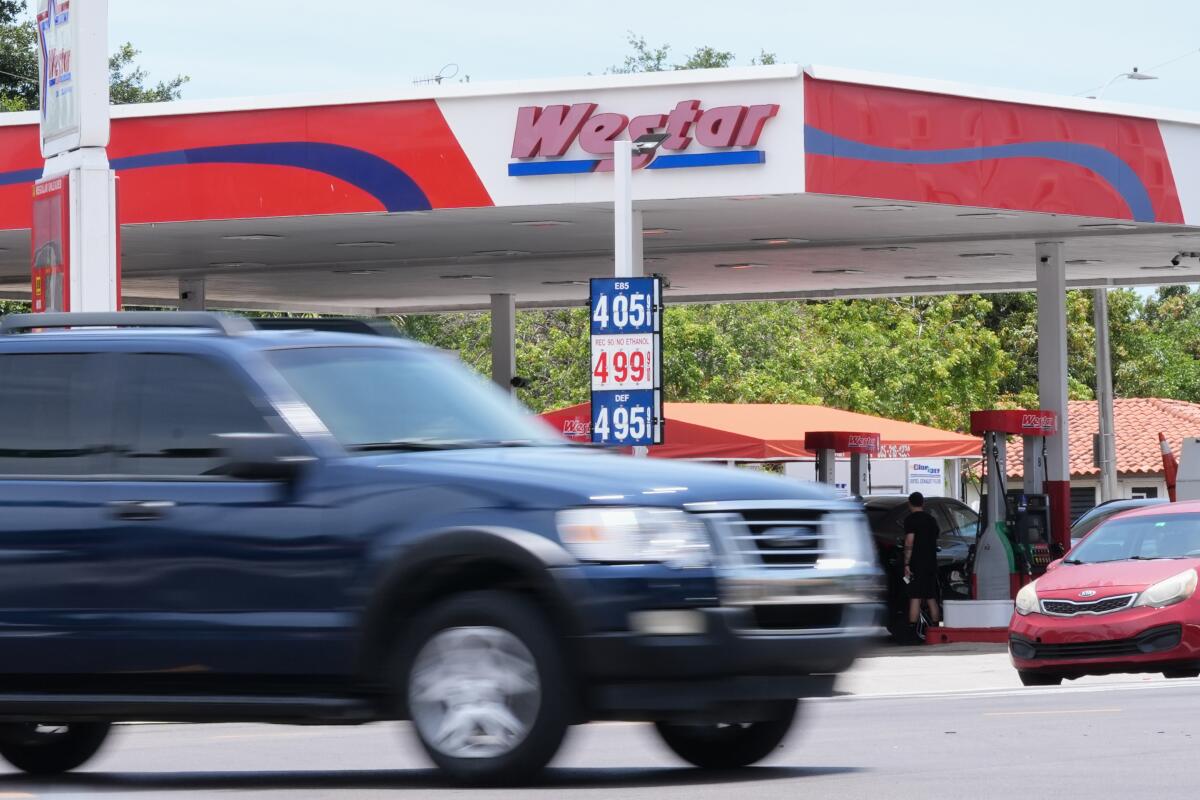
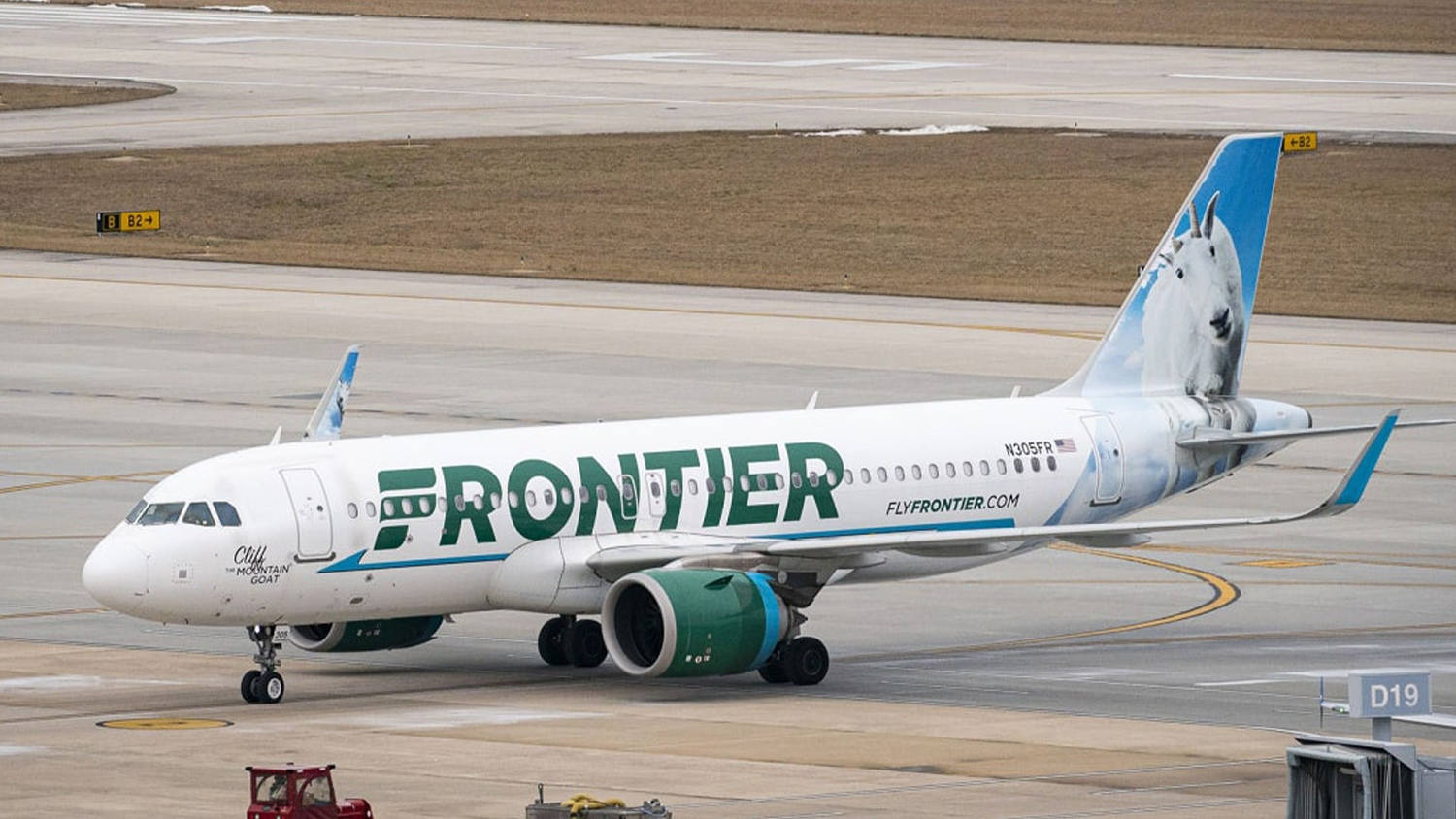
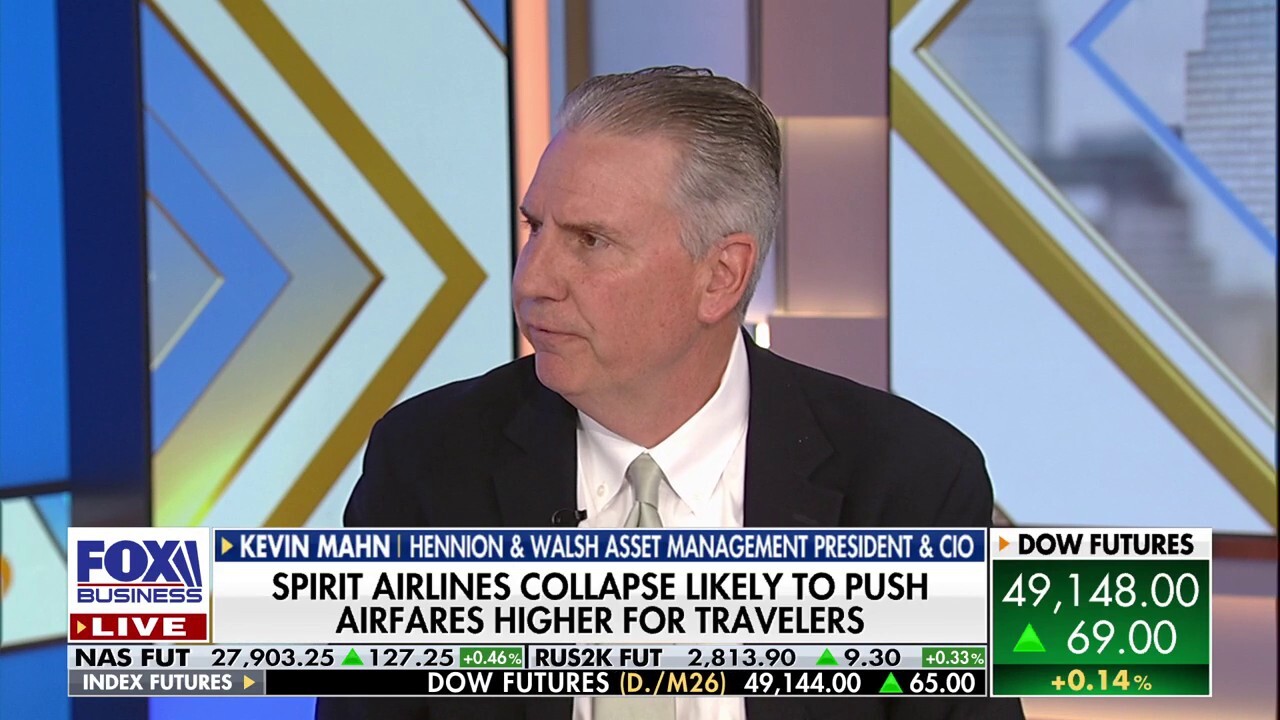
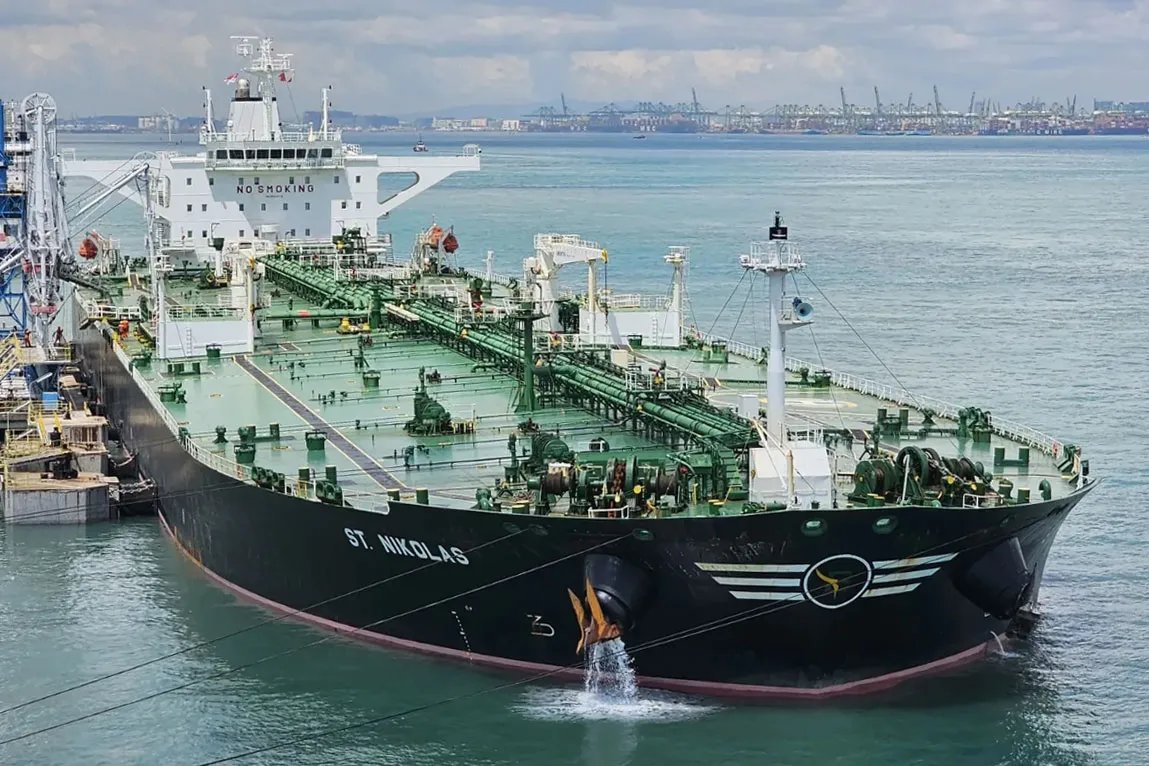
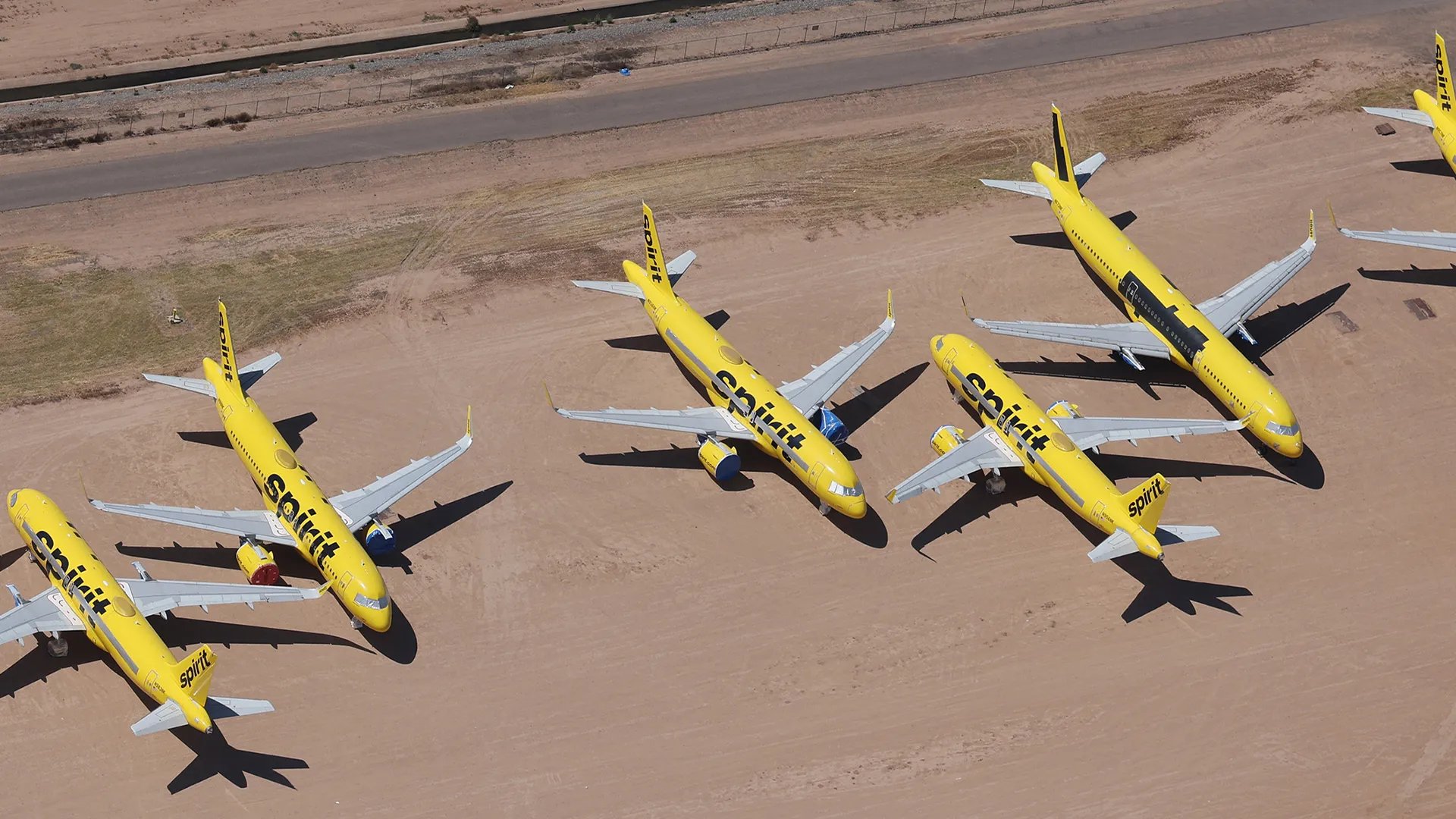
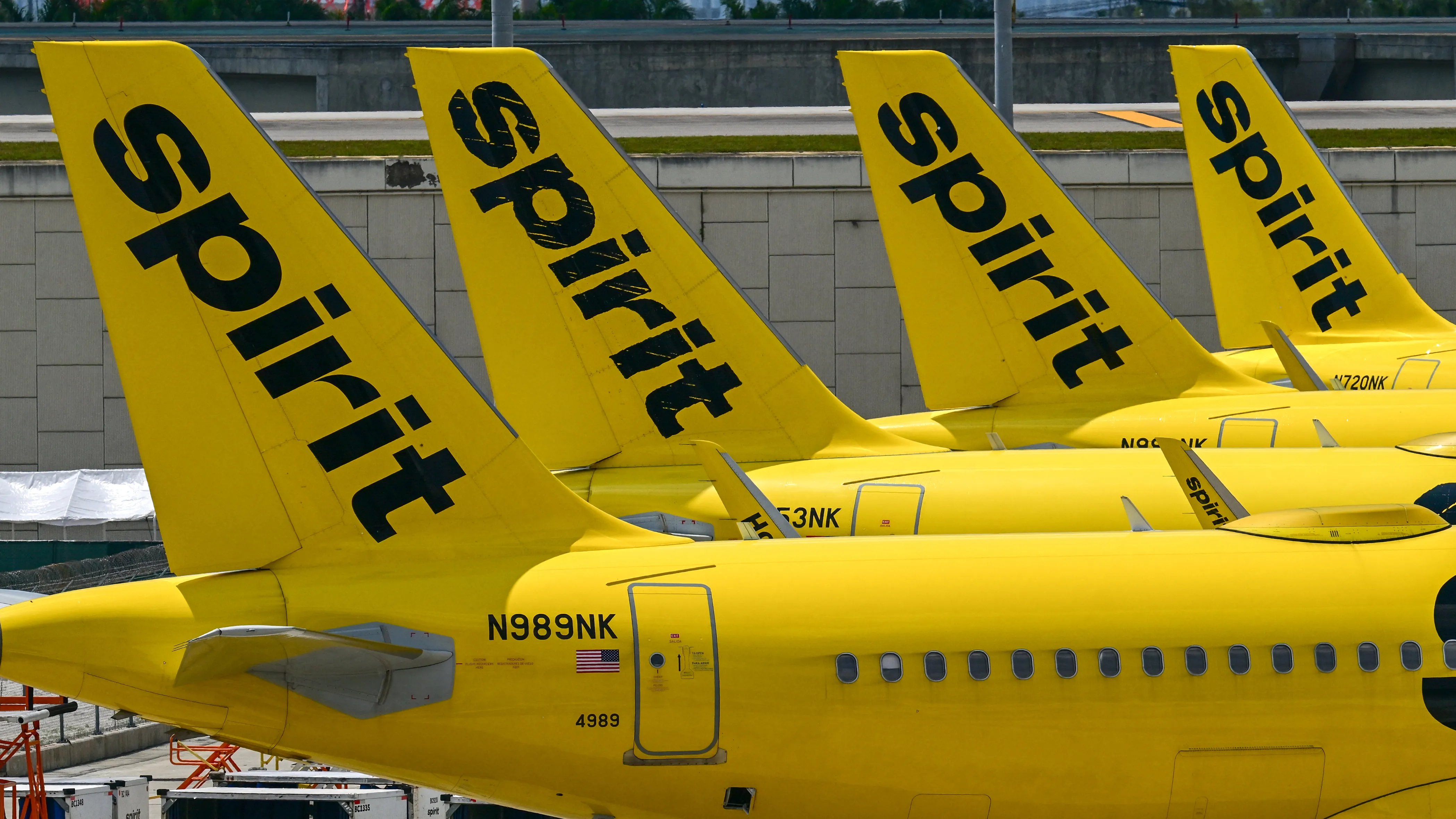
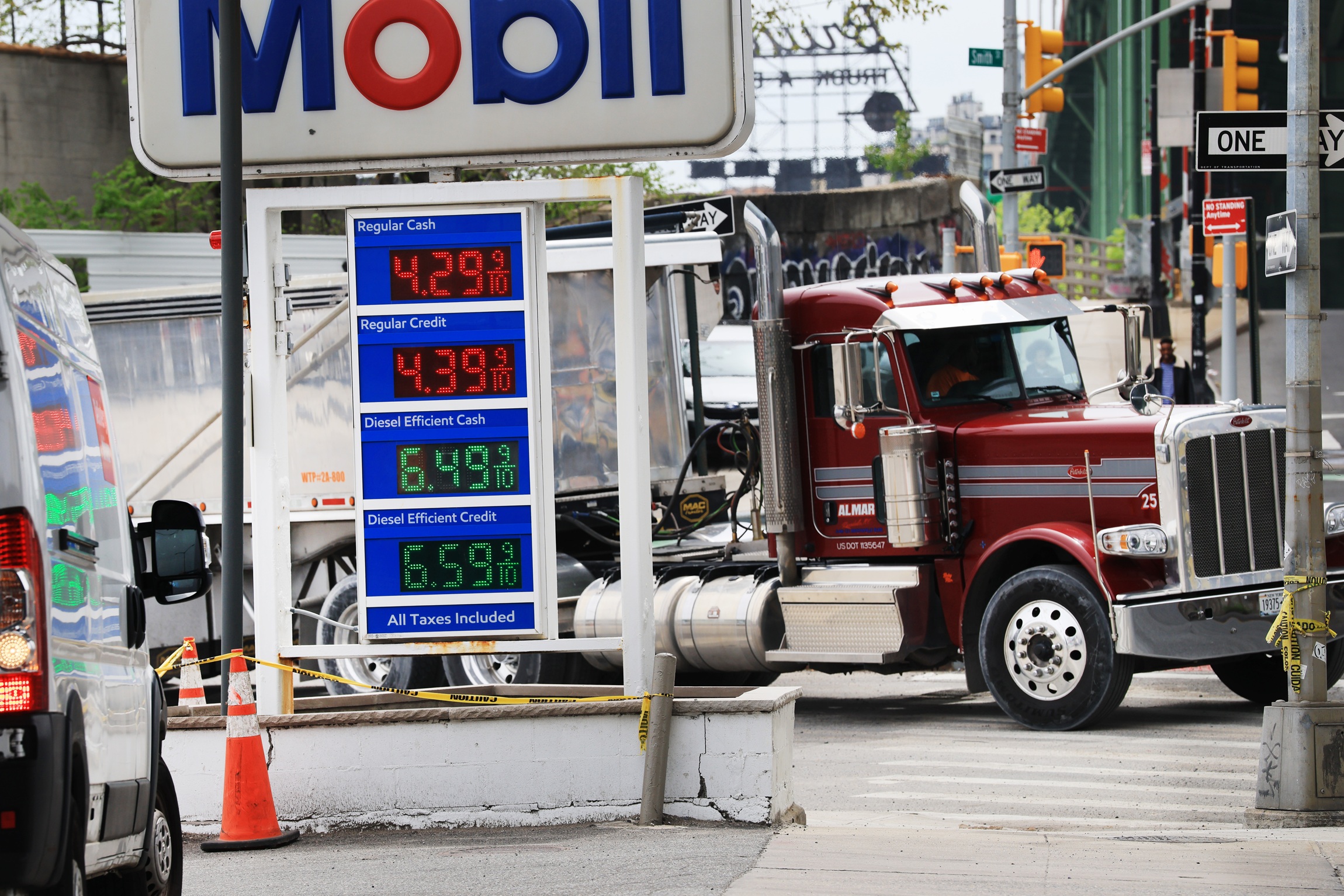
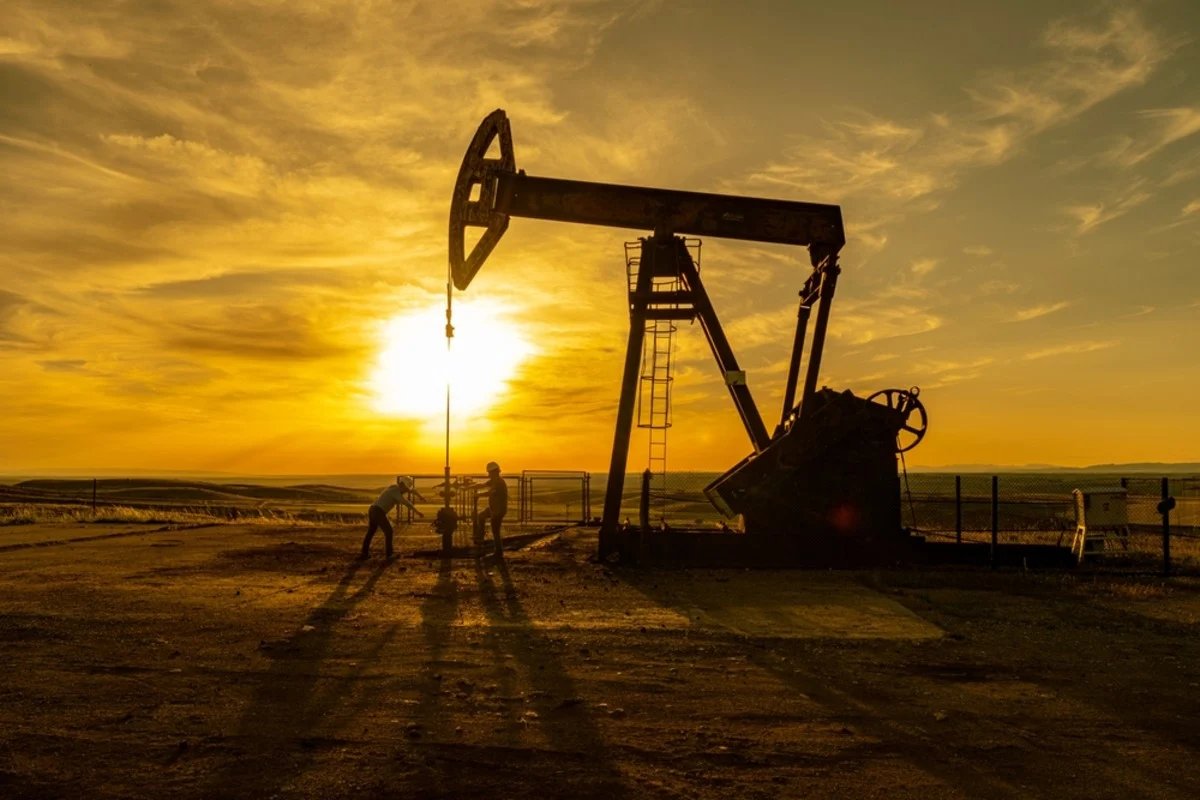
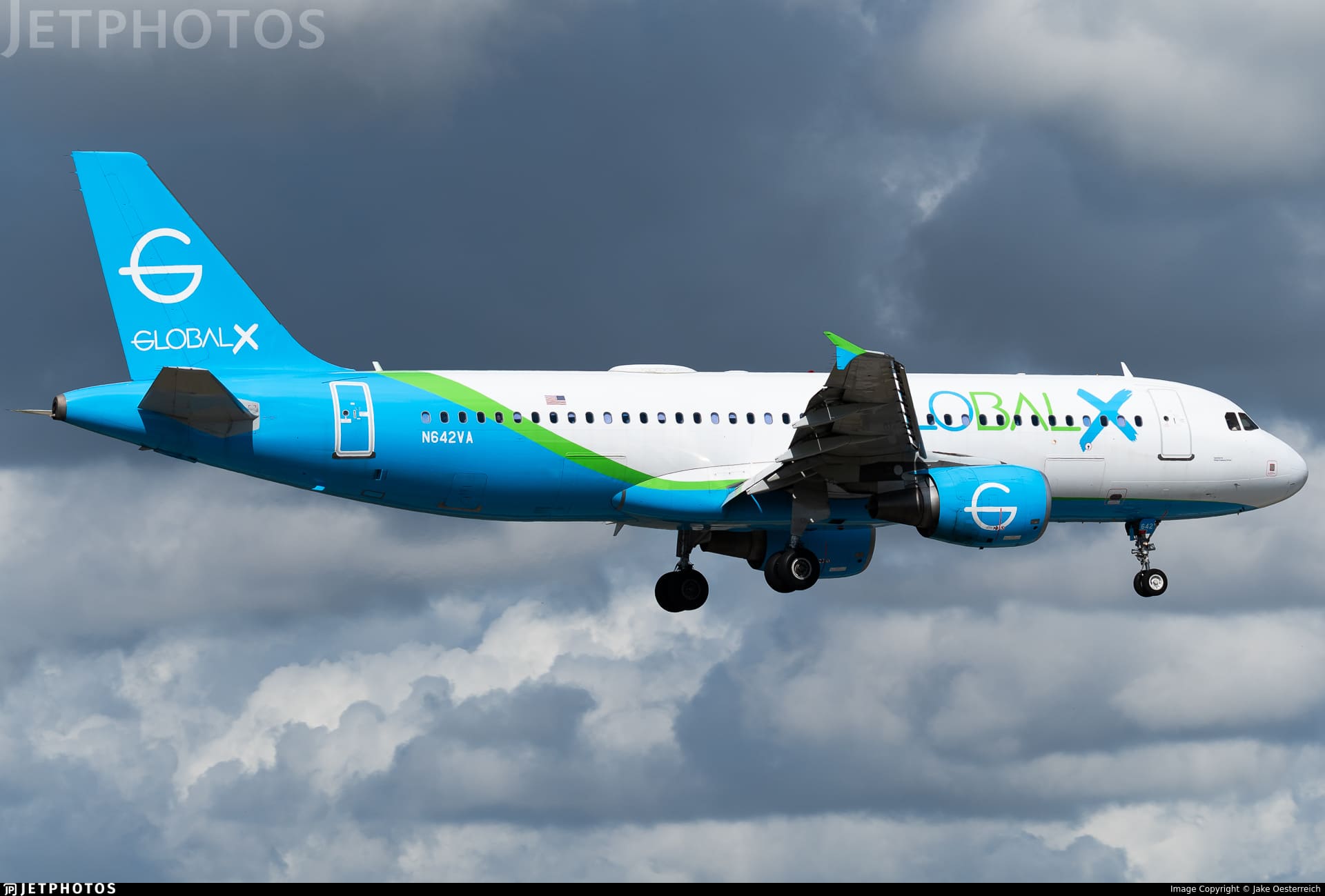
The conflict has significantly affected the airline industry, particularly in Europe, where jet fuel prices have more than doubled since the conflict began. Prices surged from approximately €68.27 ($80) per barrel in February to €153.84 ($180) by the end of April. The International Energy Agency warned that Europe may face a jet fuel shortage within weeks, as the Strait of Hormuz, a critical passage for oil transportation, remains blocked. Airlines are passing these costs onto consumers, with Air France-KLM imposing a €100 surcharge on long-haul flights and Lufthansa cutting 20,000 short-distance flights over the next six months.
Economic Strain on Iran
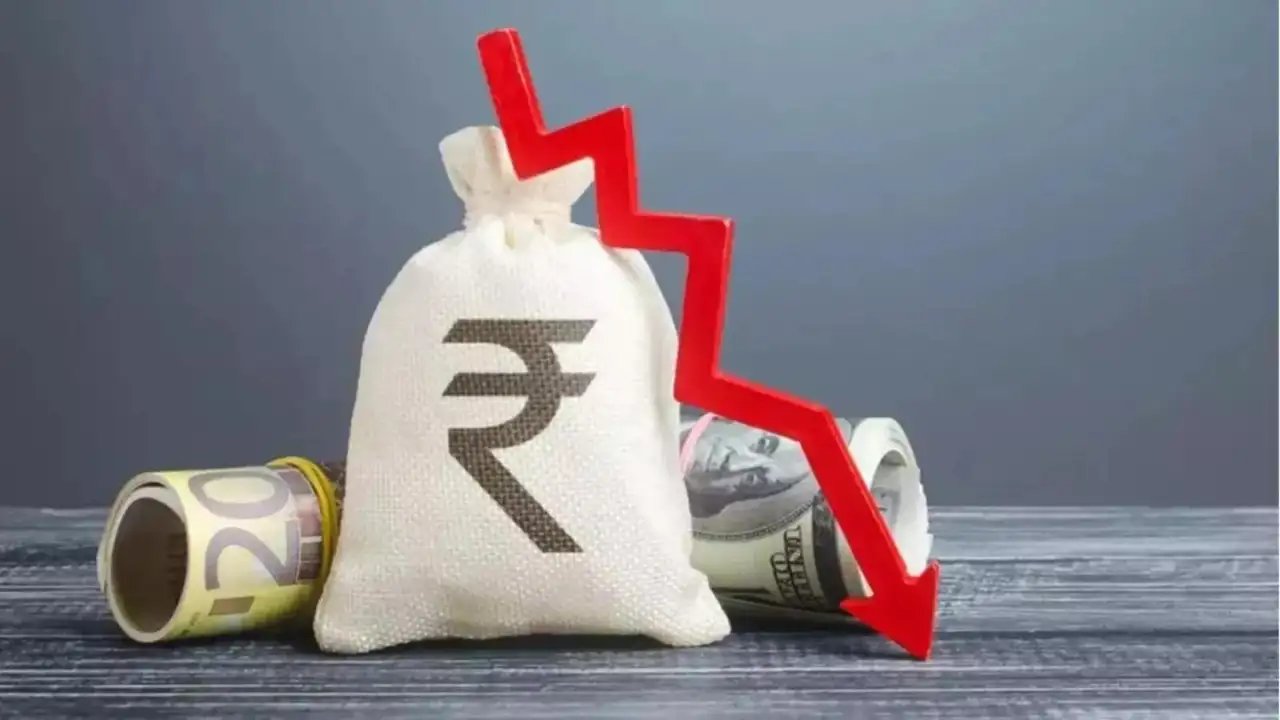
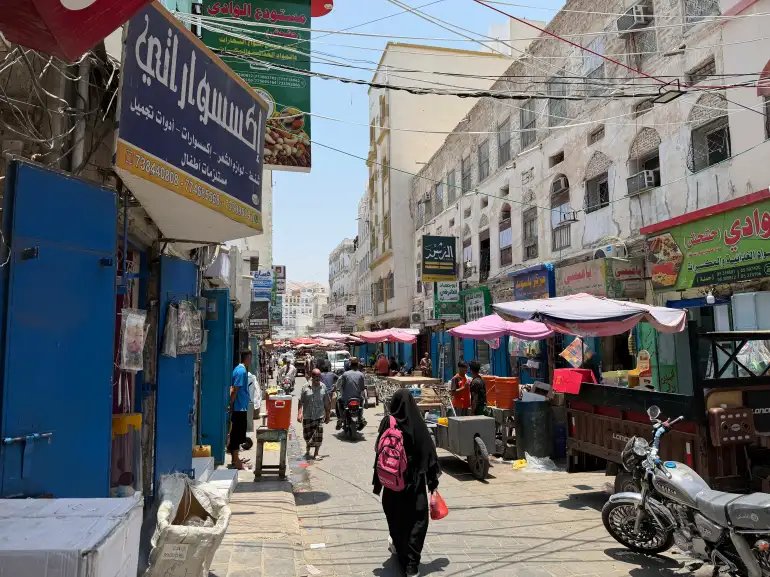
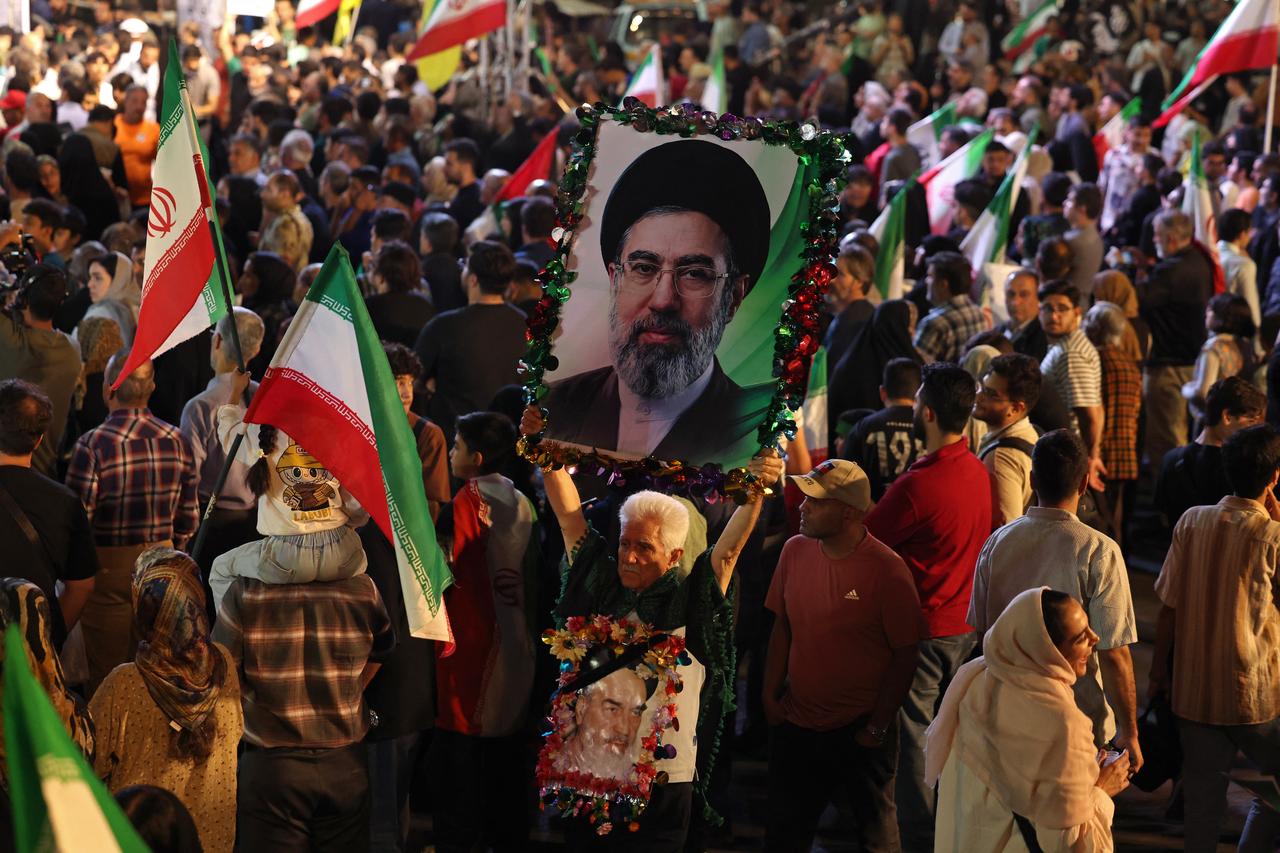
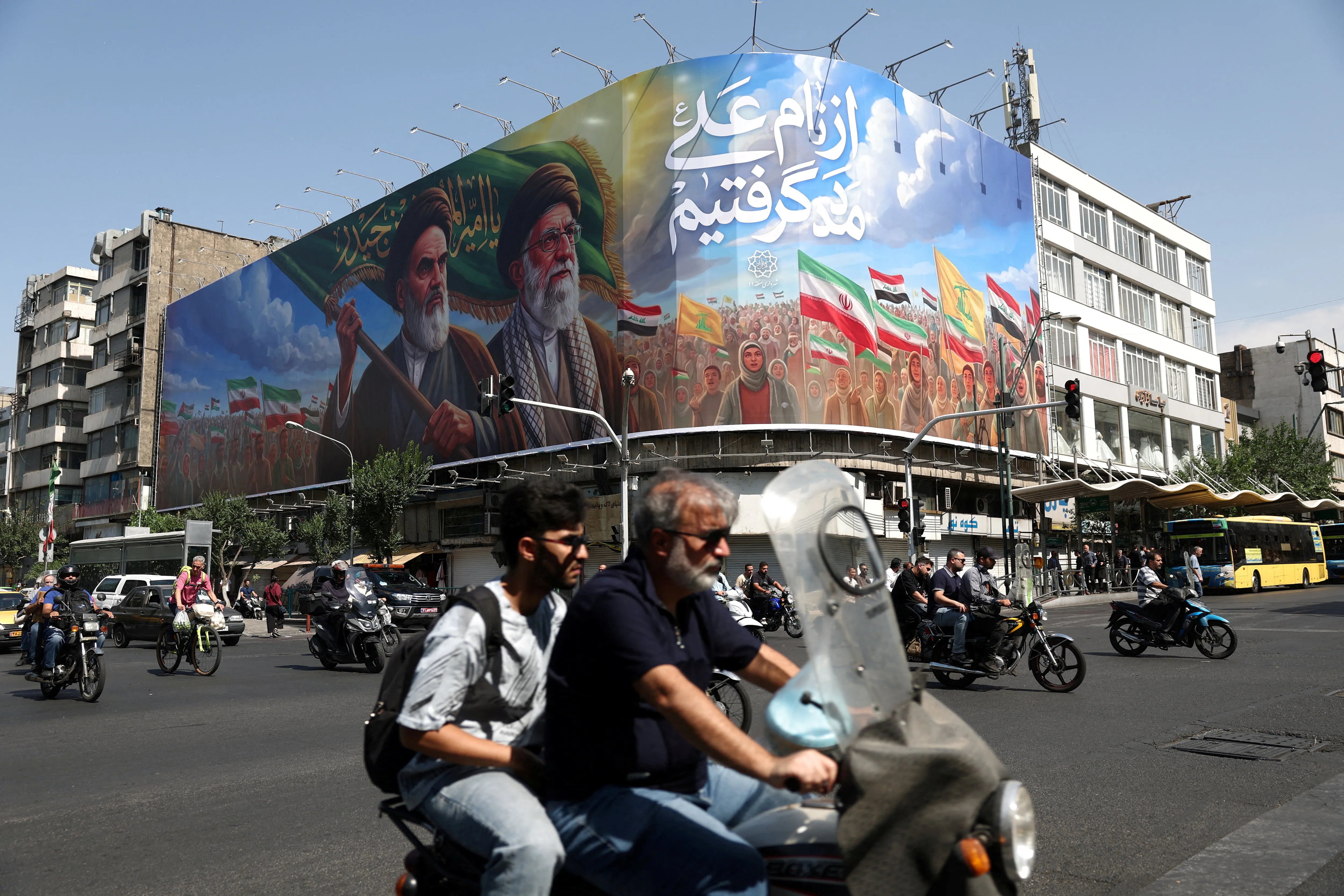
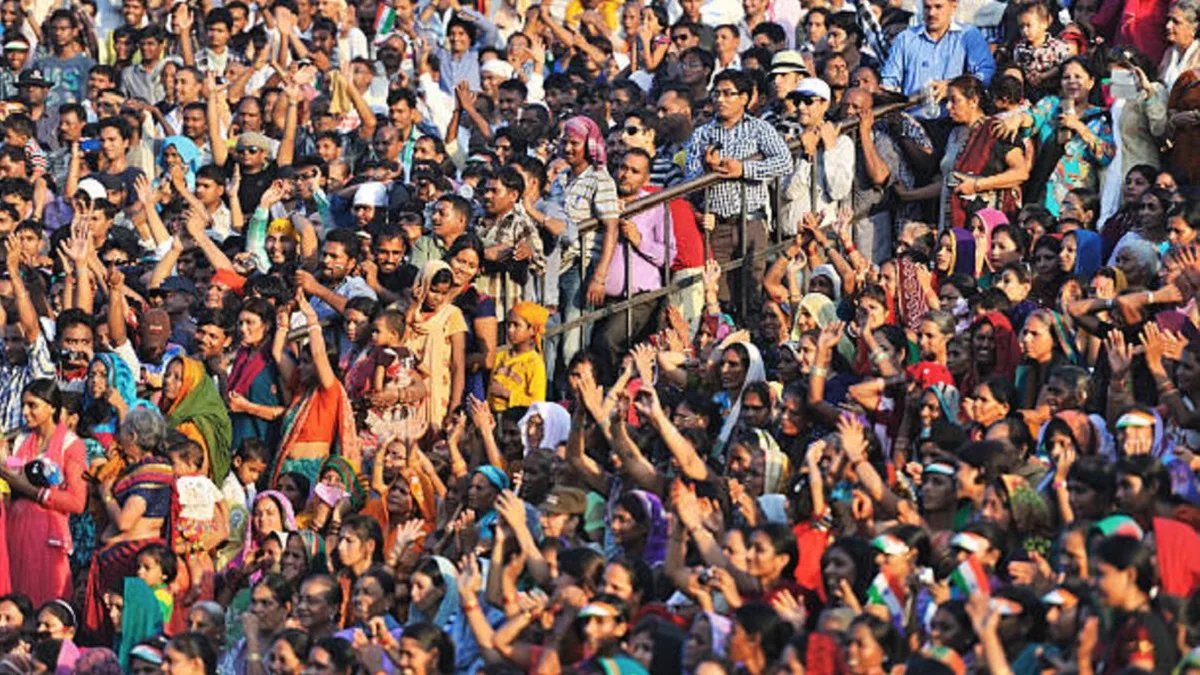
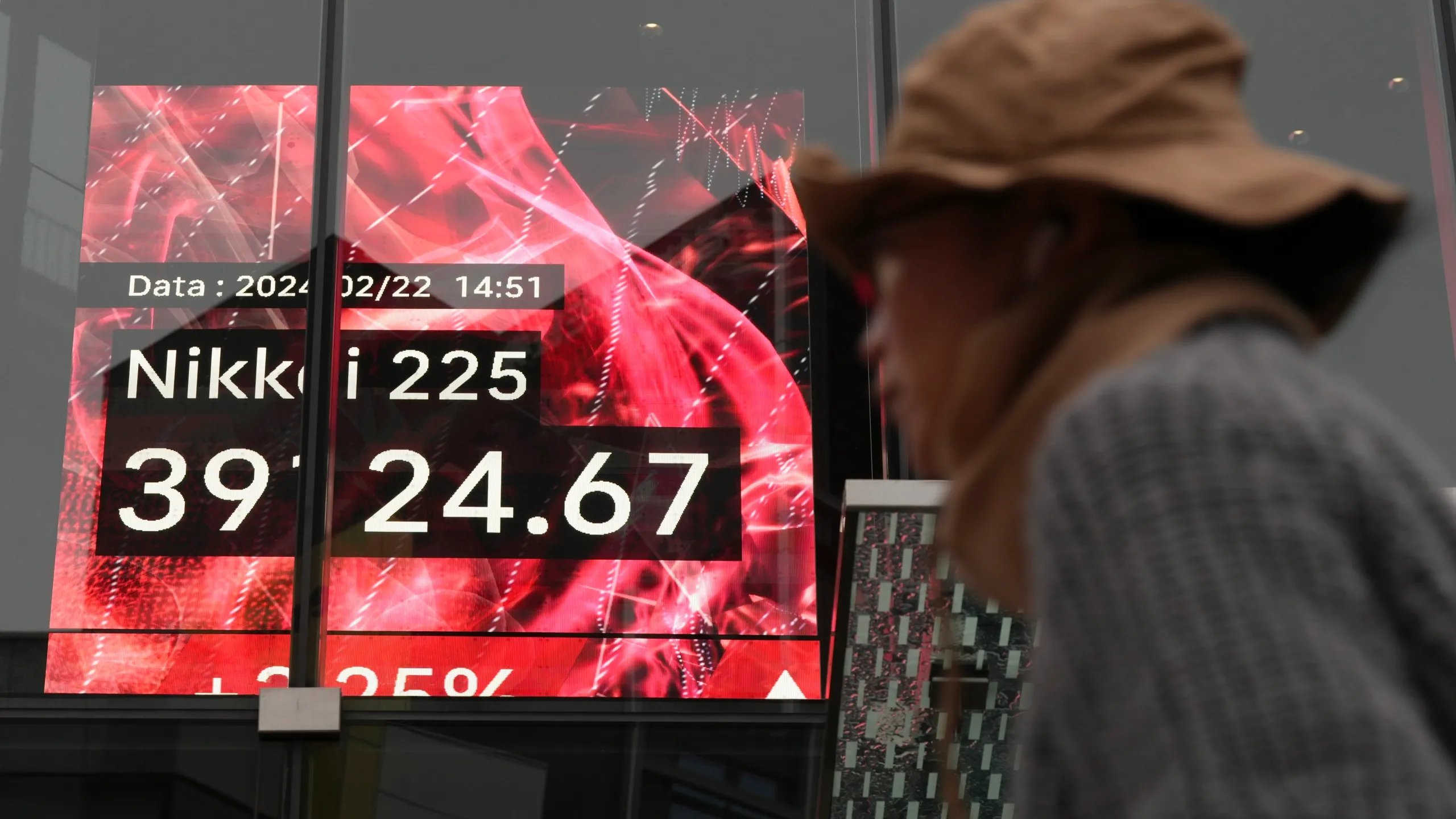
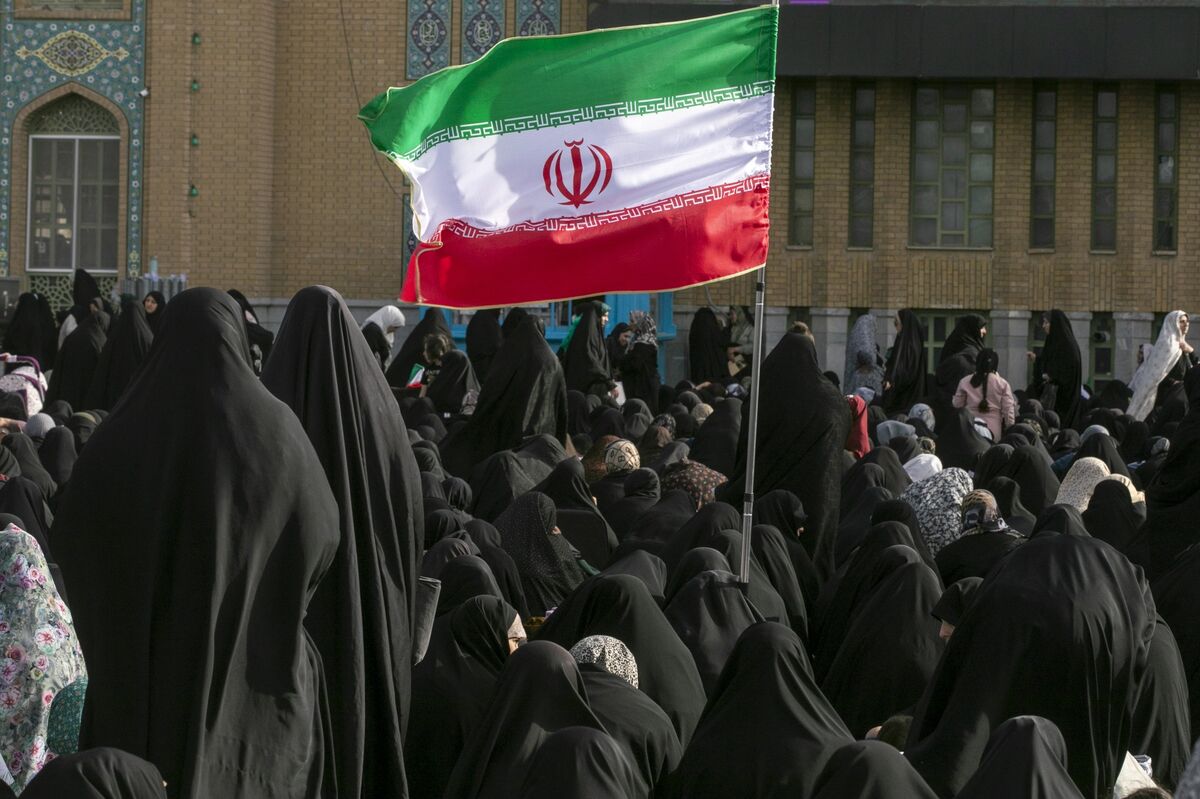
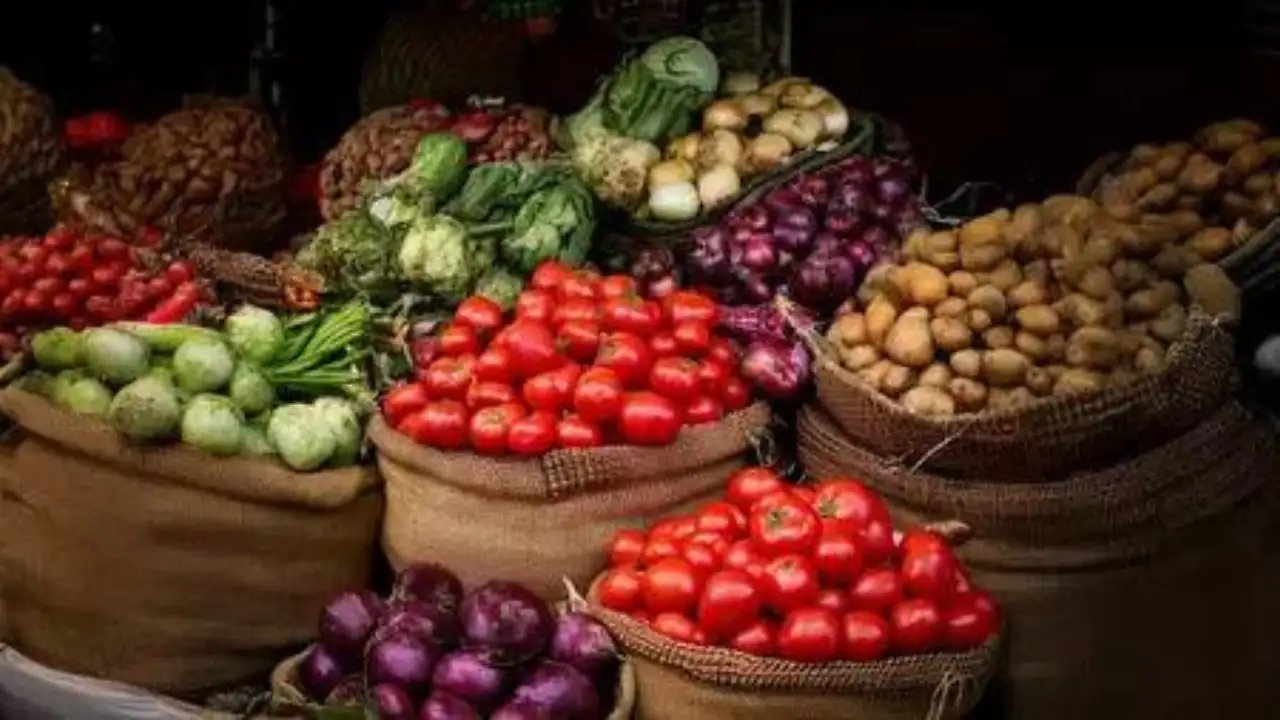
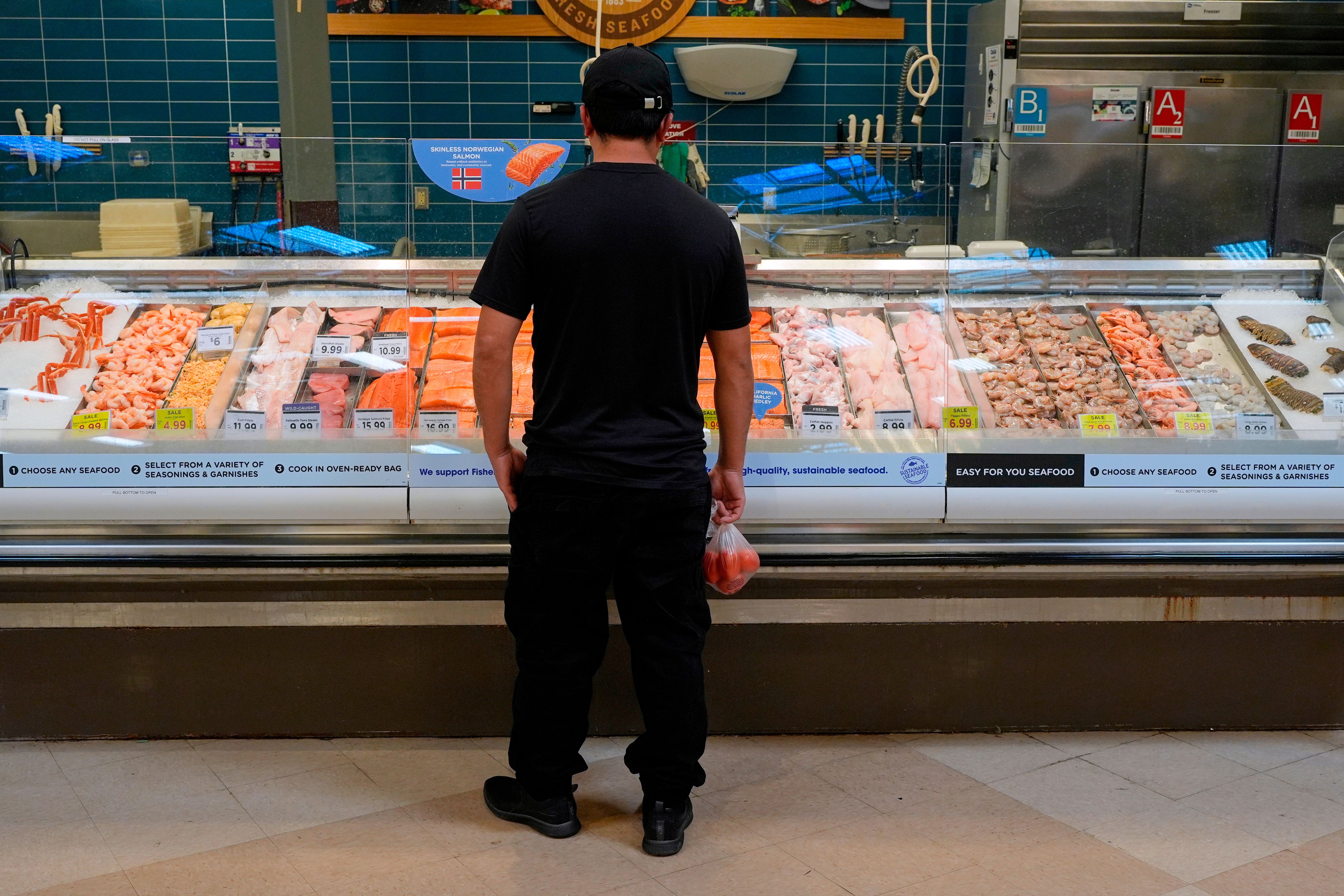
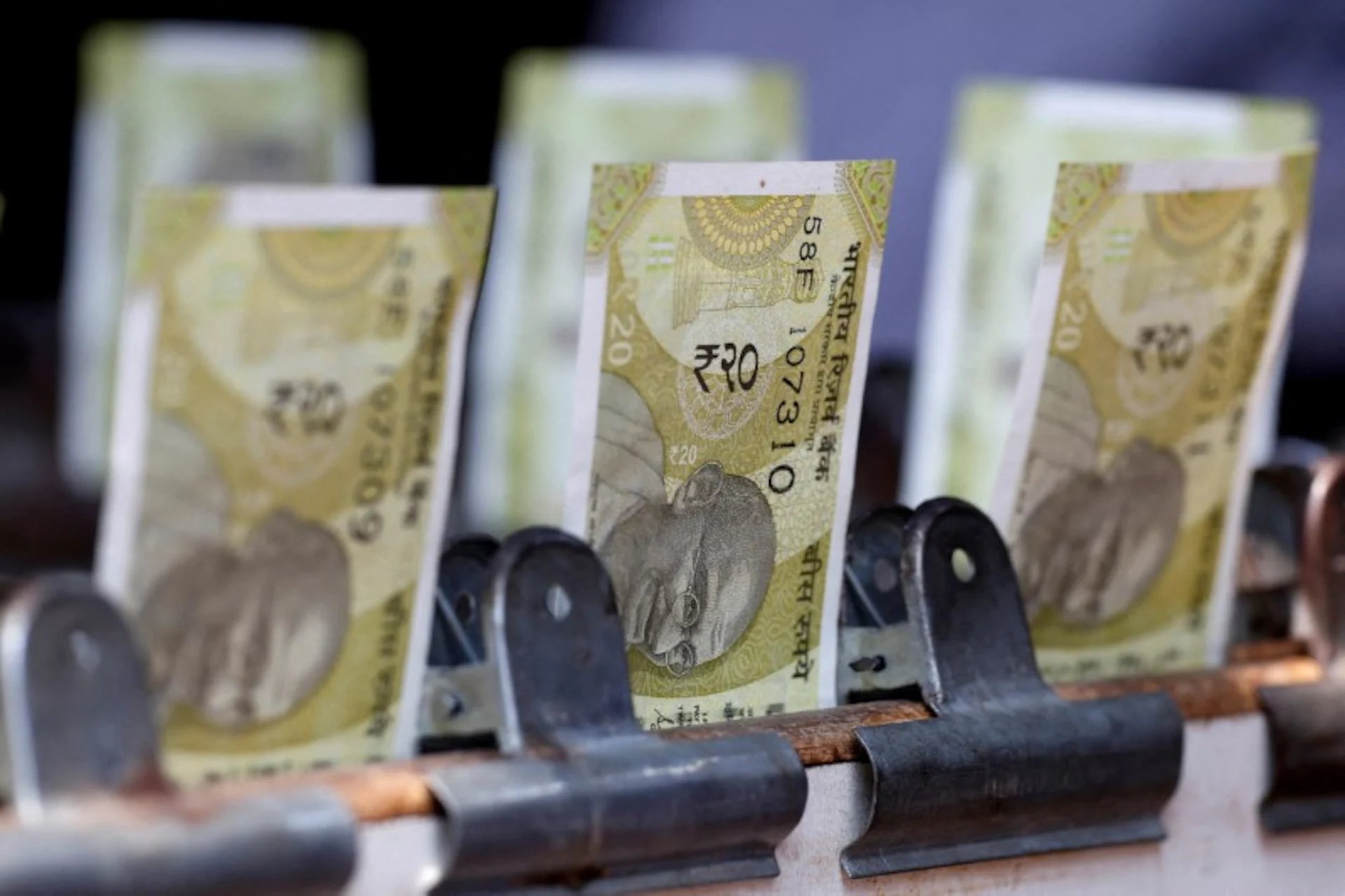
Iran's economy is facing severe challenges due to the ongoing conflict, compounded by U.S. sanctions and a blockade that has led to rampant inflation and job losses. The national currency, the rial, has plummeted to an all-time low of 1.84 million against the U.S. dollar. Reports indicate that food, medicine, and other essential goods are becoming increasingly unaffordable, with some items seeing price hikes of over 300%. Supreme Leader Mojtaba Khamenei emphasized the need for the country to overcome its enemies through economic resilience, yet many citizens are struggling to make ends meet.
Protests Erupt in Washington D.C.
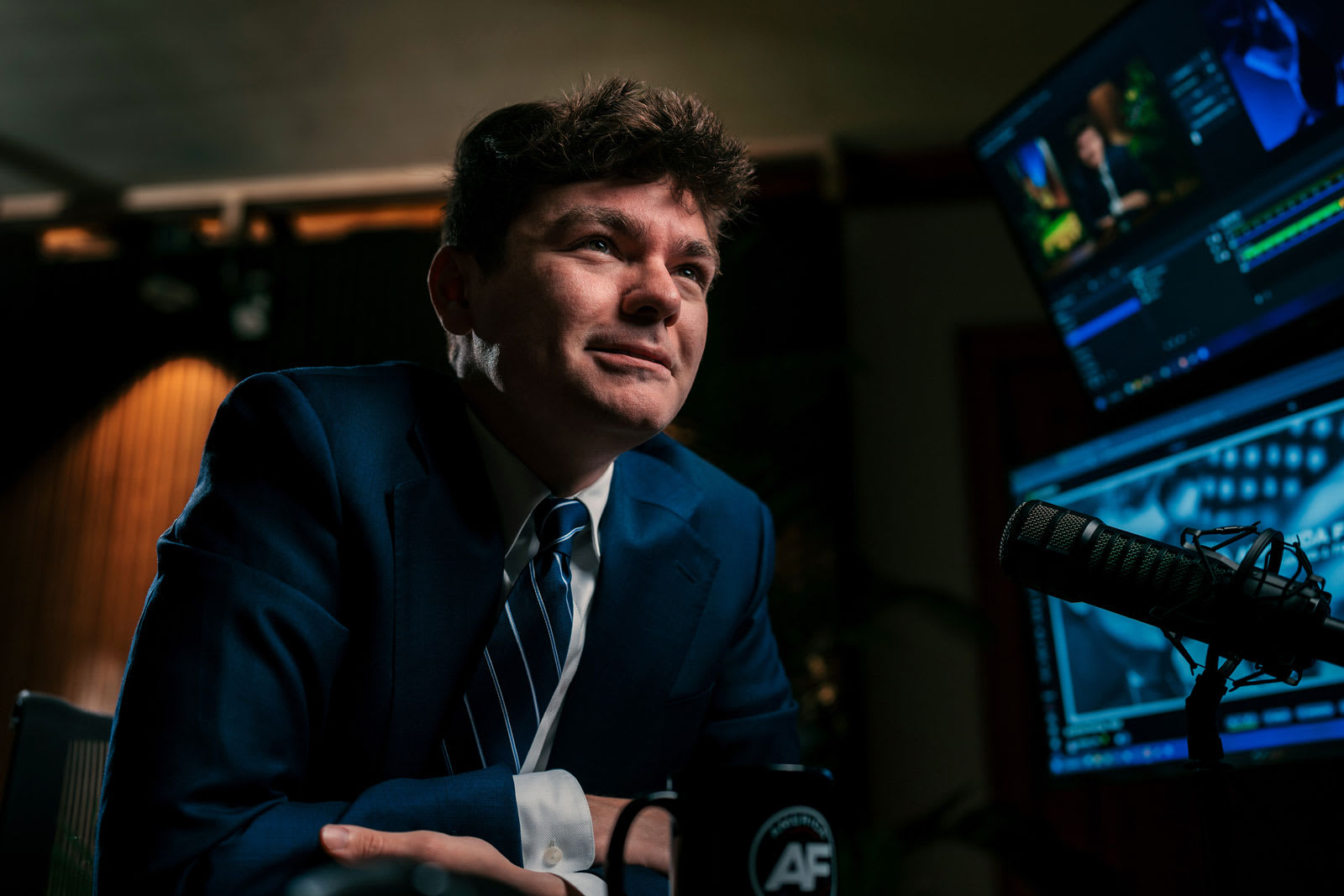
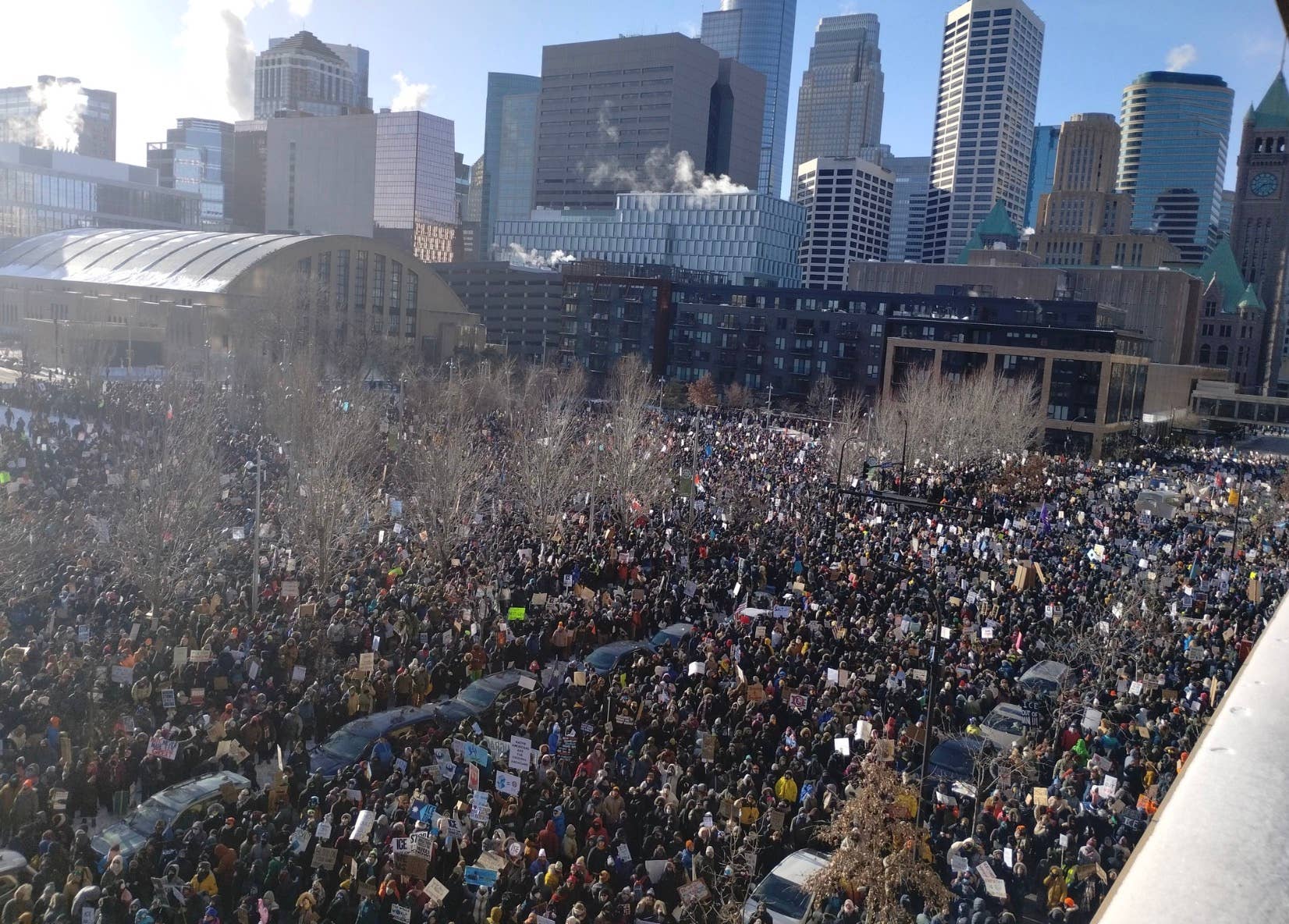
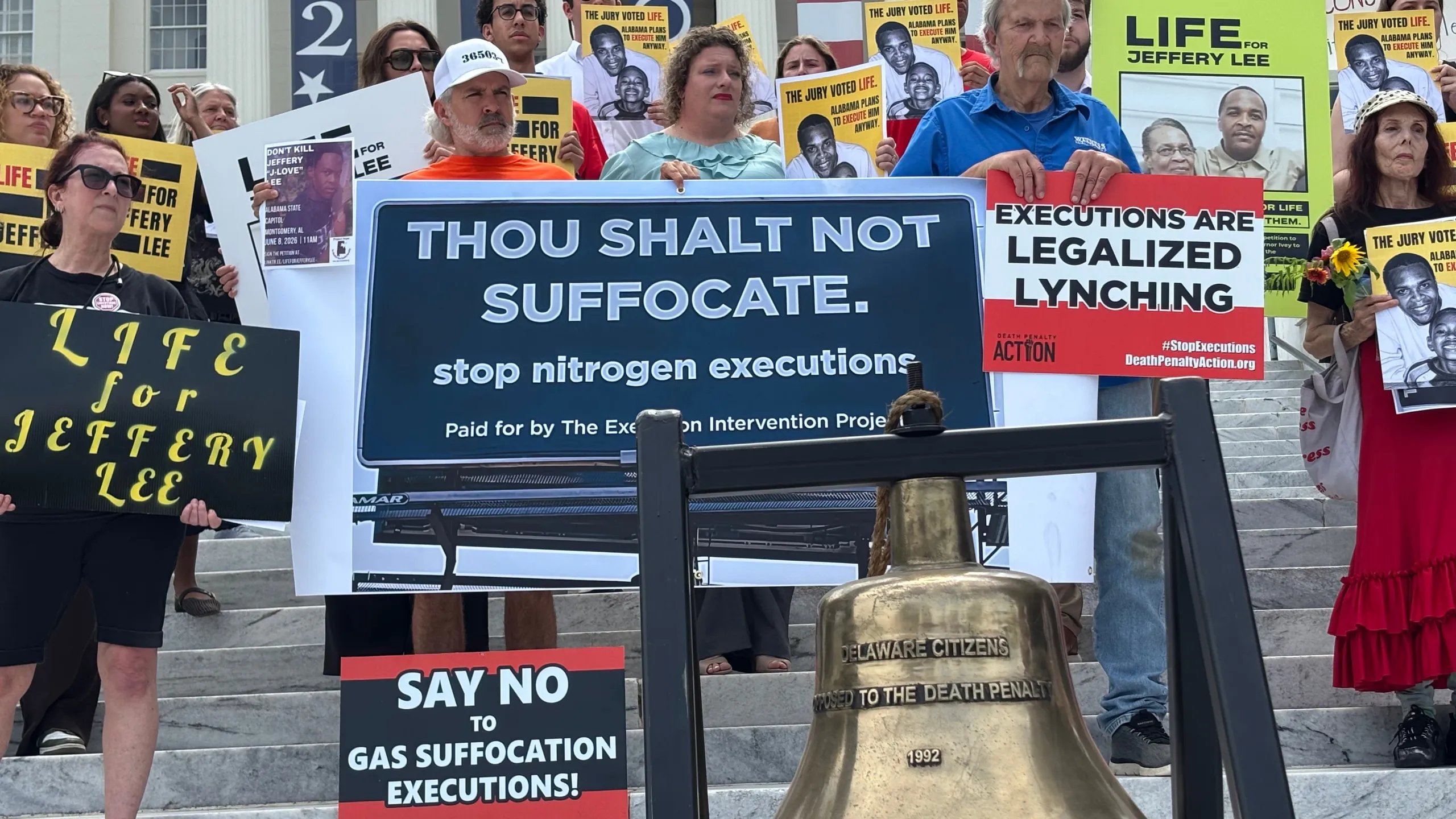
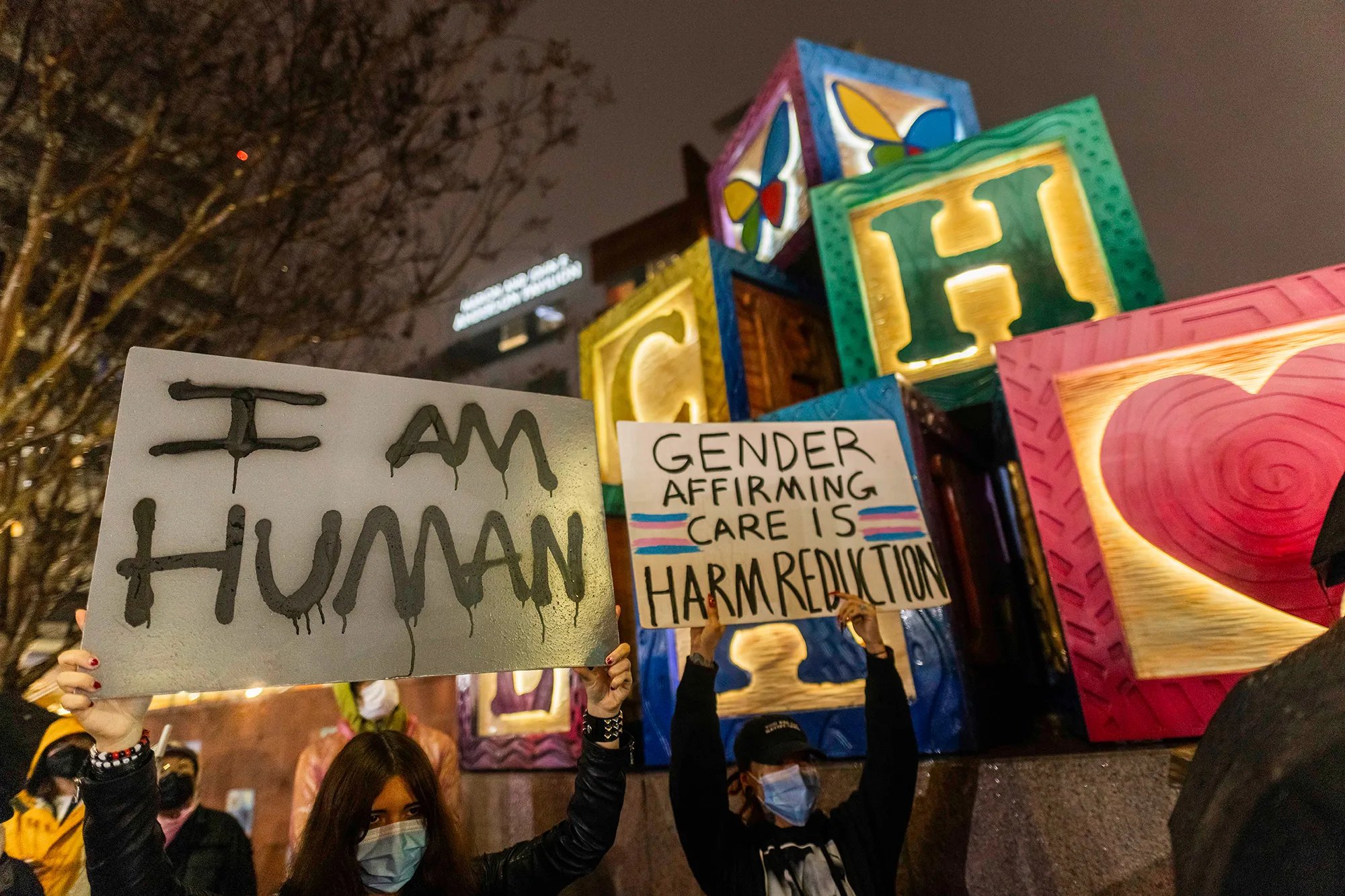
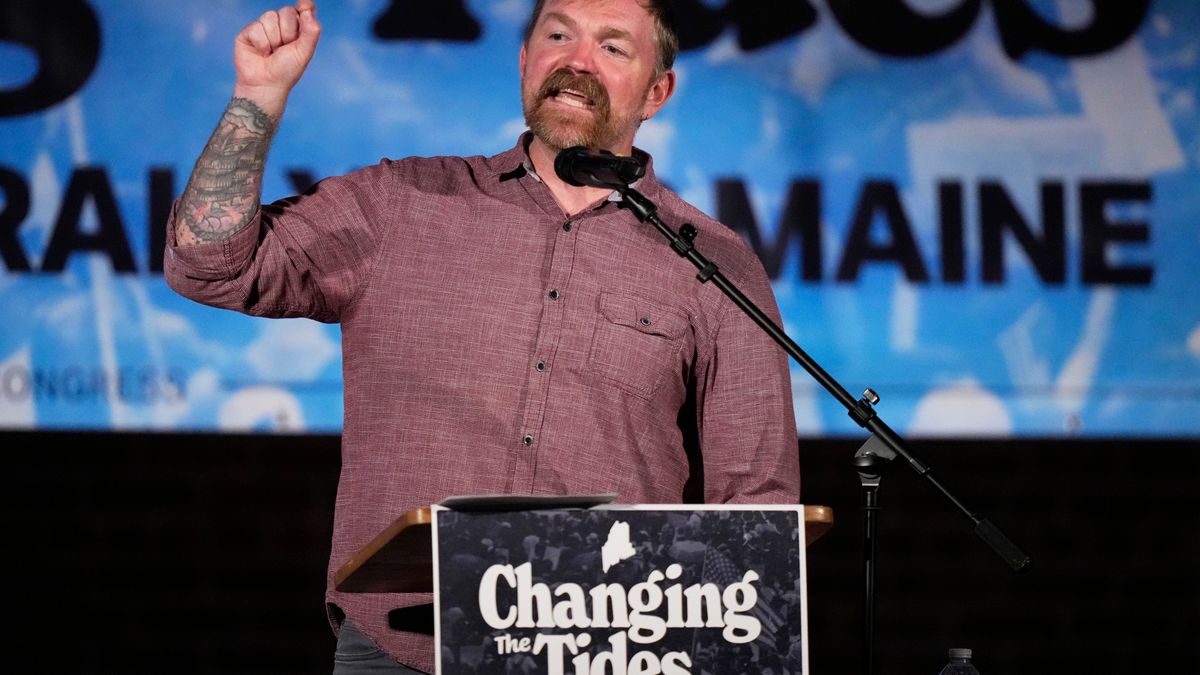
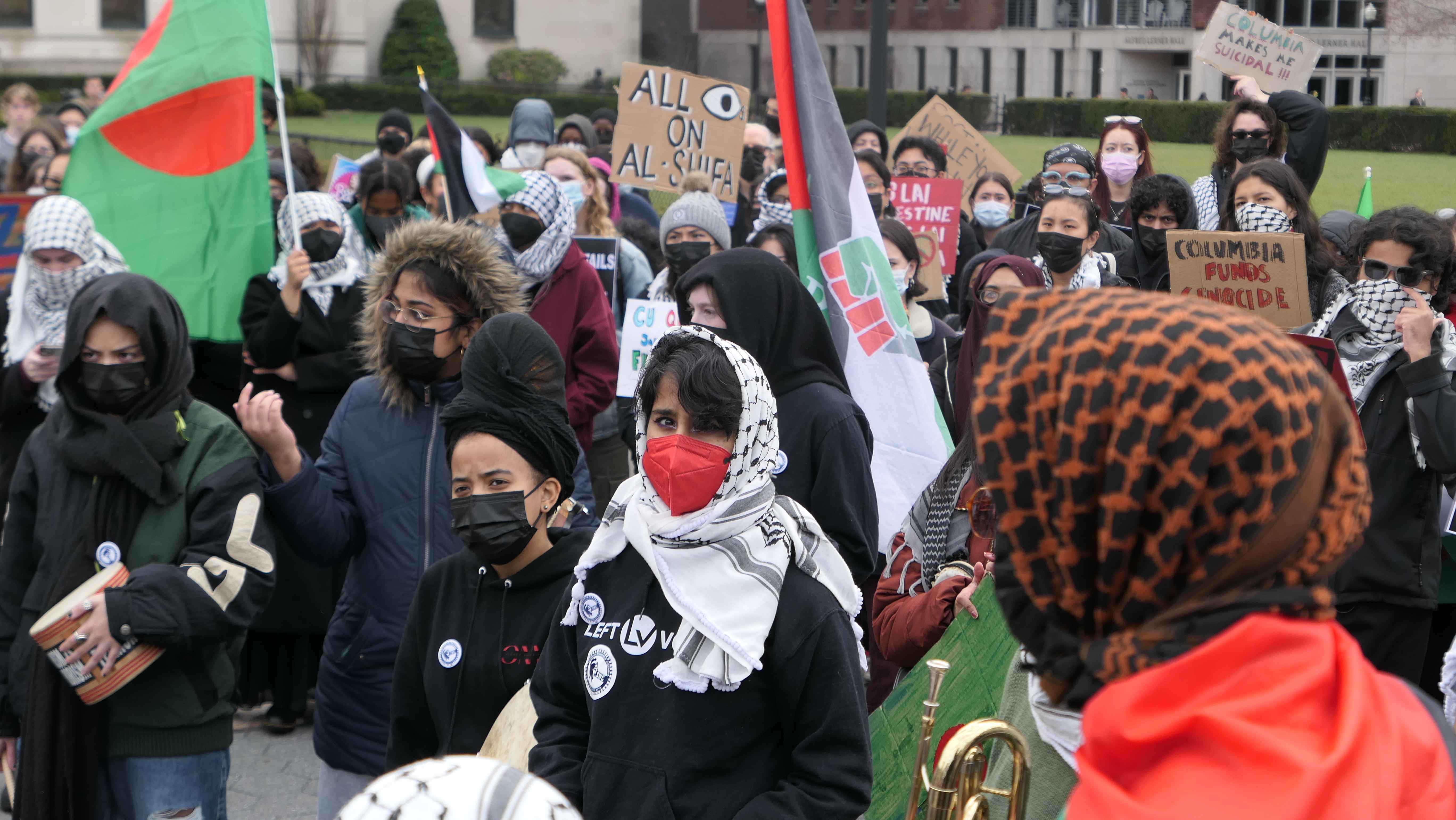
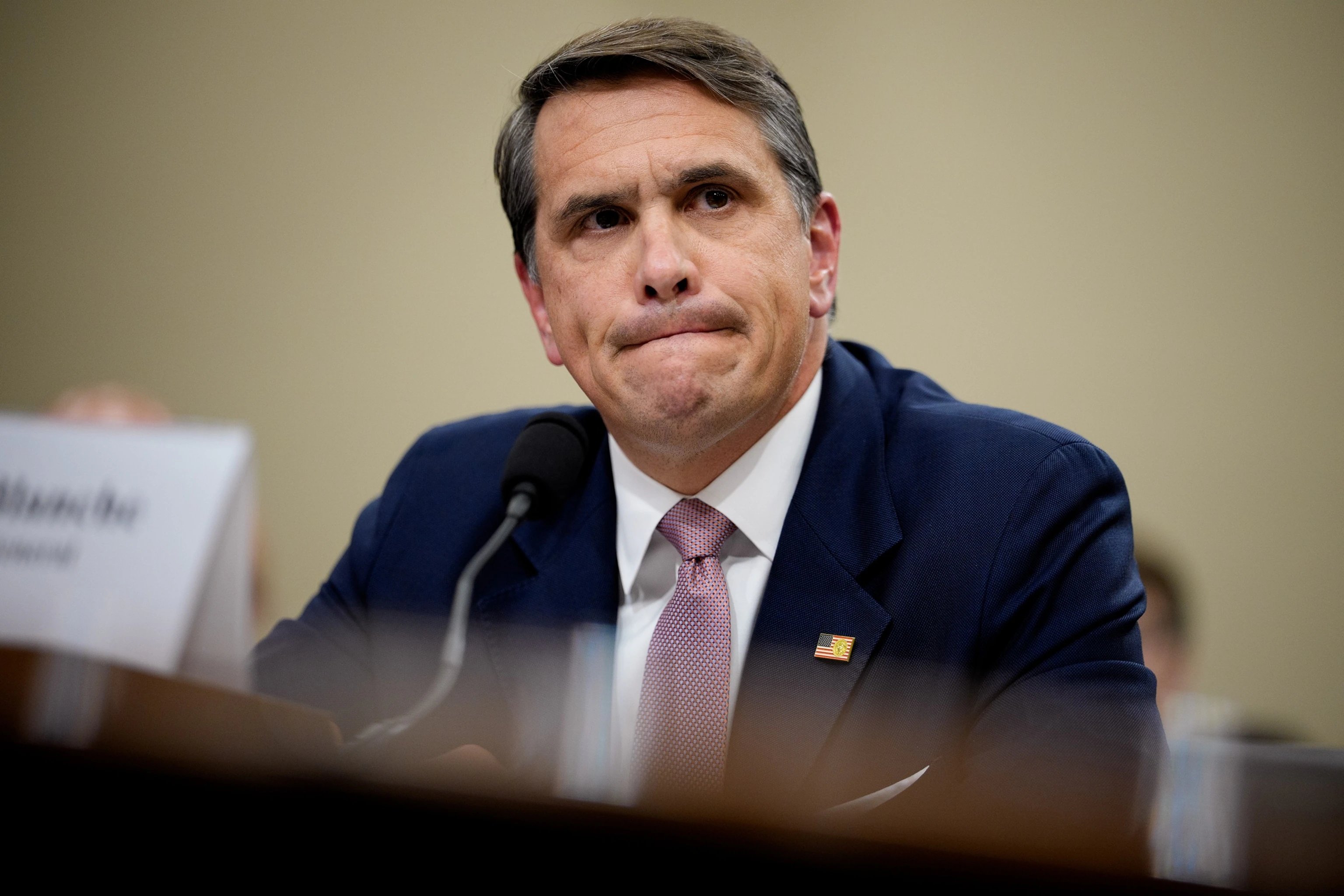
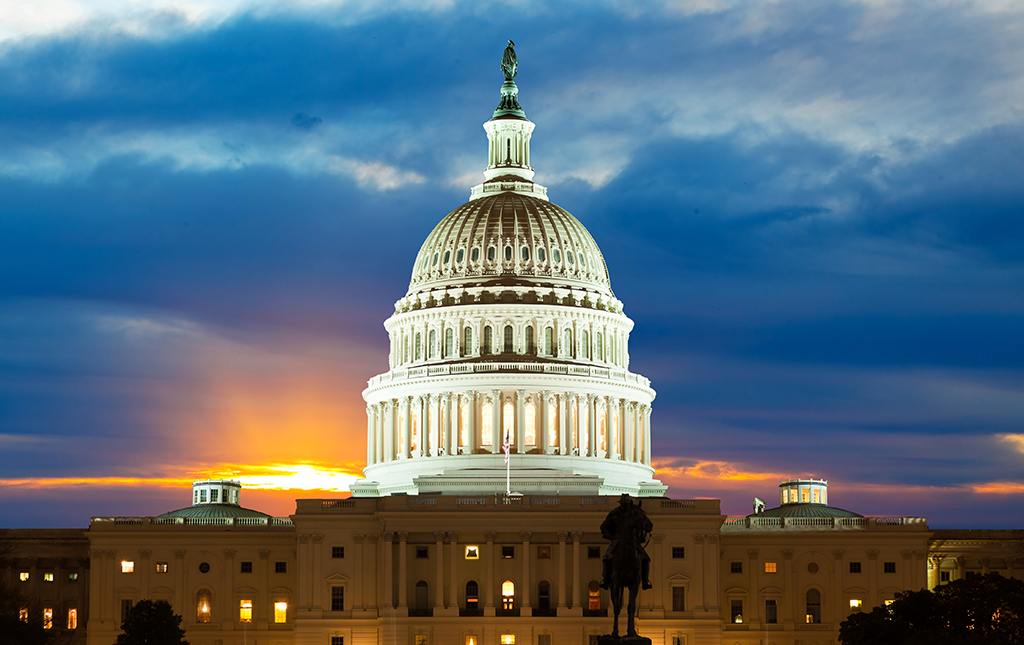
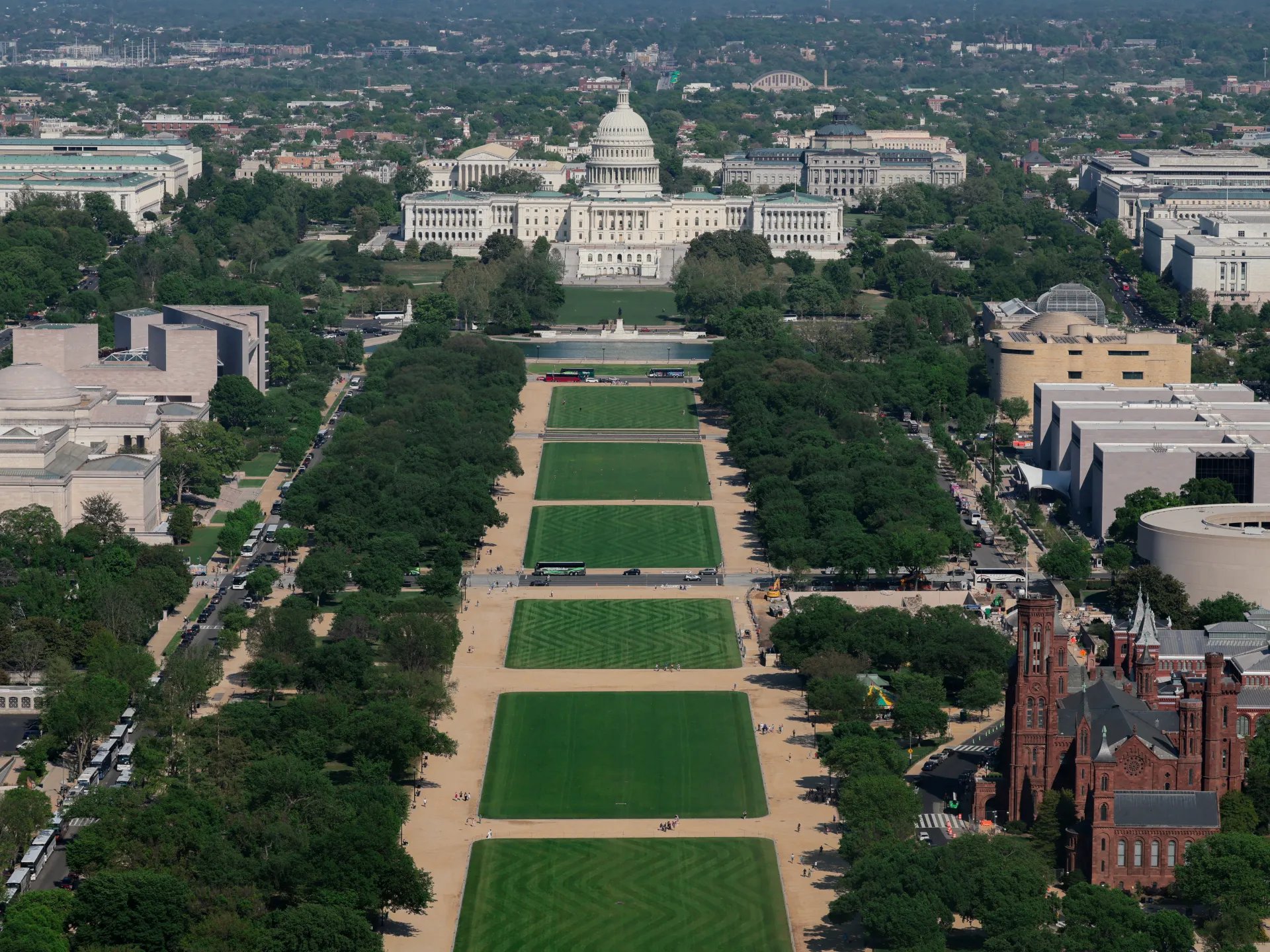
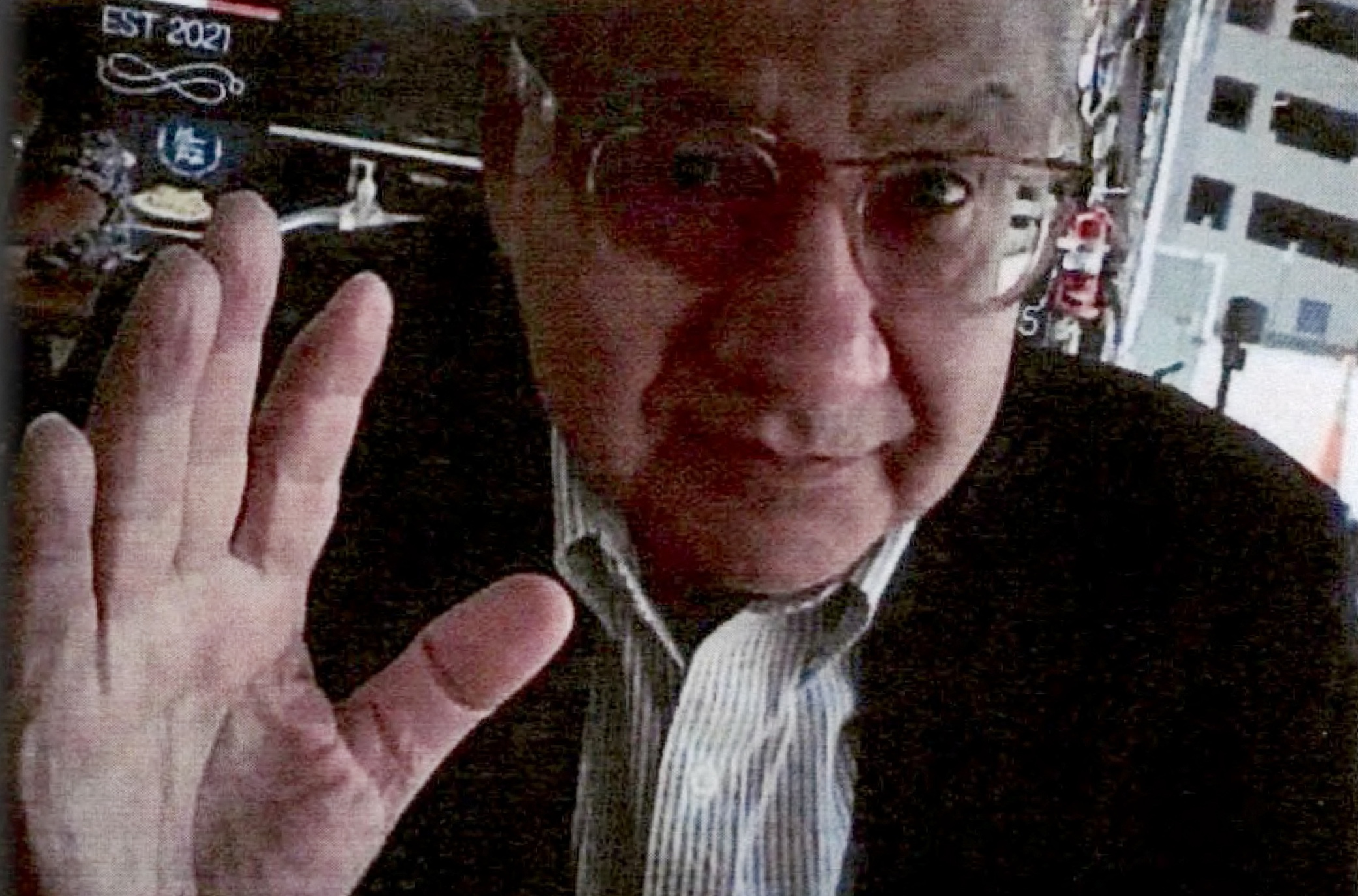
In Washington D.C., protests against the Iran war have intensified, highlighted by activist Guido Reichstadter's dramatic occupation of the Frederick Douglass Memorial Bridge. Reichstadter, who has a history of activism, stated he would remain atop the bridge until the war ends. He criticized Congress for not asserting its war powers, expressing concern over the implications of advanced artificial intelligence alongside the military conflict. His protest coincides with a broader wave of demonstrations, reflecting growing public discontent over the U.S. involvement in the war.
Regional Aviation Recovery Signs
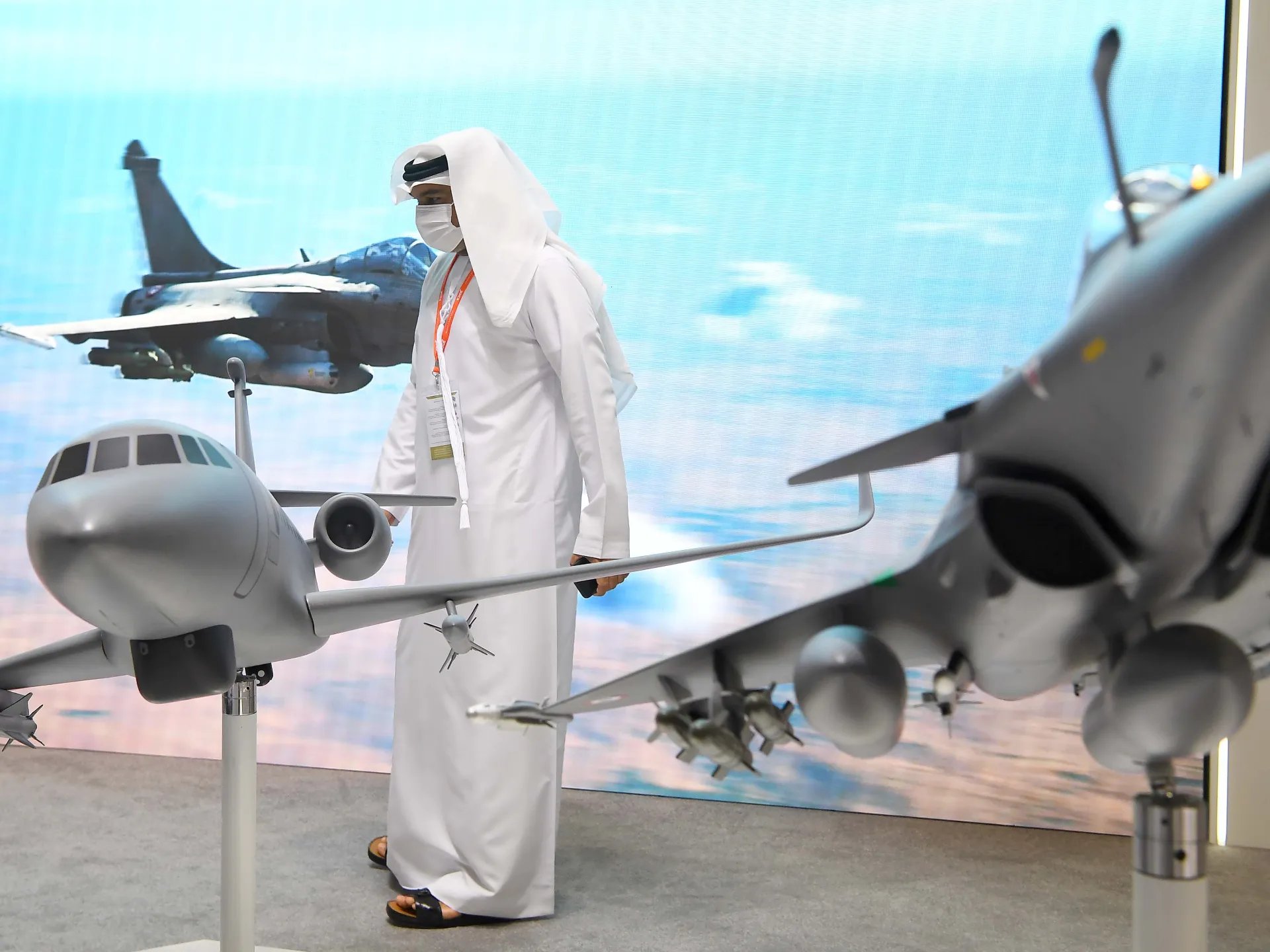
Despite the turmoil, the United Arab Emirates announced the lifting of flight restrictions that had been in place since the start of the conflict. The General Civil Aviation Authority stated that air operations across UAE airspace have returned to normal, marking a key milestone for the region's aviation sector. This decision follows a brokered ceasefire last month and suggests a gradual recovery in regional travel, with airlines like Qatar Airways planning to resume flights to Iraq by mid-May.
Looking Ahead
As Iran and the U.S. navigate this complex diplomatic landscape, the outcome of these negotiations could significantly impact both regional stability and global economic conditions. The escalation of conflict has already led to a series of mini-crises across various sectors, raising concerns over potential long-term repercussions if a resolution is not reached soon. The Iranian public's patience is wearing thin as economic hardships mount, and the international community watches closely as these negotiations unfold.