




The Shift to AI-Driven Workforces
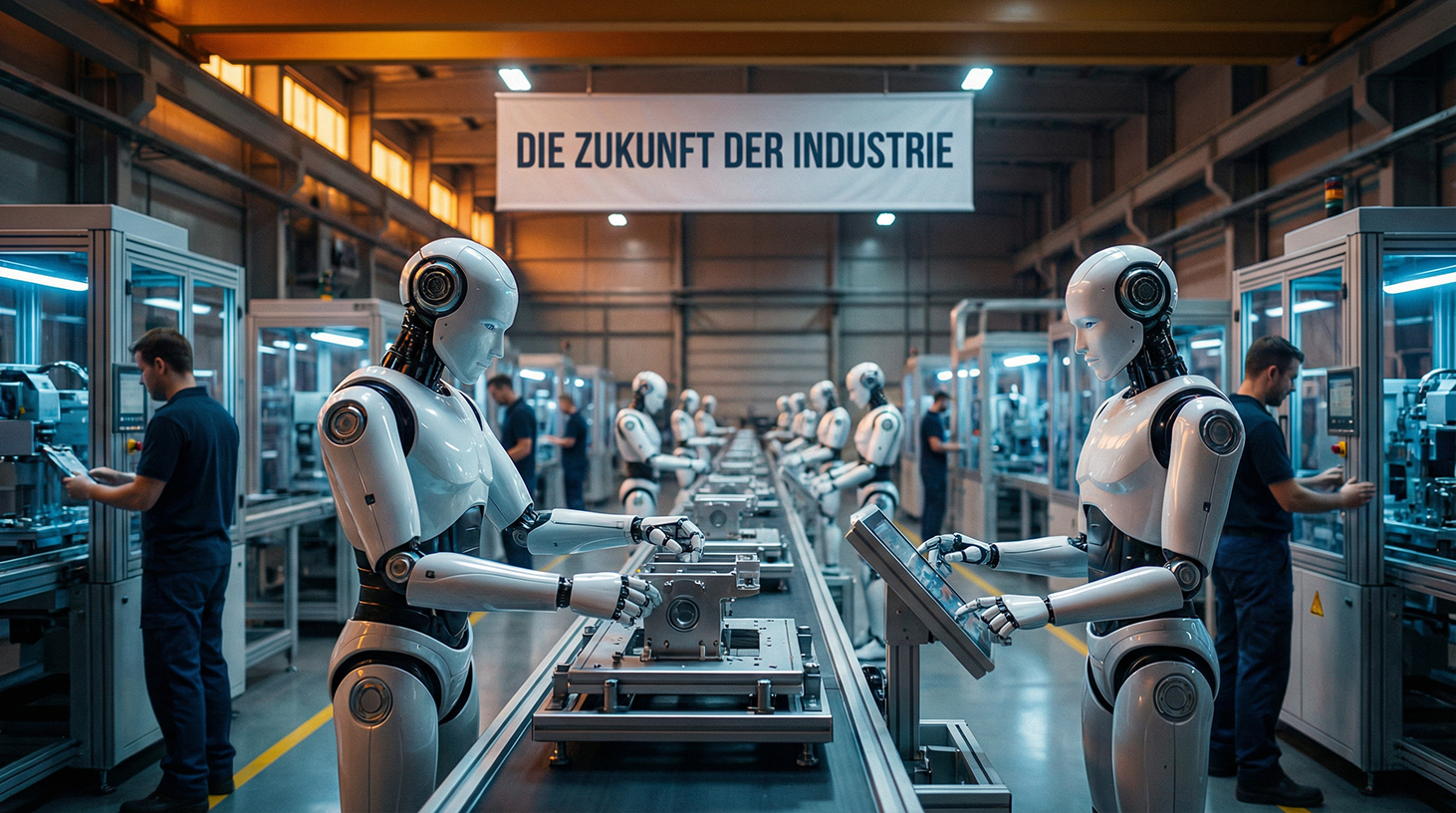
In a notable trend, companies are increasingly attributing layoffs to their adoption of artificial intelligence. Coinbase announced on May 5 that it will cut approximately 700 jobs, or 14% of its workforce, to align with a more AI-centric operational model. CEO Brian Armstrong stated that "this is a new way of working" and emphasized the need to leverage AI across all job functions. This shift reflects a broader movement among firms seeking efficiency and productivity gains through technology.
Layoff Statistics Reveal AI's Growing Influence
According to outplacement firm Challenger, Gray and Christmas, companies directly linked their use of AI to 55,000 job cuts in 2025 alone. This figure represents a dramatic increase, over 12 times the number of layoffs attributed to AI just two years prior. The tech sector bore the brunt of these cuts, with 51,000 positions lost, primarily in states like California and Washington, known for their concentrations of technology firms.
Major Companies Making Cuts
Several prominent companies are navigating this transition. Amazon's CEO Andy Jassy indicated plans to reduce white-collar jobs as the company invests in AI "agents" for greater efficiency. In January, Amazon announced the elimination of 16,000 positions but did not explicitly cite AI in its communications. Similarly, Pinterest announced in January it would cut 15% of its workforce to enhance its AI capabilities. Dow, a chemical and plastics manufacturer, is eliminating about 4,500 jobs to ramp up its use of AI and automation.
Economic Perspectives on AI Job Displacement
Despite the increasing layoffs linked to AI, some economists are skeptical about the actual impact of AI on job displacement. Ben May of Oxford Economics highlighted that while certain jobs are at risk, many employers do not seem to be replacing a significant number of workers with AI. He suggested that some companies might be using AI as a cover for layoffs, presenting a narrative of technological advancement rather than addressing overhiring issues.
Broader Implications for the Job Market
Lisa Simon, chief economist at Revelio Labs, echoed similar sentiments, suggesting that companies may be rationalizing layoffs by emphasizing AI adoption. "Companies want to get rid of departments that no longer serve them," she noted. In this light, AI may be affecting hiring practices more than layoffs, with firms realizing they can operate with fewer employees by leveraging advanced technology.
Future of Employment Amid AI Integration
The trend of layoffs linked to AI is expected to continue, according to Challenger's chief revenue officer. He stated, "This technological innovation is going to affect pretty much every industry." As companies seek to streamline operations and realize cost savings—like PayPal's projected $1.5 billion savings through AI and automation—workers may face increasing uncertainty in their job security.
Human Impact and Next Steps
The ongoing layoffs driven by AI advancements highlight a significant shift in the job market that directly affects employees' livelihoods. As companies like Block and Chegg also announce substantial job cuts—Block reducing its workforce from 10,000 to 6,000—workers are left grappling with the implications of these changes. For those affected, staying informed about industry trends and developing skills that complement AI technologies may be crucial for future employment opportunities.