




Escalation of Military Tensions
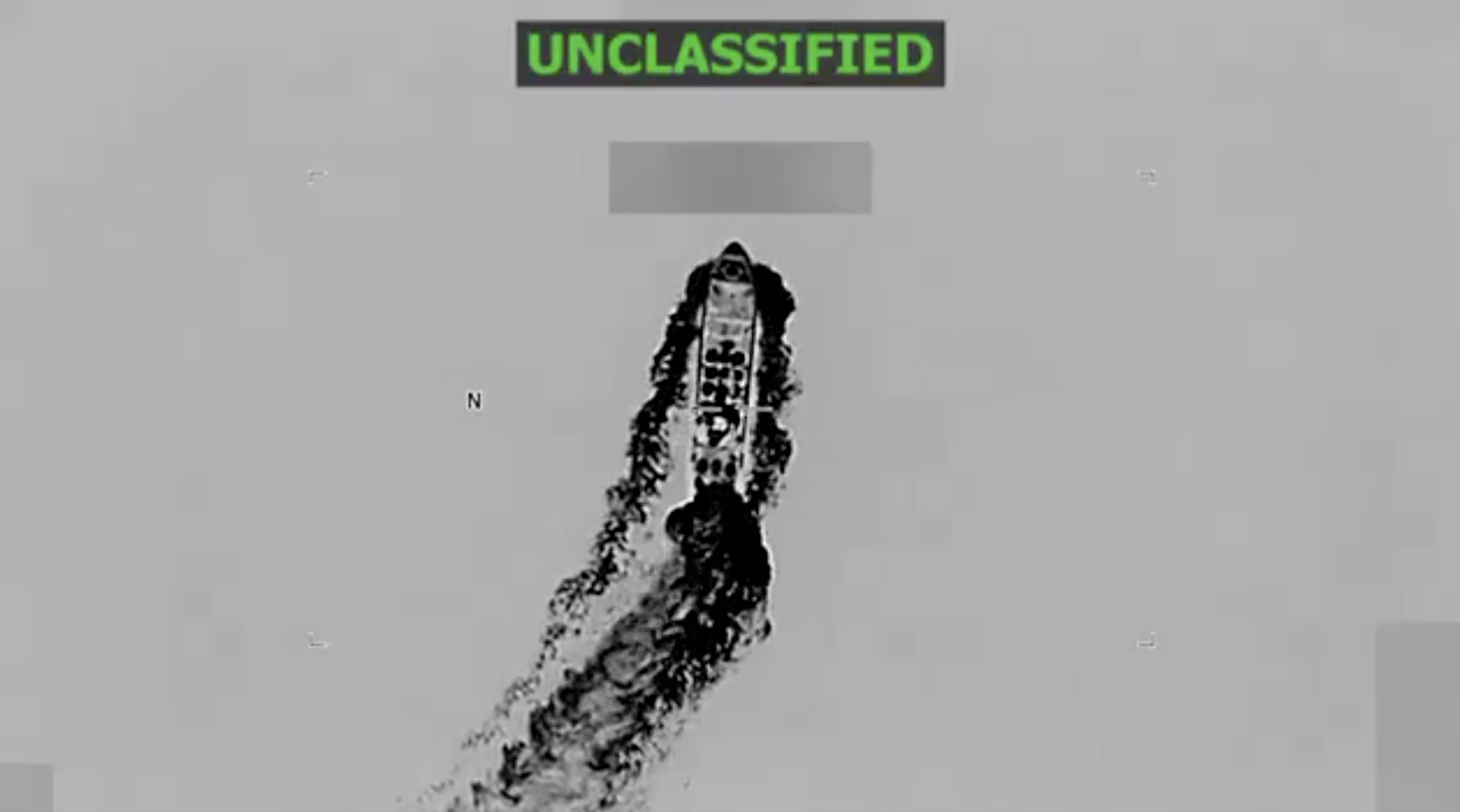
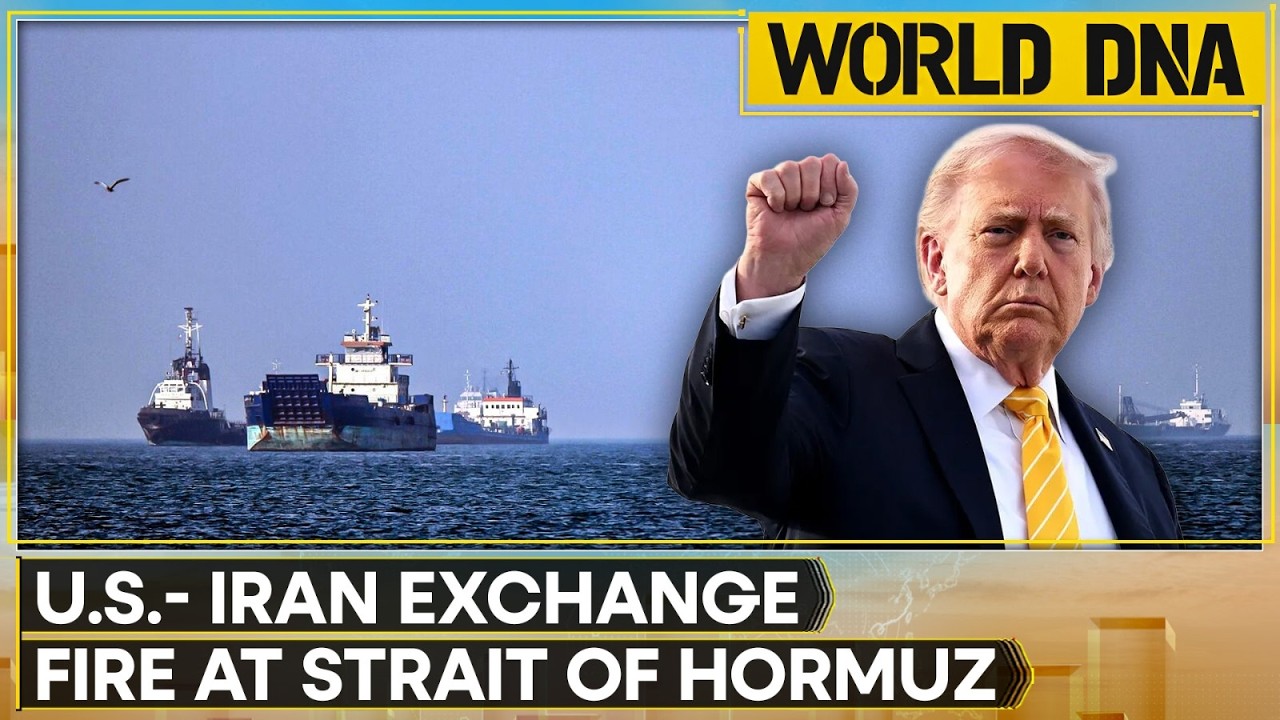
The U.S. and Iran exchanged fire in the Strait of Hormuz on Thursday, marking a significant escalation in military tensions. Iranian forces launched missiles and drones targeting three U.S. naval vessels, while the U.S. retaliated by striking Iranian launch sites and command centers. A U.S. official described the Iranian attacks as "unprovoked," asserting that no U.S. assets suffered damage during the incident. CENTCOM confirmed that the U.S. military remains prepared to protect its forces in the region.
Claims of Ceasefire Violations
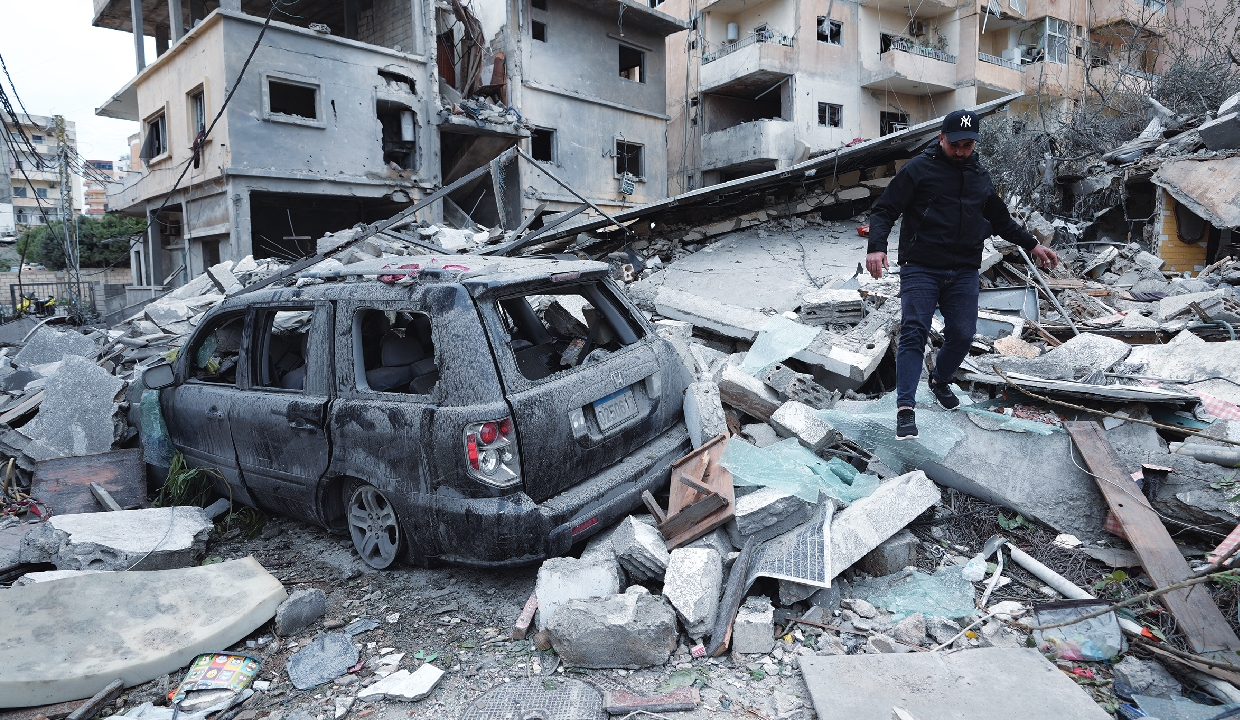
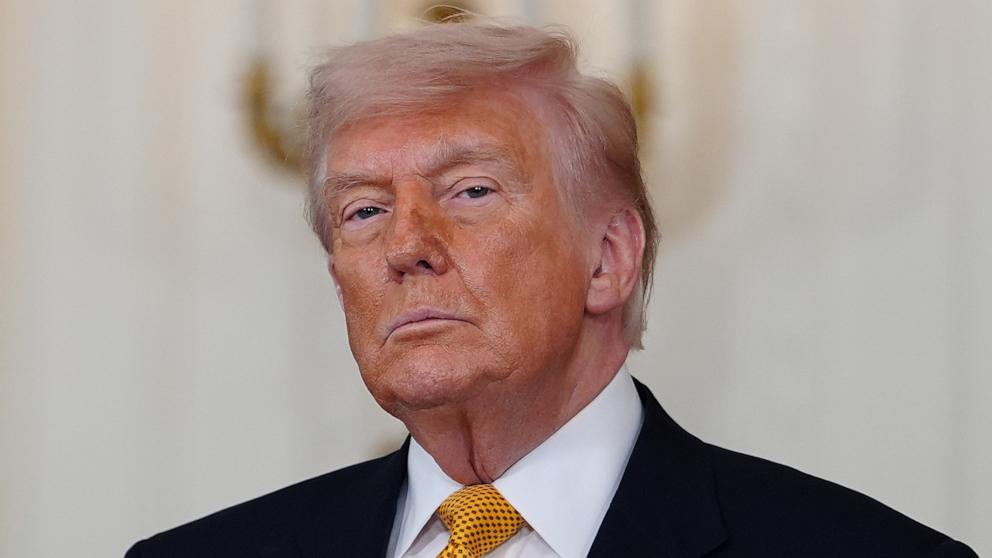
Both nations accuse each other of breaching a month-long ceasefire. Iranian state media reported that the U.S. targeted civilian areas, including an oil tanker, which Iran claims constitutes a violation of the truce. Iranian military officials warned of retaliation, stating, "Iran will respond powerfully and without the slightest hesitation to any attack." Meanwhile, U.S. President Donald Trump insisted that the ceasefire remains intact, though he acknowledged the fragility of the situation.
Economic Implications of the Conflict
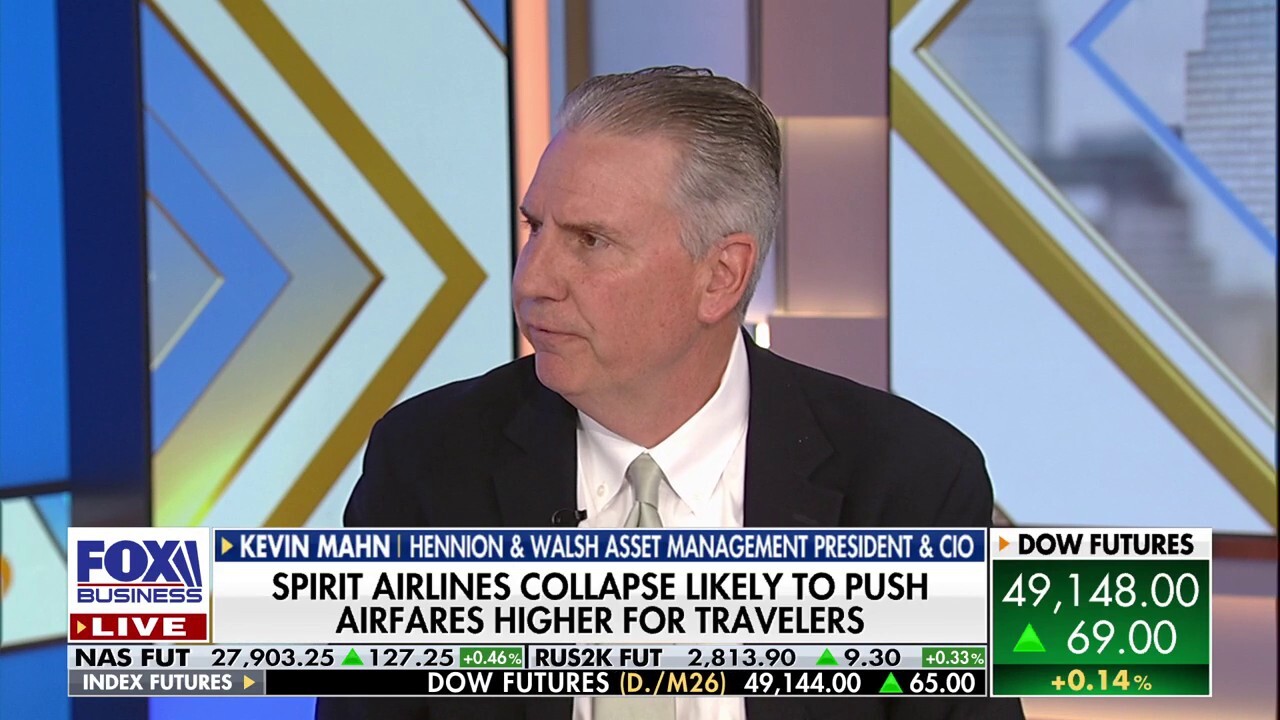
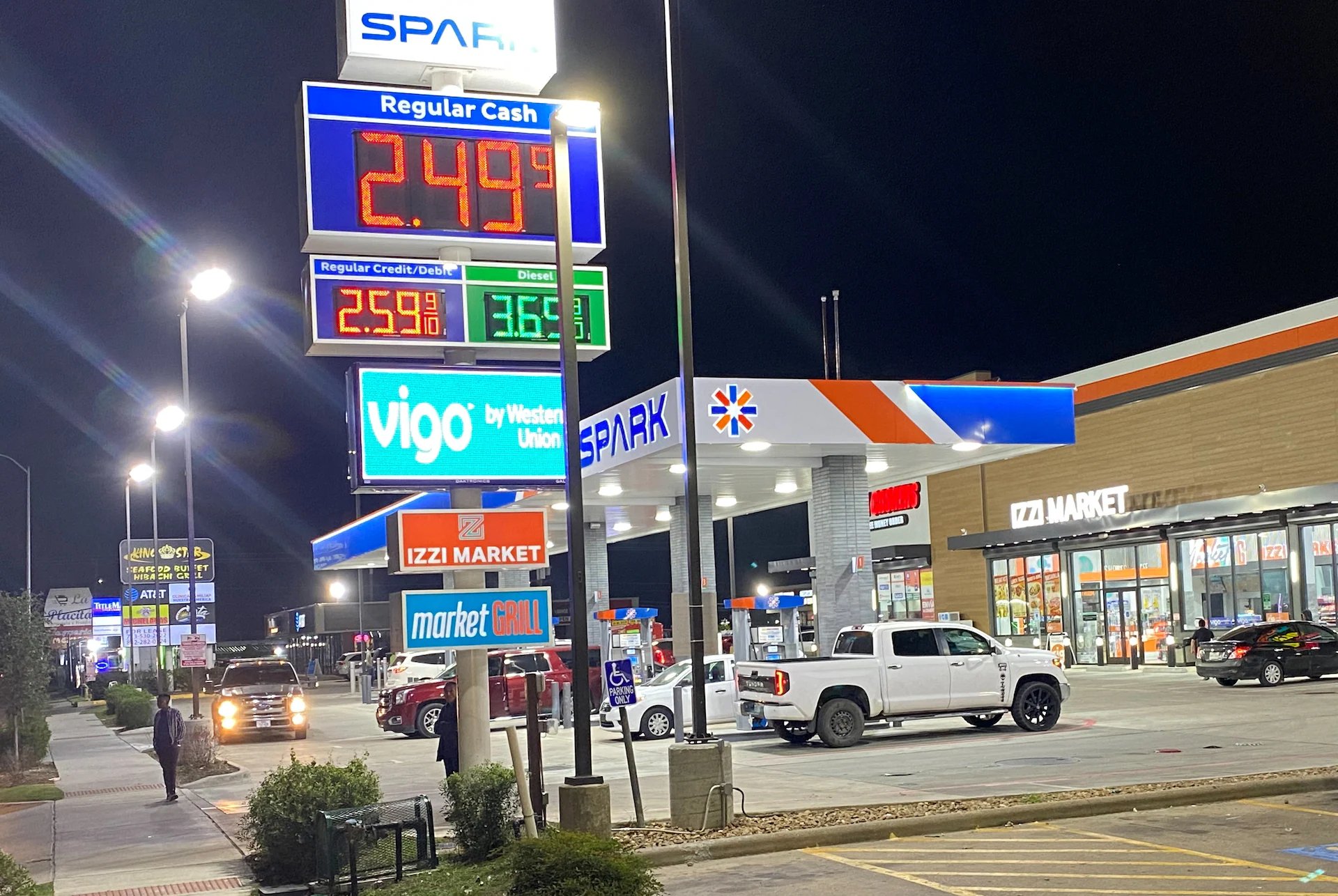
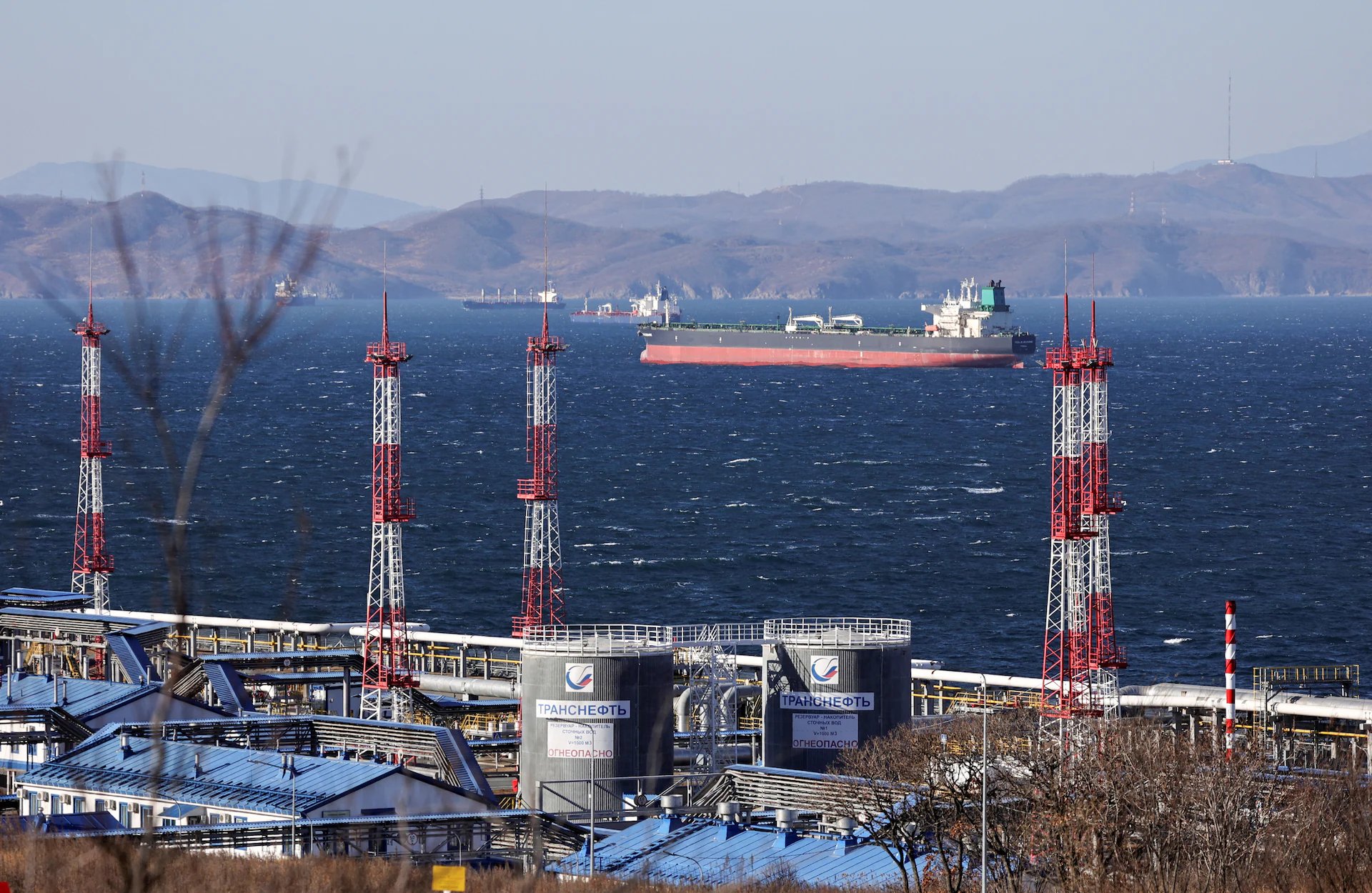
The exchange of fire has already impacted global markets, with Brent crude oil prices surging nearly 3% to around $103 per barrel before stabilizing at $100. The ongoing conflict has led to a significant rise in fuel costs, with reports indicating that prices for products like jet fuel have jumped by about 50%. British Airways' parent company, IAG, anticipates fuel costs to reach €9 billion this year, about €2 billion higher than the previous year.
Humanitarian Crisis in Somalia
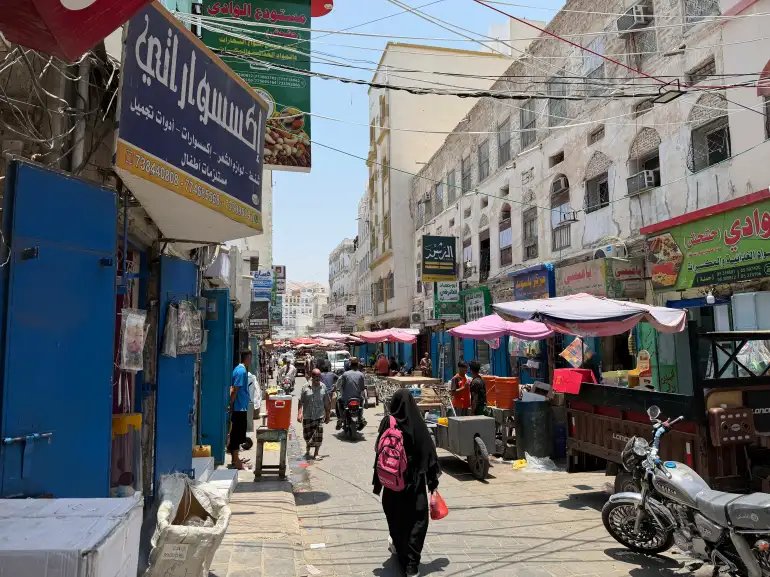
The conflict's ramifications extend beyond the immediate region, severely affecting humanitarian operations worldwide. In Somalia, the war has exacerbated an already dire situation, with the World Food Program reporting a 150% increase in fuel costs. Matthew Hollingworth, the program's assistant executive director, noted that the closure of the Strait of Hormuz has delayed vital food deliveries, pushing millions closer to famine. Many families face heartbreaking decisions about which children to feed as resources dwindle.
Ongoing Negotiations and Future Uncertainty
Despite the recent violence, both the U.S. and Iran are reportedly still engaged in negotiations aimed at reaching a more comprehensive agreement to halt hostilities. A one-page memorandum shared between the two nations suggests progress, although the recent military exchanges raise questions about the feasibility of a lasting peace. Trump expressed optimism about the negotiations, stating, "I believe they want the deal more than I do."
The Broader Impact of Shipping Restrictions
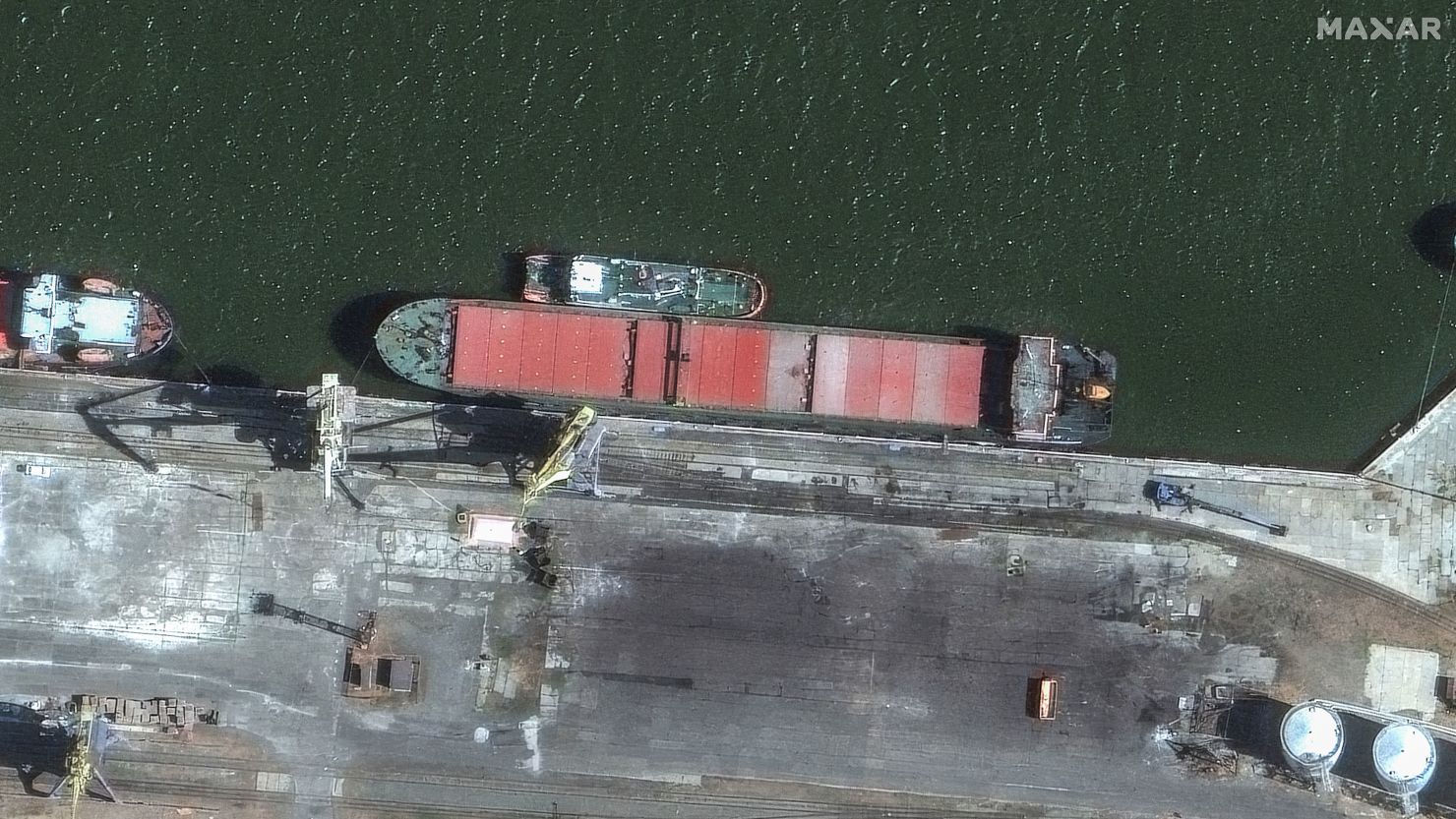
The closure of the Strait of Hormuz has effectively halted commercial shipping, with more than a fifth of the world’s oil and gas typically transiting through this crucial waterway. The conflict's chokehold on shipping routes has led to soaring prices and supply shortages globally. Analysts warn that the situation could lead to severe food insecurity in regions reliant on imports, highlighting the interconnectedness of global supply chains.
Conclusion: A Call for Ceasefire
The escalation in the Strait of Hormuz underscores the urgent need for a renewed commitment to ceasefire and diplomacy. As both nations grapple with the consequences of military action, the repercussions are felt far beyond their borders, impacting global oil prices, humanitarian efforts, and regional stability. Humanitarian leaders like Hollingworth call for immediate action, stressing that without a stable and open Strait of Hormuz, the suffering of vulnerable populations will only intensify.