




Diplomatic Progress
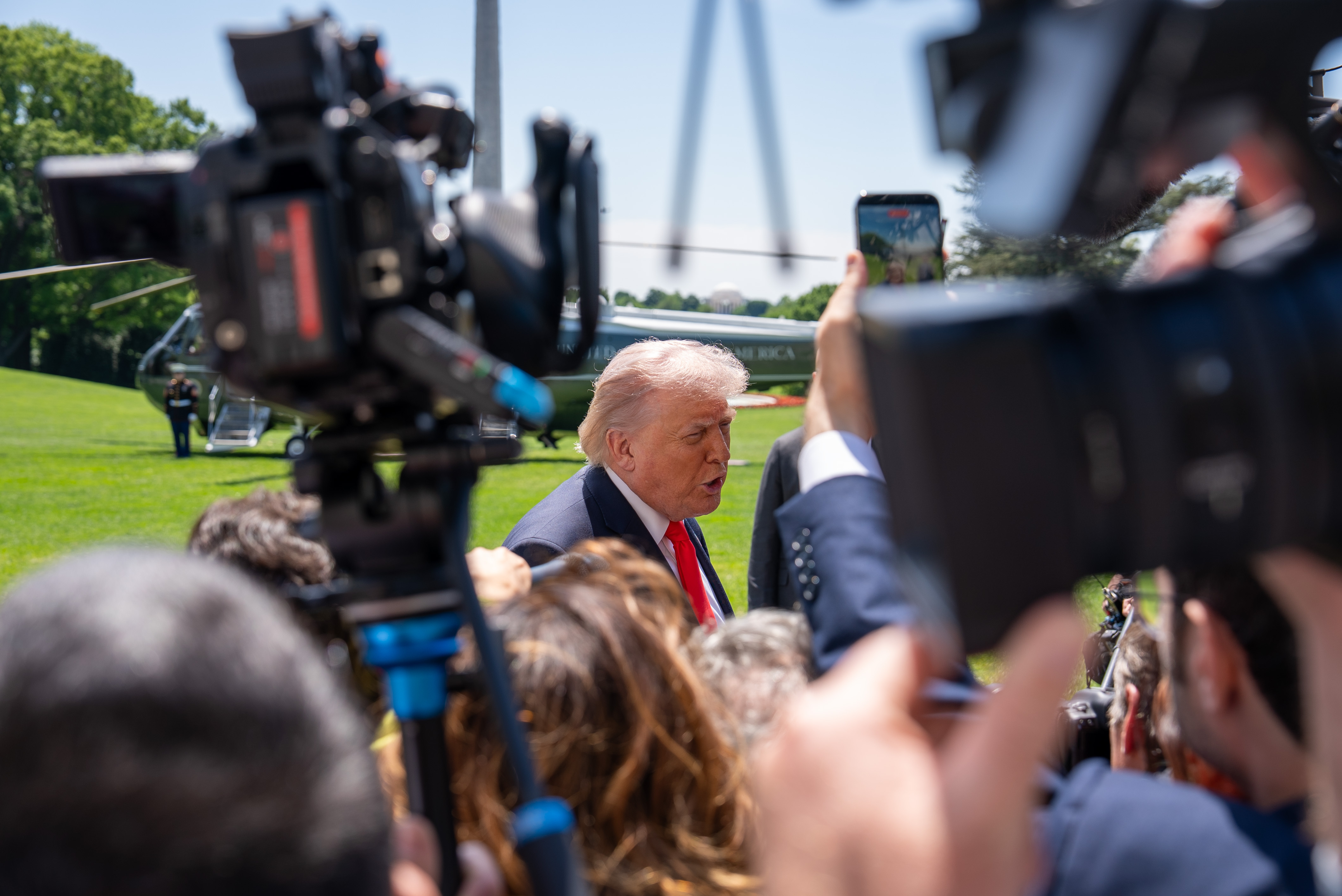
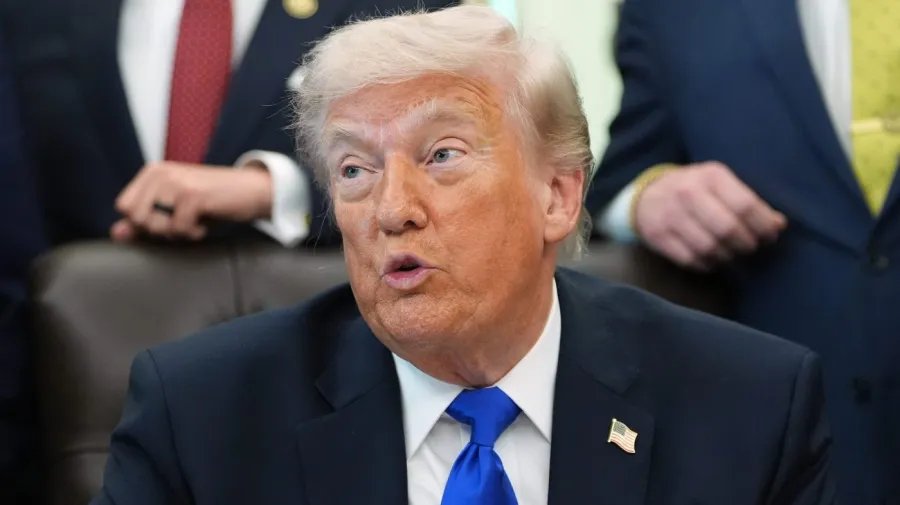
Iran is reviewing a U.S. proposal aimed at ending the ongoing war, according to Foreign Ministry spokesman Esmaeil Baqaei. Baqaei told Iran's ISNA news agency that Iran will convey its response to Pakistan, the mediating country. President Trump expressed optimism about reaching a deal with Iran, stating U.S. officials have had "very good talks over the last 24 hours."
The White House is awaiting Iran's response to a one-page, 14-point memorandum of understanding (MOU) intended to end the war and establish a framework for future nuclear negotiations. The MOU involves Iran committing to a moratorium on nuclear enrichment, the U.S. agreeing to lift sanctions and release billions in frozen Iranian funds, and both sides lifting restrictions on transit through the Strait of Hormuz. According to a U.S. official, a response from Tehran is expected within 24-48 hours.
Military Posturing
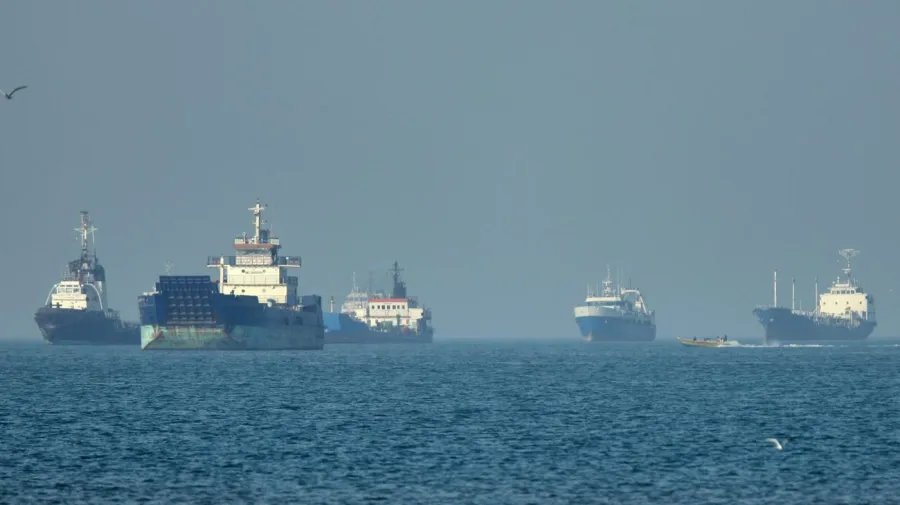
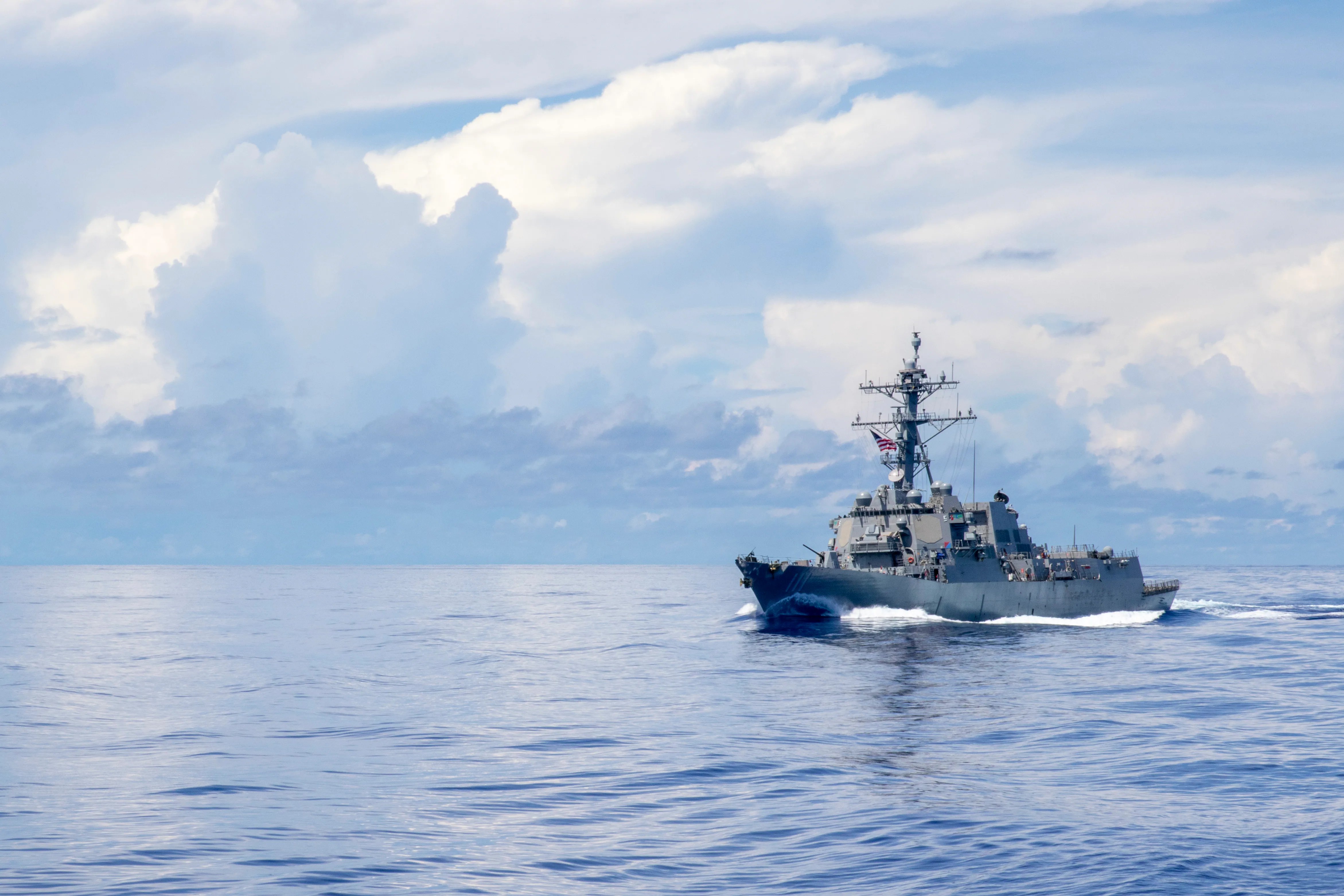
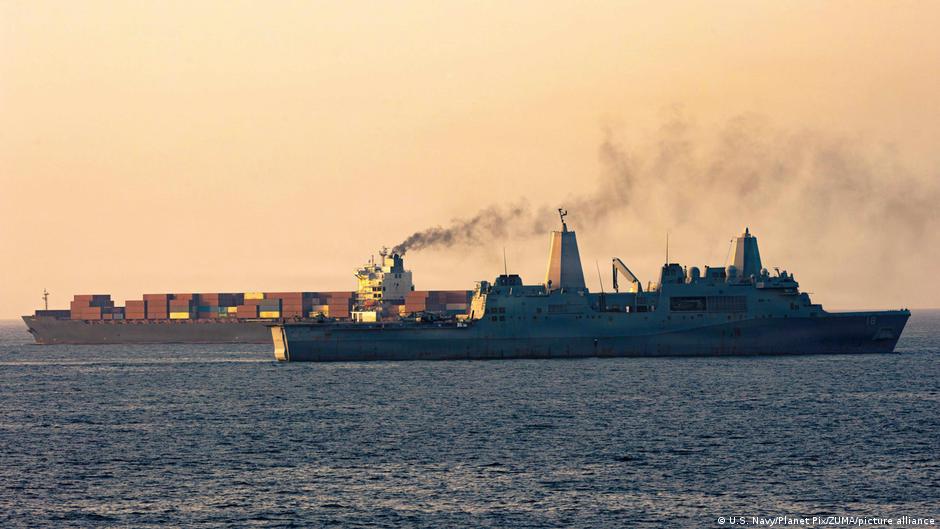
President Trump announced a pause to Project Freedom, the U.S. military operation in the Strait of Hormuz, citing progress in negotiations with Iran. Trump wrote on Truth Social that the blockade will remain in effect, but Project Freedom is paused "for a short period of time." He first announced Project Freedom on Sunday.
Despite the diplomatic progress, Trump threatened renewed military action if a deal is not reached. "If they don't agree, the bombing starts, and it will be, sadly, at a much higher level and intensity than it was before," Trump wrote on Truth Social.
International Involvement
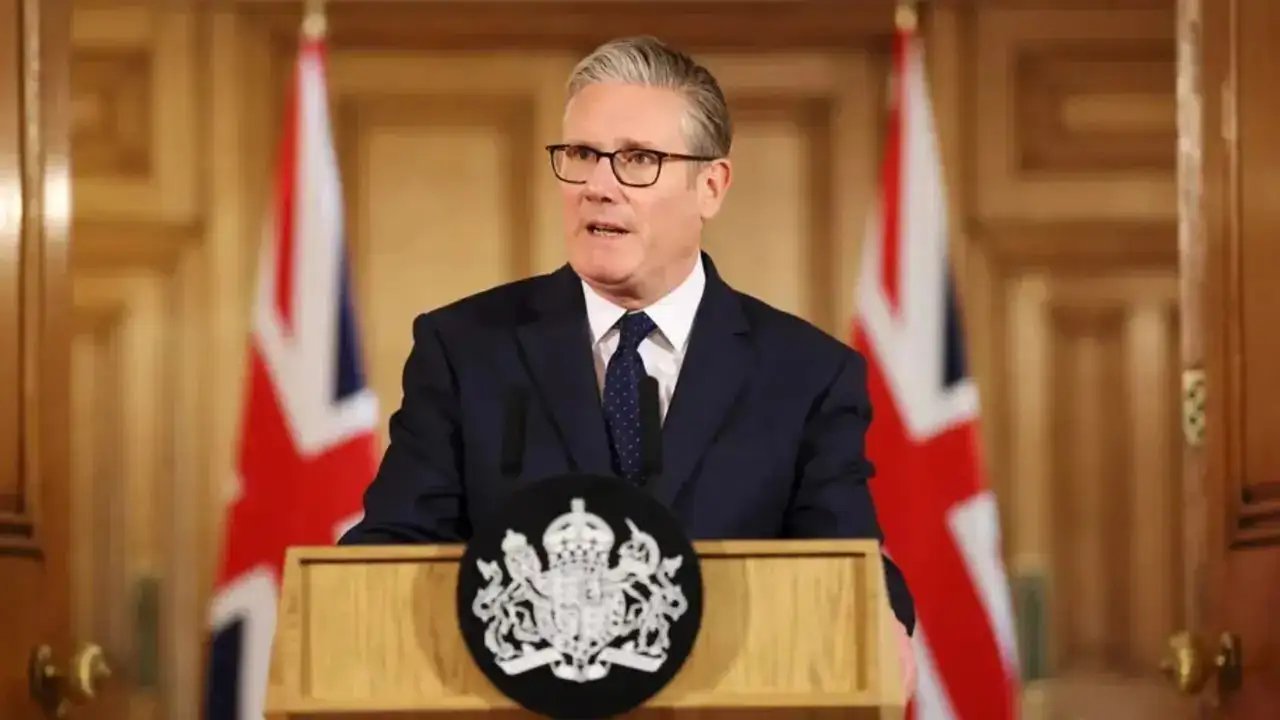
French President Emmanuel Macron spoke with Iranian President Masoud Pezeshkian, condemning attacks on Emirati civilian infrastructure and ships near the Strait of Hormuz as "unjustified." Macron called on both the U.S. and Iran to immediately lift the blockade in the strait without any conditions. France and the U.K. are leading an initiative to help ensure safe passage for commercial vessels through the strait.
China is also playing a role in de-escalating the conflict. Iranian Foreign Minister Abbas Araghchi met with Chinese counterpart Wang Yi in Beijing, where Wang expressed that a "comprehensive ceasefire" was needed.
Regional Tensions
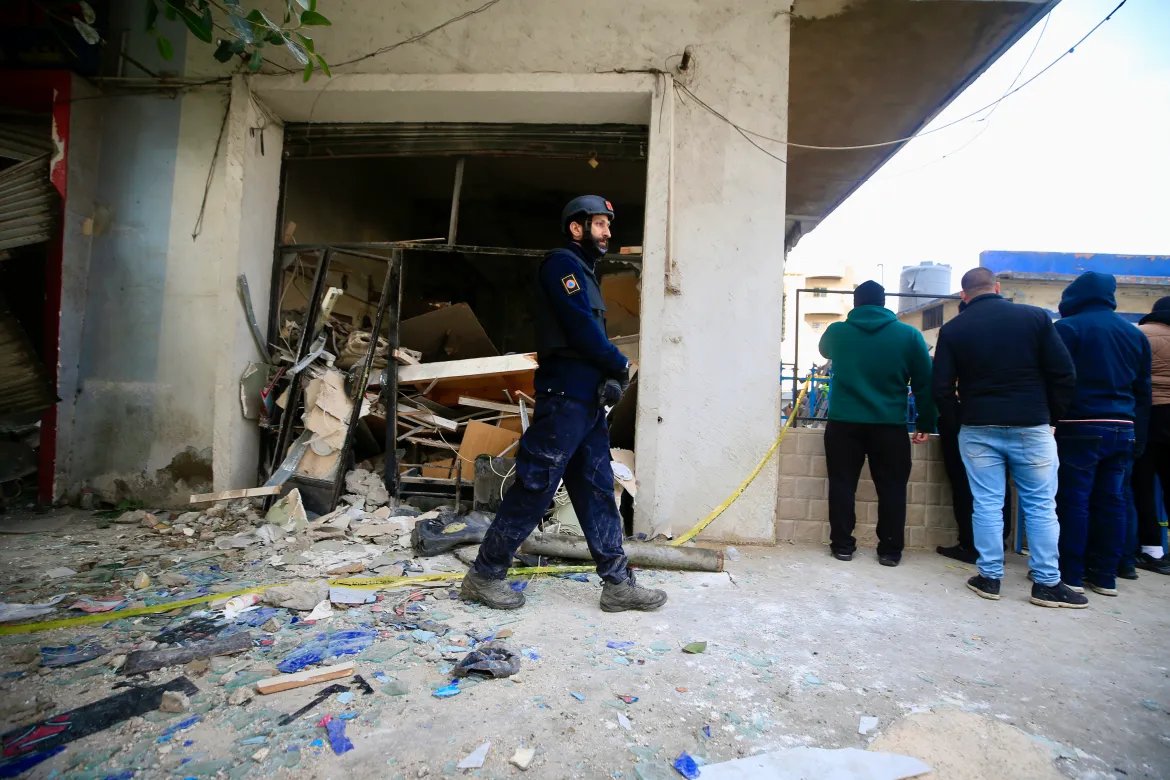
Israeli Prime Minister Benjamin Netanyahu stated he speaks with President Trump "almost on a daily basis" regarding the situation with Iran. Netanyahu said, "We share common goals, and the most important goal is to remove the enriched material from Iran, all the enriched material, and dismantle Iran's enrichment capabilities." The IDF conducted an air strike in Beirut on Wednesday targeting two senior Hezbollah commanders.
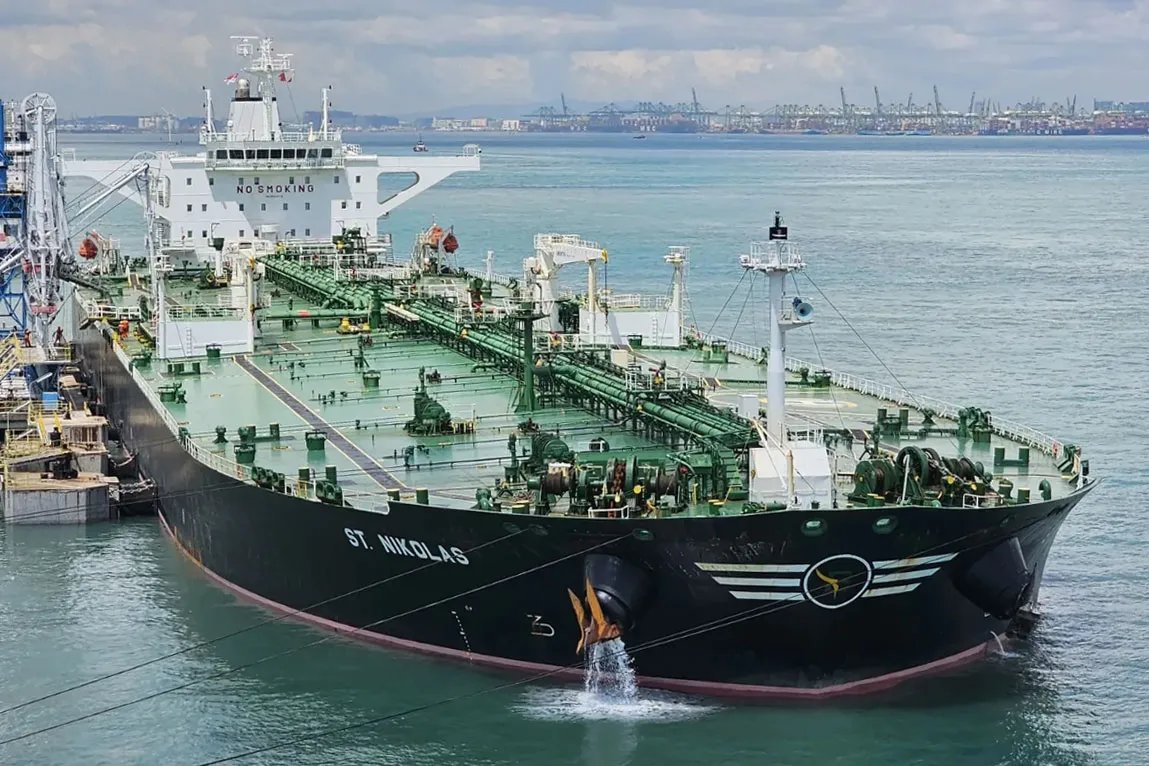
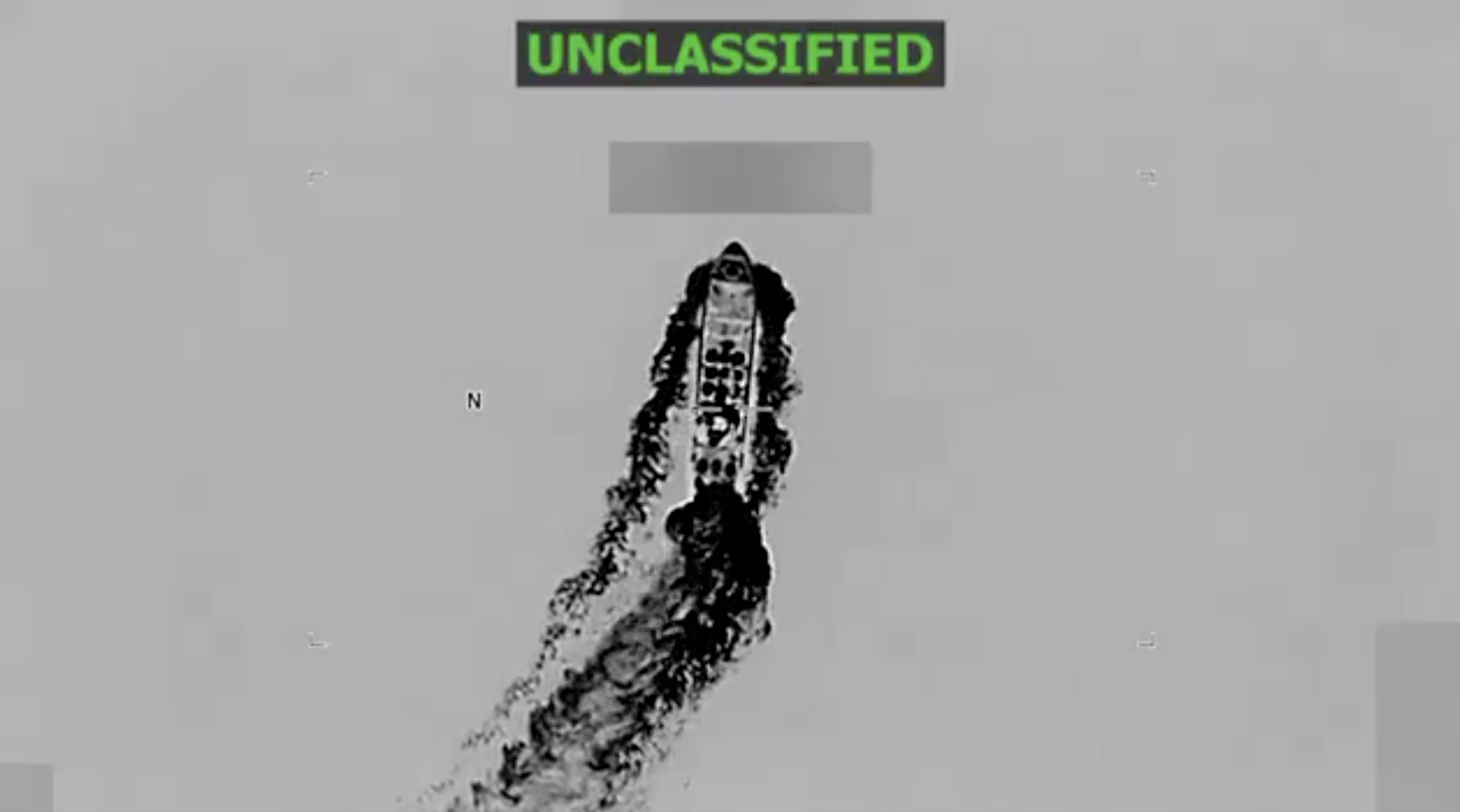
U.S. Central Command said U.S. forces fired on and disabled an Iranian-flagged tanker around 9 a.m. ET Wednesday in the Gulf of Oman. According to CENTCOM, the empty tanker was attempting to sail to an Iranian port after "repeated warnings."
Economic Impact
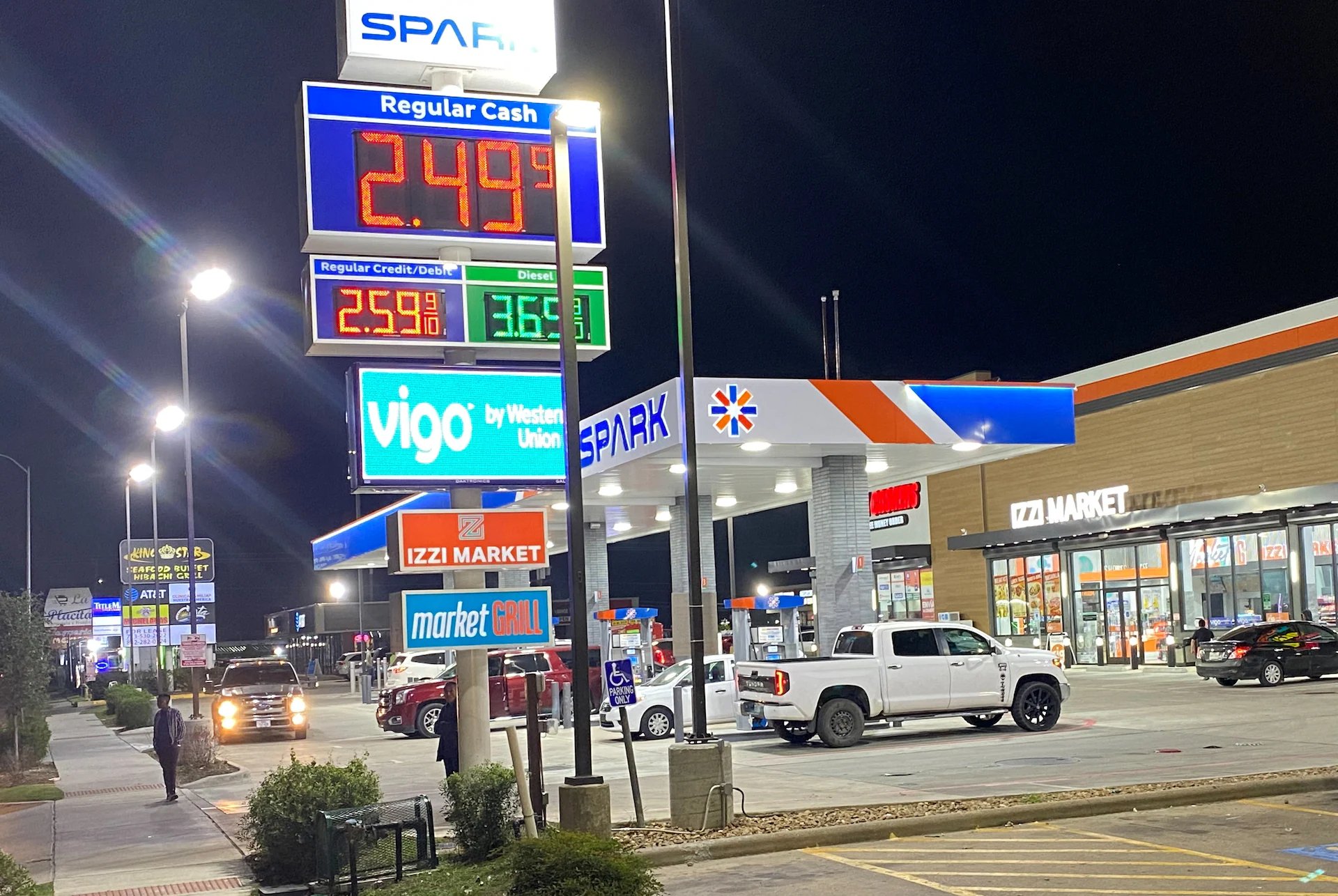
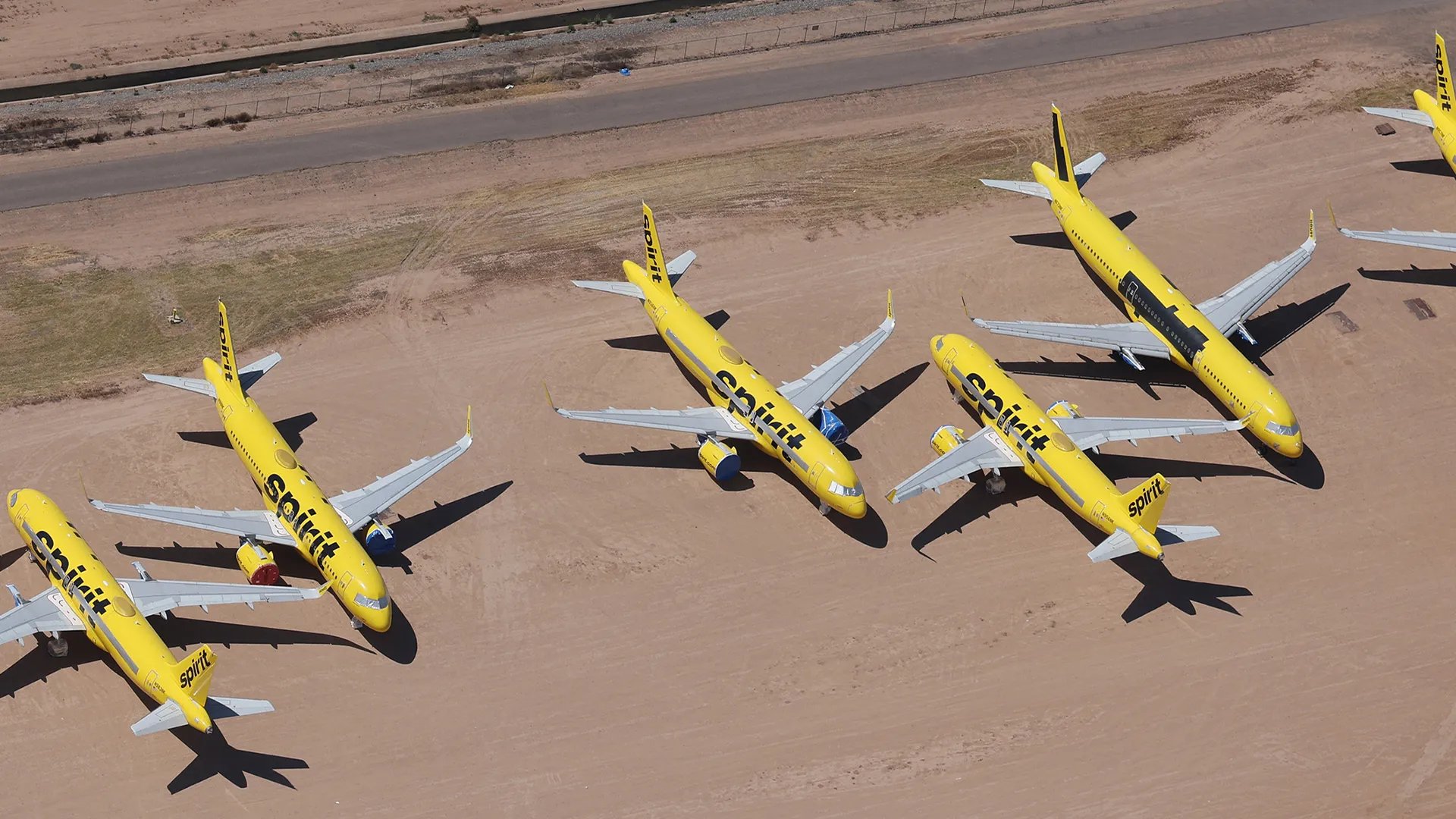
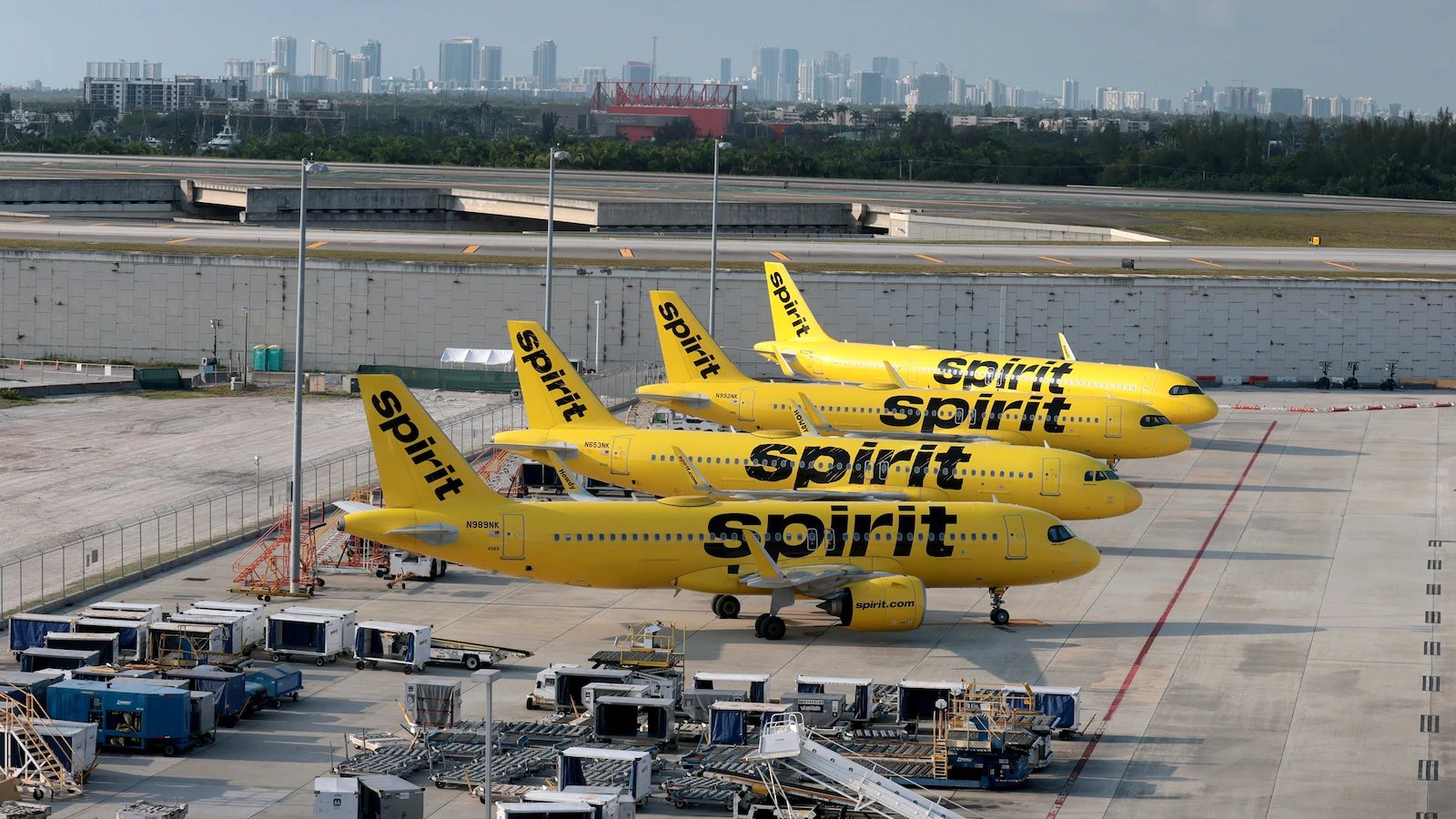
Gasoline prices across the U.S. surged to an average of $4.54 a gallon on Wednesday, according to AAA data. This price reflects a 52%, or $1.56 per gallon, jump since the start of the Iran war in late February. U.S. airlines spent $5.06 billion on jet fuel in March, up 56.4% from February, according to the Department of Transportation's Bureau of Transportation Statistics.
As negotiations continue, the Revolutionary Guard's navy command said safe passage through the Strait of Hormuz would be provided, but it was not immediately clear how much the move would reopen the shipping route.