




Recent Strikes in the Caribbean and Eastern Pacific
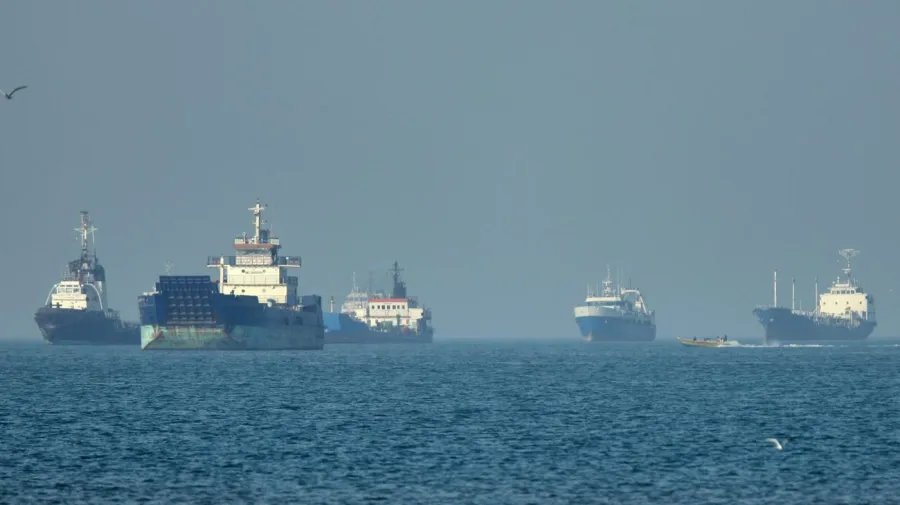
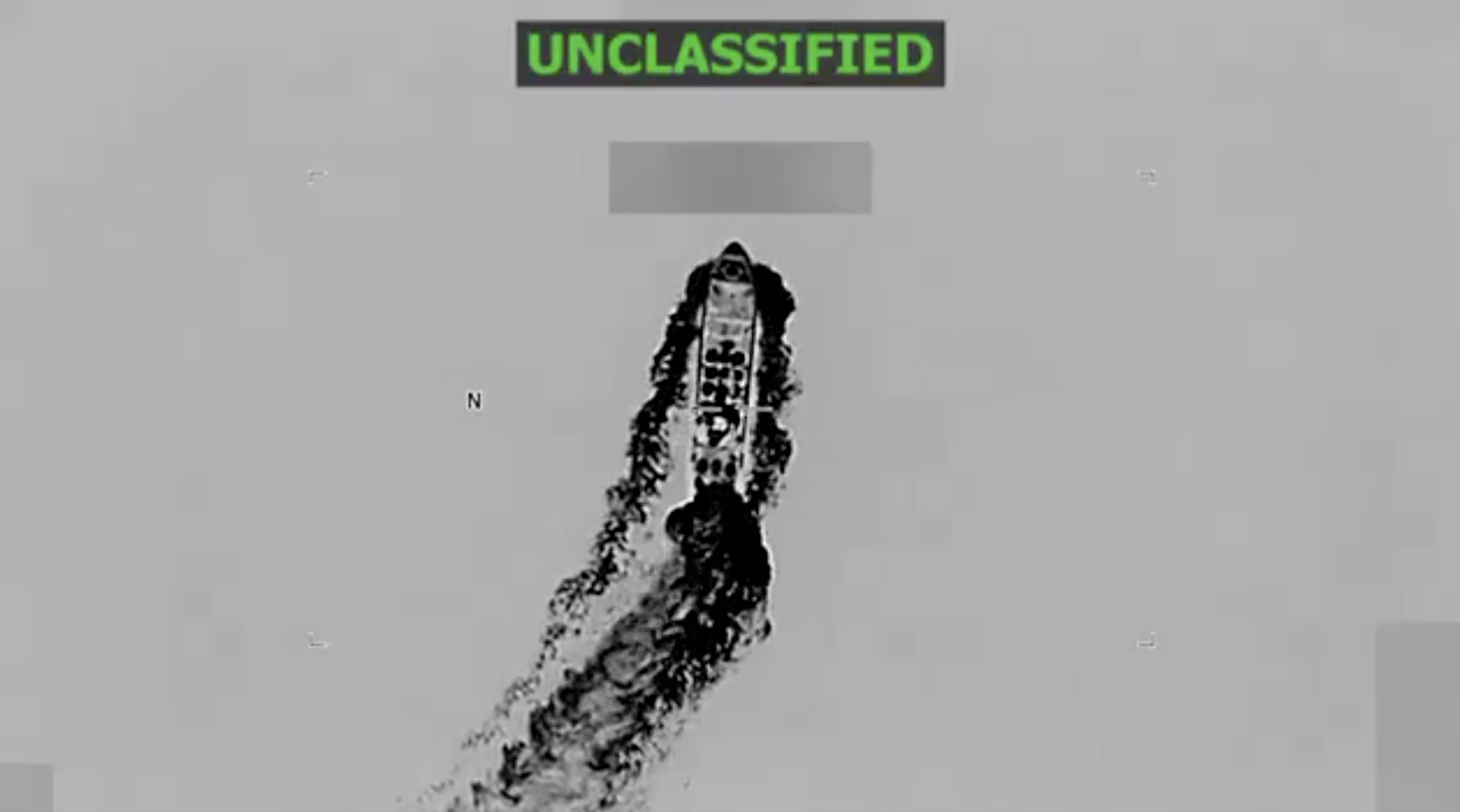
The U.S. Southern Command (SOUTHCOM) confirmed that two individuals were killed on May 4 during a military strike on a boat identified as engaging in "narco-trafficking" operations in the Caribbean Sea. This attack is part of a broader military campaign aimed at dismantling drug trafficking networks that threaten U.S. interests. In a statement, SOUTHCOM reported that intelligence indicated the vessel was operating along known drug smuggling routes when it was targeted.
Ongoing Military Campaign
The strike in the Caribbean was followed by another operation on May 5 in the Eastern Pacific, where three more alleged narco-terrorists were killed. These actions are part of a sustained effort by the Trump administration to combat what it terms "narcoterrorism." Since the campaign's inception in September, over 190 individuals have been killed in similar strikes, according to Pentagon figures.
Claims of Legality and Evidence
SOUTHCOM has described those killed as "male narco-terrorists," yet critics, including human rights organizations, have raised concerns about the legality of these strikes. They argue that the U.S. government has not provided sufficient evidence to support claims that the targeted vessels were involved in drug trafficking, labeling the operations as extrajudicial killings. The American Civil Liberties Union has characterized the administration's assertions as "unsubstantiated, fear-mongering claims."
Strategic Objectives and Military Presence
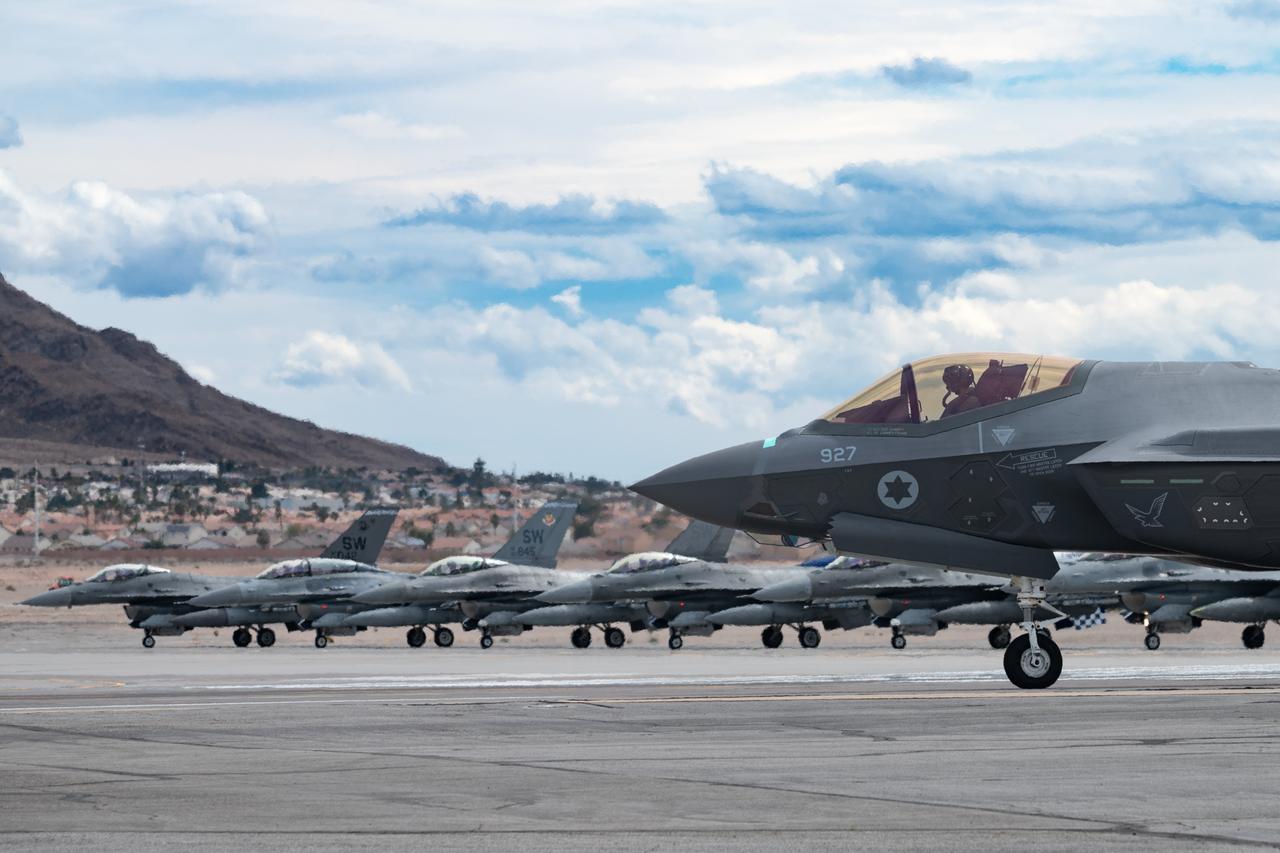
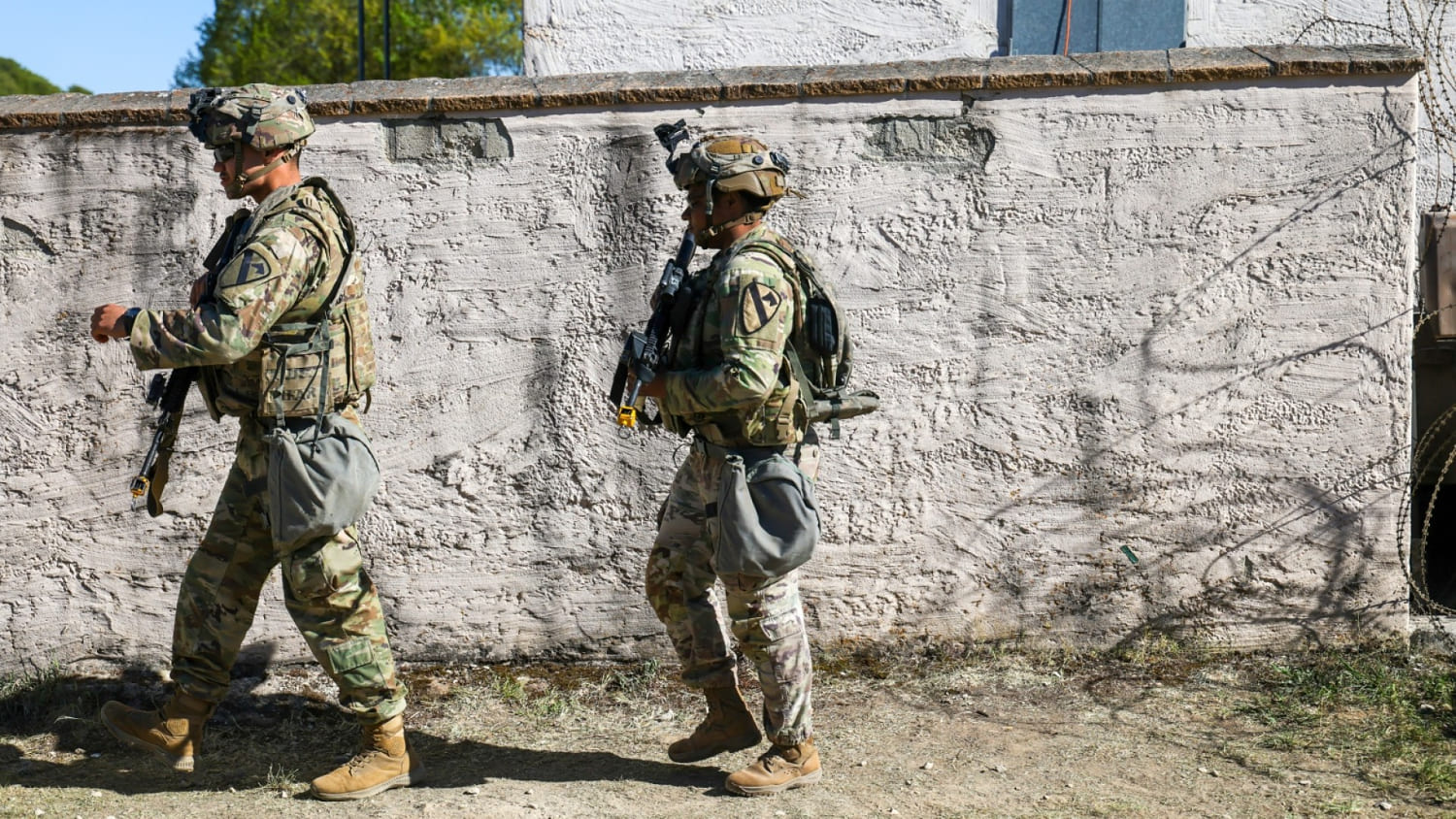
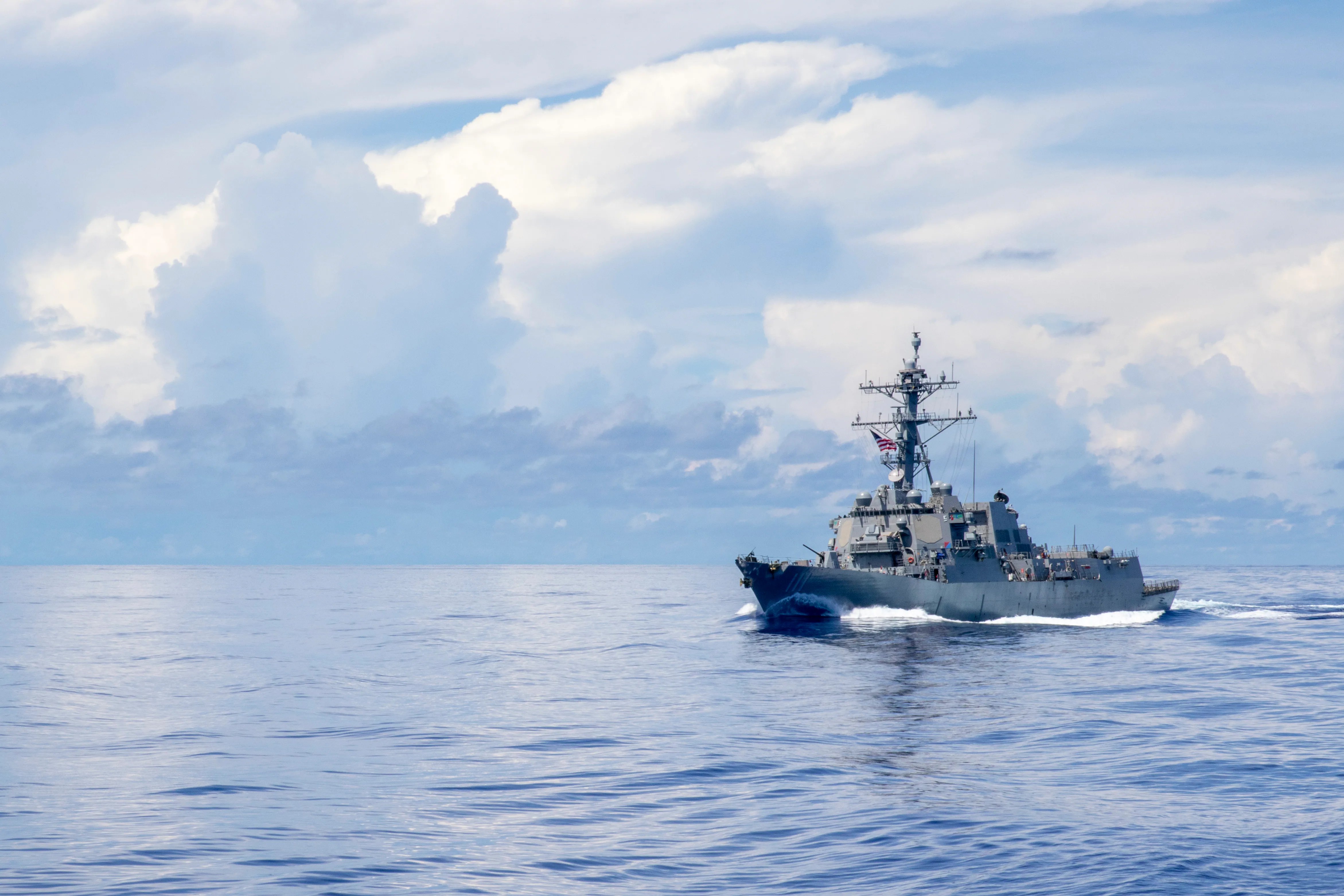
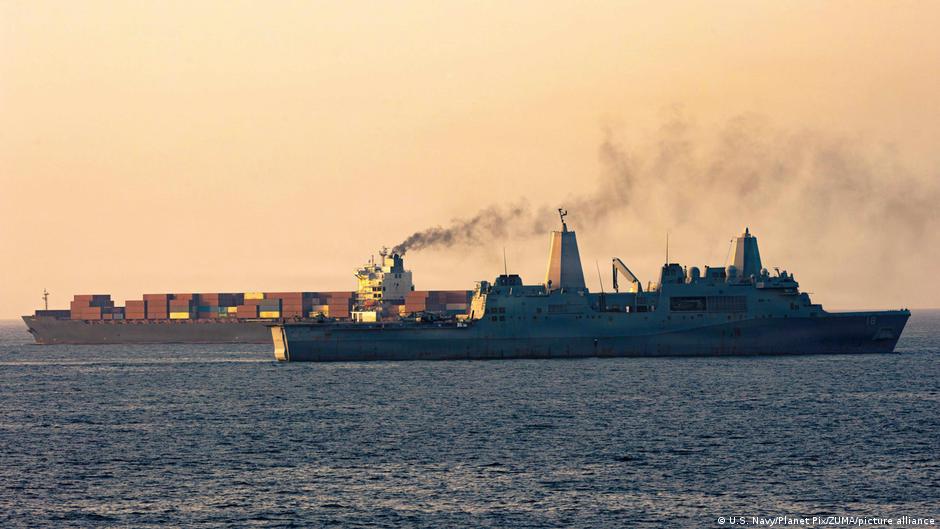
The strikes coincide with a significant increase in U.S. military presence in the region, marking the largest buildup in generations. This military strategy aims to disrupt narcotics trafficking and stem the flow of drugs into the United States. President Trump has justified these actions by stating that the U.S. is in an "armed conflict" with drug cartels, claiming it is necessary to address the growing crisis of drug-related fatalities in the country.
Reactions from Rights Groups
Human rights advocates have expressed alarm over the escalating nature of the strikes, emphasizing the need for accountability and transparency. Organizations such as Human Rights Watch and Amnesty International have called for investigations into the legality of the military operations, citing potential violations of international law. The ongoing debate highlights the complexities surrounding U.S. military interventions in drug-related conflicts.
Implications for Regional Security
As the U.S. intensifies its military operations against alleged narco-traffickers, the implications for regional security remain significant. The increase in military strikes raises questions about the effectiveness of such measures in curbing narcotics trafficking and the potential for collateral damage. The situation underscores the challenges faced by law enforcement in the Caribbean and surrounding areas, where drug cartels operate with relative impunity.
The actions taken by the U.S. military reflect a broader struggle against drug trafficking in Latin America, yet they also open up discussions about the balance between national security and human rights. With ongoing operations and rising tensions, the situation continues to evolve, prompting calls for a reassessment of current strategies.