





Funding Controversy Emerges in Congress
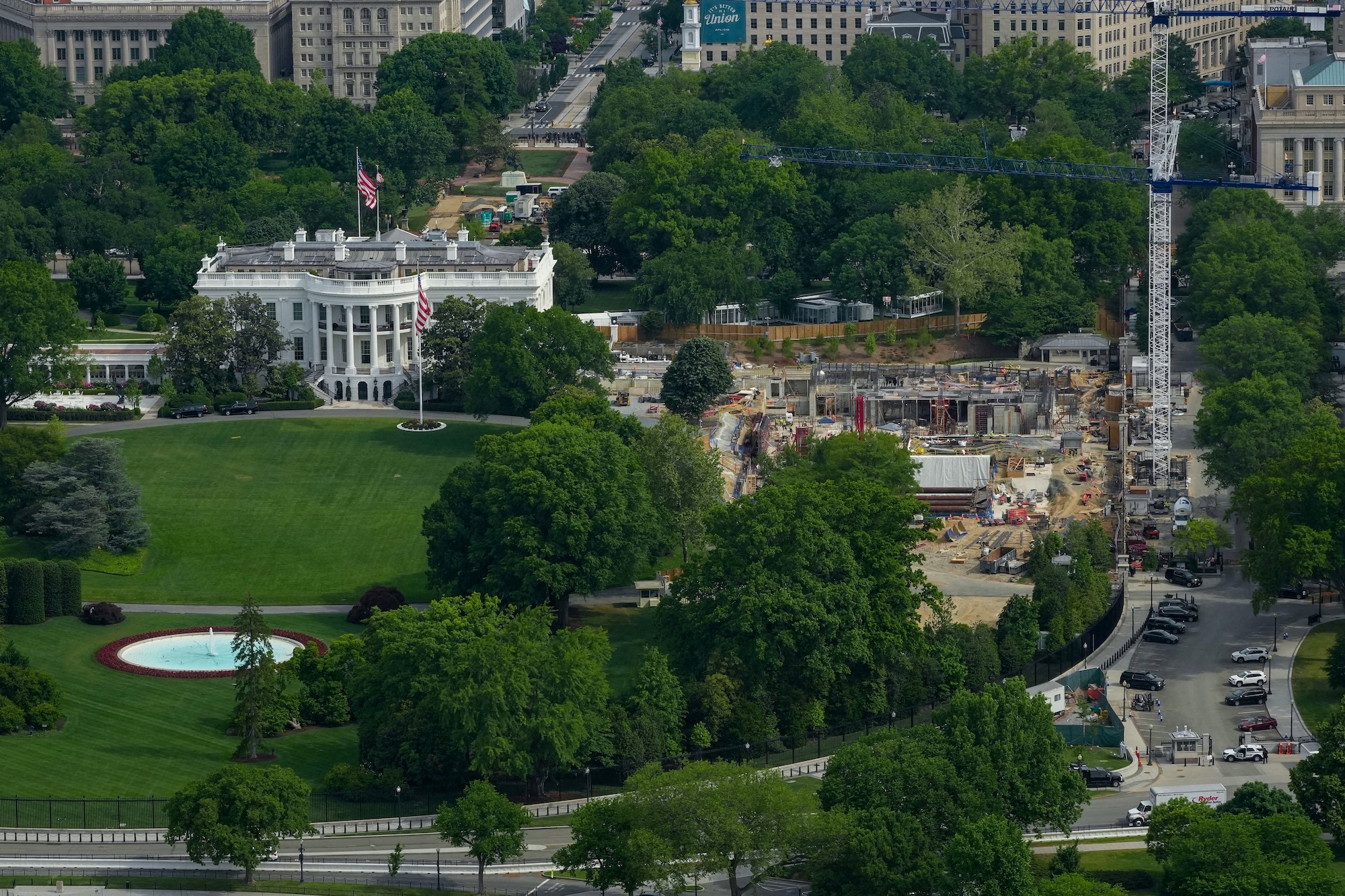
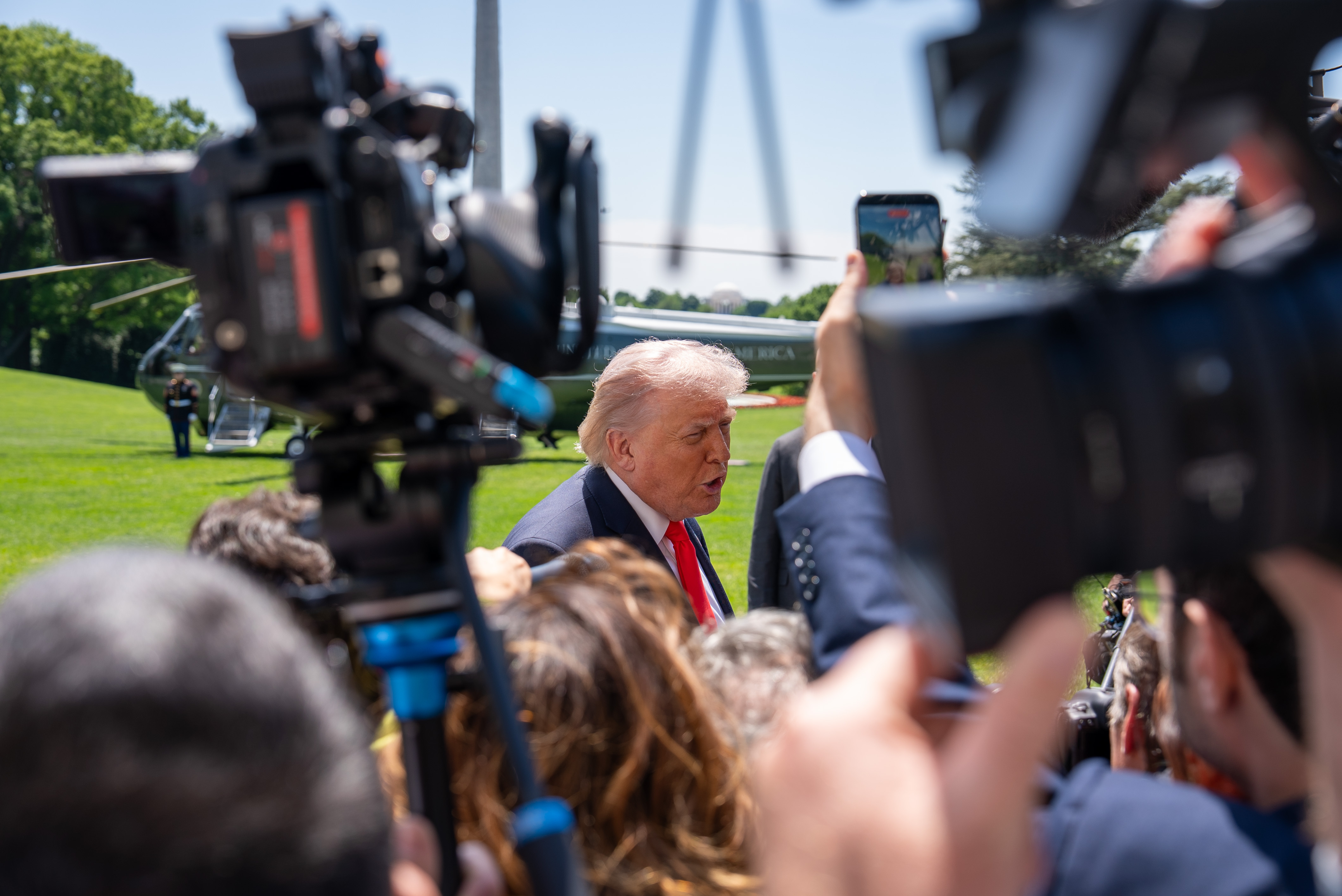
Republicans in Congress have proposed adding $1 billion for security upgrades to President Trump's White House ballroom as part of a broader $72 billion funding plan for Immigration and Customs Enforcement (ICE) and Customs and Border Protection (CBP). This funding aims to enhance security features in the East Wing, which includes both above-ground and below-ground elements. The proposal comes in the wake of a recent assassination attempt on Trump during the White House Correspondents' Dinner, prompting heightened concerns for security.
Democrats Decry Frivolous Spending
Democratic leaders have sharply criticized the funding allocation, calling it an example of wasteful government spending. Senator Patty Murray (D-Wash.) described the proposed funding as an "outrageous betrayal of hardworking families," emphasizing that middle-class needs are being overlooked in favor of a "gold-encrusted ballroom." Senator Jeff Merkley (D-Ore.) echoed these sentiments, stating that Republicans are "funneling money into Trump's ballroom while throwing billions at two lawless agencies."
The Ballroom's Price Tag and Funding Sources
The ballroom project, which Trump has previously claimed would be funded entirely through private donations, has seen its estimated cost balloon from $200 million to $1 billion. The bill specifies that funds for security cannot be used for any non-security elements, raising questions about the project's financial transparency. White House spokesman Davis Ingle praised the proposed funding as necessary for "long overdue" upgrades to the East Wing, emphasizing the need for the Secret Service to enhance security measures.
Political Implications for Republicans
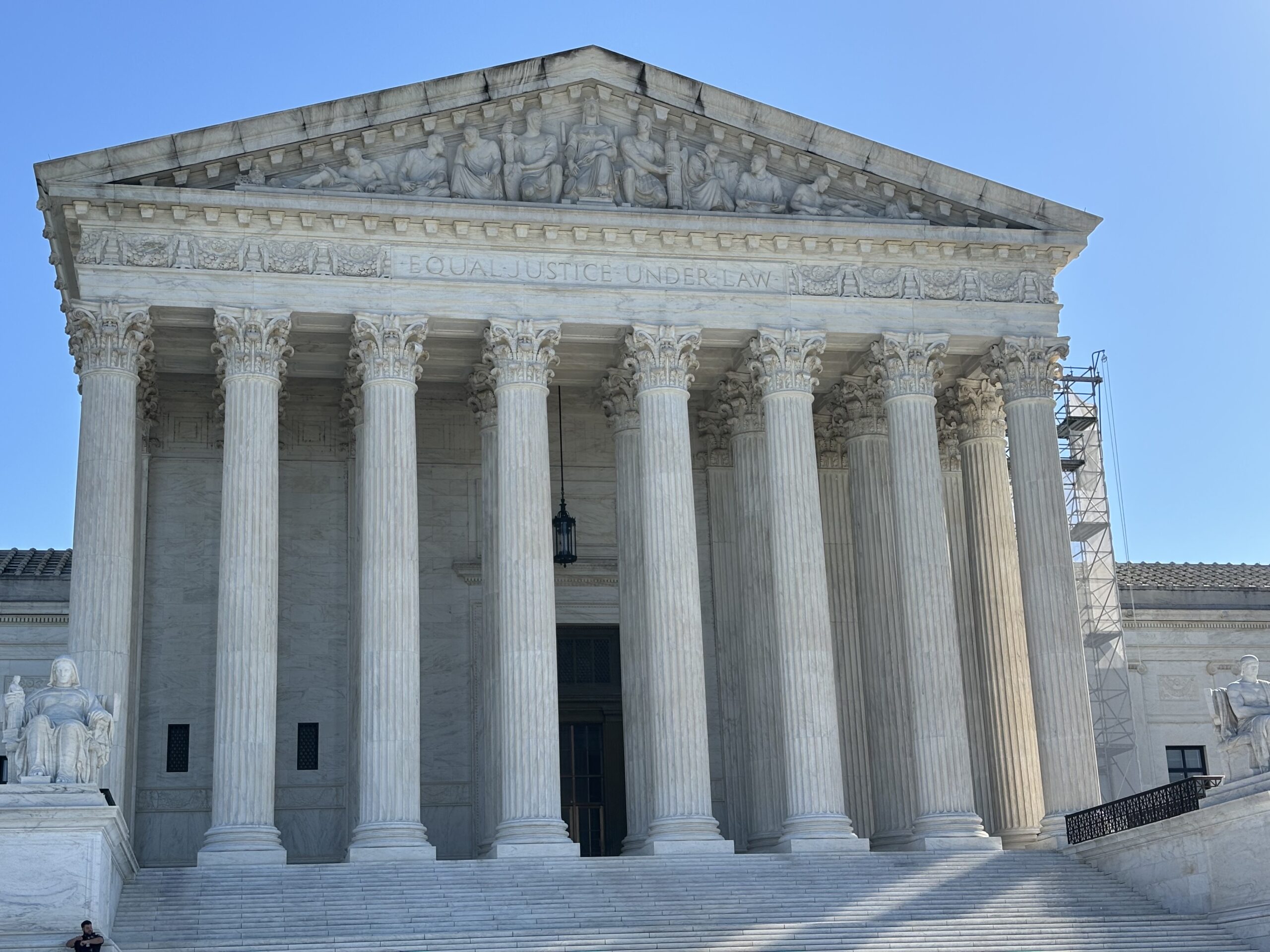
The proposal to fund Trump's ballroom security will likely become a contentious issue during the Senate's upcoming "vote-a-rama," where every Republican will have to go on record regarding the funding. This situation provides Senate Democrats with a strategic opportunity to highlight perceived Republican priorities ahead of the 2026 midterm elections. Some Republicans, including Senate Budget Committee Chair Lindsey Graham (R-S.C.), have indicated a desire to address the funding through the regular appropriations process, suggesting that they may seek to distance themselves from the controversial proposal.
Broader Context of Immigration Funding
The funding plan is part of a larger effort to allocate nearly $70 billion toward immigration enforcement, largely shielded from political pressure and congressional oversight. This funding is particularly significant as it comes after Democrats previously blocked funding for ICE and CBP due to concerns over recent incidents involving federal agents. The proposed funding package also includes nearly $1.5 billion for Department of Justice operations, underscoring the broad scope of the legislation.
Next Steps for Congress
As the proposal moves forward, the Senate parliamentarian may play a crucial role in determining whether the ballroom security funding survives the legislative process. Democrats are already strategizing ways to leverage this funding controversy to their advantage, potentially framing it as indicative of Republican priorities that do not align with the needs of average Americans. With a target date of June 1 for the funding to be on Trump's desk, the coming weeks will be critical for both parties as they navigate this politically charged issue.




























For example, the ballroom project's estimated cost increased from $200 million to $1 billion, as reported in the sources.