




U.S. Military Action in Strait of Hormuz
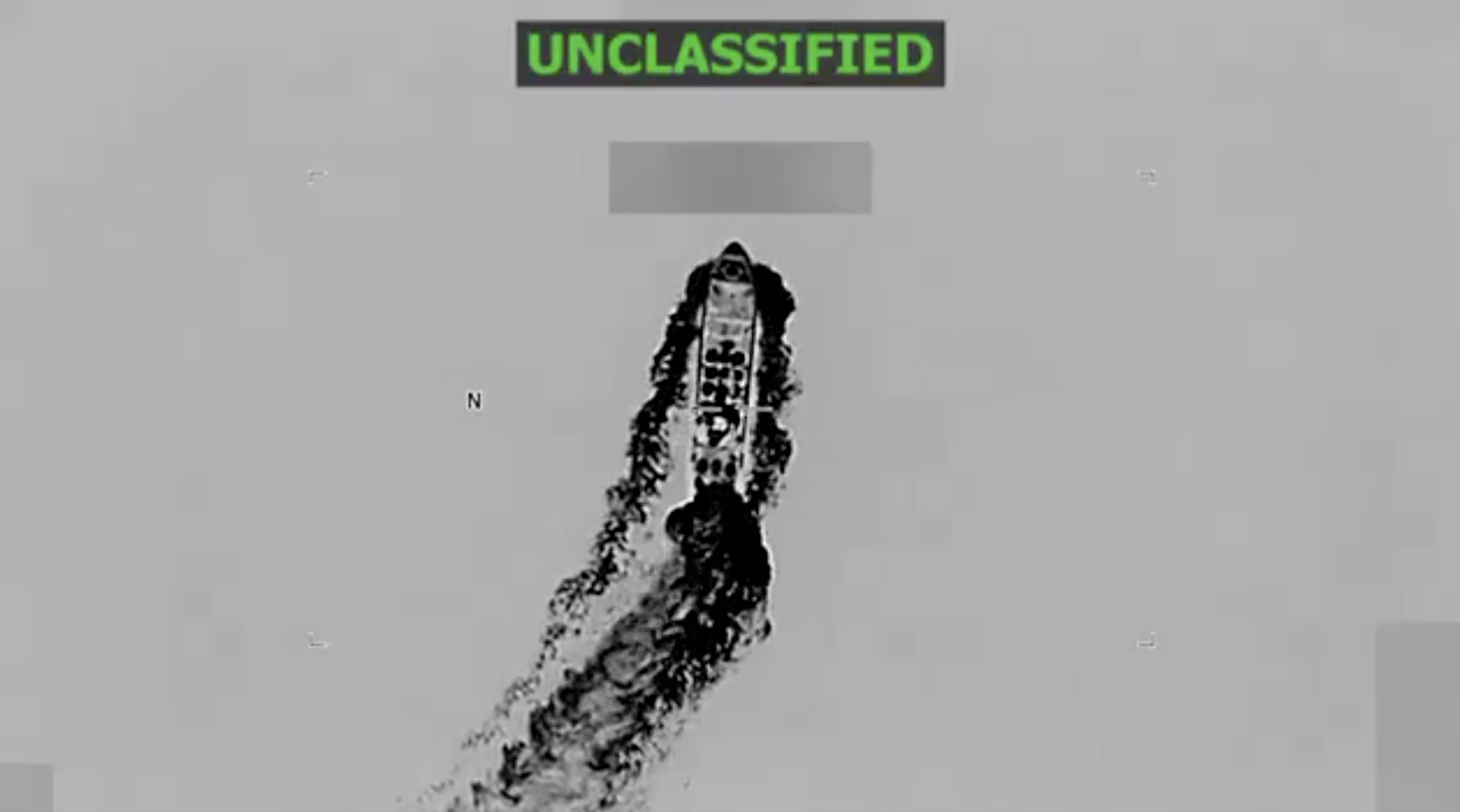
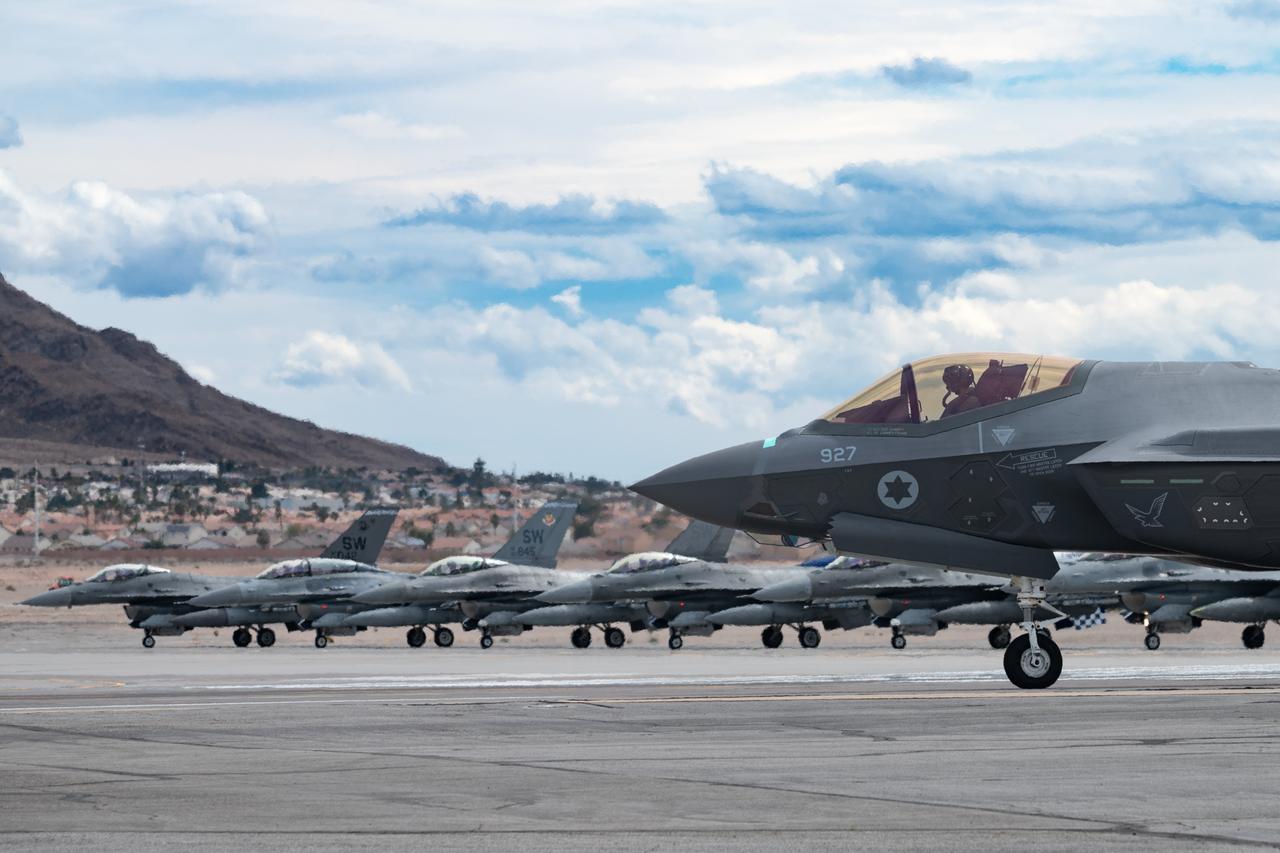
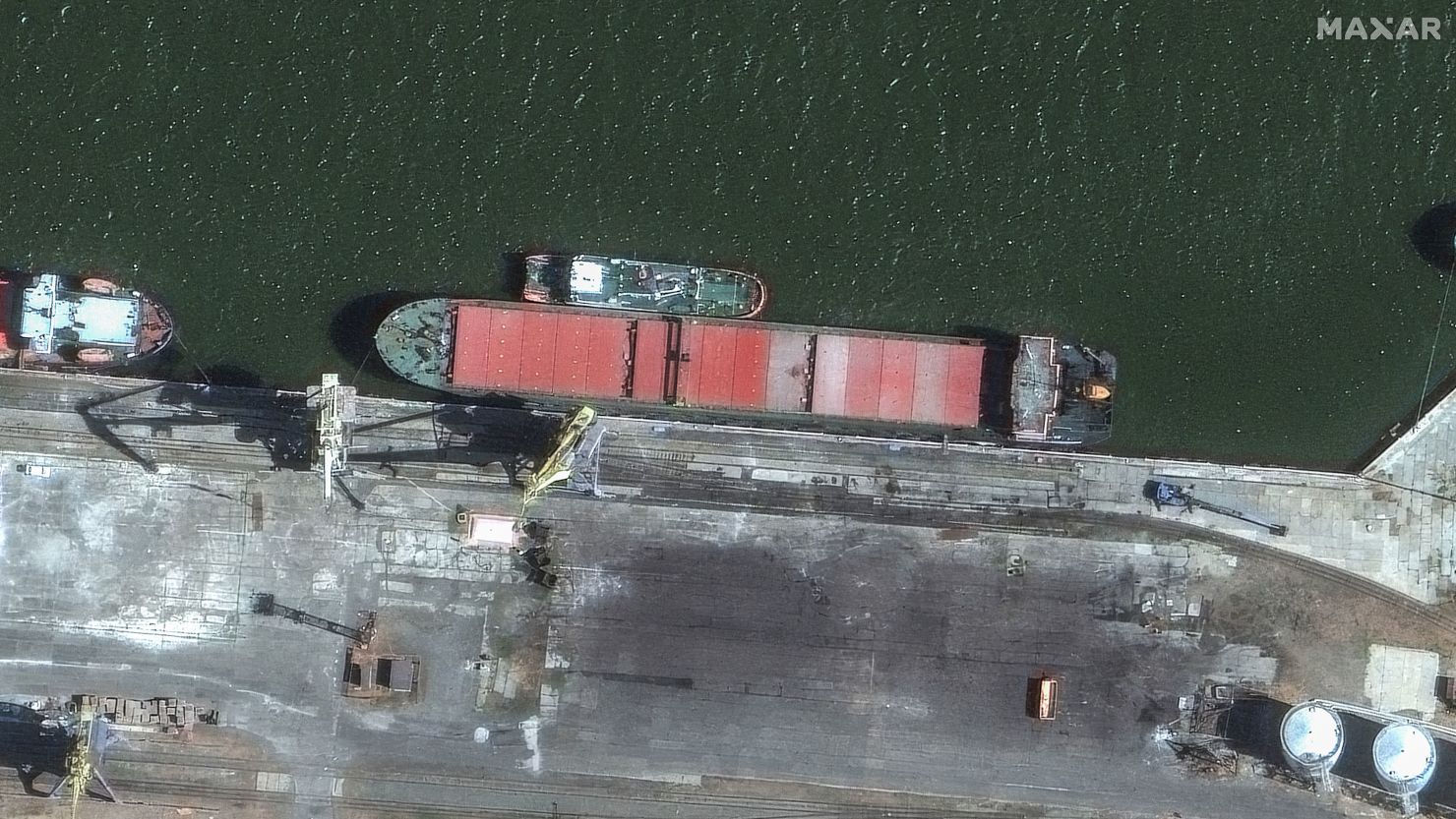
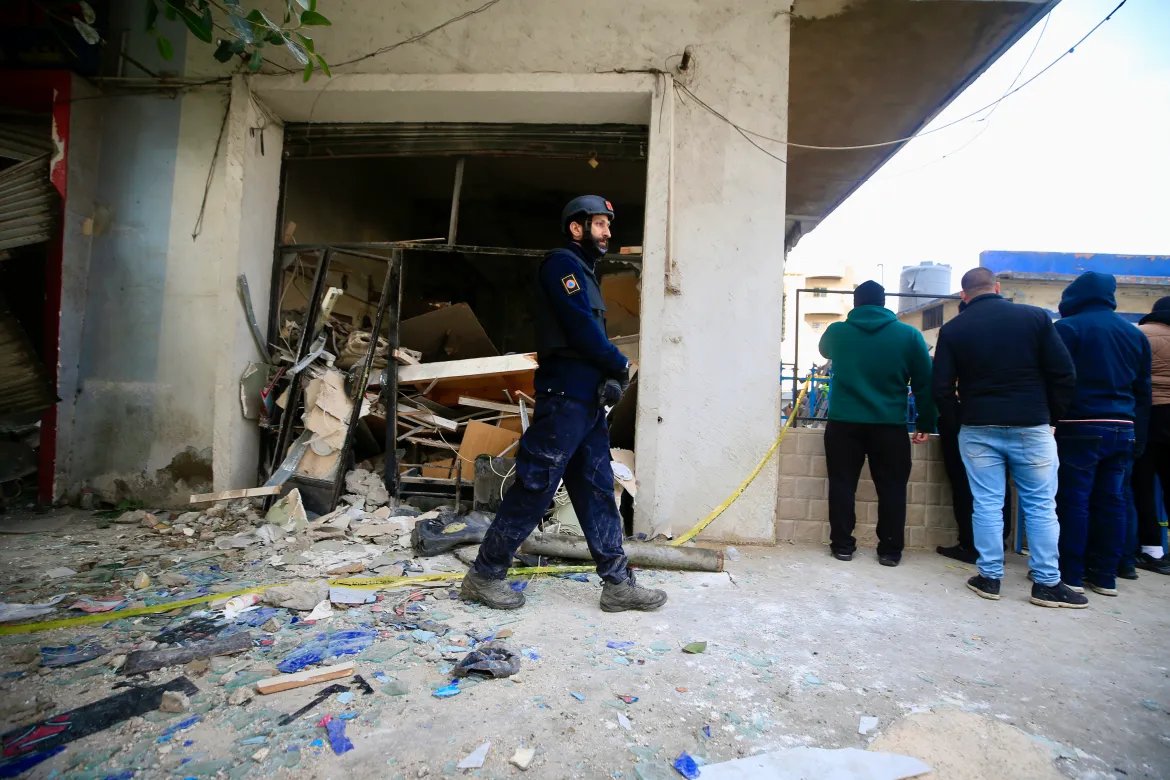
The U.S. military reported intercepting Iranian attacks targeting three Navy ships in the Strait of Hormuz on May 7. This incident marks a significant escalation in tensions, with U.S. officials stating that they successfully countered missile and drone strikes launched by Iran. The situation has further strained the fragile ceasefire in the region, as both the U.S. and Iran exchanged accusations and retaliatory fire, raising concerns about broader implications for international security.
Hantavirus Outbreak Linked to M/V Hondius
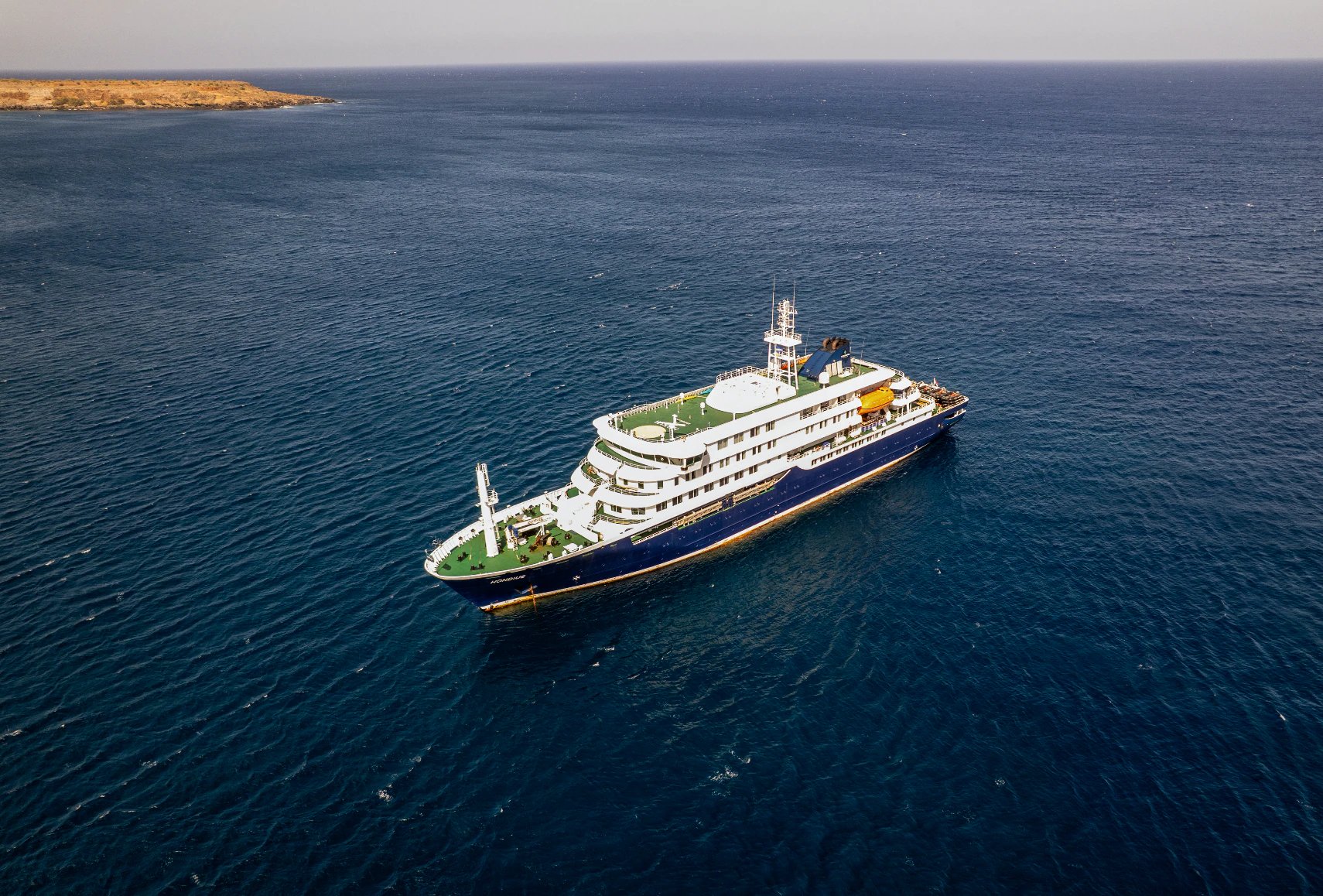
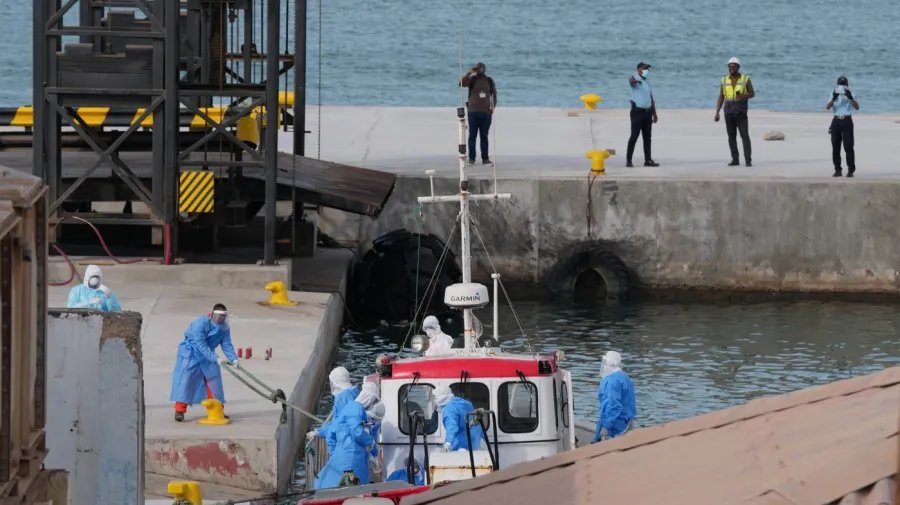
Simultaneously, health officials are addressing a deadly hantavirus outbreak tied to the M/V Hondius cruise ship. At least eight confirmed or suspected cases have emerged, with three fatalities reported among passengers. The strain identified, known as the Andes virus, is unique in that it can spread from person to person, a fact confirmed by the World Health Organization. The ship, currently en route to the Canary Islands, is under scrutiny as health authorities monitor individuals who disembarked in several countries.
Tracking Passenger Health Across Countries
Health officials in at least twelve countries, including the United States, are actively monitoring passengers who had contact with the M/V Hondius. In the U.S., five states—Georgia, Texas, Arizona, Virginia, and California—are tracking individuals who were on the cruise, although none have reported symptoms associated with hantavirus. The Centers for Disease Control and Prevention is coordinating efforts with international partners to manage the outbreak and ensure public safety.
Fatalities and Health Responses
The outbreak began with the death of a 70-year-old Dutch man aboard the cruise ship on April 11. His wife, who also contracted the virus, died shortly after disembarking in South Africa. Their travel history, which included visits to regions in Argentina known for hantavirus-carrying rodents, has prompted extensive contact tracing. Health authorities are working to identify and monitor individuals who may have been exposed, including passengers on flights the couple took after leaving the ship.
Public Health Measures and Expert Opinions
The World Health Organization has emphasized that while the Andes virus can be transmitted between humans, the overall risk of a widespread outbreak remains low. Experts, including Dr. Céline Gounder, have noted that hantavirus does not spread as easily as other respiratory viruses, such as COVID-19. However, the situation remains fluid, and health officials continue to implement isolation protocols and monitor potential cases.
Local Concerns in the Canary Islands
As the M/V Hondius approaches the Canary Islands, local officials have expressed concerns about the ship's arrival. José Domingo Regalado, the mayor of Granadilla de Abona, criticized the decision to allow the ship to dock, calling it reckless. The Canary Islands' president announced that while the ship would be allowed to anchor, it would not dock at the islands’ largest port, indicating a cautious approach to managing the potential health risks posed by the outbreak.
Implications for Travel and Public Health
The dual crises of military tensions in the Strait of Hormuz and the hantavirus outbreak illustrate the interconnected nature of global events. As health officials work to contain the hantavirus threat, travelers and public health agencies remain vigilant. The situation serves as a reminder of the importance of rapid response and coordination in addressing both health and security challenges on a global scale. Authorities encourage those who may have been affected to stay informed and adhere to health guidelines as measures are put in place to prevent further spread.