




Escalation in the Strait of Hormuz
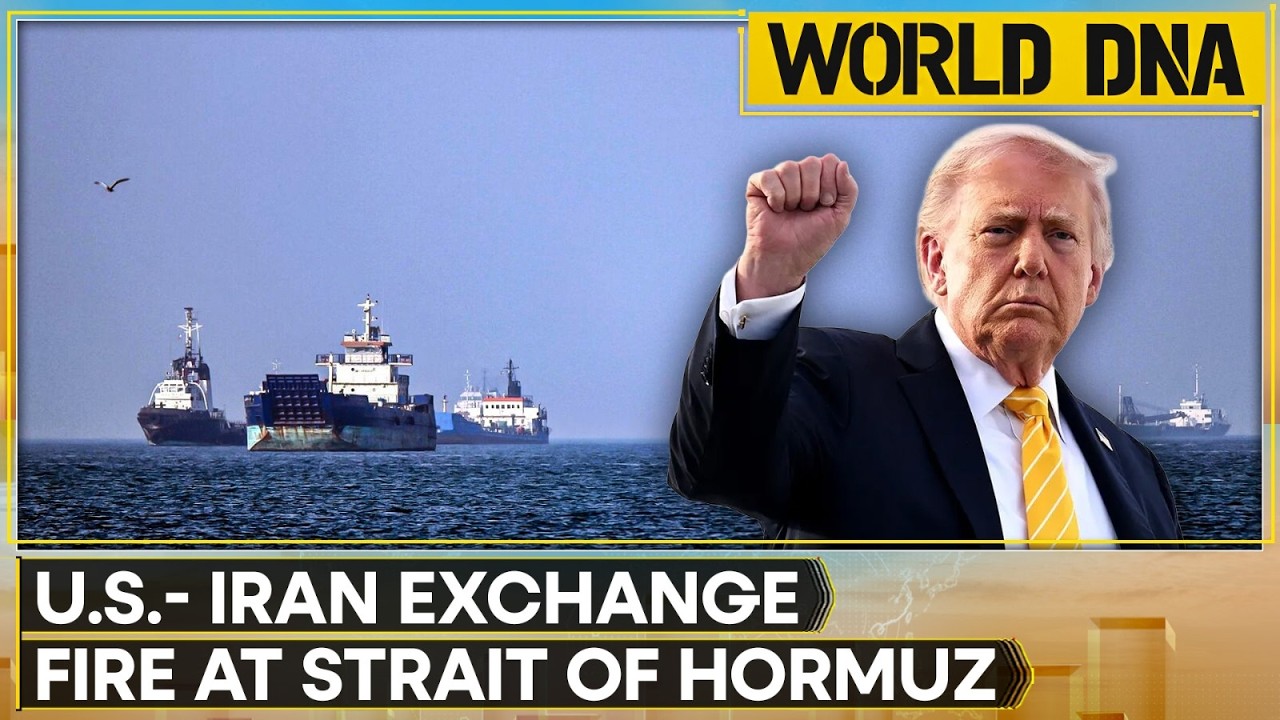
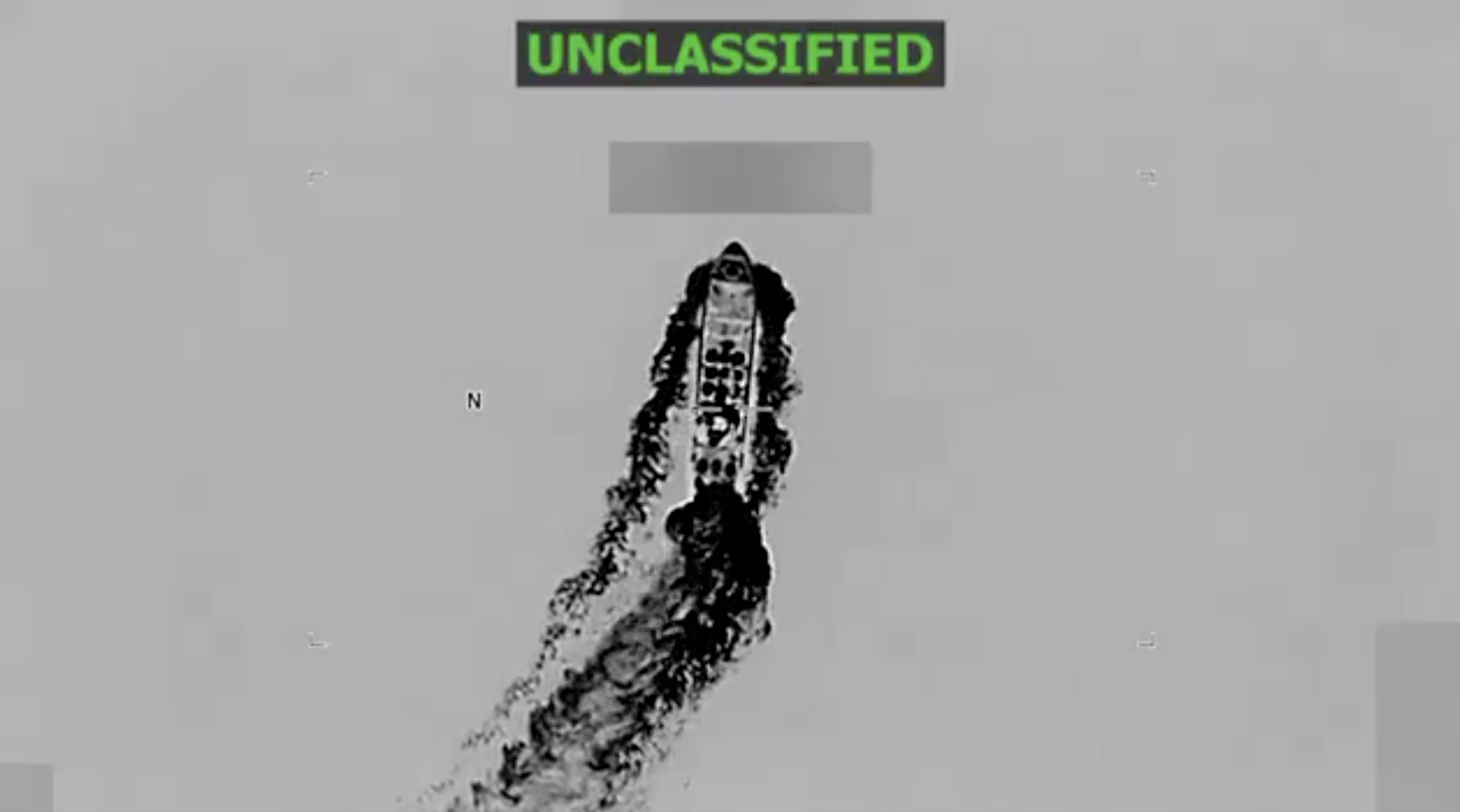
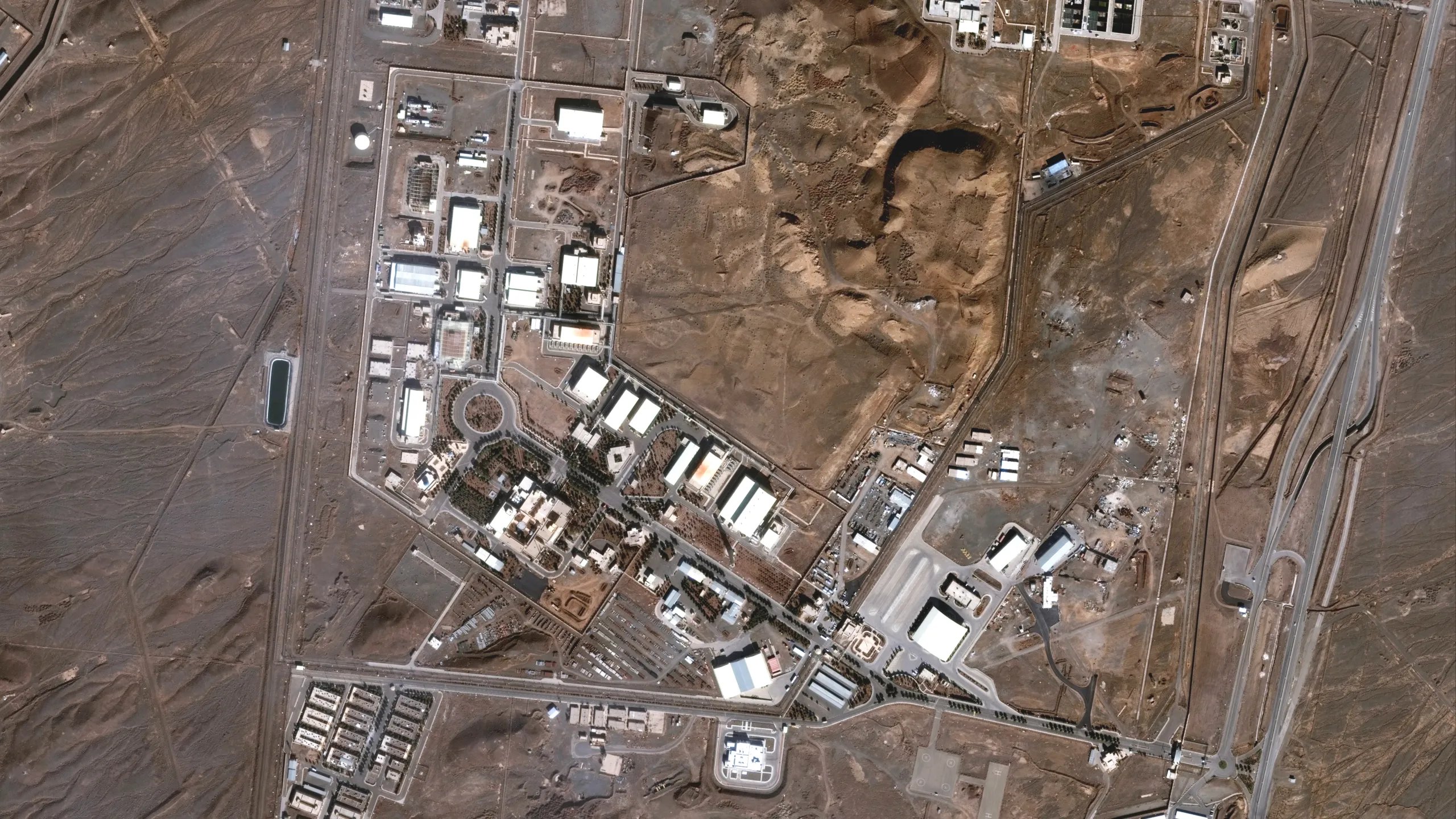
The United Arab Emirates responded to missile and drone strikes on Friday, hours after the U.S. reported thwarting attacks on three Navy ships in the Strait of Hormuz. U.S. Central Command (CENTCOM) stated that Iranian attacks were "unprovoked" and that U.S. forces responded with self-defense strikes targeting Iranian military facilities. Iran maintains that the U.S. fired first and its actions were defensive.
There were no immediate reports of damage in the UAE, but the Defense Ministry advised residents to avoid approaching any debris. The UAE's National Emergency Crisis and Disaster Management Authority cautioned residents to "remain in a safe place."
Conflicting Claims and Ceasefire Status
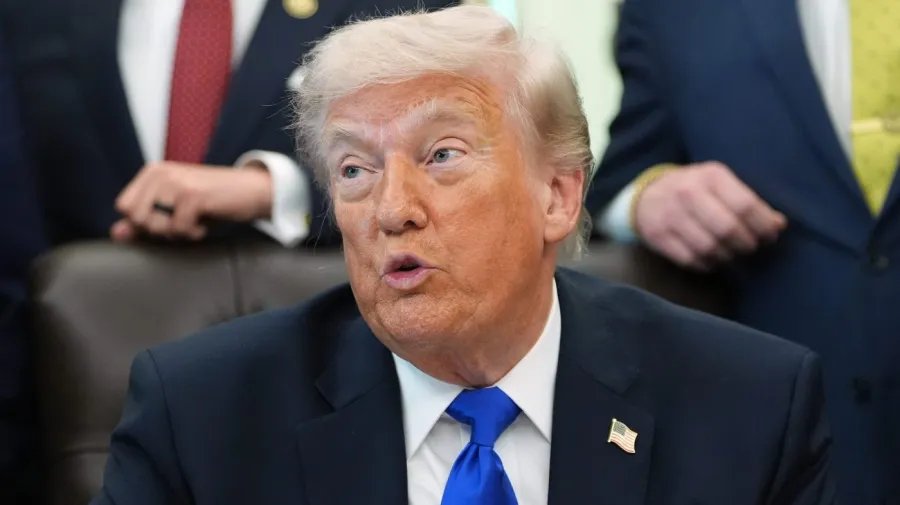
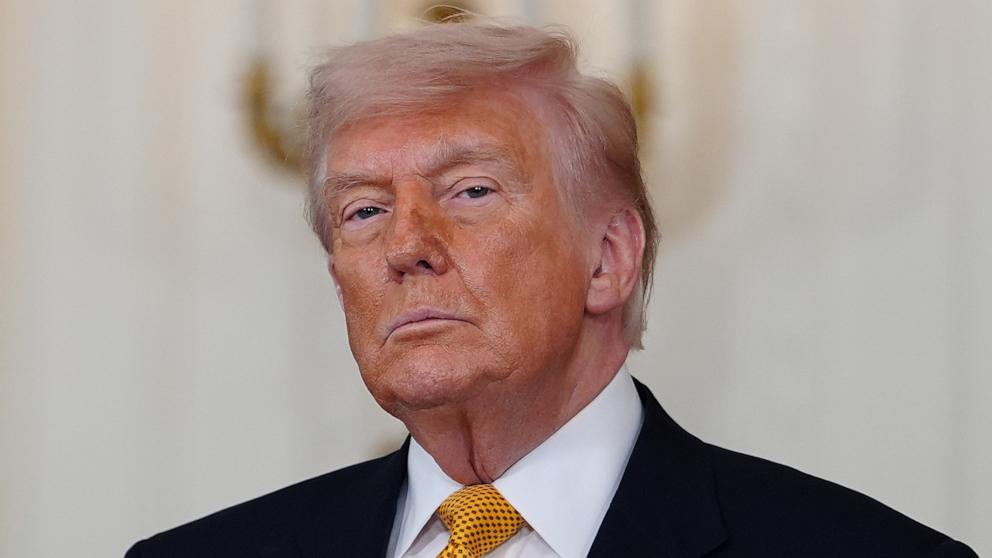
Despite the exchange of attacks, President Donald Trump insists the ceasefire with Iran remains in effect. Trump described the U.S. strikes as "just a love tap" in a phone call with ABC News. He warned of significant consequences if Iran does not agree to a deal allowing for the resumption of disrupted oil and natural gas shipments.
Iranian state media reported that its forces exchanged fire with "the enemy" on Qeshm Island in the Strait of Hormuz. Brigadier General Ebrahim Zulfuqari, a spokesman for the Al-Anbiya headquarters, said the U.S. had "crossed the point of no return."
Diplomatic Efforts and Regional Impact
Pakistan is serving as a mediator between the U.S. and Iran, with Foreign Minister Ishaq Dar speaking by phone with his Iranian counterpart, Abbas Araghchi. Foreign Ministry spokesperson Tahir Andrabi said, "We expect an agreement sooner rather than later." Pakistani Prime Minister Shehbaz Sharif stated that Islamabad remains in "continuous contact with Iran and the United States, day and night, to stop the war and extend the ceasefire."
Southeast Asian leaders are meeting in the Philippines to discuss the economic fallout from the Iran war. The Association of Southeast Asian Nations bloc is expected to call for deeper energy cooperation and reopening of the Strait of Hormuz.
Economic Repercussions and Market Activity
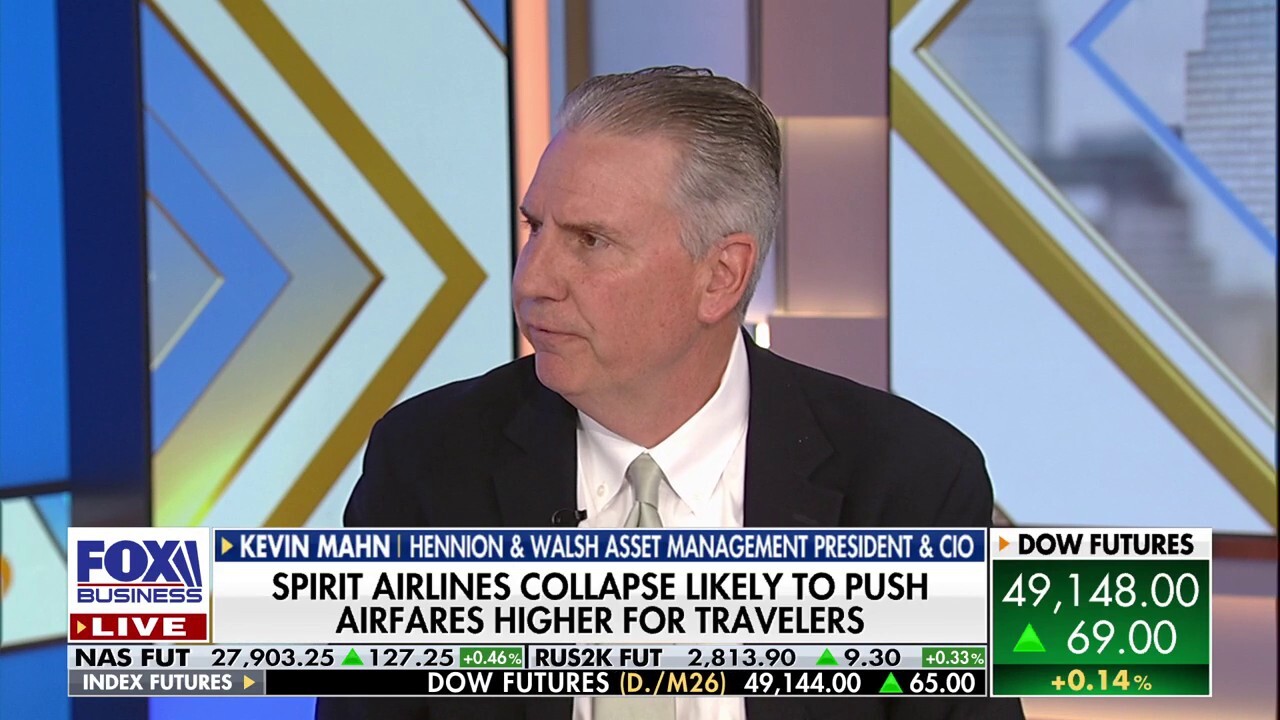
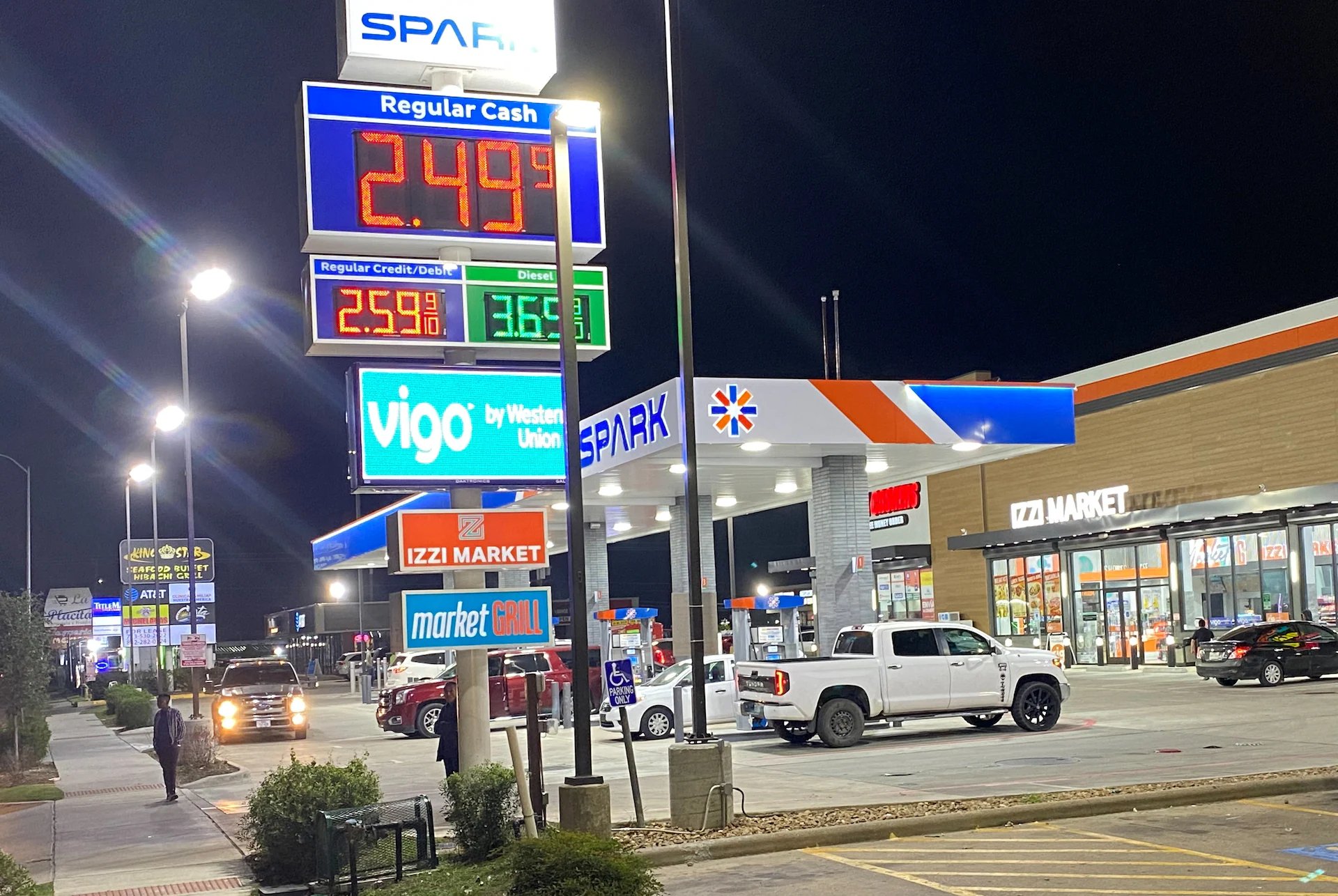
The war continues to drive up gas prices, with the average gallon standing at $4.55, an increase of $1.57 since the conflict began. Whirlpool warned of a "recession-level industry decline" in America due to the Iran war. Revenue dropped nearly 10% as sales of major appliances in North America declined more than 7%.
The Department of Justice is investigating at least four oil market trades worth $2.6 billion. These trades were placed just before major announcements regarding the war, betting that oil prices would drop.
War Powers Resolution and Political Maneuvering
President Trump sent Congress a notification stating that hostilities with Iran, which began on February 28, have terminated. Representative Jared Huffman (D-Calif.) stated, "With an active blockade and shooting, plus threats of resuming bombing at any moment, I don't know anyone who takes that argument seriously." GOP Rep. Tom Barrett (Mich.) introduced a bill that would require President Trump to wind down the Iran war by the end of July.
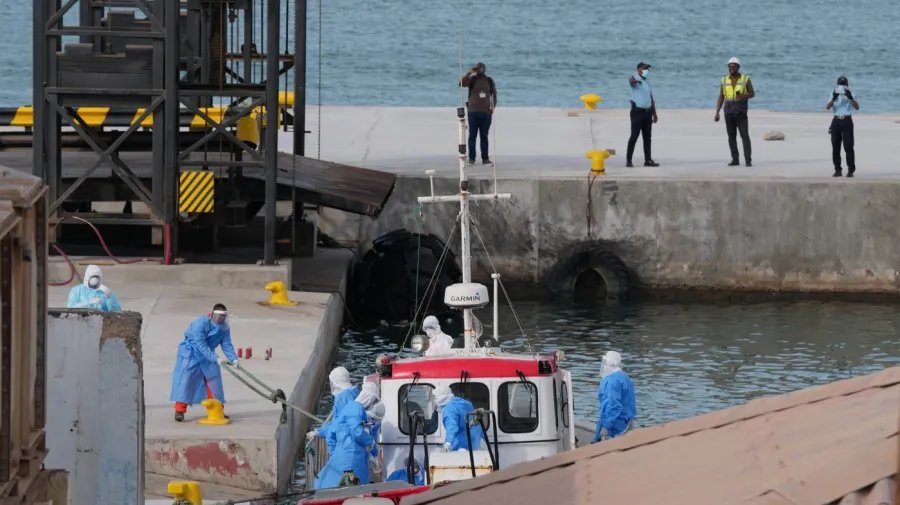
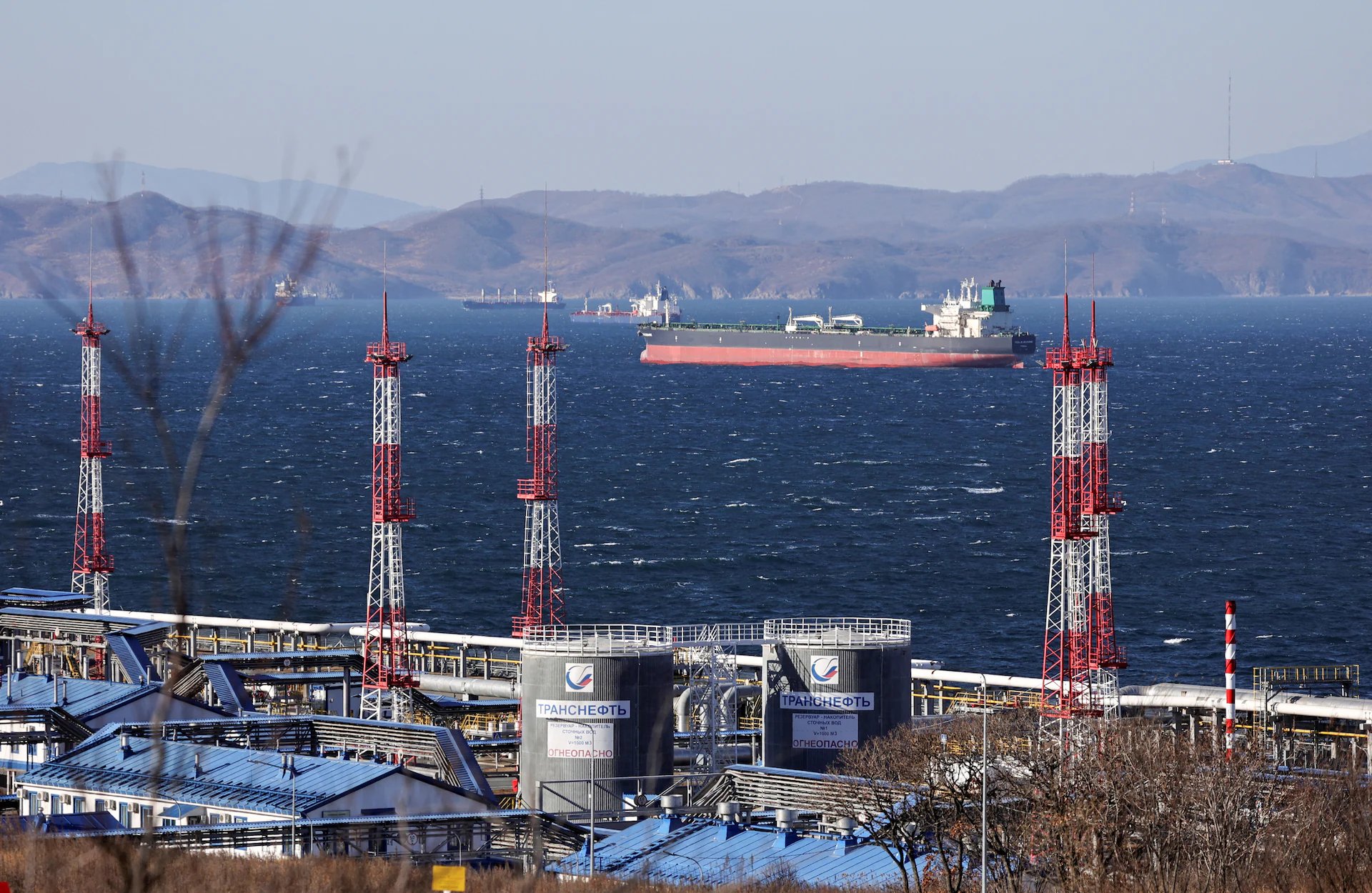
With the Strait of Hormuz effectively closed, a Chinese-staffed oil tanker was attacked near the strait. The Chinese Foreign Ministry spokesperson expressed concern.
New Iranian Agency and Maritime Concerns
Iran has established the Persian Gulf Strait Authority to administer tolls on ships transiting the Strait of Hormuz. The agency will approve ship transits and collect tolls. Lloyd's List Intelligence reported that the authority is "positioning itself as the only valid authority to grant permission to ships transiting the strait."
The U.S. and its Gulf allies are pushing for the U.N. Security Council to support a resolution condemning Iran's control of the strait. A prior resolution calling for reopening the strait was vetoed by Iran's allies Russia and China.
As tensions remain high, the U.S. military said it "remains positioned and ready to protect American forces."