




Fuel Price Hikes Trigger Transport Fare Increases
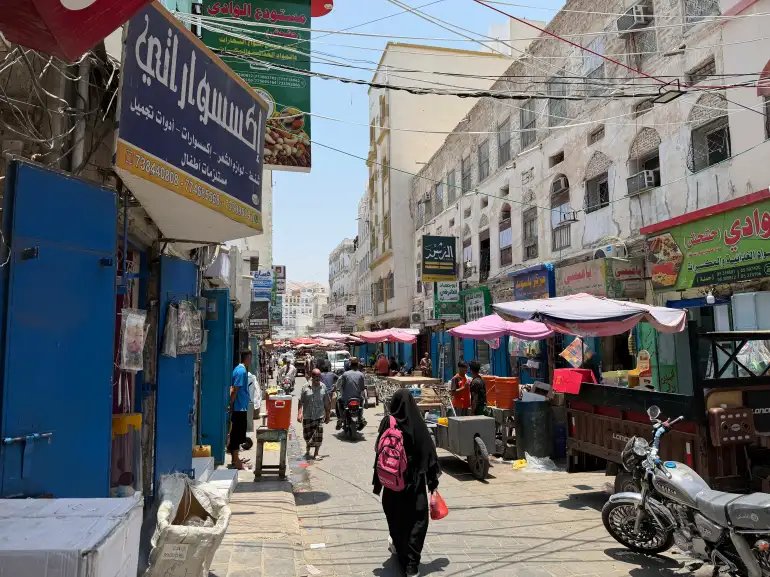
Recent fuel price hikes in Yemen have forced drivers to raise fares, exacerbating the financial burdens faced by residents. The Yemen Petroleum Company announced a 24 percent increase in fuel prices, with petrol and diesel now costing 1,475 Yemeni riyals ($0.98) per liter, up from 1,190 riyals ($0.79). Abdullah Salem, a 55-year-old driver in Mukalla, reported that he had to raise his fares by 100 riyals ($0.06) for local trips, leading to immediate pushback from passengers. “They shouted at me,” he said, explaining that the decision was not his but mandated by the government.
Economic Ripple Effects Expected
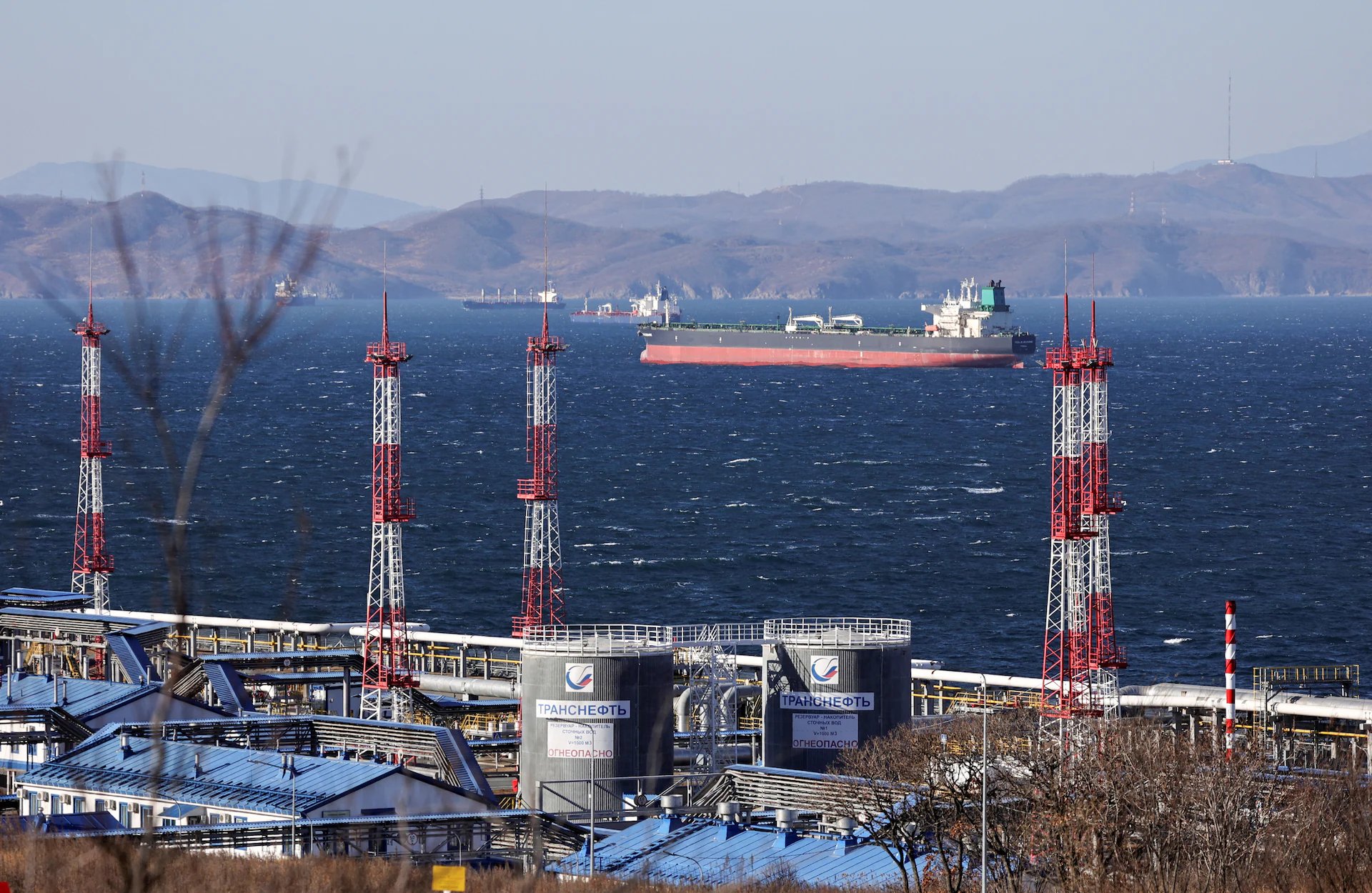
Economists warn that these fuel price hikes will likely impact food prices and overall economic activity in Yemen. Mustafa Nasr, head of the Studies and Economic Media Center, stated that fragile economies like Yemen's are particularly vulnerable to such shocks. He noted that increases in fuel prices could lead to a rise in transportation costs across various sectors, potentially resulting in shortages of petroleum products. Residents are concerned that the hikes may trigger further price increases if global oil prices continue to rise, deepening the economic crisis.
Struggles of Everyday Yemenis
For many Yemenis, the rising costs have led to difficult choices. Um Fatemia, a university student in Mukalla, shared that her family has exhausted their savings, with her mother even selling jewellery to cover educational expenses. She mentioned that bus fares have increased to 49,000 Yemeni riyals ($32.60) from less than 45,000 riyals ($30) in just one month. “My father is a teacher, and his salary is often delayed,” she explained, highlighting the dire financial circumstances many families face as they struggle to meet basic needs.
Government Response and Public Sentiment
The Yemeni government has attempted to reassure the public following these price hikes. Officials met with transport union representatives to discuss fare increases, aiming to quell any unrest similar to past fuel hike protests. However, despite the government's efforts, residents remain skeptical. Abdullah Salem expressed a desire for government-subsidized fuel, stating, “People are very poor, and these price hikes will only push food prices higher.”
Future Outlook Amid Ongoing Challenges
As the situation unfolds, Yemenis brace for the potential consequences of these fuel price increases on their daily lives. With the economy already strained, analysts predict that the impact will be felt across all levels of society. The government’s promises of temporary price increases may not alleviate the immediate hardships faced by citizens. As families like Um Fatemia's continue to struggle, the need for effective economic solutions becomes increasingly urgent.