




High-Level Meetings in Havana
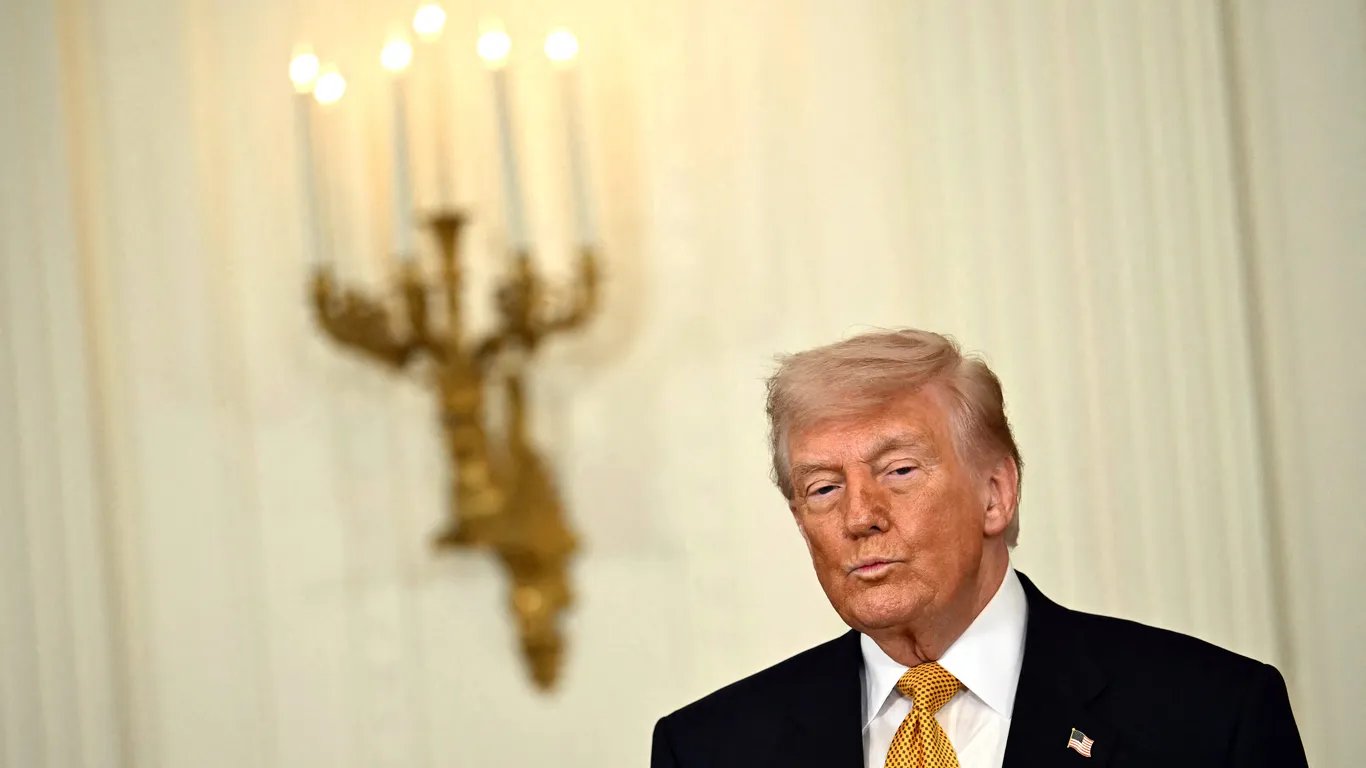
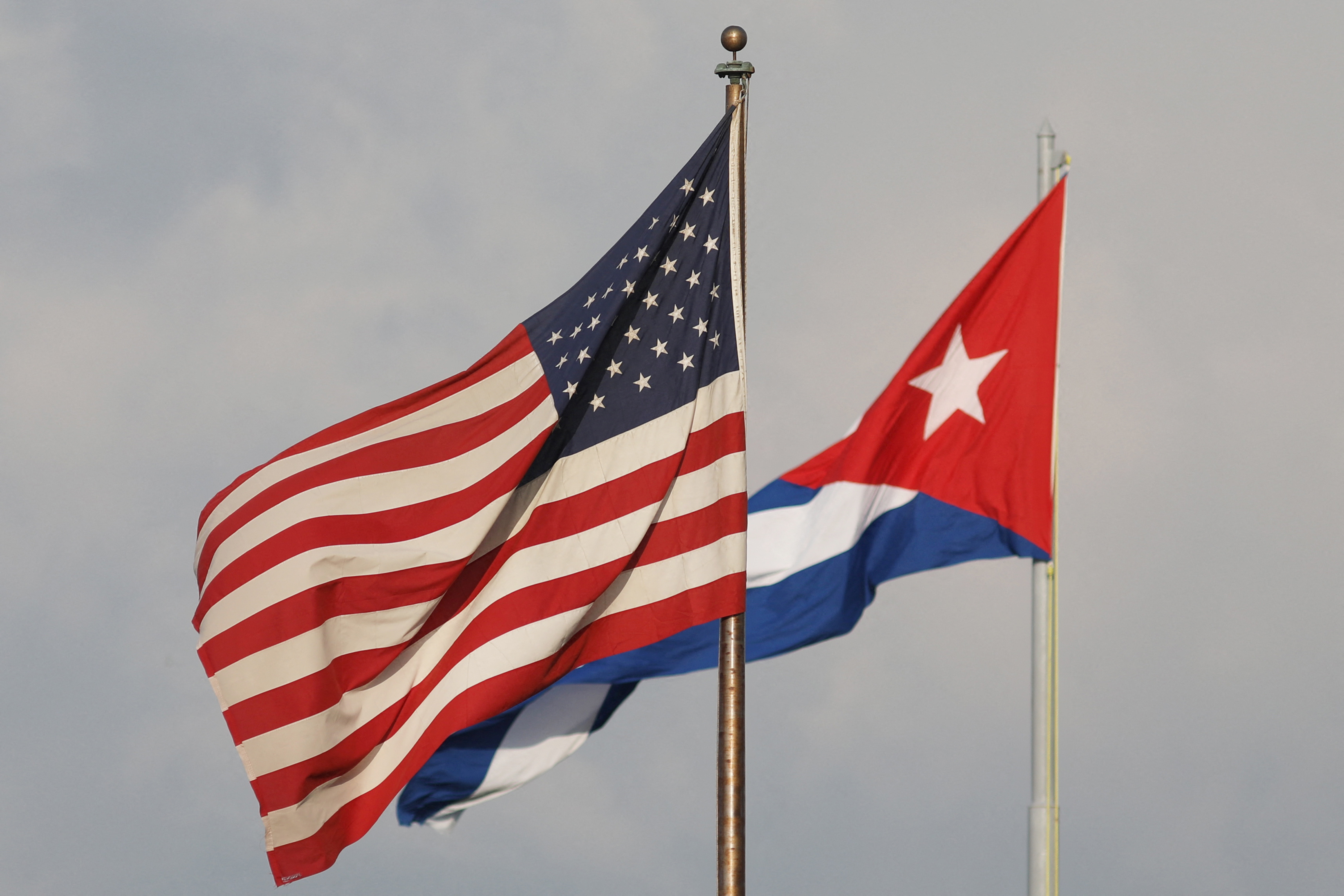
CIA Director John Ratcliffe met with key Cuban officials, including Raúl Castro's grandson, Raúl Guillermo Rodríguez Castro, during a significant visit to Havana on Thursday. The discussions centered around intelligence cooperation, economic stability, and security issues, reflecting ongoing tensions between the U.S. and Cuba. A CIA official confirmed that Ratcliffe's visit was intended to personally deliver a message from President Donald Trump, emphasizing that the U.S. is ready to engage with Cuba on economic and security matters, contingent on the Cuban government making "fundamental changes."
Economic Crisis and U.S. Sanctions
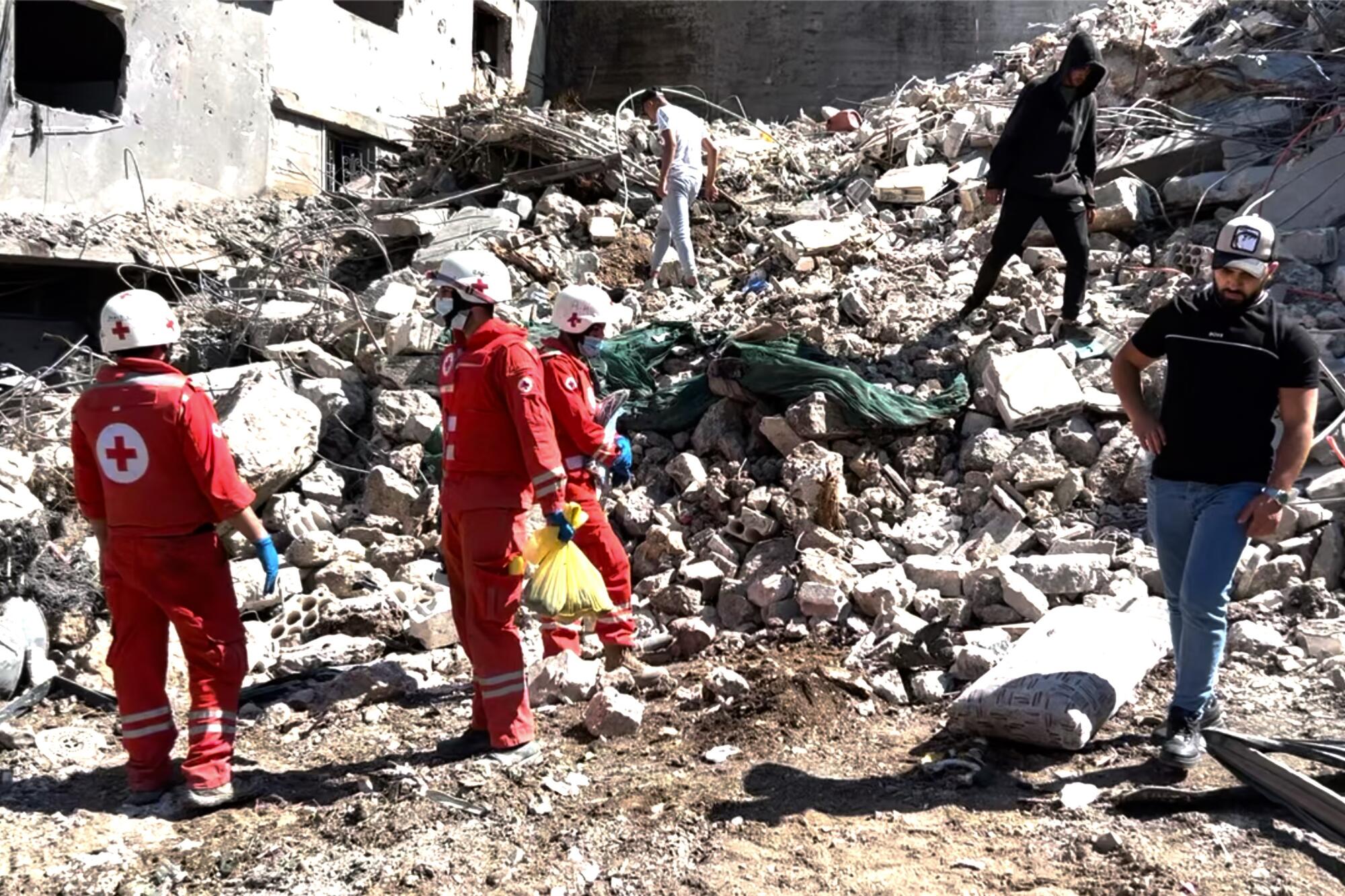
Cuba is currently grappling with a severe energy crisis, exacerbated by U.S. sanctions that have limited its access to oil. The Cuban government reported that it has run out of fuel oil and diesel, leading to widespread blackouts that could last up to 22 hours daily. This situation has severely impacted daily life, with hospitals struggling to function and families facing challenges in cooking meals. In a statement, Cuba's Energy Minister Vicente de la O Levy described the national electrical system as "critical."
U.S. Aid and Humanitarian Assistance
Amid the crisis, the U.S. State Department reiterated its offer of $100 million in humanitarian assistance to the Cuban people, contingent upon the Cuban regime's cooperation. This assistance aims to address the urgent needs of the population suffering from the economic blockade. Cuban Foreign Minister Bruno Rodríguez expressed cautious openness to the aid but criticized the U.S. for its past actions that he claims amount to collective punishment against the Cuban people.
Security Concerns and Bilateral Relations
During the meeting, U.S. officials stressed that Cuba must cease being a "safe haven for adversaries in the Western Hemisphere." The Cuban government countered that it poses no threat to U.S. national security and challenged its designation as a state sponsor of terrorism. This designation was reinstated by the Trump administration shortly after taking office, despite Cuba being removed from the list by the previous administration in January 2025.
Potential Legal Actions Against Raúl Castro
In a separate development, U.S. sources revealed that the government is moving to indict former Cuban President Raúl Castro, now 94, in connection with the 1996 shootdown of planes operated by the humanitarian group Brothers to the Rescue. This potential indictment adds another layer of complexity to U.S.-Cuba relations, which have been marked by hostility and mutual distrust.
Future of U.S.-Cuba Engagement
The CIA official noted that the opportunity for negotiations with Cuba will not remain open indefinitely. The administration's approach has been characterized by a mix of pressure and potential for dialogue, with Trump previously hinting at a more aggressive stance towards Cuba, including military intervention. As both sides navigate this fraught relationship, the implications for regional stability and humanitarian conditions in Cuba remain significant.
Conclusion: A Critical Juncture
Ratcliffe's visit underscores a pivotal moment in U.S.-Cuba relations, with potential for both conflict and cooperation. As Cuba faces deepening economic challenges, the U.S. is balancing its strategy of pressure with offers of aid and dialogue. The coming days will be crucial in determining whether these discussions lead to significant changes in policy or further escalation of tensions.