




Extended Tenure for Museveni
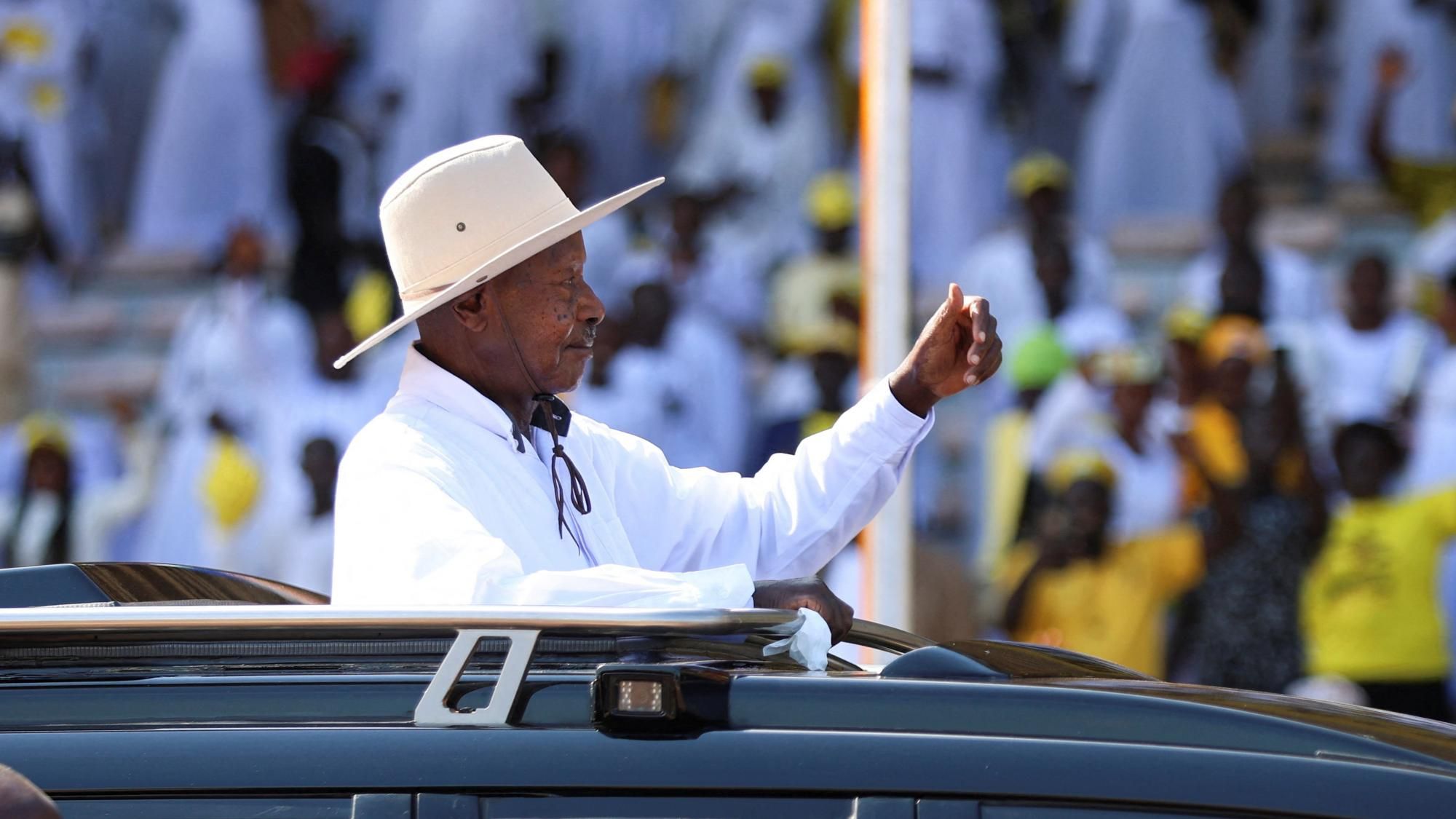
Yoweri Museveni, 81, was sworn in for his seventh consecutive term as Uganda's president on May 12, 2026, extending his rule to 40 years. He won the January election with 71.65% of the vote, according to the Uganda Electoral Commission, despite claims of widespread ballot-stuffing from his main rival, Robert Kyagulanyi, known as Bobi Wine, who garnered 24.72% of the vote. Museveni's inauguration took place at Kololo Independence Grounds in Kampala, where heavy security was present, including armored tanks, as a measure to maintain public order.
Election Controversies
The January elections were marred by allegations of intimidation and abductions targeting the opposition. Internet access was reportedly cut off nationwide during the voting period. Human Rights Watch documented "intensified attacks" on the National Unity Platform and its supporters, including mass arrests following the election. Bobi Wine claimed he escaped a police raid on his residence, while security forces allegedly targeted his family members, placing them under house arrest.
Museveni's Promises
In his inaugural address, Museveni called for a renewed focus on wealth creation and job opportunities, emphasizing the need for unity among Ugandans. He stated, "We must protect what has been achieved, correct what still needs improvement and move forward together as one country." Museveni also highlighted plans to leverage anticipated oil production revenues to drive economic growth and combat poverty, projecting a vision for the future that he hopes will resonate with the populace.
The Future of Leadership
Analysts suggest that this term may be Museveni's last, although the future of leadership remains uncertain. His son, General Muhoozi Kainerugaba, the army chief, is viewed as a likely successor. Kainerugaba has faced criticism for his aggressive use of social media against opposition figures, including a now-deleted post threatening Bobi Wine. The dynamics of succession could shape Uganda's political landscape significantly, especially given the long history of Museveni's presidency, which has been marked by both economic growth and political repression.
Ongoing Human Rights Concerns
The Museveni administration has faced ongoing scrutiny from human rights organizations regarding its treatment of opposition figures. Amnesty International reported that at least 16 individuals were likely killed by security forces during unrest in January. Prominent opposition leader Kizza Besigye remains in jail after being arrested in late 2024 on charges he denies. The government recently passed a Sovereignty Bill that criminalizes actions promoting foreign interests, further tightening its grip on dissent.
Implications for Ugandans
For many Ugandans, Museveni's presidency has been a constant presence in their lives. The majority of the population has known no other leader. While Museveni's supporters celebrated his swearing-in, critics continue to call for accountability and democratic reform. The political climate in Uganda remains tense, with many citizens watching closely for any signs of change or continuity in governance as Museveni embarks on this new term.