




High Court Ruling
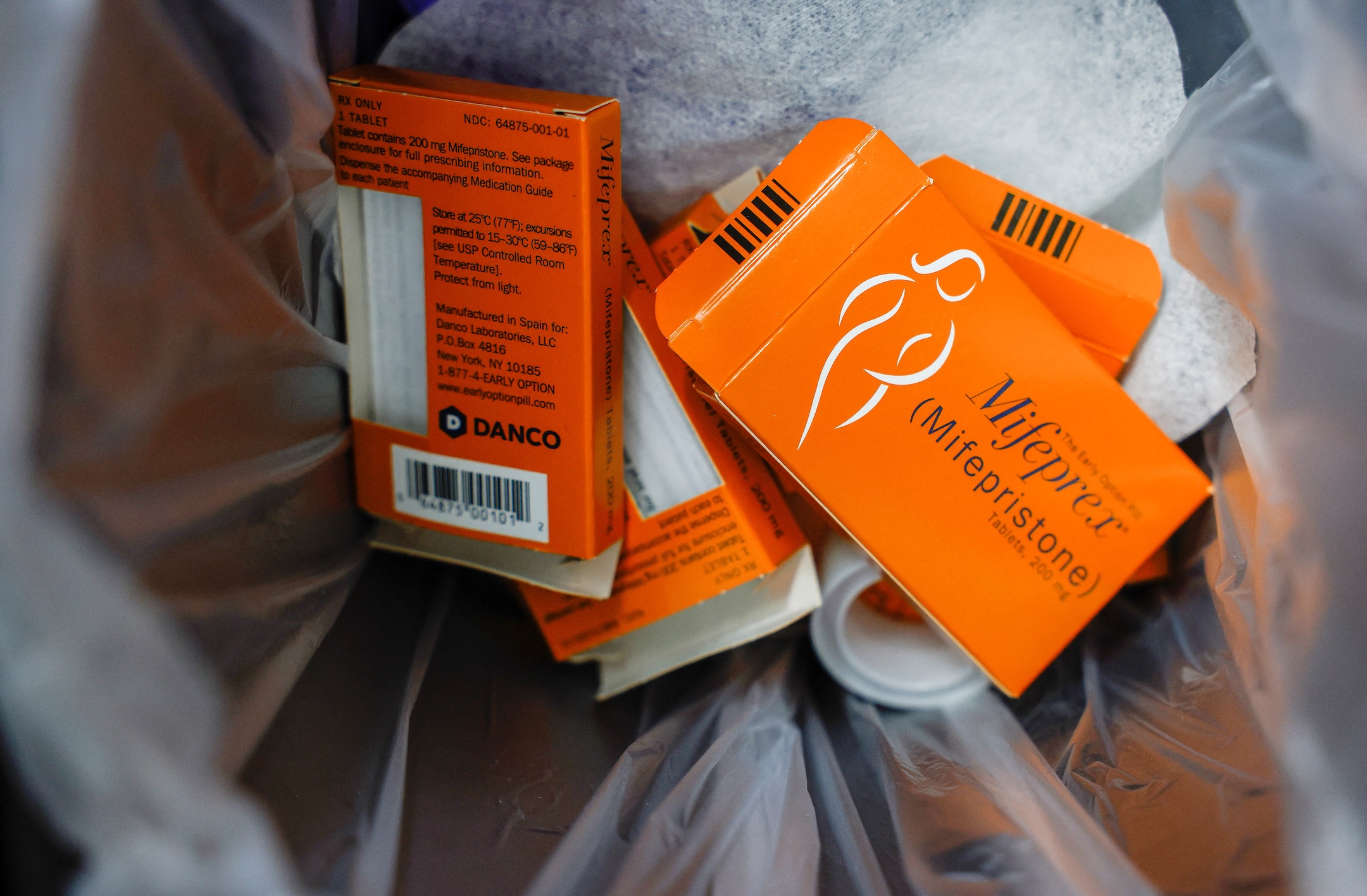
The Supreme Court has allowed the abortion pill mifepristone to continue to be available by mail, setting aside a lower court order that would have blocked telehealth prescriptions and shipments to patients. The decision means patients nationwide can continue to access the drug, while litigation brought by Louisiana proceeds. The justices halted a May 1 order from the U.S. Court of Appeals for the 5th Circuit, which would have required in-person visits with a clinician.
Dissenting Opinions
Justices Samuel Alito and Clarence Thomas dissented from the decision. Alito stated the expanded access to mifepristone undermines the court's previous decision that abortion policy should be left up to individual states. Thomas argued that mail-order mifepristone violates the Comstock Act, which prohibits mailing "obscene" materials.
Arguments in the Case
Louisiana sued the FDA in October, seeking to curtail the agency’s rules on prescribing mifepristone remotely, arguing it interfered with the state’s abortion ban. Drugmakers Danco Laboratories and GenBioPro had asked the high court to restore access to mifepristone through telehealth prescriptions and mail delivery, warning of confusion and chaos for patients, providers, and pharmacies. Louisiana officials claimed that the end of the in-person dispensing requirement allowed out-of-state providers to evade its abortion ban, leading to over 1,000 medication abortions in the state.
Impact on Access
Teleprescribing and mailing of abortion drugs now account for over 60% of all abortions in the health system. The FDA formally allowed mifepristone to be prescribed through telehealth and dispensed through the mail in 2023. Abortion rights advocates cheered the stay, but cautioned that long-term access isn't secured yet. Alexis McGill Johnson, president of Planned Parenthood Action Fund, called the ruling "a relief for patients who can continue to get the care they need."
Broader Implications
The case drew briefs from Congress, state attorneys general, and local governments on both sides of the abortion debate. Former FDA commissioners and the drug industry lobby PhRMA argued the 5th Circuit decision creates serious consequences for the entire drug approval system. Louisiana also argues that the FDA rules violate the Comstock Act, an obscure anti-obscenity law from 1873.
Future of the Case
The court did not agree to immediately hear the underlying legal arguments, instead sending it back to the 5th Circuit, but the case is likely to return to the Supreme Court. The FDA is conducting a safety review of the drug and will provide updates as key milestones are reached. In the meantime, abortion providers have plans to offer an alternative medication regimen to patients, using misoprostol alone to end pregnancies.