




Reduced Staffing Goals Announced
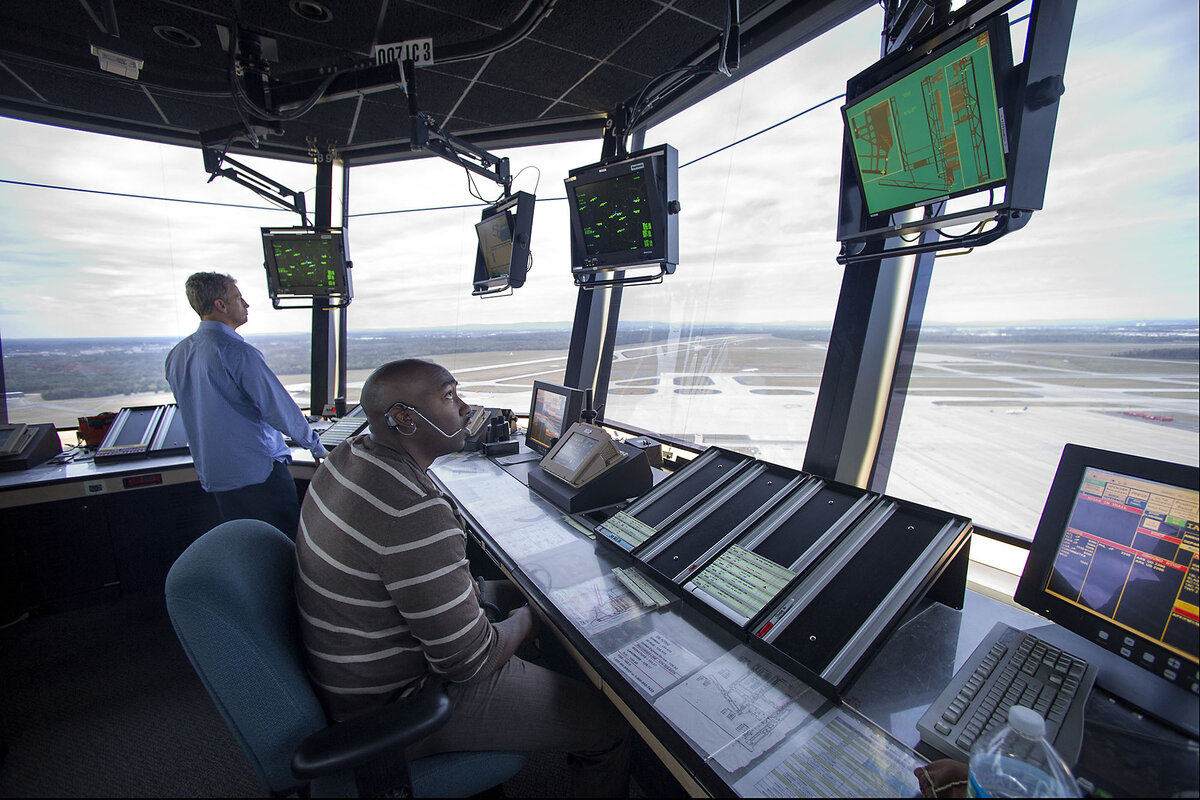
The Federal Aviation Administration has announced a reduction in its target for air traffic control staffing, a decision that could impact flight operations and air travel efficiency across the nation. The FAA has not disclosed the specific new staffing targets but has indicated that the changes are part of an ongoing effort to adapt to current operational demands. This reduction has raised alarms among industry experts and lawmakers regarding potential impacts on passenger safety and air traffic management.
Senators Demand Safety Review
Senators Tammy Duckworth of Illinois and Tammy Baldwin of Wisconsin have raised concerns about the implications of reduced staffing for flight attendants on long-haul flights. They are urging FAA Administrator Bryan Bedford to investigate the safety ramifications of allowing airlines to operate with fewer flight attendants, particularly when there may be more emergency exit doors than attendants during an evacuation. In a letter to Bedford, the senators emphasized that "without a certified Flight Attendant positioned at every dual-aisle floor-level exit, passengers could be left vulnerable."
Airlines Approved for Reduced Staffing
American Airlines, Delta Air Lines, and United Airlines have received FAA approval to decrease the number of flight attendants on some aircraft, with a minimum requirement of one flight attendant for every 50 passengers. The FAA has certified American's new Boeing 787-9P aircraft to operate with a minimum staffing of seven flight attendants, despite the aircraft having eight exit doors. The agency asserts that these staffing regulations are based on maximum seating capacity to ensure adequate crew presence during emergencies.
Evacuation Standards Under Scrutiny
The senators have criticized the FAA for delays in completing overdue evacuation testing, which has not been updated in nearly two years. They argue that current standards do not accurately reflect real-world conditions, including the presence of passengers who are elderly, disabled, or traveling with children. Duckworth pointed out that previous tests conducted in 2019 lacked essential real-world scenarios, undermining the validity of the FAA's evacuation certification processes.
Union Calls for Increased Staffing
Sara Nelson, president of the Association of Flight Attendants, has voiced strong opposition to the reduced staffing levels, stating that allowing one flight attendant to manage multiple exits can jeopardize passenger safety. Nelson highlighted the chaos that can ensue during evacuations if exits are left unattended, citing previous incidents that resulted in injuries and complications. The union is advocating for legislation that mandates at least one flight attendant per door exit on widebody aircraft.
Ongoing Concerns Over Evacuation Times
The FAA requires that aircraft be able to evacuate within 90 seconds. However, real-world evacuations often exceed this standard. For instance, passengers took between 11 and 18 minutes to evacuate Japan Airlines Flight 516 after a collision at Tokyo's Haneda Airport. Duckworth has expressed skepticism about the adequacy of current evacuation standards, stating that she feels unsafe in emergency situations, particularly given her own mobility challenges.
Call for Immediate Action
The senators are urging the FAA to reassess its staffing requirements and evacuation standards. They argue that the presence of adequately trained flight attendants is critical for passenger safety during emergencies. "Appropriate crew staffing is not a luxury; it is a life-saving necessity," Duckworth and Baldwin wrote. As the FAA adjusts its staffing targets, the implications for passenger safety and operational efficiency remain a pressing concern for both lawmakers and the flying public.