




Market Plunge
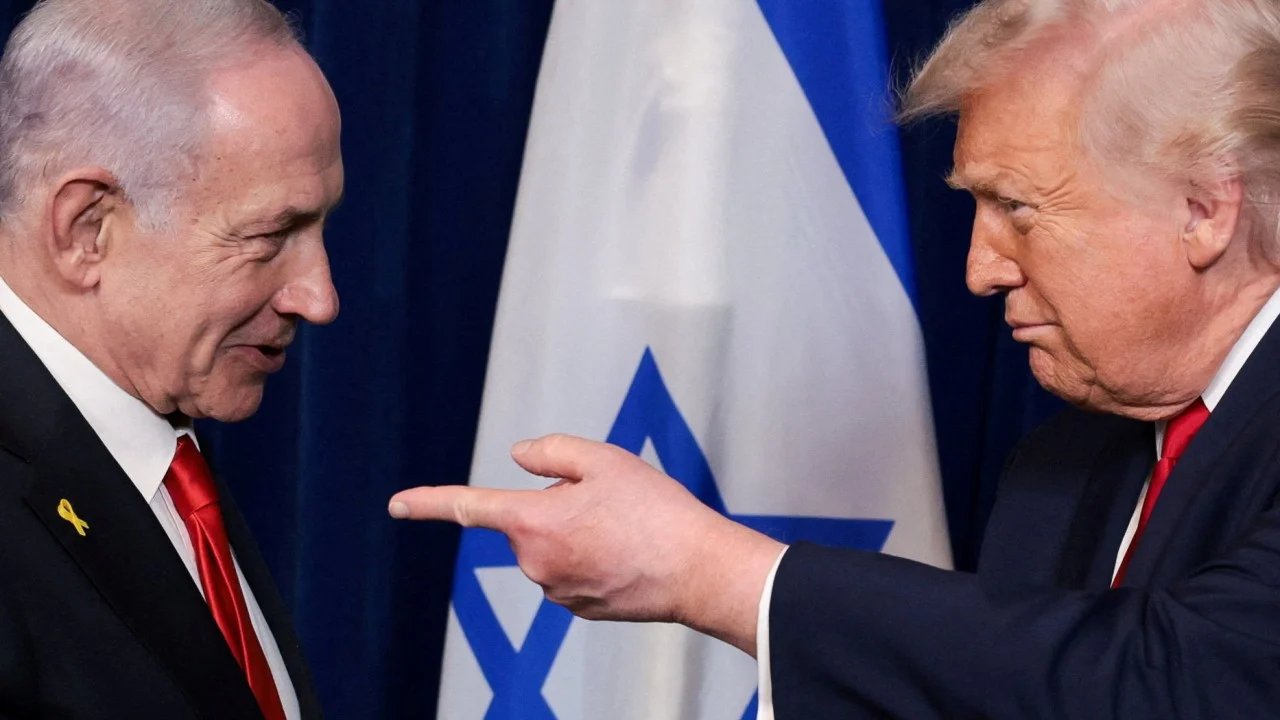
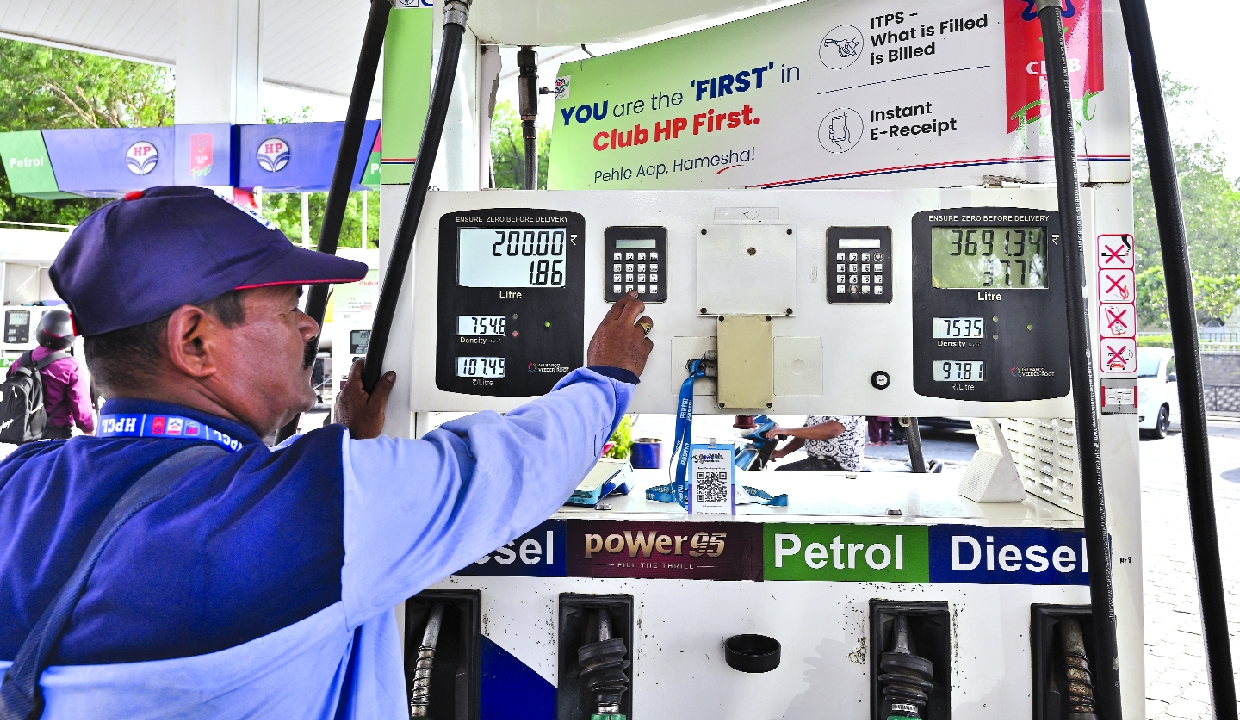
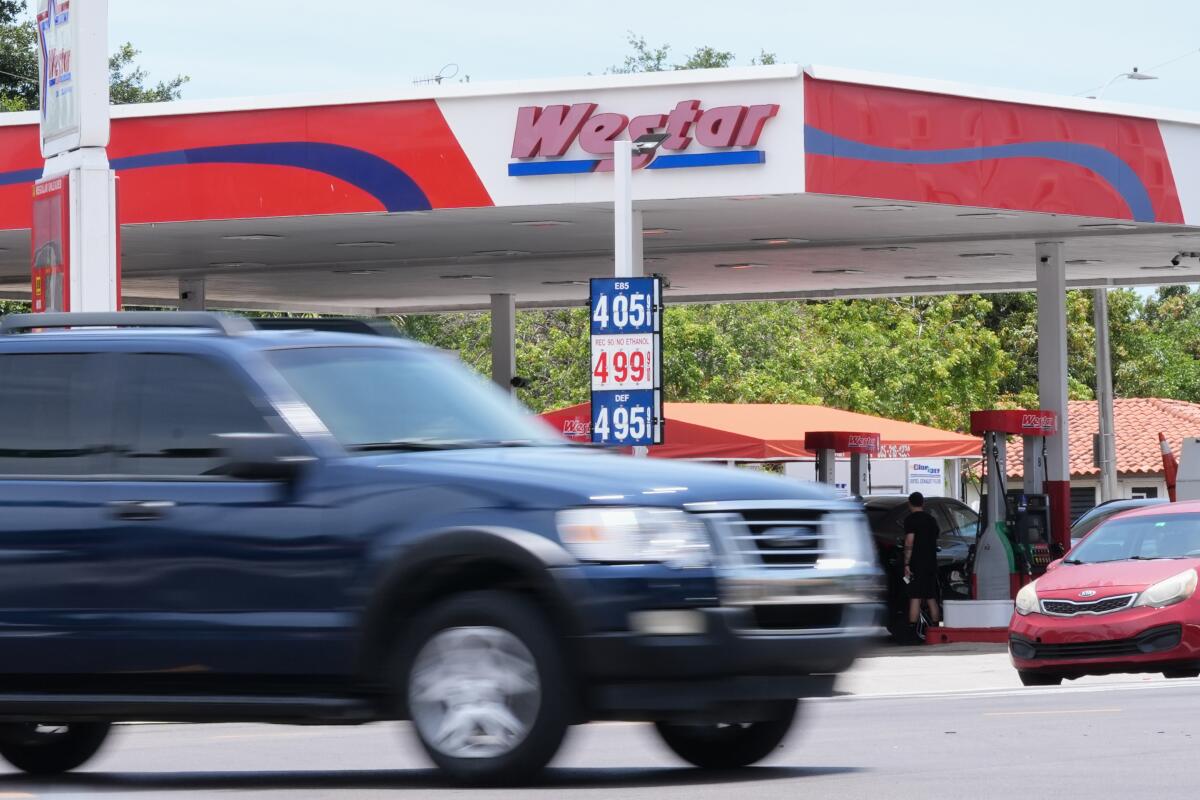
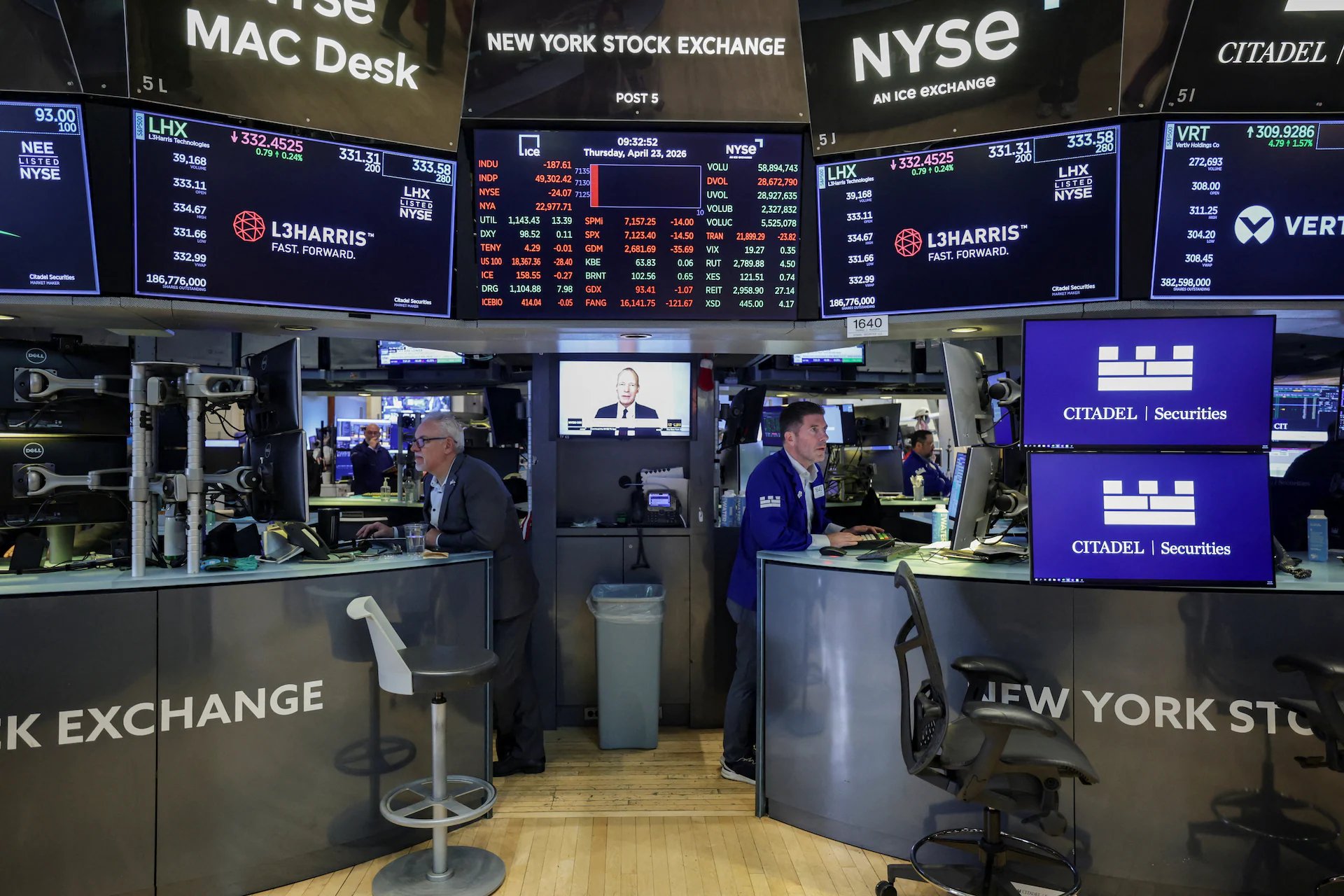
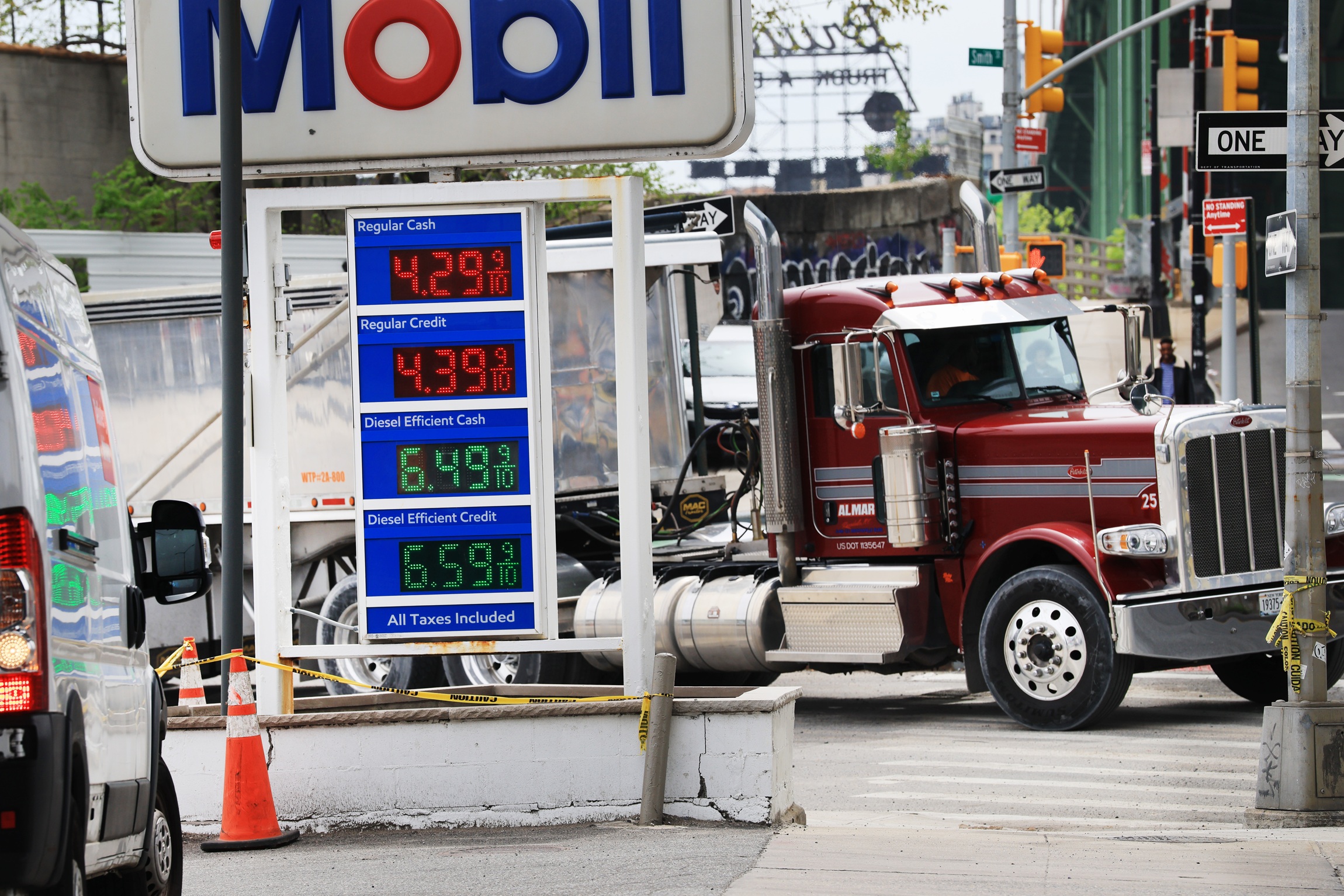
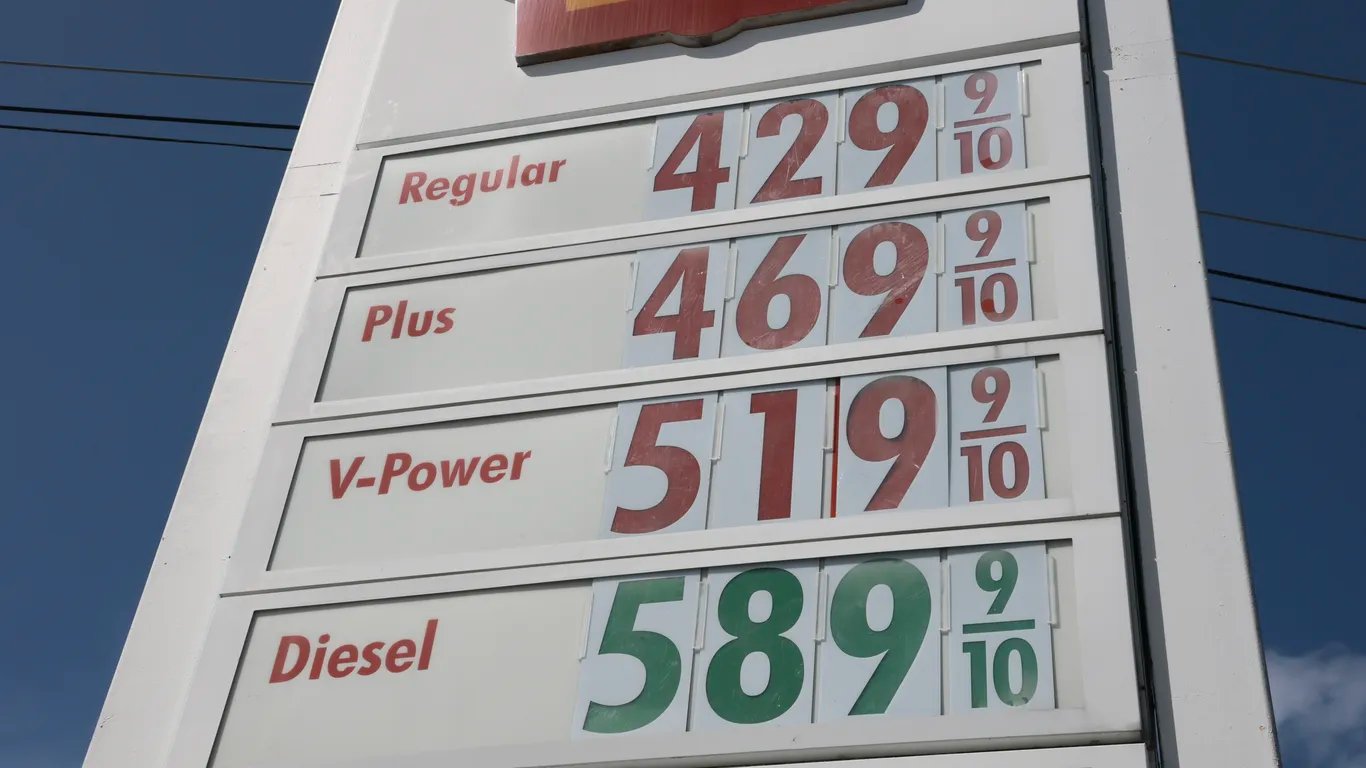
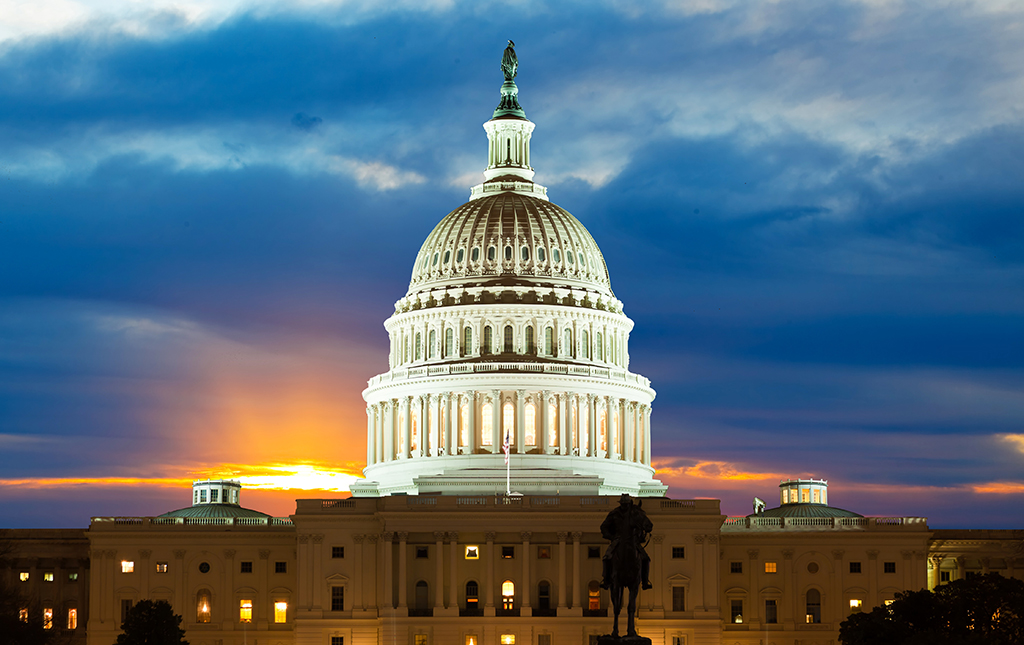
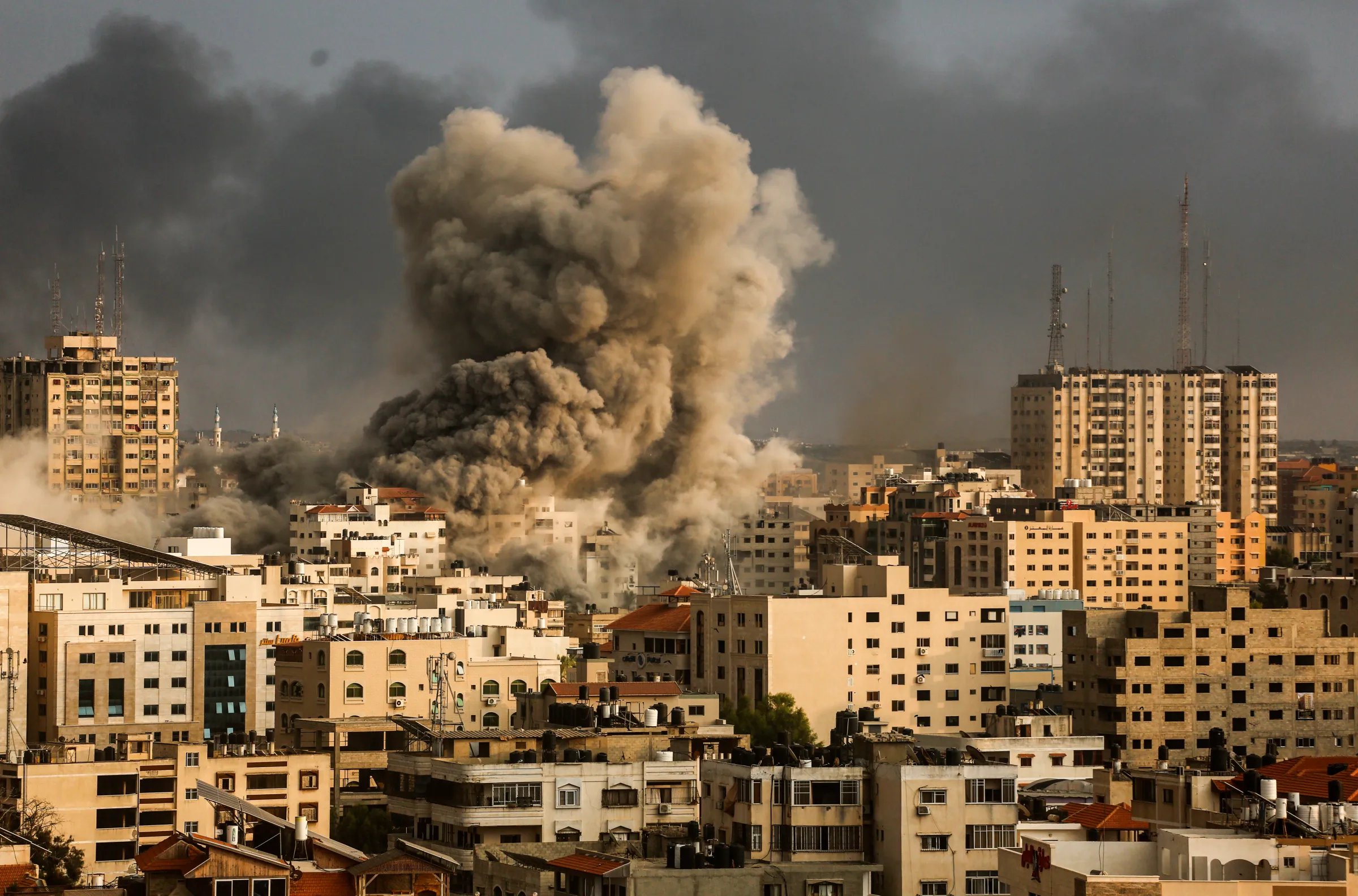
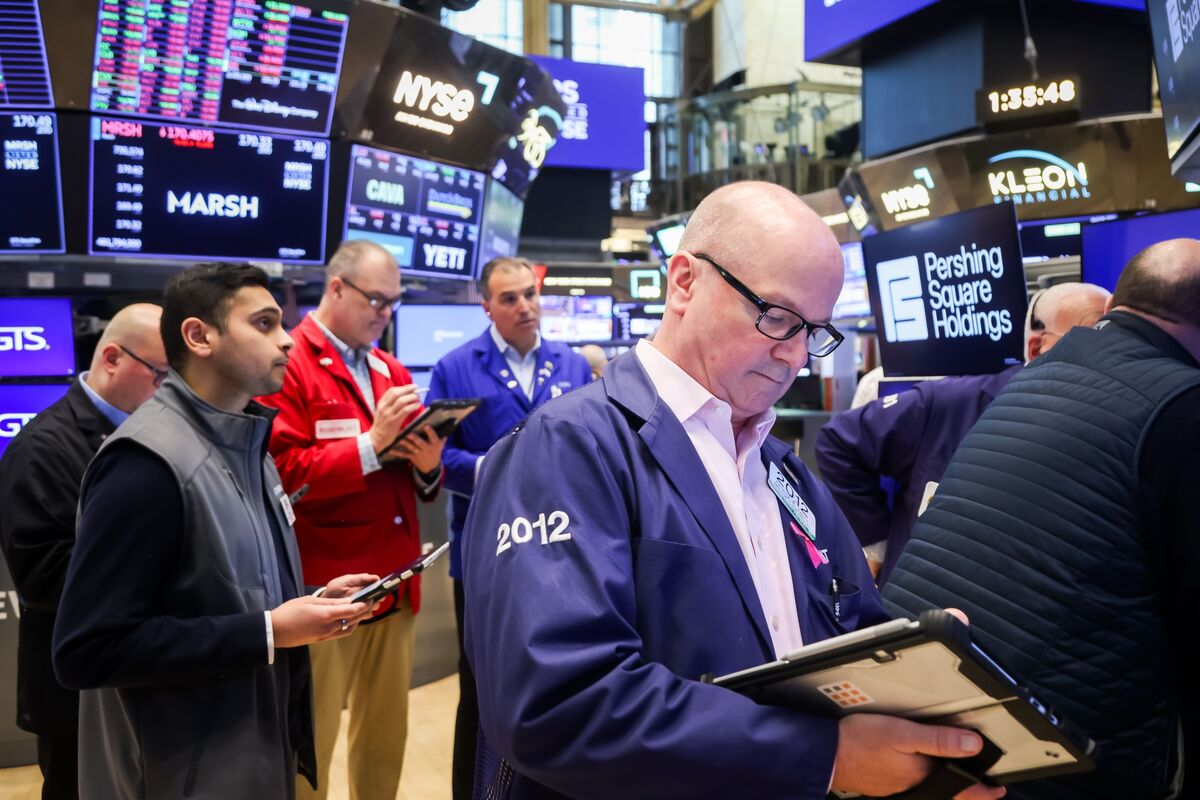
Wall Street experienced a downturn as receding prospects for Middle East peace talks triggered a surge in oil prices, intensifying concerns about inflation. This confluence of events directly impacts consumers and the economy. European equities also eased as investors awaited updates on Middle East peace efforts.
Oil Market Volatility
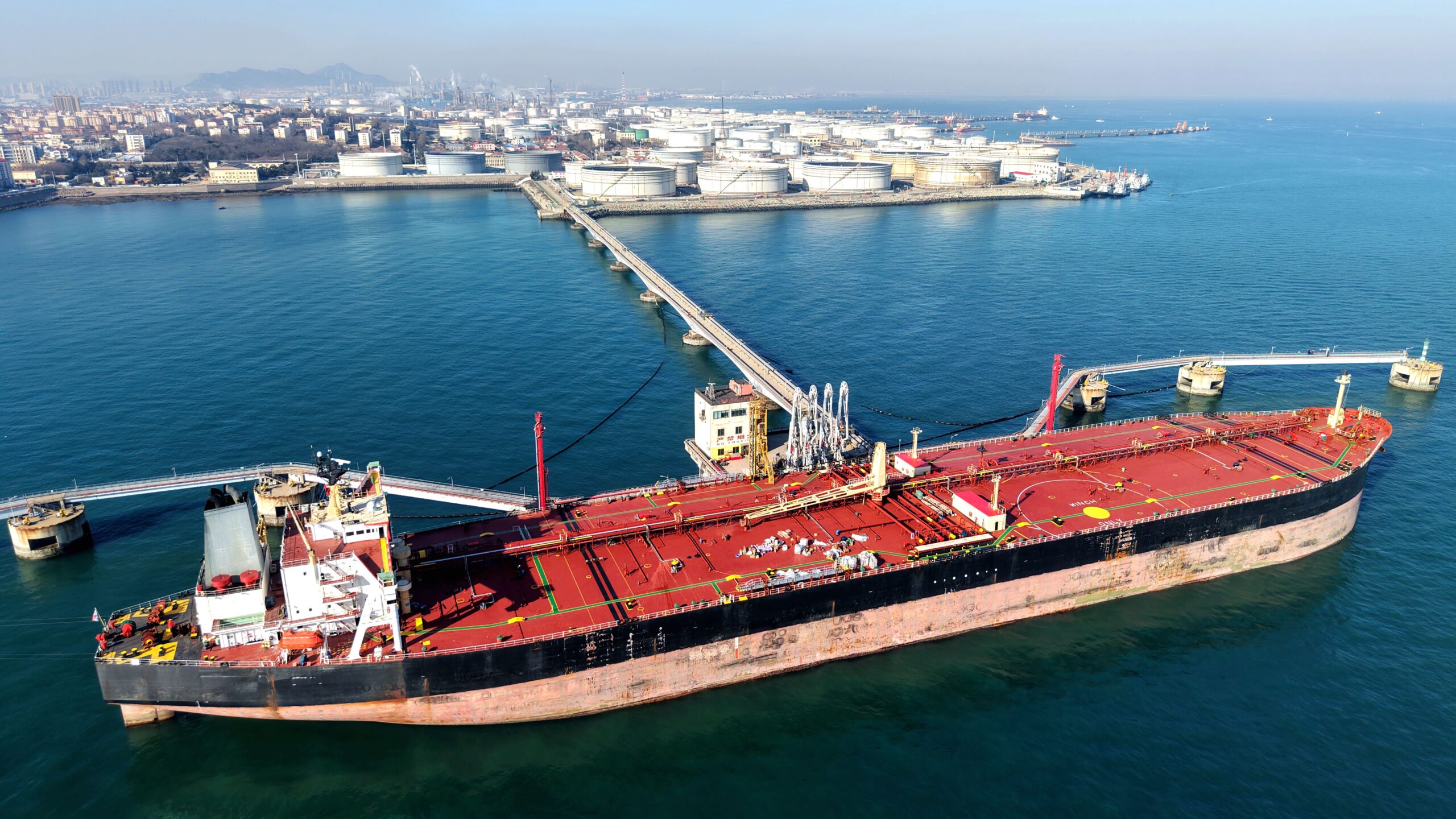
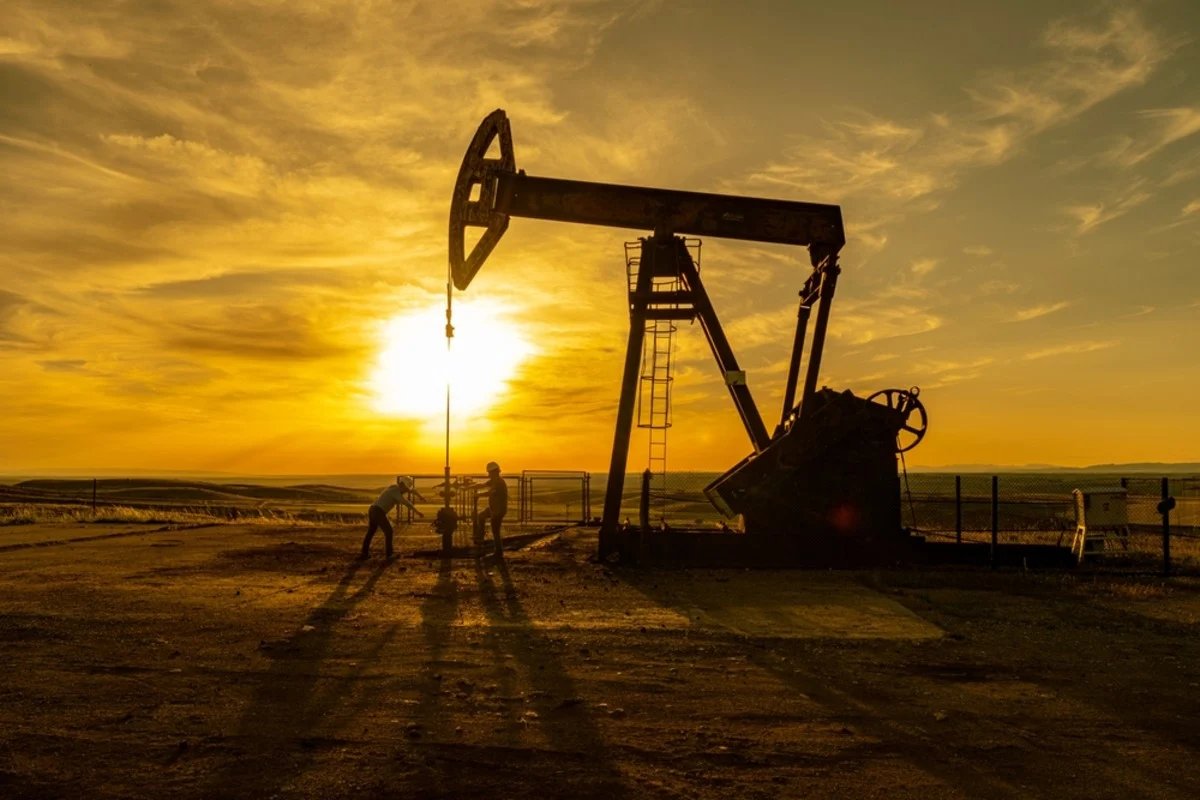
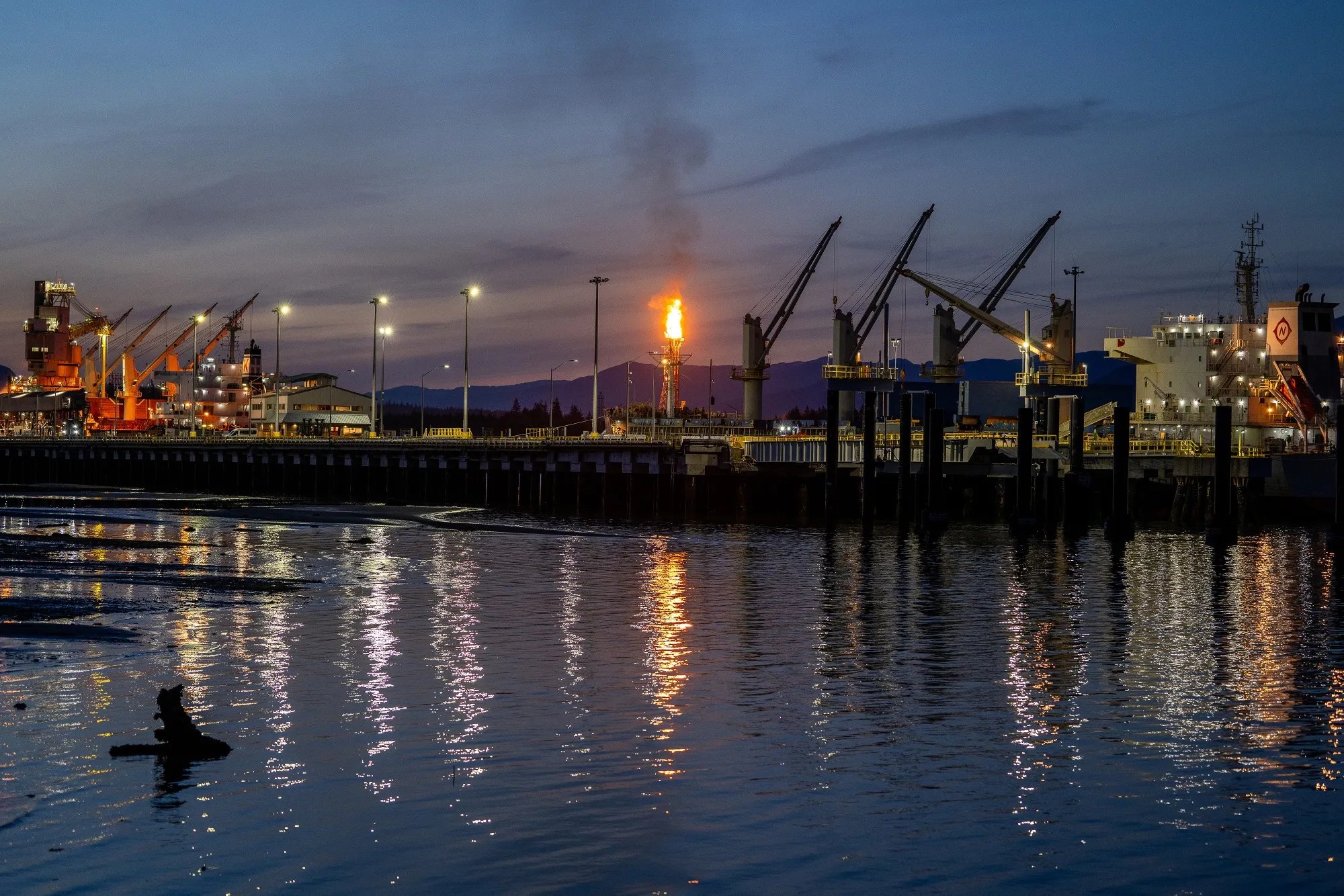
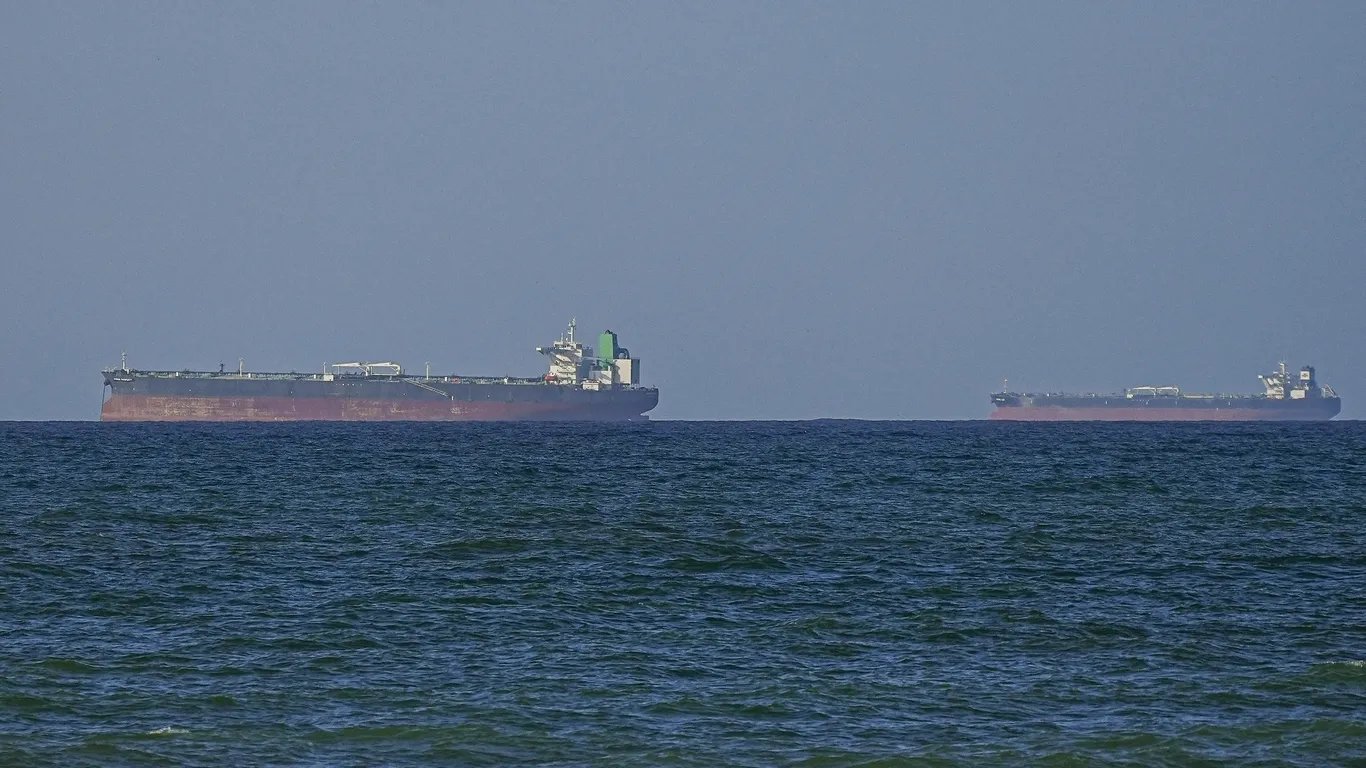
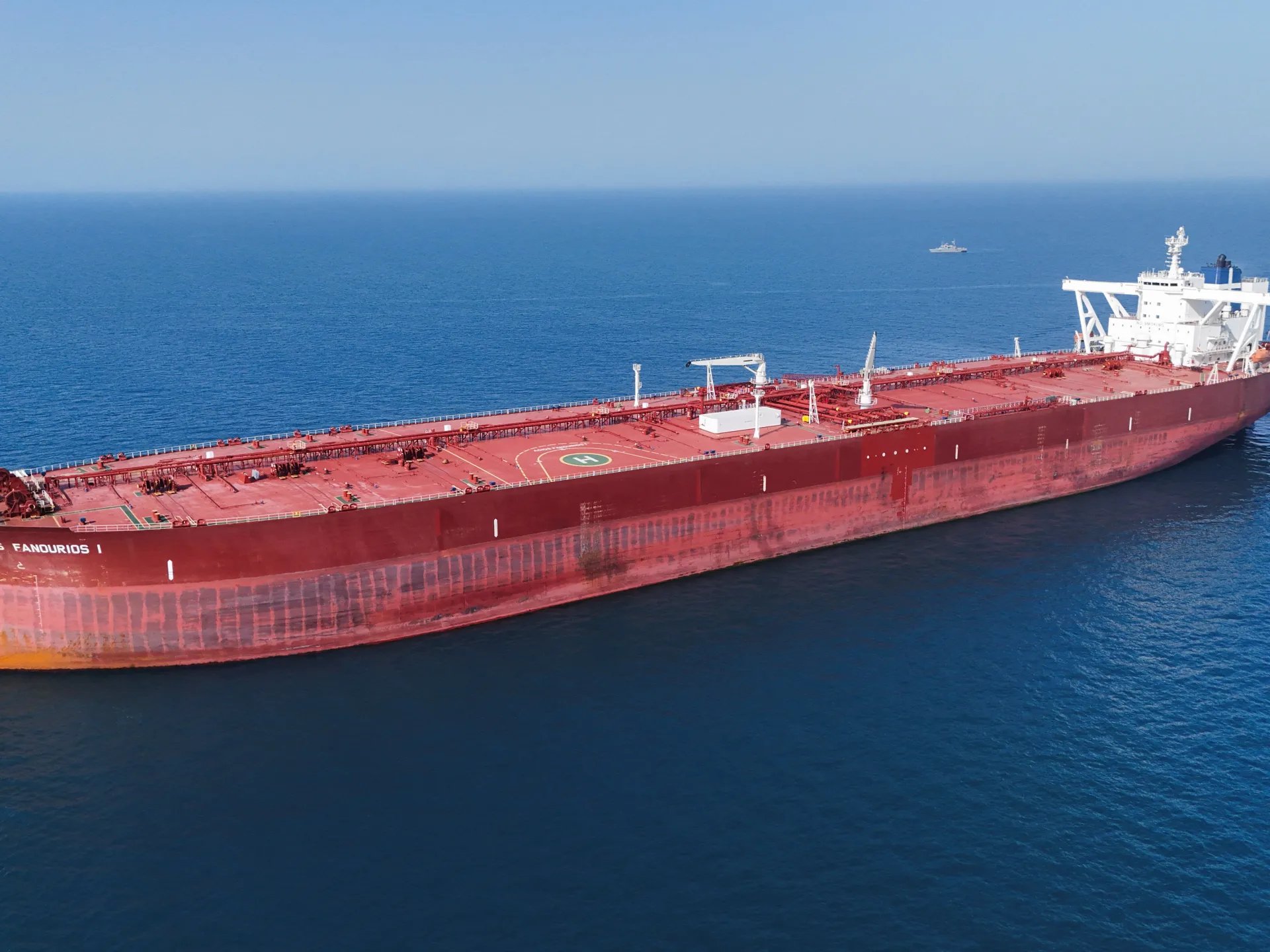
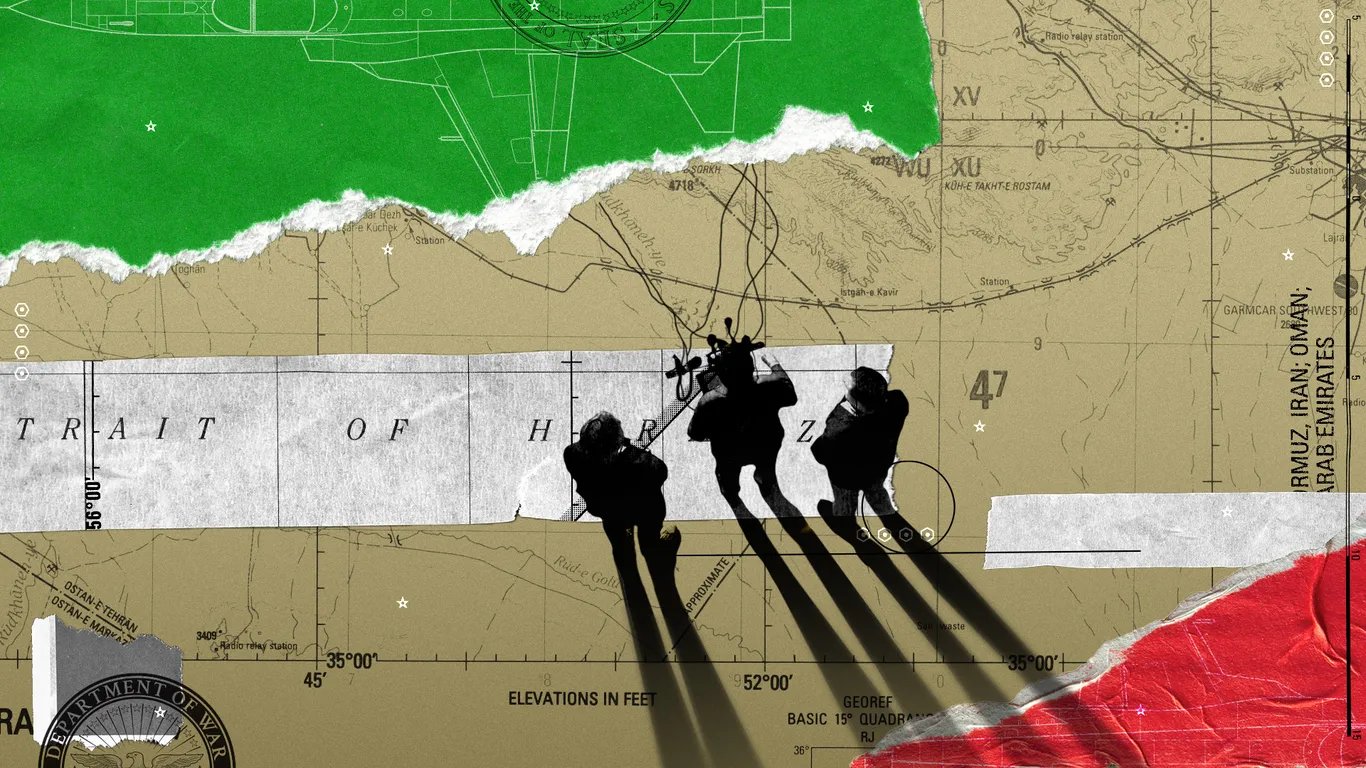
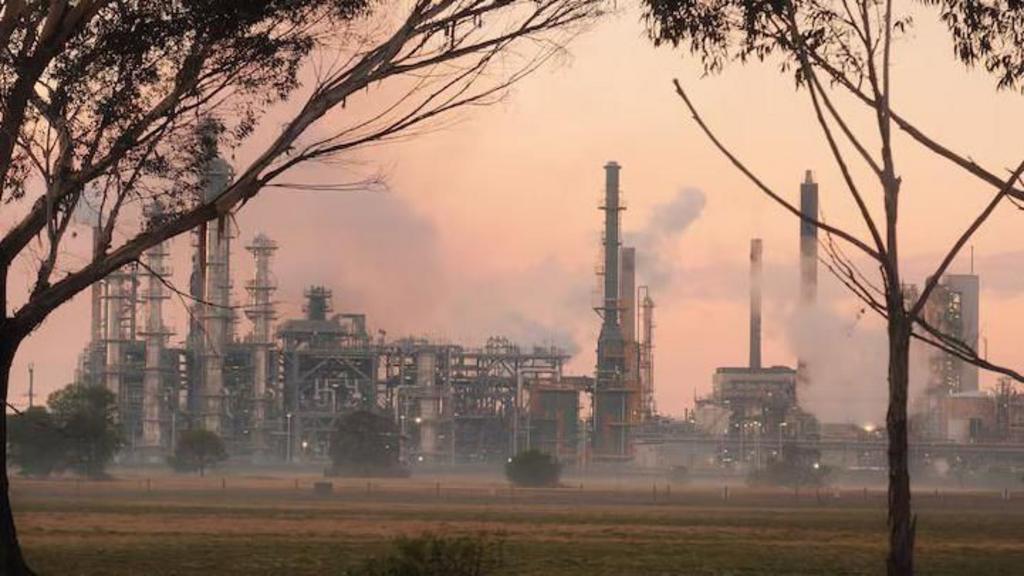
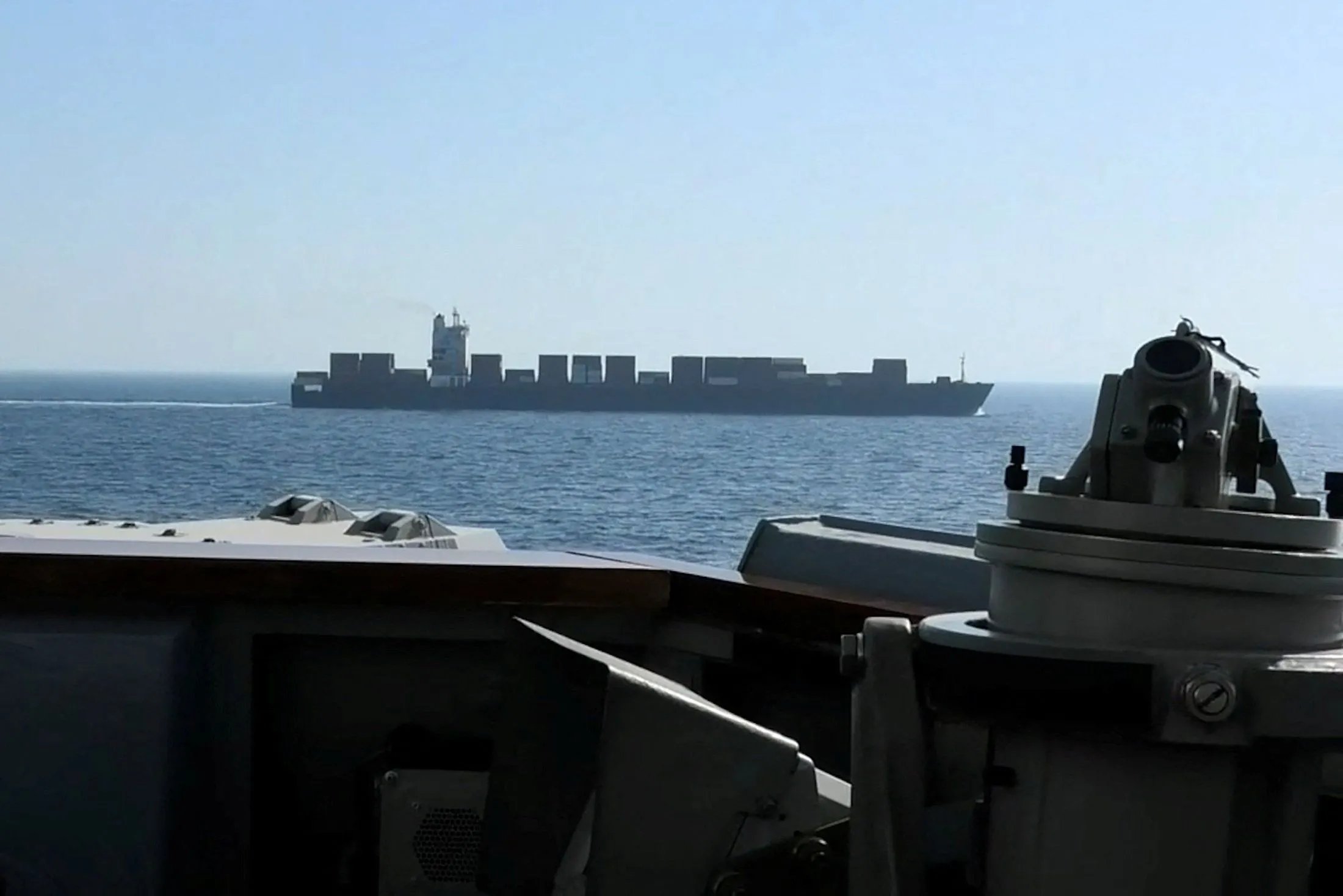
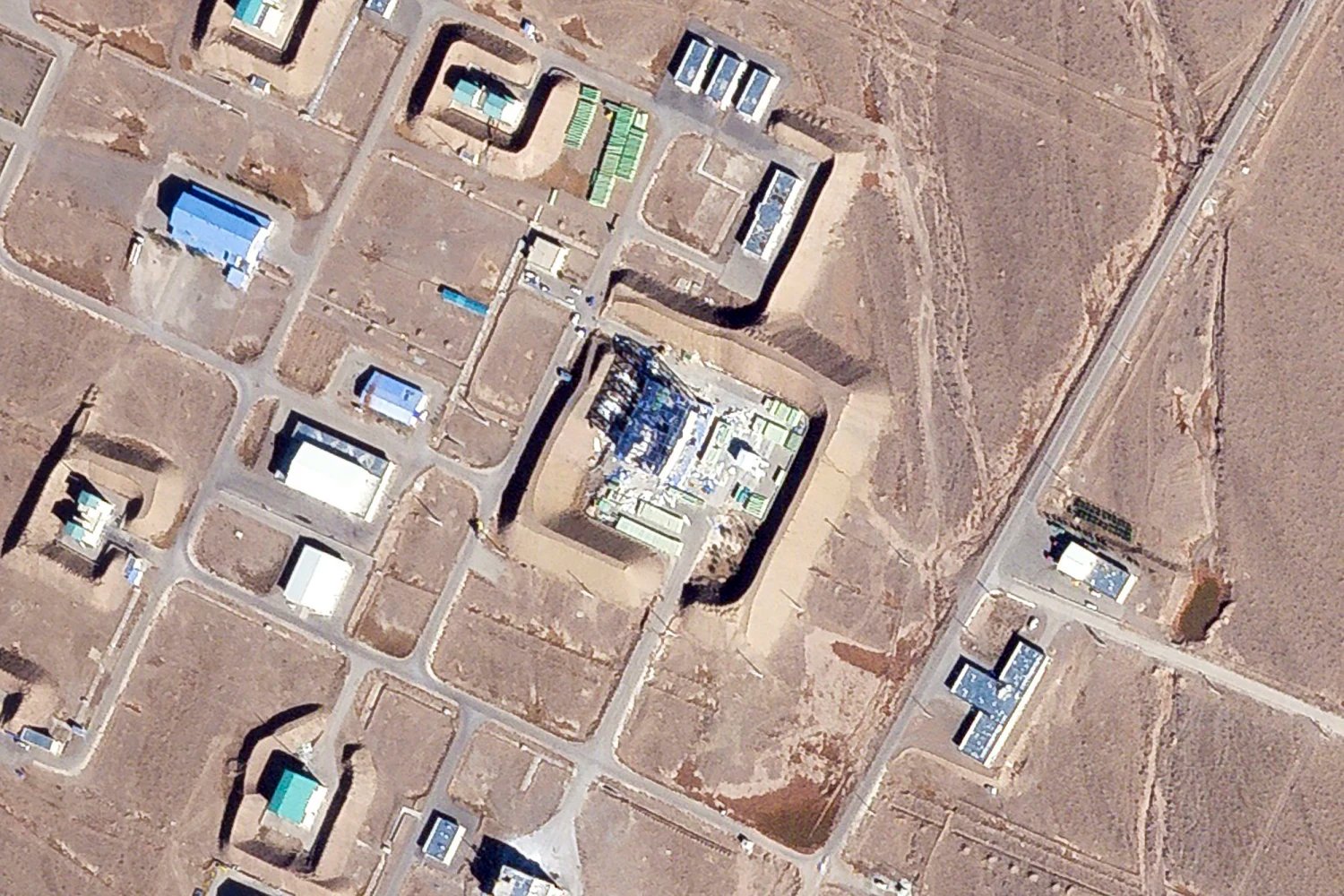
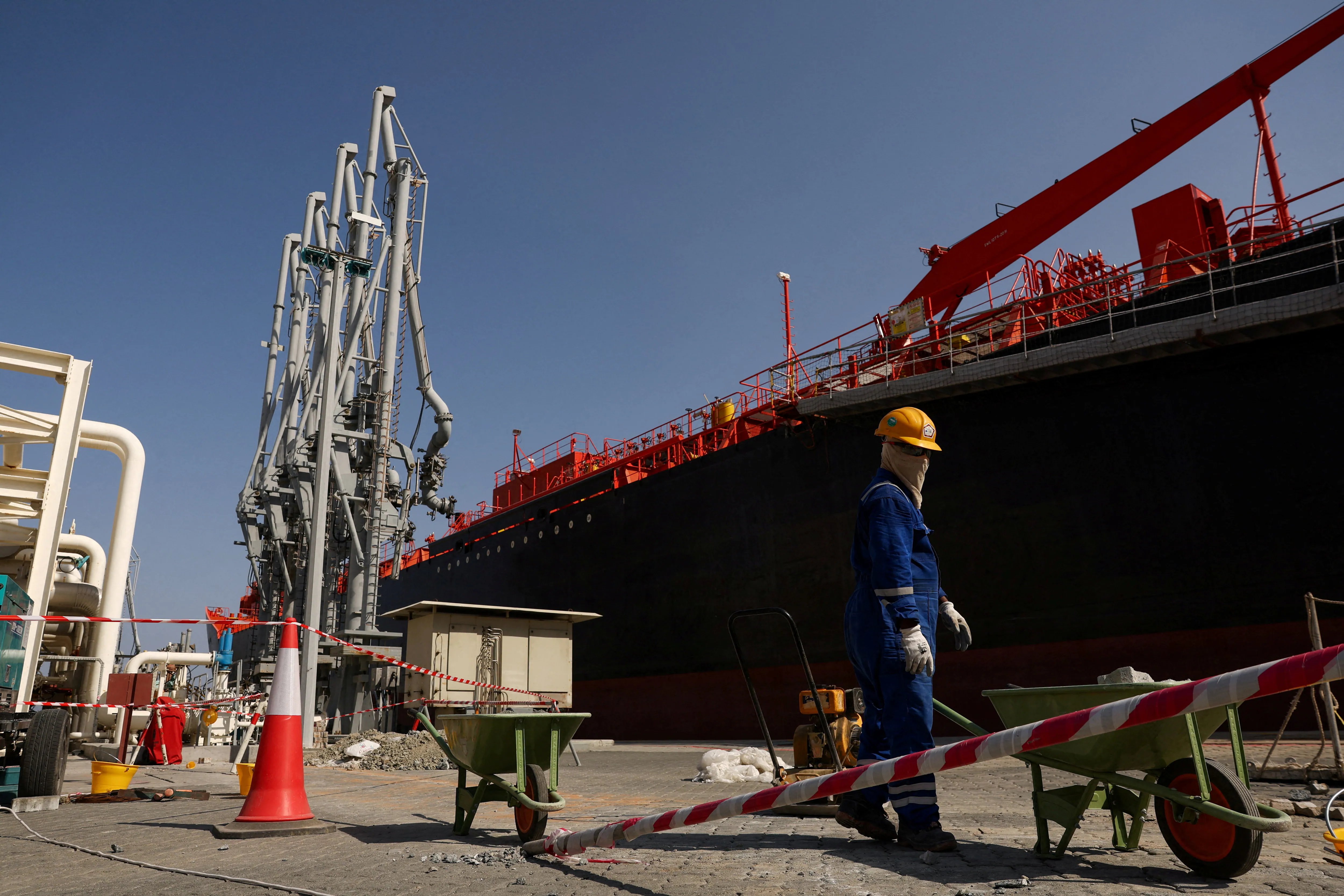
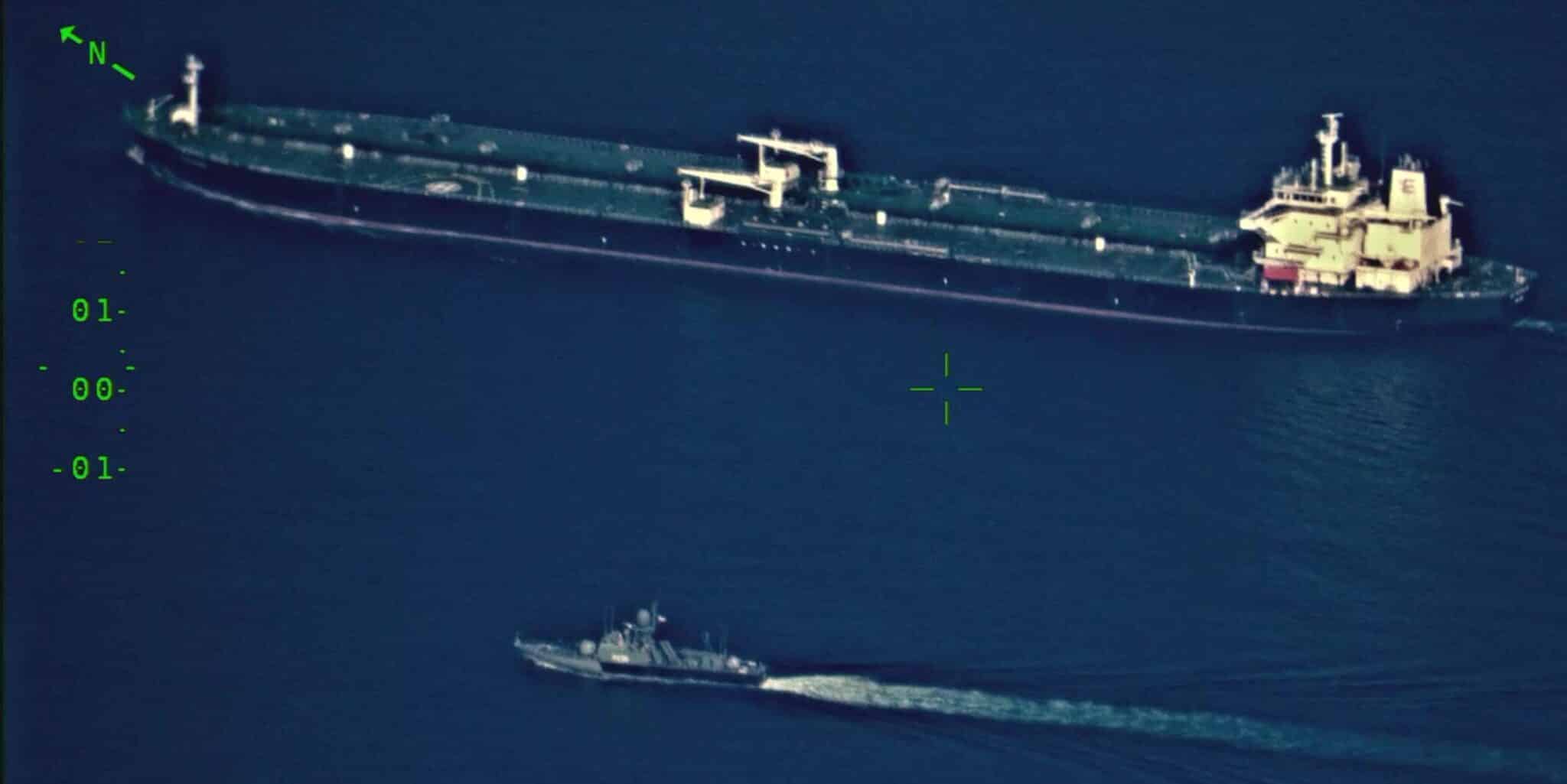
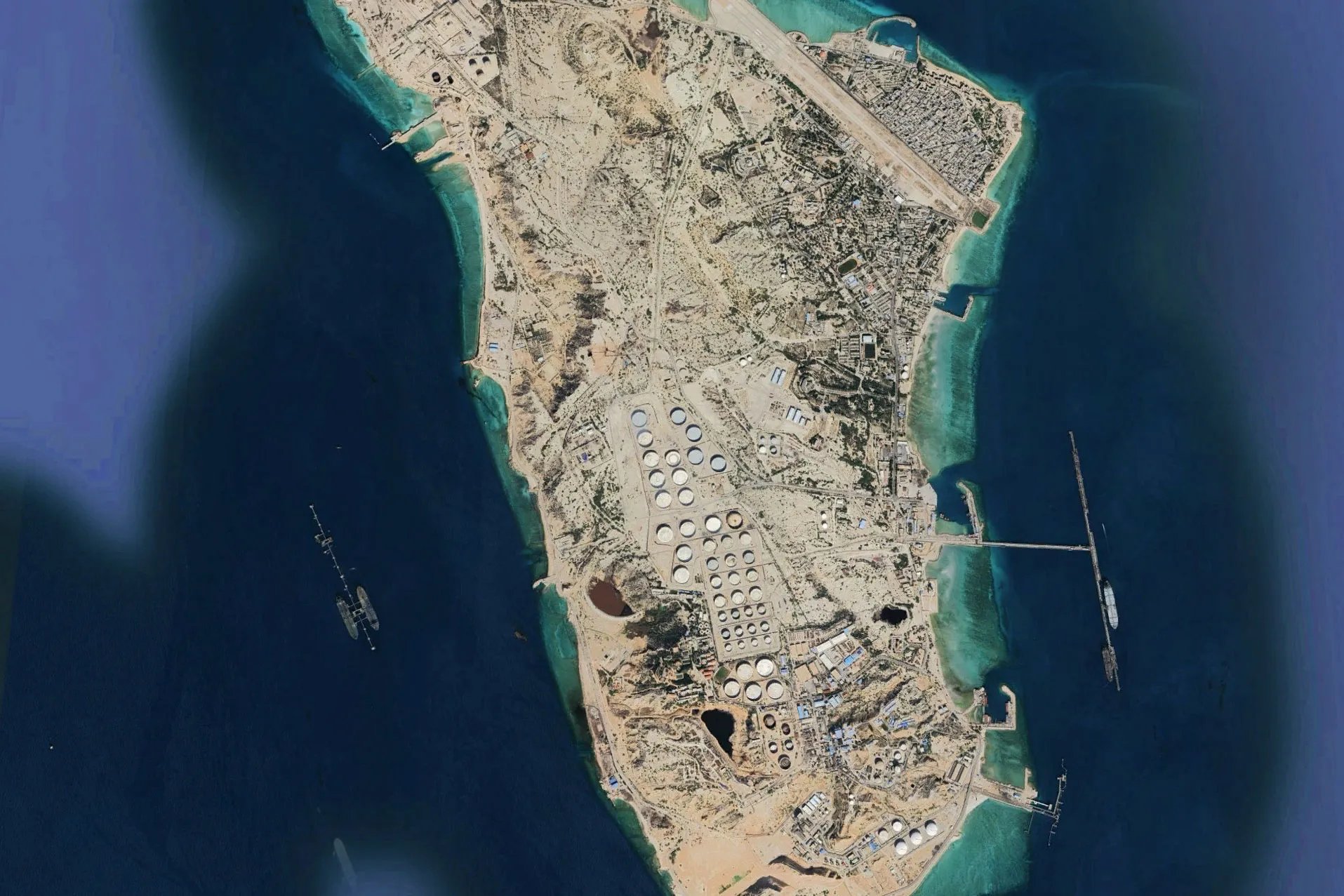
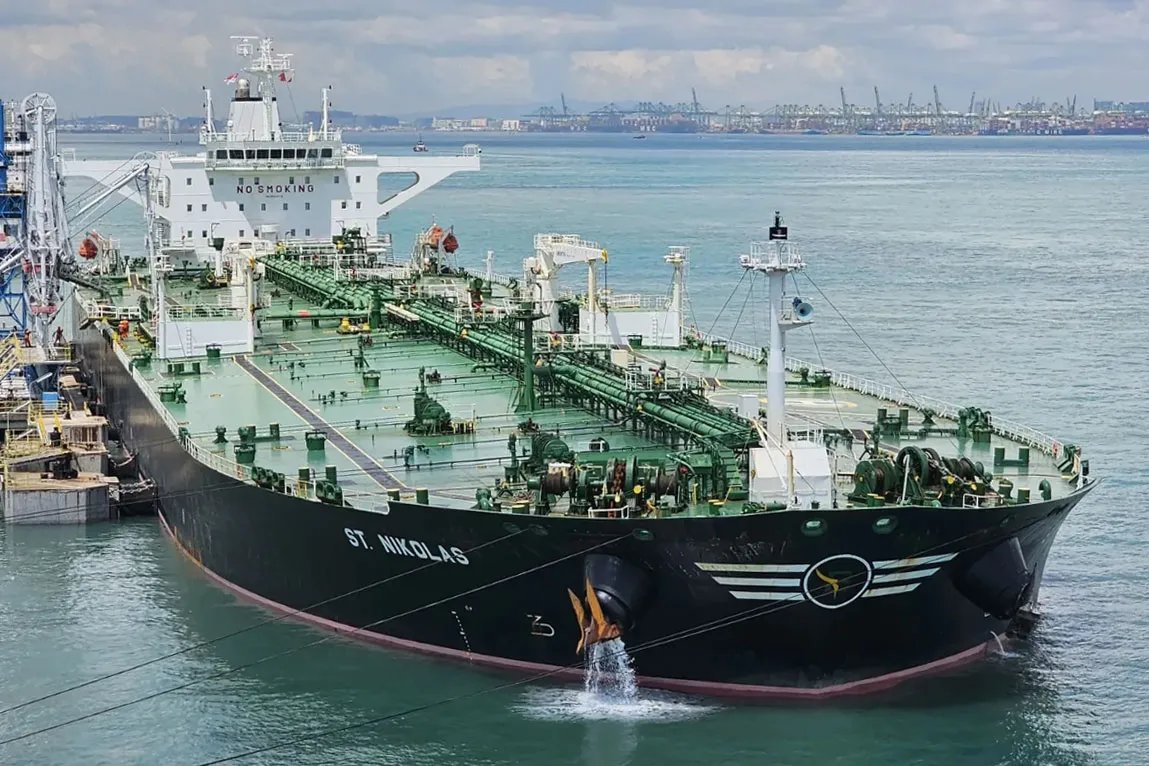
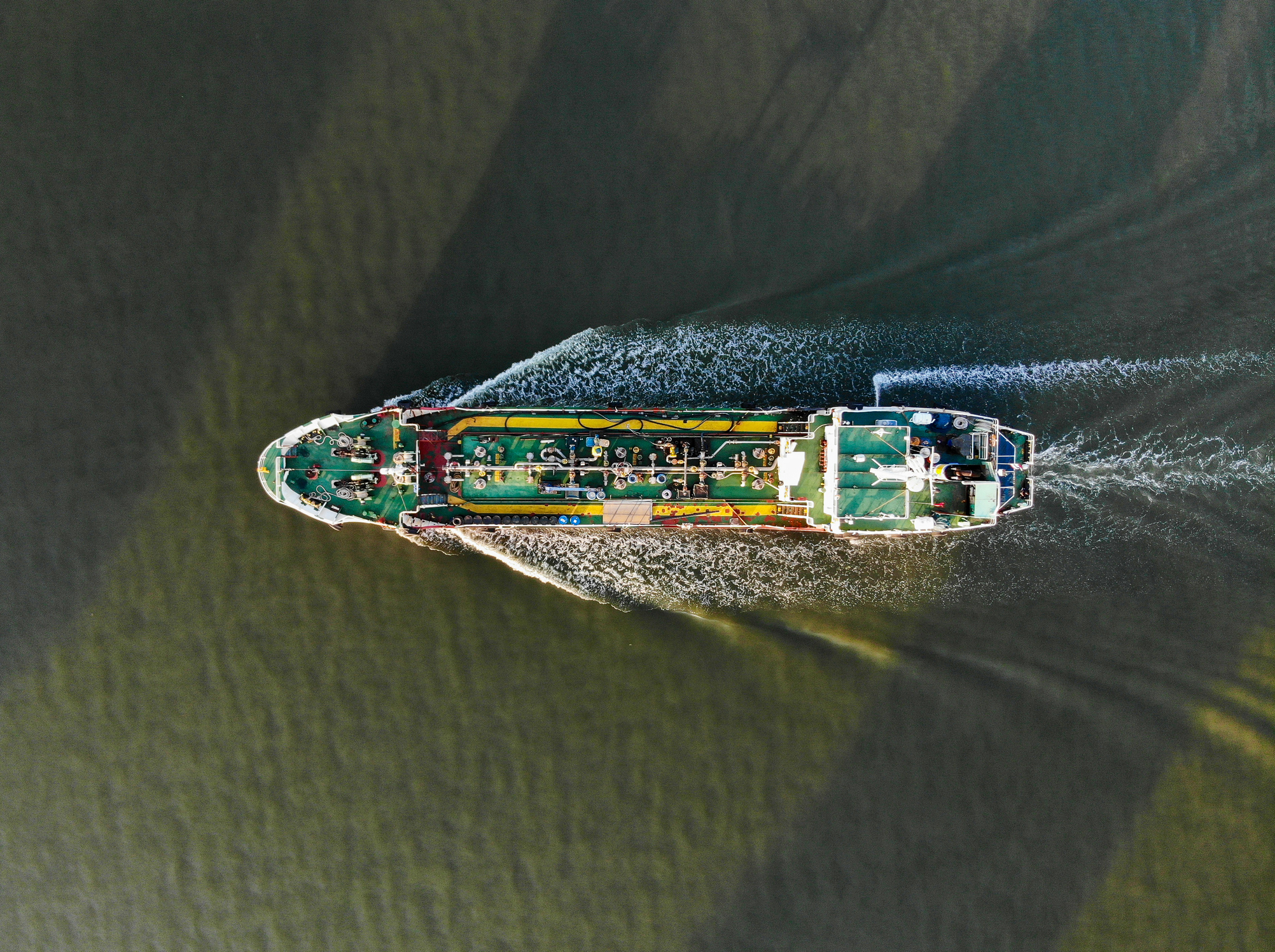
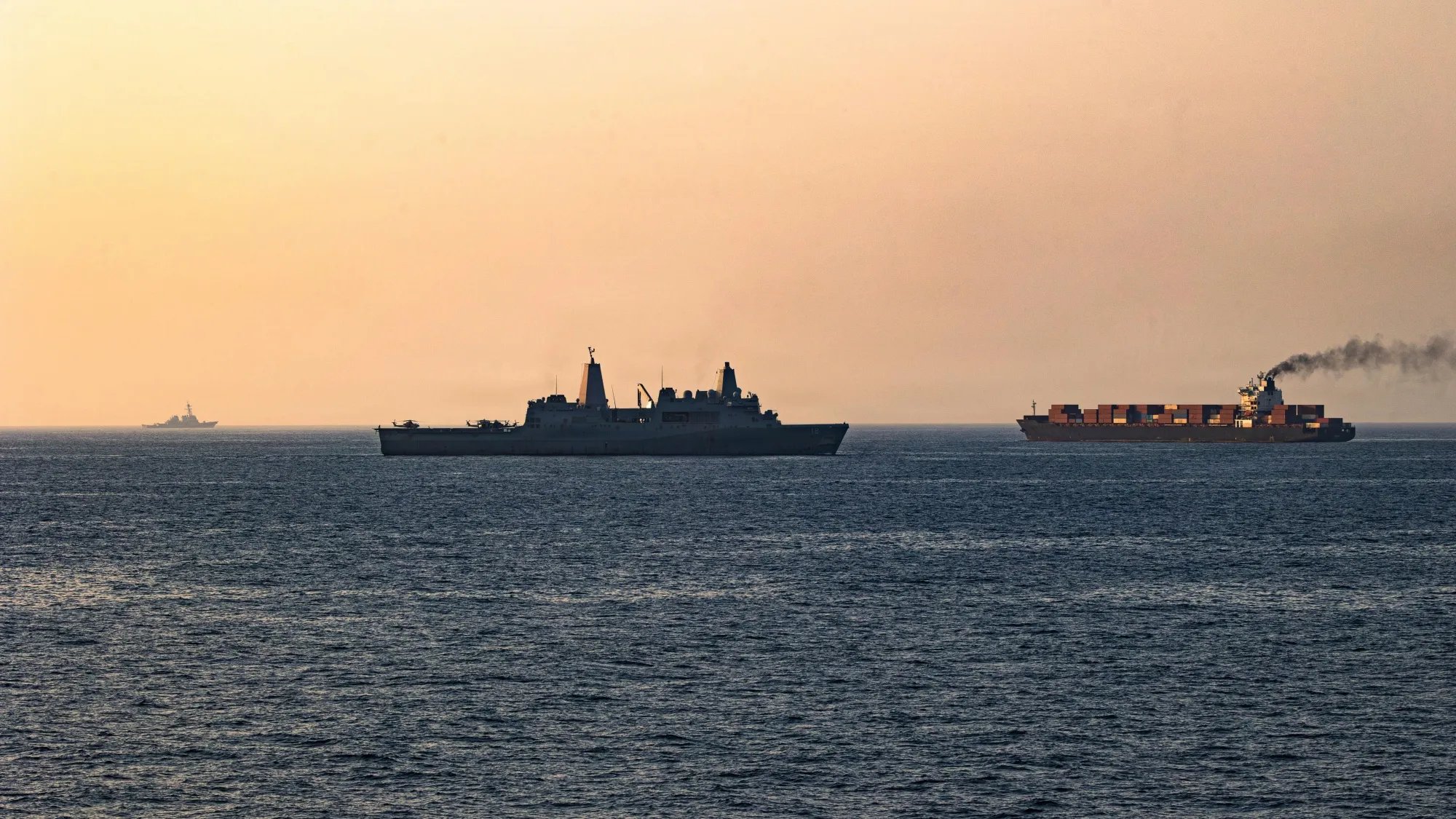
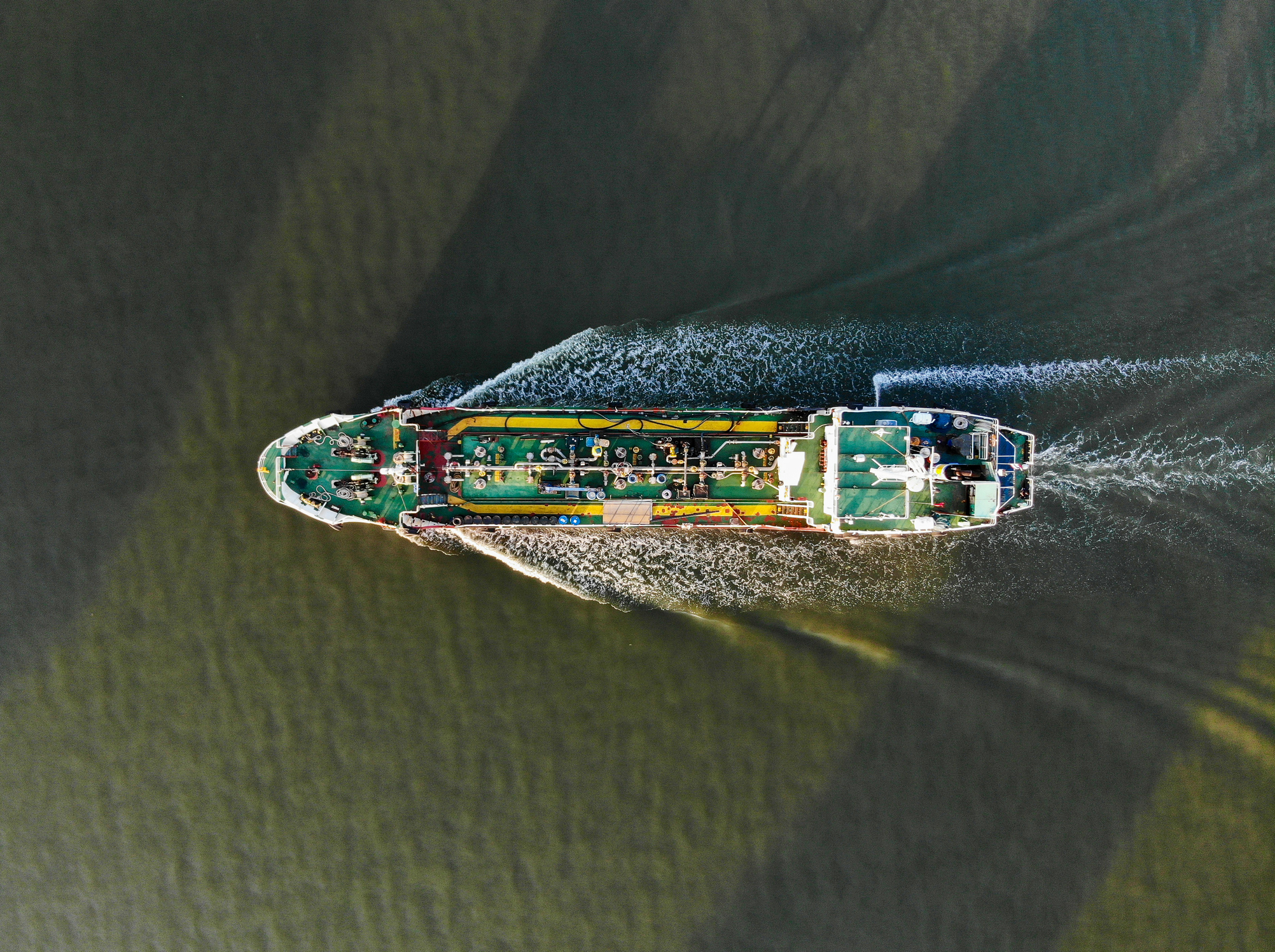
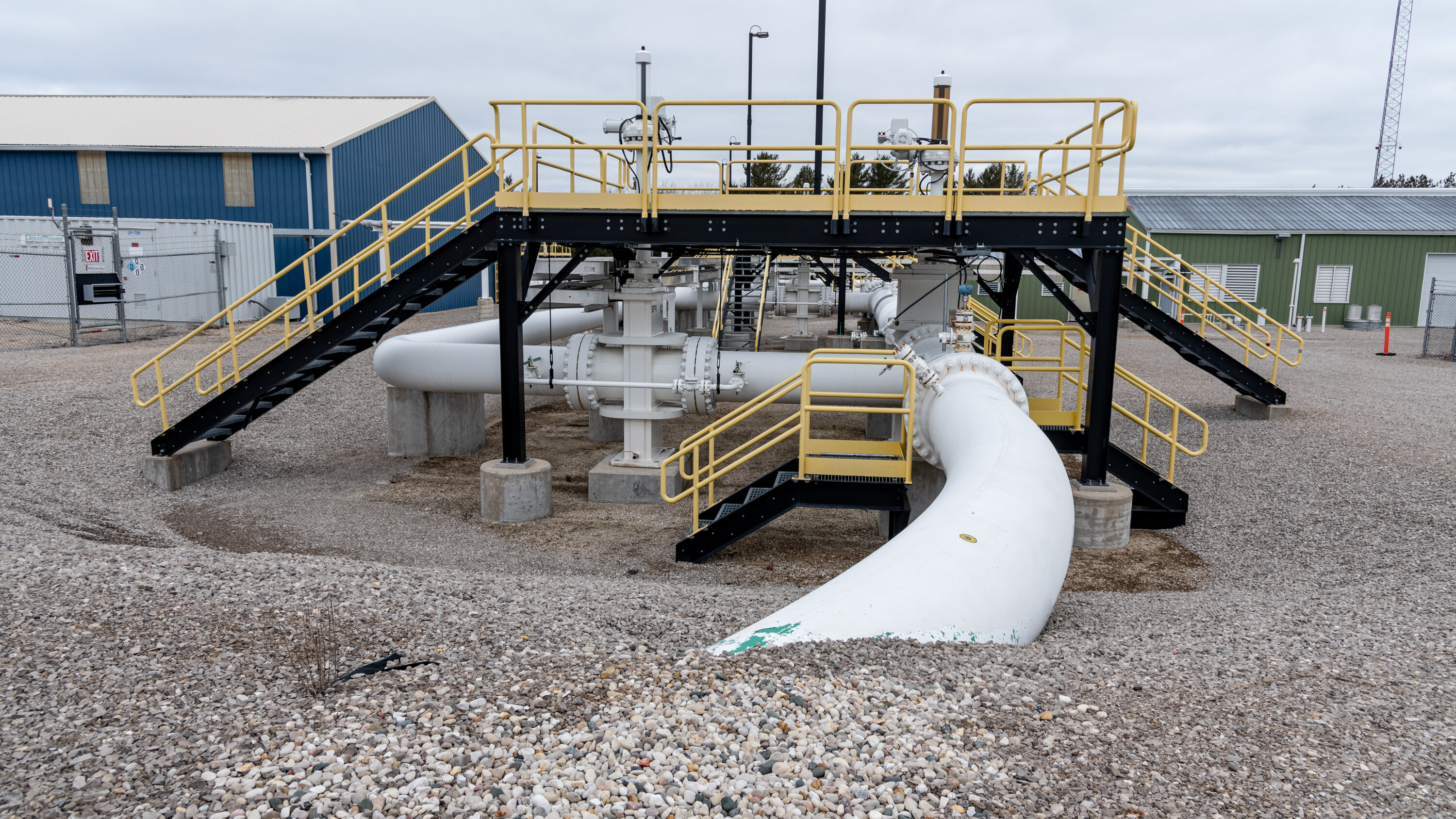
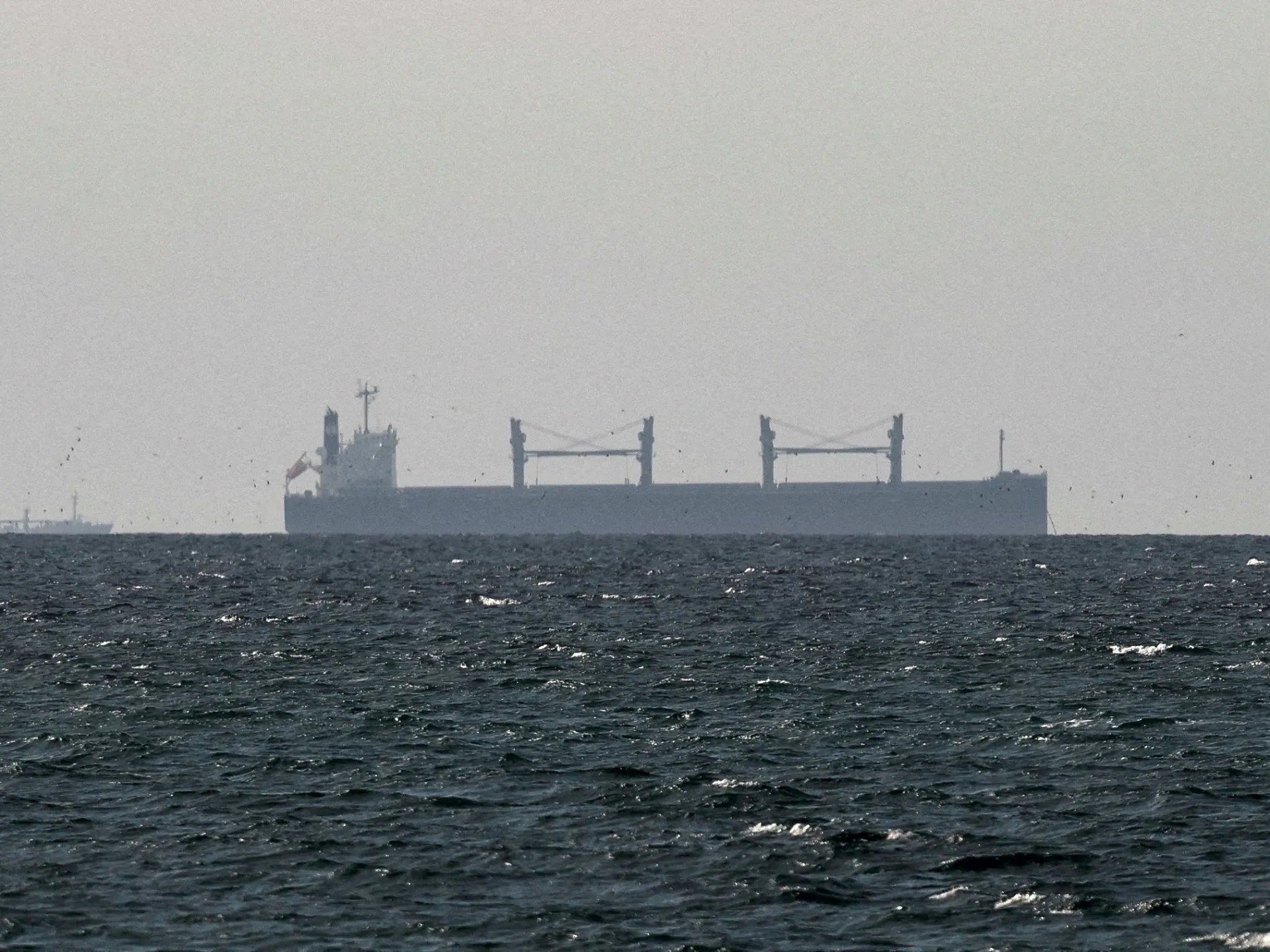
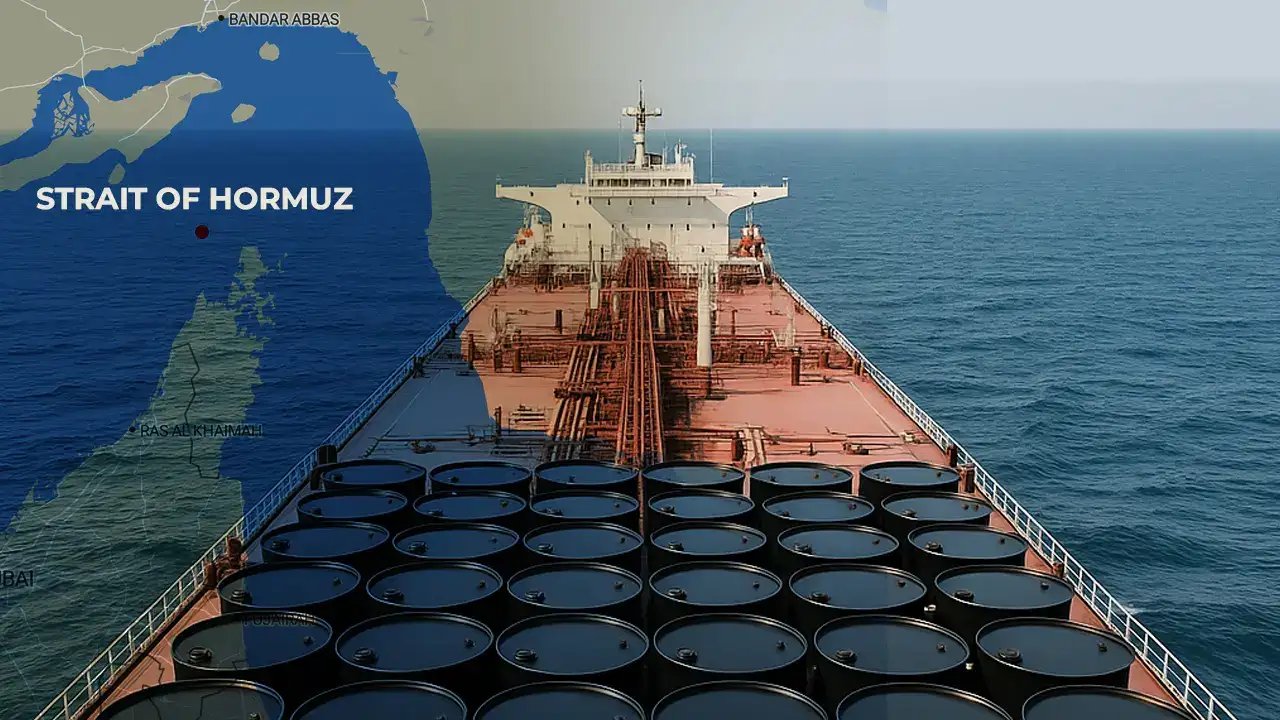
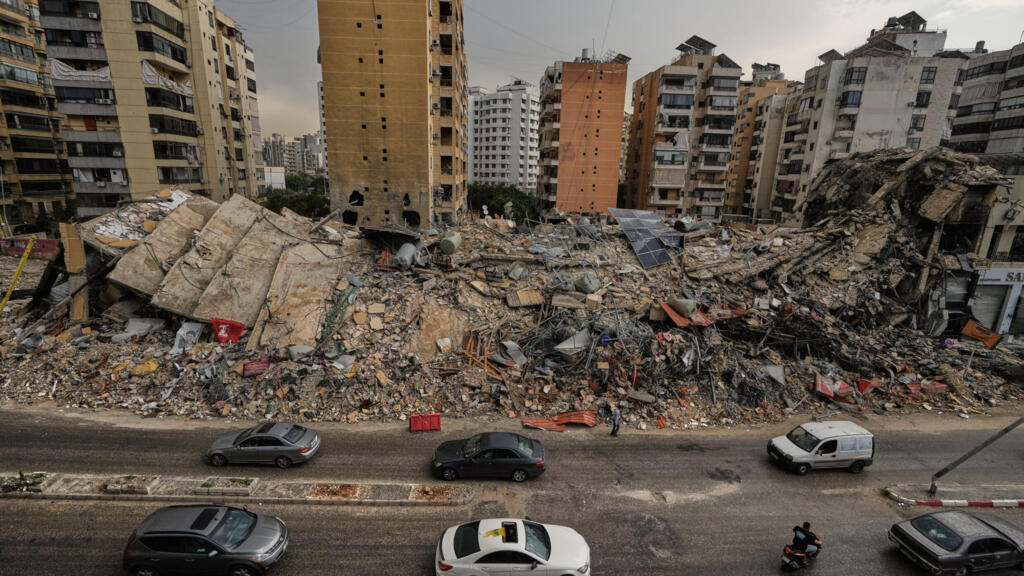
Oil prices fluctuated amid speculation that a U.S.-Iran peace agreement could lead to the swift restoration of oil flow through the Strait of Hormuz. However, the UAE's oil giant anticipates no full resumption of Hormuz flows until the first half of 2027. Despite the Hormuz disruption, OPEC+ leaders are expected to increase the July oil output target.
Geopolitical Impact on Energy
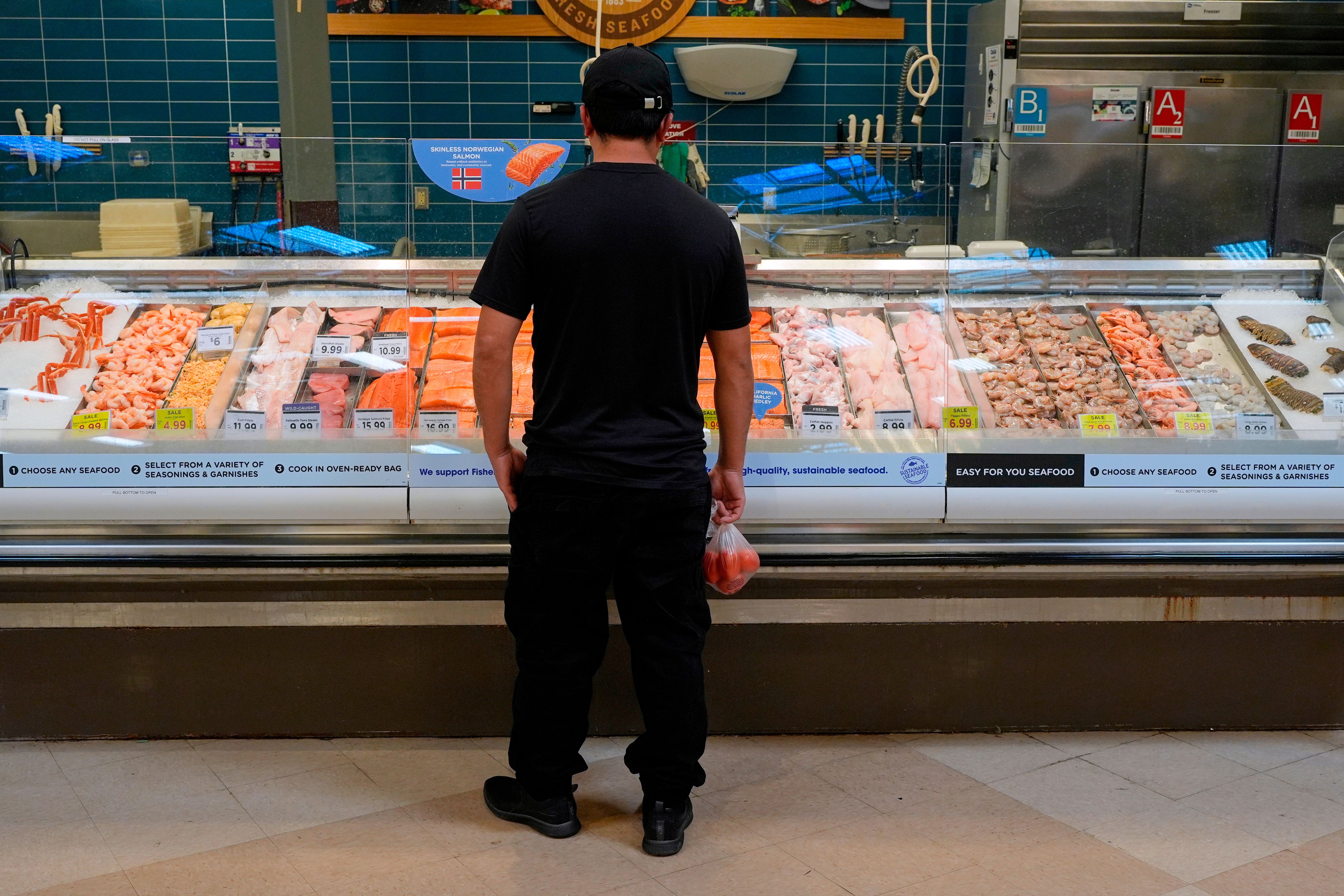
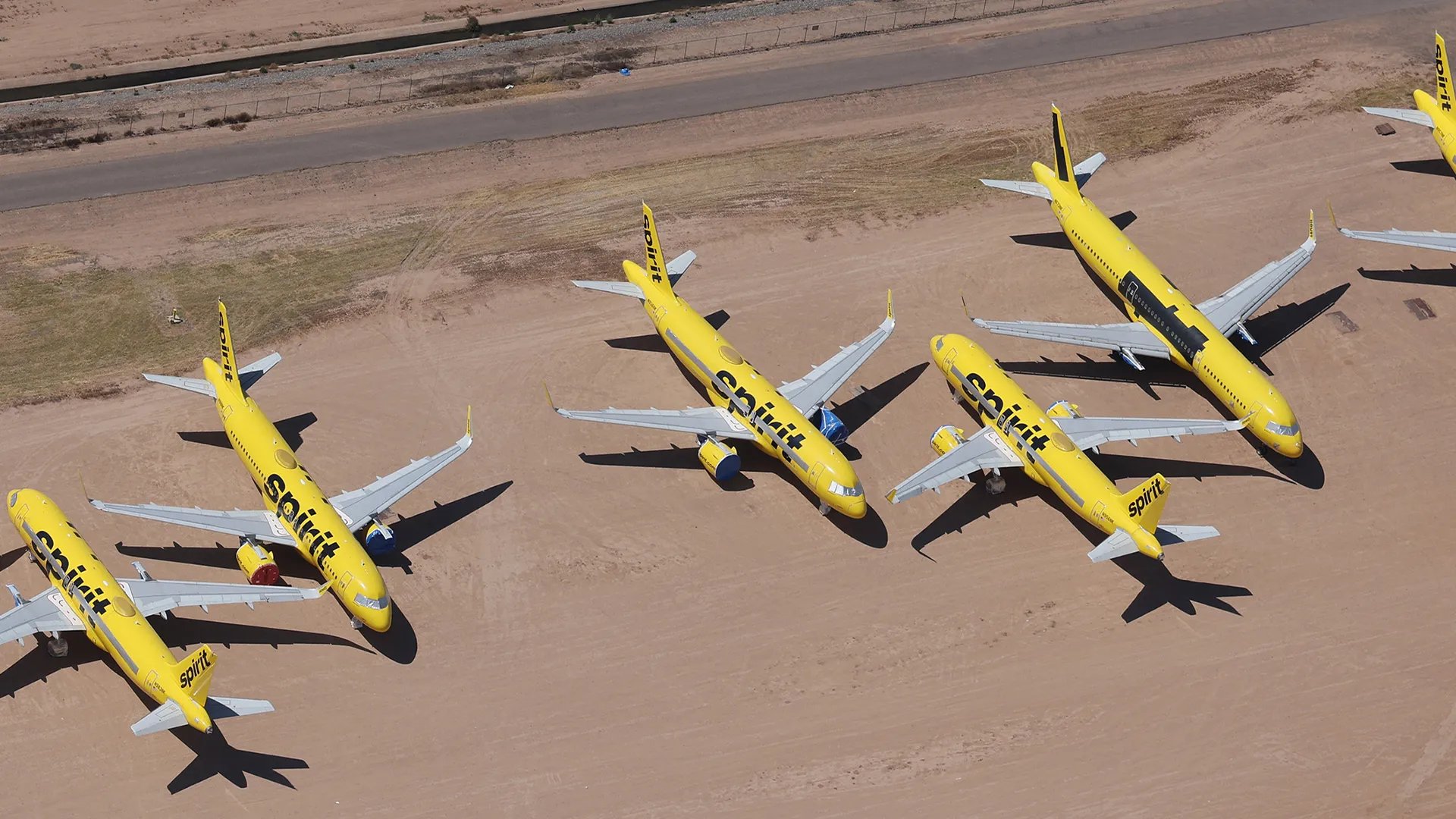
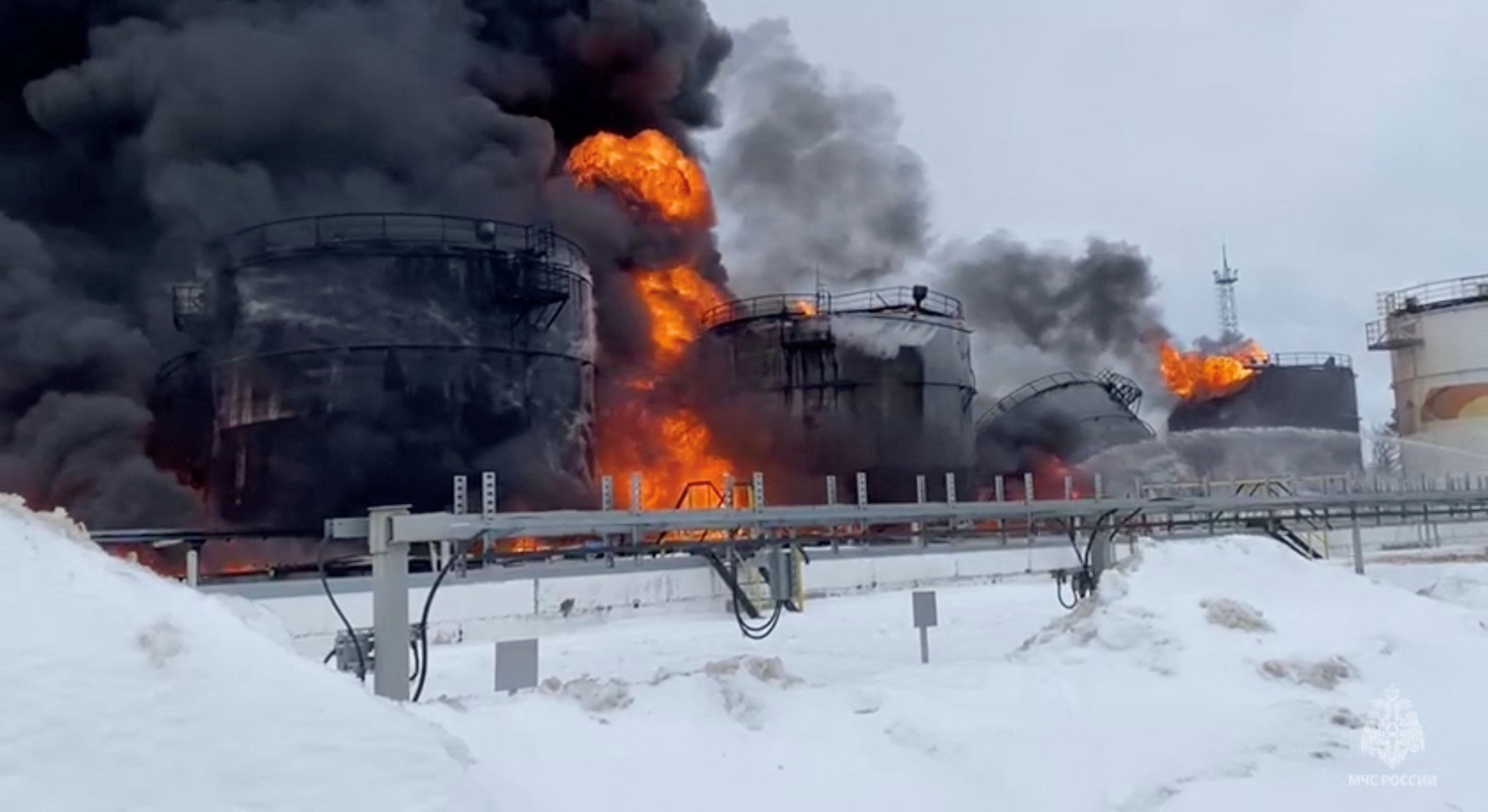
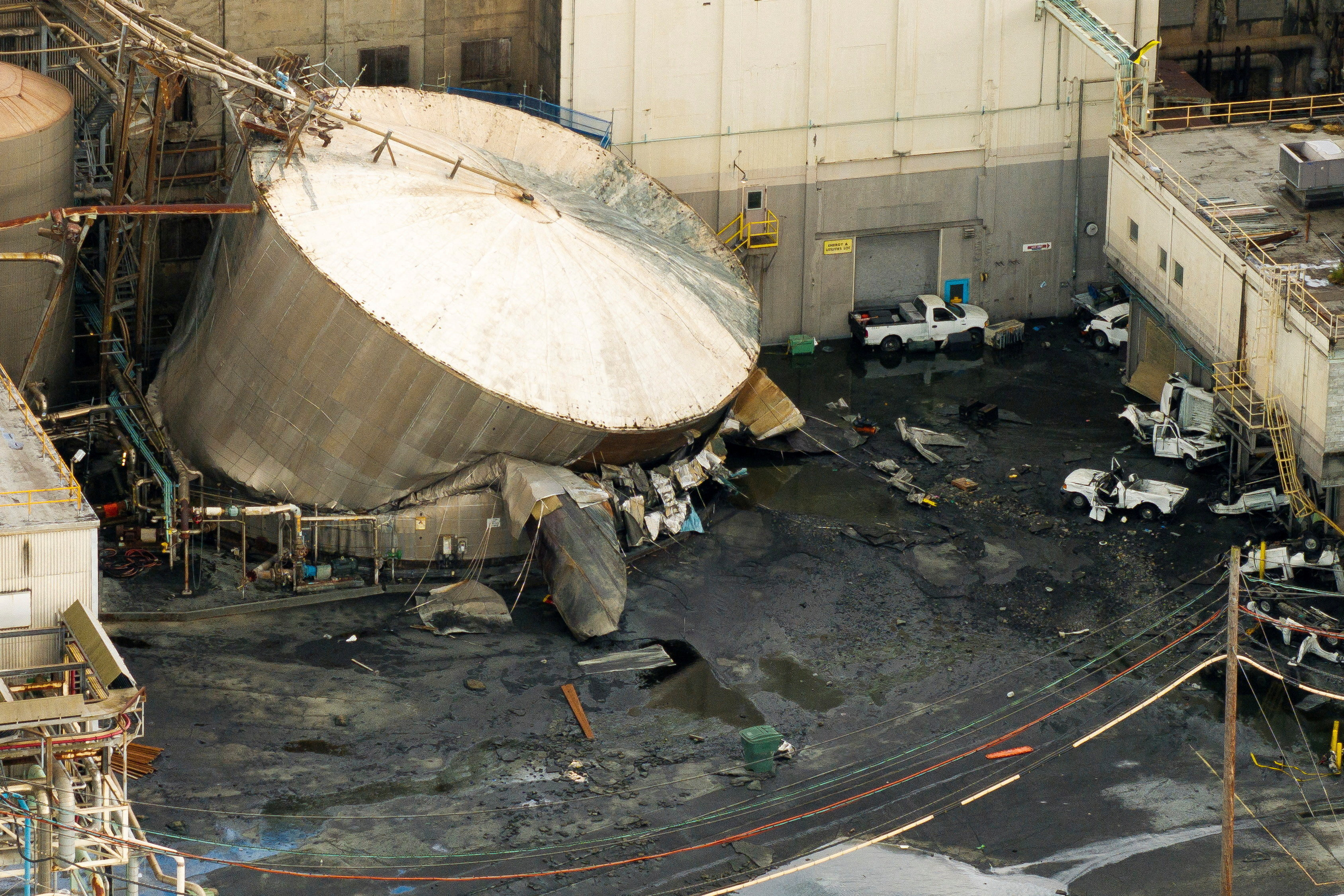
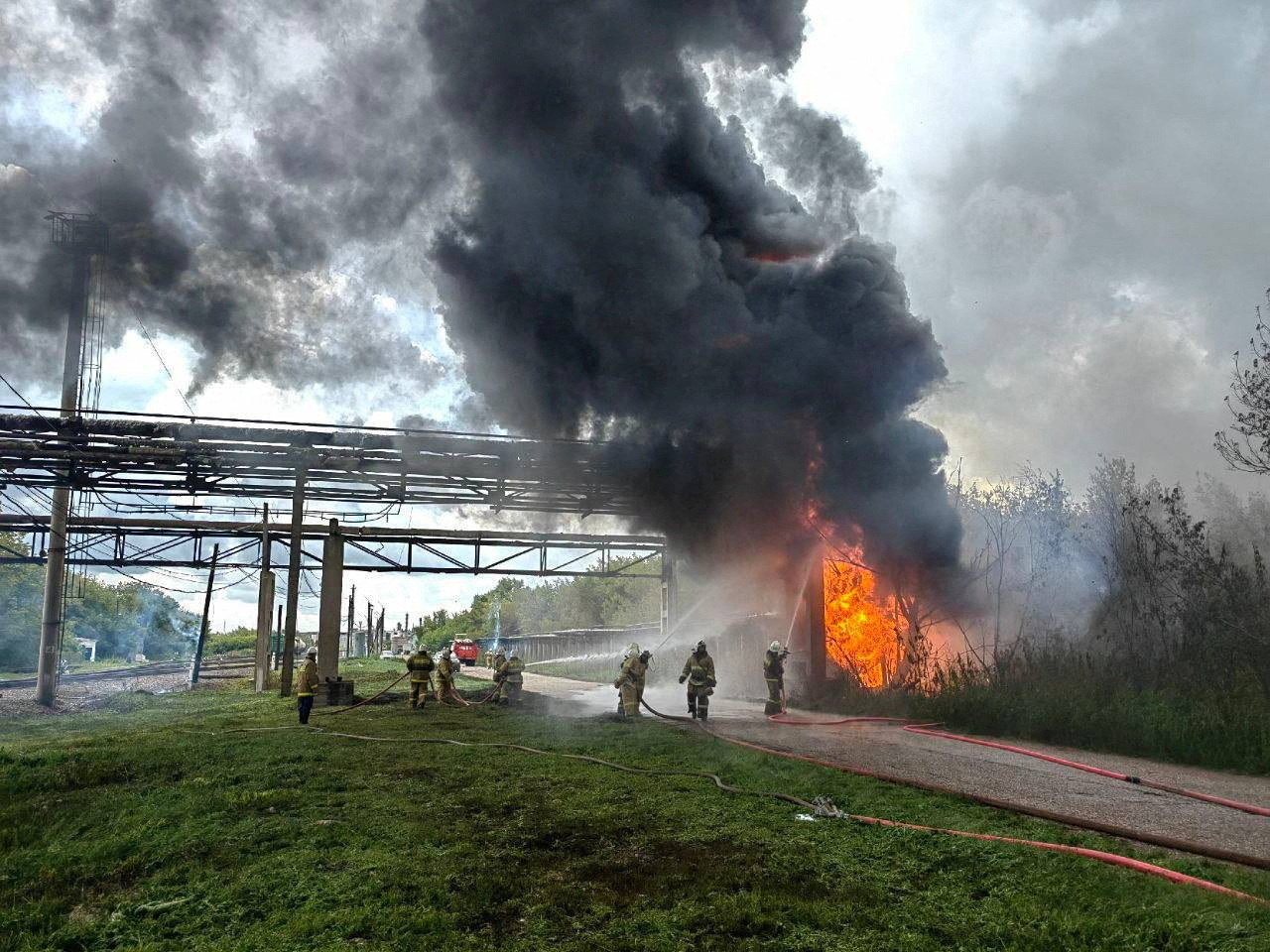
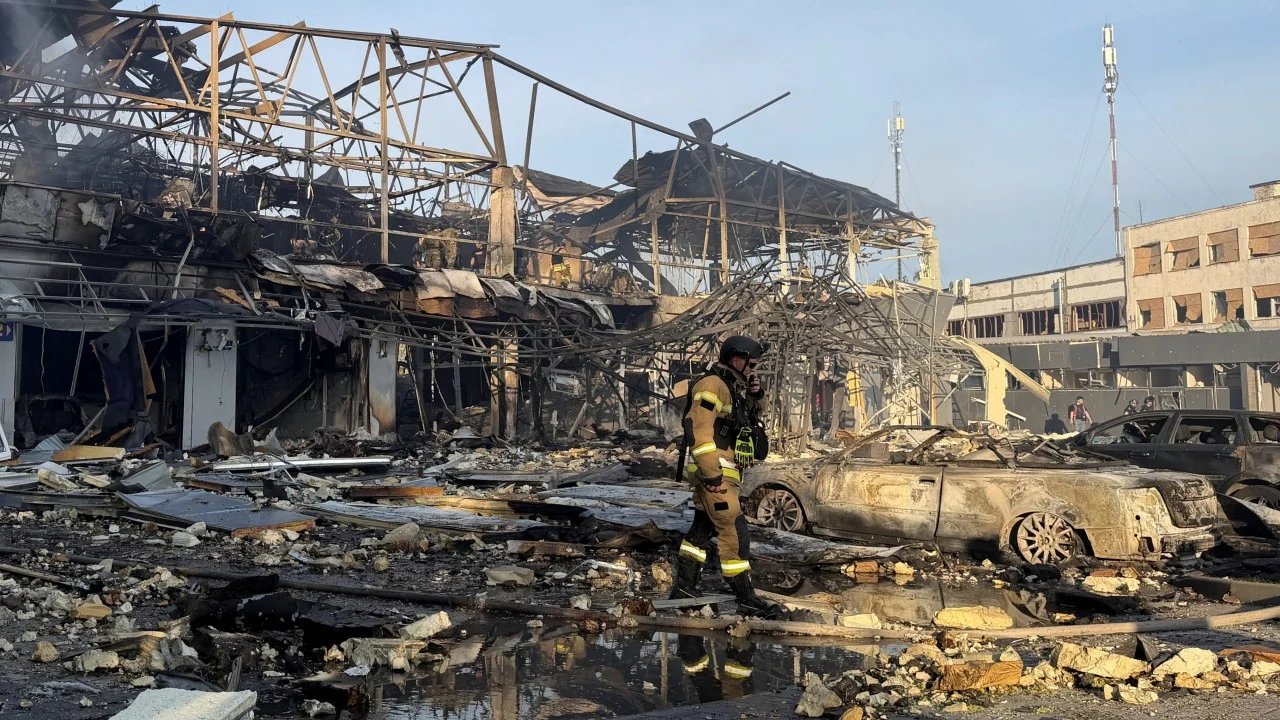
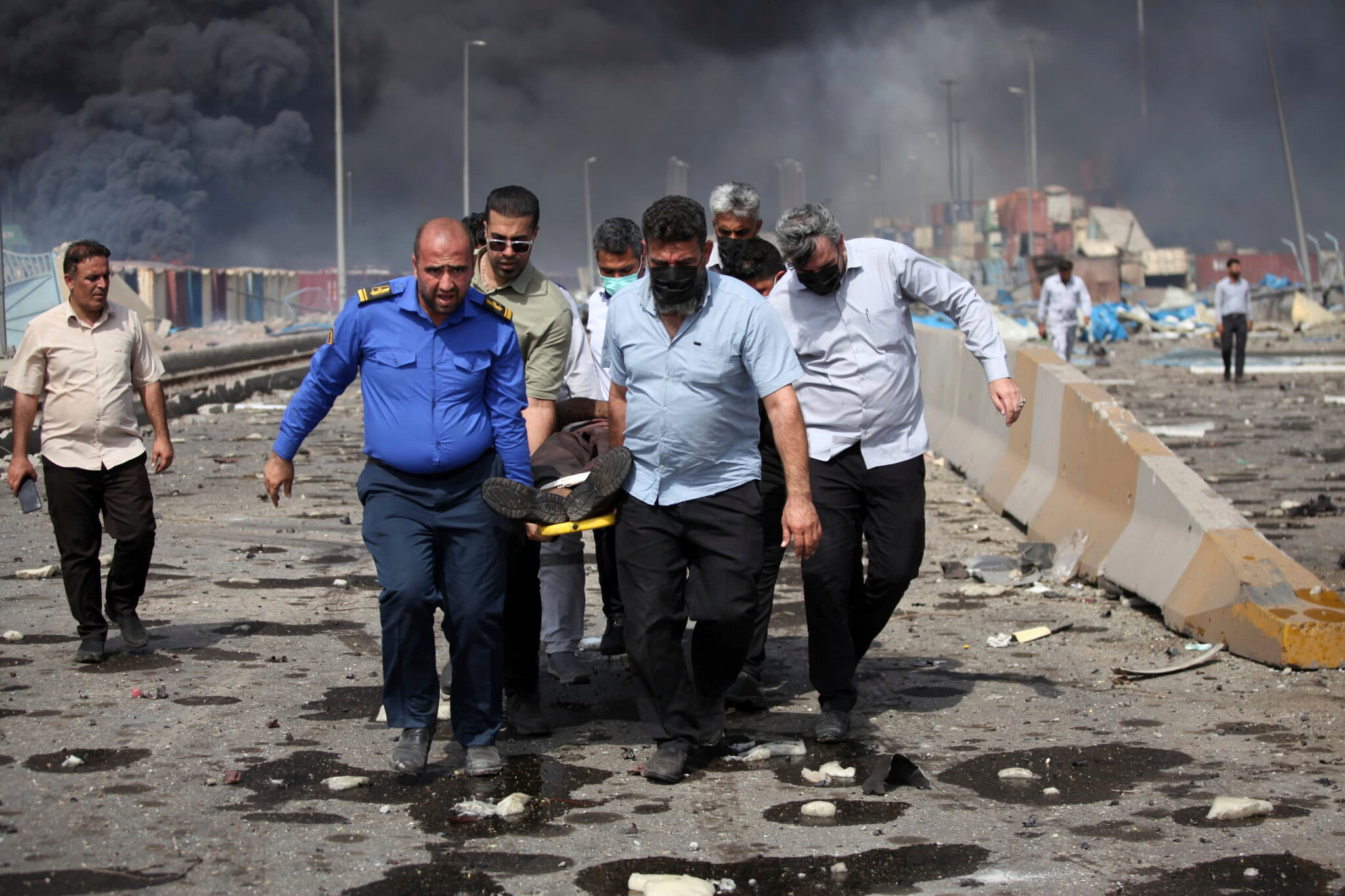
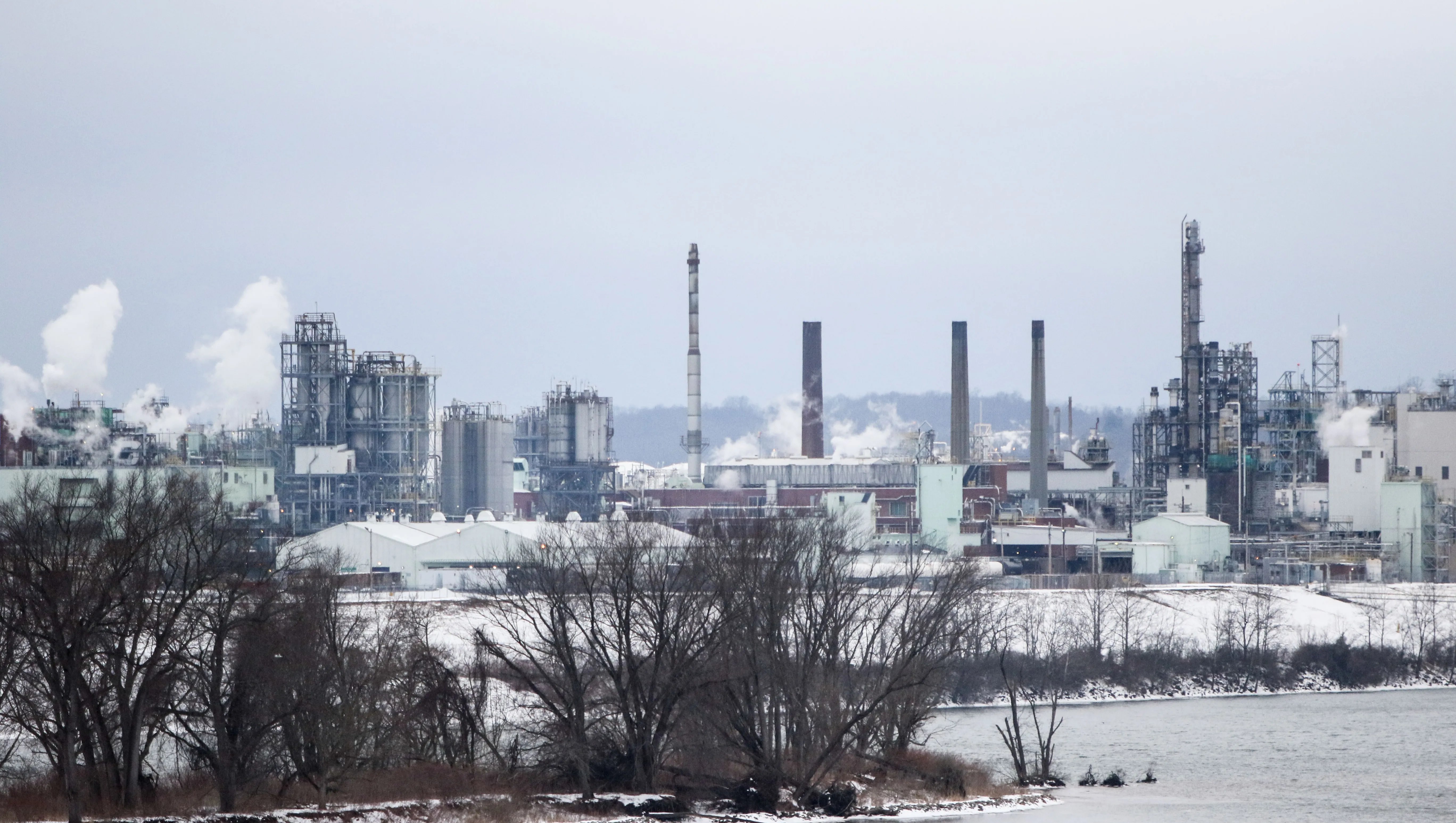
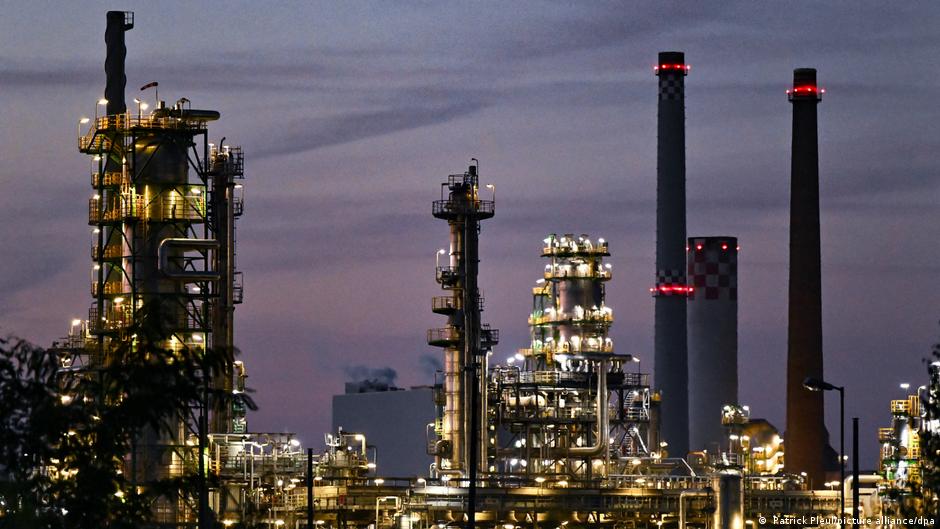
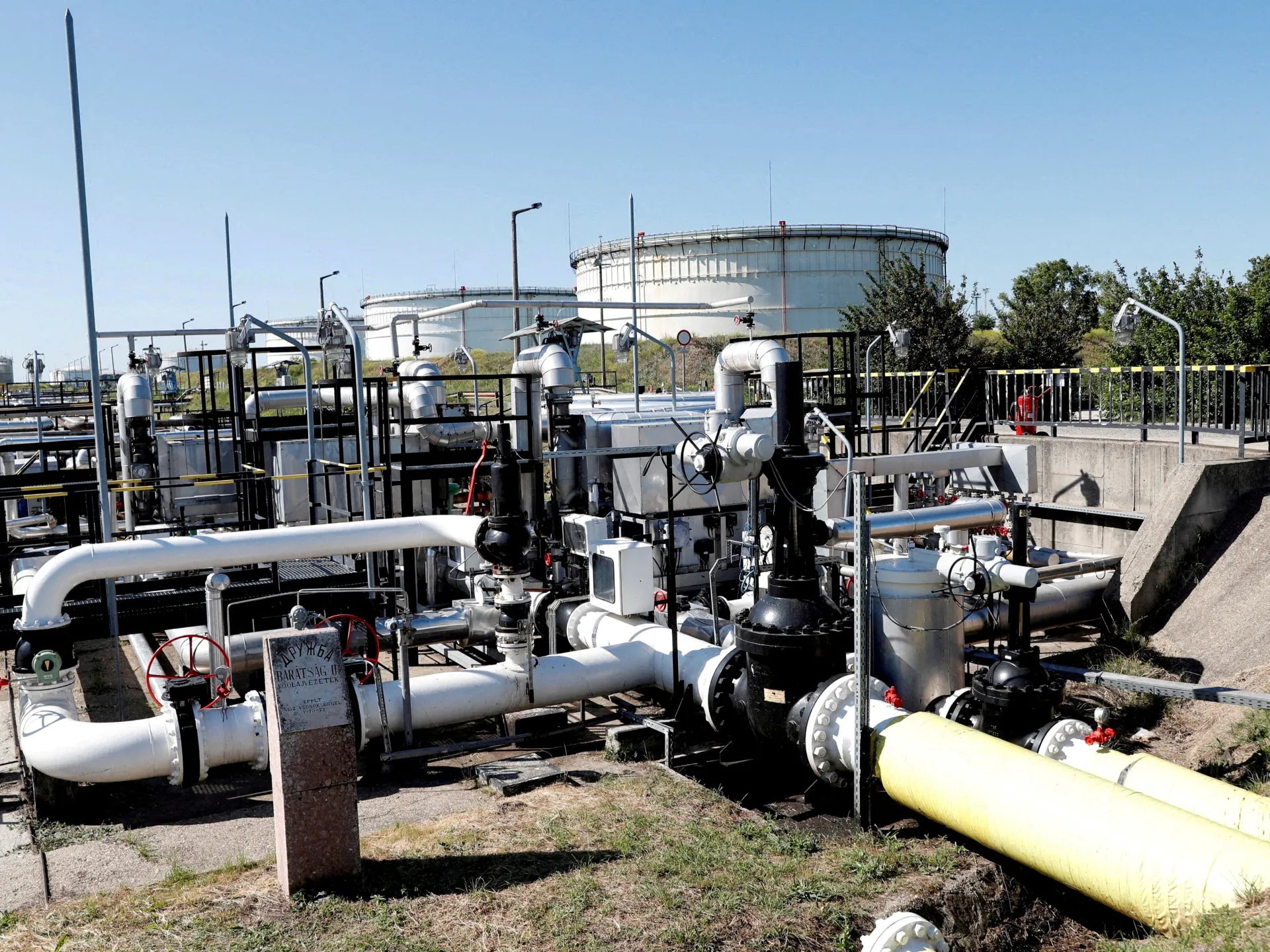
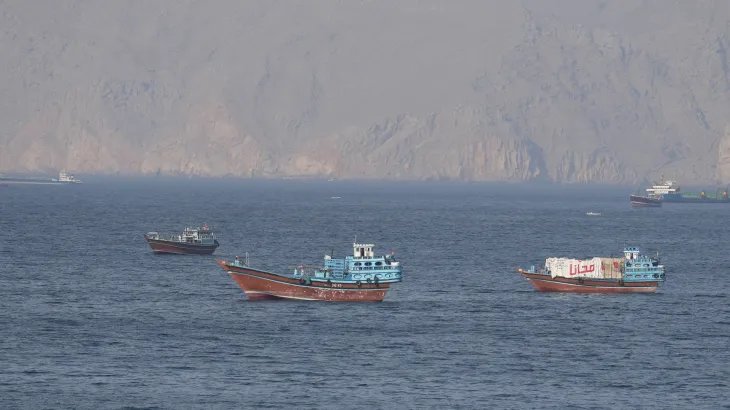
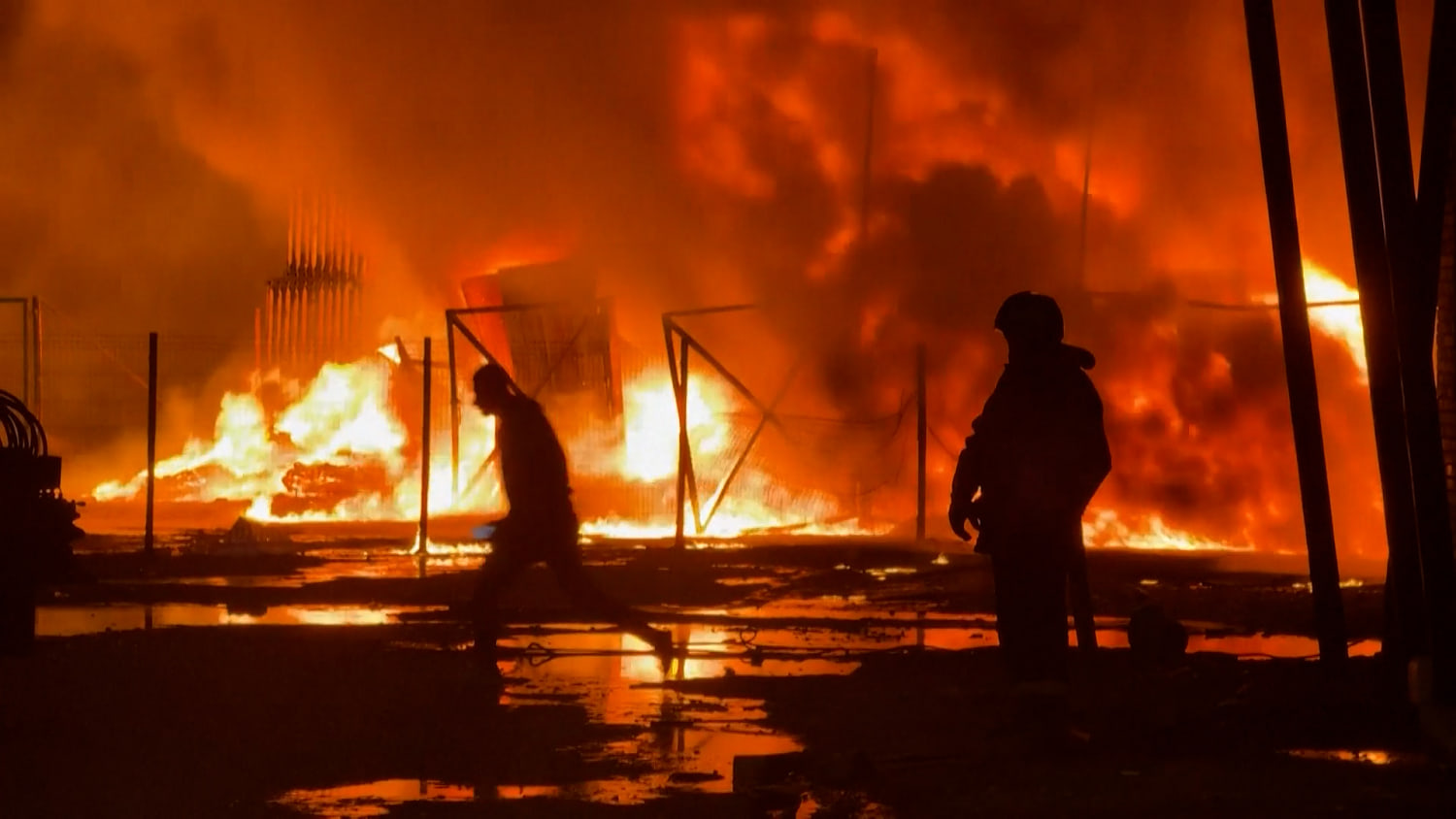
Ukrainian drones struck Russia's Syzran oil refinery, according to Kyiv. The rise in diesel prices due to the Iranian war has caused fishing boats worldwide to remain docked.
Inflationary Pressure
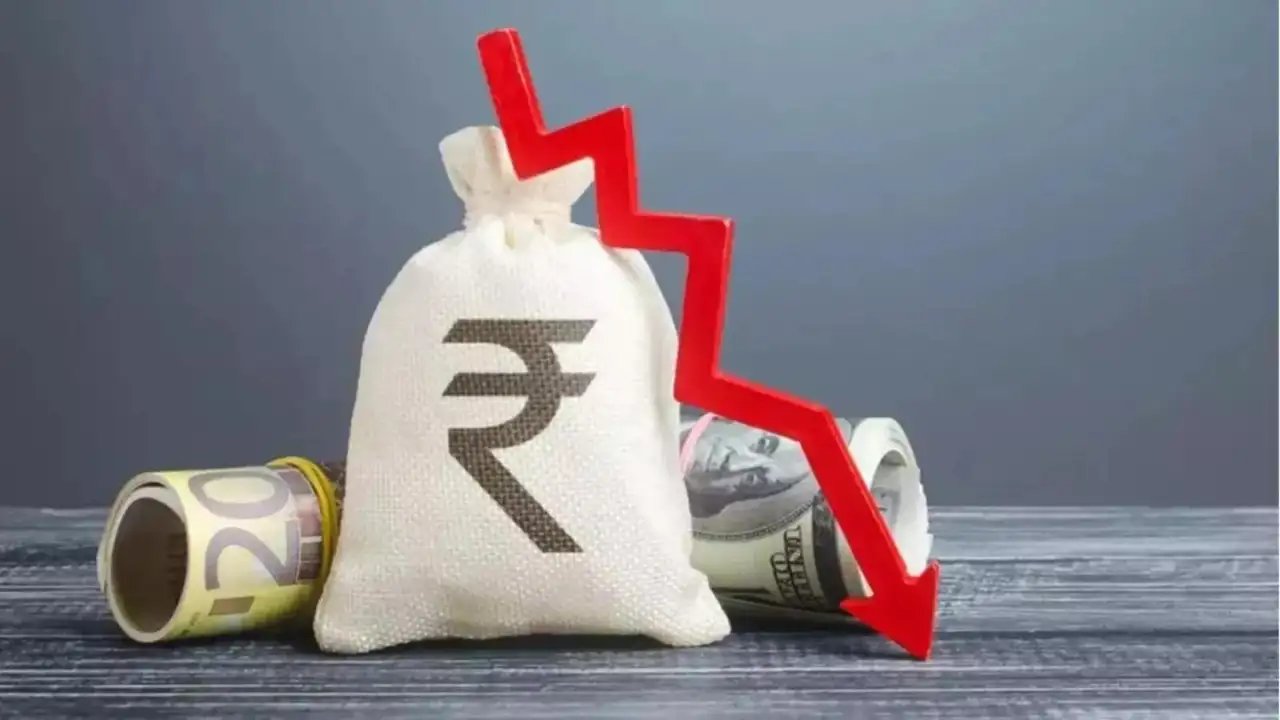
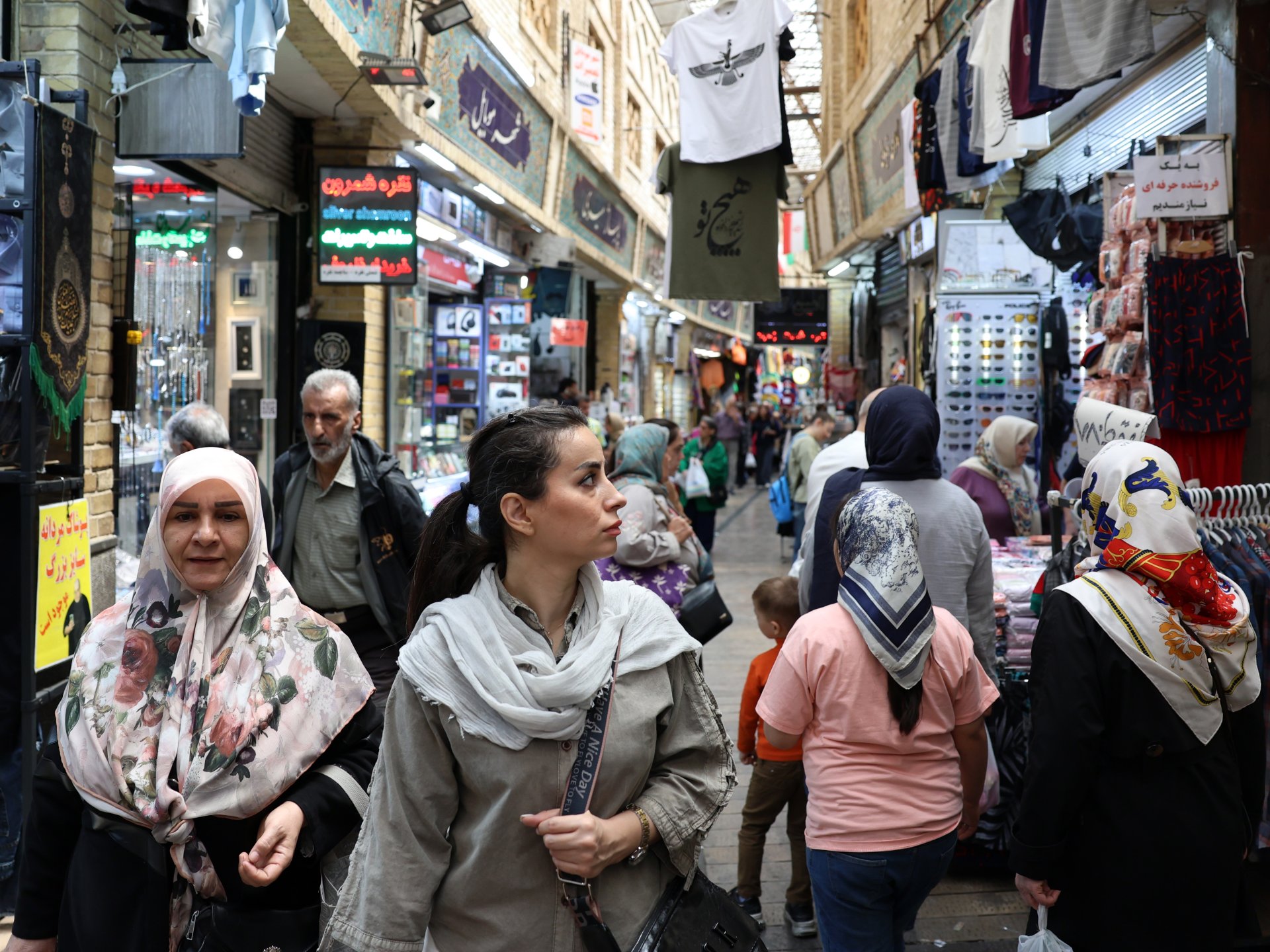
The conflict in the Middle East is projected to slow Euro zone growth in 2026 due to rising inflation. The rise in oil prices is stoking inflation worries.
Diplomatic Efforts
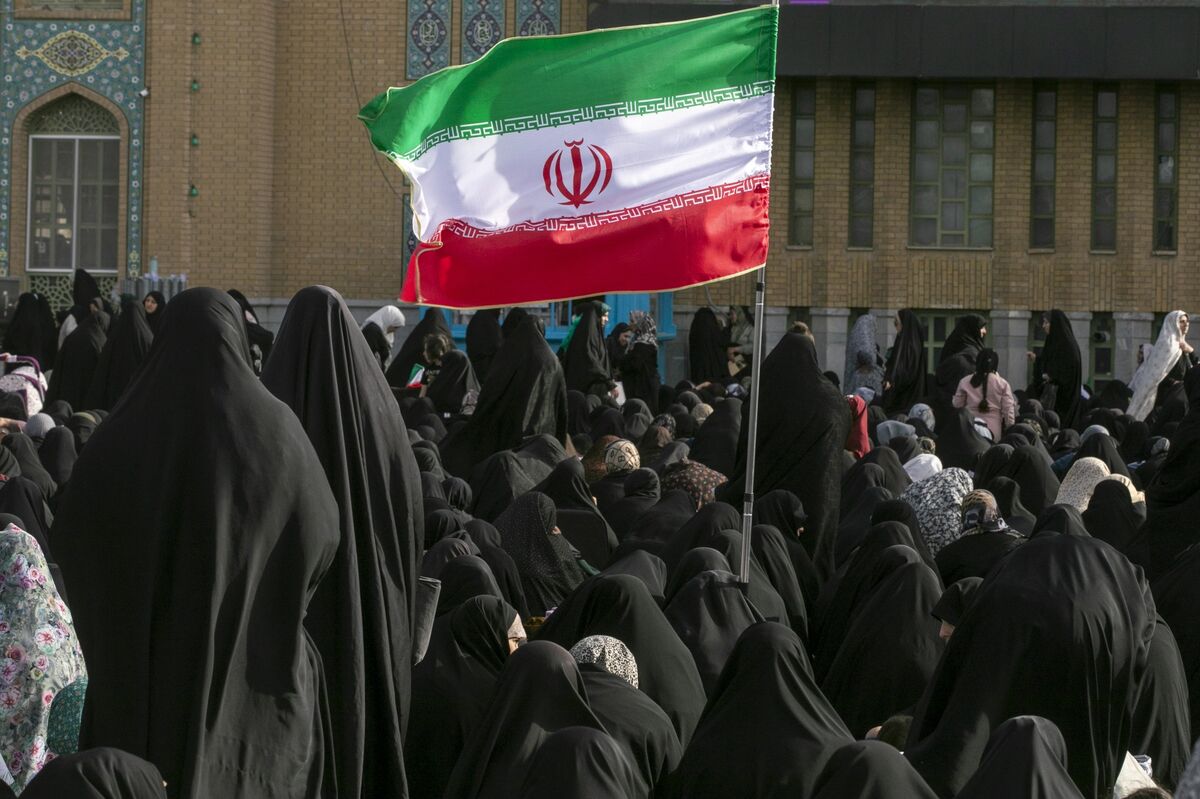
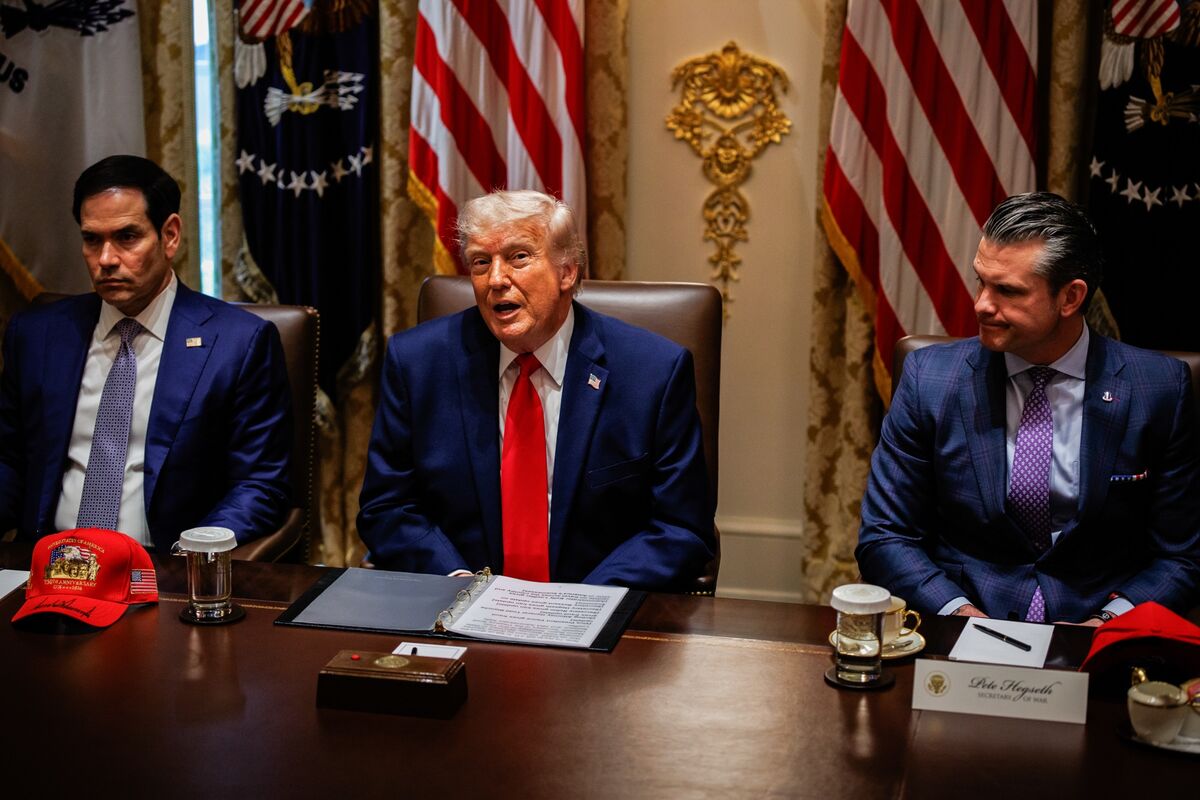
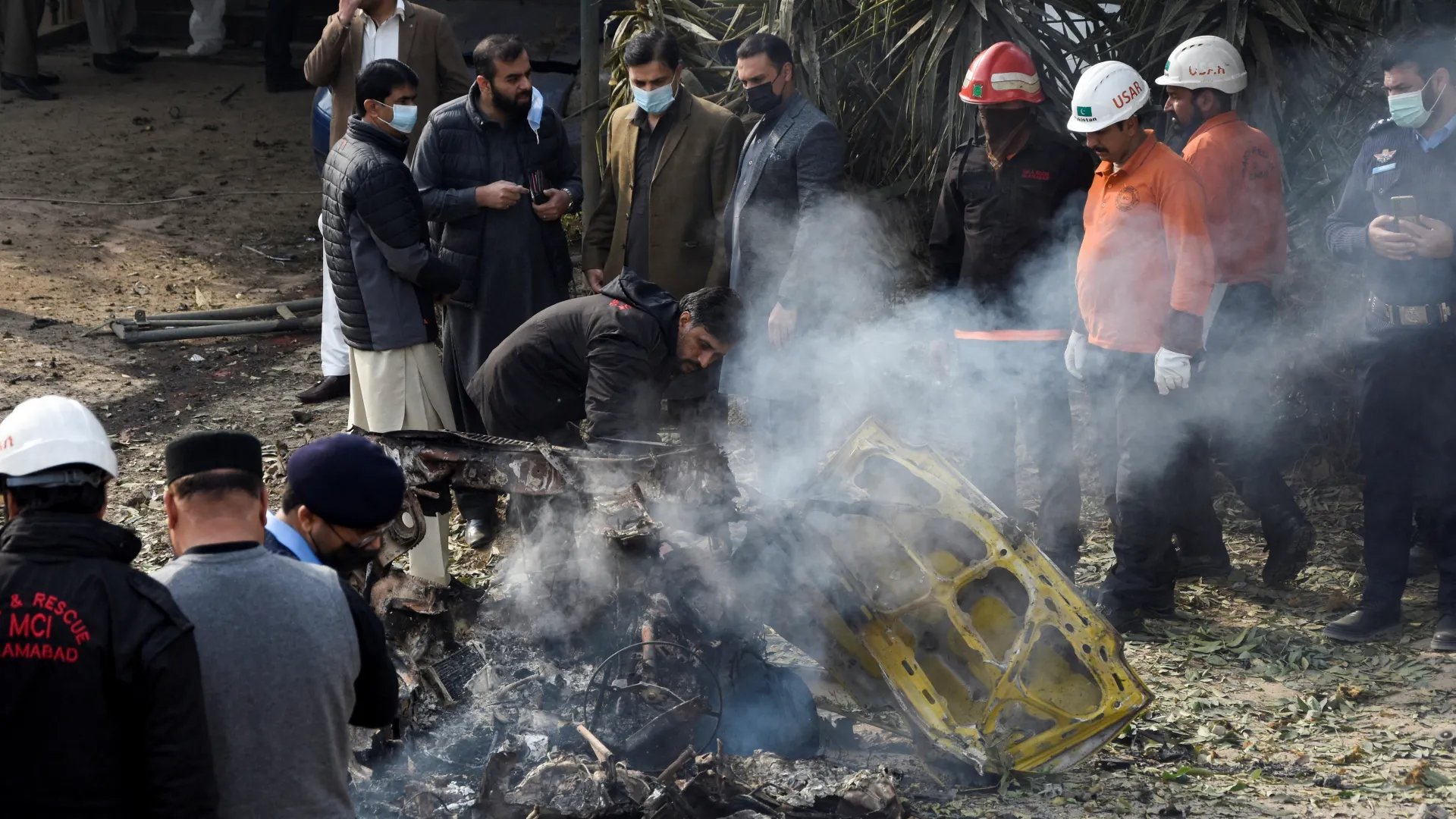
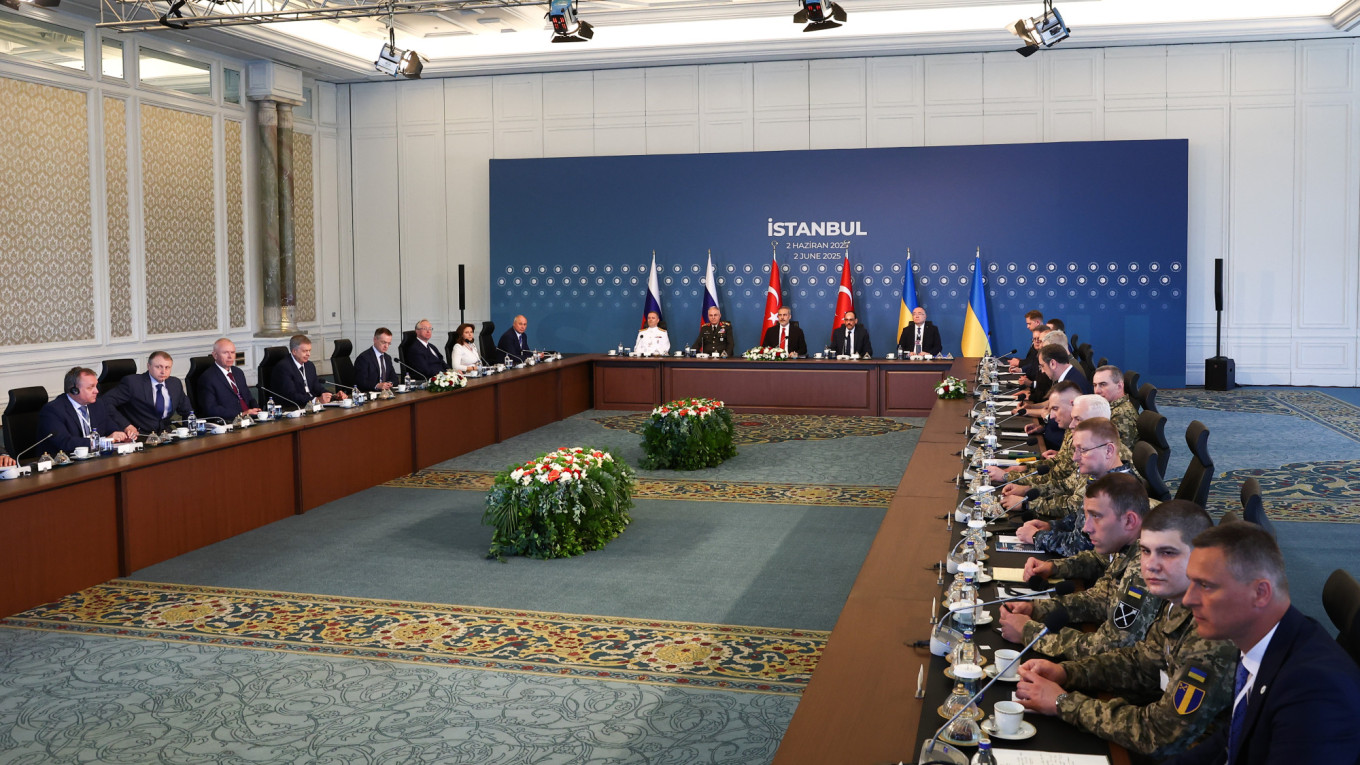
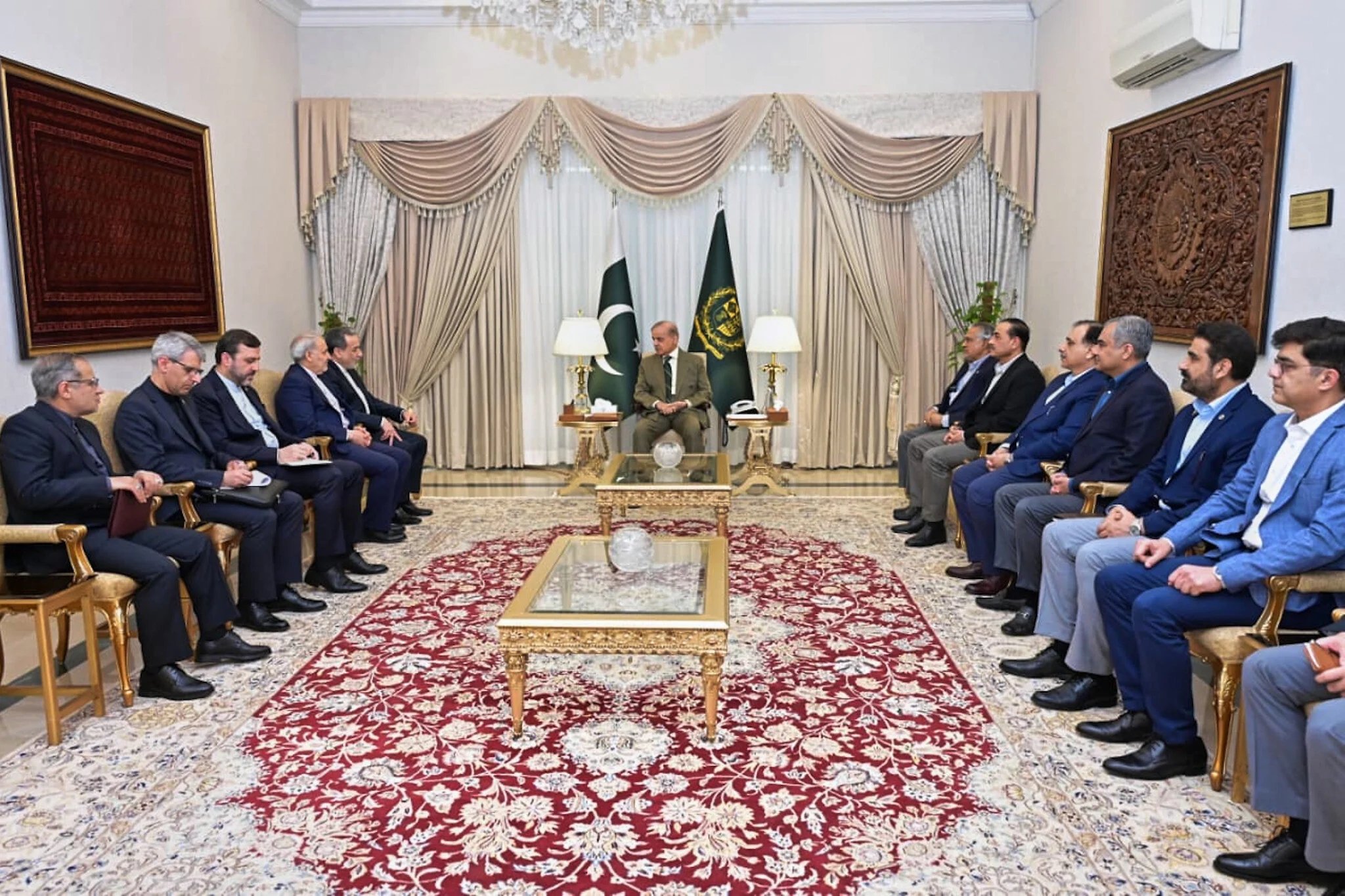
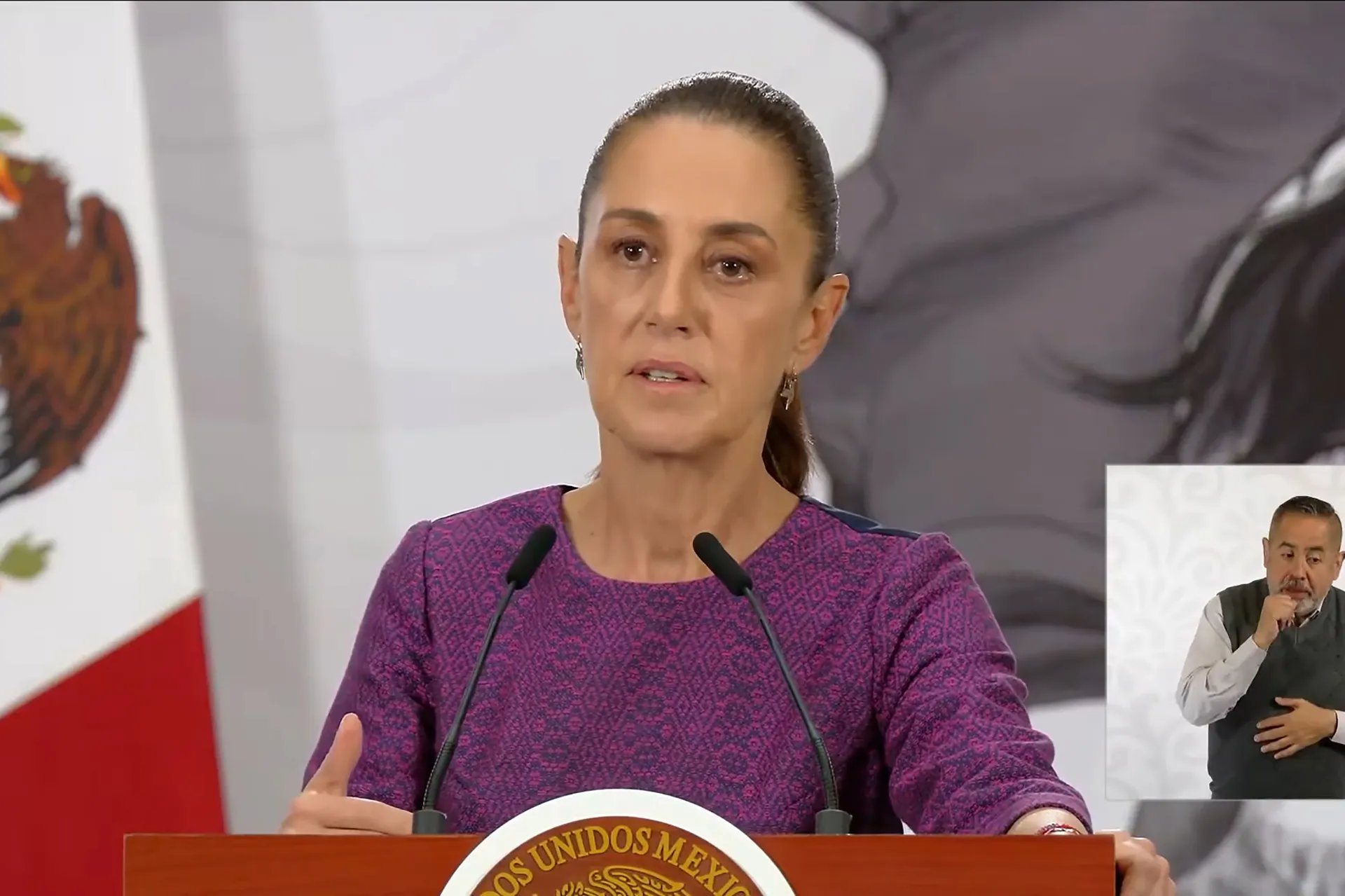
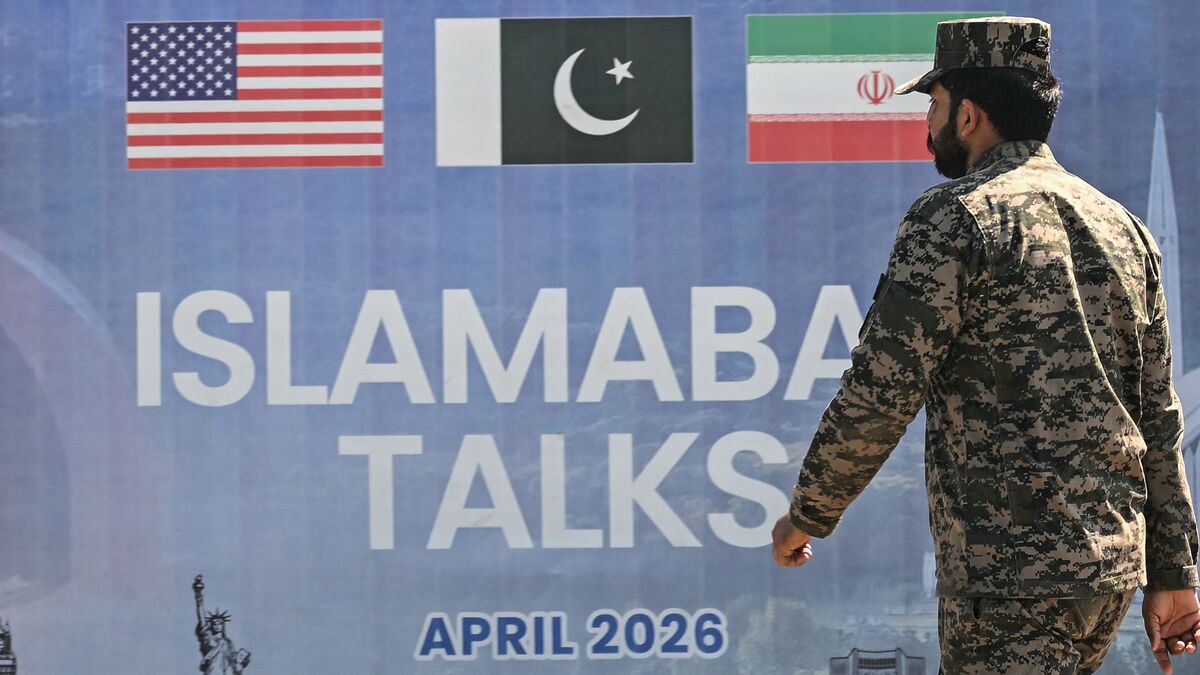
Pakistan is mediating to get U.S.-Iran peace talks back on track. Hopes for a diplomatic resolution spurred a rise in stocks and bonds, while decreasing oil prices, as speculation mounted that a deal would revive energy flows through the Strait of Hormuz.
Argentina's Reserves and Inflation
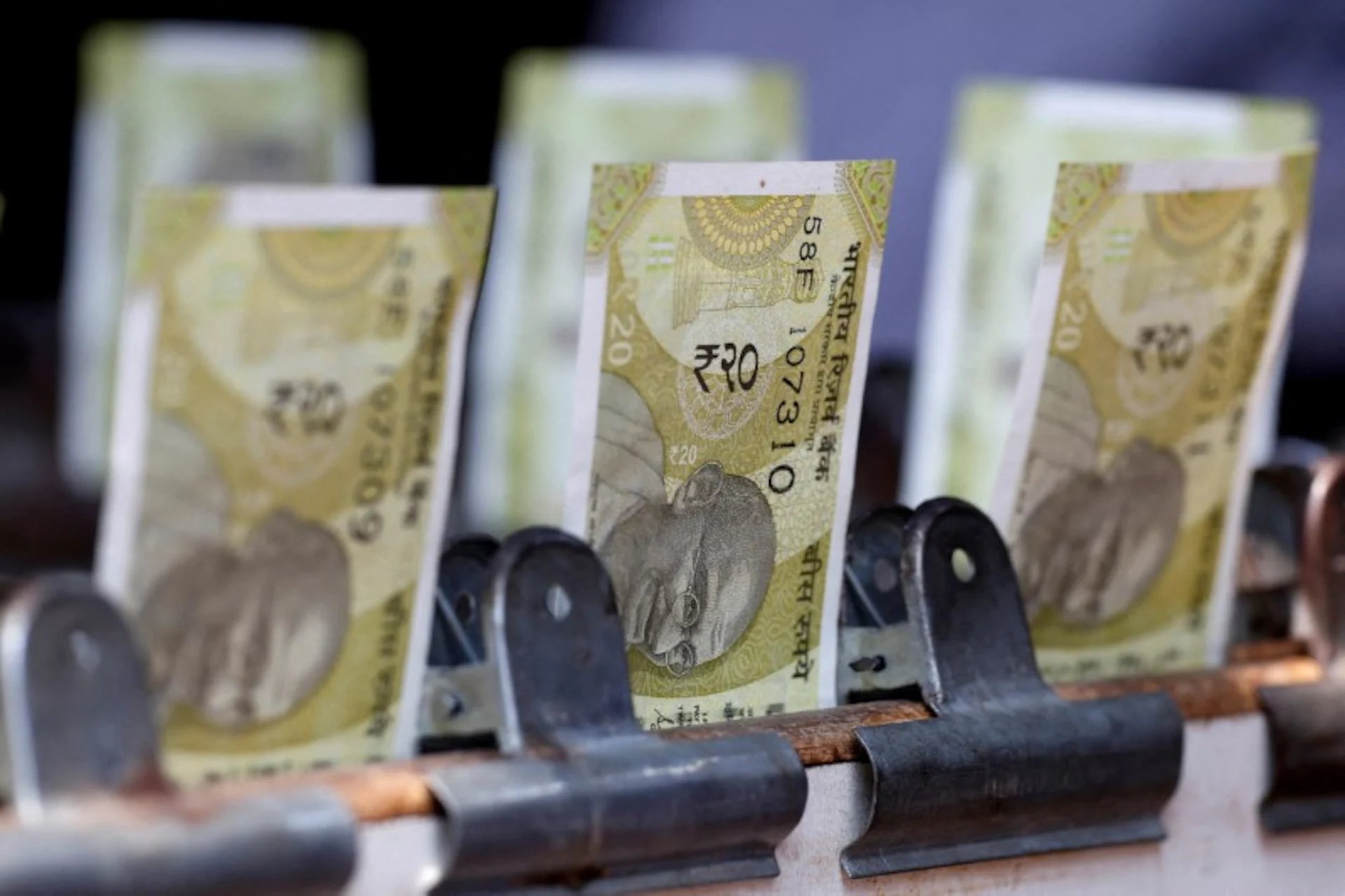
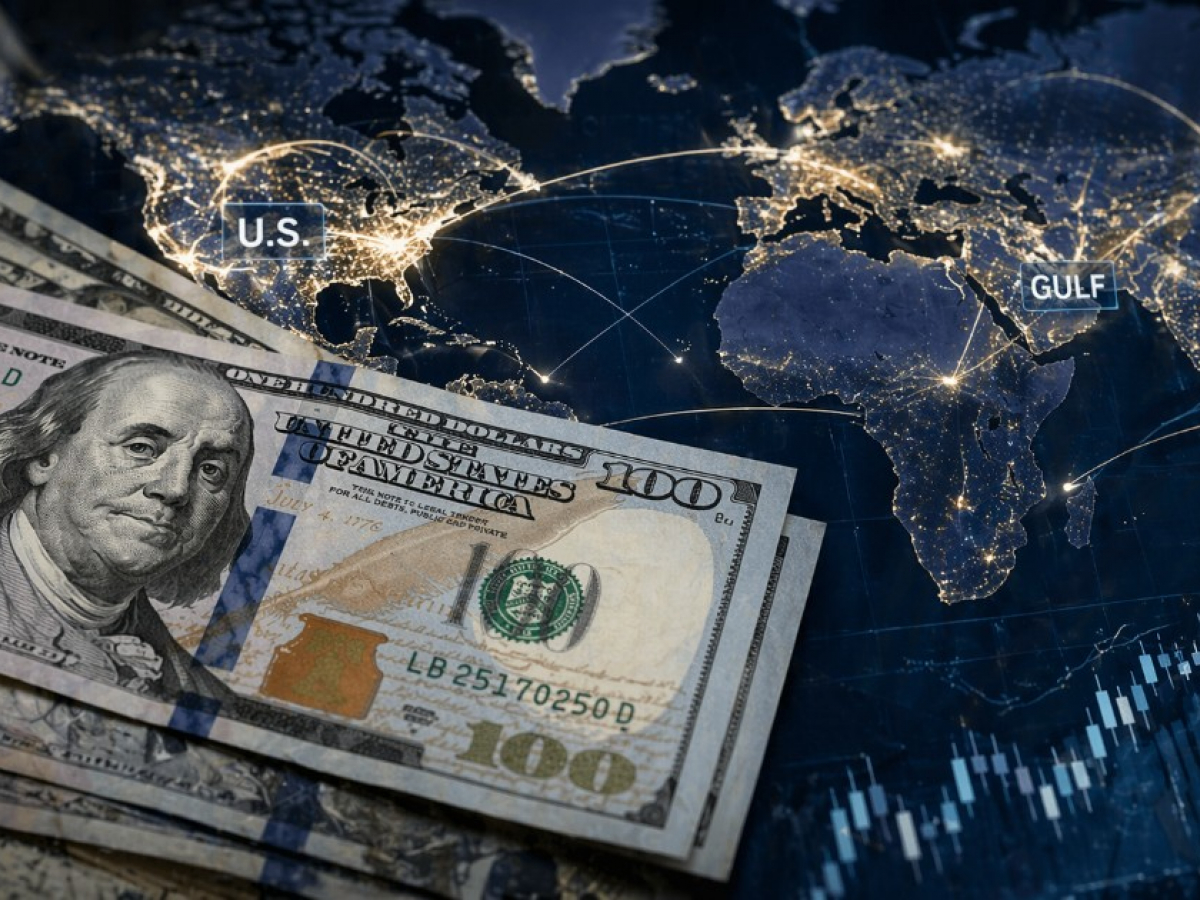
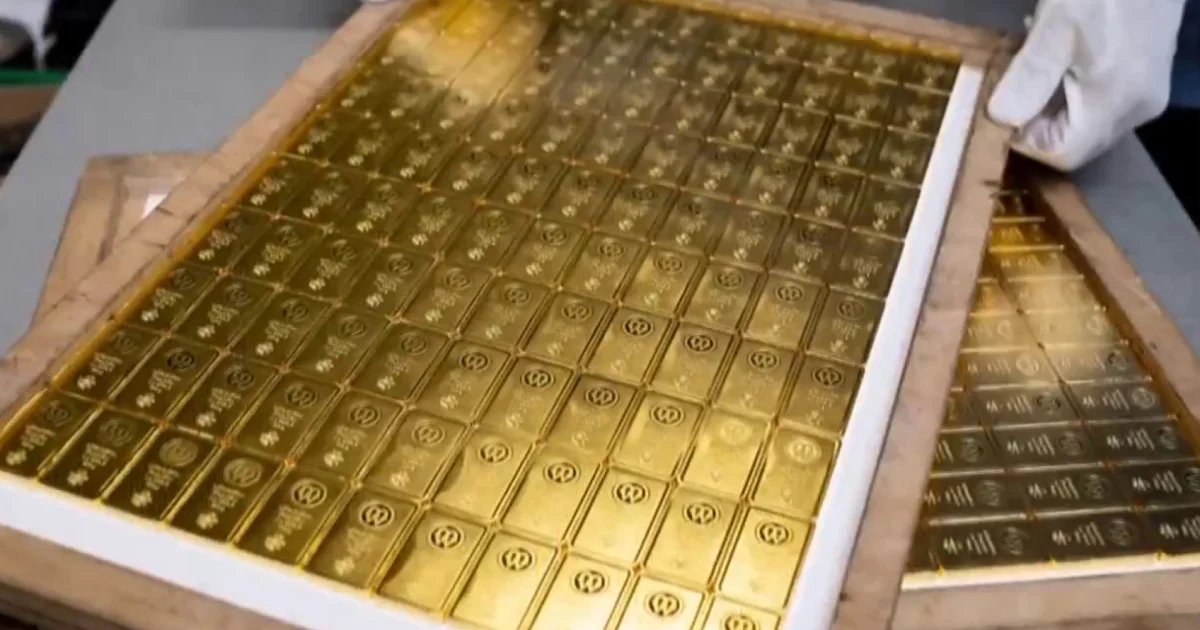
Argentina is seeing a surge in foreign reserves due to booming commodity exports and corporate bond sales. This influx of dollars risks reigniting inflation.
SpaceX's AI ambitions
Grok, has struggled to gain traction in Washington, potentially undermining SpaceX's artificial intelligence growth strategy.
Harvard's grade caps
Harvard faculty are trying to combat grade inflation by setting limits on 'A' grades for students.
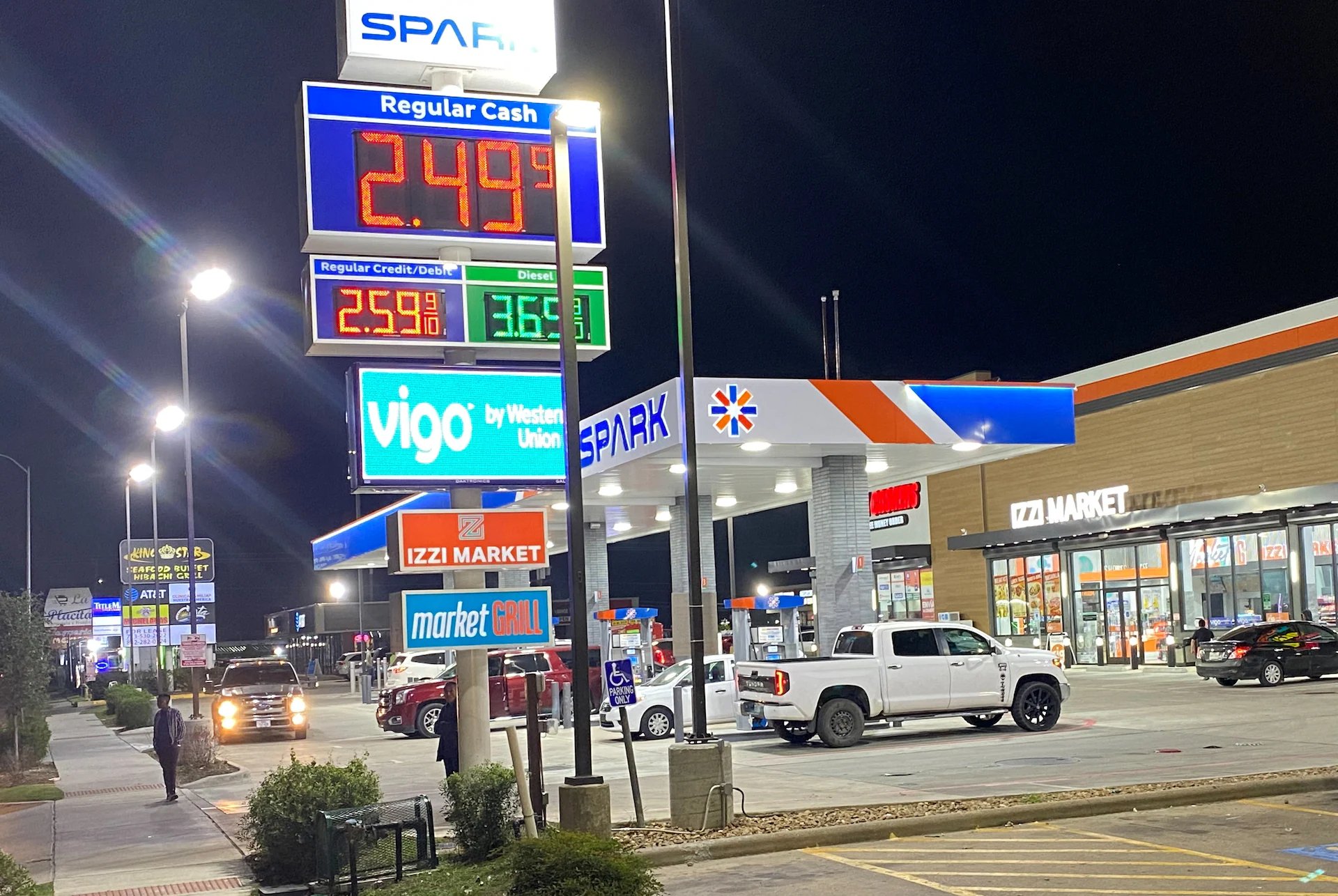
With peace talks uncertain and oil supplies disrupted, consumers can expect continued volatility in energy prices and potential inflationary pressures on everyday goods.