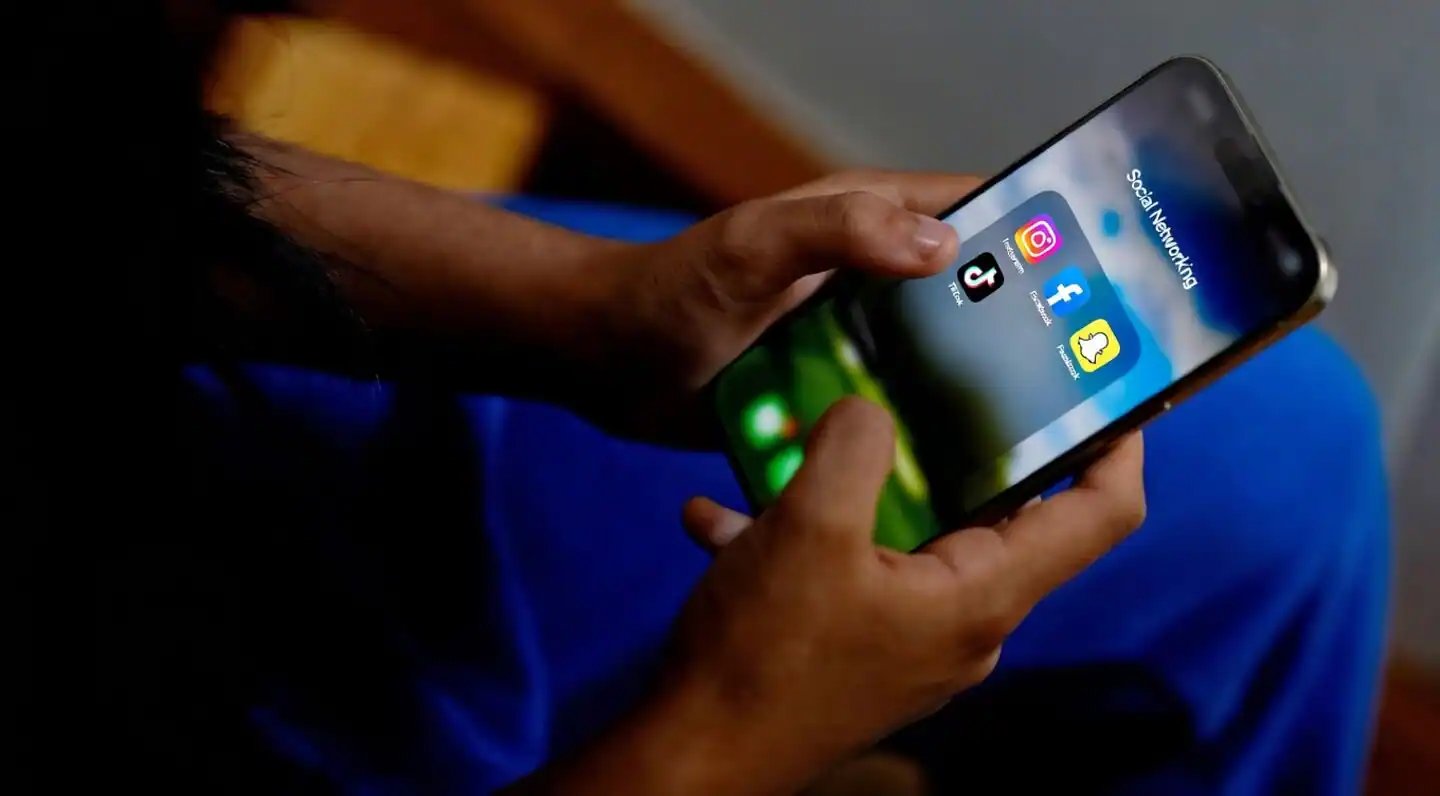
Norway is set to become the latest country to implement a ban on social media usage for children under the age of 16. This move comes amid growing concerns about the impact of social media on youth mental health. The Norwegian government has cited evidence linking social media use to increased anxiety and depression among young people.
Norway's impending ban aligns with similar initiatives in other countries. These measures reflect a broader global trend toward increasing online safety for children. Norway joins a growing number of countries responding to concerns about online harm to children.
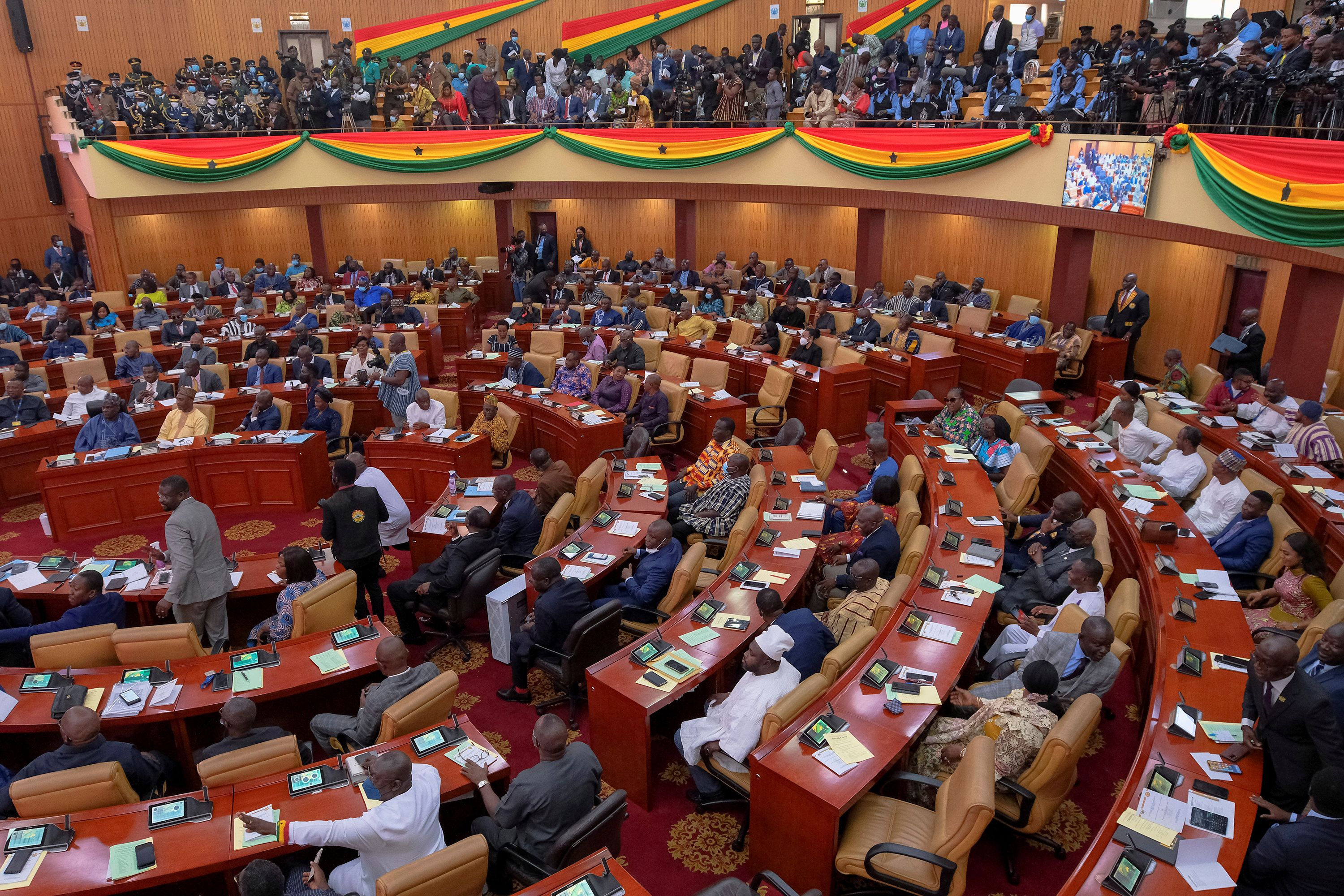
The proposal has garnered bipartisan backing within the Norwegian parliament. Lawmakers agree that the policy is a crucial step in addressing the challenges posed by social media. However, some critics argue that the ban could infringe on personal freedoms and parental rights. Opponents, including certain civil liberties advocates, contend that parents should have the autonomy to guide their children's online activities without government intervention.
The ban may also have significant implications for social media platforms operating in Norway. Companies like Meta and TikTok could face challenges in adapting to the new regulations. Analysts predict that these platforms may need to enhance their age verification processes or risk losing access to a substantial user base. Social media companies are already under scrutiny globally for their policies regarding minors, and Norway's actions may prompt further regulatory discussions.
As Norway prepares to implement this ban, parents and youth will need to adjust to the new reality of restricted social media access. Officials are expected to launch an awareness campaign to educate families about the changes and promote alternative activities for youth engagement. The government plans to monitor the effects of the ban closely, with an emphasis on assessing its impact on youth mental health and online behavior.
The decision to restrict social media for children under 16 could set a precedent for other nations considering similar measures. As concerns about online safety continue to rise, Norway's policy may inspire a wave of legislative actions aimed at protecting young users worldwide. The effectiveness of this ban will likely influence future discussions around digital rights and the responsibilities of social media platforms in safeguarding youth.
Norway is set to become the latest country to implement a ban on social media usage for children under the age of 16. This move comes amid growing concerns about the impact of social media on youth mental health. The policy, which is expected to take effect soon, aims to protect children from potential online harms, including cyberbullying and exposure to inappropriate content. The Norwegian government has cited evidence linking social media use to increased anxiety and depression among young people.
Norway's impending ban aligns with similar initiatives in other countries. Nations such as France and Spain have already enacted laws restricting social media access for minors. These measures reflect a broader global trend toward increasing online safety for children. In advocating for this ban, Norwegian officials have highlighted the urgent need for protective measures as more young people engage with digital platforms.
Parents and child development experts have expressed support for the ban, emphasizing the importance of safeguarding children's mental health. "We need to prioritize our children's well-being over unrestricted access to social media," said local parent Maria Jensen. Child psychologist Dr. Erik Lund echoed these sentiments, stating that limiting social media exposure can lead to healthier development for children. "This is a necessary step to ensure that young minds are not overwhelmed by the pressures of online interaction," he added.
The proposal has garnered bipartisan backing within the Norwegian parliament. Lawmakers agree that the policy is a crucial step in addressing the challenges posed by social media. However, some critics argue that the ban could infringe on personal freedoms and parental rights. Opponents, including certain civil liberties advocates, contend that parents should have the autonomy to guide their children's online activities without government intervention.
The ban may also have significant implications for social media platforms operating in Norway. Companies like Meta and TikTok could face challenges in adapting to the new regulations. Analysts predict that these platforms may need to enhance their age verification processes or risk losing access to a substantial user base. Social media companies are already under scrutiny globally for their policies regarding minors, and Norway's actions may prompt further regulatory discussions.
As Norway prepares to implement this ban, parents and youth will need to adjust to the new reality of restricted social media access. Officials are expected to launch an awareness campaign to educate families about the changes and promote alternative activities for youth engagement. The government plans to monitor the effects of the ban closely, with an emphasis on assessing its impact on youth mental health and online behavior.
The decision to restrict social media for children under 16 could set a precedent for other nations considering similar measures. As concerns about online safety continue to rise, Norway's policy may inspire a wave of legislative actions aimed at protecting young users worldwide. The effectiveness of this ban will likely influence future discussions around digital rights and the responsibilities of social media platforms in safeguarding youth.
Highlighted text was flagged by the council. Tap to see feedback.