




Escalating volleys in the Gulf
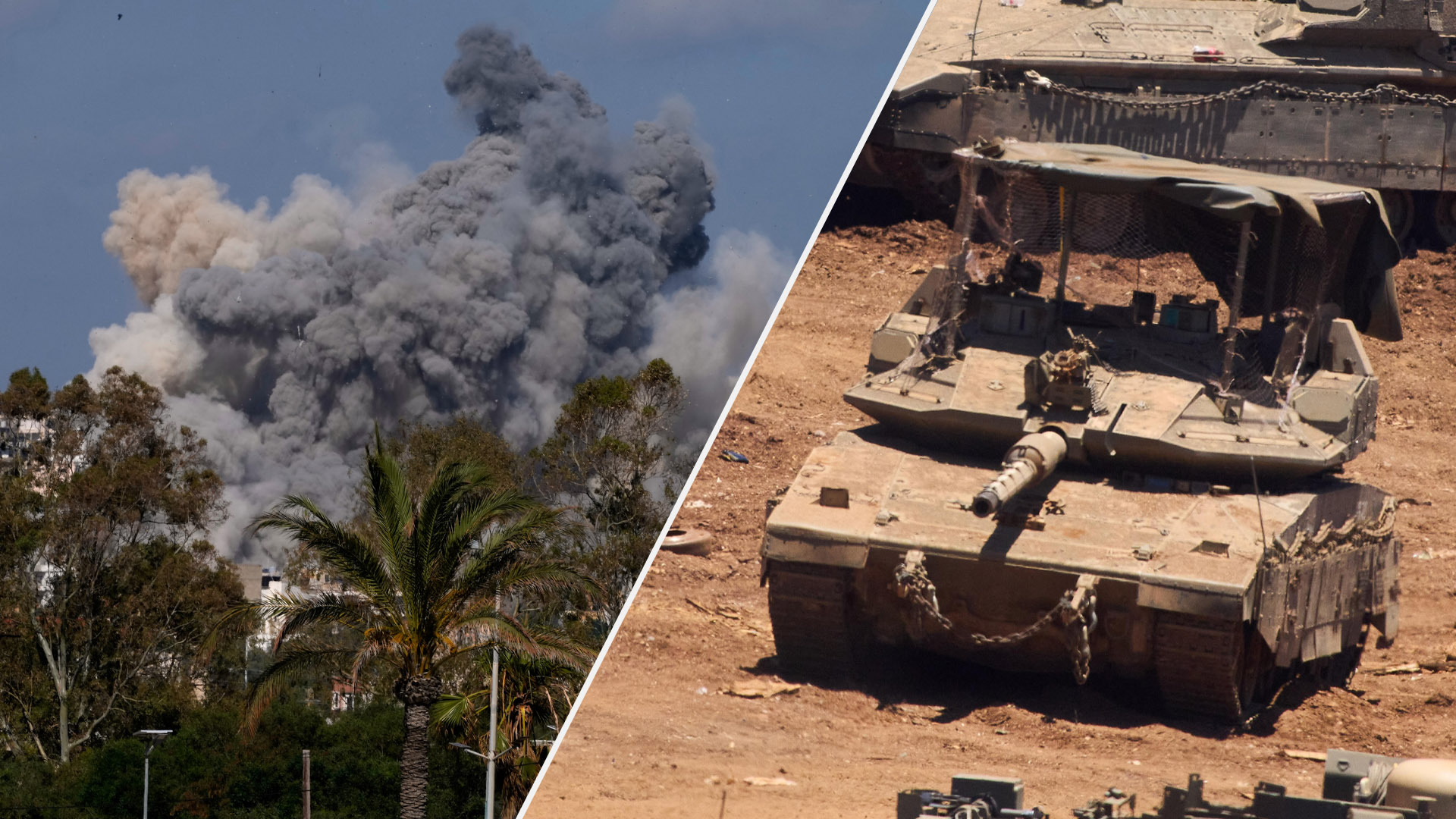
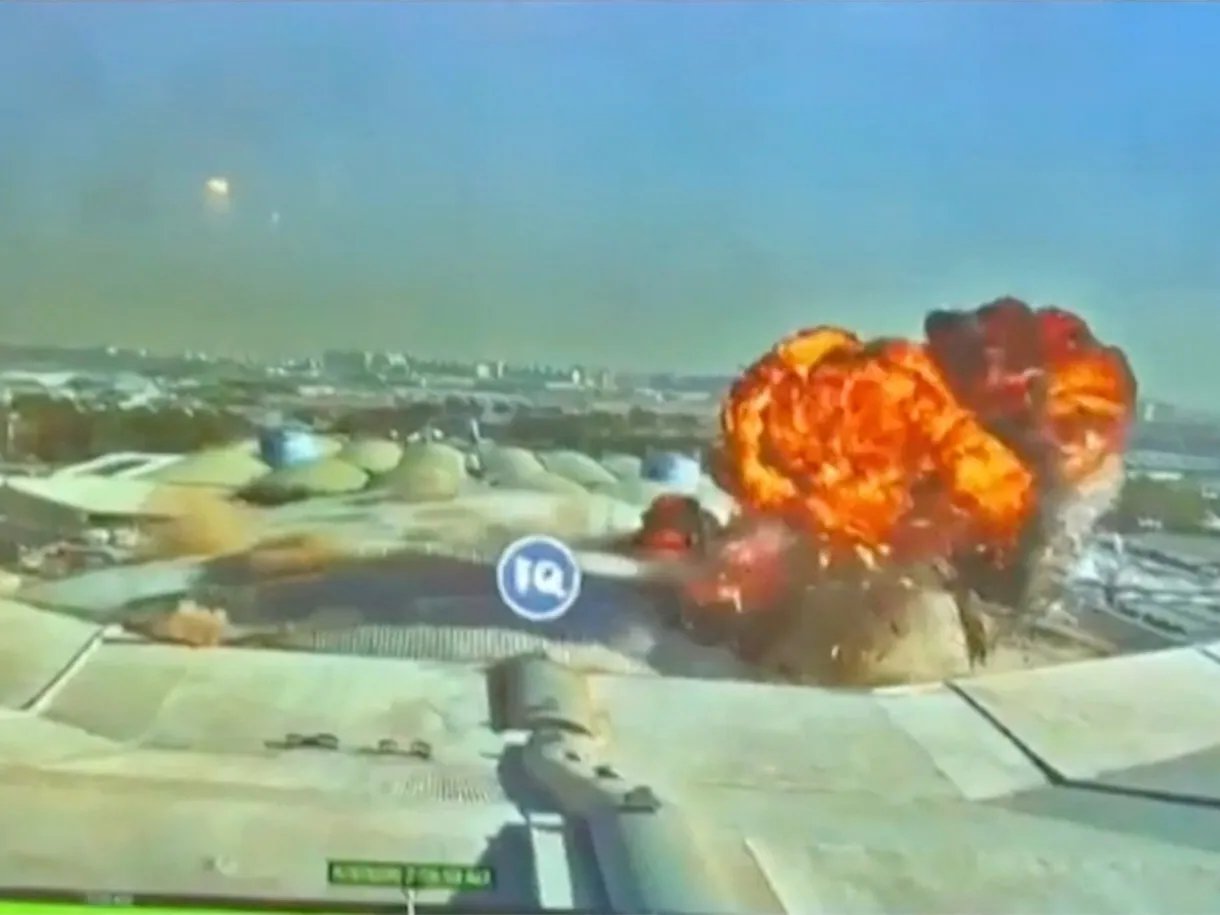
Iran fired seven ballistic missiles and drones at Kuwait and Bahrain on Saturday, hours after the United States shot down four Iranian drones and struck Iranian coastal surveillance radar sites on Qeshm Island and near Sirik. Kuwait's military intercepted six of seven missiles over residential areas, with the seventh not reaching its target, resulting in falling debris but no casualties. Bahrain's government confirmed the interception of the Iranian weapons and sounded air raid sirens, ordering residents to move to safe locations.
Iran's Islamic Revolutionary Guard Corps said it targeted the Ali al-Salem airbase in Kuwait, where U.S. forces are stationed, and the U.S. Navy's Fifth Fleet headquarters in Bahrain. U.S. Central Command reported no harm to American personnel and called Iranian claims of damage to the Fifth Fleet "false." The U.S. military said the Iranian attack drones "posed an immediate threat to regional maritime traffic" and that the radar strikes were conducted to "defend against further attacks."
Sovereign nations condemn the strikes
Kuwait's Foreign Ministry condemned the attacks as a "serious escalation" and a "flagrant violation of its sovereignty," reserving the right to defend the country. The ministry cited a breach of UN Security Council Resolution 2817, adopted earlier this year, which called for a halt to Iranian attacks on Gulf states and efforts to obstruct shipping in the Strait of Hormuz.
Bahrain's government used identical language, calling the strikes "blatant aggression" and a "flagrant violation of the sovereignty" of both nations. Bahrain emphasized that security is not built through missiles and drones and that stability is not preserved by laying mines, a reference to Iran's mining of segments of the narrow Strait of Hormuz.
Ceasefire negotiations stall amid competing demands
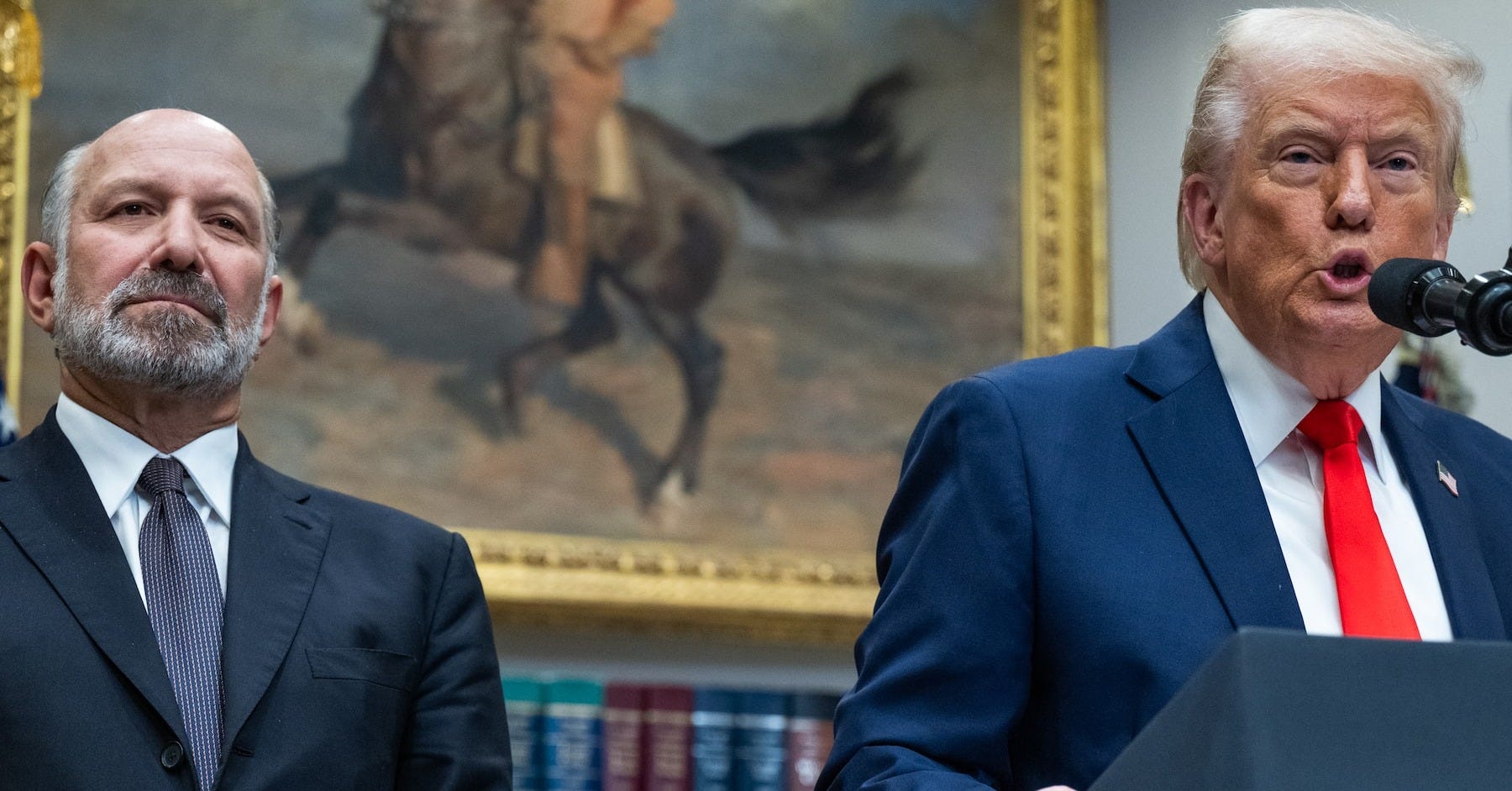
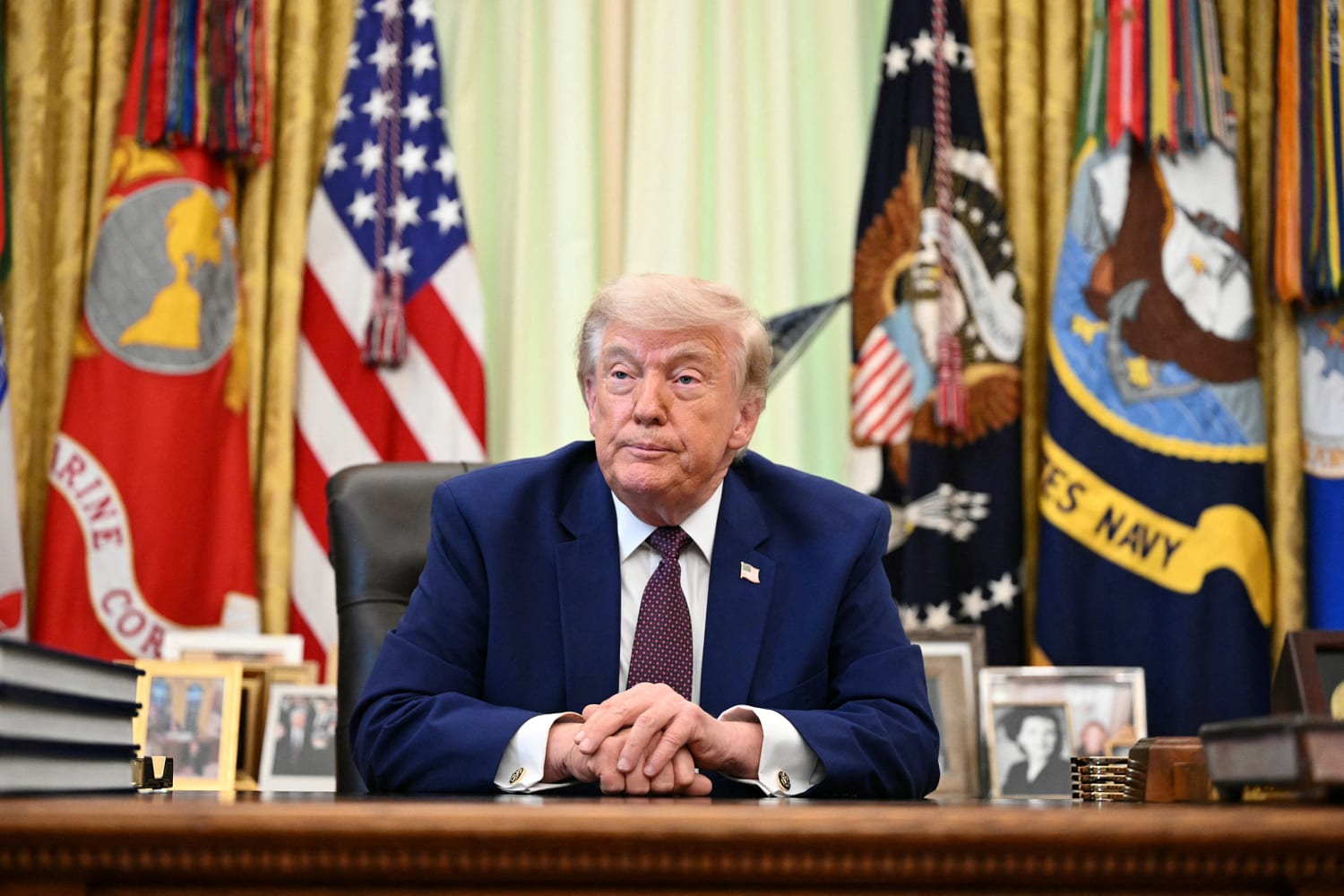
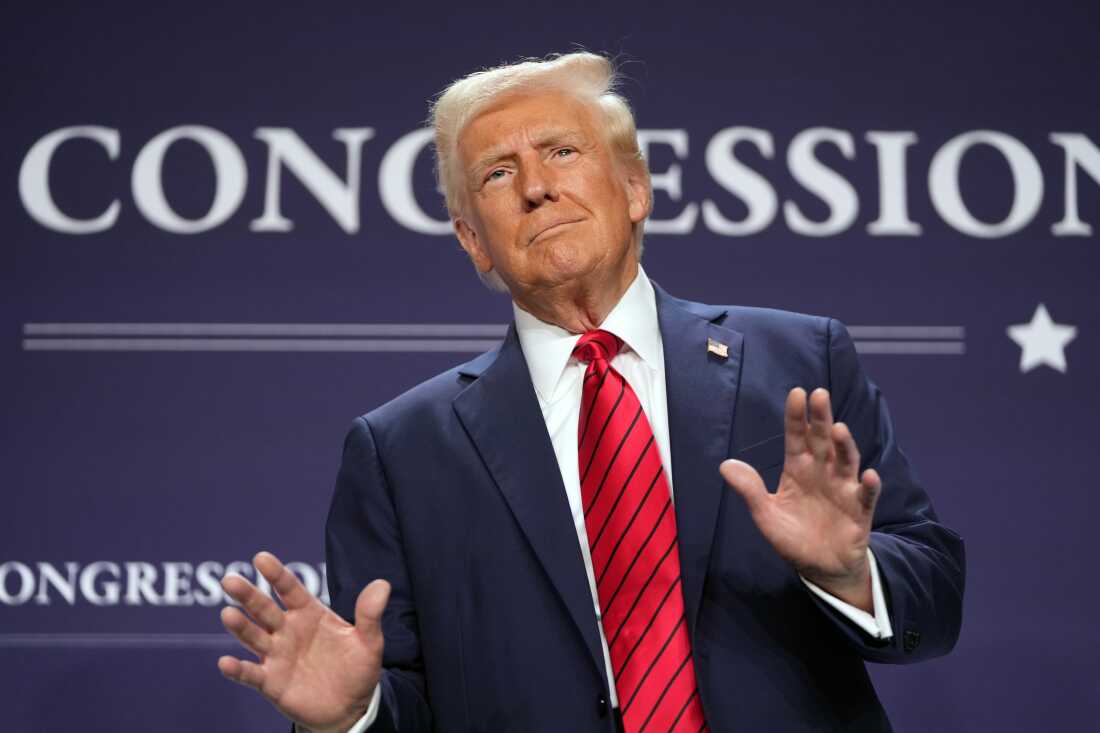
U.S. and Iranian negotiators reached a tentative agreement a week ago to extend the ceasefire by 60 days and begin new talks on Iran's nuclear program. President Donald Trump has called for unspecified changes to the deal, and Iranian officials have shown no public sign of accepting the proposal. On Friday, Trump told reporters that "the situation with Iran seems to be going quite well" and promised that fertilizer prices would drop once the conflict ended. When asked why negotiations were dragging, Trump told NBC News it was "a very hard thing" for Iran, citing its "great independence."
Trump stated Friday that Iran retained approximately 21 to 22 percent of its missile stockpile, a figure higher than the 18 percent he cited previously. The Trump administration maintains a blockade on Iranian ports in response to Tehran's control of the Strait of Hormuz, a critical corridor for global oil and natural gas shipments. Energy prices have spiked as a result, creating political pressure on Trump's Republican Party ahead of midterm elections.
Global hunger crisis deepens
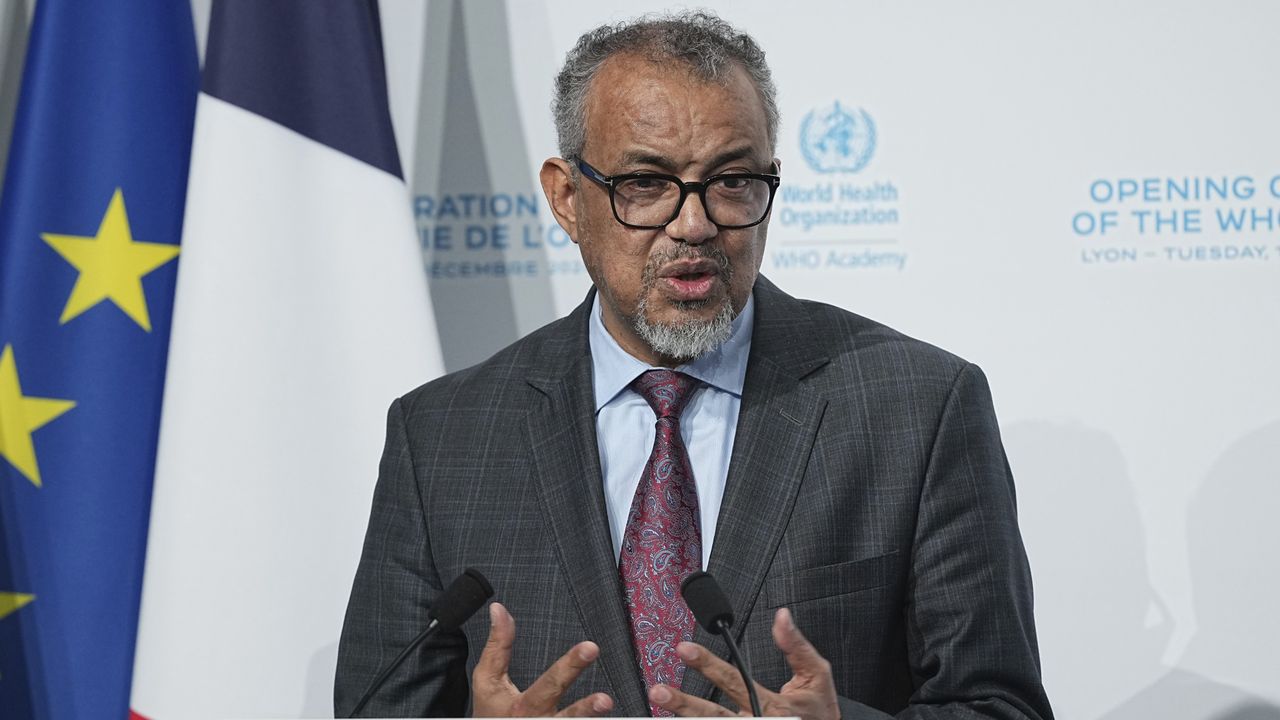
The World Food Programme reported that the conflict is pushing millions of people into hunger due to high oil prices and fertilizer shortages. An additional 2.5 million people in Somalia, 1.3 million in Sri Lanka, and 2.3 million in Afghanistan are struggling to meet basic food needs. Jean-Martin Bauer, director of the WFP's Food Security and Nutrition Analysis Service, said that "the closure of Hormuz is translating into increased hunger" and that "even if the conflict were to end today, irreversible damage has been done" with impacts on prices and livelihoods continuing for years.
Lebanon complicates broader negotiations
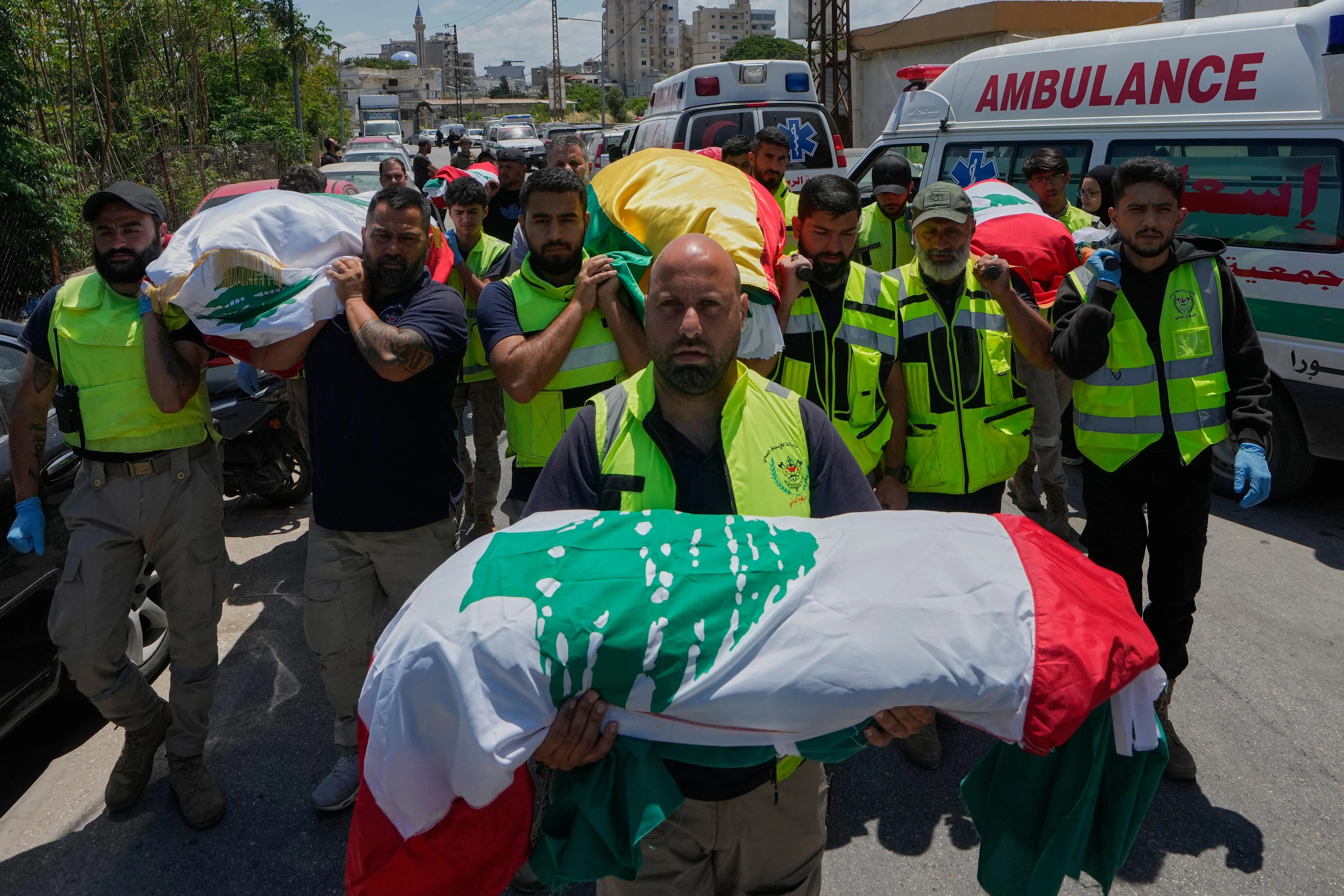
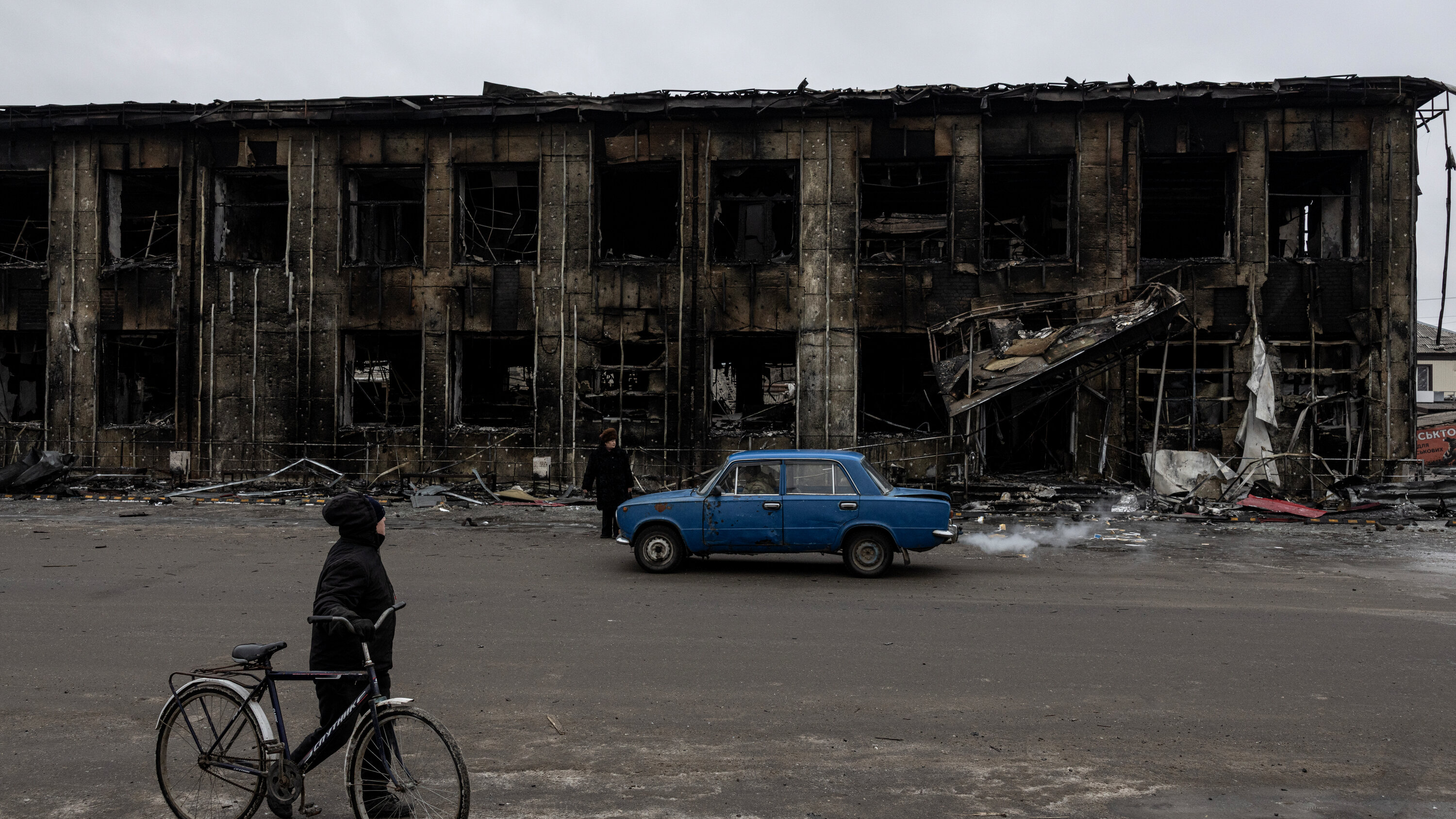
The fighting in Lebanon, where Israeli forces have seized large swaths of the south, threatens efforts to end the Iran war and reopen the Strait of Hormuz. Iran has demanded that any lasting truce extend to Lebanon. On Saturday, Israeli airstrikes killed nine people in Lebanon, including three Lebanese army soldiers in their vehicle. The Israeli military said the vehicle was "moving suspiciously" toward Israeli soldiers in an area where Hezbollah operated and that the incident would be reviewed.
Lebanese President Joseph Aoun called the strike on the army a "flagrant violation of Lebanese sovereignty and international law" and accused Iran on Friday of using Lebanon as a "bargaining chip" in negotiations with the United States. Iran's Foreign Minister Abbas Araghchi responded Saturday by saying that "one would think it's Iran that has occupied a fifth of Lebanon, displaced a quarter of Lebanese and is bombing his country on daily basis." He added: "Had Lebanon been a bargaining chip for Iran, we'd have a deal long ago. Save Lebanon from your real foe, Mr President."