




Outbreak Impact
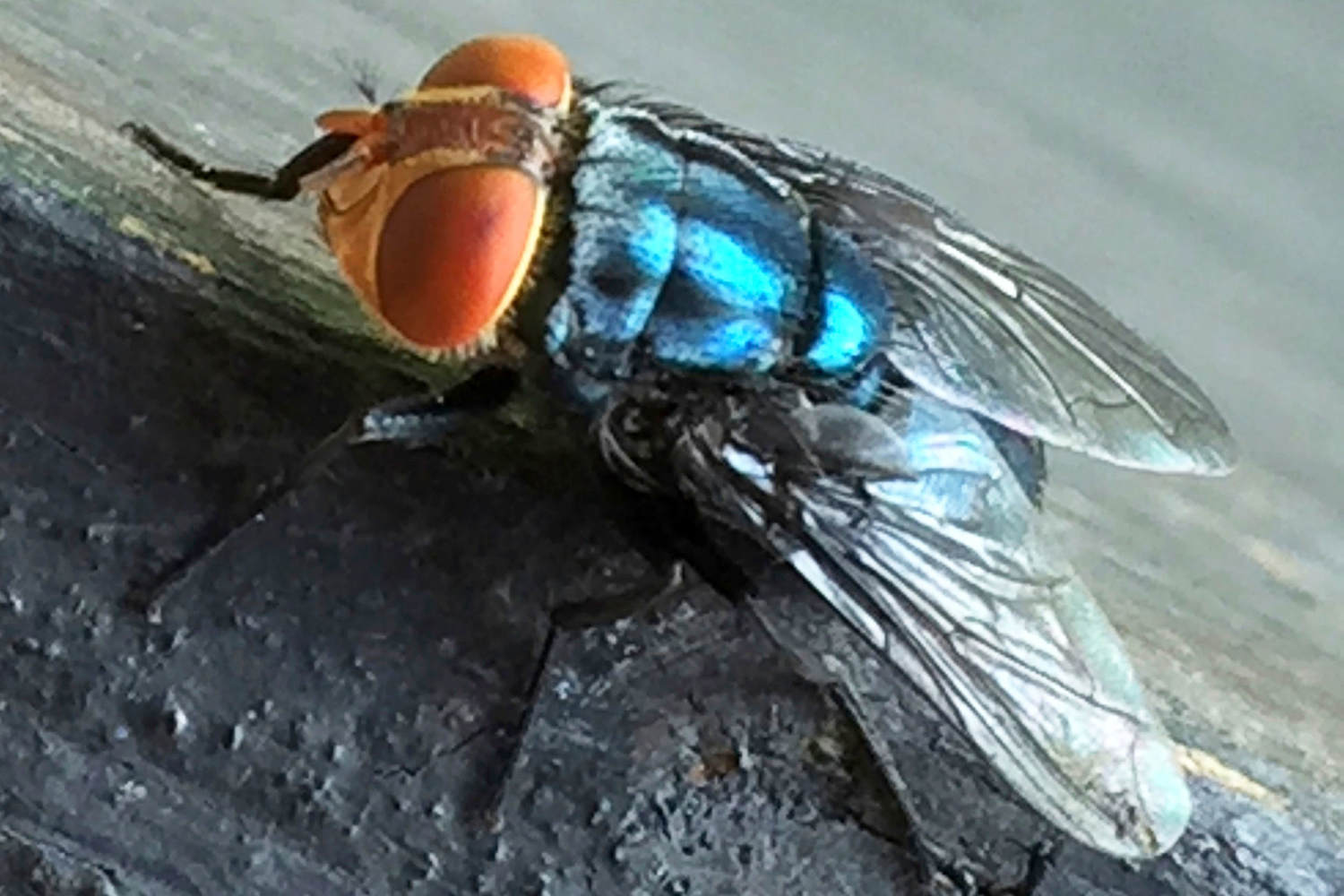
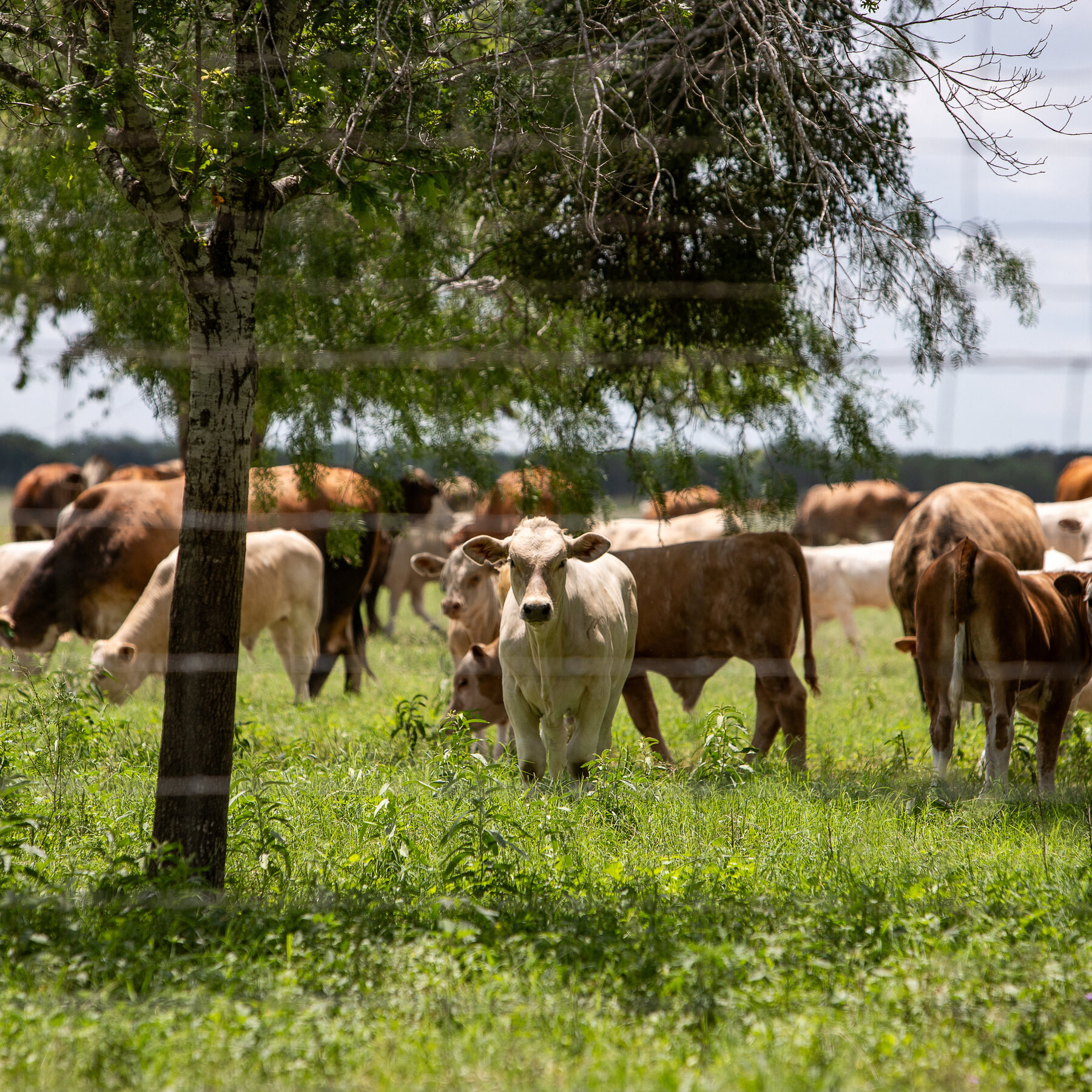
Two cases of flesh-eating screwworm flies have been confirmed in Texas, marking the first detection of the parasite in the state since 1966 and triggering an aggressive federal and state response. The U.S. Department of Agriculture (USDA) confirmed a second case of the New World screwworm in Texas, detected in a one-month-old calf in Zavala County. This parasitic fly lays eggs in open wounds, leading to hundreds of larvae burrowing through living flesh, which can be fatal if untreated. Texas Governor Greg Abbott declared a state of disaster, warning that the outbreak could severely impact the cattle population and the state's agricultural industry.
Containment Efforts
In response to the outbreak, the USDA is working with state officials to contain and eradicate the screwworm flies. The containment strategy includes the release of sterile male flies to prevent wild female flies from reproducing. Officials are dispersing millions of these sterile flies in the vicinity of the detected infections. Additionally, a 20km-wide "control zone" has been established with quarantines, movement controls, and surveillance measures enacted to contain the spread. Despite these efforts, experts warn that the current supply of sterile flies may not be sufficient to halt the screwworm population.
Economic Ramifications
The screwworm outbreak poses a significant economic threat to the cattle industry in Texas, which is the leading U.S. beef and cattle producer. A widespread resurgence could lead to animal deaths and increased labor and treatment costs. The U.S.-Mexico border has already been closed to live cattle imports for over a year due to the disease's movement north, causing the U.S. beef industry to contract to a 75-year low. The Canadian food inspection agency has also announced a temporary ban on livestock from Texas, further impacting trade and the industry.
Public Health and Safety
While the threat to humans from screwworms is considered low, the larvae can affect humans if left untreated. Canadian officials have warned farmers to monitor livestock for wounds and any cuts accompanied by discharge or foul odor. They also urged residents to check pets if they travel to Texas. The USDA's animal and plant health inspection service stated that the U.S. food supply is safe and that screwworms do not infest meat, fruits, vegetables, or other food sources.
Next Steps
The battle against the screwworm outbreak is expected to be an "extraordinarily challenging summer" for infected areas, as stated by Governor Abbott. The USDA and state officials continue to implement measures to control the spread of the parasite, with the goal of preventing a full-scale outbreak that could devastate the cattle industry and have far-reaching economic consequences.