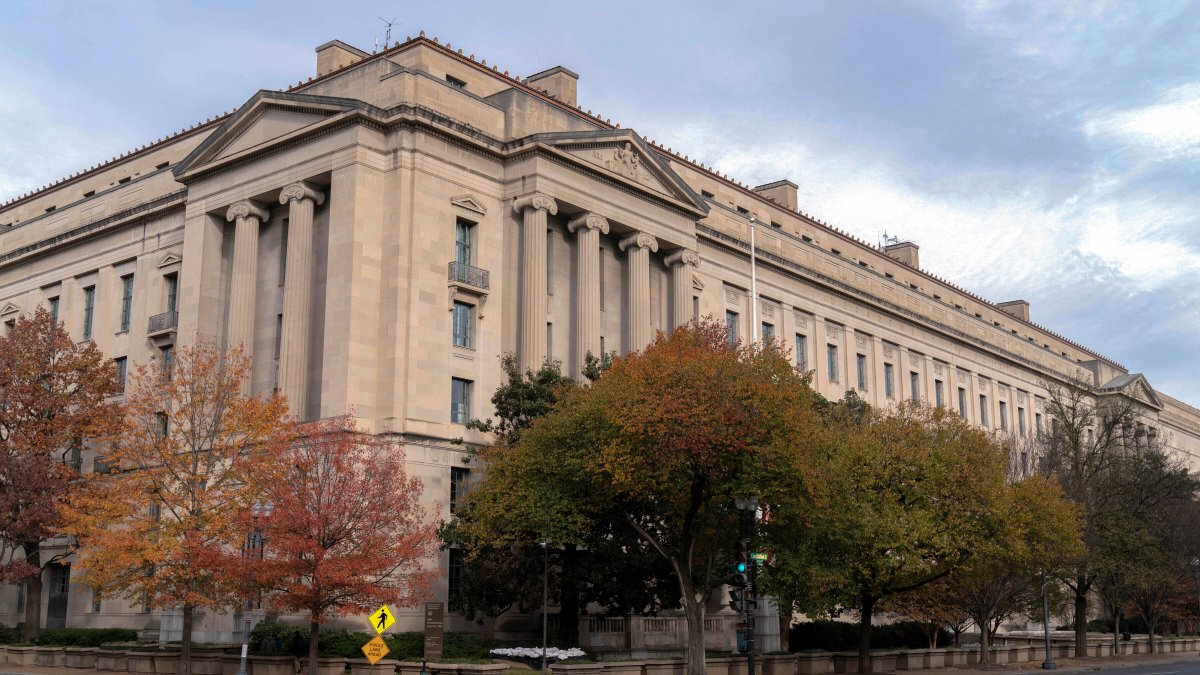
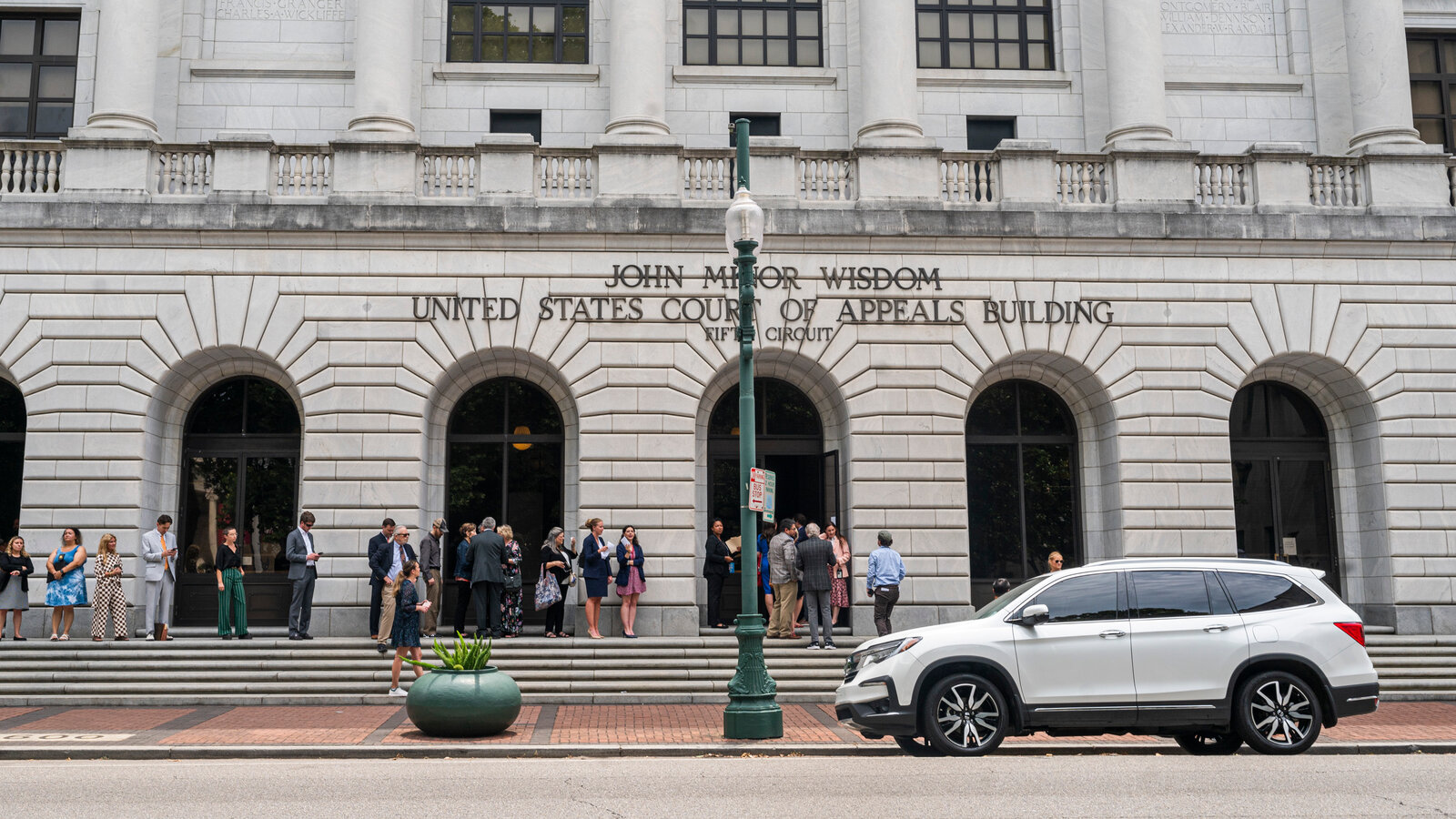
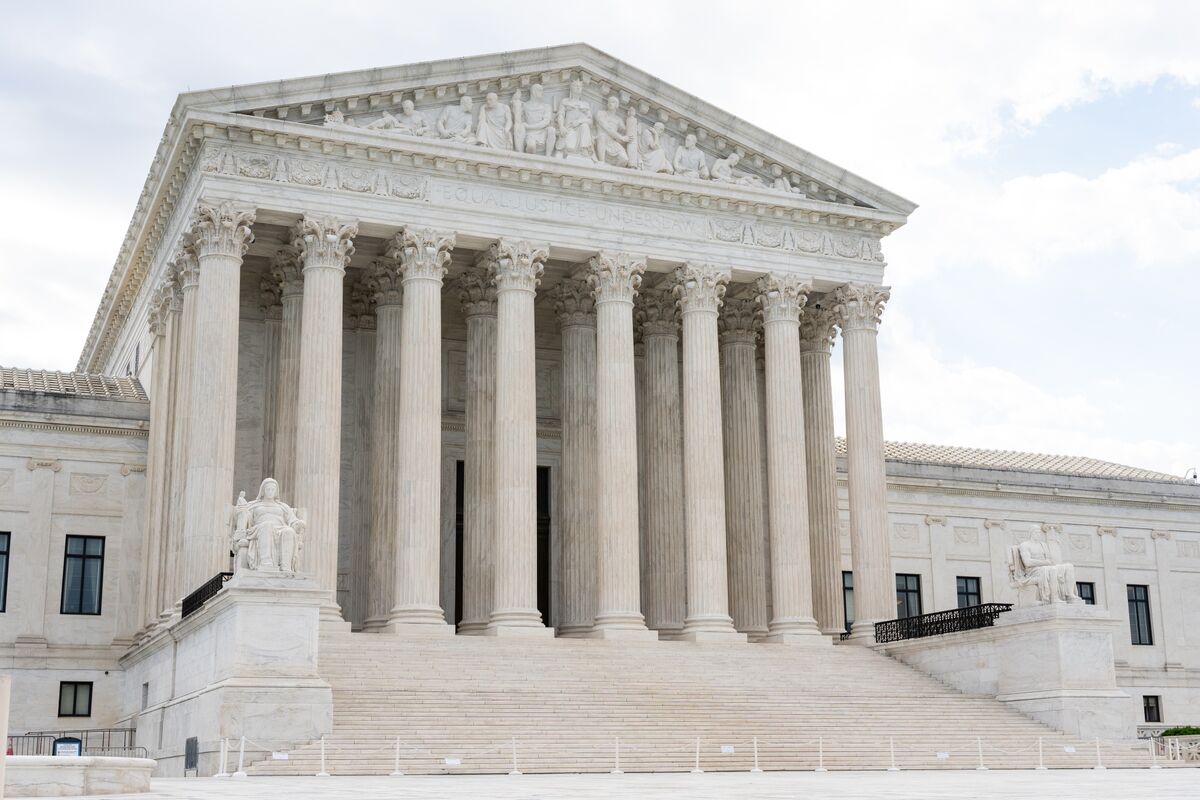
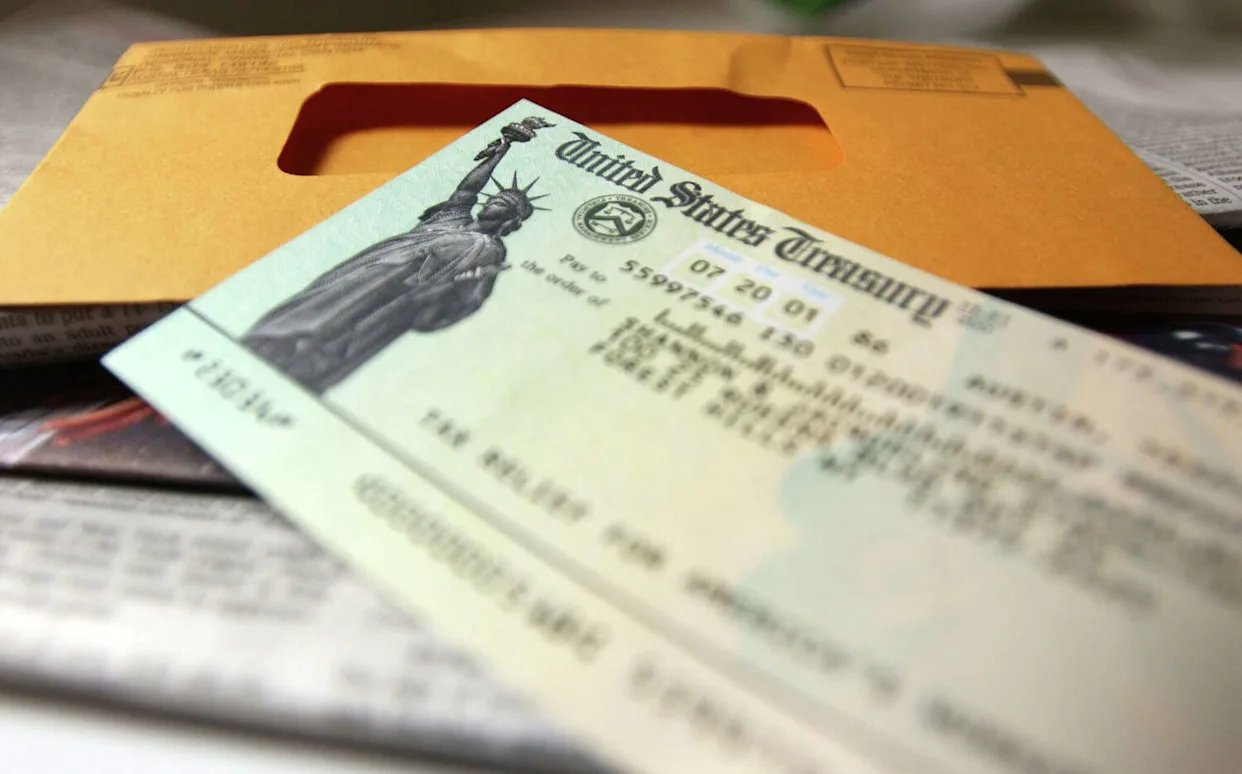
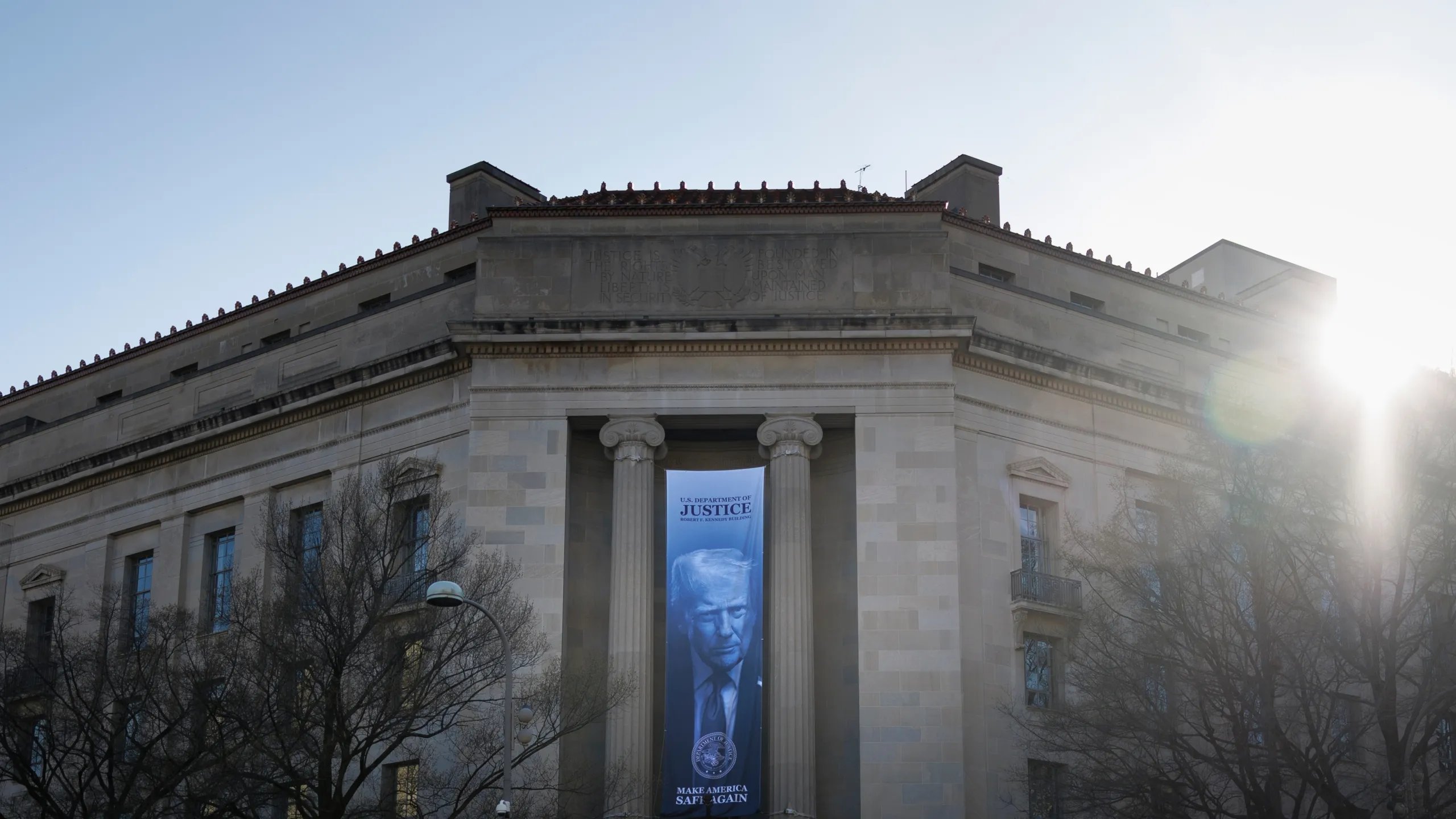
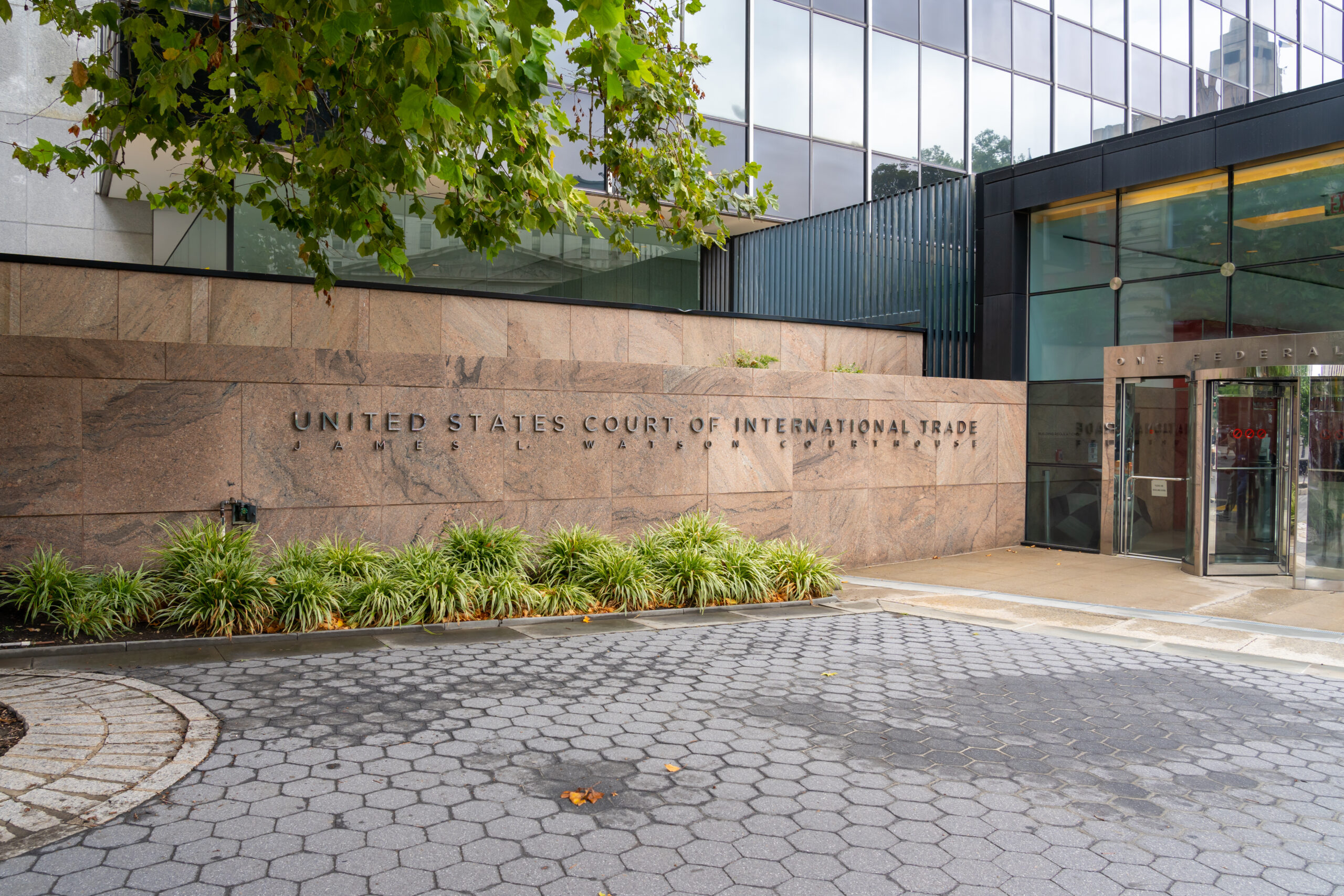
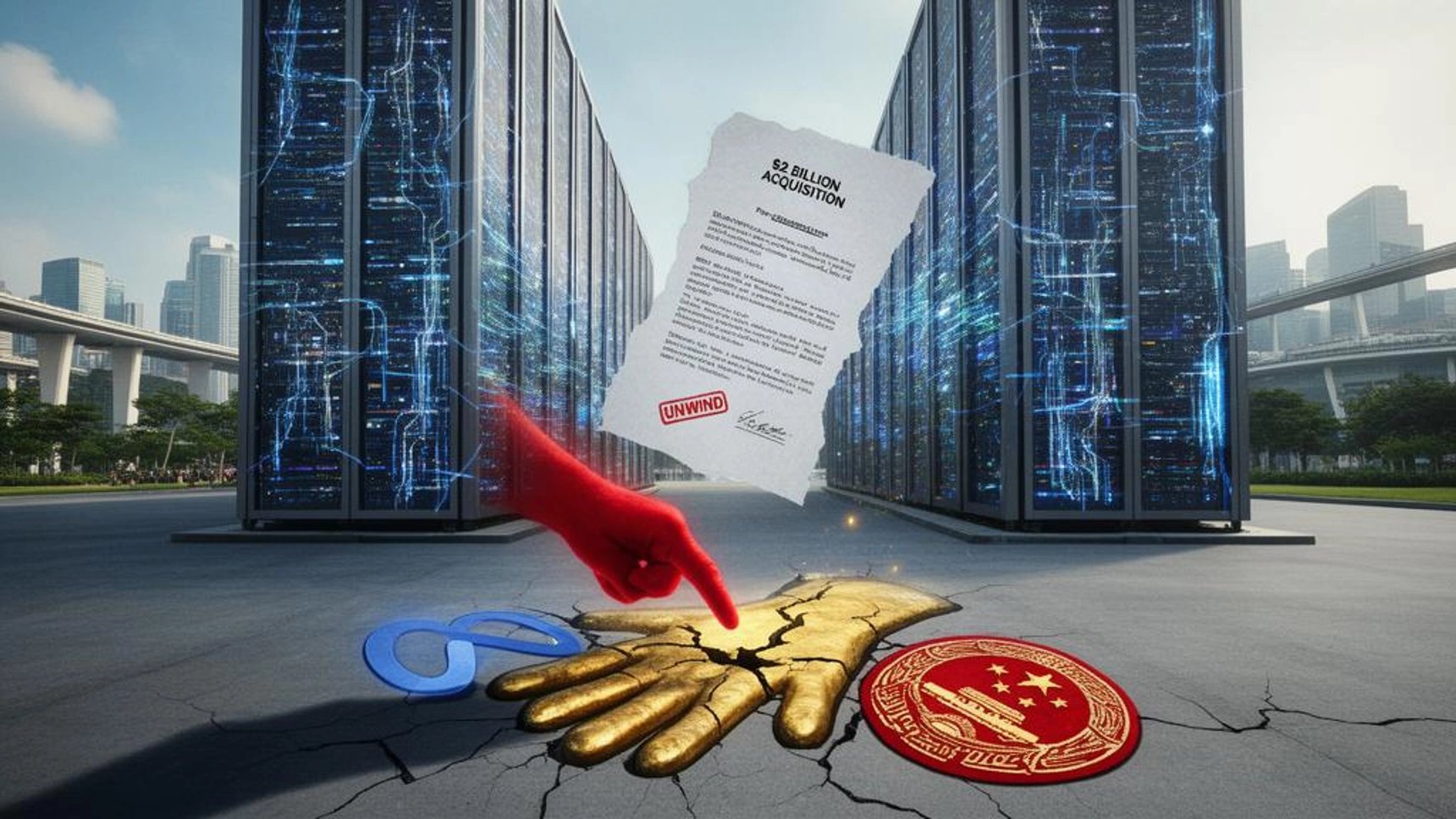
A federal judge temporarily blocked the Justice Department from distributing any money from a new $1.77 billion fund created to compensate alleged victims of government weaponization. U.S. District Judge Leonie Brinkema issued the order Friday to prevent irreversible disbursements until she rules on an emergency motion seeking a full block. The pause maintains the status quo on the entire allocation.
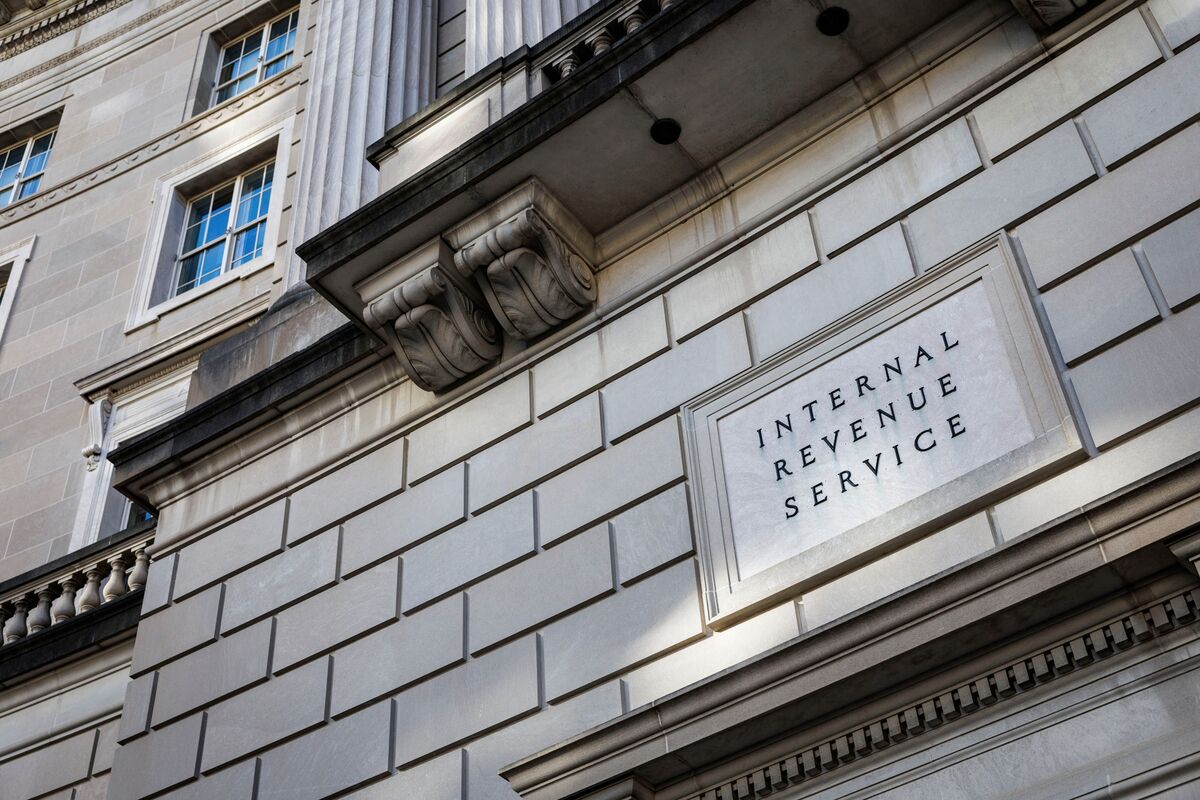
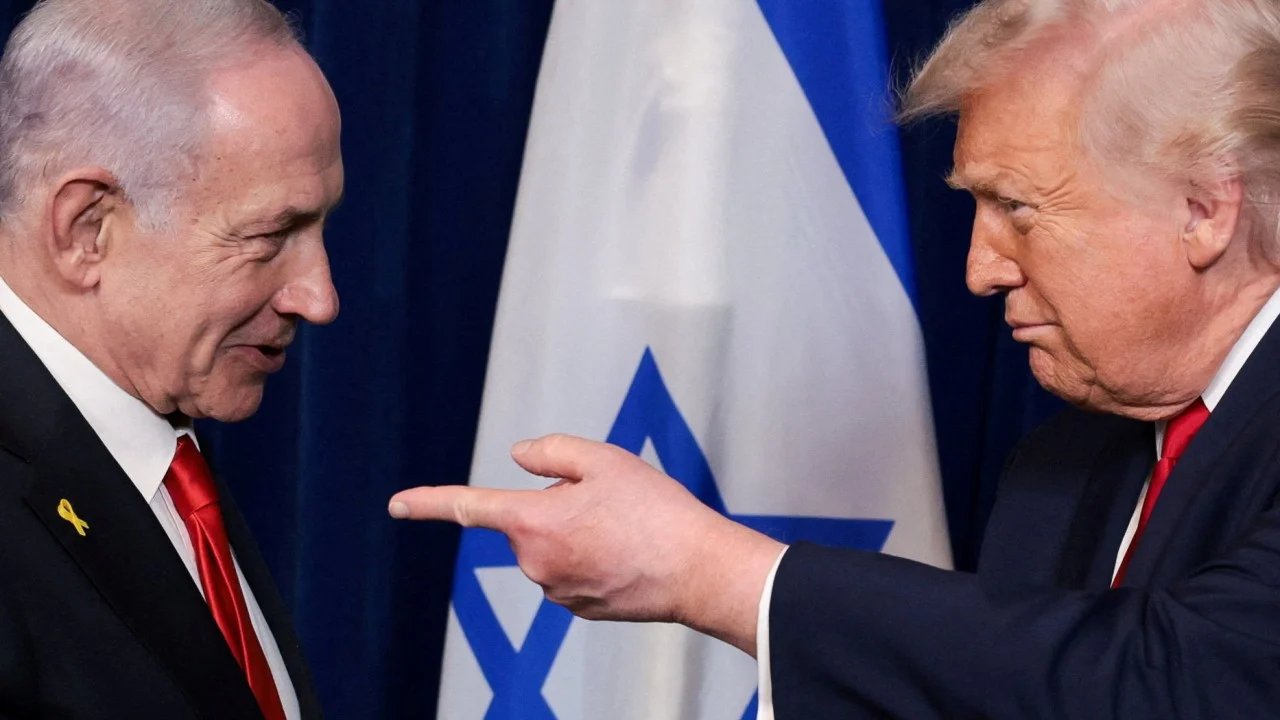
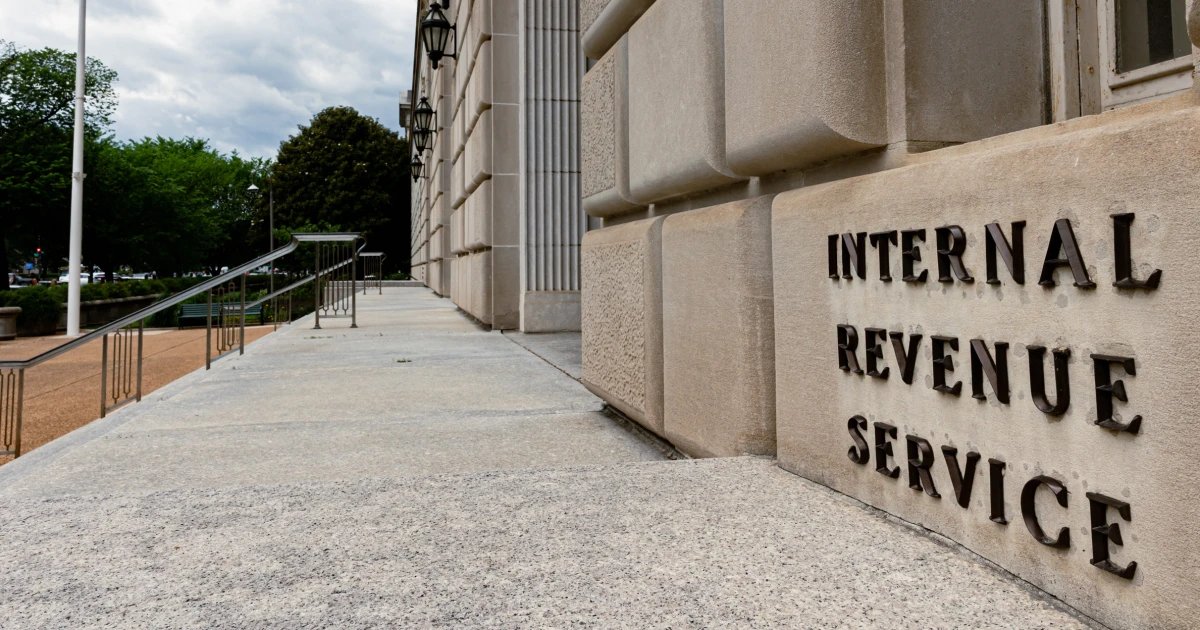
The Justice Department reached the agreement with President Donald Trump on May 18 to establish the $1.77 billion legal fund. It resolves Trump's $10 billion lawsuit against the Internal Revenue Service filed in January over a 2019 leak of his tax information to the New York Times. The settlement creates a mechanism to pay individuals who claim they suffered from government weaponization.
The department normally defends federal agencies such as the IRS vigorously in court. In this instance officials instead cut a deal without mounting any fight. This departure from standard practice has fueled concerns that the fund could direct taxpayer money toward Trump's allies and supporters.
The unusual agreement opens the door for millions of dollars in taxpayer funds to reach individuals connected to Trump. Supporters who claim they experienced government weaponization stand to benefit from the pool.
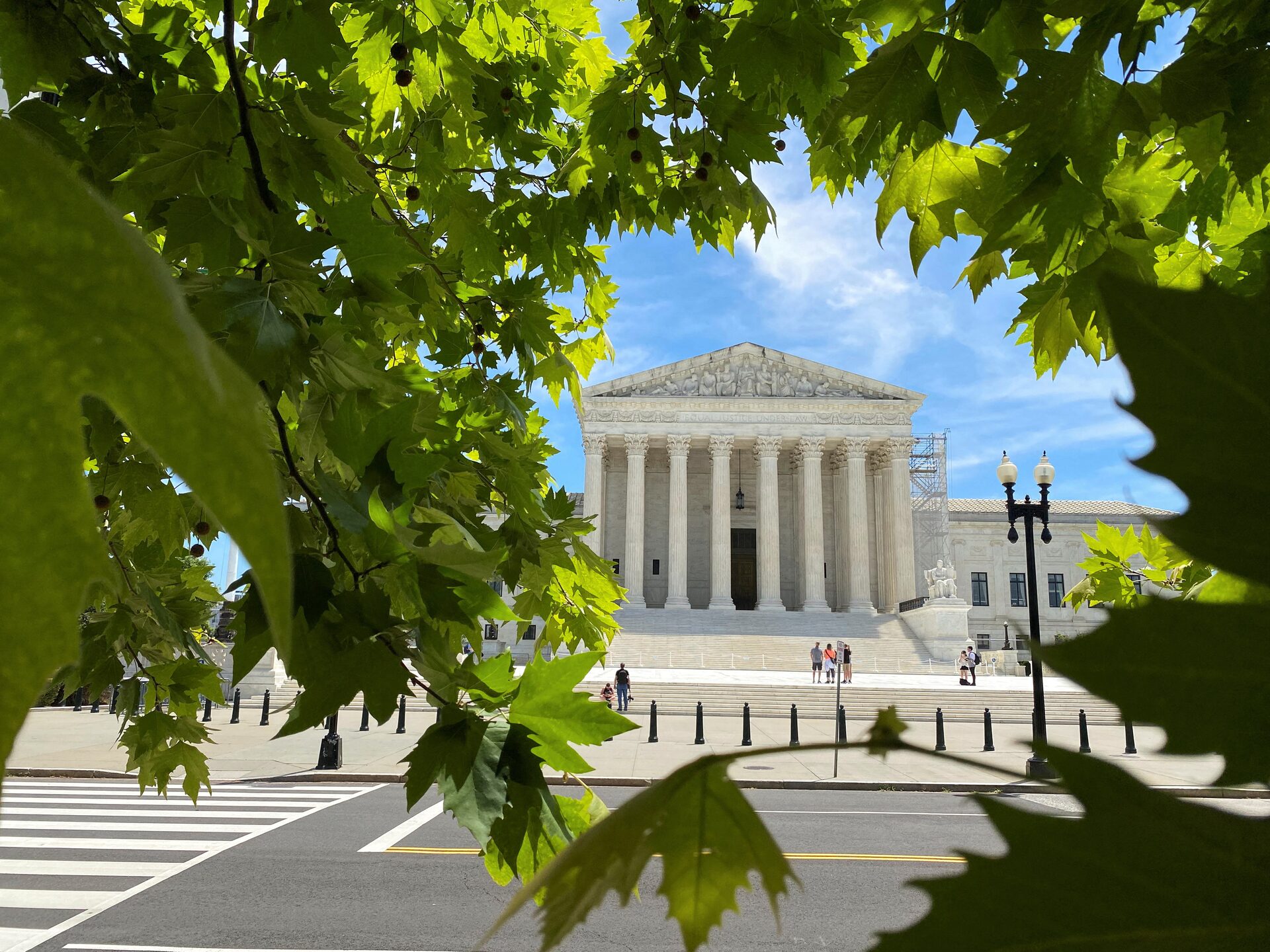
Plaintiffs filed an emergency motion to halt the fund entirely. Judge Brinkema emphasized the need to preserve current conditions while she reviews that request. Her order ensures no payments proceed before the court can fully examine the underlying claims of abuse of power.
A federal judge temporarily blocked the Justice Department from distributing any money from a new $1.8 billion fund created to compensate alleged victims of government weaponization. U.S. District Judge Leonie Brinkema issued the order Friday to prevent irreversible disbursements until she rules on an emergency motion seeking a full block. The pause maintains the status quo on the entire allocation.
The Justice Department reached the agreement with President Donald Trump on May 18 to establish the $1.77 billion legal fund. It resolves Trump's $10 billion lawsuit against the Internal Revenue Service filed in January over a 2019 leak of his tax information to the New York Times. The settlement creates a mechanism to pay individuals who claim they suffered from government weaponization.
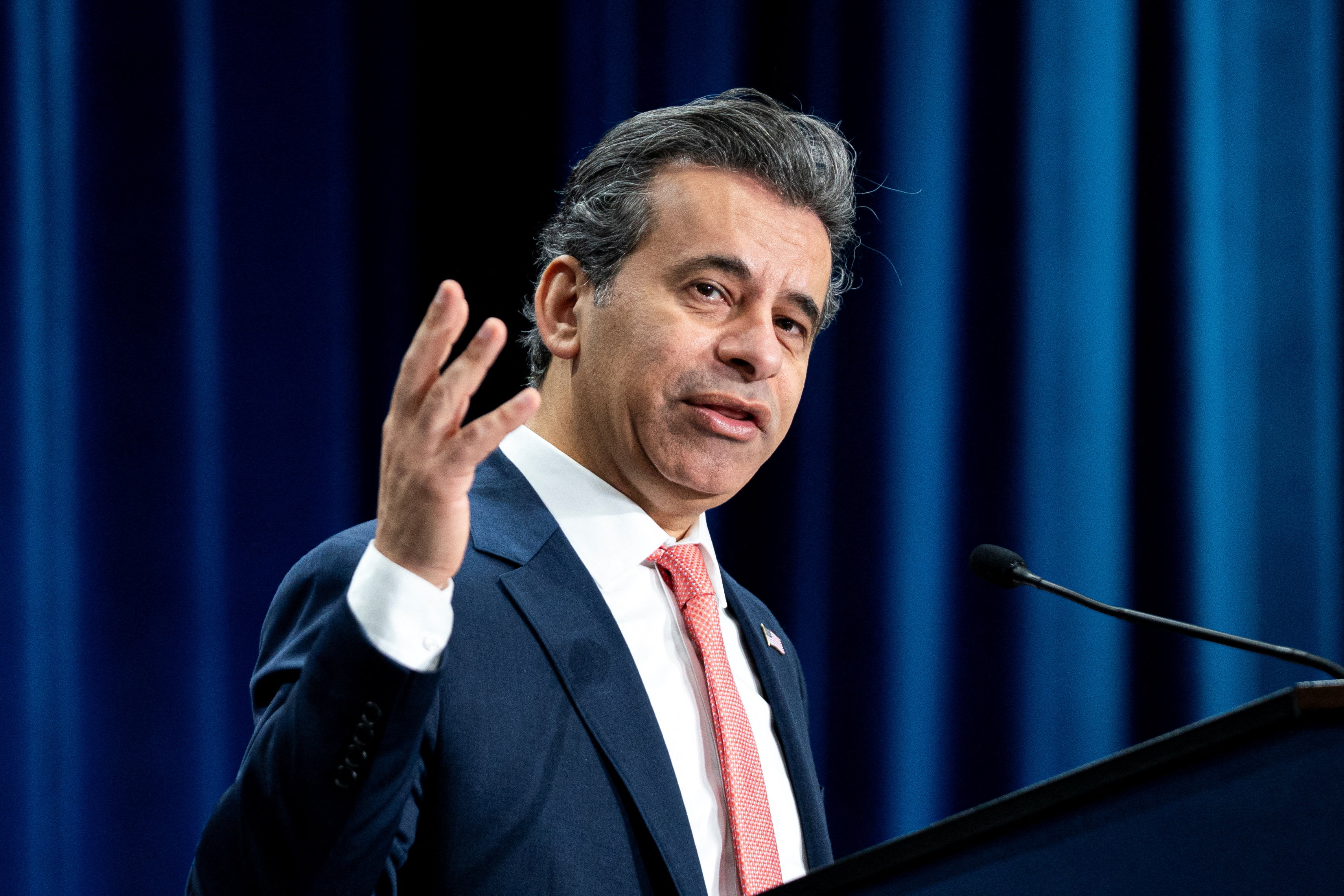
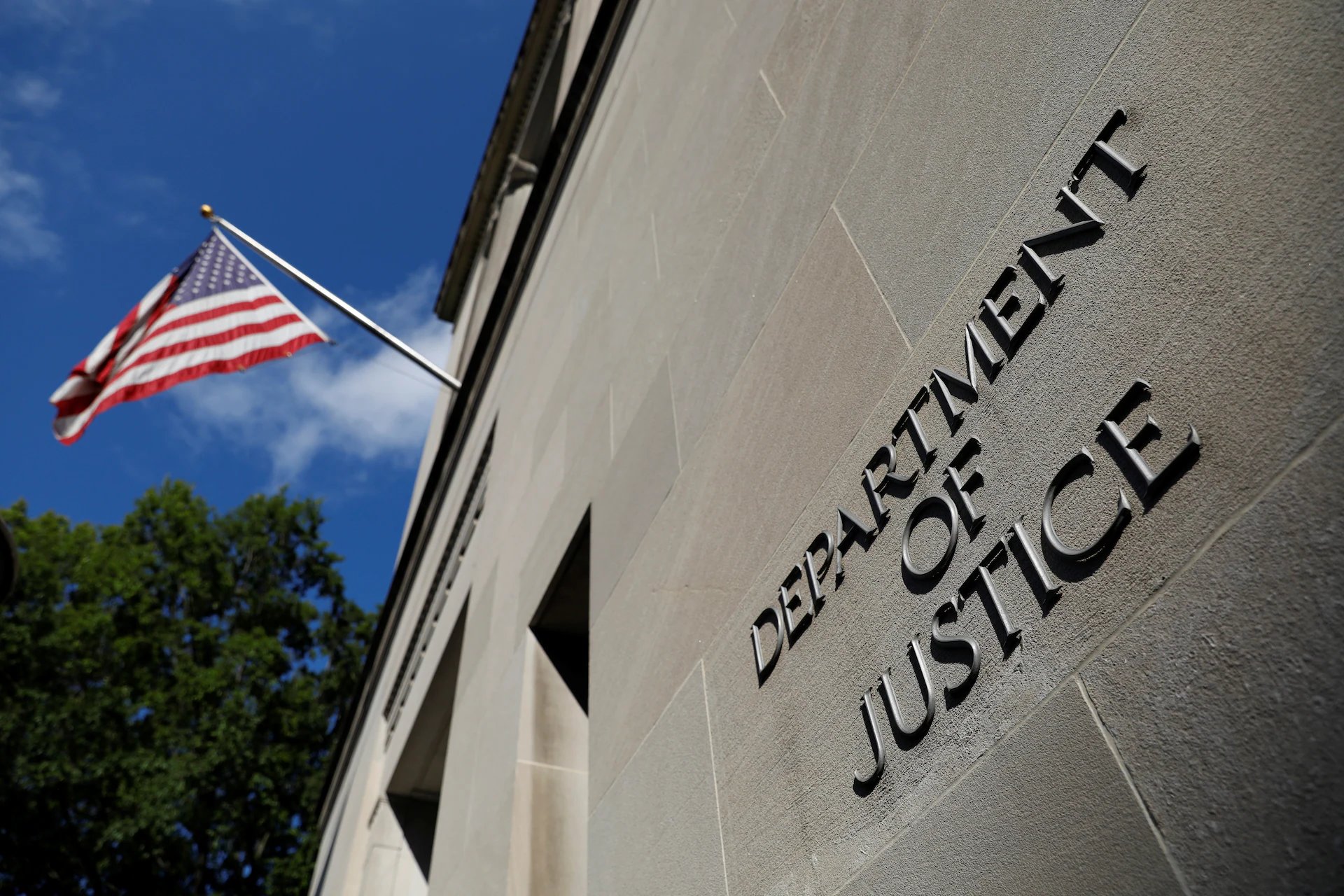
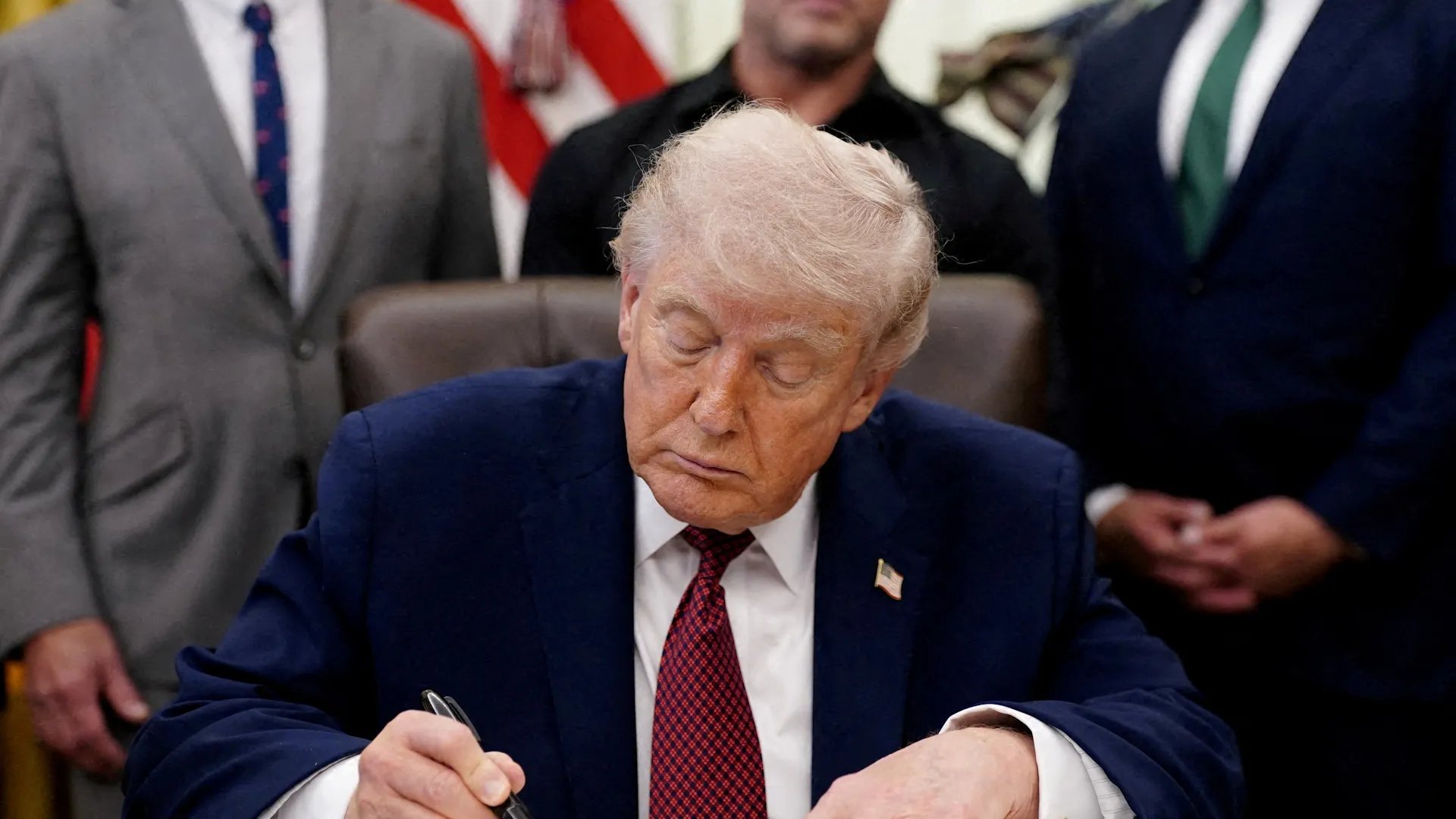
The Justice Department offered no defense in the case against the IRS. Acting Attorney General Todd Blanche stated that Trump will not receive any payout from the fund. Critics describe the arrangement as collusion between Trump and his loyalists inside the department.
The department normally defends federal agencies such as the IRS vigorously in court. In this instance officials instead cut a deal without mounting any fight. This departure from standard practice has fueled concerns that the fund could direct taxpayer money toward Trump's allies and supporters.
The unusual agreement opens the door for millions of dollars in taxpayer funds to reach individuals connected to Trump. Supporters who claim they experienced government weaponization stand to benefit from the pool. The scale of the $1.77 billion allocation has drawn sharp scrutiny over who ultimately qualifies for compensation.
Plaintiffs filed an emergency motion to halt the fund entirely. Judge Brinkema emphasized the need to preserve current conditions while she reviews that request. Her order ensures no payments proceed before the court can fully examine the underlying claims of abuse of power.
The ruling leaves open the question of whether the $1.8 billion will ever flow to intended recipients or face permanent redirection.
Highlighted text was flagged by the council. Tap to see feedback.
















































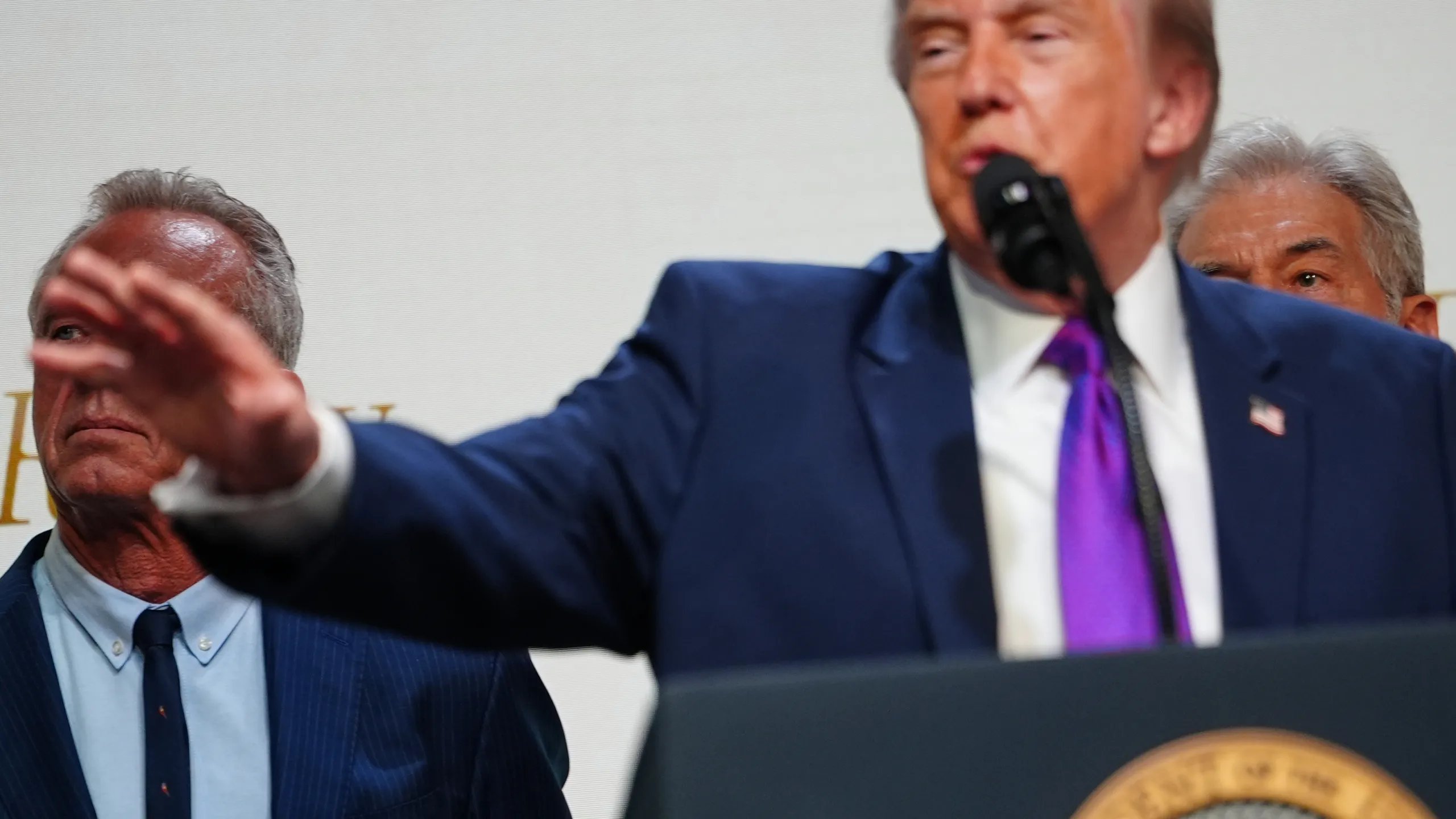







































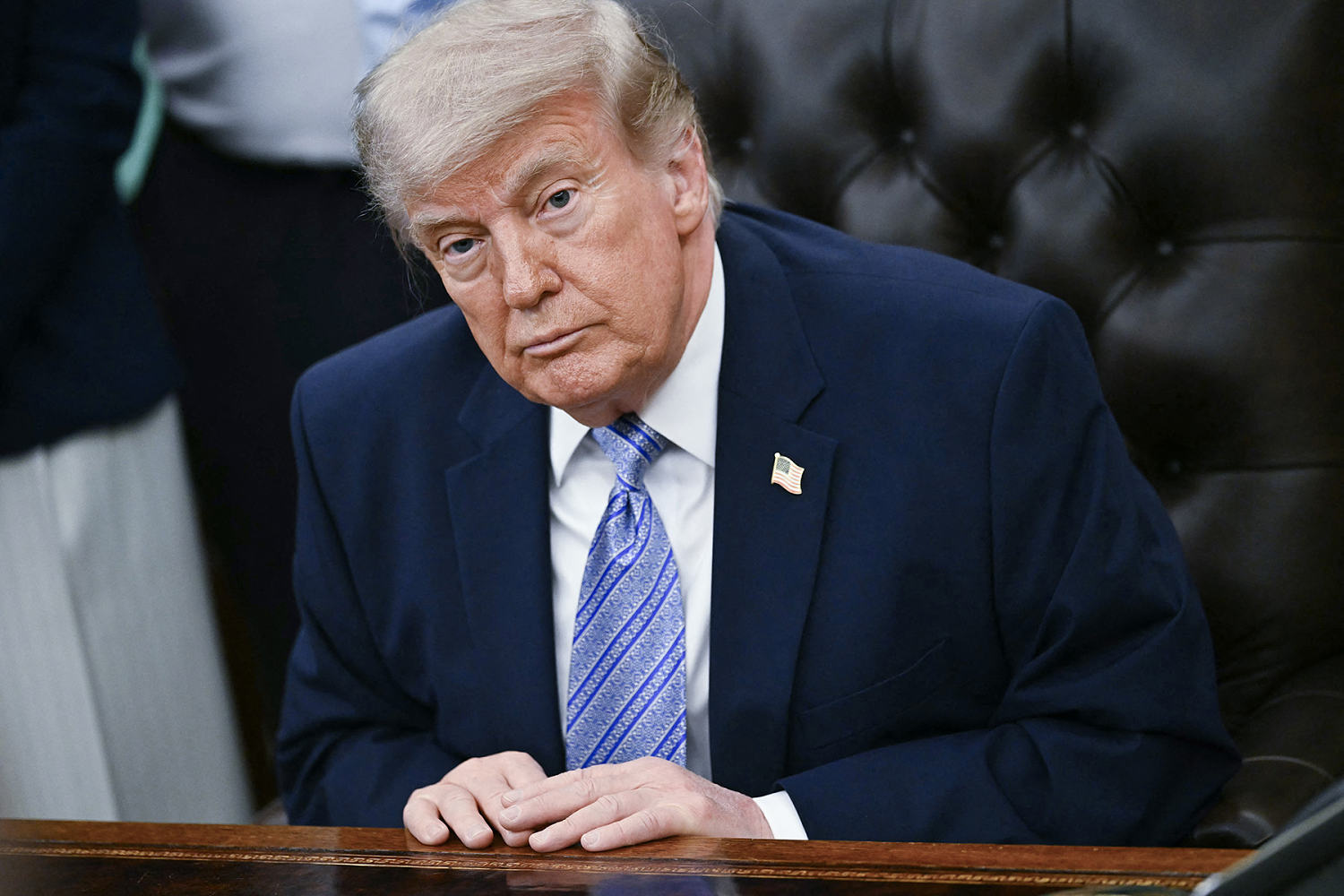



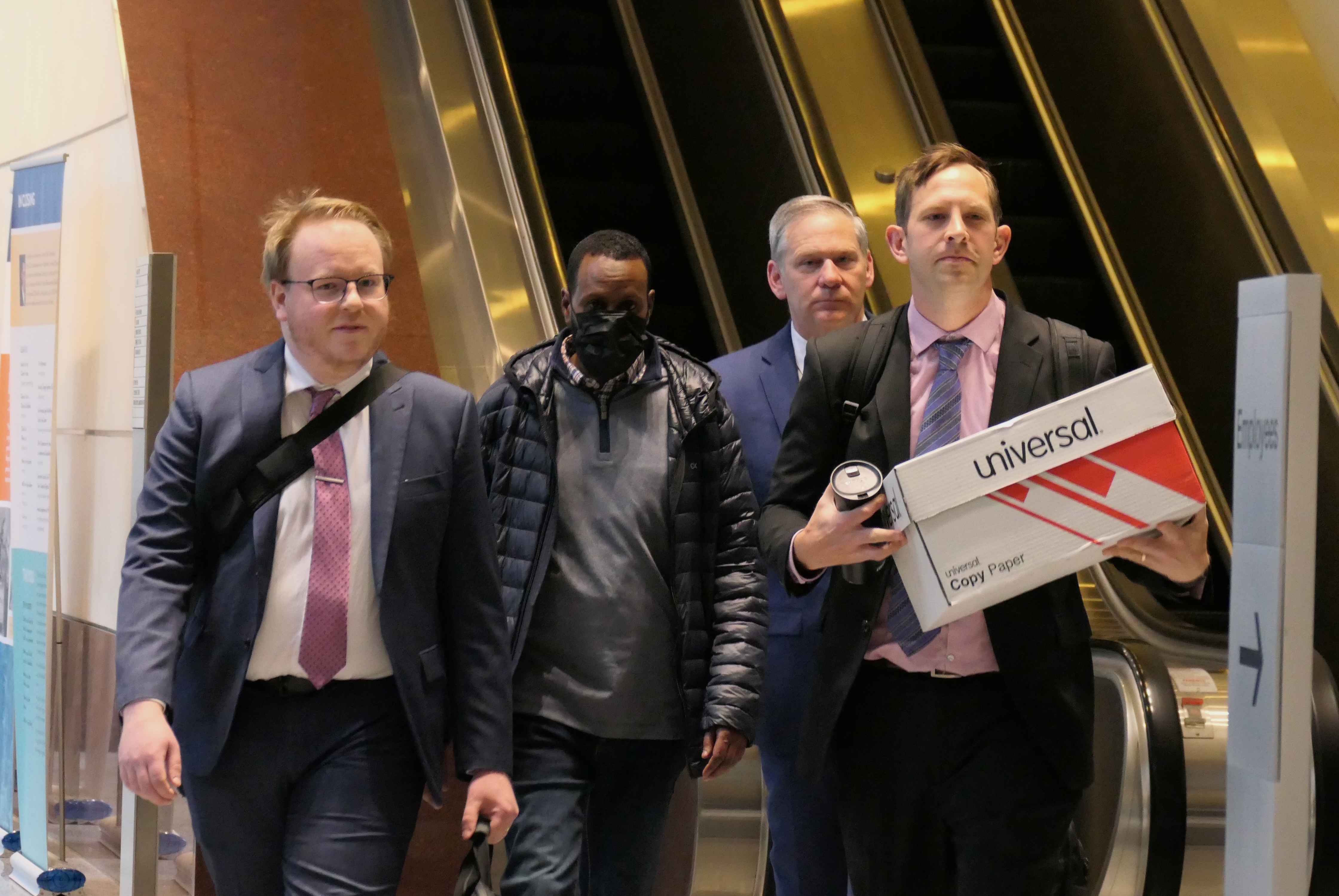
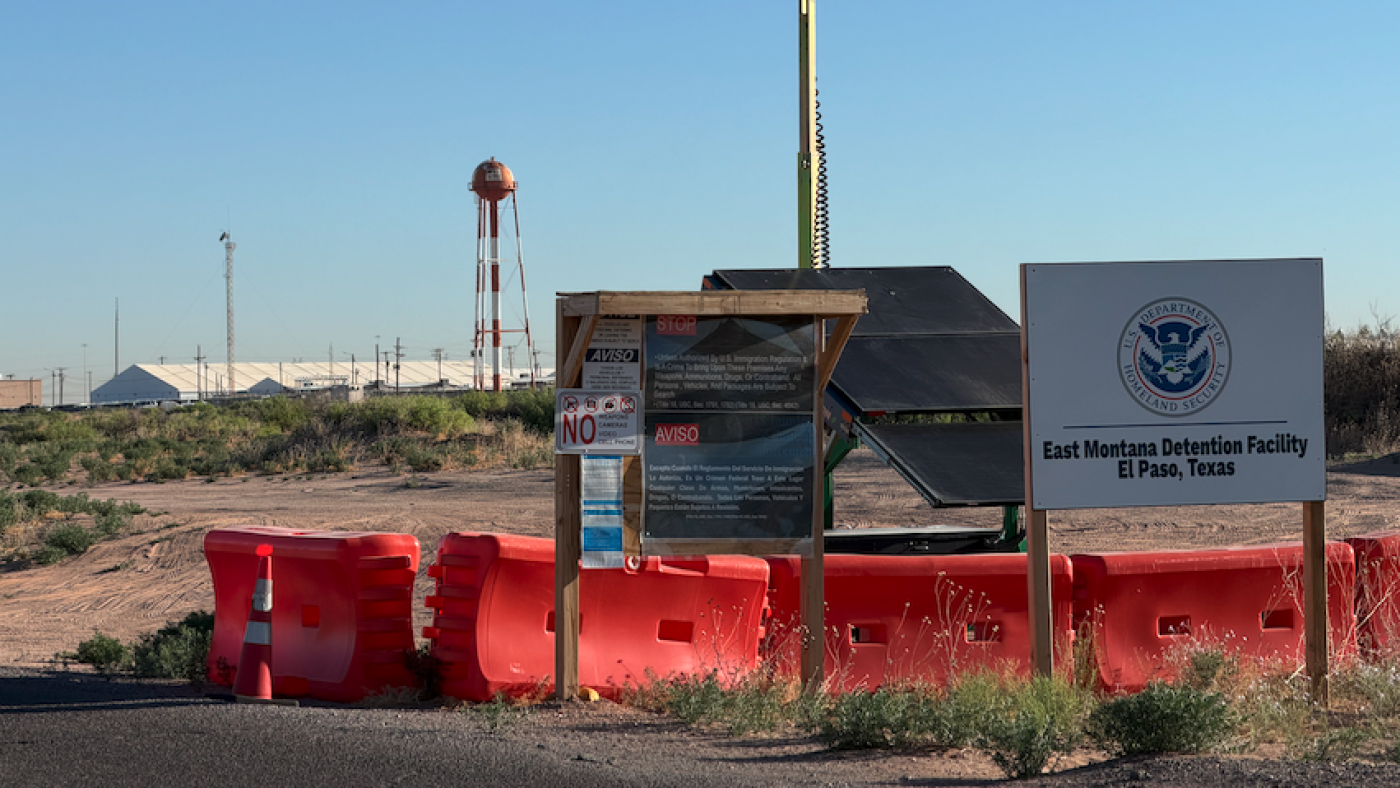










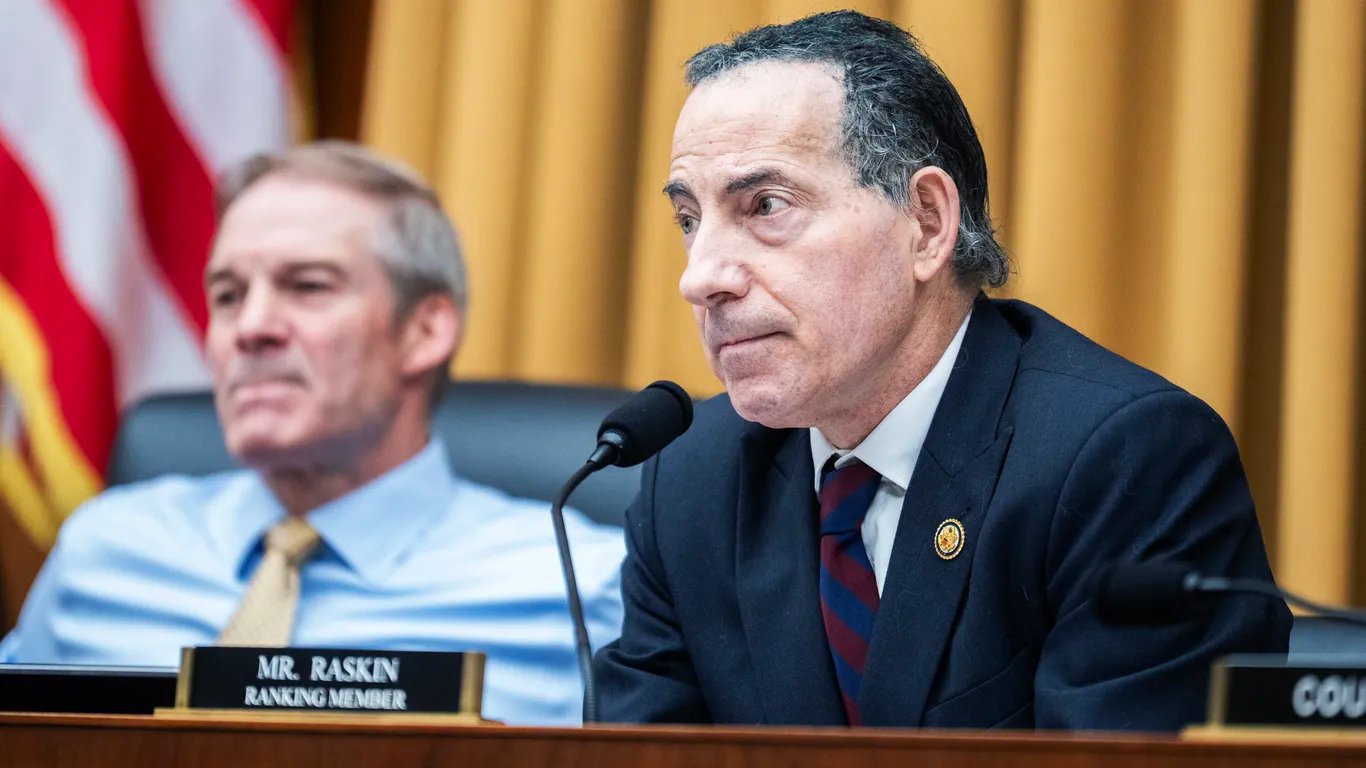

































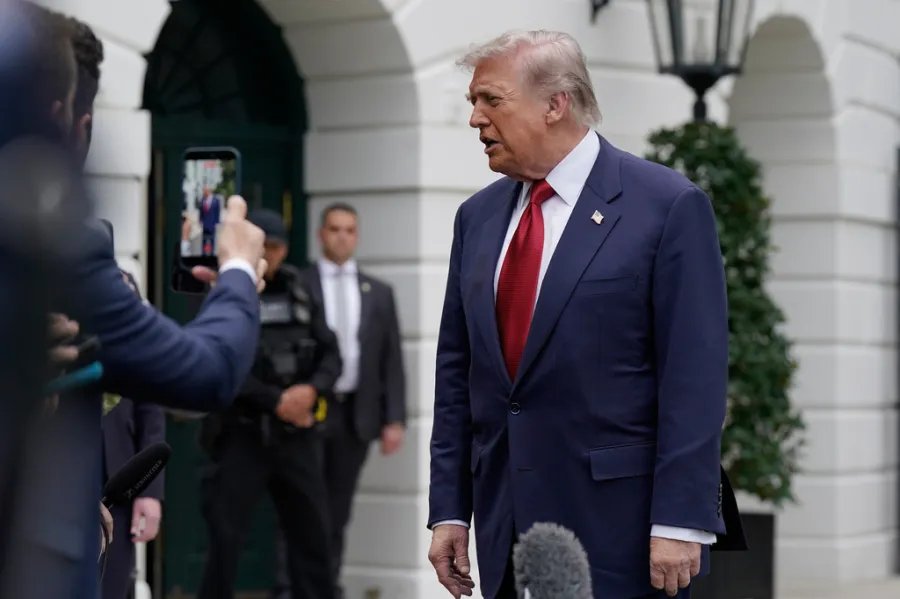
























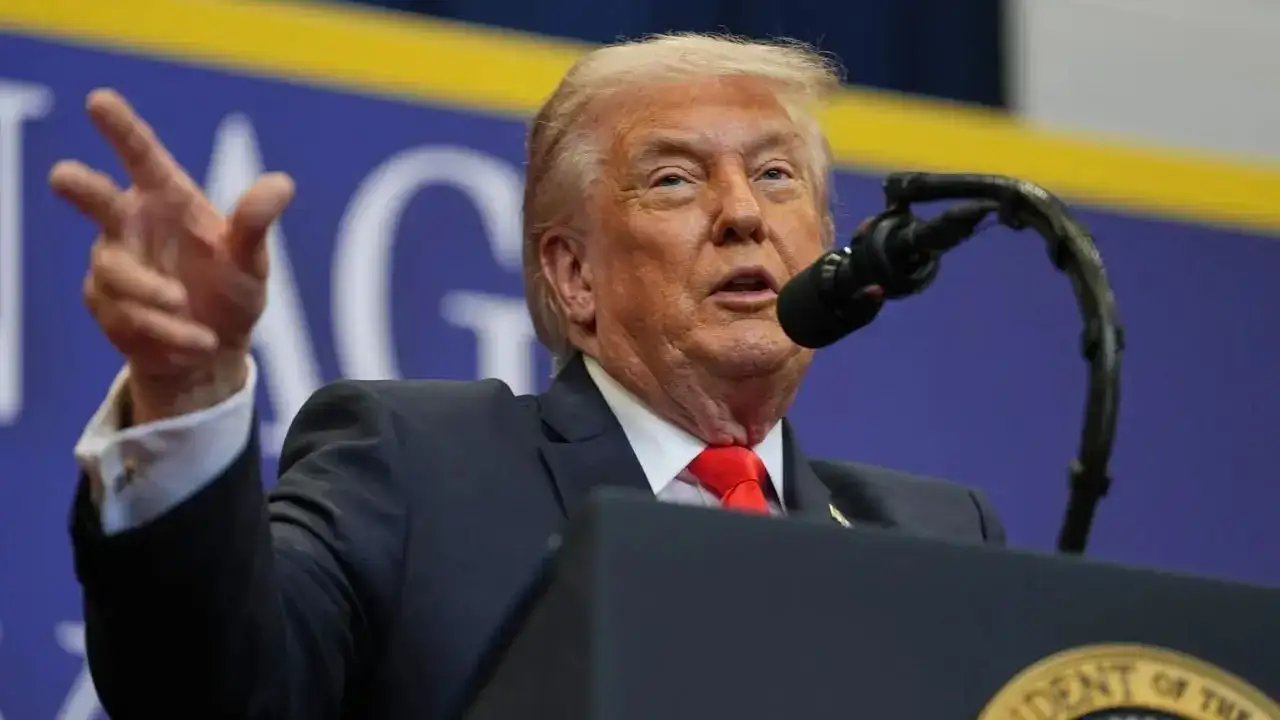






























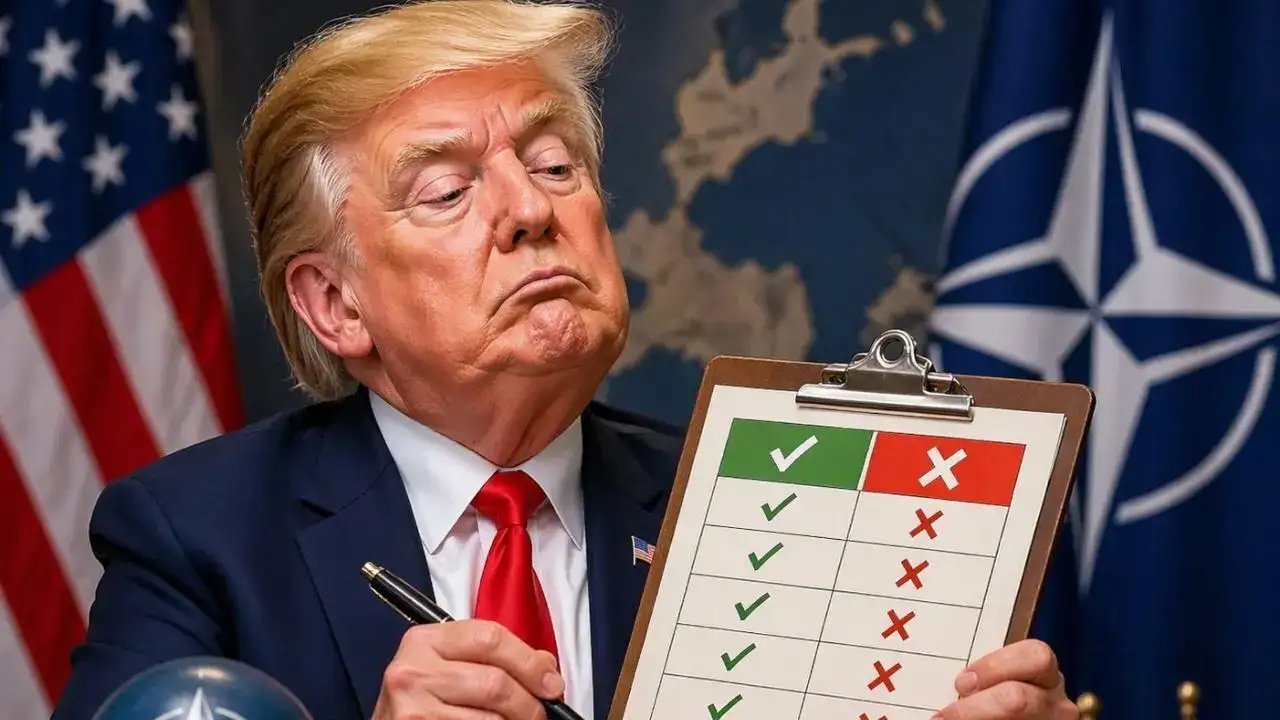












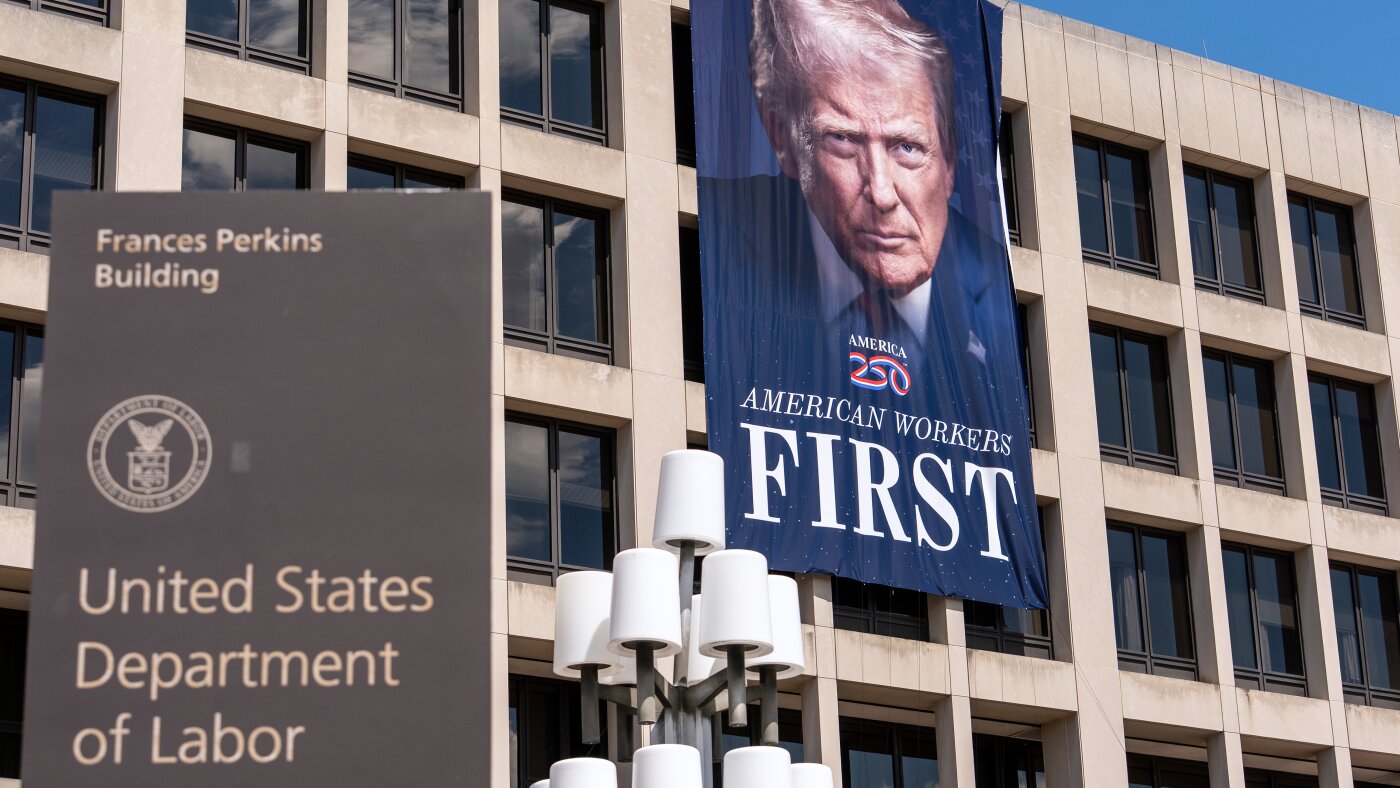




















For example, critics argue that the Justice Department's decision to cut a deal without a fight indicates collusion between Trump and his loyalists within the department.