
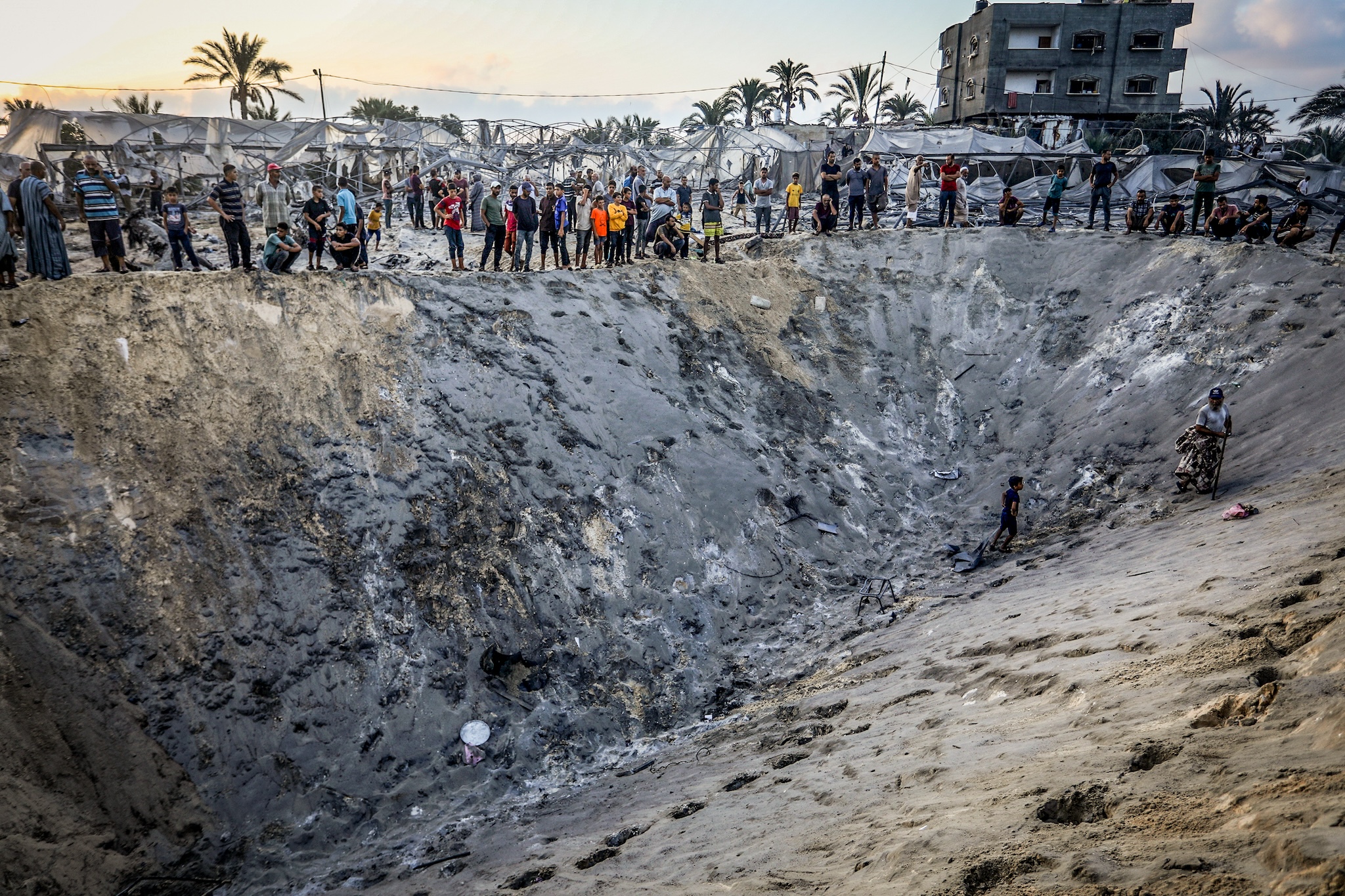




Targeted Strike on Hamas Leadership
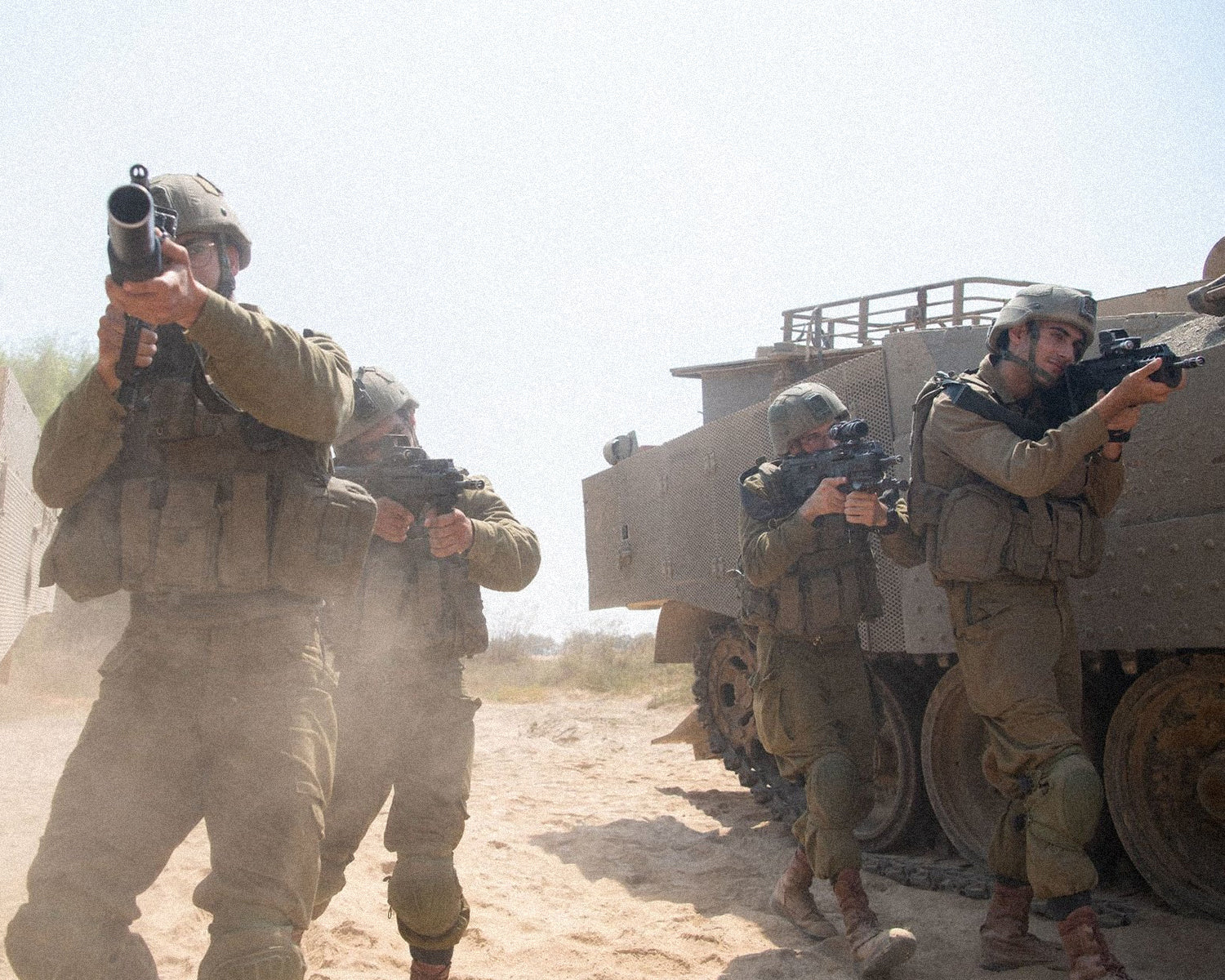
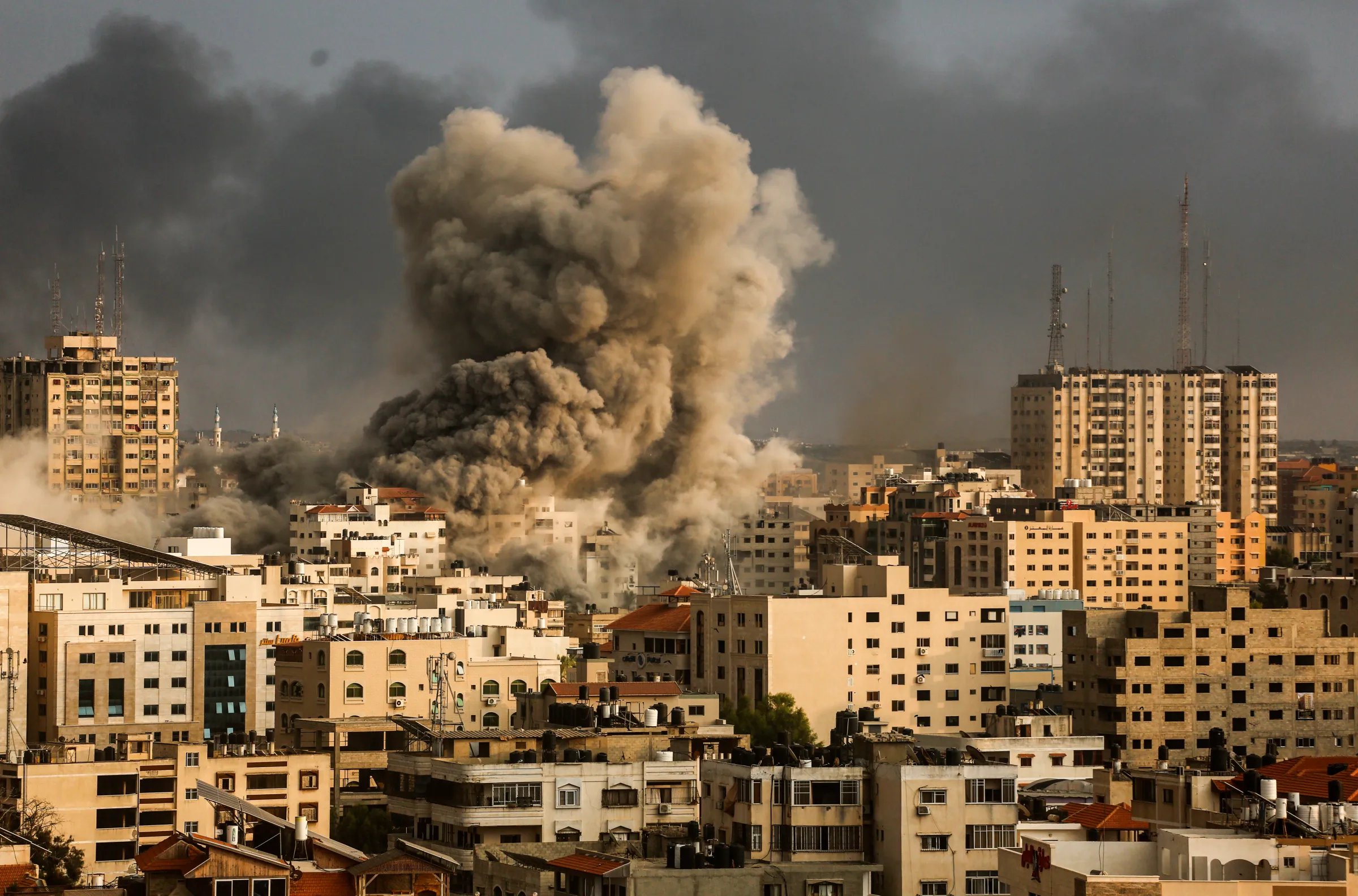
Israel announced the killing of Mohammed Odeh, the newly appointed head of Hamas's armed wing, in an airstrike on Tuesday that also claimed the lives of five others, including Odeh's wife and son. Israeli Defense Minister Israel Katz stated that Odeh had been tracked for several months before the strike, which targeted a residential building in the Rimal neighborhood of Gaza City. Katz emphasized that the operation was part of Israel's commitment to eliminate those responsible for the October 7 attacks, which resulted in over 1,200 Israeli deaths.
Context of Violence and Ceasefire
This airstrike comes amid ongoing tensions despite a ceasefire agreement reached in October. Since the so-called "ceasefire" took effect on October 11, at least 906 Palestinians in Gaza have been killed, according to Gaza's Ministry of Health. Katz's statement indicated that Israel will not relent in its efforts to dismantle Hamas's leadership, asserting that those involved in the October 7 massacre are "marked for death."
Background on Odeh's Role
Odeh succeeded Izz al-Din al-Haddad, who was killed in a previous Israeli strike on May 15. Odeh had served as Hamas's intelligence chief during the October 7 attacks and was responsible for planning and coordinating infiltration operations against Israeli targets. Katz noted that Odeh's elimination was a continuation of Israel's strategy to target Hamas leadership and prevent future attacks.
Casualties and Damage
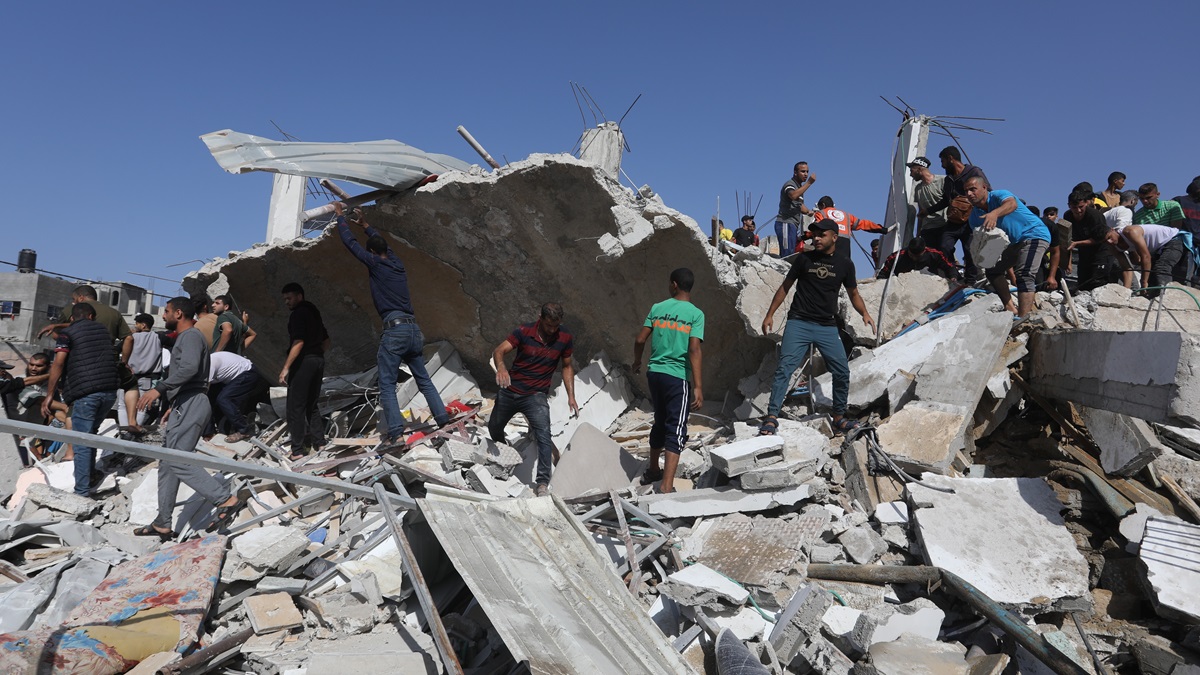
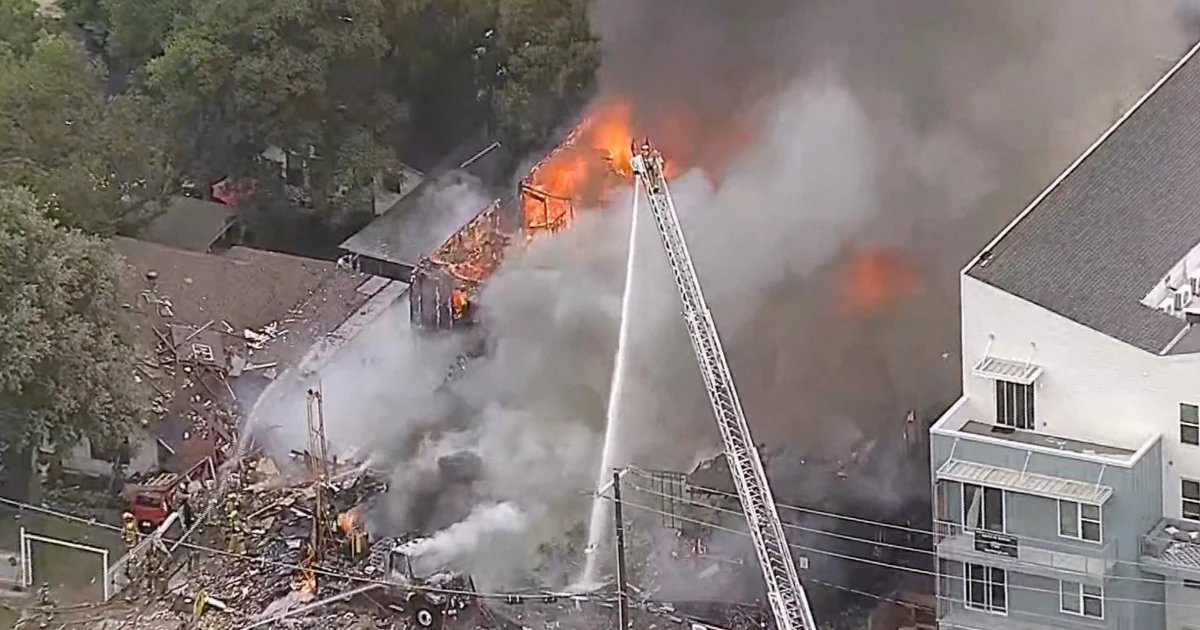
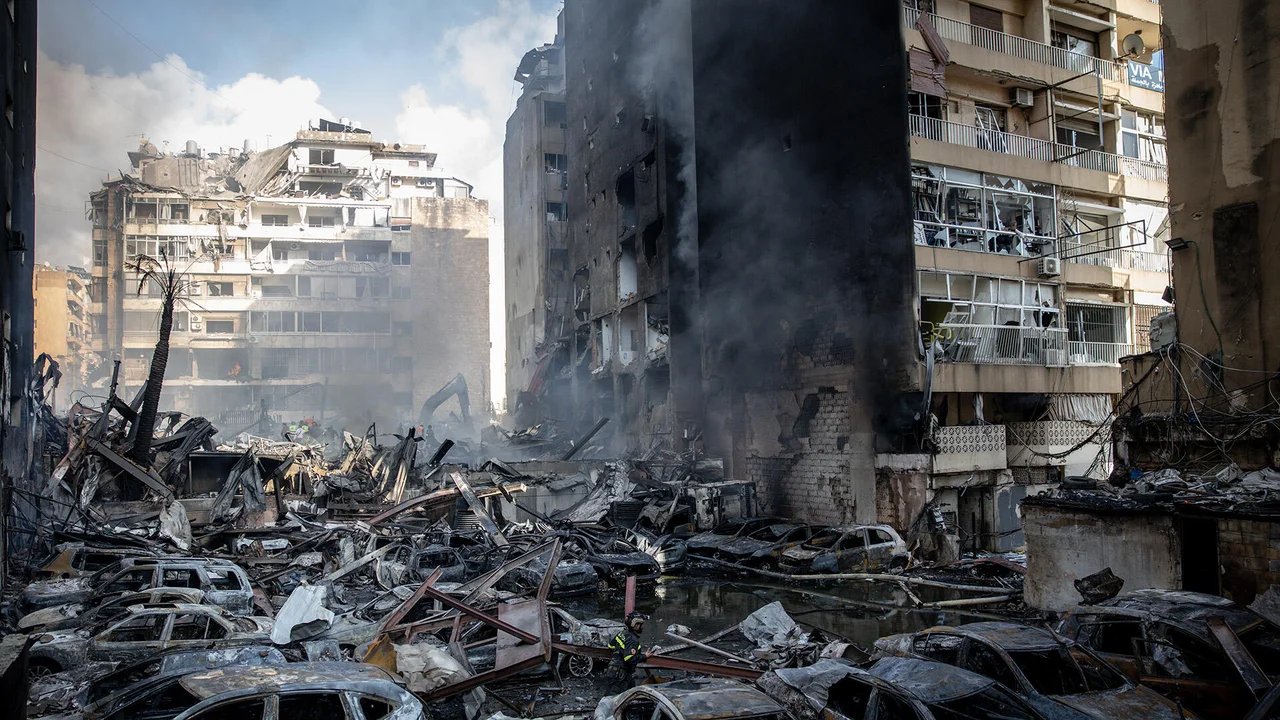
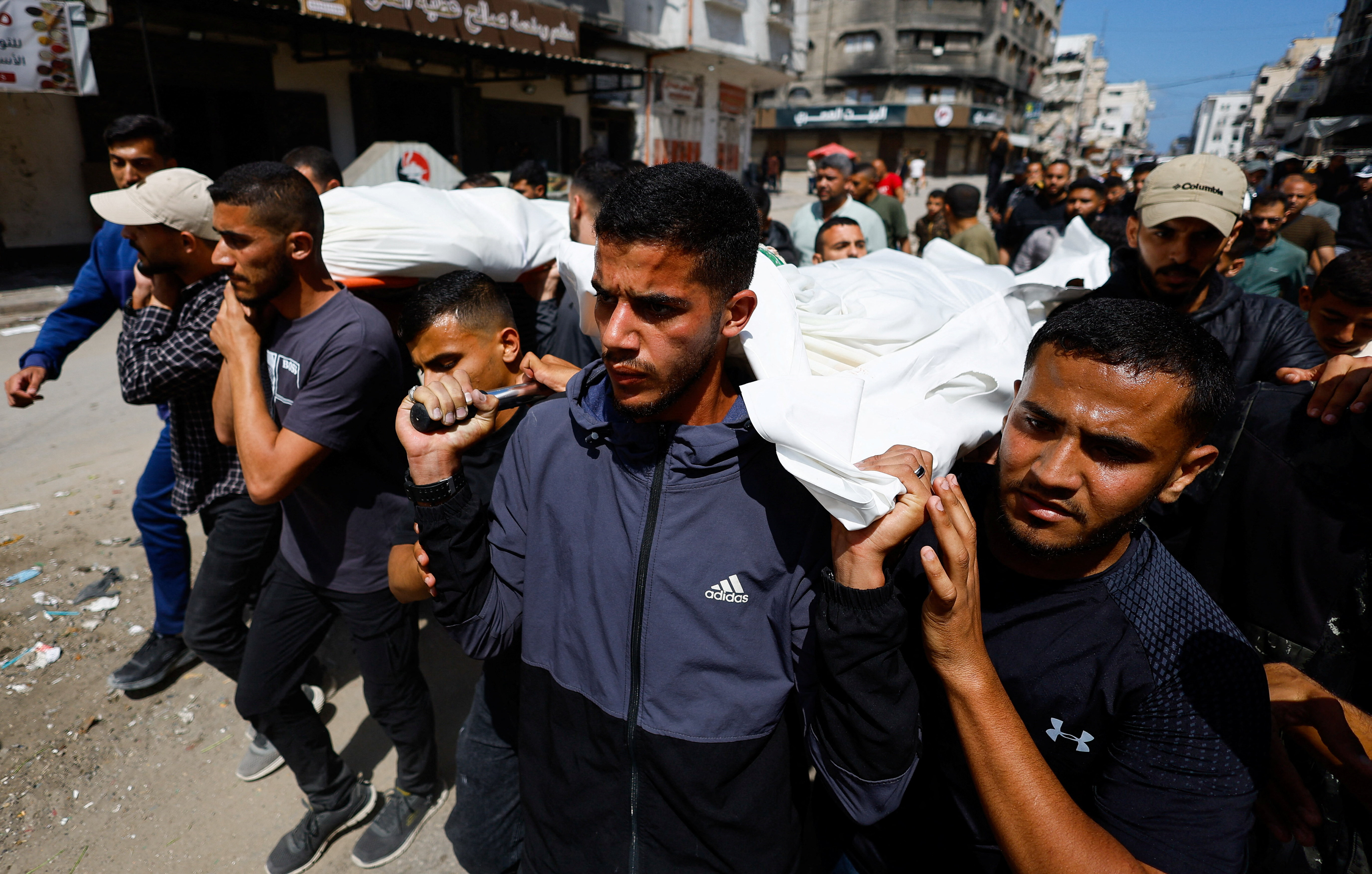
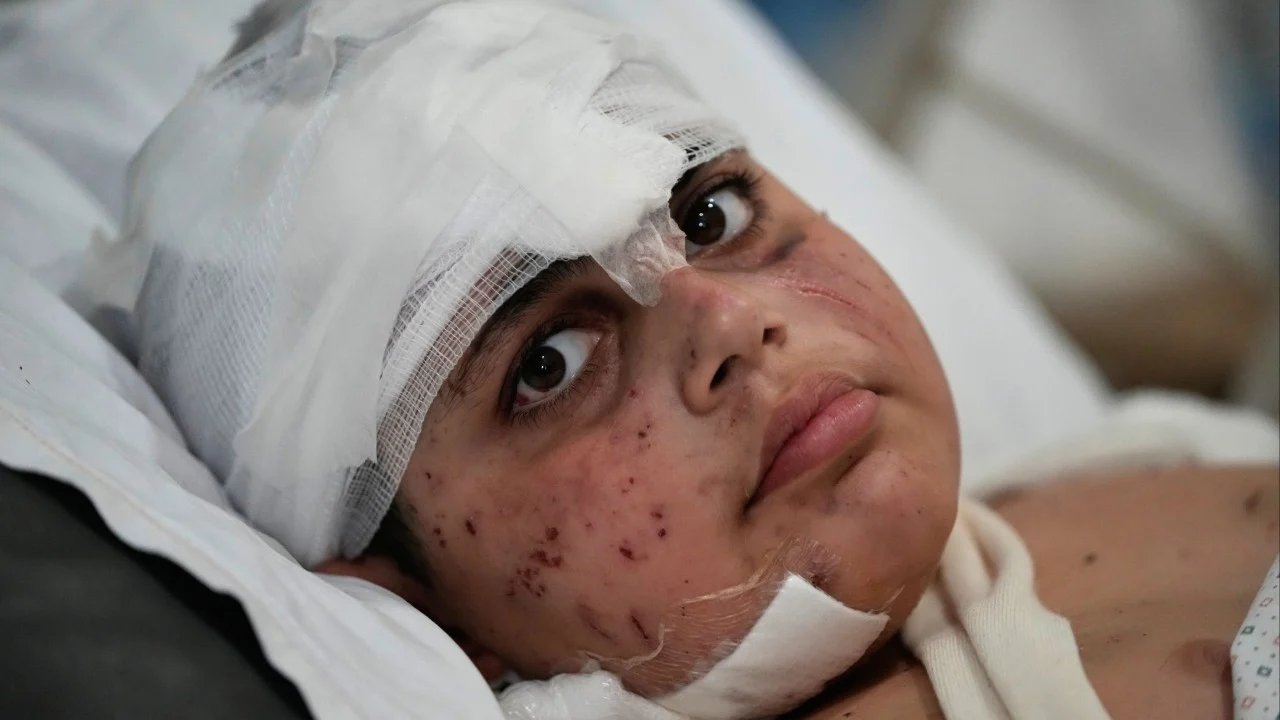
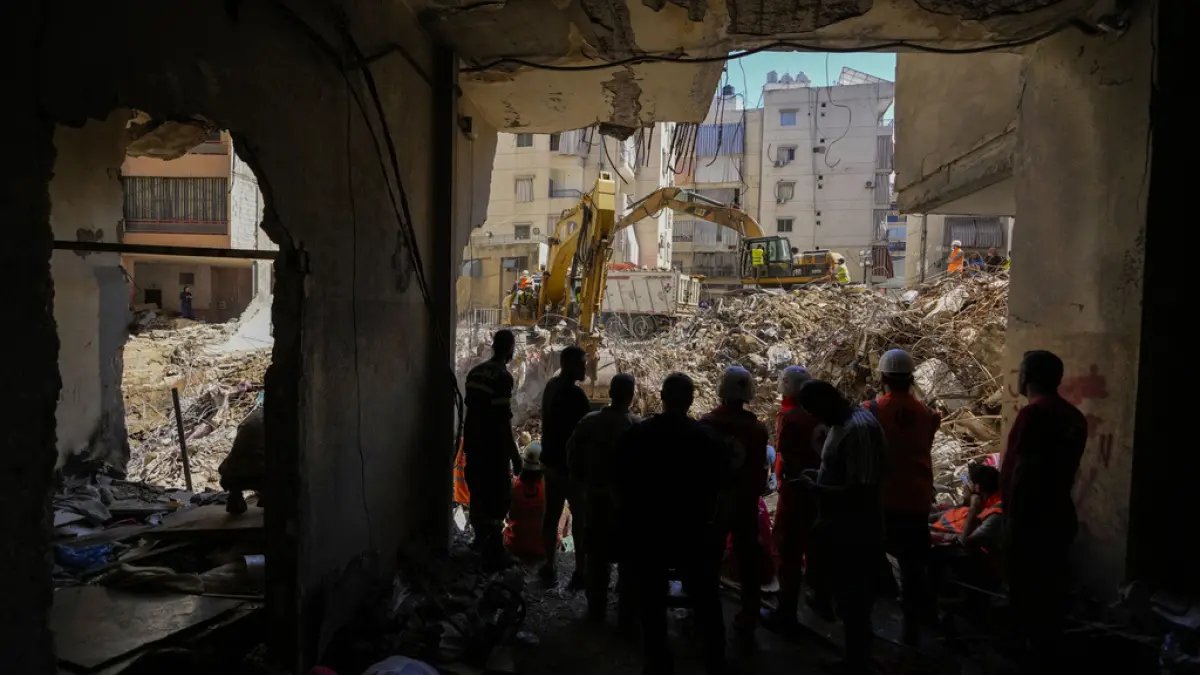
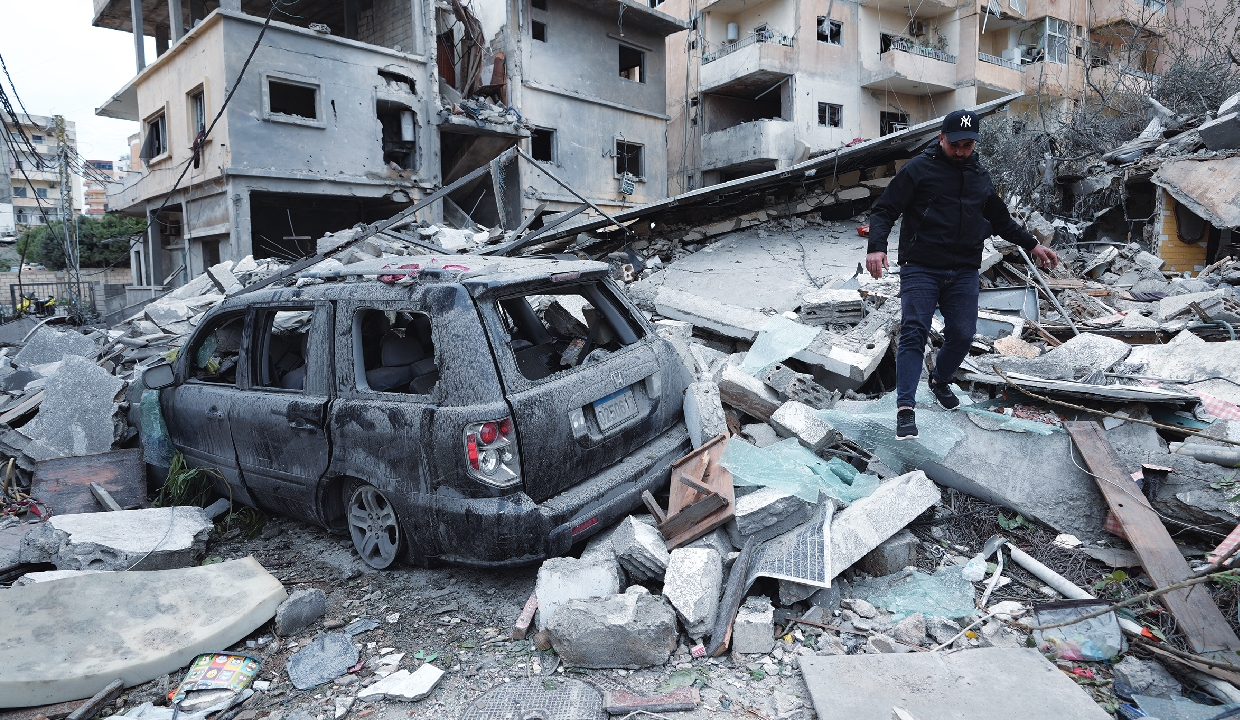
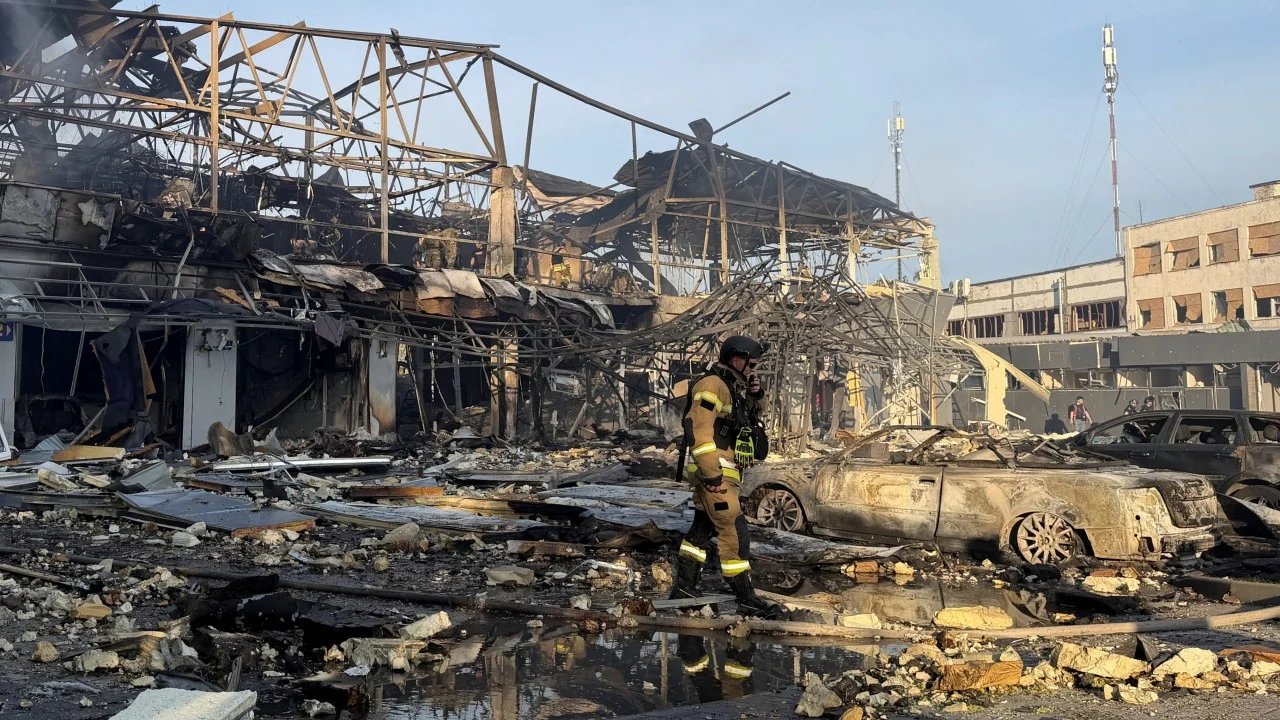
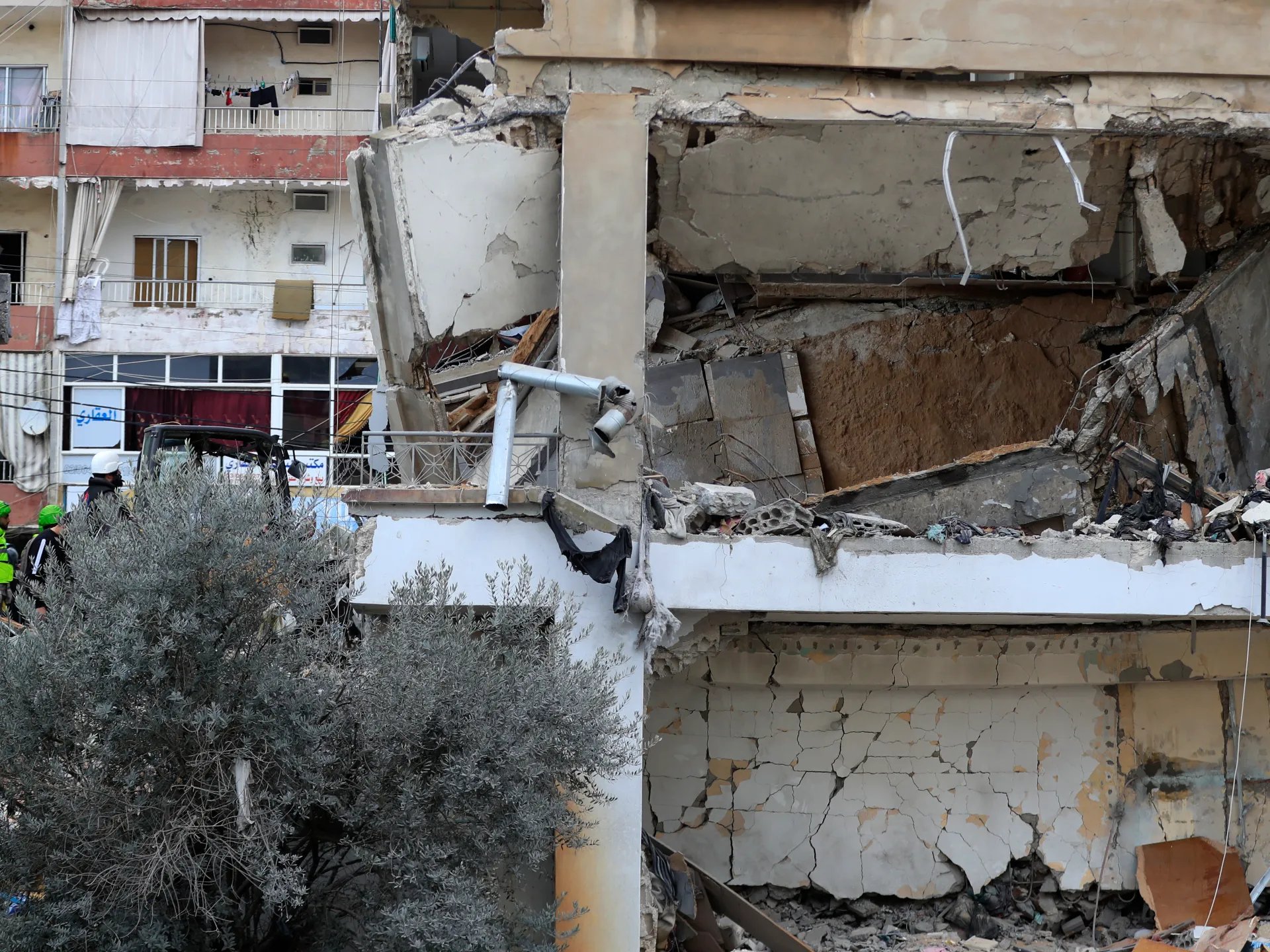
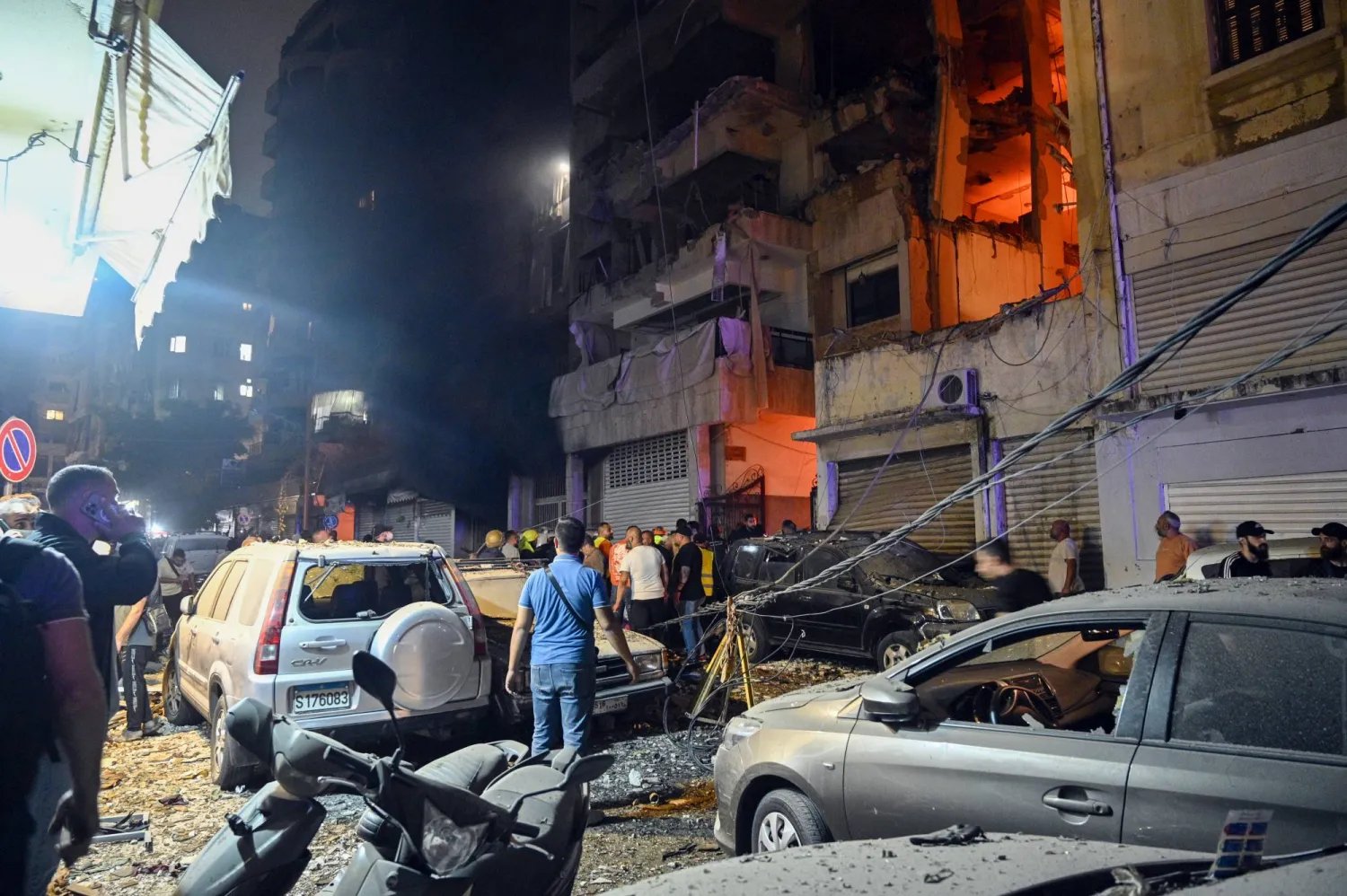
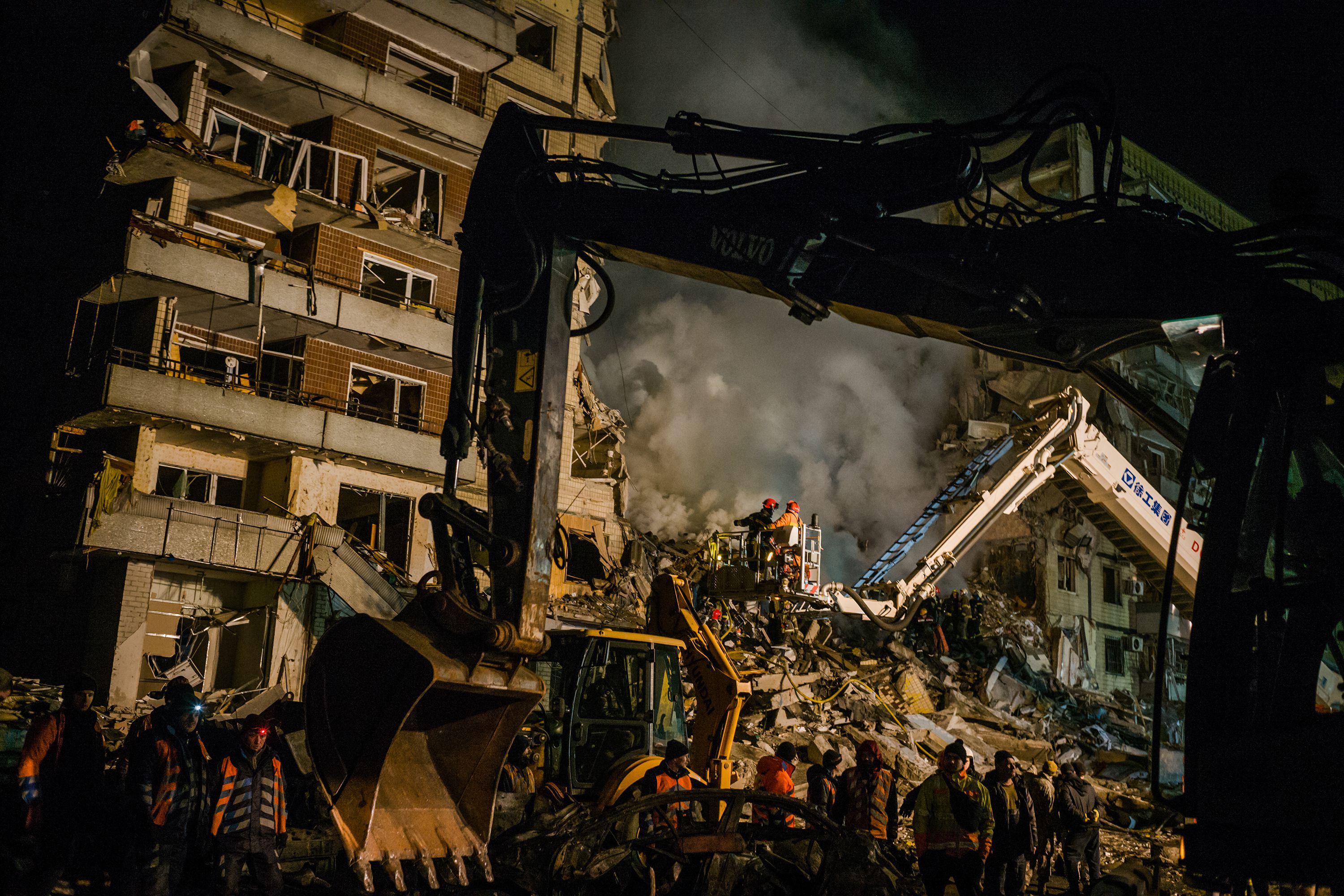
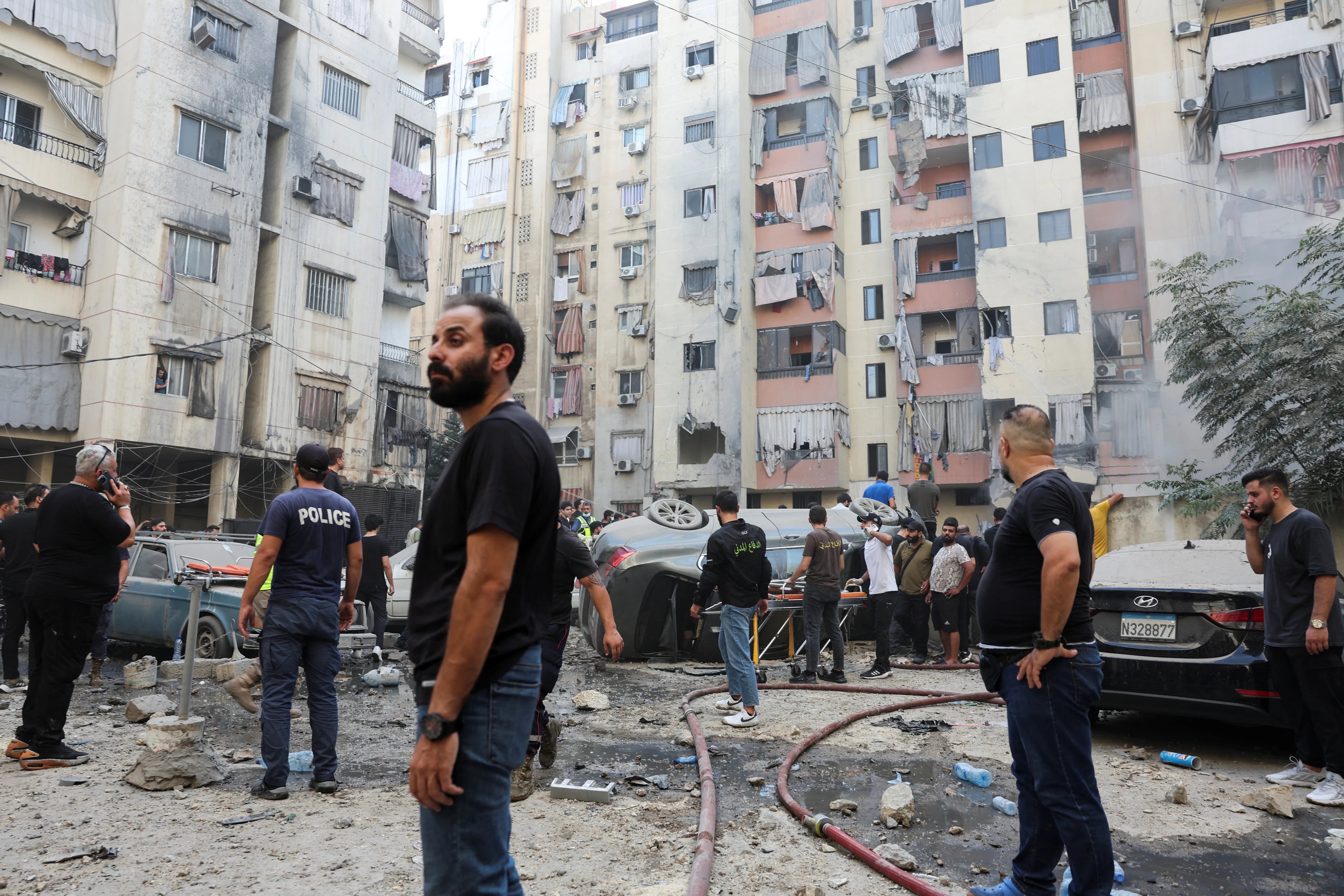
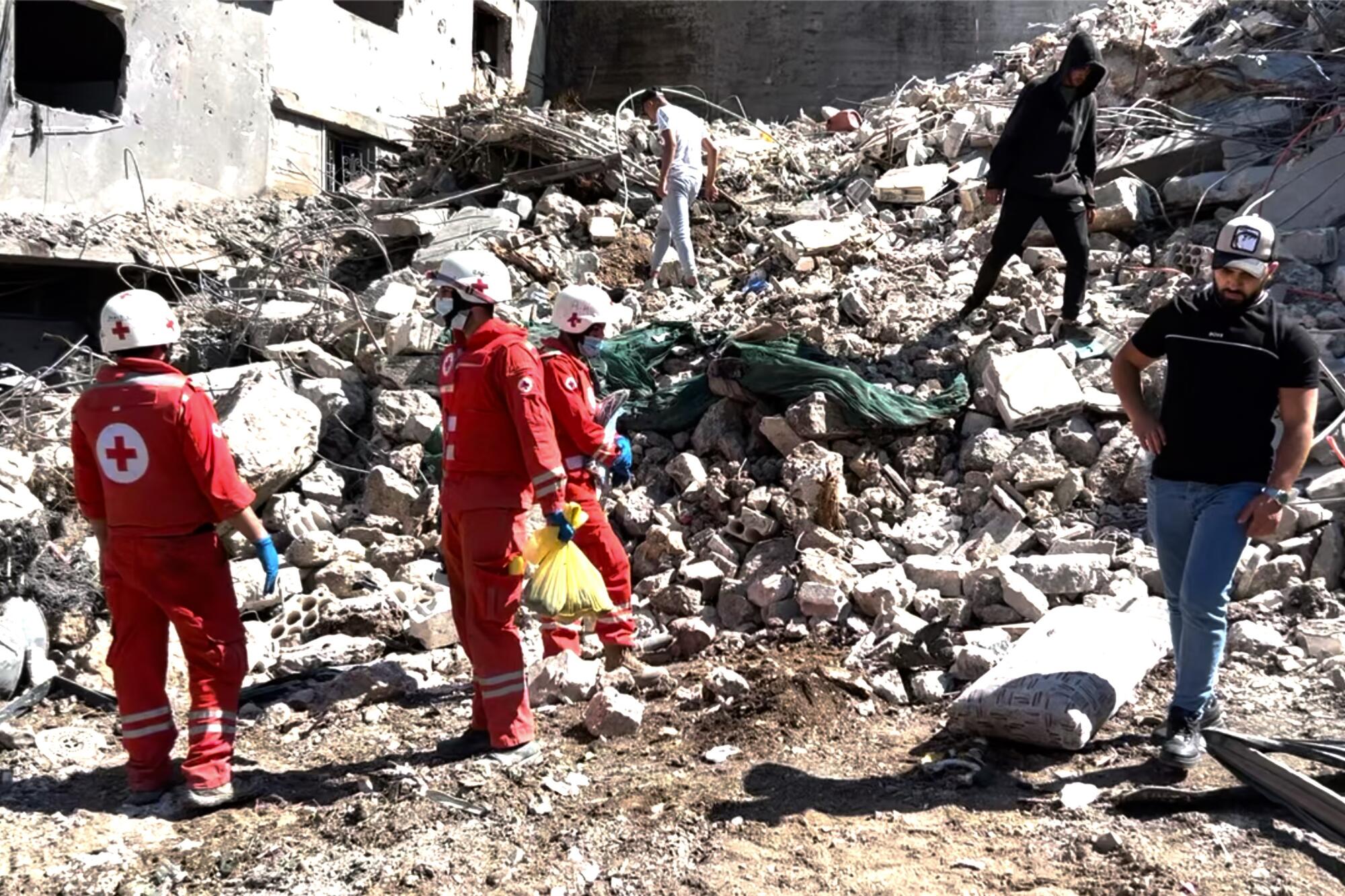
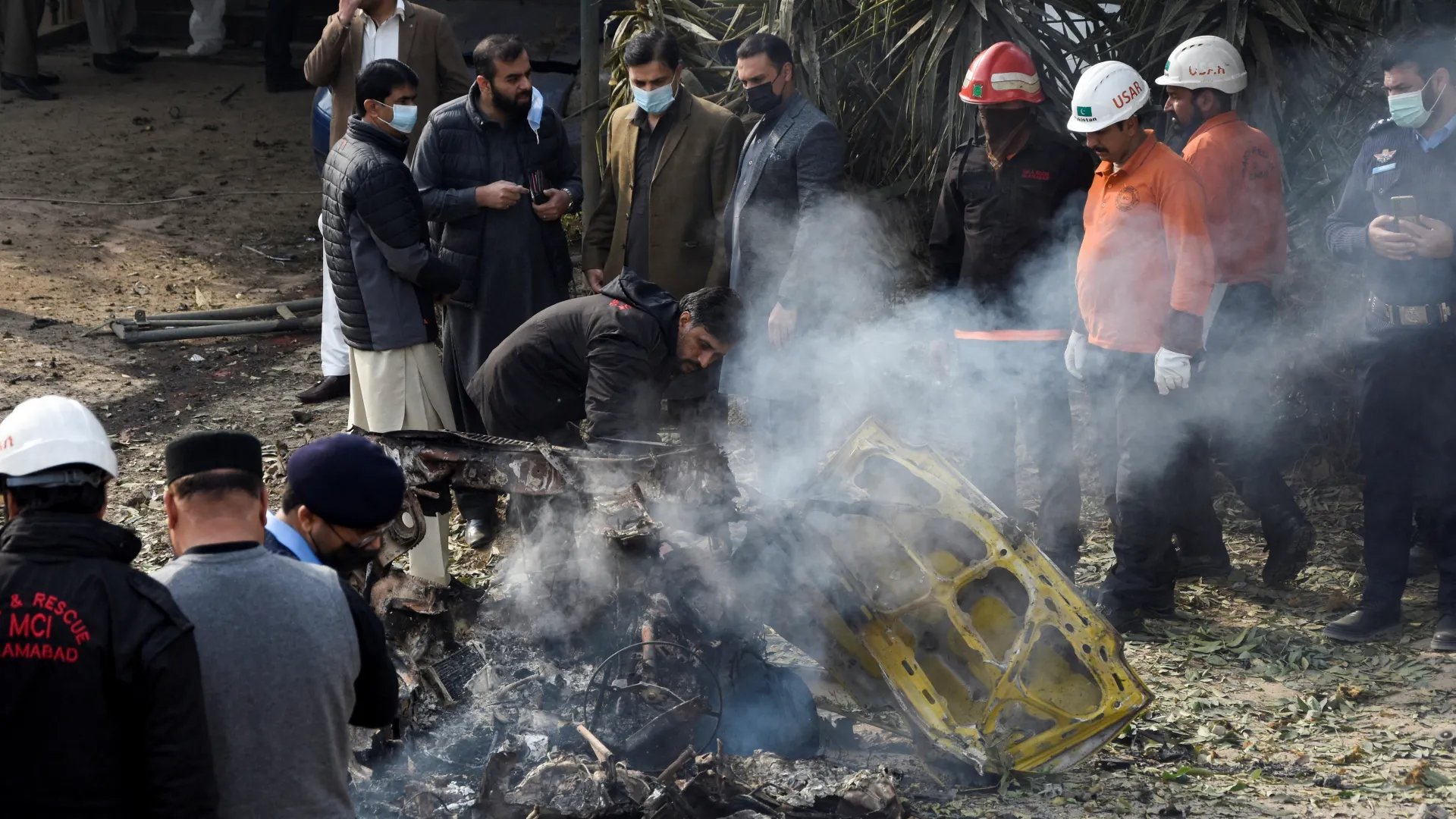
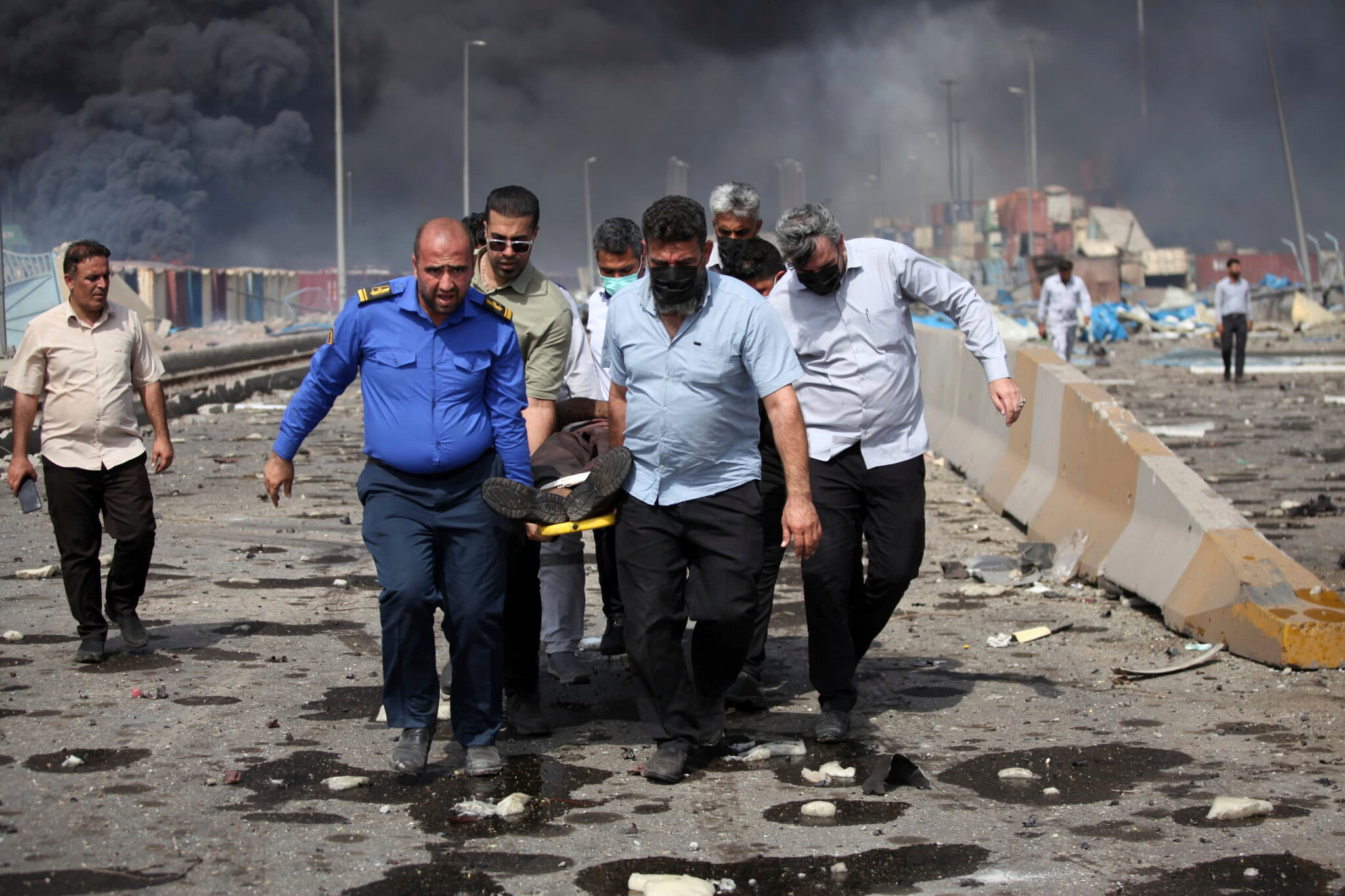
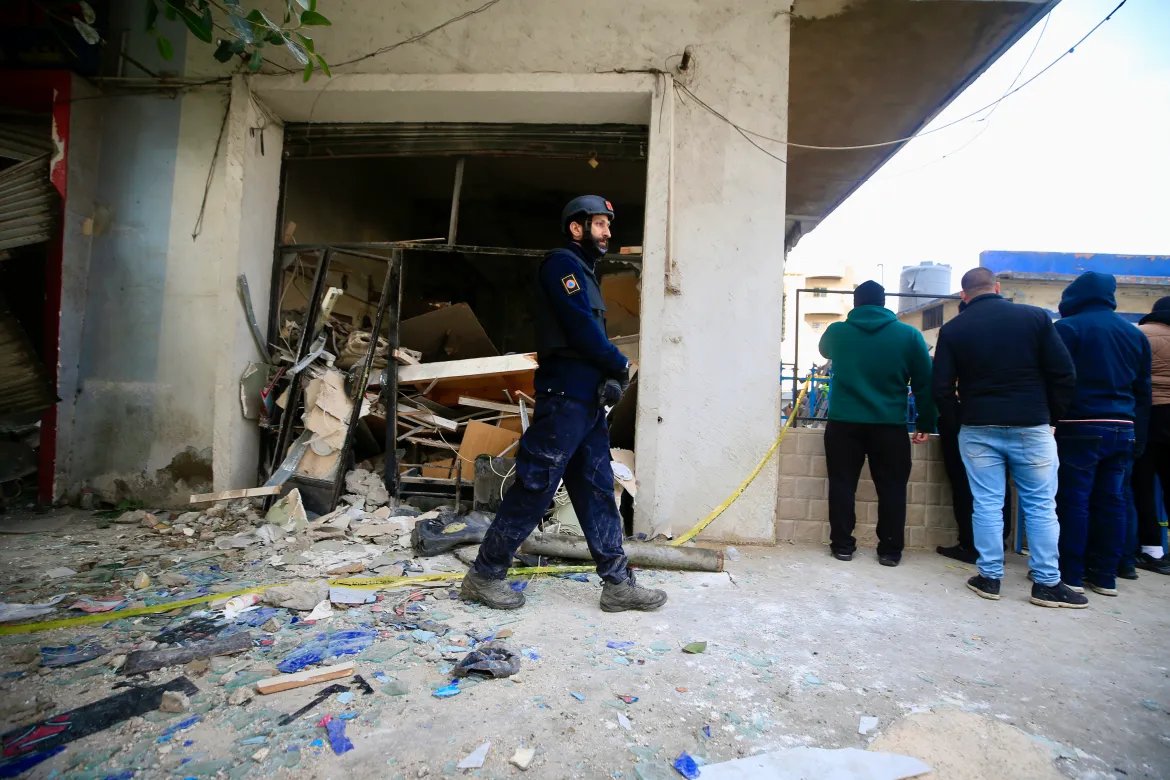
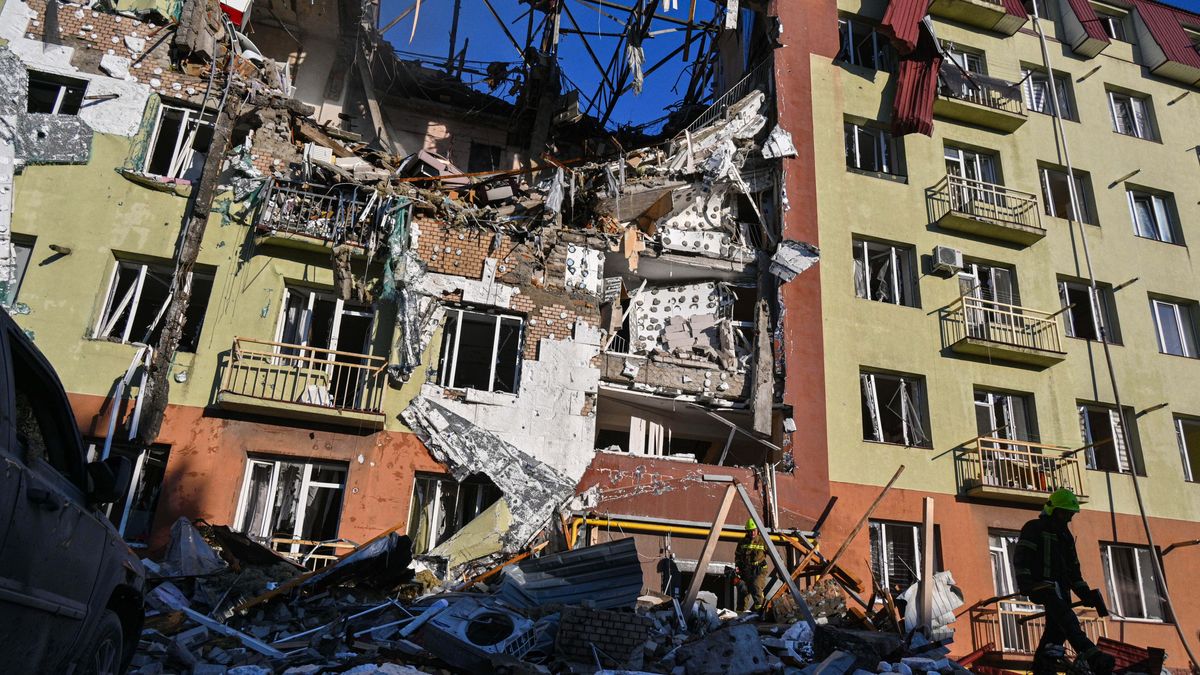
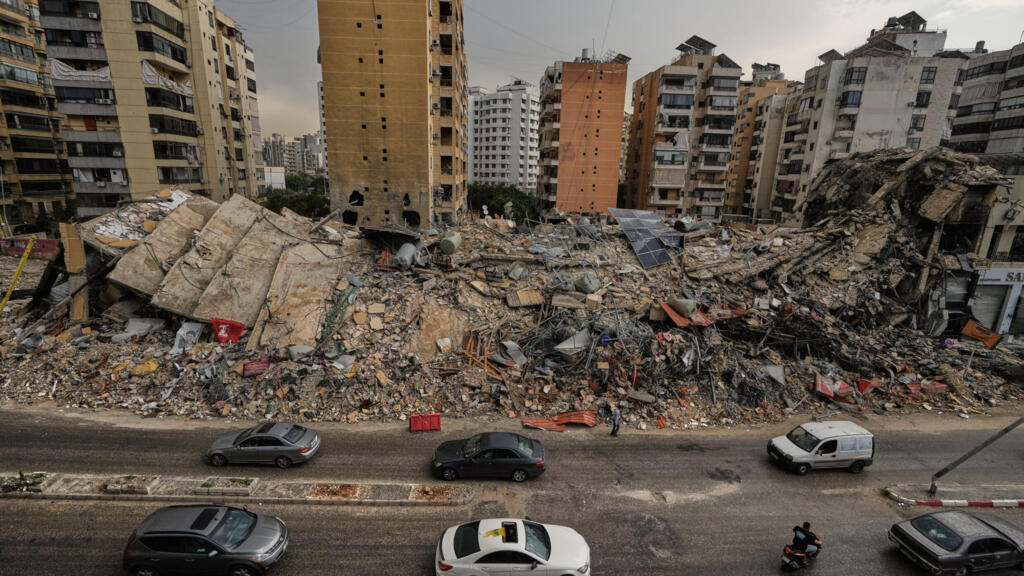
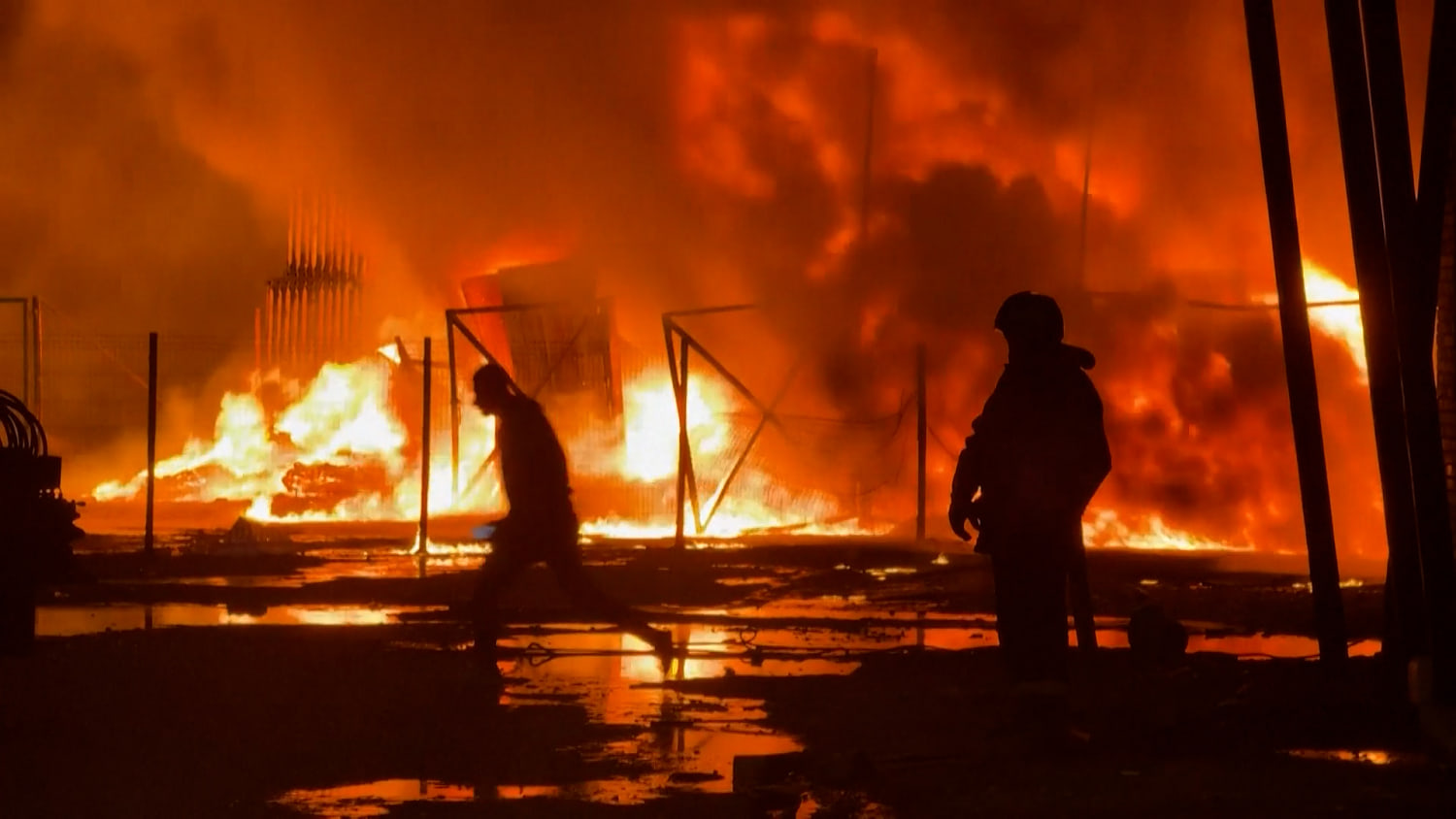
The airstrike on the al-Kayali building resulted in severe destruction, with local medics reporting more than 20 injuries among civilians in the densely populated area. Witnesses described the scene as chaotic, with rescue teams struggling to reach victims trapped in the debris. The Israeli military confirmed that the strike aimed at Odeh's hideout also targeted another Hamas operative connected to the October 7 incident.

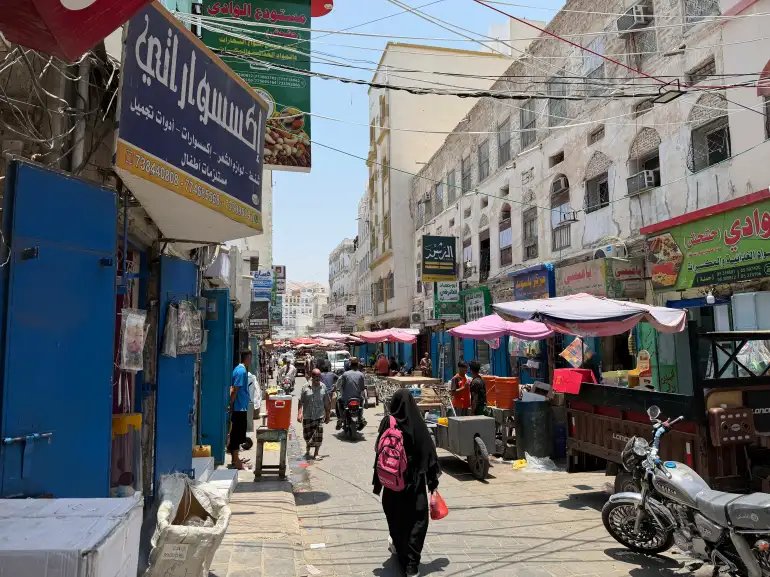
The sources also report that the strike hit the upper three floors of the al-Kayali building in one of Gaza City's busiest market areas ahead of Eid al-Adha.
Responses and Implications
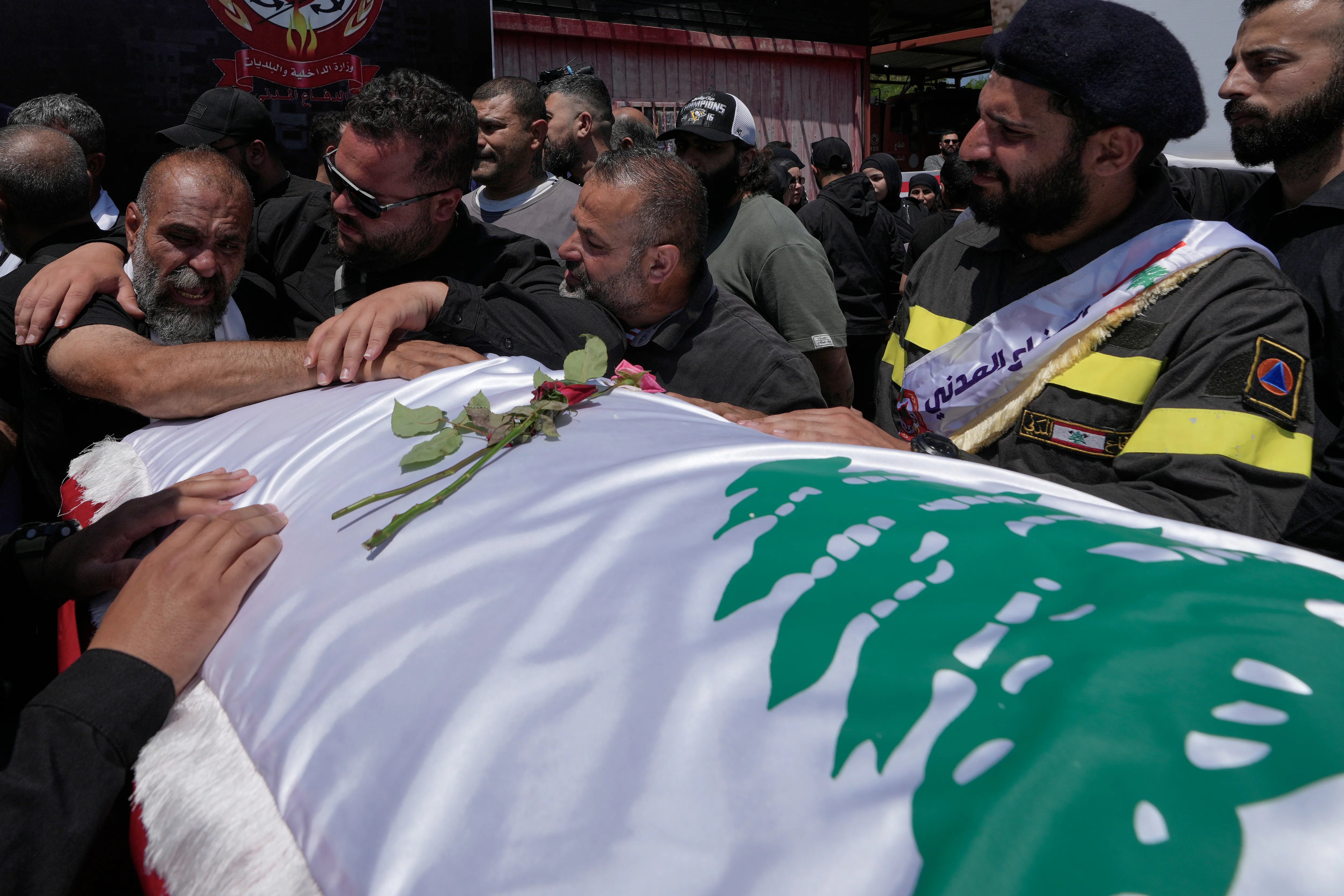
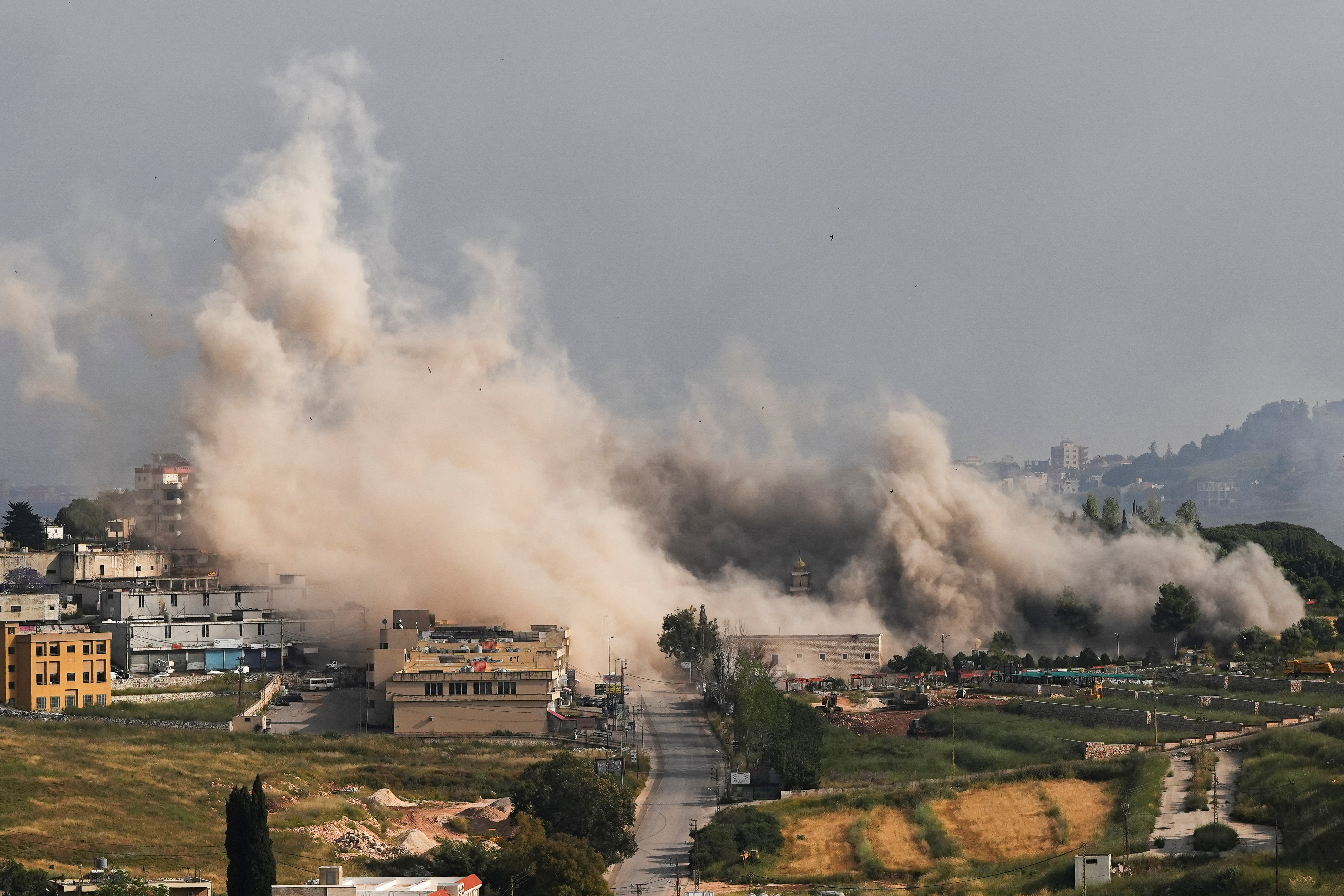
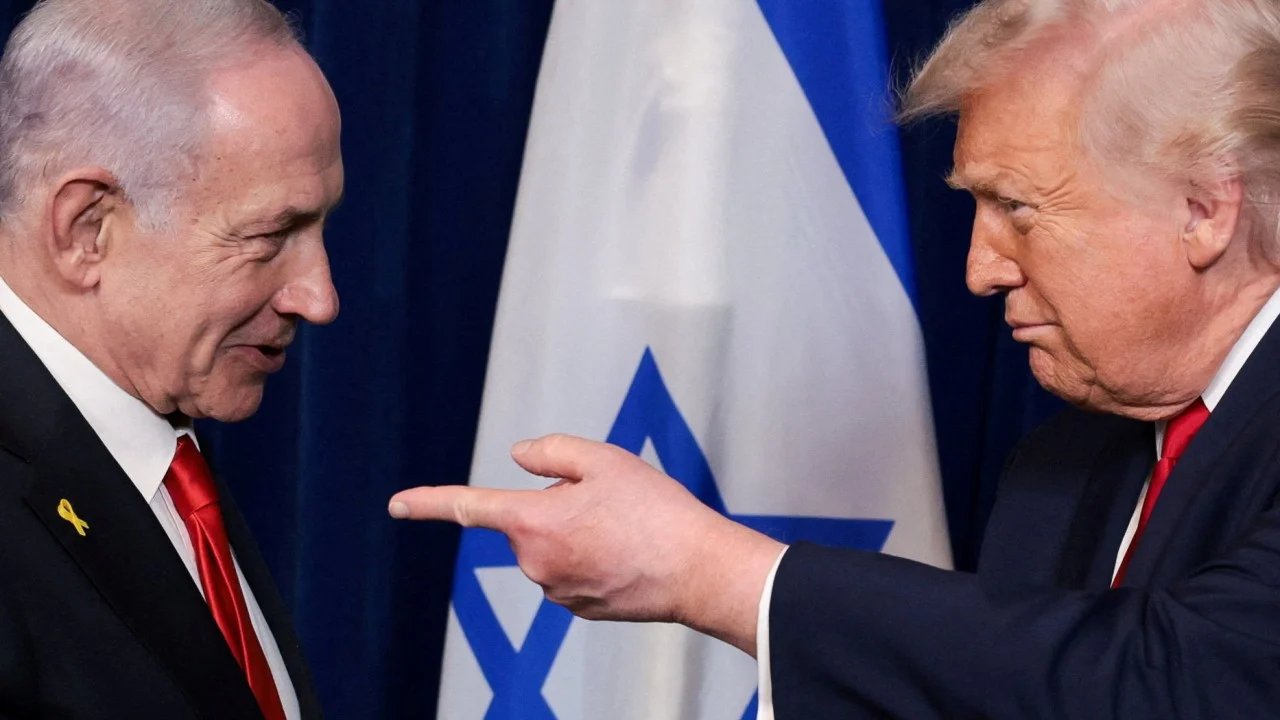
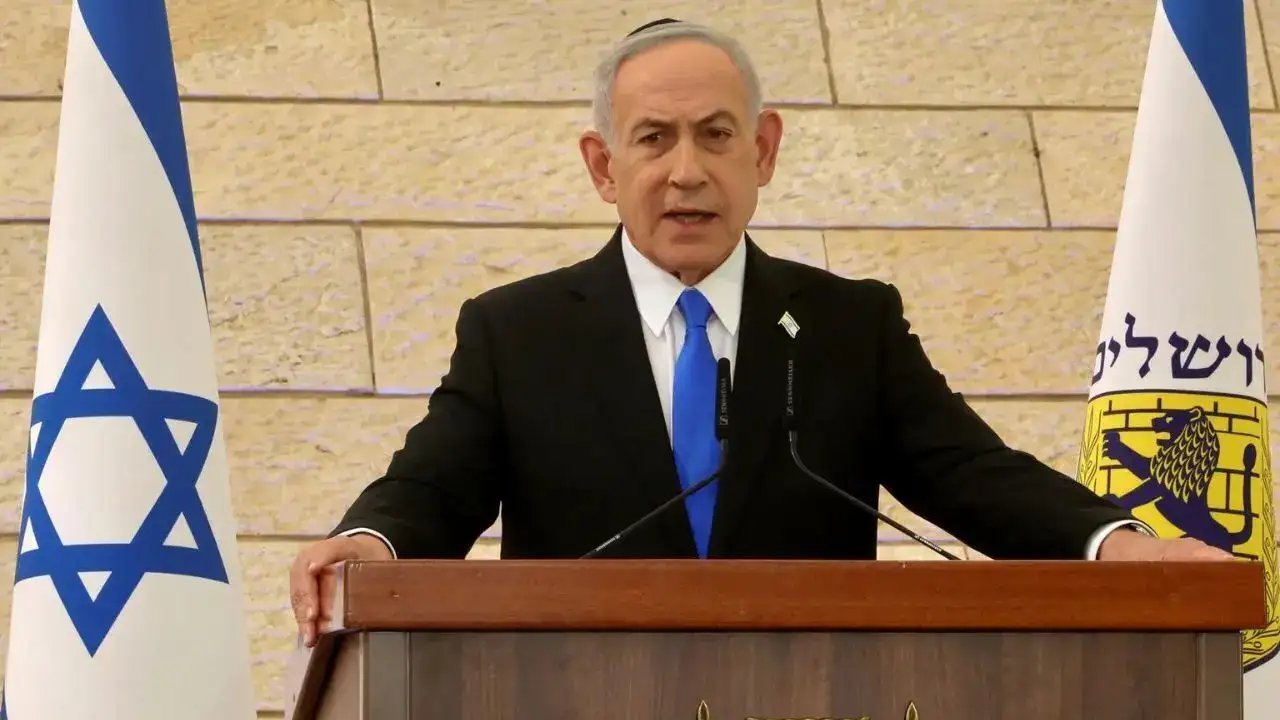
Hamas has yet to officially confirm Odeh's death, though family members have acknowledged it. The group's silence indicates a potential shift in internal dynamics as they deal with the loss of another key leader. Israeli Prime Minister Benjamin Netanyahu reiterated his government's stance on pursuing Hamas operatives, stating that "Israel will continue to pursue anyone who took part in the October 7 massacre." As the conflict continues, both sides remain entrenched in their positions, with Israel expanding operations in Lebanon against Hezbollah targets as well.
Humanitarian Concerns and Future Outlook
The ongoing military actions raise significant humanitarian concerns, as the civilian population in Gaza faces increasing casualties and displacement. The United Nations has expressed alarm over the escalating violence and its impact on the already dire humanitarian situation in the territory. With the conflict showing no signs of abating, the need for a sustainable resolution becomes increasingly urgent, even as military operations persist. The international community watches closely as developments unfold, raising questions about the efficacy of military solutions in addressing the underlying issues of the conflict.






















































































































































































































































































The sources also report that Odeh's son died of his wounds in the hospital the day after the strike.