




A Historic Policy Reversal
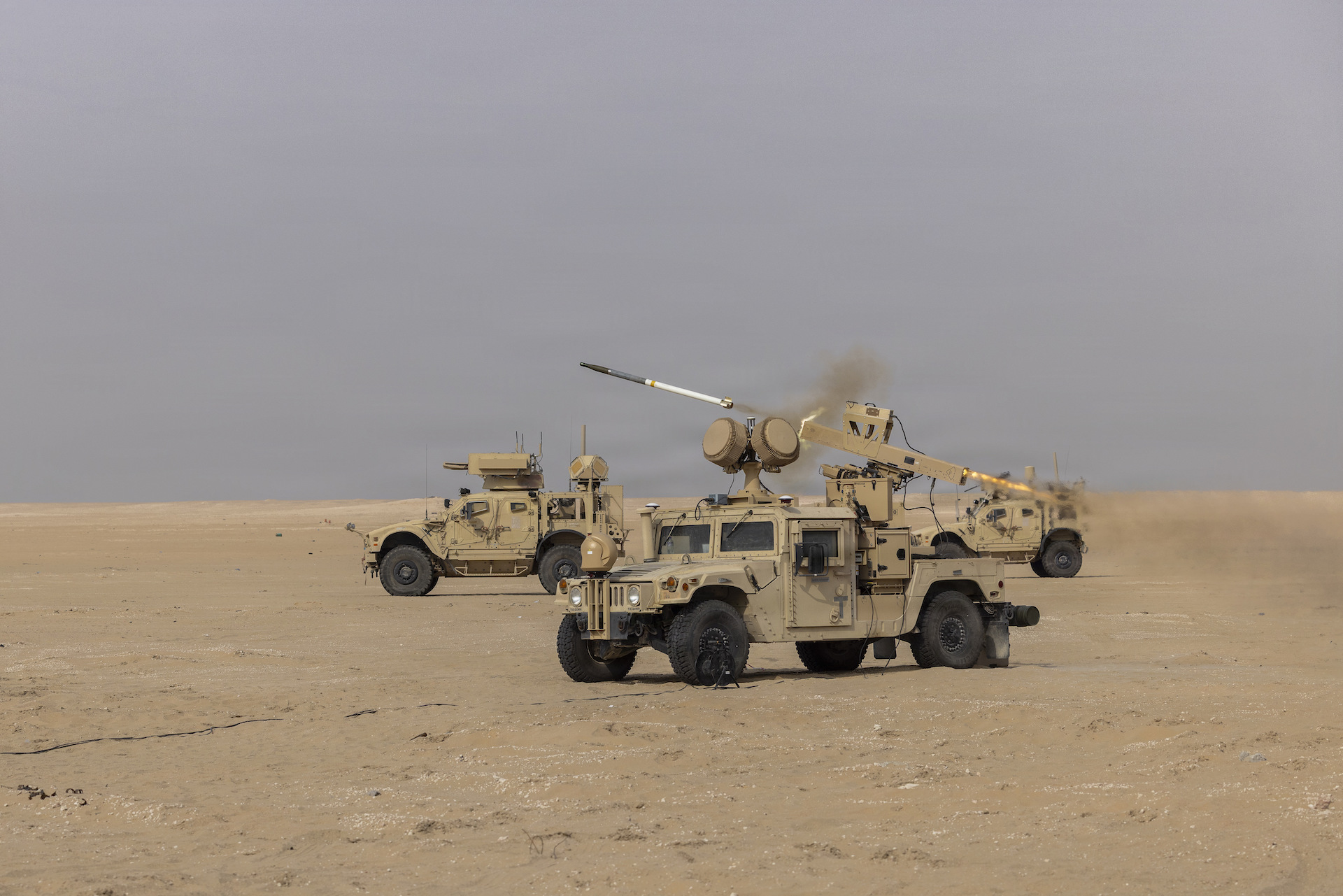
Prime Minister Sanae Takaichi announced on Tuesday that Japan will lift decades-old restrictions on weapons exports, fundamentally reshaping the nation's defense posture for the first time since World War II. The move clears the way for Japan to sell lethal weapons to more than a dozen countries with which it has defense agreements, including the United States and the United Kingdom. Japan's eight decades of pacifism, enshrined in its 1947 constitution, are shifting as officials cite strategic necessity in a region bordered by China, Russia, and North Korea. Critics worry the shift could draw Japan into military conflicts.
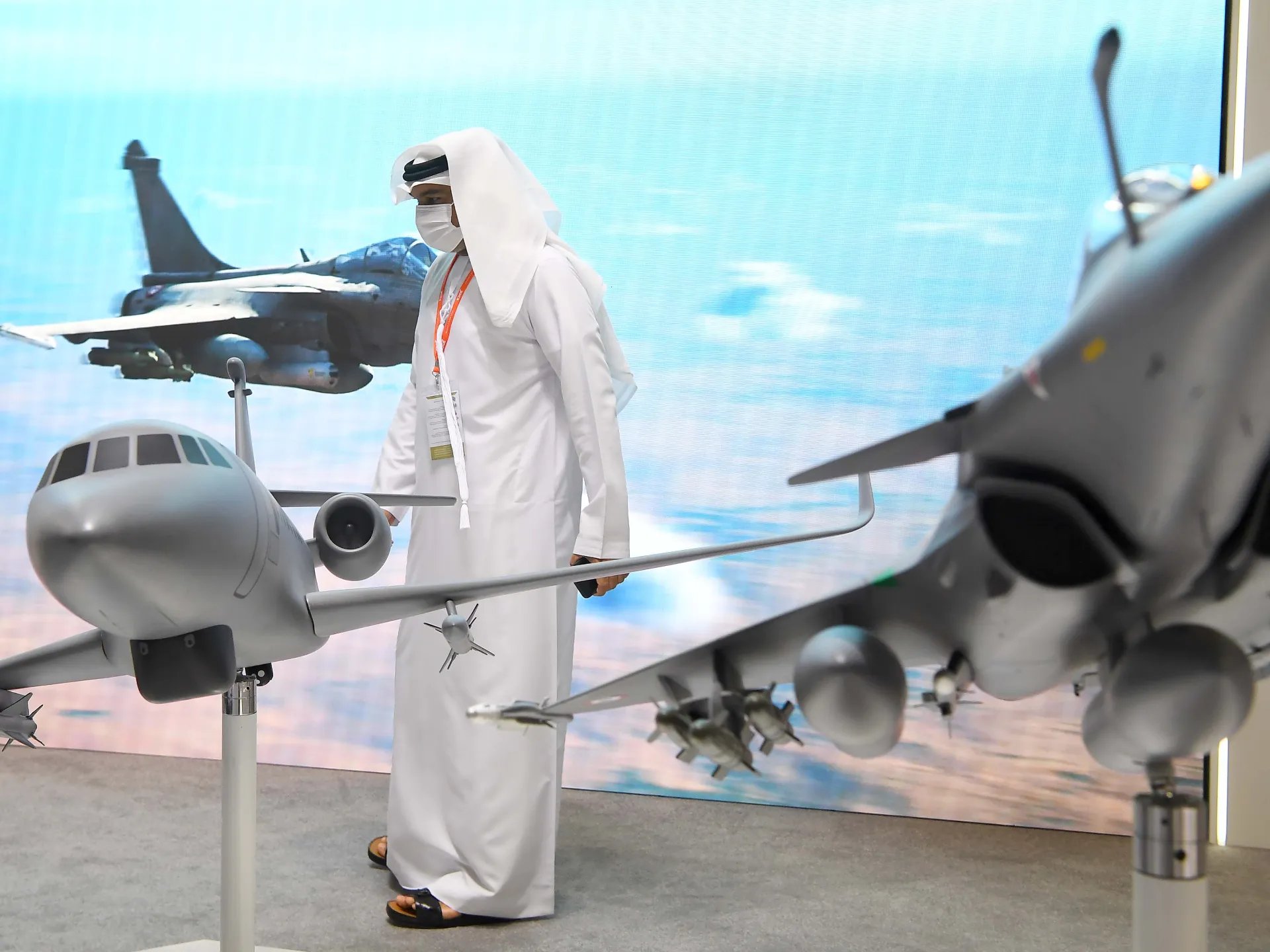
The previous system limited arms exports to just five categories: rescue, transport, warning, surveillance, and minesweeping equipment. Under the new rules, Japan can now sell finished lethal weapons to the 17 countries with which it maintains defense pacts. A ban on arms sales to nations actively engaged in conflict will remain in place, though it does not apply to countries with defense agreements with Japan. Authorities in Tokyo said they will allow exceptions "in special circumstances."
How Japan Reached This Point
The shift toward arms sales did not happen overnight. In 2014, then Prime Minister Shinzo Abe relaxed a blanket ban on all military sales, allowing Japan to jointly develop arms with allies. In 2023, then Prime Minister Fumio Kishida took the next step by allowing exports of finished lethal weapons for the first time since World War II.
Takaichi has also signaled support for revising the pacifist constitution itself. While she has not specified proposed changes, observers believe amendments could target Article 9, which renounces war and prohibits Japan from maintaining war potential. Her supporters argue Japan faces a new reality where old rules no longer apply.
Tokyo's Rationale and Regional Concerns
Chief Cabinet Secretary Minoru Kihara stated that the move was "intended to safeguard Japan's security and further contribute to the peace and stability of the region." Takaichi herself wrote on X that "in an increasingly severe security environment, no single country can now protect its own peace and security alone." She also stressed there was "absolutely no change in our commitment to upholding the path and fundamental principles we have followed as a peace-loving nation for over 80 years since the war."
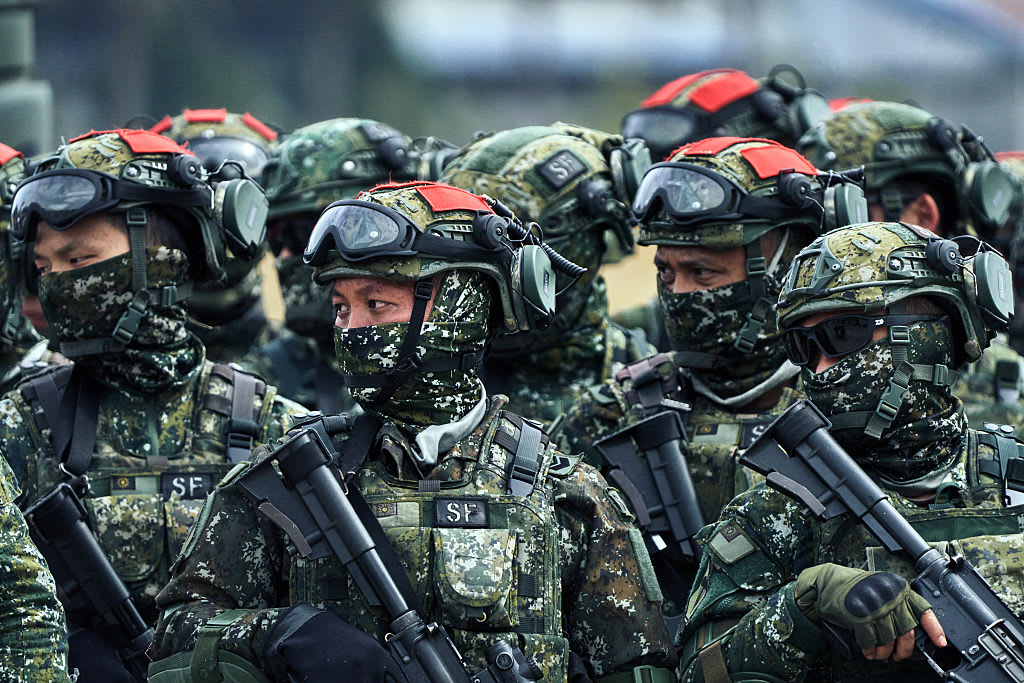
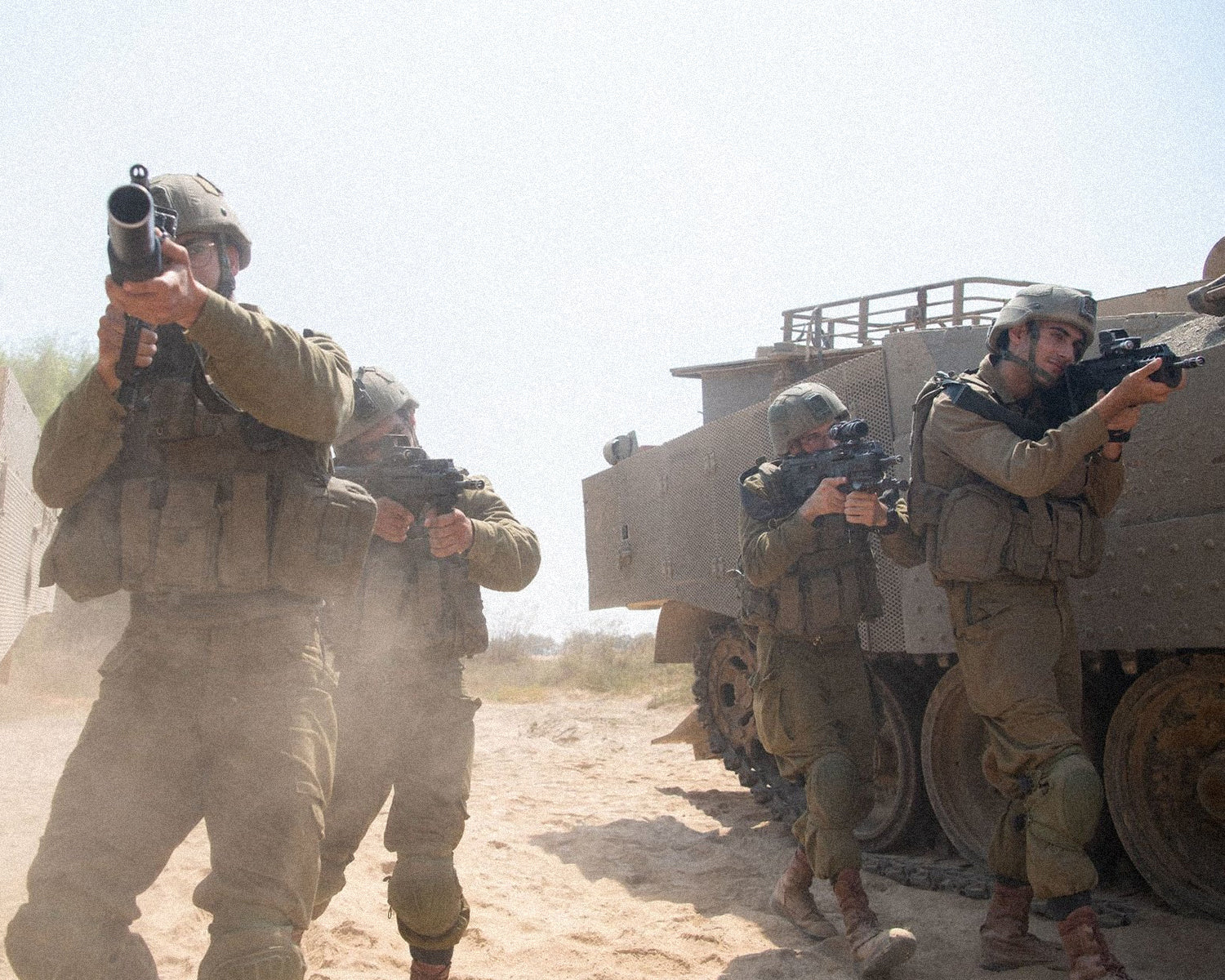
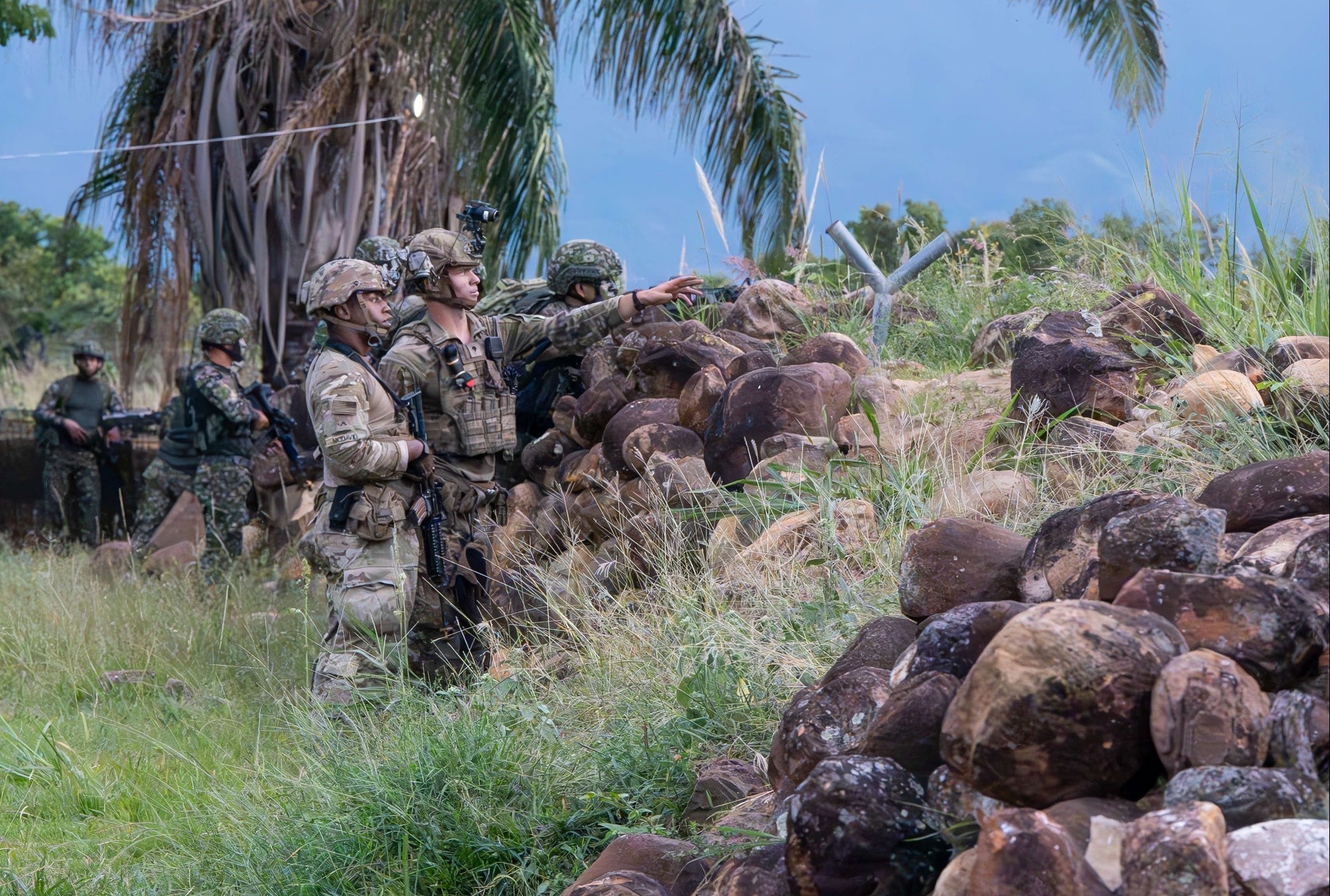
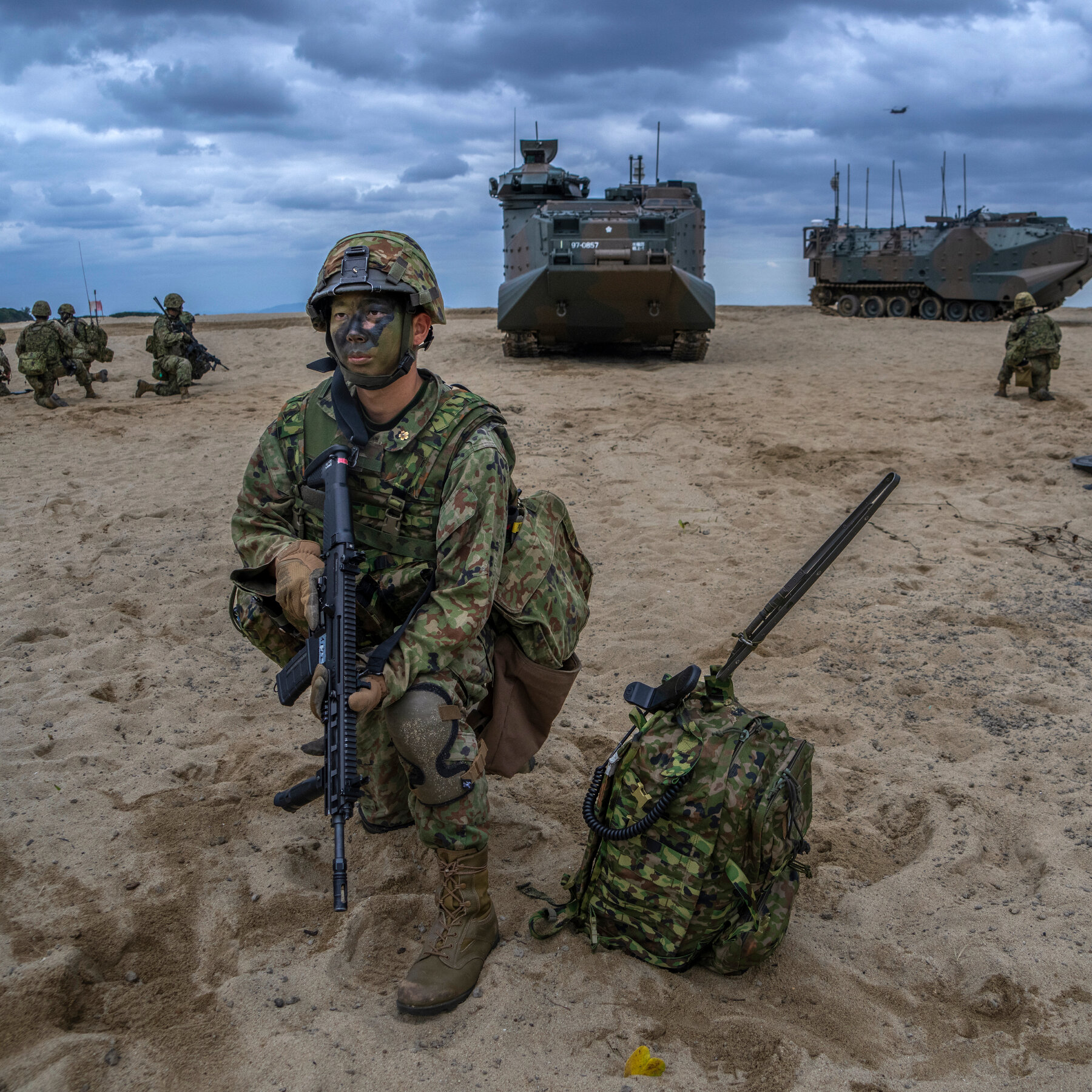
The announcement came as Japan's Self-Defence Forces participated in annual war games with the United States and the Philippines, with Japan joining as a combatant for the first time rather than as an observer. China has opposed the drills, claiming they deepen regional divisions. The exercises take place near waters and islands claimed by China, including Taiwan.
International Reactions
China responded swiftly, stating it is "seriously concerned" about what it called Japan's "reckless militarisation." Beijing's foreign ministry said it would "remain highly vigilant and resolutely opposed" to the policy change.
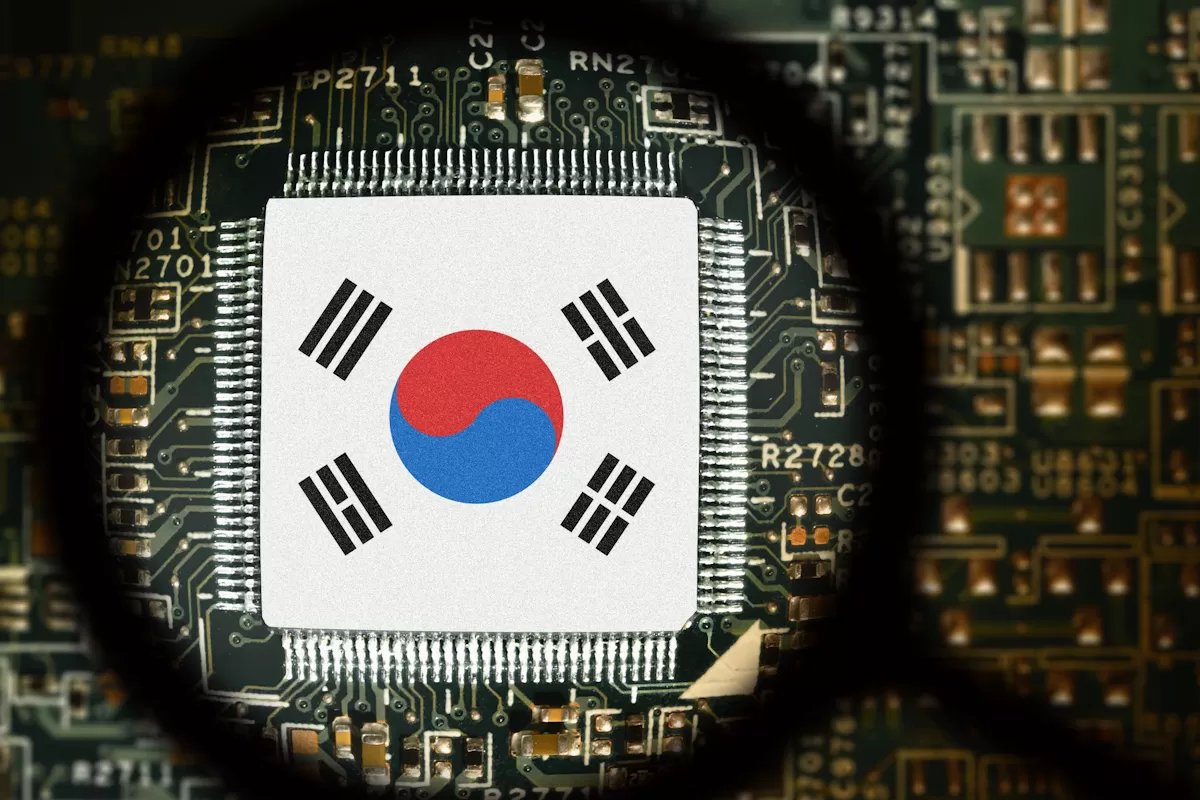
South Korea's foreign ministry said Japan's defense policy "should ideally be carried out in a manner that upholds the spirit of the Peace Constitution while contributing to peace and stability in the region." Ambassador Deepa Gopalan Wadhwa, India's former envoy to Japan, said the policy changes will strengthen defense cooperation between the two nations, given their "close ties and converging interests." India and Japan signed defense equipment transfer agreements in 2015 and have since explored co-development and co-production of defense systems.