
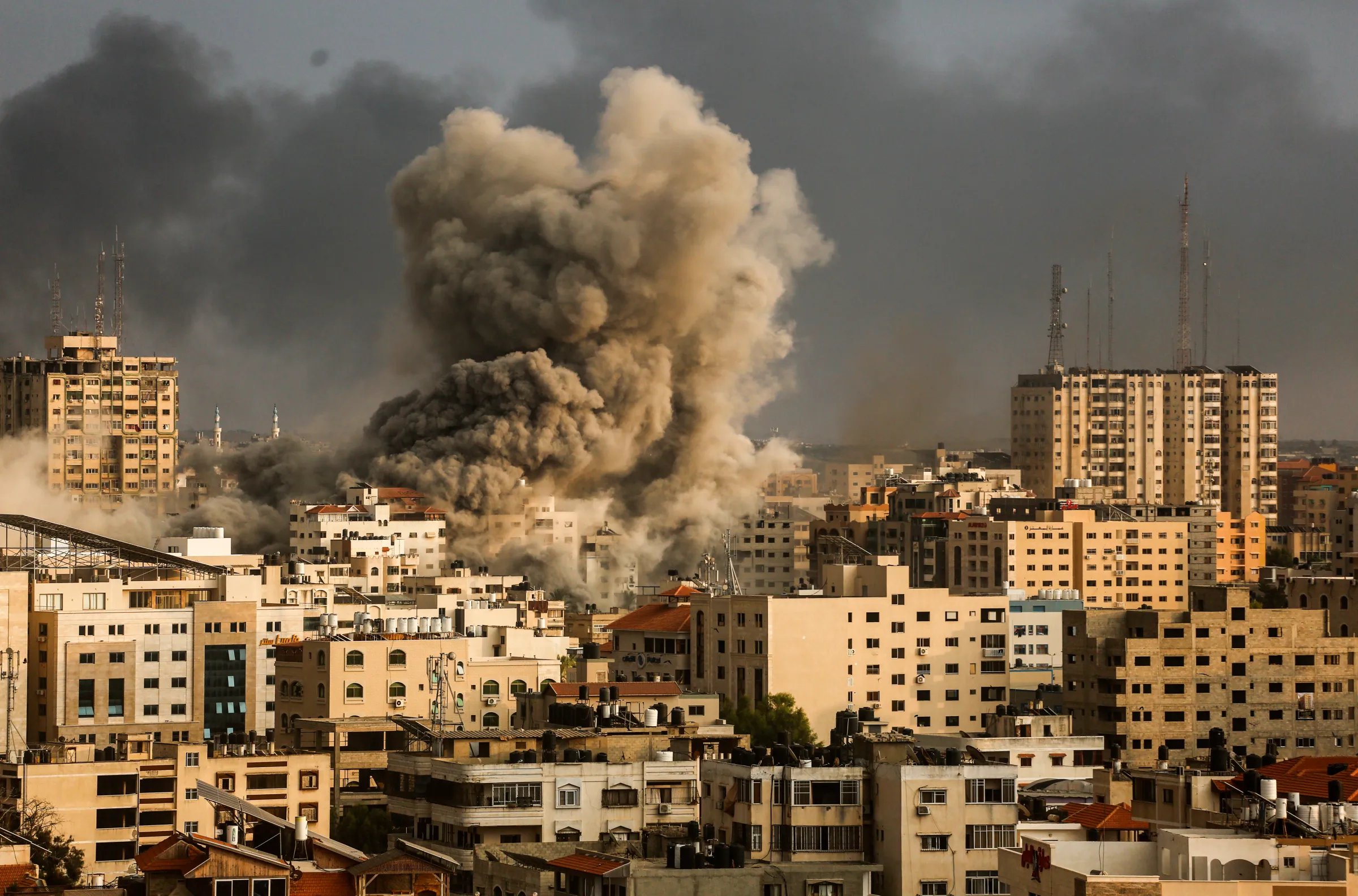





Tensions Mount in the Middle East
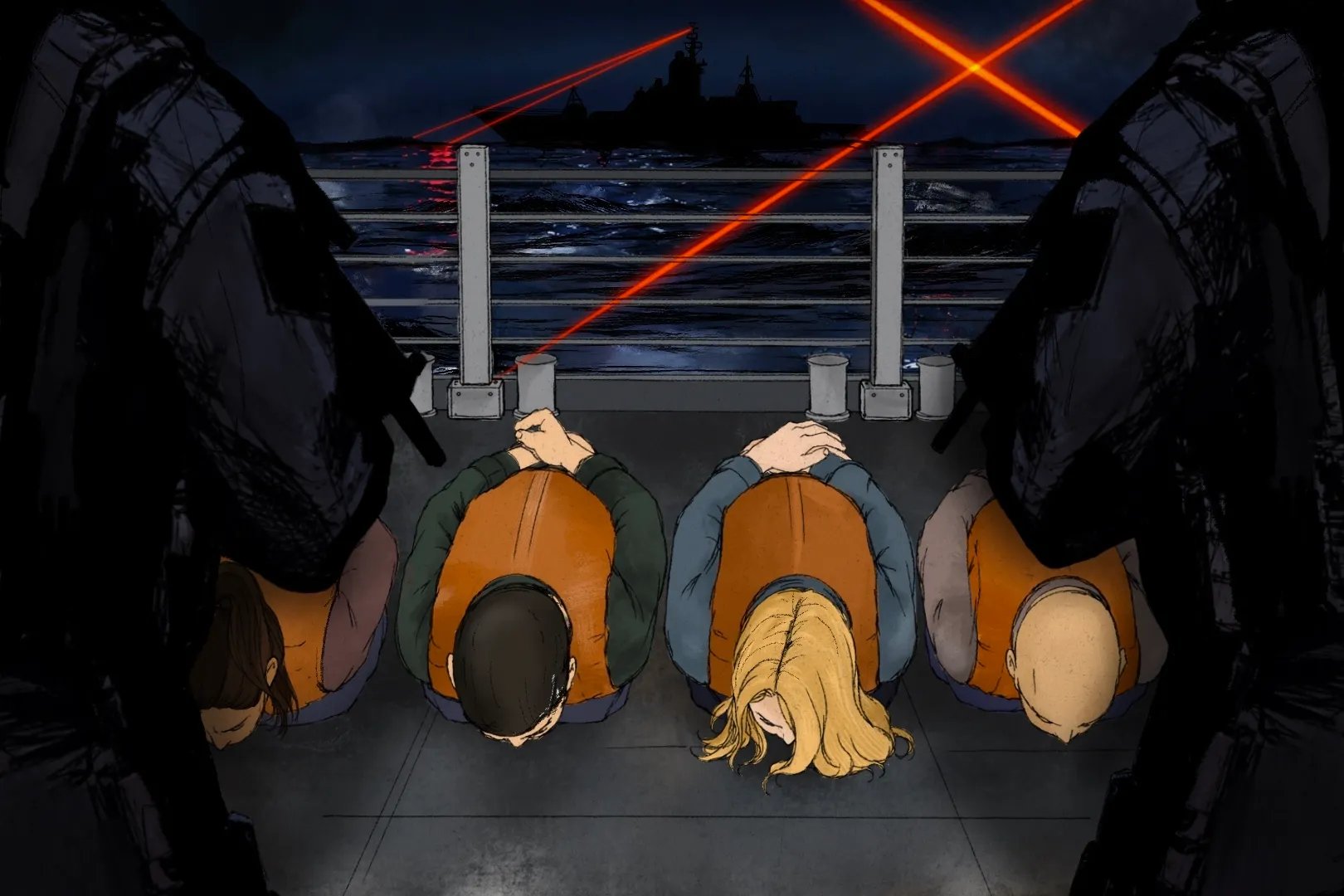
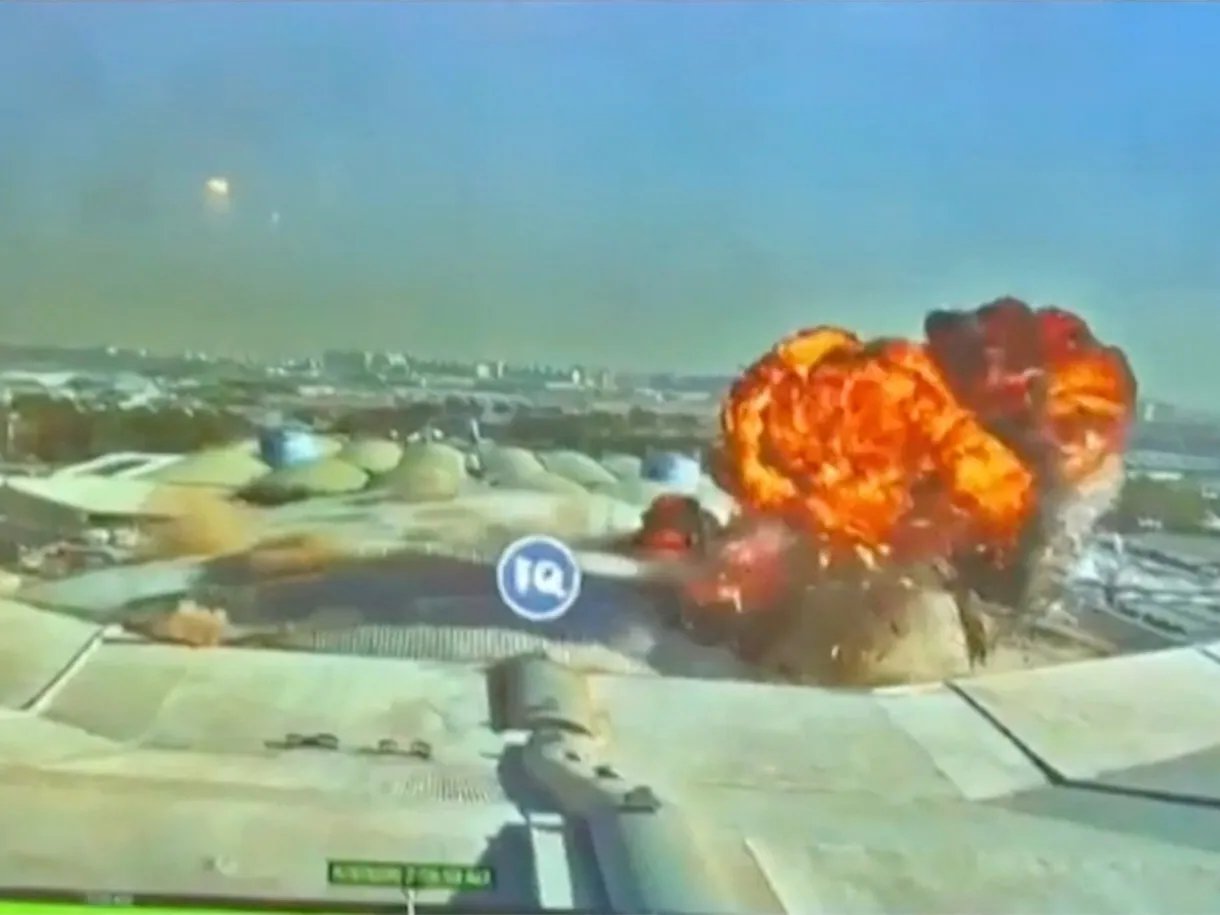
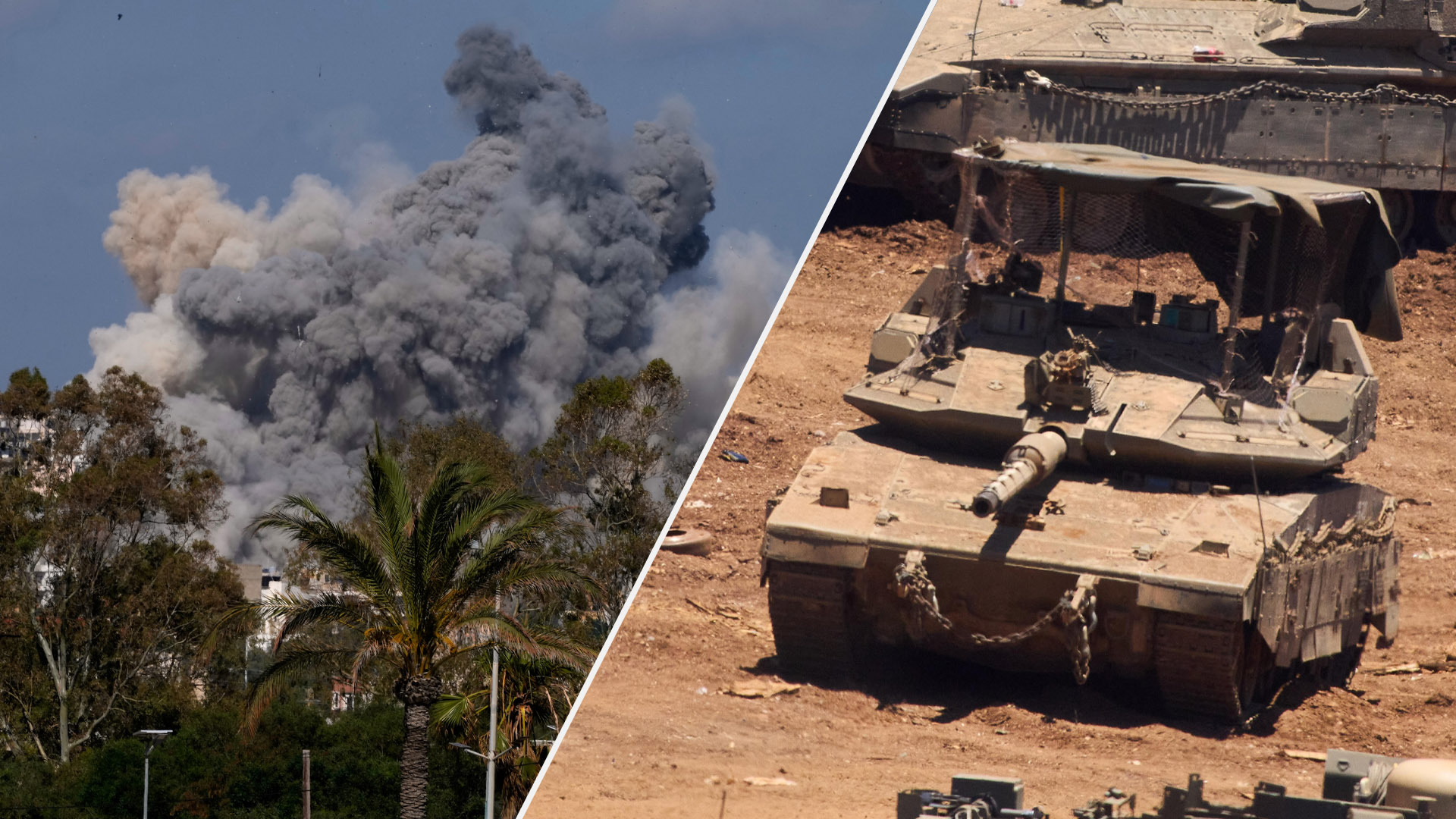
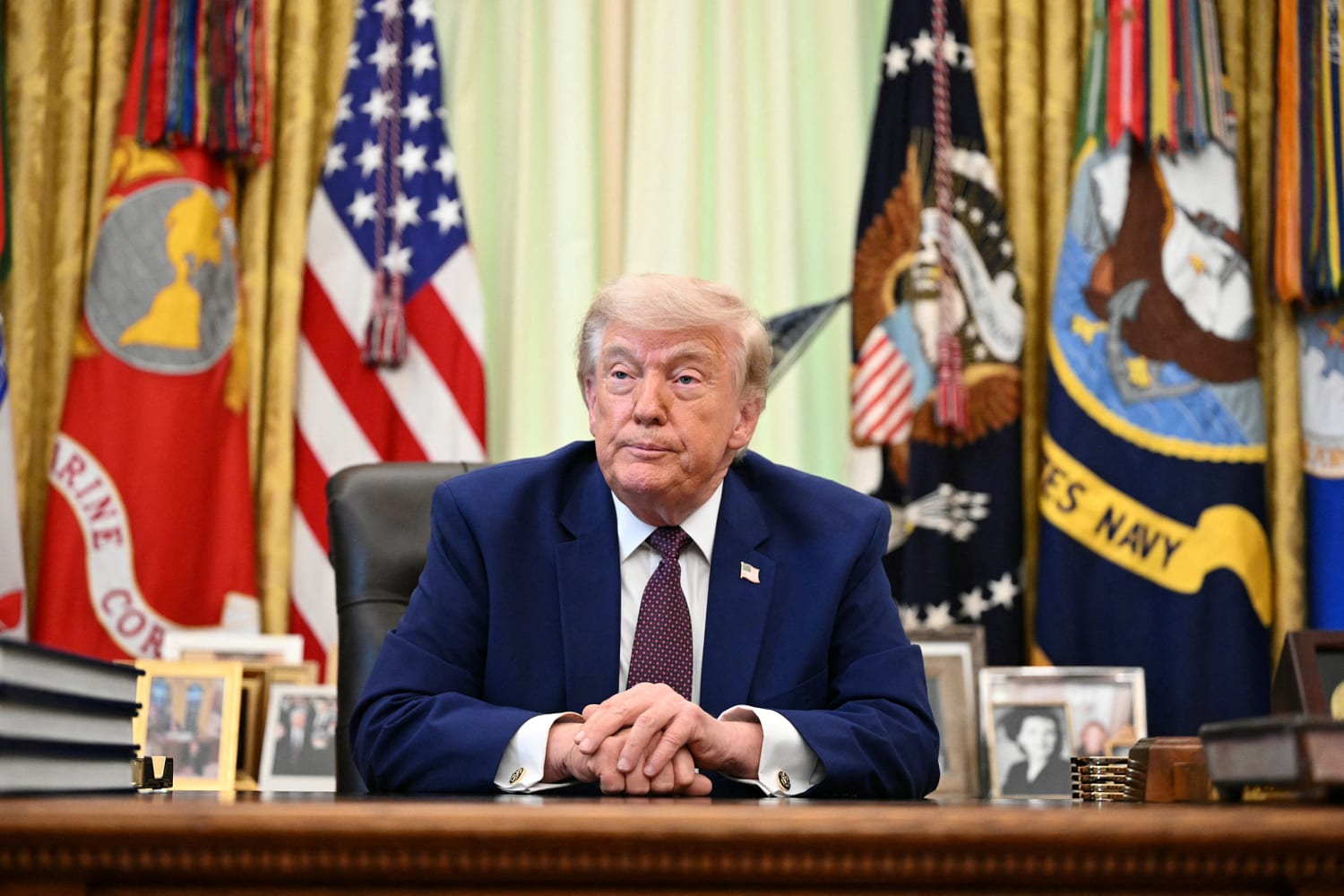
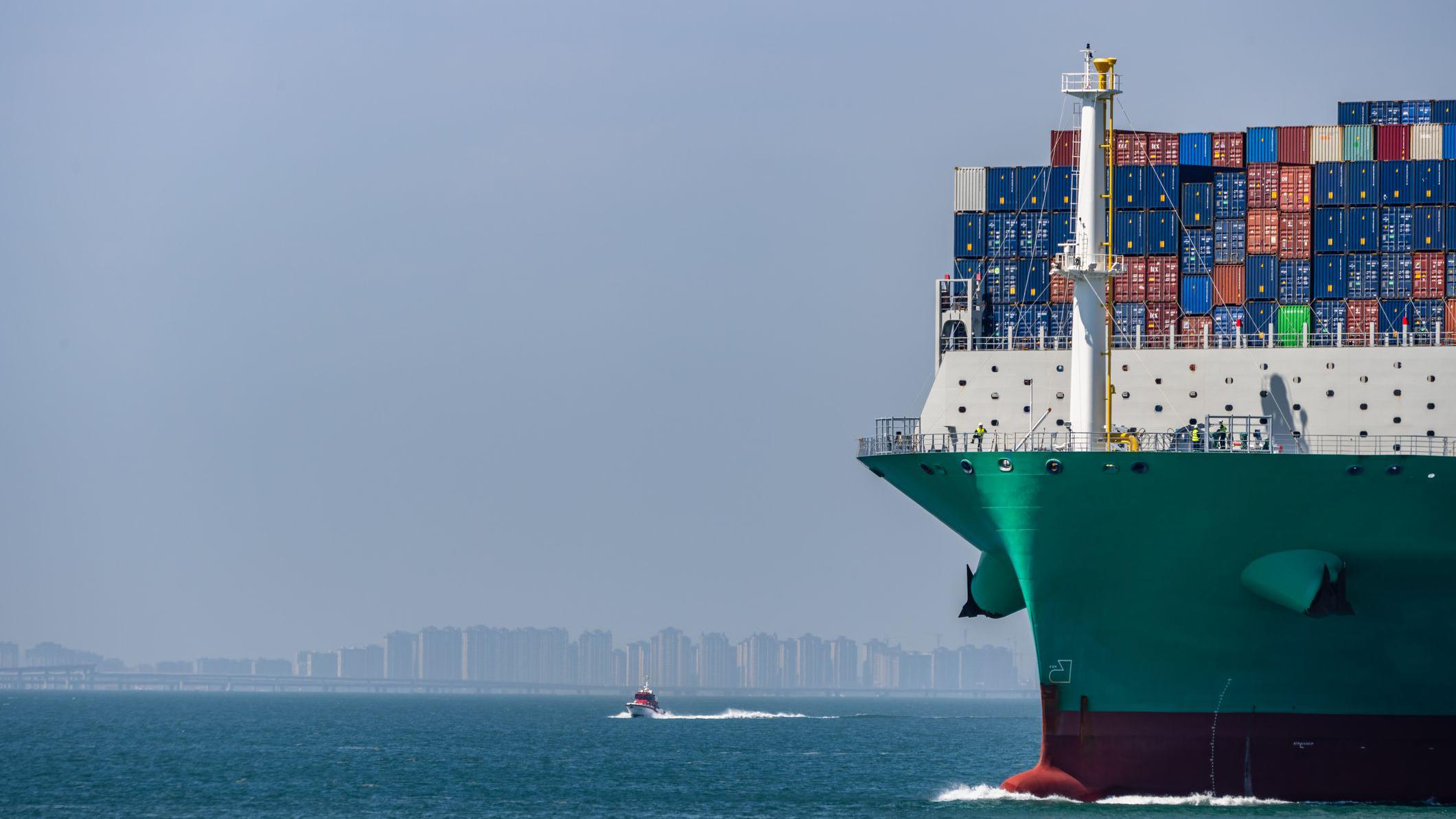
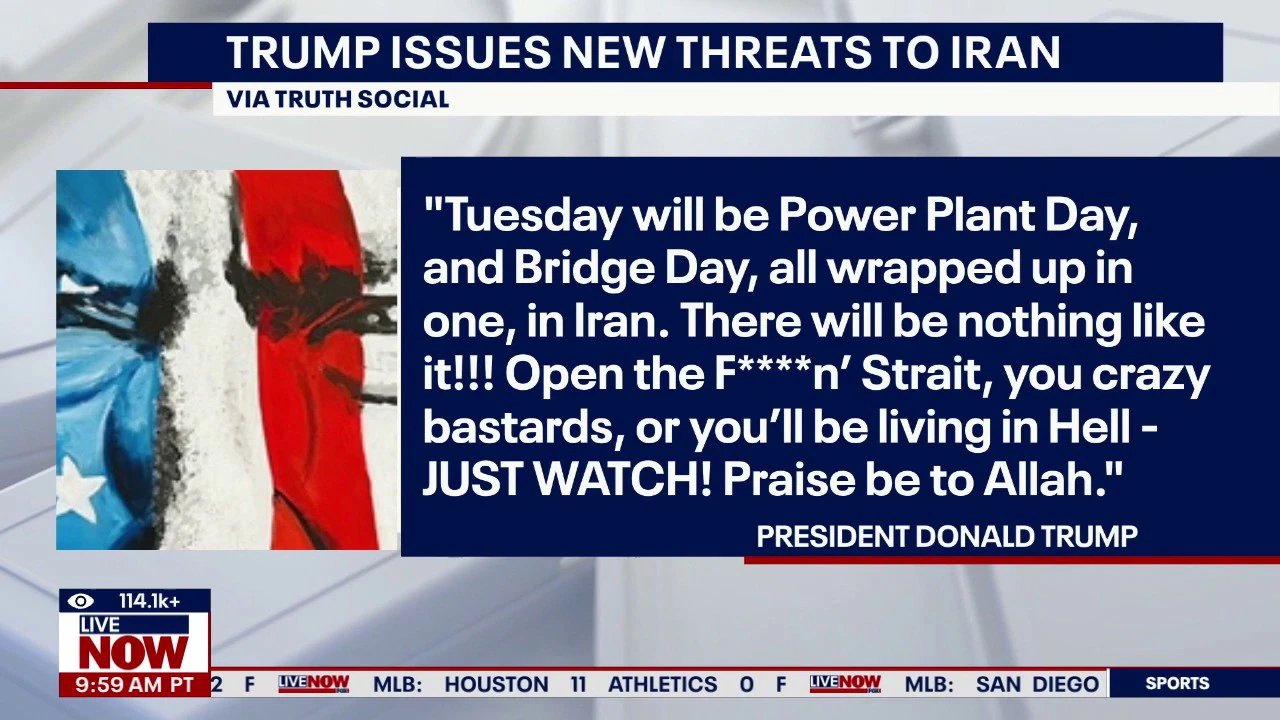
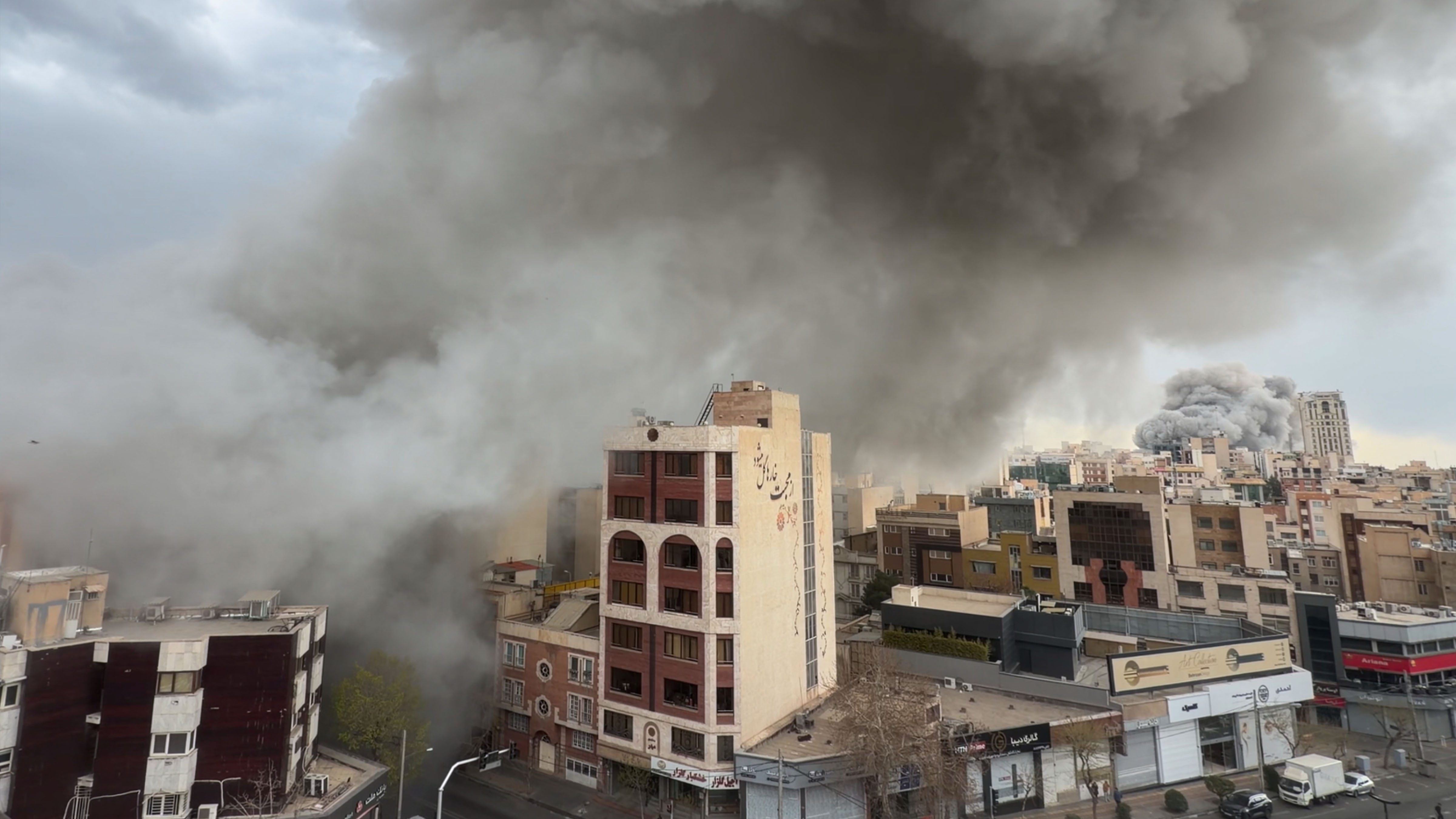
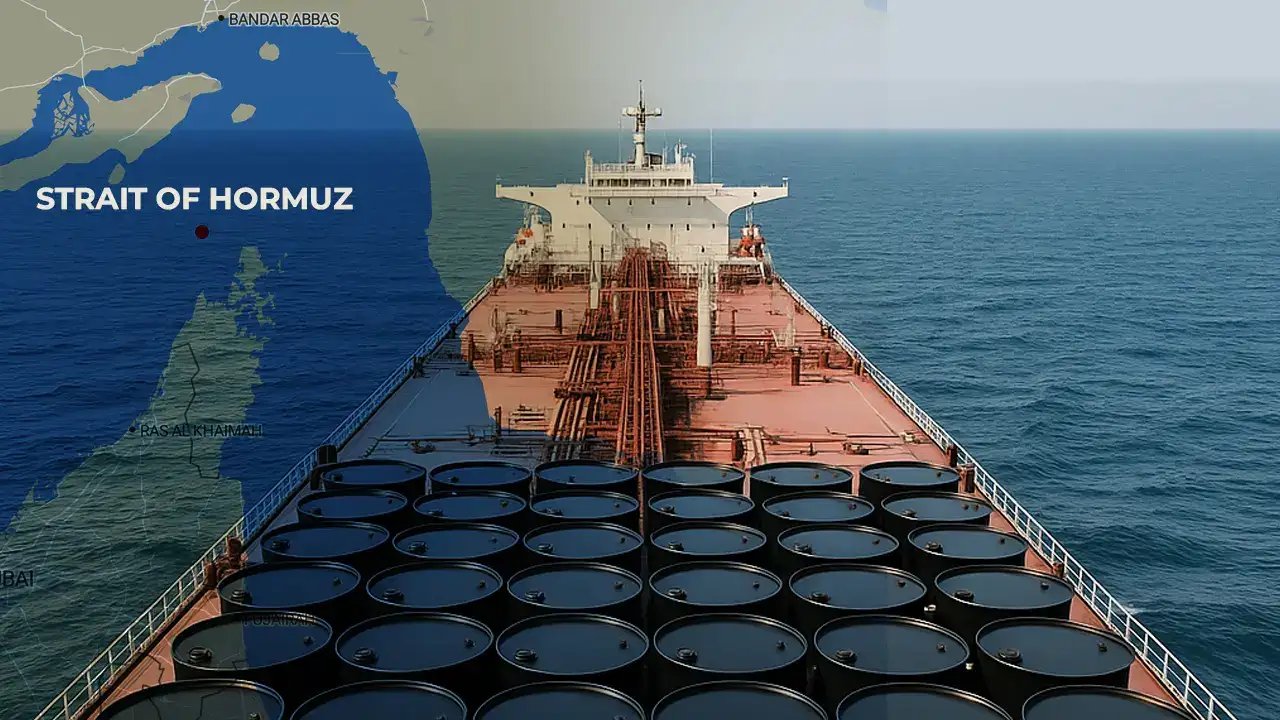
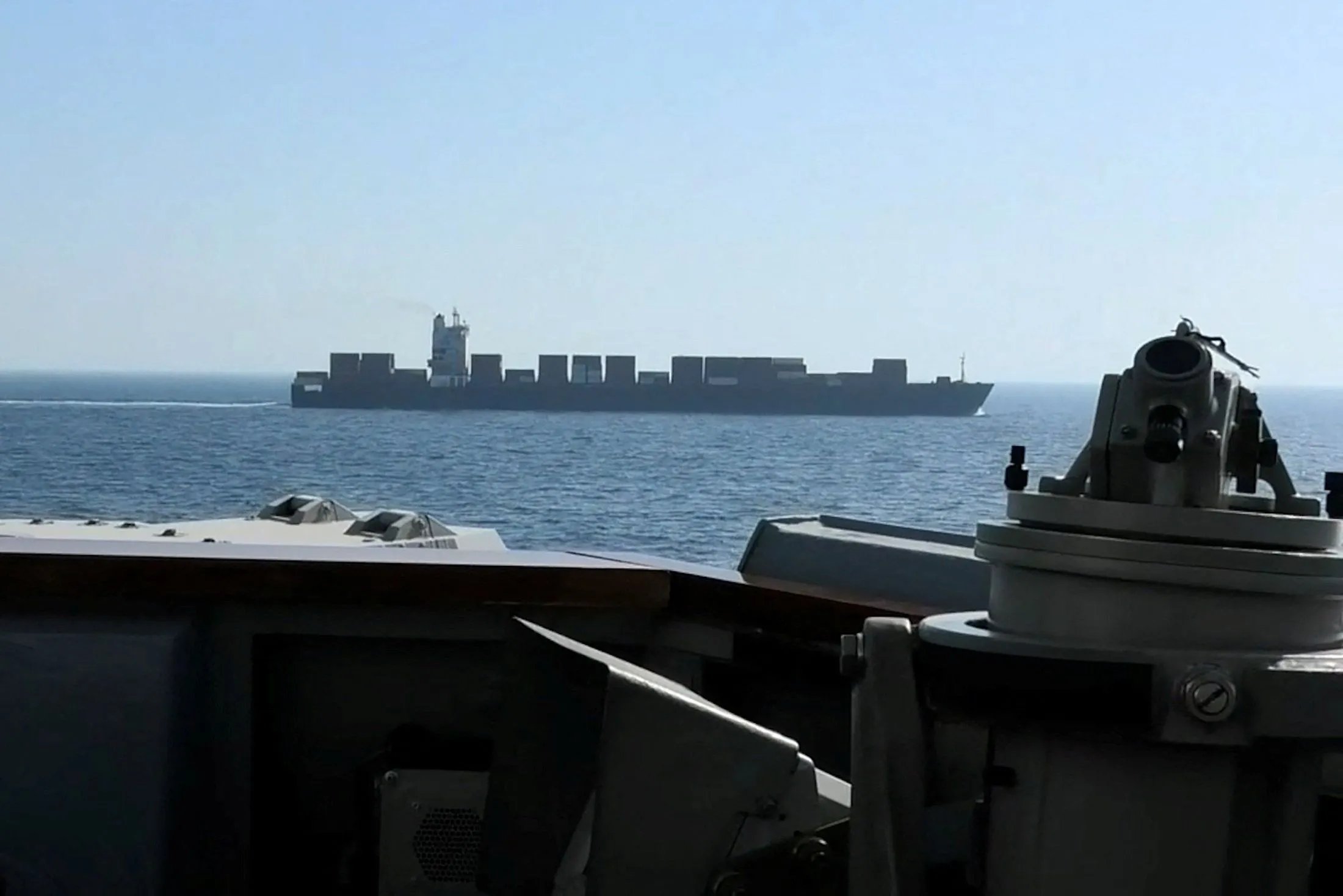
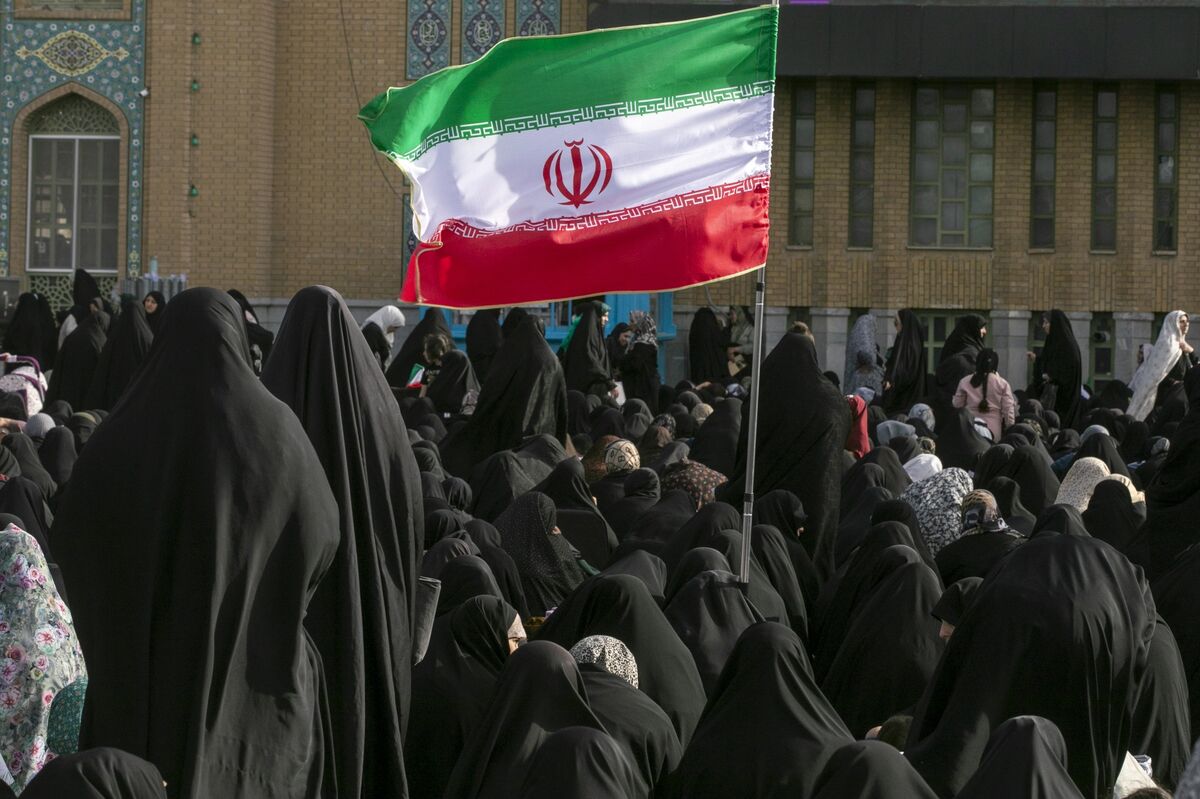
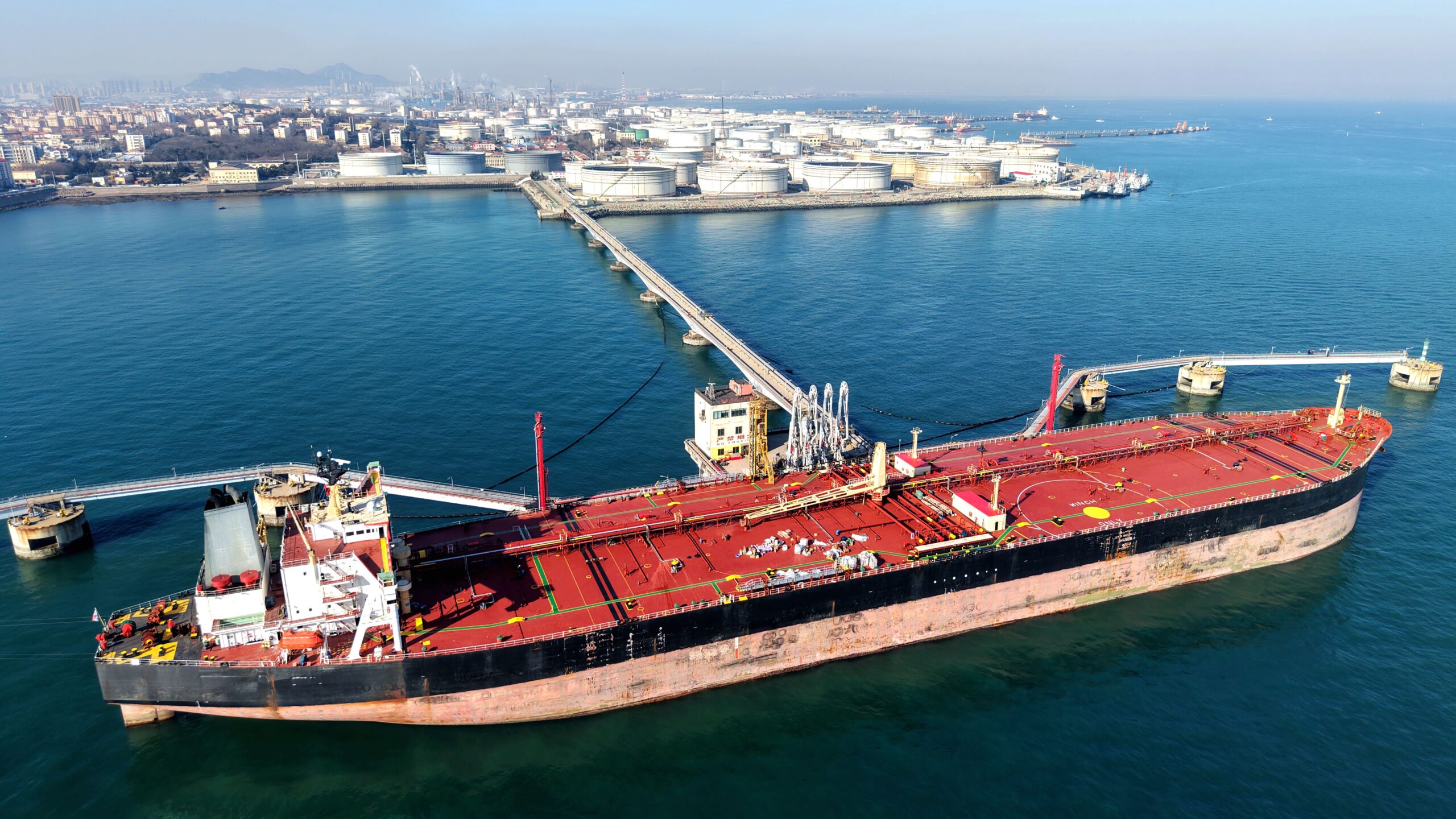
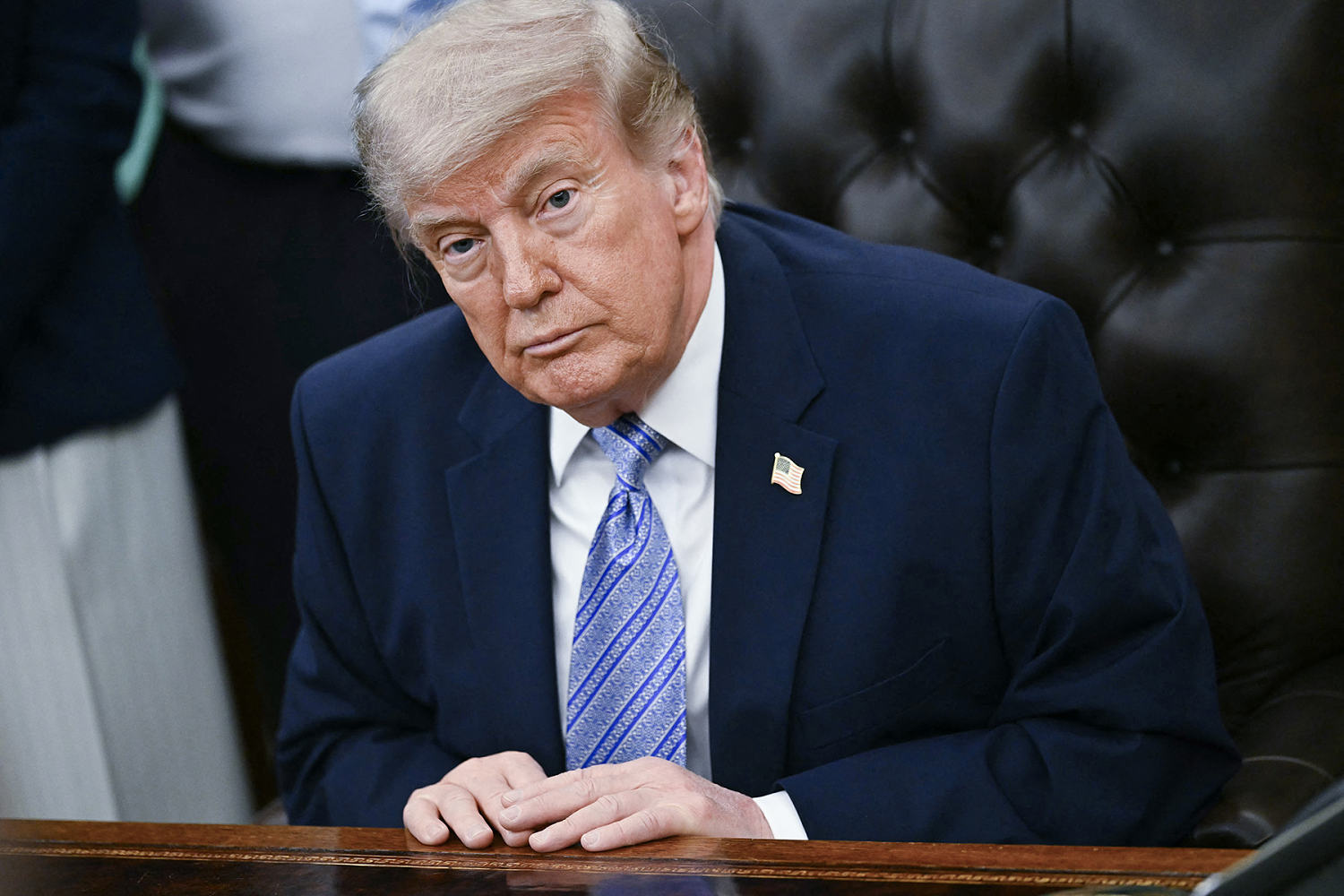
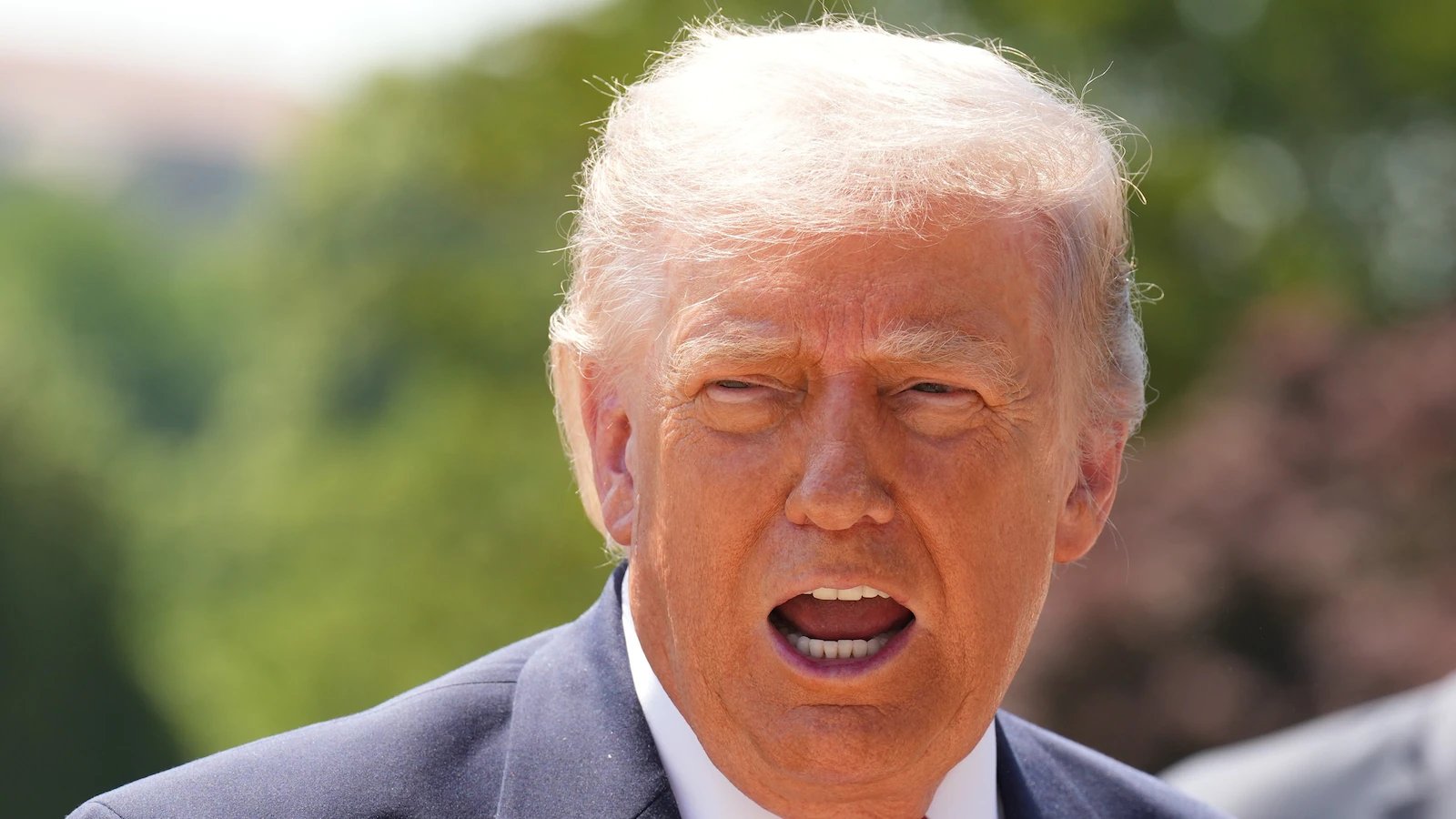
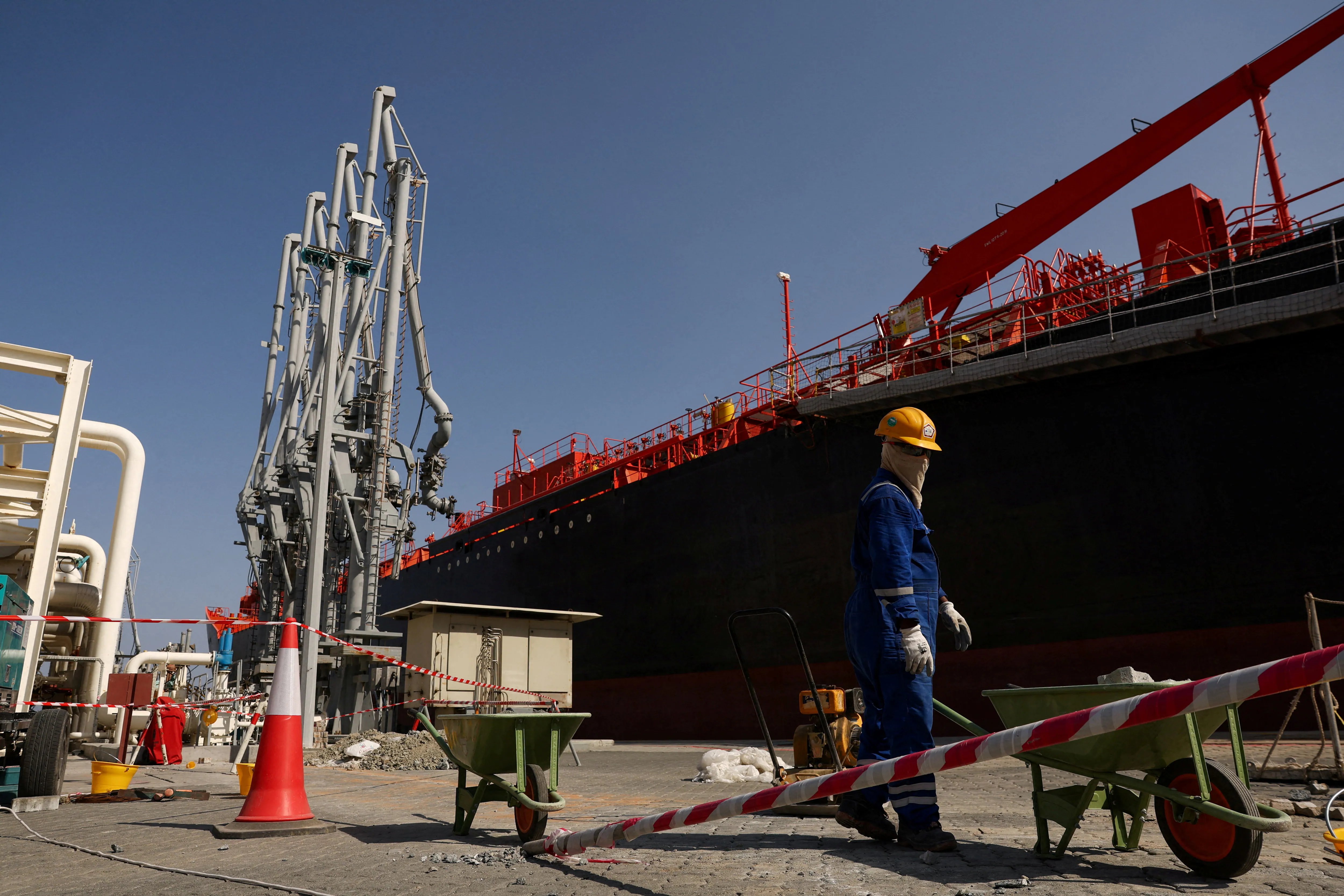
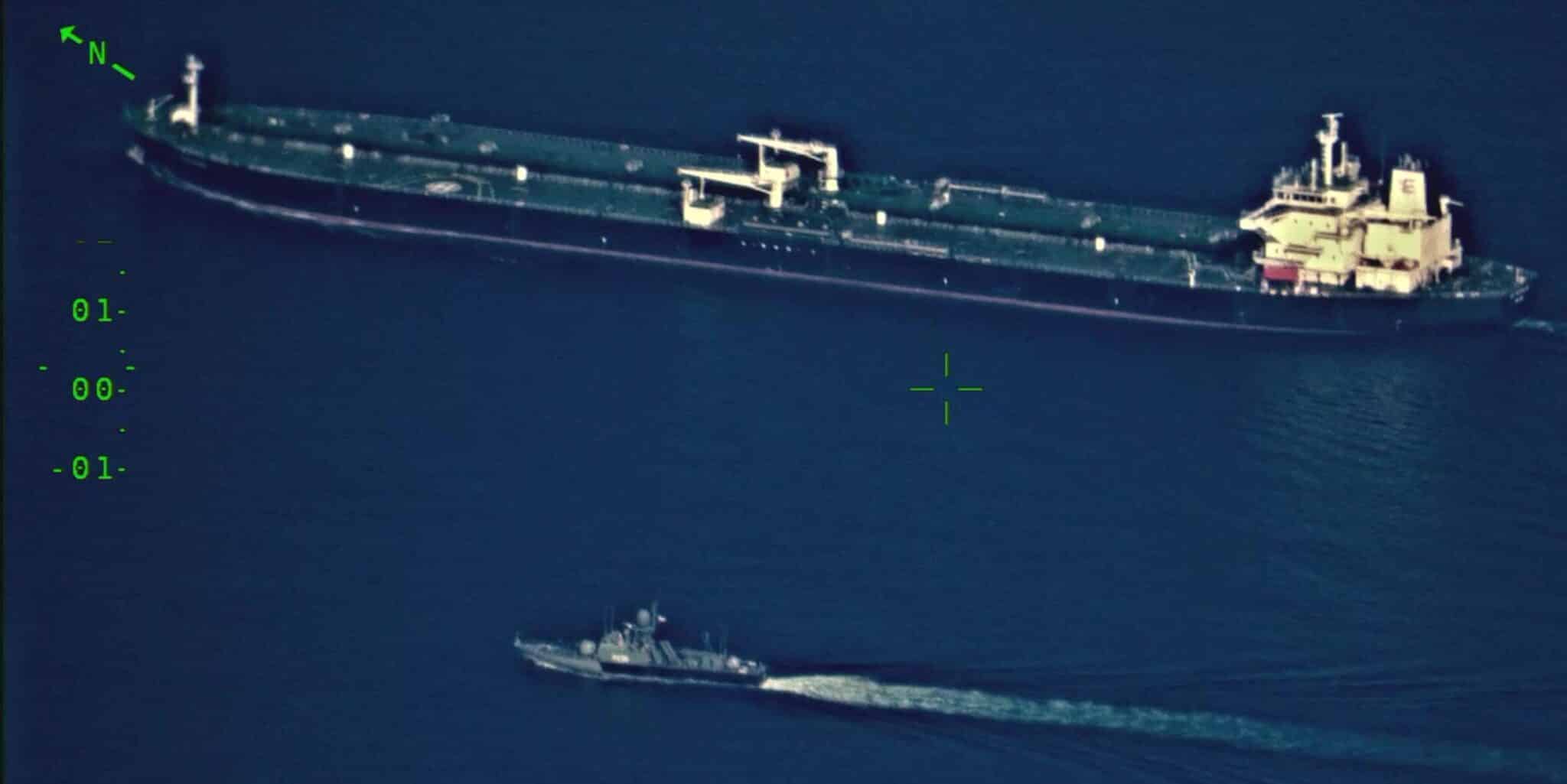
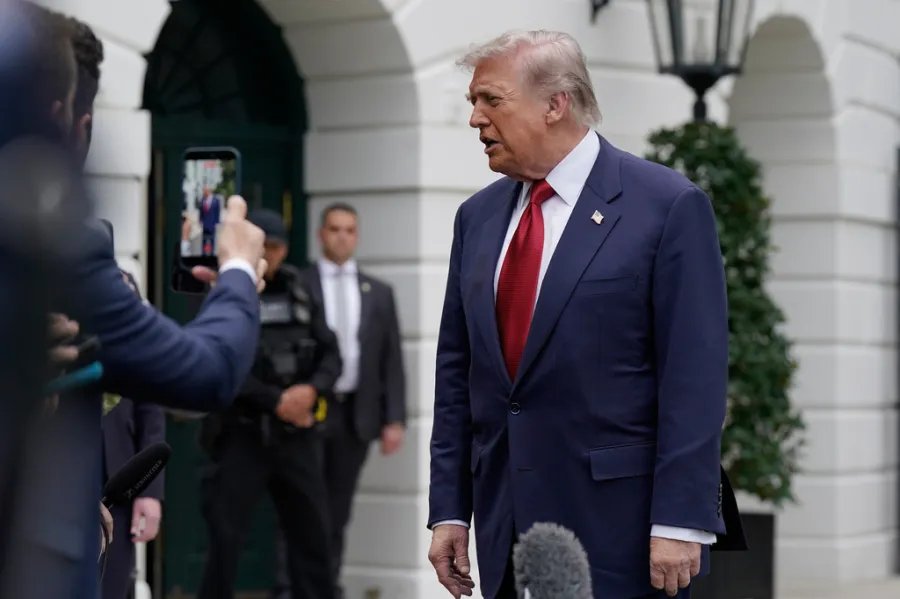
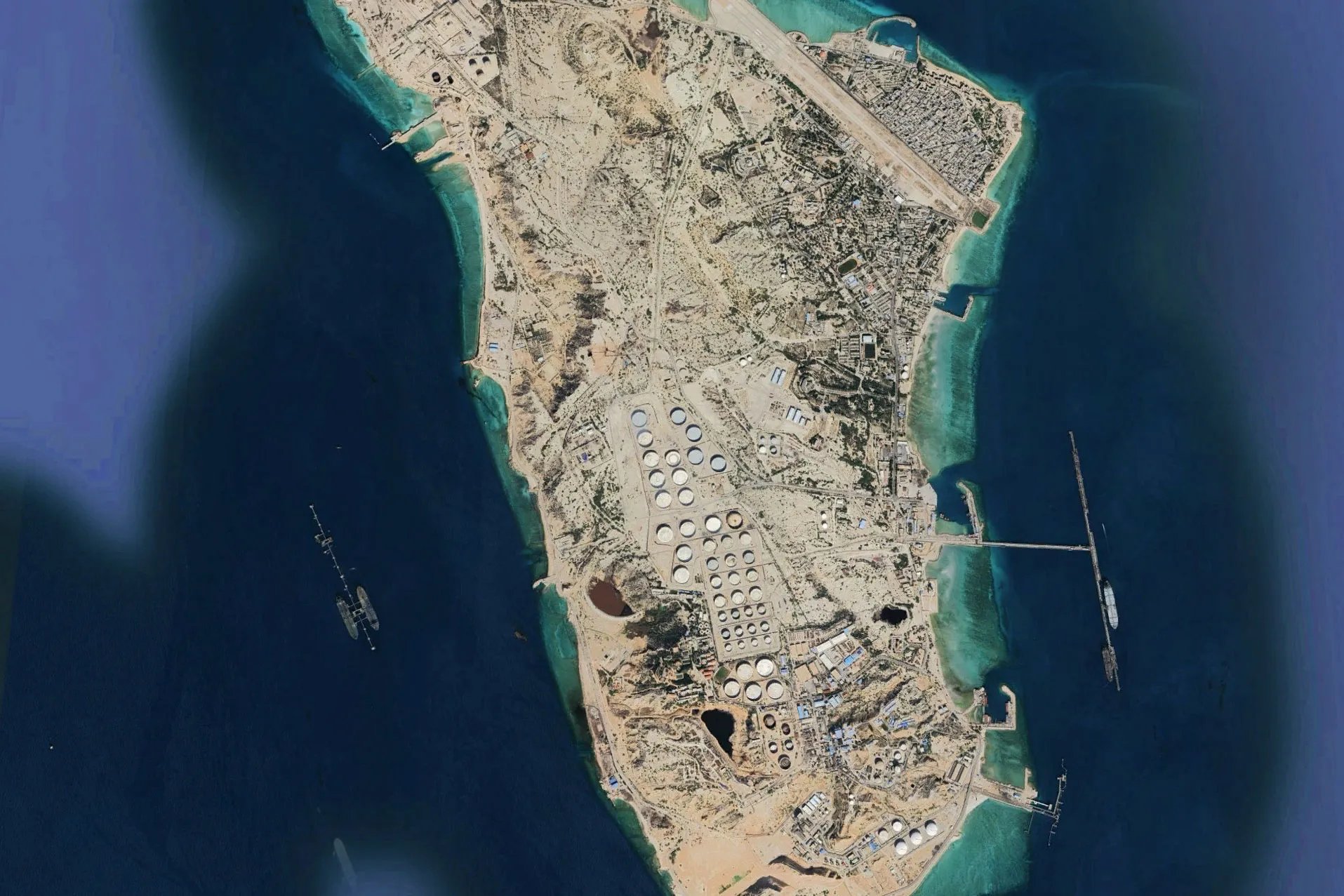
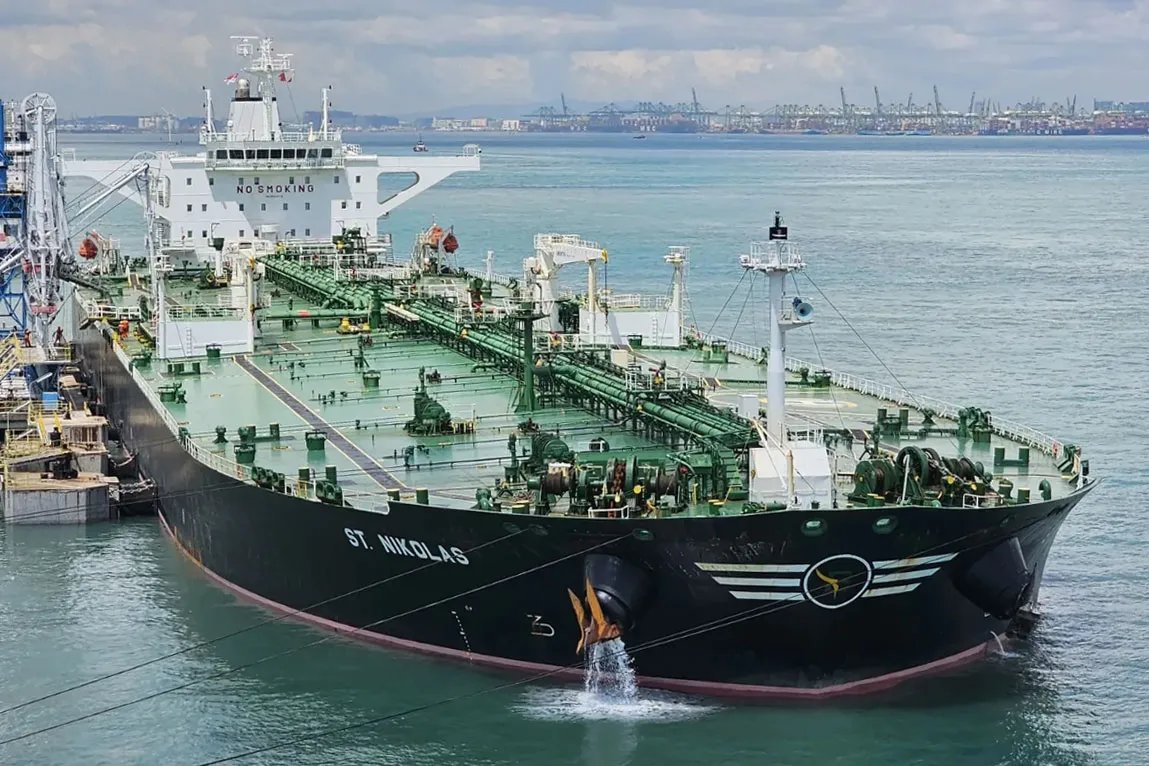
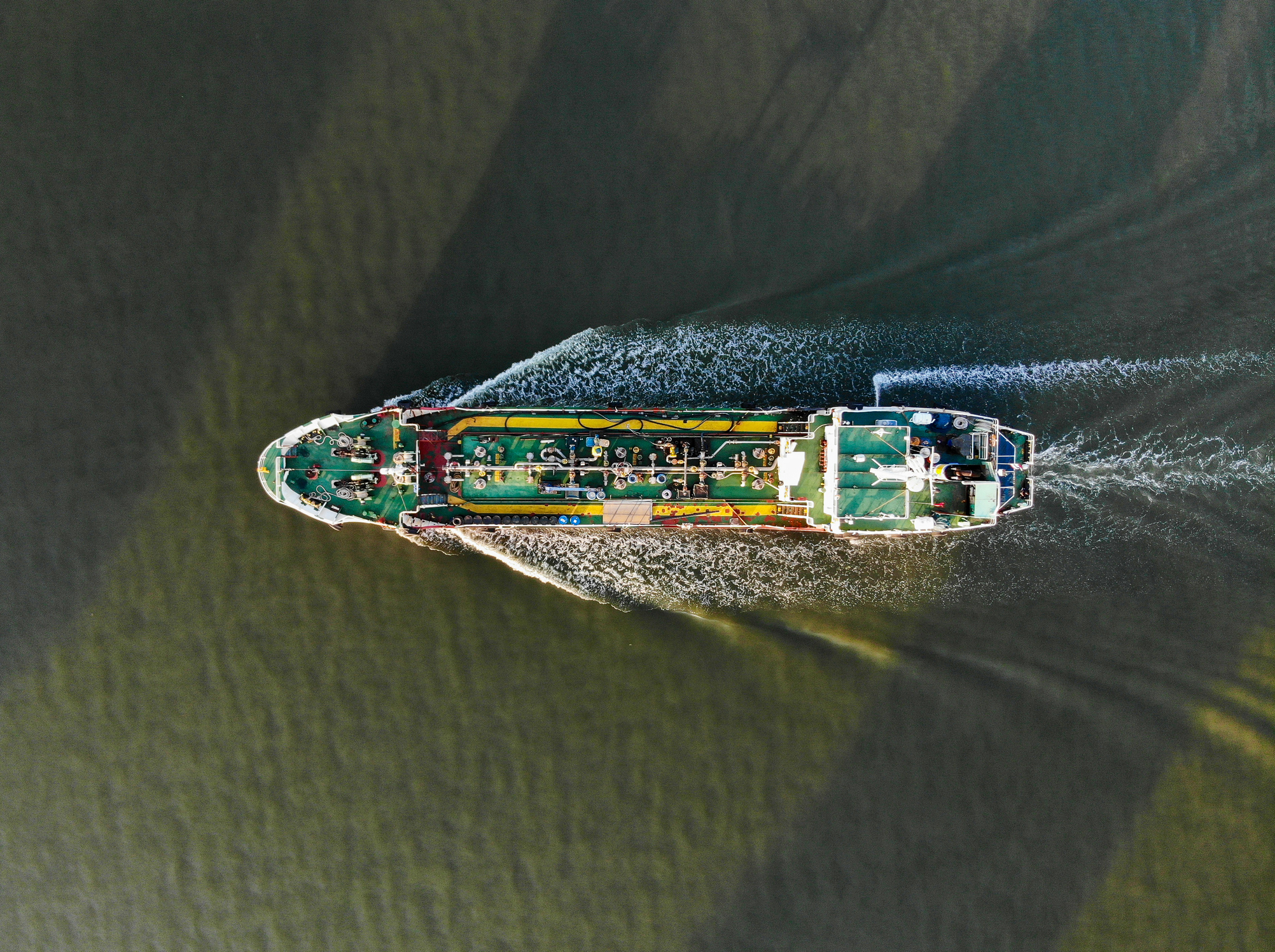
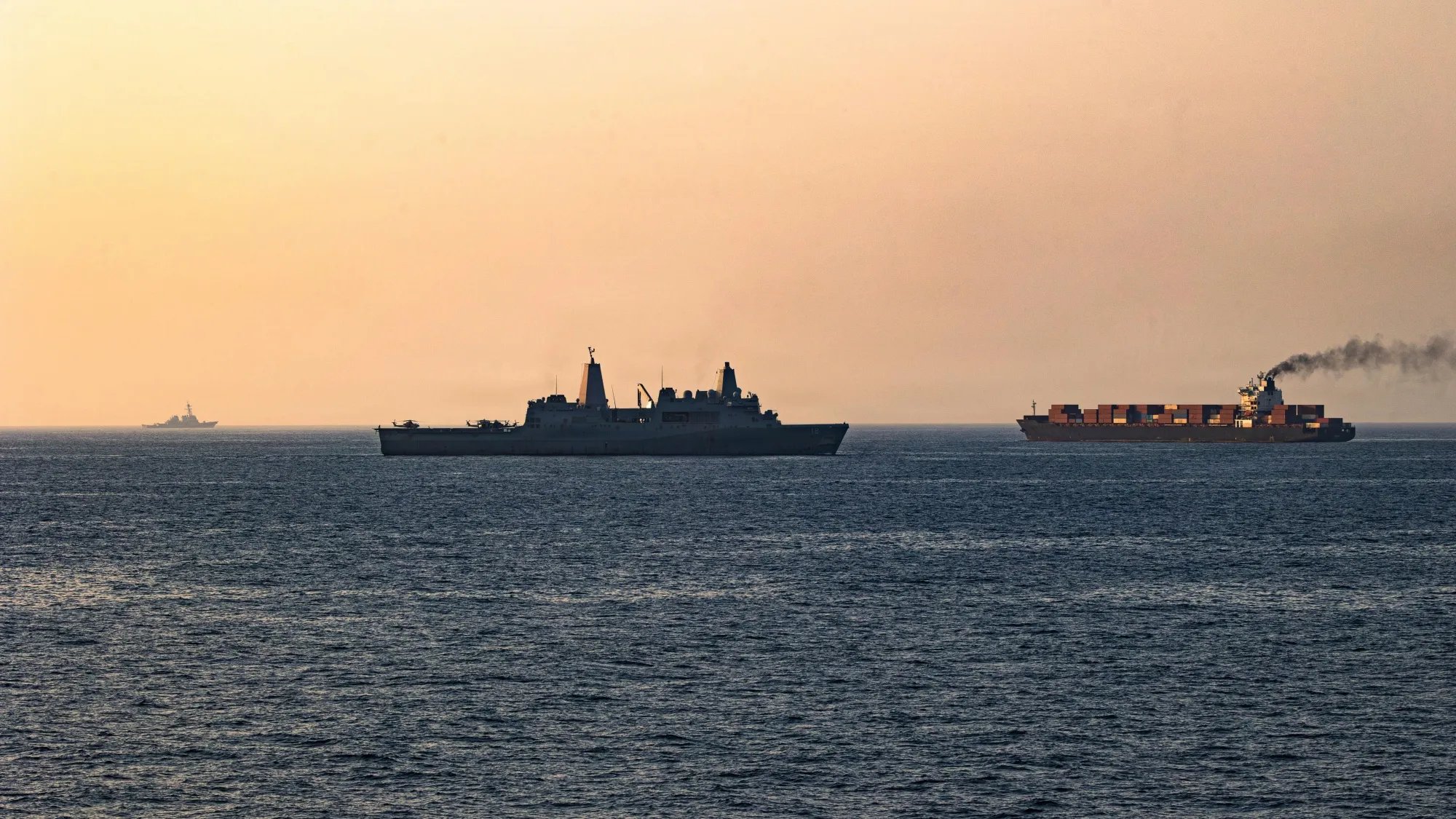
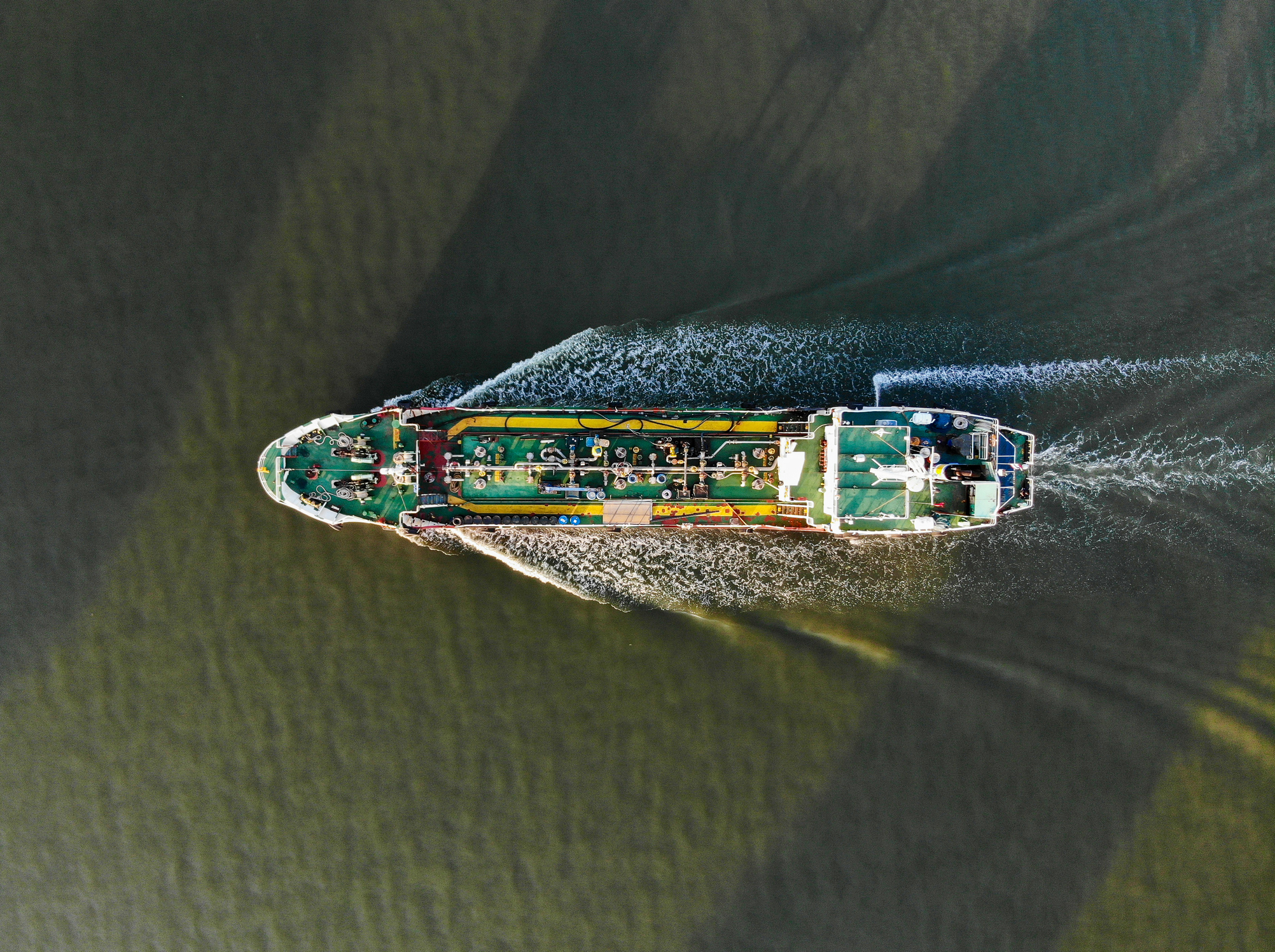
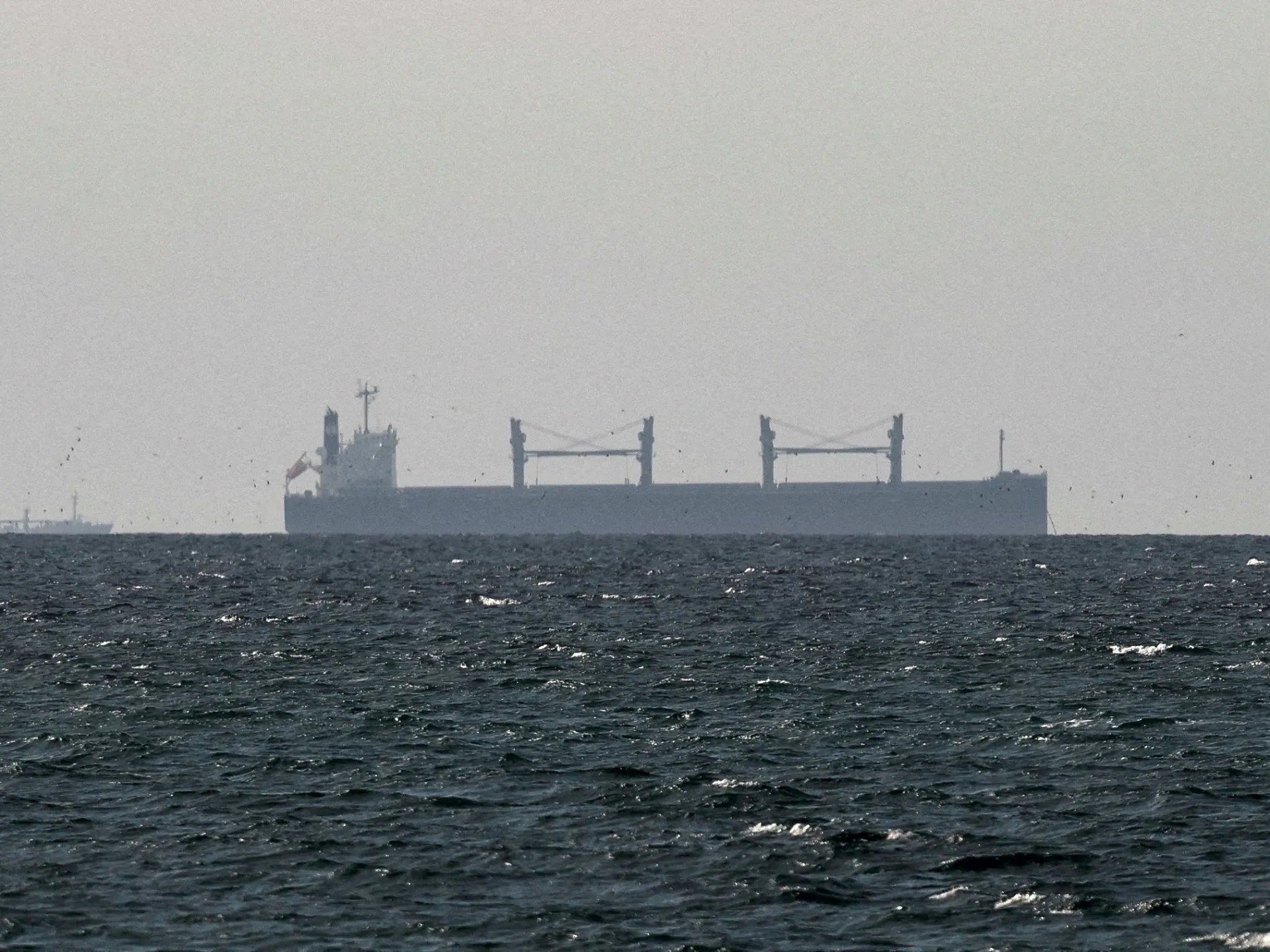
Tensions are escalating in the Middle East as ceasefire agreements between the U.S. and Iran, as well as between Lebanon and Israel, come under strain. The U.S. continues to enforce a naval blockade on Iranian ports, a move directed by President Trump amid ongoing military operations. Iranian forces recently seized two ships in the Strait of Hormuz, where approximately 20% of the world's oil passes, raising concerns over the potential for renewed conflict and a collapse of peace negotiations.
Leadership Shakeup at the Pentagon
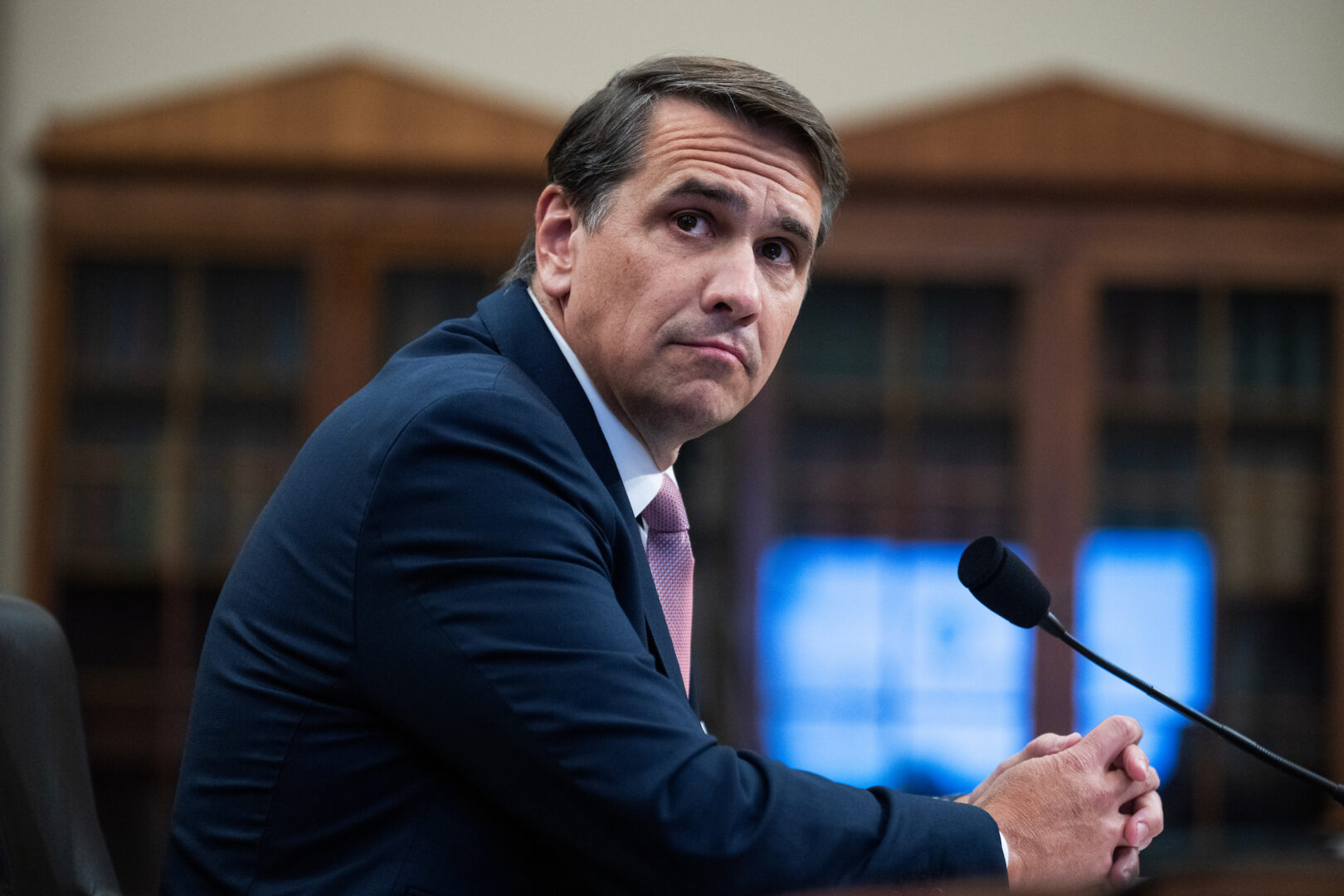
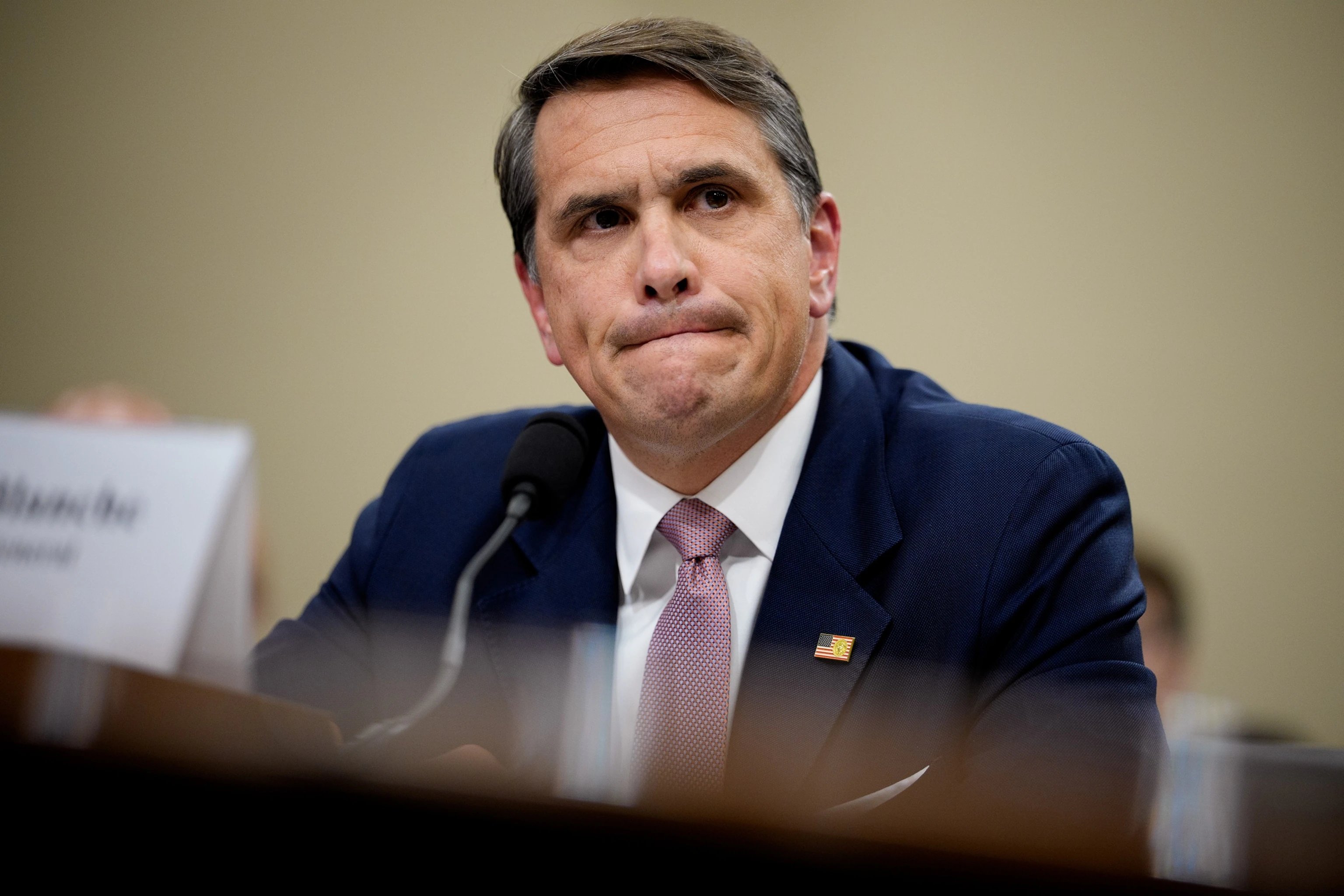
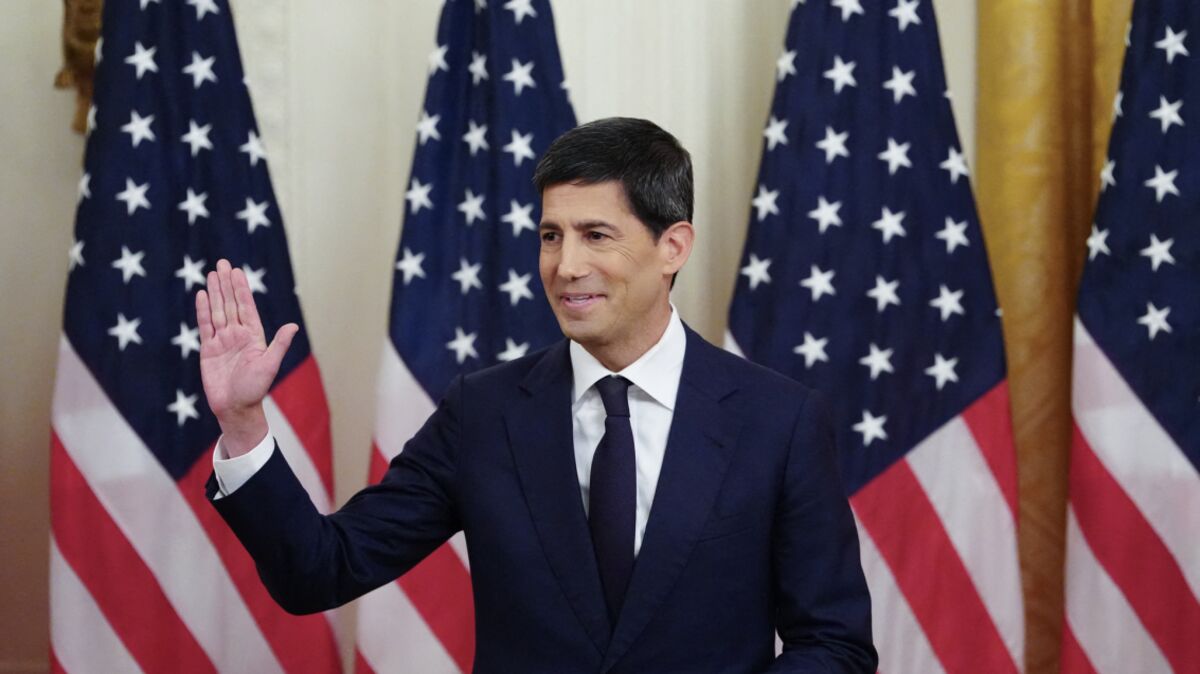
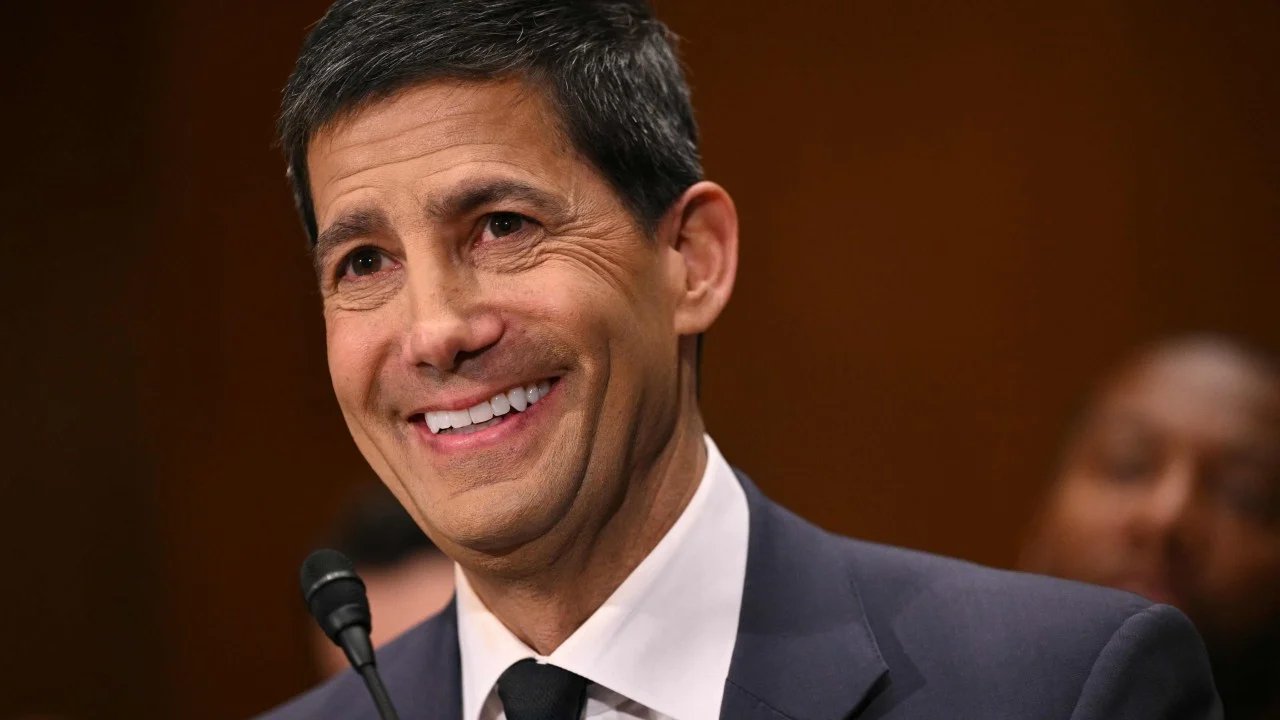
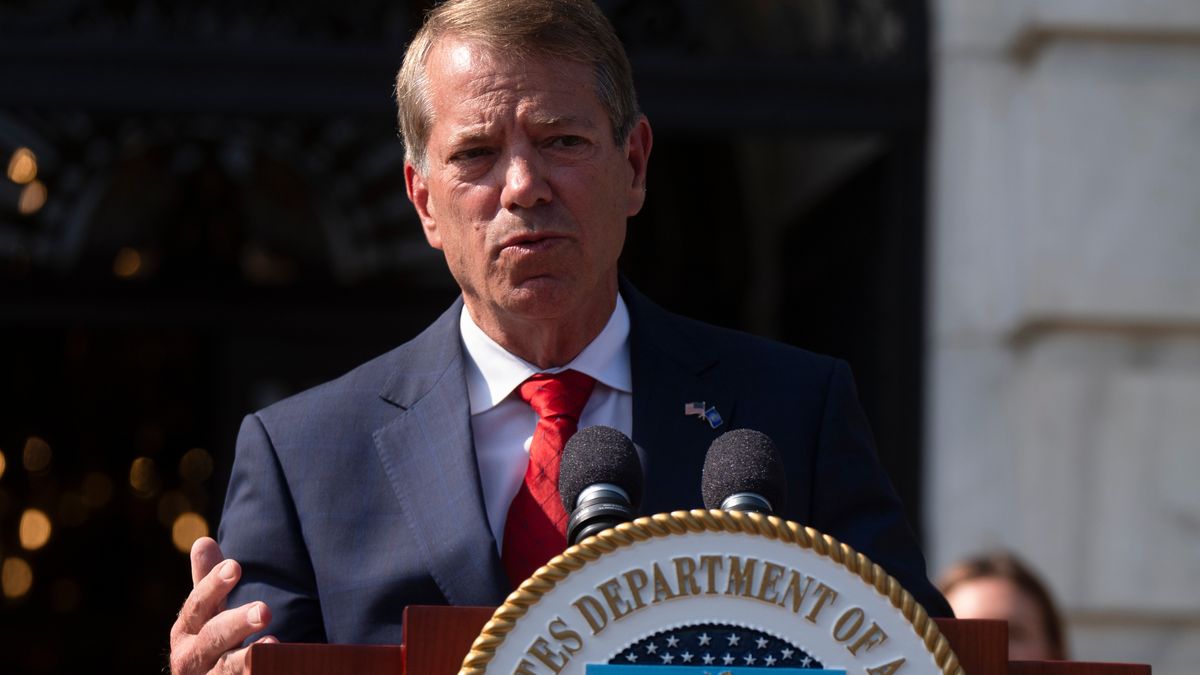
In a surprising move, Navy Secretary John Phelan has been ousted from his position, effective immediately. Undersecretary of the Navy Hung Cao has stepped in as the acting secretary. This leadership change comes as part of a larger trend of high-profile departures within the defense establishment, which has seen several military leaders removed from their posts in recent weeks.
Management Issues Cited
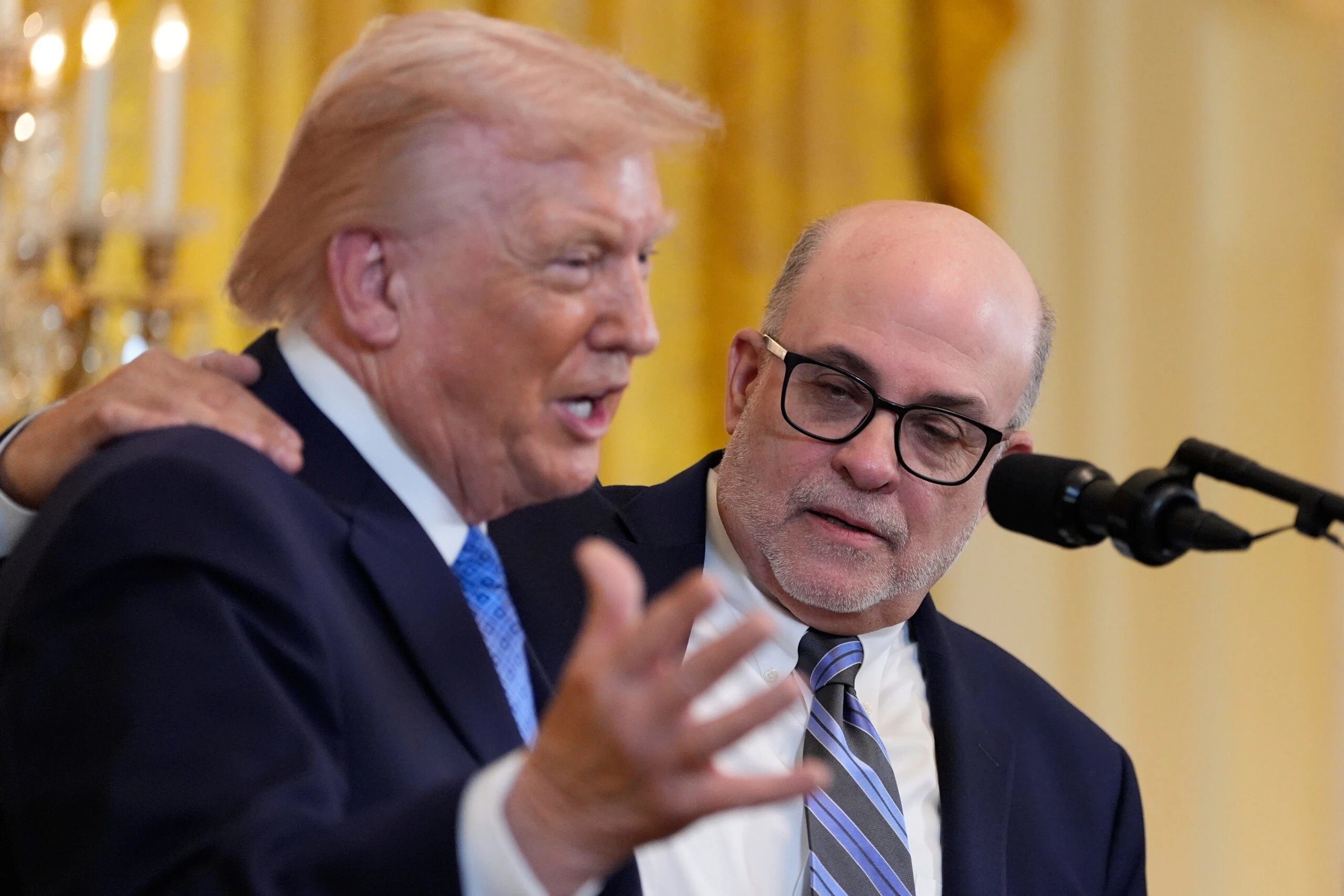
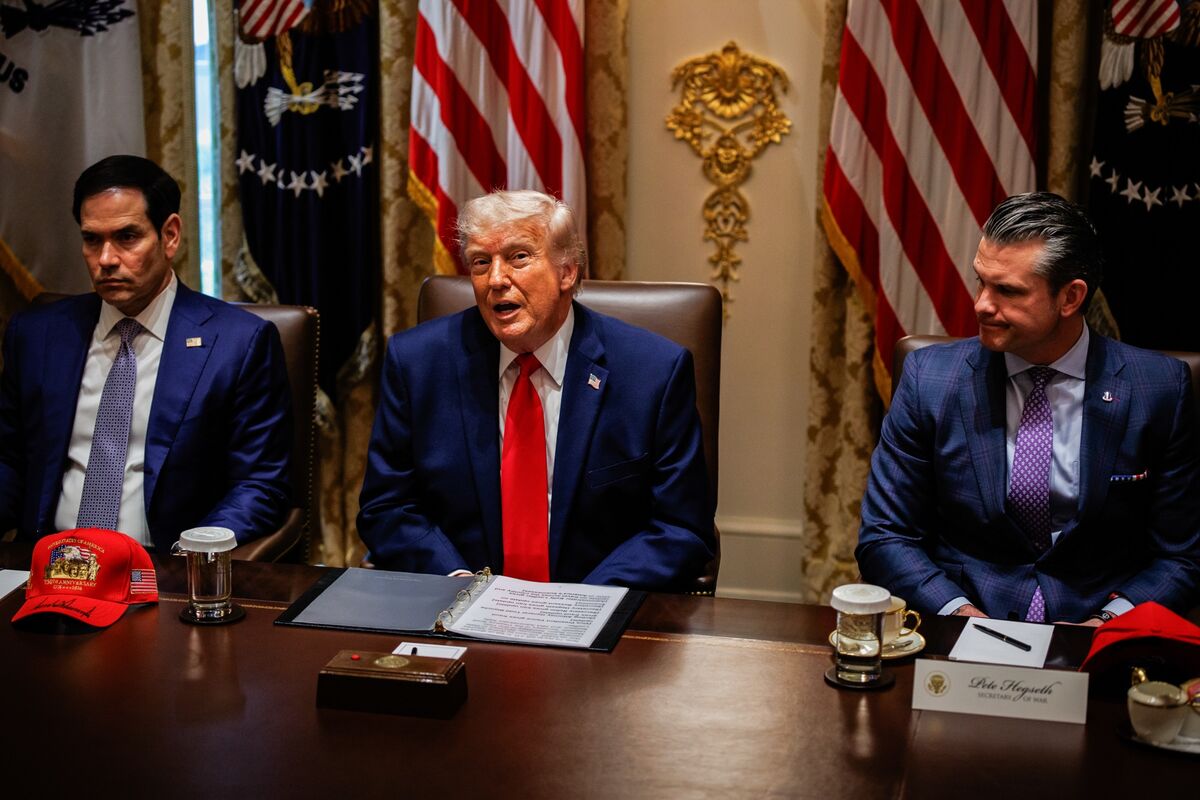
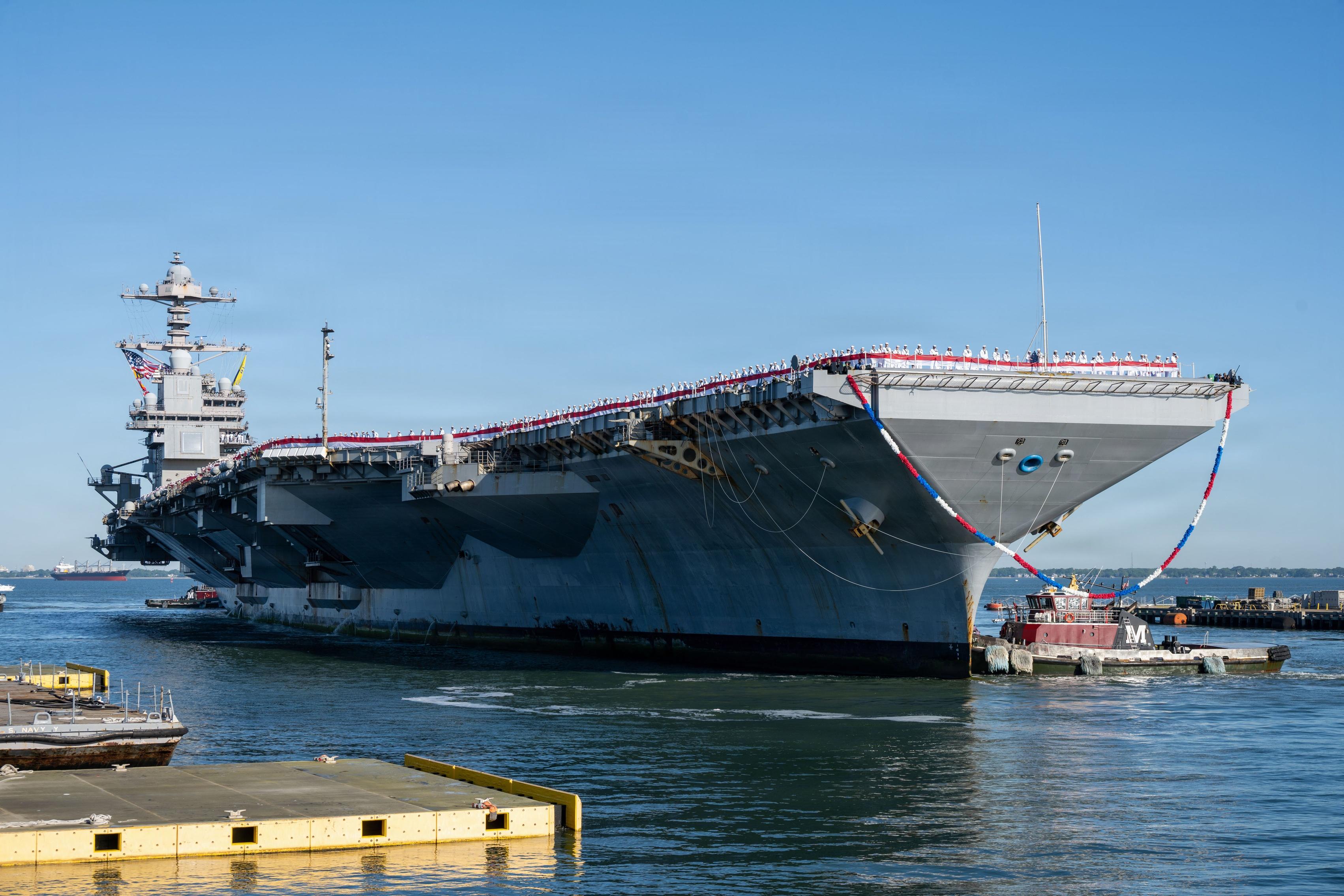
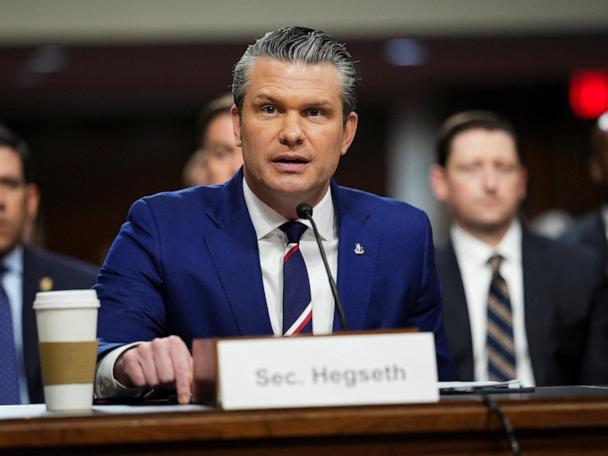
Sources indicate that tensions between Phelan and Hegseth contributed to the decision to remove him. Reports suggest that Phelan's direct communications with Trump and his perceived disregard for the chain of command did not sit well with Hegseth. An anonymous source noted that Phelan and Hegseth did not have a good working relationship, which ultimately influenced the decision to replace him. Phelan's tenure of just over a year included efforts to expand the Navy's fleet, including Trump-class battleships. During his time as secretary, the Navy took part in strikes on alleged drug boats near Latin America, seizures of oil tankers linked to Venezuela, and the capture of former Venezuelan President Nicolás Maduro, who was flown to a U.S. aircraft carrier.
Impact on Military Operations
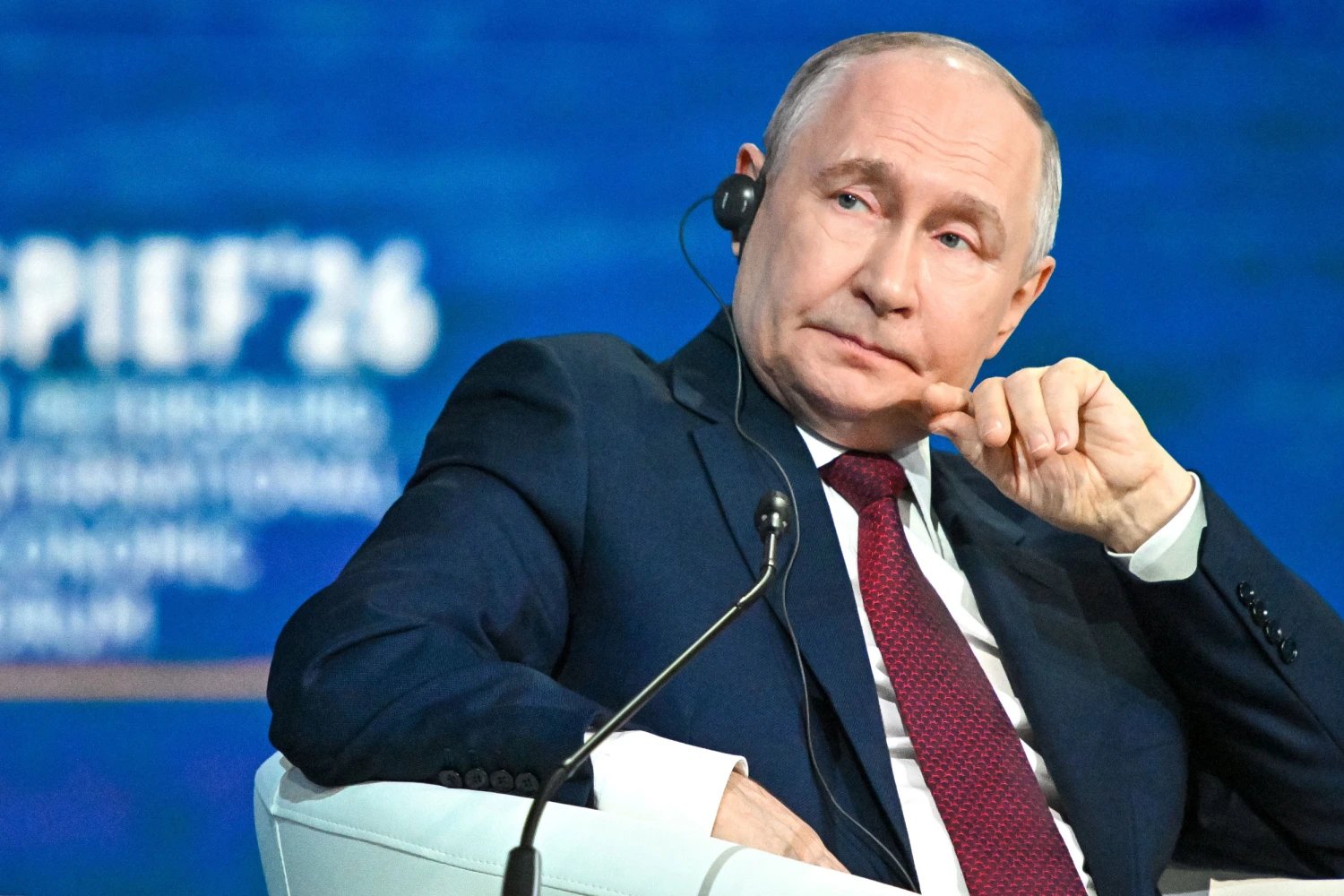
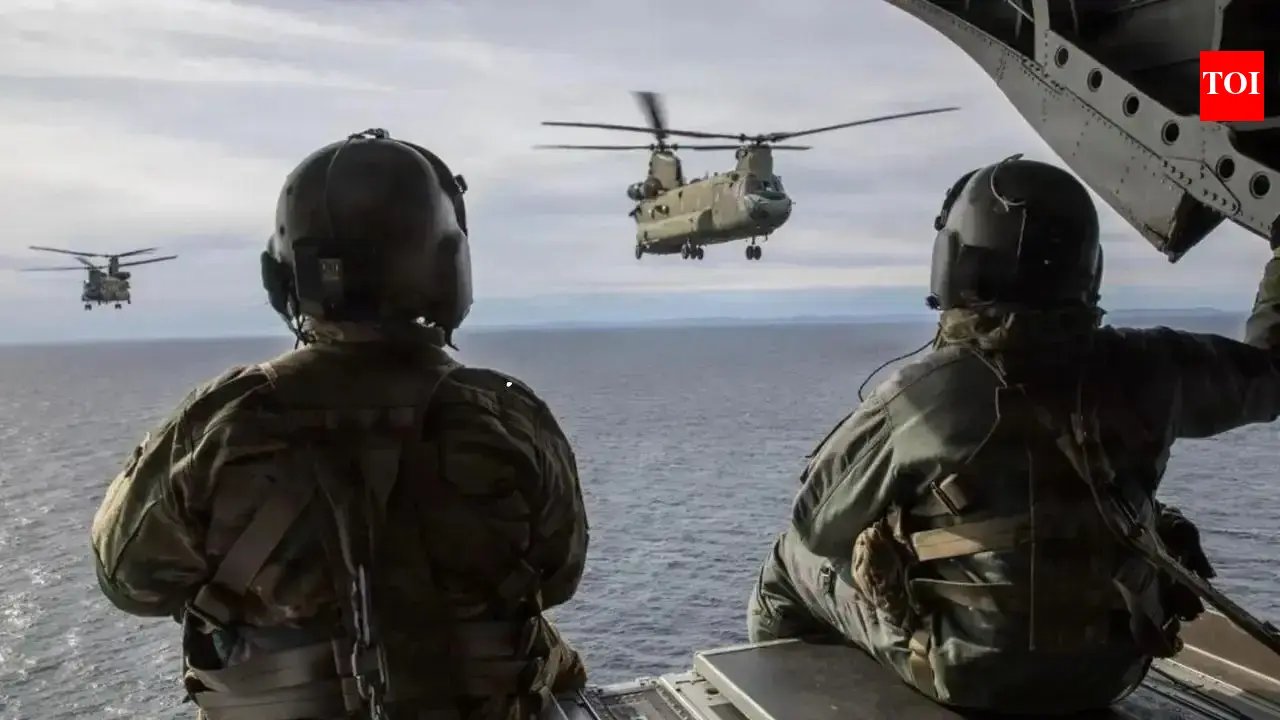
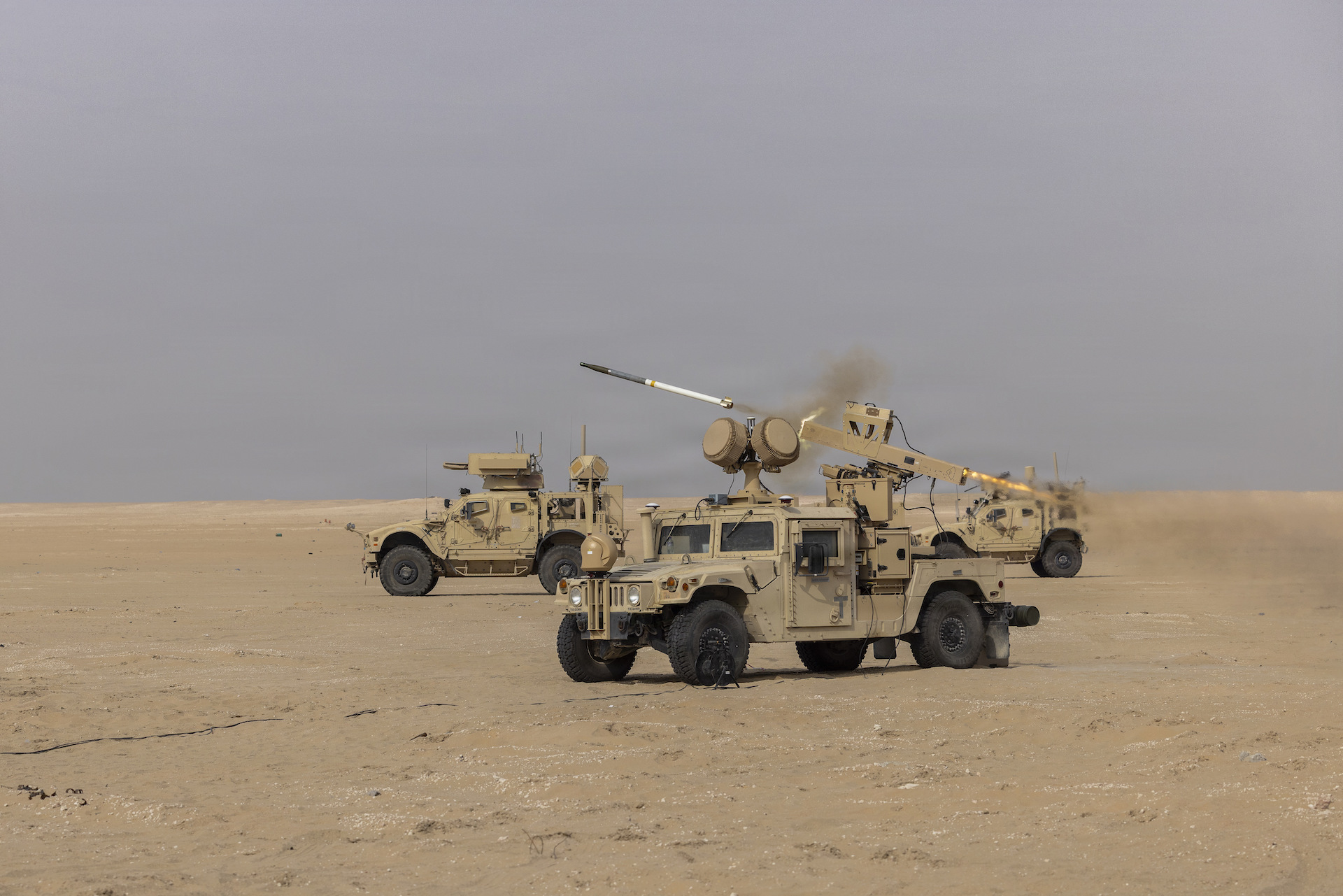
Phelan's dismissal occurs at a critical juncture for U.S. military operations in the region. The U.S. Navy is currently engaged in enforcing a blockade against Iran, a situation that has heightened tensions and complicated peace talks. The Iranian parliament's speaker, Mohammad Bagher Ghalibaf, stated that reopening the Strait of Hormuz would be "impossible" while the U.S. maintains its blockade. This escalating conflict raises concerns about the stability of energy supplies and broader geopolitical ramifications.
Public Opinion and Political Implications
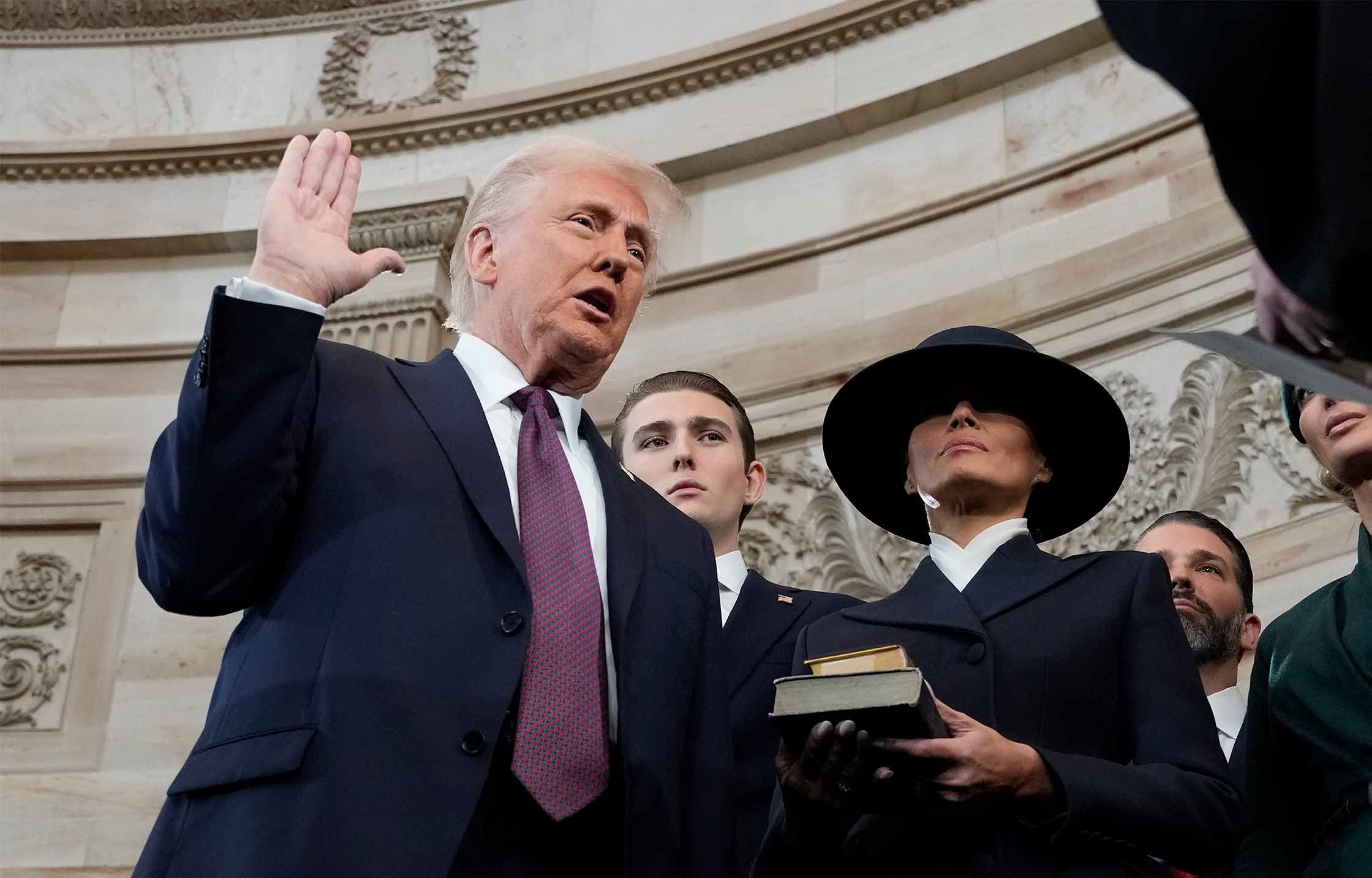
As the situation unfolds, public approval of Trump's handling of the Iran conflict and other domestic issues appears to be waning. Polls from Reuters-Ipsos, Strength in Numbers-Verasight, and AP-NORC show President Trump's approval ratings at 36%, 35%, and 33%, respectively. The Pentagon's leadership changes, including Phelan's removal, may reflect deeper issues within the administration as it navigates these complex challenges.
Next Steps for the Navy
As Hung Cao assumes the role of acting Navy Secretary, the Navy's strategic direction during this turbulent period remains uncertain. Cao, a Navy veteran who previously ran for Senate in Virginia, will need to quickly establish his leadership amidst ongoing military operations and the potential for further conflict in the region. The future of U.S. naval strategy and its implications for national security will depend on how effectively the new leadership addresses these pressing challenges.






















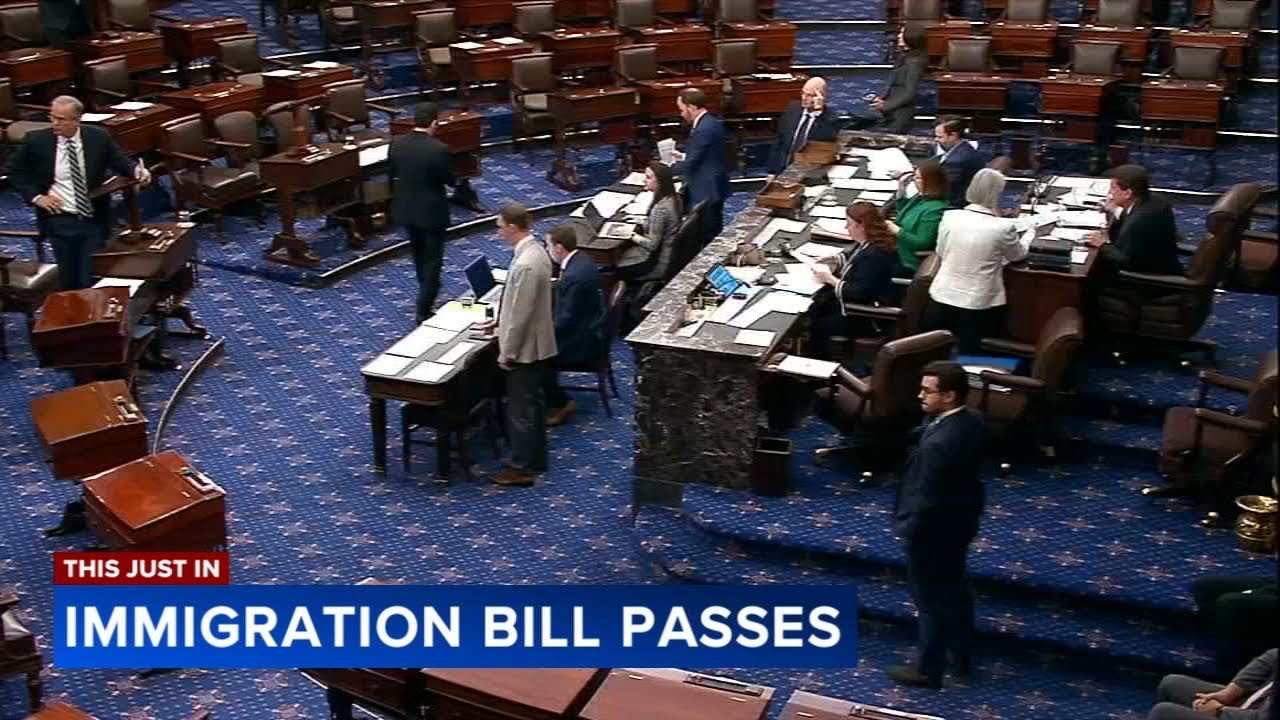







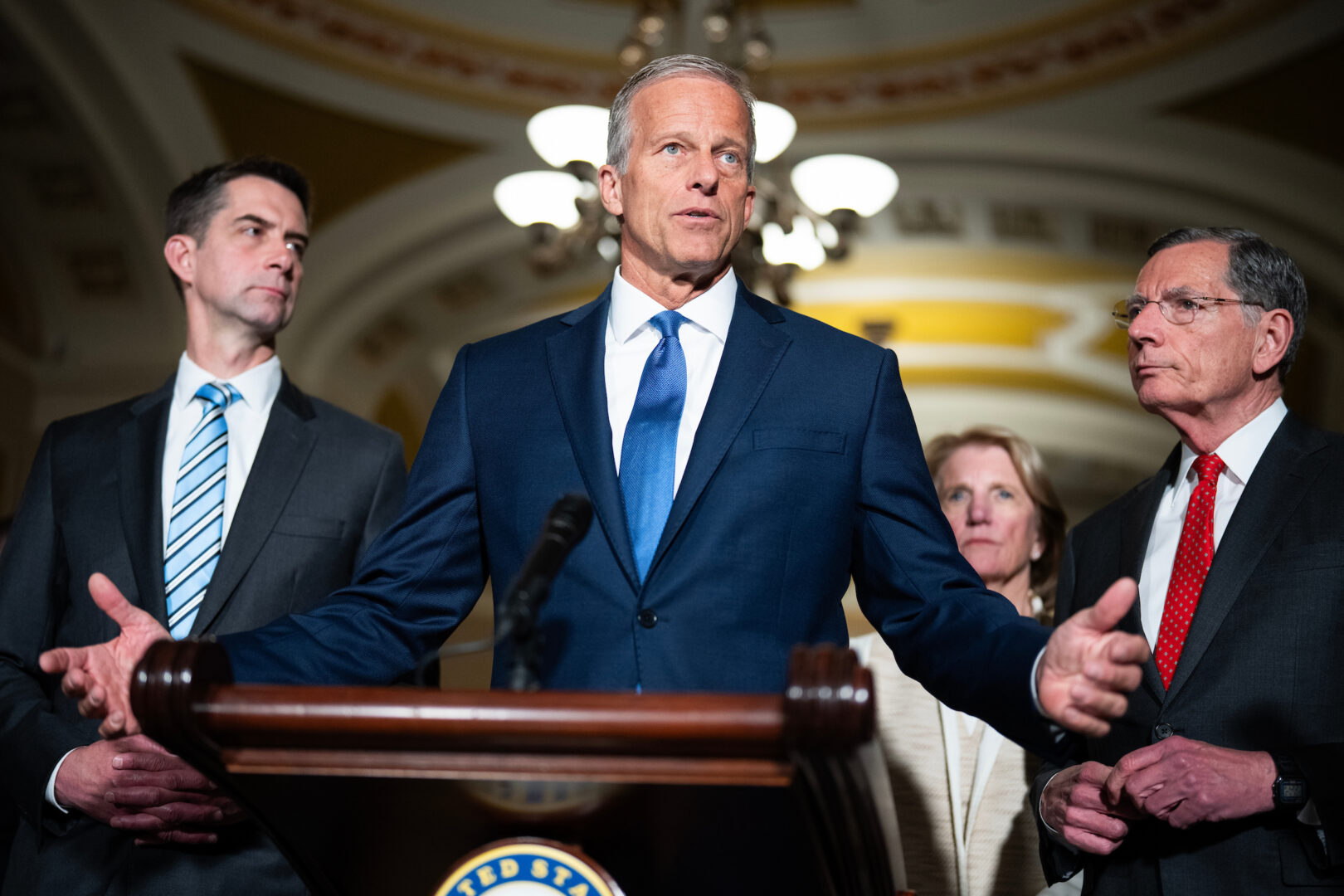




















































































































































































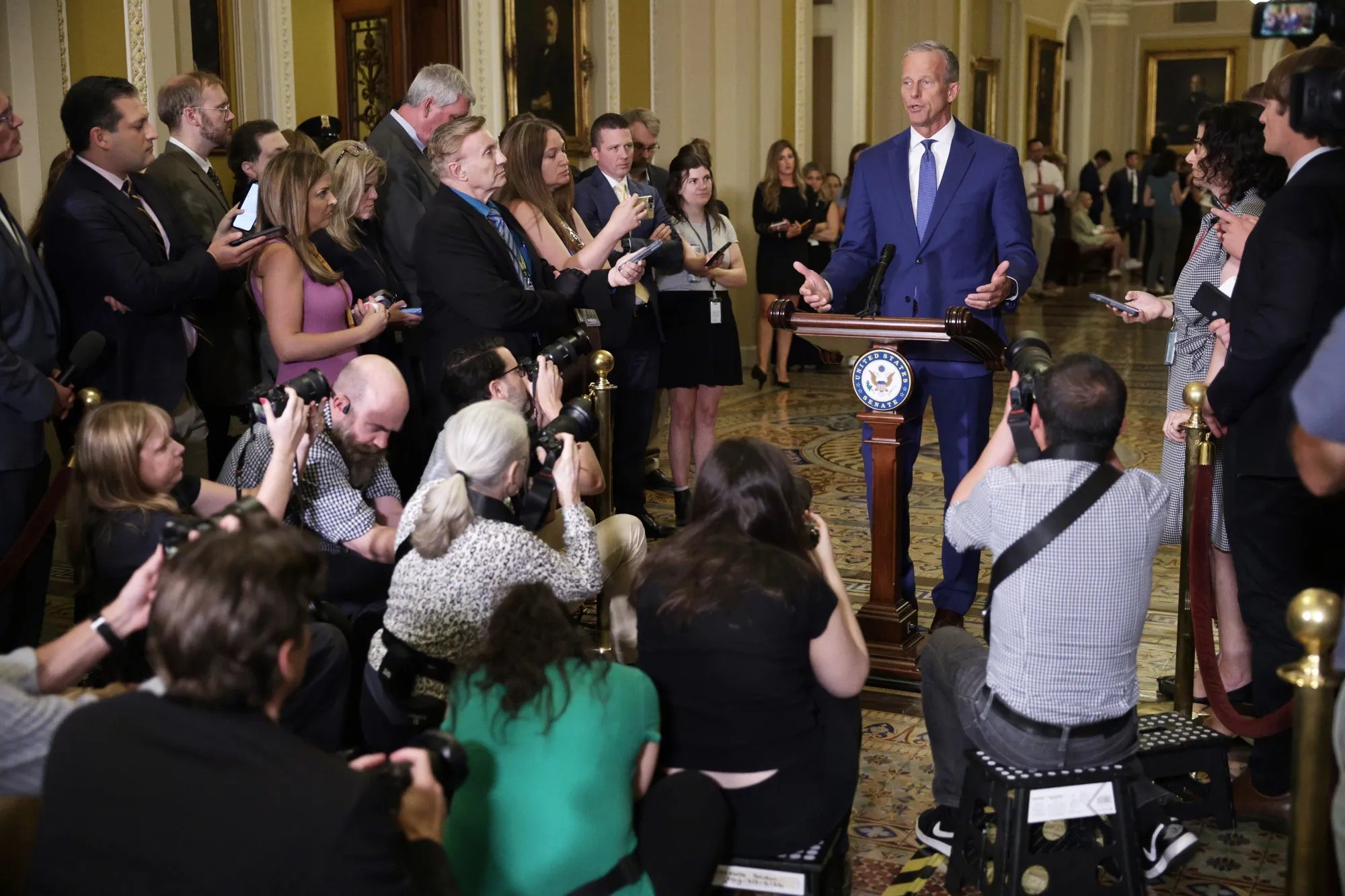




























The sources also report that Phelan was confirmed by the Senate with a vote of 62-30 in March 2025, with eleven Democrats voting in favor.