






The Approval Transforms Options for Affected Families
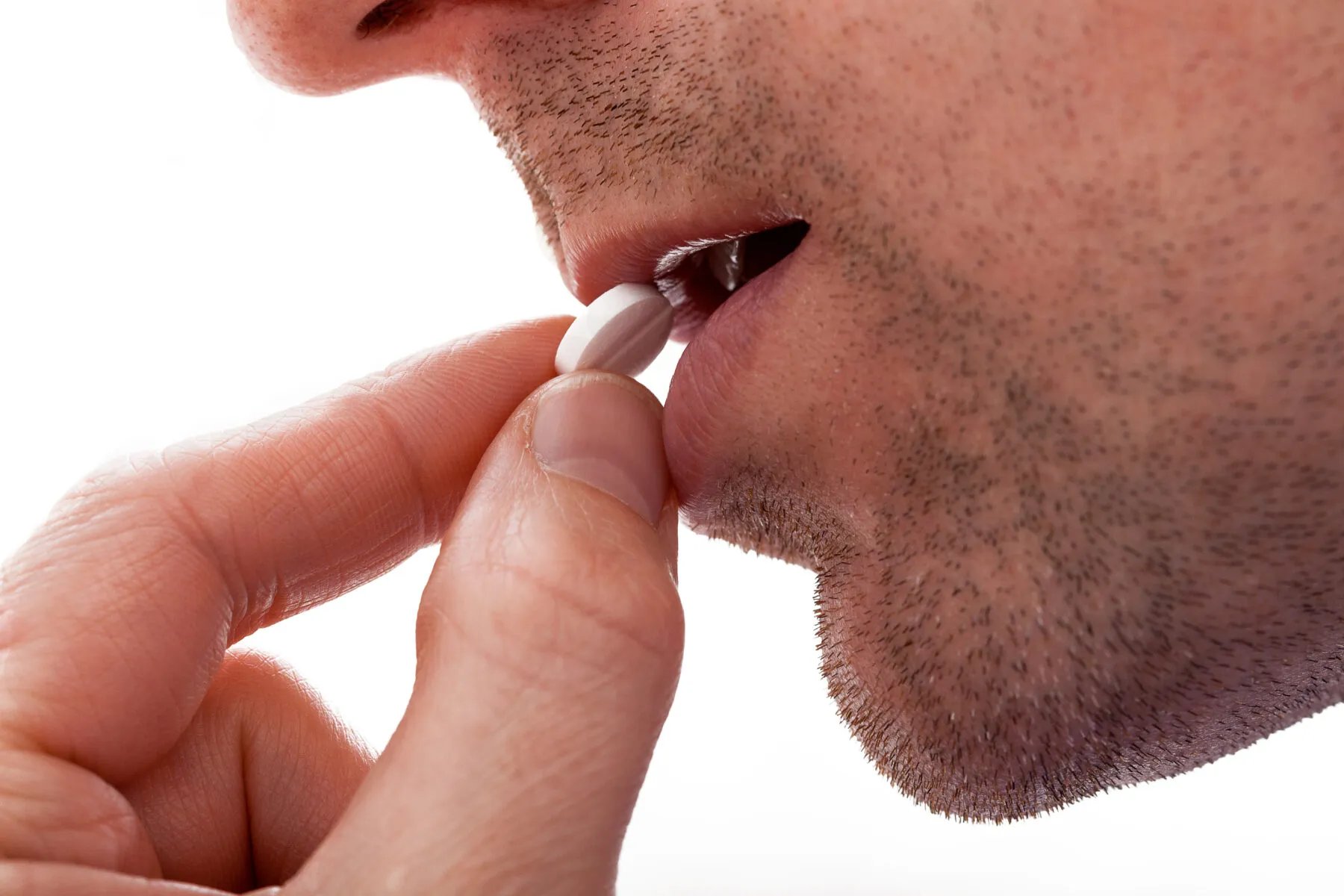
The Food and Drug Administration approved Regeneron's Otarmeni on Thursday, marking the first gene therapy for genetic hearing loss. This treatment targets a rare form caused by the OTOF gene mutation, affecting about 50 babies born in the U.S. each year. Families now have an alternative to cochlear implants, which Dr. Eliot Shearer described as "life-changing" for children with hearing loss.
How Otarmeni Restores Hearing
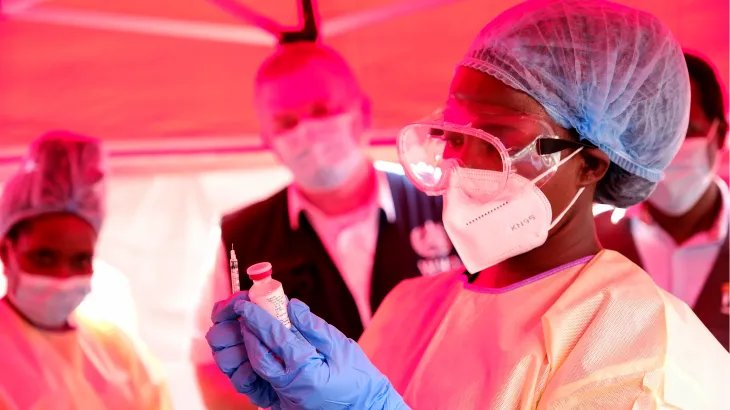
Otarmeni replaces the faulty OTOF gene to produce the otoferlin protein, essential for transmitting sound signals from cochlear cells to nerves. Without this protein, sound fails to reach the brain, leaving children deaf. The therapy delivers a single dose directly to the inner ear during a procedure similar to cochlear implant surgery.
Key Trial Outcomes Show Rapid Improvements
A trial involved 20 children with the OTOF mutation who received the therapy in one or both ears. Results indicated hearing improved in 16 participants, with five able to detect whispers afterward. Common side effects included infection of the middle ear, vomiting, nausea, and dizziness, yet the therapy provides constant benefits without relying on batteries.
Free Access Eases Financial Burden
Regeneron will offer Otarmeni at no cost to U.S. patients, addressing potential treatment expenses. The approval came through the Commissioner's National Priority Voucher, a program designed to speed drug reviews for rare conditions. Sarah Emond noted that this approach ensures affordable access, contrasting with typical gene therapy costs that can reach millions.
Real Impacts on Daily Life
Dr. Eliot Shearer said the improved hearing is "on 24/7 and doesn't rely on batteries."










































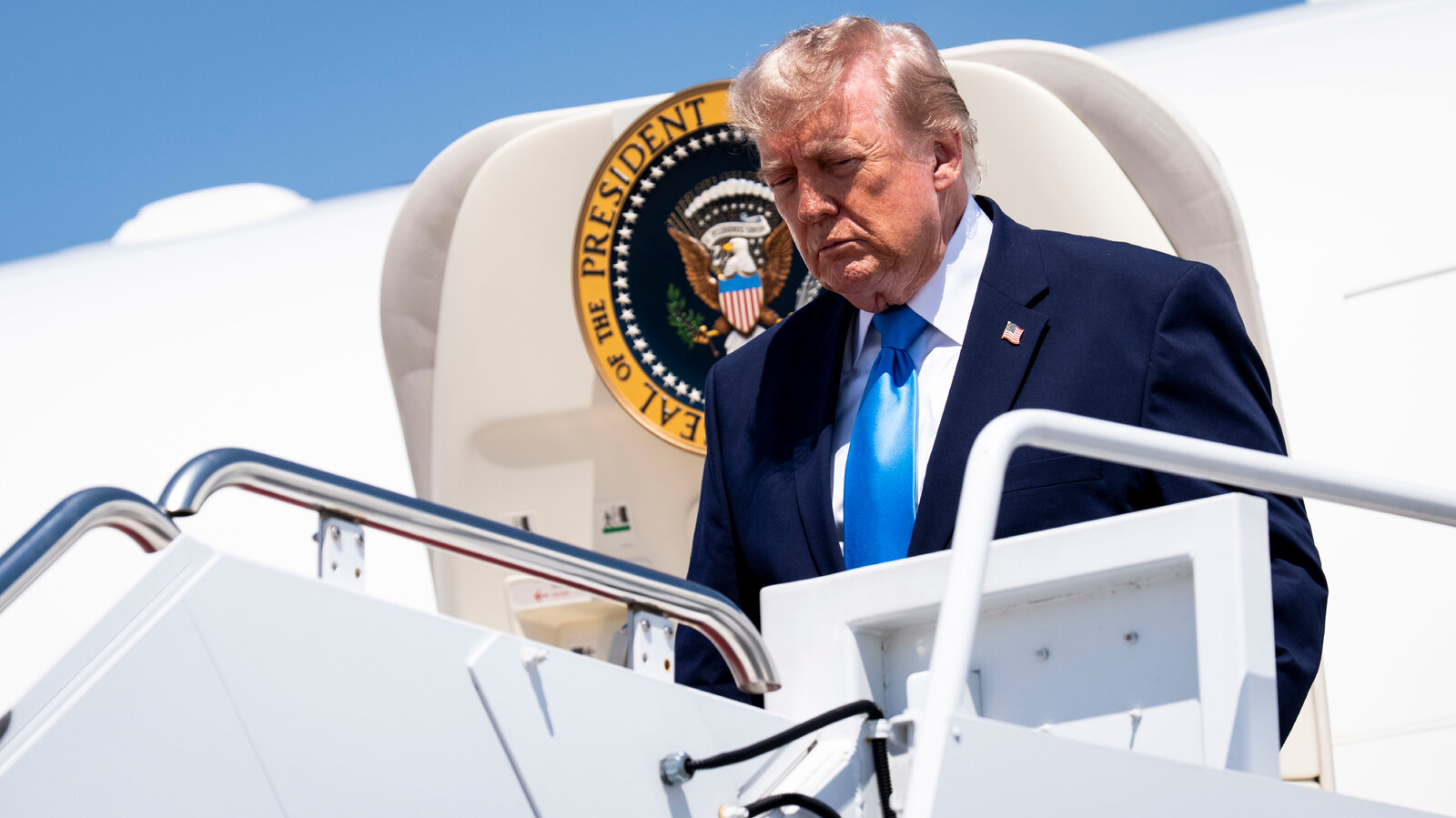






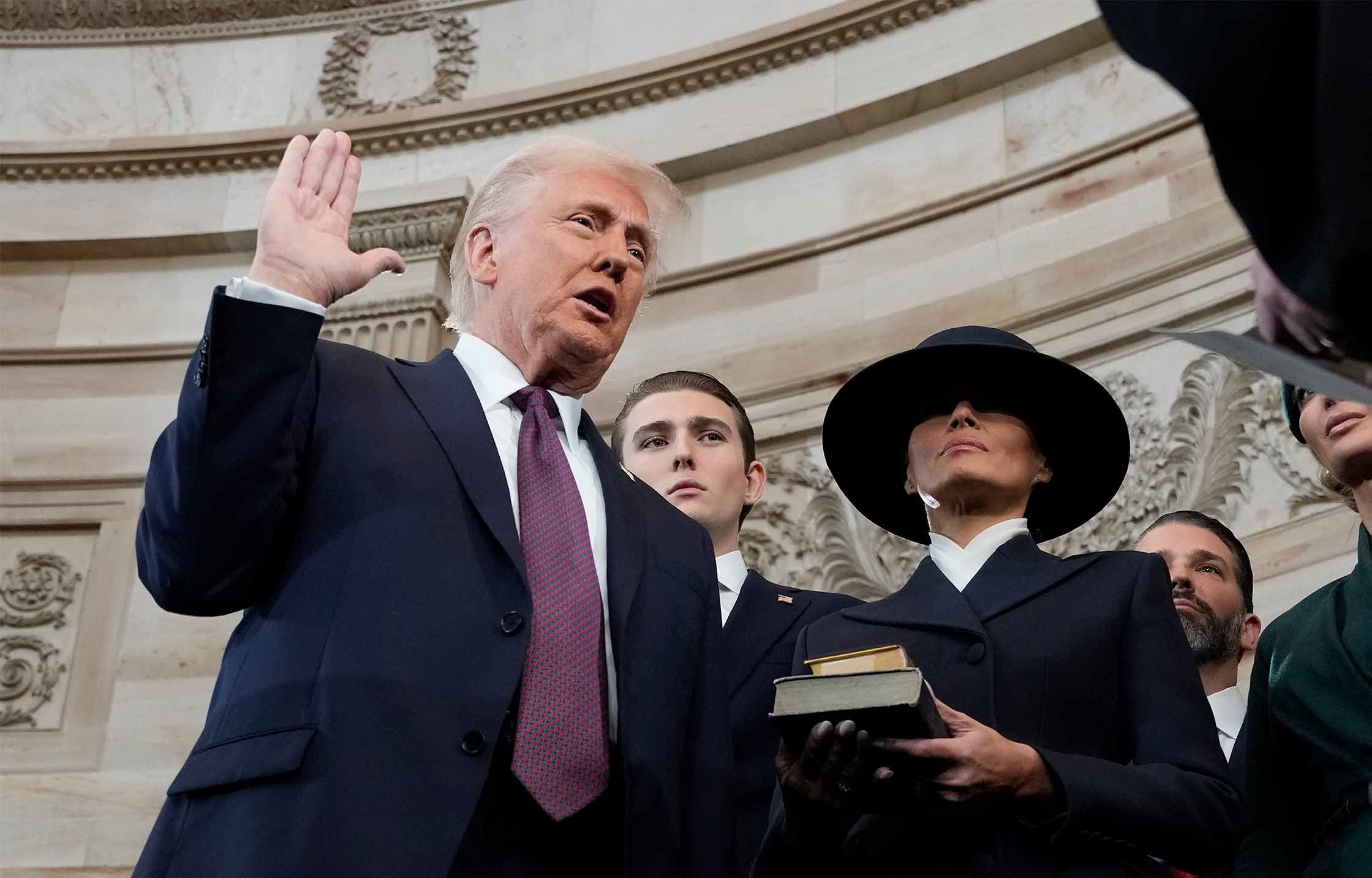







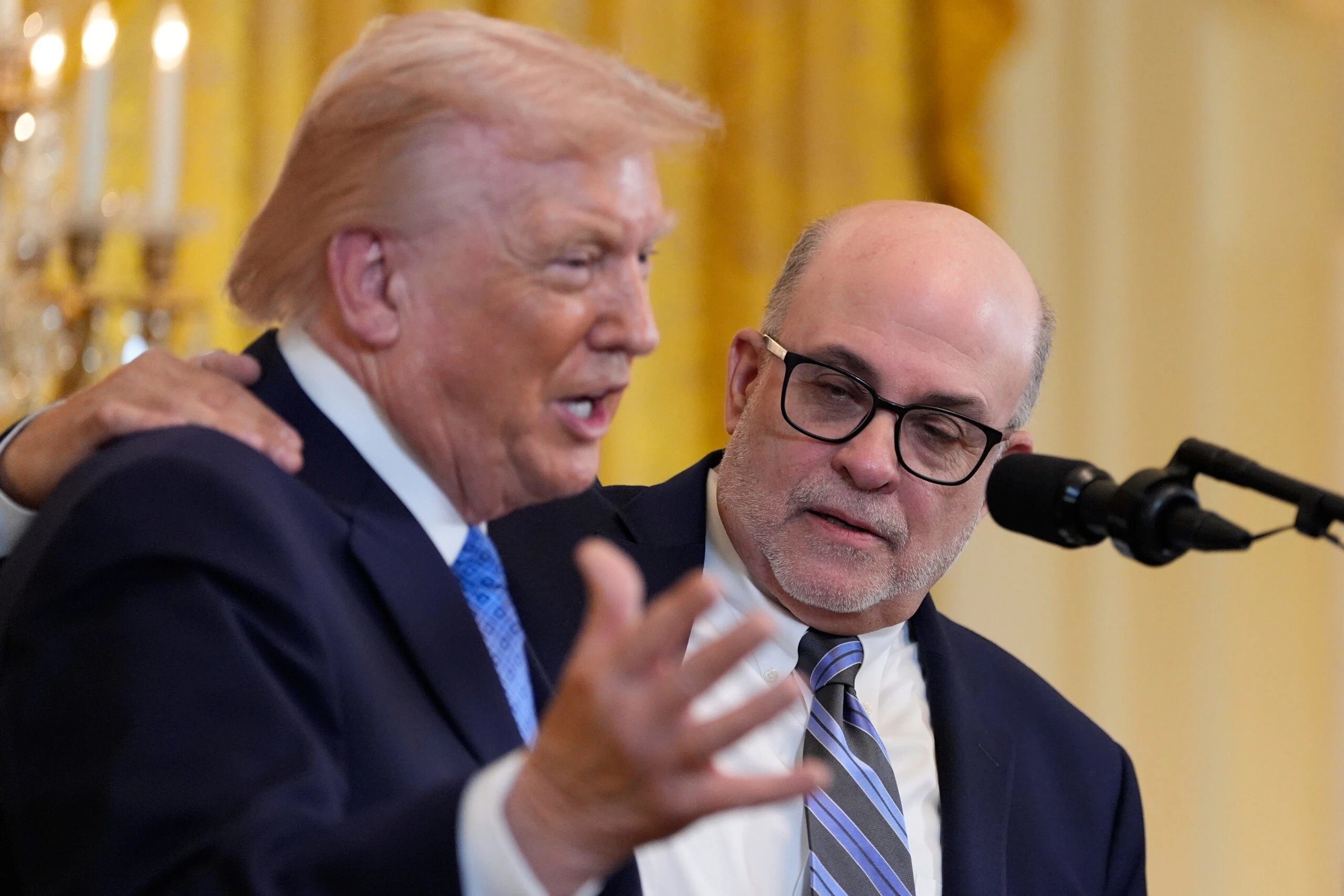



























































































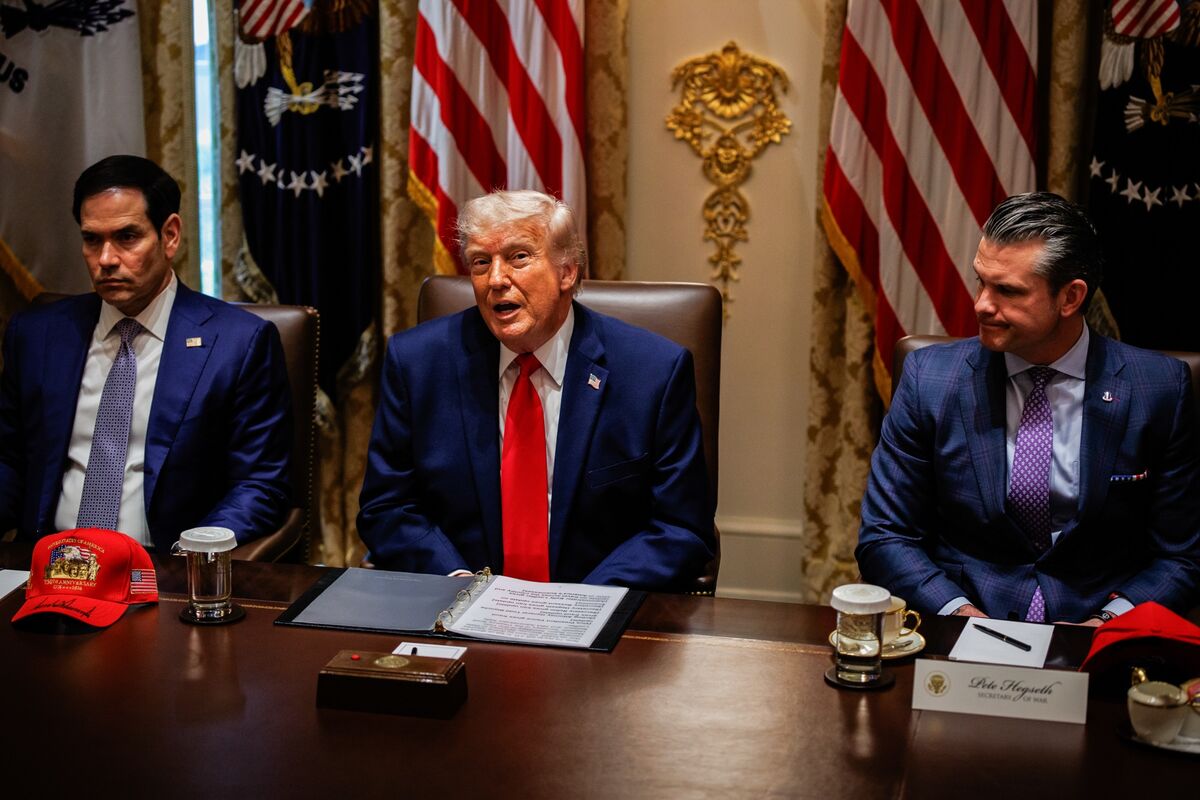
































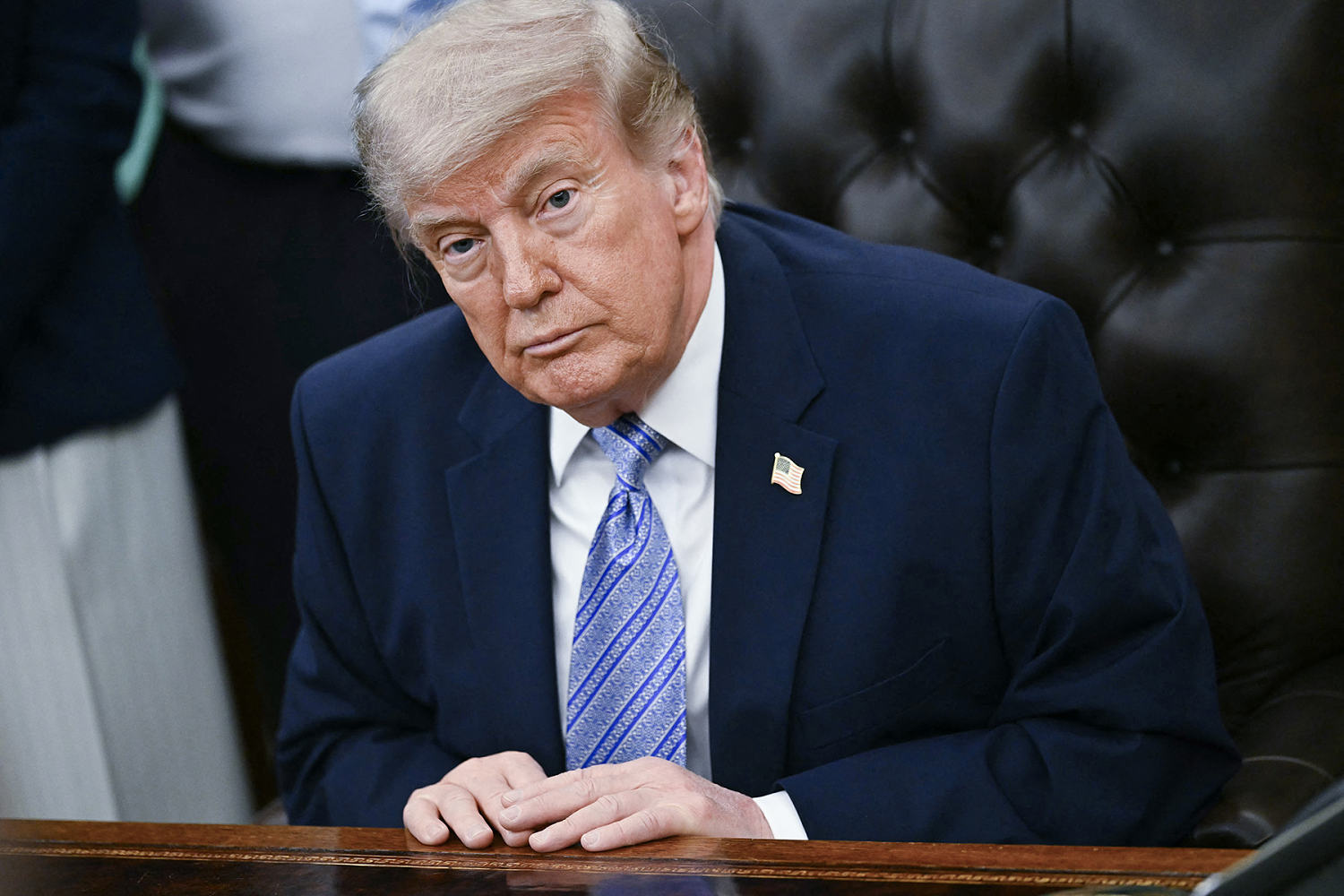



















































































































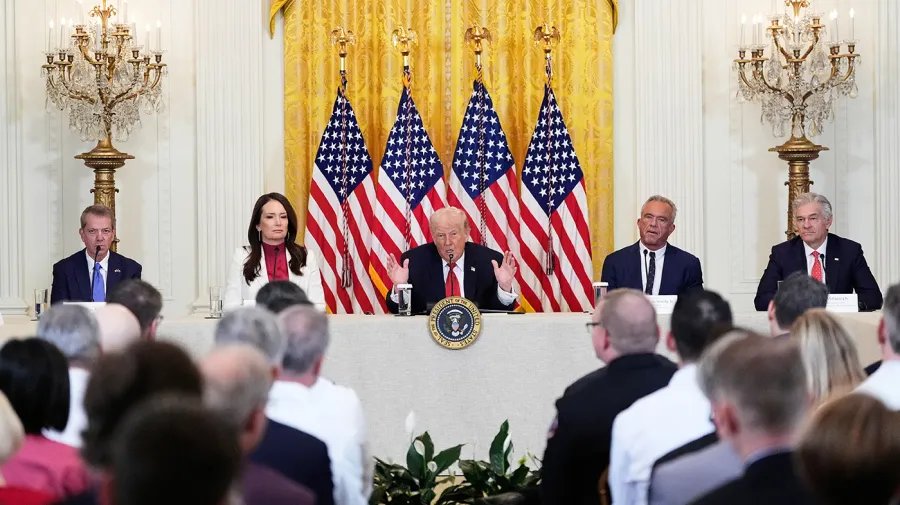




















































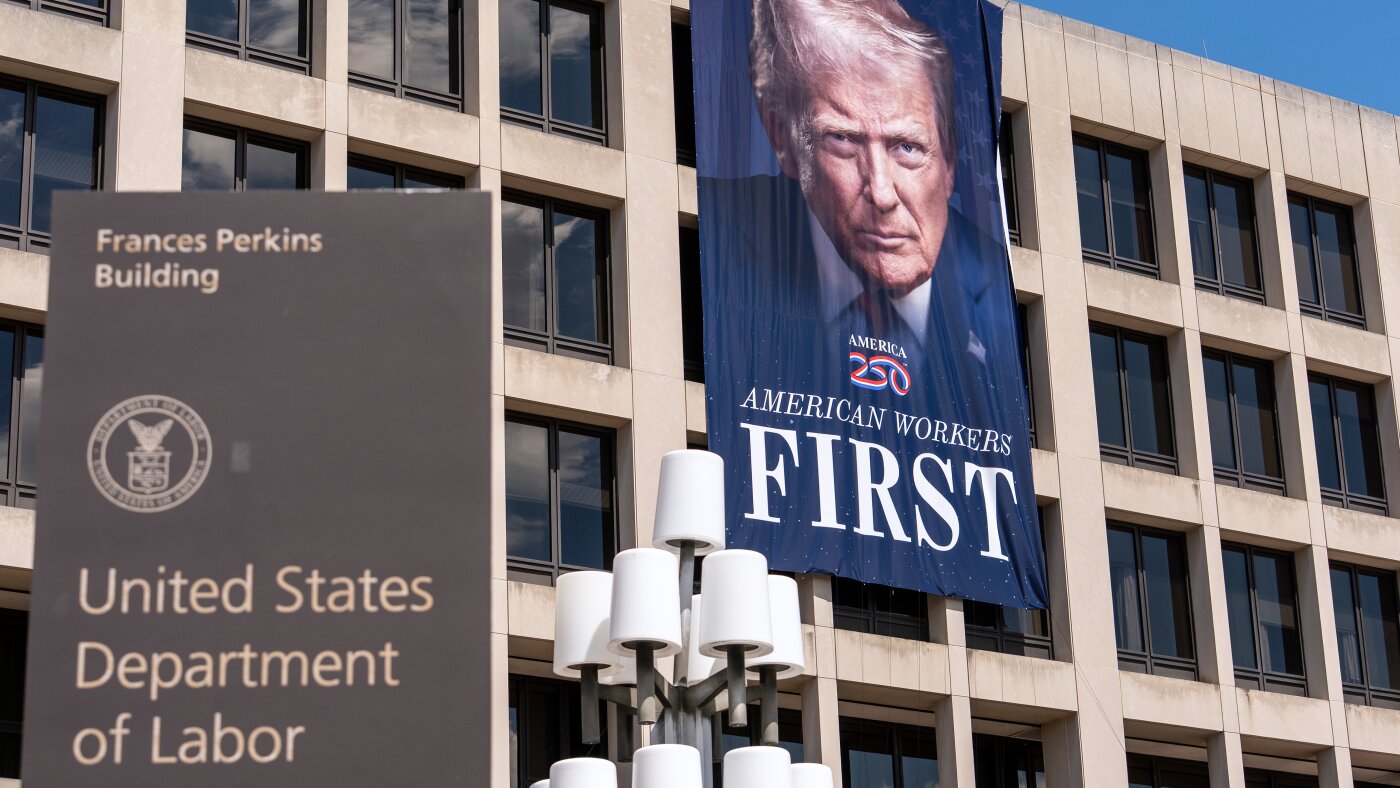










The sources also report that President Donald Trump touted the approval during an Oval Office announcement about a drug pricing deal with Regeneron to provide many of its drugs at a discount on the self-pay platform TrumpRx.