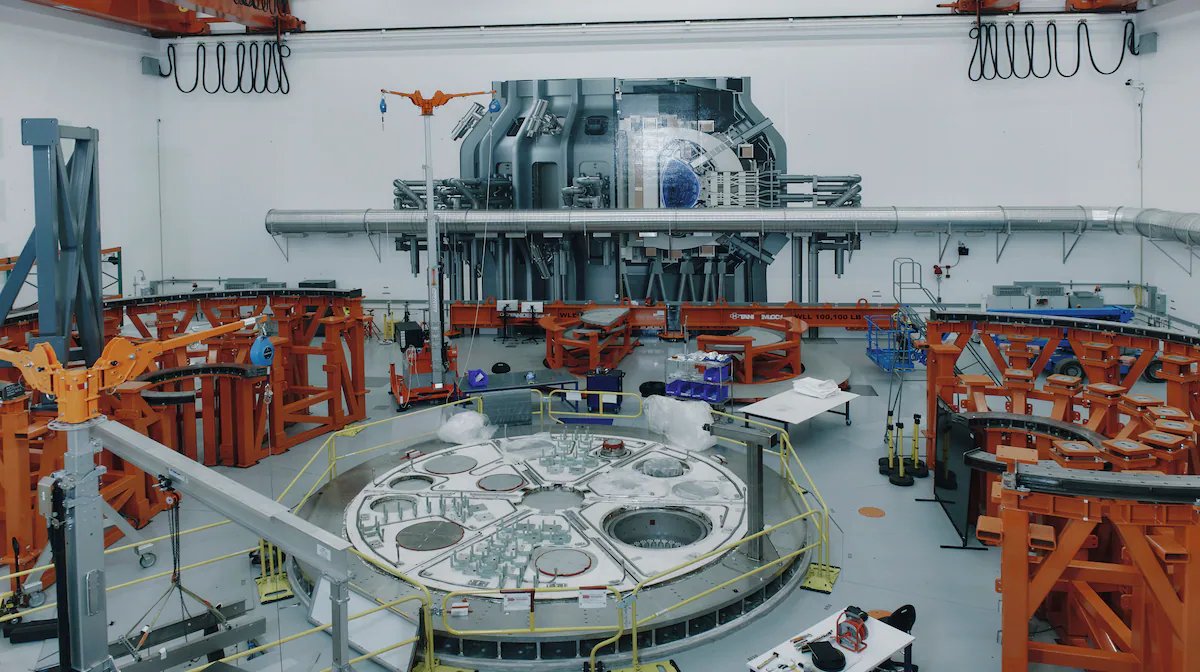
Commonwealth Fusion Systems is preparing to break ground on the first commercial fusion plant in the United States, marking a significant milestone in clean energy development. The company's CEO, Bob Mumgaard, announced that construction is slated to commence in the upcoming months. This timeline sets an ambitious goal for achieving a reliable, sustainable energy source that could transform the energy landscape.
The project has garnered significant financial backing, securing $1.8 billion in funding from various investors, including prominent venture capital firms. This financial support underscores the confidence in fusion energy as a viable alternative to fossil fuels, with the potential to provide a nearly limitless source of power.
Fusion energy promises to deliver a cleaner alternative to traditional energy sources. Unlike fossil fuels, fusion produces minimal waste and emits no carbon dioxide during operation. The implications for energy policies could be profound, as the successful launch of this plant may encourage further investments in fusion technology and accelerate the transition toward renewable energy sources across the nation.
Despite the optimism surrounding the project, challenges remain. Ensuring that the technology can be scaled effectively and economically will be crucial for the project's long-term success.
The construction of the fusion plant aligns with broader trends in the energy sector, where there is a growing focus on reducing reliance on fossil fuels. As nations worldwide seek to address climate change, innovations like fusion energy could play a pivotal role in meeting energy demands sustainably. The U.S. government has expressed interest in promoting clean energy initiatives, which may further bolster support for such groundbreaking projects.
As Commonwealth Fusion Systems prepares to move forward with this groundbreaking project, the implications for energy production and environmental impact are significant. The successful launch of the plant could signal a new era in energy generation, providing a model for future initiatives. Stakeholders in the energy sector and policymakers will be closely monitoring the developments as construction begins, with hopes that fusion energy will soon become a viable alternative for consumers and industries alike.
Commonwealth Fusion Systems is preparing to break ground on the first commercial fusion plant in the United States, marking a significant milestone in clean energy development. The company’s CEO, Bob Mumgaard, announced that construction is slated to commence in the upcoming months, with the plant expected to be operational by 2025. This timeline sets an ambitious goal for achieving a reliable, sustainable energy source that could transform the energy landscape.
The fusion plant will utilize advanced technology developed from research conducted at the Massachusetts Institute of Technology. The project has garnered significant financial backing, securing $1.8 billion in funding from various investors, including prominent venture capital firms. This financial support underscores the confidence in fusion energy as a viable alternative to fossil fuels, with the potential to provide a nearly limitless source of power.
Fusion energy promises to deliver a cleaner alternative to traditional energy sources. Unlike fossil fuels, fusion produces minimal waste and emits no carbon dioxide during operation. The implications for energy policies could be profound, as the successful launch of this plant may encourage further investments in fusion technology and accelerate the transition toward renewable energy sources across the nation.
Despite the optimism surrounding the project, challenges remain. The fusion industry has historically faced skepticism regarding its feasibility and safety. Critics point to the technical hurdles that must be overcome before fusion can be widely adopted. Ensuring that the technology can be scaled effectively and economically will be crucial for the project's long-term success.
The construction of the fusion plant aligns with broader trends in the energy sector, where there is a growing focus on reducing reliance on fossil fuels. As nations worldwide seek to address climate change, innovations like fusion energy could play a pivotal role in meeting energy demands sustainably. The U.S. government has expressed interest in promoting clean energy initiatives, which may further bolster support for such groundbreaking projects.
As Commonwealth Fusion Systems prepares to move forward with this groundbreaking project, the implications for energy production and environmental impact are significant. The successful launch of the plant could signal a new era in energy generation, providing a model for future initiatives. Stakeholders in the energy sector and policymakers will be closely monitoring the developments as construction begins, with hopes that fusion energy will soon become a viable alternative for consumers and industries alike.
Highlighted text was flagged by the council. Tap to see feedback.