




Partial Restoration of Connectivity Announced
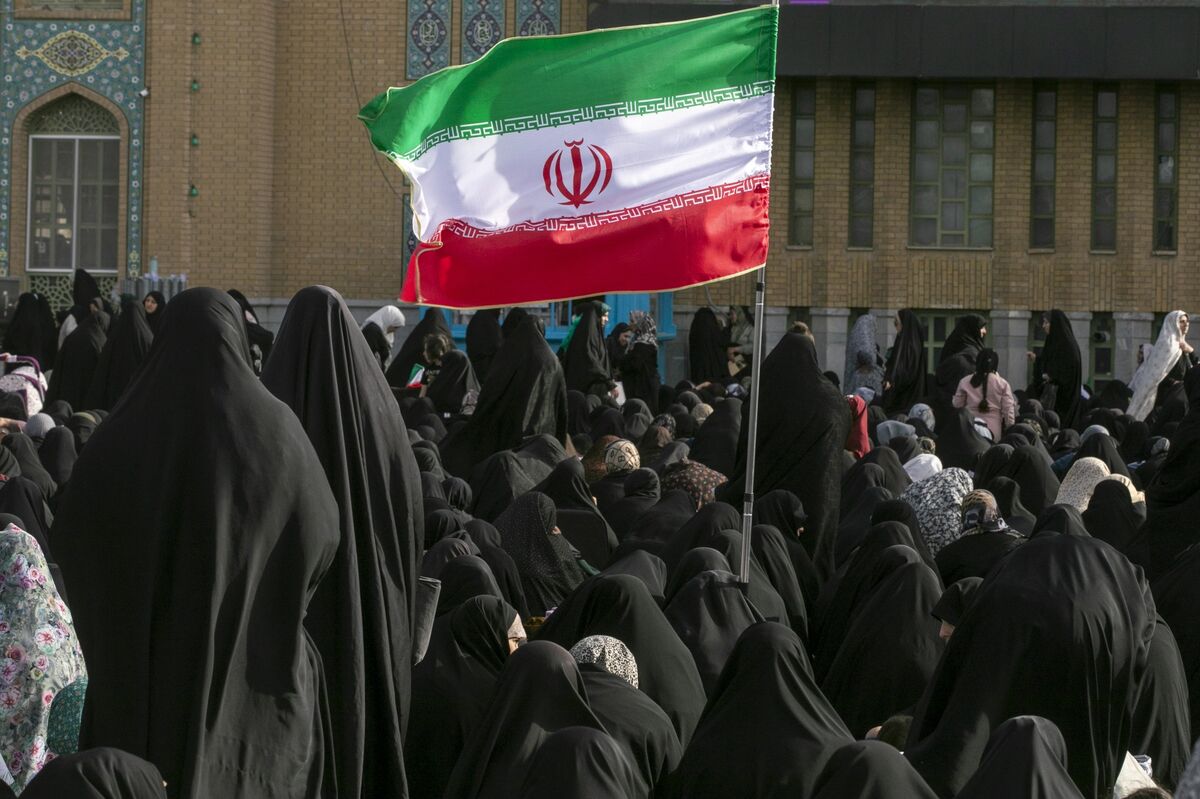
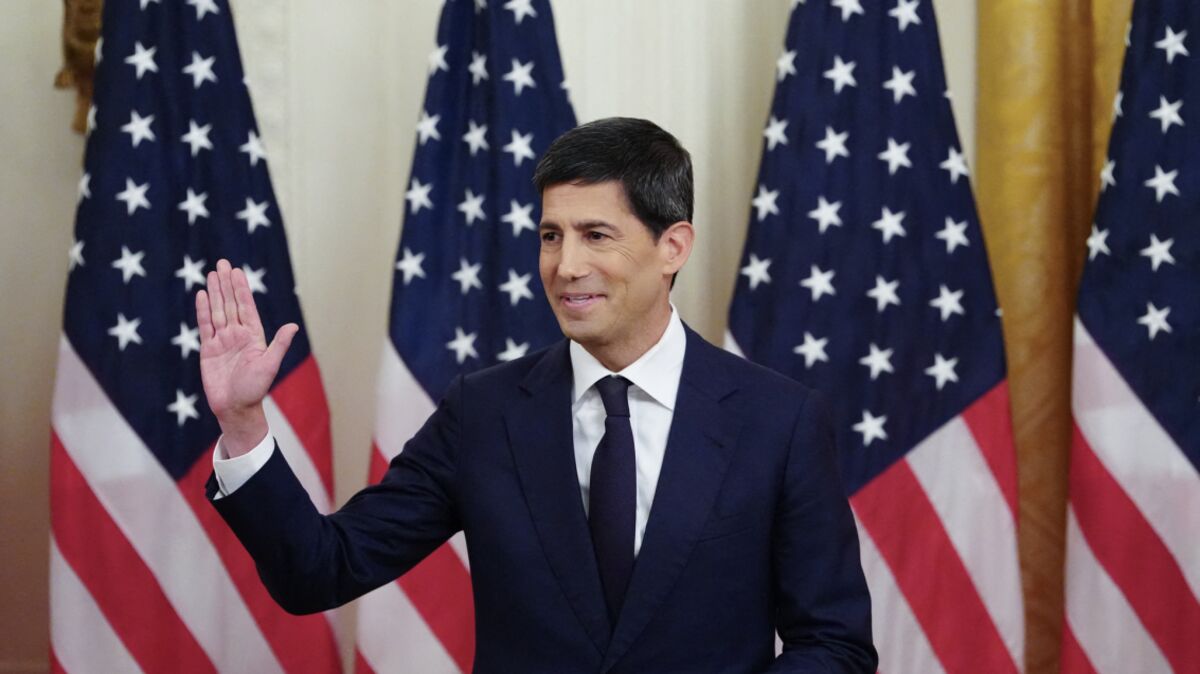
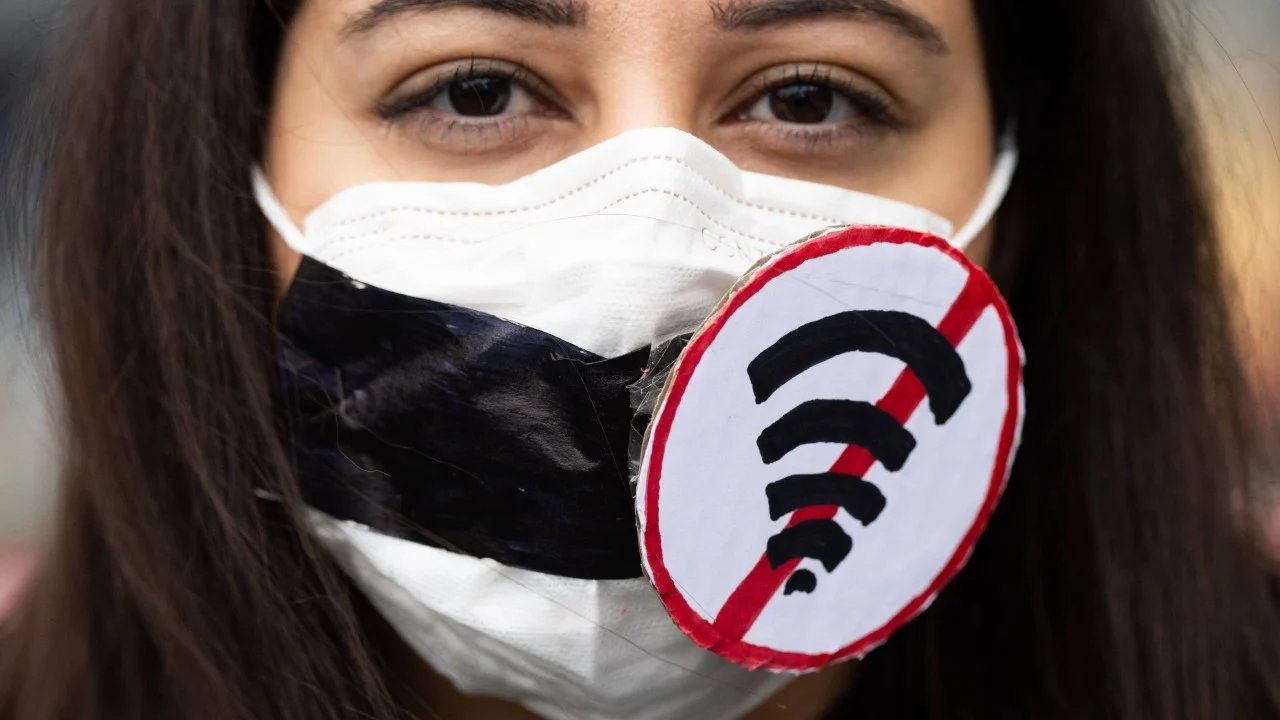
Iran has initiated the process of restoring internet access after a nearly three-month blackout, which began in late February amid escalating tensions with the United States and Israel. First Vice-President Mohammad Reza Aref announced on social media that the government had taken the first steps toward "free and regulated access to cyberspace." NetBlocks indicated that internet access has increased from nearly zero to approximately 35 percent of typical levels.
Impact on Daily Life and Business
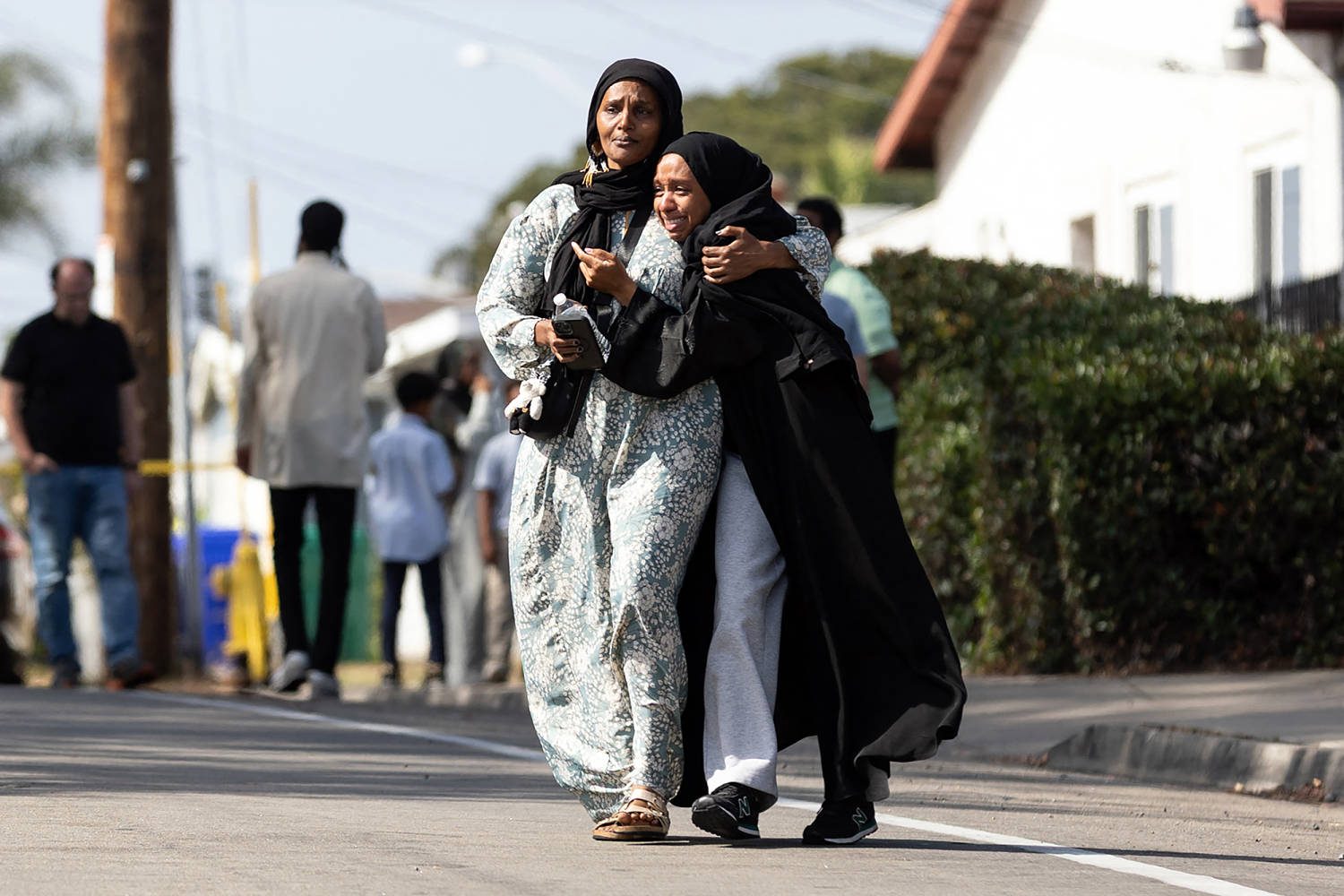
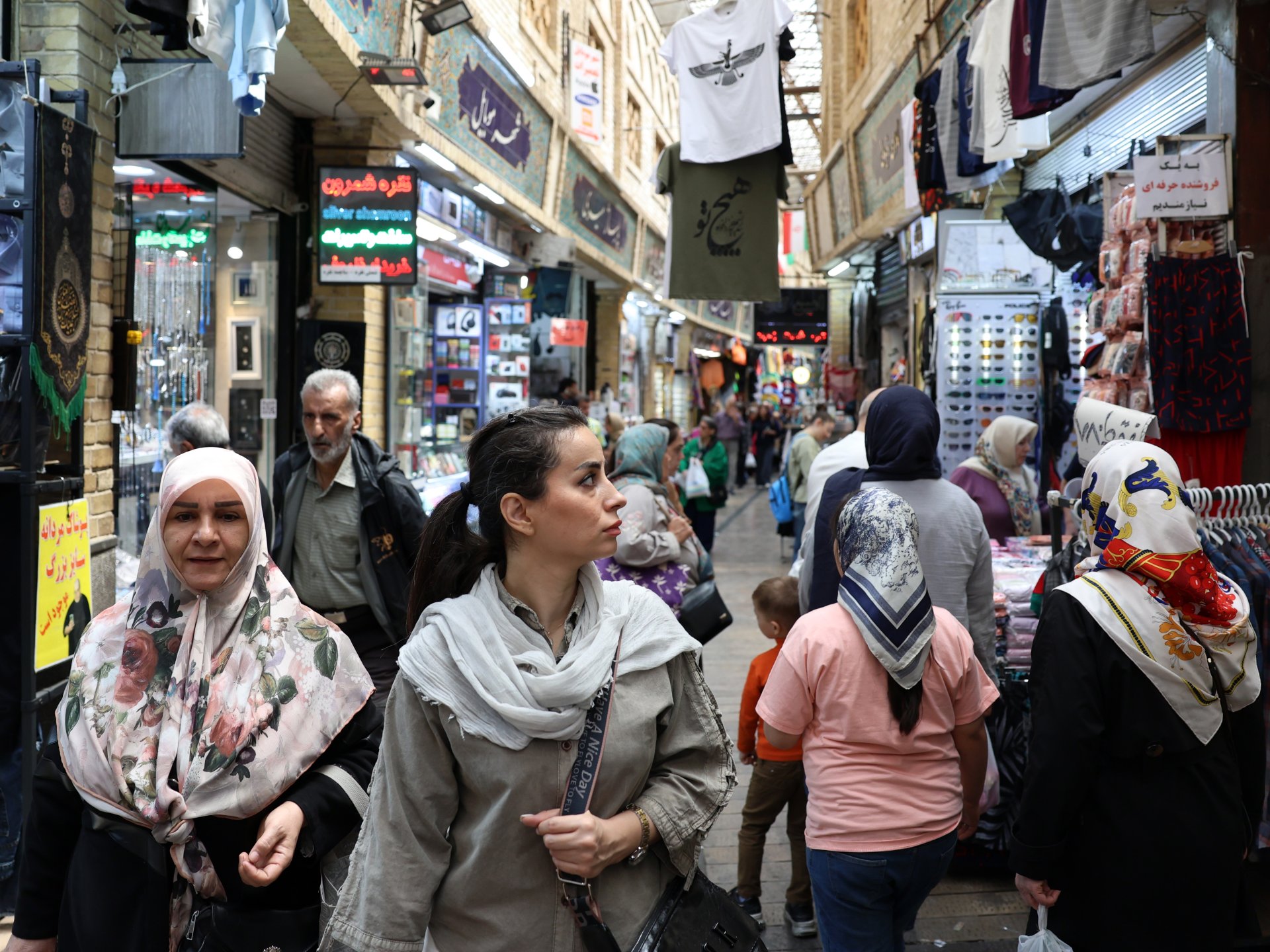
The prolonged shutdown significantly disrupted daily life for millions of Iranians, crippling businesses and limiting communication. A content creator from Tehran and a doctor in Isfahan reported regaining internet access through home WiFi. Reports suggest that while broadband connections have resumed in some areas, mobile internet remains largely blocked, forcing many users to rely on virtual private networks to access international websites and social media. This situation has left families struggling to connect with loved ones amid ongoing restrictions.
Government's Justification and Future Restrictions
Iranian officials had initially imposed the blackout to prevent surveillance and cyber-attacks in light of the conflict. However, internet monitoring experts warned that historical patterns suggest any restoration of access may come with increased restrictions, particularly on messaging apps like WhatsApp. Isik Mater, a research director at NetBlocks, noted, "Historically, each time internet access has been restored after a shutdown in Iran, it has come back with heavier restrictions and tighter controls."
International Context and Ongoing Tensions
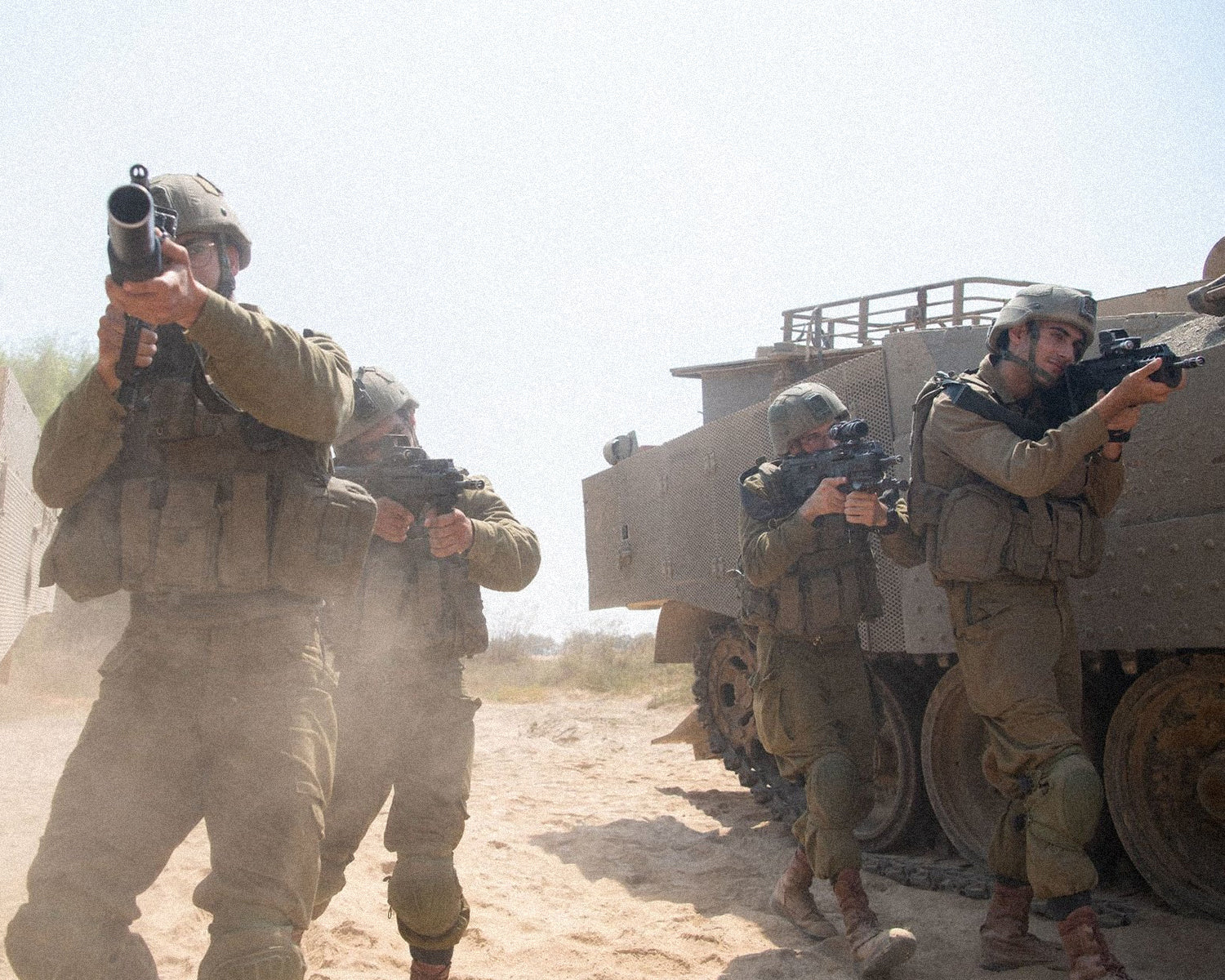
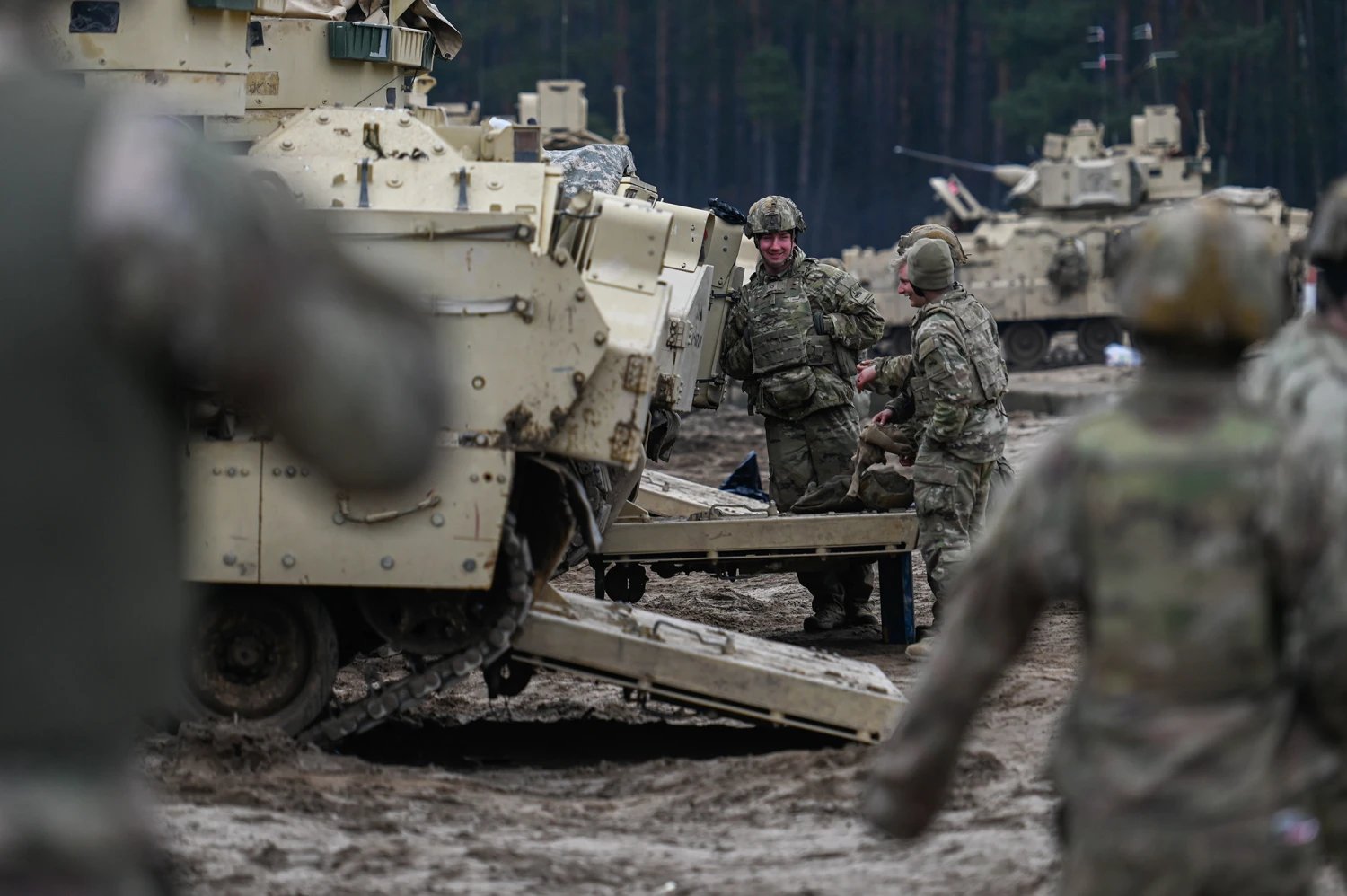
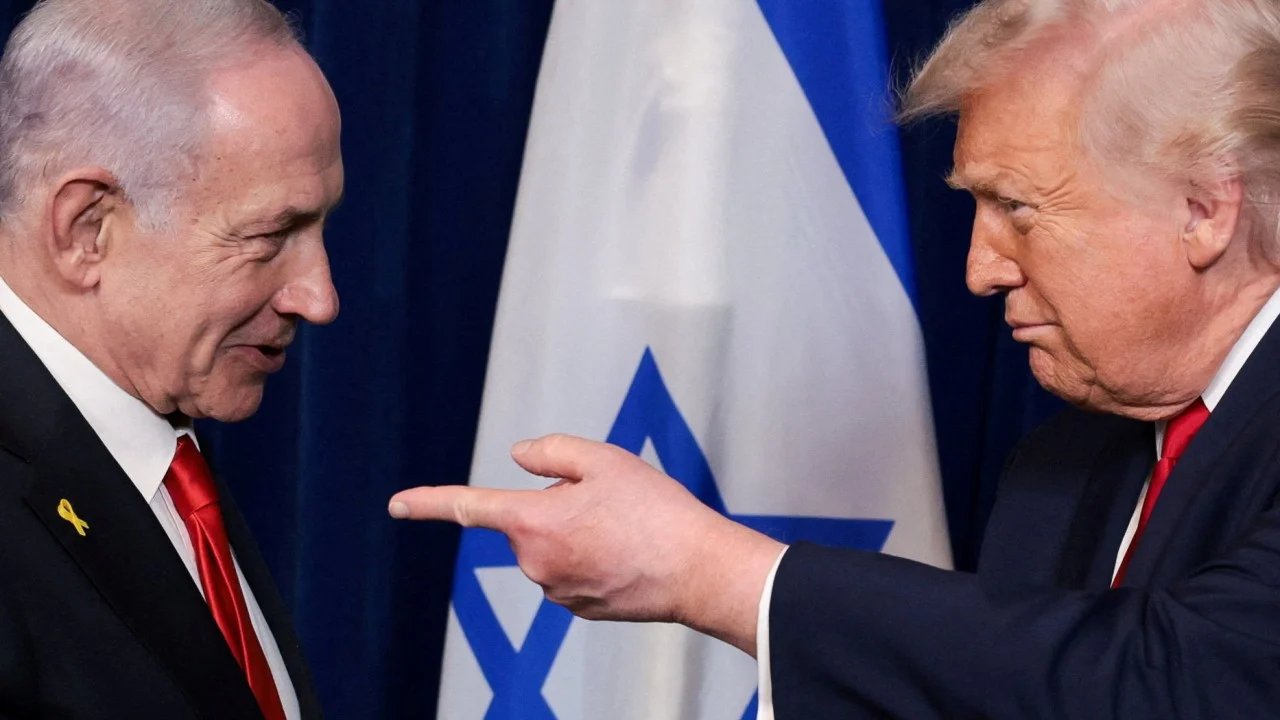
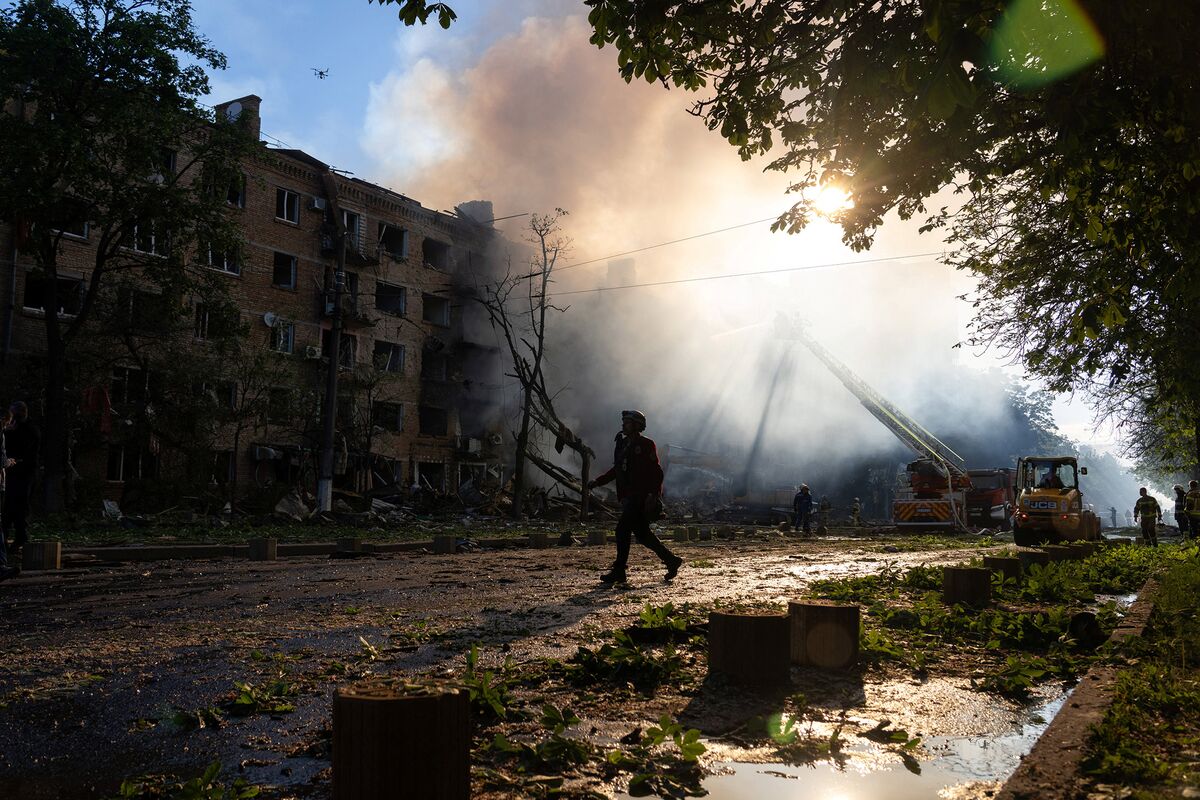
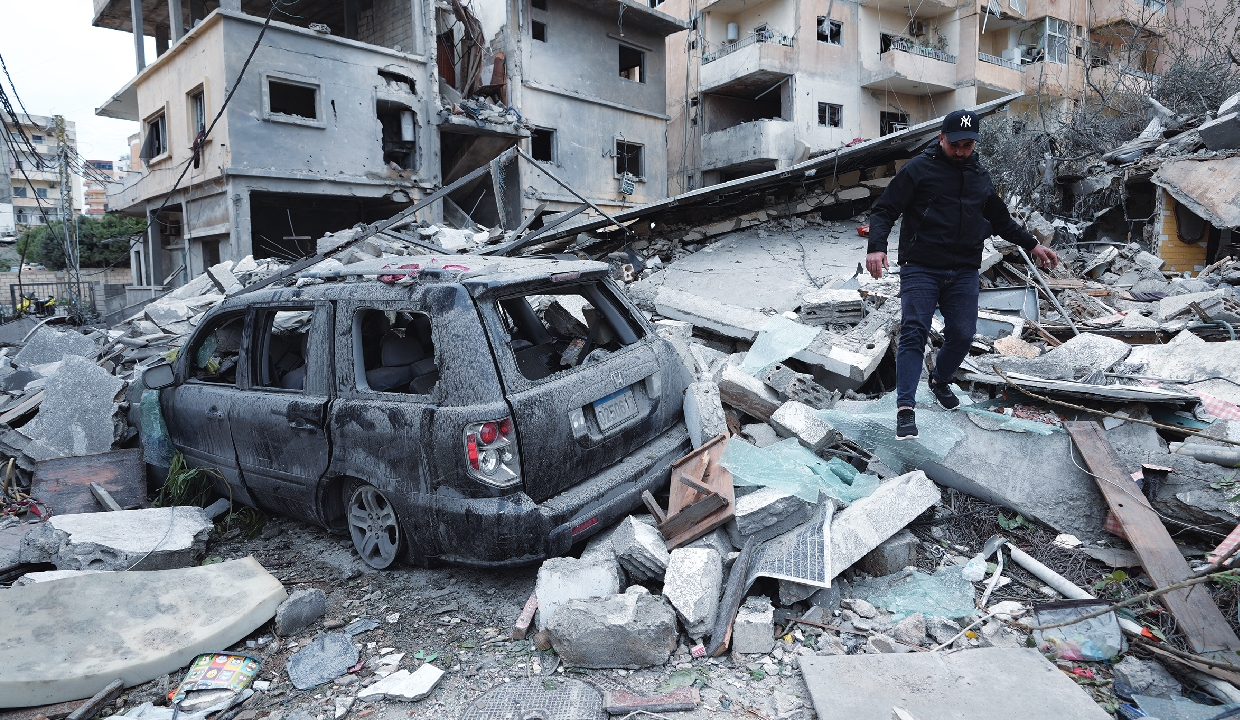
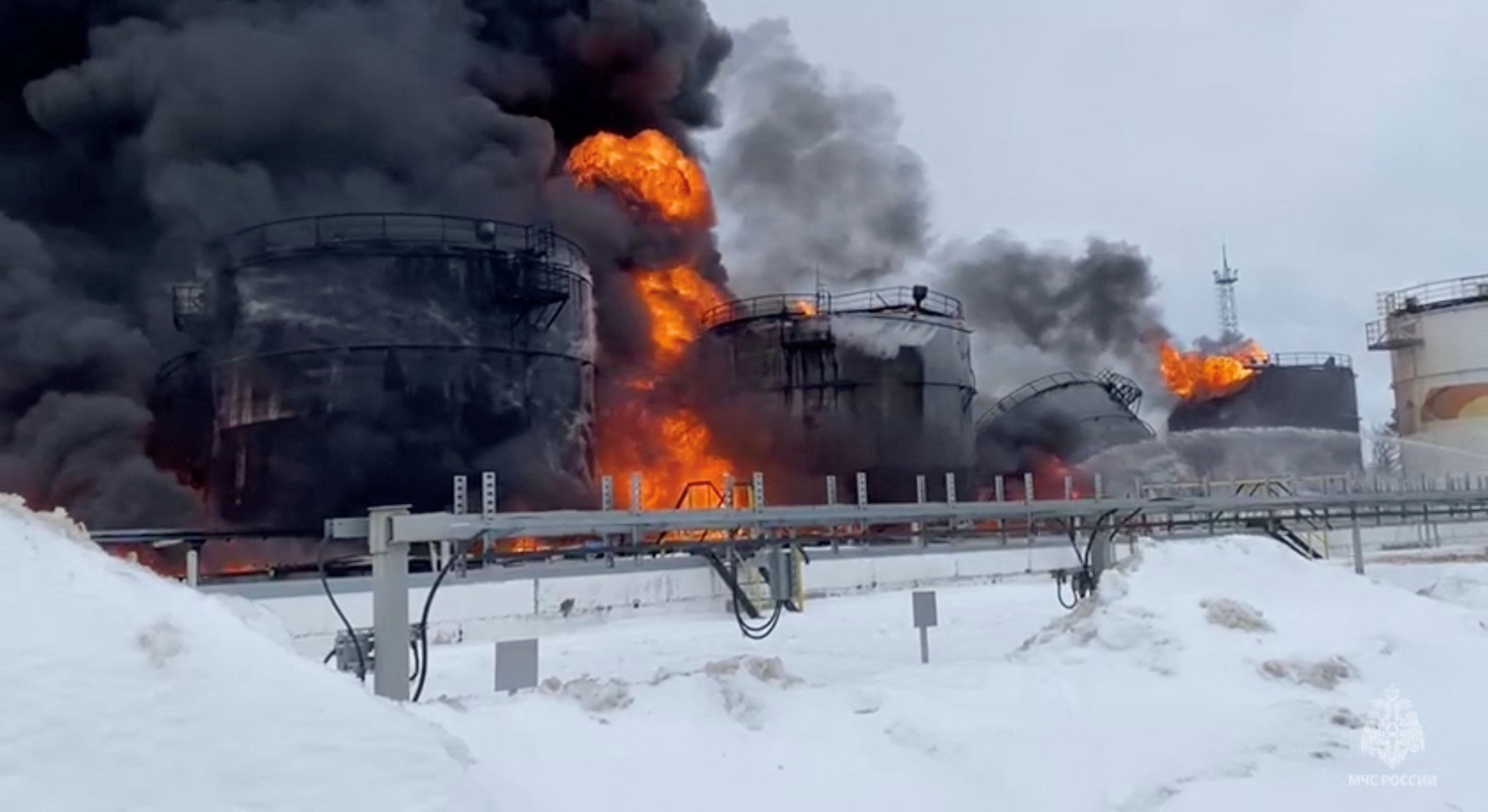
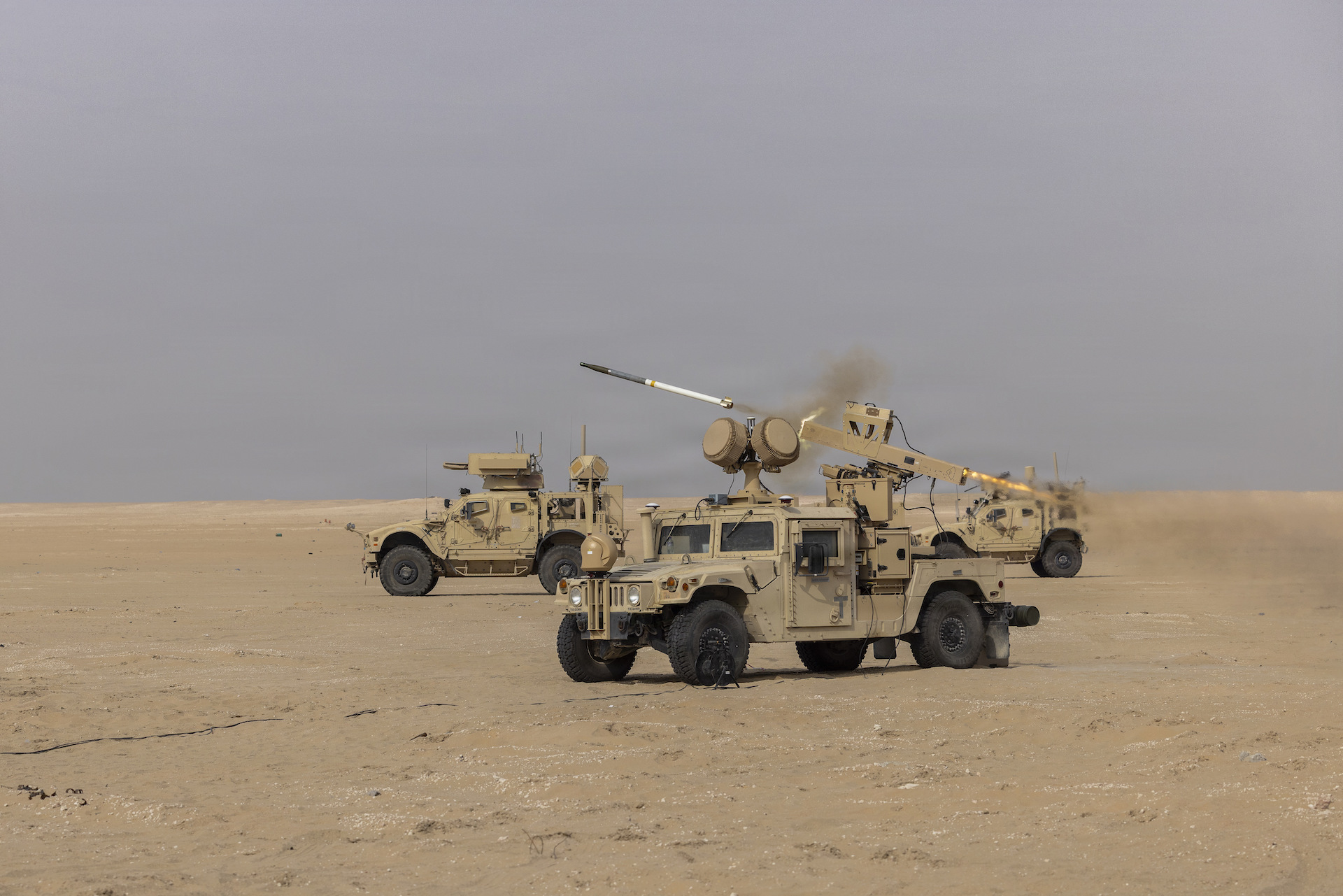
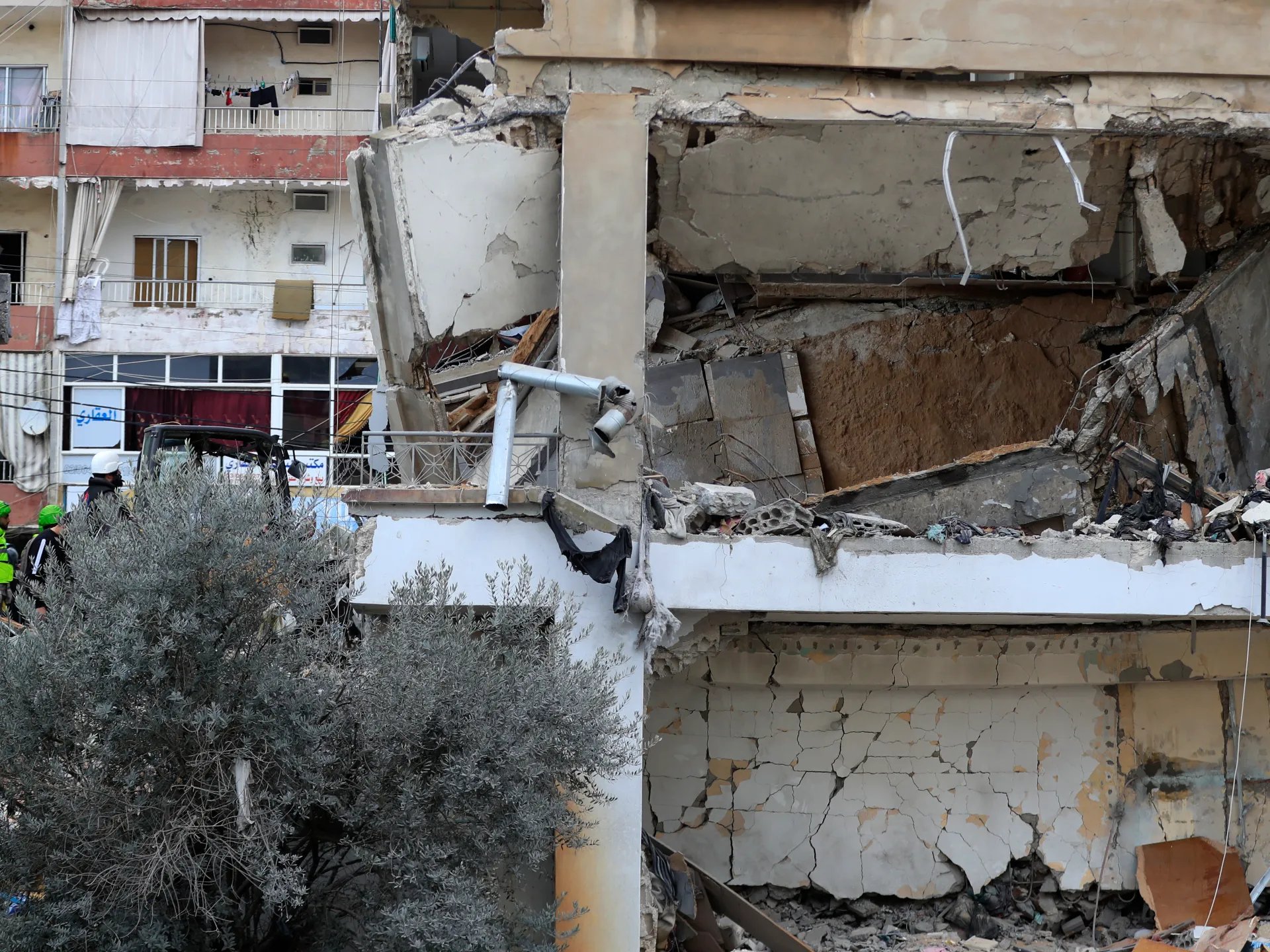
According to the monitoring group NetBlocks, the internet blackout lasted 88 days. The Iranian government stated the shutdown was to prevent surveillance and cyberattacks following military operations initiated by the United States and Israel. Tensions remain high, with Iranian authorities condemning recent U.S. military strikes as a "gross violation" of the ceasefire. The U.S. Central Command characterized these strikes as "self-defense," aimed at protecting U.S. troops from perceived threats posed by Iranian forces.
Future of Internet Access and Diplomatic Efforts
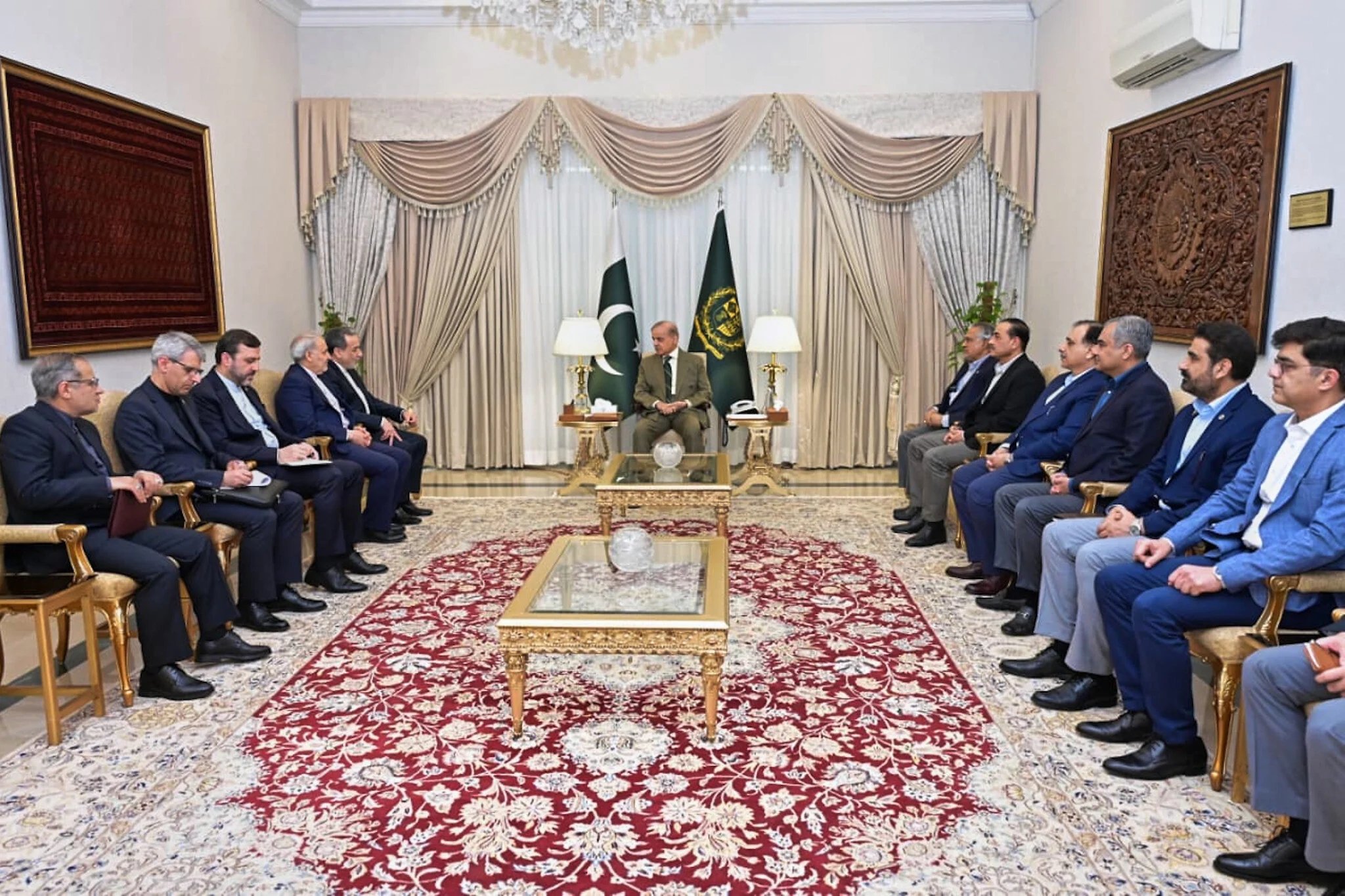
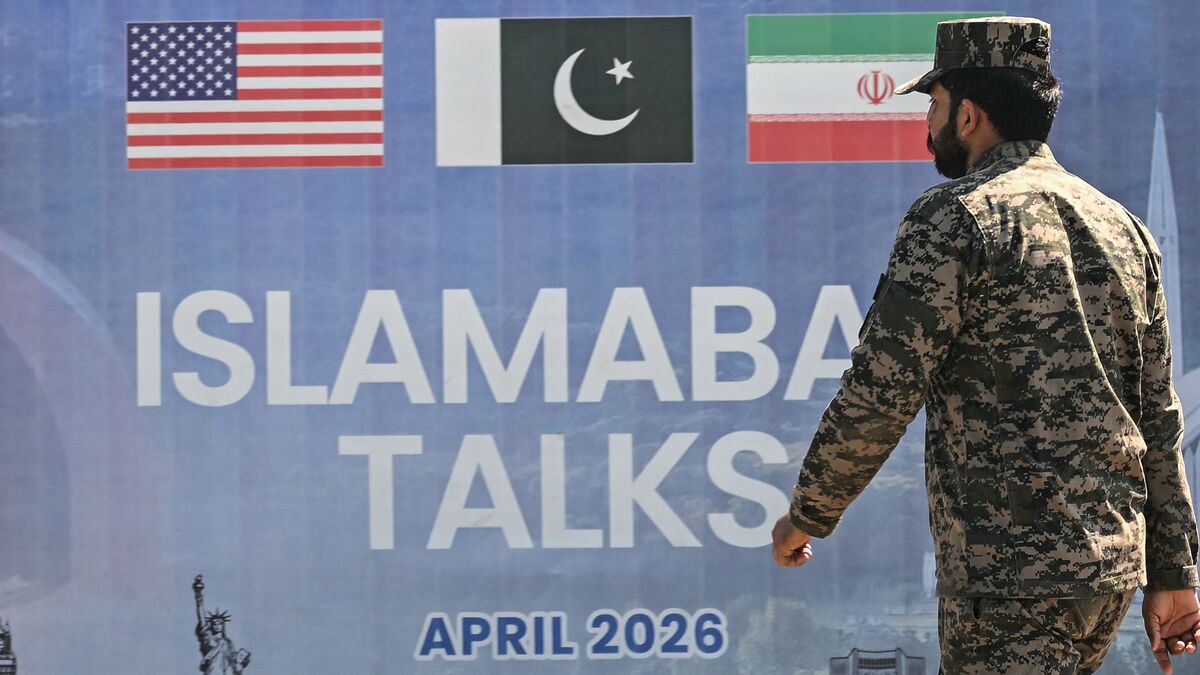
As the Iranian government navigates the complex landscape of restoring internet access, the situation remains fluid. While some officials advocate for easing restrictions, others within the security establishment continue to impose limitations. The recent decision to restore access aligns with broader diplomatic negotiations between Tehran and Washington, which could shape the future of not only internet access but also the ongoing conflict. The international community watches closely, as any resolution could have far-reaching implications for regional stability and global economic conditions.