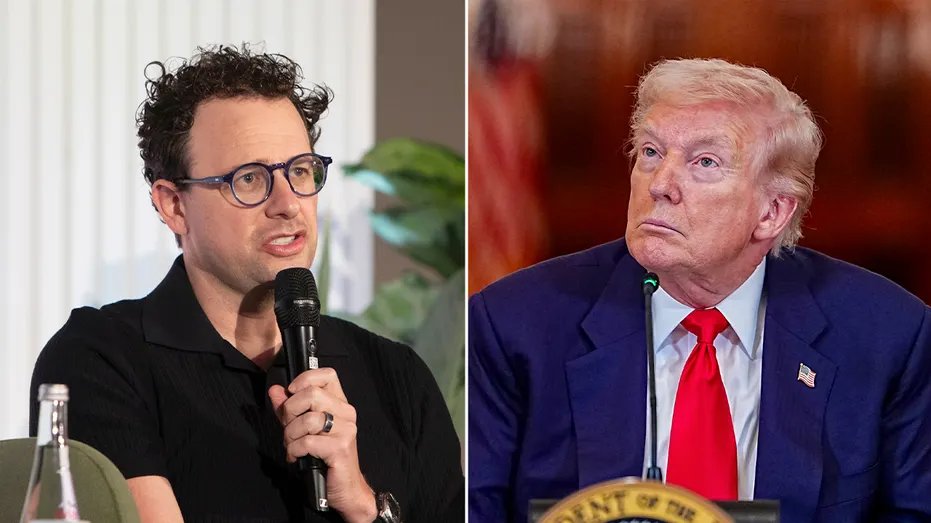
Trump told Axios he expects U.S. and Iranian negotiators to meet this weekend to finalize a deal. Trump asserted that Iran has agreed to suspend its nuclear program indefinitely.
The plan includes a moratorium on Iranian enrichment. Trump said he's not going to lift the naval blockade before a deal is reached, and he stressed he wants the Strait of Hormuz to be open for everybody.
Iranian negotiator Mohammed Ghalibaf, speaker of the Iranian Parliament, posted a statement saying President Trump "made seven claims in one hour, all seven of which are false." The Iranian foreign ministry stated that the stockpile will not be moved anywhere. Iran maintains its right to a civilian nuclear program.
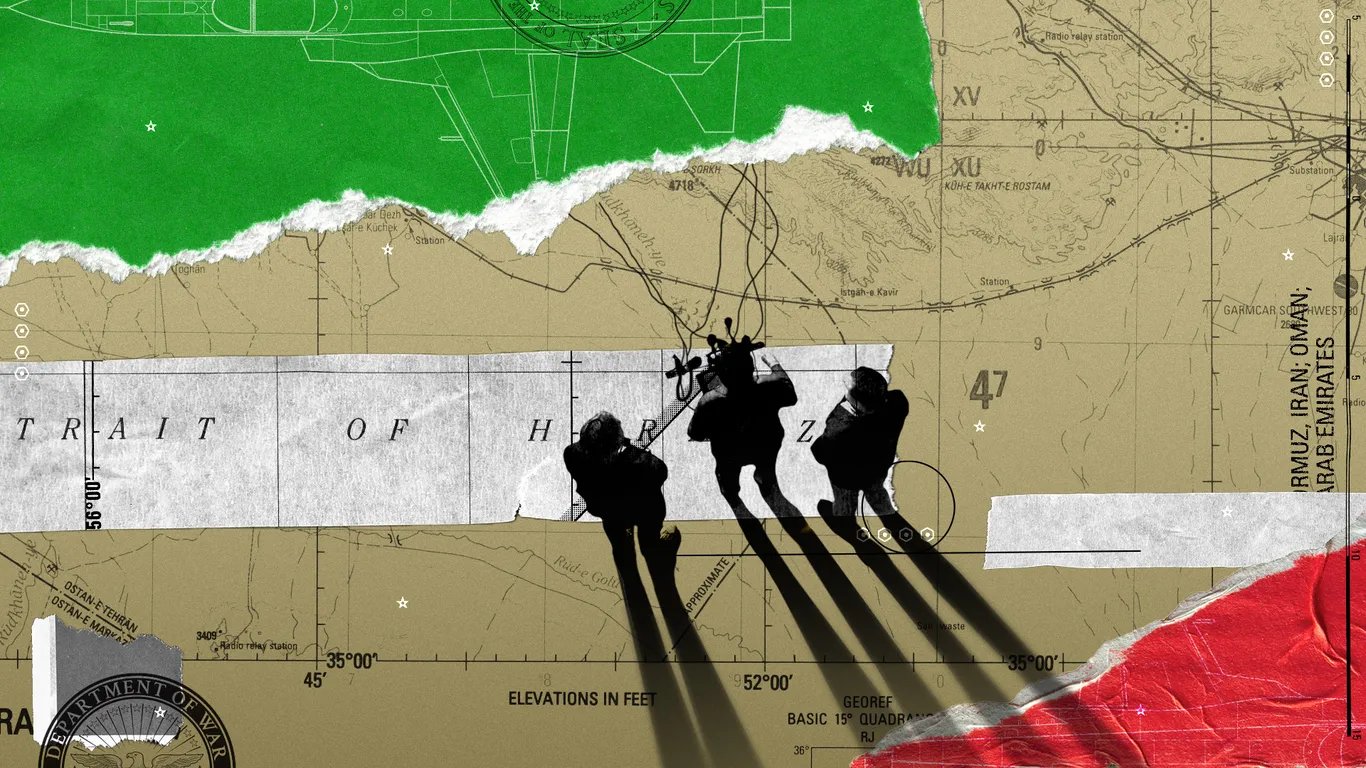
Iran announced it would open the Strait of Hormuz for the remainder of the ceasefire, which ends on April 21. White House deputy press secretary Anna Kelly said the Strait of Hormuz is "completely open for business." According to ship data from MarineTraffic, about two dozen ships started to make their way toward the strait Friday morning before most of the ships appeared to turn around and head back into the Persian Gulf.
Trump acknowledged that there "could" still be differences that the U.S. and Iran need to work out. A U.S. official says negotiators are discussing multiple ways to address Iran's stockpile of highly enriched uranium. At present, Iran's missile program and its support for regional proxies are not being discussed as terms within the potential memorandum of understanding, according to a U.S. official.
Israel has reached a ceasefire agreement with Lebanon, ending its ground operations and intense strikes. Israeli Prime Minister Benjamin Netanyahu said he supported the ceasefire with Lebanon. Trump made clear he wants Israeli strikes on Lebanon to end as part of the ceasefire.
Two Senate Republicans signaled this week that their view on war powers could shift if the conflict stretches past the 60-day mark.
While talks continue, the White House insists the Strait of Hormuz is "completely open," though ship tracking data indicates minimal traffic transiting through the region.
President Donald Trump stated the U.S. will recover uranium from Iran at a "leisurely pace," following discussions to end the conflict. Trump told Axios he expects U.S. and Iranian negotiators to potentially meet this weekend to finalize a deal. Trump asserted that Iran has agreed to suspend its nuclear program indefinitely.
One element under discussion involves the U.S. releasing $20 billion in frozen Iranian funds in return for Iran giving up its stockpile of enriched uranium, according to Axios. The plan also includes a moratorium on Iranian enrichment. Trump said he's not going to lift the naval blockade before a deal is reached, and he stressed he wants the Strait of Hormuz to be open for everybody.
Iranian negotiator Mohammed Ghalibaf, speaker of the Iranian Parliament, posted a statement saying President Trump "made seven claims in one hour, all seven of which are false." The Iranian foreign ministry stated that the stockpile will not be moved anywhere. Iran maintains its right to a civilian nuclear program.
Iran announced it would open the Strait of Hormuz for the remainder of the ceasefire, which ends on April 21. White House deputy press secretary Anna Kelly said the Strait of Hormuz is "completely open for business, and Iran has agreed to never close the Strait again." According to ship data from MarineTraffic, about two dozen ships started to make their way toward the strait Friday morning before most of the ships appeared to turn around and head back into the Persian Gulf.
Trump acknowledged that there "could" still be differences that the U.S. and Iran need to work out. A U.S. official says negotiators are discussing multiple ways to address Iran's stockpile of highly enriched uranium. At present, Iran’s missile program and its support for regional proxies are not being discussed as terms within the potential memorandum of understanding, according to a U.S. official.
Israel has reached a ceasefire agreement with Lebanon, ending its ground operations and intense strikes. Israeli Prime Minister Benjamin Netanyahu said he supported the ceasefire with Iran. Trump made clear he wants Israeli strikes on Lebanon to end as part of the ceasefire.
Two Senate Republicans signaled this week that their view on war powers could shift if the conflict stretches past the 60-day mark.
While talks continue, the White House insists the Strait of Hormuz is "completely open," though ship tracking data indicates minimal traffic transiting through the region.
Highlighted text was flagged by the council. Tap to see feedback.