The Supreme Court sided with oil and gas companies on Friday in lawsuits concerning coastal land loss and environmental damage in Louisiana. The 8-0 procedural decision allows the companies to argue their case in federal court.
A state jury previously ordered Chevron to pay upward of $740 million for coastline cleanup. The companies deny responsibility for the damage.
The oil companies maintain the case belongs in federal court because they were U.S. contractors during World War II, producing and refining oil. The companies argue they should not be liable for actions taken before state environmental regulations existed.
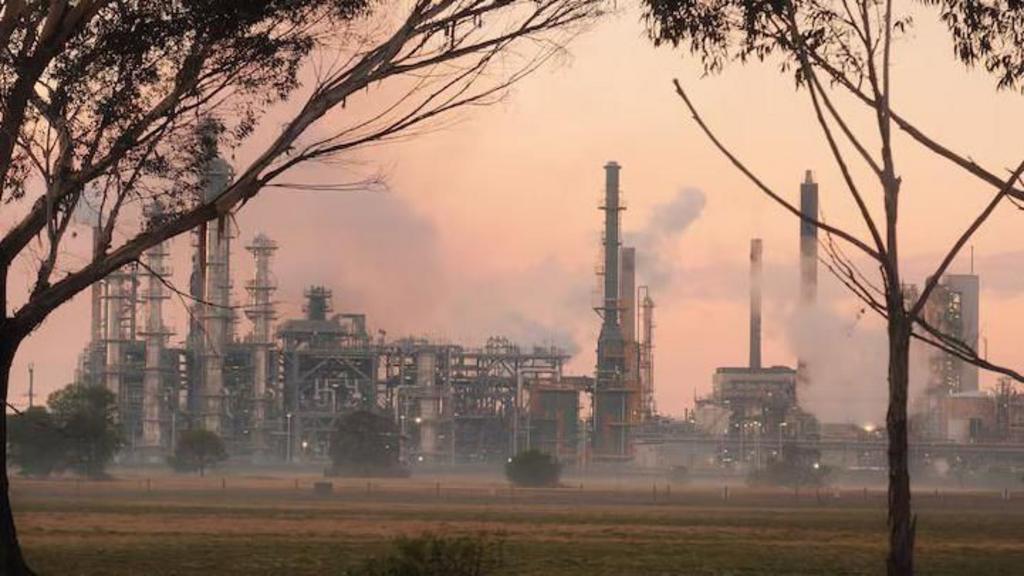
Louisiana's coastal parishes have lost over 2,000 square miles of land in the last century, according to the U.S. Geological Survey. The state's coastal protection agency warns an additional 3,000 square miles could disappear in coming decades. Oil and gas infrastructure is identified as a significant cause of this land loss.
Republican Governor Jeff Landry backed the lawsuits when he was attorney general, despite being a longtime supporter of the oil and gas industry. Attorneys for local Louisiana leaders argue the Supreme Court appeal was a stalling tactic.
The case involves Texaco, acquired by Chevron in 2001. Jurors in Plaquemines Parish found Texaco violated Louisiana regulations governing coastal resources for decades. The violations allegedly included failing to restore wetlands impacted by dredging canals, drilling wells, and dumping billions of gallons of wastewater into the marsh.
Justice Samuel Alito recused himself from the case due to financial ties to ConocoPhillips. He has recused himself from other cases due to stock holdings.
In unrelated news from the Supreme Court, Nicholas Moore, a 25-year-old Tennessee man, was sentenced to one year of probation on Friday for hacking into the court's electronic filing system more than two dozen times. Moore also hacked accounts at AmeriCorps and the Veterans Administration Health System and boasted about his access on social media.
The Supreme Court sided with oil and gas companies on Friday in lawsuits concerning coastal land loss and environmental damage in Louisiana. The 8-0 procedural decision allows the companies to argue their case in federal court. This ruling could impact how energy companies are held accountable for environmental damage and who foots the bill for coastal restoration.
A state jury previously ordered Chevron to pay upward of $740 million for coastline cleanup. The lawsuits stem from claims that companies like Chevron and Exxon violated state environmental laws for decades, beginning in 2013. The companies deny responsibility for the damage.
The oil companies maintain the case belongs in federal court because they were U.S. contractors during World War II, producing and refining oil. The companies argue they should not be liable for actions taken before state environmental regulations existed.
Louisiana's coastal parishes have lost over 2,000 square miles of land in the last century, according to the U.S. Geological Survey. The state's coastal protection agency warns an additional 3,000 square miles could disappear in coming decades. Oil and gas infrastructure is identified as a significant cause of this land loss.
Republican Governor Jeff Landry, despite being a longtime supporter of the oil and gas industry, backed the lawsuits when he was attorney general. Attorneys for local Louisiana leaders argue the Supreme Court appeal was a stalling tactic.
The case involves Texaco, acquired by Chevron in 2001. Jurors in Plaquemines Parish found Texaco violated Louisiana regulations governing coastal resources for decades. The violations allegedly included failing to restore wetlands impacted by dredging canals, drilling wells, and dumping billions of gallons of wastewater into the marsh.
Justice Samuel Alito recused himself from the case due to financial ties to ConocoPhillips. He has recused himself from other cases due to stock holdings.
In unrelated news from the Supreme Court, Nicholas Moore, a 25-year-old Tennessee man, was sentenced to one year of probation on Friday for hacking into the court’s electronic filing system more than two dozen times. Moore also hacked accounts at AmeriCorps and the Veterans Administration Health System and boasted about his access on social media.
The Supreme Court's decision shifts the legal battleground to federal court, where the oil companies hope for a more favorable outcome. The change impacts the future of coastal restoration efforts and the financial burden on Louisiana communities facing land loss.
Highlighted text was flagged by the council. Tap to see feedback.