




The Strait Opens, Markets React
Oil prices plummeted Friday after Iran's Foreign Minister Abbas Araghchi announced the Strait of Hormuz would be "completely open" for commercial vessels during the Israel-Lebanon ceasefire. West Texas Intermediate crude fell 14 percent to $81 a barrel by late morning, while Brent crude dropped 11 percent to $88.90 per barrel. The S&P 500 hit a fresh record, up 1.3 percent, as traders interpreted the reopening as a major step toward ending the U.S.-Iran conflict.
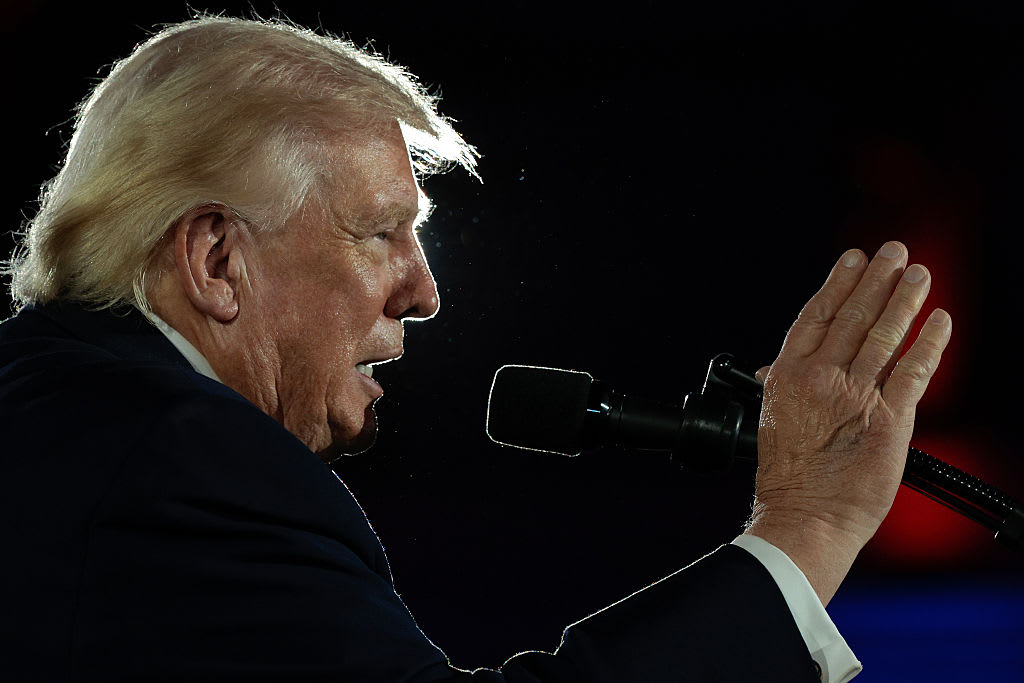
Araghchi said passage would occur "on the coordinated route as already announced by Ports and Maritime Organisation of the Islamic Rep. of Iran." President Trump confirmed the announcement on Truth Social, writing "IRAN HAS JUST ANNOUNCED THAT THE STRAIT OF IRAN IS FULLY OPEN AND READY FOR FULL PASSAGE. THANK YOU!"
Trump Maintains Pressure Despite Opening
Trump's enthusiasm came with a sharp caveat. He posted that the U.S. Naval blockade "WILL REMAIN IN FULL FORCE AND EFFECT AS IT PERTAINS TO IRAN, ONLY, UNTIL SUCH TIME AS OUR TRANSACTION WITH IRAN IS 100% COMPLETE. THIS PROCESS SHOULD GO VERY QUICKLY IN THAT MOST OF THE POINTS ARE ALREADY NEGOTIATED."
Trump also claimed Iran was removing "all sea mines" from the strait with U.S. assistance, a step critical to restoring confidence among commercial shippers wary of navigating the narrow waterway.
Fed Gets Breathing Room on Inflation
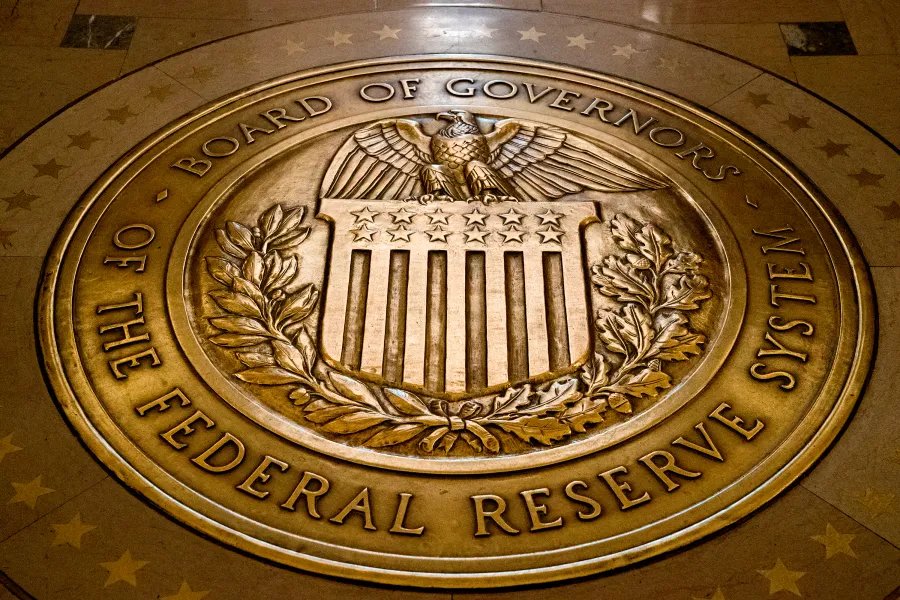
The reopening dramatically shifts the Federal Reserve's policy calculus. After the news, the probability that markets assigned to at least one rate cut by year-end jumped to roughly a coin-flip chance, according to CME FedWatch data. The yield on the two-year Treasury note, most sensitive to Fed rate expectations, fell roughly 8 basis points to 3.7 percent.
A deal that reopens the strait eases pressure on a Federal Reserve already constrained by sticky inflation from the war. The conflict had created an impossible scenario: inflation too high to justify rate cuts, despite a softening labor market that might ultimately require looser policy. Bond yields also fell Friday, reflecting less inflationary pressure and lower borrowing costs.
Caution Among Shippers and Traders
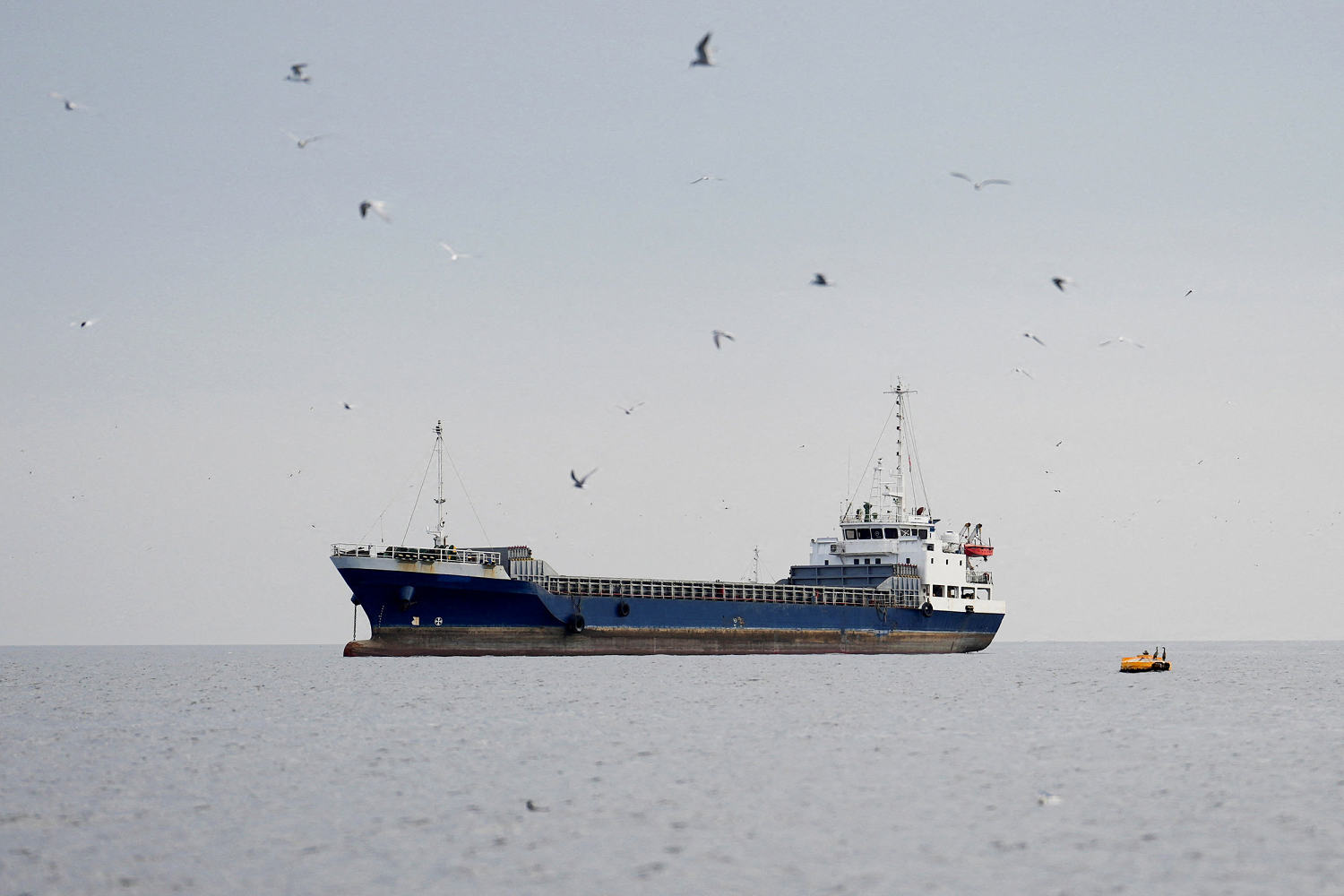
At least eight oil tankers raced toward the Strait of Hormuz in the hours after the foreign minister's statement, but it remained unclear how many shippers would feel the claims provided enough certainty to resume transit through the narrow waterway, which handles roughly a fourth of the world's seaborne oil trade.
A Pakistan-flagged tanker called the Shalamar became the first carrier to exit through the strait with crude cargo since the U.S. blockade began, sailing late Thursday with around 450,000 barrels loaded at Das Island in the United Arab Emirates. The trickle of traffic suggested many operators remained hesitant despite Iran's declaration.
International Coalition Plans Permanent Security
British Prime Minister Keir Starmer and French President Emmanuel Macron hosted an international summit in Paris on Friday to plan a multinational force for the strait once lasting peace takes hold. Starmer said the reopening was a "global responsibility," telling leaders that "the unconditional and immediate reopening of the Strait is a global responsibility, and we need to act to get global energy and trade flowing freely again."
German Chancellor Friedrich Merz said Germany would like to see U.S. participation in the mission, calling it "desirable." The proposed force would focus on demining the route, intelligence sharing, military escorts, and ensuring Iran does not charge ships for passage. Macron welcomed Iran's announcement but called for the strait's "unconditional" reopening, signaling European concern that the current arrangement remains conditional on the ceasefire.
Economic Toll Across the Region
The International Monetary Fund reported that Qatar faces a nearly 9 percent economic contraction this year due to complete suspension of gas production. Iran's economy is projected to shrink 6 percent, and Iraq's nearly 7 percent, based on assumptions the ceasefire holds and energy production resumes to normal by June. Energy importers like Egypt, Jordan, Lebanon, and Pakistan have widened their fiscal deficits after spending more on soaring oil and gas prices.
California gasoline stocks fell to record lows as the Hormuz disruption bit into supplies, underscoring the real-world consequences of the blockade on American consumers and regional markets. Supply chains damaged by weeks of closure will take time to unsnarl, and shipping costs that spiked during the blockade are unlikely to normalize immediately.