
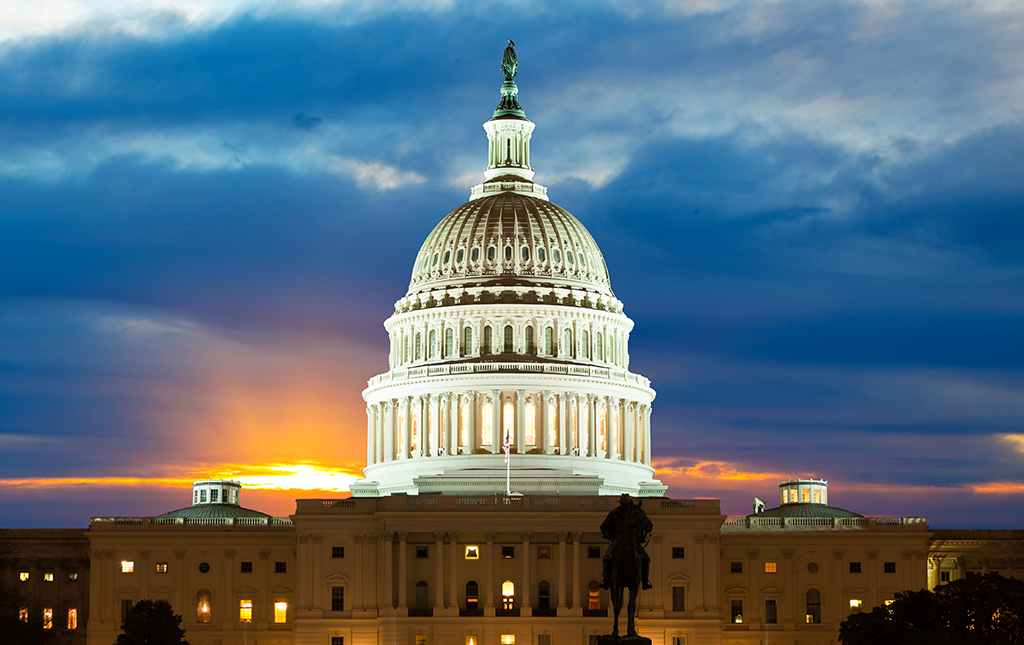





Midnight votes collapse, forcing stopgap measure
Congress passed a 10-day extension of Section 702 of the Foreign Intelligence Surveillance Act on Friday, pushing the program's expiration from April 20 to April 30. The Senate approved the measure by voice vote without a formal roll call, sending it to President Donald Trump's desk. The extension came after a chaotic series of failed votes in the House that stretched past 2 a.m., leaving lawmakers divided over how to balance national security with privacy protections.
The surveillance authority allows the CIA, National Security Agency, FBI and other agencies to collect and analyze vast amounts of overseas communications without a warrant. When Americans communicate with targeted foreigners, their messages can be swept up incidentally. Intelligence officials argue the tool is critical to disrupting terrorist plots, cyber intrusions and foreign espionage. Privacy advocates argue the law allows the government to spy on Americans without a warrant. Sen. Ron Wyden, D-Ore., warned that advances in artificial intelligence are "supercharging how the government can surveil Americans." Jake Laperruque, deputy director of the Center for Democracy and Technology, called the five-year proposal a "sham" that does not "close the backdoor search loophole and protect Americans from surveillance abuse."
Trump's push for a clean extension backfires
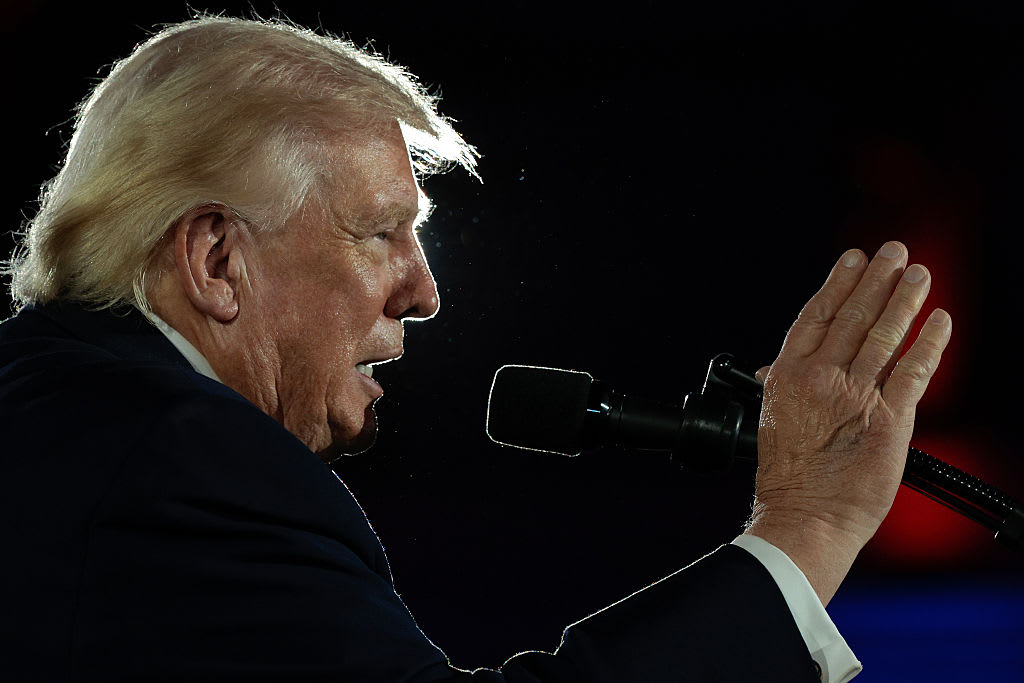
President Trump demanded an 18-month reauthorization without any reforms. On Wednesday, he wrote on Truth Social: "I am asking Republicans to UNIFY, and vote together on the test vote to bring a clean Bill to the floor. We need to stick together." Trump also wrote: "I am willing to risk the giving up of my Rights and Privileges as a Citizen for our Great Military and Country."
CIA Director John Ratcliffe spoke directly with GOP lawmakers on Wednesday, and a group of Republicans traveled to the White House on Tuesday to discuss the measure. House Majority Leader Steve Scalise said Thursday there had "been negotiations late into the night with the White House and some of our members." Despite this pressure, the strategy unraveled.
Two failed votes, then surrender
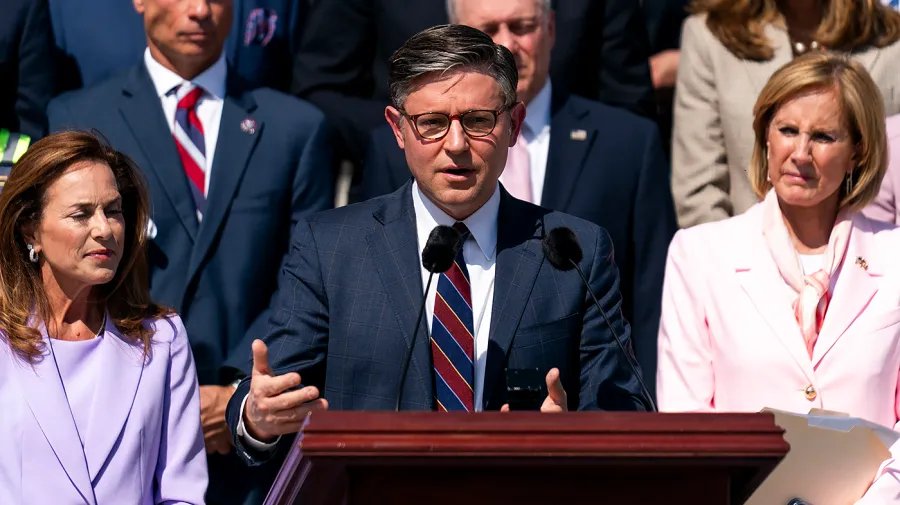
Speaker Mike Johnson attempted two separate paths forward late Thursday. First, he unveiled a five-year extension that included modest reforms, such as requiring only FBI attorneys to authorize queries on U.S. persons and mandating Office of the Director of National Intelligence review of such cases. A dozen Republicans blocked it. Johnson then tried to advance the clean 18-month renewal Trump had demanded, but approximately 20 Republicans joined Democrats in blocking that effort as well.
Rep. Jim McGovern, D-Mass., expressed frustration during the heated floor debate: "Are you kidding me? Who the hell is running this place?" Rep. Austin Scott, R-Ga., defended the five-year proposal during debate, noting that it would ensure only FBI attorneys can authorize queries on U.S. persons and require the Office of the Director of National Intelligence to review such cases. Johnson acknowledged the defeats, saying "We were very close tonight."
Privacy advocates claim victory, but battles loom
Democratic Rep. Ro Khanna of California declared victory after the 2 a.m. vote: "We just defeated Johnson's efforts to sneak through a 5-year FISA authorization tonight. Now, they will have to fight in daylight." Jake Laperruque, deputy director of the security and surveillance project at the Center for Democracy and Technology, called the midnight attempt "shameful" and said surveillance boosters "tried to sneak a sham proposal through in the dead of night because they know they've lost the substance of this debate."
Sen. Ron Wyden, D-Ore., initially nearly derailed the extension in the Senate but later argued it was the "right decision for today," saying the extra time would give lawmakers more leverage to push for reforms. Wyden told Fox News Digital: "Anybody who gives up their liberty to have security really doesn't deserve either. And I don't buy the idea that liberty and security are mutually exclusive."
What comes next
Congress now has until April 30 to reach a longer-term agreement. The standoff reflects a rare coalition of progressive Democrats and hardline Republicans united against an unchanged extension. An amendment requiring warrants for Americans' communications incidentally collected under FISA failed in the last renewal, on a 212-212 tie. With the April 30 deadline approaching, lawmakers will return to Capitol Hill facing the same fundamental disagreement about whether national security demands an unfettered surveillance tool or whether privacy protections must come first.












The sources also report that proponents stress the program's importance as the war with Iran continues.