




The Verdict
A Manhattan federal jury found on Wednesday that Live Nation and its Ticketmaster subsidiary operated as an illegal monopoly in violation of federal and state antitrust laws. The jury deliberated for four days before reaching the decision, which concluded a seven-week trial brought by 34 states that rejected a federal settlement and pressed ahead with litigation.
The states accused Live Nation of stifling competition, limiting consumer choice, and driving up ticket prices for concert-goers. Attorney Jeffrey Kessler, representing the states, called Live Nation a "monopolistic bully" in closing arguments. According to Jeffrey Kessler, the attorney representing the states, Live Nation controls 86% of the market for concerts and 73% of the overall market when sports events are included.
How the Monopoly Operated
Live Nation Entertainment owns, operates, controls booking for, or has an equity interest in hundreds of venues across the United States. Prosecutors argued the company used its control of ticketing platforms and concert venues to force artists into unfavorable deals and block venues from using multiple ticket sellers. Live Nation countered that artists, sports teams, and venues decide prices and ticketing practices, and that its size reflected excellence and effort rather than illegal conduct.
Jurors concluded Live Nation abused its market power in ticketing for more than 200 major venues and dozens of large amphitheaters, tying access to its venues to use of its promotion services. Internal company messages entered as evidence showed a Live Nation executive, Benjamin Baker, declaring some prices "outrageous," calling customers "so stupid," and boasting about the company "robbing them blind, baby." Baker testified the messages were "very immature and unacceptable."
Live Nation CEO Michael Rapino testified during the trial and was questioned about the company's handling of Taylor Swift's 2022 Eras Tour, when Ticketmaster's system was overwhelmed by demand. Rapino blamed a cyberattack for the problems.
Financial Impact on Consumers
The jury found Ticketmaster had overcharged customers by $1.72 on each ticket sold from May 2020 through 2024. A Notre Dame Law School professor calculated this figure applied to a limited number of tickets—those sold at 257 venues representing about 20% of total tickets—and could result in treble damages reaching billions of dollars.
What Comes Next
The judge will now determine total damages and penalties. States are expected to seek damages and potentially force the sale of Ticketmaster or a complete breakup of Live Nation and Ticketmaster. Roger Alford, a Notre Dame Law School professor, said the fact that Live Nation had "tried behavioral remedies in the past and failed" increases the chances of a breakup.
Live Nation said in a statement that "the jury's verdict is not the last word on this matter" and that pending motions would determine whether the liability and damages rulings stand. The company said it "can and will appeal any unfavorable rulings on these motions."
New York Attorney General Letitia James called the verdict an effort to "restore fair competition to the live entertainment industry." California Attorney General Rob Bonta described it as "a historic and resounding victory for artists, fans, and the venues that support them."
The Road to Trial
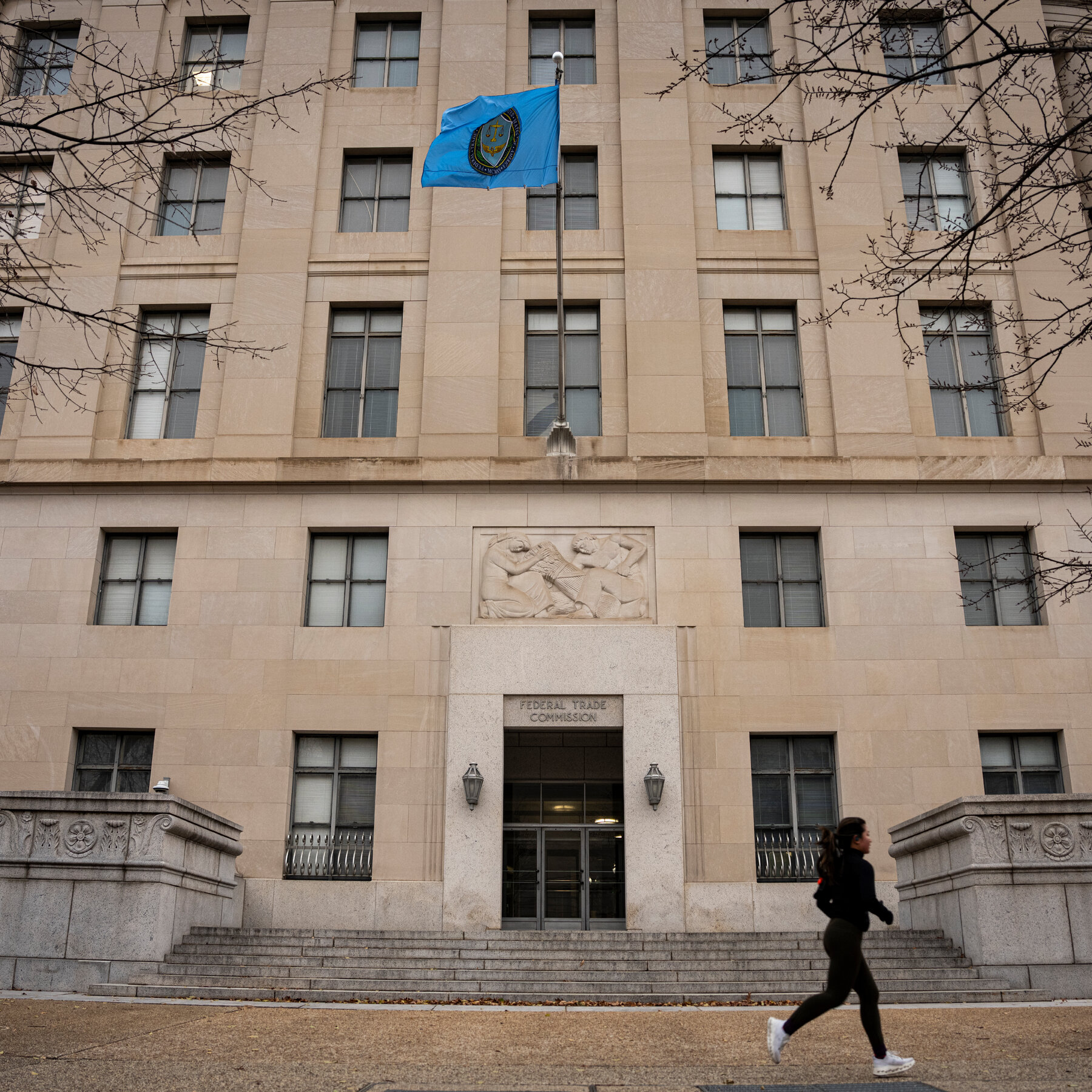
The lawsuit was initially brought by the U.S. Department of Justice under the Biden administration following complaints from concertgoers. Days into the trial, the Trump administration announced a settlement requiring Live Nation to create a $280 million settlement fund, sell at least 13 amphitheaters, and enable third parties to use its technology platform to sell tickets. Democratic senators immediately criticized the deal, saying it "fails to restore competition and protect fans, artists, and independent venues" and left Live Nation and Ticketmaster in control of prices for live events.
However, 34 states rejected the federal settlement and continued litigation. The states of Arkansas, Nebraska, and South Dakota withdrew from the lawsuit and joined the federal settlement.