
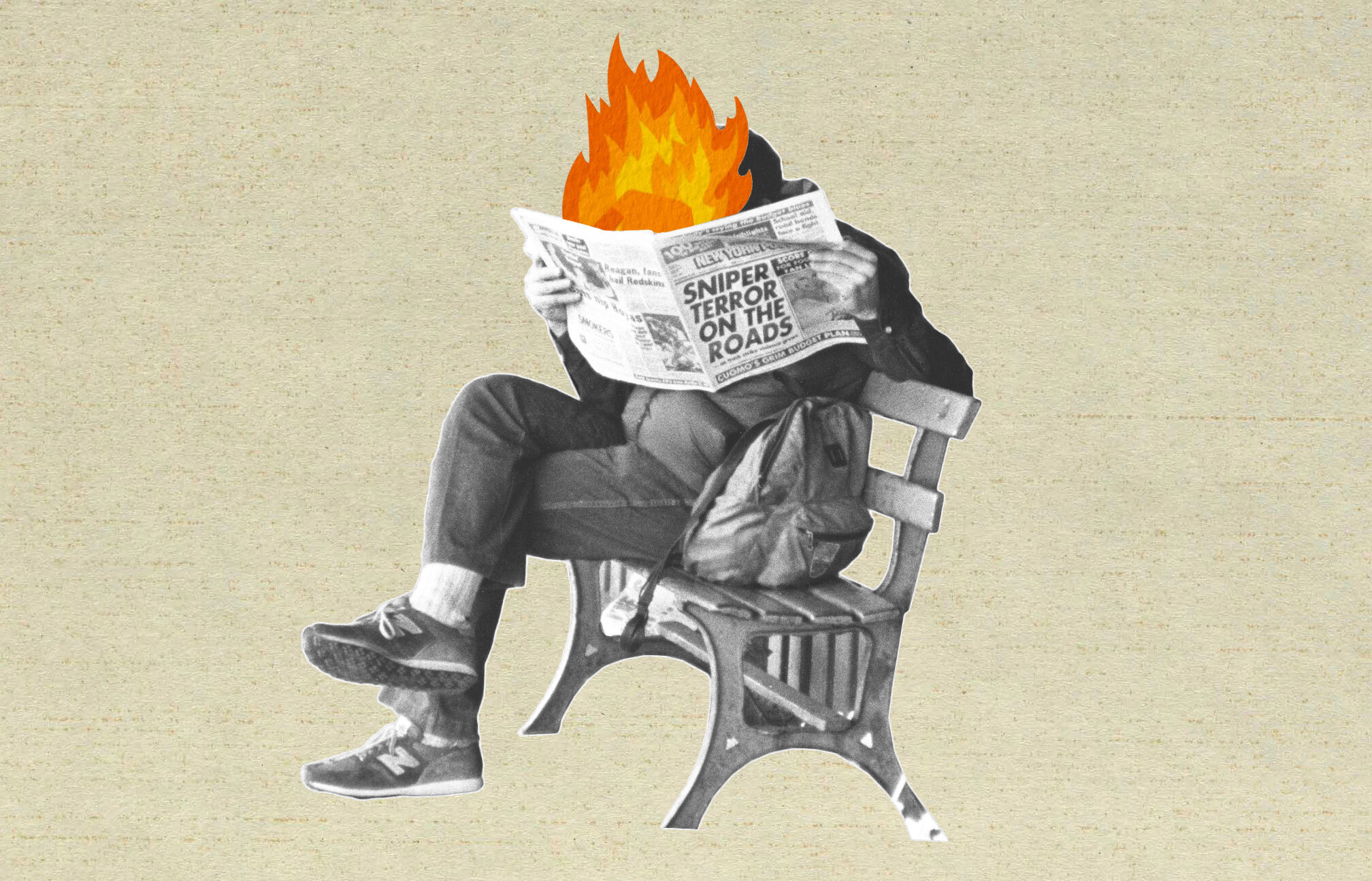




The 396-to-10 Vote That Revived the Bill
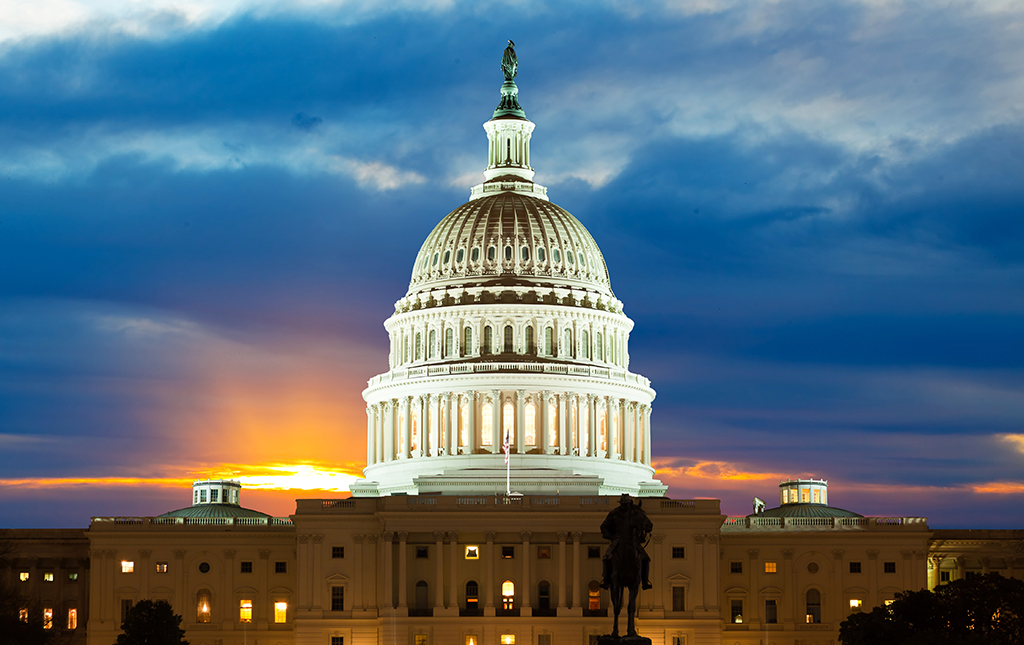
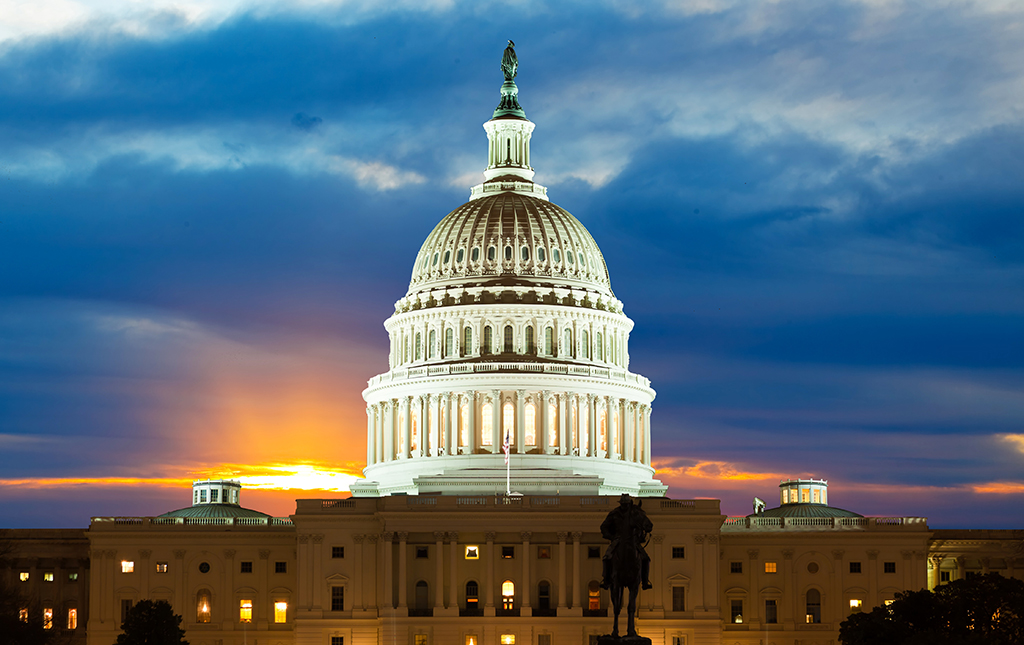
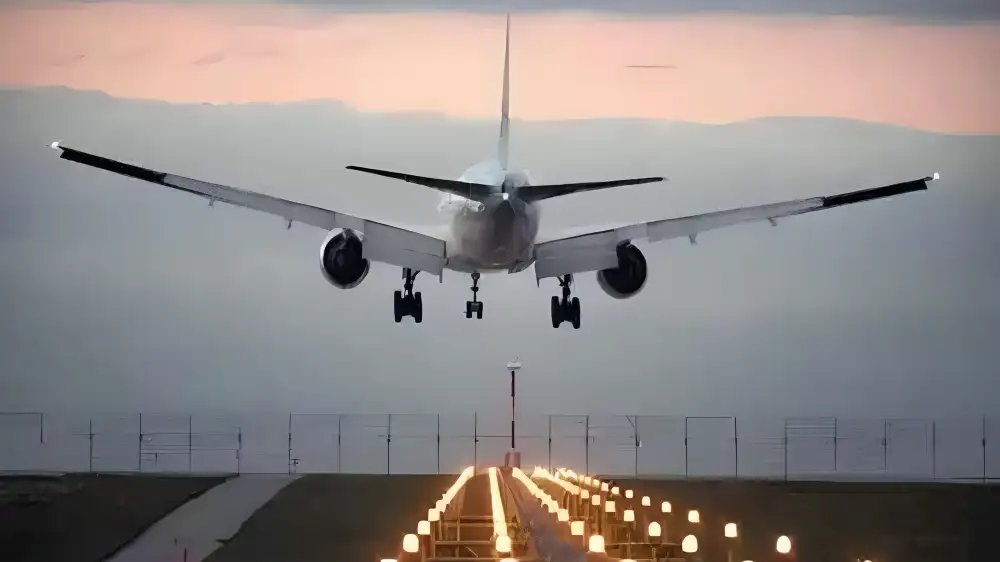
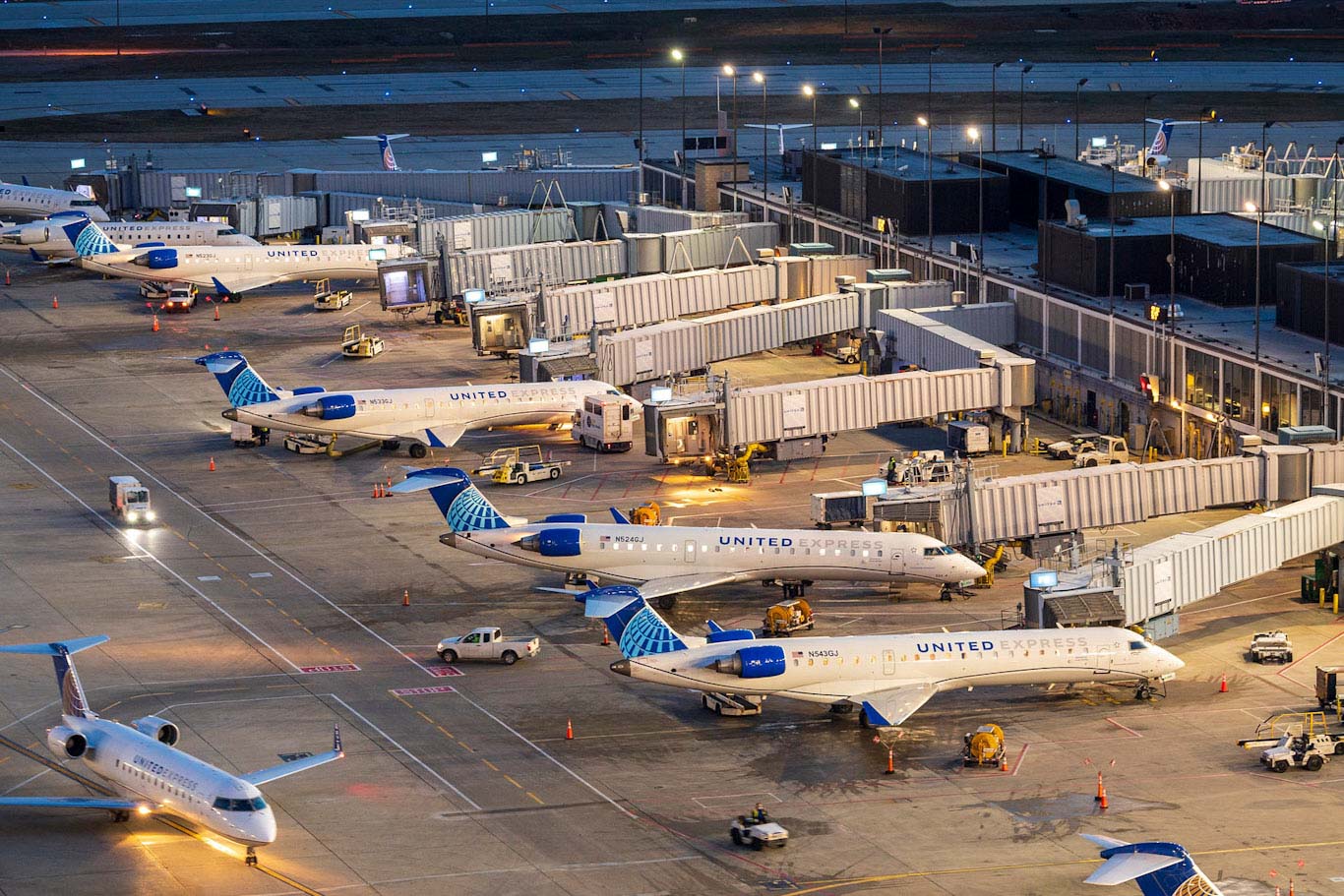
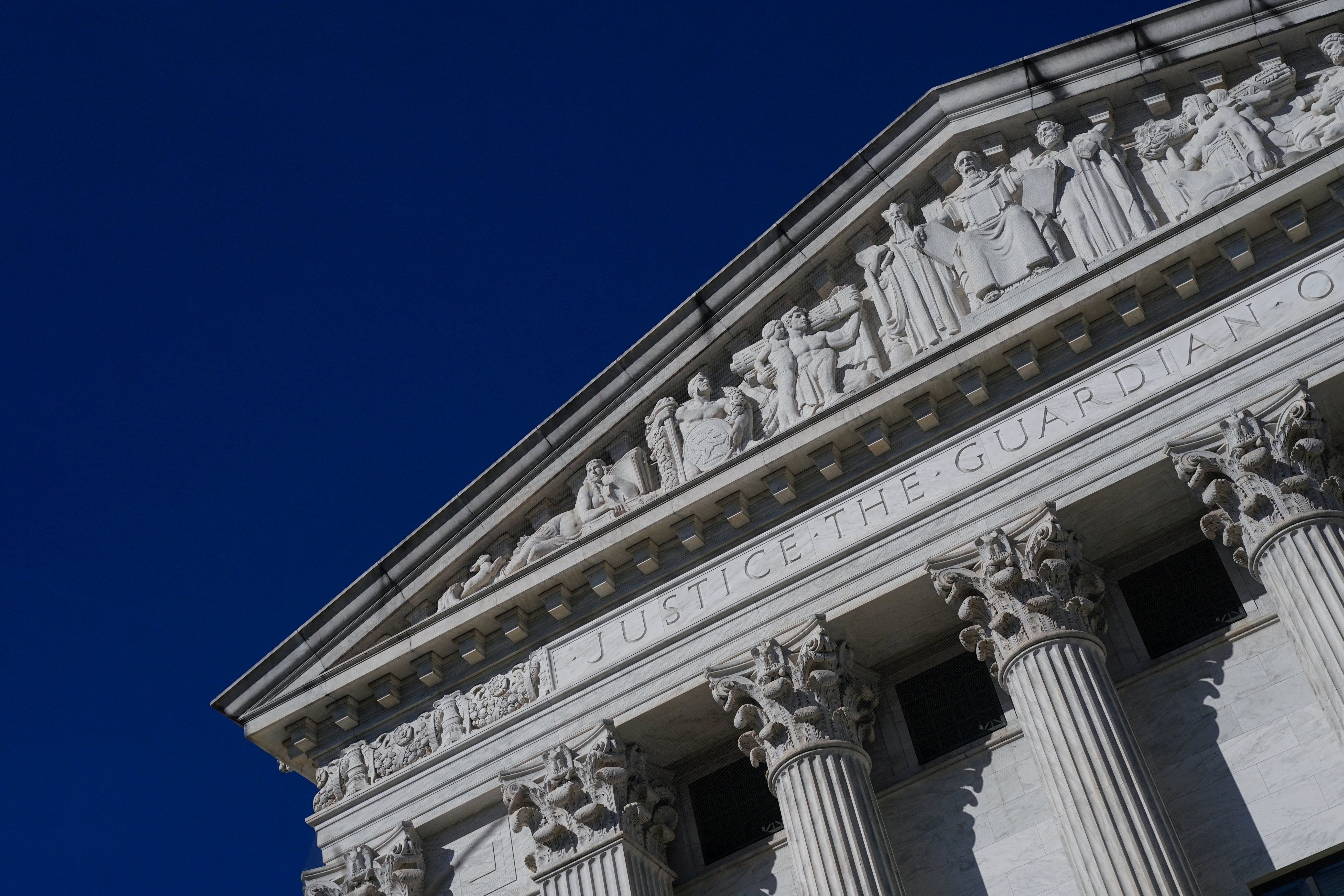
The House approved the ALERT Act 396 to 10 on Tuesday, months after it rejected separate legislation that cleared the Senate with unanimous support. The legislation mandates that all aircraft operating near busy airports install collision-avoidance technology called ADS-B In, which receives location data from other planes.
What the Technology Could Have Prevented
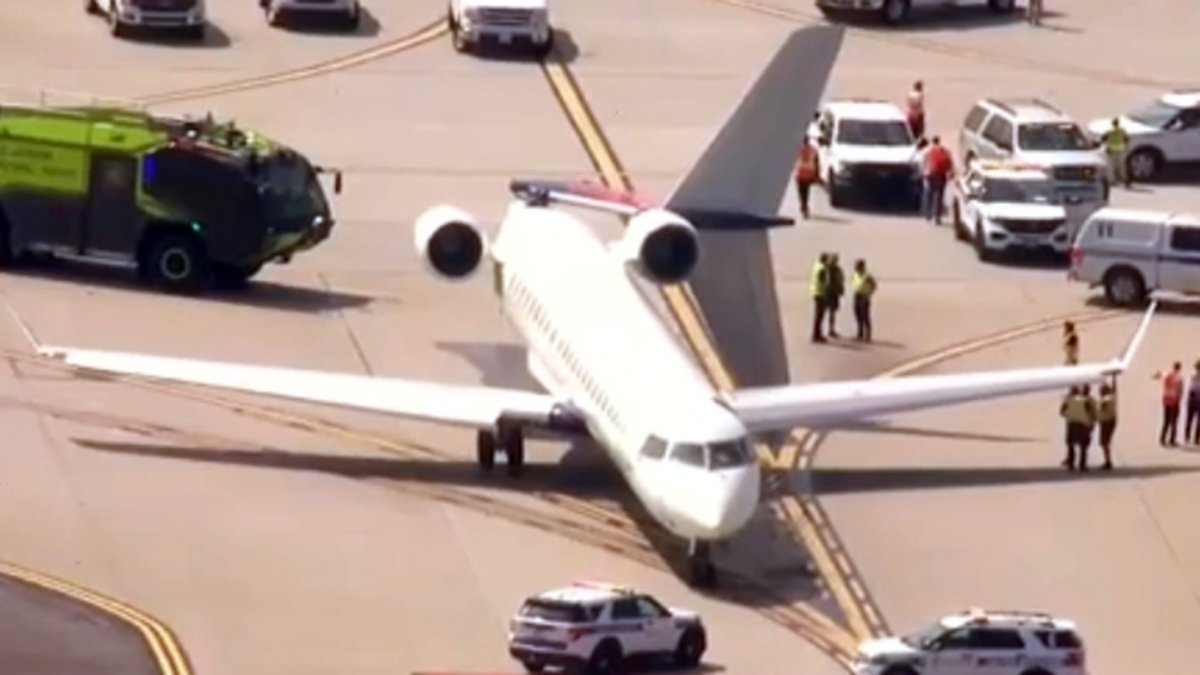
American Airlines Flight 5342 and an Army Black Hawk collided in January 2025, killing all 67 people aboard both aircraft near Ronald Reagan Washington National Airport. The National Transportation Safety Board determined that if the passenger jet had been equipped with ADS-B In, the fatal crash could have been prevented. Most aircraft already broadcast their positions through ADS-B Out, but they lack the receiving technology that would alert pilots to nearby traffic.
Military Aircraft Face New Deadline
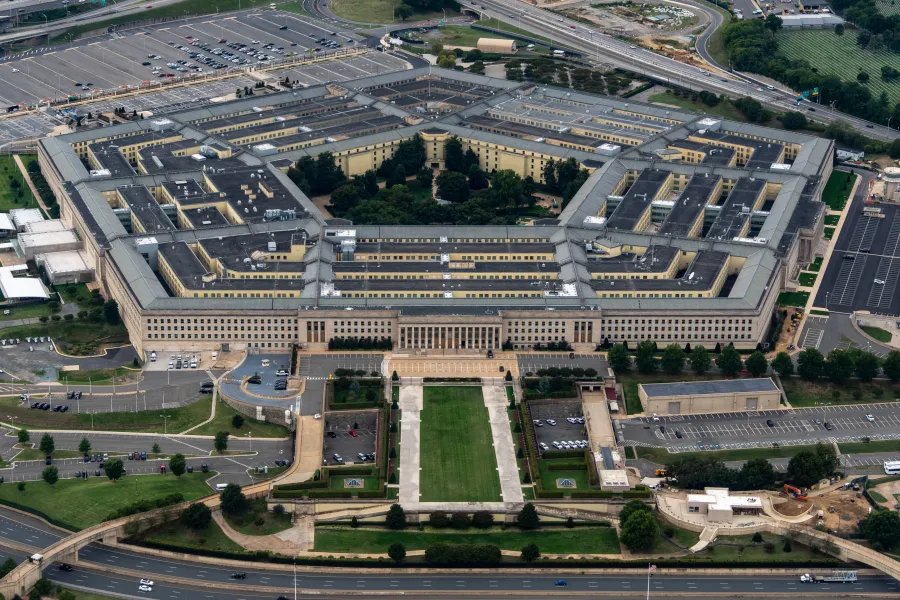
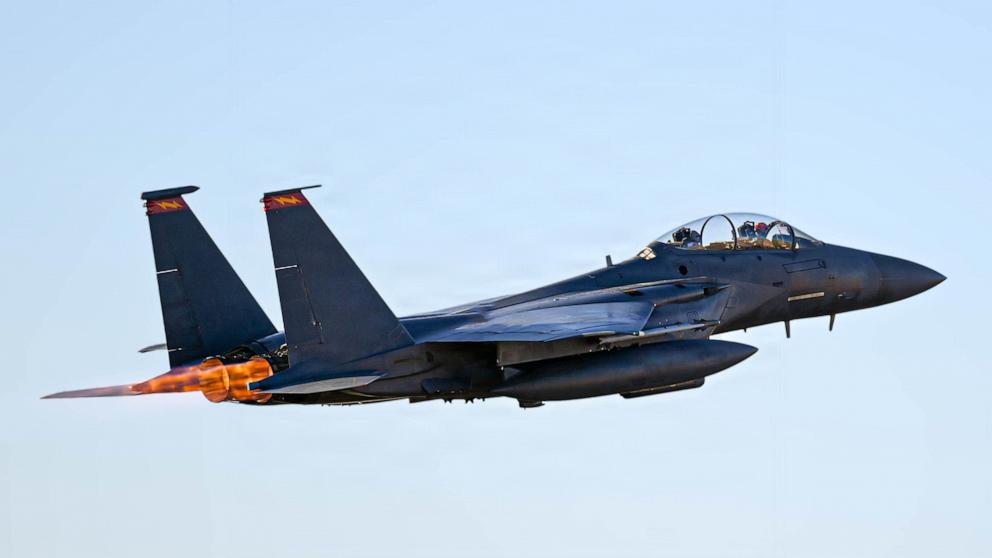
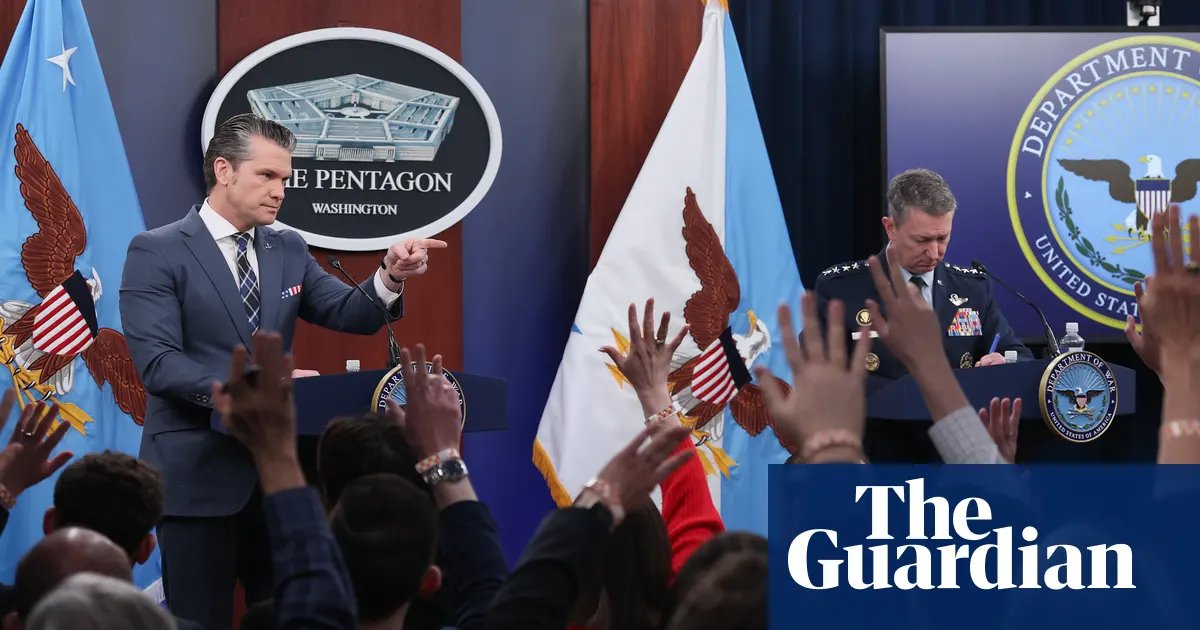
The legislation requires military aircraft to install collision-prevention technologies by 2031, though fighters, bombers, drones and special mission aircraft receive exceptions. The Pentagon originally endorsed the Senate version in December but reversed its position days before the House vote, warning the bill "would create significant unresolved budgetary burdens and operational security risks affecting national defense activities." House GOP leaders fast-tracked Tuesday's bill under rules requiring two-thirds support for passage.
Families Say Bill Falls Short of Real Safety
Victims' families released a statement Tuesday arguing the collision prevention technologies mandated by ALERT "are not market ready and could take years to become widely available." They warned that without installation-ready equipment, industry groups will seek broad waivers and Congress will face pressure to delay compliance rather than enforce it. The families noted the bill still fails to address the root causes that led to the 2025 crash.
Senate Leaders Split on Best Path Forward
Senate Transportation Committee leaders Ted Cruz and Maria Cantwell released a bipartisan statement in March stating the ALERT Act would fail to prevent deadly midair collisions because it lacks clear implementation requirements for ADS-B technology. Cruz maintained Tuesday that the ROTOR Act remains the superior option and urged Congress to address what he called a "significant issue" rather than advance legislation that "neither improves aviation safety nor closes the loopholes that have allowed operators, including the military, to fly blind in congested airspace."
NTSB Pressure Led to Key Changes
House lawmakers amended the legislation, which now requires the Department of Transportation, Department of Defense and Federal Aviation Administration to take specific actions that the NTSB said would address its recommendations when completed. The bill also addresses helicopter route safety and separation requirements, which the board determined to be the probable cause of the 2025 collision, while improving air traffic control training and processes.

The sources also report that the NTSB issued 50 recommendations after the crash, which the amended legislation aims to address.












































































































































































































































































The sources also report that in February, the NTSB said the ALERT Act initially fell short of addressing its 50 recommendations after the crash, but House lawmakers amended the bill to address those gaps.