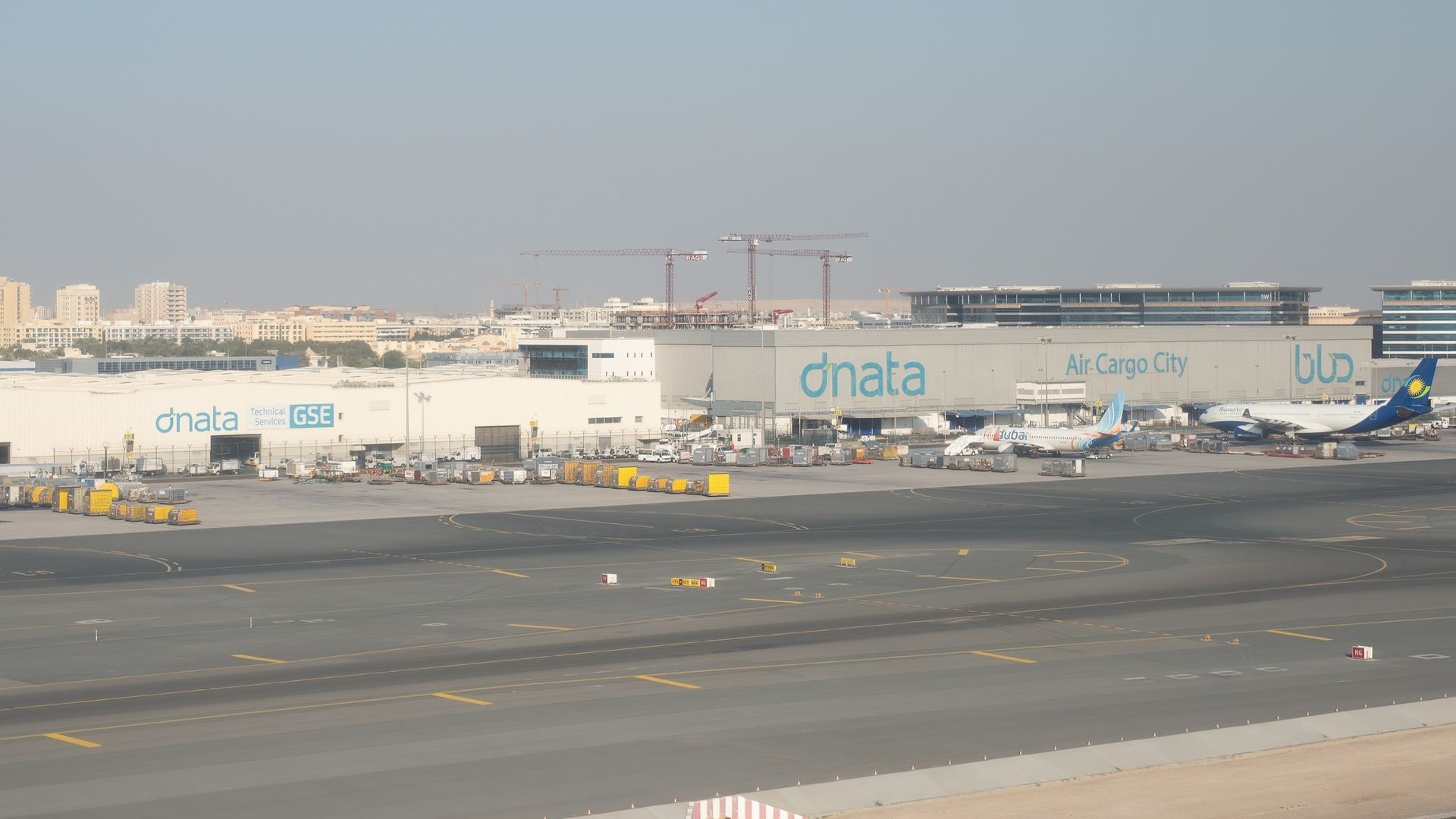
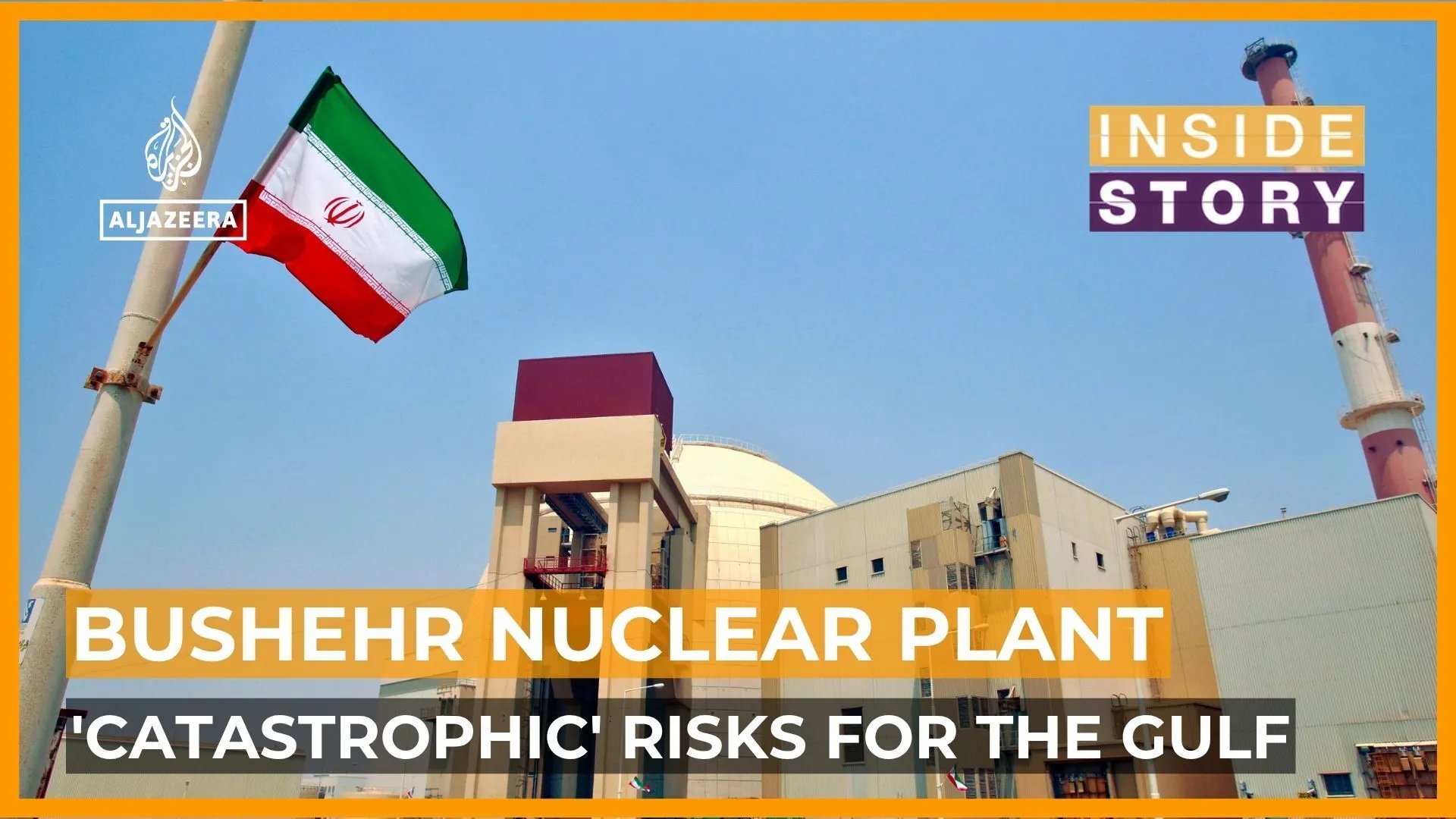
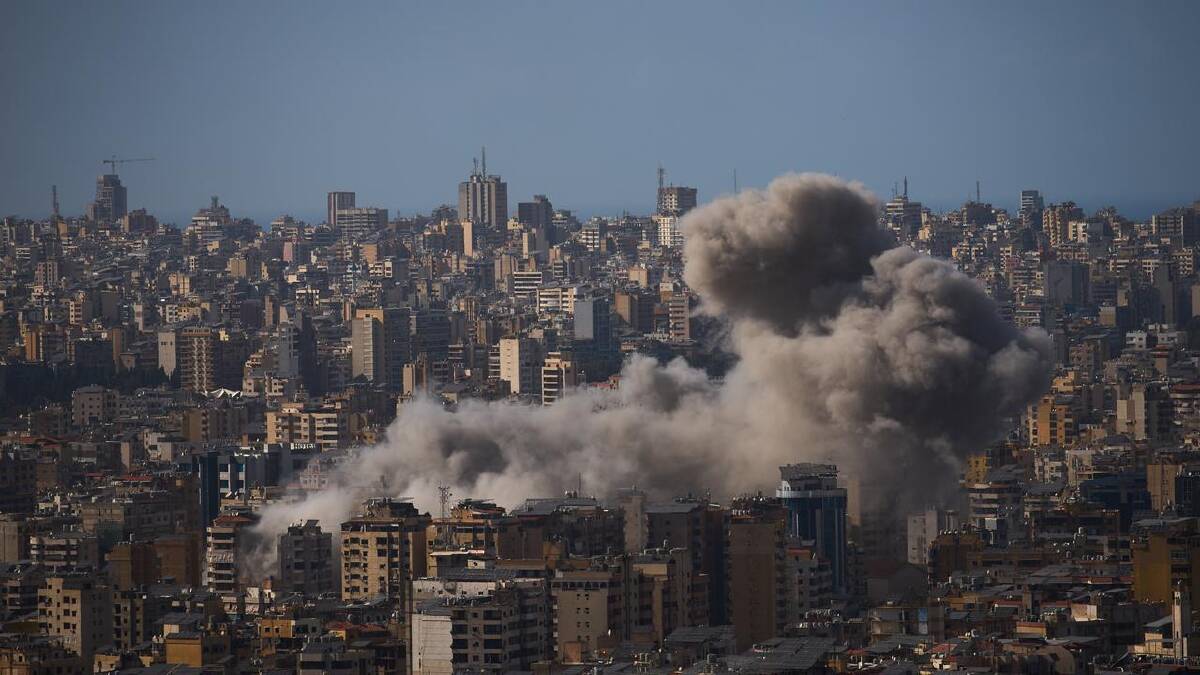
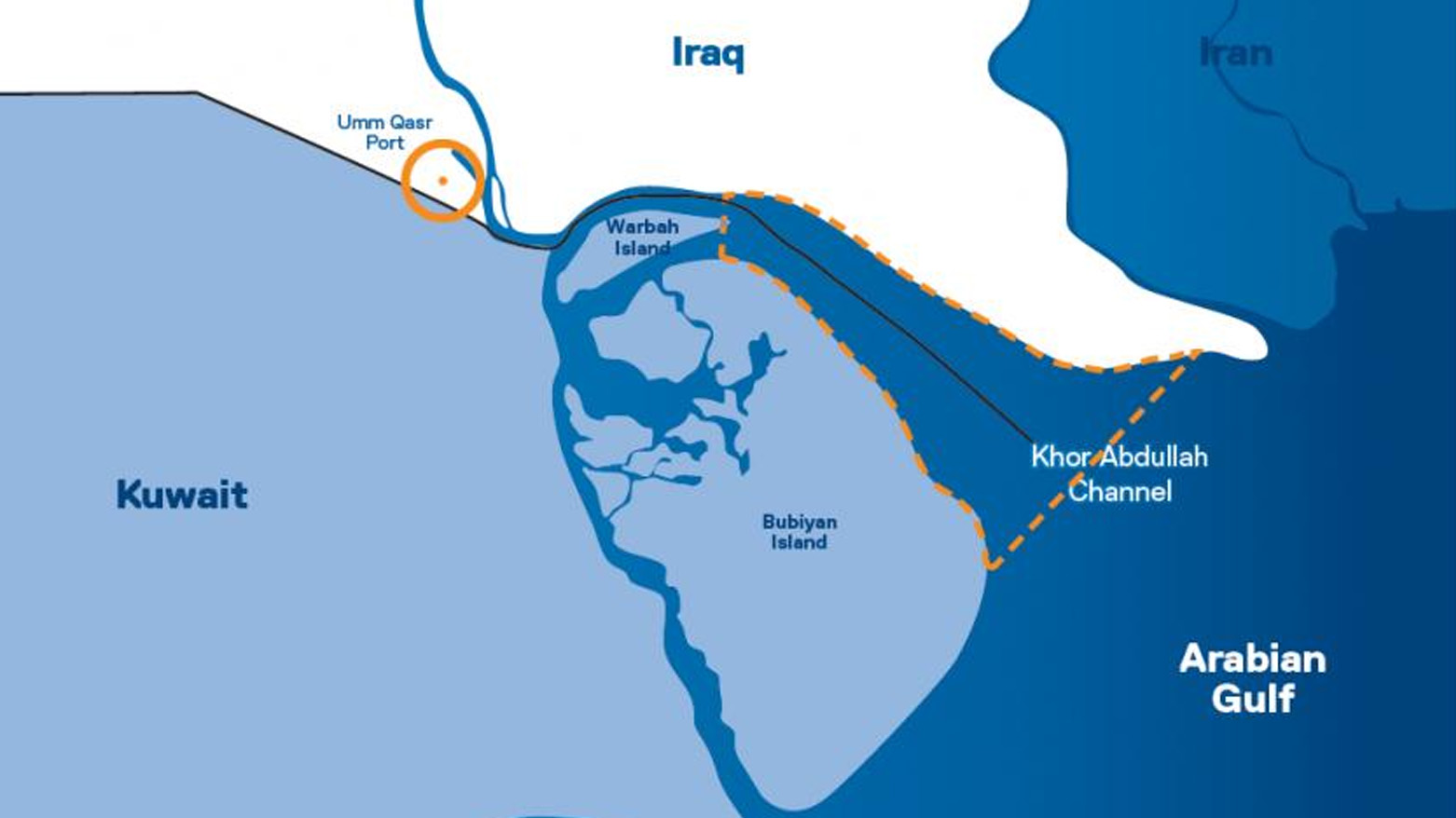
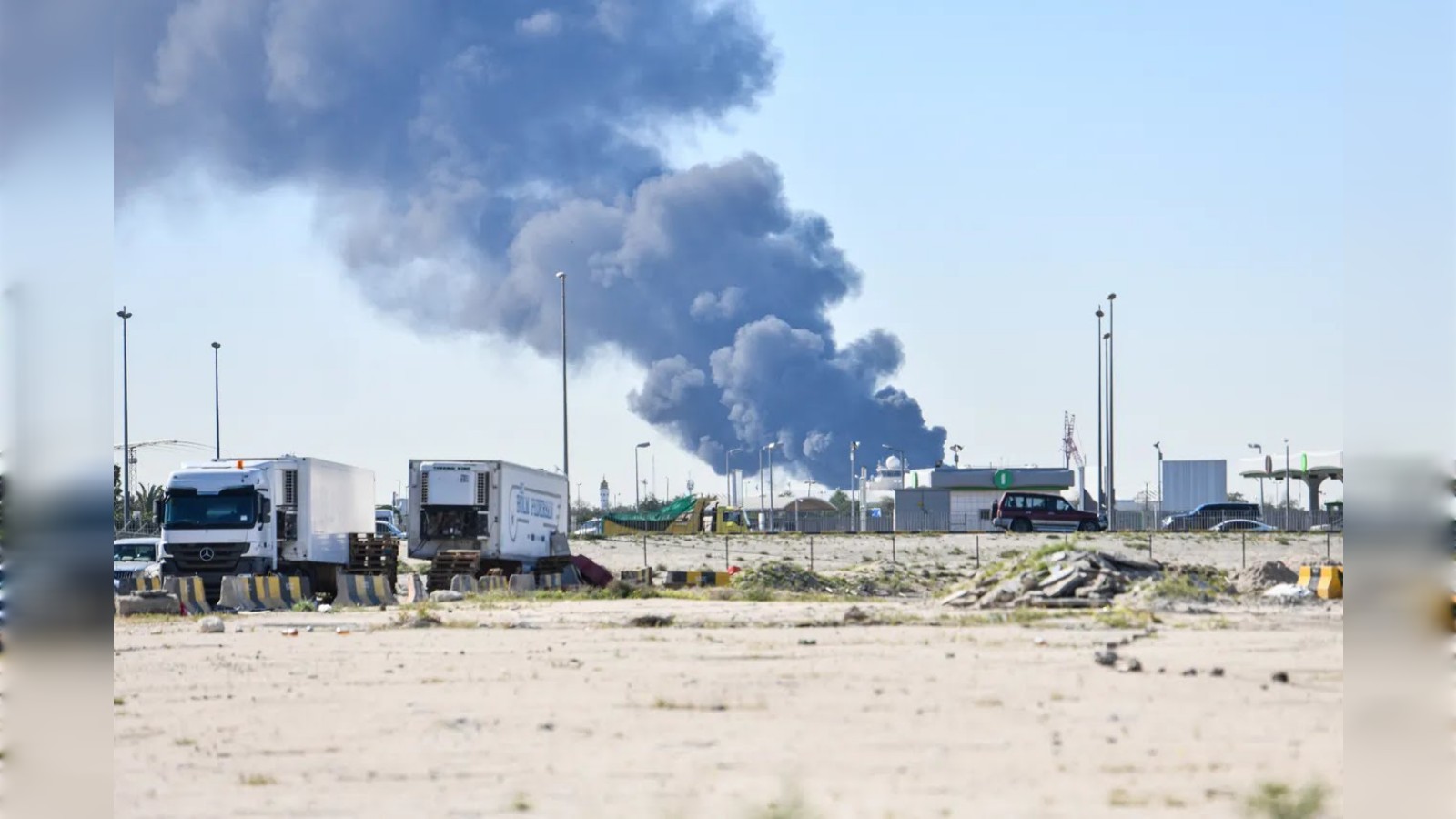
The war in Iran has slowed international shipping routes, leaving medical supplies stuck in Dubai ports. Clinics in Asia and Africa now face shortages of humanitarian goods, as shipments meant for those regions remain delayed. This bottleneck directly affects patient care worldwide, with essential items like vaccines and bandages unavailable for immediate use.
The war has disrupted flows of goods typically destined for high-need areas, forcing health workers to ration supplies. Patients in affected regions experience longer wait times for treatments, underscoring how supply chain failures threaten everyday health services.
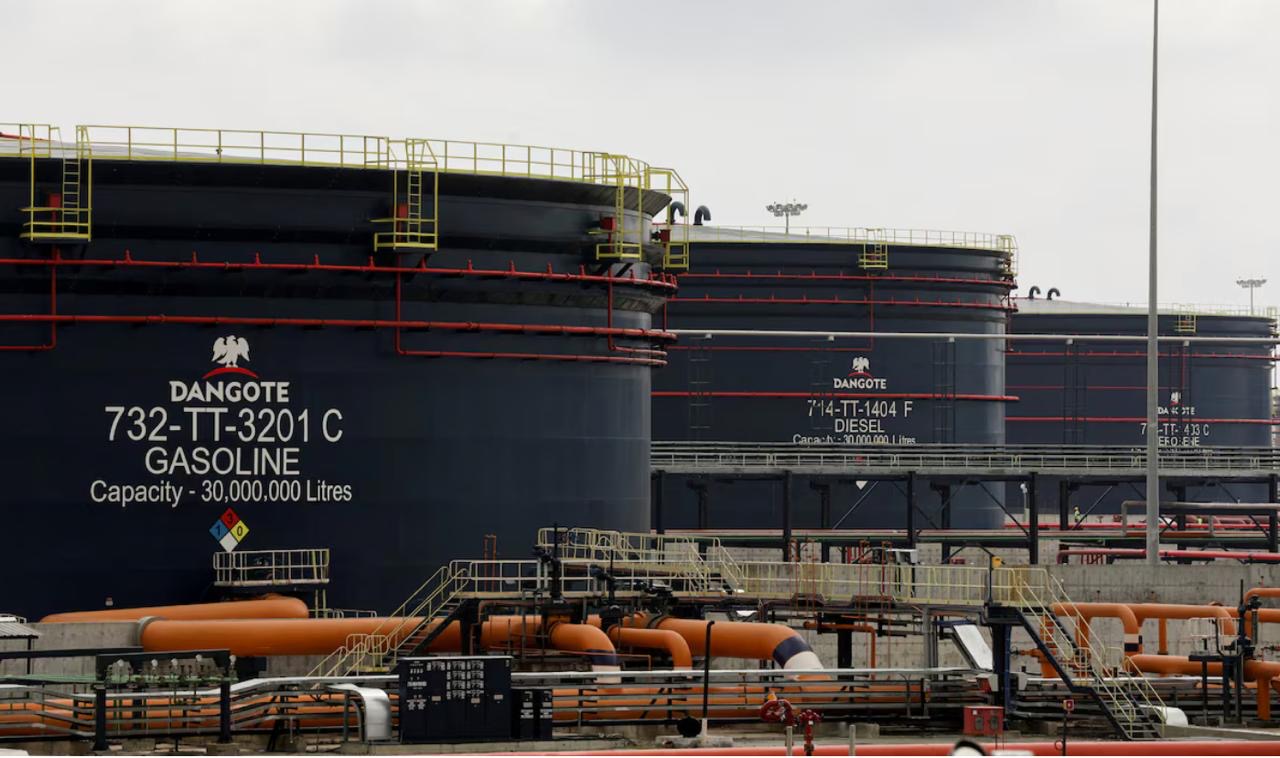
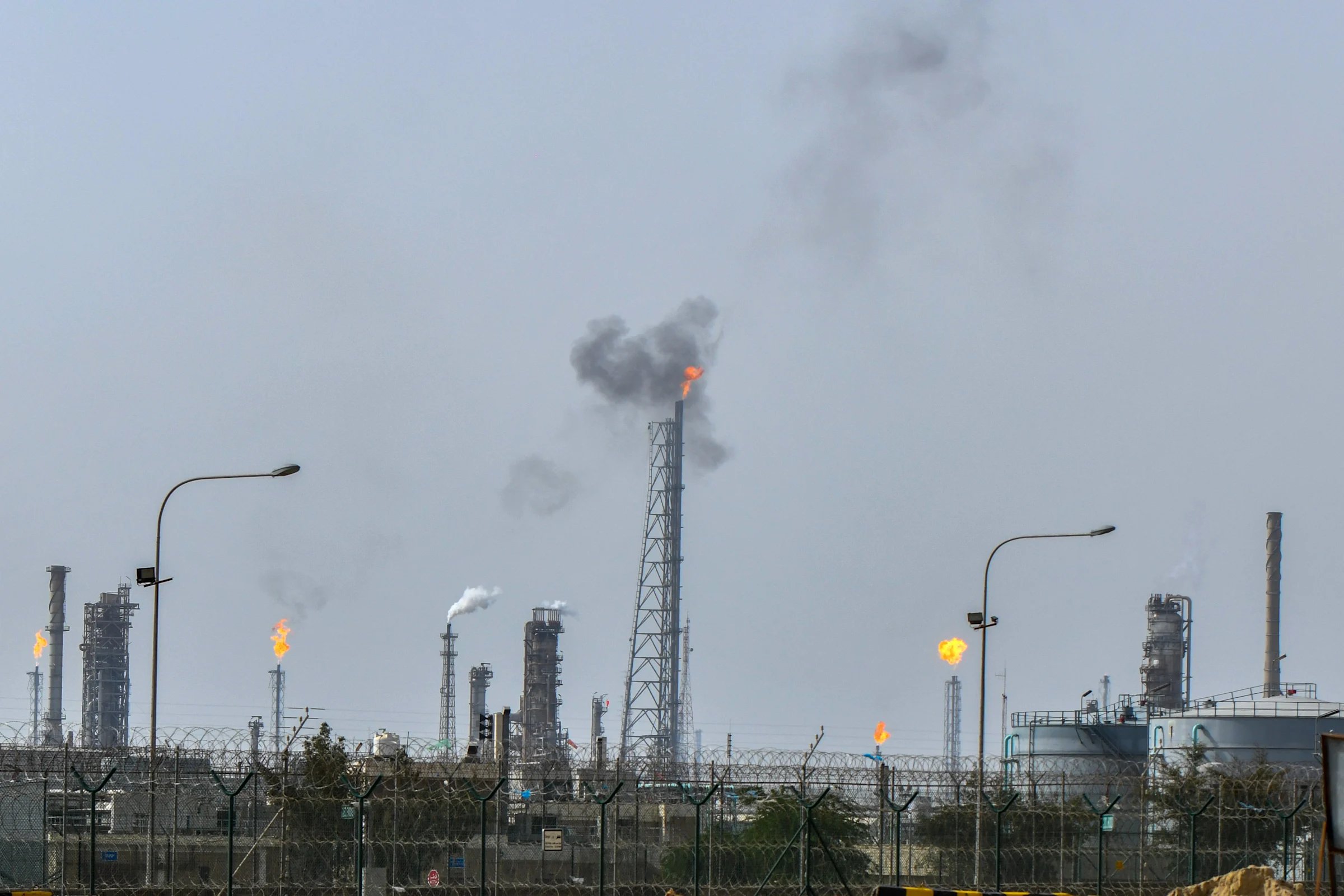
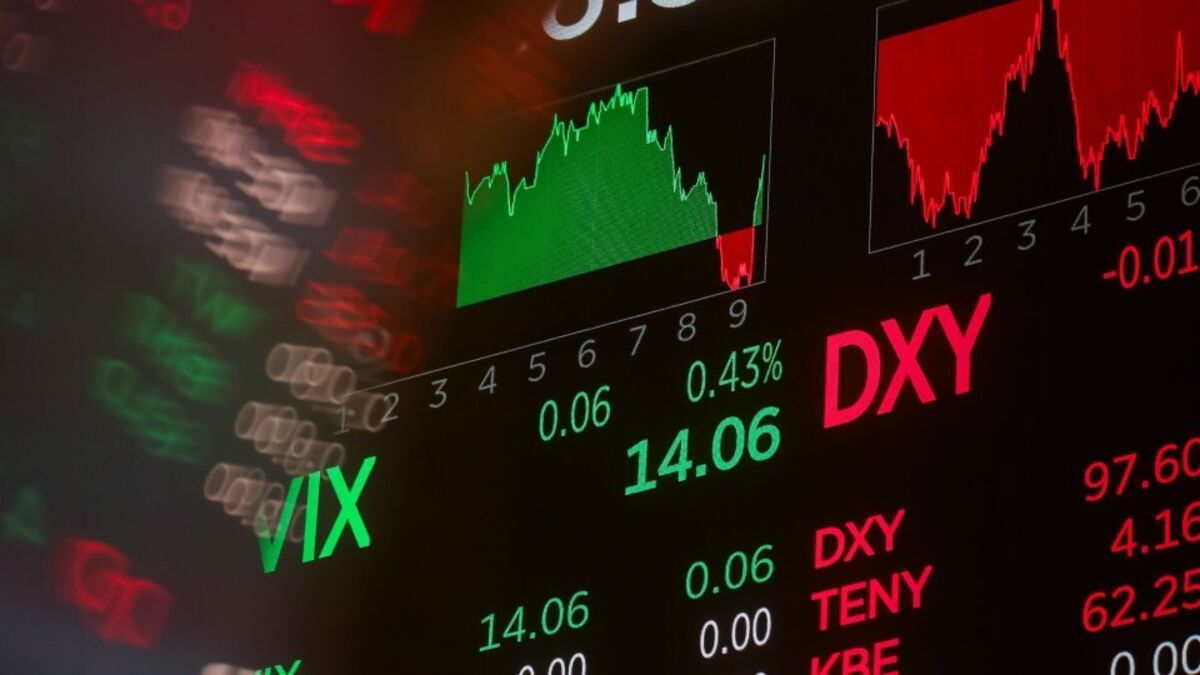
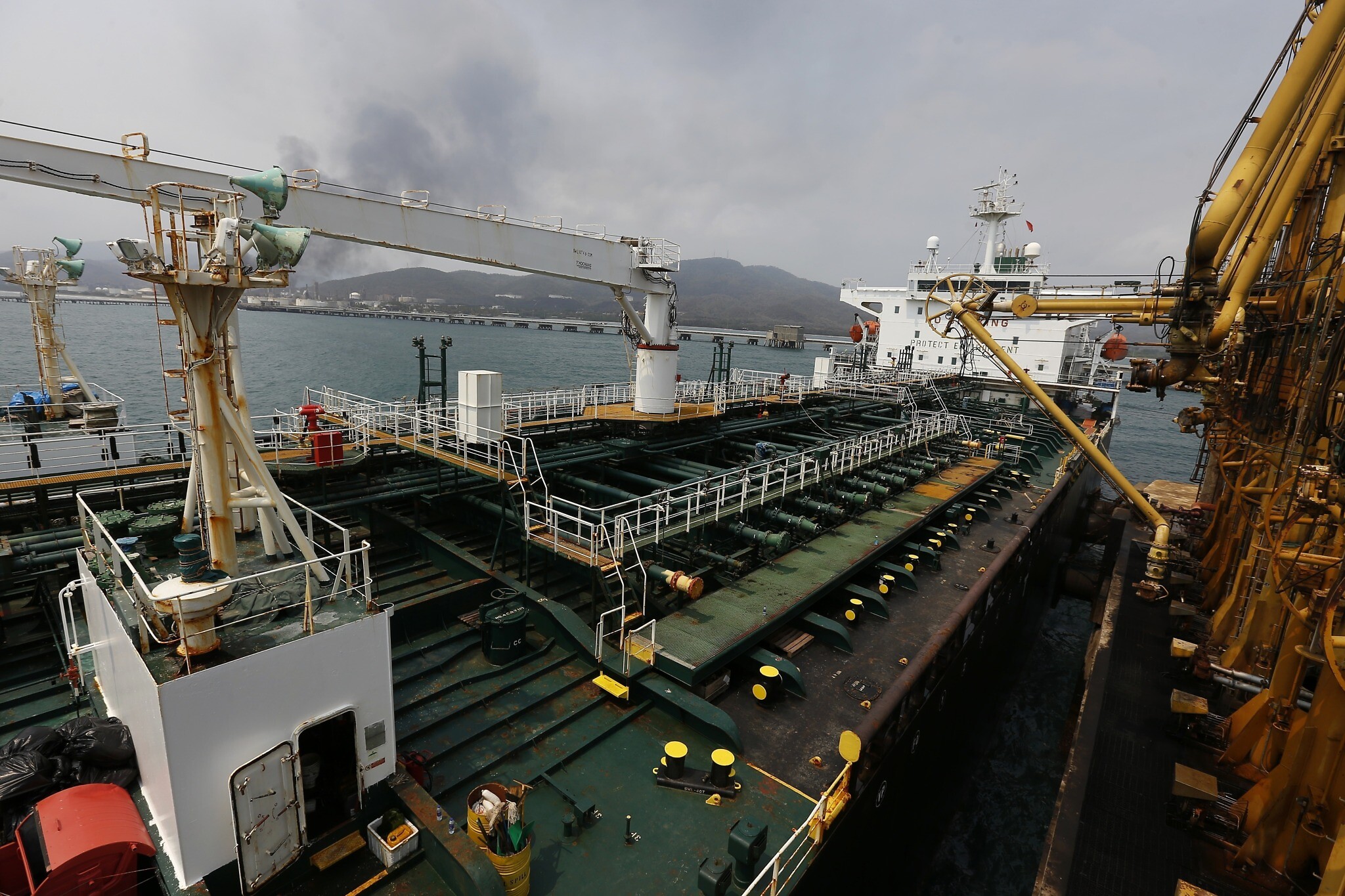
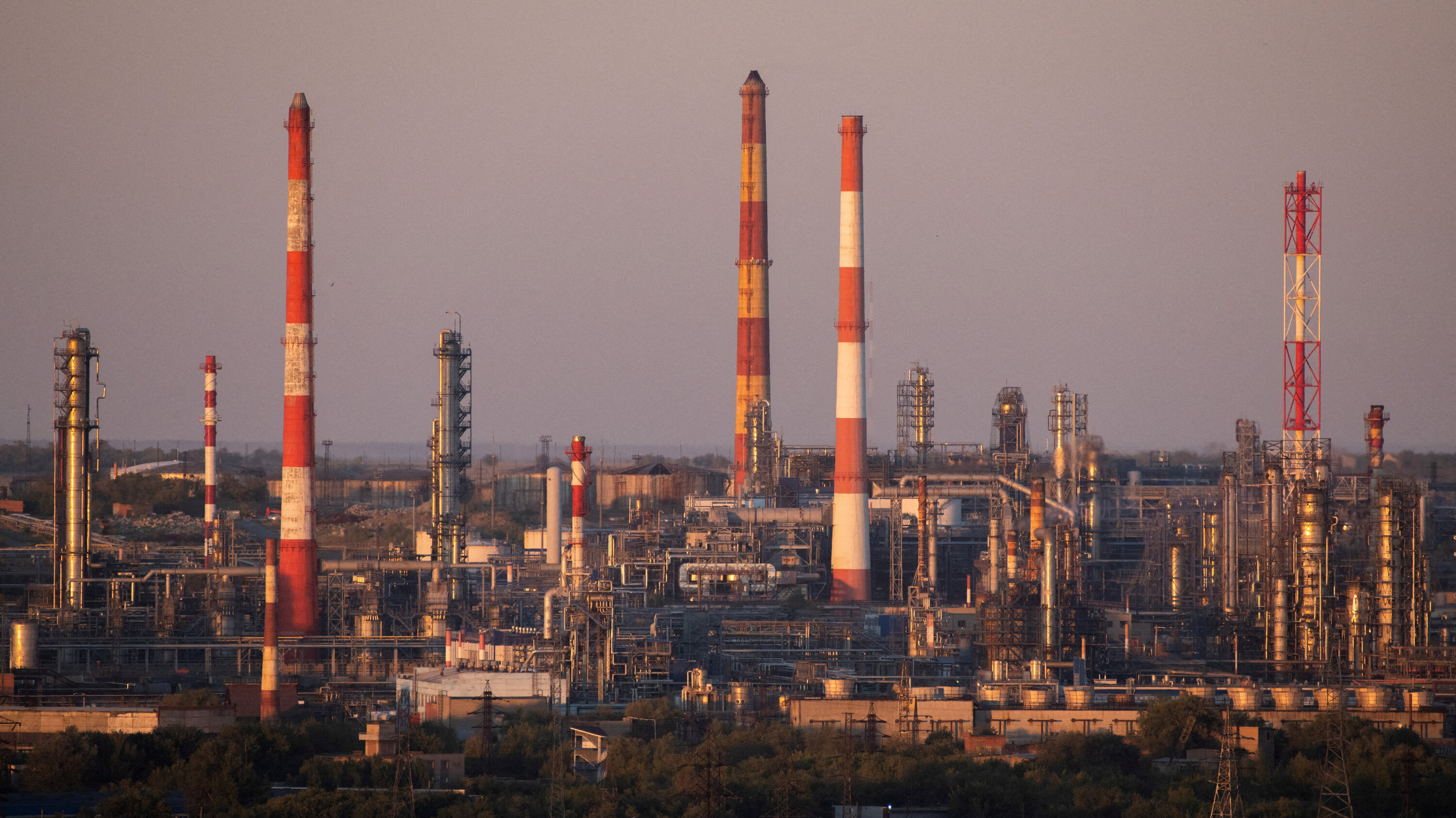
Cracks in the global oil market have increased demand for crude from the Rocky Mountains and US Great Plains, as buyers seek alternatives amid shipping woes. This surge reflects broader strains on energy supplies, with refineries turning to domestic sources to fill gaps. The shift highlights how conflicts overseas ripple into commodity markets, altering trade patterns for oil exporters.
The oil market turbulence indirectly strains resources for medical logistics, as shipping companies prioritize energy cargoes over humanitarian ones. For instance, vessels delayed by the Iran war now favor oil transport from North America, exacerbating delays for medical goods. This competition for shipping capacity means clinics must delay orders, directly cutting into treatment options for communities reliant on timely deliveries.
This price hike affects distributors who rely on affordable transport to stock clinics. As a result, smaller health facilities face higher expenses, forcing budget cuts that limit service hours and staff training.
However, this adjustment means medical suppliers must compete for limited slots on alternative routes. The change offers a possible reprieve for clinics if logistics adapt quickly, though it requires coordination among international partners to prioritize health needs.
The ongoing delays have prompted some distributors to stockpile goods in alternative hubs, reducing reliance on Dubai as a central point. This strategy aims to buffer against future conflicts like the one in Iran, potentially stabilizing supplies for clinics. In the end, these adaptations could lead to more resilient healthcare systems, ensuring that patients receive care without interruptions from distant events.
The war in Iran has slowed international shipping routes, leaving medical supplies stuck in Dubai ports. Clinics in Asia and Africa now face shortages of humanitarian goods, as shipments meant for those regions remain delayed. This bottleneck directly affects patient care worldwide, with essential items like vaccines and bandages unavailable for immediate use.
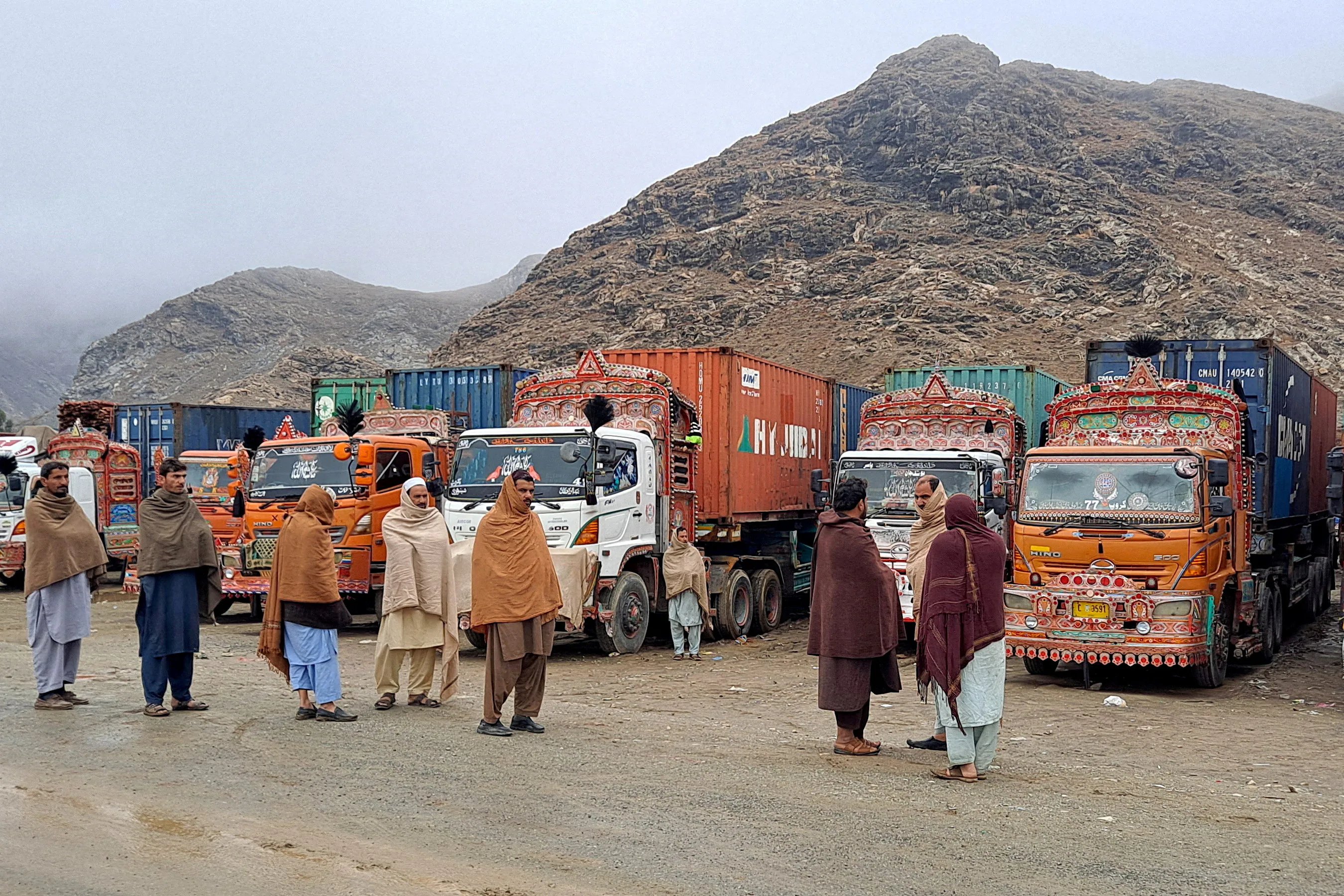
Thousands of clinics report stockouts of critical medical items due to the shipping delays. The war has disrupted flows of goods typically destined for high-need areas, forcing health workers to ration supplies. Patients in affected regions experience longer wait times for treatments, underscoring how supply chain failures threaten everyday health services.
Cracks in the global oil market have increased demand for crude from the Rocky Mountains and US Great Plains, as buyers seek alternatives amid shipping woes. This surge reflects broader strains on energy supplies, with refineries turning to domestic sources to fill gaps. The shift highlights how conflicts overseas ripple into commodity markets, altering trade patterns for oil exporters.
The oil market turbulence indirectly strains resources for medical logistics, as shipping companies prioritize energy cargoes over humanitarian ones. For instance, vessels delayed by the Iran war now favor oil transport from North America, exacerbating delays for medical goods. This competition for shipping capacity means clinics must delay orders, directly cutting into treatment options for communities reliant on timely deliveries.
Workers in clinics across Asia and Africa describe challenges in managing patient loads without full supplies, leading to improvised care methods. One health worker noted the strain on staff who must turn away patients needing urgent aid. These disruptions illustrate how global events erode access to basic healthcare, potentially increasing risks of untreated conditions in vulnerable populations.
The demand for oil from the US Great Plains has pushed up costs for shipping firms, making it harder to move non-essential goods like medical kits. This price hike affects distributors who rely on affordable transport to stock clinics. As a result, smaller health facilities face higher expenses, forcing budget cuts that limit service hours and staff training.
Buyers are exploring new paths for oil from the Rocky Mountains to bypass disrupted zones, which could free up some capacity for other cargoes. However, this adjustment means medical suppliers must compete for limited slots on alternative routes. The change offers a possible reprieve for clinics if logistics adapt quickly, though it requires coordination among international partners to prioritize health needs.
The ongoing delays have prompted some distributors to stockpile goods in alternative hubs, reducing reliance on Dubai as a central point. This strategy aims to buffer against future conflicts like the one in Iran, potentially stabilizing supplies for clinics. In the end, these adaptations could lead to more resilient healthcare systems, ensuring that patients receive care without interruptions from distant events.
Highlighted text was flagged by the council. Tap to see feedback.





















The sources also report that this surge includes oil grades from Texas and Alberta, beyond just the Rocky Mountains and US Great Plains.