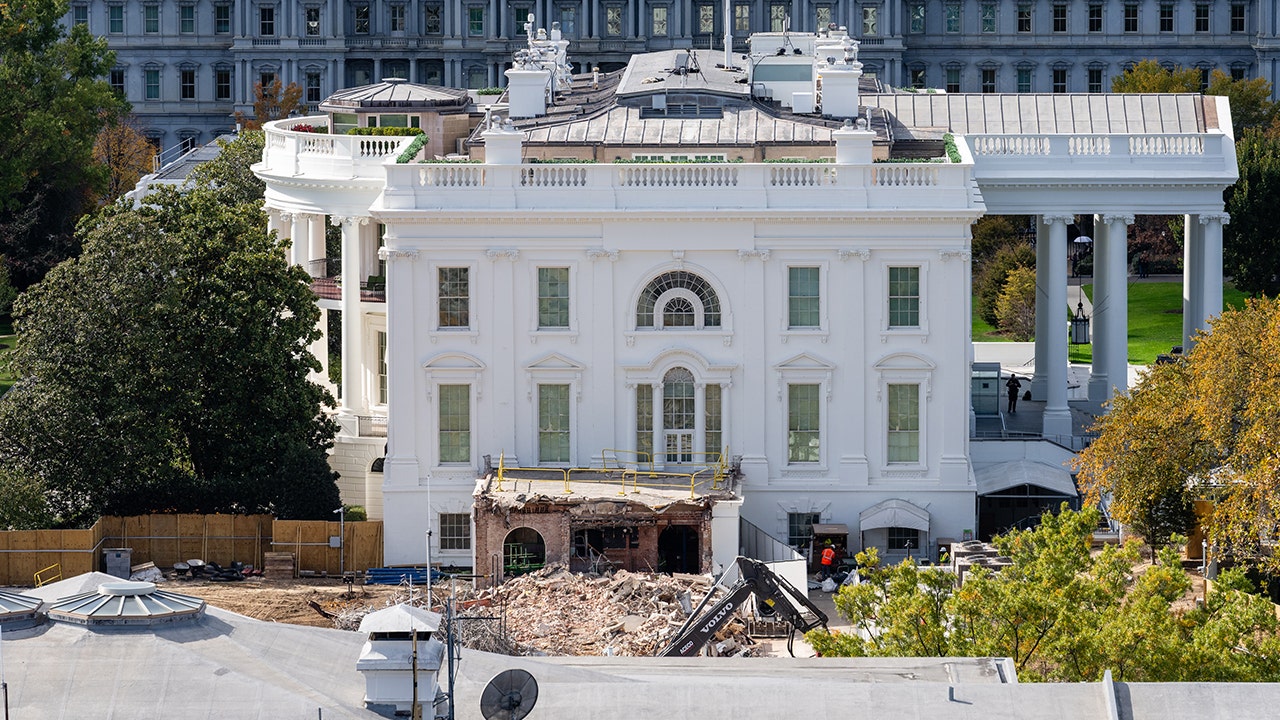
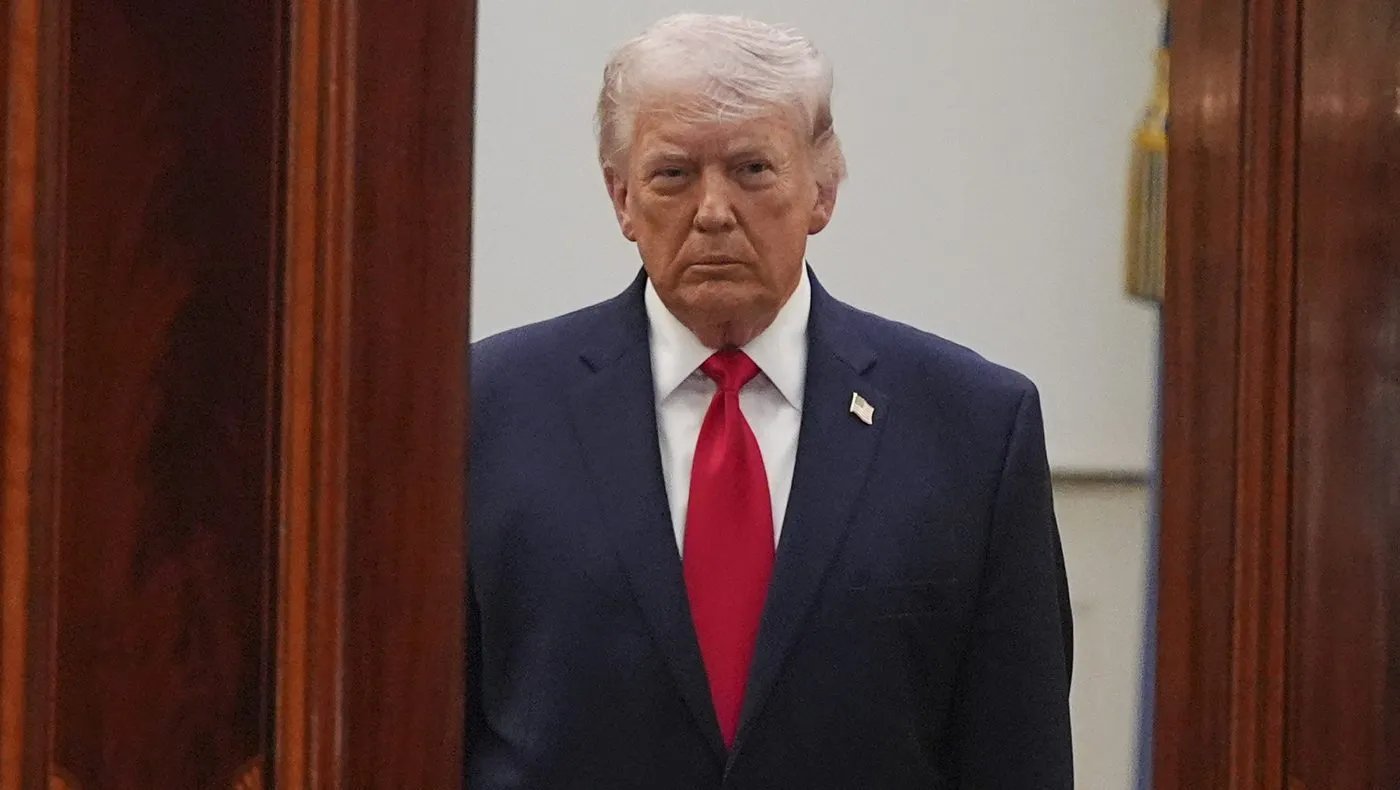
The Trump administration filed an emergency motion seeking to resume construction of a $400 million White House ballroom, arguing that a pause in the project creates a security risk. The motion seeks to set aside a ruling from US district judge Richard Leon. Lawyers for the administration argue that Leon's decision has left the executive mansion "open and exposed."
US National Park Service lawyers stated in the motion that the order to suspend construction is "threatening grave national-security harms to the White House, the president and his family, and the president's staff." They cited the materials that will be installed to create a "heavily fortified" facility. The filing also notes the ballroom construction includes bomb shelters, military installations, and a medical facility.
Judge Leon ordered the temporary pause of the construction project on Tuesday, which has included demolishing the White House's east wing. He concluded that the preservationist group suing to stop construction is likely to succeed, because "no statute comes close to giving the president the authority he claims to have." Leon suspended enforcement of his order for 14 days, acknowledging the administration would appeal. Leon said he reviewed information the government privately submitted to him and concluded that halting construction wouldn't jeopardize national security.
The Trump administration argues in its motion that the president has "complete authority to renovate the White House." According to the NPS motion, "Canvas tents, which are necessary without a ballroom, are significantly more vulnerable to missiles, drones, and other threats than a hardened national security facility." The administration is asking the appeals court to make a decision on its request by Friday.
Plaintiffs argue that the project needs approval from Congress to proceed. He exempted any construction work necessary for the safety and security of the White House from the scope of the injunction.
The administration seeks a final resolution to the legal battle that could determine the fate of the ballroom project within days.
The Trump administration filed an emergency motion seeking to resume construction of a $400 million White House ballroom, arguing that a pause in the project creates a security risk. The motion seeks to set aside a ruling from US district judge Richard Leon. Lawyers for the administration argue that Leon’s decision has left the executive mansion “open and exposed.”
US National Park Service lawyers stated in the motion that the order to suspend construction is "threatening grave national-security harms to the White House, the president and his family, and the president’s staff.” They cited the materials that will be installed to create a "heavily fortified" facility. The filing also notes the ballroom construction includes bomb shelters, military installations, and a medical facility.
Judge Leon ordered the temporary pause of the construction project on Tuesday, which has included demolishing the White House’s east wing. He concluded that the preservationist group suing to stop construction is likely to succeed, because "no statute comes close to giving the president the authority he claims to have.” Leon suspended enforcement of his order for 14 days, acknowledging the administration would appeal.
The Trump administration argues that the president has "complete authority to renovate the White House." According to the NPS motion, "Canvas tents, which are necessary without a ballroom, are significantly more vulnerable to missiles, drones, and other threats than a hardened national security facility.” The administration is asking the appeals court to make a decision on its request by Friday.
The lawsuit seeks to halt the $400 million project on the site of the recently demolished East Wing. Plaintiffs argue that it needs approval from Congress to proceed. Leon said he reviewed information the government privately submitted to him and concluded that halting construction wouldn’t jeopardize national security. He exempted any construction work necessary for the safety and security of the White House from the scope of the injunction.
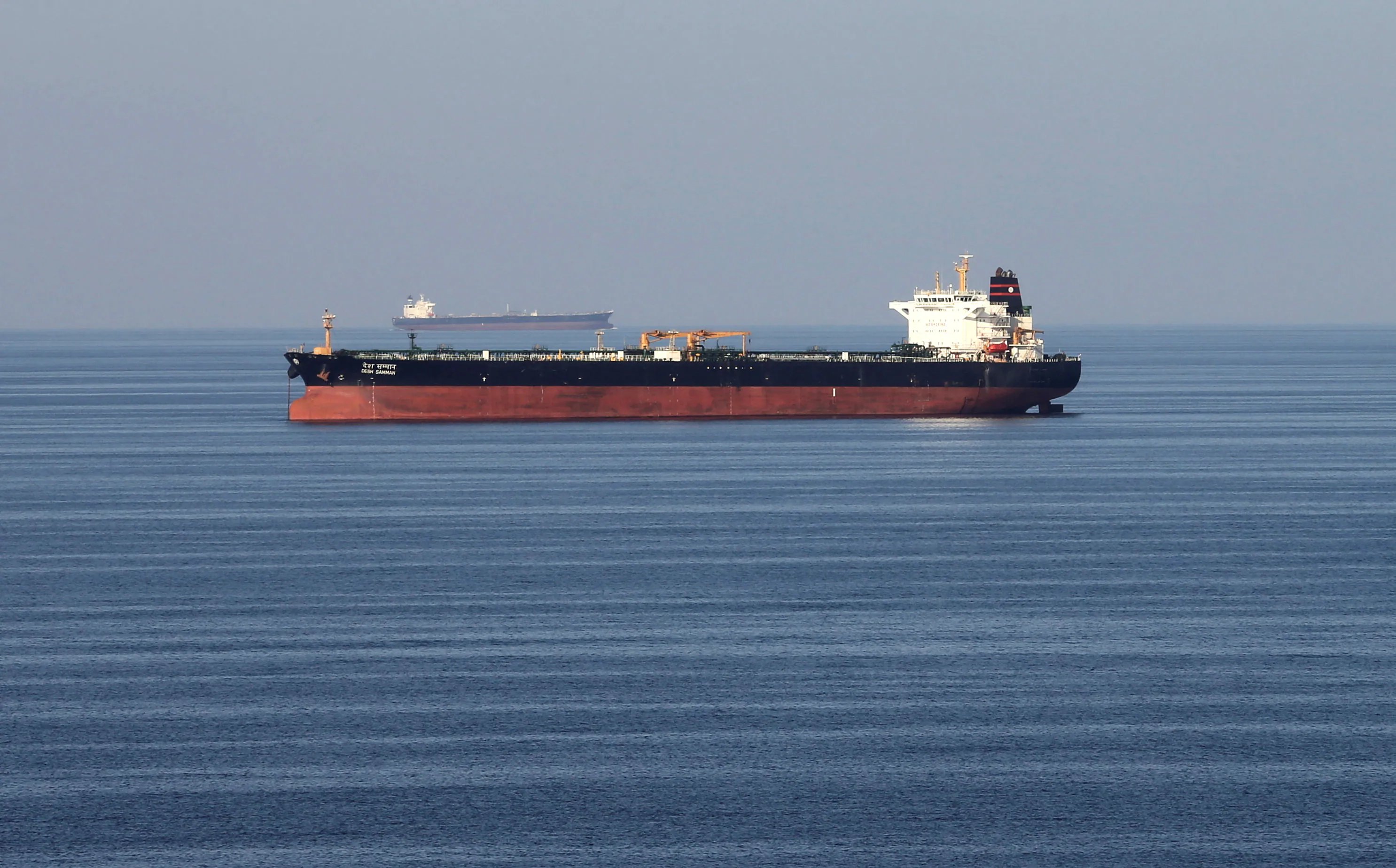
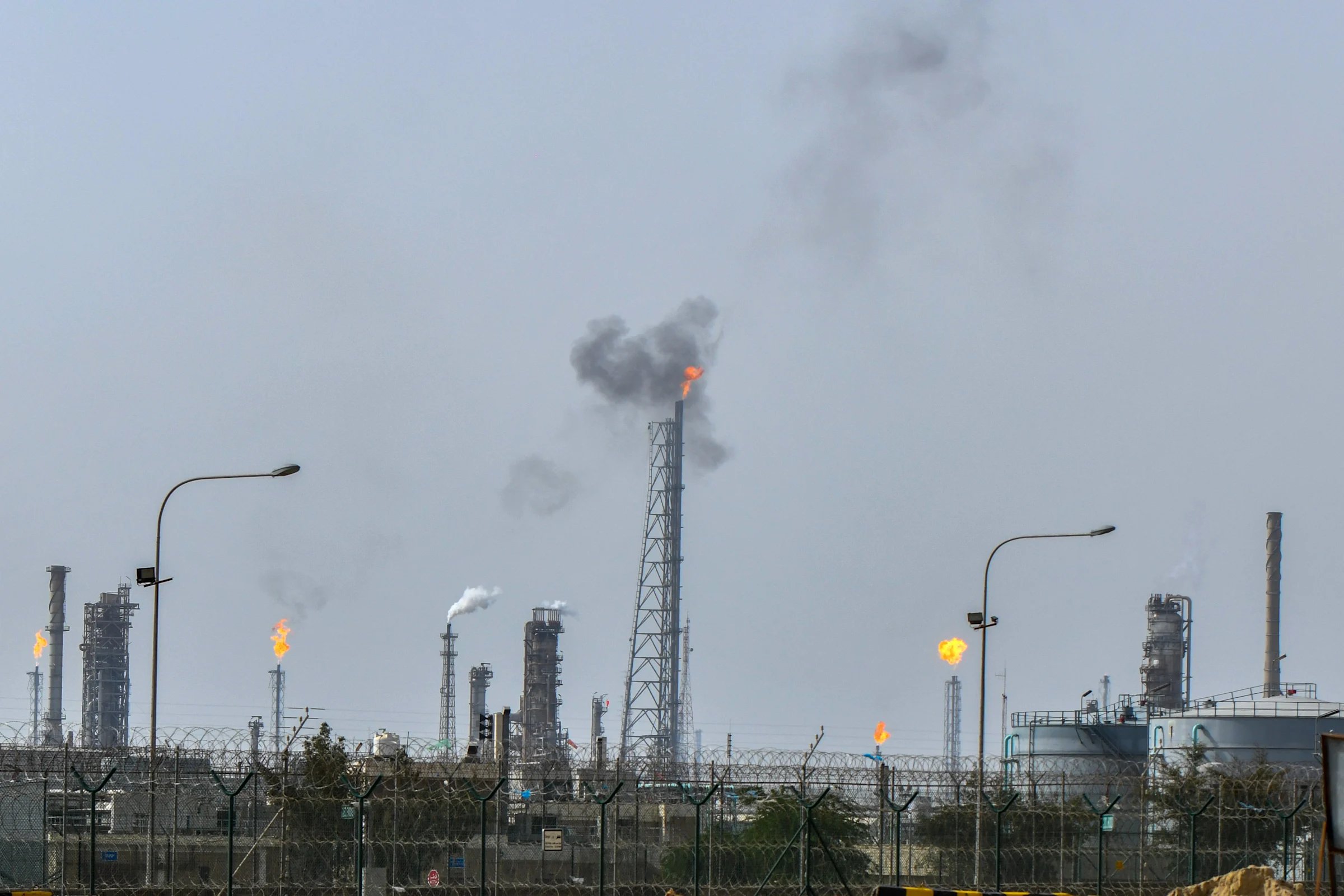
As consumers watch the price of gasoline and airline tickets rise, experts say that the war in Iran will continue to drive up prices across the economy. The price of oil has risen steadily since the war began at the end of February, with crude oil prices surging past $110 per barrel this week. Fuel prices have risen in part because Iran controls access to the strait of Hormuz, a narrow passageway between the Persian Gulf and the Gulf of Oman where about 20% of the world’s oil travels through.
The Trump administration has asked that the 14-day suspension of Leon’s order be extended by another two weeks so that the case can be taken to the US supreme court. The administration seeks a final resolution to the legal battle that could determine the fate of the ballroom project within days.
Highlighted text was flagged by the council. Tap to see feedback.




















The sources also report that cranes are being used around the White House for the ballroom construction.