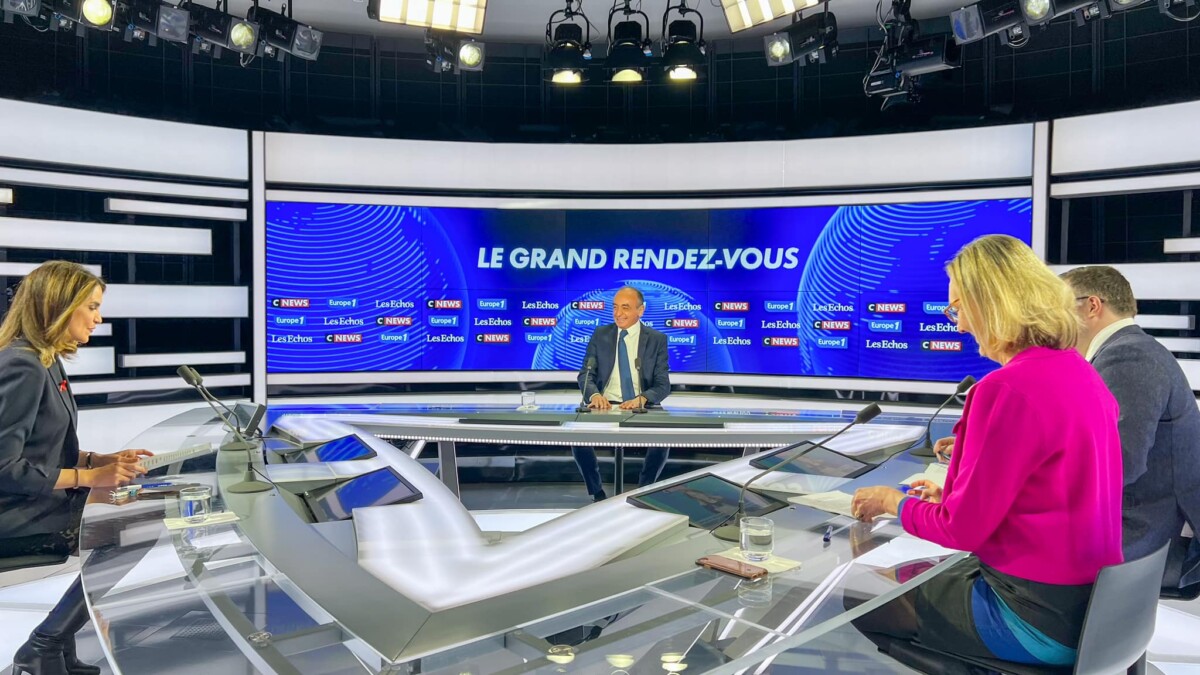
The Paris prosecutor's office has opened a hate speech investigation into the French news channel CNews, following allegations of racist remarks made on air. The investigation stems from comments targeting Bally Bagayoko, the newly elected mayor of Saint-Denis, made during a broadcast in late March. Prosecutors are examining whether these remarks constitute hate speech under French law, which is known for its strict regulations against incitement to hatred.
This investigation marks a significant moment for media accountability in France, where freedom of speech is a deeply entrenched value. The probe signals a potential shift in how media outlets are held responsible for the content they disseminate.
CNews has responded to the allegations, asserting that the channel promotes a diversity of viewpoints and does not endorse hate speech.
The country's legal framework allows for the prosecution of individuals and media entities that incite hatred through their speech. This latest investigation into CNews could set a precedent for future cases involving media outlets and their responsibility for inflammatory content.
Public reaction to the investigation has been mixed. Supporters of the probe argue that it is necessary to hold media accountable for harmful rhetoric, while critics fear it may infringe on free speech rights. As the investigation unfolds, the conversation around the balance between free expression and responsible journalism continues to gain momentum in French society.
The implications of this investigation extend beyond CNews, potentially affecting how all media outlets navigate the complex landscape of public discourse in France. As this case progresses, it could redefine the boundaries of acceptable speech in the media landscape, prompting both legal and ethical debates across the nation.
The Paris prosecutor's office has opened a hate speech investigation into the French news channel CNews, following allegations of racist remarks made on air. The investigation stems from comments targeting Bally Bagayoko, the newly elected mayor of Saint-Denis, made during a broadcast in late March. Prosecutors are examining whether these remarks constitute hate speech under French law, which is known for its strict regulations against incitement to hatred.
This investigation marks a significant moment for media accountability in France, where freedom of speech is a deeply entrenched value. The probe signals a potential shift in how media outlets are held responsible for the content they disseminate. Jean-Luc Mélenchon, leader of the leftist party La France Insoumise, expressed concern that such investigations could lead to increased censorship, stating, "We must defend our right to express ourselves, even when it is uncomfortable."
CNews has responded to the allegations, asserting that the channel promotes a diversity of viewpoints and does not endorse hate speech. A spokesperson for CNews emphasized that the comments in question were taken out of context and that the channel respects the principles of free expression. "We are committed to providing a platform for all perspectives, even those that may be contentious," the spokesperson said.
Hate speech laws in France are among the strictest in Europe, aiming to combat racism, anti-Semitism, and other forms of discrimination. The country's legal framework allows for the prosecution of individuals and media entities that incite hatred through their speech. This latest investigation into CNews could set a precedent for future cases involving media outlets and their responsibility for inflammatory content.
If prosecutors find sufficient evidence of hate speech, CNews could face legal repercussions, including fines or stricter oversight of its broadcasting practices. Such consequences may impact the channel’s operations and influence how other media outlets approach controversial topics. Legal experts warn that the outcome of this investigation could lead to a chilling effect on journalistic expression in France.
Public reaction to the investigation has been mixed. Supporters of the probe argue that it is necessary to hold media accountable for harmful rhetoric, while critics fear it may infringe on free speech rights. As the investigation unfolds, the conversation around the balance between free expression and responsible journalism continues to gain momentum in French society.
The implications of this investigation extend beyond CNews, potentially affecting how all media outlets navigate the complex landscape of public discourse in France. As this case progresses, it could redefine the boundaries of acceptable speech in the media landscape, prompting both legal and ethical debates across the nation.
Highlighted text was flagged by the council. Tap to see feedback.