




The Price at the Pump Jumps 18% in Three Weeks
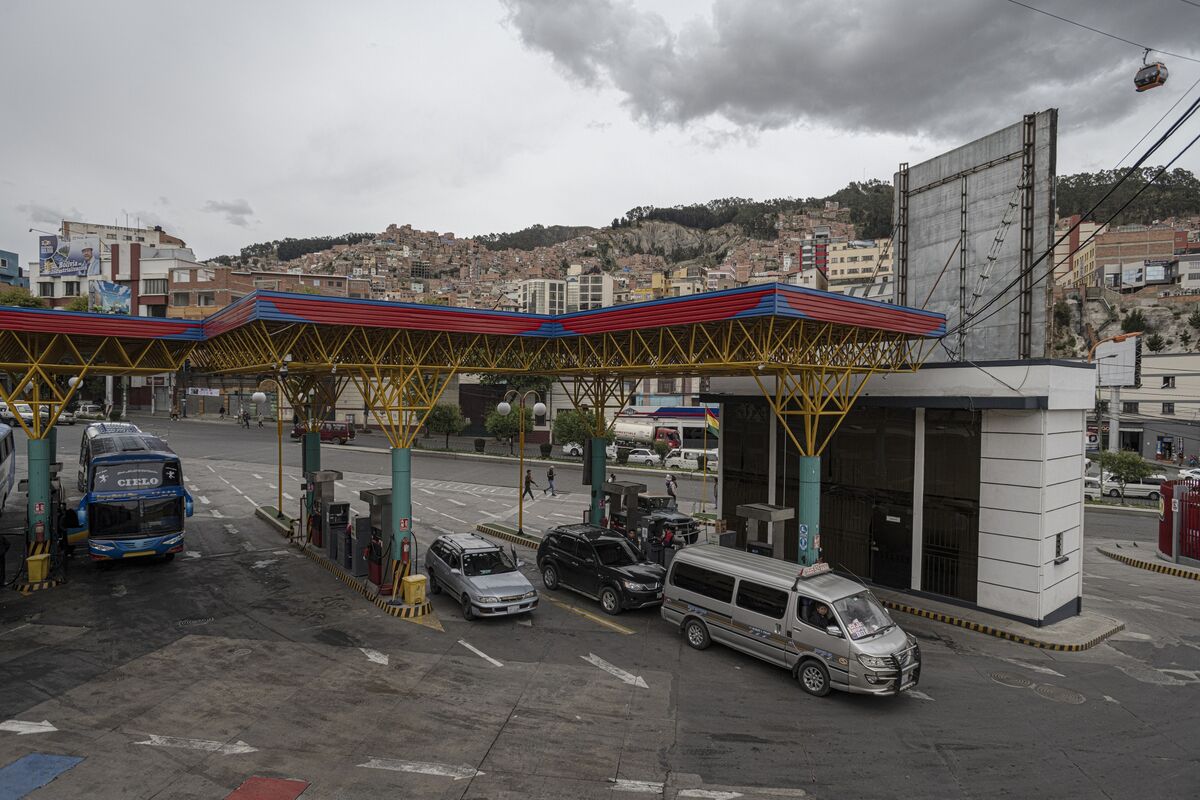
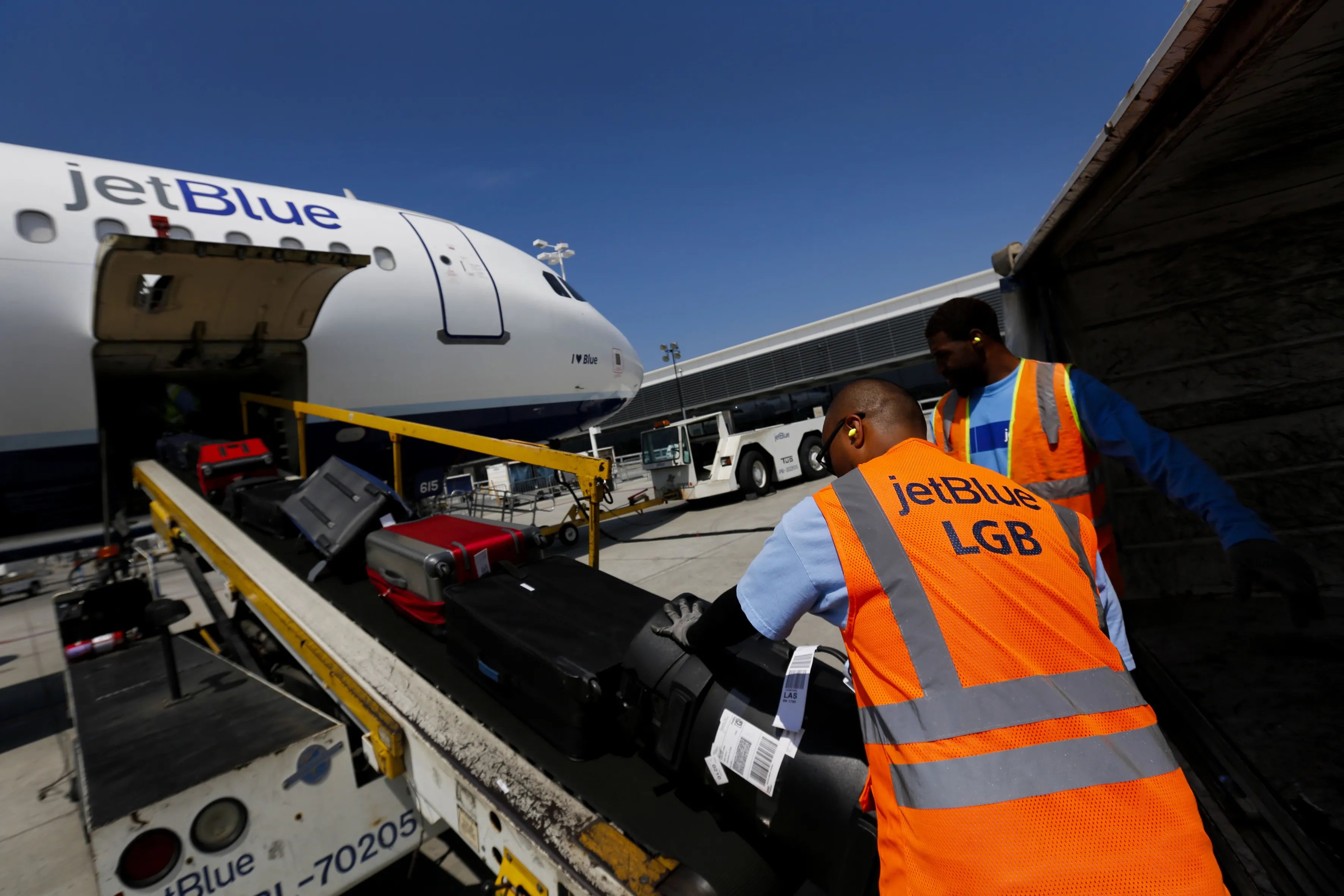
The average U.S. gallon of regular gasoline has risen from $3.21 to $3.79 since Iran's naval guards began turning tankers away from the strait, according to AAA data released Wednesday. Brent crude futures closed at $94.60 a barrel, up $11.40 from the day the waterway was effectively shut.
London Invites 35 Navies but Keeps the Agenda Secret
Foreign Secretary David Lammy's office sent encrypted invitations Tuesday to the defense and foreign ministers of 35 countries, diplomats from three receiving capitals told Reuters. The meeting will be held Friday at Northolt Air Base outside London. The agenda, seen by Reuters, lists three items: "military escort options," "sanctions relief sequencing," and "third-party cease-fire guarantees," but assigns no country names to any item.
Trump Tells Allies U.S. Will Keep Bombing Unless Iran Blinks
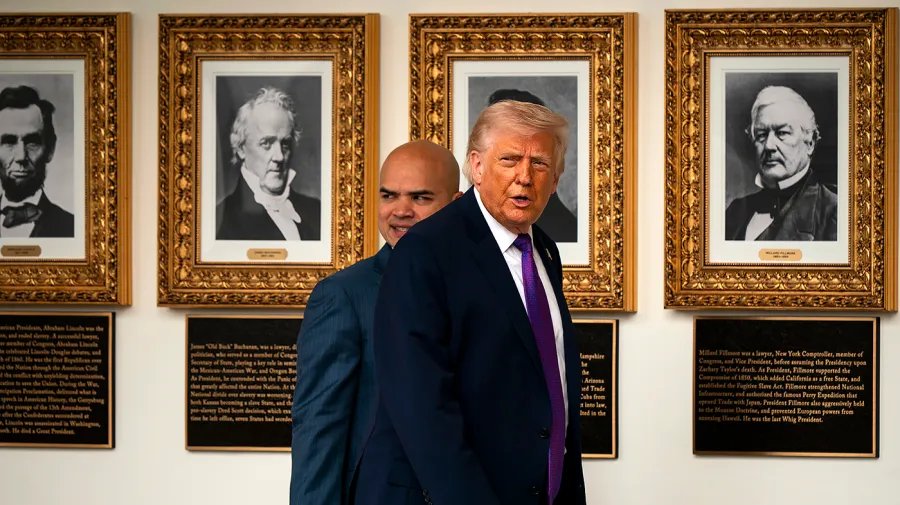
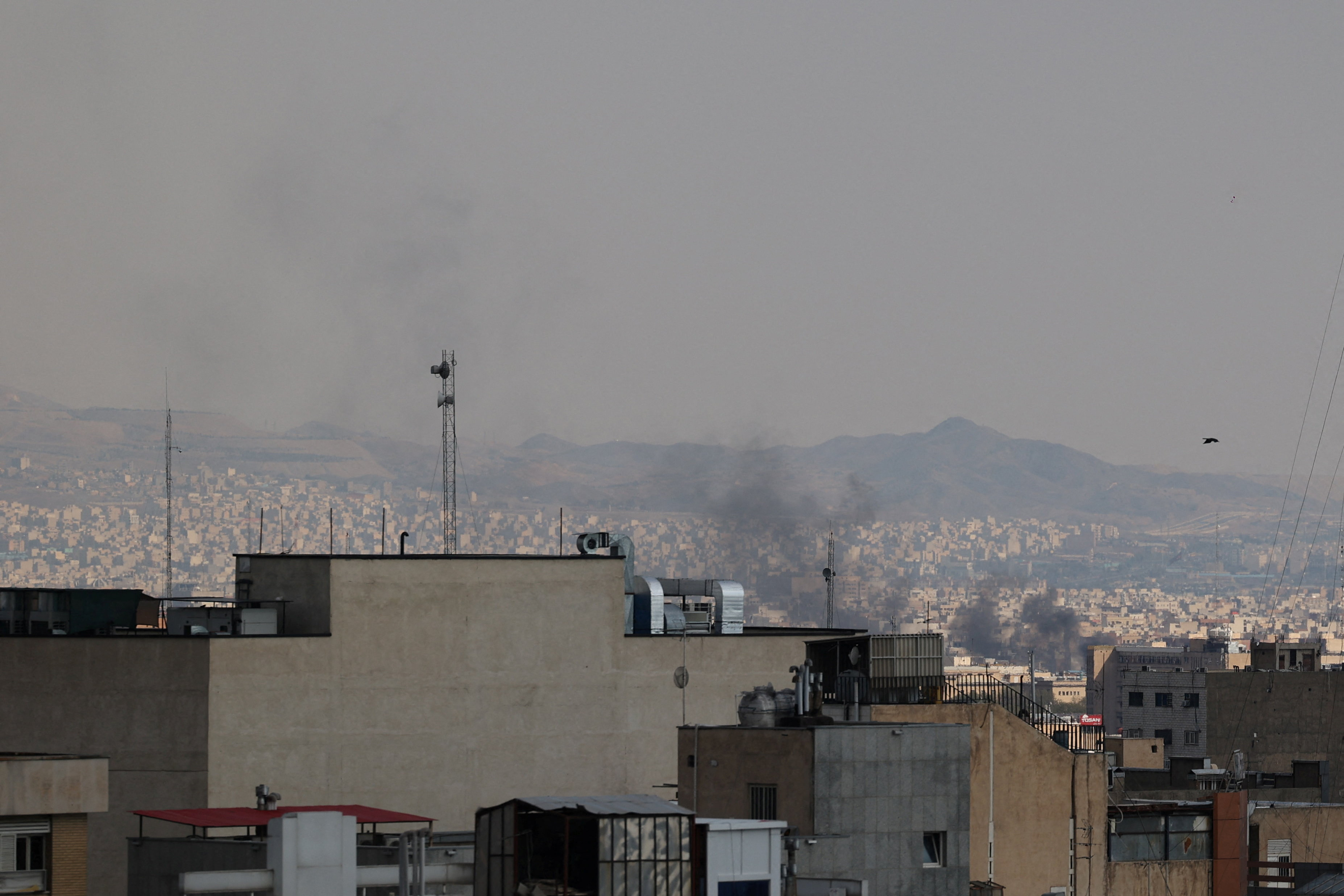
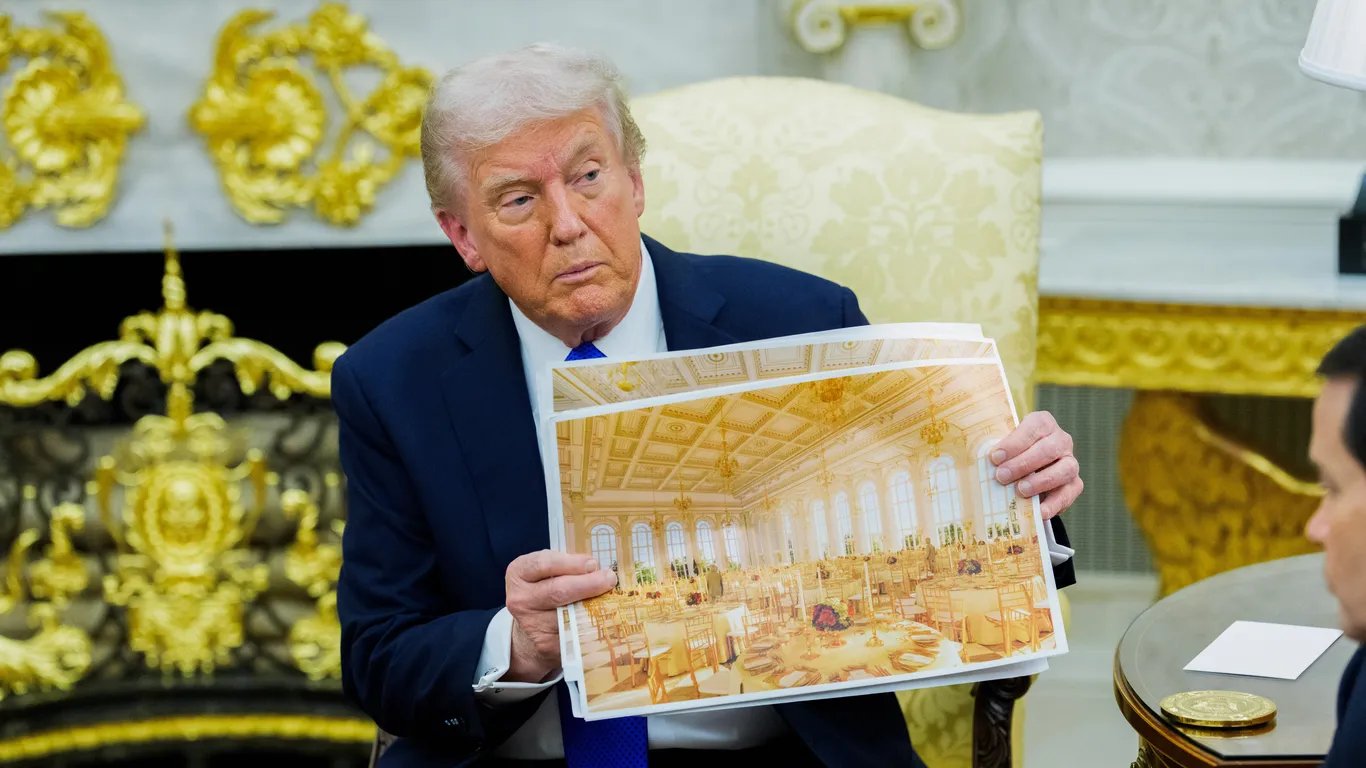
President Donald Trump said the U.S. will continue "blasting Iran into oblivion or, as they say, back to the Stone Ages!!!" until the strait reopens, according to a post on Truth Social. Trump posted on Truth Social that Iran "asked for a cease-fire," a claim Iran's Foreign Ministry called "false and baseless" within 47 minutes.
Tehran Demands Cash for Safe Passage
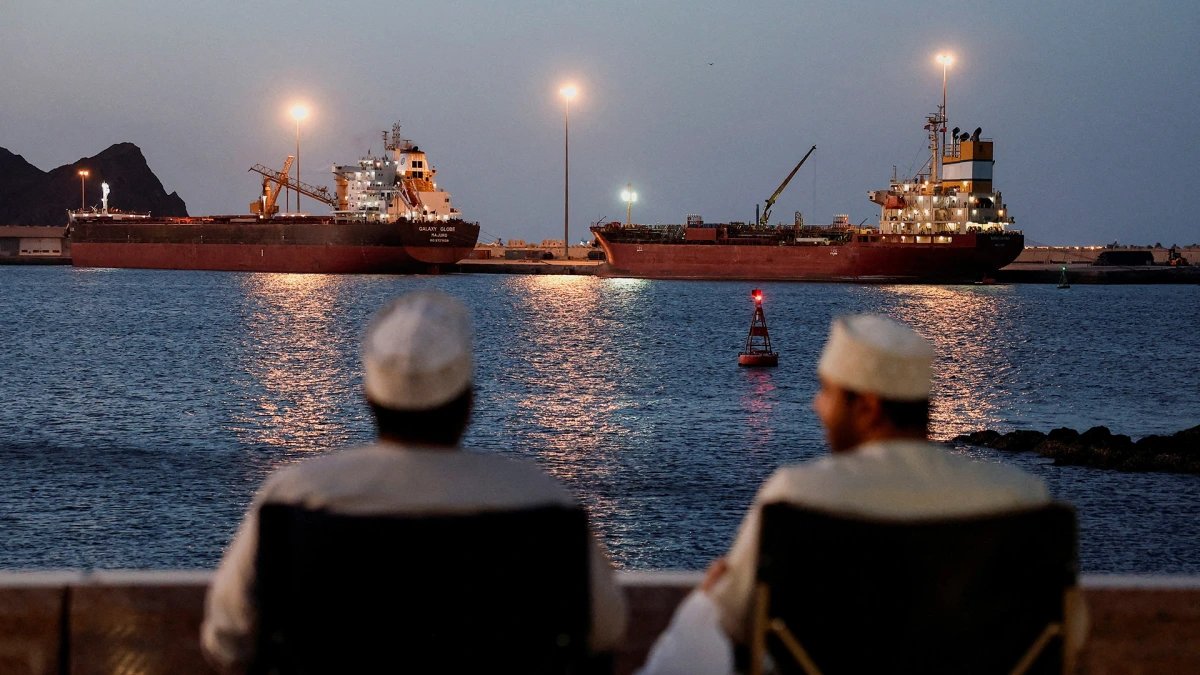
Iranian patrol craft this week began radioing tankers to offer "safe-conduct certificates" for $250,000 per cargo, payable through Omani banks, ship captains told France 24. Three vessels operated by Indian, Vietnamese and Greek owners have already paid, according to Lloyd's List Intelligence. Iran's Foreign Minister Abbas Araghchi told state TV the certificates are "a down payment on reparations owed for decades of U.S. sanctions," not tolls.
Macron Warns a Naval Push Could Sink the World Economy
French President Emmanuel Macron, speaking to reporters after a Franco-German defense council, said attempting to reopen the strait "by purely military means is unrealistic and risks a wider war that would close Hormuz for months." France will attend Friday's talks but will not join any escort mission unless it is backed by a UN resolution and includes Russian and Chinese participation, an Élysée official said.
Rubio Shrugs: U.S. Needs the Lane Less Than Asia
Secretary of State Marco Rubio told Fox News on Tuesday that the United States depends "very little" on Hormuz because American shale exports now exceed imports from the Gulf. The comment drew immediate pushback from Japan and South Korea, which each import more than 2 million barrels a day through the strait. South Korea's Vice Foreign Minister Lee Chang-yang flew to Washington Wednesday carrying a letter from President Yoon Suk-yeol urging U.S. protection for Korean tankers.
Asian Buyers Split Between Backing Trump and Paying Iran
China, Japan, India and South Korea are pursuing rival tracks, Asian diplomats told Bloomberg. Beijing and Islamabad on Tuesday floated a peace initiative pairing a phased U.S. cease-fire with Iranian traffic control, while Tokyo is quietly offering to bankroll a Gulf naval escort coalition under U.S. command. India's Foreign Secretary Vikram Misri spoke to Iran's Araghchi Wednesday and received assurances that "Indian-flagged vessels will not be impeded," a statement that sent the Sensex up 2.1 percent.
Bahrain's UN Resolution Stalls Over Russia's Veto Threat
Bahrain circulated a draft resolution Monday calling for "freedom of navigation through the Strait of Hormuz" and authorizing member states to use "all necessary measures," but Russia's deputy UN ambassador Dmitry Polyanskiy told the Security Council Moscow will veto any text that does not also condemn U.S. strikes on Iranian ports, diplomats told Reuters. The vote, initially set for Thursday, has been postponed to give London more time to line up backers at Friday's summit.
What Happens Next
Friday's London meeting is scheduled to end with a communiqué that either announces a multinational naval escort plan—similar to the 1980s Tanker War reflagging—or sets a seven-day deadline for Tehran to reopen the strait under threat of further sanctions. Shipping insurers have already warned that war-risk premiums for Gulf voyages will triple to 3 percent of cargo value if no accord is reached by Sunday night, a cost that would add roughly 15 cents to every gallon of gasoline imported to Europe.