Israeli fire killed six people in Gaza and the West Bank, according to medics, marking another escalation in the ongoing conflict. The deaths occurred as Israeli forces continue operations across the territories.
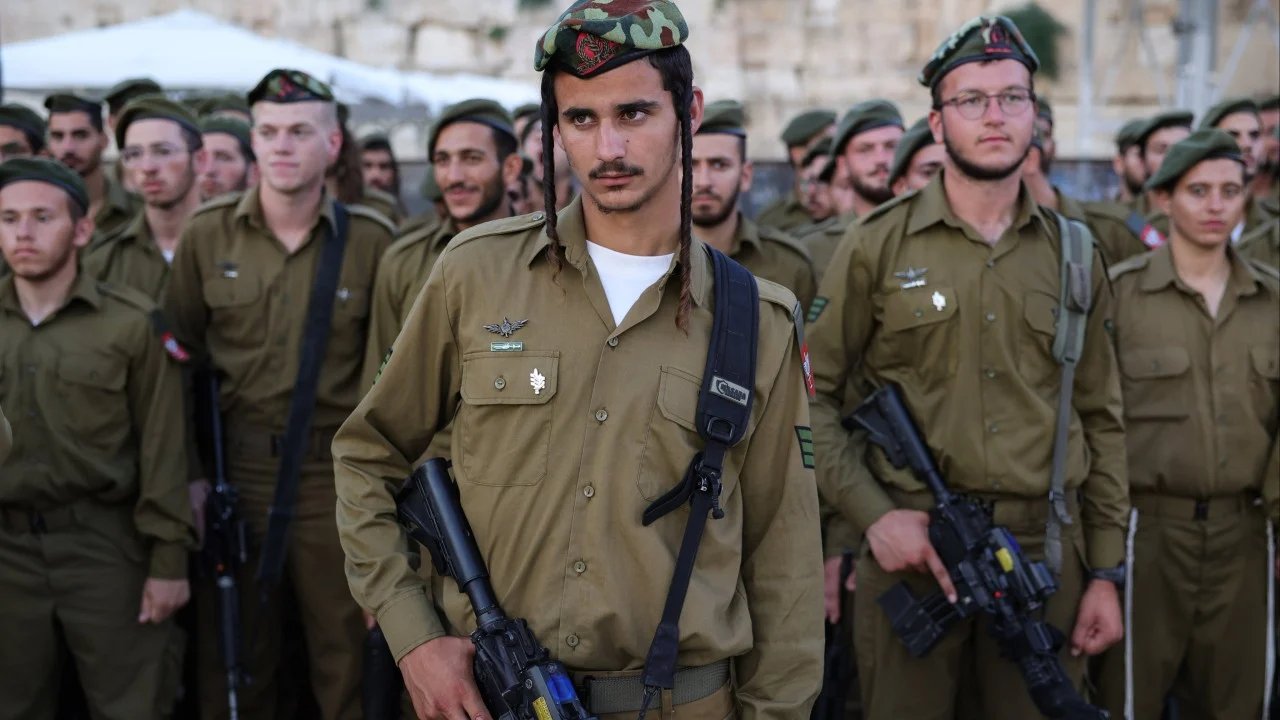
The Israeli military announced on Monday, March 30, 2026, the suspension of the Netzah Yehuda battalion after soldiers assaulted a CNN crew in the West Bank. The unit, composed of ultra-Orthodox soldiers, approached the news team with guns raised and yelled at them. A CNN producer was placed in a chokehold during the incident, which was captured on camera and circulated widely online.
Netzah Yehuda has been linked to abuses of Palestinian civilians in the past. Following an earlier incident, the Israeli military called it "a grave and unfortunate event," reprimanded one officer, and reassigned two others before moving the unit out of the West Bank that year.
The CNN crew had been preparing a report on settler violence in the West Bank village when the assault occurred. Settler violence in the territory has surged, with at least nine Palestinians killed by Israeli settlers this year according to UN data. Punishment of Israeli settlers for violence against Palestinians remains rare.
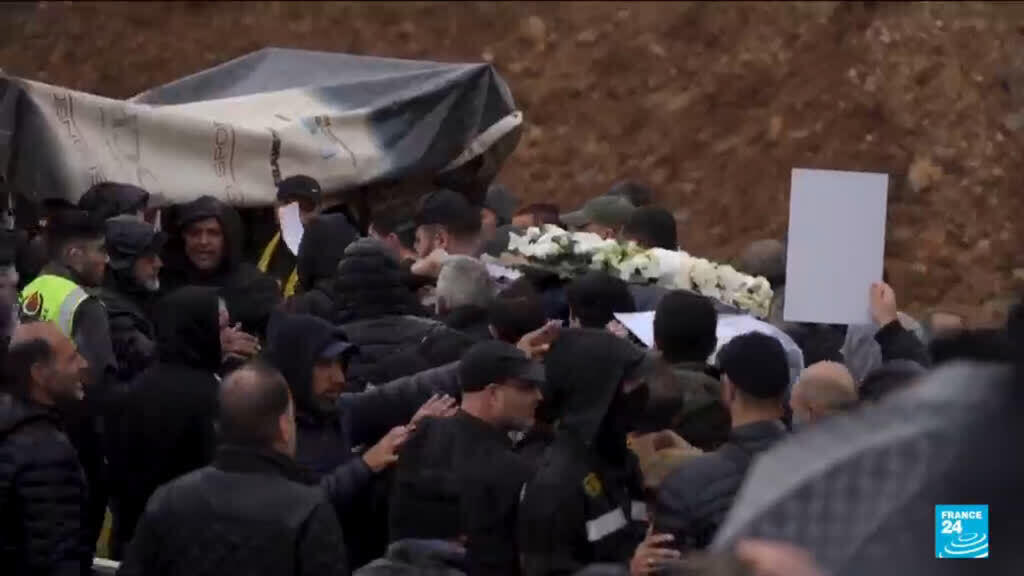
Three journalists died in the Israeli airstrike in southern Lebanon: Ali Hassan Shaib, photojournalist Mohamad Ftouni, and his sister Fatima Ftouni. The Israeli military stated it had targeted Shaib, calling him "a terrorist in the intelligence unit of Hezbollah's Radwan Force," though it did not provide evidence of his participation in military actions.
Sara Qudah, the Committee to Protect Journalists Middle East and North Africa regional director, stated that journalists working for media outlets affiliated with Hezbollah remain civilians protected under international military law. "Journalists are considered civilians, and therefore they are protected from any kind of attacks unless they were in any way participating in conflict with an army," Qudah said. The Israeli military did not claim to have targeted Fatima Ftouni, instead stating that it "directs its strikes to target terrorists and not journalists, and is operating to mitigate harm to civilians as much as possible."
Fatima Ftouni survived the initial strike on her vehicle and attempted to escape before being killed in a second strike minutes later. Video footage shows her trying to flee the car after it was targeted. Qudah noted that five journalists have been killed in Lebanon so far, and at least four media outlets' buildings have been destroyed by Israeli strikes.
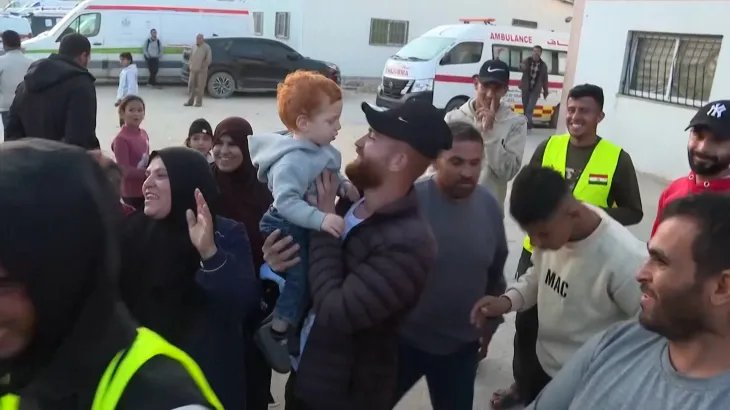
Thousands of Palestinians remain missing from Gaza as families struggle with uncertainty about whether their relatives are dead or detained. Tahrir Abu Mady holds a death certificate for her daughter Malak, a 20-year-old university student and volunteer nurse at Nasser Hospital who went missing when Israeli ground forces advanced into Khan Younis. Human remains were recovered from the family's damaged home, prompting Gaza's Ministry of Health to issue the death certificate.
Months later, a list of prisoners released by recently freed Palestinian detainees included Malak's name with the notation "No information available." Tahrir attempted to hire a lawyer in the Palestinian-majority city of Umm al-Fahm in Israel to locate her daughter within the Israeli prison system, but could not afford the legal fees.
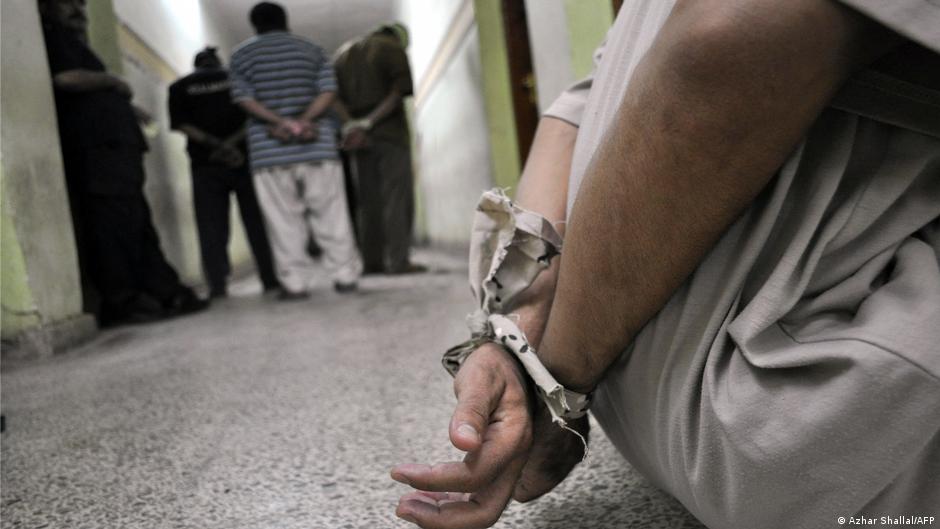
Maha al-Husseini, a researcher at the Euro-Med Human Rights Monitor, said such cases reflect a broader pattern. "We estimate the number of those forcibly disappeared as around 3,000 people," al-Husseini said. "Most of those are unknown if they were dead or inside Israeli jails, because the Israeli authorities refuse to provide any information regarding these people." Families remain trapped between official death certificates and prisoner lists, unable to properly mourn or advocate for their relatives.
Israeli fire killed six people in Gaza and the West Bank, according to medics, marking another escalation in the ongoing conflict. The deaths occurred as Israeli forces continue operations across the territories. An Israeli airstrike in southern Lebanon also killed three journalists and multiple paramedics over the weekend, expanding the toll of the military campaign across the region.
The Israeli military suspended the Netzah Yehuda battalion on Monday after soldiers assaulted a CNN crew in the West Bank village of Tayasir last week. The unit, composed of ultra-Orthodox soldiers, approached the news team with guns raised and yelled at them. A CNN producer was placed in a chokehold during the incident, which was captured on camera and circulated widely online.
The suspension represents a rare case of military punishment for soldier misconduct. Netzah Yehuda has a documented history of abuses against Palestinian civilians, including the death of a 78-year-old Palestinian American man after his detention by the battalion's forces in 2022. Following that earlier incident, the Israeli military called it "a grave and unfortunate event," reprimanded one officer, and reassigned two others before moving the unit out of the West Bank that year.
The CNN crew had been preparing a report on settler violence in the West Bank village when the assault occurred. Settler violence in the territory has surged, with at least nine Palestinians killed by Israeli settlers this year according to UN data. Punishment of Israeli settlers for violence against Palestinians remains rare.
Three journalists died in the Israeli airstrike in southern Lebanon: Ali Hassan Shaib, photojournalist Mohamad Ftouni, and his sister Fatima Ftouni. The Israeli military stated it had targeted Shaib, calling him "a terrorist in the intelligence unit of Hezbollah's Radwan Force," though it did not provide evidence of his participation in military actions.
Sara Qudah, the Committee to Protect Journalists Middle East and North Africa regional director, stated that journalists working for media outlets affiliated with Hezbollah remain civilians protected under international military law. "Journalists are considered civilians, and therefore they are protected from any kind of attacks unless they were in any way participating in conflict with an army," Qudah said. The Israeli military did not claim to have targeted Fatima Ftouni, instead stating that it "directs its strikes to target terrorists and not journalists, and is operating to mitigate harm to civilians as much as possible."
Fatima Ftouni survived the initial strike on her vehicle and attempted to escape before being killed in a second strike minutes later. Video footage shows her trying to flee the car after it was targeted. Qudah noted that five journalists have been killed in Lebanon so far, and at least four media outlets' buildings have been destroyed by Israeli strikes.
Thousands of Palestinians remain missing from Gaza as families struggle with uncertainty about whether their relatives are dead or detained. Tahrir Abu Mady holds a death certificate for her daughter Malak, a 20-year-old university student and volunteer nurse at Nasser Hospital who went missing when Israeli ground forces advanced into Khan Younis in 2024. Human remains were recovered from the family's damaged home, prompting Gaza's Ministry of Health to issue the death certificate.
Months later, a list of prisoners released by recently freed Palestinian detainees included Malak's name with the notation "No information available." Tahrir attempted to hire a lawyer in the Palestinian-majority city of Umm al-Fahm in Israel to locate her daughter within the Israeli prison system, but could not afford the legal fees.
Maha al-Husseini, a researcher at the Euro-Med Human Rights Monitor, said such cases reflect a broader pattern. "We estimate the number of those forcibly disappeared as around 3,000 people," al-Husseini said. "Most of those are unknown if they were dead or inside Israeli jails, because the Israeli authorities refuse to provide any information regarding these people." Families remain trapped between official death certificates and prisoner lists, unable to properly mourn or advocate for their relatives.
Highlighted text was flagged by the council. Tap to see feedback.












The source article specifies that Maha al-Husseini, a researcher at the Euro-Med Human Rights Monitor, estimates that around 3,000 people have been forcibly disappeared.