Israel's parliament approved a 2026 budget early Monday, which includes a $10 billion increase in military spending. This decision reflects the nation's ongoing military engagements on multiple fronts, particularly in light of the conflict with Iran. The budget passed with 62 votes in favor and 55 against, narrowly avoiding a government collapse and potential snap elections that would have ensued if the budget had not been approved by the end of March.
To support the increased defense budget, which now totals over 142 billion shekels, the government plans to rely on additional borrowing and cuts in civilian spending.
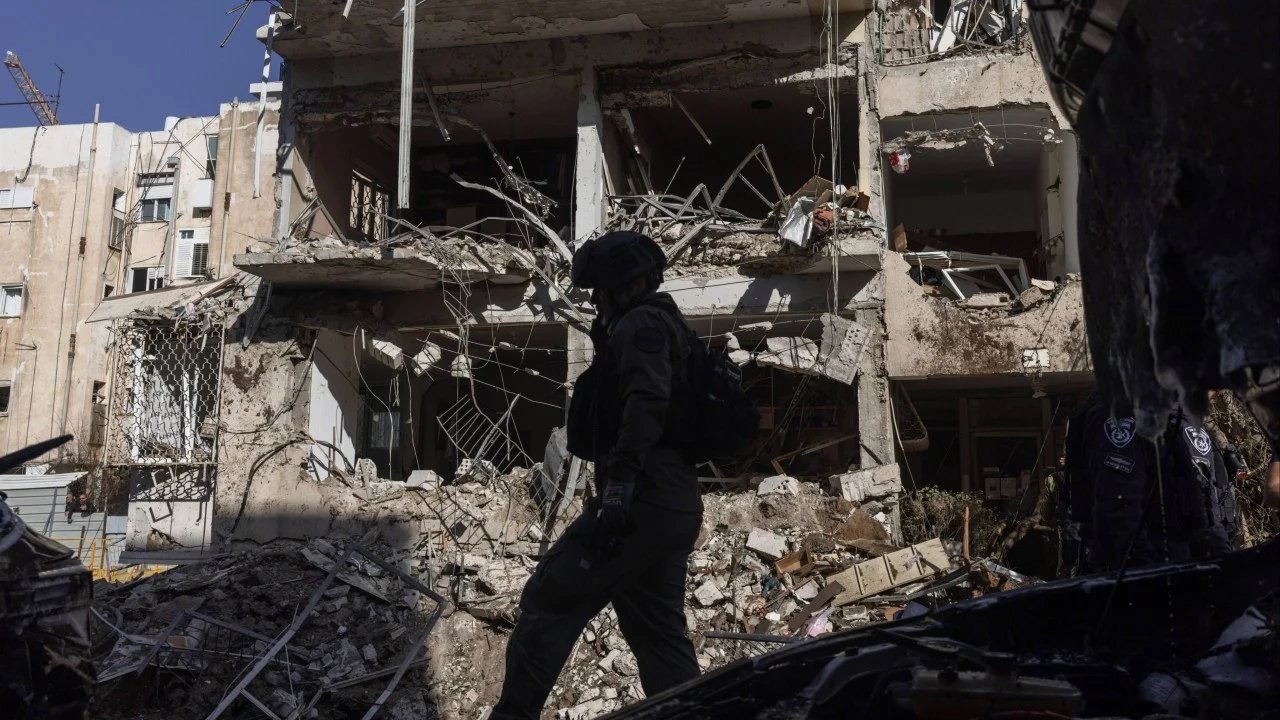
The increase in defense spending is largely attributed to the ongoing military campaign dubbed Operation 'Roaring Lion,' a reference to Israel's current war with Iran. This operation has prompted more than 30 billion shekels, or about $9.6 billion, to be added to the defense ministry's budget. The parliament's statement highlights that this funding aims to bolster Israel's military readiness in the face of heightened regional tensions.
Critics of the budget have characterized the increase as "the greatest theft" in Israel's history, arguing that the government is prioritizing military funding over essential public services. This sentiment reflects a growing discontent among opposition lawmakers, who fear that the significant allocation of resources to the military will detract from necessary investments in civilian infrastructure and welfare.
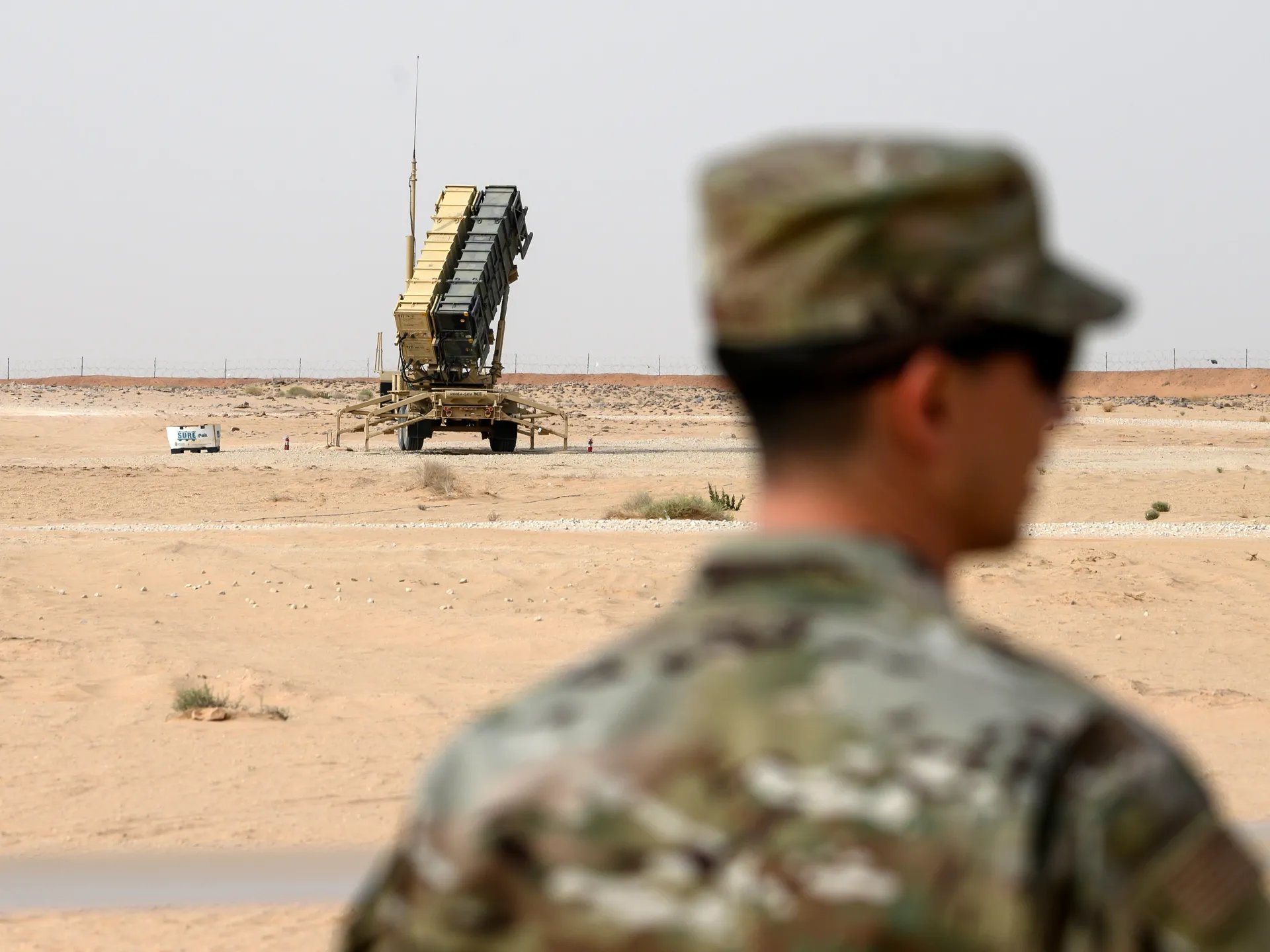
The decision to increase military spending is not only a domestic issue but also has broader implications for regional security. The allocation of an additional $10 billion to the defense budget signals Israel's commitment to maintaining a robust military posture amidst escalating threats.
Israel's parliament approved a 2026 budget early Monday, which includes a $10 billion increase in military spending. This decision reflects the nation’s ongoing military engagements on multiple fronts, particularly in light of the conflict with Iran. The budget passed with 62 votes in favor and 55 against, narrowly avoiding a government collapse and potential snap elections that would have ensued if the budget had not been approved by the end of March.
The overall expenditure budget for 2026 is approximately 850 billion Israeli shekels, equivalent to about $270 billion. To support the increased defense budget, which now totals over 142 billion shekels, the government plans to rely on additional borrowing. This funding strategy comes at a cost, as it necessitates cuts in civilian spending, raising concerns about the impact on public services.
The increase in defense spending is largely attributed to the ongoing military campaign dubbed Operation 'Roaring Lion,' a reference to Israel's current war with Iran. This operation has prompted more than 30 billion shekels, or about $9.6 billion, to be added to the defense ministry's budget. The parliament's statement highlights that this funding aims to bolster Israel's military readiness in the face of heightened regional tensions.
Critics of the budget have characterized the increase as "the greatest theft" in Israel’s history, arguing that the government is prioritizing military funding over essential public services. This sentiment reflects a growing discontent among opposition lawmakers, who fear that the significant allocation of resources to the military will detract from necessary investments in civilian infrastructure and welfare.
The decision to increase military spending is not only a domestic issue but also has broader implications for regional security. The allocation of an additional $10 billion to the defense budget signals Israel's commitment to maintaining a robust military posture amidst escalating threats. This move may influence the dynamics of regional conflicts and Israel's relationships with neighboring countries, particularly as it continues to confront threats from Iran and other adversaries.
As Israel prepares for a year of heightened military engagement, citizens may feel the effects of budget cuts in civilian sectors. Lawmakers and government officials will need to navigate the delicate balance between national security and the welfare of the population. The implications of this budget increase will likely be felt across various sectors, making it critical for citizens to remain informed about how these financial decisions will impact their daily lives.
Highlighted text was flagged by the council. Tap to see feedback.













The sources also report that the proposed total expenditure budget for 2026 amounts to around 850 billion Israeli shekels (US$270 billion), which the summary omits.